2027 Most Affordable Online Master's in Healthcare Degree Programs Ranking in North Dakota

Co-Founder and Chief Data Scientist
For students in North Dakota seeking to advance their careers, obtaining a healthcare degree can open doors to rewarding opportunities. Choosing the right program is essential for balancing quality education with affordability.
This article features the 2027 Most Affordable Online Master's in Healthcare Degree Programs Ranking in North Dakota, developed by the Research.com team of data scientists. It aims to guide you through the best options so you can make an informed decision about your education.
Explore this ranking to find affordable programs that fit your goals and lifestyle, helping you take the next step with confidence.
Key benefits of getting online healthcare degree in North Dakota
- Salary for healthcare degree graduates: Healthcare Consultants in North Dakota earn a mean annual wage of $115,530 and an hourly wage of $55.54, while Healthcare Compliance Managers make around $80,190 annually or $38.55 per hour, showing strong earning potential in the field.
- Potential career paths: Graduates from the University of North Dakota often pursue roles like healthcare consulting and compliance management, which offer diverse opportunities in both patient care and administration within local hospitals and health organizations.
- Online degree benefits: Earning a healthcare degree online from institutions like North Dakota State University allows flexible schedules and reduces commuting time, making it easier for working adults to advance their careers without disrupting their daily lives.
- 2027 Most Affordable Online Master's in Healthcare Degree Programs Ranking in North Dakota
- What can I expect from online healthcare degree in North Dakota?
- Where can I work with online healthcare degree in North Dakota?
What can I expect from online healthcare degree in North Dakota?
The average cost of an online healthcare degree in North Dakota typically ranges from $300 to $500 per credit hour, making it a relatively affordable option compared to on-campus programs. For example, graduates from prominent institutions like the University of North Dakota often report manageable tuition expenses combined with accessible financial aid, which eases the overall investment. These costs reflect the state's commitment to providing quality education while accommodating students balancing work and family responsibilities.
Students pursuing nursing or healthcare administration degrees online appreciate the flexibility to study during evenings and weekends, enabling them to continue earning an income while advancing their education. Many find that the interactive nature of courses-with video lectures and virtual labs-enhances their learning without sacrificing quality, even though they may face local, in-person clinical requirements.
Graduates often highlight the value of obtaining a regionally accredited degree, as required by the North Dakota Board of Nursing for licensure, from schools such as North Dakota State University. They express confidence entering a growing job market, where healthcare support occupations are projected to increase by about 10% through 2030, making their education a solid investment.
Where can I work with online healthcare degree in North Dakota?
Graduates with online healthcare degrees from institutions such as the University of North Dakota and North Dakota State University consistently find diverse employment opportunities statewide. Hospitals like Sanford Health and Essentia Health employ many alumni in roles ranging from nursing to clinical informatics, showcasing the practical relevance of online programs.
Healthcare graduates often secure positions in outpatient clinics and rural health centers, where telehealth and patient management skills gained online are in high demand. These real-world placements allow graduates to contribute directly to improving access in underserved communities, reinforcing their sense of purpose and professional fulfillment.
Public health agencies, including the North Dakota Department of Health, frequently recruit individuals with expertise in health education and epidemiology. Graduates report feeling empowered working on initiatives such as chronic disease prevention and emergency preparedness.
Moreover, online degree holders excel in healthcare administration within nursing homes and long-term care facilities, leveraging leadership coursework to manage care efficiently in a state with a growing aging population. Opportunities also exist in health informatics and data analysis, where graduates apply technology skills to optimize patient outcomes across systems.
Graduates with online healthcare degrees in North Dakota typically find rewarding salary opportunities, reflecting stable demand in the state's healthcare sector. For example, healthcare consultants, a common role for those with advanced healthcare education from institutions like the University of North Dakota, earn a mean annual wage of about $115,530. This competitive figure highlights the value of specialized knowledge combined with regional industry needs.
Those working as healthcare compliance managers, a position accessible through online programs at North Dakota State University, see mean annual wages near $80,190. These roles often appeal to graduates seeking to impact healthcare quality and regulatory adherence while enjoying solid financial returns.
Graduates frequently describe the balance of affordable living costs near Fargo or Grand Forks combined with these salary levels as a major benefit. Many appreciate how applying their skills locally leads to both professional growth and comfortable lifestyles, especially given the growing healthcare facilities and rural opportunities in North Dakota.
- Tuition for online healthcare master's degrees in North Dakota ranges from $8,000 to $15,000, which is below the national average.
- Starting salaries for graduates with healthcare master's degrees are typically between $55,000 and $65,000 annually.
- Experienced healthcare professionals in the state can earn over $90,000 per year, especially in specialized or leadership roles.
- Healthcare employment in North Dakota is projected to grow by about 14% over the next decade.
- Many accredited online programs offer flexible schedules and provide access to local clinical experiences for practical training.
Completing an online healthcare degree in North Dakota typically takes about four years for bachelor's programs like nursing or health administration when studied full-time. Many students appreciate the flexibility offered by schools such as the University of North Dakota, which enables them to balance work and family commitments while progressing at their own pace.
Master's degrees, including the Master of Health Administration or Master of Science in Nursing, generally require 1.5 to 3 years full-time. Graduates often highlight how part-time options at North Dakota institutions allowed them to maintain employment while advancing their careers, sometimes extending the program up to four years without feeling overwhelmed.
Factors influencing completion times include credit requirements-often between 30 and 60 for master's degrees-enrollment status, and availability of accelerated courses. For example, some students finish faster by taking year-round classes or transferring relevant credits earned previously.
Practical experience, such as clinical internships, is integrated into many programs, adding valuable real-world skills without significantly delaying graduation. This approach leaves graduates feeling prepared and confident stepping into North Dakota's growing healthcare job market.
Navigating the complex landscape of online healthcare education can be overwhelming without a clear plan for moving forward. To ensure that your educational investment truly aligns with both your career ambitions and financial situation, we recommend taking time to assess not only the program curricula and faculty expertise but also the support services each institution offers. A solid strategy involves comparing not only the reputability of the institutions but also reading recent alumni success stories and industry news, which can give you a more dynamic picture of your future in healthcare. Additionally, prospective students aiming to balance quality education with cost-effectiveness might find exploring affordable healthcare programs in north dakota especially helpful. By integrating actionable research with expert guidance, you can confidently transition from contemplating your educational pathway to taking definitive steps toward enrollment, financial planning, and ultimately launching a rewarding healthcare career.
Online and on-campus healthcare degrees in North Dakota differ primarily in delivery and flexibility. Online programs, such as those offered by North Dakota State University, allow students to attend lectures and complete assignments remotely, which is especially beneficial for those juggling jobs or living in rural areas. Graduates often express appreciation for the convenience of asynchronous classes, which let them study on their own schedules without commuting.
In contrast, on-campus degrees require physical attendance for classes and clinical labs, fostering direct interaction with instructors and peers. This hands-on environment appeals to students who thrive on real-time support and structured learning. Both formats mandate clinical experience, but online learners complete practical training at local approved facilities, maintaining rigorous standards.
Cost is another key difference. In-state tuition at institutions like North Dakota State University averages around $9,000 annually for graduate healthcare programs. Online students may save on housing and travel but could face extra fees for digital resources. Many report that these savings, combined with schedule flexibility, enhance their overall satisfaction with their education path.
One of the key factors that sets successful online healthcare degree programs apart is the robust technological infrastructure and dedicated student support services available to every learner. Schools in North Dakota are increasingly investing in state-of-the-art online platforms that provide seamless access to course materials, virtual libraries, and interactive discussion forums, ensuring that students remain connected and engaged throughout their academic journey. Many institutions offer 24/7 technical assistance, virtual advising sessions, and personalized tutoring to help students overcome any challenges they face while navigating digital classrooms. Additionally, the availability of comprehensive tutorials and training sessions enables prospective students to learn how to use advanced digital tools effectively. For those curious about other aspects of degree planning, you can explore details on how long is a healthcare administration degree, which further highlights the importance of aligning academic goals with support resources. Overall, the integration of innovative technology with proactive student support not only enhances the educational experience but also plays a pivotal role in the career readiness of online healthcare graduates.
The average cost of an online healthcare degree in North Dakota generally centers around a median total cost of approximately $32,760. This figure reflects a balance between in-state tuition, typically lower due to public university subsidies, and potential additional fees tied to online program delivery. Graduates from well-known institutions such as the University of North Dakota and North Dakota State University often highlight the affordability combined with quality education as a significant motivator in their decision to pursue healthcare degrees online.
Students enrolling in public universities benefit from some of the most competitive tuition rates in the region, making these schools a popular choice for those concerned with managing education expenses. For example, graduates frequently share how the relatability of faculty and flexible scheduling helped them maintain their careers while advancing academically. Prospective students looking for affordable healthcare master's programs North Dakota can explore various options, as some programs also offer scholarships or discounted rates to ease financial burdens.
Out-of-state students should be aware tuition can be considerably higher, sometimes up to double the in-state rates, especially at private institutions where costs may range between $20,000 and $30,000 annually. Additional expenses such as books and clinical practicums should also be factored in, impacting the total investment required for successful program completion.
For those interested in evaluating cost-effective opportunities, reviewing resources provided by the North Dakota University System and individual campuses is crucial. Detailed information about online degree pricing and comprehensive program cost estimates can be accessed through official channels. To identify the most suitable and affordable option, also consider exploring affordable healthcare programs in north dakota, which feature carefully vetted listings tailored to the region's unique market.

Online healthcare master’s programs in North Dakota ensure essential hands-on training through supervised clinical practicums that align with licensure standards. Most programs require 140–200 hours of direct patient care under qualified preceptors. Key components include:
- Local placement coordination: Schools assist in finding sites at hospitals, clinics, or public health agencies near you.
- Supervision and evaluation: Experienced practitioners mentor you, provide feedback, and assess performance through structured checklists.
- Compliance essentials: You must complete background checks, immunizations, and health screenings before starting your practicum.
- Documentation and review: Hours are logged in an online portal; final evaluations confirm your readiness for licensure.
For students prioritizing both cost and clinical experience, exploring an affordable healthcare administration degree online can provide robust practicum support along with budget-friendly tuition.
Students pursuing online healthcare degrees in North Dakota often rely on a mix of federal, state, and institutional financial aid to offset costs, which can range significantly depending on the program. Graduate students frequently utilize federal loans such as Direct Unsubsidized and Grad PLUS Loans, with interest rates typically between 6-7%, to manage tuition. Completing the FAFSA is a critical first step for eligibility.
Within North Dakota, residents benefit from targeted programs like the Healthcare Workforce Student Loan Forgiveness Program, which many graduates from the University of North Dakota and North Dakota State University highlight as pivotal in reducing debt while committing to work in underserved rural areas.
Institutional scholarships and assistantships also provide meaningful support, especially at healthcare-focused institutions that partner with local employers. These employers often offer tuition reimbursement, making it feasible for working professionals to advance their education without sacrificing income.
Furthermore, professional organizations such as the American Nurses Association occasionally award scholarships, which past recipients describe as motivating and financially relieving in their journey.
Thriving in an online healthcare program requires not only academic diligence but also a strategic approach to managing coursework, technology, and personal wellness. To maximize success, students should develop a consistent study schedule that incorporates dedicated time for reading, assignments, and interactive online sessions. Utilizing digital tools such as calendar apps and study planners can help in organizing deadlines and tracking progress while reducing the stress associated with juggling multiple responsibilities. Additionally, engaging with peers through virtual study groups and forum discussions is essential for building a supportive network that facilitates collaborative learning and problem-solving. Many students have found that actively participating in online communities helps them overcome isolation and stay motivated throughout their educational journey. For those who are exploring various options, resources like affordable healthcare programs in north dakota can provide valuable insights into program cost, structure, and career outcomes, ensuring that prospective students make informed decisions. Furthermore, it's important to set realistic goals and practice self-care by balancing academic commitments with regular breaks and physical activity. Reaching out for help-whether from academic advisors, technical support teams, or mental health professionals-can make a significant difference in managing online learning challenges. By implementing these strategies, students can create a sustainable and fulfilling learning environment that not only boosts academic performance but also prepares them for long-term success in the healthcare field.
Enrolling in an online healthcare degree in North Dakota requires meeting specific academic and professional prerequisites designed to ensure readiness for advanced study. Applicants typically need at least a high school diploma or GED for undergraduate programs, while master's level degrees usually demand a related bachelor's degree from an accredited institution.
Graduates from programs like those at the University of North Dakota often share that completion of prerequisite courses-such as anatomy, physiology, microbiology, and chemistry-is essential. Many report that having hands-on healthcare experience before applying made the rigorous coursework more manageable and meaningful.
For advanced nursing or practice degrees, holding a valid professional license is mandatory. Some programs require GRE scores, although this can be waived based on prior academic success. Additionally, applicants should expect to provide letters of recommendation and a compelling statement of purpose, helping admissions committees gauge their motivation and fit.
Beyond academics, compliance with immunizations, background checks, and drug screenings reflects the real-world demands, especially for online students balancing work and study in North Dakota's healthcare market.
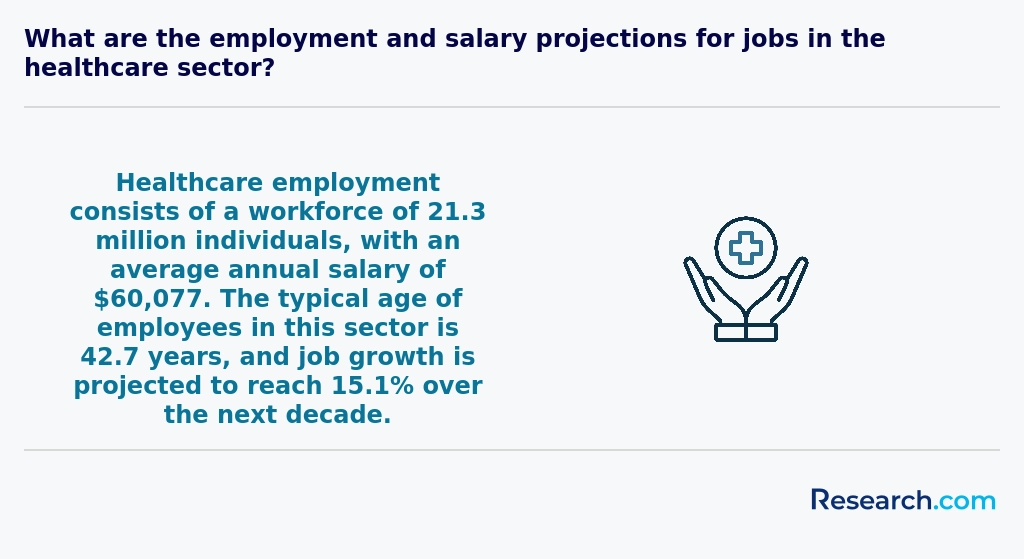
Understanding the return on investment (ROI) of an online healthcare master’s degree in North Dakota is crucial for making informed decisions. On average, graduates report a salary increase of 20–30% within two years of program completion, translating to an annual boost of $15,000–$25,000. When compared against the median program cost of $26,820, many students achieve payback within three to four years, especially those entering administrative or specialized nursing roles. Beyond salary gains, graduates benefit from reduced opportunity costs thanks to the flexibility of online formats. Working professionals can continue earning while studying, applying new skills in real time and accelerating career advancement. For example, healthcare administrators who leverage coursework in finance and policy often secure leadership positions with six-figure salaries, making the investment highly favorable over a typical 10-year career horizon. Prospective students should also consider regional benchmarks. While North Dakota’s programs offer competitive tuition, exploring additional options-such as our Most Affordable Online Healthcare Degree Programs Ranking in Peoria, IL-can reveal programs with similar outcomes at even lower cost. By comparing graduation rates, average debt, and post-graduation salaries across regions, students can maximize ROI and ensure their online healthcare degree delivers both professional growth and financial stability.
Online healthcare degree programs in North Dakota typically include core courses such as Healthcare Systems and Policies, where students study the U.S. healthcare framework with a focus on state-specific regulations affecting delivery in rural areas. Popular institutions like the University of North Dakota emphasize how these policies directly impact local healthcare access, helping graduates understand real-world applications.
Courses in Health Informatics prepare students to manage electronic health records and data security, skills graduates often praise for improving job readiness in hospitals and clinics adapting to digital systems. Meanwhile, Healthcare Management and Leadership classes build administrative competencies learners frequently report as vital when stepping into supervisory roles within North Dakota's healthcare settings.
Students also engage with Ethics and Legal Issues, a course that makes complex compliance scenarios relatable through case studies drawn from local healthcare providers. Additionally, Healthcare Quality and Safety training aligns with national standards, equipping learners to elevate patient care - a top priority for North Dakota's rural health workforce.
Finally, research-focused courses in Methods and Biostatistics empower students to critically analyze data, a skill graduates value for evidence-based decision-making in diverse healthcare environments across the state.
Online healthcare degree specializations in North Dakota include nursing, healthcare administration, public health, and health informatics, reflecting the state's diverse healthcare needs. Nursing remains the most prevalent, with tracks such as Nurse Practitioner, Nurse Educator, and Clinical Nurse Leader. Graduates from universities known for healthcare education in North Dakota often report feeling empowered by practical leadership skills, essential in addressing rural staffing challenges. Registered nurse employment in the state is projected to grow steadily, reinforcing the strategic value of advanced nursing education.
Healthcare administration programs focus on management and operational roles within healthcare facilities. Students gain expertise in budgeting, policy, and leadership, positioning them for high-demand roles across urban and rural areas. Prospective students often inquire about how long is a healthcare administration degree to manage their educational and career planning effectively. Tuition for these master's programs ranges between $20,000 and $40,000, making them accessible options for many North Dakota residents seeking affordable healthcare master's programs North Dakota offers.
Public health degrees cover epidemiology and community health issues, addressing the unique needs of Native and rural populations in North Dakota. Health informatics, a growing specialization, prepares students for roles in managing healthcare technology and telehealth expansions-critical in overcoming the state's geographic healthcare gaps.
- Nursing (Nurse Practitioner, Nurse Educator, Clinical Nurse Leader)
- Healthcare Administration
- Public Health
- Health Informatics
When selecting the best online healthcare degree in North Dakota, accreditation is fundamental. Programs accredited by the Commission on Accreditation of Healthcare Management Education (CAHME) or regional bodies like the Higher Learning Commission (HLC) ensure the degree is recognized and valuable in the job market. Graduates from institutions such as the University of North Dakota report that accredited programs enhance their employment prospects in the state's expanding healthcare sector.
Aligning your degree specialization with North Dakota's healthcare needs is crucial. Fields like nursing and health administration are particularly promising due to growing demand in rural health services. Graduates pursuing these areas often find increased job placement success, reflecting state trends reported by the North Dakota Center for Nursing.
Considering cost-efficiency, many students benefit from affordable online healthcare degree programs North Dakota offers, notably with competitive tuition and flat rates for online learners regardless of residency. Prospective students should explore options like financial aid or employer tuition assistance to minimize expenses.
Flexibility is another key factor since many North Dakota students balance work and study. Programs at schools like the University of North Dakota often provide asynchronous courses or evening classes, facilitating degree completion without compromising employment.
For a comprehensive view of cost-effective programs, refer to the Most Affordable Online Healthcare Degree Programs Ranking in Peoria, IL, which can offer insights transferable to North Dakota students.
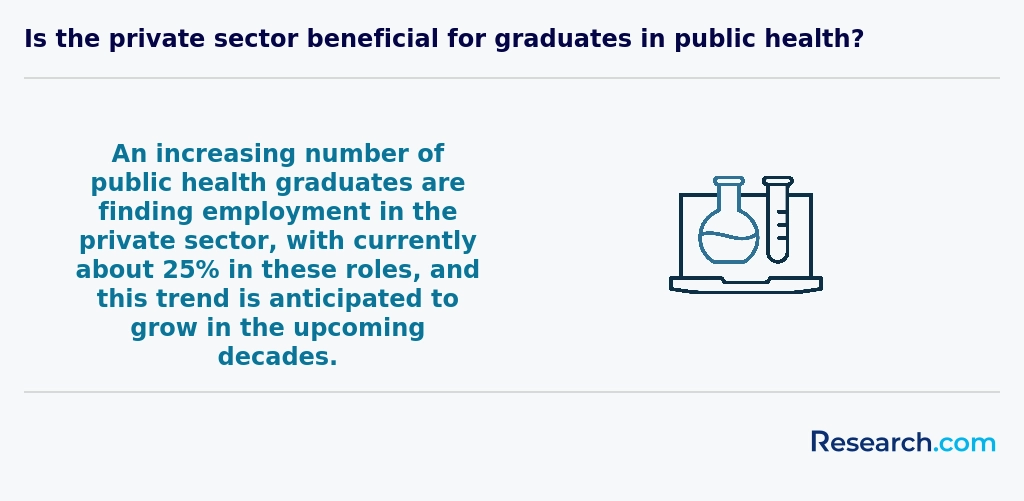
Graduates of online healthcare degrees in North Dakota have access to diverse career paths reflecting the state's expanding medical sector. Common options include roles as healthcare administrators or managers who oversee operations in clinics and hospitals, a field growing 28% nationally from 2021 to 2031. Many found success after studying at prominent local institutions, reporting rewarding experiences shaping rural healthcare access. Advanced nursing roles, such as nurse practitioners and educators, are also in demand, with graduates supporting underserved communities statewide, reflecting positive impacts shared by alumni from North Dakota's leading colleges.
Other pathways encompass health informatics specialists who manage electronic health records-a growing necessity as providers adopt new technology-and public health professionals engaged in policy and community programs addressing chronic diseases and substance abuse. These healthcare career opportunities in North Dakota align with data showing competitive salaries and steady growth. Students often explore college majors and jobs linked to these fields to strategically plan their futures and contribute meaningfully to statewide health outcomes.
The online healthcare job market North Dakota offers is robust, driven by steady demand for qualified professionals in both urban centers and rural communities. Graduates from institutions such as the University of North Dakota and North Dakota State University often find positions as registered nurses, healthcare managers, or nurse practitioners. Employers value the flexibility of online degree holders who often continue working while studying, which aligns well with the state's need for experienced, credentialed healthcare workers.
Healthcare degree employment outlook North Dakota is promising, with expected job growth of about 15% through 2030, outpacing national averages. Graduates typically see competitive salaries, with many earning around $70,000 annually and even higher in specialized roles. The combination of practical experience and an online master's degree enhances career prospects, especially in rural areas where healthcare access is limited.
Cost remains a consideration, but many students take advantage of programs offering reduced tuition or financial aid. Those seeking flexible, affordable pathways may explore the easiest associates degrees to get as a stepping stone into healthcare careers.
2027 Most Affordable Online Master's in Healthcare Degree Programs Ranking in North Dakota
Investing in your education is a significant decision that can shape your future, and the Research.com team understands the importance of making informed choices. To assist prospective students in North Dakota, we have meticulously crafted the "2027 Most Affordable Online Master's in Healthcare Degree Programs Ranking in North Dakota." Our commitment to quality, credibility, and accuracy is reflected in the extensive research and analysis conducted to compile this ranking.
We utilized the following reputable data sources to ensure a comprehensive evaluation of healthcare master's programs:
By exploring this ranking, readers will gain valuable insights into affordable and accessible online healthcare master's programs tailored for North Dakota residents, empowering them to make well-informed educational decisions. For more details on our methodology, please visit our Research.com methodology page.


Frequently Asked Questions About healthcare
Students pursuing online healthcare degrees in North Dakota can maximize their learning by actively engaging with digital course materials and participating in virtual discussions. Utilizing the state's robust broadband infrastructure helps ensure smooth access to lectures and resources. North Dakota's healthcare sector is growing rapidly, with a 15% projected increase in healthcare employment by 2030, according to the Bureau of Labor Statistics, making real-world knowledge especially valuable.
Connecting with local healthcare providers for internships or practicums can enhance practical skills. Additionally, leveraging state education resources, such as North Dakota University System's e-campus services, offers academic support tailored to online learners. Time management and disciplined study habits remain critical for success in remote learning environments.
The healthcare field in North Dakota is experiencing growth in several emerging niches driven by technological advances and demographic changes. One key area is telehealth, which expanded significantly during the COVID-19 pandemic and remains vital in serving rural populations. According to the North Dakota Department of Health, telemedicine usage increased by nearly 50% statewide in recent years.
Another promising niche is healthcare informatics, combining IT skills with healthcare knowledge to improve patient data management. The demand for professionals skilled in electronic health records and data analytics is rising steadily.
Additionally, geriatric care is becoming more important as North Dakota's population ages. Programs focusing on elder care and chronic disease management are growing to meet this demand.
Finally, behavioral health services are expanding, addressing the increasing awareness of mental health needs across the state. These niches offer strong career opportunities for those pursuing online healthcare degrees.
After completing an online healthcare degree in North Dakota, preparing for the job market involves several key steps. First, graduates should obtain any required state licensure or certifications relevant to their healthcare field. North Dakota's Department of Health provides guidelines on licensure processes for various professions.
Networking is also vital. Joining local professional organizations such as the North Dakota Medical Association or healthcare-specific groups can open job opportunities.
Internships or volunteer work within North Dakota's healthcare facilities help gain practical experience and local references.
With healthcare employment expected to grow by 21% nationally through 2031, according to the U.S. Bureau of Labor Statistics, graduates in North Dakota should emphasize continuing education and skill development to match this expanding job market.
Employers in North Dakota seek healthcare graduates with strong clinical skills and a solid understanding of patient care protocols. According to state workforce reports, proficiency in electronic health records (EHR) management is increasingly vital due to the growing digitalization of medical data.
Communication skills are highly valued, especially the ability to interact clearly with diverse patient populations in both urban centers like Fargo and rural areas. Critical thinking and problem-solving are essential for adapting to fast-paced healthcare settings.
Data from the North Dakota Department of Commerce highlights the demand for graduates familiar with healthcare regulations and compliance standards. Leadership and teamwork abilities also stand out, supporting collaborative environments common in the state's healthcare facilities.
Finding internships in North Dakota relevant to a healthcare degree involves several key steps. Start by exploring local healthcare providers, including hospitals like Sanford Health and Essentia Health, which are among the largest employers in the state. Many offer structured internship programs or clinical placements for students.
Contact your college's career services or academic advisors who often maintain connections with regional healthcare organizations. They can guide you to available opportunities and help with application processes.
Additionally, the North Dakota Department of Health and other public health agencies provide internships that offer hands-on experience in healthcare administration and policy. Websites such as the North Dakota Workforce Safety & Insurance portal also list healthcare internships periodically.
Researching and networking within local professional healthcare associations can further increase your chances of securing an internship, enhancing both your resume and practical skills.
An online healthcare degree in North Dakota can significantly enhance career mobility by providing flexible access to accredited programs tailored to current industry demands. With a growing healthcare sector in the state-projected to add over 3,000 jobs by 2028 according to the North Dakota Department of Commerce-graduates with advanced degrees are in higher demand for leadership and specialized roles.
Additionally, online degrees often align with national certification requirements, improving eligibility for promotions and salary increases. The North Dakota Center for Nursing reported that nurses with master's degrees see a greater likelihood of securing advanced practice positions, such as nurse practitioners, which offer expanded responsibilities and higher wages.
Employers increasingly value the adaptability demonstrated by completing online studies, recognizing the combination of practical experience and theoretical knowledge as a major asset in a competitive job market.
Studying for a healthcare degree in North Dakota through online programs equips students with a strong interdisciplinary foundation. The state's institutions emphasize collaboration across nursing, public health, health administration, and allied health fields, reflecting the integrated nature of modern healthcare.
Many programs incorporate case studies and projects that mimic real-world healthcare scenarios, encouraging teamwork among professionals with diverse expertise. According to the North Dakota Department of Health, this approach prepares graduates to address complex health challenges prevalent in rural and urban areas.
Additionally, coursework often includes leadership, communication, and informatics skills, essential for coordinating care across multiple disciplines. This prepares graduates for roles in hospitals, clinics, and community health organizations, where interdisciplinary cooperation improves patient outcomes.
Choosing between a thesis and a non-thesis healthcare degree program in North Dakota depends on your career goals and learning preferences. Thesis programs generally require original research, which suits those interested in clinical studies, doctoral programs, or academic careers.
Non-thesis options focus more on practical skills and coursework, ideal for professionals aiming for leadership roles in healthcare management or administration without engaging in research.
In North Dakota, healthcare jobs are projected to grow by 17% from 2020 to 2030, according to the Bureau of Labor Statistics. This demand may influence your choice depending on whether you prefer research or applied knowledge.
Cost and program length vary; non-thesis programs often take less time and can be more affordable.
Students in North Dakota seeking to study healthcare abroad have limited direct options due to accreditation and licensure requirements set by U.S. and state authorities. Most healthcare degrees intended for North Dakota residents are pursued online through accredited U.S. institutions. However, some universities offer study-abroad components or international partnerships that allow clinical experiences overseas while the core curriculum remains online and accredited in the U.S.
According to the North Dakota University System, prospective healthcare students should verify that foreign programs meet U.S. licensure standards. Currently, North Dakota does not have widespread agreements for fully abroad healthcare degrees recognized for local practice.
Many North Dakota students opt for hybrid programs combining online coursework with clinical placements locally or internationally, but these require pre-approval from licensing boards, such as the North Dakota Board of Nursing.
In North Dakota, part-time jobs that complement healthcare degree education are abundant, especially due to the state's growing healthcare sector. Positions such as medical assistants, home health aides, and pharmacy technicians offer practical experience alongside online studies. The North Dakota Department of Health reports steady growth in healthcare employment, making these jobs readily available.
Medical assistants can work in clinics or hospitals, performing administrative and clinical tasks, allowing students to apply theoretical knowledge. Home health aide roles involve supporting patients in their homes, which enhances interpersonal skills crucial for healthcare professionals. Pharmacy technician positions provide exposure to medication management, important for many healthcare fields.
These roles not only offer financial support but also improve students' resumes and understanding of healthcare environments in North Dakota's unique rural and urban settings, supporting career advancement after graduation.
Online healthcare students in North Dakota benefit from various networking opportunities despite the remote nature of their programs. Many institutions partner with local hospitals and healthcare providers, allowing students to participate in internships and clinical rotations within the state. This hands-on experience is crucial for building professional relationships.
Additionally, students have access to state-specific professional organizations such as the North Dakota Nurses Association, which offers virtual events, workshops, and conferences focused on healthcare topics. These platforms enable online learners to connect with peers and industry experts.
North Dakota's growing healthcare sector-employing over 40,000 professionals as of 2023 according to the Bureau of Labor Statistics-supports active alumni networks and job placement services for graduates.
Alumni networks provide valuable support for online healthcare degree students in North Dakota by fostering professional connections within the state's healthcare industry. Graduates often gain access to job leads, internships, and mentorship opportunities through these established networks. According to the North Dakota Center for Nursing, the state faces a growing demand for healthcare professionals, making networking essential for career advancement.
These networks also facilitate knowledge sharing, helping students stay updated on local healthcare regulations and industry trends. Additionally, many alumni programs offer exclusive events and online forums, enhancing career development and community building for remote learners.
Customizing an online healthcare degree program in North Dakota begins with selecting a school that offers flexible curricula and various specialization options. Many accredited institutions allow students to choose concentrations such as health informatics, public health, or healthcare administration, aligning studies with specific career goals.
Students can also tailor their coursework by selecting electives that enhance skills relevant to North Dakota's healthcare needs. For example, the state's rural healthcare challenges, noted by the North Dakota Department of Health, highlight workforce demands in areas like telehealth and community health.
Additionally, online programs often provide opportunities for practical experience through virtual simulations or local clinical placements, supporting skill development applicable to the state's healthcare environment.
Careful planning with academic advisors helps ensure the degree supports your professional aspirations within North Dakota's healthcare system.
Online healthcare students in North Dakota often face challenges related to limited local clinical placement opportunities. The state's rural nature means fewer healthcare facilities nearby, which can complicate the required hands-on training in fields like nursing or medical administration.
Additionally, slower internet speeds in some rural areas can disrupt virtual learning, impacting students' ability to attend live sessions or access online resources effectively. According to the FCC, about 15% of North Dakota residents lack access to high-speed broadband, a factor affecting distance education.
Students also report balancing work, family, and study commitments as a significant challenge, especially since many pursue online degrees while employed full-time in healthcare roles.
With an online healthcare degree in North Dakota, students can pursue several professional certifications to enhance their career opportunities. Common options include the Certified Healthcare Administrator (CHA) and the Certified Professional in Healthcare Quality (CPHQ). These certifications are nationally recognized and applicable across various healthcare settings.
The North Dakota Department of Health reports a growing demand for healthcare managers and quality specialists, reflecting local industry needs. Additionally, graduates might consider certifications like the Project Management Professional (PMP) or the Registered Health Information Administrator (RHIA), which align well with healthcare administration roles.
Each certification requires specific educational backgrounds and passing exams, so online programs often prepare students accordingly.
When applying for an online healthcare program in North Dakota, start by thoroughly researching schools accredited by recognized bodies like the Commission on Accreditation of Allied Health Education Programs (CAAHEP). Accreditation ensures program quality and eligibility for federal financial aid.
Craft a clear personal statement that highlights your commitment to healthcare and your understanding of North Dakota's specific health challenges, such as rural access issues noted by the North Dakota Department of Health. Emphasize relevant experience and your career goals within the state.
Include strong letters of recommendation from supervisors or professors familiar with your healthcare background. Proofread your application carefully and meet all deadlines set by the institution. Demonstrating awareness of local healthcare needs boosts your application's impact.
A healthcare career is increasingly valued worldwide due to ongoing global health challenges and aging populations. In the United States, including North Dakota, healthcare professions are among the fastest-growing job sectors, with the Bureau of Labor Statistics projecting a 16% growth rate for healthcare occupations from 2021 to 2031.
North Dakota reflects these trends, with healthcare providing nearly 12% of all jobs, according to the North Dakota Department of Commerce. The state's rural nature heightens demand for skilled healthcare workers, making online degrees an attractive, flexible option.
Globally, healthcare careers emphasize interdisciplinary knowledge and cultural competence. US-trained professionals, including those educated online, are positioned to meet these evolving needs.
Gaining practical experience while studying for an online healthcare degree in North Dakota is essential for career readiness. Many programs integrate clinical internships or practicum placements approved by the university. These opportunities often happen locally, allowing students to work in healthcare settings such as hospitals, clinics, or public health organizations within North Dakota.
Students should communicate with their program advisors early to arrange hands-on experiences that meet state licensing requirements. According to the North Dakota Department of Health, healthcare facilities in the state frequently partner with educational institutions to offer placements for students.
Additionally, some programs may offer simulation labs or virtual clinical experiences to supplement real-world training. This blended approach helps students develop vital skills while maintaining the flexibility of online study.
Choosing the right concentration within an online healthcare degree program in North Dakota depends on your career goals and the state's healthcare needs. North Dakota has a growing demand for professionals in public health, nursing, and healthcare administration, as reported by the Bureau of Labor Statistics (BLS). Consider concentrations that align with these sectors for better job prospects.
Research the curriculum carefully to ensure it covers skills relevant to your target role. For example, nursing concentrations should include clinical practicum options, even in online formats. Public health tracks often emphasize rural health challenges, which are critical in North Dakota's expansive regions.
Additionally, verify that your program is accredited and recognized by relevant state boards. This guarantees eligibility for licensing and employment. Finally, balance your interests with local market trends to make a well-informed choice.
- 2027 Most Affordable Online Master's in Healthcare Degree Programs Ranking in South Dakota
- 2027 Most Affordable Online Master's in Healthcare Degree Programs Ranking in Minnesota
- 2027 Most Affordable Online Master's in Healthcare Degree Programs Ranking in Iowa
- 2027 Most Affordable Online Master's in Healthcare Degree Programs Ranking in Wisconsin
- 2027 Most Affordable Online Master's in Healthcare Degree Programs Ranking in Colorado
- 2027 Most Affordable Online Master's in Healthcare Degree Programs Ranking in Kansas
- 2027 Most Affordable Online Master's in Healthcare Degree Programs Ranking in Illinois
- 2027 Most Affordable Online Master's in Healthcare Degree Programs Ranking in Missouri
- 2027 Most Affordable Online Master's in Healthcare Degree Programs Ranking in Indiana
- 2027 Most Affordable Online Master's in Healthcare Degree Programs Ranking in Michigan
See What Experts Have To Say About Studying Healthcare
Read our interview with Healthcare experts

- Global Health Perspectives https://www.denvercollegeofnursing.edu/students/global-health-perspectives.html
- The Role of Interdisciplinary Studies in Medical Career Training https://georgia-med.com/the-role-of-interdisciplinary-studies-in-medical-career-training.html
- 1+ Healthcare Cover Letter Examples (with In-Depth Guidance) https://www.tealhq.com/cover-letter-examples/healthcare
- Careers https://www.hhs.nd.gov/careers
- Overcoming Common Challenges in Nursing School: Tips for Success - American Healthcare Institute https://amhealthinstitute.com/blog/overcoming-common-challenges-in-nursing-school-tips-for-success/
- Niche Markets in Healthcare https://ultrariskadvisors.com/niche-markets-in-healthcare/
- Global Perspectives – Healthcare Beyond Borders https://www.cedars-sinai.org/international-stories/healthcare-beyond-borders.html
- How to Succeed in a Difficult Job Market After Graduation https://www.hospitalrecruiting.com/blog/6542/how-to-succeed-in-a-difficult-job-market-after-graduation/
- Trends and opportunities in healthcare across emerging markets - Inizio https://inizio.com/insights/trends-and-opportunities-in-healthcare-across-emerging-markets/
- Medical & Healthcare Internships Abroad | Go Overseas https://www.gooverseas.com/internships-abroad/healthcare