
2027 Best Healthcare Degree Programs Ranking in South Bend

Co-Founder and Chief Data Scientist
If you're considering a future in healthcare, choosing the right degree program is an important step. This article presents the 2027 Best Healthcare Degree Programs Ranking in South Bend, created by the Research.com team of data scientists to give you clear, data-driven insights.
By exploring these rankings, you'll discover which programs are recognized for quality education, helping you make a confident decision that aligns with your career goals.
Investing in a healthcare degree opens doors to meaningful work and lasting impact-this guide is here to support your journey.
Key benefits of getting healthcare degree in South Bend
- Salary benefits: Graduates with a healthcare degree in South Bend can expect competitive salaries, such as $43,350 annually for Medical Assistants and Clinical Research Coordinators, and up to $103,150 for Quality Improvement Coordinators.
- Career paths: Examples from local universities show healthcare graduates pursuing diverse roles like Patient Care Technicians earning around $60,790 or Health Information Technicians with an average of $43,380 yearly.
- Online degree advantages: Earning a healthcare degree online from South Bend institutions allows flexible scheduling and faster completion, helping busy adults balance work and study while entering rewarding careers.
- Key benefits of getting healthcare degree in South Bend
- What can I expect from healthcare degree in South Bend?
- Where can I work with healthcare degree in South Bend?
- How much can I make with healthcare degree in South Bend?
- 2027 Best Healthcare Degree Programs Ranking in South Bend
- Key Findings
- How long does it take to complete healthcare degree in South Bend?
- Key Strategies for Success in Your Healthcare Education
- What's the difference between online and on-campus healthcare degree?
- Accreditation and Quality Assurance
- What is the average cost of healthcare degree in South Bend?
- Professional Certification and Continuing Education
- What financial aid is available to healthcare degree students in South Bend?
- Accreditation and Licensure Success Rates
- What are the prerequisites for enrolling in healthcare degree program in South Bend?
- Enhancing Your Professional Edge with Online Specializations
- What courses are typically in healthcare degree programs in South Bend?
- What types of specializations are available in healthcare degree programs in South Bend?
- How do you choose the best healthcare degree in South Bend?
- What career paths are available for healthcare degree students in South Bend?
- What is the job market for healthcare degree in South Bend?
- Top Trending Healthcare Rankings
- See What Experts Have To Say About Studying Healthcare
What can I expect from healthcare degree in South Bend?
If you're thinking about a healthcare degree in South Bend, the cost usually falls somewhere between $10,000 and $25,000 per year, depending on whether you go to a public school like Indiana University South Bend or a private one like the University of Notre Dame. Graduates often mention that the investment feels worth it because of the hands-on clinical experiences right at local hospitals, which really boost confidence and skills before jumping into the job market.
Many students enjoy that financial aid and scholarships here often target residents and those planning to work in local healthcare, making the price tag less intimidating. For example, some graduates from nursing programs recall how their tuition helped cover classes plus clinical rotations at nearby Saint Joseph Regional Medical Center, giving them live experience without extra costs.
Keep in mind, associate degrees tend to be on the lower end of that price scale and can be completed faster, while bachelor's and master's degrees, especially from Notre Dame, lean higher-but come with strong networking perks around South Bend's healthcare scene.
Where can I work with healthcare degree in South Bend?
With a healthcare degree in South Bend, you're stepping into a world full of real job possibilities. Graduates from local schools like the University of Notre Dame and Indiana University South Bend often find themselves working in busy hospitals such as Beacon Health System or Memorial Health System, where nurses, technologists, and healthcare admins are always needed. Imagine being part of a team that helps patients recover or coordinates care behind the scenes - it's a rewarding vibe you hear about a lot from recent grads.
But it's not just hospitals. Many healthcare grads land jobs in outpatient clinics, urgent care centers, or rehab facilities around town, doing everything from physical therapy to respiratory care. Some even enjoy the community feel working with the South Bend Health Department, helping run programs that make real health improvements for locals.
Long-term care and nursing homes are also popular spots, especially as our local population ages. Plus, there are roles in healthcare management across various medical offices, where grads get to lead teams and keep things running smoothly. The career paths here are diverse, with plenty of positive stories from those who studied healthcare in this city.
How much can I make with healthcare degree in South Bend?
If you're studying healthcare in South Bend, you can expect some pretty decent pay once you graduate. For example, medical assistants typically make around $43,350 a year, which is enough to cover basic living expenses while you gain experience. Patient care technicians, another popular path from local programs like those at the University of Notre Dame or Ivy Tech Community College, earn closer to $60,790 annually, giving graduates a solid starting salary.
Health information technicians, who often handle medical records and data, bring in about $43,380 a year. And if you're aiming for roles like clinical research coordinator, salaries hover around $43,350, making it a nice stepping stone while you build your career.
Now, if you're dreaming bigger, the quality improvement coordinator role stands out with a mean yearly wage of $103,150. Graduates from South Bend's healthcare programs find this position especially rewarding, combining solid income with meaningful work. Overall, South Bend offers a good mix of accessible salaries and career growth, making it a friendly place to kickstart your healthcare journey.
2027 Best Healthcare Degree Programs Ranking in South Bend
How do we rank schools?
Investing in your education is a significant decision that can shape your future, and the Research.com team understands the importance of making informed choices. To assist prospective students in South Bend, we have meticulously crafted the "2027 Best Healthcare Degree Programs Ranking in South Bend." Our commitment to quality, credibility, and accuracy is reflected in the extensive research and analysis conducted to compile this ranking.
We utilized the following reputable data sources to ensure a comprehensive evaluation of healthcare programs:
By exploring this ranking, readers will gain valuable insights into the best healthcare degree programs available in South Bend, helping them make well-informed decisions about their educational paths. For more details on our methodology, please visit our Research.com methodology page.

# 3 position
John Patrick University of Health and Applied Sciences
Master of Science in Health Sciences

# 4 position
John Patrick University of Health and Applied Sciences
Bachelor of Science in Medical Imaging
Key Findings
- Tuition for healthcare bachelor's programs in South Bend ranges from $10,000 to $25,000 per year for in-state students, with public universities generally offering lower rates.
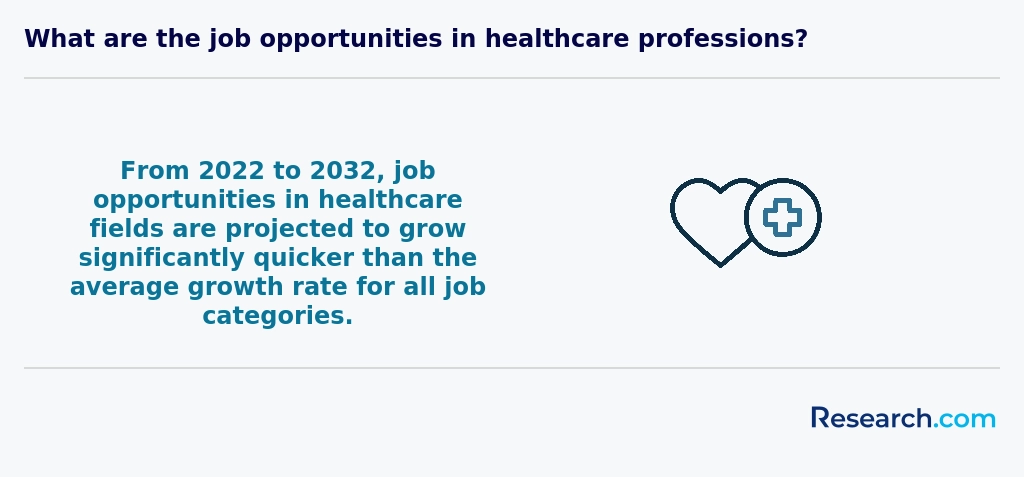
- Healthcare jobs in South Bend are expected to grow by about 12% over the next decade, which is faster than the national average.
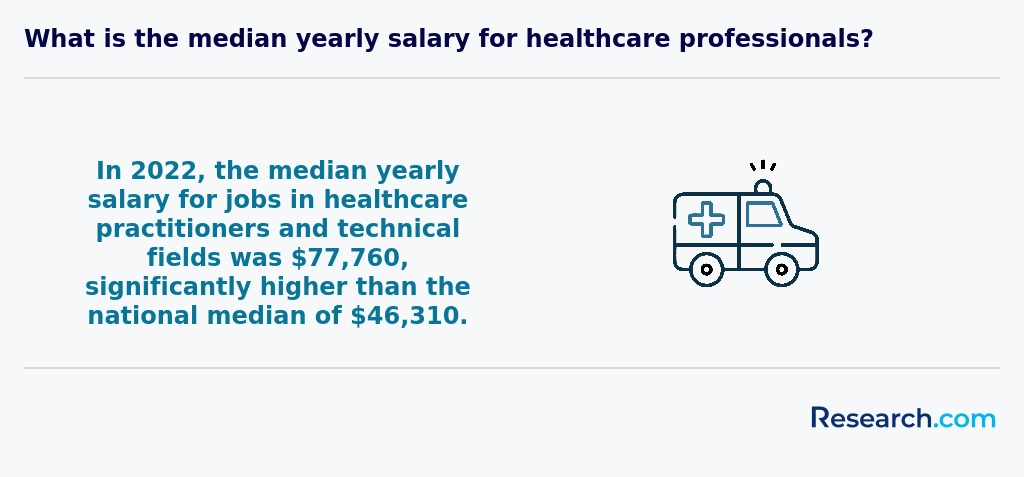
- Entry-level salaries for healthcare graduates typically fall between $45,000 and $55,000 annually, varying by role and degree.
- Mid-career healthcare professionals in South Bend can earn between $65,000 and $90,000 or more, depending on experience and certifications.
- Students benefit from clinical training opportunities nearby, thanks to partnerships with hospitals and healthcare facilities in the region.
- Most healthcare programs in South Bend meet national accreditation standards, necessary for professional licensure and certification exams.
How long does it take to complete healthcare degree in South Bend?
If you're wondering how long it takes to finish a healthcare degree in South Bend, it mostly depends on what level you're aiming for. Many students start with an associate degree, which you can knock out in about two years at places like Ivy Tech Community College. Graduates often mention how quickly they were able to jump into hands-on healthcare roles, like becoming a licensed practical nurse or medical assistant, which feels really rewarding.
Going for a bachelor's degree takes a bit longer-usually four years-at universities such as Notre Dame or Saint Mary's College. Many grads say the time flies by thanks to engaging classes in nursing or health sciences and the community vibe on campus. This degree opens doors to more professional jobs like registered nurses or healthcare administrators.
For those eyeing advanced roles like nurse practitioners or doctors, it's a bigger time investment. Master's programs add around two to three years, while medical or doctoral degrees can stretch to seven years or more. Still, many South Bend students appreciate the flexibility of evening or online options that help balance work and study schedules.
Key Strategies for Success in Your Healthcare Education
Embarking on a healthcare degree journey in South Bend, IN, involves not only selecting the right program but also equipping yourself with proven strategies to excel both academically and professionally. Students can enhance their success by actively engaging in campus life, forming study groups, and taking advantage of tutoring and mentorship programs available at local institutions. Effective time management, setting clear academic goals, and participating in skill-building workshops can further prepare you for the demands of clinical internships and future career challenges. Additionally, keeping abreast of industry trends and networking with healthcare professionals through conferences and local events are essential steps to foster long-term career success. When considering affordability as a key factor, resources such as cheapest healthcare schools in indiana offer great insights into balancing quality education with financial planning. Embracing these strategies not only helps streamline your educational experience but also positions you to become a resilient and competitive professional in the ever-evolving healthcare landscape.
What's the difference between online and on-campus healthcare degree?
If you're thinking about a healthcare degree in South Bend, the biggest difference between online and on-campus programs is how you experience your classes and hands-on training. On-campus students at schools like the University of Notre Dame or Ivy Tech have that buzz of walking into labs, meeting professors face-to-face, and working directly with local hospitals for clinicals. They often say there's something really rewarding about those real-world moments-like getting to practice nursing skills or physical therapy techniques in person.
Online programs, on the other hand, offer tons of flexibility. Graduates from online tracks share how great it is to fit study sessions around busy work or family life without a long commute. Still, even many online degrees in South Bend require a few in-person labs or clinical hours, so you won't miss out on essential hands-on experiences.
Cost-wise, online options can save you money on housing and travel, but tuition can be similar depending on the university. Either way, students love that South Bend programs, whether online or in-person, meet the right accreditation standards, so they're set for certification and careers after graduation.
Accreditation and Quality Assurance
Accreditation confirms that healthcare programs meet rigorous standards for curriculum, faculty and clinical training-essential for licensure eligibility and employer recognition. South Bend institutions hold approvals from:
- Commission on Collegiate Nursing Education (CCNE) for bachelor’s and master’s nursing programs
- Accreditation Commission for Education in Nursing (ACEN) across associate and diploma nursing tracks
- Commission on Accreditation of Allied Health Education Programs (CAAHEP) for diagnostic and therapeutic specialties
State authorization by the Indiana Commission for Higher Education further ensures quality oversight and student protections.
For those seeking accelerated pathways to patient care roles, explore our accelerated lpn program.
What is the average cost of healthcare degree in South Bend?
If you're eyeing a healthcare degree in South Bend, you're probably wondering about the cost. On average, students can expect the total expense to be around $34,661, which includes tuition and all related fees throughout the program. For Indiana residents attending local public schools like Indiana University South Bend, the total cost tends to be much more manageable, roughly $14,514. Many graduates from these schools share that this affordability made it possible to focus on their studies without constant financial stress, which is huge when juggling clinical hours and exams.
Out-of-state students looking to study healthcare in South Bend can expect the costs to be closer to that overall median of $34,661, which reflects higher tuition but also strong program quality. For instance, private institutions such as the University of Notre Dame have pricier healthcare programs but offer excellent resources and networking opportunities that many students feel are worth the investment.
Thinking about the average cost healthcare degree South Bend students face, it's also good to remember that scholarships and financial aid can play a big role. Indiana University South Bend's financial aid office is known for helping healthcare students unlock support options that lighten the cost burden. For those curious about the cheapest healthcare schools in Indiana, it's worth checking out cheapest healthcare schools in indiana to see what fits your budget.
Professional Certification and Continuing Education
Earning a healthcare degree in South Bend is just the beginning of your professional journey. To advance in specialized fields-especially Health Information Management (HIM)-graduates often pursue nationally recognized certifications and ongoing education. • Key Certifications and Their Benefits - Registered Health Information Technician (RHIT): Offered by AHIMA, this credential validates expertise in medical coding, data management, and compliance. RHIT-certified professionals command higher salaries and enjoy greater job security. - Registered Health Information Administrator (RHIA): Also overseen by AHIMA, the RHIA credential is ideal for graduates aiming for leadership roles in data governance, privacy, and healthcare analytics. - Certified Coding Associate (CCA) & Certified Coding Specialist (CCS): These AAPC certifications focus on accurate coding practices, essential for revenue cycle management and clinical documentation improvement. • Accreditation and Exam Preparation Accredited programs-particularly those approved by the Commission on Accreditation for Health Informatics and Information Management Education (CAHIIM)-ensure that graduates meet educational standards required for certification exams. Many students reduce costs and maintain flexibility by enrolling in cheapest online health information management degree programs in usa, which combine affordability with CAHIIM-accredited curricula. • Continuing Education and Maintenance - AHIMA’s continuing education units (CEUs) keep RHIT and RHIA holders current with evolving regulations, such as HIPAA updates and ICD-11 implementation. - Professional workshops, webinars, and conferences hosted by organizations like AAPC and SHIEC foster networking and skill-building in emerging areas like telehealth informatics and population health analytics. By strategically combining an accredited degree with targeted certifications and ongoing learning, healthcare professionals in South Bend position themselves for rapid career growth, higher earning potential, and the ability to shape the future of health information management.
What financial aid is available to healthcare degree students in South Bend?
If you're diving into a healthcare degree in South Bend, you've got plenty of financial aid options to ease the load. Many students at places like University of Notre Dame or Indiana University South Bend tap into federal aid like Pell Grants, which don't require repayment and can cover a big chunk of costs-averaging around $4,500 a year nationwide. Others rely on federal student loans, which come with flexible terms to make repayment less stressful.
A lot of grads also share how work-study programs helped them balance school and cash flow by getting part-time gigs related to healthcare. Plus, state scholarships like the 21st Century Scholars Program are real lifesavers if you qualify, offering extra support right here in Indiana.
On top of that, many local hospitals and clinics offer tuition reimbursement or loan forgiveness, which makes sticking around in South Bend after graduation even more appealing. And don't forget about private scholarships-organizations like the American Medical Association often have competitive awards specifically for healthcare students.
Accreditation and Licensure Success Rates
All healthcare degree programs featured in this ranking are regionally accredited, ensuring graduates meet the educational standards required for professional licensure and certification. Accreditation not only validates the quality of your coursework but also impacts eligibility for federal financial aid and employer recognition. Key accreditation bodies for South Bend institutions include:
- The Higher Learning Commission (HLC), overseeing institutional accreditation
- Commission on Collegiate Nursing Education (CCNE) for nursing programs
- Accreditation Council for Pharmacy Education (ACPE) for pharmacy-related degrees
- Commission on Accreditation of Allied Health Education Programs (CAAHEP) for allied health fields Licensure Exam Pass Rates • Nursing (NCLEX-RN): South Bend BSN graduates maintain an average first-time pass rate of 89%, above the national average of 85%. • Radiologic Technologists (ARRT): Indiana University South Bend alumni report a 93% first-attempt certification rate. • Health Information Management (RHIA): Program graduates achieve a 95% board pass rate, reflecting robust informatics training. Why This Matters Accreditation and high licensure pass rates demonstrate program rigor and employer trust. When researching advanced or doctoral pathways, affordability and accreditation are both critical factors. For a detailed look at cost-effective, accredited doctoral options, explore our Inexpensive Online Doctorate in Healthcare Degree Programs Ranking in Missouri, which highlights programs that combine quality with value.
What are the prerequisites for enrolling in healthcare degree program in South Bend?
If you're looking to start a healthcare degree in South Bend, getting ready means ticking off a few must-haves first. Most programs want you to have finished high school or have a GED - nothing fancy, just making sure you've got the basics down. Students here often share how important those biology and chemistry classes were in high school, especially with labs that make the science feel real and hands-on.
At places like Indiana University South Bend, many say taking prerequisite college courses before jumping in full-time helped them feel confident. Those courses usually cover intro biology and chemistry, math like algebra or stats, plus English composition to brush up on communication skills. It's like building a solid foundation before the big stuff begins.
Students aiming for nursing mention extra steps like background checks and health screenings, since you'll be working closely with patients. Some programs might ask for SAT or ACT scores, but plenty of schools around here focus more on your overall vibe and preparation instead of one test score, which can actually ease the stress.
Enhancing Your Professional Edge with Online Specializations
In today’s dynamic healthcare landscape, supplementing your traditional education with advanced online learning opportunities is essential for staying competitive. Many reputable institutions now offer specialized online programs designed to build critical skills in emerging medical technologies and patient care techniques. For instance, programs focused on diagnostic imaging and ultrasound technology provide a practical, flexible pathway for students aiming to enhance their clinical proficiency. By enrolling in an online school for ultrasound tech, learners can gain access to state-of-the-art simulations, real-time case studies, and expert-led modules that bridge theoretical knowledge with hands-on experience. This integration of online and traditional learning not only deepens your understanding of healthcare practices but also positions you for success in a rapidly evolving job market. Embracing these modern educational methods can significantly boost your qualifications, helping you stand out in roles that demand both technical expertise and adaptive problem-solving skills.
What courses are typically in healthcare degree programs in South Bend?
If you're diving into a healthcare degree in South Bend, expect to get hands-on with courses like Human Anatomy and Physiology, Medical Terminology, and Pharmacology. Graduates from popular local colleges often say these classes really helped them feel confident when stepping into clinics or hospitals for the first time.
South Bend programs don't just stick to textbooks - you'll explore real-world stuff like healthcare ethics and patient safety, which are super important around here because of the area's diverse communities. Imagine learning how to balance tricky ethical decisions while caring for patients in your practicum at a nearby healthcare facility.
You'll also take classes like Introduction to Healthcare Systems that explain U.S. policies and insurance - stuff every healthcare pro needs to know. Plus, hands-on courses in Clinical Procedures and Health Informatics prepare you to use the latest tech and data in medicine. Many grads find these experiences really boost their confidence and job-ready skills.
Nutrition and Wellness classes wrap it all up by showing how lifestyle choices affect health, which connects well with South Bend's focus on community health improvement.
What types of specializations are available in healthcare degree programs in South Bend?
If you're exploring healthcare degree specializations in South Bend, you'll find a great mix to choose from. Many students from popular local spots like the University of Notre Dame or Indiana University South Bend dive into Nursing programs, whether it's becoming a nurse practitioner or specializing as a nurse anesthetist. Graduates often share how rewarding it feels to work hands-on with patients right after finishing their degrees.
Others gravitate toward Healthcare Administration, where you learn how hospitals and clinics actually run behind the scenes-perfect if you want to lead a healthcare team. Public Health is another popular path, focusing on community well-being and disease prevention, which many students say feels meaningful as they get involved in local health initiatives.
There's also Radiologic Technology and Medical Imaging, where you get trained on high-tech diagnostic tools, or Medical Laboratory Science, perfect if you like the idea of helping doctors with lab results. If you're into rehab and recovery, Physical Therapy programs in South Bend are a hit with students who want to make a real difference for people bouncing back from injuries.
For those curious about unique options, South Bend offers chances to explore programs like an online school for ultrasound tech, which blends flexibility with solid training. These specializations truly reflect the variety in South Bend healthcare programs and specializations, giving students plenty of ways to find their fit.
How do you choose the best healthcare degree in South Bend?
Picking the best healthcare degree in South Bend comes down to matching your goals with what local schools offer. Many graduates from places like the University of Notre Dame rave about how strong the programs are, especially for nursing and healthcare administration. Meanwhile, students at Ivy Tech appreciate the affordable healthcare degrees South Bend 2027 options that don't break the bank but still prepare you well for the job market.
Cost is huge here-Notre Dame's tuition can be pretty steep, while Ivy Tech keeps it budget-friendly. One graduate shared that focusing on accredited programs made a big difference; it meant they could take certification exams right after graduating without any hassle. Plus, make sure to find programs offering great internships or clinical experience in South Bend hospitals-that hands-on practice really makes you feel confident stepping into your career.
If you want to explore more affordable pathways, don't miss checking out the cheapest online health information management degree programs in usa that can give you flexibility and savings without sacrificing quality.
What career paths are available for healthcare degree students in South Bend?
If you're looking into healthcare career opportunities in South Bend, you'll find plenty of exciting paths after earning your degree. Nursing is a top choice for many grads, with spots at Memorial Hospital and local clinics where RNs and LPNs are always in demand. Then there's the tech side-medical technologists and lab technicians often land jobs at places like South Bend Medical Foundation, running crucial tests behind the scenes. Healthcare administration is another popular route, especially if you're into managing clinics or navigating healthcare regulations, with local networks in South Bend expanding steadily.
Many graduates from popular local schools enjoy becoming physical therapist assistants, medical assistants, or public health specialists, thanks to strong programs that prep you well for certification. The South Bend healthcare degree job outlook is bright, with steady growth ahead. Plus, the tuition cost is pretty reasonable here, making it easier to focus on your studies and career goals. If you want to explore affordable options, check out the Inexpensive Online Doctorate in Healthcare Degree Programs Ranking in Missouri for more ideas.
What is the job market for healthcare degree in South Bend?
If you're thinking about the healthcare job opportunities in South Bend, you'll be glad to hear the market here is strong and growing. Graduates from popular local colleges often find themselves lining up for jobs at big healthcare employers like Beacon Health System or Memorial Hospital. Many share stories about landing roles in nursing or medical tech just months after finishing their degrees, thanks to the steady demand fueled by the local aging population and expanding services.
One common experience among recent grads is how programs mix hands-on training with classroom work, making it easier to transition into real-world roles. Whether you're aiming for nursing, physical therapy, or healthcare administration, there's a spot for you in South Bend's busy healthcare scene. Plus, with salaries generally in line with state averages - usually between $55,000 and $85,000 - students feel the investment in their education is paying off.
If you want to explore your options quickly, check out the best accelerated associate degree programs in healthcare that many find helpful for jumping straight into the job market.
The overall vibe is positive-students and grads often say they feel supported by the local network of hospitals and schools, which really helps when hunting for that first job or advancing your career.
Frequently Asked Questions About healthcare
Healthcare degree students in South Bend can maximize their learning by actively engaging in local clinical internships and practicums. South Bend offers access to respected healthcare facilities such as Saint Joseph Regional Medical Center and Beacon Health System, which provide valuable hands-on experience. According to the Indiana Commission for Higher Education, practical training enhances job readiness for over 70% of healthcare graduates statewide.
Students should also leverage connections with faculty who often have professional ties to the regional healthcare industry. Participating in community health initiatives in South Bend allows students to understand population health needs firsthand, improving cultural competence and patient interaction skills.
Additionally, staying current with healthcare technology and certification standards used in South Bend's hospitals can boost employability after graduation.
The healthcare industry in South Bend is evolving, with emerging niches attracting student interest and career opportunities. One growing field is health informatics, where professionals manage patient data and digital health records to improve care quality and efficiency. According to the Indiana Department of Workforce Development, jobs in healthcare information technology are projected to grow by 20% over the next decade statewide, benefiting South Bend graduates.
Another expanding area is telehealth, which gained prominence during the COVID-19 pandemic and continues to rise. South Bend health systems are increasingly adopting remote patient monitoring and virtual consultations.
Additionally, community health and preventative care roles are gaining traction due to growing public health awareness. These niches offer promising paths for those pursuing healthcare degrees locally.
After completing a healthcare degree in South Bend, preparing for the job market involves several key steps. First, gaining practical experience through internships or clinical placements is essential. Local hospitals like Memorial Hospital and Saint Joseph Health System often offer such opportunities. Employment in healthcare in South Bend is growing, with an estimated 6% increase in healthcare jobs projected through 2030, according to the U.S. Bureau of Labor Statistics.
Networking with professionals at local job fairs and healthcare events can open doors. Additionally, obtaining relevant certifications, such as CPR or specialized nursing licenses, enhances employability. South Bend's strong healthcare industry and continuing education options make it easier to stay updated with industry standards and technology.
Employers in South Bend highly value healthcare graduates who combine strong clinical knowledge with effective communication skills. According to the Indiana Department of Workforce Development, healthcare jobs in the region emphasize teamwork and interpersonal abilities due to the collaborative nature of patient care.
Critical thinking and problem-solving skills are essential, enabling graduates to handle complex medical situations efficiently. Familiarity with electronic health record (EHR) systems is increasingly important as South Bend area healthcare providers adopt advanced digital technologies.
Additionally, employers seek candidates with cultural competence to meet the needs of South Bend's diverse population, improving patient outcomes and satisfaction.
Data from local hospitals show that adaptability and continuous learning mindset are also top priorities to keep pace with evolving healthcare standards.
Finding internships in South Bend relevant to healthcare degrees involves several practical steps. Students can start by exploring partnerships between local colleges and healthcare providers, such as those linked with the University of Notre Dame and Ivy Tech Community College. These institutions often collaborate with hospitals like Memorial Hospital and the South Bend Clinic, which provide structured internship opportunities.
Additionally, South Bend's growing healthcare sector, employing approximately 15,000 workers, offers diverse departments for internships, including nursing, medical technology, and health administration (per Indiana Department of Workforce Development).
Utilizing online job portals focused on local internships and consulting campus career centers can also help locate relevant openings. Many programs in the area require or encourage internships, facilitating practical experience essential for healthcare careers.
Obtaining a healthcare degree in South Bend significantly enhances career mobility and advancement opportunities. The local healthcare sector, including major employers like Beacon Health System, continues to grow, creating demand for skilled professionals. According to the Indiana Department of Workforce Development, healthcare occupations in the South Bend area are projected to grow by 12% through 2030, outpacing many other industries.
Graduates with degrees in nursing, health administration, or allied health fields benefit from clear career ladders. Many entry-level roles offer advancement to supervisory or specialized positions, especially with additional certifications or advanced degrees. This credential also increases eligibility for competitive salaries, with median wages for healthcare practitioners in the region above the state average, as reported by the U.S. Bureau of Labor Statistics.
In summary, a healthcare degree equips South Bend residents with credentials trusted by local employers, facilitating professional growth within a stable and expanding job market.
Studying for a healthcare degree in South Bend offers strong preparation for interdisciplinary roles through comprehensive programs that emphasize collaboration across multiple health disciplines. Local institutions often integrate coursework in nursing, public health, health informatics, and social work to encourage teamwork and holistic patient care.
South Bend's healthcare sector employs over 25,000 professionals, requiring graduates to work effectively with diverse teams. According to the Indiana Department of Workforce Development, healthcare occupations in the Michiana region are projected to grow by 15% from 2020 to 2030, highlighting the demand for versatile professionals.
Students gain hands-on experience in local hospitals and clinics, which emphasize interprofessional communication and problem-solving skills essential for today's healthcare environment.
Choosing between a thesis and a non-thesis healthcare degree program in South Bend depends on your career goals and learning style. Thesis programs focus on research, requiring a significant project or paper, which suits students aiming for academic, research, or doctoral careers. Non-thesis options emphasize coursework and practical skills, often preferred by students pursuing clinical or administrative roles.
In South Bend, healthcare employers value both paths, but those in research-intensive roles often prefer candidates with thesis experience. According to data from the Indiana Commission for Higher Education, 35% of healthcare graduates in South Bend pursue further study, benefiting from thesis programs.
Consider your time availability; thesis programs may take longer due to research demands. Ultimately, investigate specific South Bend institutions' offerings to align your choice with career objectives and local job market needs.
Students based in South Bend seeking to study healthcare abroad have several avenues to explore. Many universities in South Bend, including the University of Notre Dame and Indiana University South Bend, offer exchange programs or partnerships with international institutions. These collaborations enable students to gain global healthcare perspectives while earning credits toward their degrees.
Additionally, students can participate in study abroad programs focused on healthcare disciplines, such as public health, nursing, or medical research, often lasting one semester to a year. These experiences provide exposure to different healthcare systems and practices, which is valuable given South Bend's growing healthcare employment sector-over 15,000 local healthcare jobs reported by the Indiana Department of Workforce Development in 2023.
Financial aid and scholarships may be available through university programs or external organizations supporting international education in healthcare fields. Students interested should consult their academic advisors and official university study abroad offices for the most accurate guidance and updated options.
Students pursuing healthcare degrees in South Bend can benefit from various part-time job opportunities that provide practical experience alongside their studies. Positions such as medical assistants, pharmacy technicians, and patient care aides offer valuable hands-on skills relevant to many healthcare fields.
South Bend's healthcare sector is supported by institutions like the St. Joseph Health System, which often employs part-time workers in clinical and administrative roles. According to the U.S. Bureau of Labor Statistics, healthcare support occupations in Indiana are projected to grow 15% from 2020 to 2030, indicating rising job availability.
Additionally, research assistant roles at local universities or internships in public health organizations can enhance understanding of healthcare trends and data analysis. These roles complement academic learning and improve future employability in a competitive market.
Healthcare students in South Bend have several strong networking opportunities to advance their careers. The University of Notre Dame and Indiana University South Bend both provide active student organizations focused on healthcare fields, offering regular workshops and networking events. These allow students to connect with peers and local professionals.
Additionally, South Bend's growing healthcare sector, including major employers like Beacon Health System, offers internships and clinical rotations that enhance professional contacts. Local chapters of national organizations such as the American Medical Student Association (AMSA) also hold meetings in the area, creating valuable opportunities for mentorship.
The city's healthcare employment is projected to grow by over 15% through 2030, making early networking essential.
Alumni networks play a crucial role for healthcare degree students in South Bend by providing valuable professional connections. These networks often facilitate mentoring opportunities, helping students navigate clinical placements and job searches after graduation. According to a report from the South Bend Regional Chamber, healthcare alumni frequently participate in local recruitment events, which can increase employment prospects for recent graduates.
Additionally, active alumni groups help students access current industry trends and continuing education workshops through organized events. This is especially important in South Bend, where healthcare organizations like Beacon Health System employ over 10,000 people and often prefer candidates with local affiliations. Alumni networks thus enhance students' chances to build careers within the community by fostering relationships that extend beyond the classroom.
Customizing a healthcare degree program in South Bend involves selecting specializations and elective courses that align with your career goals. Many local institutions offer options ranging from nursing to health administration, allowing students to focus on areas such as clinical practice, public health, or healthcare technology. According to the Indiana Commission for Higher Education, South Bend's healthcare programs frequently integrate practical internships at nearby facilities, including Saint Joseph Health System, helping students gain hands-on experience.
Students can also tailor their curriculum by choosing between accelerated tracks or part-time study, accommodating working professionals. Engaging with local healthcare networks and attending workshops further supports career development and specialization.
Healthcare students in South Bend often face several challenges typical of rigorous academic and clinical programs. One key issue is balancing demanding coursework with practical experience requirements, as clinical placements in local hospitals like Memorial Hospital can be limited due to high competition.
Additionally, affordability is a concern; the average tuition for healthcare programs in the area ranges widely, and students frequently manage financial aid or part-time work alongside their studies.
Another significant challenge is adapting to evolving healthcare technologies, which requires continuous learning beyond traditional curricula.
Finally, students must develop strong communication skills to serve South Bend's diverse population effectively, as noted by local educational health reports.
With a healthcare degree in South Bend, you can pursue a variety of professional certifications to advance your career. Common certifications include Certified Nursing Assistant (CNA), Registered Nurse (RN), and Licensed Practical Nurse (LPN), depending on your program and focus.
Other popular certifications in the region include Certified Medical Assistant (CMA) and Certified Professional Coder (CPC), aligning with South Bend's growing healthcare services sector. According to data from the Indiana Department of Workforce Development, healthcare occupations in the area are projected to grow by over 15% by 2030.
For specialized roles, certifications such as Emergency Medical Technician (EMT) and Certified Phlebotomy Technician (CPT) can also be pursued post-degree to enhance employment opportunities.
When applying for healthcare programs in South Bend, it is crucial to present a clear and focused application. Start by thoroughly researching each program's prerequisites, as many require specific science courses or healthcare experience. South Bend, home to institutions like the University of Notre Dame and Ivy Tech Community College, offers diverse healthcare degrees, so tailoring your application to fit the program's mission increases your chances.
Highlight relevant experiences such as volunteer work or internships within local healthcare facilities, including the St. Joseph Health System, a major employer in the area. These experiences demonstrate commitment and practical understanding of healthcare settings.
Strong letters of recommendation from healthcare professionals can significantly bolster your application. Additionally, a well-crafted personal statement that reflects your motivation and knowledge about healthcare trends in Indiana will help your application stand out.
The global perspective on a healthcare career emphasizes the growing demand for skilled professionals across countries. In the United States, including regions like South Bend, healthcare careers are valued for their stability and impact on community well-being. According to the U.S. Bureau of Labor Statistics, healthcare occupations are projected to grow 13% from 2021 to 2031, faster than average for all professions.
Globally, healthcare systems face challenges such as aging populations and chronic diseases, increasing the need for qualified workers. South Bend, with healthcare providers like Beacon Health System, reflects this trend locally, offering diverse career opportunities.
International collaboration also shapes healthcare education through shared research and standards, influencing U.S. programs and practice.
Students pursuing healthcare degrees in South Bend can gain practical experience through clinical placements, internships, and volunteering. Local hospitals like Saint Joseph Regional Medical Center and Beacon Health System frequently partner with colleges to offer hands-on training. These opportunities allow students to apply classroom knowledge in real patient-care settings, which is essential for skill development.
Many programs require completion of a set number of clinical hours, often ranging from 300 to 1,000 hours depending on the degree. Internships in nearby clinics also provide valuable exposure to healthcare workflows and patient interaction.
Volunteering at community health centers fosters additional experience, while networking with professionals can open doors to careers. South Bend's healthcare sector continues to grow, offering students numerous avenues for experiential learning.
Choosing the right concentration within a healthcare degree program in South Bend starts with understanding local workforce demands. According to the Indiana Department of Workforce Development, fields like nursing, physical therapy, and health administration show steady growth in the region. Prospective students should consider their personal interests alongside these job market trends. South Bend's healthcare sector includes major employers such as Beacon Health System and Memorial Hospital, which often seek qualified graduates in specific specialties.
Exploring program curricula at institutions like the University of Notre Dame or Ivy Tech Community College helps identify concentrations that align with career goals. Additionally, clinical opportunities and internship availability are important factors to ensure practical experience.
Related Healthcare Rankings for Nearby Cities
- 2027 Best Healthcare Degree Programs Ranking in Toledo
- 2027 Best Healthcare Degree Programs Ranking in Cincinnati
- 2027 Best Healthcare Degree Programs Ranking in Columbus
- 2027 Best Healthcare Degree Programs Ranking in Cleveland
- 2027 Best Healthcare Degree Programs Ranking in Saint Louis
- 2027 Best Healthcare Degree Programs Ranking in Erie
- 2027 Best Healthcare Degree Programs Ranking in Pittsburgh
- 2027 Best Healthcare Degree Programs Ranking in Columbia
- 2027 Best Healthcare Degree Programs Ranking in Nashville
- 2027 Best Healthcare Degree Programs Ranking in Buffalo
Top Trending Healthcare Rankings
See What Experts Have To Say About Studying Healthcare
Read our interview with Healthcare experts

References
- 6 Tips On Networking For Medical Professionals https://aaams.net/blog/how-to-network-in-the-medical-field-nurses/
- Career Mobility and the Future of the Profession https://www.thehealthcareexecutive.net/blog/career-mobility-and-the-future-of-the-profession/
- Medical Assistant Program in South Bend https://southbendmedicalassistant.com/program-details/
- Social Service and Support Resources - South Bend, Indiana https://southbendin.gov/supporting-south-bend/
- Trends and opportunities in healthcare across emerging markets - Inizio https://inizio.com/insights/trends-and-opportunities-in-healthcare-across-emerging-markets/
- Entry-Level BSN https://healthscience.iusb.edu/nursing/degree-programs/undergraduate-program/bsn/index.html
- 1+ Healthcare Cover Letter Examples (with In-Depth Guidance) https://www.tealhq.com/cover-letter-examples/healthcare
- Global Health Perspectives https://globalhealthperspectives.com/
- Networking in Medicine: Build Lasting Connections l Windsor https://www.windsor.edu/networking-in-medicine-building-relationships-from-day-one/
- HEALTH MANAGEMENT (THESIS / NON-THESIS) - Lisansüstü Eğitim Enstitüsü https://lee.nisantasi.edu.tr/en/health-management-thesis-non-thesis/


