
2027 Best Online Healthcare Degree Programs Ranking in New Jersey

Co-Founder and Chief Data Scientist
Choosing the right healthcare degree program can be overwhelming, especially with so many options available online. For students in New Jersey, making an informed decision is essential to achieving career success and personal growth.
This article presents the 2027 Best Online Healthcare Degree Programs Ranking in New Jersey, developed by the Research.com team of data scientists. The ranking is designed to help you discover reputable programs that align with your goals and lifestyle.
Exploring these top programs can open doors to rewarding healthcare careers and meaningful opportunities to make a difference.
Key benefits of getting online healthcare degree in New Jersey
- Salary for healthcare degree graduates: Graduates with healthcare degrees in New Jersey can expect competitive salaries, such as Medical Assistants earning around $43,350 annually and Patient Care Technicians earning approximately $60,790 per year, offering strong financial stability.
- Career paths: Graduates from New Jersey colleges often find opportunities in diverse roles like Health Information Technicians or Clinical Research Coordinators, allowing for rewarding healthcare careers that match personal interests and skills.
- Benefits of online degrees: Earning a healthcare degree online in New Jersey provides flexible schedules and accessible learning, enabling students to balance work and study efficiently while preparing for successful careers.
- Key benefits of getting online healthcare degree in New Jersey
- What can I expect from online healthcare degree in New Jersey?
- Where can I work with online healthcare degree in New Jersey?
- How much can I make with online healthcare degree in New Jersey?
- 2027 Best Online Healthcare Degree Programs Ranking in New Jersey
- Key Findings
- How long does it take to complete online healthcare degree in New Jersey?
- 2024 Ranking of Top Online Healthcare Degree Programs in New Jersey
- What's the difference between online and on-campus healthcare degree?
- Industry Trends and Future Directions in Online Healthcare Education
- What is the average cost of online healthcare degree in New Jersey?
- Expert Tips for Success in Online Healthcare Programs
- What financial aid is available to online healthcare degree students in New Jersey?
- Student Support and Resources
- What are the prerequisites for enrolling in online healthcare degree program in New Jersey?
- Professional Certifications and Continuing Education for Career Advancement
- What courses are typically in online healthcare degree programs in New Jersey?
- What types of specializations are available in online healthcare degree programs in New Jersey?
- How do you choose the best online healthcare degree in New Jersey?
- What career paths are available for online healthcare degree students in New Jersey?
- What is the job market for online healthcare degree in New Jersey?
- Related Healthcare Rankings for Nearby States
- Top Trending Healthcare Rankings
- See What Experts Have To Say About Studying Healthcare
What can I expect from online healthcare degree in New Jersey?
The average cost of an online healthcare degree in New Jersey varies depending on the institution and residency status, but students at well-known schools like Rutgers University and Seton Hall University often report tuition rates ranging from $10,000 to $20,000 annually for in-state public programs. Graduates frequently emphasize the financial advantage of in-state tuition, which greatly reduces the burden compared to out-of-state or private institution fees. Many students appreciate how affordable options make pursuing crucial healthcare training more accessible while balancing family and work commitments.
These programs offer accredited coursework that meets state licensure requirements, allowing students to complete clinical hours locally. For example, students at Rutgers have shared how clinical placements at nearby hospitals helped them gain hands-on experience without relocating. Additionally, federal financial aid and scholarship opportunities further ease the cost, providing peace of mind during their studies.
Overall, New Jersey's online healthcare degrees provide high-quality education with cost-effective pricing that supports students aiming to advance in the healthcare sector.
Where can I work with online healthcare degree in New Jersey?
Graduates with an online healthcare degree in New Jersey find diverse employment opportunities across clinical and non-clinical settings. Many secure positions in hospitals like Hackensack Meridian Health or RWJBarnabas Health, working as registered nurses or licensed practical nurses after obtaining state licensure. These roles offer fulfilling, hands-on patient care experiences that former students recall with pride and enthusiasm.
Others pursue administrative careers in healthcare management, leading operations in facilities or organizations such as Atlantic Health System or public health agencies. Graduates from institutions like Rutgers University-Newark report strong confidence transitioning into management roles, encouraged by New Jersey's growing demand for skilled healthcare leaders earning competitive salaries.
Additionally, career paths in health information technology and medical billing provide meaningful ways to contribute by managing crucial patient data. Alumni from schools such as Seton Hall University often highlight the flexibility and upward mobility these roles offer.
Community clinics, outpatient care centers, and home healthcare agencies further expand opportunities, especially amid New Jersey's aging population, fostering rewarding careers that combine compassion with professional growth.
How much can I make with online healthcare degree in New Jersey?
Graduates from online healthcare programs in New Jersey frequently find competitive earning potential aligned with the state's robust healthcare market. For instance, those entering roles as medical assistants or clinical research coordinators can anticipate mean annual wages around $43,350, reflecting steady entry-level opportunities. Patient care technicians often report higher earnings, with mean salaries near $60,790 as they gain experience in demanding clinical settings.
Health information technicians, essential for managing patient data, earn similarly to medical assistants, around $43,380 annually. For graduates progressing into specialized roles, such as quality improvement coordinators, the financial outlook is notably stronger, with mean wages reaching approximately $103,150. These figures underscore the value of advanced training and certifications, frequently pursued at renowned institutions like Rutgers University or Seton Hall University.
Many graduates express satisfaction with the blend of flexible online study and local licensing support, facilitating seamless transitions into New Jersey's healthcare workforce. Real-world experience combined with an online degree often leads to rewarding careers both financially and professionally within the state's high-demand healthcare sector.
2027 Best Online Healthcare Degree Programs Ranking in New Jersey
How do we rank schools?
Investing in your education is a significant decision that can shape your future, and the Research.com team understands the importance of making informed choices. To assist prospective students in New Jersey, we have meticulously crafted the "2027 Best Online Healthcare Degree Programs Ranking in New Jersey." Our commitment to quality, credibility, and accuracy is reflected in the extensive research and analysis conducted to compile this ranking.
We utilized the following reputable data sources to ensure a comprehensive evaluation of healthcare programs:
By exploring this ranking, readers will gain valuable insights into the best online healthcare degree programs available in New Jersey, helping them make informed decisions about their educational paths. For more details on our methodology, please visit our Research.com methodology page.


Key Findings
- Online undergraduate healthcare degrees in New Jersey cost between $10,000 and $20,000 per year for in-state students.
- Graduate healthcare programs can cost from $25,000 to $40,000 annually, depending on the institution.
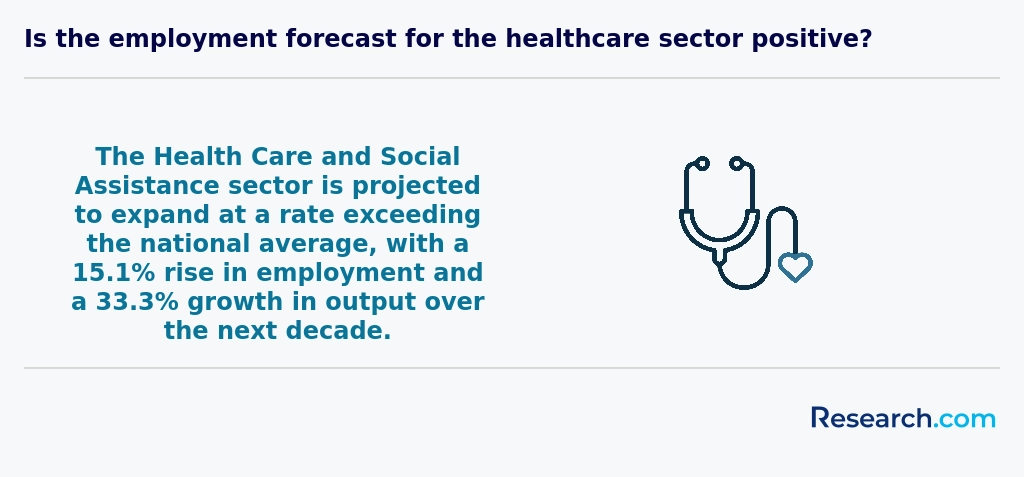
- New Jersey employs over 350,000 healthcare workers, with healthcare jobs expected to grow by 14% over the next decade.
- Entry-level registered nurses start with an average salary of about $68,000 per year in New Jersey.
- Advanced healthcare roles like nurse practitioners or administrators often earn more than $100,000 annually after gaining experience.
- Graduates should complete accredited programs with clinical practicums to meet state licensing requirements and improve job prospects.
How long does it take to complete online healthcare degree in New Jersey?
Completing an online healthcare degree in New Jersey typically depends on the program level and whether the student studies full or part time. For example, graduates from well-known institutions such as Rutgers University or Thomas Edison State University often spend about two years finishing associate degrees in fields like medical assisting when enrolled full time. Bachelor's degree seekers in nursing or healthcare administration usually complete their studies in approximately four years, aligning with full-time enrollment expectations. However, many working professionals choose part-time paths, extending their degree completion by one to two years or more to balance career and education demands.
Some students benefit from accelerated tracks offered by New Jersey colleges, allowing them to finish faster by taking heavier course loads or year-round classes. For instance, those pursuing an accelerated BSN have successfully completed their program in as little as 12 to 18 months. This flexibility enables students to feel motivated and confident in achieving their goals without sacrificing income or family time, reflecting the supportive nature of New Jersey's online healthcare education landscape.
2024 Ranking of Top Online Healthcare Degree Programs in New Jersey
Our 2024 list spotlights the highest-quality, fully online healthcare degrees in New Jersey, evaluated by accreditation, tuition value, student support, and graduate outcomes: 1. Rutgers University–Newark (BS in Healthcare Administration) • Accredited by CAHME, 120 credits, asynchronous format • Tuition: ~$13,000 in-state, robust career services 2. Thomas Edison State University (BS in Health Science) • Regionally accredited, 120 credits, transfer-friendly • Tuition: ~$9,600 flat rate, dedicated online mentorship 3. Montclair State University (BS in Public Health) • CEPH-accredited, 120 credits, live virtual labs • Tuition: ~$12,500 in-state, hands-on internship placements 4. Rowan University (BS in Health Services) • CCNE-accredited, 120 credits, blended synchronous sessions • Tuition: ~$11,800 in-state, extensive alumni network 5. Seton Hall University (MS in Nursing Leadership) • CCNE-accredited, 36 credits, cohort model • Tuition: ~$36,000 total, specialized leadership seminars For students interested in diagnostic imaging, exploring the best diagnostic medical sonography programs can provide specialized training to complement a general healthcare degree.
What's the difference between online and on-campus healthcare degree?
Healthcare students in New Jersey experience distinct differences between online and on-campus degree programs, each offering unique advantages. Graduates from on-campus programs at institutions like Rutgers University often describe the value of engaging directly with professors and peers, benefiting from hands-on access to simulation labs and campus healthcare resources. This immersive environment supports immediate feedback and practical skill-building essential for healthcare careers.
Conversely, graduates from online programs at schools such as Stockton University highlight the flexibility that allows them to balance work and family while completing coursework asynchronously. Despite the remote format, these students must complete in-person clinical rotations at approved New Jersey healthcare facilities, ensuring that hands-on experience meets state and industry standards.
Tuition costs also differ notably; online programs can offer competitive pricing compared to the $10,000-$15,000 annual range typical of public on-campus degrees in New Jersey. Savings on commuting and housing further enhance affordability for online learners, fostering a positive, manageable educational journey for busy adults pursuing healthcare professions.
Industry Trends and Future Directions in Online Healthcare Education
As technology reshapes the healthcare landscape, online education in New Jersey is evolving rapidly to prepare students for emerging roles in digital health, telemedicine, and AI-powered patient care. Prospective students should be aware of the growing demand for tech-savvy healthcare professionals who can navigate virtual environments while maintaining high standards of patient communication, ethical practice, and clinical excellence. Institutions are increasingly integrating hands-on digital tools, virtual simulations, and remote collaboration platforms into their curricula, ensuring that graduates are ready for the dynamic demands of modern healthcare. Moreover, aligning one’s education with future industry trends not only enhances employability but also provides a competitive edge in a transitioning healthcare market. Students exploring cost-effective options can benefit from programs at some of the cheapest healthcare schools in new jersey, where innovative curricula merge academic theory with practical digital applications. By staying informed about these trends, aspiring healthcare professionals can make strategic choices about their education and future career paths in an ever-evolving industry.
What is the average cost of online healthcare degree in New Jersey?
The average cost of an online healthcare degree in New Jersey typically centers around a median total expense of $46,764, reflecting the combined tuition and fees for most students. Those studying in-state generally incur lower costs, with a median around $37,972, while out-of-state learners often face higher charges, with median totals near $53,719. These figures illustrate the substantial investment required but also the value of obtaining a healthcare degree in a state known for its strong industry foothold.
Graduates from prominent institutions such as Rutgers University and Seton Hall University often recall balancing tuition costs near $16,000 to $30,000 per year with supplementary fees for essential clinical placements and technology. These real-life examples underscore how students navigate the financial landscape while pursuing their education. Their experiences also highlight how employer tuition assistance and scholarships can make achieving a healthcare degree more attainable in New Jersey.
When considering total tuition and fees for online healthcare degrees NJ students should remember the importance of budgeting beyond tuition alone, as clinical requirements add to the overall cost. Those looking for the cheapest healthcare schools in New Jersey will find options with varied tuition structures and financial aid opportunities, making the path to a healthcare career more accessible despite the typically high costs involved.

Expert Tips for Success in Online Healthcare Programs
Achieving success in your online healthcare degree requires a thoughtful blend of time management, a strategic study plan, and proactive use of available resources. Prospective students should begin by setting clear academic and career goals and creating a structured schedule that accommodates study time, work, and personal commitments. Leveraging digital tools for planning and goal-tracking can help maintain focus throughout the program. Moreover, actively participating in online discussion forums and virtual study groups not only enhances learning but also builds a valuable professional network. Equally important is selecting a program that balances quality education with financial feasibility. For instance, researching options like the cheapest healthcare schools in new jersey can provide insights into programs that offer both affordability and robust curriculum standards. Additionally, taking advantage of career counseling services, mentorship programs, and internship opportunities can significantly bolster your practical skills and readiness for the competitive healthcare job market. Staying updated with industry changes and continuously refining your technical and soft skills will ensure that your educational investment yields long-term professional growth.
What financial aid is available to online healthcare degree students in New Jersey?
Students pursuing online healthcare degrees in New Jersey commonly access federal financial aid, including Pell Grants and Federal Supplemental Educational Opportunity Grants (FSEOG), which help reduce tuition burdens without the need for repayment. For example, graduates from Rutgers University's online nursing programs often emphasize how the maximum Pell Grant award of $7,395 significantly eased their financial challenges.
In addition to federal support, New Jersey residents benefit from state-specific aid managed by the Higher Education Student Assistance Authority (HESAA). Programs like the Tuition Aid Grant (TAG) provide need-based funding for healthcare students enrolled in accredited institutions such as Seton Hall University.
Merit-based scholarships and employer tuition reimbursement also play a critical role, especially for working professionals balancing education with careers in healthcare sectors across New Jersey. Federal work-study options offer practical part-time employment, allowing students to gain experience while managing costs.
Private scholarships from organizations like the New Jersey Nurses Association further unlock financial opportunities, reflecting graduates' gratitude for the comprehensive aid landscape in the state.
Student Support and Resources
Online healthcare students in New Jersey benefit from comprehensive support services designed to foster academic success and professional growth. From day one, accredited programs provide dedicated academic advisors, 24/7 technical assistance, and virtual library access to ensure that the distance learning experience is seamless and engaging. According to our Affordable Online Healthcare Degree Programs Ranking in New Jersey, top institutions often pair low tuition with robust support infrastructures, maximizing both value and outcomes. Key support services typically include:
- Academic Advising and Tutoring: Personalized guidance on course selection, study strategies, and time management helps students stay on track and overcome academic challenges.
- Career Services and Networking: Virtual career fairs, resume workshops, and alumni mentorship programs connect graduates with New Jersey’s thriving healthcare job market.
- Technical and Accessibility Support: Round-the-clock help desks, device loaner programs, and screen-reader compatibility ensure that all learners can access coursework without interruption.
- Online Library and Research Tools: Remote access to journals, e-books, and databases enables evidence-based learning and prepares students for clinical decision-making.
- Wellness and Peer Communities: Virtual study groups, counseling services, and student organizations provide emotional support and foster collaboration among classmates. By leveraging these resources, online healthcare students in New Jersey gain the confidence and skills required to excel in clinical rotations, internships, and beyond. A strong support network not only improves retention rates but also cultivates the professional resilience critical for today’s dynamic healthcare environments.
What are the prerequisites for enrolling in online healthcare degree program in New Jersey?
Enrolling in an online healthcare degree program in New Jersey requires meeting specific academic and professional prerequisites tailored to the level and focus of study. For undergraduates pursuing degrees like a BSN or Healthcare Administration at well-regarded institutions such as Rutgers University or Seton Hall University, having a high school diploma or GED is mandatory, with foundational coursework in biology, chemistry, and mathematics strongly emphasized. Many recent enrollees share how their preparedness in these subjects boosted their confidence and eased the transition into rigorous online study.
Graduate applicants typically need a bachelor's degree with a minimum GPA near 3.0, often in a related healthcare field. For example, nurses enrolling in RN-to-BSN programs frequently highlight the importance of holding an active New Jersey RN license, as required by state regulations, which validates clinical experience and readiness.
Prerequisite courses such as anatomy or microbiology are common and can be completed flexibly through community colleges or online platforms, fostering a smooth start. Students also appreciate the transparency regarding background checks and immunization policies, essential for clinical placements across New Jersey's healthcare institutions.
Professional Certifications and Continuing Education for Career Advancement
In today’s competitive healthcare landscape, obtaining an online degree is only the first step toward a fulfilling career. Graduates can further enhance their employability and expertise by pursuing professional certifications and continuing education opportunities. Specialized certifications, such as certifications in medical coding, provide clear evidence of proficiency and are highly valued by employers. For example, candidates looking to specialize in coding can explore options like aapc medical coding, which offers a pathway to validate and advance your technical skills in a rapidly evolving field. These certifications not only broaden your knowledge base but also improve job prospects in areas such as health informatics, healthcare management, and public health. In addition, participating in workshops, webinars, and professional networking events further supports continued growth and helps build connections with industry leaders-a critical aspect for staying abreast of emerging trends and technological advancements. Embracing a mindset of lifelong learning ensures that healthcare professionals remain adaptable, well-informed, and prepared to meet the challenges of an ever-changing healthcare environment.
What courses are typically in online healthcare degree programs in New Jersey?
Online healthcare degree programs in New Jersey typically include a core curriculum designed to build strong medical and administrative expertise. Graduates from well-known regional institutions often highlight courses such as anatomy and physiology, which provide essential insights into the human body - a critical foundation for careers in patient care and clinical settings.
Medical terminology courses are emphasized to enhance students' confidence and clarity when communicating in diverse healthcare environments. Programs also integrate public health and healthcare ethics, encouraging students to develop a deep sense of responsibility and moral judgment applicable to real-world healthcare challenges.
- Foundations of healthcare administration
- Pharmacology basics
- Health policy and law
- Nutrition and wellness
- Clinical procedures and patient care principles
Many graduates recall how courses in healthcare informatics prepared them to navigate electronic health records and data management systems vital in New Jersey's advanced medical facilities. Epidemiology and biostatistics classes provide critical understanding of disease trends, an area that resonates deeply with students witnessing healthcare responses firsthand during events like the COVID-19 pandemic. Leadership and management training equips students balancing study and professional roles, enhancing their ability to thrive in the state's fast-growing healthcare workforce.
What types of specializations are available in online healthcare degree programs in New Jersey?
Online healthcare degree specializations New Jersey students pursue typically include Nursing, Health Informatics, Healthcare Administration, Public Health, and Mental Health Counseling. Graduates of programs at well-regarded institutions across the state often highlight how Nursing tracks such as RN to BSN or Nurse Practitioner prepare them to meet New Jersey's high demand for qualified nurses in clinical settings. Those focusing on Health Informatics develop skills managing medical data and electronic health records, a growing necessity within the state's extensive hospital networks.
Healthcare Administration specializations equip students to efficiently oversee medical facilities and adapt to evolving regulatory landscapes, a crucial advantage acknowledged by graduates entering leadership roles in New Jersey's healthcare institutions. Public Health programs emphasize community health initiatives aligned with state priorities like combating diabetes and heart disease, enabling students to make measurable local impacts. Mental Health Counseling tracks align with licensure standards specific to New Jersey, empowering graduates to provide essential support within the state's expanding mental health services. For students exploring healthcare career options in New Jersey online programs, additional opportunities include certifications such as aapc medical coding, which complement these degrees and broaden professional paths.
How do you choose the best online healthcare degree in New Jersey?
Choosing the best online healthcare degree in New Jersey starts with verifying accreditation. Graduates from well-known New Jersey colleges emphasize how regional accreditation combined with specialized recognition from bodies like CCNE or CAAHEP assures a curriculum aligned with industry standards. This is crucial not only for quality education but also for licensure and employment prospects in the state.
Cost is a key factor; many aspiring students weigh the benefits of attending public versus private institutions. Those focused on finding the best affordable online healthcare degrees New Jersey offers often highlight the importance of comparing not only tuition but also fees, textbooks, and any clinical placement costs. Balancing expense with program value often influences satisfaction and successful completion.
Flexibility is another vital consideration. Busy professionals pursuing top accredited online healthcare programs NJ appreciate asynchronous course formats and robust online advising. Clinical experience remains essential, and programs providing placement help ease this challenge.
Career-oriented graduates frequently recommend researching local job growth and exam preparation support. Exploring fields with strong prospects, such as nursing or health informatics, boosts confidence in future stability. For those interested in allied healthcare careers, exploring the best diagnostic medical sonography programs can be a valuable step, reflecting focused pathways within New Jersey's expanding healthcare sector.
What career paths are available for online healthcare degree students in New Jersey?
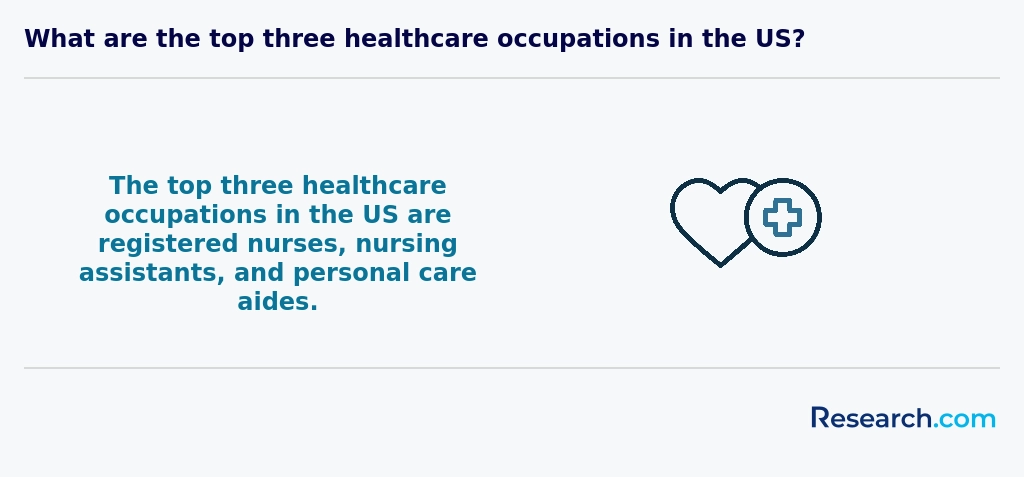
Graduates holding an online healthcare degree in New Jersey have access to diverse career paths that align with the state's robust healthcare sector. Opportunities span clinical roles such as Registered Nurse, where many graduates from institutions like Rutgers University and Seton Hall University find rewarding employment. Others pursue administrative positions, including Health Information Manager and Medical and Health Services Manager, especially as New Jersey's healthcare facilities increasingly adopt electronic health records and compliance regulations. For those interested in technical roles, positions as Healthcare IT Specialists or Physical Therapy Assistants are notable options.
Healthcare career opportunities New Jersey online also extend to public health fields. Graduates have successfully taken on roles as Public Health Educators and disease prevention specialists, motivated by the state's diverse population and urban health challenges. Students frequently share positive experiences of flexible online learning, allowing them to balance work and study while preparing for high-demand jobs. For aspiring professionals seeking affordable programs with competitive tuition, exploring the Affordable Online Healthcare Degree Programs Ranking in New Jersey offers practical guidance on cost-effective education options.
What is the job market for online healthcare degree in New Jersey?
The job market for online healthcare degree jobs in New Jersey remains robust, supported by a growing healthcare sector and strong demand for qualified professionals. Graduates from prominent New Jersey universities often find rewarding roles in diverse settings such as hospitals, outpatient clinics, and public health organizations. These hands-on environments allow graduates to apply their skills in real-world scenarios, reinforcing the practical value of their online degrees.
New Jersey healthcare degree employment outlook reflects a steady increase fueled by an aging population and medical advancements. Graduates report positive career outcomes, appreciating the flexibility and rigorous training offered through online programs, which align well with evolving industry standards. Many succeed in securing positions with competitive salaries, particularly in nursing and allied health fields.
For those interested in accelerating their qualifications, some turn to online 1 year masters programs, which further enhance employability and career growth prospects in New Jersey's dynamic healthcare job market.
Frequently Asked Questions About healthcare
Online healthcare degree students in New Jersey can enhance their learning by engaging actively with virtual classroom tools and participating in discussion boards. New Jersey offers access to numerous accredited programs that comply with the state's healthcare regulations, ensuring relevant and up-to-date coursework.
Students should seek out local clinical internships or partnerships, as practical experience is vital and often mandated for healthcare certifications. The New Jersey Department of Health reports a growing demand for trained healthcare professionals, highlighting the importance of strong hands-on skills. Time management and consistent study routines also improve knowledge retention.
Utilizing state resources like the New Jersey Health Care Quality Institute can provide additional learning opportunities and networking. Staying informed about New Jersey's evolving healthcare policies ensures students remain prepared for the workforce.
The healthcare field in New Jersey is rapidly evolving, with emerging niches offering new career opportunities. One growing area is telehealth, which expanded by over 50% during the COVID-19 pandemic and remains vital for rural and underserved populations, according to the New Jersey Department of Health. Another promising niche is healthcare informatics, focusing on managing patient data and improving care quality through technology. Additionally, mental health services are in demand, as New Jersey faces increasing needs for behavioral health professionals. These niches reflect broader national trends and highlight the importance of specialized online healthcare degrees tailored to New Jersey's workforce needs.
Preparing for the job market after completing an online healthcare degree in New Jersey involves several key steps. First, obtaining relevant certifications such as CPR or Basic Life Support can improve employability. Networking through professional organizations like the New Jersey Hospital Association provides valuable local connections. According to the New Jersey Department of Labor, healthcare employment is expected to grow by 11% through 2030, emphasizing the field's demand. Gaining practical experience through internships or clinical placements, which many online programs offer, is crucial. Additionally, tailoring your resume to highlight online learning adaptability can distinguish you in a competitive job market.
Employers in New Jersey's healthcare sector prioritize a blend of technical knowledge and soft skills when hiring graduates with healthcare degrees. Critical skills include strong communication abilities, as providers must interact effectively with patients and teams. Employers also value clinical competence supported by up-to-date, evidence-based knowledge, reflecting state licensing requirements and standards of care.
Problem-solving and adaptability are essential due to the fast-paced, evolving nature of healthcare. According to the New Jersey Department of Labor, healthcare jobs in the state are expected to grow 13% by 2030, emphasizing a demand for graduates who are both skilled and flexible. Additionally, cultural competence and empathy are increasingly important to serve New Jersey's diverse population.
Finding internships in New Jersey relevant to a healthcare degree involves several strategic steps. Start by exploring partnerships between online programs and local healthcare providers like Hackensack Meridian Health or RWJBarnabas Health, which offer numerous clinical internship opportunities. According to the New Jersey Department of Labor, healthcare roles are among the fastest-growing, increasing the availability of internships in hospitals, clinics, and public health organizations.
Use New Jersey's healthcare career centers and online portals such as NJHealthCareers.org to search for openings that match your degree focus. Networking through professional associations like the New Jersey State Nurses Association can also provide leads. Early application and tailored resumes emphasizing your online coursework experience increase your chances of success.
Online healthcare degrees in New Jersey significantly enhance career mobility and advancement by providing flexible access to accredited programs. With New Jersey's healthcare sector growing faster than the national average-projected employment growth of 10.5% through 2031 according to the U.S. Bureau of Labor Statistics-earning an online degree helps professionals meet demand.
Many hospitals and clinics in New Jersey prefer or require candidates to hold at least a bachelor's degree in healthcare-related fields to qualify for managerial or specialized roles.
Furthermore, online degrees often incorporate up-to-date coursework aligned with New Jersey's licensing and certification requirements, enabling graduates to pursue roles like registered nurse, healthcare administrator, or allied health professional.
By offering accessible education alongside current industry standards, online degrees empower students to compete effectively for promotions or new job opportunities within the state's dynamic healthcare environment.
Studying for an online healthcare degree in New Jersey equips students with skills needed for interdisciplinary roles by emphasizing collaboration across medical, administrative, and technological fields. Programs often incorporate training in healthcare policy, informatics, and patient care, reflecting the integrated nature of New Jersey's healthcare systems. According to the New Jersey Department of Health, the state's diverse patient population requires professionals who can navigate multiple disciplines effectively.
Online degrees also offer flexible learning environments where students engage with case studies and projects involving teamwork among nursing, public health, and management sectors. This prepares graduates to work efficiently within New Jersey's hospitals and community health organizations.
When choosing between a thesis and a non-thesis healthcare degree program in New Jersey, consider your career goals first. Thesis programs typically emphasize research skills, ideal for students planning to pursue a PhD or roles in healthcare policy and research. Non-thesis programs focus more on practical skills and clinical experience, suitable for direct entry into healthcare professions.
In New Jersey, healthcare employers increasingly value evidence-based practice. According to the New Jersey Department of Labor, healthcare jobs are expected to grow by 15% through 2030, highlighting the demand for qualified professionals with strong critical thinking.
Additionally, thesis tracks often take longer to complete due to research commitments. Evaluate your time availability and interest in conducting original research before deciding.
Students based in New Jersey interested in studying healthcare abroad have limited options within fully online international programs due to U.S. accreditation and licensing standards. Most healthcare degrees abroad require in-person clinical experiences, which can be challenging to complete remotely.
However, New Jersey learners can opt for hybrid programs offered by international institutions that partner with U.S. schools, allowing coursework online combined with local clinical training. Another pathway involves enrolling in U.S.-based online healthcare programs with exchange opportunities or short-term study abroad components.
According to the New Jersey Department of Education, students should verify that foreign institutions meet accreditation bodies recognized by the U.S. to ensure degree validity for licensure or employment in New Jersey healthcare settings.
Part-time job opportunities in New Jersey that complement healthcare degree education are abundant and varied. Many students find roles as medical assistants, pharmacy technicians, or patient care technicians, gaining hands-on experience while studying. New Jersey's healthcare industry employs over 300,000 people, according to the New Jersey Department of Labor, highlighting strong local demand.
Hospitals and outpatient clinics in cities like Newark and Jersey City frequently offer part-time positions suitable for students. Jobs in healthcare administration or billing and coding can also support online healthcare degree students, providing relevant skills in healthcare management.
Additionally, roles in home health aide services are growing rapidly, driven by the state's aging population. These experiences help deepen practical knowledge, important for career advancement.
Online healthcare students in New Jersey have access to a variety of networking opportunities designed to connect them with professionals and peers. Many accredited programs partner with local healthcare organizations, enabling students to engage in virtual seminars, workshops, and discussion forums focused on regional healthcare trends.
The New Jersey Hospital Association offers events and conferences that online students can join remotely, providing valuable contacts within the state's healthcare industry. Additionally, professional groups like the New Jersey Nurses Association and the New Jersey Public Health Association host online meetings accessible to students.
Networking through these channels can be especially beneficial since New Jersey's healthcare sector employs over 300,000 people, making it a significant hub for career growth. Engaging with these groups allows students to build connections, stay informed on job openings, and develop mentorships critical for career advancement.
Alumni networks play a vital role for online healthcare degree students in New Jersey by offering valuable professional connections. Graduates from New Jersey institutions often join strong local networks, which can lead to job opportunities within the state's growing healthcare sector. According to the New Jersey Department of Labor, healthcare employment is projected to grow 12% through 2030, increasing the importance of networking.
These networks provide mentorship, career advice, and updates on industry trends specific to New Jersey's healthcare environment. They also facilitate connections to hospitals and clinics in the region, improving chances for clinical placements and employment after graduation.
Customizing an online healthcare degree program in New Jersey allows students to align education with specific career goals. Many institutions offer flexible coursework options, such as concentrations in nursing, health administration, or public health. This flexibility helps students focus on in-demand fields; for example, New Jersey's healthcare sector is growing rapidly, driven by a 12% projected increase in healthcare jobs through 2030 according to the New Jersey Department of Labor.
Students can also choose electives tailored to specialized skills, like healthcare informatics or patient care management. Additionally, some programs incorporate internships or clinical practice placements within New Jersey, enabling hands-on experience in local healthcare settings.
Advisors typically assist in creating personalized study plans to match career objectives while meeting licensure or certification requirements relevant to the state.
Online healthcare students in New Jersey often face several important challenges. One common issue is balancing coursework with clinical requirements. Many programs require in-person clinical hours, which can be difficult to schedule alongside work and family commitments.
Technical difficulties also pose barriers. Reliable internet and familiarity with online platforms are essential, yet not everyone has equal access or experience. According to a 2023 New Jersey Department of Education report, about 15% of students encounter connectivity problems.
Additionally, ensuring program accreditation and state licensure compatibility can be confusing. New Jersey has strict healthcare licensing rules, so students must verify their online education meets state standards.
Financial concerns remain significant. While online programs can be cost-effective, many students worry about tuition, especially with limited local scholarships specifically for online healthcare studies.
An online healthcare degree from a New Jersey institution can open doors to various professional certifications that enhance career prospects. Graduates often pursue certifications such as Certified Healthcare Administrator (CHA), Registered Health Information Technician (RHIT), and Certified Medical Assistant (CMA), depending on their focus within healthcare.
New Jersey's growing healthcare sector, which employs over 300,000 workers according to the Bureau of Labor Statistics (2023), benefits from professionals holding these credentials. Certifications like the Certified Professional in Healthcare Quality (CPHQ) are also valuable for those interested in healthcare management and quality control.
Many of these certifications require passing a standardized exam and meeting clinical experience criteria, which online programs help prepare for by integrating practical knowledge with theoretical study.
To write a winning application for an online healthcare program in New Jersey, start by thoroughly researching accredited institutions recognized by the New Jersey Board of Nursing or other relevant state agencies. Highlight your motivation for healthcare, supported by clear career goals. Emphasize any healthcare-related experience or volunteer work, as New Jersey employers value practical skills and community engagement. Include strong letters of recommendation from professionals familiar with your abilities and work ethic.
Additionally, tailor your personal statement to reflect challenges and opportunities within New Jersey's healthcare system, citing sources like the New Jersey Department of Health. Finally, ensure all transcripts and certifications meet application deadlines and technical requirements to avoid disqualification.
The global perspective on a healthcare career highlights increasing demand and diverse opportunities. Healthcare is recognized worldwide as essential, offering stability and growth even during economic fluctuations. In New Jersey, healthcare employment is projected to grow by 11% from 2020 to 2030, faster than the national average, according to New Jersey Department of Labor data. This aligns with global trends emphasizing aging populations and chronic disease management.
Internationally, healthcare roles often require adaptability to different cultures and systems, which online degrees can address with flexible curricula. The U.S. healthcare system's complexity encourages strong training in both clinical skills and technology, making online learning a practical option for busy students.
Students pursuing online healthcare degrees in New Jersey can gain practical experience through clinical rotations and internships required by many accredited programs. These hands-on opportunities usually occur at hospitals, clinics, or community health centers near the student. For example, New Jersey hosts over 70 hospitals that often partner with educational programs to offer clinical placements.
Additionally, state regulations often mandate supervised practice hours, especially for nursing and allied health fields. Students should seek programs that assist with local placement to meet these requirements efficiently. Volunteering or part-time work in healthcare settings can also provide valuable experience alongside formal education.
According to the New Jersey Department of Health, practical experience boosts job readiness in this state's expanding healthcare sector, which employed about 430,000 professionals in 2023.
When choosing the right concentration within an online healthcare degree program in New Jersey, start by considering your career goals. Different concentrations, such as public health, healthcare administration, or nursing, prepare students for distinct roles in the growing New Jersey healthcare market. The New Jersey Department of Labor projects healthcare employment growth of 7.1% through 2030, emphasizing demand for specialized skills.
Research the curriculum and look for programs accredited by recognized bodies like the Commission on Accreditation of Healthcare Management Education (CAHME) or the Commission on Collegiate Nursing Education (CCNE). This ensures quality education and better job prospects.
Additionally, evaluate local healthcare needs; for example, New Jersey has a high demand for elder care and chronic disease management experts due to its aging population (U.S. Census Bureau, 2023). Aligning your concentration with such trends can improve employment opportunities.
Consider faculty expertise and available internships or practicum placements in New Jersey healthcare settings to gain practical experience.
Related Healthcare Rankings for Nearby States
- 2027 Best Online Healthcare Degree Programs Ranking in Maryland
- 2027 Best Online Healthcare Degree Programs Ranking in Connecticut
- 2027 Best Online Healthcare Degree Programs Ranking in Virginia
- 2027 Best Online Healthcare Degree Programs Ranking in Massachusetts
- 2027 Best Online Healthcare Degree Programs Ranking in Kentucky
- 2027 Best Online Healthcare Degree Programs Ranking in Tennessee
- 2027 Best Online Healthcare Degree Programs Ranking in Maine
- 2027 Best Online Healthcare Degree Programs Ranking in Indiana
- 2027 Best Online Healthcare Degree Programs Ranking in Georgia
- 2027 Best Online Healthcare Degree Programs Ranking in Michigan
Top Trending Healthcare Rankings
See What Experts Have To Say About Studying Healthcare
Read our interview with Healthcare experts

References
- Holy Cross Health Network Internships | Holy Cross Health https://www.holycrosshealth.org/careers/education-training-and-advancement/holy-cross-health-network-internships
- Highest-Paying Healthcare Degrees Online | EduMed.org https://www.edumed.org/articles/highest-paying-healthcare-degrees/
- E&S Academy - Healthcare Training Courses & Programs https://esacademy-usa.com/
- 5 Concentrations for a Bachelor’s of Healthcare Administration - Healthcare Administration Degree Programs https://www.healthcare-administration-degree.net/lists/5-concentrations-for-a-bachelors-of-healthcare-administration/
- Alumni Reconnect - Poznan University of Medical Sciences https://pums.edu.pl/alumni-friends/alumni-reconnect/
- School of Nursing and Health Sciences https://nhs.tcnj.edu/
- Complete Guide to Mastering New Jersey Nursing Prerequisites https://www.prereqcourses.com/mastering-new-jersey-nursing-prerequisites/
- Healthcare Degrees https://teach.com/online-ed/healthcare-degrees/
- Challenges for Medical Students - Health Action Research Group https://www.healthactionresearch.org.uk/mental-health/challenges-for-medical-student/
- Interdisciplinary Education and Practice https://www.aacnnursing.org/news-data/position-statements-white-papers/interdisciplinary-education-and-practice


