2027 Best Healthcare Degree Programs Ranking in Morgantown

Co-Founder and Chief Data Scientist
Choosing the right healthcare degree program in Morgantown can shape your future in meaningful ways. This article introduces the 2027 Best Healthcare Degree Programs Ranking in Morgantown, created by the Research.com team of data scientists. Their careful analysis helps students like you discover which programs offer the best opportunities for growth and success.
Exploring this ranking will give you clear insight to make confident decisions. Pursuing a healthcare degree opens doors to rewarding careers that make a real difference in people's lives. Let this guide inspire your next step.
Key benefits of getting healthcare degree in Morgantown
- Salary for healthcare degree graduates: Graduates can expect competitive wages, such as Medical Assistants earning a mean annual salary of $43,350 and Quality Improvement Coordinators earning up to $103,150 in Morgantown.
- Career paths: A healthcare degree from a local institution like West Virginia University opens doors to roles including Patient Care Technician and Health Information Technician, offering diverse opportunities and growth.
- Online degree benefits: Pursuing an online healthcare degree in Morgantown provides flexibility and accessibility, allowing students to balance work and studies effectively while gaining credentials similar to traditional programs.
- Key benefits of getting healthcare degree in Morgantown
- What can I expect from healthcare degree in Morgantown?
- Where can I work with healthcare degree in Morgantown?
- How much can I make with healthcare degree in Morgantown?
- 2027 Best Healthcare Degree Programs Ranking in Morgantown
- Key Findings
- How long does it take to complete healthcare degree in Morgantown?
- Affordable Online Public Health Degree Options
- What's the difference between online and on-campus healthcare degree?
- Student Life and Community Engagement in Morgantown
- What is the average cost of healthcare degree in Morgantown?
- Licensing and Certification Requirements for Healthcare Graduates in Morgantown, WV
- What financial aid is available to healthcare degree students in Morgantown?
- Online Healthcare Programs: Adapting to a Digital Future
- What are the prerequisites for enrolling in healthcare degree program in Morgantown?
- Expert Tips for Prospective Healthcare Students in Morgantown, WV
- What courses are typically in healthcare degree programs in Morgantown?
- What types of specializations are available in healthcare degree programs in Morgantown?
- How do you choose the best healthcare degree in Morgantown?
- What career paths are available for healthcare degree students in Morgantown?
- What is the job market for healthcare degree in Morgantown?
- Top Trending Healthcare Rankings
- See What Experts Have To Say About Studying Healthcare
What can I expect from healthcare degree in Morgantown?
The average cost of a healthcare degree in Morgantown tends to be lower than the national average, largely due to the affordable tuition rates at West Virginia University (WVU), the city's primary institution for health sciences. Graduates often recall balancing the manageable in-state tuition with scholarships or federal aid, which many qualify for, easing financial pressures significantly. For instance, students in nursing or public health programs at WVU's Robert C. Byrd Health Sciences Center report that this financial accessibility makes pursuing a demanding healthcare education feel more attainable and less stressful.
While the cost is relatively affordable, it's important to consider other expenses such as fees, textbooks, and clinical supplies, which may vary by program. Many healthcare students emphasize how WVU's extensive support services, like financial aid counseling and grant opportunities, help them navigate these costs effectively, preventing financial strain during their studies.
Overall, the tangible benefit for students is the combination of reasonable costs with a rich academic and clinical environment, fostering confidence and motivation as they prepare for healthcare careers in Morgantown.
Where can I work with healthcare degree in Morgantown?
Graduates with healthcare degrees from Morgantown institutions like West Virginia University often find a spectrum of career paths shaped by the city's robust medical environment. Many begin their journeys in facilities such as Ruby Memorial Hospital, a Level 1 Trauma Center within the University Health System, where roles span nursing, clinical support, and specialized medical services. These settings provide dynamic, hands-on experiences that recent grads frequently describe as both challenging and deeply rewarding.
Others pursue opportunities in outpatient clinics or specialized practices focusing on physical therapy and mental health, reflecting Morgantown's broad healthcare landscape. Graduates working in these environments appreciate the close patient interaction and community impact, which often fuels their professional satisfaction.
Long-term care facilities and rehabilitation centers serve growing demands due to West Virginia's aging population, offering roles that combine direct care and health management. Some grads emphasize how these positions foster meaningful patient relationships over time.
Additionally, healthcare education and research positions tied to local universities provide career options for those interested in academic or clinical advancements. While the sector's steady growth signals positive prospects, students are encouraged to remain adaptable and consider diverse roles beyond hospitals to fully leverage Morgantown's healthcare ecosystem.
How much can I make with healthcare degree in Morgantown?
Healthcare degree graduates in Morgantown can expect a range of earnings depending on their exact roles and experience. For instance, medical assistants, often among the first roles graduates enter, earn about $43,350 annually. This salary is realistic for many graduates from local programs who start their careers supporting patient care while gaining valuable experience.
Those specializing as patient care technicians see higher wages, with mean salaries near $60,790. Graduates from Morgantown's health sciences programs often find these roles rewarding and a step toward more advanced healthcare positions.
Graduates working as health information technicians also earn around $43,380, reflecting the demand for skilled data management in hospitals like West Virginia University Medical Center. Clinical research coordinators make a similar median salary near $43,350, representing growing opportunities in clinical trials and research fields.
Remarkably, the role of quality improvement coordinator stands out with a mean annual wage exceeding $103,000. This highlights the benefit of pursuing advanced certifications or leadership tracks after completing a healthcare degree in Morgantown. Many graduates express pride and motivation working in these positions, often seeing direct impacts on patient care and organizational success.
2027 Best Healthcare Degree Programs Ranking in Morgantown
How do we rank schools?
Investing in your education is a significant decision that can influence your future, and the Research.com team is committed to supporting you in making well-informed choices. To provide valuable guidance, we have carefully developed the "2027 Best Healthcare Degree Programs Ranking in Morgantown." Our dedication to quality, credibility, and accuracy is demonstrated through the thorough research and analysis behind this ranking.
We utilized the following reputable data sources to ensure a comprehensive evaluation of healthcare degree programs:
By exploring this ranking, readers gain valuable insights into the top healthcare degree programs available in Morgantown, empowering them to make confident decisions about their academic futures. For further details on how this ranking was created, please visit our Research.com methodology page.

Key Findings
- Morgantown offers healthcare programs in nursing, public health, and health sciences, supported by West Virginia University's health sciences schools.
- Annual tuition for in-state students ranges from $9,000 to $15,000, while out-of-state tuition is between $25,000 and $30,000, excluding housing and living costs.
- The healthcare job market in Morgantown is growing at about 15% over the next decade due to population aging and increased healthcare needs.
- Starting salaries average $55,000 for registered nurses and $45,000 to $50,000 for medical technologists or health information specialists.
- Experienced healthcare professionals earn between $75,000 and $90,000 annually, with higher pay for specialized roles in medical research and advanced practice nursing.
- WV University Medicine is a major employer, offering employment and internship opportunities within the local healthcare sector.
How long does it take to complete healthcare degree in Morgantown?
Completing a healthcare degree in Morgantown generally aligns with national timelines, though individual experiences vary. Graduates from West Virginia University, a prominent local institution, often note that associate degrees-such as in medical assisting-take about two years, providing a swift path to entry-level roles. Many appreciate this focused timeframe, which balances earning potential and time investment effectively.
Bachelor's degree students, including those pursuing a BSN, typically spend four years immersed in coursework and clinical practice. Some report that managing general education requirements alongside major-specific classes can be demanding yet rewarding, as it prepares them holistically for healthcare careers.
For those advancing to master's or doctoral programs in Morgantown, timeframes range from two to four years post-bachelor's, depending on whether the student studies full-time or part-time. Graduates reflect that while the duration is significant, the immersive training at WVU fosters confidence and deep expertise.
It's important to recognize alternative pathways like accelerated or part-time study, which alter completion times and appeal to diverse student needs. Prospective students should consider these nuances alongside life commitments when charting their educational journey in Morgantown.
Affordable Online Public Health Degree Options
Many students in Morgantown prioritize budget-friendly pathways without sacrificing program quality. By enrolling in accredited online public health programs, you can reduce tuition costs and access coursework in epidemiology, health promotion, and biostatistics from any location. To explore curated options with transparent pricing and strong outcomes, check out our low cost online public health degrees. Online public health degrees typically offer:
- Competitive tuition rates 30–50% lower than traditional on-campus programs.
- Asynchronous lectures and digital resources for maximum schedule flexibility.
- Comprehensive support through virtual advising, career services, and networking platforms.
- Accelerated tracks and stackable certificates to shorten time to degree and minimize debt. These online options not only enhance affordability but also equip graduates with in-demand skills for community health roles, policy analysis, and health education careers. By balancing cost and curriculum rigor, affordable online public health degrees serve as a strategic investment for future healthcare professionals.
What's the difference between online and on-campus healthcare degree?
Healthcare students in Morgantown often notice that on-campus programs, such as those at West Virginia University, emphasize hands-on experience. Graduates frequently recall working directly in campus labs and clinical partnerships with local hospitals, which helped them build confidence and practical skills through face-to-face mentorship.
In contrast, online healthcare degrees offer flexibility that suits those balancing work or family commitments. Learners report appreciating the ability to study on their own schedules, which can reduce stress and enable steady progress. Yet, many highlight the challenge of securing quality clinical placements remotely, a key part of qualified healthcare training.
Cost also plays a defining role: on-campus programs may add housing and commuting expenses, while online options often allow Morgantown students to save on these. Both paths require accredited curricula, so students need to verify clinical components, especially in online programs.
Ultimately, the choice reflects individual needs: whether valuing immersive, direct engagement or adaptable learning environments, Morgantown's offerings cater thoughtfully to diverse healthcare career goals.
Student Life and Community Engagement in Morgantown
For many prospective healthcare students, the decision to enroll goes beyond academics-campus life, support networks, and community engagement are instrumental in creating a fulfilling educational experience. In Morgantown, WV, students not only benefit from top-tier curricula but also from vibrant campus communities that offer extracurricular activities, mentorship programs, wellness resources, and a host of networking opportunities. Engaging in clubs, volunteer initiatives, and on-campus events often leads to richer learning experiences and lifelong professional connections, which are key to succeeding in the healthcare industry. Moreover, many institutions partner with local hospitals and community centers to provide shadowing opportunities, internships, and service-learning projects that allow students to gain hands-on experience while actively contributing to the community. For additional insights on campuses prioritizing both academic excellence and holistic student well-being, you might explore our detailed ranking of affordable healthcare schools in west virginia. This resource can help you find programs that not only excel in healthcare education but also offer a supportive, engaging environment where you can thrive both academically and personally.
What is the average cost of healthcare degree in Morgantown?
The average cost of a healthcare degree in Morgantown reflects a balance between affordability and quality education. Data from popular institutions like West Virginia University indicate that in-state students typically face tuition around $10,000 annually, aligning well with the median in-state total cost of $10,104. This cost estimate is reassuring for local students, who often feel a sense of pride and motivation knowing they can pursue healthcare education without excessive financial strain.
Out-of-state students prepare for a steeper investment, with median total costs reaching approximately $42,570. Though significantly higher, many graduates emphasize scholarships and financial aid as essential tools that soften this expense. Beyond tuition, students frequently mention budgeting for books, supplies, and living expenses, which add layers to the overall financial commitment when pursuing healthcare degrees in Morgantown.
Healthcare degree tuition and fees in Morgantown remain competitive when compared nationally, offering students access to diverse programs in nursing, public health, and allied health. Personal accounts from recent graduates highlight the value received for the price, frequently referencing the support and community found at WVU and other respected local colleges. Additionally, some students combine their healthcare focus with practical options such as an associate's degree in veterinary technology to expand career opportunities while managing costs effectively.

Licensing and Certification Requirements for Healthcare Graduates in Morgantown, WV
Upon earning a healthcare degree in Morgantown, graduates must secure the appropriate state licensure and certifications to practice legally and competitively. In West Virginia, the Board of Examiners for Registered Professional Nurses oversees NCLEX-RN and NCLEX-PN examinations, while other credentials-such as Certified Health Information Technician (RHIT) or Certified Medical Assistant (CMA)-are administered by national bodies like AHIMA and AAMA. Key steps include: 1. Eligibility Verification and Application • Confirm your program’s accreditation with the West Virginia Higher Education Policy Commission to ensure eligibility for state exams. • Submit a licensure application to the West Virginia Board of Examiners, including official transcripts, background check results, and proof of immunizations. 2. Exam Registration and Preparation • Register for the NCLEX or specialty certification exams through Pearson VUE. • Utilize state-approved review courses and practice question banks to reinforce clinical knowledge and test-taking strategies. 3. Maintaining Certification and Continuing Education • After passing the exam, renew licensure every two years by completing required continuing education units (CEUs). • Stay informed on new healthcare regulations and scope-of-practice updates via West Virginia’s Board newsletters. For graduates seeking advanced credentials without incurring high debt, an Inexpensive Online Master's in Healthcare Degree Programs Ranking in Colorado offers a cost-effective pathway to fulfilling education requirements for leadership roles and specialized certifications.
What financial aid is available to healthcare degree students in Morgantown?
Students pursuing healthcare degrees in Morgantown often find federal aid indispensable. Pell Grants and Direct Loans help reduce immediate financial pressure, especially for those balancing work and study. Many graduates recall how Pell Grants offered significant relief during their toughest semesters, allowing them to focus more on clinical practice than on finances.
State scholarships like the West Virginia Higher Education Grant specifically assist residents studying locally, making programs at institutions such as West Virginia University more accessible. Graduates from WVU nursing and public health programs frequently highlight these grants as game changers in managing tuition costs without accumulating excessive debt.
Work-study options also present real-world benefits, pairing part-time employment with academic schedules. Students working in hospital settings as part of these programs share a sense of accomplishment in earning while gaining hands-on experience. This blend of financial aid and practical exposure builds confidence while easing economic burdens.
Beyond traditional aid, specialized scholarships from organizations like the American Association of Colleges of Nursing provide targeted support, especially for those committed to underserved communities. Some healthcare programs also offer payment plans or employer tuition assistance for working adults, helping maintain financial stability during advanced studies.
Online Healthcare Programs: Adapting to a Digital Future
With the rapid digital transformation in education, online healthcare programs are emerging as a game changer for students seeking flexibility, affordability, and cutting-edge learning experiences. These programs offer dynamic curricula that blend virtual lectures, interactive simulations, and remote clinical practicums, ensuring that students gain both theoretical knowledge and essential hands-on skills. The shift toward online learning not only aligns with modern lifestyle demands but also addresses the growing need for healthcare professionals who can navigate an increasingly digital healthcare environment. Prospective students can leverage resources like online sonography programs near me to explore specialized options that combine convenience with quality instruction. Furthermore, the integration of advanced technologies in virtual classrooms encourages collaboration, personalized learning, and real-time feedback from experienced faculty. This evolution in online education ensures that graduates are well-prepared to tackle contemporary challenges in healthcare delivery while enjoying the benefits of a flexible learning schedule that fits around work and personal commitments.
What are the prerequisites for enrolling in healthcare degree program in Morgantown?
Enrolling in a healthcare degree program in Morgantown, such as those at West Virginia University, typically requires meeting a set of academic and experiential prerequisites that can feel challenging but rewarding. Graduates often recall the importance of having completed a high school diploma along with core courses in biology, chemistry, and mathematics, which build a solid foundation for healthcare studies. These prerequisites ensure students are not overwhelmed when facing demanding subjects like anatomy or physiology.
Standardized tests like the SAT or ACT may still be requested, though some programs have adopted test-optional policies, allowing applicants to focus more on relevant coursework and healthcare exposure. Many students find volunteer work or healthcare-related internships invaluable, not only for admission but also for confirming their passion and commitment to the field.
A GPA of around 2.5 to 3.0 in prerequisite science courses is commonly expected, reflecting both competence and readiness. Graduates often emphasize how balancing these academic requirements with practical experience helped them feel confident and prepared for the rigorous healthcare environment in Morgantown.
Expert Tips for Prospective Healthcare Students in Morgantown, WV
Navigating the plethora of options in healthcare education can be challenging, but preparing early and strategically can set you up for success. Start by researching each program’s unique strengths, focusing on factors such as accreditation, industry partnerships, and hands-on training opportunities. Make sure to attend information sessions and campus tours to get a firsthand look at the facilities and student support services, as these insights can reveal much about the program’s culture and effectiveness. In addition, leveraging mentorship and networking can be extremely beneficial-connecting with professionals and alumni often provides insider tips that enhance your learning experience and career prospects. Consider joining student organizations and professional associations; these groups are invaluable for building relationships and gaining exposure to real-world challenges in the healthcare field. If affordability is a priority, prospective students should also explore affordable healthcare schools in west virginia to ensure their chosen program not only meets academic standards but also fits within their financial plans. Finally, stay informed on emerging trends in healthcare, such as technological advancements and new patient care models, which may impact both your learning and future career opportunities.
What courses are typically in healthcare degree programs in Morgantown?
Healthcare degree programs in Morgantown typically include core courses such as anatomy and physiology, microbiology, and chemistry, which graduates often recall as essential for understanding the human body and disease processes. At popular institutions like West Virginia University, students describe these classes as challenging but rewarding, providing the scientific foundation necessary for clinical practice.
Many programs also emphasize pharmacology and medical terminology, helping students communicate clearly with healthcare teams and understand medication management. Graduates frequently mention how courses focused on medical ethics and healthcare administration prepared them for decision-making in complex, real-world situations.
Moreover, specialized classes in healthcare informatics reflect Morgantown's growing technological integration in medical settings. Students appreciate learning to navigate electronic health records, which they encounter daily during clinical internships at local hospitals and clinics.
Electives often include public health and wellness promotion, broadening students' perspectives. Hands-on clinical experiences complement classroom learning, offering a dynamic environment where theory meets practice, fostering confidence and deeper patient empathy among Morgantown's healthcare degree recipients.
What types of specializations are available in healthcare degree programs in Morgantown?
Healthcare degree specializations in Morgantown reflect a broad spectrum of interests suited to the dynamic medical field. At West Virginia University (WVU), graduates often highlight nursing tracks-ranging from registered nurse to advanced practice roles-as pivotal; these programs benefit from Morgantown's robust healthcare system like WVU Medicine, which directly impacts practical training and job opportunities. Meanwhile, public health students emphasize the unique focus on rural health disparities, a critical issue in West Virginia, that shapes their understanding of community needs and policymaking.
Other graduates recall clinical laboratory science as a demanding but rewarding specialization, with a focus on diagnostics and microbiology that aligns well with Morgantown's healthcare infrastructure. Healthcare administration programs here also attract students aiming to navigate complex hospital operations, with many appreciating options such as online healthcare administration degrees thesis requirements that offer flexibility. Those pursuing physical therapy, occupational therapy, or radiologic technology note hands-on experiences that prepare them for vital patient care roles.
Though these specializations are comprehensive, prospective students should weigh local demand and program strengths carefully when considering top healthcare programs Morgantown West Virginia offers, ensuring alignment with personal career goals.
How do you choose the best healthcare degree in Morgantown?
Choosing the best healthcare degree programs Morgantown requires careful consideration beyond just program reputation. Graduates from West Virginia University often emphasize the value of accreditation, which ensures their education meets professional standards and supports licensure eligibility. This is especially important in a diverse healthcare field where specialized skills matter. For instance, students pursuing nursing or physical therapy degrees benefit from programs accredited by recognized entities such as CAAHEP or ACEN.
Affordability also plays a key role when considering healthcare programs in Morgantown. Many students appreciate that WVU's tuition ranges between $9,000 and $25,000 annually for in-state learners, which stands out against pricier national averages. This affordability, paired with hands-on clinical experiences at local hospitals, often makes the learning journey both rewarding and practical.
When reflecting on personal paths, some graduates chose to deepen expertise through a kinesiology master's degree, finding it aligned well with their career ambitions in health and wellness. Looking into such diversified options within affordable healthcare degrees in Morgantown helps ensure informed choices tailored to long-term success.
What career paths are available for healthcare degree students in Morgantown?
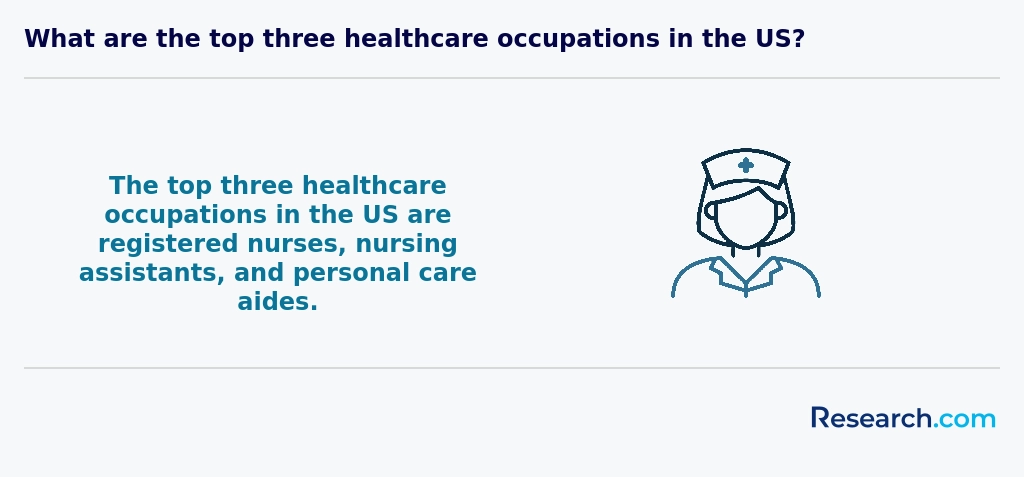
Graduates with a healthcare degree in Morgantown find diverse career paths shaped by the city's strong healthcare sector and educational institutions like West Virginia University. Many pursue roles as registered nurses, responding to regional demand with positions that offer both rewarding patient interaction and stable salaries. Others explore careers as physical therapists or healthcare informatics specialists, fields that blend hands-on care with data-driven decision making-both important in Morgantown's evolving healthcare landscape.
Healthcare degree career options Morgantown also include leadership positions such as medical and health services managers. These roles appeal to graduates interested in overseeing healthcare delivery, combining administrative skills with clinical understanding. Graduates often reflect positively on the practical training received at local universities, which helps them navigate the challenges of real-world healthcare environments effectively.
Some students focus on specialized paths like occupational therapy or respiratory therapy, benefiting from Morgantown's community health organizations and hospital settings. Prospective students should weigh these opportunities alongside tuition costs and program offerings, including considerations like dental hygiene technical requirements, which impact program choices. Ultimately, healthcare job opportunities in Morgantown provide varied, fulfilling options with strong prospects for personal and professional growth.
What is the job market for healthcare degree in Morgantown?
The healthcare job opportunities in Morgantown show promising growth, largely fueled by the city's status as a regional healthcare and research hub. Graduates of healthcare programs at institutions like West Virginia University often find themselves well-positioned for roles in hospitals and outpatient care centers, where demand for registered nurses, medical managers, and therapists remains strong. Many alumni describe the satisfaction of working in close-knit clinical environments that balance cutting-edge research with community care.
Morgantown healthcare degree employment outlook is influenced by steady expansion in local health systems and rising patient needs, especially as the population ages. While salaries align broadly with national averages, the accessible cost of local healthcare education-highlighted by affordable healthcare schools in west virginia-makes career entry less financially daunting. Students often emphasize how practical training alongside experienced professionals enriches their readiness for diverse healthcare roles.
Frequently Asked Questions About healthcare
Healthcare degree students in Morgantown can maximize their learning experience by engaging actively in local clinical opportunities. Morgantown hosts renowned medical centers like the WVU Medicine J.W. Ruby Memorial Hospital, offering valuable hands-on training and internships. According to the West Virginia Higher Education Policy Commission, practical exposure significantly improves job readiness for healthcare graduates statewide.
Networking is also vital; students should participate in local professional organizations such as the Mon Health Foundation events. These connections can lead to mentorships and job opportunities after graduation.
Utilizing the resources at West Virginia University, including simulation labs and research centers, can deepen understanding and skills.
Emerging niches within the healthcare field are expanding rapidly, especially in areas linked to technology and specialized patient care. In Morgantown, West Virginia University plays a key role by offering programs in telehealth and health informatics, fields expected to grow by over 15% nationally through 2030, according to the U.S. Bureau of Labor Statistics.
Another promising niche is geriatric care, driven by the aging population in West Virginia, which has one of the highest median ages in the U.S. This boosts demand for healthcare professionals trained in elderly care and chronic disease management.
Additionally, precision medicine and genetic counseling are gaining attention, combining biology and technology to tailor treatments, reflecting a nationwide increase in personalized healthcare services.
Preparing for the healthcare job market after earning a degree in Morgantown requires both academic and practical steps. Begin by securing internships or clinical experiences during your studies to build hands-on skills. West Virginia University and local health systems often offer valuable partnerships for such placements.
Networking with healthcare professionals in Morgantown boosts job prospects. Joining organizations like the West Virginia Health Care Association can connect you with local employers. Additionally, obtaining relevant certifications, such as CPR or specialized licenses, enhances your resume.
Research local job trends; Morgantown's healthcare sector grew by 5% in recent years, reflecting rising demand for qualified professionals (Bureau of Labor Statistics, 2023). Tailoring your job search to this expanding market improves your chances of success.
Employers in Morgantown value healthcare graduates who demonstrate strong clinical skills paired with effective communication. According to the West Virginia Center for Nursing's 2023 report, nearly 75% of local healthcare employers prioritize graduates who can effectively collaborate in interdisciplinary teams. Critical thinking and problem-solving abilities are also essential due to the complex healthcare environment.
Technical proficiency with electronic health records (EHR) systems is increasingly important, as 68% of Morgantown healthcare providers use advanced digital tools, per a 2022 Health IT West Virginia survey. Additionally, cultural competence and empathy are highly sought after to serve Morgantown's diverse patient population successfully.
Finding internships in Morgantown relevant to healthcare degrees involves several key steps. Start by exploring opportunities at local institutions such as WVU Medicine, one of the largest healthcare providers in the region, offering internships in nursing, public health, and clinical research. According to WVU's career services, more than 60% of healthcare internships available here lead to employment.
Students should also utilize Morgantown's healthcare job boards and university-affiliated programs for connections with hospitals and clinics. Networking through local professional groups, including the West Virginia Hospital Association, can open doors to unpaid and paid internships.
Additionally, many internships require specific coursework, so consulting academic advisors early helps align education and practical experience.
Obtaining a healthcare degree in Morgantown significantly enhances career mobility and advancement opportunities within the local medical sector. Morgantown is home to prominent institutions such as the WVU Health Sciences Center, offering diverse healthcare programs that align with regional workforce demands. According to the U.S. Bureau of Labor Statistics, healthcare jobs in West Virginia are expected to grow by 13% from 2022 to 2032, which is faster than the average for all occupations.
Graduates with accredited healthcare degrees can access roles ranging from nursing and health administration to specialized clinical positions. Advanced qualifications often lead to higher salaries and leadership roles in hospitals, clinics, and research centers.
Studying for a healthcare degree in Morgantown offers students valuable preparation for interdisciplinary roles common in modern healthcare. Local programs emphasize collaboration across fields like nursing, medicine, public health, and social work, reflecting trends in integrated patient care. For example, West Virginia University's healthcare curriculum includes team-based projects and clinical rotations involving multiple specialties, aligning with national standards for interprofessional education.
Data from the West Virginia Higher Education Policy Commission shows a growing demand for healthcare professionals skilled in teamwork and communication. Morgantown's healthcare degrees are designed to build these competencies, ensuring graduates can work effectively in settings such as hospitals and community clinics.
Practical experience in Morgantown's network of healthcare providers further strengthens interdisciplinary skills, preparing students to address complex patient needs in diverse environments.
Choosing between a thesis and a non-thesis healthcare degree program in Morgantown depends largely on your career goals. Thesis programs usually focus on research and are ideal if you plan to pursue further academic study or work in clinical research fields. Non-thesis programs often emphasize practical skills, preparing students for immediate employment in healthcare settings.
In Morgantown, where institutions like West Virginia University offer both options, students should consider workload and time commitment. Thesis tracks typically require additional semesters to complete research projects, while non-thesis tracks may be shorter and more coursework-based.
Data from the National Center for Education Statistics suggest about 40% of graduate healthcare students nationwide choose thesis options, reflecting the balance between research and applied practice.
Students based in Morgantown interested in studying healthcare abroad have several avenues to explore. Many universities in Morgantown, including West Virginia University, offer study abroad programs or exchange partnerships that focus on healthcare disciplines. These opportunities allow students to gain international experience in diverse healthcare systems while earning credits toward their degrees.
It is important to consider programs accredited by recognized US bodies to ensure credit transferability and professional licensing. Popular destinations often include countries with advanced medical education systems such as the UK, Canada, and Australia.
Financial aid and scholarships may be available specifically for study abroad healthcare students, helping offset costs. Considering these factors will help Morgantown students make informed decisions about global healthcare education paths.
Students pursuing healthcare degrees in Morgantown have access to various part-time job opportunities that complement their academic goals. Local hospitals such as WVU Medicine offer roles like medical scribing, patient transport, and clerical support, providing hands-on experience in clinical environments. According to the Bureau of Labor Statistics, these positions enhance understanding of hospital workflows and patient care.
Additionally, Morgantown's numerous outpatient clinics and assisted living facilities often seek part-time aides and administrative assistants. These roles build communication skills and offer exposure to diverse patient populations.
Campus research labs may also employ students as lab technicians or coordinators, supporting clinical studies relevant to healthcare fields.
Healthcare students in Morgantown have access to a variety of networking opportunities crucial for career development. West Virginia University (WVU), a major institution in the area, hosts numerous student organizations such as the WVU Student Health Association, which connects students with local healthcare professionals through workshops and events.
Local hospitals, including Mon Health System, frequently offer internships and clinical placements, enabling students to build relationships within the medical community. Additionally, Morgantown's Health Sciences Center hosts conferences and guest lectures that draw experts from across the region.
These combined resources support meaningful networking, helping students gain insights and employment prospects in the healthcare field.
Alumni networks offer valuable resources for healthcare degree students in Morgantown by providing connections to experienced professionals locally and nationally. These networks facilitate mentorship opportunities, helping students navigate clinical placements and job searches.
Morgantown's healthcare sector benefits from strong ties between universities and medical facilities like WVU Medicine. Alumni often share insights on emerging healthcare trends and licensing requirements specific to West Virginia, aiding students' career readiness.
Research shows that graduates engaged with alumni networks have up to a 25% higher employment rate within six months after graduation in healthcare fields, reflecting the importance of these connections.
Such networks also foster professional development through events, workshops, and seminars tailored to Morgantown's healthcare community, enhancing students' skills and knowledge.
Customizing a healthcare degree program in Morgantown allows students to align their studies with specific career goals. Many local institutions offer flexible curricula, including elective courses and specialization tracks, such as nursing, public health, or health administration. Students can often select internships or clinical placements in Morgantown's diverse healthcare settings, like WVU Medicine hospitals, enhancing practical experience.
Advisors at these schools help tailor course loads and recommend certifications relevant to Morgantown's growing healthcare sector. According to the Bureau of Labor Statistics, healthcare occupations in West Virginia are projected to grow 11% from 2021 to 2031, signifying strong local demand for customized skills.
Healthcare students in Morgantown often face rigorous coursework that demands both academic excellence and practical skills. Balancing clinical rotations with studying can be challenging, especially in high-demand fields like nursing and respiratory therapy. Time management becomes critical as students must juggle coursework, hands-on experience, and often part-time jobs.
Financial strain is another common issue. According to the West Virginia Higher Education Policy Commission, many students rely on loans and scholarships, yet the rising cost of healthcare education remains a barrier. Additionally, limited local healthcare facilities can restrict clinical placement options, increasing competition among students.
Mental health concerns have also risen; a 2023 survey by the American Association of Colleges of Nursing highlights that stress and burnout are prevalent among nursing students nationwide, reflecting the high expectations of healthcare programs in Morgantown.
With a healthcare degree in Morgantown, graduates can pursue various professional certifications to enhance their careers. Common certifications include Certified Medical Assistant (CMA), Registered Health Information Technician (RHIT), and Certified Professional Coder (CPC). These credentials are recognized nationwide and open doors to specialized roles.
Certified Nursing Assistant (CNA) is another option for direct patient care roles. For advanced paths, the Certified Healthcare Manager (CHM) or Certified Professional in Healthcare Quality (CPHQ) offer leadership prospects within hospitals or clinics.
These certifications often require passing a standardized exam and meeting practical experience criteria, which many Morgantown healthcare programs support through internships.
Writing a strong application for a healthcare program in Morgantown requires clarity and preparation. First, research each program's prerequisites and tailor your personal statement accordingly. Highlight your passion for healthcare and relevant experience, such as volunteering or internships in local Morgantown hospitals.
Ensure your academic records meet or exceed program requirements. Many Morgantown healthcare programs, including those at West Virginia University, emphasize a solid science background and competitive GPA.
Strong letters of recommendation from healthcare professionals or educators familiar with your capabilities can boost your application significantly.
Lastly, demonstrate awareness of current healthcare challenges in West Virginia, supported by data from sources like the West Virginia Department of Health and Human Resources, to show commitment beyond academics.
The global perspective on a healthcare career emphasizes the growing demand for skilled professionals due to aging populations and emerging health challenges. In the United States, healthcare jobs are projected to grow 13% from 2021 to 2031, faster than the average for all occupations, according to the Bureau of Labor Statistics. Morgantown, West Virginia, benefits from this trend with institutions like West Virginia University offering renowned healthcare programs that prepare students for both local and international healthcare environments.
Healthcare careers often provide opportunities to work in diverse settings worldwide, including hospitals, clinics, and public health organizations. Understanding global health issues enhances a graduate's ability to address challenges such as pandemics and health disparities.
Students in Morgantown can gain relevant international insights through curricula aligned with global standards and research initiatives, ensuring they are competitive in a global job market.
Gaining practical experience while studying for a healthcare degree in Morgantown is essential for career readiness. Many local programs partner with hospitals like Ruby Memorial Hospital, offering clinical internships and externships. These opportunities allow students to apply classroom knowledge in real healthcare settings.
Students can also participate in volunteer work at community health centers or nursing homes. Such experience helps develop patient communication and care skills. Morgantown's status as a university town means students often have access to simulation labs, which provide hands-on training without patient risk.
The West Virginia University Health Sciences Center provides extensive resources to support experiential learning, including research assistant roles and observation hours. According to WVU reports, over 75% of healthcare students engage in practical training before graduation.
Choosing the right concentration within a healthcare degree program in Morgantown starts with understanding local healthcare demands. For example, with West Virginia's growing aging population, specialties like gerontology and nursing are increasingly important according to the West Virginia Department of Health and Human Resources. Prospective students should consider which disciplines align with their interests as well as job opportunities in Morgantown's healthcare market.
Researching program curricula is essential; some concentrations emphasize clinical practice while others focus on administration or technology. Evaluating internships or partnerships with Morgantown healthcare providers can offer real-world experience.
Finally, talking to local professionals and academic advisors helps clarify how each concentration fits career progression and regional needs.
Related Healthcare Rankings for Nearby Cities
- 2027 Best Healthcare Degree Programs Ranking in Pittsburgh
- 2027 Best Healthcare Degree Programs Ranking in Harrisonburg
- 2027 Best Healthcare Degree Programs Ranking in Cleveland
- 2027 Best Healthcare Degree Programs Ranking in Columbus
- 2027 Best Healthcare Degree Programs Ranking in Washington
- 2027 Best Healthcare Degree Programs Ranking in Erie
- 2027 Best Healthcare Degree Programs Ranking in Buffalo
- 2027 Best Healthcare Degree Programs Ranking in Toledo
- 2027 Best Healthcare Degree Programs Ranking in Wilkes-Barre
- 2027 Best Healthcare Degree Programs Ranking in Greensboro
Top Trending Healthcare Rankings
See What Experts Have To Say About Studying Healthcare
Read our interview with Healthcare experts

References
- The impact of postgraduate education on career advancement in healthcare https://sets.com.ua/journals/vol-3-no-2-2024/the-impact-of-postgraduate-education-on-career-advancement-in-healthcare
- The Role of Interdisciplinary Studies in Medical Career Training https://georgia-med.com/the-role-of-interdisciplinary-studies-in-medical-career-training.html
- Thesis vs. Non-Thesis Master's Programs: Which is Right for You? https://potomac.edu/thesis-vs-non-thesis-masters/
- Know more about thesis vs non- thesis: what is the difference? https://studyfans.com/en/blogs/816
- Employability Skills Matrix for the Health Sector https://www.skillsforhealth.org.uk/resources/employability-skills-matrix/
- Alumni Reconnect - Poznan University of Medical Sciences https://pums.edu.pl/alumni-friends/alumni-reconnect/
- Medical Assisting https://morgantown-ol.catalog.wvjc.edu/medical-assisting/diploma/medical-assisting-2
- How to Write Your Cover Letter | NQRTH https://www.nqrth.edu.au/career-planning/how-to-write-your-cover-letter/
- Education requirements for the fastest-growing healthcare jobs https://www.corridorcareers.com/job-tips/blog-news-education-requirements-fastest-growing-healthcare-jobs
- Experiential Learning to Enhance Global Health Collaboration and Student Opportunity https://annalsofglobalhealth.org/articles/10.5334/aogh.4537