2027 Most Valuable Healthcare Degree Programs Ranking in Vermont

Co-Founder and Chief Data Scientist
Choosing the right healthcare degree program can shape your future career and personal fulfillment. For students in Vermont, making an informed decision is especially important in this evolving field.
This article presents the 2027 Most Valuable Healthcare Degree Programs Ranking in Vermont, created by the Research.com team of data scientists. It's designed to guide you toward programs that offer the best opportunities and outcomes.
By exploring this ranking, you'll gain clear insights to help you confidently select a program that fits your goals and passion for healthcare.
Key benefits of getting healthcare degree in Vermont
- Healthcare degree graduates in Vermont can expect competitive salaries, with roles like Patient Care Technician earning a mean annual wage of $60,790 and Quality Improvement Coordinators earning up to $103,150 annually, providing strong financial stability.
- Graduates from Vermont colleges often find diverse career paths in healthcare, including positions as Medical Assistants or Health Information Technicians, allowing for flexible advancement based on interests and skills.
- Online healthcare degrees from Vermont institutions offer the convenience of studying from home, enabling students to balance work and family while gaining the same valuable knowledge and credentials as traditional programs.
- Key benefits of getting healthcare degree in Vermont
- What can I expect from healthcare degree in Vermont?
- Where can I work with healthcare degree in Vermont?
- How much can I make with healthcare degree in Vermont?
- 2027 Most Valuable Healthcare Degree Programs Ranking in Vermont
- Key Findings
- How long does it take to complete healthcare degree in Vermont?
- Continuing Education and Career Advancement Opportunities
- What's the difference between online and on-campus healthcare degree?
- Licensure and Certification Requirements in Vermont
- What is the average cost of healthcare degree in Vermont?
- Cost-Saving Strategies & Affordable Healthcare Education Options
- What financial aid is available to healthcare degree students in Vermont?
- Licensing and Certification Requirements for Healthcare Graduates in Vermont
- What are the prerequisites for enrolling in healthcare degree program in Vermont?
- Campus Life and Student Experience in Vermont Healthcare Programs
- What courses are typically in healthcare degree programs in Vermont?
- What types of specializations are available in healthcare degree programs in Vermont?
- How do you choose the best healthcare degree in Vermont?
- What career paths are available for healthcare degree students in Vermont?
- What is the job market for healthcare degree in Vermont?
- Related Healthcare Rankings for Nearby States
- Top Trending Healthcare Rankings
- See What Experts Have To Say About Studying Healthcare
What can I expect from healthcare degree in Vermont?
The average cost of a healthcare degree in Vermont varies depending on the institution and program level, but students can typically expect tuition and fees to range from $15,000 to $35,000 per year. For example, graduates from the University of Vermont often recall balancing the cost with the value of hands-on clinical experiences at the UVM Medical Center, which deepen learning and boost confidence.
At Vermont Technical College, students pursuing allied health degrees share how affordable tuition combined with localized internships made their education feel both accessible and practical, easing their financial concerns while preparing them for immediate employment.
Though the cost may seem significant, many students emphasize the long-term benefits of solid job prospects fueled by Vermont's projected healthcare growth. They anticipate that investing in their degree will unlock rewarding careers in nursing, public health, or therapy, especially given the state's need for professionals equipped to serve both rural communities and urban centers like Burlington.
Financial aid and scholarships tailored for Vermont residents further help ease this burden, making a healthcare degree an attainable, worthwhile goal.
Where can I work with healthcare degree in Vermont?
Graduates with a healthcare degree from institutions like the University of Vermont often find themselves stepping confidently into roles within major hospital systems such as the University of Vermont Medical Center. Many describe the excitement of applying their skills in real-world settings, becoming nurses, respiratory therapists, or healthcare administrators supporting critical patient care in bustling hospital environments.
Others discover rewarding careers in Vermont's expansive network of outpatient clinics and primary care practices. These smaller, community-based settings allow graduates to develop close relationships with patients as nurse practitioners or physician assistants, contributing directly to Vermont's focus on accessible, quality primary care.
Long-term care facilities also provide meaningful opportunities, especially as graduates witness the impact of their work improving elderly care supported by the state's aging population. Students from Vermont Technical College share how their hands-on experience in assisted living centers makes their work deeply fulfilling.
Public health and mental health fields are emerging areas where healthcare degree holders engage in exciting initiatives. Graduates working with the Vermont Department of Health or community mental health agencies express pride in shaping policies and supporting behavioral health, reflecting Vermont's strong commitment to holistic care and prevention.
How much can I make with healthcare degree in Vermont?
Graduates with healthcare degrees from Vermont institutions such as the University of Vermont often find promising salary prospects in the state's competitive job market. For example, medical assistants typically earn around $43,350 annually, a solid starting point that supports new professionals entering healthcare. Those with slightly more experience or specialized training, such as patient care technicians, can expect salaries near $60,790, illustrating a clear path for career growth early on.
Health information technicians, essential for managing patient data, make about $43,380 per year, showing the value of technical skills combined with healthcare knowledge. Some graduates aiming higher within Vermont's healthcare system pursue roles like quality improvement coordinators, earning an impressive $103,150 annually. This reflects the increasing demand for professionals who can enhance healthcare delivery.
Many graduates recall how hands-on experiences during their studies prepared them to confidently step into these roles. The vibrant healthcare community in Vermont fosters connections that often lead to rewarding employment in rapidly expanding facilities, especially in areas such as Chittenden County.
2027 Most Valuable Healthcare Degree Programs Ranking in Vermont
How do we rank schools?
Investing in your education is a significant decision that can shape your future, and the Research.com team understands the importance of making informed choices. To assist prospective students in Vermont, we have meticulously crafted the "2027 Most Valuable Healthcare Degree Programs Ranking in Vermont." Our commitment to quality, credibility, and accuracy is reflected in the extensive research and analysis conducted to compile this ranking.
We utilized the following reputable data sources to ensure a comprehensive evaluation of healthcare degree programs:
By exploring this ranking, readers will gain valuable insights into the most valuable healthcare degree programs in Vermont, helping them make well-informed decisions about their educational and professional futures. For more details on our methodology, please visit our Research.com methodology page.


Key Findings
- Healthcare degree programs in Vermont are offered by institutions like the University of Vermont, covering nursing, public health, medical technology, and health administration.
- In-state tuition for public colleges ranges from $15,000 to $20,000 per year, while private colleges often charge more than $35,000 annually, excluding additional fees and expenses.
- Entry-level healthcare salaries in Vermont average between $45,000 and $60,000, with registered nurses typically earning toward the higher end.
- Mid-career healthcare professionals in nursing, administration, or therapy can earn between $70,000 and $90,000 annually.
- Job growth in Vermont's healthcare sector is faster than the national average, driven by demand for nursing, primary care, mental health, and allied health roles.
- Graduates must pass national exams and obtain state-specific licenses to legally work in most healthcare fields in Vermont.
How long does it take to complete healthcare degree in Vermont?
Completing a healthcare degree in Vermont often fits neatly into clear timelines, though individual experiences vary widely with ambition and program choice. Graduates from programs like the University of Vermont's BSN often share how the standard four-year journey felt both challenging and rewarding, blending rigorous academics with hands-on clinical experiences that made the time feel truly purposeful.
For those pursuing associate degrees at Vermont Technical College, the two-year track offers an intense but achievable path into healthcare roles, with many appreciating the ability to enter the workforce swiftly yet confidently. Meanwhile, master's degree candidates often describe their 2 to 3-year programs as transformative, balancing advanced theory with direct patient care, sometimes accelerated by prior nursing experience through bridge programs offered locally.
Doctoral students pursuing specialized fields face longer commitments-typically 3 to 7 years-but many feel deeply motivated by the advanced expertise they gain, even if that means traveling outside Vermont for medical school or physical therapy doctorates. These timelines reflect a vibrant, evolving healthcare education landscape steeped in practical opportunity and personal growth.
Continuing Education and Career Advancement Opportunities
Graduates with a healthcare degree in Vermont can amplify their career prospects by investing in continuous learning and professional development. Beyond gaining technical skills during their degree programs, many institutions offer bridging courses, specialized certifications, and advanced degrees that can open new doors in leadership, research, and clinical practice. For instance, many professionals choose to extend their education with programs in healthcare administration or public health, ensuring they remain competitive as industry demands evolve. In today’s dynamic job market, embracing lifelong learning not only enhances expertise but also signals to employers a commitment to ongoing improvement and innovation. Some students even explore options like an easy online mha program to get into to seamlessly integrate academic advancement with work-life balance. By taking advantage of mentorship programs, alumni networks, and continuous training opportunities, graduates can navigate the transition from academic settings to leadership roles within Vermont’s robust healthcare landscape.
What's the difference between online and on-campus healthcare degree?
Online and on-campus healthcare degrees in Vermont differ mainly in flexibility and hands-on experience. Graduates from the University of Vermont's traditional programs often recall the energizing in-person interactions and direct clinical training in local hospitals, which deeply enriched their learning. These immersive experiences create strong bonds with instructors and peers, fostering confidence through face-to-face mentorship and real-time feedback.
Conversely, Vermont students opting for online healthcare degrees appreciate scheduling freedom, especially those balancing jobs or family. They can access lectures anytime, reducing travel across the state's rural landscapes. However, even online learners participate in required on-site clinical rotations, blending remote study with vital hands-on practice.
Positive stories from online program graduates often highlight how this hybrid model harmonizes convenience and practical skill-building. For many, the ability to study remotely while still gaining essential in-person experience tailors perfectly to Vermont's unique geography and lifestyle, making healthcare education more accessible and adaptable without compromising quality.
Licensure and Certification Requirements in Vermont
Navigating state licensure is a critical step after earning your healthcare degree in Vermont. Whether you aim to become a registered nurse, health information technician, or advanced practice provider, understanding certification pathways ensures you meet both educational and regulatory standards. 1. Registered Nurse (RN) - Education: Graduate from a CCNE- or ACEN-accredited nursing program. - Exam: Pass the NCLEX-RN administered by the National Council of State Boards of Nursing (NCSBN). - Application: Submit a Vermont Board of Nursing application, background check, and fee (approximately $110). - Renewal: Biennial renewal with 30 continuing education hours. 2. Health Information Technician - Education: Complete a CAHIIM-accredited health informatics or information management program. - Certification: Earn the Registered Health Information Technician (RHIT) credential through the American Health Information Management Association (AHIMA). - Application: Apply to AHIMA, pay exam fee (~$299), then maintain certification via 20 continuing education units every two years. 3. Patient Care Technician (PCT) - Education: Graduate from a state-approved PCT training program. - Certification: Obtain the Certified Patient Care Technician/Assistant (CPCT/A) credential from the National Healthcareer Association (NHA). - Renewal: Recertify every two years with 10 continuing education credits and a renewal fee (~$95). 4. Advanced Practice Providers (NPs, PAs) - Education: Master’s or doctoral degree from an accredited program. - Exam: National NP or PA certification exam (AANP, ANCC, or NCCPA). - State License: Apply to the Vermont Board of Medical Practice, pay application fee (~$210), and complete mandatory prescriptive authority registration if applicable. For students seeking flexible online options that align with these licensure requirements, consider reviewing the Affordable Online Healthcare Degree Programs Ranking in Omaha, NE, where program structures often mirror Vermont’s accreditation and certification standards. Proper planning for exams, deadlines, and renewal cycles will position you for a smooth transition from student to licensed professional in Vermont’s thriving healthcare sector.
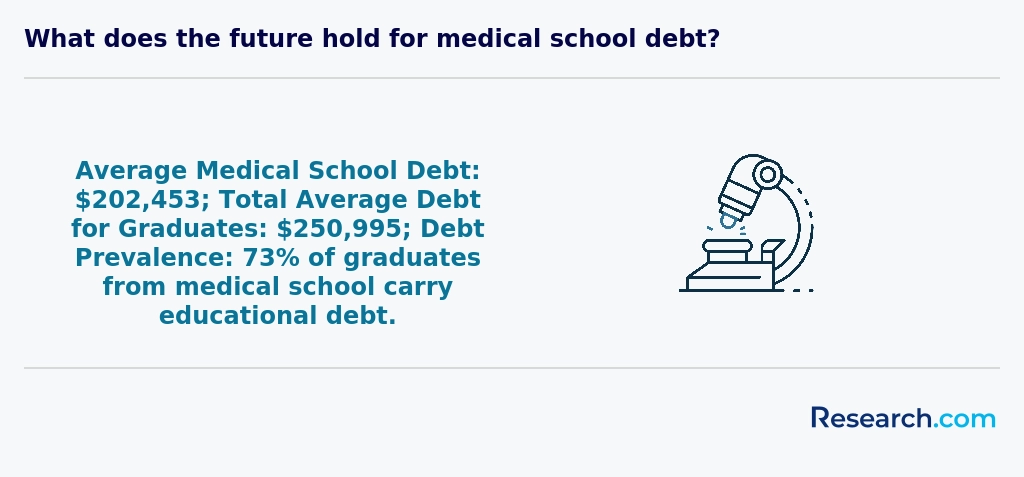
What is the average cost of healthcare degree in Vermont?
The average cost of a healthcare degree in Vermont reflects a balance between in-state affordability and out-of-state investment. For those attending public institutions such as the University of Vermont, graduates often recall managing tuition and fees that total around $33,454. This figure encompasses not only tuition but also related expenses that can arise throughout the course of study. The value students find at UVM, renowned for its healthcare programs, is often linked to both the quality of education and the supportive learning environment, fostering confidence despite the investment required.
Graduates from private colleges in Vermont describe a different experience where the overall cost can be considerably higher, sometimes exceeding $63,687. However, many students express satisfaction knowing that the tuition supports smaller class sizes and specialized resources, which enhance their hands-on training experiences. These vivid educational moments, like clinical placements or interactive labs, help justify the financial commitment and create memorable milestones in their career path.
Considering these perspectives, prospective students can plan for the average cost of healthcare degree in Vermont by factoring in both tuition and additional fees such as health insurance and supplies. Exploring options for financial aid is essential - local programs like the Vermont State Grant can ease the burden. For those seeking guidance on budgeting, it helps to review dedicated resources such as the affordable healthcare schools in vermont for tailored insights and opportunities.
Cost-Saving Strategies & Affordable Healthcare Education Options
Navigating the rising costs of higher education is a vital part of planning your healthcare career in Vermont. Prospective students should consider not only the quality of academic programs but also the overall affordability of their education. By comparing tuition fees, living expenses, and available financial aid, you can maximize the value of your educational investment without compromising on learning opportunities. One effective approach is to research cost-effective alternatives such as public institutions and programs that have strong support systems for scholarship and grant opportunities. Programs that emphasize real-world training can offer excellent career outcomes while keeping expenses manageable. For additional insights on budget-friendly options, check out affordable healthcare schools in vermont for a detailed ranking of institutions that combine quality education with lower overall costs. In this competitive field, understanding your financial blueprint is as crucial as selecting the right curriculum. Ensure you review all possible cost-saving measures-from federal financial aid and state-specific grants to work-study programs and strategic budgeting tips-to pave a smoother path toward your career goals. Adopting a holistic planning strategy now may lead to both academic and financial success throughout your healthcare journey.
What financial aid is available to healthcare degree students in Vermont?
Students pursuing healthcare degrees in Vermont often find financial aid options that alleviate the financial strain and fuel their ambitions. For instance, graduates from the University of Vermont frequently benefit from Federal Pell Grants, which provide up to $7,395 and don't require repayment. This grant can transform the college experience from daunting to achievable, especially as tuition ranges widely from $10,000 to over $30,000 annually. Federal Direct Loans also play a vital role, allowing students at community colleges or universities to borrow at low interest, making payments manageable once they start working.
Many healthcare students recall how the Vermont Student Assistance Corporation (VSAC) was a game-changer, offering scholarships specifically tied to nursing and allied health programs. By committing to work in Vermont healthcare facilities after graduation, these students access scholarships that feel like tailored stepping stones to rewarding careers.
Institutional scholarships from schools like Champlain College add an extra layer of support, offering merit-based or need-based aid. The emotional relief and confidence gained from such assistance help students stay focused, energized, and hopeful for a future in Vermont's healthcare sector.
Nonprofits like the American Nurses Foundation also provide scholarships that Vermont students cherish, further expanding their options. For many, the path through healthcare education becomes not only a dream but a planned, supported journey.
Licensing and Certification Requirements for Healthcare Graduates in Vermont
Graduates of healthcare degree programs in Vermont must meet state-specific licensing and certification requirements before entering clinical practice. For nursing professionals, passing the NCLEX-RN or NCLEX-PN exam and obtaining licensure from the Vermont State Board of Nursing is mandatory; applicants must submit official transcripts, complete a background check, and fulfill continuing education (CE) requirements every two years. Allied health roles-such as radiologic technologists, respiratory therapists, and physical therapists-require successful completion of national certification exams administered by ARRT, NBRC, or FSBPT, respectively, as well as registration with the Vermont Board of Medical Practice. Many programs integrate exam preparation into their curricula, offering seminars on test-taking strategies, mock practical assessments, and CE hour tracking. Pharmacists must graduate from an ACPE-accredited school, pass the NAPLEX and VT MPJE exams, and complete 30 hours of CE biennially. Similarly, health information managers seeking RHIA credentials should complete a CAHIIM-accredited program and pass the AHIMA exam, followed by ongoing education in data security and compliance. Beyond traditional licensure, healthcare professionals can enhance their credentials through specialized certificates or advanced degrees. For example, students interested in rehabilitation sciences or musculoskeletal assessment may explore our Best Online Kinesiology Programs to gain targeted expertise. Staying current with Vermont’s Board of Medical Practice updates, joining professional associations, and attending state-sponsored CE workshops will ensure that your licensure remains valid and your skills competitive in a rapidly evolving healthcare landscape.
What are the prerequisites for enrolling in healthcare degree program in Vermont?
To enroll in a healthcare degree program in Vermont, prospective students typically need a high school diploma or GED, alongside solid foundations in science and math. Graduates from popular Vermont institutions often recall how early coursework in biology and chemistry at community colleges like Vermont Technical College helped shape their confidence before advancing to nursing or public health degrees.
Associate degree applicants usually meet GPA benchmarks around 2.5 to 3.0 and pass placement tests in English and math. For bachelor's degree seekers at places like the University of Vermont, prerequisites often include college-level courses such as microbiology and anatomy, supported by letters of recommendation and personal statements that reflect genuine passion for healthcare work.
Many students have shared how volunteering in local clinics or hospitals deepened their connection to the field, which Vermont programs highly value. This hands-on exposure, combined with academic preparation, nurtures both skill and empathy, making the demanding journey more rewarding and relatable.

Campus Life and Student Experience in Vermont Healthcare Programs
Beyond rigorous academics, the overall student experience is a pivotal factor when selecting a healthcare degree program in Vermont. Prospective students not only seek quality education but also value vibrant campus environments that foster personal growth, collaborative learning, and community engagement. Many Vermont institutions offer robust extracurricular activities-from health fairs and simulation labs to mentorship programs and networking events-that create a supportive atmosphere for both academic and professional success. These experiences can lead to meaningful connections that extend well beyond graduation and often play a crucial role in career placement. Moreover, several schools emphasize a balanced approach to student life, integrating hands-on learning with dynamic campus cultures that encourage innovation and resilience. For instance, engaging in student-led health initiatives and volunteer opportunities within local communities not only enriches the educational journey but also enhances real-world skills highly prized by employers in the healthcare field. To gain further insight into programs that combine academic excellence with an outstanding student experience, you might want to explore affordable healthcare schools in vermont.
What courses are typically in healthcare degree programs in Vermont?
Healthcare degree programs in Vermont typically include courses that blend foundational science with specialized healthcare topics, preparing students for the complexities of local medical environments. Graduates from universities like the University of Vermont often describe how studying human anatomy and physiology gave them a clear understanding of the human body, which became essential during clinical rotations in Vermont's community hospitals.
Microbiology courses bring to life the invisible microorganisms that influence health, while medical terminology classes build confidence in communicating effectively with healthcare teams. Many students recount that health ethics and law classes challenged their thinking, especially when applying Vermont's patient-centered care values in rural settings.
Courses on healthcare systems and policy uniquely focus on Vermont's integrated models, helping students grasp how state-specific regulations shape daily practice. Nutrition and pharmacology basics prepare learners for preventative care roles, resonating deeply with those passionate about addressing chronic illnesses common in New England.
Research methods and statistics empower students to critically evaluate emerging healthcare data, a skill consistently praised by graduates who engage in community health projects. This practical, real-world approach reflects Vermont's commitment to collaborative, accessible healthcare education.
What types of specializations are available in healthcare degree programs in Vermont?
Healthcare degree specializations in Vermont are evolving to meet the state's unique needs, blending traditional and emerging fields. Graduates from popular institutions describe their nursing programs as deeply rewarding, offering clear pathways from Registered Nurse roles to advanced practice careers like Nurse Practitioner. These programs emphasize hands-on clinical experiences that resonate with Vermont's community-centered healthcare model.
Other specializations such as Public Health and Health Informatics are gaining momentum. Graduates often recall the excitement of applying data management skills to improve patient outcomes, reflecting the increasing digitalization of Vermont's healthcare systems. The integration of Health Informatics prepares students to lead future innovations in patient care and records management.
Students interested in managerial positions find Healthcare Administration programs at Vermont colleges both challenging and inspiring, equipping them to navigate complex healthcare environments confidently. Many also explore Physical Therapy and Rehabilitation Sciences to address an aging population, finding a gratifying sense of purpose in supporting recovery journeys. For those seeking flexible learning opportunities, an easy online mha program to get into offers a promising avenue to advance their careers without compromising lifestyle.
How do you choose the best healthcare degree in Vermont?
Choosing the best healthcare degree in Vermont often begins with reflecting on your career vision and the emerging demands within the state's healthcare landscape. Graduates from well-known institutions like the University of Vermont frequently share how focusing on programs with strong clinical components prepared them for Vermont's growing nursing market. Many future professionals find programs offering leadership training, like the Bachelor of Science in Nursing, especially rewarding as Vermont projects a 16% growth in those roles through 2028. Considering the best healthcare degree programs in Vermont means paying attention to factors like affordability and local accreditation, which ensure your education aligns with community needs.
Real-life experiences from students attending Champlain College highlight the importance of flexibility-seeking out part-time or hybrid courses helped them balance work and study successfully. Additionally, those exploring specialized areas have found value in accredited programs paired with internships at Vermont hospitals, offering practical exposure. If your interests extend to fields like physical therapy, researching options such as the Best Online Kinesiology Programs might open doors to emerging opportunities.
Affordability remains a factor as tuition costs vary widely; graduates note that carefully weighing options for affordable healthcare degrees Vermont 2027 can make a lasting difference. Evaluating scholarships, grants, and tuition reimbursement from local healthcare employers often transforms what seems daunting into a manageable investment for an inspiring career.
What career paths are available for healthcare degree students in Vermont?
Graduates with a healthcare degree in Vermont find themselves at the crossroads of diverse and expanding opportunities. From roles as Registered Nurses to Healthcare Administrators, the state's healthcare career opportunities in Vermont continue to evolve alongside its aging population and growing demand for specialized care. Many graduates from institutions like the University of Vermont recount how hands-on clinical experiences there prepared them for real-world challenges in rehabilitation as Physical Therapists or in managing community health as Public Health Workers in rural areas.
Vermont's emphasis on community health also opens doors to careers in counseling, social work, and healthcare informatics-fields blending technology with traditional healthcare knowledge. For those exploring Vermont healthcare degree job options, graduate education often leads to higher-paying roles such as nurse practitioners or medical and health services managers. Students considering costs and pathways can explore affordable options through in-state programs or consult the Affordable Online Healthcare Degree Programs Ranking in Omaha, NE for comparison.
What is the job market for healthcare degree in Vermont?
The healthcare job market Vermont graduates face is dynamic and promising, fueled by an aging population and expanding healthcare access. Graduates from well-regarded institutions across the state often share that working in smaller hospitals or rural clinics creates rewarding, close-knit patient relationships and diverse responsibilities. This hands-on experience allows new professionals to quickly adapt and grow in their roles.
Those earning degrees in nursing, health administration, or allied health fields report strong demand for their skills, especially in positions like registered nurses and medical technologists. Vermont healthcare degree employment tends to offer salaries slightly above national averages, which helps offset the modestly higher tuition costs at public universities in the state.
Collaborations between colleges and healthcare providers streamline clinical placements and internships, easing the transition from study to work. For those considering accelerated options, exploring 1 year graduate programs can expedite entry into this flourishing job market.
Frequently Asked Questions About healthcare
Healthcare degree students in Vermont can maximize their learning by engaging deeply in clinical experiences, which are crucial for practical skills development. Vermont hospitals and clinics offer many opportunities for hands-on training, allowing students to apply classroom knowledge in real-world settings. According to the Vermont Department of Health, clinical placements significantly improve student readiness for healthcare careers. Additionally, students benefit from Vermont's strong focus on interprofessional education, where collaboration with nursing, public health, and social work peers enhances understanding of holistic patient care. Taking advantage of community health programs and research initiatives in Vermont further enriches learning and career prospects.
Emerging niches within Vermont's healthcare field reflect broader national trends while addressing local needs. One growing area is telehealth, which expanded rapidly during the COVID-19 pandemic and remains vital in Vermont due to its rural population and geographic challenges. According to the Vermont Department of Health, telemedicine usage increased by over 50% between 2019 and 2022.
Another promising niche is geriatric care, linked to Vermont's aging population-the state has one of the highest percentages of residents over 65 in the nation. Specializing in elder care, including chronic disease management and palliative care, offers strong career prospects.
Behavioral health is also expanding, with increased demand for professionals addressing mental health and substance use disorders. Vermont's healthcare workforce data highlights a shortage of licensed counselors and social workers in these fields, making degrees specializing in behavioral health increasingly valuable.
After completing a healthcare degree in Vermont, preparing for the job market involves strategic steps to increase employability. Vermont's healthcare sector is expected to grow by about 10% through 2030, according to the Vermont Department of Labor, highlighting strong opportunities.
Graduates should pursue relevant certifications, such as Registered Nurse licensure or medical assistant credentials, depending on their specialization. Building practical experience through internships or clinical rotations is crucial, as many employers in Vermont value hands-on skills. Networking with local healthcare providers and attending Vermont health career fairs can also open doors.
Developing strong communication and technology skills is important, as healthcare increasingly relies on electronic health records and patient interaction.
Employers in Vermont highly value healthcare degree graduates who demonstrate strong clinical skills alongside effective communication. According to the Vermont Department of Labor, professionals who can accurately assess patient needs and apply evidence-based practices are in high demand. Additionally, teamwork and interpersonal skills are critical, as many healthcare roles require coordinating with diverse medical staff.
Technical proficiency with electronic health records (EHR) systems is increasingly important due to Vermont's ongoing digital healthcare initiatives. Problem-solving abilities and adaptability rank among top employer priorities, reflecting the fast-paced health sector.
Finally, ethical judgment and cultural competence are essential for serving Vermont's diverse communities effectively.
To find internships in Vermont relevant to a healthcare degree, start by exploring local healthcare facilities such as the University of Vermont Medical Center, the state's largest hospital. This institution often offers structured internship programs for students pursuing nursing, public health, and allied health fields. Additionally, consider connecting with Vermont's Area Health Education Centers (AHEC), which help place students in clinical and community health internships. According to the Vermont Department of Health, healthcare employment is projected to grow 14% by 2030, increasing internship opportunities. Networking at local job fairs and using online platforms like Handshake, supported by many Vermont colleges, can also help secure internships.
Obtaining a healthcare degree in Vermont significantly enhances career mobility and advancement opportunities. The state's growing healthcare sector, driven by an aging population and rural healthcare needs, demands qualified professionals with formal education. According to the Vermont Department of Labor, healthcare occupations are among the fastest-growing fields, with an expected 15% growth rate through 2030.
Graduates with nursing, health administration, or allied health degrees often find improved job prospects and higher salaries. Advanced degrees can lead to leadership roles in hospitals, clinics, or public health organizations.
Furthermore, Vermont's emphasis on community-based healthcare encourages professionals with degrees to expand their roles across multiple settings, increasing career flexibility and growth potential.
Studying for a healthcare degree in Vermont offers strong preparation for interdisciplinary roles by integrating practical team-based learning and collaboration across specialties. Many programs emphasize cross-disciplinary skills essential for effective patient care in diverse settings, from rural clinics to larger medical centers.
Vermont's healthcare education institutions often partner with local hospitals and community organizations, providing hands-on experience in real-world environments. According to the Vermont Department of Health, nearly 30% of healthcare positions in the state require coordination among multiple professionals, highlighting the importance of such training.
Students learn to work alongside nursing, social work, and public health professionals, fostering communication and problem-solving skills. This multidisciplinary approach reflects current healthcare trends prioritizing holistic, patient-centered care.
Choosing between a thesis and a non-thesis healthcare degree program in Vermont depends on your career goals and learning preferences. Thesis programs emphasize research, requiring a formal project that develops analytical skills, useful for students aiming for doctoral studies or research positions.
Non-thesis programs focus more on coursework and practical skills, suitable for those pursuing clinical roles or immediate entry into Vermont's healthcare workforce. According to the Vermont Department of Health, the healthcare sector there is growing, with a 10% job increase expected by 2030, particularly in clinical practice fields.
Consider program length, mentorship availability, and thesis resources at Vermont institutions to make a well-informed choice.
Students based in Vermont who wish to study healthcare abroad have several pathways available. Many U.S. institutions in Vermont, such as the University of Vermont, offer exchange programs or partnerships with accredited universities overseas. These programs allow students to gain international experience while earning credits toward their healthcare degrees.
Popular destinations for healthcare studies include the United Kingdom, Australia, and Canada, where curricula often align closely with U.S. standards. Additionally, some students opt for international medical schools recognized by the Educational Commission for Foreign Medical Graduates (ECFMG) to facilitate eventual U.S. licensure.
According to the Vermont Department of Health, mastery of global healthcare practices can enhance employment prospects in the state, which faces a growing demand for healthcare professionals. Vermont students should ensure programs abroad meet U.S. accreditation criteria to secure eligibility for state licensure.
Students pursuing healthcare degrees in Vermont can benefit from various part-time job opportunities that reinforce their academic knowledge. Common roles include medical assistants, home health aides, and pharmacy technicians. According to the Vermont Department of Labor, these positions often provide flexible hours, allowing students to balance work and study effectively.
Vermont's healthcare sector is growing, with a projected 8% employment increase in healthcare support occupations by 2028. This growth creates demand for part-time staff in hospitals and nursing facilities across the state. Positions such as patient care aides offer hands-on experience vital for career development.
Additionally, volunteering or working in local clinics and assisted living facilities can enhance practical skills while networking within Vermont's healthcare community.
Healthcare students in Vermont benefit from numerous networking opportunities that connect them with professionals, peers, and potential employers. Many colleges, including the University of Vermont, offer active student organizations focused on healthcare fields such as nursing, public health, and allied health. These groups often host events, workshops, and conferences, promoting professional growth.
Vermont's healthcare industry is closely linked with institutions like the Vermont Medical Society and the Vermont Public Health Association, which provide students access to internships, mentorships, and local seminars. According to the Vermont Department of Health, partnerships between educational institutions and healthcare providers have increased, improving hands-on learning and networking chances for students.
Alumni networks play a crucial role for healthcare degree students in Vermont by offering valuable connections within the state's medical community. These networks help students access internships, job openings, and mentorship opportunities, which are essential in competitive healthcare fields. Vermont's healthcare industry is steadily growing, with the Vermont Department of Labor projecting a 12% increase in healthcare employment from 2020 to 2030.
Strong alumni ties provide insight into local healthcare trends and challenges, such as rural health access and aging populations. Through events and online platforms, alumni frequently share experiences and advice that help current students navigate licensing requirements, including those of the Vermont Board of Medical Practice.
Participating in these networks can increase students' chances of employment within Vermont's hospital systems like the University of Vermont Medical Center, improving career outcomes post-graduation.
In Vermont, customizing a healthcare degree program to align with your career goals largely depends on selecting a flexible institution offering diverse specializations. Many colleges provide options to focus on nursing, public health, healthcare administration, or allied health sciences.
Students can often tailor their curriculum through elective courses, internships, and clinical experiences that reflect local healthcare needs. For example, Vermont's emphasis on rural health services and telemedicine creates opportunities to specialize in these growing areas. According to the Vermont Department of Health, there is an increasing demand for professionals skilled in primary care and mental health support.
Additionally, some programs offer dual degrees or certificates, allowing you to combine healthcare with management or technology skills, enhancing job prospects in Vermont's evolving healthcare industry.
Healthcare students in Vermont often face several distinct challenges related to the state's rural and aging population. Access to diverse clinical training sites can be limited, as many healthcare facilities are small or located in remote areas. According to the Vermont Department of Health, nearly 63% of the population lives in rural zones, which affects the availability of hands-on experience for students.
Another significant challenge is the affordability of education. With healthcare degree programs ranging broadly in cost, students may struggle with financing, especially since Vermont's median household income is below the national average. Balancing work and studies is common.
Lastly, students must prepare to meet state-specific licensing requirements, which can vary from neighboring states. This adds complexity to curriculum and exam preparation.
With a healthcare degree in Vermont, graduates can pursue a variety of professional certifications to enhance their careers. Common certifications include Certified Nursing Assistant (CNA), Licensed Practical Nurse (LPN), and Registered Nurse (RN), all regulated by the Vermont Board of Nursing. For those in specialized roles, certifications such as Medical Assistant (CMA) or Registered Health Information Technician (RHIT) are valuable.
Many healthcare professionals also obtain certification in CPR and Basic Life Support (BLS), which are required in most clinical settings. Vermont's growing healthcare sector, reported by the Vermont Department of Labor, offers about 37,000 healthcare jobs, making certification a strategic step for employment.
To write a winning application for a healthcare program in Vermont, start by thoroughly researching the specific requirements of each institution. Vermont colleges often emphasize academic performance in sciences like biology and chemistry, so ensure your transcripts highlight these subjects strongly. Include a personal statement that clearly expresses your passion for healthcare and understanding of Vermont's unique rural health challenges, as reported by the Vermont Department of Health.
Strong letters of recommendation from healthcare professionals or educators familiar with your skills can significantly boost your application. Additionally, many programs value relevant volunteer or work experience in local clinics or hospitals, which demonstrate your commitment and real-world exposure. According to the U.S. Bureau of Labor Statistics, healthcare jobs in Vermont are projected to grow 7% through 2030, underscoring the importance of a well-prepared application.
A healthcare career in Vermont aligns with growing global demands for skilled healthcare professionals. According to the U.S. Bureau of Labor Statistics, healthcare occupations are projected to grow 16% from 2021 to 2031, which is faster than the average for all careers. Vermont reflects this trend, with the Vermont Department of Labor reporting steady growth in health services jobs over the last decade.
Globally, healthcare careers emphasize cultural competence and adaptability due to diverse patient populations and international collaboration. Education in Vermont often integrates these values to prepare graduates for both local and broader contexts. The state's healthcare system ranks among the top in the U.S. for access and quality, supporting strong practical experiences for students.
Gaining practical experience while studying for a healthcare degree in Vermont is essential for career readiness. Many Vermont colleges and universities partner with local hospitals, clinics, and care facilities to offer clinical placements, internships, and cooperative education programs. For example, the University of Vermont Medical Center provides students with hands-on training opportunities in various specialties.
Students can also participate in simulation labs that replicate real healthcare environments, enhancing skills before working with patients. According to the Vermont Department of Health, clinical experience improves employment prospects in the state's healthcare sector, which employs over 50,000 people.
Choosing the right concentration within a healthcare degree in Vermont involves understanding your career goals and the state's healthcare landscape. Vermont's aging population increases demand for specialties like gerontology and public health, making these concentrations promising. According to the Vermont Department of Health, primary care and mental health services are also in high demand locally.
Students should consider program accreditation, clinical placement opportunities, and faculty expertise. Research Vermont-specific workforce data from sources like the Vermont Workforce Development Council to identify skill shortages. Align your choice with both your interests and job market trends to maximize employment prospects upon graduation.
Related Healthcare Rankings for Nearby States
- 2027 Most Valuable Online Healthcare Degree Programs Ranking in New York
- 2027 Most Valuable Online Healthcare Degree Programs Ranking in Maine
- 2027 Most Valuable Online Healthcare Degree Programs Ranking in New Jersey
- 2027 Most Valuable Online Healthcare Degree Programs Ranking in Pennsylvania
- 2027 Most Valuable Online Healthcare Degree Programs Ranking in Maryland
- 2027 Most Valuable Online Healthcare Degree Programs Ranking in Virginia
- 2027 Most Valuable Online Healthcare Degree Programs Ranking in Ohio
- 2027 Most Valuable Online Healthcare Degree Programs Ranking in West Virginia
- 2027 Most Valuable Online Healthcare Degree Programs Ranking in North Carolina
- 2027 Most Valuable Online Healthcare Degree Programs Ranking in South Carolina
Top Trending Healthcare Rankings
See What Experts Have To Say About Studying Healthcare
Read our interview with Healthcare experts

References
- How to Choose a Health Insurance Plan https://www.bluecrossvt.org/health-community/blog/listing/how-choose-health-insurance-plan
- Tuition and Fees - Vermont State University https://vermontstate.edu/admission/tuition-and-fees/
- What Are the Differences in Salary Level for Different Degrees in Healthcare Management? | MHA Salary https://www.healthcare-management-degree.net/faq/what-are-the-differences-in-salary-level-for-different-degrees-in-healthcare-management/
- Education requirements for the fastest-growing healthcare jobs https://www.corridorcareers.com/job-tips/blog-news-education-requirements-fastest-growing-healthcare-jobs
- 20 healthcare investment niches and 3 things to know: The evolution of ... https://blackbookmarketresearch.com/20-healthcare-investment-niches-and-3-things-to-know-the-evolution-of
- Vermont RN Requirements and Training Programs - Nursing Degree Programs https://nursingdegreeprograms.net/vermont-rn-requirements-and-training-programs/
- Client Challenge https://www.springerpflege.de/nursing-graduates-perceived-future-career-pathway-and-career-shi/50653658
- What Can You Do with a Health Sciences Degree? https://www.ycp.edu/news/what-can-you-do-with-a-health-sciences-degree
- Health Sciences Study Abroad Programs - Healthcare Abroad https://www.ceastudyabroad.com/academic-discipline/health-sciences
- Home - Vermont Health Careers https://vthealthcareers.org/