
2027 Most Valuable Healthcare Degree Programs Ranking in Durham

Co-Founder and Chief Data Scientist
Choosing the right healthcare degree program is an important step toward a rewarding career in Durham's growing medical field. This article introduces the 2027 Most Valuable Healthcare Degree Programs Ranking in Durham, developed by Research.com's team of data scientists. It provides clear, data-driven insights to help you make an informed decision about which programs offer real value.
By exploring the ranking, you'll discover opportunities that align with your goals and passions. Earning a healthcare degree can open doors to meaningful work and lasting impact in your community.
Key benefits of getting healthcare degree in Durham
- Salary for healthcare degree graduates: Graduates in Durham can expect competitive salaries, such as a Medical Assistant earning around $43,350 annually or a Quality Improvement Coordinator earning upwards of $103,150 per year, reflecting strong earning potential in various healthcare roles.
- Career paths: A healthcare degree opens doors to diverse roles, from hands-on patient care as a Patient Care Technician to managing health records as a Health Information Technician, offering flexibility and growth opportunities in Durham's healthcare sector.
- Online degree benefits: Pursuing a healthcare degree online, like through local universities, allows students in Durham to balance studies with personal life and work, providing convenience without sacrificing quality or career prospects.
- Key benefits of getting healthcare degree in Durham
- What can I expect from healthcare degree in Durham?
- Where can I work with healthcare degree in Durham?
- How much can I make with healthcare degree in Durham?
- 2027 Most Valuable Healthcare Degree Programs Ranking in Durham
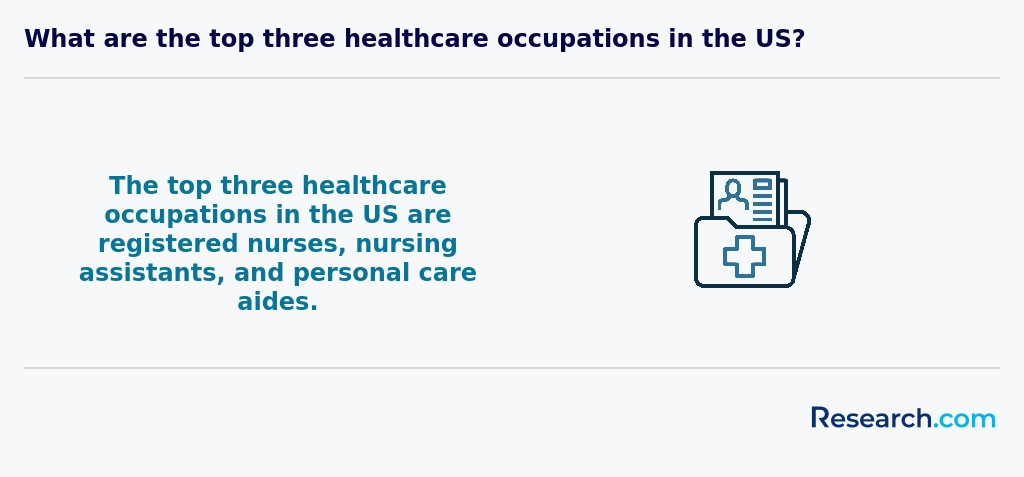
- Key Findings
- How long does it take to complete healthcare degree in Durham?
- Accreditation and Licensure
- What's the difference between online and on-campus healthcare degree?
- Essential Tips for Prospective Healthcare Students
- What is the average cost of healthcare degree in Durham?
- Accelerated Degree Options: Fast-Track Your Healthcare Career
- What financial aid is available to healthcare degree students in Durham?
- Licensure and Certification Guidance for Healthcare Graduates
- What are the prerequisites for enrolling in healthcare degree program in Durham?
- Program Accreditation and Outcomes
- What courses are typically in healthcare degree programs in Durham?
- What types of specializations are available in healthcare degree programs in Durham?
- How do you choose the best healthcare degree in Durham?
- What career paths are available for healthcare degree students in Durham?
- What is the job market for healthcare degree in Durham?
- Top Trending Healthcare Rankings
- See What Experts Have To Say About Studying Healthcare
What can I expect from healthcare degree in Durham?
The average cost of a healthcare degree in Durham varies depending on the institution, but students often find it competitive within the state. For example, graduates from Duke University and North Carolina Central University report tuition and fees that align with mid-range pricing compared to other programs nationwide. Many students successfully manage costs by applying for financial aid and scholarships targeted at healthcare fields, particularly those committed to underserved communities in Durham.
Healthcare students here benefit from the city's strong emphasis on practical training through clinical rotations with top providers such as Duke University Health System. This hands-on experience adds significant value beyond tuition, helping students build confidence and preparedness for their careers.
Graduates often recall how accessible mentoring and innovative coursework at Durham's programs helped them stay motivated despite the costs. The availability of internships and local job prospects within Durham's growing healthcare sector allows many to secure part-time roles or assistance, making education more affordable and rewarding.
Where can I work with healthcare degree in Durham?
Graduates with healthcare degrees from Durham's institutions, like Duke University and Durham Technical Community College, find diverse employment options tailored to their skills and interests. Many pursue nursing or clinical specialist roles at Duke University Health System, where thousands of healthcare jobs exist. These positions offer engaging work environments and career growth, as seen by graduates sharing how quickly they gained hands-on experience in patient care.
Others take advantage of Durham's outpatient clinics and specialty centers. Here, physical therapy and public health graduates apply their knowledge in real community settings, improving patients' daily lives. Alumni often mention the rewarding feeling of contributing to public health initiatives through the Durham County Health Department.
For those interested in research, Durham's proximity to Research Triangle Park offers roles in biotech firms like GSK and Biogen. Graduates appreciate the blend of science and healthcare, gaining valuable exposure in clinical trials and healthcare consulting.
Finally, elder care and rehabilitation facilities provide meaningful career paths for nurse practitioners and healthcare supervisors, where graduates find satisfaction supporting the aging population with compassion and expertise.
How much can I make with healthcare degree in Durham?
Graduates with healthcare degrees from Durham's well-regarded institutions like Duke University often see strong earning potential starting immediately after completing their programs. For instance, medical assistants typically earn around $43,350 annually, which reflects steady entry-level pay within outpatient clinics or hospital support roles. This helps recent graduates quickly gain financial independence while building valuable clinical experience.
Those with specialized certifications sometimes advance into roles like health information technicians, who also earn about $43,380 yearly, or clinical research coordinators at a similar $43,350. Many Durham graduates pursue these positions to leverage the city's robust research environment, gaining hands-on skills in clinical trials or health data management.
For healthcare graduates interested in leadership, quality improvement coordinators in the region make a notably higher average salary of $103,150, exemplifying the rewards of combining clinical expertise with management skills. Durham's health system hotspots provide diverse opportunities to climb this career ladder.
Such clear salary benchmarks empower Durham students to map realistic career paths. Seeing peers move confidently from classroom to careers with starting wages above $40K fuels motivation and practical optimism about future financial stability in healthcare.
2027 Most Valuable Healthcare Degree Programs Ranking in Durham
How do we rank schools?
Investing in your education is a significant decision that can shape your future, and the Research.com team understands the importance of making informed choices. To assist prospective students in Durham, we have carefully developed the "2027 Most Valuable Healthcare Degree Programs Ranking in Durham." Our dedication to quality, credibility, and accuracy is demonstrated by the extensive research and analysis underpinning this ranking.
We utilized the following reputable data sources to ensure a comprehensive evaluation of healthcare degree programs:
By exploring this ranking, readers will gain valuable insights into the most valuable healthcare education opportunities in Durham, enabling them to make well-informed decisions about their academic and professional futures. For more details on our methodology, please visit our Research.com methodology page.


# 3 position
Watts College of Nursing
Bachelor of Science in Nursing
Key Findings
- Healthcare degrees in Durham typically cost between $20,000 and $40,000 for a four-year program at public universities, with private programs often costing more.
- Entry-level healthcare professionals earn between $50,000 and $60,000 annually, with experienced workers making $80,000 to $100,000 or more.
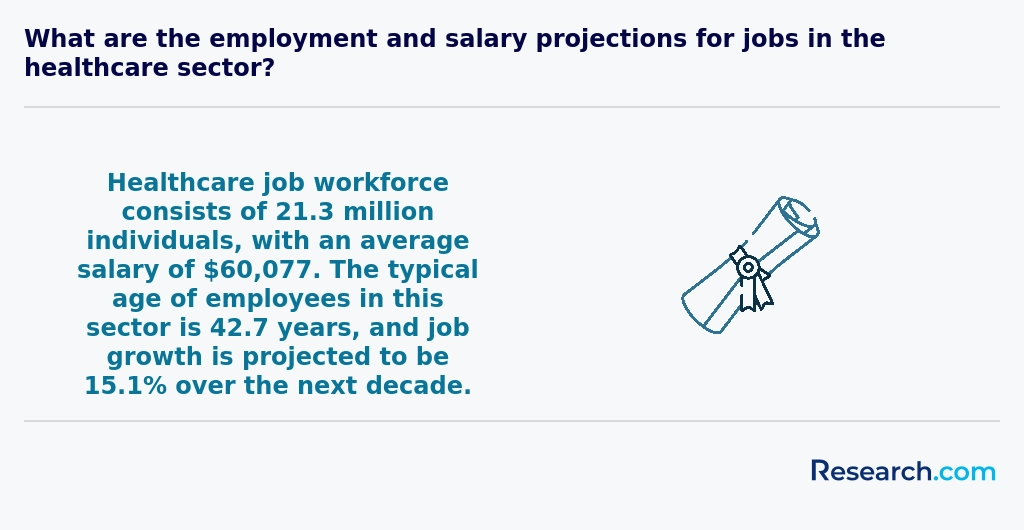
- The healthcare job market in Durham is expected to grow about 15% over the next decade, faster than the average for all sectors.
- Strong clinical internship opportunities are available through local hospitals and community health organizations.
- Financial aid and scholarships are offered specifically for healthcare students, and in-state tuition provides cost advantages for North Carolina residents.
How long does it take to complete healthcare degree in Durham?
Completing a healthcare degree in Durham typically varies by program level, with associate degrees taking about two years. Many students choose community colleges nearby, where they quickly gain practical skills in nursing or medical assisting and start working in healthcare sooner. Graduates often feel confident stepping into the workforce after this shorter path.
Bachelor's degrees in healthcare fields like nursing (BSN) or health sciences usually require around four years. For example, students attending the University of North Carolina at Chapel Hill-close to Durham-experience a rich learning environment that prepares them for diverse healthcare careers. These graduates often share how the comprehensive curriculum boosted their job readiness and career opportunities.
Advanced degrees such as Master of Science in Nursing (MSN) take 1.5 to 3 years beyond a bachelor's, depending on full- or part-time study. Doctoral degrees like DNP or PharmD demand 3 to 7 years from start to finish, but many students appreciate the depth and flexibility offered through part-time, online, and hybrid programs, especially when balancing work and study in Durham's dynamic healthcare community.
Accreditation and Licensure
Proper program accreditation ensures educational quality and eligibility for licensure exams in North Carolina.
- Regional accreditation by a U.S. Department of Education–recognized agency (e.g., SACSCOC).
- Programmatic accreditation such as CCNE or ACEN for nursing, CAAHEP for allied health, and CAHME for healthcare administration.
- Approval by state licensing boards (e.g., NC Board of Nursing, NC Medical Board) to qualify for certification exams.
- Published licensure exam pass rates and established clinical partnerships with Duke University Health System.
Prospective students exploring flexible options can consider an online healthcare administration degree accredited by CAHME, ensuring both convenience and recognized credentials.
What's the difference between online and on-campus healthcare degree?
Online and on-campus healthcare degrees in Durham offer distinct experiences tailored to different lifestyles. Graduates from Duke University and North Carolina Central University often praise the hands-on training they received on campus, with immediate access to labs and clinical facilities enhancing their learning. This face-to-face environment fosters strong connections with faculty and peers, boosting confidence and collaboration skills essential in healthcare careers.
Meanwhile, online programs provide valuable flexibility for working professionals or those managing family commitments. Graduates report appreciating the ability to study remotely while arranging local clinical placements within Durham or nearby, allowing them to gain real-world experience without relocating. Reliable internet access and self-discipline are key to success in this format.
Cost is another consideration: on-campus tuition ranges from $10,000 to $35,000 annually, while online programs might reduce expenses related to commuting and housing, offering financial relief for some students. Both paths meet the same rigorous clinical and licensing standards, so choosing depends on your personal priorities and schedule.
Essential Tips for Prospective Healthcare Students
Prospective students embarking on a healthcare degree in Durham, NC, can benefit from tailored advice and proven strategies to ensure academic success and a rewarding career. To achieve this, it's critical to approach your academic journey with a clear plan that blends research, preparation, and real-life engagement. Here are some valuable tips: • Begin by researching each program’s unique offerings, while verifying accreditation and industry partnerships. Exploring resources from institutions such as a valuable healthcare school in north carolina provides insight into how these programs align with your goals. • Develop strong study habits early on; invest time in understanding foundational sciences, as they form the bedrock of advanced healthcare concepts. • Take advantage of on-campus resources-career counseling, tutoring centers, and mentorship programs can transform challenges into stepping stones. • Actively seek internships and volunteer opportunities, which not only enhance your resume but also provide hands-on experience that classroom learning alone cannot offer. • Build a professional network by connecting with current students, alumni, and local healthcare professionals through seminars, social media groups, or community events. • Continually solicit feedback from peers and instructors; constructive criticism is vital for personal and professional growth in such a dynamic field. By preparing extensively and utilizing all available resources, you set the stage for a successful academic and career journey in healthcare. These strategies are designed to help you navigate both the challenges and opportunities inherent in pursuing a healthcare degree, ensuring you are well-equipped for a future in this ever-evolving field.
What is the average cost of healthcare degree in Durham?
The average cost of a healthcare degree in Durham varies but typically falls around a median total cost of $32,448. This figure reflects expenses for both in-state and out-of-state students, although some specialized healthcare programs may demand higher investments due to clinical placement fees and lab supplies. Graduates from popular Durham institutions often share that understanding these costs early helped them plan effectively, enabling them to tap into financial aid and scholarships tailored to healthcare students.
Durham universities known for healthcare education offer pathways that balance tuition with hands-on experience, which is critical for nursing, public health, or healthcare administration careers. In practical terms, students pursuing healthcare degrees often encounter additional fees beyond tuition, but many find the investment worthwhile because of the comprehensive training and strong employment prospects after graduation.
Financial strategies are key when considering the average healthcare degree cost in Durham 2027. Many healthcare students leverage targeted scholarships and work-study programs available through local colleges. Staying informed about these can make the financial load manageable. One excellent resource to identify such opportunities is the valuable healthcare school in north carolina list, which highlights institutions committed to supporting their healthcare student communities.
Accelerated Degree Options: Fast-Track Your Healthcare Career
In response to time-to-degree and cost concerns, many Durham institutions and national partners now offer accelerated pathways that allow students to enter the workforce sooner and reduce overall expenses. These programs condense traditional four-year curricula into two or three years by leveraging blended learning, intensive clinical rotations, and transferable credits. For example, an accelerated Bachelor of Science in Health Administration may incorporate evening seminars and summer internships to fulfill practicum requirements in half the usual time. Prospective students should evaluate eligibility criteria-such as minimum GPA, prerequisite completion, and prior healthcare experience-to determine fit. Accelerated tracks often demand superior time management and resilience, but they deliver a quicker return on investment through earlier salary earnings. According to recent data, graduates of fast-track programs report entering full-time roles up to 18 months faster, boosting lifetime earnings by an average of 10%. While Durham-based accelerated offerings tend to focus on nursing and health informatics, aspiring pharmacists can explore specialized options nationwide. For in-depth details on pharmacy-focused fast-track degrees, see our guide to accelerated pharmd programs in usa. Ultimately, accelerated degree options are ideal for self-motivated learners who seek to minimize educational debt and capitalize on strong market demand. By carefully weighing program intensity against long-term career goals, students can select the expedited pathway that best aligns with their professional aspirations.
What financial aid is available to healthcare degree students in Durham?
Healthcare students in Durham can access a variety of financial aid options to help manage tuition costs that range widely between public and private institutions. Many graduates from Duke University Health System nursing programs recall how federal Pell Grants and Stafford Loans were essential in easing their financial stress, as these funds don't require repayment or come with low interest and flexible plans.
State scholarships, such as the North Carolina Healthcare Scholarship Program, provide targeted support for students who commit to serving underserved areas after graduation. This program has helped numerous allied health students at Durham Technical Community College feel motivated and supported in giving back to their communities.
Local hospitals and healthcare organizations in Durham also offer scholarships and tuition reimbursement, often requiring recipients to work with the institution post-graduation. Several working professionals enrolled part-time have benefited from employer tuition assistance programs, allowing them to continue earning while studying.
Work-study opportunities tied to Durham-area colleges give students relevant, part-time healthcare jobs, enabling them to gain experience and financial support simultaneously-creating a win-win situation for balancing school and life.
Licensure and Certification Guidance for Healthcare Graduates
Achieving academic success is only the first step-securing the necessary licenses and certifications is vital for launching a fulfilling career in healthcare. Prospective students should familiarize themselves with the specific certification exams and state licensure requirements relevant to their chosen field, whether it be nursing, healthcare administration, or health information management. Many institutions in Durham, NC, partner with local healthcare facilities to offer preparatory workshops, practice exams, and mentorship programs to help students navigate these critical steps. Embracing proactive strategies-such as attending certification seminars, leveraging study resources, and seeking feedback from licensed professionals-can dramatically improve one’s readiness and confidence. For example, students considering further studies may also explore best online mph programs to expand their qualifications and career prospects. By integrating licensure preparation into their academic journey, graduates can ensure a smoother transition into the competitive healthcare job market and secure long-term professional success.
What are the prerequisites for enrolling in healthcare degree program in Durham?
To enroll in a healthcare degree program in Durham, applicants must first complete a high school diploma or its equivalent, with strong grades in science and math courses like biology, chemistry, algebra, and statistics. For example, graduates from Duke University and North Carolina Central University often share how their solid foundation in these subjects helped them thrive once admitted.
Standardized test scores such as the SAT or ACT remain important, and competitive results improve your chances due to program selectivity. Many successful students emphasize practicing test questions early and seeking tutoring if needed.
Non-academic requirements are equally crucial. Proficiency in English, especially for non-native speakers, is necessary for effective communication and coursework. Admissions committees usually request letters of recommendation and a personal statement, where applicants can express their passion and commitment to healthcare.
Hands-on clinical experience through volunteering or internships in Durham's healthcare facilities boosts your application. Many students find this practical exposure rewarding and essential for understanding daily healthcare challenges.

Program Accreditation and Outcomes
Ensuring program quality begins with accreditation: all top healthcare degrees in Durham, NC, are regionally accredited by the Southern Association of Colleges and Schools Commission on Colleges (SACSCOC) and hold relevant programmatic approvals from bodies like the Commission on Accreditation of Allied Health Education Programs (CAAHEP) or the Accreditation Commission for Education in Nursing (ACEN). This dual recognition guarantees that curricula meet national standards, credits transfer seamlessly, and graduates qualify for licensure exams. Graduation and licensure pass rates further underscore program effectiveness. On average, Durham’s bachelor’s in nursing programs report graduation rates above 85%, with NCLEX-RN first-attempt pass rates exceeding 90%. Health information management and allied health tracks maintain similar strength, often boasting above 80% employment placement within six months of graduation. Career placement benchmarks reveal that over 75% of healthcare degree completers secure roles in hospitals, outpatient care, or specialized clinics within three months, reflecting strong industry partnerships and internship pipelines. Local employers-Duke University Health System, UNC Health, and major outpatient centers-regularly collaborate on capstone projects and clinical rotations, providing seamless transitions from classroom to workforce. For those exploring graduate-level options beyond Durham, students seeking flexibility and affordability can compare programs in our Low Cost Online Master's in Healthcare Degree Programs Ranking in Columbia, SC to expand their options. By choosing accredited programs with proven outcomes, prospective students can confidently invest in an education that meets the highest standards and delivers measurable career returns.
What courses are typically in healthcare degree programs in Durham?
Healthcare degree programs in Durham typically include a blend of foundational science courses and practical training tailored to prepare students for real-world healthcare settings. Graduates from Durham universities often highlight core classes like anatomy, physiology, microbiology, and biochemistry, which build essential knowledge about the human body and disease processes. These courses create a solid scientific base that feels relevant when observing patient care during clinical rotations.
Students also take medical terminology and healthcare ethics, helping them navigate conversations with confidence and understand professional responsibilities. Popular programs in Durham include training in healthcare management and public health, exposing students to system-wide perspectives on patient care and administration.
Many Durham students find health informatics especially rewarding, as learning to manage electronic health records feels immediately practical in today's tech-driven healthcare environments. Simulated labs and internships at local hospitals offer hands-on experience, allowing students to apply classroom concepts directly to patient care, which graduates often describe as empowering and motivating during their education.
What types of specializations are available in healthcare degree programs in Durham?
Healthcare degree specializations in Durham are tailored to meet the practical demands of the local medical field, with many students enrolling in programs at Duke University or nearby colleges. Graduates often highlight nursing as a top choice, offering pathways from Registered Nurse (RN) to advanced roles like Nurse Practitioner. Public Health is another popular focus, combining epidemiology and health policy to address community challenges specific to Durham's urban landscape.
Other students find strong value in Health Informatics, given the rise of digital records and data management in healthcare systems. For those passionate about patient recovery, Physical Therapy and Rehabilitation Sciences programs provide hands-on training supported by Durham's renowned healthcare facilities. Administrative roles are also well-covered through Healthcare Administration specializations, equipping students to lead healthcare organizations effectively.
Choosing a specialization aligned with Durham's healthcare job market can increase employment prospects. For flexible study options and growing fields, prospective students may explore the best online mph programs to complement local opportunities.
How do you choose the best healthcare degree in Durham?
Start by pinpointing which healthcare area excites you most-whether it's clinical roles like nursing or healthcare administration. Graduates from Duke University often share how nursing degrees opened doors due to Durham's growing demand and strong hospital partnerships, highlighting the value of accredited programs. When comparing colleges, prioritize those with strong faculty and hands-on resources like simulation labs that prepare you for real-world challenges. Many students at local institutions appreciate affordable healthcare degrees Durham NC offers, balancing quality and cost effectively.
Look closely at tuition and total expenses; public universities typically provide more budget-friendly options, while private schools might offer specialized training or research opportunities. Don't overlook flexible tracks-working students benefit from part-time or accelerated paths seen in popular programs. Some students explore accelerated pharmd programs in usa that also fit their schedules perfectly. Finally, financial aid and local job prospects strongly influence choice-select programs with solid career services to boost your chances of employment in Durham's medical community.
What career paths are available for healthcare degree students in Durham?
Healthcare degree graduates in Durham find diverse career paths fueled by the city's vibrant medical and research sectors. Many pursue nursing careers within Duke University Health System, feeling motivated by hands-on patient care and earning competitive salaries around $70,000 annually. Others specialize further as nurse practitioners or clinical nurse specialists, enjoying increased autonomy and responsibility. For those exploring allied health roles, opportunities abound as physical therapists, radiologic technologists, and medical lab scientists support diagnostic and therapeutic services across Durham's hospitals and clinics. Graduates focusing on healthcare administration often step into leadership positions managing hospital operations or health information systems, with salaries ranging from $60,000 to $115,000, reflecting practical roles they can aim for after graduation.
Graduates frequently share how research roles at Durham's biotechnology firms and institutes inspire them, particularly in clinical research coordination or public health initiatives. This aligns well with growing healthcare technology integration creating promising prospects. Many local students from top programs appreciate the region's job stability and advanced career options, confirming strong healthcare career opportunities in Durham. For those valuing affordability alongside opportunity, exploring the Low Cost Online Master's in Healthcare Degree Programs Ranking in Columbia, SC can be a strategic next step.
What is the job market for healthcare degree in Durham?
Graduates with healthcare degrees in Durham find a thriving job market thanks to the city's robust medical infrastructure, including the Duke University Health System and Durham VA Medical Center. Healthcare job opportunities in Durham continue to grow as the industry expands, offering roles ranging from registered nurses to healthcare administrators. For many graduates, securing a position within these respected institutions feels rewarding and aligns well with their education and skill sets.
Students from local universities often share that gaining hands-on experience through internships and clinical rotations within Durham's healthcare facilities significantly boosts their employability. For example, a nursing graduate reported quickly landing a job earning a median annual wage near $75,000, reflecting local demand and competitive salaries. Durham's growing population and its role in the Research Triangle also mean emerging fields like biotechnology healthcare are promising avenues to explore.
Prospective students can enhance their prospects by considering flexible pathways such as the top associate degree in 6 months online accredited, which some healthcare professionals in Durham use to accelerate entry into the workforce. This strategy helps navigate tuition costs while tapping into steady career growth.
Frequently Asked Questions About healthcare
Healthcare degree students in Durham can enhance their learning by engaging with the city's strong medical community. Durham is home to Duke University Health System, one of the top-ranked hospitals in the U.S., which offers excellent clinical shadowing and internship opportunities. Students should seek to participate in hands-on clinical experiences to apply theoretical knowledge in real-world settings.
Joining student organizations focused on healthcare professions can also provide networking and mentoring benefits. Additionally, students should take advantage of Durham's workshops and seminars on emerging healthcare technologies and public health trends.
According to the North Carolina Department of Health and Human Services, Durham's growing healthcare sector continues to expand job prospects, making practical experience essential for graduates.
Emerging niches within the healthcare field reflect advances in technology and changing patient needs. In Durham, fields such as telehealth and health informatics are rapidly growing due to increased demand for remote care and data management. According to the North Carolina Department of Health and Human Services, Durham's telemedicine utilization rose by over 40% between 2020 and 2023. Precision medicine is another expanding area, focusing on personalized treatment based on genetic data. Additionally, healthcare sustainability and elderly care management are gaining importance as Durham's population ages. These specialties offer promising career paths for students pursuing healthcare degrees locally.
After completing a healthcare degree in Durham, preparing for the job market involves several key steps. Graduates should focus on gaining practical experience through internships or clinical rotations, which are often required by employers. North Carolina, including Durham, shows a steady demand for healthcare professionals, with the U.S. Bureau of Labor Statistics predicting a 14% growth in healthcare jobs statewide by 2030.
Networking is also essential; attending local healthcare job fairs and joining professional associations like the North Carolina Healthcare Association can provide valuable connections.
Additionally, obtaining relevant certifications and licenses, such as Registered Nurse (RN) licensure, increases employability in Durham's competitive market.
Employers in Durham seeking healthcare degree graduates prioritize a combination of technical and interpersonal skills. According to data from the North Carolina Department of Commerce, strong clinical expertise with proficiency in electronic health records (EHR) systems ranks highly. Graduates must adapt to rapidly evolving healthcare technologies and maintain up-to-date certifications.
Communication skills are essential, as effective patient interaction directly impacts care quality and compliance. Durham's diverse population requires cultural competence and empathy to serve communities effectively, noted by Duke University Health System's workforce reports.
Critical thinking and problem-solving abilities help graduates respond to complex medical scenarios efficiently. Teamwork is also vital, considering the collaborative nature of healthcare settings in Durham's expanding hospital networks.
Finding internships in Durham relevant to a healthcare degree involves exploring opportunities in the city's established medical and research institutions. Duke University Health System is a leading employer offering numerous internships and clinical placements for healthcare students. Additionally, Durham Veterans Affairs Medical Center provides internships focused on patient care and health administration. According to the Durham Chamber of Commerce, local healthcare companies employ over 15,000 workers, many of whom started as interns.
Students should also utilize resources like university career centers and online platforms such as Handshake to access internship listings tailored to healthcare roles. Networking through local professional organizations is crucial in this competitive field.
Obtaining a healthcare degree in Durham significantly enhances career mobility within the local job market. Durham's growing healthcare sector, anchored by institutions such as Duke University Hospital and Durham VA Medical Center, offers diverse employment opportunities for degree holders. According to the North Carolina Department of Commerce, healthcare is among the fastest-growing industries in Durham County, with a projected growth rate of over 15% by 2030.
Graduates with healthcare degrees are more likely to secure advanced roles, including clinical leadership and specialized medical positions. Additionally, many employers in Durham prioritize candidates with formal education credentials, making a degree essential for career advancement.
Further education often correlates with higher salaries and expanded responsibilities, indicating that a healthcare degree is a catalyst for both professional growth and geographic mobility within the region's expanding healthcare infrastructure.
Studying for a healthcare degree in Durham offers a strong foundation for interdisciplinary roles by emphasizing collaboration across medical, nursing, public health, and social work fields. Many Durham programs, such as those affiliated with Duke University's School of Medicine, integrate team-based learning and real-world clinical experiences to develop communication and coordination skills essential in modern healthcare.
The local healthcare ecosystem supports this approach, with Durham's leading hospitals, including Duke University Hospital, fostering environments where students engage with professionals from diverse specialties. According to recent employment data, over 40% of healthcare jobs in Durham require proficiency in interdisciplinary teamwork.
Durham's curriculum also incorporates training in health informatics and community health, preparing graduates to navigate complex healthcare systems effectively and improve patient outcomes across multiple care domains.
Choosing between a thesis and a non-thesis healthcare degree program in Durham depends on your career goals and learning preferences. Thesis programs typically require original research and are suitable if you aim for a research career or plan to pursue doctoral studies. Non-thesis tracks focus more on practical skills and coursework, ideal for students targeting clinical or administrative roles.
Durham's healthcare industry is growing, driven by institutions like Duke University Health System and other local hospitals. According to the Durham Workforce Development Board, healthcare employment in the area rose over 15% in the past five years, increasing demand for practical skills.
Consider your interest in research, time availability, and post-degree plans to decide the best path for you.
Students in Durham seeking to study healthcare abroad have several options through US-affiliated programs and international partnerships. Many universities in the US offer study-abroad opportunities in healthcare-related fields such as nursing, public health, and healthcare administration. These programs often include clinical placements and internships in countries with advanced healthcare systems.
Durham residents can also consider exchange programs with institutions in Europe, Australia, or Canada, where healthcare education aligns closely with US standards. According to the Institute of International Education, nearly 15% of study abroad students pursue health sciences, reflecting strong interest.
Financial aid and scholarships are available to support these experiences, helping Durham students expand their healthcare knowledge globally.
Durham offers a range of part-time job opportunities that complement healthcare degree programs, providing practical experience alongside academic learning. Positions such as medical scribe, patient care assistant, and pharmacy technician are commonly available in Durham's hospitals and clinics, including Duke University Health System. These roles allow students to develop critical clinical skills in real healthcare environments.
Additionally, Durham's growing biotechnology and research sectors provide internships and part-time roles in labs, supporting students interested in medical research. According to the Bureau of Labor Statistics, healthcare support roles in Durham have increased by 8% over the past five years, reflecting expanding employment prospects.
Such jobs enhance resumes and help build networks within the local healthcare community.
Healthcare students in Durham have access to strong networking opportunities through various university programs and local professional organizations. Duke University, a major institution in the area, hosts numerous student groups and events designed to connect students with healthcare professionals. According to Duke's Career Center, these events often include career fairs, mentorship programs, and guest lectures.
Durham's proximity to the Research Triangle Park provides unique chances for internships and collaborative projects with leading healthcare companies and research institutions, fostering valuable professional connections. Local hospitals, such as Duke University Hospital, also offer clinical placements where students meet practicing clinicians and healthcare leaders.
Additionally, healthcare students can join organizations like the Durham County Medical Society or the North Carolina Public Health Association to build networks beyond campus.
Alumni networks provide valuable benefits to healthcare degree students in Durham by creating connections that extend beyond graduation. These networks often include professionals practicing in top local healthcare institutions such as Duke University Health System and Durham VA Medical Center, offering students access to mentorship and career advice.
According to the North Carolina Department of Health and Human Services, Durham's healthcare sector has grown by 8% in recent years, increasing demand for qualified professionals. Alumni can facilitate internships and job placements, helping students navigate this expanding job market effectively.
Participation in alumni events and online groups also enables students to stay informed about advancements in medical practices and educational opportunities. For healthcare students, these relationships often lead to collaboration on research and community health projects, enriching their academic experience.
In Durham, students can customize healthcare degree programs by choosing specialized tracks or electives aligned with their career goals. Many local institutions offer options in areas like public health, nursing, health informatics, or healthcare administration. Selecting internships or practicums at Durham's extensive healthcare facilities, including Duke University Health System, gives practical experience and networking opportunities.
Students may also pursue dual degrees or certifications, such as combining healthcare studies with business or technology, enhancing employability. Academic advisors in Durham recommend tailoring course selections to match in-demand fields, supported by regional job growth data from the North Carolina Department of Commerce.
Healthcare students in Durham often face rigorous academic demands due to the competitive nature of local programs, such as those at Duke University and Durham Technical Community College. Balancing clinical hours with coursework is a significant challenge, as hands-on training requires substantial time and emotional resilience.
Financial stress is also commonly reported. According to the North Carolina Department of Commerce, healthcare program tuition and associated expenses have steadily increased, creating barriers for many students.
Additionally, students frequently encounter difficulties navigating clinical placements within Durham's busy healthcare facilities, where securing slots can be competitive.
These challenges require effective time management, strong support networks, and access to institutional resources.
With a healthcare degree in Durham, graduates can pursue various professional certifications to enhance their career opportunities. Popular certifications include Certified Nursing Assistant (CNA), Licensed Practical Nurse (LPN), and Registered Nurse (RN), which are essential for clinical roles.
Beyond nursing, certifications such as Medical Assistant (CCMA), Health Information Technician (RHIT), and Certified Medical Coder are valuable for administrative and technical jobs. These certifications often require passing a national exam and completed clinical hours.
Durham's healthcare sector, noted in reports from the North Carolina Department of Health, employs thousands of certified professionals, making certification a key step toward employment. Additionally, specialized certifications in areas like phlebotomy or emergency medical services offer targeted career paths.
Writing a winning application for a healthcare program in Durham requires clarity and preparation. Start by highlighting your academic achievements, especially in science courses like biology and chemistry. Many healthcare programs in Durham value strong STEM backgrounds, as noted by the Durham Technical Community College admissions office.
Next, emphasize any relevant experience. Volunteering at local hospitals such as Duke University Hospital or community clinics demonstrates commitment and understanding of healthcare challenges in Durham.
Personal statements should be clear and focused, outlining your motivation for a healthcare career and your goals. According to the University of North Carolina at Chapel Hill's School of Medicine, applicants who connect personal experiences to healthcare improve their chances.
Finally, secure strong recommendation letters from educators or professionals familiar with your skills and dedication. This well-rounded approach reflects Durham's competitive healthcare education environment.
The global perspective on a healthcare career highlights the increasing demand for skilled professionals worldwide. In the United States, healthcare jobs are projected to grow by 16% from 2021 to 2031, much faster than average, according to the U.S. Bureau of Labor Statistics. Durham, with its strong medical and research institutions such as Duke University Health System, offers unique local opportunities aligned with global trends.
Worldwide, healthcare careers emphasize adaptability and cultural competence due to diverse patient populations. For U.S. students in Durham, this means developing skills valued both domestically and internationally. Additionally, global health challenges like pandemics and aging populations drive ongoing growth in healthcare roles, making degrees in this field increasingly valuable.
Gaining practical experience while studying for a healthcare degree in Durham is feasible through various hands-on opportunities. Many institutions, including Duke University, offer clinical placements at local hospitals such as Duke University Hospital, which is a top-ranked facility known for diverse healthcare services. These placements provide real-world exposure to patient care and medical procedures.
Additionally, internships at community health centers and research projects tied to public health initiatives in Durham allow students to engage with local populations. According to the Durham County Health Department, collaborating on these projects strengthens students' applied skills and understanding of community health challenges.
Volunteer work and simulation labs also complement academic learning, enabling students to practice clinical skills in controlled environments before working with patients directly.
Choosing the right concentration within a healthcare degree program in Durham requires careful consideration of your career goals and interests. Durham is home to several reputable institutions offering healthcare programs with concentrations such as nursing, public health, health informatics, and healthcare administration.
Research local healthcare demands-Durham's growing healthcare sector, anchored by Duke University Health System, emphasizes advanced nursing and biomedical research careers. According to the North Carolina Department of Commerce, healthcare occupations are projected to grow 16% statewide by 2030, with strong opportunities in specialized nursing roles.
Consider program accreditation, clinical practicum availability, and connections to Durham hospitals, as hands-on experience is vital. Additionally, identify concentrations aligned with licensure requirements or certifications specific to your intended role.
Related Healthcare Rankings for Nearby Cities
- 2027 Most Valuable Healthcare Degree Programs Ranking in Washington
- 2027 Most Valuable Healthcare Degree Programs Ranking in Baltimore
- 2027 Most Valuable Healthcare Degree Programs Ranking in Atlanta
- 2027 Most Valuable Healthcare Degree Programs Ranking in Louisville
- 2027 Most Valuable Healthcare Degree Programs Ranking in Jacksonville
- 2027 Most Valuable Healthcare Degree Programs Ranking in Indianapolis
- 2027 Most Valuable Healthcare Degree Programs Ranking in Birmingham
- 2027 Most Valuable Healthcare Degree Programs Ranking in Gainesville
- 2027 Most Valuable Healthcare Degree Programs Ranking in New Haven
- 2027 Most Valuable Healthcare Degree Programs Ranking in Detroit
Top Trending Healthcare Rankings
See What Experts Have To Say About Studying Healthcare
Read our interview with Healthcare experts

References
- Niche Markets in Healthcare https://ultrariskadvisors.com/niche-markets-in-healthcare/
- Thesis vs. Non-Thesis Master's Programs: Which is Right for You? https://potomac.edu/thesis-vs-non-thesis-masters/
- Explore Healthcare Admin Degree Concentrations https://www.baypath.edu/news/bay-path-university-blogs/post/explore-healthcare-admin-degree-concentrations/
- 1+ Healthcare Cover Letter Examples (with In-Depth Guidance) https://www.tealhq.com/cover-letter-examples/healthcare
- Healthcare Careers & Accredited Degree Programs https://www.healthcaredegree.com/
- Financial support for postgraduate study https://www.durham.ac.uk/news-events/latest-news/2024/03/financial-support-for-postgraduate-study/
- Tuition fees for International Students | Durham University ISC https://www.durhamisc.com/how-to-apply/fees
- How to choose a bachelor's in healthcare administration | edX https://www.edx.org/resources/how-to-choose-a-bachelors-in-healthcare-administration
- Durham University Review: A Complete Guide https://britannia-study.co.uk/universities/durham-university-review/
- Enhancing Clinical Education: Strategies for Health Professions - European Society of Medicine https://esmed.org/enhancing-clinical-education-strategies-for-health-professions/


