
2027 Most Valuable Healthcare Degree Programs Ranking in Jacksonville

Co-Founder and Chief Data Scientist
If you're considering a healthcare degree in Jacksonville, choosing the right program is an important step toward a rewarding career. This article introduces the 2027 Most Valuable Healthcare Degree Programs Ranking in Jacksonville, created by Research.com's team of data scientists. It's designed to help you make an informed decision about which programs truly offer value in today's competitive job market.
Exploring these rankings will give you confidence and clarity on your educational path. A healthcare degree can open doors to meaningful work and personal growth, and this guide supports you every step of the way.
Key benefits of getting healthcare degree in Jacksonville
- Salary for healthcare degree graduates: Graduates in Jacksonville can expect rewarding salaries, such as $43,350 annually for Medical Assistants and Clinical Research Coordinators, or $60,790 for Patient Care Technicians, reflecting strong financial opportunities in healthcare roles.
- Career paths: Many healthcare graduates from Jacksonville universities find diverse options, including roles in clinical research, patient care, and health information management, offering exciting and meaningful job prospects.
- Online degree benefits: Earning a healthcare degree online in Jacksonville provides flexible scheduling and the ability to balance work and study, enabling success without sacrificing personal commitments.
- 2027 Most Valuable Healthcare Degree Programs Ranking in Jacksonville
- What can I expect from healthcare degree in Jacksonville?
- Where can I work with healthcare degree in Jacksonville?
What can I expect from healthcare degree in Jacksonville?
The average cost of a healthcare degree in Jacksonville is known among graduates as both manageable and worthwhile. Many students share that tuition at institutions like Jacksonville University and Florida State College at Jacksonville remains competitive compared to other Florida metros. This financial accessibility allows them to focus on building skills rather than worrying excessively about debt.
One common reflection from alumni is how crucial it was that scholarships and federal aid options were available, easing the burden during their studies. For instance, nursing students at Jacksonville University, supported by the program's CCNE accreditation, often find financial assistance vital to balancing educational expenses with daily life.
Graduates often recall late nights immersed in clinical rotations offered through partnerships with local health centers such as Baptist Health. Despite these demands, the reasonable cost made these intense learning experiences feel like an investment rather than a strain, fostering confidence and driving passion for their careers.
Where can I work with healthcare degree in Jacksonville?
Graduates with healthcare degrees from institutions like the University of North Florida often find themselves stepping confidently into Jacksonville's vibrant healthcare job market. Many quickly secure positions within renowned hospitals such as Baptist Health or UF Health Jacksonville, where they apply their skills in nursing, medical technology, or health administration. These familiar settings bring a rewarding sense of purpose, as graduates witness firsthand the impact of compassionate care in bustling hospital corridors.
Others pursue careers in outpatient clinics or rehabilitation centers, thriving on day-to-day interactions with patients recovering in community-focused environments. Graduates often share how working in these spaces allows them to build deeper relationships, providing tailored therapies that improve lives over time.
Some find fulfillment in long-term care facilities, where caring for elderly residents taps into a profound sense of empathy and social responsibility. This aligns naturally with Jacksonville's growing senior population and its dynamic eldercare industry.
Beyond direct patient care, many graduates engage in public health roles or medical research at Jacksonville's research centers. They find meaning in contributing to broader health initiatives that address community challenges, fueling their passion for continuous learning and impact.
Graduates from healthcare programs in Jacksonville often find rewarding salary opportunities that reflect both their dedication and the region's growing demand for medical professionals. For example, many alumni from popular institutions like the University of North Florida and Florida State College Jacksonville secure roles as Medical Assistants, earning around $43,350 annually. This steady income provides an encouraging start for those entering the field.
Those with degrees qualifying them as Patient Care Technicians or Health Information Technicians report mean annual wages close to $60,790 and $43,380 respectively, which helps support a comfortable lifestyle in Jacksonville's healthcare community. Clinical Research Coordinators also commonly earn about $43,350 per year, blending research skills with patient care.
For more experienced positions, such as Quality Improvement Coordinators, salaries rise significantly with a mean wage exceeding $103,000 annually. Graduates moving into these advanced roles often feel a strong sense of achievement and financial security, knowing their hard work in specialized programs at local colleges has paid off.
- Tuition for healthcare degrees in Jacksonville ranges from $4,000 to $7,000 per year at public colleges and $15,000 to $25,000 annually at private institutions.
- Additional costs include textbooks, lab fees, and clinical placement expenses, which can add several thousand dollars each year.
- Entry-level salaries for healthcare graduates typically start around $50,000 to $60,000 per year.
- Advanced degrees or certifications can lead to salaries exceeding $90,000 annually after a few years of experience.
- Healthcare jobs in Jacksonville are expected to grow by 10% to 15% over the next decade, driven by demographics and infrastructure expansion.
- Healthcare programs emphasize clinical experience through partnerships with local hospitals, aiding licensure and employment prospects.
Completing a healthcare degree in Jacksonville varies widely, depending on the program and level chosen. Many graduates recall how quickly certificate programs, such as those for becoming a Certified Nursing Assistant or Licensed Practical Nurse, can launch a career-often in under a year through local community colleges or vocational schools. This rapid entry into healthcare offers not only hope but also practical skills that meet immediate community needs.
Associates degrees, like the Associate of Science in Nursing at Florida State College at Jacksonville, usually take two years. Graduates often speak warmly of the balance between hands-on training and theory, which prepares them well for roles as Registered Nurses or radiology technicians. In contrast, bachelor's degrees from Jacksonville University or the University of North Florida tend to require four years, offering a deeper dive into leadership and specialized knowledge, sparking pride in the broader career prospects.
For those pursuing advanced roles, master's degrees add approximately two years, with flexible bridge programs making this achievable even for working professionals. Doctoral degrees typically extend three to four years further, often pursued online or out-of-state, reflecting a commitment to clinical excellence and research that graduates value highly. These time frames mirror real commitments and rewards felt deeply by healthcare students in Jacksonville's vibrant educational landscape.
Accreditation ensures your degree is recognized by employers and qualifies you for professional licensure. In Jacksonville, FL, look for regional accreditation by the Southern Association of Colleges and Schools Commission on Colleges (SACSCOC) and programmatic accreditation such as:
- ACEN or CCNE for nursing programs, which validates curriculum rigor and NCLEX® eligibility.
- CAHIIM for health informatics degrees, ensuring graduates meet industry standards for electronic health record management.
- CAAHEP for allied health fields like radiologic technology and surgical technology, which aligns programs with certification exam requirements. After graduation, Florida Board of Nursing applicants must pass the NCLEX® within two years of program completion. Health information graduates pursuing RHIA certification need to clear the RHIA exam administered by AHIMA. For graduates of public health or health administration programs, the Certified Healthcare Administrator (CHA) credential, offered by the American Hospital Association, enhances credibility. Maintaining licensure often requires continuing education units (CEUs) or professional contact hours-nurses in Florida must complete 24 contact hours biennially. HIM professionals should pursue ongoing AHIMA-approved CEUs to recertify every two years. Choosing an accredited program not only safeguards your investment but also streamlines your path to licensure and practice. For additional insights on cost-effective online graduate options in nearby regions, explore the Inexpensive Online Master’s in Healthcare Degree Programs Ranking in North Carolina to compare tuition trends and accreditation standards.
Choosing between online and on-campus healthcare degrees in Jacksonville often comes down to how you prefer to learn and live during your studies. Graduates from the University of North Florida or Jacksonville University frequently reflect on the value of face-to-face interaction and hands-on labs that on-campus programs offer. Being physically present in simulation labs and clinical settings not only boosts confidence but also builds practical skills crucial for healthcare roles.
Conversely, online healthcare students appreciate the flexibility to balance work and family commitments while studying on their own schedule. Many Jacksonville residents find that avoiding daily commutes and tailoring study hours around personal obligations significantly reduces stress. However, these students rely on virtual simulations, which, while effective, may not fully replace direct patient contact during clinical hours.
Both paths demand dedication, but those studying on-campus benefit from easier access to local healthcare networks, study groups, and advising. Meanwhile, online learners often save on housing and transport costs, making education more accessible without sacrificing quality. These nuanced differences reflect individual lifestyles and priorities more than the final qualification itself.
As the healthcare landscape continues to evolve, staying ahead of emerging trends is essential for students and professionals alike. Today’s programs are beginning to incorporate advanced technologies such as telemedicine, artificial intelligence, and data analytics into their curricula, ensuring that graduates are prepared for a rapidly changing industry. This transformation not only enhances clinical practices but also opens new paths in healthcare management and research. Students who choose to attend a valuable healthcare school in florida benefit from cutting-edge educational experiences that align with the shift toward digital health and personalized medicine. Additionally, partnerships between educational institutions and local healthcare facilities are fostering real-world research opportunities and practical training sessions that address modern patient care challenges. By understanding and leveraging these trends, students can secure competitive career positions and drive innovation in a field that is poised for remarkable growth in the coming years.
The average healthcare degree cost in Jacksonville is shaped largely by the type of institution a student chooses. For example, graduates from public universities like the University of North Florida often reflect on a manageable tuition expense, with median in-state total costs around $6,389. This affordability allows many students to focus wholeheartedly on their studies without the heavy financial stress that can come with more expensive options.
Private colleges in Jacksonville usually come with a steeper price tag, which some graduates feel is balanced by specialized programs and smaller class sizes. With median total costs reaching approximately $33,943, students often weigh this against potential career advantages, recognizing that the investment can yield strong professional opportunities down the line. Community colleges, such as Florida State College at Jacksonville, are frequently praised by alumni for being an accessible and cost-effective route into healthcare careers, especially for associate degrees or certifications.
When considering Jacksonville healthcare degree tuition and fees, graduates commonly note the importance of budgeting beyond tuition alone. Costs for textbooks, uniforms, and certification exams can add up but remain essential in preparing for clinical practice and licensure. Exploring financial aid and scholarships is a key part of many students' strategies for managing these expenses successfully.
Choosing where to study also involves recognizing programs recognized as the most valuable healthcare school in florida. This helps students align their educational investment with long-term return both financially and professionally.
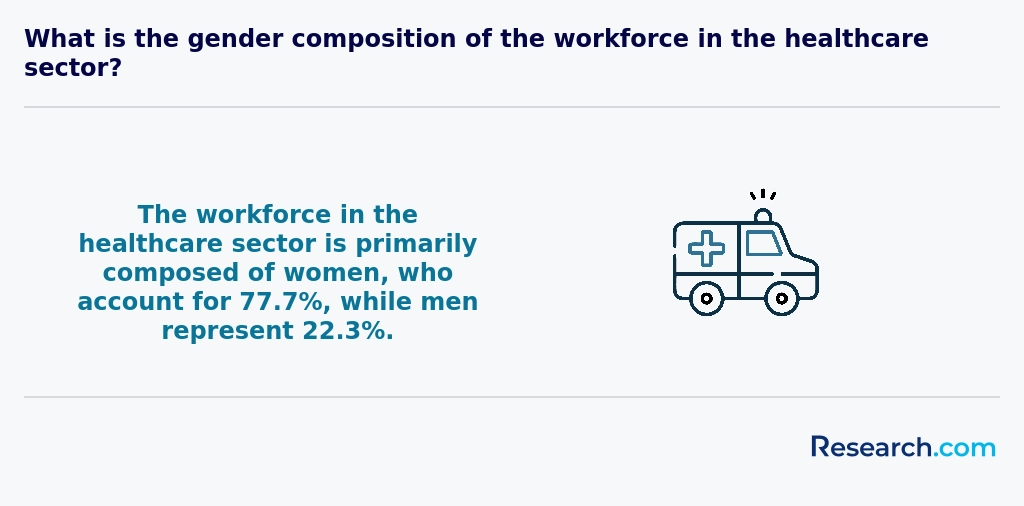
When pursuing a healthcare degree in Jacksonville, many students find relief through federal aid like Pell Grants and Direct Loans, which help lighten the heavy financial load. Graduates from the University of North Florida often share how Pell Grants-free money based on need-made their journey less daunting, allowing them to focus more on studies and less on bills. Direct Loans, with their manageable interest rates, provide another helpful option for students attending at least half-time.
State aid also plays a key role. For instance, the Bright Futures Scholarship Program is a beacon for Jacksonville University students who excelled in high school, offering essential tuition support that eases the path to healthcare careers.
Institutional scholarships at schools like Florida State College at Jacksonville create openings for nursing and allied health students, rewarding dedication and career goals in local healthcare fields. Work-study programs connect students directly with real-world healthcare jobs right in Jacksonville, blending earnings with valuable experience.
Finally, local healthcare employers' tuition reimbursements and service-driven programs like the National Health Service Corps transform education into a shared investment, making the pursuit of healthcare degrees in Jacksonville not just hopeful but genuinely attainable.
Ensuring your Jacksonville healthcare program is accredited by recognized bodies like the Commission on Collegiate Nursing Education (CCNE), the Accreditation Commission for Health Informatics and Information Management (AHIMA), or the Commission on Accreditation of Allied Health Education Programs (CAAHEP) is critical for eligibility for licensure exams and employer recognition. Accredited programs adhere to stringent quality standards, maintain transparent pass-rate data for board exams, and secure clinical placements at state-licensed facilities. In Florida, graduates must satisfy state Board of Nursing or relevant licensure board requirements, which typically include completion of an accredited curriculum, minimum clinical hours, and a passing score on the NCLEX or other specialized certification exams. Prospective students should verify published first-time pass rates (often exceeding 90%) and articulation agreements that facilitate seamless credit transfers for advanced degrees. For those exploring related disciplines such as movement sciences, consider our best online kinesiology programs to expand your credentials with complementary certifications. By prioritizing accredited and licensure-aligned programs, you safeguard your investment and position yourself competitively in Jacksonville’s dynamic healthcare job market.
To enroll in a healthcare degree program in Jacksonville, students must meet a set of well-defined prerequisites that reflect both academic readiness and practical experience. Many graduates from local institutions like the University of North Florida recall that having a solid foundation in high school sciences such as biology and chemistry was crucial in preparing them for the demands of their coursework.
Applicants should be prepared to present prerequisite college courses including anatomy, microbiology, and statistics. These subjects proved invaluable to former students when facing complex clinical scenarios during their training. A GPA around 2.5 to 3.0 is often required, demonstrating consistent academic effort. Recommendations from instructors or employers often capture an applicant's dedication more vividly than grades alone.
Hands-on exposure through volunteer work or shadowing in Jacksonville's healthcare facilities was frequently cited by graduates as moments that fueled their passion and cemented their career choice. Successful applicants also submit personal statements that reflect their heartfelt commitment to caring for others, making the admissions process feel more personal and meaningful.
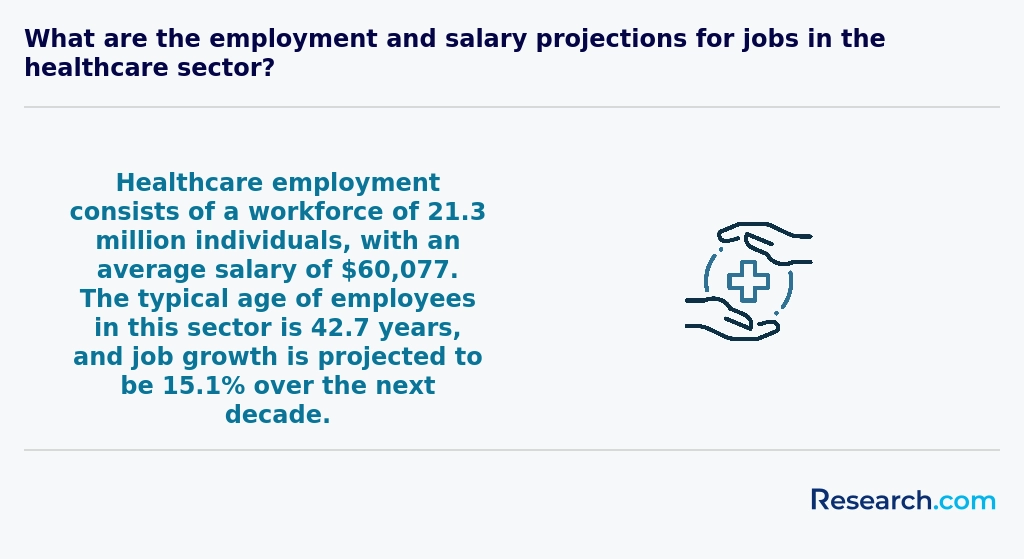
Students pursuing healthcare degrees in Jacksonville not only acquire top-notch academic training but also benefit immensely from vibrant campus life and comprehensive support services. These resources-from dedicated career counseling and networking events to extracurricular clubs and wellness programs-play a crucial role in shaping a well-rounded student experience. Many institutions offer mentorship programs where seasoned professionals guide current students through both academic challenges and career planning, ensuring that graduates are prepared to hit the ground running. Additionally, campus libraries and state-of-the-art simulation labs provide environments that encourage collaboration and practical learning, which are integral to mastering healthcare skills. For those exploring higher education options, our in-depth ranking highlights schools that excel in fostering such an environment. For example, if you’re looking for a valuable healthcare school in florida, you’ll find that institutions emphasizing student support and active campus engagement often report higher satisfaction rates and better career outcomes. This focus on student life not only enhances your academic journey but also provides lasting benefits that extend well beyond graduation.
Healthcare degree programs in Jacksonville consistently include core courses such as human anatomy and physiology, offering students a solid grasp of the human body that graduates from institutions like the University of North Florida often recall as essential in their clinical rotations. Microbiology and medical terminology are standard, helping learners confidently navigate medical language and infectious diseases-skills valued by employers like Baptist Health.
Many students reflect warmly on hands-on courses in patient care, pharmacology, and nursing fundamentals, which bring classroom theory into practical settings. For example, graduates from Florida State College at Jacksonville frequently mention how health assessment classes boosted their confidence during internships in local hospitals.
Beyond science, courses in healthcare ethics, law, and health information systems prepare students to manage real-world challenges in facilities such as Mayo Clinic Florida. Specialized classes in gerontology and public health often resonate here, addressing the city's unique demographic needs and fostering a sense of purpose among students passionate about community wellness.
Healthcare degrees in Jacksonville offer a broad array of specializations that allow students to tailor their education to their passions and career aspirations. Graduates from popular universities often speak of their fulfilling experiences in nursing programs, where they trained rigorously in pediatric, geriatric, or emergency care specialties. These hands-on opportunities, facilitated by Jacksonville's respected institutions, exemplify how local healthcare degree specializations in Jacksonville meet real-world demands.
Those drawn to the operational side of hospitals find healthcare administration programs especially rewarding. Here, students learn to navigate finance, policy, and management aspects, preparing them to lead complex healthcare systems. Others immerse themselves in public health, engaging with community health initiatives that resonate deeply within Jacksonville's diverse population.
Many students pursuing allied health professions appreciate the blend of classroom learning and clinical practice, developing skills in areas like respiratory therapy or radiologic technology. Pharmacy tracks also draw keen interest, emphasizing medication management and patient care. For those exploring flexible career options, programs such as easy mha online programs to get into can be a practical choice within this landscape of Jacksonville healthcare program specialization options.
Choosing the best healthcare degree in Jacksonville means looking beyond just the program name and focusing on what fits your personal and professional goals. Graduates from institutions like the University of North Florida often reflect on how accreditation, such as endorsements from the Commission on Collegiate Nursing Education, gave them confidence in their education's quality and real-world acceptance. Affordable healthcare degrees Jacksonville FL, especially from local community colleges, provide an accessible path without sacrificing practical skills, a key consideration for those balancing work and study.
Hands-on experience through clinical placements is invaluable. Many students recall partnering with Jacksonville's top healthcare providers, like Baptist Health, where internships created lasting employer connections and real patient interaction crucial to job readiness. Programs with these strong clinical components tend to produce graduates who feel prepared and optimistic about their futures.
For those exploring options, it's wise to review graduation and employment rates-you can find detailed program insights and even explore the best online kinesiology programs as part of your research.
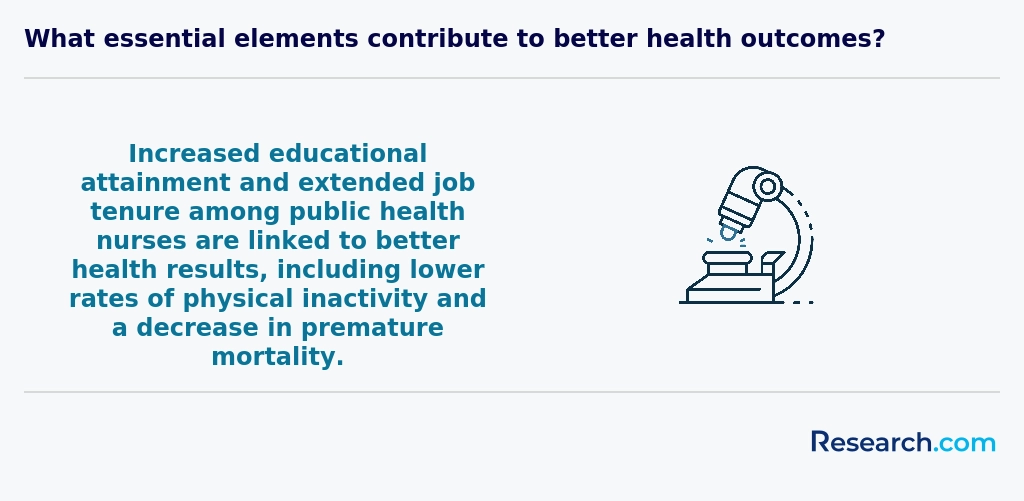
Career paths for a healthcare degree in Jacksonville are both diverse and rewarding, reflecting the city's robust healthcare sector. Graduates from local institutions such as the University of North Florida and Jacksonville University often find themselves energized by roles like Registered Nurses, where they provide compassionate patient care in bustling hospitals or community clinics. The thriving healthcare industry here, driven by a growing elderly population, offers tangible opportunities to make a meaningful impact.
Many healthcare degree holders gravitate toward administrative positions as Medical and Health Services Managers, coordinating vital operations across hospitals and outpatient centers. Others pursue specialized careers as Physical Therapists or Healthcare Technicians, integrating their skills in clinical and rehabilitation settings.
For those exploring job opportunities for healthcare graduates Jacksonville provides expanding pathways in emerging fields like health informatics and telehealth, which blend technology with patient care. Those considering affordability often find helpful resources such as the Inexpensive Online Master's in Healthcare Degree Programs Ranking in North Carolina useful when planning further education.
The healthcare job opportunities in Jacksonville reflect a dynamic and expanding market, especially for graduates from well-known local colleges and universities. Many healthcare students often find real-world experience at major hospitals such as Baptist Health or UF Health Jacksonville, where hands-on training helps solidify their qualifications. Graduates frequently share how this exposure makes the transition to employment smoother and more rewarding.
The Jacksonville healthcare degree employment outlook is promising, supported by a growing population and an increasing demand for nursing, therapy, and outpatient care roles. Several graduates from popular institutions echo the feeling of optimism and confidence in their career paths, knowing that salaries start competitively and rise with advanced education. This sense of stability often encourages students to consider further specialization.
Students seeking faster entry into this thriving field often explore colleges with accelerated programs in Jacksonville, appreciating the opportunity to shorten their education period while remaining engaged in a vibrant job market. This balance between education cost and job stability makes pursuing a healthcare degree a wise and heartfelt decision here.
2027 Most Valuable Healthcare Degree Programs Ranking in Jacksonville
Investing in your education is a significant decision that can profoundly influence your career and future, and the Research.com team fully recognizes the importance of making well-informed choices. To support prospective students in Jacksonville, we have carefully developed the "2027 Most Valuable Healthcare Degree Programs Ranking in Jacksonville." Our dedication to quality, credibility, and accuracy is evident in the thorough research and analysis behind this ranking.
We utilized the following reputable data sources to ensure a comprehensive evaluation of healthcare degree programs:
By exploring this ranking, readers will gain valuable insights into the most valuable healthcare degree programs in Jacksonville, empowering them to make informed decisions about their education and career paths. For more information on how this ranking was developed, please visit our Research.com methodology page.

# 3 position
Chamberlain University-Florida
Bachelor of Science in Health Sciences


Frequently Asked Questions About healthcare
Healthcare degree students in Jacksonville can maximize their learning experience by taking advantage of local clinical partnerships. Jacksonville's large healthcare sector, including institutions like Mayo Clinic and Baptist Health, offers abundant internship and practicum opportunities that provide hands-on experience.
Supplementing classroom learning with these real-world settings helps students apply theoretical knowledge and develop essential skills. According to the Florida Department of Education, students engaged in clinical practice tend to graduate with higher job placement rates.
Additionally, joining student organizations related to healthcare fields facilitates networking and mentorship. Utilizing Jacksonville's public health resources and attending workshops on emerging healthcare technologies also enhances professional growth.
The healthcare field in Jacksonville is evolving rapidly, with several emerging niches attracting student interest. One key area is telehealth, which expanded by over 40% nationally since 2020 and is growing locally as Jacksonville healthcare providers adopt virtual care technologies.
Another promising niche is healthcare informatics, where professionals manage and analyze medical data to improve patient outcomes. The growing number of tech firms in Jacksonville supports this trend.
Additionally, geriatric care is becoming critical due to Florida's aging population, with Jacksonville reporting a 15% increase in residents over 65 since 2015, boosting demand for specialized care programs.
These niches reflect evolving healthcare needs and offer strong career prospects for Jacksonville students.
After completing a healthcare degree in Jacksonville, preparing for the job market involves several strategic steps. Start by gaining relevant experience through internships or clinical rotations, which are often required in healthcare programs. These opportunities provide hands-on skills and professional networking vital in Jacksonville's growing healthcare industry, which employs over 65,000 people as of 2023 (Jacksonville Regional Chamber).
Obtaining necessary certifications or licenses, such as RN or CNA credentials, is crucial. Employers in this region prioritize candidates with up-to-date qualifications.
Additionally, attend local job fairs and connect with Jacksonville's health systems like Baptist Health or Mayo Clinic, which frequently hire new graduates. Tailor your resume to highlight both technical and soft skills valued here.
Staying informed about regional healthcare trends will also enhance your competitiveness after graduation.
Employers in Jacksonville's healthcare sector prioritize a blend of technical and interpersonal skills when hiring graduates. Clinical competence, including proficiency in electronic health records (EHR) and patient care techniques, is essential due to the region's advanced medical facilities like Mayo Clinic Florida.
Strong communication skills are highly valued, allowing professionals to interact effectively with diverse populations common in Jacksonville's metropolitan area. Critical thinking and problem-solving abilities are also crucial for adapting to fast-paced healthcare environments.
Furthermore, local healthcare employers emphasize teamwork and cultural sensitivity, reflecting Jacksonville's diverse patient base. According to the Jacksonville Chamber of Commerce, these skills significantly improve employment prospects in the region's expanding healthcare market.
Finding internships in Jacksonville related to healthcare degrees involves leveraging local hospitals, clinics, and educational institutions. Jacksonville is home to major healthcare providers like Baptist Health and UF Health, which often offer structured internship programs for students. These placements provide valuable hands-on experience in various medical fields.
Contacting university career centers, such as those at the University of North Florida or Jacksonville University, can provide up-to-date internship listings tailored to healthcare majors. Additionally, networking through professional organizations like the Florida Public Health Association can open doors to opportunities.
Online job platforms like Handshake and Indeed frequently list healthcare internships specific to Jacksonville. Early application is advised as competitive placements fill quickly.
A healthcare degree significantly enhances career mobility and advancement opportunities in Jacksonville's growing medical sector. The city hosts several major employers such as Baptist Health and Mayo Clinic Florida, which prioritize candidates with formal healthcare education. According to the Florida Department of Economic Opportunity, healthcare occupations in Jacksonville are projected to grow 15.8% through 2030, faster than the statewide average.
Having a healthcare degree often leads to higher starting salaries and eligibility for leadership or specialized clinical roles. It can also facilitate transitions between fields like nursing, healthcare administration, and medical technology. Credentials serve as proof of competency, which employers in Jacksonville's competitive healthcare market highly value.
Studying for a healthcare degree in Jacksonville offers students unique opportunities to develop skills for interdisciplinary roles. Local programs emphasize collaborative learning, which is vital as healthcare increasingly relies on teamwork across fields such as nursing, pharmacy, public health, and social work. Institutions connect students with Jacksonville's major hospitals like Baptist Health and Mayo Clinic, providing hands-on experience in diverse medical settings.
Curriculums often include case studies and projects that require cooperation between different healthcare disciplines. According to the Jacksonville Chamber of Commerce, the city's healthcare sector employs over 80,000 professionals, highlighting the demand for graduates who can navigate complex, integrated care environments.
Additionally, Jacksonville's healthcare education is supported by partnerships with community organizations, fostering a broad understanding of population health, essential for interdisciplinary practice.
Choosing between a thesis and a non-thesis healthcare degree program in Jacksonville depends largely on your career goals and learning preferences. Thesis programs require conducting original research and writing a detailed paper, which suits those interested in clinical research or pursuing a doctorate later.
Non-thesis programs focus more on coursework and practical skills, beneficial for professionals aiming to enter the healthcare workforce quickly, especially in Jacksonville's growing medical centers like the Mayo Clinic and Baptist Health.
According to the Bureau of Labor Statistics, Jacksonville's healthcare sector is projected to grow by 15% through 2030, emphasizing the demand for skilled practitioners.
Consider your long-term plans, time commitment, and whether hands-on experience or research skills align better with your aspirations.
Students in Jacksonville interested in studying healthcare abroad have several pathways within the US higher education system. Many institutions in Florida, including the University of North Florida and Jacksonville University, offer exchange programs and partnerships with international universities. These programs allow students to gain clinical experience or participate in research overseas while earning credits toward their degrees.
Additionally, Jacksonville's status as a growing healthcare hub-with over 100,000 healthcare jobs as reported by the U.S. Bureau of Labor Statistics in 2023-creates opportunities for students to prepare for global healthcare challenges.
Some programs emphasize global health, public health, or medical missions, blending international study with practical training. Students should seek programs accredited by recognized bodies such as the Commission on Accreditation of Healthcare Management Education (CAHME) to ensure quality and transferability.
Jacksonville offers several part-time job opportunities that can enhance healthcare degree education. Positions such as medical assistant, phlebotomy technician, and patient care technician are common and provide hands-on experience critical for healthcare students. According to the Florida Department of Economic Opportunity, healthcare support occupations in Jacksonville have grown by over 8% in recent years, reflecting strong local demand.
Working in clinics or hospitals like the Mayo Clinic Florida allows students to apply classroom knowledge in real settings, improving patient interaction and technical skills. Additionally, administrative roles in healthcare facilities can help students understand healthcare management and operations.
Healthcare students in Jacksonville benefit from numerous networking opportunities that connect them with local professionals and organizations. The city hosts several healthcare-focused events, such as career fairs and seminars organized by institutions like the University of North Florida and Jacksonville University. These events allow students to meet employers from major healthcare providers, including Baptist Health and UF Health Jacksonville, two of the region's largest hospital systems.
Professional associations, such as the Northeast Florida Healthcare Hero Coalition and local chapters of national groups like the American Medical Association, also provide networking platforms. Jacksonville's growing healthcare sector, employing over 60,000 people according to the Jacksonville Chamber of Commerce, offers ample chances for students to meet mentors and secure internships.
In addition, community clinics and research centers in Jacksonville offer volunteer and part-time roles, further enhancing student connections. These real-world experiences are vital for building professional relationships and improving job prospects post-graduation.
Alumni networks provide valuable support for healthcare degree students in Jacksonville by connecting them with professionals in local hospitals and clinics. Strong networks can open doors to internships, job placements, and mentorship opportunities, which are crucial in the competitive healthcare field. According to the Jacksonville Business Journal, about 75% of healthcare jobs in the region are filled through referrals and networking.
Many Jacksonville healthcare programs encourage students to engage with alumni through events and online platforms. This engagement helps students gain insight into industry trends and regional employment demands.
Alumni often share advice on licensing exams and continuing education, enhancing students' preparedness for careers in this growing market.
Customizing a healthcare degree program in Jacksonville begins with choosing between various specialties like nursing, health administration, or public health. Many local institutions offer flexible course options, including electives and concentrations, which allow students to tailor their studies toward specific career paths.
Practical experience is crucial; Jacksonville hospitals and clinics often partner with schools to provide internships and clinical rotations. This hands-on training helps align education with real-world healthcare demands in the region, where sectors like elder care and emergency services are growing.
Additionally, students can select from online or hybrid programs to fit work schedules, a common option in Jacksonville's busy healthcare environment. According to the Florida Department of Education, customizing degree plans boosts employment prospects significantly in the Jacksonville healthcare job market.
Healthcare students in Jacksonville face several notable challenges during their education. One key difficulty is balancing demanding coursework with clinical hours, which are essential for hands-on experience but often require travel to local hospitals or clinics. According to the Florida Board of Nursing, clinical placements in Jacksonville can sometimes be limited, causing scheduling conflicts. Financial stress is another issue, as the average tuition for healthcare programs in the area ranges widely, and many students rely on loans that add long-term debt.
Additionally, students report high pressure to perform on licensing exams, such as the NCLEX for nursing, where Florida's pass rates fluctuate annually. The city's growing healthcare market demands adaptability to emerging technologies and diverse patient populations, adding complexity to training. Lastly, Jacksonville's transportation infrastructure can hinder timely commute, impacting punctuality for clinical rotations and study sessions.
With a healthcare degree in Jacksonville, you can pursue various professional certifications that enhance your career prospects. Popular certifications include the Certified Nursing Assistant (CNA), Registered Nurse (RN) licensure, and certifications in Medical Coding and Billing. The Florida Board of Nursing oversees RN licensure, crucial for those aiming to work in local hospitals like those in the Mayo Clinic network and UF Health Jacksonville.
Other valuable certifications include the Certified Medical Assistant (CMA) and Emergency Medical Technician (EMT) credentials, which are in high demand due to Jacksonville's growing healthcare sector. According to the Florida Department of Economic Opportunity, healthcare-certified professionals in Jacksonville show a steady job growth rate of approximately 15% through 2028.
Advanced fields also offer certifications such as the Certified Health Education Specialist (CHES) and various specialties in healthcare administration, suitable for healthcare degree holders aspiring for leadership roles within the area's expanding medical facilities.
Writing a winning application for a healthcare program in Jacksonville begins with understanding the competitive nature of admissions. Local institutions like the University of North Florida and Florida State College at Jacksonville report acceptance rates ranging from 30% to 50%, emphasizing the need for a strong application. Highlight relevant healthcare experience, such as volunteer work in Jacksonville-area hospitals or clinics, which demonstrates commitment to the field.
Focus on clear, concise personal statements that explain your motivation for a healthcare career, referencing local health challenges like the city's aging population and rising chronic diseases noted by the Florida Department of Health.
Strong letters of recommendation from healthcare professionals or educators in Jacksonville add credibility. Lastly, carefully prepare for any required entrance exams and submit all materials before deadlines to ensure full consideration.
The global perspective on healthcare careers highlights increasing opportunities and evolving demands. In the United States, including Jacksonville, healthcare occupations are projected to grow by 16% from 2021 to 2031, according to the U.S. Bureau of Labor Statistics. This growth reflects worldwide trends emphasizing advanced medical technologies and aging populations.
Healthcare degrees provide diverse pathways, from nursing to health administration, aligning with global standards and local needs. Jacksonville's expanding healthcare sector, supported by major institutions like the Mayo Clinic and Baptist Health, creates strong employment prospects. Understanding international best practices can enrich skills and improve patient care outcomes.
Students with a healthcare degree in Jacksonville can engage with a system increasingly influenced by global health policies and innovations, preparing them for competitive, meaningful careers both domestically and abroad.
Gaining practical experience while studying for a healthcare degree in Jacksonville is essential for career readiness. Many local institutions, such as the University of North Florida and Florida State College at Jacksonville, incorporate clinical rotations and internships into their programs. These partnerships with Jacksonville-area hospitals and clinics, including the Mayo Clinic and UF Health Jacksonville, offer students hands-on exposure to patient care.
Additionally, healthcare programs often encourage volunteering in local health organizations. According to the Jacksonville Chamber of Commerce, over 150 healthcare facilities in the city participate in student training and externships annually.
Such real-world experience improves skills and enhances job prospects upon graduation.
Choosing the right concentration within a healthcare degree program in Jacksonville begins by assessing local job market demands. Jacksonville's healthcare sector, driven by major employers like Baptist Health and Memorial Healthcare, shows strong growth in nursing, health administration, and medical technology fields, according to the U.S. Bureau of Labor Statistics (2023).
Consider your strengths and interests alongside data. For example, nursing offers over 1,200 job openings annually in the region, while healthcare management roles are expected to grow by 15% through 2030, as reported by Florida's Agency for Healthcare Administration.
Research each concentration's curriculum and clinical opportunities in Jacksonville-area institutions. Hands-on experience in local hospitals or clinics significantly enhances employability. Also, think about certification requirements and long-term career goals to ensure alignment with your chosen focus.
- 2027 Most Valuable Healthcare Degree Programs Ranking in Gainesville
- 2027 Most Valuable Healthcare Degree Programs Ranking in Orlando
- 2027 Most Valuable Healthcare Degree Programs Ranking in Tallahassee
- 2027 Most Valuable Healthcare Degree Programs Ranking in Tampa
- 2027 Most Valuable Healthcare Degree Programs Ranking in Fort Myers
- 2027 Most Valuable Healthcare Degree Programs Ranking in Atlanta
- 2027 Most Valuable Healthcare Degree Programs Ranking in Fort Lauderdale
- 2027 Most Valuable Healthcare Degree Programs Ranking in Montgomery
- 2027 Most Valuable Healthcare Degree Programs Ranking in Miami
- 2027 Most Valuable Healthcare Degree Programs Ranking in Birmingham
See What Experts Have To Say About Studying Healthcare
Read our interview with Healthcare experts

- Health Sciences Study Abroad Programs - Healthcare Abroad https://www.ceastudyabroad.com/academic-discipline/health-sciences
- Nursing Education: Shaping Tomorrow’s Healthcare Heroes https://www.coastalcollegeofnursing.com/nursing-education-shaping-tomorrows-healthcare-heroes
- Employability Skills Matrix for the Health Sector https://www.skillsforhealth.org.uk/resources/employability-skills-matrix/
- What Can You Do with a Health Sciences Degree? https://www.ycp.edu/news/what-can-you-do-with-a-health-sciences-degree
- Clinical Experience for Nursing Students: A Critical Career Step https://beal.edu/clinical-experience-for-nursing-students/
- 5 Healthcare Management Master's Concentrations - Healthcare Management Degree Guide https://www.healthcare-management-degree.net/list-articles/healthcare-management-masters-concentrations/
- Financial Assistance - Patients & Visitors - UF Health Jacksonville https://ufhealthjax.org/patients-and-visitors/insurance-billing-finance/financial-assistance
- How to Set and Achieve Career Goals in Health and Social Care | Royal Open College https://royalopencollege.org/blog/health-and-social-care/how-to-set-and-achieve-career-goals/
- How to Write Your Cover Letter | NQRTH https://www.nqrth.edu.au/career-planning/how-to-write-your-cover-letter/
- Interdisciplinary Education and Practice https://www.aacnnursing.org/news-data/position-statements-white-papers/interdisciplinary-education-and-practice


