2027 Most Affordable Healthcare Degree Programs Ranking in Mobile

Co-Founder and Chief Data Scientist
Choosing the right healthcare degree program can be overwhelming, especially when balancing quality and affordability. This article introduces the 2027 Most Affordable Healthcare Degree Programs Ranking in Mobile, created by the Research.com team of data scientists to guide you toward smart, informed decisions.
Discover programs that combine value and quality, helping you invest in your future confidently. Whether you're starting your journey or advancing your career, this ranking highlights options designed to support your goals in a rewarding healthcare field.
Key benefits of getting healthcare degree in Mobile
- Salary for healthcare degree graduates: Graduates can expect competitive wages like $43,350 annually as a Medical Assistant or $60,790 as a Patient Care Technician, offering strong financial stability in Mobile's healthcare sector.
- Career paths: For example, a healthcare graduate from the University of Mobile can pursue diverse roles such as Clinical Research Coordinator or Health Information Technician, opening many rewarding opportunities in medical fields.
- Online degree benefits: Earning a healthcare degree online from a local college provides flexible learning to balance work and life, helping students achieve their goals faster while gaining valuable skills.
- Key benefits of getting healthcare degree in Mobile
- What can I expect from healthcare degree in Mobile?
- Where can I work with healthcare degree in Mobile?
- How much can I make with healthcare degree in Mobile?
- 2027 Most Affordable Healthcare Degree Programs Ranking in Mobile
- Key Findings
- How long does it take to complete healthcare degree in Mobile?
- Expert Insights and Future Trends in Healthcare Education
- What's the difference between online and on-campus healthcare degree?
- Alternative Pathways: Affordable Online Healthcare Programs Beyond Mobile, AL
- What is the average cost of healthcare degree in Mobile?
- Emerging Trends & Future Outlook in Mobile Healthcare Education
- What financial aid is available to healthcare degree students in Mobile?
- Licensing and Certification Requirements
- What are the prerequisites for enrolling in healthcare degree program in Mobile?
- Accreditation and Licensing Requirements
- What courses are typically in healthcare degree programs in Mobile?
- What types of specializations are available in healthcare degree programs in Mobile?
- How do you choose the best healthcare degree in Mobile?
- What career paths are available for healthcare degree students in Mobile?
- What is the job market for healthcare degree in Mobile?
- Top Trending Healthcare Rankings
- See What Experts Have To Say About Studying Healthcare
What can I expect from healthcare degree in Mobile?
The average cost of a healthcare degree in Mobile is generally more affordable than the national average, especially at public institutions like the University of South Alabama. Graduates often recall managing tuition expenses that allowed them to focus more on their studies and clinical training rather than financial strain. For many, this affordability combined with available scholarships and financial aid makes pursuing a healthcare degree within reach.
Tuition costs vary depending on the program level, such as associate, bachelor's, or advanced degrees, but students pursuing nursing or public health degrees at local colleges consistently report that financial support options significantly ease their education journey. This economic accessibility helps students confidently engage in hands-on clinical experiences at facilities like Mobile Infirmary Medical Center, enhancing their readiness for licensure and employment.
The balance of manageable tuition fees and strong academic-community partnerships nurtures a positive, encouraging environment for healthcare students in Mobile, helping them feel supported throughout their education and beyond into their professional careers.
Where can I work with healthcare degree in Mobile?
Graduates from healthcare programs at institutions like the University of South Alabama in Mobile frequently secure positions in diverse settings, reflecting the city's robust healthcare landscape. Many begin their careers in hospitals such as Providence Hospital or USA Health University Hospital, where they work as nurses, radiologic technologists, or health services managers. The rewarding environment and steady demand contribute to strong job satisfaction among recent graduates.
Others find fulfilling roles in outpatient clinics and specialized care centers, addressing Mobile's aging population through preventive care services. These positions often provide meaningful patient interaction, sharpening clinical skills gained during studies.
Long-term care facilities and nursing homes also employ healthcare degree holders, offering opportunities to support seniors and patients with chronic conditions. Graduates appreciate the chance to make tangible differences in patients' quality of life in these settings.
Graduates pursuing community health frequently collaborate with public agencies and nonprofits, engaging in health education and policy. Pharmacy and laboratory roles, enhanced by advances in technology, present additional avenues for professional growth.
Overall, healthcare degree holders in Mobile enjoy a variety of career paths tailored to their specializations, buoyed by the city's expanding healthcare sector.
How much can I make with healthcare degree in Mobile?
Graduates with healthcare degrees in Mobile can anticipate competitive earnings that align with local economic conditions. For instance, medical assistants, often among entry-level roles, earn a mean annual wage of approximately $43,350, reflecting a solid start in healthcare careers. Patient care technicians enjoy higher pay, with average salaries near $60,790, reinforcing the value of hands-on clinical skills developed at institutions like the University of South Alabama and Bishop State Community College.
Graduates working as health information technicians or clinical research coordinators typically see annual wages close to $43,380 and $43,350, respectively, benefiting from the region's growing healthcare data and research sectors. Those pursuing advanced roles, such as quality improvement coordinators, command significantly higher incomes-averaging $103,150 per year-demonstrating the financial rewards for specialization and leadership, often cultivated through Mobile's comprehensive healthcare programs.
Many local graduates express confidence and satisfaction, balancing rewarding salaries with Mobile's affordable living. This dynamic fosters a fulfilling career path that integrates academic achievement with meaningful, well-compensated healthcare employment.
2027 Most Affordable Healthcare Degree Programs Ranking in Mobile
How do we rank schools?
Investing in your education is a significant decision that can shape your future, and the Research.com team understands the importance of making informed choices. To assist prospective students in Mobile, we have meticulously crafted the "2027 Most Affordable Healthcare Degree Programs Ranking in Mobile." Our commitment to quality, credibility, and accuracy is reflected in the extensive research and analysis conducted to compile this ranking. We utilized the following reputable data sources to ensure a comprehensive evaluation of healthcare degree programs:
By exploring this ranking, readers will gain valuable insights into the most affordable healthcare degree programs available in Mobile, helping them make sound decisions about their educational investments. For more details on our methodology, please visit our Research.com methodology page.


Key Findings
- Healthcare degree programs in Mobile, Alabama include nursing, health administration, and allied health at accredited local institutions.
- Tuition for nursing programs ranges from $8,000 to $15,000 per year for in-state students, with private or specialized programs costing over $20,000 annually.
- The healthcare job market in Mobile is growing faster than average, with high demand for registered nurses, medical technologists, and healthcare administrators.
- Entry-level healthcare professionals in Mobile typically earn between $45,000 and $55,000 annually, with experienced specialists making around $70,000 or more.
- Mobile's cost of living is below the national average, making healthcare careers more affordable in the region.
- Many programs include clinical placements and internships at local medical centers, offering practical experience to students before graduation.
How long does it take to complete healthcare degree in Mobile?
Completing a healthcare degree in Mobile typically spans from 2 years for associate programs to 4 or more years for advanced doctoral degrees. Many graduates from Bishop State Community College, a well-regarded local institution, appreciate the focused two-year associate degrees in fields like medical assisting, which enable swift entry into the workforce.
At the bachelor's level, students at the University of South Alabama often dedicate approximately four years to earn degrees such as the Bachelor of Science in Nursing (BSN). These programs follow traditional timelines yet may offer accelerated paths for those with prior degrees, supporting varied student needs.
Master's programs in Mobile healthcare institutions offer flexibility, with completion times ranging from 1.5 to 3 years. Graduates pursuing roles like nurse practitioners benefit from part-time options, balancing work and study effectively.
Doctoral-level healthcare degrees, including Doctor of Nursing Practice (DNP) and Doctor of Physical Therapy (DPT), generally require 3 to 4 years post-bachelor's, preparing students for leadership and expert clinical positions within the local healthcare community.
Expert Insights and Future Trends in Healthcare Education
In today’s fast-evolving landscape, healthcare education is not only about foundational knowledge and technical skills-it’s also about staying current with industry innovations and anticipating future trends that will shape the profession. Experts in the field are increasingly emphasizing the integration of technology with patient care, data analytics in clinical decision-making, and the growing impact of telehealth services. Recent discussions among educators and industry leaders highlight the importance of interdisciplinary learning where traditional healthcare models blend with innovations drawn from emerging fields. These insights offer prospective students a competitive edge by aligning their studies with the future demands of the healthcare sector. Furthermore, many institutions are expanding their support systems to include career counseling that focuses on navigating these trends, ensuring graduates are equipped for both current roles and future opportunities. This forward-thinking approach is similar to what you might find when exploring other dynamic fields-for instance, checking out affordable criminal justice programs in alabama can provide perspective on how program rankings adapt to market needs. Embracing these shifts not only prepares students for immediate success but also cultivates a mindset geared towards lifelong learning and adaptability in an ever-changing professional environment.
What's the difference between online and on-campus healthcare degree?
Online healthcare degree programs in Mobile offer flexibility that appeals to working professionals and students balancing family life. For instance, graduates from local accredited programs appreciate being able to study nursing or health administration from home at their own pace. This approach often reduces annual costs to between $10,000 and $18,000 due to eliminated commuting and housing fees.
In contrast, on-campus programs, such as those at the University of South Alabama, provide essential hands-on clinical training. Graduates from these programs value direct access to labs and in-person clinical rotations required for accreditation, which strengthen practical skills in patient care. On-campus tuition generally ranges from $12,000 to $22,000 annually, reflecting the use of campus resources.
Students on campus benefit from face-to-face interaction with faculty and peers, fostering collaborative learning and networking that can be crucial for career growth. Meanwhile, online students engage through video lectures and virtual discussions, which offer convenience but less instant feedback.
Both formats meet rigorous accreditation standards, yet on-campus programs in Mobile emphasize real-world clinical experiences crucial for licensure and confidence in healthcare practice.
Alternative Pathways: Affordable Online Healthcare Programs Beyond Mobile, AL
With the evolving landscape of higher education, many students in Mobile seek flexible, cost-effective alternatives to on-campus study. Affordable online healthcare programs can bridge geographic gaps and provide the same rigorous curriculum from the comfort of home. By exploring accredited online options, prospective students can balance work, family, and academic commitments while still earning a respected degree that leads to licensure and certification. Moreover, online programs often deliver interactive virtual labs, live discussions, and clinical placement support through partnerships with local healthcare facilities. These digital learning environments use cutting-edge simulation software and telehealth practicums, ensuring students develop critical hands-on skills. Tuition rates for online tracks can also be lower, with many institutions offering reduced fees per credit hour or flat-rate pricing for full-time enrollment. Financial aid, scholarships, and payment plans are typically the same for online and on-campus learners, making total cost projections easier to manage. For those interested in expanding their search beyond Alabama, consider our comprehensive ranking of programs in Florida’s vibrant healthcare hub. Research.com’s resource, the Affordable Online Healthcare Degree Programs Ranking in Orlando, FL, highlights top institutions known for exceptional value and support. Whether you’re drawn to nursing, public health, or health informatics, comparing online curricula side-by-side can uncover hidden gems that align with your career goals and budget. Ultimately, integrating an online pathway into your education plan can accelerate time to degree, reduce relocation costs, and open doors to nationwide clinical networks. By leveraging these alternative options, Mobile students can confidently pursue a healthcare career without sacrificing quality or affordability.
What is the average cost of healthcare degree in Mobile?
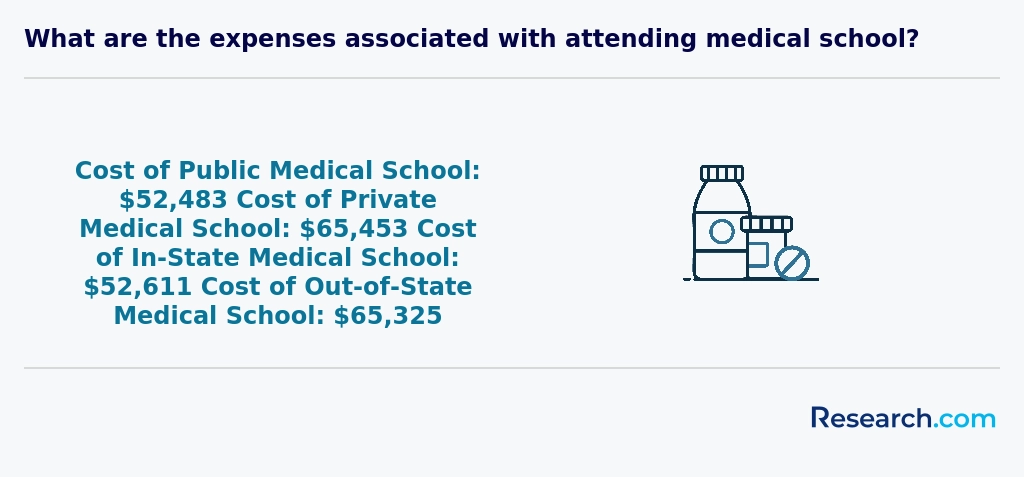
Obtaining a healthcare degree in Mobile typically involves an average total cost of around $37,710, with in-state students benefiting from reduced expenses averaging $24,054. Graduates from institutions such as Bishop State Community College and the University of South Alabama often reflect positively on the balance between quality education and affordability, highlighting how this cost structure makes pursuing healthcare careers more accessible locally. Community college programs bring the advantage of lower tuition while preparing students for immediate workforce entry or seamless transfer to four-year universities, exemplifying affordable healthcare degree programs Mobile offers.
Students frequently encounter additional necessary expenses including clinical fees, textbooks, and lab materials, which may add $1,000 to $2,500 each year. Despite these extra costs, many appreciate that Mobile's below-average living expenses help ease the overall financial burden during their studies. Public universities like the University of South Alabama present an appealing option where in-state tuition rates remain significantly lower than national averages, emphasizing Mobile's value proposition for healthcare education.
Those considering their educational path often compare their options carefully. Graduates recall that out-of-state tuition can more than double the cost, increasing total expenses substantially and making in-state enrollment financially advantageous. For students weighing choices, consulting resources on affordable criminal justice programs in alabama can provide insight into how Mobile's education market supports budget-conscious decisions aligned with career goals.
Emerging Trends & Future Outlook in Mobile Healthcare Education
Mobile’s healthcare education landscape is rapidly evolving to meet the demands of modern medicine and technology. As institutions refine curricula and integrate advanced simulation labs, students are benefiting from enhanced practical training, state-of-the-art technology, and stronger partnerships with local healthcare providers. This evolution not only improves educational quality but also better prepares graduates for an increasingly competitive job market. Emerging online modalities and hybrid learning models are gaining popularity, expanding access for non-traditional students and those balancing work or family commitments. For instance, innovative online platforms now offer integrated modules that blend theoretical instruction with virtual simulations, ensuring that remote learners receive a rigorous education. Prospective students are encouraged to explore options like the cheapest mha programs online, which represent a growing segment of accessible, high-quality education in healthcare management. Furthermore, there is a notable shift toward competency-based education, where programs focus on skill mastery over traditional credit hours. This approach, along with increasing emphasis on interprofessional collaboration and community-based projects, is reshaping how future healthcare professionals are trained. As local healthcare systems embrace digital transformation and data-driven decision-making, Mobile’s academic institutions continue to lead with innovative solutions that align with national trends and industry needs. Ultimately, these emerging trends signal a future where education is more adaptable, inclusive, and effective in preparing graduates for the challenges and opportunities of modern healthcare delivery.
What financial aid is available to healthcare degree students in Mobile?
Healthcare students in Mobile benefit from a comprehensive range of financial aid options tailored to offset the costs associated with their education. Federal aid, accessed via FAFSA, remains a cornerstone, offering Pell Grants up to $7,395 annually and low-interest Direct Subsidized and Unsubsidized Loans, giving students essential funding without immediate repayment pressure. Graduates from institutions like the University of South Alabama often recall how Pell Grants eased their financial concerns during their nursing studies.
State programs such as the Alabama Student Assistance Program (ASAP) provide crucial grants and scholarships specifically for residents pursuing healthcare fields, allowing students at local colleges like Bishop State Community College to focus more on learning and less on funding. Additionally, institutional scholarships awarded by Mobile-area universities recognize academic merit and financial need, frequently making a significant difference for healthcare students.
- Work-study positions offer the opportunity to gain healthcare-related experience while earning income, helping students at colleges balance education and expenses.
- Employer tuition assistance from Mobile hospitals encourages employees to advance their qualifications, reflecting a supportive community invested in healthcare growth.
- Professional associations, including local chapters of national groups, provide specialized scholarships that many healthcare students leverage to supplement their budgets.
Licensing and Certification Requirements
Earning a healthcare degree in Mobile, AL is only the first step toward a rewarding career-state licensure and professional certification validate your expertise and unlock many clinical and administrative roles. In Alabama, most healthcare occupations require: 1. Completion of an accredited program: Graduates must finish a program approved by the Alabama Board of Nursing or relevant state board. 2. Passing a national exam: For nursing, this means the NCLEX-RN or NCLEX-PN; for allied health roles, certification exams offered by bodies like the American Health Information Management Association (AHIMA) or National Healthcareer Association (NHA). 3. State application and background check: Submit official transcripts, exam scores, and a criminal background clearance to the Alabama Board of Examiners. Fees range from $75 to $150, and processing can take 4–6 weeks. 4. Renewal and continuing education: Licenses typically renew every two years, requiring 20–30 contact hours of approved continuing education to stay current with best practices. For specialized pathways-such as occupational therapy or exercise physiology-candidates may complete a degree in kinesiology and pursue additional certification. In fact, an online kinesiology degree can streamline your preparation for board exams in therapeutic disciplines, offering flexibility while you log clinical hours. Understanding these requirements ensures you’re not only academically prepared but also legally cleared to practice. Always verify the latest regulations on the Alabama Department of Public Health website and consult academic advisors early to map out your licensure timeline.
What are the prerequisites for enrolling in healthcare degree program in Mobile?
Enrolling in a healthcare degree program in Mobile requires applicants to hold a high school diploma or an equivalent, such as a GED. Most programs expect students to have completed core science courses like biology and chemistry, which build a strong foundation for understanding medical concepts. Graduates from popular institutions, such as the University of South Alabama, often reflect on how these prerequisites prepared them to confidently engage in complex healthcare studies and clinical practices.
Standardized test scores like the SAT or ACT may be requested, although many schools now follow test-optional policies, adding flexibility for applicants adapting to post-pandemic changes. Some nursing programs in Mobile also require a minimum GPA, prerequisite college courses, and health screenings, ensuring student readiness for demanding coursework and patient care responsibilities.
Applicants should anticipate submitting immunization records and undergoing background checks, vital for maintaining safety in clinical environments. Certain programs, including practical nursing or medical assisting, may also request placement tests or letters of recommendation to assess dedication and aptitude. These comprehensive prerequisites help students enter healthcare fields well-prepared and confident in their abilities.
Accreditation and Licensing Requirements
Choosing an accredited healthcare program ensures quality education, eligibility for licensure exams and federal aid, and smooth credit transfers.
- Institutional accreditation (CHEA- or U.S. DOE-recognized) verifies overall college quality.
- Programmatic accreditation (e.g., CCNE for nursing, CAAHEP for allied health, ABHES for medical assistants) validates specific healthcare curricula.
- State licensing boards require graduation from an accredited program to sit for exams like the NCLEX-RN or licensure in other allied fields.
Always confirm a program’s accreditation on the school’s website or through accrediting agency directories. For nursing-focused students seeking accessible entry points, explore our curated list of easy nursing programs to get into.
What courses are typically in healthcare degree programs in Mobile?
Healthcare degree programs in Mobile typically include a diverse range of courses that blend theory with practical skills essential for success in medical fields. At institutions like the University of South Alabama, students often engage deeply with courses such as Anatomy and Physiology, which provide a detailed understanding of the human body's structure and functions, vital for clinical competence.
Graduates frequently highlight the value of Medical Terminology and Pharmacology classes, which prepare them to communicate precisely and understand medication impacts confidently. Courses in Healthcare Ethics foster critical thinking about patient rights and moral challenges encountered in real clinical environments, enhancing professional integrity.
Hands-on experience is emphasized through Clinical Practicum or Internships at local hospitals, offering transformative learning through direct patient care. Studies in Health Information Management reflect the growing importance of electronic health records, crucial for efficient modern healthcare operations in Mobile's health sector.
This curriculum blend equips students with comprehensive, practical knowledge, ensuring they feel ready and motivated as they transition from campus to vibrant healthcare roles in Mobile's community.
What types of specializations are available in healthcare degree programs in Mobile?
Healthcare degree specializations in Mobile include nursing, medical laboratory technology, public health, health informatics, and healthcare administration. Graduates from well-known local colleges frequently emphasize how nursing programs offer practical clinical experiences within nearby hospitals, fostering confidence and hands-on skills vital for their careers. Medical laboratory technology students benefit from access to advanced diagnostic facilities, preparing them for vital roles in patient care and research.
Public health specializations focus on community health challenges prevalent in Alabama, allowing students to engage with real-world epidemiology and wellness initiatives. Many health informatics graduates appreciate how their programs seamlessly integrate healthcare and IT, equipping them to manage patient data and electronic health records crucial to Mobile's healthcare centers. Healthcare administration students often highlight the dynamic learning environment that prepares them to navigate complex healthcare systems effectively.
For those seeking affordable healthcare programs Mobile AL offers a variety of options, including community colleges with competitive tuition. Prospective students may also explore the cheapest mha programs online to complement their education while managing costs.
How do you choose the best healthcare degree in Mobile?
Choosing the best healthcare degree in Mobile starts with identifying your career goals within the local healthcare landscape. Graduates from prominent institutions in Mobile often emphasize the value of programs that balance theoretical knowledge with practical experience through clinical rotations at facilities like Mobile Infirmary Medical Center. For instance, nursing students pursuing an Associate Degree in Nursing (ADN) highlight how hands-on internships boosted their confidence and readiness for licensure exams. Cost considerations are equally important; understanding healthcare degree programs cost Mobile ensures you select an accredited program that offers financial aid or scholarships to alleviate tuition expenses. Many students recommend programs with flexible schedules, including part-time or evening classes, to manage work and family commitments effectively. Additionally, exploring specializations like an online kinesiology degree can provide alternatives tailored to your interests. Finally, consulting graduation rates and job placement data provides insight into the program's quality and career prospects in the vibrant Mobile healthcare job market.
What career paths are available for healthcare degree students in Mobile?
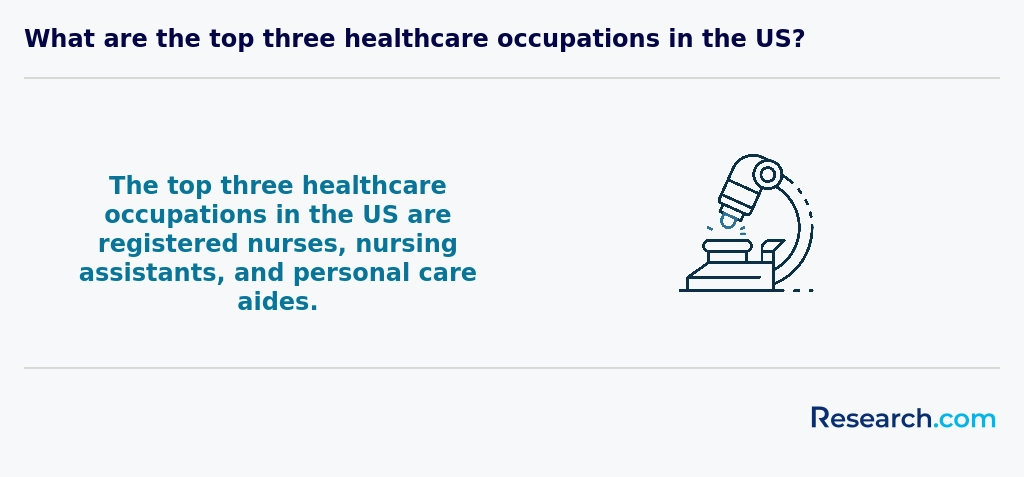
Graduates holding a healthcare degree in Mobile have diverse career options ranging from clinical roles to administrative leadership. Many pursue registered nurse (RN) positions, gaining rewarding hands-on experience in prominent institutions such as the University of South Alabama Health System, where nurses actively contribute to patient care and recovery. Others leverage their degrees to become healthcare administrators or health services managers, overseeing operations in growing medical facilities and adapting to the complexities of the healthcare landscape in Mobile.
Career options for healthcare graduates in Mobile extend into specialized professions like medical technologists, respiratory therapists, and physical therapists. Local programs equip students with essential skills to thrive in these fields, with respiratory therapists, for example, enjoying competitive wages around $55,000 annually. Public health specialists also find vital roles promoting wellness throughout the community, supported by agencies like the Mobile County Health Department.
Those seeking affordable education can explore the Affordable Online Healthcare Degree Programs Ranking in Orlando, FL, which provides guidance on cost-effective paths. Many graduates appreciate how Mobile's educational institutions combine practical training with accessible tuition, making healthcare degree jobs in Mobile AL both attainable and fulfilling.
What is the job market for healthcare degree in Mobile?
The healthcare job market in Mobile presents strong prospects for graduates with healthcare degrees, supported by the city's position as a regional medical hub. Many graduates from local institutions, such as the University of South Alabama and community colleges, find rewarding opportunities in roles like registered nursing, healthcare administration, and allied health professions. These job opportunities for healthcare graduates in Mobile benefit from continued investments in medical facilities and the steady demand driven by an aging population.
Graduates report satisfaction from entering a stable and growing workforce with salaries comparable to national averages and a lower cost of living, allowing for an improved quality of life. The diverse range of positions spans from hospitals to outpatient services, and there is rising potential in emerging fields like telehealth and health informatics.
Students considering their educational paths are advised to research affordable programs and pathways, including exploring the highest paid certificate programs that can accelerate entry into the field with practical skills and credentials tailored to local market needs.
Frequently Asked Questions About healthcare
Healthcare degree students in Mobile can maximize their learning experience by engaging actively in both classroom and practical settings. Local hospitals like Mobile Infirmary and USA Health offer clinical internships, which are vital for hands-on experience. According to the Alabama Department of Public Health, nearly 25% of healthcare graduates find employment through local clinical placements, highlighting their importance.
Additionally, using Mobile's community health resources for volunteer work helps students understand diverse patient needs. Joining student healthcare organizations can foster networking and leadership skills. Time management and seeking academic support services, such as tutoring available at the University of South Alabama, also contribute to academic success.
The healthcare field is rapidly evolving, and several emerging niches are gaining attention in Mobile and across the U.S. One significant area is telehealth, which grew by over 30% nationally between 2019 and 2023, driven by demand for remote patient care. Mobile's increasing focus on technology integration supports this trend through new programs focusing on telemedicine management and digital health tools.
Another expanding niche is geriatric care, especially given Alabama's higher-than-average aging population. Specialized training in elder care and chronic disease management is becoming essential. Additionally, the rise of health informatics, combining healthcare and data analysis, opens opportunities for those skilled in technology and patient data privacy.
These niches reflect national workforce needs while addressing Mobile's unique demographic and technological growth.
After completing a healthcare degree in Mobile, preparing for the job market requires targeted steps. First, gaining relevant clinical experience through internships or volunteering at local hospitals like Mobile Infirmary or USA Health improves employability. According to the Alabama Department of Labor, healthcare jobs in Mobile are expected to grow by 12% through 2030, indicating strong regional demand.
Networking is essential; joining local professional organizations such as the Mobile County Medical Society can provide valuable contacts. Additionally, obtaining certifications like CPR, BLS, or specialty-specific credentials enhances your resume. Job seekers should also frequently check job boards for openings at Mobile's large healthcare employers to align skills with market needs.
Employers in Mobile highly value healthcare degree graduates who demonstrate strong communication skills. Clear interaction with patients and colleagues is essential for ensuring quality care. According to the Alabama Department of Public Health, teamwork and collaboration are critical in Mobile's healthcare settings due to the diverse patient population.
Problem-solving abilities and adaptability also stand out. Healthcare professionals often face unexpected situations requiring quick, informed decisions. Mobile's growing healthcare sector, including facilities like USA Health, seeks graduates who can manage stress and uphold patient safety.
Technical proficiency with electronic health records (EHR) systems is increasingly demanded. The state's push for digital health records means familiarity with EHR software improves employability for new graduates.
Finding internships in Mobile relevant to healthcare degrees involves leveraging local hospital systems, clinics, and educational institutions. Mobile hosts significant healthcare employers like Providence Hospital and USA Health, which often offer internship programs for students. Contacting these organizations directly or checking their websites can provide up-to-date opportunities.
Additionally, students should explore internship postings through Mobile-area colleges such as the University of South Alabama's College of Nursing. These institutions frequently partner with local providers to facilitate placements.
Resources such as the Alabama Department of Labor and healthcare-specific job boards also list internships. Early application and networking within healthcare professional groups in Mobile can increase chances of securing a position.
Obtaining a healthcare degree in Mobile offers significant advantages for career mobility and advancement. The city's growing healthcare sector, including large employers like University of South Alabama Health System, increasingly values formal education when considering promotions or specialized roles. According to the U.S. Bureau of Labor Statistics, healthcare occupations in Alabama are expected to grow by 14% through 2031, signaling expanding opportunities.
Healthcare degrees-ranging from associate to bachelor's and advanced degrees-equip graduates with essential skills recognized statewide. These qualifications often lead to higher salaries and leadership positions. Additionally, local healthcare providers frequently prefer candidates with degrees due to regulatory requirements and complex patient care demands.
For professionals already employed in Mobile, earning a healthcare degree can open pathways to roles such as nurse practitioner, healthcare administrator, or clinical specialist, supporting upward career movement within the region.
Studying for a healthcare degree in Mobile offers a unique advantage in preparing students for interdisciplinary roles. Many local programs emphasize collaborative learning, integrating courses in nursing, public health, and health administration. This reflects the growing demand for professionals who can work across multiple sectors in healthcare.
Mobile's healthcare industry, with over 45,000 jobs as reported by the U.S. Bureau of Labor Statistics, encourages partnerships among hospitals, clinics, and community health organizations. Consequently, students gain practical experience through internships and simulations that mirror real-world teamwork.
Such interdisciplinary training helps graduates develop communication, problem-solving, and leadership skills crucial for today's diverse healthcare environments.
Choosing between a thesis and a non-thesis healthcare degree program in Mobile depends on your career goals and preferences. Thesis programs emphasize research, requiring students to conduct original studies and write a dissertation. This path suits those aiming for careers in academia, research, or advanced clinical roles. Non-thesis programs focus more on practical skills and coursework, often offering internships or capstone projects instead of a research thesis.
Local institutions like the University of South Alabama offer both options, with reported graduation rates around 60-70%. Research skills gained in thesis programs can be valuable but usually take more time to complete.
Consider your desired career path and time commitment before deciding.
Students in Mobile seeking healthcare degrees abroad have several pathways through partnerships between U.S. institutions and foreign universities. Many universities in Alabama, including those near Mobile, offer study abroad programs focusing on global health, nursing, and public health. These programs typically range from a few weeks to a full academic year.
Popular destinations include the United Kingdom, Ireland, and Canada, where healthcare curricula align closely with U.S. standards, facilitating credit transfer. According to the Institute of International Education, about 10% of U.S. healthcare students engage in international experiences each year, enhancing clinical and cultural competencies.
Mobile students can also consider programs accredited by the Commission on Accreditation of Allied Health Education Programs (CAAHEP) abroad, ensuring quality education recognized in the U.S.
Students pursuing healthcare degrees in Mobile have several part-time job opportunities that complement their education. Positions such as medical assistants, pharmacy technicians, and certified nursing assistants (CNAs) offer hands-on experience while studying. These roles provide practical skills valuable in clinical settings and help build professional networks.
Mobile's healthcare sector employs over 20,000 workers, including at major providers like USA Health and Mobile Infirmary Medical Center, increasing local job availability (U.S. Bureau of Labor Statistics, 2023). Part-time jobs in healthcare administration or patient services also develop administrative skills relevant to healthcare management careers.
Overall, many local employers value applicants with both education and experience, making part-time work a strategic choice for Mobile students.
Healthcare students in Mobile have access to several networking opportunities that support their professional growth. Local institutions such as the University of South Alabama host healthcare events and career fairs connecting students with hospital recruiters and healthcare organizations. The Mobile Area Chamber of Commerce also facilitates industry networking mixers where students can meet healthcare leaders.
Students gain practical experience and contacts through clinical rotations at major local hospitals, including USA Health University Hospital, which employs thousands and serves as a training hub. Additionally, professional associations like the Mobile County Medical Society encourage student membership, providing workshops and seminars.
Such connections are crucial in a region where healthcare employment grew by 5.6% from 2018 to 2023, reflecting robust industry demand. These networking events help students secure internships and jobs in Mobile's expanding healthcare sector.
Alumni networks play a crucial role in supporting healthcare degree students in Mobile by providing valuable connections within the local medical community. These networks often offer mentorship opportunities, allowing current students to learn directly from experienced professionals who have navigated the Mobile healthcare system.
Additionally, alumni networks facilitate internships and job placements in Mobile's growing healthcare sector, which employed over 50,000 people as of 2023 according to the Alabama Department of Labor. Access to these connections can significantly improve a graduate's employment prospects.
Engaging with alumni also helps students stay informed about industry trends and continuing education opportunities specific to Mobile's healthcare environment.
Customizing a healthcare degree program in Mobile allows students to align their education with specific career goals. Many local institutions offer flexible course options, including electives focused on nursing, public health, medical technology, or healthcare administration. This enables students to develop specialized skills relevant to the region's healthcare needs.
Mobile's healthcare sector is growing, with hospitals like Mobile Infirmary and USA Health expanding services, increasing demand for skilled professionals. According to the Alabama Department of Labor, healthcare employment in Mobile is expected to grow by over 15% by 2030, emphasizing the need for tailored education.
Students can also pursue internships, clinical rotations, or certification programs through partnerships with local healthcare providers, enhancing practical experience in desired fields.
Healthcare students in Mobile face several common challenges during their education. One major obstacle is balancing rigorous coursework with clinical practice hours, which can exceed 1,000 hours in some programs. Time management becomes crucial as practical training demands significant commitment alongside theoretical studies. According to the Alabama Commission on Higher Education, students often report stress related to this workload.
Financial strain is another significant issue. The average annual cost for healthcare programs in Mobile ranges from $10,000 to $25,000, depending on the institution and degree level, making affordability a key concern for many students.
Finally, limited local clinical placement sites due to Mobile's healthcare infrastructure size can lead to competition for slots, affecting timely program completion.
With a healthcare degree in Mobile, you can pursue a variety of professional certifications that enhance career prospects. Common certifications include Certified Nursing Assistant (CNA), Registered Nurse (RN) licensure, and Medical Assistant (MA) credentials. These certifications are essential for clinical roles and recognized nationwide.
For those interested in administrative or specialized fields, certifications like Certified Health Education Specialist (CHES) or Certified Professional Coder (CPC) are valuable. Also, Mobile's growing healthcare market supports certifications in respiratory therapy and phlebotomy.
According to the Alabama Department of Public Health, healthcare employment in Mobile is projected to grow 12% by 2030, increasing demand for certified professionals.
To write a winning application for a healthcare program in Mobile, start by carefully reviewing the specific program requirements listed by local institutions like the University of South Alabama. Many programs look for strong academic performance in science and math courses, so highlight your relevant coursework and grades.
Personal statements should clearly express your motivation for entering healthcare, reflecting knowledge about Mobile's unique healthcare challenges, such as its high elder population and prevalent chronic diseases per Alabama Department of Public Health data. Demonstrating community involvement or healthcare-related experience in Mobile can strengthen your application.
Finally, obtain strong recommendation letters from professionals familiar with your work ethic and dedication to healthcare. Proofread your application multiple times to ensure clarity and professionalism.
The global perspective on a healthcare career reflects strong demand for skilled professionals due to aging populations and rising chronic diseases. In the US, healthcare is one of the fastest-growing sectors, with the Bureau of Labor Statistics projecting a 13% growth in healthcare jobs from 2021 to 2031. Mobile, Alabama, exemplifies this trend, with local hospitals like Mobile Infirmary Medical Center expanding services to meet community needs. Worldwide, healthcare workers often face differing challenges, but all share a critical role in improving patient outcomes. Understanding international healthcare standards can enhance career prospects for US-trained graduates seeking broader opportunities.
Gaining practical experience while studying for a healthcare degree in Mobile is crucial for career readiness. Many programs in Mobile partner with local hospitals and clinics, such as the University of South Alabama Health System, to offer internships and clinical rotations. These placements allow students to apply classroom knowledge in real-world settings.
Additionally, Mobile's healthcare sector offers volunteer opportunities at facilities like USA Children's & Women's Hospital. This hands-on involvement provides insight into patient care and healthcare operations.
Some institutions also provide simulation labs to practice clinical skills safely before working with actual patients. Engaging in these opportunities enhances skills and improves employment prospects upon graduation.
Choosing the right concentration within a healthcare degree program in Mobile involves evaluating your interests, career goals, and the local job market. Mobile's healthcare sector is diverse, with growing demands in nursing, medical technology, and public health. According to the Alabama Department of Labor, healthcare occupations in Mobile are projected to grow by 15% over the next decade, particularly for registered nurses and health services managers.
Consider programs that align with in-demand roles and offer hands-on clinical experiences. Local hospitals like USA Health and Mobile Infirmary support clinical placements, which can be critical for employment post-graduation. Research each concentration's curriculum and licensure requirements to ensure it fits your professional aspirations and complies with state regulations.
Related Healthcare Rankings for Nearby Cities
- 2027 Most Affordable Healthcare Degree Programs Ranking in New Orleans
- 2027 Most Affordable Healthcare Degree Programs Ranking in Montgomery
- 2027 Most Affordable Healthcare Degree Programs Ranking in Baton Rouge
- 2027 Most Affordable Healthcare Degree Programs Ranking in Birmingham
- 2027 Most Affordable Healthcare Degree Programs Ranking in Tallahassee
- 2027 Most Affordable Healthcare Degree Programs Ranking in Macon
- 2027 Most Affordable Healthcare Degree Programs Ranking in Atlanta
- 2027 Most Affordable Healthcare Degree Programs Ranking in Gainesville
- 2027 Most Affordable Healthcare Degree Programs Ranking in Little Rock
- 2027 Most Affordable Healthcare Degree Programs Ranking in Jacksonville
Top Trending Healthcare Rankings
See What Experts Have To Say About Studying Healthcare
Read our interview with Healthcare experts

References
- Pursuing Your Career Goals: Strategies and Examples https://www.ultimatemedical.edu/blog/career-goals-importance-strategies-and-examples/
- How to Succeed in a Difficult Job Market After Graduation https://www.hospitalrecruiting.com/blog/6542/how-to-succeed-in-a-difficult-job-market-after-graduation/
- Healthcare Cost | Global Mobility Report 2026 https://www.henleyglobal.com/publications/global-mobility-report/2026-january/ranking-private-healthcare-costs-globally-mobile
- How to choose a bachelor's in healthcare administration | edX https://www.edx.org/resources/how-to-choose-a-bachelors-in-healthcare-administration
- Global Health Perspectives https://www.denvercollegeofnursing.edu/students/global-health-perspectives.html
- Financial and Medical Assistance Programs https://health.utoledo.edu/ut-medical-center/billing/assistance.html
- How to Create a Healthcare Career Roadmap https://www.ihire.com/resourcecenter/jobseeker/pages/how-to-create-a-healthcare-career-roadmap
- Course Contents https://www.ustp.at/en/study-programmes/media-digital-technologies/digital-healthcare/course-contents
- How to Know if a Healthcare Career Is Right for You https://carrington.edu/blog/how-to-know-if-a-healthcare-career-is-right-for-you/
- Know more about thesis vs non- thesis: what is the difference? https://studyfans.com/en/blogs/816