
2027 Easiest Online Bachelor's in Healthcare Degree Programs Ranking in Pennsylvania

Co-Founder and Chief Data Scientist
Exploring healthcare degree programs online can feel overwhelming, especially when balancing life in Pennsylvania. This article introduces the 2027 Easiest Online Bachelor's in Healthcare Degree Programs Ranking in Pennsylvania, developed by the Research.com team of data scientists to guide you through the best options available.
By reviewing this ranking, you'll gain clarity on which programs offer flexibility, support, and a smooth path to earning your degree. Pursuing a healthcare degree opens doors to rewarding careers dedicated to helping others and making a real difference.
Key benefits of getting online healthcare degree in Pennsylvania
- Healthcare degree graduates in Pennsylvania can expect competitive salaries such as $43,350 annually for Medical Assistants or Clinical Research Coordinators, with Quality Improvement Coordinators earning up to $103,150, offering strong financial motivation.
- Graduates from local universities often pursue diverse roles including Patient Care Technicians, Health Information Technicians, and Quality Improvement Coordinators, ensuring multiple career options in rewarding healthcare fields.
- Online healthcare degrees from Pennsylvania institutions provide flexible learning schedules, making it easier for busy students to balance work and life while gaining credentials that lead to fulfilling careers without sacrificing time or income.
- Key benefits of getting online healthcare degree in Pennsylvania
- What can I expect from online healthcare degree in Pennsylvania?
- Where can I work with online healthcare degree in Pennsylvania?
- How much can I make with online healthcare degree in Pennsylvania?
- 2027 Easiest Online Bachelor's in Healthcare Degree Programs Ranking in Pennsylvania
- Key Findings
- How long does it take to complete online healthcare degree in Pennsylvania?
- Next Steps: Pursuing Advanced Healthcare Degrees
- What's the difference between online and on-campus healthcare degree?
- Curriculum Overview: Typical Courses in Online Healthcare Degree Programs
- What is the average cost of online healthcare degree in Pennsylvania?
- Career Paths and Opportunities in Healthcare
- What financial aid is available to online healthcare degree students in Pennsylvania?
- Certification and Licensure Pathways After Your Online Healthcare Degree
- What are the prerequisites for enrolling in online healthcare degree program in Pennsylvania?
- Career Paths and Success Stories
- What courses are typically in online healthcare degree programs in Pennsylvania?
- What types of specializations are available in online healthcare degree programs in Pennsylvania?
- How do you choose the best online healthcare degree in Pennsylvania?
- What career paths are available for online healthcare degree students in Pennsylvania?
- What is the job market for online healthcare degree in Pennsylvania?
- Related Healthcare Rankings for Nearby States
- Top Trending Healthcare Rankings
- See What Experts Have To Say About Studying Healthcare
What can I expect from online healthcare degree in Pennsylvania?
The average cost of an online healthcare degree in Pennsylvania typically aligns with the in-state tuition rates of public universities, which often range between $8,000 and $15,000 per year. Graduates from institutions like Temple University or Pennsylvania State University report that staying in-state helps manage expenses effectively while accessing quality education tailored to working adults. This affordability is especially beneficial given the flexible pacing of these programs, allowing students to balance study with employment.
Many students appreciate that tuition costs are supplemented by financial aid options, scholarships, and employer tuition assistance, reducing out-of-pocket expenses. For example, healthcare professionals advancing their careers through online nursing programs at Drexel University highlight the financial feasibility paired with rigorous coursework. These programs' design accounts for the need to maintain income while progressing academically.
While tuition costs are reasonable, some clinical components may require travel to affiliated hospitals, such as UPMC or Penn Medicine, for hands-on training. Despite this, the overall investment remains accessible and strategically supports career growth within Pennsylvania's expanding healthcare sector.
Where can I work with online healthcare degree in Pennsylvania?
Graduates with online healthcare degrees from Pennsylvania institutions like the University of Pennsylvania or Penn State frequently secure roles in hospitals, including major systems such as UPMC and Penn Medicine. These employers seek healthcare administrators, clinical coordinators, and health informatics specialists, with many positions requiring at least a bachelor's degree. Graduates often share how their online programs prepared them for these demanding roles, blending flexibility with rigorous, career-relevant training.
Outpatient care centers and clinics across Pennsylvania also employ healthcare administration and support staff. Graduates find rewarding work managing patient services in urgent care or specialty practices, driven by the state's growing emphasis on coordinated care. Those who studied at Drexel University report how their studies directly translated into real-world patient care operations.
Additionally, healthcare degree holders may work for insurance companies, government agencies, or the Pennsylvania Department of Health, focusing on policy, data analysis, and public health programs. Long-term care facilities and digital health sectors present expanding job markets, reflecting a diverse array of career paths supported by Pennsylvania's broad healthcare economy of over 600,000 jobs.
How much can I make with online healthcare degree in Pennsylvania?
Graduates holding an online healthcare degree in Pennsylvania can expect to earn competitive salaries aligned with regional healthcare demands. For example, medical assistants report a mean annual wage of approximately $43,350, while patient care technicians earn around $60,790. These figures reflect entry-to-mid level roles often pursued by recent graduates from institutions like the University of Pennsylvania or Drexel University, where hands-on clinical skills complement online coursework.
Health information technicians earn similarly, averaging $43,380 annually, indicating stable opportunities in healthcare data management. More advanced roles, such as quality improvement coordinators, command salaries near $103,150, demonstrating significant income growth for those advancing into managerial or specialized positions.
Graduates often share positive experiences transitioning quickly into these roles, appreciating how Pennsylvania colleges blend comprehensive online learning with local healthcare networks. Many find themselves working in vibrant urban centers like Philadelphia or Pittsburgh, where salaries trend higher and professional networks expand dynamically. The data supports a promising financial outlook tied closely to the diverse career pathways available through online healthcare degree programs in Pennsylvania.
2027 Easiest Online Bachelor's in Healthcare Degree Programs Ranking in Pennsylvania
How do we rank schools?
Investing in your education is a significant decision that can shape your future, and the Research.com team recognizes the importance of making informed choices. To support prospective students in Pennsylvania, we have carefully developed the "2027 Easiest Online Bachelor's in Healthcare Degree Programs Ranking in Pennsylvania." Our dedication to quality, credibility, and accuracy is demonstrated through thorough research and analysis that underpin this ranking. We utilized the following reputable data sources to ensure a comprehensive evaluation of healthcare degree programs:
By consulting this ranking, readers will receive valuable insights into the easiest online healthcare bachelor's degree options in Pennsylvania, enabling them to make confident and well-informed educational decisions. For further information on how this ranking was created, please visit our Research.com methodology page.


# 6 position
Penn State University Park
Nursing, RN to BSN




Key Findings
- Tuition for online healthcare degrees in Pennsylvania ranges from about $10,000 to $25,000 per year, with public universities offering lower rates for in-state students.
- Many Pennsylvania schools provide financial aid and scholarships specifically for healthcare students.
- Healthcare jobs in Pennsylvania are projected to grow faster than average through 2030, especially for roles like registered nurses and health services managers.
- Entry-level registered nurses typically earn between $58,000 and $65,000 annually, while healthcare managers start around $65,000 to $75,000.
- Online healthcare programs should be accredited by recognized bodies like the CCNE or ACEN to ensure quality and eligibility for licensing exams.
How long does it take to complete online healthcare degree in Pennsylvania?
Completing an online healthcare degree in Pennsylvania typically requires about four years for full-time students, mirroring traditional undergraduate timelines. Graduates from institutions such as Penn State World Campus often report that their programs balance rigorous coursework with flexible scheduling, enabling them to manage work and study simultaneously. Part-time enrollment, common among working professionals, extends completion to five or six years but allows students to progress without sacrificing job responsibilities.
Some Pennsylvania colleges offering online healthcare degrees provide accelerated paths. Graduates with prior college credits or healthcare certifications have successfully shortened their studies to two or three years. For example, students at Drexel University Online who transfer credits benefit from this flexibility, a factor that brings excitement and motivation to their educational journey.
Associate degrees typically take about two years, while bachelor's degrees usually require approximately 120 credit hours and around four years. Many programs include practicums arranged locally, giving students the practical experience needed without disrupting their schedules. This structure suits students eager to promptly enter Pennsylvania's growing healthcare job market.
Next Steps: Pursuing Advanced Healthcare Degrees
After earning your online Bachelor’s in Healthcare in Pennsylvania, many graduates seek to deepen their expertise and expand their career opportunities through graduate studies. A master’s degree can unlock leadership roles in healthcare administration, health informatics, public health, and clinical research. Before enrolling, consider factors such as program accreditation, specialization alignment with your career goals, and flexible scheduling to accommodate work or family commitments. Many Pennsylvania institutions offer streamlined pathways for alumni, including accelerated credit transfers and cohort-based mentoring. If you’re evaluating graduate options outside Pennsylvania, our comprehensive ranking of master’s programs can guide your decision-making. For instance, explore the Affordable Online Master’s in Healthcare Degree Programs Ranking in Florida to compare tuition costs, graduation rates, and curriculum strengths. This resource highlights programs designed for working professionals, featuring specializations in healthcare leadership, data analytics, and population health. Key considerations before applying: • Admission Requirements: Verify prerequisite coursework, minimum GPA thresholds, and required professional experience. • Financial Aid and Funding: Research assistantships, federal loans, and state-specific grants to offset tuition. • Learning Format: Assess asynchronous versus cohort-based schedules, virtual practicum opportunities, and tech platforms. • Career Services: Look for dedicated graduate career centers offering resume reviews, interview prep, and employer networking events. By strategically selecting a master’s program that aligns with your long-term goals, you’ll maximize return on investment, enhance your clinical or administrative expertise, and position yourself for roles such as Healthcare Executive, Health Informatics Manager, or Public Health Director.
What's the difference between online and on-campus healthcare degree?
Online healthcare degrees in Pennsylvania offer considerable flexibility, allowing students to balance work or family commitments with coursework accessed anytime, anywhere. Graduates from Penn State's online program often highlight how this adaptability made it possible to progress without disrupting their personal lives. In contrast, on-campus programs, like those at Drexel University, involve fixed schedules and face-to-face interactions. Students appreciate the structured routine and direct access to faculty and peers, fostering immediate feedback and networking opportunities.
Financially, attending on-campus typically means an average annual tuition of around $11,000 for in-state students, according to the College Board. Online options may reduce these costs by minimizing fees such as campus facility usage, though some online students still face expenses for required clinical placements. Both learning paths necessitate hands-on clinical hours, with online learners arranging local placements and on-campus students benefiting from institutional hospital partnerships, reinforcing practical skills crucial to healthcare careers.
Graduates consistently report positive experiences with both formats; online learning's convenience and on-campus education's immersive environment each provide valuable routes toward professional success in Pennsylvania's evolving healthcare landscape.
Curriculum Overview: Typical Courses in Online Healthcare Degree Programs
Students enrolled in an online Bachelor’s in Healthcare degree program in Pennsylvania can expect a carefully structured curriculum that builds a solid foundation in both the scientific and administrative aspects of healthcare. Typically, students take core courses such as Introduction to Healthcare Systems, Medical Terminology, Anatomy & Physiology, and Healthcare Ethics, which establish essential knowledge for understanding the industry. Complementary courses in Public Health, Health Informatics, and Healthcare Management provide insights into modern challenges-from digital record-keeping and data management to the nuances of quality patient care and regulatory compliance. In addition, many programs incorporate research methods, evidence-based practices, and case studies that simulate real-world scenarios, helping students hone analytical skills and problem-solving techniques crucial for a dynamic work environment. Electives and specialized tracks allow learners to tailor their education further by exploring areas like community health, healthcare policy, or clinical operations. This comprehensive, flexible curriculum not only meets accreditation standards but also equips graduates to excel in diverse healthcare settings, making them competitive candidates for roles across clinical and administrative domains in Pennsylvania’s evolving healthcare market.
What is the average cost of online healthcare degree in Pennsylvania?
The average cost of an online healthcare degree in Pennsylvania typically centers around $46,380 for in-state students, based on median total tuition and fees. This figure reflects combined expenses for tuition, fees, and other related costs over the duration of the program. Out-of-state students usually face a higher median total cost closer to $47,880, which remains competitive compared to national averages.
Graduates from well-known institutions such as Pennsylvania State University World Campus often report satisfaction with the balance of affordability and high-quality education. Many appreciate how the in-state tuition rates help make pursuing an online healthcare degree in Pennsylvania more accessible. These programs frequently offer additional financial aid options to reduce the out-of-pocket expenses, highlighting the importance of exploring scholarships and loans as part of financial planning for prospective students.
It is crucial for students to budget not only for tuition but to also consider extra fees such as those for technology access, textbooks, and clinical placements, which vary by program and institution. The tuition and fees for healthcare degree Pennsylvania programs align closely with these median costs but can vary significantly between public and private universities.
For those wanting to quickly enter the healthcare workforce with less financial burden, there are short medical programs that pay well offered by several Pennsylvania colleges, providing practical alternatives to traditional degree paths.
Career Paths and Opportunities in Healthcare
Graduates with an online Bachelor’s in Healthcare in Pennsylvania can explore a wide range of fulfilling career paths that build on both academic expertise and practical applications. These programs not only foster foundational knowledge but also prepare students for specialized roles across clinical, administrative, and technological sectors. For example, many graduates choose to advance into roles such as Patient Care Technician, Health Information Technician, Clinical Manager, or even Healthcare Administrator. In addition to these established pathways, emerging areas such as telemedicine, healthcare analytics, and digital health management are gaining traction in today’s technology-driven medical industry. Students should also consider supplementing their education with additional credentials-exploring opportunities like short medical programs that pay well can further enhance their career prospects. Key career pathways include: • Clinical Roles: Positions that involve direct patient care, diagnostic support, and rehabilitation management. • Administrative and Management Positions: Roles that cover health services management, policy implementation, and operational oversight in healthcare facilities. • Health Information and IT: Opportunities that merge data management, electronic health records (EHR), and digital innovation to streamline patient care and institutional operations. • Emerging Fields: With the rapid evolution of healthcare technology, sectors such as telehealth, remote patient monitoring, and mobile health applications offer exciting new avenues for career growth. By aligning their skill set with these diverse career options, graduates are well-equipped to meet the demands of an evolving healthcare landscape while achieving both personal and professional success.
What financial aid is available to online healthcare degree students in Pennsylvania?
Online healthcare students in Pennsylvania typically access a combination of federal, state, and institutional financial aid to manage the often high tuition costs, which can range from $7,000 to over $25,000 annually. Most rely first on federal aid by submitting the FAFSA, unlocking Pell Grants capped at $7,395 for 2023-2024 and low-interest federal student loans. Graduates from well-known institutions like Pennsylvania State University note that such support significantly reduced their out-of-pocket expenses, enabling them to focus on rigorous coursework without overwhelming debt stress.
State-specific programs, such as the Pennsylvania State Grant, provide need-based awards up to approximately $4,000, easing tuition burdens for residents attending local accredited schools. For example, students attending Temple University's healthcare programs have reported combining these grants with federal aid to create a more manageable financial package.
Additionally, many Pennsylvania universities allocate institutional scholarships targeting healthcare fields, rewarding academic excellence or professional experience. Working professionals appreciate employer tuition reimbursement options, while scholarships from healthcare organizations offer extra financial relief, fostering motivation and commitment in students balancing work and study.
Certification and Licensure Pathways After Your Online Healthcare Degree
Upon completing an online bachelor’s in Healthcare in Pennsylvania, securing the right certifications and licenses is essential for maximizing career opportunities and meeting industry standards. Here’s what you need to know: • Common Certification Options – Registered Health Information Technician (RHIT): Offered by AHIMA, this credential validates expertise in managing patient data and health records. Candidates must hold an accredited Health Information Management degree and pass the RHIT exam. – Certified Professional Coder (CPC): Administered by AAPC, the CPC demonstrates proficiency in medical coding, billing, and compliance. Many graduates strengthen their skill set by enrolling in specialized programs-explore our recommendations for medical billing and coding accredited schools to prepare effectively. – Certified Medical Assistant (CMA): Through the AAMA, this certification confirms your capacity in clinical and administrative tasks, from patient preparation to electronic health record management. • State Licensure Requirements – Pennsylvania State Board of Medicine: For roles involving direct patient care (e.g., clinical management or telemedicine), verify scope-of-practice rules and complete any required state exams or supervised clinical hours. – Telehealth Provider Endorsements: If you plan to deliver remote services, ensure compliance with Pennsylvania’s telemedicine statutes, including any additional certifications or continuing education credits. • Exam Preparation and Continuing Education – Study Materials and Practice Exams: Invest in up-to-date review courses and practice tests offered by credentialing bodies (AHIMA, AAPC, AAMA) to boost your pass rates. – Recertification and CEUs: Most credentials require ongoing education-typically 20–30 continuing education units (CEUs) every two years. Engage in webinars, workshops, and conferences to stay current with healthcare regulations and technology advancements. • Career Impact Achieving certification not only enhances your resume but often leads to higher starting salaries and expanded leadership roles. Employers in Pennsylvania value certified professionals for their proven expertise in compliance, data accuracy, and patient safety-qualities that drive both individual success and overall healthcare quality.
What are the prerequisites for enrolling in online healthcare degree program in Pennsylvania?
To enroll in an online healthcare degree program in Pennsylvania, students must first meet key academic prerequisites. Most institutions, including well-known schools such as Penn State World Campus and Temple University, require a high school diploma or GED as a baseline. Official transcripts are essential to verify previous academic records, which many graduates recall as a straightforward, confidence-boosting step in their application process.
While some universities may ask for SAT or ACT scores, many online healthcare programs in Pennsylvania have waived this requirement since 2020, reflecting a positive shift toward accessibility. Applicants focusing on nursing or allied health often highlight the importance of completed prerequisite courses such as biology with lab work, chemistry, anatomy and physiology, and relevant statistics or math classes. These courses prepare students for the rigorous curriculum ahead.
Graduates from popular Pennsylvania colleges frequently mention how holding certifications like an LPN or EMT license provided both a competitive edge and real-world clinical experience. This clinical readiness aligns well with Pennsylvania's growing healthcare job market, which is projected to expand by 14% through 2030.
Career Paths and Success Stories
Online Healthcare degree graduates in Pennsylvania enjoy diverse career opportunities that extend far beyond traditional roles in patient care. Many alumni have ventured into leadership, advanced clinical practice, and innovative healthcare technology roles, showcasing the versatility of an online degree. Whether you dream of working in hospital administration, telemedicine, health informatics, or public health, these programs pave the way for a dynamic career landscape. Graduates often begin in entry-level roles, such as Patient Care Technicians or Health Information Technicians, and quickly discover pathways to growth with additional certifications and specialized training. For instance, some alumni transition from clinical positions into managerial roles by leveraging the comprehensive curriculum and real-world skills acquired through hands-on virtual labs and interactive case studies. Others find that their unique educational experience opens doors to public health and community outreach initiatives, where they play a critical role in designing healthier environments for local communities. Alongside these clear career trajectories, student success stories further underline the value of an online Healthcare degree. Numerous graduates credit their flexible learning format for allowing them to balance full-time work, family responsibilities, and academic pursuits, ultimately leading to significant achievements in fields like telehealth services and digital health records management. These testimonials serve as powerful indicators of how the skills developed during the program directly translate into impactful, rewarding roles in today’s rapidly evolving healthcare industry. Moreover, networking opportunities-ranging from virtual career fairs to dedicated alumni mentors-help bridge the gap between education and employment. Many institutions also offer career counseling and internship placements that not only enhance professional skills but also build lasting relationships within Pennsylvania’s robust healthcare network. By combining academic rigor with practical career guidance, these online programs ensure that every graduate is well-equipped to transform challenges into stepping stones toward success. Embracing a forward-thinking mindset and actively seeking additional training, certification, and mentorship can further accelerate career advancement. Ultimately, the journey from education to employment in Pennsylvania’s healthcare sector is marked by continuous learning, resiliency, and a commitment to delivering exceptional patient care and innovative solutions in a demanding industry.
What courses are typically in online healthcare degree programs in Pennsylvania?
Online healthcare degree programs in Pennsylvania typically include courses in human anatomy and physiology, essential for understanding bodily functions in clinical and administrative roles. Graduates from well-known institutions like Penn State have shared how this foundational knowledge boosted their confidence in real-world healthcare settings.
Medical terminology courses help students communicate effectively with professionals, which is crucial when managing patient records or collaborating with clinical teams.
Public health classes, covering epidemiology and health policy, reflect Pennsylvania's focus on addressing rural and urban health disparities. For example, graduates report that coursework on community health prepared them to engage with diverse populations across the state.
Healthcare law and ethics courses ensure students grasp complex regulatory issues affecting patient care in the region, a vital area due to Pennsylvania's strict healthcare standards.
Leadership and management classes, including healthcare finance and information systems, equip students to thrive in supervisory roles. Graduates from Temple University often highlight how these skills helped them lead teams efficiently.
Finally, courses in research methods and statistics align with the demand for data-driven healthcare solutions, an area emphasized by statewide agencies to improve outcomes.
What types of specializations are available in online healthcare degree programs in Pennsylvania?
Online healthcare degree specializations Pennsylvania include several focused tracks that align with workforce needs and student career goals. Graduates from popular institutions report positive experiences in Healthcare Administration, where they develop skills in managing hospitals, clinics, and nursing homes, addressing the state's growing demand for healthcare managers with a 15% projected job growth by 2030. Another significant concentration is Health Informatics, combining IT proficiency with healthcare knowledge to improve patient data management and privacy compliance, especially relevant in Pennsylvania's large healthcare systems and research centers.
Students pursuing healthcare bachelor's program concentrations PA often select Nursing specializations such as Public Health Nursing or Patient Care Management to enhance clinical expertise with leadership opportunities. Other notable options include Community Health and Education, Medical Laboratory Science, and Healthcare Ethics and Compliance, providing diverse career pathways. Working professionals also explore medical billing and coding accredited schools to complement their qualifications, all while benefiting from tuition ranges between $10,000 and $20,000 yearly that align with national averages.
How do you choose the best online healthcare degree in Pennsylvania?
Choosing the best online healthcare degree in Pennsylvania starts with verifying accreditation from bodies like CAHME or ACEN, as graduates from popular universities often highlight this as key to gaining licensure and industry recognition. Many students report positive experiences with programs offering curricula tailored to Pennsylvania's healthcare demands, such as courses in healthcare administration or public health, which reflect the state's projected 10% workforce growth through 2030.
Affordability heavily influences decisions; graduates praise Pennsylvania public universities for in-state tuition rates and lower costs compared to private institutions. For those seeking affordable accredited healthcare programs PA offers, exploring financial aid or employer tuition assistance proves essential. Flexibility is another priority-students juggling work and study appreciate programs providing virtual internships near their communities and strong online support services.
Lastly, career outcomes matter deeply. Graduates recommend researching employment rates and certification preparation to ensure the degree supports successful entry into Pennsylvania's healthcare field. For detailed financial comparisons, consider the Affordable Online Master's in Healthcare Degree Programs Ranking in Florida, which exemplifies transparent cost analysis relevant to choosing programs across states.
What career paths are available for online healthcare degree students in Pennsylvania?
Graduates with an online healthcare degree in Pennsylvania find diverse career paths amid a robust healthcare sector. Many pursue roles as healthcare administrators, managing operations in hospitals, outpatient centers, and nursing homes, with median salaries around $103,000 annually, reflecting strong earning potential in the region.
Other common careers include health information technicians and public health coordinators, responding to rising demand for electronic health record expertise and community wellness efforts. Graduates from popular institutions like Temple University and Drexel University report satisfaction balancing work and study while gaining skills applicable to these in-demand roles, illustrating positive outcomes for those exploring online healthcare degree careers Pennsylvania.
Additional pathways include medical and health services management, health education, healthcare consulting, and clinical research coordination. Such opportunities are accessible to graduates capitalizing on flexible programs and considering options like the quickest online undergraduate degrees for working adults. These roles support steady growth projected by the Pennsylvania Department of Labor for healthcare jobs, reinforcing attractive prospects for online learners.
What is the job market for online healthcare degree in Pennsylvania?
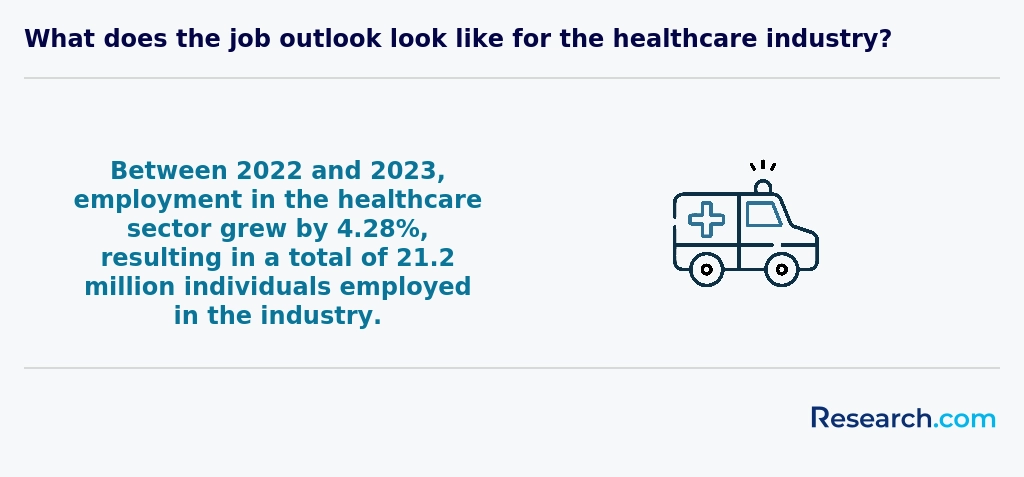
The job market for online healthcare degree graduates in Pennsylvania remains robust, driven by a 16% projected growth in healthcare employment from 2021 to 2031. This expansion represents over 100,000 new positions statewide, particularly in nursing, healthcare administration, and health information technology. Graduates from institutions like the University of Pennsylvania and Temple University often find rewarding roles within Pennsylvania's major health systems such as UPMC and the University of Pennsylvania Health System.
Many students pursuing online healthcare degrees appreciate the ability to balance education with work while gaining skills that local employers highly value. The demand for specialized roles in healthcare management and allied health professions positively impacts employment prospects. For those curious about degree affordability and career returns, exploring easiest phd degree programs online can provide useful guidance tailored to Pennsylvania residents.
Strong healthcare infrastructure coupled with demographic trends, like an aging population, keeps online healthcare jobs in Pennsylvania steadily growing. Graduates report satisfaction knowing their education aligns well with market needs and offers competitive salaries between $50,000 and $90,000 depending on the role and experience.
Frequently Asked Questions About healthcare
Online healthcare degree students in Pennsylvania can maximize their learning by actively engaging with their program's resources. Many Pennsylvania universities offer interactive tools such as virtual labs, discussion boards, and video lectures that enhance understanding.
Students should also seek internships or clinical placements in Pennsylvania's robust healthcare system, which employs over 600,000 individuals according to the Pennsylvania Department of Health. Practical experience complements theoretical learning, improving job readiness.
Additionally, joining professional healthcare organizations in Pennsylvania provides networking and mentorship opportunities. Scheduling regular study times and using digital calendars helps maintain consistency.
Access to academic advisors familiar with Pennsylvania's healthcare regulations further supports student success.
In Pennsylvania, online healthcare degrees are increasingly aligned with emerging niches that respond to evolving industry demands. One key area is telehealth, which has expanded rapidly due to technological advances and increased patient access needs. The Pennsylvania Department of Health reports significant growth in telemedicine services, offering new career paths for graduates.
Another rising field involves healthcare data analytics. Professionals skilled in interpreting health data help improve patient outcomes and system efficiency. According to the Pennsylvania Health Care Cost Containment Council, data-driven approaches are vital in managing healthcare costs statewide.
Additionally, gerontology and elder care are growing niches, reflecting Pennsylvania's aging population. Online programs often include specializations that prepare students to address complex health issues faced by older adults.
After earning an online healthcare degree in Pennsylvania, preparing for the job market requires focused steps. First, graduates should obtain any required state licenses or certifications relevant to their field, such as nursing or health administration. Pennsylvania's Department of State regulates these credentials.
Networking is crucial. Connecting with local healthcare organizations, professional groups, and alumni can open doors to opportunities. Pennsylvania's healthcare sector employed over 700,000 workers in 2023, reflecting strong job prospects.
Internships or volunteer experience, even after graduation, enhance resumes. Familiarity with electronic health records (EHR) and healthcare technology is highly valued by employers.
Staying updated on emerging healthcare trends in Pennsylvania ensures graduates remain competitive in this evolving field.
In Pennsylvania, healthcare employers prioritize a blend of technical and interpersonal skills when hiring graduates with online healthcare degrees. According to the Pennsylvania Department of Labor & Industry, strong clinical knowledge combined with proficiency in healthcare technology is essential. Employers also highly value communication skills, as healthcare professionals must clearly interact with patients and multidisciplinary teams.
Critical thinking and problem-solving abilities are crucial, especially in fast-paced healthcare environments. Additionally, understanding healthcare regulations and compliance, such as HIPAA, is important for maintaining patient privacy and safety. With Pennsylvania's aging population, empathy and cultural competence are increasingly recognized as key skills for providing quality care and improving patient outcomes.
Finding healthcare internships in Pennsylvania begins with exploring opportunities through your online program's career services. Many schools partner with local hospitals, clinics, and public health organizations to provide placements.
Pennsylvania has a robust healthcare sector, employing over 700,000 people statewide as of 2023, according to the Pennsylvania Department of Labor & Industry. This creates many potential internship sites in urban centers like Philadelphia and Pittsburgh, as well as rural communities.
Students should also search Pennsylvania's online job boards such as the PA Healthcare Career Connections portal for internships specific to healthcare fields. Networking through professional associations like the Pennsylvania State Nurses Association can open doors to more specialized placements.
Finally, verify that any internship meets academic credit requirements by checking with your academic advisor, as Pennsylvania colleges often require documentation to align practical experience with degree goals.
Online healthcare degrees in Pennsylvania significantly enhance career mobility and advancement opportunities within the state's growing healthcare sector. The Pennsylvania Department of Labor & Industry reported that healthcare occupations are projected to grow 15% from 2020 to 2030, faster than the average for all occupations. Earning a bachelor's degree online allows professionals to meet the increasing demand for qualified healthcare workers without disrupting current employment.
Online programs often include coursework aligned with Pennsylvania's licensing requirements, supporting upward mobility into roles like healthcare management or specialized clinical positions. Additionally, Pennsylvania's sizable healthcare industry-with leading employers such as UPMC-values degree holders for leadership and administrative roles, improving earning potential and job stability.
Flexibility in online education also enables continuous skill development, essential for career advancement in this dynamic field.
Studying for a healthcare degree in Pennsylvania offers strong preparation for interdisciplinary roles by emphasizing collaborative skills across multiple healthcare fields. Pennsylvania's online programs often integrate coursework in nursing, health administration, and public health, reflecting the state's diverse healthcare industry. According to the Pennsylvania Department of Health, over 30% of healthcare jobs involve collaborative teams, such as care coordinators and health educators working together.
Many accredited online degrees focus on communication, leadership, and evidence-based practice, equipping students to work effectively with professionals from various backgrounds. This approach aligns with Pennsylvania's emphasis on improving patient outcomes through teamwork and integrated care systems.
Choosing between a thesis and a non-thesis healthcare degree program in Pennsylvania depends on your career goals and learning preferences. A thesis option involves conducting original research and writing a detailed paper, which suits students interested in research roles or pursuing graduate studies.
Non-thesis programs focus more on coursework and practical skills, ideal for professionals aiming to enter or advance in healthcare administration, policy, or clinical roles without a research emphasis.
According to the Pennsylvania Department of Health, research experience can enhance job prospects in competitive healthcare fields, but 70% of healthcare employers in Pennsylvania prioritize practical skills over research.
Consider your time commitment and professional objectives before deciding, as thesis programs often require more time and self-motivation.
Students in Pennsylvania seeking to study healthcare abroad have several pathways, though most online healthcare degrees focus on U.S.-accredited programs. American students often enroll in international healthcare programs through partnerships between U.S. and foreign universities, allowing credits to transfer back to Pennsylvania institutions. According to the Pennsylvania Department of Education, such collaborative programs help students gain global healthcare perspectives while meeting U.S. licensure requirements.
Additionally, some online healthcare degrees incorporate global health courses or virtual exchanges with international entities, broadening students' understanding of worldwide healthcare systems. However, it remains essential for Pennsylvania students to verify program accreditation to ensure eligibility for Pennsylvania licensure upon return.
Students pursuing online healthcare degrees in Pennsylvania benefit from various part-time job opportunities that complement their education. Common roles include medical scribing, where students assist physicians by documenting patient encounters, enhancing their clinical knowledge. According to the Pennsylvania Department of Labor & Industry, healthcare support occupations in the state are projected to grow by 18% through 2030, offering ample entry-level positions.
Other options include certified nursing assistant (CNA) jobs or medical billing and coding positions, providing practical experience relevant to healthcare administration. These roles help reinforce classroom learning while allowing flexible schedules, ideal for students balancing work and online studies.
Online healthcare students in Pennsylvania benefit from numerous networking opportunities despite studying remotely. Many accredited universities offer virtual career fairs and online student organizations focused on healthcare. These platforms allow connections with peers, faculty, and professionals statewide.
Additionally, Pennsylvania is home to a large healthcare industry, employing over 700,000 people according to the Pennsylvania Department of Labor & Industry. This creates a strong local network for internships and job placements linked to online programs.
Students can also engage with professional associations such as the Pennsylvania Healthcare Quality Alliance and participate in statewide conferences or webinars tailored to healthcare fields. These resources enhance practical learning and professional growth.
Alumni networks provide significant benefits to students pursuing online healthcare degrees in Pennsylvania. These networks offer valuable connections with graduates already working in the state's healthcare industry, which is crucial given Pennsylvania's large healthcare sector employing over 700,000 professionals as of 2023 (PA Department of Labor & Industry).
Students gain access to mentorship opportunities, helping them navigate career paths and licensure requirements specific to Pennsylvania. Networking events, both virtual and local, increase the chances of job placement in competitive healthcare roles.
Additionally, alumni groups often share job leads and continuing education resources, supporting lifelong career growth. This network support is key for online students who might lack in-person campus interactions.
In Pennsylvania, online healthcare degree programs often offer customizable options such as elective courses, specializations, and clinical practice placements that align with your career goals. Many schools provide focus areas including healthcare administration, public health, or nursing. Customizing these paths allows you to target specific roles in a growing state healthcare market, where jobs in healthcare occupations are projected to grow by 15% from 2020 to 2030, according to the Pennsylvania Department of Labor & Industry.
Students can also choose part-time or accelerated tracks to fit their work schedules. Additionally, some programs collaborate with local healthcare providers to offer internships or practical experiences tailored to your interests.
Online healthcare students in Pennsylvania often face unique challenges related to balancing rigorous coursework with clinical experience requirements. Many programs require students to complete in-person clinical hours, which can be difficult to schedule alongside work or family commitments. According to the Pennsylvania Department of Health, securing high-quality local clinical placements remains a significant hurdle for online students.
Another challenge is navigating state-specific licensing regulations. Healthcare professions in Pennsylvania demand compliance with certain educational and clinical standards, which may affect online program choices.
Additionally, students report limited opportunities for direct interaction with faculty and peers, which can impact learning and professional networking.
With an online healthcare degree in Pennsylvania, you can pursue several professional certifications that enhance your career prospects. Common certifications include the Certified Healthcare Administrative Professional (cHAP) and the Registered Health Information Technician (RHIT). These certifications validate skills in healthcare management and medical records.
Many Pennsylvania employers value credentials such as Certified Medical Assistant (CMA) and Certified Professional in Healthcare Quality (CPHQ), which are attainable post-degree. The Pennsylvania Department of Labor reports steady growth in healthcare jobs, increasing the demand for certified professionals.
Additionally, some certifications require specific coursework or clinical experience, which online programs often accommodate through partnerships with local healthcare facilities.
Writing a winning application for an online healthcare program in Pennsylvania requires clear focus on relevant experience and academic readiness. Highlight any healthcare-related work, volunteer activities, or certifications, as Pennsylvania's healthcare sector employs over 550,000 professionals, emphasizing practical knowledge. Use Pennsylvania Department of Education data to showcase your understanding of healthcare trends in the state. Include a well-crafted personal statement explaining your motivation and career goals in healthcare, tailored to online study. Strong letters of recommendation from healthcare supervisors or educators also strengthen your application. Finally, ensure all transcripts and test scores meet program-specific requirements to demonstrate academic competence effectively.
The global perspective on a healthcare career highlights its growing demand and importance. In the United States, including Pennsylvania, healthcare jobs are projected to grow 13% from 2021 to 2031, faster than the average for all occupations, according to the U.S. Bureau of Labor Statistics. This trend reflects a worldwide increase in aging populations and chronic diseases, creating a need for skilled healthcare professionals globally.
Pennsylvania alone employs over 700,000 healthcare workers, making it a key sector in the state's economy, as reported by the Pennsylvania Department of Labor & Industry. Online healthcare degrees offer flexibility for Pennsylvania students to enter this expanding field and meet diverse global healthcare challenges.
Gaining practical experience while studying for an online healthcare degree in Pennsylvania is essential. Many programs incorporate clinical placements or internships to help students apply classroom knowledge to real-world settings. Pennsylvania has numerous healthcare facilities, including hospitals and clinics, that partner with universities for student training.
Students often complete supervised hours in local hospitals, nursing homes, or community health organizations. The Pennsylvania Department of Health supports experiential learning by helping connect students with approved sites.
Additionally, some programs offer virtual simulations that replicate patient care scenarios, which supplement hands-on experience. Combining these methods ensures students meet licensure requirements and enter the workforce prepared.
Choosing the right concentration within an online healthcare degree program in Pennsylvania involves assessing your career goals and local industry needs. Pennsylvania boasts a growing healthcare sector; according to the Pennsylvania Department of Labor & Industry, healthcare employment is expected to grow by 15% from 2020 to 2030. This growth fuels demand for specialties like nursing, health informatics, and healthcare management.
Consider concentrations that align with Pennsylvania's leading healthcare employers and funding trends. For example, health informatics is expanding due to increasing adoption of electronic health records in the state. Research program accreditation and faculty expertise to ensure quality education.
Reflect on personal interests and practical factors like internship opportunities or state licensure requirements linked to specific concentrations. This strategic approach will help you choose a concentration that maximizes employability and professional development within Pennsylvania's healthcare landscape.
Related Healthcare Rankings for Nearby States
- 2027 Easiest Online Bachelor's in Healthcare Degree Programs Ranking in New York
- 2027 Easiest Online Bachelor's in Healthcare Degree Programs Ranking in West Virginia
- 2027 Easiest Online Bachelor's in Healthcare Degree Programs Ranking in Ohio
- 2027 Easiest Online Bachelor's in Healthcare Degree Programs Ranking in Connecticut
- 2027 Easiest Online Bachelor's in Healthcare Degree Programs Ranking in Massachusetts
- 2027 Easiest Online Bachelor's in Healthcare Degree Programs Ranking in Kentucky
- 2027 Easiest Online Bachelor's in Healthcare Degree Programs Ranking in North Carolina
- 2027 Easiest Online Bachelor's in Healthcare Degree Programs Ranking in Indiana
- 2027 Easiest Online Bachelor's in Healthcare Degree Programs Ranking in Michigan
- 2027 Easiest Online Bachelor's in Healthcare Degree Programs Ranking in Georgia
Top Trending Healthcare Rankings
See What Experts Have To Say About Studying Healthcare
Read our interview with Healthcare experts

References
- Online Healthcare Degree Programs https://www.phoenix.edu/online-healthcare-degrees.html
- Health Sciences | York College of Pennsylvania https://www.ycp.edu/academics/programs/health-sciences
- Discover The Best Online Colleges In Pennsylvania https://www.accreditedschoolsonline.org/pennsylvania/
- Pennsylvania Medical Assistant Programs Online https://www.edumed.org/online-schools/medical-assistant-programs/pennsylvania-pa/
- Healthcare Management Degree https://www.centralpenn.edu/academics/healthcare-management/
- Health Care Schools in Pennsylvania https://www.healthcarepathway.com/states/pennsylvania-health-care/
- Online Healthcare Degree Programs | ABHES Accredited https://www.ultimatemedical.edu/campuses/online/
- Best Online Colleges In Pennsylvania 2025 https://www.affordablecollegesonline.org/online-colleges/pennsylvania/
- United Career Institute | Career Training School In PA https://unitedcareer.edu/
- York College of Pa. Takes Aim at Workforce Gaps with a ... https://www.idesignedu.org/resources/york-college-of-pa-takes-aim-at-workforce-gaps-with-a-suite-of-new-online-healthcare-and-nursing-programs


