
2027 Easiest Online Bachelor's in Healthcare Degree Programs Ranking in Georgia

Co-Founder and Chief Data Scientist
Exploring healthcare degree options can feel overwhelming, especially when balancing work and life. This article introduces the 2027 Easiest Online Bachelor's in Healthcare Degree Programs Ranking in Georgia, crafted by the Research.com team of data scientists to guide you toward programs that fit your goals and lifestyle.
By reading, you'll discover approachable pathways to start or advance your healthcare career without unnecessary stress.
Choosing the right program can open doors to meaningful work, job stability, and personal fulfillment-making your journey both rewarding and accessible.
Key benefits of getting online healthcare degree in Georgia
- Healthcare degree graduates in Georgia can earn competitive salaries, such as Medical Assistants averaging $43,350 annually and Patient Care Technicians earning around $60,790, which reflects strong financial potential in the field.
- Graduates from universities like Georgia State University often find diverse career options including roles as Health Information Technicians or Clinical Research Coordinators, offering opportunities for growth and varied work environments.
- Online healthcare degrees from institutions like Kennesaw State University provide flexibility and allow students to balance work and study, making education more accessible without sacrificing quality.
- Key benefits of getting online healthcare degree in Georgia
- What can I expect from online healthcare degree in Georgia?
- Where can I work with online healthcare degree in Georgia?
- How much can I make with online healthcare degree in Georgia?
- 2027 Easiest Online Bachelor's in Healthcare Degree Programs Ranking in Georgia
- Key Findings
- How long does it take to complete online healthcare degree in Georgia?
- Application Tips and Next Steps for Online Healthcare Programs in Georgia
- What's the difference between online and on-campus healthcare degree?
- Accreditation and Program Quality
- What is the average cost of online healthcare degree in Georgia?
- Accreditation and Professional Certifications
- What financial aid is available to online healthcare degree students in Georgia?
- Tips for Success in Georgia's Online Healthcare Programs
- What are the prerequisites for enrolling in online healthcare degree program in Georgia?
- Accreditation and Program Quality
- What courses are typically in online healthcare degree programs in Georgia?
- What types of specializations are available in online healthcare degree programs in Georgia?
- How do you choose the best online healthcare degree in Georgia?
- What career paths are available for online healthcare degree students in Georgia?
- What is the job market for online healthcare degree in Georgia?
- Related Healthcare Rankings for Nearby States
- Top Trending Healthcare Rankings
- See What Experts Have To Say About Studying Healthcare
What can I expect from online healthcare degree in Georgia?
Students pursuing an online healthcare degree in Georgia often speak positively about the financial accessibility offered by public institutions like the University of Georgia and Georgia State University. Many graduates recount how in-state tuition rates significantly eased their financial burden, making the cost more manageable compared to private or out-of-state programs. Typically, the average cost for an online healthcare degree can range from $10,000 to $25,000, depending on the program length and specific school.
One common reflection is the value found in flexible scheduling paired with cost savings, enabling students to work while studying without overwhelming debt. Graduates emphasize that investing in these well-recognized Georgia institutions not only provides quality education but also aligns with local licensing requirements, such as those for nursing or health administration, which enhances job readiness without unnecessary expenses.
Real-life stories highlight students completing most coursework online but budgeting for clinical hours at nearby approved facilities, which can occasionally add to out-of-pocket expenses. However, the blend of affordability, flexibility, and state-accredited programs reassures learners that their investment is both prudent and promising for career growth.
Where can I work with online healthcare degree in Georgia?
Graduates from online healthcare programs at institutions like Georgia State University and Kennesaw State University often find rewarding career opportunities throughout Georgia's diverse healthcare landscape. Many start their journeys in major hospital systems such as Emory Healthcare or Grady Health System, where they take on roles as healthcare managers or clinical coordinators, directly impacting patient care and operational efficiency.
Others find fulfillment working in outpatient care centers or physician offices, especially in bustling metro areas like Atlanta and Augusta, managing patient services or leading community health education initiatives. The excitement of contributing to growing populations and vibrant communities makes these positions particularly appealing.
Public health agencies also attract graduates eager to shape state-wide health policies and preventive programs, with the Georgia Department of Public Health providing dynamic roles that meld data analysis with community wellness efforts.
Further, those who appreciate meaningful engagement with Georgia's aging population often pursue careers in long-term care facilities. The rising demand for compassionate healthcare administrators and clinical staff in nursing homes creates a steadfast career path filled with personal satisfaction.
Finally, graduates are encouraged by the thriving health insurance and pharmaceutical sectors in Atlanta, finding stimulating opportunities in claims management and regulatory compliance that blend healthcare knowledge with business acumen, reflecting the versatility of their online degrees.
How much can I make with online healthcare degree in Georgia?
Graduates with an online healthcare degree in Georgia often find rewarding career opportunities with competitive salaries reflecting their chosen roles. For example, medical assistants earn a mean annual wage of about $43,350, while patient care technicians enjoy a higher average near $60,790. These figures align well with expectations for diploma or associate degree holders, commonly seen among students from institutions like Georgia State University or Kennesaw State University.
Health information technicians, another popular career path for Georgia's online healthcare graduates, make roughly $43,380 annually, offering stable employment for those interested in medical records and data management. Meanwhile, clinical research coordinators, often working within the state's bustling medical hubs, earn around $43,350 on average.
More experienced graduates with specialized skills can pursue roles such as quality improvement coordinators, whose mean salary reaches $103,150. Many Georgia graduates treasuring their education from schools like the University of Georgia appreciate how such positions offer a clear path to leadership and increased earnings.
2027 Easiest Online Bachelor's in Healthcare Degree Programs Ranking in Georgia
How do we rank schools?
Investing in your education is a significant decision that can shape your future, and the Research.com team understands the importance of making informed choices. To assist prospective students in Georgia, we have meticulously crafted the "2027 Easiest Online Bachelor's in Healthcare Degree Programs Ranking in Georgia." Our commitment to quality, credibility, and accuracy is reflected in the extensive research and analysis conducted to compile this ranking.
We utilized the following reputable data sources to ensure a comprehensive evaluation of healthcare degree programs:
By exploring this ranking, readers will gain valuable insights into the easiest online healthcare bachelor's degree programs in Georgia, helping them make informed decisions that align with their career goals and lifestyle. For more details on our methodology, please visit our Research.com methodology page.


# 4 position
Georgia Highlands College
Bachelor of Dental Hygiene


Key Findings
- Online healthcare degrees in Georgia typically cost between $15,000 and $30,000 depending on the institution and program.
- Healthcare jobs in Georgia employ over 600,000 people, with entry-level salaries around $50,000 to $60,000 annually.
- Experienced healthcare professionals can earn $80,000 or more, especially in nursing management and healthcare administration.
- Healthcare occupations in Georgia are projected to grow by about 16% from 2022 to 2032, faster than the national average.
- Many online programs include clinical components completed in local healthcare facilities to meet hands-on training requirements.
How long does it take to complete online healthcare degree in Georgia?
Completing an online healthcare degree in Georgia most commonly takes about four years for full-time students, aligning with the experience of many graduates from institutions like the University of Georgia and Kennesaw State University. These students often appreciate the structured pace that allows them to balance studies with life's demands.
For those juggling work or family, part-time options extend the timeline to around five or six years, a choice embraced by many who value flexibility over speed. This path feels achievable and less overwhelming, especially for working adults seeking career advancement without sacrificing income.
Accelerated programs at schools such as Augusta University offer motivated learners the chance to finish in about three years by integrating summer courses. Graduates who took this route often describe a sense of accomplishment and momentum that propels them forward.
Transfer credits and recognition of professional experience can further shorten completion times. Many healthcare students find encouragement knowing that their prior learning might lighten the journey, making their goal feel more approachable and personalized.
Application Tips and Next Steps for Online Healthcare Programs in Georgia
Embarking on your educational journey in the healthcare field involves careful planning and a clear understanding of the application process. To help you transition smoothly from research to enrollment, consider these actionable steps: start by gathering all necessary documents such as transcripts, letters of recommendation, and a thoughtful personal statement that highlights your passion and relevant experience. Research each program’s specific deadlines and application requirements to avoid any last-minute hurdles. Additionally, explore programs that offer support services like academic advising and career placement assistance, which can be crucial for your long-term success. For those looking to maximize both quality and affordability, our detailed ranking includes options like the cheapest healthcare school in georgia, ensuring you receive a competitive education without undue financial strain. Finally, consider reaching out directly to admissions counselors to ask questions specific to your career goals and potential financial aid opportunities. Taking these proactive steps will empower you to make a well-informed decision and set a strong foundation for a fulfilling career in healthcare.
What's the difference between online and on-campus healthcare degree?
Choosing between online and on-campus healthcare degrees in Georgia often comes down to lifestyle and learning preferences. Graduates from Kennesaw State University recall the convenience of logging into lectures after work or family time, appreciating flexibility that lets them study on their schedule. This is a key advantage of online programs, especially for those managing professional or personal commitments.
Conversely, graduates from Emory University emphasize the value of face-to-face instruction and hands-on clinical labs, which foster immediate connections with peers and faculty. They describe the campus experience as motivating, helping them build networks essential for career growth.
Cost considerations also play a role. Online learners in Georgia often benefit from lower tuition costs and savings on housing and commuting, which eases financial stress. Yet both formats require in-person clinical rotations, ensuring essential real-world skills are developed locally, whether in Augusta University's health centers or community clinics.
Ultimately, understanding these differences can help prospective students choose the path that best aligns with their lives while meeting Georgia's rigorous professional standards.
Accreditation and Program Quality
In Georgia, verifying that your online healthcare degree program holds recognized accreditation is essential for ensuring academic rigor, professional eligibility, and financial aid access. Accredited programs meet standards set by independent bodies, such as the Southern Association of Colleges and Schools Commission on Colleges (SACSCOC) for institutional accreditation, and specialized agencies like:
- Commission on Collegiate Nursing Education (CCNE)
- Accreditation Commission for Education in Nursing (ACEN)
- Commission on Accreditation of Health Informatics and Information Management Education (CAHIIM) Choosing an accredited online healthcare program impacts future licensure, certification, and employment prospects. Employers and state boards often require graduation from accredited institutions to qualify for professional licensure exams. Additionally, only accredited programs participate in federal financial aid, scholarships, and loan forgiveness. Prospective students can verify accreditation status by consulting the U.S. Department of Education’s database or the Council for Higher Education Accreditation (CHEA) directory. It is also advisable to explore offerings of online medical degrees accredited for a broader understanding of quality benchmarks across healthcare disciplines. Before enrolling, confirm that both the institution and specific healthcare program maintain current accreditation. This diligence not only safeguards your investment but also enhances your confidence that the curriculum aligns with industry standards and evolving healthcare regulations in Georgia.
What is the average cost of online healthcare degree in Georgia?
The average cost of an online healthcare degree in Georgia varies significantly depending on whether you attend a public or private institution. Graduates from public schools like the University of Georgia or Georgia Southern University often share how affordable their education was, thanks to in-state tuition rates that typically total around $10,969 for the entire program. This affordability allows many students to focus on their studies without the heavy burden of debt, making the journey toward a healthcare career feel more achievable and less stressful.
On the other hand, students at private institutions face a higher financial commitment, sometimes reaching totals near $40,147. While such costs can initially seem daunting, numerous graduates emphasize the value of private education offerings, including smaller class sizes and personalized instruction. Many also highlight scholarships and financial aid opportunities that can ease the financial load, helping balance the higher tuition with manageable expenses.
Understanding the Georgia online bachelor's healthcare program tuition helps prospective students make informed decisions that align with their financial and educational goals. Beyond tuition, it's important to factor in additional costs like technology fees, textbooks, and licensing exams-which graduates often recall budgeting carefully for.
For those seeking a balance of quality and affordability, exploring options like the cheapest healthcare school in Georgia can provide a solid starting point toward a rewarding healthcare career.
Accreditation and Professional Certifications
Choosing an accredited online healthcare degree program in Georgia ensures your education meets rigorous quality standards and qualifies you for licensure exams and employer recognition. Regional accreditation from bodies like the Southern Association of Colleges and Schools Commission on Colleges (SACSCOC) is essential, while programmatic accreditation-such as CCNE for nursing or CAHIIM for health information management-validates specialized curricula. Graduates from accredited programs are eligible to sit for industry-standard certifications like the Registered Health Information Technician (RHIT) exam and the Certified Healthcare Administrator (CHA) credential, which can significantly boost job prospects and salary potential. Beyond accreditation, many programs offer built-in preparation for certifications in areas like health informatics, clinical documentation improvement, and revenue cycle management. Hands-on virtual labs and capstone projects align with exam competencies, ensuring you’re ready for credentialing bodies upon graduation. For a financial-focused perspective, you may also explore our Affordable Online Healthcare Degree Programs Ranking in Morgantown, WV, which highlights accredited, budget-friendly options crafted to support your professional goals.
What financial aid is available to online healthcare degree students in Georgia?
Students pursuing online healthcare degrees in Georgia often find relief through a blend of federal, state, and institutional financial aid options. Many graduates recall how applying for FAFSA opened doors to Pell Grants, which do not require repayment and covered a significant portion of their costs during their studies. For example, learners at Georgia State University appreciated that these grants could ease the burden of tuition fees reaching up to $7,395 annually.
State programs like the HOPE Scholarship and Zell Miller Scholarship are particularly impactful for residents attending institutions such as Mercer University or Kennesaw State University. Graduates fondly remember how these awards not only reduced their tuition but also provided motivation to excel academically. The HOPE Grant's focus on technical healthcare programs further supports career-focused students navigating affordable pathways.
Institutional scholarships, often based on merit or need, are a common thread at many Georgia colleges with strong healthcare offerings. Additionally, those already working in healthcare frequently benefit from employer tuition reimbursement, helping them balance work and education confidently while advancing professionally.
Nonprofits like the Georgia Nurses Foundation also offer scholarships that past students found invaluable, reinforcing the community's support in fostering future healthcare professionals.
Tips for Success in Georgia's Online Healthcare Programs
To maximize your experience and career outcomes while enrolled in an online healthcare degree program, it's important to adopt practical strategies that ensure academic success and professional growth. Start by establishing a dedicated study schedule and creating a well-organized learning environment that minimizes distractions. Engage actively in virtual class discussions and group projects to build lasting connections with peers and instructors. Planning your finances is also key-before committing, consider reviewing resources such as online mph cost to determine how tuition and fees fit into your budget. Additionally, take advantage of academic advising and career counseling services to map out your educational journey and align your studies with long-term career objectives. By proactively managing your time and resources, you can successfully navigate the challenges of online learning while obtaining a robust foundation for a thriving career in the healthcare industry.
What are the prerequisites for enrolling in online healthcare degree program in Georgia?
Enrolling in an online healthcare degree program in Georgia means preparing carefully to meet several important prerequisites. Graduates from institutions like Georgia State University and Augusta University often reflect on how having a high school diploma or GED was the foundational starting point, much like many healthcare programs nationwide.
Many shared that submitting official transcripts from previous study was essential, allowing admissions teams to verify completion of key courses such as biology, chemistry, or anatomy. These classes are often required to build the solid scientific understanding vital for success in healthcare fields.
Test scores like the SAT or ACT were commonly needed, although some schools in Georgia have eased this requirement, making the path smoother for adult learners balancing work and study. This flexibility has made education feel more attainable and encouraging.
Graduates often recall completing prerequisite courses, including basic chemistry and English composition, which helped them develop the communication skills and analytical thinking needed in real-world healthcare settings.
Finally, students appreciated the transparency around financial commitments, knowing that typical annual costs for public healthcare programs in Georgia range from $4,000 to $10,000 for in-state learners. This clarity helped many plan effectively and approach their education with confidence.

Accreditation and Program Quality
Accreditation verifies that an online healthcare bachelor’s program meets rigorous standards for curriculum, faculty expertise and student support-critical for licensure, credit transfer and employer confidence. Accredited programs undergo regular review to ensure up-to-date content and competent clinical training.
- Institutional accreditation by the Southern Association of Colleges and Schools Commission on Colleges (SACSCOC)
- Programmatic accreditation such as the Commission on Collegiate Nursing Education (CCNE) or Accreditation Commission for Education in Nursing (ACEN)
- Allied health accreditors like the Commission on Accreditation of Allied Health Education Programs (CAAHEP)
- Recognition by the Council for Higher Education Accreditation (CHEA)
Choosing an accredited program means your degree is respected by licensing boards and employers across Georgia and beyond. For specialized nursing pathways without entrance exams, consider nursing programs that don't require teas.
What courses are typically in online healthcare degree programs in Georgia?
Online healthcare degree programs in Georgia typically include courses that build a strong foundation in both science and healthcare systems, which graduates often recall as essential in their careers. For instance, studying anatomy and physiology at institutions like Augusta University or Kennesaw State University gave many a clear understanding of how the human body functions, a confidence boost when stepping into clinical environments. Coupled with microbiology and chemistry, these courses ground students in the biological and chemical principles critical to healthcare roles.
Healthcare administration and policy classes help students navigate Georgia's healthcare landscape, familiarizing them with state-specific laws and health informatics. Graduates often describe this knowledge as vital when working within local hospitals or managing health programs. Public health topics tailored to Georgia's prevalent chronic diseases, like diabetes, make the learning highly relevant, connecting theory to community impact.
Courses in leadership, statistics, and medical terminology prepared many online learners to communicate effectively and make data-driven decisions, skills highly praised by alumni who now lead teams or conduct research statewide. Internships or practicums arranged by these programs provide practical experience right in Georgia, bridging classroom learning with real-world healthcare settings.
What types of specializations are available in online healthcare degree programs in Georgia?
Choosing an online healthcare degree in Georgia often means exploring a variety of specializations tailored to meet the state's evolving healthcare landscape. Graduates from well-known universities share how focusing on Health Administration prepared them to confidently manage hospital operations or insurance processes, fueled by Georgia's promising job growth in this field.
Many students gravitate toward Nursing pathways, such as RN to BSN programs, finding joy in roles that deeply impact community wellbeing. Popular colleges in Georgia often offer concentrations in nurse management or community health nursing, which graduates describe as empowering for local healthcare improvement.
Another growing area involves Health Informatics and Healthcare Data Analytics, where graduates experience satisfaction working with medical data to enhance care delivery, especially in technologically progressive cities like Atlanta. These specializations align closely with the best healthcare bachelor programs Georgia has to offer.
The public health focus, including Community Health and Health Education, attracts students motivated by the chance to impact population health statewide. Understanding the balance between cost and value is vital, and many consider the variations in tuition as they explore options such as the online mph cost to make informed choices for their futures.
How do you choose the best online healthcare degree in Georgia?
Choosing the best online healthcare degree programs Georgia offers means prioritizing accreditation and practical relevance. Graduates from institutions like Georgia State University often praise how their programs balanced rigorous coursework with flexible scheduling, something essential for busy adults managing work and family. Accredited programs, especially those recognized by agencies such as CCNE or ACEN, provide assurance that their education meets industry standards and bolsters employment prospects across Georgia's growing healthcare sector.
Affordability plays a key role as well. Many grads share relief when programs tailored to Georgia students helped minimize costs through reduced online tuition or scholarships, making education accessible without overwhelming debt. Comparing tuition alongside fees for books or technology is wise, particularly when exploring affordable online healthcare degrees in Georgia.
Curriculum quality also sparks enthusiasm among recent graduates who experienced courses covering both foundational topics and hands-on opportunities like virtual simulations or local clinical placements. You can learn more about suitable options by exploring online medical degrees accredited to ensure your choice blends flexibility with strong career preparation.
What career paths are available for online healthcare degree students in Georgia?
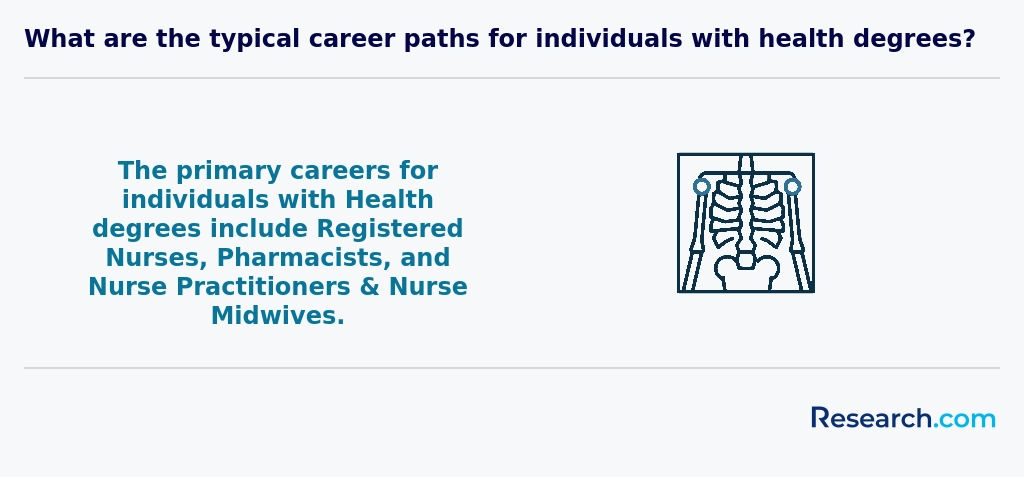
Graduates holding an online healthcare degree in Georgia find themselves well-positioned for a variety of rewarding career paths. For example, many become Registered Nurses (RNs), combining hands-on patient care with the growing opportunities available across Atlanta's vibrant hospital systems. These roles often come with a strong sense of fulfillment, knowing their work touches lives daily. Others have pursued careers as Healthcare Administrators, navigating the complexities of hospital operations and contributing to improved patient outcomes at institutions like Emory University's health facilities.
Health Information Technologists represent another compelling path, capitalizing on Georgia's increasing adoption of digital health records and compliance standards. Graduates appreciate how this role balances technical skills with a meaningful contribution to healthcare efficiency. In public health, professionals collaborate on critical programs at state and local levels, including community wellness initiatives in Savannah, demonstrating how diverse the field truly is. These career options showcase the practical benefits of an online healthcare degree jobs in Georgia and inspire graduates to make impactful contributions while enjoying flexible, supportive educational experiences.
For those weighing investment decisions, programs featured in the Affordable Online Healthcare Degree Programs Ranking in Morgantown, WV offer valuable tuition insights to help balance cost and quality.
What is the job market for online healthcare degree in Georgia?
The job market for online healthcare degree holders in Georgia is notably promising, reflecting steady growth fueled by an aging population and rising healthcare needs. Graduates from well-regarded institutions such as the University of Georgia or Augusta University often report a smooth transition into roles like healthcare administrators or registered nurses, where wages typically range from $65,000 to over $80,000 annually. Many online students value the program flexibility that allows them to balance studies with local clinical experiences, crucial for licensure and real-world skills.
Those seeking online healthcare jobs in Georgia find opportunities not only in major metro areas like Atlanta but also in smaller communities, where demand for healthcare services continues to expand. Graduates frequently mention the appeal of emerging fields such as telehealth and health informatics, which add diverse career paths beyond traditional clinical roles. Additionally, students appreciate guidance toward certifications that pay well, enhancing their employability in a competitive marketplace.
From experience, building practical skills through partnerships between Georgia's colleges and local healthcare providers strengthens job readiness, making the journey rewarding for future professionals. This alignment with market needs reflects the strong Georgia healthcare degree employment outlook.
Frequently Asked Questions About healthcare
Online healthcare degree students in Georgia can maximize their learning experience by actively engaging with their coursework and peers. Participating in discussion boards and virtual study groups enhances understanding and builds professional networks.
Utilizing state resources like the Georgia Board of Health Care Workforce can connect students to internships and job opportunities, improving practical experience. Additionally, Georgia's healthcare sector is growing rapidly, with projected employment increases of 20% by 2030 according to the Georgia Department of Labor, highlighting the need for up-to-date skills.
Students should also take advantage of academic advising and tutoring services offered by online programs to stay on track. Prioritizing hands-on training through clinical placements endorsed by their institutions ensures they meet state licensing requirements.
Emerging niches within the healthcare field in Georgia reflect broader national trends combined with state-specific demands. One growing area is telehealth, which expanded rapidly during the COVID-19 pandemic and continues to offer remote care services, especially in rural parts of Georgia. The Georgia Department of Public Health notes a 35% increase in telehealth adoption since 2020. Another promising niche is healthcare informatics, where professionals manage and analyze patient data to improve outcomes. Additionally, gerontology is expanding due to Georgia's aging population, requiring specialists in elderly care management. Mental health services also see rising demand, supported by state initiatives to increase access and reduce stigma.
After completing an online healthcare degree in Georgia, preparing for the job market requires targeted steps. First, graduates should obtain any necessary state licensure or certification, which is crucial for many healthcare roles in Georgia. Checking requirements through the Georgia Board of Health Care Professionals ensures compliance. Networking is also essential; joining local healthcare associations such as the Georgia Hospital Association can open job opportunities. Gaining practical experience through internships or volunteer work strengthens resumes. According to the U.S. Bureau of Labor Statistics, healthcare occupations in Georgia are projected to grow 10% from 2022 to 2032, highlighting strong job prospects. Developing soft skills like communication and adaptability further enhances employability.
Employers in Georgia highly value healthcare graduates who demonstrate strong communication skills. Clear and compassionate communication is critical when interacting with patients and healthcare teams. Additionally, proficiency in healthcare technology, such as electronic health records (EHR) systems, is becoming increasingly important due to Georgia's expanding healthcare infrastructure.
Critical thinking and problem-solving skills are also top priorities. Graduates must be able to assess patient needs accurately and respond quickly to changing situations. According to the Georgia Department of Labor, demand for healthcare roles requiring these abilities is expected to grow substantially by 2030.
Lastly, teamwork and ethical decision-making are essential. Healthcare in Georgia often involves interdisciplinary collaboration, and employers seek professionals who can maintain confidentiality and adhere to ethical standards consistently.
Finding internships in Georgia relevant to a healthcare degree involves several strategic steps. Start by exploring partnerships between online programs and local healthcare providers, as many Georgia institutions collaborate with hospitals and clinics for internship placements. The Georgia Department of Public Health and the Georgia Hospital Association often list internship opportunities specifically designed for healthcare students.
Networking through professional groups like the Georgia Healthcare Association can also open doors. According to Georgia's Department of Labor, healthcare occupations in the state are projected to grow by over 16% through 2030, highlighting abundant internship opportunities.
Contacting your online program's career services is crucial, as they often have affiliations with local healthcare facilities offering internships.
Obtaining an online healthcare degree in Georgia can significantly enhance career mobility and advancement opportunities within the state's growing medical sector. Georgia's healthcare industry is expanding rapidly, with employment in healthcare occupations expected to grow by 14% from 2020 to 2030, according to the U.S. Bureau of Labor Statistics. This growth creates demand for qualified professionals with flexible educational backgrounds.
Online degrees offer the convenience needed by working adults to gain credentials without disrupting their careers. Many employers in Georgia value accredited online healthcare programs that align with industry standards, allowing graduates to qualify for advanced roles in nursing, health administration, and allied health fields.
Additionally, completion of a bachelor's or higher degree online may improve eligibility for leadership positions and specialized certifications, both important for salary increases and promotions. The Georgia Department of Economic Development also highlights healthcare as a key sector, indicating sustained career opportunities for well-educated professionals state-wide.
Studying for a healthcare degree online in Georgia offers a solid foundation for interdisciplinary roles by integrating knowledge from multiple healthcare fields. Programs emphasize teamwork among professions such as nursing, public health, and health administration, reflecting the collaborative nature of modern healthcare.
Georgia's online degrees often include coursework aligned with standards from the Georgia Board of Healthcare Workforce, preparing students for practical challenges. Many curricula incorporate case studies and projects that simulate real-world healthcare settings requiring coordination across disciplines.
According to the Georgia Department of Public Health, healthcare roles are increasingly multidisciplinary, making communication and management skills crucial. Online programs foster these skills through virtual group work and clinical partner collaborations.
When choosing between a thesis and a non-thesis healthcare degree program in Georgia, consider your career goals and learning preferences. Thesis programs focus on research, requiring students to complete an original project, which suits those aiming for advanced study or research roles.
Non-thesis programs emphasize practical skills and coursework, ideal for students seeking direct entry into the healthcare workforce. According to the Georgia Board of Nursing, healthcare roles in the state are expanding rapidly, with employment projected to grow 15% by 2030, highlighting practical skills demand.
Evaluate faculty expertise, program flexibility, and whether your future employer values research experience. Online programs in Georgia from institutions like Georgia Southern University offer both options, providing access to advisors for guidance.
Students based in Georgia who wish to study healthcare abroad have several viable options available through accredited online degree programs offered by foreign institutions. These programs often partner with U.S. universities to ensure that the curriculum aligns with American healthcare standards. Georgia students can pursue degrees such as nursing, public health, or healthcare administration completely online, enabling them to earn recognized qualifications without relocating.
Such international programs are increasingly popular because they provide exposure to global healthcare practices while maintaining compliance with U.S. accreditation requirements. According to the Georgia Board of Nursing, online nursing education has grown by 15% annually, reflecting rising demand. Students should verify program accreditation and state licensure transferability before enrollment to ensure the degree meets Georgia's professional requirements.
Part-time job opportunities in Georgia that complement online healthcare degree programs often include roles such as medical assistants, patient care technicians, and pharmacy aides. These positions provide practical experience while students continue their studies. According to the Georgia Department of Labor, healthcare support jobs in the state are projected to grow by 15% through 2030, reflecting strong demand.
Many healthcare employers, including hospitals and clinics, offer flexible schedules accommodating student timetables. Additionally, positions in medical billing and coding or health information management offer office-based roles relevant to online healthcare education.
Gaining part-time employment in these fields helps students develop skills and enhances resumes before graduation.
Online healthcare students in Georgia have several networking opportunities despite the remote nature of their studies. Many Georgia universities offering online healthcare degrees provide virtual career fairs and alumni networking platforms to connect students with healthcare professionals statewide. Organizations like the Georgia Hospital Association and Georgia Nurses Association also host events and webinars that are accessible to students, offering valuable professional contacts.
Additionally, clinical placements and internships arranged through online programs allow students to interact directly with healthcare providers, building practical networks. According to the Georgia Department of Public Health, healthcare employment is expected to grow 15% by 2030, emphasizing the importance of strong professional connections in this expanding job market.
Alumni networks play a significant role in enhancing the experience of online healthcare degree students in Georgia. These networks connect current students with graduates working across hospitals, clinics, and public health organizations in the state. According to the Georgia Board of Nursing, nearly 60% of new healthcare professionals find jobs through personal connections, highlighting the value of networking.
For online students who may lack in-person interaction, alumni groups offer virtual meetups, mentorship programs, and career resources. This support helps students navigate Georgia's healthcare job market, known for its growth-projected at 15% increase in healthcare employment by 2030 (Georgia Department of Labor).
Access to experienced alumni who understand local healthcare regulations and employer expectations strengthens graduates' readiness and confidence to enter Georgia's healthcare workforce.
Customizing an online healthcare degree program in Georgia allows students to align their education with specific career goals. Many Georgia institutions offer flexible course options, including specializations in areas like health informatics, public health, or healthcare management. This lets students focus on skills that are in demand within Georgia's growing healthcare sector.
Students should consider programs that provide practical experiences such as virtual simulations or internships with local healthcare organizations. According to the Georgia Department of Economic Development, healthcare jobs are projected to grow by over 16% from 2020 to 2030, making tailored training highly valuable.
Additionally, choosing schools accredited by recognized bodies like the Commission on Collegiate Nursing Education (CCNE) or the Council on Education for Public Health (CEPH) ensures quality. Custom tracks may also include elective courses supporting roles in administration, policy, or community health, helping students meet both immediate and long-term career objectives.
Online healthcare students in Georgia face several challenges unique to their state and field of study. One common issue is limited access to local clinical placements required for hands-on training, especially in rural areas where healthcare facilities are scarce. According to the Georgia Board of Nursing, clinical site availability remains a barrier for many students. Additionally, balancing work, family, and coursework presents time management difficulties, as many learners are working adults seeking career advancement.
Technical issues and navigating online platforms can also hinder progress, particularly for students with limited digital literacy. Furthermore, some students struggle with maintaining engagement and motivation in a fully online environment without in-person support from peers or instructors.
An online healthcare degree in Georgia opens doors to various professional certifications that can enhance career prospects. Popular certifications include Certified Medical Assistant (CMA), Registered Health Information Technician (RHIT), and Certified Professional in Healthcare Quality (CPHQ). These credentials are valued across hospitals and clinics throughout Georgia.
For example, Georgia's Department of Labor highlights strong demand for certified medical assistants, with a 12% projected job growth through 2030. Additionally, health information management professionals with RHIT certification earn median annual wages above state averages, per the Bureau of Labor Statistics.
Online degree holders may also pursue licensure as a Registered Nurse (RN) or certifications in health coaching and patient care coordination, depending on their program focus. These certifications often require passing standardized exams after completing accredited education.
Writing a winning application for an online healthcare program in Georgia requires clear focus and preparation. Start by closely reviewing the program's requirements, as they often ask for a strong academic record and relevant experience.
Highlight any healthcare-related work or volunteer experience, as Georgia's healthcare industry values practical skills, especially given the state's ongoing need for qualified professionals. Incorporate specific achievements or situations where you demonstrated key healthcare competencies.
Personalize your statement of purpose to reflect your career goals aligned with Georgia's healthcare challenges, such as addressing rural care shortages documented by the Georgia Department of Public Health.
Strong letters of recommendation from healthcare supervisors or educators can significantly boost your application, showing real-world endorsements of your abilities.
The global perspective on a healthcare career emphasizes the critical demand for skilled professionals worldwide. In the United States, including Georgia, healthcare is one of the fastest-growing job sectors. According to the U.S. Bureau of Labor Statistics, healthcare occupations are projected to grow 13% from 2021 to 2031, much faster than the average for all careers.
Healthcare systems globally face challenges like aging populations and chronic diseases, boosting demand for trained workers. Georgia mirrors this trend, with significant growth in fields such as nursing, healthcare administration, and public health.
Online healthcare degrees in Georgia provide flexible access to education that meets national accreditation standards, preparing graduates for competitive roles. Institutions leverage connections with healthcare providers, enhancing practical skills relevant worldwide.
Gaining practical experience while studying online for a healthcare degree in Georgia is essential to prepare for professional roles. Many programs require clinical or practicum hours, which students can complete at approved healthcare facilities near them. This local placement model allows learners to engage directly with patients and healthcare teams.
Georgia has numerous hospitals and clinics offering internships and externships, often coordinated through the student's school. According to the Georgia Board of Nursing, clinical experiences must meet state standards for licensure if applicable.
Additionally, virtual simulations are increasingly used to complement hands-on training, providing realistic scenarios to develop skills safely and flexibly.
Choosing the right concentration within an online healthcare degree program in Georgia depends on your career goals and interests. Popular concentrations include healthcare administration, public health, and health informatics. Each offers specific skills suited to different roles in Georgia's growing healthcare sector. For example, healthcare administration prepares you for management positions in hospitals and clinics, key industries in Georgia's largest cities like Atlanta.
Consider job growth data from the Georgia Department of Labor, which highlights a rising demand for health information technologists and healthcare managers, projecting growth rates above the national average through 2030. Research local market needs to align your concentration with opportunities.
Look into program accreditation and curriculum flexibility, which can affect your education quality and ability to balance studies with other commitments. Many accredited online programs in Georgia are designed specifically for working professionals, offering practical, up-to-date content.
Related Healthcare Rankings for Nearby States
- 2027 Easiest Online Bachelor's in Healthcare Degree Programs Ranking in Florida
- 2027 Easiest Online Bachelor's in Healthcare Degree Programs Ranking in North Carolina
- 2027 Easiest Online Bachelor's in Healthcare Degree Programs Ranking in Mississippi
- 2027 Easiest Online Bachelor's in Healthcare Degree Programs Ranking in Kentucky
- 2027 Easiest Online Bachelor's in Healthcare Degree Programs Ranking in West Virginia
- 2027 Easiest Online Bachelor's in Healthcare Degree Programs Ranking in Arkansas
- 2027 Easiest Online Bachelor's in Healthcare Degree Programs Ranking in Indiana
- 2027 Easiest Online Bachelor's in Healthcare Degree Programs Ranking in Ohio
- 2027 Easiest Online Bachelor's in Healthcare Degree Programs Ranking in Texas
- 2027 Easiest Online Bachelor's in Healthcare Degree Programs Ranking in Oklahoma
Top Trending Healthcare Rankings
See What Experts Have To Say About Studying Healthcare
Read our interview with Healthcare experts

References
- Global Perspectives – Healthcare Beyond Borders https://www.cedars-sinai.org/international-stories/healthcare-beyond-borders.html
- Online Healthcare Administration Degrees in Georgia: Review Schools https://www.edumed.org/online-schools/healthcare-administration-degrees/georgia-ga/
- Financial Aid https://georgia-med.com/financialaidmain.asp
- Benefits of Online Healthcare Courses for Professionals | ILC https://inspirelondoncollege.com/blog/healthcare-courses-for-professionals/
- Explore Healthcare Admin Degree Concentrations https://www.baypath.edu/news/bay-path-university-blogs/post/explore-healthcare-admin-degree-concentrations/
- Online Medical Programs at CHCP - Start Now! https://www.chcp.edu/degrees-certificates/online/
- Global Health Perspectives https://www.denvercollegeofnursing.edu/students/global-health-perspectives.html
- Georgia Clinic Healthcare Institute – Fast-Track Your Career in Healthcare https://gchealthcareinstitute.com/
- Interdisciplinary Education and Practice https://www.aacnnursing.org/news-data/position-statements-white-papers/interdisciplinary-education-and-practice
- Pre-Med Study Abroad Programs | Go Overseas https://www.gooverseas.com/study-abroad/pre-med


