2027 Easiest Online Bachelor's in Healthcare Degree Programs Ranking in Massachusetts

Co-Founder and Chief Data Scientist
If you're a student in Massachusetts considering a healthcare degree, this article is here to guide you. We present the 2027 Easiest Online Bachelor's in Healthcare Degree Programs Ranking in Massachusetts, created by the Research.com team of data scientists. This ranking helps you identify programs that balance quality education with manageable coursework.
Choosing the right healthcare degree can open doors to rewarding careers where you make a real difference. Reading this article will empower you to make an informed decision that fits your goals and lifestyle.
Key benefits of getting online healthcare degree in Massachusetts
- Graduates with healthcare degrees in Massachusetts can earn competitive salaries, such as $43,350 annually for Medical Assistants and Clinical Research Coordinators, up to $103,150 for Quality Improvement Coordinators.
- A healthcare degree opens doors to diverse careers, from patient care roles like Patient Care Technician making around $60,790 yearly to technical positions like Health Information Technicians earning about $43,380.
- Completing a healthcare degree online, for example through a program at a well-known Massachusetts university, offers flexibility for busy lives while providing the same quality education and career opportunities as traditional degrees.
- Key benefits of getting online healthcare degree in Massachusetts
- What can I expect from online healthcare degree in Massachusetts?
- Where can I work with online healthcare degree in Massachusetts?
- How much can I make with online healthcare degree in Massachusetts?
- 2027 Easiest Online Bachelor's in Healthcare Degree Programs Ranking in Massachusetts
- Key Findings
- How long does it take to complete online healthcare degree in Massachusetts?
- Future Trends and Innovations in Healthcare Education
- What's the difference between online and on-campus healthcare degree?
- Online Learning Success Strategies and Resources
- What is the average cost of online healthcare degree in Massachusetts?
- Accreditation and Quality Assurance
- What financial aid is available to online healthcare degree students in Massachusetts?
- Accreditation and Quality Assurance for Online Healthcare Degrees
- What are the prerequisites for enrolling in online healthcare degree program in Massachusetts?
- Accreditation and Program Quality
- What courses are typically in online healthcare degree programs in Massachusetts?
- What types of specializations are available in online healthcare degree programs in Massachusetts?
- How do you choose the best online healthcare degree in Massachusetts?
- What career paths are available for online healthcare degree students in Massachusetts?
- What is the job market for online healthcare degree in Massachusetts?
- Related Healthcare Rankings for Nearby States
- Top Trending Healthcare Rankings
- See What Experts Have To Say About Studying Healthcare
What can I expect from online healthcare degree in Massachusetts?
The average cost of an online healthcare degree in Massachusetts typically ranges between $15,000 and $40,000, depending on the institution and program length. Graduates from well-known universities in the state often remark on how financial aid and scholarships helped ease tuition burdens, making these programs more accessible. For example, those attending a popular public university found value in hybrid options that combined online coursework with in-person clinicals, enhancing both learning and licensure preparation without excessive costs.
Many students appreciate how their investment translated into practical skills and networking opportunities aligned with Massachusetts' robust healthcare industry. They recall balancing work and study, confident that flexible scheduling and supportive faculty made the cost worthwhile. The chance to engage with local health challenges and policies through coursework at leading colleges added meaningful context, reinforcing the connection between expenses and career advancement in the state's dynamic healthcare environment.
Where can I work with online healthcare degree in Massachusetts?
Graduates with an online healthcare degree in Massachusetts often find themselves welcomed into dynamic workplaces where their skills directly impact patient care and system efficiency. Many have shared how their education from institutions like the University of Massachusetts or Northeastern University prepared them for roles in renowned hospitals such as Massachusetts General Hospital, managing patient coordination or health services administration. The fast-paced environment in these settings can be both challenging and deeply rewarding.
Others have navigated careers in outpatient clinics, where their training in healthcare administration ensures smooth operations and compliance with regulations. Imagine supporting a busy outpatient center in Boston, helping staff handle complex billing processes or improving patient flow - this hands-on contribution creates tangible improvements in care delivery.
Some graduates discovered fulfilling opportunities in healthcare consulting or biotech firms in Cambridge, where their understanding of healthcare data translates into innovative solutions. Their work often feels exciting and impactful, contributing to Massachusetts' leadership in medical technology.
Meanwhile, those drawn to public health find meaningful roles within state departments or community programs, shaping policies that touch lives across the Commonwealth. Many appreciate knowing their efforts support long-term health outcomes for diverse populations.
How much can I make with online healthcare degree in Massachusetts?
Graduates with online healthcare degrees in Massachusetts often find encouraging salary prospects, reflecting the state's strong healthcare industry. For instance, those working as Medical Assistants earn a mean annual wage of about $43,350. Patient Care Technicians see an increase, with average salaries around $60,790, demonstrating a rewarding step up in clinical roles.
Health Information Technicians, frequently employed in growing health informatics fields, commonly earn $43,380 annually. It's notable that graduates taking on coordinator roles experience substantial financial growth; for example, Quality Improvement Coordinators make around $103,150 per year, indicating excellent potential for those advancing into specialized administrative positions.
Many healthcare graduates from well-known Massachusetts institutions, such as the University of Massachusetts or Boston College, share that starting salaries can feel modest initially but quickly improve with experience, especially within Boston's vibrant medical sector.
Such earnings enable graduates to balance Massachusetts' high living costs while pursuing meaningful careers, giving a genuine sense of accomplishment and motivation to keep advancing professionally.
2027 Easiest Online Bachelor's in Healthcare Degree Programs Ranking in Massachusetts
How do we rank schools?
Investing in your education is a significant decision that can shape your future, and the Research.com team understands the importance of making informed choices. To support prospective students in Massachusetts, we have carefully developed the "2027 Easiest Online Bachelor's in Healthcare Degree Programs Ranking in Massachusetts." Our dedication to quality, credibility, and accuracy is demonstrated through rigorous research and thorough analysis carried out to create this ranking.
We utilized the following reputable data sources to ensure a comprehensive evaluation of online healthcare degree programs:
By reviewing this ranking, readers will gain valuable insights into accessible and flexible healthcare degree options, enabling well-informed decisions about their education. For more information on how this ranking was developed, please visit our Research.com methodology page.


# 4 position
UMassOnline
Nursing, RN to BS
Key Findings
- Healthcare jobs make up about 15% of all employment in Massachusetts as of 2023.
- Online healthcare bachelor's degrees at public universities cost between $15,000 and $25,000, while private colleges range from $30,000 to $50,000.
- Starting salaries for healthcare graduates typically range from $50,000 to $60,000 annually, with experienced professionals earning up to $100,000 or more.
- Healthcare occupations in Massachusetts are expected to grow by over 10% through the late 2020s.
- High-demand jobs include registered nurses, health services managers, and medical technologists.
- Students should choose online programs with regional accreditation recognized by the U.S. Department of Education for licensure and certification eligibility.
How long does it take to complete online healthcare degree in Massachusetts?
Completing an online healthcare degree in Massachusetts typically ranges from two to four years, shaped by individual circumstances and program choices. Graduates from institutions like the University of Massachusetts Online or Massachusetts Bay Community College often describe balancing work and study as a rewarding challenge that influences their pacing. Some find that enrolling part-time allows them to maintain their careers while steadily progressing through coursework, extending the duration but enhancing their learning experience.
Others with prior credits or associate degrees from Massachusetts community colleges have shared how bachelor's completion programs enabled them to finish in as little as one to two years-accelerated paths that match their motivations and schedules. The flexibility in program structures at public universities accommodates diverse needs, whether students seek traditional four-year courses or accelerated cohorts designed for fast completion.
Many appreciate that local clinical requirements, often completed near Boston or Worcester, connect online study with hands-on practice, enriching their education without unnecessary delays. This combination creates a practical, thoughtful journey tailored to both career goals and life realities in Massachusetts.
Future Trends and Innovations in Healthcare Education
Emerging technologies and evolving healthcare delivery methods are reshaping how educational institutions prepare future professionals. As online healthcare degree programs in Massachusetts continue to advance, it's crucial for prospective students to stay informed about industry shifts that may affect both the curriculum and career prospects. Future trends include a greater emphasis on telehealth, artificial intelligence in diagnostics and patient care, and personalized learning models that adapt to individual student needs. These innovations are driving institutions to update their course offerings, integrate real-time data projects, and collaborate with healthcare providers to ensure graduates are well-prepared for the digital age. Furthermore, this dynamic landscape means that exploring related fields-such as radiology tech programs near me-can offer valuable insights and additional career opportunities in specialized healthcare sectors. Staying abreast of these trends not only enhances the academic experience but also empowers graduates to lead and innovate in a rapidly changing industry.
What's the difference between online and on-campus healthcare degree?
Online healthcare degrees in Massachusetts offer the freedom to study at your own pace, a benefit often praised by graduates from institutions like Northeastern University and UMass Amherst. These students appreciate being able to balance coursework with jobs or family life, attending lectures virtually without losing momentum. However, this flexibility comes with the necessity of completing in-person clinical hours locally, ensuring hands-on experience that meets state licensing standards.
In contrast, on-campus programs at schools such as Boston University or Tufts University provide a structured environment, with scheduled classes fostering immediate interaction and support from professors and peers. Graduates often recall the energizing sense of community found in these traditional settings, alongside access to campus resources.
Financially, on-campus programs might be pricier-ranging from $14,000 to $30,000 yearly tuition-while online options can reduce costs but may add fees for technology or travel. Both paths maintain rigorous, accredited curricula respected by employers, underscoring that your commitment and experience matter most on this healthcare journey.
Online Learning Success Strategies and Resources
Succeeding in an online healthcare degree program not only relies on selecting a quality institution, but also on developing effective study habits and utilizing available resources. As you embark on your online education journey, it is important to establish a dedicated study space, create a structured schedule, and actively participate in virtual discussions and networking opportunities. Leveraging digital tools-such as online libraries, tutoring services, and interactive platforms-can help deepen your understanding and keep you motivated. Additionally, consider exploring affordable healthcare programs in massachusetts that offer robust student support and career guidance to ensure you remain on track academically and professionally. By setting clear goals and taking advantage of comprehensive support resources, you can maximize your learning experience and effectively prepare for a successful career in healthcare.
What is the average cost of online healthcare degree in Massachusetts?
Understanding the average cost of online healthcare degree in Massachusetts is essential for planning your educational journey wisely. Graduates from well-known public universities often reflect on tuition fees averaging around $25,470, a figure that balances quality and affordability in the region. These institutions blend accessible pricing with robust healthcare programs, making them a solid choice for in-state students seeking flexible online options.
Many students pursuing healthcare degrees online in Massachusetts find that private colleges, while more costly, offer significant advantages through scholarships and financial aid. For instance, graduates from private institutions appreciate how specialized coursework, though sometimes pushing tuition above $45,000 annually elsewhere, remains within reach thanks to these supports. These experiences highlight how investing in your education here can be both realistic and rewarding.
In practical terms, online healthcare programs frequently charge between $300 and $700 per credit, with bachelor's degrees requiring roughly 120 credits. This means tuition naturally varies based on your pace and program specifics. Some healthcare learners also benefit from accelerated options that shorten the time to graduation, often lessening overall expenses while maintaining quality standards.
Additional costs such as textbooks, technology fees, and clinical placements are common, but graduates often find the comprehensive support systems at popular Massachusetts colleges ease these burdens. Community colleges provide affordable pathways to certifications or associate degrees, allowing flexibility and cost savings.
If you are considering pathways beyond Massachusetts or interdisciplinary topics, exploring dual nurse practitioner programs Texas might offer valuable insight into blending programs innovatively across states.

Accreditation and Quality Assurance
Accreditation is the cornerstone of ensuring that your online healthcare degree in Massachusetts meets rigorous academic and professional standards. Regional accreditation-from bodies such as the New England Commission of Higher Education (NECHE)-validates an institution’s overall quality, while programmatic accreditation-from organizations like the Commission on Accreditation of Healthcare Management Education (CAHME) or the Council on Education for Public Health (CEPH)-confirms that specific healthcare programs adhere to industry benchmarks. When evaluating an online bachelor’s in healthcare:
- Verify that your chosen college holds NECHE or equivalent regional accreditation by checking the U.S. Department of Education database.
- Look for programmatic endorsements relevant to your career goals, such as CAHME for healthcare management or the Commission on Accreditation for Health Informatics and Information Management Education (CAHIIM) for informatics.
- Confirm that clinical practicum sites maintain accreditation and state licensure requirements, ensuring seamless transition into accredited internships and employment. For students exploring cost-effective yet accredited graduate pathways, consider comparing bachelor’s and master’s affordability through our Inexpensive Online Master's in Healthcare Degree Programs Ranking in Wisconsin, which highlights programs that balance quality with budget-friendly tuition.
What financial aid is available to online healthcare degree students in Massachusetts?
Students pursuing online healthcare degrees in Massachusetts often find that a thoughtful combination of financial aid sources makes their education more attainable. Graduates from well-known programs at institutions like Northeastern University or UMass Amherst frequently share how federal aid through FAFSA was the starting point, unlocking access to grants like the Pell Grant, which can cover up to $7,395 annually. This relief feels transformative, easing the burden of tuition that ranges widely from $15,000 to $30,000 per year.
Beyond federal support, many students benefit from state-specific resources such as the MassGrant, designed to help Massachusetts residents enrolled in eligible healthcare programs. Some also tap into the Commonwealth Commitment program, which offers tuition discounts when they pledge to contribute their skills locally after graduation. This creates a hopeful sense of purpose alongside financial relief.
Institutional scholarships from universities further brighten the path; these awards recognize dedication within nursing, public health, or allied health studies, often renewing annually and sparking motivation to excel. Additionally, private scholarships and loan forgiveness tied to service in healthcare fields add another layer of encouragement, reflecting a community invested in students' success and future impact.
Accreditation and Quality Assurance for Online Healthcare Degrees
Ensuring that your online healthcare degree meets rigorous quality standards is essential for employer recognition, professional certification, and licensure eligibility. In Massachusetts, top programs typically hold both regional and programmatic accreditation: • Regional Accreditation by the New England Commission of Higher Education (NECHE) or another U.S. Department of Education–recognized agency • Programmatic Accreditation such as: – Commission on Accreditation of Healthcare Management Education (CAHME) for healthcare administration – Commission on Accreditation for Health Informatics and Information Management Education (CAHIIM) for health informatics – Council on Education for Public Health (CEPH) for public health concentrations State authorization and compliance with Massachusetts Board of Registration requirements also ensure that clinical practicums, field placements, and capstone projects meet local regulations. Before enrolling, verify that your chosen institution: 1. Maintains current regional accreditation (NECHE or equivalent). 2. Holds relevant programmatic accreditation aligned with your specialization. 3. Is authorized to deliver distance education in Massachusetts and any other states where you plan to complete experiential learning. Accreditation not only validates curriculum quality but also impacts financial aid eligibility and transfer credit acceptance. For a deeper look at how accreditation and affordability intersect, compare these standards with our Inexpensive Online Master's in Healthcare Degree Programs Ranking in Wisconsin.
What are the prerequisites for enrolling in online healthcare degree program in Massachusetts?
To enroll in an online healthcare degree program in Massachusetts, students typically need a high school diploma or GED. Many graduates from well-known institutions like UMass or Northeastern have shared how this solid foundation made their transition into healthcare studies feel natural and rewarding. For programs with a clinical focus, such as nursing or health sciences, prerequisite courses like biology or chemistry are often required, underscoring the importance of academic preparation to build confidence before tackling advanced healthcare topics.
Applicants might also submit standardized test scores, though adult learners and transfer students frequently benefit from waivers, reflecting Massachusetts' flexibility in accommodating diverse student backgrounds. Letters of recommendation and personal statements are common, helping programs recognize applicants' dedication and real-world experience, whether from volunteering in Boston hospitals or administrative roles in community clinics.
These requirements, though sometimes demanding, ultimately equip students in Massachusetts to thrive in their healthcare careers, fostering a sense of accomplishment and readiness as they begin their journey.
Accreditation and Program Quality
Choosing an accredited online healthcare degree in Massachusetts ensures compliance with industry standards and eligibility for licensure and federal financial aid. Look for regional accreditation from the New England Commission of Higher Education (NECHE) or specialized accreditation from bodies such as the Commission on Accreditation of Healthcare Management Education (CAHME) and the Commission on Collegiate Nursing Education (CCNE). Accredited programs guarantee that your curriculum has been rigorously evaluated, which enhances credit transferability, graduate certification opportunities, and employer recognition. Before enrolling, verify each program’s accreditation status through the U.S. Department of Education’s Database of Accredited Postsecondary Institutions and Programs and cross-reference institutional websites. To further strengthen your credentials and accelerate entry into in-demand roles, consider supplementary 6 month medical certificate programs in specialties like medical coding, billing, or phlebotomy. By prioritizing program quality and recognized accreditation, you protect your investment and pave the way for a successful healthcare career.
What courses are typically in online healthcare degree programs in Massachusetts?
Online healthcare degrees in Massachusetts typically include courses that blend essential medical knowledge with practical skills tailored to the state's advanced healthcare environment. Graduates from well-known institutions in Boston often recall foundational classes such as human anatomy and physiology that deepen understanding of the body's workings, proving invaluable when encountering patients during clinical practicums completed locally.
Many students appreciate how programs integrate healthcare administration, covering topics like health information technology and finance, preparing them for diverse roles beyond direct patient care. For example, courses on healthcare law and policy reflect Massachusetts' specific regulations, enabling learners to navigate the local healthcare system confidently.
Courses in public health and epidemiology resonate with students who feel inspired by Massachusetts' strong community health initiatives. Graduates frequently mention how quality improvement and patient safety modules enhance their ability to implement meaningful changes in real healthcare settings.
Ultimately, these programs foster a balance of clinical insight and administrative expertise, empowering students to contribute thoughtfully to the evolving healthcare landscape they will soon join.

What types of specializations are available in online healthcare degree programs in Massachusetts?
When exploring online healthcare degree specializations Massachusetts offers, students often find a range of focused paths aligned with local industry needs. Many graduates from well-regarded colleges in the state cherish the Health Administration track for its leadership training, ideal for those aiming to steer hospitals or clinics confidently through complex healthcare landscapes. Others feel drawn to Nursing programs, including RN to BSN options, which prepare them for vital roles within Massachusetts' extensive hospital networks.
Public Health also attracts those passionate about community well-being, with real-world applicability in addressing public health emergencies and chronic disease management. Another promising field is Health Informatics, blending technology and medicine-a perfect choice for students fascinated by managing electronic health records amid the state's push for digitization. For data-driven minds, Healthcare Analytics offers tools to enhance patient outcomes through insightful data examination. Prospective students interested in these healthcare bachelor programs Massachusetts specialties should also consider affordable online bachelors in healthcare administration as a practical, well-rounded option.
How do you choose the best online healthcare degree in Massachusetts?
Choosing the best online healthcare degree in Massachusetts starts with considering accreditation and real-world applicability. Graduates from respected institutions around Boston often emphasize how programs accredited by bodies like CAAHEP and ACEN opened doors to licensure and rewarding careers. These programs blend flexibility with rigorous curricula, allowing working professionals and caregivers to balance life commitments while advancing their education.
Reflecting on stories shared by healthcare students in Cambridge, practical exposure through internships within local hospitals or biotech firms proved invaluable. This direct connection to Massachusetts' vibrant healthcare ecosystem turns theoretical knowledge into meaningful experience, boosting confidence and job prospects. Those who pursued affordable healthcare bachelor's degrees Massachusetts found financial aid and tuition assistance crucial, alleviating the burden while investing in a promising future.
Faculty support and outcome transparency are also decisive. Graduates from top nursing schools often recall mentors guiding them through challenges and assuring skill mastery. For anyone considering this path, exploring options like affordable nursing programs fort worth can reveal surprising parallels in program quality and affordability, sharpening choices for your own unique journey.
What career paths are available for online healthcare degree students in Massachusetts?
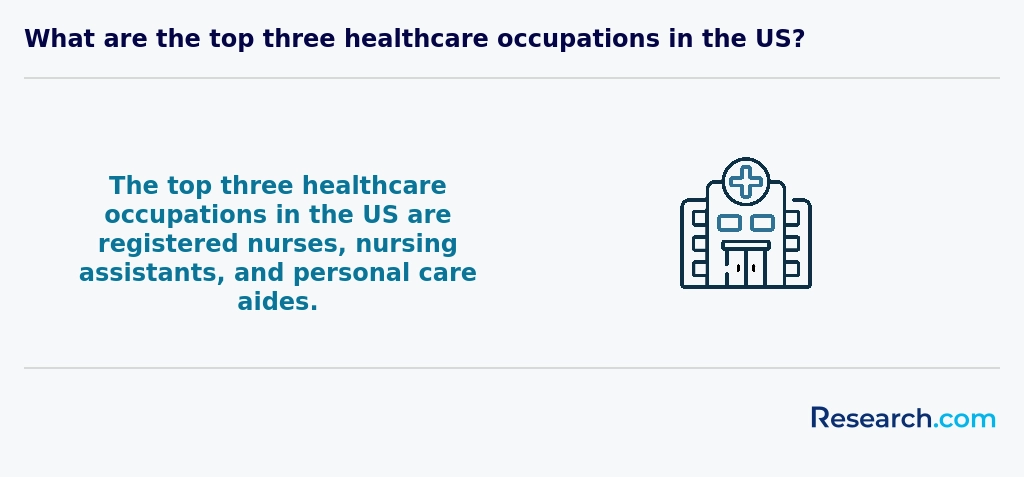
Graduates of online healthcare degrees in Massachusetts find themselves well-positioned for a variety of fulfilling careers. Many choose to become Registered Nurses, taking advantage of robust BSN programs at well-regarded institutions like Northeastern University or UMass Amherst, where graduates often express pride in the strong clinical training paired with flexible online study. These roles come with the benefit of some of the highest nurse salaries in the country, reflecting Massachusetts' commitment to healthcare excellence.
Others leverage their degrees to enter management, overseeing busy hospital departments or clinics. Graduates mention how their programs' emphasis on healthcare informatics and health law prepares them for these challenges, especially in a state known for advanced medical centers such as Massachusetts General Hospital. Those drawn to community health often pursue careers as public health professionals, working in roles vital to statewide health initiatives and policy.
There are also rewarding technical careers, ranging from respiratory therapy to radiologic technology, supported by focused associate or bachelor's degrees. For those exploring options, Massachusetts offers diverse opportunities, making online healthcare careers in Massachusetts both practical and inspiring. Exploring the online nursing degrees new york curriculum can offer comparative insights for prospective students seeking the best path forward.
What is the job market for online healthcare degree in Massachusetts?
The job market for online healthcare degree in Massachusetts is particularly robust, driven by the state's distinguished healthcare institutions and ongoing demand for professionals in various fields. Graduates from programs at well-known universities often find themselves well-prepared to enter roles in registered nursing, healthcare administration, and health informatics, with many employers valuing the combination of online education and local clinical experience. For example, several graduates have shared that their ability to balance work and study through online programs enabled them to gain practical skills highly relevant to Massachusetts' healthcare environment.
Many alumni recall securing positions quickly after graduation due to the state's projected 13% growth in healthcare jobs, which is notably higher than the national average. Healthcare degree career opportunities Massachusetts-wide also reflect competitive salaries; nurses report median wages above $88,000. It's also worthwhile to explore specialized paths, such as the pathways linked to lvn degrees texas internships, which can broaden career prospects beyond state lines. Overall, the landscape offers strong promise for those pursuing online healthcare jobs in Massachusetts.
Frequently Asked Questions About healthcare
Students pursuing online healthcare degrees in Massachusetts can maximize their learning by actively engaging with course materials and virtual discussions. The Massachusetts Department of Higher Education emphasizes the importance of self-discipline and time management, which are critical for successful online study. Since Massachusetts houses renowned healthcare institutions, students should seek opportunities for local clinical placements to gain hands-on experience.
Utilizing statewide resources such as Massachusetts Health Connector data, which reports a 97% healthcare coverage rate, helps students understand the state's health landscape. Networking with Massachusetts-based professionals through virtual events and joining relevant student organizations also enriches the educational journey. Taking advantage of library access from accredited institutions further supports research and study.
The healthcare field is experiencing rapid growth in several emerging niches, particularly relevant for students pursuing online degrees in Massachusetts. One significant area is telehealth, which expanded dramatically during the COVID-19 pandemic. According to the Massachusetts Health Policy Commission, telehealth visits increased by over 25% from 2020 to 2023, creating demand for professionals skilled in remote patient care and health informatics.
Another growing niche is healthcare data analytics. Massachusetts, home to numerous biotech firms, values experts who can manage and interpret large health datasets to improve patient outcomes. Genomic nursing and personalized medicine also offer promising careers, as the state supports research integrating genetics into routine care.
Finally, care coordination and population health management roles are expanding to address chronic disease prevention and management across diverse communities in the state.
Preparing for the job market after completing an online healthcare degree in Massachusetts involves several strategic steps. First, students should obtain relevant certifications, such as Registered Health Information Technician (RHIT) or Certified Medical Assistant (CMA), which are often valued by employers in the state.
Networking is crucial; connecting with local healthcare facilities and professional organizations like the Massachusetts Health & Hospital Association can open opportunities.
Internships or clinical placements, even if arranged independently, provide practical experience that many employers require. According to the Massachusetts Executive Office of Labor and Workforce Development, healthcare jobs in the state are projected to grow by 20% through 2030, emphasizing strong demand.
Finally, tailoring resumes to highlight both online coursework and hands-on skills helps graduates stand out in the competitive healthcare market.
Employers in Massachusetts highly value healthcare degree graduates who combine strong clinical knowledge with excellent communication skills. According to MassBio, teamwork and interpersonal skills are crucial, as healthcare roles often require collaboration across diverse professional teams.
Analytical thinking and problem-solving abilities are also emphasized, particularly as the state continues to integrate advanced health technologies into patient care. The Massachusetts Department of Public Health highlights adaptability and proficiency with electronic health records as key competencies.
Moreover, cultural competence and ethical decision-making are essential, given the state's diverse population and strict regulatory environment. Graduates demonstrating these skills are more likely to meet employer expectations and contribute effectively in healthcare settings.
Finding internships in Massachusetts that align with a healthcare degree involves a strategic approach combining research, networking, and utilizing institutional resources. Massachusetts hosts numerous healthcare institutions, including renowned hospitals in Boston, offering diverse internship opportunities.
Start by consulting your online program's career center or academic advisor, who can connect you to affiliated healthcare providers. Additionally, explore statewide platforms such as the Massachusetts Health & Hospital Association's listings. According to Massachusetts Department of Higher Education data, over 60% of healthcare internships are concentrated in urban areas like Boston and Worcester.
Networking through professional organizations, like the Massachusetts Public Health Association, also increases access to local internships. Early application and tailored resumes are essential to secure competitive placements.
Online healthcare degrees in Massachusetts significantly enhance career mobility by providing flexible access to credentials recognized across the state's robust healthcare sector. According to the Massachusetts Department of Higher Education, healthcare jobs are projected to grow by 15% from 2020 to 2030, faster than average. This growth creates more advancement opportunities for those with accredited bachelor's degrees.
Employers in Massachusetts value online degree holders equally to traditional graduates, especially when programs are regionally accredited. Graduates can access roles ranging from healthcare administration to specialized clinical support, often with higher salary potential.
Additionally, many online programs incorporate internships and partnerships with local medical facilities, increasing networking and job placement chances.
Studying for an online healthcare degree in Massachusetts equips students with skills essential for interdisciplinary roles across the state's advanced healthcare system. Massachusetts is known for integrating medicine, public health, and technology, especially in cities like Boston, home to top hospitals and research centers. Programs emphasize collaborative learning, preparing graduates to work alongside professionals from nursing, administration, and social services.
According to the Massachusetts Department of Higher Education, many institutions align curricula with workforce demands, focusing on teamwork and communication.
This interdisciplinary approach reflects the state's healthcare environment, where addressing complex patient needs requires coordination among diverse experts.
When choosing between a thesis and a non-thesis healthcare degree program in Massachusetts, consider your career goals carefully. Thesis programs focus on research, requiring students to complete an original study, which suits those interested in academic or advanced research roles. Non-thesis programs emphasize practical skills and coursework, ideal for students aiming to enter the healthcare workforce quickly.
Massachusetts hosts numerous online programs with strong ties to healthcare institutions, reflecting the state's status as a national healthcare hub. According to the Massachusetts Department of Higher Education, healthcare occupations in the state are expected to grow by over 15% through 2030, increasing demand for both research and practical expertise. Choose a program that aligns with your professional interests and your available time for study, especially if working while enrolled.
Programs accredited by bodies like the Commission on Accreditation of Healthcare Management Education (CAHME) offer rigorous curriculum options with either track. Ultimately, the thesis path may open doors for doctoral studies or specialized research roles, while non-thesis paths often lead to direct employment in clinical or administrative healthcare settings.
Students in Massachusetts interested in pursuing online healthcare degrees abroad have several pathways, although options remain limited compared to domestic programs. U.S. accreditation standards and state licensure requirements often influence degree recognition.
Many Massachusetts learners explore partnership programs with foreign institutions that offer online healthcare courses compliant with U.S. criteria. For example, some European and Canadian universities provide coursework accessible remotely, but clinical training typically must occur in the U.S. to meet Massachusetts Board of Registration in Nursing or related boards' standards.
According to the Massachusetts Department of Higher Education, healthcare employment in the state is expected to grow 15% by 2030, driving demand for qualified graduates. Thus, ensuring your degree aligns with local licensure and certification rules is essential when considering abroad programs.
Professional advising services at Massachusetts community colleges and universities may assist in evaluating international online healthcare programs for transferability and compliance with state regulations.
Massachusetts offers a range of part-time job opportunities that align well with healthcare degree studies. Many students find roles such as medical assistants, pharmacy technicians, or certified nursing assistants valuable for gaining practical experience. These positions help build clinical skills and patient interaction, which are essential in healthcare careers.
According to the Massachusetts Executive Office of Labor and Workforce Development, healthcare support roles are projected to grow by 14% between 2022 and 2032. Employers often value part-time workers who balance work with education, making these roles accessible for students.
Other opportunities include administrative jobs in hospitals and clinics, which provide insight into healthcare operations. Such experiences complement online coursework by connecting theory with real-world practice.
Online healthcare degree students in Massachusetts benefit from numerous networking opportunities despite their remote status. Many accredited institutions provide virtual career fairs and online student organizations focusing on healthcare professions. These platforms connect students with local healthcare employers and alumni, crucial for job placement in the state.
Massachusetts hosts a dense healthcare industry, including top hospitals like Massachusetts General and Boston Children's Hospital, offering internship and mentorship possibilities linked through universities. The Massachusetts Health Connector also provides forums and events that online students can access to meet healthcare professionals.
The state's professional associations, such as the Massachusetts Association of Registered Nurses, often welcome student members with discounted rates, fostering engagement through workshops and conferences.
Alumni networks provide significant advantages to students pursuing online healthcare degrees in Massachusetts. These networks offer valuable professional connections that help graduates find job opportunities in the competitive Massachusetts healthcare market, which employs over 400,000 workers according to the Massachusetts Executive Office of Labor and Workforce Development.
Strong alumni communities facilitate mentorship programs, enabling current students to gain insights into local healthcare trends and employer expectations. This mentorship is especially crucial for online students who may miss traditional campus networking events.
Moreover, alumni often share resources such as continuing education opportunities and job openings within renowned Massachusetts hospitals like Massachusetts General and Boston Children's Hospital, enhancing students' career growth prospects.
Customizing an online healthcare degree program in Massachusetts allows students to align their education with specific career goals. Many accredited schools offer flexible electives or concentration options, such as healthcare management, public health, or health informatics. This adaptability enables students to build skills relevant to the state's growing healthcare industry, which employed over 450,000 people as of 2022, according to the Massachusetts Executive Office of Labor and Workforce Development.
Additionally, students can often select part-time or full-time study plans, choose internships that match their interests, and access local clinical placements. Tailoring a degree this way supports individual career advancement within Massachusetts' diverse healthcare settings.
Online healthcare students in Massachusetts face a variety of challenges unique to this field. One significant issue is securing clinical placements. Massachusetts requires hands-on experience for licensure, but finding local sites that accept online students can be difficult due to high competition and regulatory requirements.
Another challenge is balancing rigorous coursework with work or family responsibilities. According to the Massachusetts Department of Higher Education, about 60% of online students are part-time, often juggling multiple commitments.
Additionally, limited in-person interactions with faculty and peers can impact learning, especially in complex healthcare topics. Technical issues and adapting to virtual learning platforms also pose frequent obstacles.
With an online healthcare degree in Massachusetts, you can pursue various professional certifications that enhance career opportunities. Common certifications include Certified Medical Assistant (CMA), Registered Health Information Technician (RHIT), and Certified Professional in Healthcare Quality (CPHQ). These credentials are recognized nationally and valued by Massachusetts employers.
The Massachusetts Department of Public Health reports a growing demand for certified healthcare professionals, especially in medical assisting and health information management. Certification often requires passing an exam and completing relevant clinical experience, which can sometimes be fulfilled through externships linked to online programs.
Additionally, online graduates may pursue credentials in healthcare administration or health informatics, fields expanding with Massachusetts' healthcare innovation initiatives. Certification improves job prospects and salary potential in the competitive local market.
Writing a winning application for an online healthcare program in Massachusetts starts with understanding the state's strong healthcare industry and education standards. Massachusetts hosts top-ranked health institutions, which means competition can be high. Highlighting relevant experience, such as volunteering or work in healthcare settings, strengthens your application.
Massachusetts offers many accredited programs, so emphasize your academic achievements and commitment to healthcare careers. Demonstrate knowledge of current healthcare challenges in Massachusetts, such as aging populations or public health initiatives, which shows awareness of local context. According to the Massachusetts Department of Higher Education, clear communication and strong personal statements improve acceptance chances significantly.
Finally, tailor your application to each school's specific mission and values to stand out effectively.
Healthcare careers are increasingly valued worldwide due to growing demand for skilled professionals. In the United States, and specifically Massachusetts, healthcare is a major employment sector, with a projected 16% job growth from 2020 to 2030 according to the U.S. Bureau of Labor Statistics. This growth reflects global trends, as aging populations and chronic diseases rise.
Massachusetts is a leader in healthcare innovation and education, hosting top medical schools and research institutions. Online healthcare degrees from the state can offer students flexibility and connections to this robust field.
Globally, healthcare careers emphasize cultural competence, technology use, and interdisciplinary collaboration-skills addressed in U.S. programs. These trends prepare graduates for diverse, evolving environments locally and abroad.
Gaining practical experience while studying online healthcare degrees in Massachusetts is essential for career readiness. Many programs incorporate clinical practicum or internship requirements that students complete at local healthcare facilities. These placements often partner with hospitals, clinics, or community health centers throughout Massachusetts, including Boston's highly ranked medical networks.
Students should explore opportunities through their school's career services, which frequently assist in securing hands-on experiences. Additionally, organizations like the Massachusetts Health & Hospital Association offer resources for internships and volunteer positions.
The Massachusetts Department of Public Health reports strong demand for healthcare workers, underscoring the value of practical training alongside online coursework.
Choosing the right concentration within an online healthcare degree program in Massachusetts depends on your career goals and the state's healthcare landscape. Massachusetts is a leader in healthcare innovation, offering diverse opportunities in public health, health informatics, and healthcare management. According to the Massachusetts Executive Office of Labor and Workforce Development, employment in healthcare occupations is projected to grow by 10% through 2030.
Consider concentrations aligned with in-demand roles, such as nursing administration or health data analytics. Also, review program accreditation and clinical practicum options to ensure practical experience. Evaluating local job market trends can guide which specialty will offer long-term stability and growth.
Related Healthcare Rankings for Nearby States
- 2027 Easiest Online Bachelor's in Healthcare Degree Programs Ranking in Connecticut
- 2027 Easiest Online Bachelor's in Healthcare Degree Programs Ranking in New York
- 2027 Easiest Online Bachelor's in Healthcare Degree Programs Ranking in Ohio
- 2027 Easiest Online Bachelor's in Healthcare Degree Programs Ranking in West Virginia
- 2027 Easiest Online Bachelor's in Healthcare Degree Programs Ranking in Kentucky
- 2027 Easiest Online Bachelor's in Healthcare Degree Programs Ranking in North Carolina
- 2027 Easiest Online Bachelor's in Healthcare Degree Programs Ranking in Indiana
- 2027 Easiest Online Bachelor's in Healthcare Degree Programs Ranking in Michigan
- 2027 Easiest Online Bachelor's in Healthcare Degree Programs Ranking in Georgia
- 2027 Easiest Online Bachelor's in Healthcare Degree Programs Ranking in Florida
Top Trending Healthcare Rankings
See What Experts Have To Say About Studying Healthcare
Read our interview with Healthcare experts

References
- Unlocking potential: Expanding experiential learning through simulation https://www.pagethink.com/insights/unlocking-potential-expanding-experiential-learning-through-simulation
- Flagship Focus: Developing the Health Care Workforce of the Future : UMass Amherst Foundation https://www.uma-foundation.org/flagship-focus-developing-the-health-care-workforce-of-the-future
- 20 healthcare investment niches and 3 things to know: The evolution of ... https://blackbookmarketresearch.com/20-healthcare-investment-niches-and-3-things-to-know-the-evolution-of
- Health Care Schools in Massachusetts – MA https://www.healthcarepathway.com/states/massachusetts-health-care/
- 6 key healthcare challenges affecting students and how to address them - Wellfleet Student https://wellfleetstudent.com/engaging-empowering-student-members/6-key-healthcare-challenges-affecting-students-and-how-to-address-them/
- Massachusetts https://www.publichealth.org/online-degrees/massachusetts/
- Online Healthcare Degree-Accredited Programs https://nursinglicensemap.com/resources/healthcare-degree-programs/
- How to Gain Real-World Experience While Studying Online | American National University https://an.edu/how-to-gain-real-world-experience-while-studying-online/
- Healthcare Administration Certifications https://www.publichealthdegrees.org/careers/healthcare-administrator/certification/
- Explore Healthcare Admin Degree Concentrations https://www.baypath.edu/news/bay-path-university-blogs/post/explore-healthcare-admin-degree-concentrations/