
2027 Most Popular Healthcare Degree Programs Ranking in Arizona

Co-Founder and Chief Data Scientist
Choosing the right healthcare degree program in Arizona can shape your future career and open doors to rewarding opportunities. Our article presents the 2027 Most Popular Healthcare Degree Programs Ranking in Arizona, carefully created by the Research.com team of data scientists.
This ranking helps you make an informed decision by highlighting programs worth considering, based on reliable data and trends. Pursuing a healthcare degree can lead to fulfilling work that makes a difference in people's lives, offering both personal satisfaction and professional growth.
Explore your options with confidence and start your journey today.
Key benefits of getting healthcare degree in Arizona
- Salary for healthcare degree graduates: Jobs like Patient Care Technicians in Arizona earn a mean annual wage of $60,790, while Medical Assistants and Clinical Research Coordinators have average salaries around $43,350, showing strong earning potential.
- Career paths: Graduates from Arizona State University's healthcare programs often find rewarding roles in patient care, health information, or quality improvement fields, offering diverse opportunities to make a real impact.
- Online degree benefits: Completing a healthcare degree online at the University of Arizona provides flexibility and convenience without compromising quality, allowing students to balance work and study effectively.
- Key benefits of getting healthcare degree in Arizona
- What can I expect from healthcare degree in Arizona?
- Where can I work with healthcare degree in Arizona?
- How much can I make with healthcare degree in Arizona?
- 2027 Most Popular Healthcare Degree Programs Ranking in Arizona
- Key Findings
- How long does it take to complete healthcare degree in Arizona?
- Licensing and Certification Requirements
- What's the difference between online and on-campus healthcare degree?
- Licensure and Certification Requirements for Healthcare Graduates in Arizona
- What is the average cost of healthcare degree in Arizona?
- Return on Investment: Evaluating the Value of Your Healthcare Degree in Arizona
- What financial aid is available to healthcare degree students in Arizona?
- Emerging Trends and Future Outlook in Healthcare Education
- What are the prerequisites for enrolling in healthcare degree program in Arizona?
- Pro Tips for Prospective Healthcare Students
- What courses are typically in healthcare degree programs in Arizona?
- What types of specializations are available in healthcare degree programs in Arizona?
- How do you choose the best healthcare degree in Arizona?
- What career paths are available for healthcare degree students in Arizona?
- What is the job market for healthcare degree in Arizona?
- Related Healthcare Rankings for Nearby States
- Top Trending Healthcare Rankings
- See What Experts Have To Say About Studying Healthcare
What can I expect from healthcare degree in Arizona?
The average cost of a healthcare degree in Arizona varies but tends to be more affordable at public institutions like Arizona State University or community colleges such as Pima and Maricopa. Graduates often recall the relief of finding manageable tuition rates paired with financial aid options that made their education feel within reach. For many, investing in a degree at ASU's College of Nursing and Health Innovation meant balancing rigorous coursework with part-time jobs, yet scholarships and grants helped ease financial stress.
Students envision their future careers confidently, knowing their education is supported by practical clinical rotations at renowned facilities like Banner Health or the Mayo Clinic in Phoenix. While private institutions may ask for a higher fee, the opportunity to fast-track through accelerated programs sweetens the deal for those eager to enter Arizona's booming healthcare sector quickly.
With costs influenced by program level and institution, most learners feel that these investments are worthwhile steps toward fulfilling careers thriving in Arizona's expanding healthcare industry.
Where can I work with healthcare degree in Arizona?
Graduates with healthcare degrees from institutions like Arizona State University and University of Arizona often find themselves welcomed into a variety of workplaces across the state's growing medical landscape. Many start their careers in major hospitals such as Banner Health or Mayo Clinic in Phoenix, where roles range from nursing to specialized therapy, providing a dynamic environment to apply their skills and grow professionally.
Others join outpatient care centers or urgent care clinics, attracted by the fast-paced, patient-focused setting that these facilities offer. For example, graduates enjoy the hands-on experience coordinating patient care or conducting diagnostic imaging, often feeling fulfilled by the direct impact they have on community health.
Long-term care and assisted living facilities also consistently attract healthcare professionals, especially given Arizona's large retiree population. Working in these settings allows graduates to build meaningful relationships while supporting elder care.
Emerging career paths in public health agencies, like the Maricopa County Department of Public Health, offer graduates chances to engage in prevention and education, inspiring a strong sense of purpose. With Arizona's expanding healthcare economy, degree holders are likely to find rewarding opportunities that align with their passions and goals.
How much can I make with healthcare degree in Arizona?
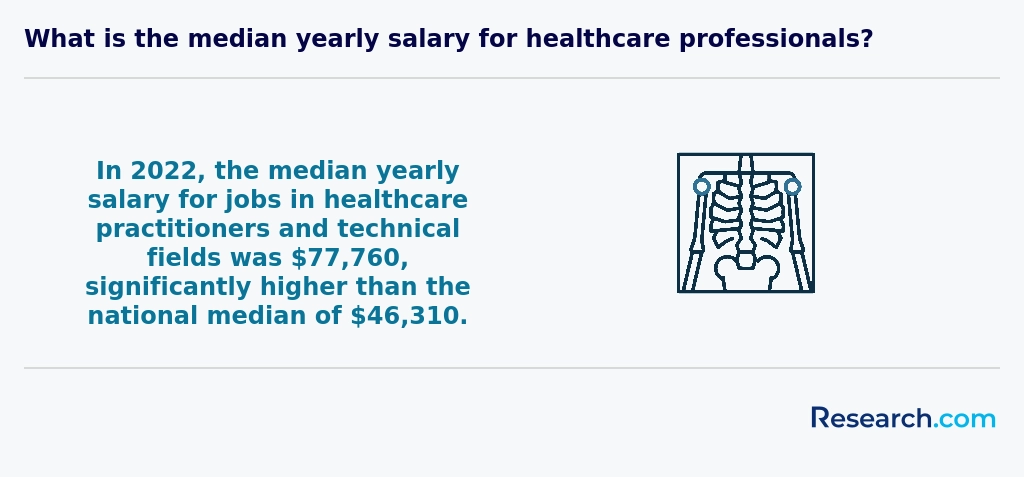
Graduates with healthcare degrees from Arizona institutions like Arizona State University or the University of Arizona can anticipate promising earnings, reflecting a vibrant and growing regional job market. For example, medical assistants typically earn around $43,350 annually, a solid starting point for entry-level careers that provide hands-on experience in busy Phoenix clinics or Tucson hospitals.
Those specializing as patient care technicians enjoy an average yearly wage near $60,790, enabling them to confidently support diverse medical teams while gaining crucial skills. Meanwhile, health information technicians in Arizona secure similar salaries of about $43,380, tapping into expanding opportunities in healthcare data management.
More advanced roles such as quality improvement coordinators offer a substantial wage boost, with mean salaries reaching $103,150 per year. Graduates stepping into these positions often find themselves leading initiatives that transform hospital efficiency in metropolitan hubs, fueling professional satisfaction and career growth.
Arizona's healthcare field is rapidly evolving, and many graduates report excitement about future salary growth as demand rises alongside innovative healthcare technologies and an aging population.
2027 Most Popular Healthcare Degree Programs Ranking in Arizona
How do we rank schools?
Investing in your education is a significant decision that can shape your future, and the Research.com team understands the importance of making informed choices. To assist prospective students in Arizona, we have meticulously developed the "2027 Most Popular Healthcare Degree Programs Ranking in Arizona." Our commitment to quality, credibility, and accuracy is demonstrated by the extensive research and analysis conducted to compile this ranking.
We utilized the following reputable data sources to ensure a comprehensive evaluation of healthcare degree programs:
By exploring this ranking, readers will gain valuable insights into the most popular healthcare degree programs in Arizona, empowering them to make well-informed decisions about their educational and professional futures. For more details on our methodology, please visit our Research.com methodology page.


# 13 position
Arizona State University Digital Immersion
Bachelor of Science in Health Sciences

# 14 position
Arizona State University Digital Immersion
Master of Science in Nursing

# 16 position
Arizona College of Nursing-Phoenix
Bachelor of Nursing
# 17 position
Arizona College of Nursing-Tempe
Bachelor of Science in Health Sciences

# 18 position
Arizona College of Nursing-Tucson
Bachelor of Science in Nursing
# 19 position
Chamberlain University-Arizona
Bachelor of Science in Nursing

# 20 position
University of Phoenix-Arizona
Bachelor of Science in Health Sciences

Key Findings
- Tuition for a bachelor's degree in healthcare at public universities in Arizona ranges from $10,000 to $25,000 per year for in-state students.
- Private institutions typically charge over $30,000 annually for healthcare degrees, while associate degrees and certificate programs cost less.
- Entry-level salaries for healthcare graduates in Arizona usually start around $50,000 per year, especially for registered nurses and medical technologists.
- Experienced healthcare professionals such as nurse practitioners and physician assistants can earn between $80,000 and $100,000 annually.
- Healthcare employment in Arizona is growing faster than the national average through 2029, fueled by an aging population and expanded healthcare access.
- State licensure requirements align with national standards, and many programs offer practical training with local hospitals to enhance job readiness.
How long does it take to complete healthcare degree in Arizona?
Completing a healthcare degree in Arizona varies widely, but students often share a sense of accomplishment as they progress through clearly defined stages. For example, those earning an associate degree at local community colleges find themselves ready for entry-level roles after about two years, balancing classes with practical training. Graduates from programs at Arizona State University or the University of Arizona reflect on their four-year bachelor's journey as a transformative experience, where classroom learning meets hands-on practice preparing them for diverse healthcare settings.
More advanced degrees, like a master's in Nursing or Health Administration, typically require an additional 1.5 to 3 years. Graduates often describe the challenge and excitement of blending coursework with clinical internships that deepen their expertise. Doctoral candidates in Arizona face a longer road-3 to 7 years post-bachelor's-including rigorous research and medical school, often at the University of Arizona College of Medicine, where many cherish the intensive training that shapes their careers.
Thanks to flexible scheduling and accelerated options specific to Arizona's growing healthcare sector, future students can envision pathways that accommodate working professionals and varying life commitments, making healthcare education more accessible and achievable than ever.
Licensing and Certification Requirements
Graduates of healthcare degree programs in Arizona must obtain state licensure and national certification to practice legally and competitively. For nurses, this involves passing the NCLEX-RN exam and securing approval from the Arizona State Board of Nursing, which mandates fingerprinting, a criminal background check, and proof of graduation from an accredited program. Physical therapist assistants are required to complete an accredited program-many opt for an online associates degree in pta-and pass the National Physical Therapy Exam (NPTE) administered by the Federation of State Boards of Physical Therapy, followed by state licensure. Medical laboratory scientists pursue American Society for Clinical Pathology (ASCP) certification, while radiologic technologists seek credentials from the American Registry of Radiologic Technologists (ARRT). Public health professionals often obtain Certified in Public Health (CPH) status from the National Board of Public Health Examiners to enhance credibility. Each board requires ongoing Continuing Education Units (CEUs) to maintain licensure, ensuring practitioners stay current with evolving standards in patient care, technology, and ethics. By understanding these requirements early-reviewing application deadlines, examination formats, and fee structures-students can strategically plan clinical hours and study schedules, streamlining the path from graduation to professional practice in Arizona’s thriving healthcare sector.
What's the difference between online and on-campus healthcare degree?
Online healthcare degrees in Arizona, such as those offered by Arizona State University, provide flexibility that suits working professionals balancing jobs and family. Graduates often share how managing coursework from home allowed them to continue earning while studying, fitting assignments around busy schedules. In contrast, students attending on-campus programs at the University of Arizona highlight the immersive experience of hands-on clinical labs and face-to-face mentorship, invaluable for mastering practical skills in nursing or healthcare administration.
The personal connection with peers and faculty on campus fosters a strong support network, often cited by graduates as motivating during intense clinical rotations. Meanwhile, online learners appreciate the ability to pace their studies, sometimes accelerating completion or taking extra time without the constraints of fixed class times.
Both formats in Arizona maintain rigorous accreditation standards, with online students arranging local clinical placements, ensuring real-world experience despite physical distance. Cost considerations also differ: online students often save on commuting and housing, yet some find technology fees and occasional campus visits necessary for full program participation.
Licensure and Certification Requirements for Healthcare Graduates in Arizona
After completing a healthcare degree in Arizona, obtaining the appropriate state licensure and national certifications is essential for practice, career advancement, and employer credibility. Below are key requirements and resources to guide new graduates: • Registered Nursing (RN): – Exam: NCLEX-RN administered by the National Council of State Boards of Nursing – Board: Arizona State Board of Nursing (AZBN) application and fingerprint clearance – Renewal: Every two years, 30 contact hours of approved continuing education units (CEUs) • Licensed Practical Nursing (LPN): – Exam: NCLEX-PN – Board: AZBN, with similar CEU renewal requirements as RNs • Health Information Management (HIM): – Certification: Registered Health Information Administrator (RHIA) via AHIMA – State Registration: No separate state license, but employers highly value AHIMA accreditation and ongoing CEUs • Medical Laboratory Science: – Certification: ASCP Board of Certification (BOC) – MLS(ASCP) – State: Arizona Department of Health Services laboratory licensure • Radiologic Technology: – Certification: American Registry of Radiologic Technologists (ARRT) – State: AZ DHS Radiologic Health Unit registration • Public Health and Allied Professions: – Varies by role; often requires specific state or national board exams (e.g., CPR, ACLS) and periodic CEUs Graduates should verify detailed steps on each board’s website and plan for exam preparation courses, study materials, and application timelines. For those considering advanced degrees before pursuing specialized certifications, explore the Most Affordable Online Master’s in Healthcare Degree Programs Ranking in South Carolina to identify cost-effective paths to higher credentials.
What is the average cost of healthcare degree in Arizona?
The average cost of a healthcare degree in Arizona typically sits around $12,397 for in-state students, while out-of-state learners might expect to pay close to $32,494. Graduates from institutions like Arizona State University often share how managing these expenses early on helped them navigate their educational journey with confidence. Many students find that balancing tuition with other costs, such as clinical fees and supplies, becomes easier when they understand the average cost of healthcare degree programs in Arizona from the start.
For those enrolling in community colleges such as Maricopa Community Colleges, the affordability is particularly attractive, often falling below the median, which supports many students eager to enter healthcare roles without excessive financial burden. Private universities, like Grand Canyon University, may have higher fees, but students there report feeling equipped with valuable skills that justify the investment. These real-world experiences highlight how knowing the total tuition and fees for Arizona healthcare degrees can shape positive expectations and financial planning.
Innovations in online education also promise to alter these costs in the near future. Prospective students interested in flexible and cost-effective alternatives might explore the cheapest online healthcare programs in arizona, which are rapidly gaining traction. These programs allow learners to maintain jobs while studying, reducing the overall financial strain. As Arizona continues to emphasize healthcare education, future students can anticipate a landscape rich with opportunities to tailor their path-both academically and financially-to their unique needs and ambitions.

Return on Investment: Evaluating the Value of Your Healthcare Degree in Arizona
When choosing a healthcare degree in Arizona, understanding the return on investment (ROI) is essential for making an informed decision about your education and future career. Many students weigh the potential earnings against the cost of tuition, debt accumulation, and the time commitment required. A healthcare degree can offer a competitive advantage, as graduates often secure roles with salaries that provide financial stability. By comparing tuition fees, financial aid options, and expected earning potentials, you can better visualize long-term benefits such as improved career growth, job security, and opportunities for advanced specialization. For example, students considering flexible and cost-effective options might explore the cheapest online healthcare programs in arizona, which are designed to balance affordability with high-quality education. Additionally, ROI can be enhanced by taking advantage of networking opportunities, mentorship programs, and hands-on clinical experiences provided by top institutions across the state. Evaluating these factors holistically will empower prospective students to optimize their investment for both personal fulfillment and professional success in the dynamic healthcare sector.
What financial aid is available to healthcare degree students in Arizona?
Students pursuing healthcare degrees in Arizona often find relief through a mix of federal, state, and institutional aid that makes their education more attainable. Many graduates from the University of Arizona or Arizona State University recall how applying for the FAFSA unlocked access to Pell Grants, which for 2023-2024 can cover up to $7,395 of tuition without repayment obligations. This grant often forms the backbone of their financial planning, easing anxiety about steep tuition costs.
Beyond federal aid, state scholarships from the Arizona Department of Education and Arizona Board of Regents offer targeted support. Graduates frequently share stories of receiving merit-based scholarships tied to their healthcare program performance, which helped them stay motivated and reduce loan reliance.
Loan forgiveness programs also spark hope among students planning to serve underserved communities. Future professionals have expressed optimism about programs like the National Health Service Corps, which not only lightens financial burdens but also encourages career paths that deeply impact Arizona's health landscape.
Emerging Trends and Future Outlook in Healthcare Education
Arizona’s healthcare education landscape is rapidly evolving as technological innovations and shifting industry demands transform how professionals are trained. Beyond core coursework and traditional career pathways, many institutions are now integrating forward-thinking elements-ranging from telemedicine training to digital health innovations-to better prepare students for a future where adaptability and tech proficiency are paramount. This emerging focus not only enhances clinical skills but also introduces modern learning tools like simulation labs and remote internships, ensuring that graduates are ready to navigate an ever-changing healthcare environment. For those seeking flexible study options without compromising quality, exploring cheapest online healthcare programs in arizona could provide a cost-effective pathway to cutting-edge education. Staying updated with these trends helps align your educational journey with future industry needs, empowering you to make strategic career choices in a market that prizes both innovation and expertise.
What are the prerequisites for enrolling in healthcare degree program in Arizona?
To enroll in a healthcare degree program in Arizona, students often begin with a high school diploma or GED, paired with strong coursework in biology, chemistry, math, and English. Many graduates from Arizona State University recall that having solid foundations in these subjects made challenging healthcare classes feel more manageable and rewarding. Community colleges emphasize at least one year of high school biology and chemistry, setting a clear path toward success.
Standardized tests like the SAT or ACT are sometimes required, though schools are increasingly flexible, reflecting broader post-pandemic trends. For example, nursing students at institutions like the Maricopa Community Colleges found that test-optional policies helped them focus more on mastering prerequisite science courses such as anatomy and physiology, which often require a minimum grade of "C" to ensure readiness.
Many programs also require background checks and immunization records to prepare for clinical rotations, which graduates describe as exciting yet demanding milestones. This practical approach shows Arizona's commitment to blending academic rigor with real-world healthcare experience, helping students confidently step into their future careers.
Pro Tips for Prospective Healthcare Students
Embarking on your healthcare education journey involves more than just choosing the right program-it’s about setting yourself apart in a competitive field. To boost your success, focus on building a strong network by engaging with mentors, joining professional associations, and seeking internships early on. Enhance your resume with practical experience by volunteering or shadowing seasoned professionals, and consider certifications that not only validate your skills but also demonstrate your commitment to continuous learning. Additionally, explore innovative opportunities like an 4-week medical assistant program free to gain quick, hands-on experience, which can serve as a stepping stone to more advanced roles. These strategies, combined with dedicated academic efforts, will help you stand out to employers and ensure long-term career growth in healthcare.
What courses are typically in healthcare degree programs in Arizona?
Healthcare degree programs in Arizona commonly include courses in anatomy, physiology, microbiology, and chemistry, which graduates often describe as eye-opening fundamentals that build confidence for clinical work. At institutions like Arizona State University and the University of Arizona, students experience hands-on patient care training through partnerships with local hospitals, making the scientific theories real and impactful in everyday healthcare settings.
Beyond the natural sciences, students engage in classes on health policy, ethics, and medical terminology, equipping them to navigate the complex landscape of healthcare laws and communication. Many graduates recall how ethics discussions sparked their passion for compassionate patient advocacy, a critical skill in Arizona's diverse communities.
Technical courses in pharmacology and diagnostic procedures prepare students for roles in nursing, radiologic technology, and medical laboratory science. Interdisciplinary learning in psychology, communication, and statistics often surprises students, helping them develop critical thinking and data skills essential for improving patient outcomes in fast-growing Arizona healthcare environments.
What types of specializations are available in healthcare degree programs in Arizona?
Healthcare degree specializations in Arizona span a broad spectrum, reflecting the state's unique healthcare demands and growing industry. Graduates from programs at popular institutions like Arizona State University and the University of Arizona often highlight the rewarding challenge of nursing tracks, from registered nursing to nurse practitioner roles, which are critical given Arizona's aging population. Others find passion in health informatics programs, where managing digital health data positions them at the forefront of modern medicine's technology-driven future.
Arizona healthcare degree programs options also include public health, physical therapy, dental hygiene, medical laboratory science, and radiologic technology, each designed to meet regional workforce needs. Students studying public health report excitement about shaping community wellness, while those in physical therapy express fulfillment in aiding rehabilitation for elderly patients across Arizona's expanding medical facilities.
Some graduates even turn to accelerated paths, inspired to start their careers swiftly, as seen in the 4-week medical assistant program free. This variety ensures students can find a specialization matching their strengths and ambitions.
How do you choose the best healthcare degree in Arizona?
Choosing the best healthcare degree in Arizona hinges on aligning your goals with programs at renowned institutions like Arizona State University or the University of Arizona. Graduates often recall how local hospitals partnered with their schools to provide vital clinical experiences, making their training feel relevant and exciting. This hands-on exposure builds confidence and a genuine connection to the community's health needs.
Affordability remains a top priority, and many find that Arizona's public universities offer competitive tuition rates, opening doors to the affordable healthcare degrees in Arizona category. Flexible formats, such as part-time or online options, empower working students to pursue their ambitions without sacrificing income or family time. For example, some students benefit from programs that permit evening clinical shifts or remote coursework.
Students interested in specialized roles appreciate detailed curriculum paths, including those leading to an associates degree in pta. Such clear routes help envision future career steps as Arizona's healthcare market anticipates robust growth. Graduates frequently describe their choices as a positive investment in a thriving, dynamic field.
In this evolving environment, Arizona's educational options offer rich opportunities to build meaningful careers in healthcare.
What career paths are available for healthcare degree students in Arizona?
Graduates with a healthcare degree in Arizona find an expanding array of career paths driven by the state's robust healthcare industry growth. Many pursue direct patient care roles such as registered nurses, licensed practical nurses, or nurse practitioners, benefiting from strong demand and job security. At universities like Arizona State and the University of Arizona, students share how hands-on clinical experiences prepare them for these fulfilling roles, enhancing their confidence and practical skills.
Exploring Arizona healthcare degree career options reveals opportunities beyond bedside care, including positions in healthcare administration, where graduates manage hospital operations or health services, often inspired by internships at local Phoenix healthcare centers. Other roles like medical technologists or laboratory technicians offer dynamic work environments in diagnostic labs and research facilities.
Emerging fields, such as health informatics, attract students intrigued by technology's role in improving patient outcomes. Many appreciate Arizona's affordable education options, often choosing programs highlighted in the Most Affordable Online Master's in Healthcare Degree Programs Ranking in South Carolina to balance cost and quality effectively. These varied paths show a promising future for healthcare degree job opportunities in Arizona.
What is the job market for healthcare degree in Arizona?
The healthcare job outlook in Arizona is exceptionally promising for graduates with healthcare degrees, driven by the state's aging population and expanding healthcare infrastructure. Many students from institutions like Arizona State University and the University of Arizona report feeling confident entering the workforce, as job openings for roles such as registered nurses, physician assistants, and physical therapists continue to rise rapidly.
Graduates often highlight how their practical training, especially in patient-centered skills emphasized at popular Arizona colleges, positions them well for employment in diverse settings-from Banner Health hospitals to community clinics. The demand for healthcare professionals remains strong, reflecting over 40,000 projected job openings annually through 2030, supporting a dynamic Arizona healthcare employment opportunities landscape.
While considering degree costs, students find Arizona's tuition rates notably affordable compared to national averages, enhancing the value of their investment. Many also explore specialized routes through top paying certifications to boost their career prospects and income potential.
Frequently Asked Questions About healthcare
Healthcare degree students in Arizona can maximize their learning experience by combining classroom study with hands-on clinical practice. Arizona offers a range of accredited programs that include internships and partnerships with hospitals, enhancing real-world skills.
Students should take advantage of resources such as Arizona's Health Care Workforce Strategic Plan, which highlights growing fields like nursing and health information technology, both seeing higher demand locally. Engaging with local professional organizations and attending health conferences can provide valuable networking opportunities.
Moreover, leveraging online courses from Arizona universities allows flexibility to balance practical work and academic commitments. According to the Arizona Department of Health Services, clinical experience improves employment outcomes and readiness for Arizona's unique healthcare environment.
The healthcare field in Arizona is evolving, with several emerging niches gaining attention. One rapidly growing area is telehealth, which expanded significantly during the COVID-19 pandemic and continues to offer remote care options to rural communities. Arizona health systems report increased demand for telemedicine specialists and digital health coordinators.
Another fast-growing niche is geriatric care, driven by Arizona's large aging population. The state has one of the highest proportions of residents over 65, boosting opportunities in elder care management and specialized nursing.
Additionally, precision medicine and genetic counseling are expanding fields, supported by Arizona's biomedical research initiatives. These areas require specialized healthcare professionals who analyze genetic data to tailor patient treatments.
After completing a healthcare degree in Arizona, preparing for the job market involves several strategic steps. First, obtaining relevant certifications and licenses is critical, as many healthcare roles require state-specific credentials. For example, nurses must pass the Arizona Board of Nursing exam. Networking with local healthcare providers, such as Banner Health or Mayo Clinic Arizona, can increase job opportunities. Internships or clinical rotations completed during study often serve as valuable experience and potential employment leads. Also, staying informed about Arizona's growing healthcare sector-projected to grow by 17% by 2030 according to the Arizona Department of Economic Security-can guide career planning.
Building a strong resume that highlights practical skills and clinical experience is equally important. Job seekers should utilize state resources like the Arizona Healthcare Career Pathways website for job listings and training programs. Additionally, mastering digital skills and telehealth technologies is beneficial due to the rising demand for remote healthcare services in the state. By focusing on licensure, networking, and skills development, graduates can better position themselves in Arizona's competitive healthcare job market.
Employers in Arizona's healthcare industry prioritize several key skills when hiring graduates with healthcare degrees. Strong communication skills top the list, as professionals must effectively interact with patients, families, and medical teams. Critical thinking and problem-solving abilities are also crucial to handle dynamic clinical situations effectively.
Technical proficiency specific to the healthcare role, such as familiarity with electronic health records (EHR) systems, is increasingly sought-after. According to the Arizona Department of Health Services, teamwork and adaptability are essential due to the fast-evolving healthcare environment and diverse patient needs.
Lastly, cultural competence and ethical judgment are vital since Arizona serves a varied population, including many from Hispanic and Native American communities. These skills help ensure equitable and respectful care delivery.
Finding internships relevant to healthcare degrees in Arizona involves leveraging both academic resources and local industry connections. Many Arizona universities like Arizona State University and University of Arizona have established partnerships with hospitals and clinics, providing structured internship programs. The Arizona Department of Health Services also offers listings and guidance on healthcare internship opportunities in the state.
Students should utilize campus career centers and attend healthcare job fairs, as Arizona hospitals such as Banner Health and HonorHealth often recruit interns through these channels. Networking through professional organizations like the Arizona Healthcare Executives Forum can also be beneficial.
According to the Arizona Commerce Authority, healthcare is one of the state's fastest-growing sectors, increasing the availability of internships significantly in recent years.
Obtaining a healthcare degree in Arizona significantly enhances career mobility and advancement opportunities. With Arizona's healthcare sector growing faster than many other states, degree holders are well-positioned for in-demand jobs. According to the Arizona Department of Employment Security, healthcare occupations are projected to grow by 21% between 2020 and 2030, outpacing overall state growth.
Graduates with degrees in nursing, health administration, or allied health fields often access higher salaries and leadership roles. Employers commonly require at least an associate or bachelor's degree for advancement. Additionally, specialized certifications tied to healthcare programs improve eligibility for promotions in hospitals and clinics statewide.
Educational credentials also enable easier transitions between roles, such as moving from clinical to administrative positions. This flexibility supports long-term career growth within Arizona's diverse healthcare ecosystem.
Studying for a healthcare degree in Arizona equips students with skills essential for interdisciplinary roles by emphasizing collaboration across various health disciplines. Programs frequently integrate courses in nursing, public health, healthcare administration, and allied health fields, reflecting the state's diverse healthcare ecosystem. According to the Arizona Board of Regents, many institutions incorporate team-based clinical experiences, fostering effective communication and problem-solving among future professionals.
Arizona's healthcare workforce is projected to grow 19% from 2020 to 2030, highlighting the increasing need for versatile practitioners able to work across specialties. Learning within this environment helps students adapt to rapidly evolving healthcare settings and meet community needs efficiently.
When choosing between a thesis and a non-thesis healthcare degree program in Arizona, consider your career goals. Thesis programs involve conducting original research and writing a formal thesis, suited for students aiming for research roles or doctoral studies. Non-thesis programs typically focus on coursework and practical skills, ideal for those seeking immediate employment in clinical or administrative healthcare positions.
In Arizona, institutions like the University of Arizona offer both options in healthcare fields, reflecting national trends where about 60% of healthcare master's students prefer non-thesis tracks due to time constraints and professional demands (NCES, 2023).
Assess program requirements, faculty expertise, and your personal schedule before deciding.
Students based in Arizona interested in studying healthcare abroad have several pathways to consider. Many Arizona universities, such as Arizona State University, offer exchange programs and study abroad opportunities focused on healthcare disciplines. These programs often partner with international institutions, enabling students to gain global experience while earning credits toward their degree.
Students can explore options in countries with well-established healthcare systems or emerging medical research hubs. Studying abroad enhances cultural competence, an essential skill in healthcare professions, especially given Arizona's diverse population, where 30% identify as Hispanic or Latino according to the U.S. Census Bureau.
Financial aid and scholarships specifically for study abroad in healthcare fields may be available through university offices and external organizations.
Part-time job opportunities in Arizona offer valuable experience to students pursuing healthcare degrees. Positions such as certified nursing assistants (CNAs), medical assistants, and pharmacy technicians are frequently available in hospitals, clinics, and pharmacies statewide. According to the Arizona Department of Health Services, the demand for CNAs is projected to grow by 15% through 2030, reflecting strong job prospects.
Working in these roles helps students apply classroom knowledge in real-world settings, improving patient-care skills and understanding healthcare operations. Additionally, jobs like medical scribing or health information technician roles support documentation and digital recordkeeping, both critical in modern healthcare.
Flexible schedules at healthcare facilities around Phoenix, Tucson, and other urban centers make balancing work and study easier for students. These part-time roles often provide networking opportunities to connect with healthcare professionals in Arizona's growing medical industry.
Healthcare students in Arizona benefit from diverse networking opportunities that enhance their career prospects. Many universities, such as Arizona State University and the University of Arizona, offer student organizations and professional clubs focused on healthcare fields. These groups frequently host events with local healthcare professionals and alumni, fostering valuable connections.
Arizona's healthcare sector is one of the fastest growing in the country, employing over 420,000 people as of 2023 (Arizona Office of Economic Opportunity). This growth encourages numerous career fairs and internship programs across the state, connecting students with hospitals, clinics, and research institutions.
Students can also attend conferences hosted by organizations like the Arizona Healthcare Executives and the Arizona Public Health Association, which provide industry insights and networking platforms.
Alumni networks offer valuable support for healthcare degree students in Arizona by connecting them with experienced professionals in the state's medical community. These networks provide mentorship opportunities, which can enhance students' practical knowledge and career guidance. According to the Arizona Board of Regents, connections gained through alumni have significantly contributed to a 15% higher employment rate within six months after graduation for healthcare students.
Networking events and job referrals from alumni help students access internships and positions in local hospitals and clinics. Given Arizona's rapidly growing healthcare sector-expected to grow by 16% through 2030 per the Bureau of Labor Statistics-these alumni ties are crucial for timely job placements.
Furthermore, alumni often share insights on emerging healthcare trends and certification requirements specific to Arizona, aiding students in staying competitive. Overall, engagement with alumni networks strengthens both educational and professional outcomes for healthcare students in the state.
Customizing a healthcare degree program in Arizona begins with selecting a specialization that matches your career goals. Many Arizona universities offer flexible degree tracks in areas like nursing, public health, health administration, or medical laboratory sciences. You can often tailor your curriculum by choosing elective courses focused on local healthcare challenges such as rural medicine or indigenous health.
Internships and clinical placements play a crucial role in personalization. Arizona's growing healthcare sector provides opportunities to gain experience in hospitals, outpatient clinics, and community health centers, helping build relevant skills. According to the Arizona Board of Regents, over 75% of healthcare students complete field experiences before graduating.
Online and hybrid course options also allow for customized pacing and focus, accommodating working professionals. Additionally, some programs offer certificate add-ons or dual degrees that expand career options in management or research.
Healthcare students in Arizona commonly face several challenges during their education. One key issue is the high competition for clinical placements due to Arizona's growing healthcare demand. According to the Arizona Board of Nursing, limited clinical sites can delay practical training, essential for degrees like nursing and allied health. Additionally, many students report financial strain, since average tuition and living costs in cities such as Phoenix and Tucson can be substantial compared to state averages.
Another significant challenge is balancing rigorous coursework with the need to maintain part-time employment, especially since healthcare programs often require full-time commitment. Language barriers and cultural competency also affect some students, given Arizona's diverse patient population. Finally, adapting to evolving healthcare technologies calls for continuous skill upgrading, adding pressure on students.
With a healthcare degree in Arizona, graduates can pursue various professional certifications that enhance job prospects and expertise. Common certifications include Certified Nursing Assistant (CNA), Licensed Practical Nurse (LPN), and Registered Nurse (RN) licenses, all regulated by the Arizona State Board of Nursing. For those interested in administrative roles, Certified Medical Assistant (CMA) and Certified Professional Coder (CPC) certifications are popular options.
Arizona's growing healthcare sector-projected to add over 50,000 jobs by 2030 according to the Arizona Department of Economic Security-supports strong demand for these credentials. Specialized certifications like Emergency Medical Technician (EMT) and Pharmacy Technician also offer practical paths. Each certification has distinct training and licensing requirements aligned with national standards.
Writing a winning application for a healthcare program in Arizona begins with understanding the competitive nature of admissions. According to the Arizona Board of Regents, many healthcare programs receive hundreds of applications annually. Highlighting your academic achievements, such as a strong GPA and relevant coursework in biology or chemistry, is essential.
Applicants should also emphasize hands-on experience. Volunteering in hospitals or clinics, especially in Arizona's growing healthcare hubs like Phoenix and Tucson, demonstrates commitment. Including details about certifications such as CPR or EMT can strengthen your case.
Personal statements matter greatly. Arizona schools often look for candidates who explain their motivation clearly and connect their goals to community health needs. Referencing statistics, like Arizona's projected 15% job growth in healthcare by 2030 (U.S. Bureau of Labor Statistics), shows informed intent.
Finally, strong letters of recommendation from healthcare professionals or professors familiar with your dedication are highly valuable. Meeting all application deadlines and prerequisites from each specific Arizona institution completes a thorough submission.
Healthcare careers are increasingly valued worldwide due to growing populations and aging demographics. In the United States, including Arizona, the healthcare industry is among the fastest-growing sectors. The U.S. Bureau of Labor Statistics projects a 16% growth in healthcare jobs from 2021 to 2031, much faster than average.
Arizona reflects this trend, with an expanding need for healthcare professionals driven by its large senior population. According to the Arizona Department of Health Services, demand for nurses, allied health workers, and medical technicians is especially strong.
Globally, healthcare professions require cultural competence and adaptability, as career opportunities often involve diverse patient populations or international collaboration. Educational standards in Arizona align with national certifications, ensuring graduates are competitive both locally and beyond.
Gaining practical experience while studying for a healthcare degree in Arizona is essential for career readiness. Many Arizona institutions, such as Arizona State University and the University of Arizona, integrate clinical rotations or internships into their programs. These opportunities allow students to work in hospitals, clinics, and community health settings under professional supervision.
Students can also participate in volunteer programs and part-time jobs in various healthcare facilities, gaining hands-on skills while attending classes. Additionally, healthcare programs often require certification courses like CPR, which improve both knowledge and employability.
According to the Arizona Department of Health Services, clinical experience strengthens students' understanding of patient care and boosts job prospects within this rapidly growing sector.
Choosing the right concentration within a healthcare degree program in Arizona involves considering both your personal interests and the state's job market. Arizona's healthcare sector is growing rapidly, with a 15% projected increase in employment for healthcare occupations by 2030, according to the Arizona Department of Economic Security.
Start by researching concentrations like nursing, public health, or health informatics, and evaluate which align with your strengths and career goals. Nursing remains the largest employer in Arizona's healthcare field, offering diverse opportunities. Meanwhile, public health roles are expanding due to ongoing community health needs.
Consider programs accredited by recognized agencies and look into clinical placement opportunities within Arizona's extensive hospital systems. Aligning your concentration with workforce demands improves your chances of job placement post-graduation.
Related Healthcare Rankings for Nearby States
- 2027 Most Popular Healthcare Degree Programs Ranking in New Mexico
- 2027 Most Popular Healthcare Degree Programs Ranking in California
- 2027 Most Popular Healthcare Degree Programs Ranking in Colorado
- 2027 Most Popular Healthcare Degree Programs Ranking in Kansas
- 2027 Most Popular Healthcare Degree Programs Ranking in Idaho
- 2027 Most Popular Healthcare Degree Programs Ranking in Montana
- 2027 Most Popular Healthcare Degree Programs Ranking in Nebraska
- 2027 Most Popular Healthcare Degree Programs Ranking in Missouri
- 2027 Most Popular Healthcare Degree Programs Ranking in Arkansas
- 2027 Most Popular Healthcare Degree Programs Ranking in Louisiana
Top Trending Healthcare Rankings
See What Experts Have To Say About Studying Healthcare
Read our interview with Healthcare experts

References
- Arizona Financial Assistance Program for Discounted and Charity Care https://www.bannerhealth.com/patients/billing/financial-assistance/arizona-region
- Interdisciplinary Education and Practice https://www.aacnnursing.org/news-data/position-statements-white-papers/interdisciplinary-education-and-practice
- 10 Skills Employers Are Looking for in Healthcare Management Jobs https://www.aiuniv.edu/blog/10-top-skills-for-healthcare-management-jobs
- 6 Tips On Networking For Medical Professionals https://aaams.net/blog/how-to-network-in-the-medical-field-nurses/
- HEALTH MANAGEMENT (THESIS / NON-THESIS) - Lisansüstü Eğitim Enstitüsü https://lee.nisantasi.edu.tr/en/health-management-thesis-non-thesis/
- How to Succeed in a Difficult Job Market After Graduation https://www.hospitalrecruiting.com/blog/6542/how-to-succeed-in-a-difficult-job-market-after-graduation/
- Overcoming Common Challenges in Nursing School: Tips for Success - American Healthcare Institute https://amhealthinstitute.com/blog/overcoming-common-challenges-in-nursing-school-tips-for-success/
- Students and Alumni associations - Europubhealth https://www.europubhealth.org/students-alumni-associations/
- Alumni Reconnect - Poznan University of Medical Sciences https://pums.edu.pl/alumni-friends/alumni-reconnect/
- The Healthcare Student’s Guide to Internships | EduMed.org https://www.edumed.org/resources/student-online-guide-to-internships/


