
2027 Best Healthcare Degree Programs Ranking in Rhode Island

Co-Founder and Chief Data Scientist
Choosing the right healthcare degree program is an important step for students in Rhode Island. This article presents the 2027 Best Healthcare Degree Programs Ranking in Rhode Island, created by the Research.com team of data scientists.
It offers clear, data-driven insights to help you find programs that truly stand out. Whether you're starting your journey or considering a new direction, the ranking shines a light on valuable opportunities.
Investing in a healthcare degree opens doors to rewarding careers that make a real difference. Exploring these options can inspire confidence and excitement about your future path.
Key benefits of getting healthcare degree in Rhode Island
- Salary for healthcare degree graduates in Rhode Island can be rewarding, with Medical Assistants earning a mean annual wage of $43,350 and Quality Improvement Coordinators earning up to $103,150, offering strong financial incentives for completing a healthcare degree.
- Career paths for healthcare degree graduates are diverse; for example, graduates from the University of Rhode Island often find roles ranging from Patient Care Technicians earning around $60,790 annually to Clinical Research Coordinators with stable, meaningful work.
- Online healthcare degrees provide flexibility and convenience, as seen in graduates from Rhode Island College's online programs, who balance work and study while gaining skills that open doors to competitive healthcare jobs in the state.
- Key benefits of getting healthcare degree in Rhode Island
- What can I expect from healthcare degree in Rhode Island?
- Where can I work with healthcare degree in Rhode Island?
- How much can I make with healthcare degree in Rhode Island?
- 2027 Best Healthcare Degree Programs Ranking in Rhode Island
- Key Findings
- How long does it take to complete healthcare degree in Rhode Island?
- Student Life and Campus Experience in Rhode Island Healthcare Programs
- What's the difference between online and on-campus healthcare degree?
- Accreditation and Licensing Requirements
- What is the average cost of healthcare degree in Rhode Island?
- Student Life and Campus Experience in Rhode Island Healthcare Programs
- What financial aid is available to healthcare degree students in Rhode Island?
- Accreditation and Licensure Success
- What are the prerequisites for enrolling in healthcare degree program in Rhode Island?
- What courses are typically in healthcare degree programs in Rhode Island?
- What types of specializations are available in healthcare degree programs in Rhode Island?
- How do you choose the best healthcare degree in Rhode Island?
- What career paths are available for healthcare degree students in Rhode Island?
- What is the job market for healthcare degree in Rhode Island?
- Related Healthcare Rankings for Nearby States
- Top Trending Healthcare Rankings
- See What Experts Have To Say About Studying Healthcare
What can I expect from healthcare degree in Rhode Island?
Students pursuing healthcare degrees in Rhode Island generally find costs that align closely with national averages, though financial aid and in-state tuition discounts significantly ease the burden. For example, graduates from the University of Rhode Island report that while tuition can be a challenge, access to scholarships and support programs helped them manage expenses effectively. Many also appreciate the smaller class sizes, which create a more personalized learning environment that feels worth the investment.
Community colleges offering associate degrees in healthcare fields present an affordable entry point, often with lower tuition compared to four-year institutions like Providence College. Graduates recount that starting at a community college allowed them to build foundational skills without overwhelming debt, and then transfer smoothly to university programs.
Moreover, students frequently mention that the practical experience gained through clinical placements at local hospitals adds real value beyond classroom instruction, justifying the costs in terms of career readiness. While costs vary by program and level, Rhode Island's healthcare education tends to be a financially reasonable choice for those committed to the field.
Where can I work with healthcare degree in Rhode Island?
Graduates with healthcare degrees in Rhode Island often find diverse employment opportunities due to the state's strong healthcare infrastructure. Many secure positions in major hospital systems like Lifespan and Care New England, providing hands-on care as nurses, therapists, or medical technologists. Working at places such as Rhode Island Hospital, students transitioning into professionals experience the rewarding challenge of fast-paced acute care environments, which many describe as both demanding and fulfilling.
Others choose outpatient or ambulatory settings, including Federally Qualified Health Centers supported by the Rhode Island Department of Health. Here, healthcare graduates engage deeply with community health, managing chronic diseases and behavioral health, which some find especially meaningful as they witness the impact of preventive care firsthand.
Graduates from institutions like the University of Rhode Island or Brown University often explore public health roles or healthcare administration. These pathways offer involvement in policy development or data analysis, appealing to those who prefer influencing healthcare systems behind the scenes rather than direct patient care.
Long-term care facilities also provide stable employment, particularly as Rhode Island's aging population grows. Many graduates appreciate these roles for their community focus and the chance to build lasting relationships with patients over time.
For those drawn to research and academia, universities such as Brown host clinical trials and biomedical projects, offering career paths that advance medical science. Real-life experiences shared by healthcare graduates emphasize that Rhode Island's healthcare job market, while competitive, supports a spectrum of fulfilling career journeys tailored to individual passions and skills.
How much can I make with healthcare degree in Rhode Island?
Graduates with healthcare degrees in Rhode Island can expect a range of earnings depending on their chosen profession. For instance, medical assistants typically earn around $43,350 annually, a figure reflected among recent graduates from institutions like the University of Rhode Island's healthcare programs. Similarly, patient care technicians report mean annual wages near $60,790, which many graduates find encouraging when starting their careers in local hospitals or clinics.
Health information technicians, another common career path for healthcare students, make roughly $43,380 per year. This role appeals to those who enjoy working with healthcare data and technology, a skill well supported by Rhode Island College's healthcare technology courses. Clinical research coordinators earn a comparable annual wage of $43,350, reflecting entry-level research opportunities graduates often pursue within Rhode Island's medical research community.
On the higher end, quality improvement coordinators can make about $103,150 annually. Graduates aiming for such roles often pursue advanced degrees or specialized training, benefiting from Rhode Island's growing healthcare systems that value quality and safety improvements.
While these figures offer a helpful baseline, it's important to remember salary outcomes vary by experience, location within the state, and employer type. Many graduates find their starting salaries grow quickly as they gain skills and confidence in Rhode Island's supportive healthcare environment.
2027 Best Healthcare Degree Programs Ranking in Rhode Island
How do we rank schools?
Investing in your education is a significant decision that can shape your future, and the Research.com team understands the importance of making informed choices. To assist prospective students, we have meticulously crafted the "2027 Best Healthcare Degree Programs Ranking in Rhode Island." Our commitment to quality, credibility, and accuracy is reflected in the extensive research and analysis conducted to compile this ranking.
We utilized the following reputable data sources to ensure a comprehensive evaluation of healthcare degree programs:
By exploring this ranking, readers will gain valuable insights into the best healthcare degree programs available in Rhode Island, empowering them to make well-informed decisions about their educational paths. For more details on how this ranking was created, please visit our Research.com methodology page.


Key Findings
- Tuition for healthcare degrees in Rhode Island ranges from $14,000 to $16,000 per year at public schools and can exceed $30,000 annually at private colleges.
- Entry-level salaries for healthcare professionals typically start between $50,000 and $60,000 per year, with mid-career earnings reaching $70,000 to $90,000.
- The healthcare sector is a major employer in Rhode Island, with job growth rates in nursing, medical assisting, and health administration above the national average.
- Students have access to clinical rotations and internships because of the state's many hospitals and clinics.
- Healthcare programs focus on both technical skills and patient care, matching current workforce demands in the state.
How long does it take to complete healthcare degree in Rhode Island?
Completing a healthcare degree in Rhode Island varies significantly depending on the program and institution. For example, graduates from the University of Rhode Island often note that associate degrees typically take around two years, allowing them to enter the workforce quickly as medical assistants or health technicians. This shorter timeframe suits those eager to begin their careers without delay.
Bachelor's degrees, frequently pursued at Rhode Island College, usually require about four years of full-time study. Graduates recall balancing challenging courses in biology and anatomy with practical clinical hours, a demanding but rewarding experience that prepares them for roles like registered nursing or healthcare administration.
For those aiming higher, master's programs often take two to three years beyond the bachelor's. Many students appreciate the combination of classroom and hands-on training that builds expertise for advanced roles such as nurse practitioners. The program length feels justified given the career advancement it enables.
Doctoral degrees, such as those in nursing practice, can extend three to six years. While lengthy, graduates view this commitment as essential for gaining specialized skills and leadership capabilities in Rhode Island's competitive healthcare sector.
Student Life and Campus Experience in Rhode Island Healthcare Programs
For many prospective students, understanding the campus atmosphere and student life is as essential as academic offerings when selecting a healthcare program. Rhode Island institutions not only focus on in-depth coursework and clinical training, but they also cultivate a vibrant community where extracurricular activities, mentorship programs, and wellness initiatives enhance learning and personal development. Students often engage in peer-led study groups, professional networking events, and service-learning projects that make university life dynamic and supportive. This active involvement helps build the soft skills necessary for thriving in a collaborative healthcare environment. Moreover, campuses frequently host career fairs and workshops that connect students with industry leaders and alumni, providing firsthand insights into post-graduate success. Prospective students looking for opportunities at one of the nation's most welcoming environments should also explore affordable healthcare schools in rhode island, which offer competitive programs and a strong sense of community, reinforcing their commitment to developing well-rounded healthcare professionals.
What's the difference between online and on-campus healthcare degree?
Choosing between online and on-campus healthcare degrees in Rhode Island often comes down to lifestyle and learning preferences. Graduates from the University of Rhode Island praise online programs for their flexibility, enabling them to balance coursework with jobs or family without daily commuting. This remote access suits those needing adaptable schedules, but some find the absence of in-person labs a challenge, especially in hands-on fields like nursing.
On the other hand, students attending on-campus programs benefit from direct interaction with instructors and peers, alongside essential clinical experiences at sites around Rhode Island. For example, nursing students at Rhode Island College value on-site simulation labs, which foster confidence and practical skills through face-to-face mentorship. Many report feeling a stronger sense of community and networking opportunities that help with job placement after graduation.
Financially, online courses sometimes offer modest savings versus on-campus tuition, but students should weigh these against potential hidden costs for clinical placements and technology. Ultimately, Rhode Island healthcare students must consider how each format aligns with their personal commitments and professional goals.
Accreditation and Licensing Requirements
Accreditation serves as a critical benchmark for the quality and credibility of healthcare degree programs in Rhode Island. Regional accreditation by bodies such as the New England Commission of Higher Education (NECHE) ensures that institutions meet rigorous academic standards, while programmatic accreditation-from agencies like the Commission on Collegiate Nursing Education (CCNE) or the Accreditation Council for Occupational Therapy Education (ACOTE)-confirms specialized curricula align with professional competencies. Prospective students should verify both institutional and programmatic accreditation before applying, as graduation from an accredited program is often a prerequisite for licensure and employment. Upon completing an accredited healthcare degree, graduates must obtain licensure to practice in Rhode Island. For example, aspiring Registered Nurses must pass the NCLEX-RN exam and meet the Rhode Island Board of Nurse Registration and Nursing Education’s requirements, which include background checks and proof of clinical hours. Similarly, Health Information Technicians may pursue certification through AHIMA’s Registered Health Information Technician (RHIT) credential, which can enhance employability and demonstrate mastery of patient data management. Compliance with continuing education mandates-ranging from 6 to 30 hours biennially depending on the profession-ensures that practitioners remain current with evolving standards of care. For students seeking a flexible, accredited graduate pathway that balances affordability with quality, consider exploring our Low Cost Online Master’s in Healthcare Degree Programs. These programs not only adhere to strict accreditation criteria but also provide a streamlined approach to fulfilling licensure prerequisites, enabling graduates to transition seamlessly into high-demand roles across Rhode Island’s healthcare landscape.
What is the average cost of healthcare degree in Rhode Island?
The average cost of a healthcare degree in Rhode Island typically centers around $39,847 for in-state students, with total costs reaching about $52,438 when considering out-of-state tuition and fees. Graduates from institutions like the University of Rhode Island or Rhode Island College often recall the financial commitment involved, balancing tuition with additional expenses such as lab fees and clinical placement costs. These costs are notably higher than many other states, which some students attribute to Rhode Island's higher cost of living and the quality of healthcare programs offered.
For those pursuing healthcare education, the median total cost reflects a significant investment over several years, especially considering that bachelor's degrees in nursing or health sciences generally require four years, while advanced degrees, such as the Doctor of Physical Therapy, extend the time and financial commitment further. Community colleges, such as the Community College of Rhode Island, provide more affordable alternatives with tuition around $4,200 annually for in-state students, making this a viable path for many entering healthcare fields without bearing excessive debt.
Understanding Rhode Island healthcare education expenses involves more than tuition; students also face costs for textbooks, uniforms, and licensure fees. Many graduates emphasize the importance of exploring scholarships and financial aid specific to healthcare to manage these expenses effectively. Those interested can find more options by researching affordable healthcare schools in rhode island, which can help offset the financial pressures while still gaining a valuable degree in this robust employment sector.

Student Life and Campus Experience in Rhode Island Healthcare Programs
Exploring the daily life and community aspects of healthcare education is essential for making an informed decision about your future. Prospective students often wonder what it feels like to be part of a dynamic academic community that goes beyond lectures and clinical practice. In Rhode Island, many institutions foster an environment where academic rigor is balanced with vibrant campus life, professional networking opportunities, and supportive extracurricular activities. From student-run clinics and research groups to social initiatives and wellness programs, these experiences not only enhance learning but also build lifelong connections. Exploring options like affordable healthcare schools in rhode island can provide deeper insights into what makes each campus unique. This section aims to offer a comprehensive look at campus culture, mentorship programs, and student organizations that contribute to personal growth and professional readiness, ensuring that your educational journey is as enriching outside the classroom as it is academically.
What financial aid is available to healthcare degree students in Rhode Island?
Healthcare students in Rhode Island often rely on multiple forms of financial aid to manage tuition, especially given that institutions like the University of Rhode Island and Providence College have varying costs. Many graduates recall the relief of securing Pell Grants through FAFSA, which can provide up to $7,395 annually, easing the burden significantly for those qualifying. However, this form of aid alone rarely covers all expenses, prompting students to explore federal work-study programs that offer part-time jobs related to their fields, blending work experience with income.
State-specific resources also play a crucial role. The Rhode Island Student Loan Authority's Healthcare Loan Program is frequently mentioned by graduates as a valuable tool due to its low-interest rates and focus on health-related studies, making it more accessible than many private loans. Additionally, institutional scholarships, often based on merit or financial need, are available at local colleges and universities, helping students feel recognized and supported.
The healthcare pathway in Rhode Island is further supplemented by external scholarships from organizations like the American Association of Colleges of Nursing and the National Health Service Corps. These offer not only financial aid but also opportunities tied to community service commitments, which many students find motivating despite the obligation involved. Understanding and combining these resources can transform the financial challenges of healthcare education into achievable goals.
Accreditation and Licensure Success
Rhode Island’s top healthcare degree programs maintain rigorous accreditation from bodies such as the Commission on Collegiate Nursing Education (CCNE), the Accreditation Council for Occupational Therapy Education (ACOTE), and the Council on Accreditation of Allied Health Education Programs (CAAHEP). These endorsements ensure curricula meet national quality standards and prepare graduates for state licensure. For example, nursing programs boast NCLEX-RN first‐time pass rates above 90%, while radiography graduates report ARRT certification rates exceeding 85%. Programs also incorporate dedicated exam preparation workshops, practice simulations, and peer‐review study groups to reinforce clinical competencies and reduce test anxiety. State boards require specific coursework and clinical hour requirements; most Rhode Island institutions clearly outline these prerequisites in their advising materials. Students receive personalized guidance on application timelines, required documentation, and post‐graduation licensure steps. For those exploring specialty imaging careers, the ranking of our Diagnostic Medical Sonography Programs provides additional benchmarks for accredited sonography tracks. By choosing an accredited program with strong licensure outcomes, students enhance their employability and confidence as they transition from academia to professional practice.
What are the prerequisites for enrolling in healthcare degree program in Rhode Island?
Enrolling in a healthcare degree program in Rhode Island typically requires a solid academic foundation, beginning with a high school diploma or GED. Graduates from universities like the University of Rhode Island often recall how strong skills in biology, chemistry, and math were essential to keep up with demanding coursework. Completion of prerequisite science classes-such as human anatomy, microbiology, and physiology-is commonly expected, especially for bachelor's and master's level programs.
Many Rhode Island students find that meeting minimum GPA requirements around 2.5 to 3.0 makes them competitive applicants, although more selective healthcare programs may expect higher standards. Some institutions like Rhode Island College have embraced test-optional policies, reducing pressure for SAT or ACT scores, which helps applicants focus on practical readiness over standardized testing.
For advanced degrees, practical clinical experience or certifications such as CNA or EMT licenses often serve as crucial prerequisites. Graduates frequently share that this hands-on exposure not only boosted their admission prospects but also built confidence for challenging health environments-something highly valued in Rhode Island's growing healthcare sector.

What courses are typically in healthcare degree programs in Rhode Island?
Healthcare degree programs in Rhode Island typically include a blend of foundational and practical courses designed to prepare students for real-world healthcare environments. At well-regarded institutions like the University of Rhode Island and Providence College, students frequently describe their early coursework in Human Anatomy and Physiology as both challenging and fascinating, offering a deep understanding of the human body that proves essential during clinical rotations.
Courses such as Medical Terminology enable clear communication with healthcare teams, while Health Care Ethics and Law introduce the complex decisions faced daily by professionals. Many graduates recall how Pathophysiology and Pharmacology courses helped them connect scientific theory with patient care scenarios in local hospitals.
Importantly, clinical practicums or internships anchored their learning in actual healthcare settings, allowing them to apply knowledge to diverse patient cases. Such hands-on experiences, combined with classes like Health Informatics, reflect Rhode Island's emphasis on integrating technology and addressing regional health priorities such as aging populations and chronic disease management.
What types of specializations are available in healthcare degree programs in Rhode Island?
Healthcare degree specializations in Rhode Island cover diverse areas critical to the state's healthcare system. At institutions like the University of Rhode Island and Rhode Island College, students commonly pursue nursing tracks such as registered nursing (RN), nurse practitioner (NP), and clinical nurse specialist (CNS). Graduates often describe feeling empowered by hands-on clinical experience, preparing them for Rhode Island's growing demand for advanced practice nurses. Another growing specialization is health informatics, which integrates healthcare knowledge with IT skills. Graduates from local programs value their ability to improve patient care through data analytics and health records management, a vital skill in modern healthcare environments.
Public health is also a major choice for students interested in epidemiology and community health education, reflecting Rhode Island's commitment to addressing health disparities. Others find rewarding careers in physical therapy, occupational therapy, or healthcare administration, which focus on patient rehabilitation and efficient facility management. For those considering quicker entry, exploring accelerated medical assistant programs may be beneficial. These Rhode Island healthcare program options highlight how local education prepares students for varied roles, matching both clinical and administrative demands.
How do you choose the best healthcare degree in Rhode Island?
Choosing the best healthcare degree in Rhode Island involves balancing your personal ambitions with pragmatic factors specific to the state's educational and job market landscape. Graduates from institutions like the University of Rhode Island often highlight how affordable healthcare degrees in Rhode Island helped them manage education costs while accessing quality programs. Considering program reputation and accreditation, such as those offered by Rhode Island College, is crucial to ensure your degree holds weight in the professional field.
Many students find that aligning their choice with local healthcare demand creates meaningful career opportunities. For instance, nursing and allied health programs in Rhode Island reflect strong job growth, which helps graduates feel confident about employment prospects. Additionally, firsthand accounts from graduates emphasize the value of small class sizes and hands-on clinical training in nearby hospitals-key aspects that contribute to both skill development and job placement.
Evaluating options like Diagnostic Medical Sonography Programs also offers specialized pathways in growing fields. Ultimately, a critical approach that weighs program costs, accreditation, and local healthcare trends will guide you toward the best healthcare degree programs Rhode Island can offer.
What career paths are available for healthcare degree students in Rhode Island?
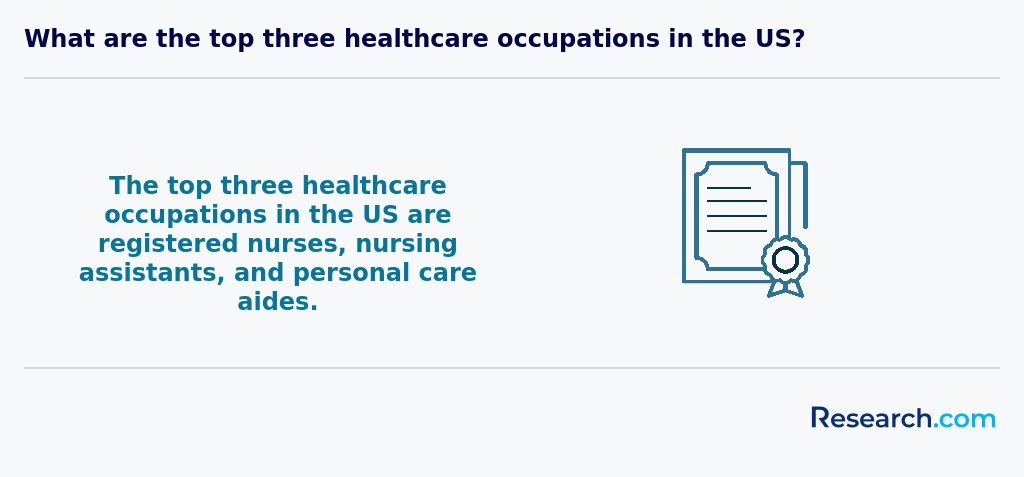
Graduates with a healthcare degree in Rhode Island find diverse career paths, reflecting the state's unique healthcare demands. Many enter roles as Registered Nurses (RNs), providing essential patient care in settings like Lifespan hospitals or Care New England clinics, where practical training partnerships greatly enhance readiness and confidence. Others pursue opportunities as Physician Assistants (PAs), working closely with doctors to address complex patient needs, a field growing steadily in popularity. Alternatively, some focus on healthcare administration, managing facility operations to improve service efficiency.
Those keen on community impact often choose public health roles, engaging in policy development or health promotion programs that touch Rhode Island's population directly. Graduates also explore careers as medical and clinical technologists, vital for modern diagnostics. While these paths reflect promising healthcare career options in Rhode Island, students should also consider evolving specialties like mental health or healthcare informatics.
Cost-conscious students appreciate Rhode Island's moderate tuition relative to national standards, especially at the University of Rhode Island, which helps make quality education accessible. For those seeking advanced education, programs like Low Cost Online Master's in Healthcare Degree Programs provide flexible expansion of skills and job prospects.
What is the job market for healthcare degree in Rhode Island?
Graduates holding healthcare degrees in Rhode Island face a job market that is both promising and competitive. The healthcare jobs outlook in Rhode Island is shaped by steady growth driven by an aging population and expanding healthcare infrastructure, especially around well-regarded institutions like the University of Rhode Island and Rhode Island College. Many graduates find opportunities in nursing, physical therapy, and healthcare administration, partly due to collaborations between these colleges and major providers such as Lifespan Health System. These partnerships often offer internships, allowing students to gain valuable hands-on experience that bolsters employment prospects.
While salaries remain competitive, with a mean annual wage near $78,000 for healthcare practitioners, students wisely consider factors like tuition costs and program length when evaluating their options. Exploring the highest-paying college majors can help prospective students navigate these decisions effectively. Additionally, Rhode Island's proximity to large markets like Boston diversifies job opportunities, particularly for graduates seeking specialization beyond a bachelor's degree. This dynamic environment reflects the nuanced Rhode Island healthcare degree employment prospects available today.
Frequently Asked Questions About healthcare
Healthcare degree students in Rhode Island can maximize their learning by engaging deeply with clinical placements, which are widely available through partnerships with local hospitals such as Rhode Island Hospital and Lifespan Health System. These hands-on experiences enhance practical skills and improve employment prospects. Rhode Island's strong emphasis on interprofessional education encourages collaboration across nursing, medicine, and allied health fields, reflecting national best practices.
Data from the Rhode Island Department of Labor shows healthcare employment growing by 8% through 2030, highlighting the need for well-prepared graduates. Students should also utilize state resources like the Rhode Island Board of Medical Licensure and Education for guidance on certifications and continuing education opportunities.
Involvement in research projects, often facilitated by institutions like the Warren Alpert Medical School at Brown University, can further enrich academic knowledge and foster professional networking.
Emerging niches within Rhode Island's healthcare field reflect broader national trends driven by technology and population needs. For example, telehealth has rapidly expanded, offering remote patient monitoring and virtual consultations, which grew by over 40% in Rhode Island between 2019 and 2022, according to the Rhode Island Department of Health.
Another promising area is health informatics, blending data science and patient care to enhance clinical decision-making. The state's aging population also creates demand for geriatric care specialists and chronic disease management professionals.
Behavioral health remains a critical sector, with increasing focus on integrating mental health services into primary care frameworks, supported by state funding initiatives aimed at reducing provider shortages.
After completing a healthcare degree in Rhode Island, preparation for the job market is key to securing employment. Start by gaining practical experience through internships or clinical rotations, which are often integrated into degree programs and valued by local employers.
Networking is crucial, especially with Rhode Island's growing healthcare sector, including major employers like Lifespan and Care New England. Joining professional organizations or attending healthcare job fairs can connect graduates to opportunities.
Additionally, consider obtaining relevant certifications or licenses required in Rhode Island to increase employability. According to the Rhode Island Department of Labor, healthcare jobs are projected to grow faster than average, emphasizing the importance of specialized skills and credentials.
Finally, leverage university career services and online job portals focused on healthcare roles within the state to stay updated on openings and employer preferences.
Employers in Rhode Island's healthcare sector prioritize several key skills when hiring graduates with healthcare degrees. Strong clinical knowledge and practical patient care abilities are essential, reflecting the state's focus on quality healthcare delivery. Communication skills stand out as critical, enabling professionals to effectively collaborate with patients and interdisciplinary teams.
Additionally, proficiency in healthcare technology is increasingly important. Rhode Island healthcare employers seek graduates comfortable with electronic health records (EHR) and telehealth systems, aligning with national trends noted by the Rhode Island Department of Labor and Training.
Problem-solving and adaptability also rank highly, as the healthcare landscape evolves rapidly. Finally, ethical judgment and cultural competence are valued to meet the needs of Rhode Island's diverse patient population.
Finding internships in Rhode Island for healthcare degree students involves a combination of university resources, local healthcare facilities, and networking. Many universities, such as the University of Rhode Island and Rhode Island College, offer career services that connect students with internships in hospitals and clinics across the state. Providence, the state's capital, is home to major healthcare providers like Lifespan and Care New England, which regularly offer internship opportunities.
The Rhode Island Department of Labor and Training provides listings for healthcare internships in the state. Additionally, students can explore opportunities with community health centers, public health organizations, and research institutions active in Rhode Island. Proactively reaching out to healthcare professionals for informational interviews is also recommended.
According to the Rhode Island Department of Health, the healthcare sector is one of the fastest-growing employment areas, reinforcing the strong availability of practical training roles in 2024.
A healthcare degree significantly enhances career mobility and advancement opportunities for professionals in Rhode Island. The state's healthcare sector is growing, with an employment increase of 5% expected through 2030 according to the U.S. Bureau of Labor Statistics. Holding a degree-such as in nursing, health administration, or public health-opens pathways to roles with higher responsibility and better compensation. Employers in Rhode Island's hospitals and clinics often require advanced qualifications for leadership positions, making education a key factor for promotion.
Specialized degrees also align with Rhode Island's focus on integrated care and public health initiatives, improving prospects in community health and policy roles. Graduates benefit from the state's supportive environment, including partnerships between universities and local healthcare providers, which aid in gaining practical experience and networking.
Healthcare degree programs in Rhode Island emphasize interdisciplinary training to prepare students for collaborative roles in diverse clinical settings. Institutions like the University of Rhode Island and Rhode Island College offer curricula combining nursing, public health, and allied health sciences, equipping graduates with broad skill sets. According to the Rhode Island Department of Health, over 35% of healthcare workplaces here involve multidisciplinary teams, highlighting demand for professionals who can communicate across specialties.
Students engage in practical experiences at partner hospitals such as Rhode Island Hospital, which fosters teamwork among physicians, nurses, and therapists. This exposure enhances understanding of integrated care models prevalent statewide. Programs also integrate courses on health informatics and population health, enabling future practitioners to address complex patient needs collaboratively.
Choosing between a thesis and a non-thesis healthcare degree program in Rhode Island depends largely on your career goals and learning preferences. Thesis programs require conducting original research, ideal for students aiming to pursue doctoral studies or research-oriented roles. Non-thesis programs focus more on coursework and practical experience, which suits those planning to enter the healthcare workforce directly.
In Rhode Island, where healthcare employment is growing at a steady rate of 7% annually according to the Rhode Island Department of Labor, practical skills are highly valued. Non-thesis programs often provide internships or clinical practice opportunities to meet this demand.
Thesis routes may take longer to complete but deepen research skills. For example, the University of Rhode Island offers thesis options that prepare students for advanced study or academic careers.
Students based in Rhode Island seeking healthcare degrees have several opportunities to study abroad through US university partnerships and exchange programs. Many Rhode Island institutions, such as the University of Rhode Island, offer collaborations with international universities, allowing students to gain clinical experience overseas while earning credits. These programs often target nursing, public health, and medical technology disciplines, aligning with Rhode Island's healthcare industry needs.
Additionally, federal data shows that healthcare remains one of the state's fastest-growing employment sectors, with over 25,000 jobs in 2023, increasing the value of global healthcare exposure for students. Studying abroad can enhance language skills and cultural competence, which are vital in diverse healthcare settings. Students interested in specific global health initiatives should explore options through organizations like the Fulbright Program or specialized healthcare study abroad fairs hosted by Rhode Island colleges.
Part-time job opportunities in Rhode Island that complement healthcare degree education are diverse and practical for gaining relevant experience. Positions such as medical assistants, patient care technicians, and pharmacy aides are common. According to the Rhode Island Department of Labor and Training (2023), healthcare support roles are expected to grow by 15% over the next decade, reflecting rising demand in the state.
Working in local hospitals or clinics, including Lifespan and Care New England facilities, provides hands-on exposure to clinical settings. Additionally, jobs in medical billing and coding offer valuable administrative experience, aligning with healthcare management degrees.
Volunteer roles at community health centers may also enhance understanding of public health issues specific to Rhode Island's population, which is approximately 1.1 million. These opportunities support both practical skills and networking within the local healthcare sector.
Healthcare students in Rhode Island benefit from strong networking opportunities through local universities and professional organizations. Institutions like the University of Rhode Island and Rhode Island College partner with major healthcare providers, enabling students to attend industry events and gain clinical experience.
Organizations such as the Rhode Island Public Health Association and the Rhode Island Chapter of the American Medical Association offer meetings and mentorship programs. These platforms connect students with experienced professionals, fostering career development.
Additionally, Providence's concentration of hospitals and research centers supports internships and job placements, essential for building professional networks. According to the Rhode Island Department of Health, the state's healthcare sector is growing steadily, creating more opportunities annually.
Alumni networks provide crucial support to healthcare degree students in Rhode Island by connecting them with experienced professionals in the state's robust medical community. These networks facilitate mentorship opportunities, helping students navigate career paths and clinical placements more effectively.
Rhode Island's healthcare sector employs over 50,000 workers, according to the Rhode Island Department of Labor and Training, creating abundant networking potential for current students through alumni connections.
Through alumni events and online platforms, students gain insights into regional healthcare trends and job openings that may not be publicly advertised. This access can increase employment rates among graduates.
Moreover, alumni often collaborate with universities to offer workshops and internships, enhancing practical skills aligned with local healthcare needs.
Customizing a healthcare degree program in Rhode Island allows students to align their education with specific career goals. Many local institutions offer flexible options like electives, minors, or specializations in areas such as nursing, public health, or health informatics. For example, the Rhode Island Department of Labor and Training highlights a growing demand for professionals in healthcare administration and behavioral health, guiding students to tailor coursework accordingly.
Internships and clinical placements at Rhode Island's hospitals and healthcare centers provide hands-on experience. Additionally, some schools collaborate with the state's healthcare providers to offer experiential learning tailored to regional workforce needs. This practical approach helps students build skills directly relevant to Rhode Island's healthcare landscape.
Students can also pursue certifications alongside their degree, enhancing their qualifications and opening doors to specialized fields within healthcare. Advisors at Rhode Island colleges typically assist in selecting these options based on labor market trends and individual interests.
Healthcare students in Rhode Island often face several key challenges during their education. One major issue is the limited number of clinical placements available, which can delay hands-on experience essential for professional development. This scarcity is partly due to the state's small size and high demand for healthcare services in local hospitals and clinics.
Another challenge is the rising cost of education. Tuition fees for healthcare programs in Rhode Island are among the higher ranges in New England, adding financial pressure on students. According to the Rhode Island Department of Education, student loan debt is a growing concern.
Additionally, students must balance rigorous coursework with practical training, which can cause stress and affect mental health. Support services vary by institution, sometimes leaving students seeking more accessible resources.
Graduates with healthcare degrees in Rhode Island have multiple professional certification options to enhance their careers. Common certifications include Registered Nurse (RN), Certified Medical Assistant (CMA), and Certified Healthcare Administrator (CHA). These certifications validate specialized skills and improve job prospects in hospitals and clinics throughout the state.
The Rhode Island Department of Labor highlights a growing demand for Certified Nursing Assistants (CNA), with a 12% employment increase projected by 2030. Other notable certifications are Certified Professional Coder (CPC) and Licensed Practical Nurse (LPN), which align with local healthcare employer needs.
Many amount providers in Rhode Island collaborate with institutions offering preparation for national exams, such as those administered by the American Nurses Credentialing Center and the National Healthcare Association.
Applying to a healthcare program in Rhode Island requires careful preparation and clear presentation of your qualifications. Start by researching specific programs at institutions such as the University of Rhode Island or Bryant University, known for their healthcare offerings. Make sure to meet all prerequisite coursework and maintain a strong GPA, as many programs prefer applicants with at least a 3.0 GPA.
Highlight relevant healthcare experience in your application, including internships or volunteer work within Rhode Island's extensive healthcare system, which employs over 18,000 professionals according to the Rhode Island Department of Labor. This demonstrates practical knowledge and commitment to the field.
Craft a concise personal statement explaining your motivation and career goals. Rhode Island programs especially value applicants familiar with local healthcare challenges. Finally, secure strong letters of recommendation, preferably from healthcare professionals in the state, to strengthen your credibility.
Globally, healthcare careers are valued for their critical role in improving public health and responding to evolving medical challenges. In the US, including Rhode Island, healthcare jobs are projected to grow 13% from 2021 to 2031, much faster than the average for all occupations, according to the U.S. Bureau of Labor Statistics.
Internationally, healthcare professionals often collaborate on research and policy, emphasizing a shared commitment to patient care and innovation. For Rhode Island students, understanding these global connections can enhance competitiveness in the local job market.
Rhode Island's healthcare sector benefits from a diverse, multilingual workforce and partnerships with institutions worldwide, reflecting global healthcare trends and practices.
Gaining practical experience is an essential part of studying for a healthcare degree in Rhode Island. Many programs at local institutions, such as the University of Rhode Island and Rhode Island College, incorporate clinical rotations, internships, or lab work directly into their curricula.
Students can also seek opportunities at nearby hospitals like Rhode Island Hospital or Lifespan Health System, which offer hands-on training through partnerships with educational institutions.
Additionally, volunteering in community health organizations or public health departments can provide valuable real-world exposure. According to the Rhode Island Department of Health, such experiences improve job readiness and networking within the state's healthcare system.
Choosing the right concentration within a healthcare degree program in Rhode Island depends on several factors. First, consider the local healthcare job market. Rhode Island experiences strong demand for nursing, public health, and health administration professionals, supported by data from the Rhode Island Department of Labor and Training. Selecting a concentration aligned with these needs can increase employment chances.
Next, evaluate your interests and skills. Programs often offer specializations like nursing, healthcare informatics, or public health. Understanding your strengths helps ensure academic success and career satisfaction.
Additionally, review available clinical and internship opportunities in Rhode Island hospitals and clinics, as hands-on experience is vital.
Related Healthcare Rankings for Nearby States
- 2027 Best Online Healthcare Degree Programs Ranking in Massachusetts
- 2027 Best Online Healthcare Degree Programs Ranking in Connecticut
- 2027 Best Online Healthcare Degree Programs Ranking in Maine
- 2027 Best Online Healthcare Degree Programs Ranking in Maryland
- 2027 Best Online Healthcare Degree Programs Ranking in Virginia
- 2027 Best Online Healthcare Degree Programs Ranking in Kentucky
- 2027 Best Online Healthcare Degree Programs Ranking in Tennessee
- 2027 Best Online Healthcare Degree Programs Ranking in Indiana
- 2027 Best Online Healthcare Degree Programs Ranking in Michigan
- 2027 Best Online Healthcare Degree Programs Ranking in Georgia
Top Trending Healthcare Rankings
See What Experts Have To Say About Studying Healthcare
Read our interview with Healthcare experts

References
- Networking in Medicine: Build Lasting Connections l Windsor https://www.windsor.edu/networking-in-medicine-building-relationships-from-day-one/
- 6 Tips On Networking For Medical Professionals https://aaams.net/blog/how-to-network-in-the-medical-field-nurses/
- How to Succeed in a Difficult Job Market After Graduation https://www.hospitalrecruiting.com/blog/6542/how-to-succeed-in-a-difficult-job-market-after-graduation/
- Healthcare Assistant Cover Letter Templates | myPerfectCV https://www.myperfectcv.co.uk/cover-letter/examples/healthcare-assistant-cover-letter
- The Value of Healthcare Organization Alumni Associations https://consultqd.clevelandclinic.org/the-value-of-healthcare-organization-alumni-associations
- Rhode Island Healthcare Administration Degree Programs https://www.healthadministrationdegrees.com/states/rhode-island/
- Healthcare Careers & Accredited Degree Programs https://www.healthcaredegree.com/
- Advancing Your Career in Healthcare: Tips and Strategies https://www.sunshinecarenetwork.com/blog/advancing-your-career-in-healthcare-tips-and-strategies
- Other Programs - HealthSource RI https://healthsourceri.com/other-programs/
- What are the top 10 skills that'll get you a job when you graduate? https://targetjobs.co.uk/careers-advice/skills-for-getting-a-job/what-are-top-10-skills-thatll-get-you-job-when-you-graduate


