2027 Best Online Healthcare Degree Programs Ranking in Tennessee

Co-Founder and Chief Data Scientist
Are you considering advancing your career with a healthcare degree but unsure which program is right for you in Tennessee? This article introduces the 2027 Best Online Healthcare Degree Programs Ranking in Tennessee, carefully developed by the Research.com team of data scientists to help you navigate your options.
Choosing the right program can feel overwhelming, but this ranking simplifies the process by highlighting quality online healthcare degrees you can trust. Earning a healthcare degree opens doors to rewarding opportunities and a meaningful career where you can make a real difference.
Explore this guide to find programs that fit your goals and start your journey with confidence.
Key benefits of getting online healthcare degree in Tennessee
- Healthcare degree graduates in Tennessee can expect rewarding salaries; for example, Quality Improvement Coordinators earn a mean annual wage of $103,150, while Medical Assistants have an average yearly income of $43,350, demonstrating strong financial potential.
- Graduates often explore diverse career paths, such as Clinical Research Coordinators or Health Information Technicians, offering flexibility and growth, as seen from alumni of Tennessee's leading universities.
- Online healthcare degrees provide convenience and accessibility, allowing students at institutions like the University of Tennessee to balance work and study while gaining credible qualifications that help jumpstart their careers.
- 2027 Best Online Healthcare Degree Programs Ranking in Tennessee
- What can I expect from online healthcare degree in Tennessee?
- Where can I work with online healthcare degree in Tennessee?
What can I expect from online healthcare degree in Tennessee?
Online healthcare degrees in Tennessee are surprisingly affordable, often costing less than traditional on-campus programs. Many students find that in-state tuition rates for online courses at schools like the University of Tennessee or Middle Tennessee State University can significantly lower expenses. Graduates share how this affordability eased their financial stress, letting them focus more on learning rather than worrying about debt.
Imagine balancing your studies with work, knowing that scholarships and federal financial aid tailored for healthcare fields might also be within reach. This combination creates opportunities that feel not just practical but exciting-like paving the way toward a meaningful career without breaking the bank.
Students often mention the joy of accessing quality education from a favorite spot-be it a cozy nook at home or a local coffee shop-while still feeling connected to Tennessee's respected healthcare programs. This blend of flexibility and cost-effectiveness makes pursuing an online healthcare degree a journey full of hope and promise.
Where can I work with online healthcare degree in Tennessee?
Graduates with an online healthcare degree in Tennessee often find themselves stepping into dynamic roles across the state's bustling healthcare landscape. Imagine joining Vanderbilt University Medical Center or Saint Thomas Health, where many online graduates have embraced roles as registered nurses, healthcare managers, or medical coders, thriving amid cutting-edge medical environments. These careers open doors to meaningful work, whether managing patient care or improving hospital systems.
Others discover rewarding paths in outpatient clinics and rural primary care settings, responding to urgent healthcare needs in Tennessee's under-resourced communities. Alumni from the University of Tennessee Health Science Center have shared how their online studies prepared them to serve as nurse practitioners and physician assistants, making a true difference in patients' daily lives.
Public health agencies and long-term care facilities also beckon, calling for professionals passionate about community health, chronic disease management, or geriatric care. Graduates often find these areas fulfilling, enriched by the opportunity to impact families and elderly patients across Tennessee.
For those drawn to technology and systems, healthcare informatics roles in insurance companies or IT departments offer exciting career adventures, supporting the rapid digital transformation of healthcare services statewide.
Imagine graduating from a popular Tennessee college with an online healthcare degree and stepping into a bustling Nashville hospital. As a medical assistant, you could start earning around $43,350 annually, which means a steady paycheck while you gain hands-on experience. Meanwhile, graduates stepping into patient care technician roles in Memphis find themselves with mean annual wages near $60,790, embracing the rewarding challenge of direct patient support.
Health information technicians, who might find themselves configuring systems at a healthcare facility near the University of Tennessee, typically see salaries around $43,380, blending tech skills with medical knowledge. If you aim higher, becoming a quality improvement coordinator opens doors to salaries averaging $103,150, reflecting leadership opportunities available after advanced training.
Graduates from Tennessee's online healthcare programs share stories of surprise and pride when their first paychecks arrive, especially knowing these salaries grow with their expanding expertise and certifications. The adventure of picking up new skills and watching your impact-and earnings-grow in Tennessee's vibrant healthcare landscape is truly motivating.
- Tennessee's healthcare employment is projected to grow by about 15% from 2020 to 2030 due to an aging population and rising healthcare needs.
- Associate degrees in healthcare cost between $5,000 and $15,000, while bachelor's degrees range from $20,000 to $40,000 in total tuition.
- Graduate-level healthcare programs, like nurse practitioner or healthcare administration, typically cost between $25,000 and $60,000.
- Starting salaries for healthcare graduates in Tennessee usually range from $45,000 to $55,000, with experienced workers earning between $70,000 and $90,000 annually.
- Job opportunities are strong in hospitals, outpatient centers, and home health services, especially in rural areas.
- Licensure generally requires graduation from accredited programs, so choosing an accredited online degree is essential.
Imagine diving into an online healthcare degree journey from Tennessee's well-known institutions like the University of Tennessee or Belmont University. Many graduates recall starting their associate degrees and crossing that finish line in about two years when studying full-time. It's like setting off on a clear path toward roles such as medical assisting or pharmacy technicians, where every completed course feels like a step closer to a meaningful healthcare career.
For those aiming higher, a bachelor's degree typically takes around four years of full-time study, but many students share stories of crushing fast-track programs in three years or less, especially after transferring existing credits. These accelerated routes offer a thrilling way to leap ahead without losing momentum.
Graduate degrees, like a master's in healthcare administration or nursing, often span from 18 months to three years. Many online learners balance family or work, stretching their timelines but cherishing the flexibility to learn in their own rhythm-proof that determination makes the experience uniquely rewarding in the Volunteer State.
Achieving success in an online healthcare degree program requires a clear strategy and proactive planning. Prospective students should begin by evaluating their study habits and setting up a structured daily schedule. Developing strong time-management skills and creating a dedicated workspace can help mitigate the potential distractions of remote learning. Regular communication with instructors and peers, as well as active participation in virtual study groups, can further enhance the learning experience. In addition to these practical tips, students are encouraged to leverage available academic resources such as tutoring services and career counseling sessions. Many institutions offer robust alumni networks and post-graduation support designed to guide students from coursework to professional practice. For example, exploring the resources available at some of the most affordable healthcare programs in tennessee can provide valuable insights into balancing educational commitments with future career opportunities. Finally, cultivating digital literacy is essential for navigating online platforms and tools that are integral to modern healthcare education. By adopting these success strategies early on, students can build a strong foundation that not only improves academic performance but also prepares them for long-term professional growth in the healthcare industry.
Imagine balancing a job and family while pursuing a healthcare degree-online programs in Tennessee offer that kind of freedom. Graduates from popular schools like Vanderbilt or East Tennessee State share how accessing lectures and submitting assignments anytime sparked a new sense of control over their busy lives. Whether in Memphis or Knoxville, online learning means you're not tied to the campus but still part of a supportive community.
Contrast this with the hands-on buzz of on-campus programs at places like the University of Tennessee Health Science Center, where students thrive on face-to-face mentoring, labs, and direct clinical practice. Many speak of the excitement building confidence during in-person simulations and hospital rotations, experiences hard to replicate through a screen.
Cost-wise, both paths hover around similar tuition, but online learners save on commuting or housing, though some still travel for required clinical hours. For many Tennesseans, this mix of flexibility and real-world practice creates a uniquely thrilling educational adventure.
Navigating the admissions process for online healthcare degree programs in Tennessee can be made smoother by following a clear, strategic approach. It's important to start early by researching program deadlines, gathering necessary documentation such as transcripts, letters of recommendation, and personal statements, and understanding each institution's unique requirements. Prospective students should take the time to review the detailed application instructions provided by their chosen schools and consult with admissions counselors when questions arise. Utilizing a step-by-step checklist can help ensure that every component of the application is completed accurately. Additionally, preparing well-crafted essays that highlight your passion for healthcare, your professional goals, and experiences with virtual learning environments can significantly boost your application. Many programs also recommend that applicants demonstrate their ability to manage online coursework by sharing examples of self-discipline and time management from previous experiences, whether in academic, work, or personal contexts. For those who are also considering financial support avenues, exploring options provided by resources such as medical billing and coding schools with financial aid can provide additional insights into managing tuition costs and obtaining scholarships. Ultimately, a proactive approach combined with in-depth research and personalized preparation will enhance your chances of a successful admission into an online healthcare degree program, setting a strong foundation for a thriving career in healthcare.
For many eager learners stepping into the world of healthcare through online degrees in Tennessee, understanding the average cost can feel like navigating a maze. Fortunately, the median total cost for completing such a degree is around $53,361, with in-state students often paying closer to $48,898. Imagine a healthcare graduate from a well-known Tennessee university who felt motivated by the affordable tuition combined with flexible online class schedules-allowing them to balance work, family, and study without overwhelming financial worries. This sense of accessibility makes pursuing an online healthcare degree as achievable as it is exciting.
Costs can vary, but beyond tuition, students often encounter expenses such as textbooks, clinical supplies, and technology fees. These add up but remain manageable, usually falling between $1,000 and $3,000 annually. Graduates from community colleges and public universities in Tennessee often share stories of how these additional fees were predictable and less daunting, making their educational adventure feel supported every step of the way.
Planning your journey wisely means exploring all available options. Many students have found relief through scholarships or employer assistance programs, which help ease the financial path. If you want to explore detailed cost breakdowns and find the most affordable healthcare programs in Tennessee, those resources should be your compass. Considering the total tuition and fees for healthcare programs Tennessee offers reveals a landscape filled with promising opportunities ready to be discovered.

Our 2024 ranking highlights the top online healthcare degree programs in Tennessee, evaluated on academic rigor, accreditation, affordability, and graduate outcomes: 1. University of Tennessee, Knoxville – Bachelor of Science in Health Science • Accreditation: Southern Association of Colleges and Schools Commission on Colleges (SACSCOC) • Average annual tuition: $9,800 (in-state) • Highlights: Hands-on clinical simulations, 96% job placement rate within 6 months 2. East Tennessee State University – Bachelor of Science in Health Sciences • Accreditation: Commission on Accreditation of Healthcare Management Education (CAHME) • Average annual tuition: $8,450 (in-state) • Highlights: Specialized tracks in health informatics and public health, virtual lab access 3. Tennessee State University – RN to BSN Online Program • Accreditation: Accreditation Commission for Education in Nursing (ACEN) • Average tuition per credit hour: $325 • Highlights: Flexible part-time pacing, strong peer-mentorship network, 94% licensure exam pass rate 4. Middle Tennessee State University – Online Bachelor of Science in Public Health • Accreditation: Council on Education for Public Health (CEPH) • Average annual tuition: $7,200 (in-state) • Highlights: Fieldwork partnerships with local health departments, emphasis on epidemiology 5. University of Memphis – Online Bachelor of Science in Health Information Management • Accreditation: Commission on Accreditation for Health Informatics and Information Management Education (CAHIIM) • Average tuition per credit hour: $310 • Highlights: Real-world EHR practicum, data analytics capstone, career services guaranteed interview program For comparison of regional affordability and to explore more cost-effective options, see our Affordable Online Healthcare Degree Programs Ranking in Radford, VA.
Many Tennessee students diving into online healthcare degrees discover a treasure trove of financial aid opportunities that smooth the journey. Imagine a learner enrolled at the University of Tennessee Health Science Center who confidently navigates costs thanks to federal aid like the Pell Grant, providing up to $7,395 annually without repayment worries. Completing the FAFSA unlocks these and other low-interest federal loans, easing financial strains.
On the state front, scholarships like the Tennessee HOPE Scholarship and HOPE Access Grant shine brightly for residents tackling programs at institutions such as Belmont University. These awards reward academic grit and financial need, turning ambitions into realities.
Picture a nursing student at Vanderbilt University benefiting from employer tuition reimbursement after joining a local healthcare facility-this support fuels continued education and career advancement. Private scholarships from groups like the Tennessee Nurses Foundation add extra layers of assistance, especially for fields in high demand, including radiologic technology and respiratory therapy.
These diverse funding streams create an open pathway for Tennessee's aspiring healthcare professionals, encouraging exploration and success in their vital careers.
Many graduates of online healthcare degree programs in Tennessee pursue professional credentials and state licensure to validate their skills and enhance job prospects. Upon completing an accredited curriculum and required clinical hours, students often qualify for the following certifications:
- Registered Health Information Technician (RHIT) via the American Health Information Management Association (AHIMA)
- Certified Professional Coder (CPC) through the American Academy of Professional Coders (AAPC)
- Nurse licensure (NCLEX-RN or NCLEX-PN) overseen by the Tennessee Board of Nursing
- Certified Medical Assistant (CMA) accredited by the American Association of Medical Assistants (AAMA)
- Health Information Administrator (RHIA) via AHIMA for those with a bachelor’s degree For imaging-focused students, many choose to complete a diagnostic medical sonography curriculum and then sit for the American Registry for Diagnostic Medical Sonography (ARDMS) or Cardiovascular Credentialing International (CCI) exams. Prospective imaging specialists can compare accredited schools by exploring colleges that offer diagnostic medical sonography programs. State licensure requirements vary by profession:
- Nursing candidates must submit official transcripts, complete a criminal background check, and achieve a passing score on the NCLEX exam.
- Health information professionals must hold a degree from an AHIMA-accredited program prior to taking the RHIT or RHIA exam.
- Medical assistants may need program completion verification and, in some cases, employer sponsorship for certification. Earning these credentials not only meets regulatory standards but also boosts credibility with employers, often resulting in higher starting salaries and expanded leadership opportunities within Tennessee’s healthcare sector.
For those advancing to graduate studies in nursing or healthcare administration at places like East Tennessee State University, having an undergraduate degree and hands-on experience through internships or healthcare jobs brought classroom theories vividly to life. These experiences transform studies into meaningful practice. Applicants also navigate state-specific requirements, including background checks and immunization proofs, ensuring safety and professionalism before stepping into Tennessee's vibrant healthcare community.

Imagine diving into courses like Introduction to Healthcare Systems at a well-known Tennessee university, where graduates recall unlocking the mysteries behind how local hospitals and clinics operate. Anatomy and Physiology quickly become more than just textbook topics - they transform into vivid explorations of the human body, crucial for anyone eager to provide empathetic patient care.
Medical Terminology often surprises students with its power: once mastered, it opens doors to clear communication across all healthcare teams. Graduates from popular online programs at Tennessee colleges express how Health Informatics courses made managing patient data feel like joining a digital healthcare revolution, blending technology with compassion.
Classes in Healthcare Ethics and Law bring to life the real-world dilemmas healthcare professionals face, empowering students to navigate these challenges confidently. Meanwhile, Pharmacology Basics and Pathophysiology prepare learners for the delicate art of medication and understanding disease processes, essential for supporting clinical roles.
Many students treasure the chance to engage in leadership and public health classes or virtual practicum experiences, turning theory into hands-on impact across Tennessee's diverse healthcare settings.
Diving into online healthcare degree specializations Tennessee offers feels like embarking on a journey through diverse and dynamic fields. Graduates from top universities in Tennessee recount their excitement studying nursing specializations-from nurse practitioner roles that place them on the frontlines of patient care to nurse educator tracks where they inspire future caregivers. The evolving demand in these roles makes learning here feel both purposeful and future-ready.
Meanwhile, those exploring healthcare administration find themselves managing complex medical systems, shaping policies, or mastering healthcare law, all online through programs at well-regarded colleges. The sense of accomplishment after grasping these skills is palpable among alumni.
Public health enthusiasts, aware of Tennessee's unique rural health challenges like diabetes and obesity, eagerly embrace community-focused education. Others find passion in health informatics and clinical laboratory science, fields crucial to advancing Tennessee's healthcare infrastructure.
Students also discover pathways to complementary careers, such as at many medical billing and coding schools with financial aid, merging technology and healthcare seamlessly.
Choosing the best online healthcare degree in Tennessee starts with looking into accredited programs that resonate with your unique career aspirations. Graduates from the University of Tennessee's competitive online degrees often share how flexible schedules allowed them to balance family life while diving deep into courses. Imagine logging into nursing classes after work or accessing clinical placement support that connects you with local healthcare facilities-this real-world experience can define your path.
Cost is another exciting discovery. Tennessee's public universities frequently offer affordable healthcare degree programs Tennessee students cherish, keeping tuition manageable compared to national averages. Many find this makes investing in their future feel like a smart adventure rather than a burden.
Exploring specialized tracks from nursing to public health or medical coding can feel like opening a door to endless possibilities. For those curious about unique options, check out colleges that offer diagnostic medical sonography programs which blend innovation with career-ready skills.
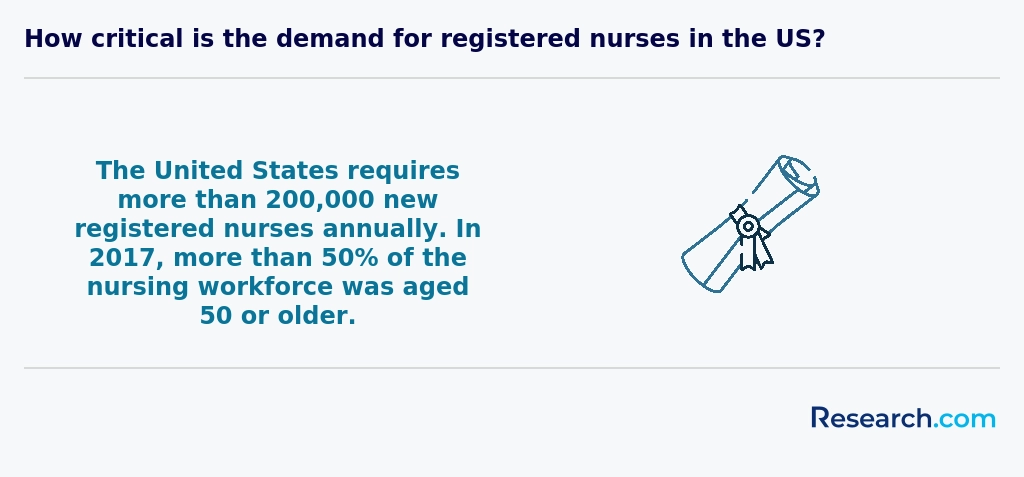
Graduates of online healthcare degrees in Tennessee find themselves stepping into an exciting mosaic of career possibilities. Imagine starting as a Registered Nurse, a role rapidly expanding across the state with hopeful graduates from universities like the University of Tennessee glowing with pride as they enter hospitals earning around $67,000 annually. Or picture yourself navigating the dynamic environment of healthcare administration, managing clinics and hospitals with confidence thanks to skills honed at institutions such as Belmont University, where alumni often advance to positions paying over $90,000 per year.
Beyond clinical roles, careers as Medical and Health Services Managers or Healthcare Technologists beckon, offering pathways shaped by technology and innovation. These positions meet the evolving needs of Tennessee's healthcare ecosystem, especially relevant for students exploring healthcare job opportunities with online degree Tennessee. Many discover specialized training that aligns perfectly with their ambitions.
Curious students should also explore community-impact roles like public health specialists, energized by Tennessee's rural healthcare challenges. For those balancing cost and quality, programs featured in the Affordable Online Healthcare Degree Programs Ranking in Radford, VA provide competitive tuition and flexible plans. This blend of opportunity and practicality makes pursuing an online healthcare degree career options Tennessee truly adventurous and rewarding.
The job market for online healthcare degree graduates in Tennessee is vibrant and expanding, driven by the state's rapidly growing healthcare sector. Graduates from popular Tennessee schools often share stories of landing exciting roles in hospitals or public health organizations soon after completing their studies. Opportunities range from nursing to health informatics, with a strong demand for registered nurses supporting steady career growth. This appealing job outlook attracts many considering online healthcare degree jobs Tennessee, as it promises rewarding work paired with competitive salaries often between $50,000 and $75,000 annually.
Many students appreciate the flexibility of online programs while connecting with local healthcare employers in cities known for quality education, such as Nashville or Memphis. The rise of telehealth also opens doors to innovative roles not confined to traditional settings. Those exploring their options might discover the benefits of pursuing one of the fastest online bachelor degree pathways tailored to Tennessee's healthcare workforce needs.
2027 Best Online Healthcare Degree Programs Ranking in Tennessee
Investing in your education is a significant decision that can shape your future, and the Research.com team understands the importance of making informed choices. To assist prospective students in Tennessee, we have meticulously crafted the "2027 Best Online Healthcare Degree Programs Ranking in Tennessee." Our commitment to quality, credibility, and accuracy is reflected in the extensive research and analysis conducted to compile this ranking.
We utilized the following reputable data sources to ensure a comprehensive evaluation of healthcare programs:
By exploring this ranking, readers will gain valuable insights into the best online healthcare degree programs available in Tennessee, helping them make informed decisions about their educational paths. For more details on our methodology, please visit our Research.com methodology page.





# 10 position
Middle Tennessee State University
Completion Program for Registered Nurses (RN to BSN)
Frequently Asked Questions About healthcare
Online healthcare degree students in Tennessee can maximize their learning experience by actively engaging with their coursework and available resources. Tennessee offers several accredited institutions providing online healthcare programs, which often include access to virtual labs and simulation tools that enhance practical skills. According to the Tennessee Higher Education Commission, students should also leverage academic advising and career services to stay on track and connect their studies with local healthcare demands.
Participating in online discussion forums and study groups can improve understanding and foster networking with peers and professionals. Additionally, seeking clinical placements in Tennessee's growing healthcare sector, which employs over 350,000 individuals as reported by the Tennessee Department of Labor, provides valuable hands-on experience.
The healthcare field is rapidly evolving, with several emerging niches gaining importance, especially for Tennessee students pursuing online degrees. One key area is telehealth, which expanded significantly during the pandemic and continues to grow due to rural healthcare needs in Tennessee. According to the Tennessee Department of Health, telemedicine visits increased by over 50% from 2019 to 2022.
Another emerging niche is healthcare informatics. This field combines healthcare and data analysis to improve patient outcomes and operational efficiency. Tennessee's healthcare sector increasingly relies on electronic health records, making informatics specialists critical.
Additionally, population health management is becoming vital, focusing on improving care for diverse communities across Tennessee, where health disparities remain a concern.
Preparing for the job market after completing an online healthcare degree in Tennessee involves several strategic steps. First, graduates should obtain all necessary state licenses or certifications. For example, many healthcare jobs in Tennessee require passing exams regulated by the Tennessee Department of Health.
Next, building practical experience through internships or volunteer work is valuable. Tennessee's healthcare sector is growing, with an expected 15% increase in healthcare employment by 2030, so gaining hands-on skills improves employability.
Networking is also important. Joining Tennessee-based professional organizations, such as the Tennessee Nurses Association, can provide job leads and mentorship opportunities.
Lastly, tailoring a resume to highlight relevant skills and using state-specific job boards helps graduates connect with employers in Tennessee's healthcare industry.
Employers in Tennessee highly value healthcare degree graduates who demonstrate strong clinical skills paired with effective communication. According to the Tennessee Department of Health, practical knowledge in patient care and familiarity with electronic health records are essential due to the state's growing emphasis on digital healthcare solutions.
Critical thinking and problem-solving abilities rank among the top skills, helping graduates adapt to fast-changing medical environments. Tennessee hospitals also prioritize teamwork, given the collaborative nature of healthcare delivery.
Additionally, understanding state-specific healthcare regulations and having cultural competence to serve diverse populations are increasingly important, aligning with demographic trends reported by the Tennessee Health Care Association.
Finding internships in Tennessee relevant to healthcare degrees requires strategic planning and research. Many universities in Tennessee partner with local hospitals, clinics, and health organizations to offer internship opportunities for healthcare students. It is advisable to use career services offered by your online program, as they often provide connections to internship sites statewide.
The Tennessee Department of Health and nonprofit organizations like Volunteer Tennessee may list internship openings in public health and related fields. Additionally, healthcare employers in Nashville, Memphis, and Knoxville-major healthcare hubs-frequently seek interns due to the state's growing healthcare industry.
Networking with professionals and joining relevant associations, such as the Tennessee Hospital Association, can increase chances of placement. Healthcare internships in Tennessee often provide valuable hands-on experience required for licensure or certifications.
Obtaining an online healthcare degree in Tennessee significantly enhances career mobility and advancement opportunities. The state's healthcare sector is growing rapidly, with employment projected to increase by 14% through 2030, according to the Tennessee Department of Labor and Workforce Development. This growth fuels demand for qualified professionals holding degrees in nursing, health administration, and allied health fields.
Online degrees offer flexibility, allowing working professionals to gain new credentials without interrupting their careers. Graduates often qualify for higher-paying jobs and leadership roles, as many Tennessee employers prioritize candidates with formal education and updated skills. For example, registered nurses with a Bachelor of Science in Nursing (BSN) can earn 15-20% more on average and access supervisory positions.
The Tennessee Board of Nursing recognizes accredited online programs, ensuring graduates are eligible for state licensure. As healthcare facilities expand and innovate, professionals with current academic knowledge-often gained through online degrees-are better positioned for promotions and diverse roles within the state's hospitals, clinics, and public health organizations.
Studying for a healthcare degree in Tennessee often involves curricula designed to foster interdisciplinary collaboration. Many Tennessee institutions emphasize teamwork across nursing, public health, and healthcare administration disciplines, reflecting the state's growing demand for integrated care approaches.
Tennessee faces unique healthcare challenges, including rural health disparities and chronic disease prevalence. Programs often include training on coordinating with diverse healthcare professionals to address these issues effectively (Tennessee Department of Health, 2023).
Online healthcare degrees in Tennessee typically incorporate case studies and simulations involving multiple healthcare roles, preparing students to navigate complex care environments. This interdisciplinary focus equips graduates with communication and problem-solving skills essential in modern healthcare settings.
Choosing between a thesis and a non-thesis healthcare degree program in Tennessee depends on your career goals and learning preferences. A thesis program emphasizes research, ideal for students planning to pursue doctoral studies or research roles. It typically requires original research and a formal thesis document.
Non-thesis programs focus on practical skills and coursework, suited for professionals seeking advanced clinical or administrative positions without engaging in extensive research.
In Tennessee, healthcare employment is expected to grow by 16% from 2020 to 2030, according to the Bureau of Labor Statistics, highlighting opportunities for both research and clinical careers.
Consider your time commitment too; thesis programs often take longer to complete due to research demands.
Students based in Tennessee who wish to study healthcare abroad through online programs have growing opportunities thanks to partnerships between US institutions and foreign universities. Many accredited US schools offer dual-degree or exchange programs that enable students to gain international experience without leaving home. This approach aligns with Tennessee's healthcare workforce needs, as the state ranks above the national average in demand for nurses and allied health professionals, according to the Tennessee Department of Health.
Online healthcare degrees with global components often include virtual clinical simulations or remote internships with international healthcare organizations. This exposure can broaden cultural competence, which is vital in Tennessee's diverse healthcare settings. Prospective students should confirm program accreditation and eligibility for licensure in Tennessee before enrolling.
Part-time job opportunities in Tennessee that complement healthcare degree education are diverse and practical. Many students work as medical assistants or certified nursing assistants (CNAs), roles that offer hands-on experience in clinical settings.
The Tennessee Department of Labor reports that healthcare support occupations are projected to grow by 14% through 2030, indicating strong job availability. Working in pharmacies or clinics as pharmacy technicians or patient service representatives also provides valuable exposure to healthcare operations.
Additionally, some students find roles in telehealth services, which have expanded significantly in Tennessee since 2020, allowing them to gain experience in remote patient care.
Online healthcare students in Tennessee benefit from various networking opportunities designed to connect them with professionals and peers. Many universities offer virtual events, webinars, and discussion forums where students can engage with faculty and healthcare experts. The Tennessee Hospital Association and other statewide healthcare groups frequently host conferences and workshops open to students, providing valuable industry contacts.
Additionally, students often access local chapters of national organizations such as the American Healthcare Association. Clinical placements and internships, though completed in person, further enhance networking by linking students with Tennessee healthcare providers. These connections help build professional relationships crucial for post-graduation employment in the state's healthcare sector.
Alumni networks offer critical support for online healthcare degree students in Tennessee by connecting them with experienced professionals across the state. These networks foster mentorship opportunities, career guidance, and job referrals, which are especially valuable in Tennessee's expanding healthcare sector. According to the Tennessee Department of Labor and Workforce Development, healthcare employment is projected to grow 11% by 2030, increasing demand for skilled workers.
Through active alumni groups, students gain insights into local healthcare settings, from Nashville's hospitals to rural clinics. This practical knowledge helps graduates navigate Tennessee's unique healthcare landscape more effectively.
Networking events and online platforms maintained by alumni organizations also promote lifelong professional development. Such connections can lead to internships and collaborative research projects, enhancing students' resumes and employment prospects within the state's healthcare industry.
Customizing an online healthcare degree in Tennessee allows students to align their education with specific career goals. Many Tennessee institutions offer flexible curricula that include elective courses or specialization tracks such as nursing, health administration, or public health. These options help tailor your learning to in-demand healthcare fields in the state.
Tennessee's healthcare sector is growing rapidly, with employment projected to increase by 15% through 2030, according to the U.S. Bureau of Labor Statistics. Choosing relevant clinical electives or certifications online can enhance your job readiness.
Additionally, some programs partner with local healthcare providers, enabling practical experience that matches personal career interests. Students can also leverage online advising to select courses supporting licensure or advanced roles.
Online healthcare students in Tennessee face several challenges that can impact their educational success. A significant concern is balancing coursework with clinical experience, since healthcare programs often require hands-on training in medical settings. Access to quality local clinical placements can be limited, especially in rural areas where healthcare facilities are scarcer.
Another challenge involves technology and internet connectivity. According to the Federal Communications Commission, nearly 15% of Tennesseans lack broadband access, which can hinder participation in live online classes or access to digital resources.
Additionally, students must adapt to the self-discipline needed for remote learning, which can be difficult without in-person support.
With an online healthcare degree in Tennessee, graduates can pursue several respected professional certifications to boost their careers. Common options include Certified Nursing Assistant (CNA), Registered Health Information Technician (RHIT), and Certified Professional Coder (CPC). These credentials validate specialized skills and improve job prospects in the local healthcare market.
For example, Tennessee has a high demand for medical coders and health information technicians, with a projected 15% growth through 2030 according to the Tennessee Department of Labor. Certifications from organizations like the American Health Information Management Association (AHIMA) and the American Academy of Professional Coders (AAPC) are widely recognized.
Additionally, students often pursue certifications in medical billing, healthcare management, or informatics to align with ongoing industry growth in Tennessee's healthcare sector.
Applying to an online healthcare program in Tennessee requires clear, thoughtful preparation. Start by highlighting your commitment to healthcare, especially considering Tennessee's growing demand for healthcare professionals, as noted by the Tennessee Department of Health. Emphasize any relevant experience, including volunteering or work in healthcare settings. Academic transcripts should show strong performance in science and math courses, as most programs have prerequisites in these areas.
Write a concise personal statement explaining why you want to pursue a healthcare degree online, referencing Tennessee's healthcare challenges, such as rural access disparities documented by the Tennessee Rural Health Association. Ensure your application meets all deadlines and includes letters of recommendation that attest to your professionalism and dedication. Attention to detail and authenticity will make your application stand out.
Healthcare careers hold significant value worldwide due to the essential role they play in improving population health. In the United States, especially in Tennessee, the demand for healthcare professionals continues to grow rapidly, driven by an aging population and expanding access to medical services.
Globally, healthcare careers are viewed as stable and impactful, offering diverse opportunities ranging from clinical practice to public health and healthcare administration. According to the U.S. Bureau of Labor Statistics, healthcare occupations are projected to grow 16% from 2021 to 2031, well above average, reflecting strong continuous demand.
In Tennessee, the healthcare sector accounts for a large share of employment, with major healthcare hubs in cities like Nashville and Memphis. This growth opens doors for online healthcare degrees, providing students with flexible paths into in-demand roles.
Gaining practical experience while pursuing an online healthcare degree in Tennessee is essential for career readiness. Many programs incorporate clinical placements or internships at local hospitals, clinics, and healthcare facilities. These opportunities allow students to apply theoretical knowledge in real-world settings while complying with state licensing requirements.
Because Tennessee has a growing healthcare sector-with over 600,000 healthcare jobs as reported by the Tennessee Department of Labor and Workforce Development-students often have access to diverse clinical environments. Some programs partner with well-known systems like the Vanderbilt University Medical Center, facilitating hands-on training.
Additionally, students can engage in simulation labs and virtual practicums, which complement in-person experiences and enhance skills safely. It's important to verify how each program assists with arranging these practical elements in Tennessee.
Choosing the right concentration within an online healthcare degree program in Tennessee depends on your career goals and interests. Healthcare in Tennessee is growing rapidly, especially in areas like nursing, health informatics, and public health, reflecting increasing statewide demand. According to the Tennessee Department of Health, registered nurse positions are expected to grow 15% from 2022 to 2032.
Research labor market trends and local needs to find concentrations with strong job prospects. Consider programs that offer courses aligned with Tennessee's healthcare initiatives, such as rural health or chronic disease management. Also, review which certifications or licenses a concentration prepares you for, as some fields have strict state requirements.
Lastly, evaluate whether the program provides practical experiences or partnerships with Tennessee healthcare providers, which can enhance employment opportunities after graduation.
- 2027 Best Online Healthcare Degree Programs Ranking in Kentucky
- 2027 Best Online Healthcare Degree Programs Ranking in Mississippi
- 2027 Best Online Healthcare Degree Programs Ranking in Alabama
- 2027 Best Online Healthcare Degree Programs Ranking in Georgia
- 2027 Best Online Healthcare Degree Programs Ranking in Missouri
- 2027 Best Online Healthcare Degree Programs Ranking in Arkansas
- 2027 Best Online Healthcare Degree Programs Ranking in Virginia
- 2027 Best Online Healthcare Degree Programs Ranking in Indiana
- 2027 Best Online Healthcare Degree Programs Ranking in Illinois
- 2027 Best Online Healthcare Degree Programs Ranking in Florida
See What Experts Have To Say About Studying Healthcare
Read our interview with Healthcare experts

- Job-Ready Healthcare Skills for 2026 https://cliniwave.in/blogs/latest-article/job-ready-healthcare-skills
- The impact of postgraduate education on career advancement in healthcare https://sets.com.ua/journals/vol-3-no-2-2024/the-impact-of-postgraduate-education-on-career-advancement-in-healthcare
- 10 Skills Employers Are Looking for in Healthcare Management Jobs https://www.aiuniv.edu/blog/10-top-skills-for-healthcare-management-jobs
- Your Guide to the Best Online RN to BSN Programs in TN https://www.edumed.org/online-schools/nursing-rn-programs/rn-to-bsn/tennessee/
- Different Careers in the Medical & Healthcare Industry https://www.onlinedegree.com/career/medical-healthcare/
- Benefits of Online Healthcare Courses for Professionals | ILC https://inspirelondoncollege.com/blog/healthcare-courses-for-professionals/
- Health Sciences Study Abroad Programs - Healthcare Abroad https://www.ceastudyabroad.com/academic-discipline/health-sciences
- Niche Market Opportunities Research Among Healthcare Professionals (A Decision Analyst Case History https://www.decisionanalyst.com/casestudies/nichemarketopportunities/
- The Value of Healthcare Organization Alumni Associations https://consultqd.clevelandclinic.org/the-value-of-healthcare-organization-alumni-associations
- Is an Online Degree the Same as a Traditional Degree | Online Degree https://www.cambridgehealth.edu/online-degrees/get-an-online-degree/is-an-online-degree-the-same-as-a-traditional-degree/