2027 Most Affordable Online Healthcare Degree Programs Ranking in Virginia

Co-Founder and Chief Data Scientist
Pursuing a healthcare degree can open doors to a rewarding and stable career, especially in Virginia's growing medical field. Choosing the right program online offers flexibility and affordability, making education more accessible for busy students.
This article presents the 2027 Most Affordable Online Healthcare Degree Programs Ranking in Virginia, developed by the Research.com team of data scientists. It's designed to help you discover quality programs that fit your budget and goals.
Explore thoughtful insights, find options tailored to your needs, and take a confident step toward a fulfilling healthcare career.
Key benefits of getting online healthcare degree in Virginia
- Graduates with healthcare degrees can earn competitive salaries, such as $43,350 per year for Medical Assistants and Clinical Research Coordinators, up to $103,150 per year for Quality Improvement Coordinators, offering strong financial rewards for your commitment.
- Healthcare degree holders from Virginia universities often find diverse career paths, including roles as Patient Care Technicians and Health Information Technicians, ensuring multiple options to fit your skills and interests.
- Online healthcare degrees from Virginia schools provide flexible learning schedules, allowing you to balance work and studies easily while gaining credentials respected by employers, making education accessible and convenient.
- 2027 Most Affordable Online Healthcare Degree Programs Ranking in Virginia
- What can I expect from online healthcare degree in Virginia?
- Where can I work with online healthcare degree in Virginia?
What can I expect from online healthcare degree in Virginia?
The average cost of an online healthcare degree in Virginia often surprises students who imagine steep tuition and hidden fees. Graduates from well-known institutions such as Old Dominion University and George Mason University frequently share how their total expenses, when factoring in tuition, fees, and savings on commuting or housing, fall between $10,000 and $25,000 for a bachelor's program. This range is strikingly affordable compared to traditional on-campus options, making it accessible without sacrificing quality.
One graduate recalls the relief of discovering state grants and employer tuition assistance programs, which significantly reduced out-of-pocket costs. This financial flexibility allowed them to focus on mastering complex subjects like healthcare ethics or management principles rather than stressing over debt.
Students often find the blend of online coursework with occasional local clinical practicums a practical balance, enabling them to gain hands-on experience without uprooting their lives. Challenging your assumptions about cost reveals a landscape where Virginia's online healthcare education is both financially sensible and deeply enriching.
Where can I work with online healthcare degree in Virginia?
Graduates holding an online healthcare degree in Virginia often discover doors opening across a rich landscape of employers. Imagine leveraging your degree from institutions like Liberty University or George Mason University to step into roles at major hospital systems such as Inova or Sentara, where you're not just a number but a vital part of patient care teams ranging from nursing to health informatics. These experiences inspire confidence and a genuine sense of purpose.
Others find themselves thriving in outpatient clinics and community health centers, places where your skills in healthcare management or public health translate directly into improving lives daily. Graduates frequently share how the hands-on involvement in chronic disease management fuels a rewarding career, far beyond traditional expectations.
The evolving long-term care sector in Virginia, driven by demographic shifts, calls for compassionate leaders trained in geriatric care-roles that online degree holders from institutions like Old Dominion University eagerly fill. Moreover, public health agencies and tech firms increasingly seek graduates fluent in data health analytics and policy, blending technology with care delivery in ways that excite many starting their careers.
Graduates from online healthcare degree programs in Virginia often find that their earnings reflect both the state's growing demand and their chosen specialization. For instance, a graduate working as a medical assistant can expect a mean annual wage of around $43,350, a solid starting point that many report feeling proud of given the foundational role this position plays in patient care.
Those who pursue roles like patient care technician come away with higher earnings, approximately $60,790 annually, which aligns with experiences shared by graduates from universities such as Old Dominion and George Mason, where hands-on clinical training bolsters confidence and employability.
On the tech side, health information technicians earn similar wages-about $43,380 on average-illustrating the variety of paths available to online graduates beyond traditional patient-facing roles. The opportunity to impact care quality without direct patient interaction is highly valued by many students balancing work and education.
Notably, graduates reaching managerial positions-like quality improvement coordinators-earn significantly more, around $103,150 annually, underscoring the tangible rewards of combining healthcare knowledge with leadership skills. This progression sparks hope and motivation among students aiming for long-term advancement within Virginia's dynamic healthcare landscape.
- Online healthcare degrees in Virginia include nursing, health administration, public health, and allied health programs offered fully online or in hybrid formats.
- In-state tuition for public universities ranges from $8,000 to $15,000 per year for undergraduate healthcare programs, while private colleges charge between $20,000 and $35,000 annually.
- Starting salaries for nursing graduates in Virginia average around $60,000, with health administration and allied health roles beginning between $50,000 and $55,000.
- Experienced healthcare workers can earn between $75,000 and $100,000 annually, with registered nurses earning a median salary near $72,000 and healthcare managers over $90,000.
- The healthcare job market in Virginia is expected to grow by 15% by 2030, driven by demand for nurses, medical assistants, administrators, and public health officials.
- Students must ensure their online programs are regionally accredited and meet clinical training and state licensing requirements for better job prospects.
Completing an online healthcare degree in Virginia is far from a one-size-fits-all timeline. For instance, associate degrees from the Virginia Community College System usually take about two years full-time, but many students juggling work find themselves extending to three or more years. Graduates often share that part-time study stretched their programs but allowed them to balance family commitments and jobs without burnout.
At institutions like Old Dominion University or George Mason University, bachelor's degrees commonly clock in at four years full-time; however, ambitious students report accelerated paths where summer sessions shrunken their timeline to just three years, fueling a sense of accomplishment and forward momentum. Part-time learners, meanwhile, often embrace a longer journey but appreciate the flexibility it provides amidst busy schedules.
Graduate programs, such as MSN or healthcare management at schools like the University of Virginia, reflect this variability too, often taking between 1.5 and 3 years full-time. Some graduates express pride in completing bridge programs within 12 to 24 months, empowered by structured clinical hours mandated by state standards that deepen their hands-on expertise. Virginia's blend of rigorous requirements and adaptive pacing invites students to craft timelines that resonate with their unique lives and aspirations.
Online healthcare programs offer incredible flexibility and the potential to transform your career, but success does not happen by chance. It requires strategic planning, self-discipline, and proactive engagement with both coursework and support services. One of the most effective strategies is to develop a structured study schedule that mirrors traditional class settings, ensuring consistency even when learning from home. Establishing a dedicated workspace free of distractions and setting short- and long-term goals can help you stay on track throughout the academic journey. Engage actively with your online community-participate in discussion boards, attend virtual office hours, and seek out mentorship opportunities. Many institutions offer peer-to-peer support services and tutoring that can add significant value to your learning experience. Additionally, make sure to take advantage of specialized career resources and application tips available on various platforms. For example, you can explore additional insights on the most affordable healthcare schools in virginia to understand how affordability and quality merge to create promising future opportunities. Lastly, prioritize balance by incorporating wellness practices into your daily routine. Managing stress through physical activity, mindfulness, or simply allocating time for hobbies can significantly improve concentration and overall performance. With a proactive mindset and the right strategies, you can make the most of your online healthcare education and confidently step into a rewarding career.
Choosing between online and on-campus healthcare degrees in Virginia often comes down to the learning environment and lifestyle fit. Graduates from universities like Virginia Commonwealth University or Old Dominion University share how on-campus programs provided immediate, face-to-face mentorship essential for mastering clinical skills, thanks to direct interactions with faculty and peers.
Meanwhile, online students from institutions such as George Mason University emphasize the flexibility that allowed them to balance work, family, and study by accessing lectures anytime. Hands-on clinical training still happens locally, so online learners visit approved Virginia healthcare facilities to gain vital experience, ensuring they meet state licensure requirements like those from the Virginia Board of Nursing.
Some find the social isolation of online learning challenging, missing spontaneous hallway conversations and group projects, while others appreciate participating in virtual discussions that fit their schedules. Financially, online programs may save on commuting but add technology fees, making cost comparisons nuanced. These differences reveal how personal circumstances shape the best path for healthcare education in Virginia.
Graduation, licensure exam success and job placement rates offer clear measures of program quality for Virginia’s online healthcare degrees. Accredited programs typically report:
- NCLEX-RN first-time pass rates between 85% and 95%, demonstrating strong alignment with state requirements.
- Job placement rates of 80%–90% within six months, spanning hospitals, clinics and public health agencies.
- Average graduate satisfaction scores above 4 out of 5, reflecting effective student support and career services.
Many students further enhance their credentials with medical billing and coding certifications; explore accredited medical billing and coding schools online to bolster your resume.
The average total cost of an online healthcare degree in Virginia varies significantly depending on residency status and institution type. In-state students typically face a median total cost of about $24,840, while out-of-state learners might expect to pay closer to $32,400. Private universities often push the upper boundary of expenses, reflecting higher tuition rates per credit hour, yet many graduates share a sense of accomplishment and optimism about the return on investment.
Consider graduates from popular institutions such as Old Dominion University or George Mason University who have navigated these costs. They often highlight the value of affordable education combined with the flexibility of online study, which allows them to balance work and family commitments. These personal experiences resonate with those seeking affordable online healthcare degree programs Virginia residents favor, especially when tuition rates range roughly between $300 to $600 per credit hour at public universities.
Moreover, when calculating the average cost of online healthcare degree Virginia, it's important to factor in additional expenses like technology fees and textbooks. These smaller costs collectively influence budgeting decisions for many students. Yet, many find encouragement in available financial aid or employer tuition reimbursement programs, which make the investment feel more manageable.
For a thorough comparison of cost-efficient options, students can explore the most affordable healthcare schools in virginia, helping them make informed decisions without sacrificing educational quality.

Financial aid for online healthcare degrees in Virginia goes beyond the usual assumptions of hefty debt. Graduates from institutions like Old Dominion University and Virginia Commonwealth University often describe how federal Pell Grants, available through FAFSA, transformed their ability to afford specialized programs that otherwise felt out of reach. With a maximum award of $7,395 in recent years, these grants cover a substantial part of tuition without the burden of repayment.
State-specific options, such as the Virginia Tuition Assistance Grant, may support students attending private nonprofit colleges, though online learners must verify institutional eligibility, balancing hope with due diligence. Military families frequently mention the Virginia Military Survivors and Dependents Education Program as a vital resource that eased the financial strain of healthcare studies, opening doors to careers.
Graduates remember how merit-based scholarships from their schools, often focused on nursing and medical technology, served as unexpected windfalls, fueling motivation. Work-study experiences further enriched their education while providing income, despite occasional challenges for remote learners. For employed students, employer tuition assistance brought relief and encouragement, turning education into a shared investment between worker and employer.
Envision beginning your journey toward a healthcare degree at a well-known Virginia university, where the initial step is holding a high school diploma or GED. Many graduates recall this requirement as a simple but crucial gateway, especially when pursuing associate degrees through accessible online formats. Yet, for bachelor's or advanced degrees-such as those offered by Virginia Commonwealth University or George Mason University-prior college coursework or a completed undergraduate degree becomes essential, emphasizing the value of a solid academic foundation.
Imagine a nursing student preparing for online studies at Old Dominion University, proudly presenting current licensure as a registered nurse. This real-world proof of expertise is often a required credential that bridges practical experience with academic advancement, providing confidence and motivation throughout their studies.
Foundational science courses-biology, chemistry, anatomy, and mathematics-are not mere formalities but lifelines to success in Virginia's healthcare programs. Graduates often describe how mastering these subjects early on made challenging upper-level courses far more approachable, reinforcing the necessity for preparedness that transcends rote prerequisites.
Standardized tests like the SAT sometimes fade in significance, particularly for those returning to education with college credits or healthcare experience. This reflects a more flexible understanding of readiness, where passion and proven dedication can outweigh traditional metrics, encouraging many Virginians to pursue lifelong learning on their terms.

Accreditation ensures that an online healthcare degree in Virginia meets rigorous academic and professional standards, while licensure guarantees eligibility to practice in your chosen field. Most reputable programs hold both institutional accreditation from the Southern Association of Colleges and Schools Commission on Colleges (SACSCOC) and programmatic accreditation from bodies such as: • Commission on Collegiate Nursing Education (CCNE) for nursing programs • Commission on Accreditation of Healthcare Management Education (CAHME) for healthcare administration • American Health Information Management Association (AHIMA) for health informatics Before enrolling, verify that your chosen program aligns with Virginia Board of Nursing, Virginia Board of Health Professions, or other relevant state boards, which may require specific credit hours, clinical practicum experiences, and minimum GPA thresholds. Graduates of accredited programs are typically eligible to sit for licensure exams such as the NCLEX-RN for registered nurses or the Registered Health Information Technician (RHIT) exam, enhancing both employability and professional credibility. For a broader view of affordability and accreditation across regions, explore our Most Affordable Online Healthcare Degree Programs Ranking in St. Paul, MN, which illustrates how Virginia’s offerings compare nationally. Proper accreditation and licensure planning not only optimizes your educational investment but also lays the foundation for a successful, compliant healthcare career.
Online healthcare degrees in Virginia typically start with foundational courses like anatomy, physiology, and microbiology-subjects that graduates at well-known institutions such as George Mason University often recall as eye-opening moments when the complexity of the human body truly became tangible. These basics aren't just academic hurdles; they set the stage for understanding real patient care scenarios students visualize during virtual labs or local clinical placements.
Beyond this, courses in medical terminology and pathophysiology push students at universities like Old Dominion to master the language of healthcare, empowering them to navigate clinical environments confidently. Ethical dilemmas and healthcare law classes challenge learners to confront real-world decisions in Virginia's healthcare settings, often sparking passionate debates among peers eager to make a difference.
Hands-on skills come alive with pharmacology and clinical procedures, where graduates often describe a mix of excitement and nervous anticipation as they apply theory to practice within Virginia's robust healthcare job market. Informatics and health information management courses resonate deeply too, reflecting the growing reliance on technology in state healthcare systems and preparing students for diverse, evolving careers.
Online healthcare degree specializations in Virginia reflect the complex and evolving needs of the medical field, transcending traditional roles. Graduates from popular universities report that nursing programs-especially BSN and MSN tracks focusing on nurse practitioner or nurse educator roles-offer more than just clinical skills; they build confidence to lead in Virginia's growing healthcare landscape. These students often describe their journey as transformative, blending rigorous learning with real-world challenges.
Beyond nursing, Virginia accredited healthcare programs online also highlight healthcare administration as a pivotal specialization. Those studying administration find themselves prepared to handle the intricate dynamics of facilities management and policy development, especially important given the expected surge in demand. A graduate once shared how understanding the healthcare administration salary realities motivated a deeper commitment to leadership roles in the state's healthcare system.
Public health and health informatics are increasingly popular among students eager to impact community wellbeing and data management. They appreciate that degrees focusing on epidemiology or health IT equip them to directly address Virginia's public health challenges and technological integration in medicine. This blend of compassion and innovation often inspires a profound sense of purpose.
Specializations also include clinical laboratory science, mental health counseling, and respiratory therapy, providing diverse pathways aligned with personal passions within healthcare. Students pursuing these areas emphasize the tangible ways their skills improve patient outcomes and community health.
Choosing the best online healthcare degree in Virginia goes beyond comparing tuition costs or program lengths; it demands a deeper look at how well the program prepares you for real-world challenges. Graduates from well-known Virginia institutions often recount how the right balance of accreditation and curriculum was essential for their confidence entering the workforce. For example, programs recognized by regional authorities and specialized bodies like CAAHEP or ACEN ensure you're learning current, applicable skills rather than outdated theory.
Affordability matters, but don't let it overshadow program quality. Many students find that affordable healthcare degree programs Virginia offer by public universities come with solid support networks and technological platforms that make learning engaging and accessible, even remotely. One graduate reflected that strong academic advising was as invaluable as tuition savings for navigating licensing prep.
Specialization choices, from nursing to health administration, must line up with where you see your career heading. Remember that successful graduates often emphasize programs incorporating hands-on experiences and state-specific licensure prep, critical in Virginia's dynamic healthcare job market.
For broader perspective on affordability, exploring the Most Affordable Online Healthcare Degree Programs Ranking in St. Paul, MN can spark useful comparisons outside Virginia.
Ultimately, the best decision balances cost, accreditation, curriculum strength, and state-aligned licensure readiness to create a learning path that feels inspiring, practical, and empowering.
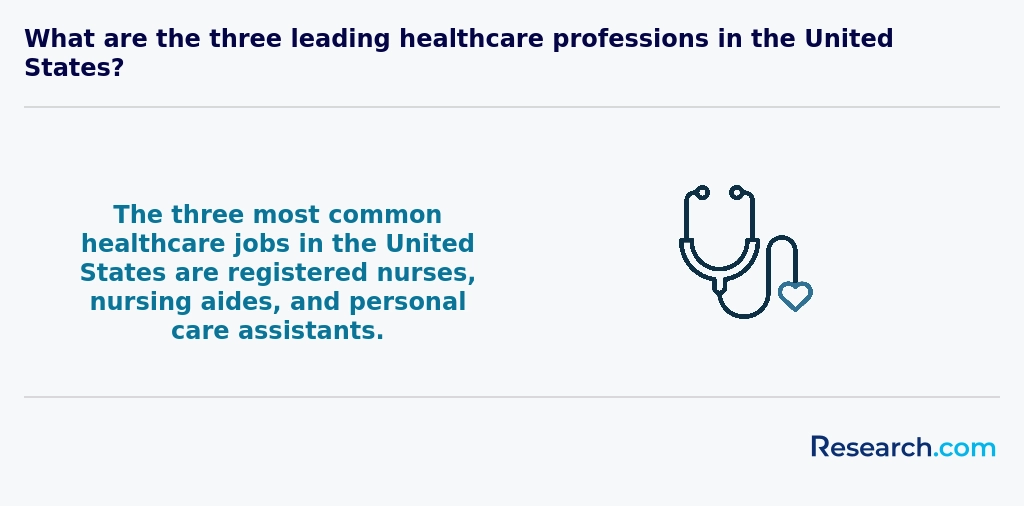
Graduates with an online healthcare degree in Virginia unlock career paths that defy simple expectations. Beyond becoming a registered nurse-a role offering a reliable median salary near $72,000-many find themselves stepping into administrative leadership or specialized technical positions. For instance, those studying at institutions like Virginia Commonwealth University have shared how online programs equipped them to juggle family life while advancing toward roles as healthcare administrators or health information managers. These positions, especially in Virginia's Richmond and Northern Virginia regions, often surpass $100,000 a year, highlighting the substantial financial upside.
Other career options reflect the state's evolving healthcare needs: medical and health services technicians, public health professionals engaging in community outreach, and therapy assistants leveraging associate degrees as launching points. Students keen on swift advancement may explore 1 year masters programs usa to deepen expertise. This range of opportunity captures the essence of online healthcare degree career options Virginia offers-dynamic, flexible, and aligned with local market demands.
The job market for those with online healthcare degrees in Virginia is notably robust and evolving, especially for graduates from well-known institutions like George Mason University and Old Dominion University. Many graduates recount opportunities in metropolitan hubs such as Richmond and Northern Virginia, where healthcare employers actively seek professionals with both clinical expertise and tech-savvy skills. The increasing integration of telehealth and digital health solutions has expanded openings for graduates ready to work remotely or in hybrid settings, reflecting a modern healthcare landscape.
For students considering their future paths, understanding healthcare degree employment outlook Virginia is crucial. The state's aging population and diversified communities drive steady demand for nurses, administrators, and allied health workers, with average RN salaries near $73,000. This growth has motivated several online learners to pursue specialized roles or advance through easiest master's programs to get into, finding career advancement more accessible than expected.
2027 Most Affordable Online Healthcare Degree Programs Ranking in Virginia
Investing in your education is a significant decision that can profoundly impact your future, and the Research.com team is keenly aware of the importance of making well-informed choices. To support prospective students in Virginia, we have carefully developed the "2027 Most Affordable Online Healthcare Degree Programs Ranking in Virginia." Our dedication to quality, credibility, and accuracy is demonstrated through thorough research and rigorous analysis performed to assemble this ranking.
We utilized the following reputable data sources to ensure a comprehensive evaluation of affordable online healthcare programs:
By exploring this ranking, readers will gain valuable insights into the most affordable options for online healthcare degrees in Virginia, helping them make confident and informed decisions about their educational investments. For more information about how we created this ranking, please visit our Research.com methodology page.




# 13 position
Mary Baldwin University
Master of Healthcare Administration


# 16 position
Mary Baldwin University
RN to BSN
# 17 position
University of Management and Technology
Bachelor of Health Administration


Frequently Asked Questions About healthcare
Virginia offers diverse online healthcare degree programs, and students can maximize their learning by engaging actively with digital resources and faculty. Utilizing virtual simulations and interactive case studies enhances practical skills crucial for healthcare careers. According to the Virginia Department of Health, hands-on experience is vital due to the state's growing demand for healthcare professionals, which is expected to increase by 18% by 2028.
Building a strong network through online forums and study groups helps students exchange knowledge and stay motivated. Taking advantage of state-recognized clinical placement opportunities further bridges theory and practice. Maintaining consistent communication with academic advisors ensures alignment with Virginia's licensure requirements.
Emerging niches within the healthcare field offer promising opportunities for students pursuing online degrees in Virginia. One rapidly growing area is telehealth, which expanded significantly during the COVID-19 pandemic and continues to transform patient care delivery. According to the Virginia Hospital & Healthcare Association, telehealth usage increased by more than 300% from 2019 to 2021.
Another important niche is health informatics, focusing on managing patient data and improving healthcare systems through technology. The U.S. Bureau of Labor Statistics projects a 17% growth in healthcare data analyst jobs by 2030.
Additionally, gerontology is becoming critical due to Virginia's aging population, with nearly 16% of residents aged 65 and older, according to the U.S. Census Bureau.
After completing an online healthcare degree in Virginia, it is crucial to build a strong professional profile to succeed in the job market. First, obtaining relevant state licensure or certification based on your specific healthcare field is mandatory, as Virginia requires credentials like RN licensure or medical coding certification for many roles.
Networking plays a vital role. Joining local healthcare associations such as the Virginia Nurses Association or attending virtual job fairs can enhance connections. According to the Bureau of Labor Statistics, healthcare jobs in Virginia are expected to grow by 16% from 2022 to 2032, creating diverse opportunities.
Additionally, gain practical experience through internships or volunteer work, enhancing both skills and your resume. Keeping skills current with continuing education ensures competitiveness in Virginia's evolving healthcare market.
Employers in Virginia seek healthcare graduates with strong clinical skills and effective communication. According to the Virginia Department of Health, proficiency in patient care, critical thinking, and adaptability ranks highly among job requirements.
Technical skills like electronic health record (EHR) management are increasingly important due to the rise of digital healthcare systems. A survey by the Virginia Healthcare Workforce Coalition noted that 85% of employers prioritize graduates familiar with healthcare technology.
Additionally, teamwork and cultural competency are essential, reflecting Virginia's diverse patient population. Employers favor candidates who can collaborate across interdisciplinary teams and provide inclusive care.
Finding healthcare internships in Virginia while pursuing an online degree requires proactive research and networking. Start by exploring healthcare facilities in Virginia, such as the University of Virginia Health System and Inova Health System, which frequently offer internship programs. Many hospitals and clinics collaborate with local colleges, providing students with hands-on experience.
Utilize Virginia's state resources like the Virginia Department of Health's website, which lists opportunities in public health and clinical settings. Additionally, online students should leverage their university's career services for internship placement assistance and virtual fairs.
According to the Virginia Employment Commission, healthcare occupations are projected to grow 19% from 2020 to 2030, increasing internship availability. Early applications and tailored resumes focused on healthcare skills improve chances of securing positions.
Obtaining an online healthcare degree in Virginia can significantly enhance career mobility and advancement opportunities. The state's growing healthcare sector, driven by an aging population and expanding medical facilities, demands qualified professionals. According to the Virginia Employment Commission, healthcare occupations are projected to grow by 16% through 2030, faster than the national average.
Online degrees enable working professionals to gain new skills without interrupting their careers, facilitating promotions or transitions into specialized roles such as healthcare management or informatics. Accredited online programs also meet Virginia's licensure requirements, ensuring graduates remain competitive in the local job market.
Employers increasingly value candidates with flexible, accessible education paths combined with practical experience, a trend well supported by modern online healthcare degrees.
Studying for an online healthcare degree in Virginia equips students with skills essential for interdisciplinary roles by emphasizing collaboration across various healthcare fields. Virginia's programs often include coursework in communication, healthcare policy, and ethics, which are critical in coordinating patient care among professionals. According to the Virginia Department of Health, over 25% of healthcare jobs in the state require teamwork skills.
Many Virginia institutions integrate case studies and virtual simulations to mirror real-world healthcare settings, fostering practical interdisciplinary experience. This approach prepares graduates for roles in hospitals, clinics, and community health organizations where working alongside physicians, nurses, and administrators is common.
Additionally, Virginia's growing healthcare sector, projected to increase jobs by 12% by 2030 (Bureau of Labor Statistics), demands versatile professionals capable of navigating diverse healthcare environments efficiently.
Choosing between a thesis and a non-thesis healthcare degree program in Virginia depends on your career goals and learning preferences. Thesis programs emphasize research and critical analysis, ideal if you aim for doctoral studies or research-focused roles in healthcare. Non-thesis options focus on practical skills and coursework, suitable for those pursuing clinical or administrative positions.
Virginia is home to several accredited online healthcare programs offering both tracks, such as those reported by the Virginia Department of Education. In 2023, healthcare jobs in Virginia grew by 5%, highlighting the need for skilled practitioners with applicable experience.
Consider time commitment too: thesis programs often require more time due to research projects. Evaluate your own schedule and desired outcomes carefully.
Students based in Virginia seeking to study healthcare abroad through online programs have several options. Many U.S. institutions partner with international universities to offer joint or dual healthcare degrees that meet U.S. accreditation standards. This allows students to gain global perspectives without leaving Virginia.
Virginia ranks among states with strong healthcare education support, reflected in state policies encouraging international collaborations. According to the Virginia Department of Education, over 10% of healthcare programs include distance learning components, making international study more accessible.
Popular fields for study include nursing, public health, and healthcare administration, with programs often available from European and Canadian universities that comply with U.S. licensure requirements. Students should verify program accreditation through agencies like the Commission on Collegiate Nursing Education (CCNE) or the Council on Education for Public Health (CEPH).
Scholarships and financial aid for international online study are limited but growing, with some Virginia institutions providing guidance for federal financial aid eligibility when studying abroad virtually.
Part-time job opportunities in Virginia that complement healthcare degree education often include roles such as medical assistants, certified nursing assistants (CNAs), and pharmacy technicians. These positions provide practical experience relevant to many healthcare fields. For example, the Virginia Employment Commission reports that healthcare support roles are among the fastest-growing part-time jobs in the state.
Working in clinics, hospitals, or long-term care facilities allows students to develop essential patient care and administrative skills. Additionally, Virginia offers a broad demand for home health aides due to its aging population, making this an excellent avenue for hands-on learning linked to healthcare studies.
Students can also explore internships or volunteer positions in public health departments, gaining experience in community health efforts that align with many healthcare programs. These roles support both educational and professional growth without conflicting with academic schedules.
Online healthcare students in Virginia have multiple opportunities to build professional networks despite the virtual nature of their programs. Many accredited institutions offer virtual events, workshops, and webinars that connect students with peers, faculty, and healthcare professionals.
Additionally, students can join statewide professional organizations such as the Virginia Nurses Association and the Virginia Healthcare Executives Forum, which offer student memberships and networking events. According to the Virginia Employment Commission, healthcare is among the state's fastest-growing sectors, emphasizing the importance of professional connections for job placement and career advancement.
Some universities facilitate regional meetups or clinical placements within Virginia, providing in-person networking opportunities essential for gaining hands-on experience and local industry contacts.
Alumni networks play a crucial role for students pursuing online healthcare degrees in Virginia. These networks connect current students with graduates who have practical experience in the state's diverse healthcare sector. According to the Virginia Department of Health, approximately 713,000 people are employed in healthcare-related jobs statewide, making networking essential for career advancement.
Online students can access mentorship opportunities that guide them through Virginia's licensing requirements and job market challenges. Alumni often share job leads and advice on navigating healthcare roles in hospitals, clinics, and public health organizations.
Most Virginia universities with online healthcare programs support active alumni groups, which help students build professional contacts and enhance employment prospects locally and nationwide.
Virginia offers flexible online healthcare degree programs allowing students to tailor their education according to specific career goals. Many institutions provide specialization options such as nursing, health administration, or public health, enabling targeted skill development.
Students can often select elective courses, internships, or certificate add-ons aligned with industry demands in Virginia's growing healthcare market. For instance, the Virginia Employment Commission projects a 15% increase in healthcare jobs by 2030, especially for nursing and allied health roles.
Additionally, online programs may include transfer credits or accelerated tracks to accommodate working professionals' schedules, improving customization.
Choosing accredited Virginia institutions ensures coursework meets regional licensure and certification requirements.
Online healthcare students in Virginia often face challenges related to clinical placement availability. Due to strict state regulations, securing in-person clinical hours can be difficult, especially in rural areas where healthcare facilities are limited. According to the Virginia Department of Health Professions, waiting times for clinical slots have increased in recent years.
Another common challenge is balancing coursework with work and family responsibilities. Many students in healthcare programs are working adults, which can make time management more complex. Technical difficulties with online platforms also impact learning, with about 30% of students reporting connectivity or software issues, based on a 2023 EDUCAUSE survey.
Lastly, maintaining engagement and motivation in a remote setting can be tough without direct interaction with instructors and peers, which is vital in healthcare education.
With an online healthcare degree in Virginia, you can pursue several professional certifications to boost your career. Common certifications include Certified Medical Assistant (CMA), Registered Health Information Technician (RHIT), and Certified Professional in Healthcare Quality (CPHQ).
Many programs align with national certifying bodies such as the American Association of Medical Assistants or the American Health Information Management Association. Virginia's Department of Health supports workforce development through these credentials, which improve job prospects and salary potential.
Healthcare roles in Virginia are growing steadily, with a 12% projected increase in healthcare employment through 2030, according to the Virginia Employment Commission. Earning certifications alongside your degree can help you stand out in this competitive market.
To write a winning application for an online healthcare program in Virginia, start by thoroughly researching programs accredited by recognized bodies like the Commission on Collegiate Nursing Education (CCNE) or the Accreditation Council for Education in Nutrition and Dietetics (ACEND). Virginia has a growing healthcare sector, with the Virginia Employment Commission projecting a 15% increase in healthcare jobs by 2030. Highlight relevant work experience and volunteer service, especially within Virginia's diverse urban and rural areas. Be clear and concise in your personal statement, showing commitment to healthcare improvement in the state. Strong letters of recommendation from healthcare professionals can also boost your application.
Healthcare careers are valued worldwide for their impact on public well-being and the economy. In the United States, including Virginia, healthcare occupations are among the fastest growing fields. According to the U.S. Bureau of Labor Statistics, healthcare jobs are expected to grow by 16% from 2021 to 2031, much faster than the average for all occupations.
Globally, there is increased demand for qualified healthcare professionals due to aging populations and emerging health challenges. In Virginia, the healthcare sector accounts for over 10% of total employment, reflecting its significant role in the state's economy (Virginia Employment Commission, 2023).
Online healthcare degrees help meet this demand by providing flexible, accessible education options. For students in Virginia, pursuing an online healthcare degree can offer credentials recognized both nationally and internationally, opening doors to diverse career paths.
Gaining practical experience is essential for online healthcare students in Virginia. Many programs require clinical rotations or internships at local healthcare facilities. Virginia's established healthcare network, including top hospitals like Inova Health System and Sentara Healthcare, provide diverse opportunities for hands-on learning.
Students often partner with these organizations to complete state-mandated clinical hours while studying remotely. Additionally, some schools collaborate with Virginia Department of Health for community-based experiences. According to the Virginia Healthcare Workforce Data Center, healthcare employers actively seek graduates with practical skills, making internships a valuable asset.
Online learners can also gain experience through simulation labs and telehealth practicums, which are increasingly integrated into curricula to mirror real-world conditions.
Choosing the right concentration within an online healthcare degree program in Virginia requires understanding your career goals and the local job market. The Virginia Employment Commission reports strong growth in fields like nursing, healthcare administration, and health informatics. Researching concentrations that align with these areas can improve employment prospects.
Consider factors such as certification requirements and internship opportunities linked to each concentration. For example, nursing specialties may require clinical hours and state licensing, while healthcare management focuses more on administrative skills.
Review program curricula and reach out to advisors to ensure courses match your interests and the demands of Virginia's healthcare industry.
- 2027 Most Affordable Online Healthcare Degree Programs Ranking in West Virginia
- 2027 Most Affordable Online Healthcare Degree Programs Ranking in Maryland
- 2027 Most Affordable Online Healthcare Degree Programs Ranking in North Carolina
- 2027 Most Affordable Online Healthcare Degree Programs Ranking in Tennessee
- 2027 Most Affordable Online Healthcare Degree Programs Ranking in Kentucky
- 2027 Most Affordable Online Healthcare Degree Programs Ranking in Pennsylvania
- 2027 Most Affordable Online Healthcare Degree Programs Ranking in South Carolina
- 2027 Most Affordable Online Healthcare Degree Programs Ranking in Ohio
- 2027 Most Affordable Online Healthcare Degree Programs Ranking in New Jersey
- 2027 Most Affordable Online Healthcare Degree Programs Ranking in New York
See What Experts Have To Say About Studying Healthcare
Read our interview with Healthcare experts

- Health Sciences Study Abroad Programs - Healthcare Abroad https://www.ceastudyabroad.com/academic-discipline/health-sciences
- Know more about thesis vs non- thesis: what is the difference? https://studyfans.com/en/blogs/816
- Client Challenge https://www.springerpflege.de/nursing-graduates-perceived-future-career-pathway-and-career-shi/50653658
- Advancing Your Career in Healthcare: Tips and Strategies https://www.sunshinecarenetwork.com/blog/advancing-your-career-in-healthcare-tips-and-strategies
- How a Strong Alumni Network Can Benefit Students https://www.pacificu.edu/blog/how-strong-alumni-network-can-benefit-students
- Healthcare Degrees https://teach.com/online-ed/healthcare-degrees/
- Niche Markets in Healthcare: How to Find & Target https://nechayadvisors.com/blog/niche-markets-in-healthcare
- The impact of postgraduate education on career advancement in healthcare https://sets.com.ua/journals/vol-3-no-2-2024/the-impact-of-postgraduate-education-on-career-advancement-in-healthcare
- Earn to Learn https://southside.edu/earn-learn
- Technical & Healthcare Trade Schools | Centura College https://centuracollege.edu/