2027 Most Affordable Online Healthcare Degree Programs Ranking in West Virginia

Co-Founder and Chief Data Scientist
Considering a healthcare degree can open doors to a rewarding and stable career, especially here in West Virginia. Choosing the right program is key to your success, and that's where this article can help.
We present the 2027 Most Affordable Online Healthcare Degree Programs Ranking in West Virginia, developed by the Research.com team of data scientists. This ranking offers clear insights to guide you toward programs that balance quality and affordability.
By reading, you'll gain valuable information to make confident decisions about your education and future.
Key benefits of getting online healthcare degree in West Virginia
- Salary for healthcare degree graduates: Graduates can expect competitive wages, such as a Medical Assistant earning around $43,350 annually, or a Quality Improvement Coordinator making over $103,000 per year, reflecting strong financial prospects in the healthcare field.
- Career paths: Graduates from West Virginia University pursue diverse roles like Patient Care Technician or Health Information Technician, opening doors to meaningful work that impacts patient health and healthcare systems locally and beyond.
- Online degree benefits: Earning a healthcare degree online from institutions like West Virginia University allows flexible scheduling, enabling students to balance work and study while advancing their careers without relocating or losing income.
- 2027 Most Affordable Online Healthcare Degree Programs Ranking in West Virginia
- What can I expect from online healthcare degree in West Virginia?
- Where can I work with online healthcare degree in West Virginia?
What can I expect from online healthcare degree in West Virginia?
The average cost of an online healthcare degree in West Virginia varies but generally ranges between $10,000 and $25,000, depending on the institution and level of study. Graduates from West Virginia University and Marshall University often share how this investment feels manageable when balanced with working part-time or full-time. Their stories echo a common theme: affordability paired with flexibility transforms uncertainty into opportunity.
Many find the cost reasonable compared to traditional programs, especially given the ability to study remotely while maintaining employment in rural areas facing healthcare shortages. Online nursing or public health students at these universities describe navigating coursework alongside their daily responsibilities, appreciating how tuition aligns with the value of gaining licensure and clinical experience locally.
Cost discussions often overshadow the practical benefits: opening doors to careers in underserved West Virginia communities where healthcare workers are urgently needed. This financial commitment becomes more meaningful when framed by the tangible impact graduates witness in their workplaces and neighborhoods.
Where can I work with online healthcare degree in West Virginia?
Graduates from online healthcare programs at institutions like West Virginia University often find themselves stepping confidently into hospital roles that demand both skill and compassion. Picture working as a registered nurse at Charleston Area Medical Center, where every day brings the chance to impact lives in meaningful ways. This is not just a job; it's a calling that combines technical expertise with human connection.
Many alumni also choose outpatient clinics, thriving in dynamic settings that require adaptability. Imagine navigating the fast-paced environment of diagnostic medical sonography, supported by the solid foundation from your online degree. These positions highlight how modern healthcare priorities shift toward prevention and early diagnosis.
Long-term care centers, vital in a state with an aging population, offer rewarding careers where empathy and patience are as crucial as clinical skills. Graduates working in nursing homes reported deeply fulfilling experiences in elder care, proving that healthcare degrees open doors beyond traditional hospital walls.
Public health roles in West Virginia's governmental agencies provide yet another meaningful path, allowing online degree holders to influence community well-being on a larger scale, blending education and administration with grassroots impact.
Graduates from online healthcare programs at institutions like West Virginia University or Marshall University quickly find that their degrees translate into tangible earnings within the state. For instance, many who enter roles such as Medical Assistant or Clinical Research Coordinator start with average annual salaries around $43,350. This level of income, while modest, often provides a strong foundation for those committed to growing their careers.
Others, especially those specializing as Patient Care Technicians, report salaries closer to $60,790, reflecting both the demand and critical nature of their work in West Virginia's healthcare systems. Health Information Technicians earn similarly, around $43,380 annually, anchoring the essential back-office roles that keep healthcare efficient.
What stands out is the significant jump seen in roles like Quality Improvement Coordinator, with wages surpassing $100,000 per year. Graduates moving into such positions confirm that advanced certifications combined with local experience can unlock paths to rewarding salaries.
These examples dispel the myth that online healthcare degrees limit earning potential-graduates often feel empowered by the flexibility and relevance their education offers in West Virginia's evolving healthcare job market.
- West Virginia offers a variety of online healthcare programs including nursing, health administration, public health, and allied health fields.
- Tuition for online bachelor's degrees in nursing or health sciences ranges from $8,000 to $15,000 per year at public state schools, with lower rates for residents.
- The average starting salary for healthcare graduates in West Virginia is about $45,000 annually, increasing to between $55,000 and $75,000 with experience.
- Employment in healthcare occupations in West Virginia is expected to grow by around 10% over the next decade, faster than the national average.
- Most online healthcare programs in West Virginia are accredited, ensuring quality and eligibility for financial aid and licensure.
Completing an online healthcare degree in West Virginia often surprises students because the timeline is more flexible than many expect. While an associate degree usually takes about 2 years of full-time study, many graduates from popular schools like West Virginia University appreciate the ability to balance work and family by extending their study over a longer period without penalty.
Bachelor's degrees, typically planned for around 4 years, can be accelerated through degree completion programs or bridge tracks such as RN-to-BSN, reducing the journey to 1 or 2 years for those with prior healthcare experience. Graduates frequently describe these options as empowering, allowing them to advance their careers swiftly without sacrificing income.
Master's degree programs, like WVU's online Master of Health Administration, showcase the range of pacing-some finish in just under two years, while others take up to 3, depending on personal pace and clinical requirements. Many students find that transfer credits and semester schedules significantly impact how soon they can cross the finish line, making careful planning essential.
Succeeding in an online healthcare degree program not only requires academic commitment but also a proactive approach to managing your time, leveraging available resources, and engaging with your peers and instructors. Begin by establishing a structured study schedule that mirrors traditional classroom settings, ensuring you set aside regular time for coursework, assignments, and self-assessments. Taking advantage of digital tools, such as productivity apps and virtual planners, can help keep you organized and on track. It’s equally important to participate in online discussion forums and networking events to build relationships that may support both your academic and professional journey. Many students find exploring options like the cheapest healthcare schools in west virginia extremely beneficial, as these institutions often provide robust support services including academic advising, career counseling, and tech assistance. Lastly, setting realistic goals and regularly reviewing your progress can help you adapt your learning strategies for continuous improvement, ensuring you maintain both motivation and momentum throughout your program.
Choosing between online and on-campus healthcare degrees in West Virginia often comes down to lifestyle and local access. Graduates from West Virginia University recall the freedom of completing coursework remotely, fitting studies around demanding shifts at rural clinics or family needs. This flexibility is a game changer, especially when travel to Morgantown's campus can be a two-hour drive through mountain roads.
On-campus programs at institutions like Marshall University offer the tangible benefit of hands-on labs and immediate face-to-face mentorship. Graduates frequently highlight how practicing clinical skills alongside peers in Huntington built their confidence in ways online platforms can struggle to replicate.
Yet, even with on-campus advantages, some students from Shepherd University point out the extra costs and logistical challenges of commuting, housing, and parking. For many, the online option reduces stress, helps balance family and work, and still connects them with essential clinical placements across West Virginia's healthcare network.
These differences shape not just how students learn, but how they experience their healthcare journey, making the decision deeply personal within West Virginia's unique geography and community realities.
Accredited programs meet rigorous standards for curriculum, faculty qualifications, and student outcomes-critical factors for licensure and employer recognition in West Virginia. Before enrolling, verify:
- Regional accreditation by agencies recognized by the U.S. Department of Education
- Programmatic accreditation from bodies such as CCNE (nursing), CAHIIM (health informatics), or CAAHEP (allied health)
- Approval by the West Virginia Board of Examiners to ensure eligibility for state licensure
Always confirm accreditation on the institution’s website or the Department of Education database. Many accredited options in coding and billing also qualify for financial support through medical coding and billing classes online with financial aid.
The average cost of an online healthcare degree in West Virginia is around $29,470, offering a more accessible path than many anticipate. Students from well-regarded institutions like West Virginia University and Marshall University often share a sense of relief and pride in managing these more affordable educational expenses, especially compared to the soaring out-of-state costs exceeding $100,000. This affordability directly influences their motivation and the confidence they have in completing their degrees without overwhelming debt.
Imagine a graduate from a popular healthcare program balancing studies with work and family life, finding that West Virginia's tuition rates allow them to focus on mastering their skills rather than financial stress. The median in-state total cost of approximately $42,374 may still represent investment, but many students creatively leverage financial aid or employer tuition reimbursement to ease this burden. This exemplifies how affordable online healthcare degree programs West Virginia can create impactful opportunities where quality and cost balance effectively.
Despite some skepticism about online degrees, those who have completed healthcare programs often highlight their practical preparation and competitive edge in local healthcare markets. For students exploring options, considering the cheapest healthcare schools in West Virginia reveals viable paths that challenge assumptions about prohibitively expensive education, proving that dedication combined with smart choices leads to success and fulfillment in healthcare careers.

As you explore affordable online healthcare degree programs in West Virginia, it’s essential to plan your next steps carefully. This section highlights actionable strategies for prospective students to ensure a successful educational journey and seamless transition into the healthcare field. First, review your career goals and compare the curriculum details, support services, and experiential learning opportunities each institution offers. Consider reaching out to advisors for guidance regarding program accreditation and outcome statistics to gauge long-term benefits. To further enhance your educational prospects, consider expanding your expertise by exploring additional specialized fields. For example, pairing your current studies with a health care administration degree could open up new leadership opportunities in healthcare management and policy. Taking advantage of networking events, internships, and mentorship programs can also play a vital role in shaping a robust professional profile. Finally, stay updated with industry trends and emerging technologies that are shaping modern healthcare. This proactive approach not only positions you as a competitive candidate in the job market but also equips you with a versatile skill set to thrive in different healthcare environments.
Many students pursuing online healthcare degrees in West Virginia find that financial aid is not just a convenience but a lifeline. Graduates from institutions like West Virginia University and Marshall University often share how securing a Federal Pell Grant through FAFSA provided vital support, covering substantial tuition costs without the stress of repayment. These grants can reach up to $7,395 annually, making a tangible difference in a student's budgeting.
Beyond federal aid, the West Virginia Higher Education Grant offers a crucial advantage for residents attending state schools online. Imagine a student juggling work and family, relieved by several thousand dollars in state grant aid that keeps their dream of working in healthcare alive.
Scholarships such as the Nursing Scholarship Program add another layer of hope. Graduates frequently describe feeling empowered by scholarships that not only reduce financial burdens but also connect them to a network of future healthcare professionals committed to serving West Virginia communities.
For working adults, employer tuition assistance transforms possibilities. A nurse returning to school online at a West Virginia college often views this support as a strategic investment in their career growth, deeply motivating them to excel.
Lastly, institutional aid from online colleges is an often-overlooked resource. Students who proactively engage with financial aid offices unlock personalized aid packages that reflect their unique circumstances, proving that careful exploration of available options can turn financial challenges into achievable goals.
Navigating an online healthcare degree program requires not just a solid curriculum but also proactive strategies to ensure academic and professional success. Students who wish to excel should consider establishing a dedicated study schedule, actively engaging with available virtual support services, and connecting with peers for collaborative learning opportunities. Utilizing digital tools like calendar apps and study planning software can help manage coursework and clinical responsibilities effectively. Moreover, taking advantage of regular feedback from faculty and participating in virtual study groups can enhance comprehension and retention of complex healthcare topics. For insight into affordable programs with strong student support, consider reviewing the cheapest healthcare schools in west virginia, which provide detailed resources on balancing academic demands with personal development. Implementing these success strategies not only paves the way for academic achievements but also establishes a strong foundation for a thriving career in healthcare.
Enrolling in an online healthcare degree program in West Virginia demands more than just ambition; it requires clear academic and practical foundations. Graduates from prominent institutions like West Virginia University often recall how a solid high school diploma or GED was their first hurdle. Biology, chemistry, and math classes weren't merely checkboxes-they built essential frameworks for understanding complex healthcare topics later on.
Transcripts and sometimes standardized test scores like the SAT remain standard requirements, though seasoned applicants with prior college credits or work experience may see these waived. Imagine a student at Marshall University whose hands-on CNA experience allowed her to bypass certain exams, accelerating her path to a bachelor's.
More advanced programs, such as nursing tracks at Fairmont State, expect knowledge in anatomy or medical terminology, reinforcing how critical foundational science skills are. Coupled with computer literacy for navigating online platforms, these prepare students for rigorous digital learning environments.
Then there's the reality of clinical placements, essential to West Virginia's healthcare education. Graduates mention how immunization proofs and background checks weren't just formalities but vital to entering hospital settings safely. This blend of academic rigor and safety compliance defines the true readiness for healthcare careers here.

Calculating the return on investment is crucial when evaluating online healthcare degrees. On average, an in-state bachelor’s program in West Virginia costs roughly $32,769, while out-of-state tuition can reach $78,276. Graduates enter roles such as Patient Care Technicians ($55,860/year) and Health Information Technicians ($41,260/year), which can lead to a break-even point within 2–4 years of full-time work. Beyond entry-level positions, advancing to nurse practitioner or healthcare manager roles can increase salaries to over $95,000 annually, shortening ROI timelines and boosting lifetime earnings. Prospective students should also compare cost structures and outcomes across states-for instance, see our Low Cost Online Healthcare Degree Programs Ranking in Mississippi for additional context. By weighing tuition, living expenses, and average starting salaries, students can project their ROI and make informed decisions about investing in an online healthcare education in West Virginia.
Online healthcare degree programs in West Virginia challenge students not only to grasp foundational knowledge but to apply it within the state's distinct healthcare landscape. Graduates from institutions like West Virginia University often recount how courses in human anatomy and medical terminology transformed abstract concepts into skills they use daily in rural clinics. These courses go beyond theory, grounding students in the realities of a population facing chronic diseases unique to the region.
Healthcare ethics and law classes prompt deeper reflection on the moral dilemmas faced in communities where resources are tight and decisions impact vulnerable populations. One graduate described how studying healthcare management prepared them to navigate the complexities of hospital administration amid West Virginia's ongoing public health challenges.
Additionally, public health courses focused on epidemiology equip students to combat prevalent conditions such as diabetes and heart disease through community outreach initiatives. The increasing emphasis on health informatics prepares learners for the growing role of telemedicine, a lifeline in West Virginia's rural towns, fostering a sense of hope and purpose in their chosen careers.
Online healthcare degree specializations in West Virginia challenge the assumption that all health programs focus solely on direct patient care. While nursing remains a cornerstone-ranging from RN to BSN pathways and advanced roles like Nurse Practitioner-students often find themselves drawn to areas reflecting the state's unique needs. Graduates from major institutions like West Virginia University describe feeling empowered by programs addressing rural health disparities, public health, and health information management as these fields directly impact communities grappling with opioid addiction and limited healthcare access.
Exploring healthcare career options online West Virginia reveals an array of paths beyond traditional roles. Many students appreciate how Allied Health specializations such as radiologic technology or respiratory therapy are offered, opening doors to vital yet sometimes overlooked professions. Others are inspired by specialized training in healthcare administration, where leadership skills merge with industry insights to shape better care delivery systems. For those intrigued by this blend, the health care administration degree stands out as a vital option that mirrors the evolving demands of West Virginia's healthcare landscape.
Choosing the best online healthcare degree in West Virginia means looking beyond surface-level features like price or brand name. Graduates from well-regarded programs at West Virginia University and Marshall University often emphasize the value of accreditation and curriculum relevance-making sure the program aligns with current healthcare demands and offers specializations that truly resonate with personal career goals. For many, affordability is not just about tuition sticker price but understanding total costs, including hidden fees, which West Virginia's public institutions often keep lower due to in-state tuition benefits.
Flexibility in course delivery is another critical factor, especially for those juggling family or work. Real stories from students show how asynchronous courses at local colleges help balance life, while maintaining rigorous, competency-based outcomes. Equally important are practical components: clinical placements or virtual simulations designed to fit West Virginia's rural context can make or break the experience.
For a well-rounded decision, compare programs using concrete data like graduation rates and job placement, available from resources such as the West Virginia Higher Education Policy Commission. To see excellent examples of affordable healthcare programs West Virginia offers, explore the Low Cost Online Healthcare Degree Programs Ranking in Mississippi, which provides insights applicable across the region.
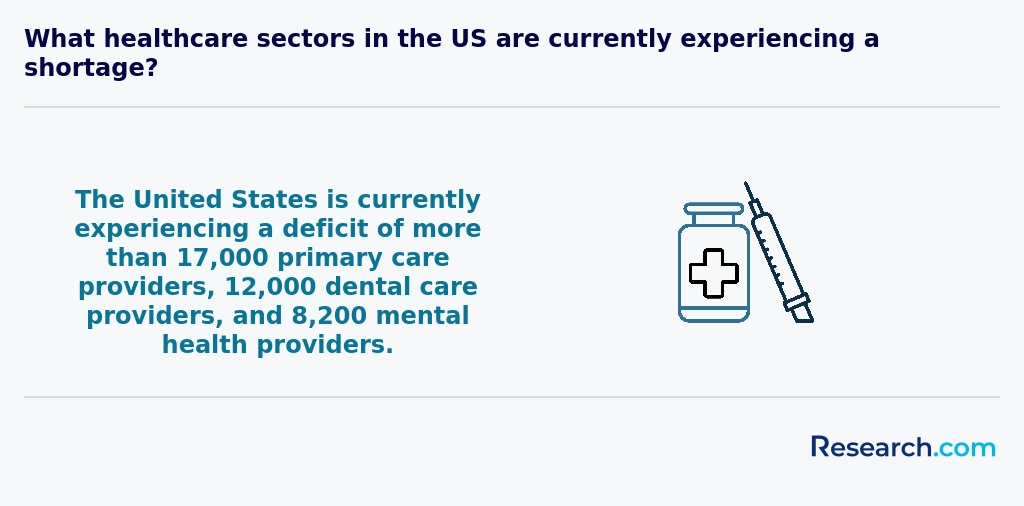
Graduates with an online healthcare degree in West Virginia often find nursing as one of the most rewarding and immediate career paths. Whether aiming to become Registered Nurses or Nurse Practitioners, many find themselves working in rural communities where healthcare access is limited. Popular universities such as West Virginia University equip students with hands-on skills and prepare them rigorously for the NCLEX-RN exam, turning their online study into impactful, life-saving roles. This illustrates how a digital education can tangibly transform healthcare delivery across the state, offering graduates deep professional fulfillment.
Beyond nursing, healthcare administration presents another dynamic avenue. Graduates from institutions like Marshall University discover opportunities in hospital management and health informatics, where organizational skills meet critical decision-making. These roles challenge the traditional expectation that healthcare must focus solely on clinical care and highlight how a healthcare degree opens doors to leading systemic improvements. Such career options underscore the varied possibilities within healthcare career options West Virginia online offers.
Many graduates also pursue allied health fields such as radiologic technology or respiratory therapy, finding jobs that blend technical expertise with patient interaction. Public health roles further broaden this spectrum, especially given West Virginia's chronic disease challenges. Students from popular colleges in the state often praise online programs for their flexible structure, which allows balancing study with real-world application. If you want to accelerate your entry into the workforce, consider exploring best 6-month certificate programs that pay well online-these can complement your degree and rapidly boost your career.
The job market for graduates holding online healthcare degrees in West Virginia is uniquely shaped by the state's urgent need for healthcare professionals, especially in rural and medically underserved areas. Many who have completed their studies through popular West Virginia institutions find themselves stepping into roles where their skills have immediate, tangible impact, such as registered nursing or health information management, fulfilling vital community needs. This creates not just jobs, but meaningful careers that support the health of the state's population.
Graduates from online healthcare programs often highlight the advantage of flexibility during their education paired with strong local employment prospects, reinforcing the value of pursuing an education rooted in West Virginia's healthcare landscape. The West Virginia healthcare degree employment outlook is promising, with projected growth rates surpassing the national average. Those who have earned their credentials here appreciate how their training directly contributes to solving workforce shortages locally, making their work both financially viable and personally rewarding.
Cost sensitivity is another factor influencing decisions for many prospective students. West Virginia's public universities generally offer competitive tuition for online healthcare degrees, making it an attractive option compared to national averages. Financial aids and scholarships further reduce obstacles, encouraging sustained commitment to this challenging but fulfilling field. For a deeper exploration of valuable programs, consider reviewing this list of top college degrees for older adults online, which includes healthcare pathways relevant in West Virginia and beyond.
Ultimately, the strength of online healthcare job opportunities West Virginia presents is a testament to how education and community needs intersect. Graduates emerging from programs in the state not only find jobs-they find purpose in serving their neighbors, adapting flexibly to evolving demands, and growing professionally in a rapidly expanding sector.
2027 Most Affordable Online Healthcare Degree Programs Ranking in West Virginia
Investing in your education is a significant decision that can shape your future, and the Research.com team understands the importance of making informed choices. To assist prospective students in West Virginia, we have carefully developed the "2027 Most Affordable Online Healthcare Degree Programs Ranking in West Virginia." Our dedication to quality, credibility, and accuracy is evident in the thorough research and analysis performed to compile this ranking.
We utilized the following reputable data sources to ensure a comprehensive evaluation of affordable online healthcare degree programs:
By exploring this ranking, readers will gain valuable insights into affordable healthcare degree options that fit their needs and budget, enabling them to make confident and informed educational decisions. For more information about how this ranking was created, please visit our Research.com methodology page.


Frequently Asked Questions About healthcare
Students pursuing online healthcare degrees in West Virginia can enhance their learning by actively engaging with digital resources and virtual study groups. Utilizing the state's robust online libraries and healthcare databases, such as those offered through West Virginia University, provides valuable access to current research and clinical guidelines.
Hands-on learning remains essential; students should seek local healthcare facilities for internships or practicums that align with their programs. West Virginia's healthcare sector faces unique challenges, including a shortage of rural healthcare workers, so practical experience in diverse settings can be especially beneficial.
Time management and consistent communication with instructors also support academic success in online environments.
Emerging niches within the healthcare field are increasingly important for students pursuing online healthcare degrees in West Virginia. One rapidly growing area is telehealth, which allows healthcare providers to deliver services remotely. In West Virginia, telehealth usage expanded by over 50% during recent years, driven by rural healthcare needs and state support initiatives.
Another niche is healthcare informatics, focusing on managing patient data and improving healthcare systems through technology. Demand for professionals in this area is expected to grow due to ongoing digital transformation.
Additionally, gerontology is gaining attention as West Virginia's population ages, with the state ranking among the highest in the U.S. for residents over 65, according to the U.S. Census Bureau. This trend creates opportunities in elder care management and related services.
After completing an online healthcare degree in West Virginia, preparing for the job market involves several strategic steps. Start by obtaining relevant certifications and licenses specific to your healthcare field, as these are often required for employment. According to the West Virginia Department of Health and Human Resources, licensure ensures compliance with state regulations and increases job prospects.
Networking is vital; join professional organizations such as the West Virginia Healthcare Association to connect with employers and peers. Additionally, gaining hands-on experience through internships or volunteer work in West Virginia healthcare facilities can improve practical skills. Finally, use state job boards like WorkForce West Virginia, which reported healthcare as a top employment sector in 2023, to locate job openings.
Employers in West Virginia seeking healthcare degree graduates prioritize a mix of clinical expertise and soft skills. According to the West Virginia Center for Nursing, strong communication skills are essential, as healthcare professionals frequently interact with diverse patient populations.
Critical thinking and problem-solving abilities are also highly valued, helping graduates make effective decisions in complex care settings.
Given the state's rural healthcare challenges, adaptability and cultural competence are important to serve under-resourced communities effectively.
Additionally, proficiency with electronic health records (EHR) systems is increasingly demanded, reflecting national healthcare digitization trends highlighted by the U.S. Bureau of Labor Statistics.
Finding internships in West Virginia related to healthcare degrees involves combining research with proactive networking. Start by exploring partnerships between your online program and local healthcare providers, as many universities maintain connections with hospitals, clinics, and public health organizations.
West Virginia's healthcare sector employs over 188,000 workers, offering diverse internship possibilities in rural and urban settings, according to the West Virginia Department of Commerce. Look for opportunities at major institutions like Charleston Area Medical Center or the West Virginia University Health System.
Use platforms like Handshake and the West Virginia Board of Examiners for your profession to find listings. Contact career services at your school for guidance and regional resources. Volunteering can also open doors to internships by building local contacts.
Obtaining an online healthcare degree in West Virginia can significantly enhance career mobility and advancement for professionals in the state's growing healthcare sector. West Virginia faces a substantial demand for qualified healthcare workers, with the state projected to add over 7,600 healthcare jobs by 2030, according to the West Virginia Department of Commerce.
Online programs offer flexible learning schedules, allowing current workers to upskill without leaving their positions. Degrees such as nursing, health administration, or public health often open pathways to leadership roles or specialized clinical positions.
Moreover, many West Virginia employers recognize accredited online degrees, facilitating professional growth and salary increases. These credentials can also support eligibility for state licensure and certifications, essential for career progression in healthcare.
Studying for an online healthcare degree in West Virginia equips students with skills needed for interdisciplinary roles through a curriculum that integrates clinical knowledge, healthcare management, and communication.
West Virginia's healthcare education programs emphasize teamwork among various professionals, such as nurses, social workers, and physicians, reflecting the state's high demand for coordinated care due to a complex population health profile.
According to the West Virginia Center for Nursing, the state faces critical workforce shortages, making interdisciplinary collaboration essential to improve patient outcomes efficiently.
Students learn to navigate electronic health records, evidence-based practices, and social determinants of health, which prepare them to work in diverse healthcare environments.
When choosing between a thesis and a non-thesis healthcare degree program in West Virginia, consider your career goals carefully. Thesis programs emphasize research and typically prepare students for doctoral studies or research-intensive roles.
Non-thesis options focus more on practical skills and coursework, making them suitable for students aiming directly for clinical or administrative positions in healthcare facilities.
According to the West Virginia Center for Nursing, the state faces a growing demand for healthcare professionals, especially in rural areas, where practical experience can be highly valued.
Additionally, thesis programs usually require more time and commitment, which might affect working professionals balancing study and job responsibilities.
Review curriculum details, faculty expertise, and the program's alignment with your long-term plans before deciding.
Students in West Virginia seeking to study healthcare abroad online have limited direct options through international programs. Most US universities offering online healthcare degrees, including those in West Virginia, focus on domestic licensure and curriculum standards. However, some schools provide partnerships with foreign institutions or global clinical experiences.
West Virginia's healthcare workforce faces shortages; in 2023, the state ranked 47th nationally in healthcare access according to the Kaiser Family Foundation. This creates strong local demand for qualified professionals.
For students wanting international exposure, enrolling in US-accredited online programs with global health components or study-abroad opportunities during on-campus residencies may be the best approach.
Part-time job opportunities in West Virginia can effectively complement healthcare degree education, providing practical experience and networking within the state's healthcare sector. Popular roles include medical assistants, certified nursing assistants (CNAs), and patient care technicians. These positions offer hands-on experience vital for understanding clinical settings.
According to the West Virginia Bureau of Employment Programs, healthcare support occupations are projected to grow by around 20% through 2030. This growth reflects increasing demand for healthcare services in both rural and urban areas.
Additionally, administrative roles in healthcare facilities, such as medical office assistants, can develop essential organizational skills. Such jobs often offer flexible hours suitable for part-time study.
Volunteering with local health organizations or hospitals also enhances resumes and provides exposure to community health initiatives prevalent in West Virginia's Appalachian region.
Online healthcare students in West Virginia have several networking opportunities despite studying remotely. Many universities offer virtual student organizations and healthcare-focused discussion groups. For example, West Virginia University supports online learners with access to professional groups tied to nursing, public health, and allied health careers.
The state's healthcare industry is growing, with the Bureau of Labor Statistics projecting a 9% increase in healthcare employment through 2032. This growth encourages partnerships between schools and local hospitals, clinics, and public health agencies, providing students with internships and virtual networking events.
Additionally, regional healthcare conferences and webinars often welcome online students, offering valuable chances to connect with professionals statewide.
Alumni networks play a crucial role for students pursuing online healthcare degrees in West Virginia by offering valuable professional connections and mentoring opportunities. Given the state's healthcare workforce shortages-West Virginia faces a 28% higher demand for healthcare professionals than the national average according to the Health Resources and Services Administration-these networks help graduates find relevant job openings and internships more easily.
Through online platforms and regional events, alumni stay connected, providing guidance on certifications and licensure specific to West Virginia. This support is especially beneficial for remote learners who might lack in-person networking opportunities.
Research shows students engaged with alumni networks report higher employment rates within six months of graduation, underscoring these groups' importance.
Customizing an online healthcare degree program in West Virginia involves selecting concentrations or electives that match your career goals. Many West Virginia colleges offer specializations such as public health, health informatics, or nursing administration to tailor your education.
The state's growing demand for healthcare professionals, especially in rural areas, means focusing on community health or management can improve job prospects. Institutions accredited by bodies like the Commission on Collegiate Nursing Education ensure quality and recognition.
Additionally, students can benefit from flexible course schedules and internships with local healthcare providers. According to the West Virginia Department of Health and Human Resources, customized training aligns with workforce needs, improving employment outcomes.
Online healthcare students in West Virginia commonly face connectivity issues due to the state's rural geography. According to the Federal Communications Commission, nearly 21% of West Virginia residents lack access to high-speed internet, impacting students' ability to participate smoothly in virtual classes. Additionally, many students struggle with balancing clinical practice requirements alongside work and family obligations. The hands-on nature of healthcare training can be challenging to coordinate when institutions are distant.
Licensing and accreditation complexities also arise. Students must ensure their online programs meet West Virginia Board of Examiners' standards to qualify for local clinical placements. Financial constraints further affect persistence, as the state's median income remains below the national average, making tuition and related expenses significant barriers.
With an online healthcare degree, students in West Virginia can pursue several valuable professional certifications that enhance their career prospects. Common options include Certified Nursing Assistant (CNA), Registered Nurse (RN) licensure, and Health Information Technician certifications. For those interested in administration, the Certified Healthcare Administrator (CHA) credential is relevant. Additionally, certifications like the Certified Medical Coding Specialist (CMCS) or Certified Professional Coder (CPC) are attainable after completing healthcare informatics programs.
West Virginia's healthcare sector emphasizes nursing and allied health roles, where certified professionals fill over 70% of openings, according to the West Virginia Department of Health and Human Resources. These certifications validate expertise and improve employment opportunities statewide.
Writing a winning application for an online healthcare program in West Virginia requires clear focus and preparation. Start by thoroughly researching programs accredited by the Council on Education for Public Health or Commission on Accreditation of Allied Health Education Programs, as accreditation matters for career prospects.
Highlight relevant experience, such as volunteer work or employment in local healthcare facilities. West Virginia faces health workforce shortages, according to the Health Resources & Services Administration, making practical experience a plus.
Craft a personal statement that reflects your motivation to serve communities with healthcare needs, emphasizing West Virginia's unique challenges with chronic diseases. Strong letters of recommendation from healthcare professionals or professors can also strengthen your application.
Finally, ensure all transcripts and test scores meet program requirements and are submitted punctually.
The global outlook on healthcare careers highlights the increasing demand for skilled professionals due to aging populations and expanding access to medical services. In the United States, healthcare is among the fastest-growing job sectors, with the Bureau of Labor Statistics projecting a 16% growth rate from 2021 to 2031. West Virginia reflects this trend, where rural healthcare shortages make trained professionals vital for community health.
Online healthcare degrees offer flexibility to meet these needs, allowing students to gain credentials recognized nationally. This aligns with global efforts emphasizing intercultural competence and technology integration in healthcare education.
Gaining practical experience while studying for an online healthcare degree in West Virginia is crucial for career readiness. Many programs incorporate clinical placements or internships in local healthcare facilities across the state. These experiences allow students to apply theoretical knowledge in real-world settings, often coordinated by the school. West Virginia's healthcare system, which faces a shortage of skilled professionals, offers opportunities in hospitals, clinics, and community health centers.
Additionally, students can seek volunteer work or part-time roles in healthcare organizations. According to the West Virginia Department of Health & Human Resources, clinical experience improves employability and licensure success. Online programs typically support students in finding nearby sites that meet degree requirements.
Choosing the right concentration within an online healthcare degree program in West Virginia requires careful consideration of local healthcare needs and job market trends. West Virginia consistently ranks among states with high demand for healthcare professionals, particularly in rural areas, making concentrations like nursing, public health, and healthcare administration especially relevant.
Research from the West Virginia Department of Health and Human Resources highlights a growing need for mental health specialists and home healthcare providers. Prospective students should evaluate their interests alongside workforce data to align their studies with in-demand roles.
Additionally, accreditation and program flexibility matter. Verify that programs are accredited by recognized bodies such as the Commission on Collegiate Nursing Education or the Council on Education for Public Health to ensure quality education and eligibility for licensure.
Cost and duration, along with access to clinical placements or practicums in West Virginia healthcare settings, also influence the best fit for students balancing work and study.
- 2027 Most Affordable Online Healthcare Degree Programs Ranking in Virginia
- 2027 Most Affordable Online Healthcare Degree Programs Ranking in Ohio
- 2027 Most Affordable Online Healthcare Degree Programs Ranking in Kentucky
- 2027 Most Affordable Online Healthcare Degree Programs Ranking in Pennsylvania
- 2027 Most Affordable Online Healthcare Degree Programs Ranking in Maryland
- 2027 Most Affordable Online Healthcare Degree Programs Ranking in North Carolina
- 2027 Most Affordable Online Healthcare Degree Programs Ranking in Tennessee
- 2027 Most Affordable Online Healthcare Degree Programs Ranking in South Carolina
- 2027 Most Affordable Online Healthcare Degree Programs Ranking in New Jersey
- 2027 Most Affordable Online Healthcare Degree Programs Ranking in Michigan
See What Experts Have To Say About Studying Healthcare
Read our interview with Healthcare experts

- Healthcare Assistant Cover Letter Templates | myPerfectCV https://www.myperfectcv.co.uk/cover-letter/examples/healthcare-assistant-cover-letter
- Trends and opportunities in healthcare across emerging markets - Inizio https://inizio.com/insights/trends-and-opportunities-in-healthcare-across-emerging-markets/
- The Top Healthcare Careers in West Virginia - Jobs, Salary and Training https://medicalfieldcareers.com/healthcare-careers-west-virginia/
- Networking in Medicine: Build Lasting Connections l Windsor https://www.windsor.edu/networking-in-medicine-building-relationships-from-day-one/
- 6 Tips On Networking For Medical Professionals https://aaams.net/blog/how-to-network-in-the-medical-field-nurses/
- West Virginia Online Medical Assistant Certificate Program | Self-Paced Course https://www.uscareerinstitute.edu/online-medical-assistant-school/west-virginia
- Online Healthcare Degree Programs | University of Phoenix https://www.phoenix.edu/online-healthcare-degrees.html
- Is an Online Degree the Same as a Traditional Degree | Online Degree https://www.cambridgehealth.edu/online-degrees/get-an-online-degree/is-an-online-degree-the-same-as-a-traditional-degree/
- How to choose a bachelor's in healthcare administration | edX https://www.edx.org/resources/how-to-choose-a-bachelors-in-healthcare-administration
- How a Strong Alumni Network Can Benefit Students https://www.pacificu.edu/blog/how-strong-alumni-network-can-benefit-students