2027 Fastest Online Healthcare Degree Programs Ranking in Grand Rapids, MI

Co-Founder and Chief Data Scientist
Choosing the right healthcare degree program can shape your future, especially in a city like Grand Rapids. This article introduces the 2027 Fastest Online Healthcare Degree Programs Ranking in Grand Rapids, MI, carefully created by the Research.com team of data scientists. It's designed to help you find programs that combine speed, quality, and flexibility.
Exploring these options can open doors to rewarding careers that make a real difference. Whether you're starting out or advancing your education, this guide supports your journey toward success.
Key benefits of getting online healthcare degree in Grand Rapids
- Healthcare degree graduates in Grand Rapids can expect competitive salaries, such as Medical Assistants earning about $43,350 annually and Quality Improvement Coordinators making over $103,000 per year.
- Graduates from local institutions often find diverse career paths including roles like Patient Care Technicians or Health Information Technicians, offering rewarding opportunities in patient support and data management.
- Online healthcare degrees provide flexibility and accessibility, allowing students to balance life and work while earning valuable credentials recognized by employers in Grand Rapids' healthcare community.
- Key benefits of getting online healthcare degree in Grand Rapids
- What can I expect from online healthcare degree in Grand Rapids?
- Where can I work with online healthcare degree in Grand Rapids?
- How much can I make with online healthcare degree in Grand Rapids?
- 2027 Fastest Online Healthcare Degree Programs Ranking in Grand Rapids, MI
- Key Findings
- How long does it take to complete online healthcare degree in Grand Rapids?
- Accreditation and Professional Recognition
- What's the difference between online and on-campus healthcare degree?
- Student Support and Resources for Online Healthcare Students
- What is the average cost of online healthcare degree in Grand Rapids?
- Student Support and Community Engagement
- What financial aid is available to online healthcare degree students in Grand Rapids?
- Accreditation and Licensing Requirements
- What are the prerequisites for enrolling in online healthcare degree program in Grand Rapids?
- Student Support and Success Resources
- What courses are typically in online healthcare degree programs in Grand Rapids?
- What types of specializations are available in online healthcare degree programs in Grand Rapids?
- How do you choose the best online healthcare degree in Grand Rapids?
- What career paths are available for online healthcare degree students in Grand Rapids?
- What is the job market for online healthcare degree in Grand Rapids?
- Top Trending Healthcare Rankings
- See What Experts Have To Say About Studying Healthcare
What can I expect from online healthcare degree in Grand Rapids?
The average cost of an online healthcare degree in Grand Rapids varies, but many students find the tuition to be competitively priced compared to national averages. Graduates from notable local institutions often recall manageable tuition combined with accessible financial aid options that helped ease their journey. For example, many programs at universities in the Grand Rapids area keep expenses reasonable while maintaining a strong focus on quality education and practical training.
Students often highlight how these costs reflect not just coursework but also the required clinical experiences completed locally at hospitals like Spectrum Health or Mercy Health-Saint Mary's. This hands-on approach adds real value, making the investment feel worthwhile as students gain confidence entering the workforce. The balance of affordability and comprehensive education allows learners to pursue their degrees without excessive financial stress, fostering a positive learning environment that supports both personal and professional growth in healthcare careers.
Where can I work with online healthcare degree in Grand Rapids?
Graduates with online healthcare degrees from institutions like Grand Rapids Community College and Davenport University find a wide spectrum of career paths throughout the city's thriving healthcare sector. Many begin their journeys in well-established hospitals such as Spectrum Health Butterworth or Mercy Health Saint Mary's, where their skills in nursing, health informatics, or medical coding are immediately valuable. These environments provide hands-on learning that complements their online studies, creating confidence and practical readiness.
Others transition smoothly into outpatient centers or long-term care facilities, where the growing demand for compassionate patient care creates fulfilling opportunities. Graduates often share how meaningful it feels to support the elderly in home healthcare or hospice roles, directly impacting quality of life in their communities.
Additionally, the local government and nonprofit sectors open doors to public health program management and policy planning, allowing students to apply their knowledge beyond clinical settings. These varied paths reflect the flexible, adaptable nature of healthcare degrees, enabling graduates to find rewarding roles that match their passions and strengths right here in Grand Rapids.
How much can I make with online healthcare degree in Grand Rapids?
Graduates from healthcare programs in Grand Rapids often find that their online degrees open doors to rewarding careers with respectable salaries. For instance, many who completed programs at local institutions like Grand Rapids Community College or Davenport University have secured roles as medical assistants, earning a mean annual wage of around $43,350. This reliable starting point is encouraging for those entering the field.
Others who pursued degrees in health information technology discover they can expect similar earnings, with mean wages close to $43,380 per year, reflecting a steady demand for skilled technicians in local healthcare systems such as Spectrum Health.
Those who aimed higher, studying to become patient care technicians, often report a rewarding jump in income, with average salaries near $60,790 annually. This increase aligns well with the hands-on experience gained through clinical rotations integral to Grand Rapids area colleges.
More ambitious graduates who took online routes towards coordinator roles, like clinical research or quality improvement, have seen varied outcomes. Clinical research coordinators typically earn around $43,350 yearly, while quality improvement coordinators stand out with much higher compensation, averaging $103,150 annually, showcasing the growth potential of specialized leadership roles.
Overall, local graduates often express satisfaction knowing their online education translates into practical, well-paying opportunities shaped by Grand Rapids' healthcare landscape and its supportive community employers.
2027 Fastest Online Healthcare Degree Programs Ranking in Grand Rapids, MI
How do we rank schools?
Investing in your education is a significant decision that can shape your future, and the Research.com team understands the importance of making informed choices. To assist prospective students in Grand Rapids, MI, we have meticulously crafted the "2027 Fastest Online Healthcare Degree Programs Ranking in Grand Rapids, MI." Our commitment to quality, credibility, and accuracy is reflected in the extensive research and analysis conducted to compile this ranking.
We utilized the following reputable data sources to ensure a comprehensive evaluation of healthcare degree programs:
By exploring this ranking, readers will gain valuable insights into the fastest online healthcare degree programs available in Grand Rapids, MI, enabling them to make well-informed decisions about their academic and professional future. For more details on our methodology, please visit our Research.com methodology page.


Key Findings
- Online healthcare degrees in Grand Rapids typically cost between $15,000 and $30,000 for a bachelor's program.
- Entry-level healthcare professionals in the area earn about $50,000 per year, with mid-career salaries rising to $75,000-$90,000.
- The healthcare job market in Grand Rapids is growing at an estimated rate of 15% over the next decade.
- Available online programs are accredited and often require local clinical or practicum experience.
- Flexible and accelerated online tracks allow working adults to pursue degrees without interrupting their careers.
How long does it take to complete online healthcare degree in Grand Rapids?
Completing an online healthcare degree in Grand Rapids generally depends on your chosen level and personal circumstances. Graduates from Ferris State University or Grand Valley State University often share that associate degrees, like medical assisting, typically take around two years-perfect for those eager to step into the workforce quickly. Bachelor's degrees, covering areas such as nursing or public health, usually span about four years full-time, though many appreciate accelerated tracks that reduce this to about three years, making the journey feel more manageable alongside work and family.
Many students balancing jobs find part-time options invaluable, extending completion to five or six years without overwhelming stress. Those pursuing advanced degrees, like a Master of Science in Nursing, experience flexible timelines from 18 months to three years, shaped by their course load and prior credits.
Insights from local graduates highlight the importance of understanding credit transfers and program formats. These decisions profoundly affect your timeline and help tailor your experience to fit life in Grand Rapids, where robust healthcare demand encourages practical, adaptable learning paths.
Accreditation and Professional Recognition
Accreditation is a critical factor when evaluating online healthcare degree programs in Grand Rapids, MI, as it ensures academic quality, eligibility for federal financial aid, and alignment with licensure requirements. Most reputable institutions hold regional accreditation through bodies like the Higher Learning Commission (HLC), while programmatic accreditation-such as CAHME for healthcare management or CCNE for nursing-validates specialized curricula. Prospective students should verify that their chosen program meets state licensing board standards and professional certification criteria, which directly impacts employability and career advancement. In addition to accreditation status, look for programs that maintain strong partnerships with local healthcare employers and professional associations. These collaborations often result in clinical practicum opportunities, guest lectures by industry leaders, and expedited hiring pipelines. For those weighing cost alongside recognition, consulting our Most Affordable Online Healthcare Degree Programs Ranking in the West can reveal budget-friendly options that do not compromise on accreditation or educational rigor. Finally, accredited programs typically offer robust support services-such as dedicated academic advisors, career counseling, and state-specific licensure preparation workshops-that guide students through certification exams and job placement. By prioritizing accreditation and professional recognition, you safeguard your investment and strengthen your credentials for a successful healthcare career in Grand Rapids and beyond.
What's the difference between online and on-campus healthcare degree?
Choosing between online and on-campus healthcare degrees in Grand Rapids often comes down to how you balance life and learning. Graduates from local universities frequently share how on-campus programs offered them steady routines, hands-on lab experiences, and close-knit support networks, which felt reassuring during intense clinical rotations.
Meanwhile, those pursuing online degrees appreciated the freedom to study around family or work commitments. For instance, several online students from Grand Rapids colleges managed clinical placements by coordinating with nearby hospitals, blending flexibility with valuable real-world experience. This blend allows many to stay rooted in the community while advancing their careers.
Cost also plays an important role. On-campus programs sometimes bring extra commuting and housing expenses, whereas online degrees can reduce these but may include technology fees. Regardless of format, both paths ensure accredited credentials recognized throughout Grand Rapids and beyond, providing confidence in career prospects and personal growth.
Student Support and Resources for Online Healthcare Students
A standout online healthcare program not only provides exceptional academic content but also robust support services that empower students to succeed both academically and professionally. In top-ranking online programs, students benefit from comprehensive tutoring services, dedicated academic advising, career counseling, and 24/7 technical support that ensures a seamless learning experience. These programs often integrate interactive online platforms with virtual student communities, enabling students to engage with peers, instructors, and alumni networks that foster collaborative learning and career connections. To further enhance their success, many institutions offer personalized mentorship programs and access to digital libraries and research resources that keep students informed on the latest industry trends and breakthroughs. For instance, exploring the fastest online healthcare program in michigan can provide additional insights into how exemplary support services are structured to ensure every student not only thrives in their studies but also rapidly transitions into the workforce with confidence and competence.
What is the average cost of online healthcare degree in Grand Rapids?
The average cost of an online healthcare degree in Grand Rapids is approximately $44,425, making it a reasonably attainable investment for many students seeking to advance their careers locally. Graduates from popular institutions like Grand Valley State University have shared how the balance of quality education and manageable tuition strengthened their confidence in pursuing nursing or public health studies online. These programs often range between $390 and $700 per credit hour, reflecting the mix of public university offerings in the area.
Many students find that the financial burden is eased further by budgeting for additional expenses like technology fees, textbooks, and supplies, which can add a few thousand dollars over the course of their degrees. Despite these extra costs, the overall tuition remains competitive compared to private institutions, where prices can soar up to $1,200 per credit hour. When considering online healthcare degree tuition and fees Grand Rapids MI, it's crucial to appreciate that public universities strive to keep programs affordable, which benefits both in-state and out-of-state learners aiming for flexible study options.
One common experience among recent graduates highlights how financial aid, scholarships, and employer tuition reimbursement dramatically lower out-of-pocket expenses, offering relief and encouragement along the journey. Those interested in continuing their nursing career development often emphasize that these financial resources made their educational goals feel within reach, fueling positive motivation throughout their studies.
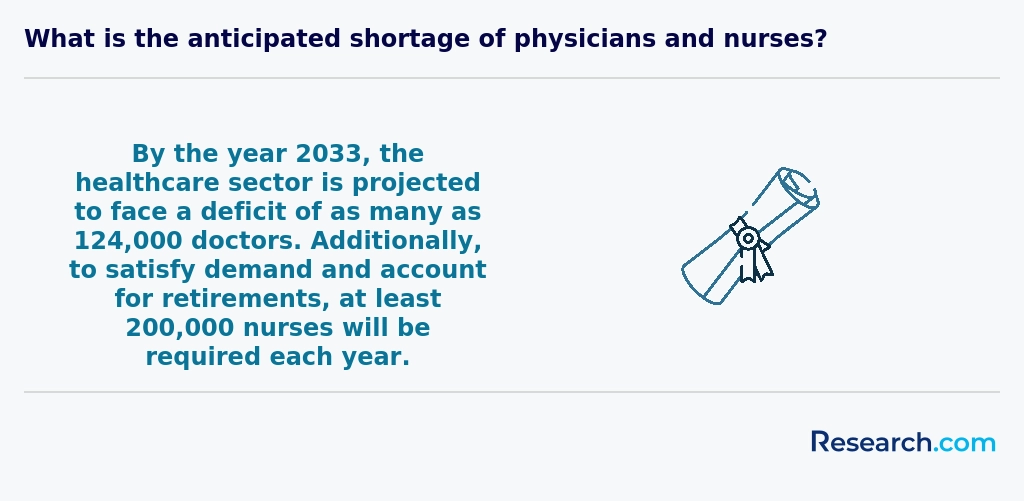
Student Support and Community Engagement
When choosing an online healthcare degree, a robust support system and active digital community can make all the difference in your academic journey and career advancement. Prospective students in Grand Rapids, MI, should look for programs that offer comprehensive academic advising, career counseling, and access to digital libraries and tutoring services. Equally important is the online community-networking forums, virtual study groups, and mentorship programs-that empower students to exchange ideas and experiences. These resources not only enhance your learning experience but also help build professional connections, which are invaluable as you transition into the workforce. For instance, many students recommend exploring the fastest online healthcare program in michigan to see how integrated support systems contribute to academic and professional success. By combining advanced learning tools with dedicated student support, online healthcare programs in Grand Rapids can provide a nurturing environment that fosters both personal growth and career readiness.
What financial aid is available to online healthcare degree students in Grand Rapids?
Many online healthcare students in Grand Rapids find that federal financial aid offers a strong foundation, starting with completing the FAFSA to access Pell Grants, loans, and work-study opportunities. Graduates from institutions like Grand Valley State University often share how Pell Grants, which can provide up to $7,395 annually, eased their tuition burden without the worry of repayment. This support makes pursuing busy nursing or allied health programs far more manageable.
At the state level, Michigan's Tuition Grant and Competitive Scholarship help local students attending private colleges such as Cornerstone University, especially those demonstrating academic merit or financial need. Some alumni recall receiving tuition reimbursements from local healthcare employers who valued their commitment to serving underserved communities in Grand Rapids.
Institutional scholarships and flexible payment plans offered by these universities create additional relief, allowing students to focus on their studies instead of financial stress. Many also tap into private scholarships from nursing foundations, which recognize dedication and specialty interests, bringing both encouragement and monetary support.
Accreditation and Licensing Requirements
Accreditation is the cornerstone of any reputable online healthcare degree program in Grand Rapids, MI, as it guarantees that your education meets rigorous quality standards and qualifies you for professional licensure and certification exams. Most reputable institutions are regionally accredited by the Higher Learning Commission (HLC), ensuring broad recognition of your degree by employers and graduate programs. In addition, programmatic accreditation from bodies such as the Commission on Accreditation for Health Informatics and Information Management Education (CAHIIM) for health informatics or the Council on Education for Public Health (CEPH) for public health specialties further validates curriculum quality and industry alignment. Before enrolling, verify that your chosen program supports eligibility for state licensing or national certification. For example, nursing graduates should select programs approved by the Michigan Board of Nursing, while health information professionals will benefit from CAHIIM-accredited curricula that prepare students for the Registered Health Information Administrator (RHIA) exam. Meeting these accreditation benchmarks not only enhances job prospects across hospitals, clinics, and community health organizations in Grand Rapids but also ensures seamless transferability of credits if you pursue advanced degrees. If you’re exploring cost-effective pathways into public health, consider our comprehensive review of the most affordable online public health degrees, which highlights CEPH-accredited programs designed to balance quality and value. By prioritizing accredited and licensure-aligned programs, you safeguard your investment, accelerate your career readiness, and maintain compliance with evolving healthcare regulations.
What are the prerequisites for enrolling in online healthcare degree program in Grand Rapids?
For those eager to embark on an online healthcare degree in Grand Rapids, understanding the prerequisites is crucial. Graduates often recall that holding a high school diploma or GED is the bare minimum, especially for associate programs at places like Grand Rapids Community College. When advancing to bachelor's or graduate levels through institutions such as Ferris State University's College of Health Professions, having a prior degree is essential-often an associate degree for bachelor's applicants, or a bachelor's degree for graduate hopefuls.
Many students found that strong academic preparation in subjects like biology and chemistry was a confidence booster, smoothing the transition into demanding coursework. While standardized tests like the SAT or ACT are less emphasized for online formats, some programs still weigh prior college performance or professional certifications heavily.
Clinical experience or certifications, such as an LPN license, are commonly appreciated and can elevate your readiness. Local graduates often highlight how these requirements align with real-world healthcare demands, helping them feel prepared and positive about their educational journey in Grand Rapids.
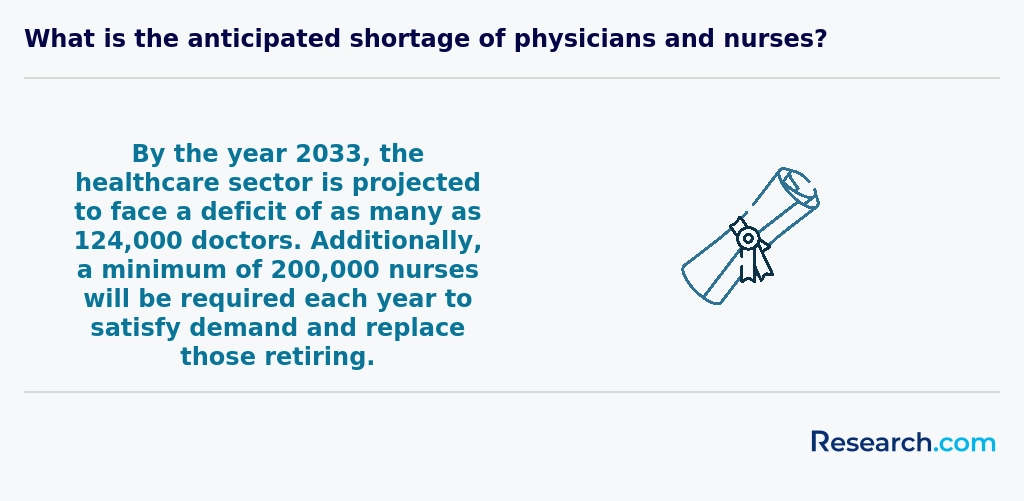
Student Support and Success Resources
One crucial aspect that ties together online education is the robust network of support services that help students thrive both academically and professionally. Many top online healthcare programs in Grand Rapids, MI, now emphasize comprehensive student support which includes dedicated academic advising, technical assistance, career counseling, and peer mentoring. Prospective students should look for programs that offer 24/7 tutoring sessions, virtual orientation events, and online community forums that keep everyone connected. These additional resources provide a smoother transition into the digital learning environment and ensure each student is equipped to overcome challenges unique to online education. For example, some schools integrate personalized coaching to help students navigate course selections and career pathways, including specialized options like an online degree kinesiology to broaden career choices. Enhanced academic support not only improves learning outcomes but also boosts overall student satisfaction, making it a key criterion when comparing healthcare degree programs. Selecting a program with well-rounded support services can be the deciding factor in achieving both short-term academic success and long-term career growth in the healthcare industry.
What courses are typically in online healthcare degree programs in Grand Rapids?
Online healthcare degree programs in Grand Rapids typically include courses that build a solid foundation in areas like human anatomy, physiology, and medical terminology. Graduates often reflect on how mastering these subjects helped them confidently communicate with healthcare teams in local hospitals such as Spectrum Health, where clear understanding of medical language is essential.
Ethics and healthcare law courses carry special weight here, given Michigan's specific regulations. Students appreciate gaining insights into compliance and ethical patient care, which prepares them to navigate real-world scenarios in Grand Rapids' diverse medical settings.
Courses in healthcare management and administration resonate deeply, especially for those aiming to support operations in busy facilities. Graduates recall applying these lessons during internships at major providers, feeling equipped to handle leadership challenges effectively.
Public and community health coursework connects classroom theory to tangible challenges, like addressing chronic illness trends in Kent County. Many find this empowers them to contribute meaningfully to local wellness initiatives.
Healthcare informatics rounds out the typical curriculum, reflecting the city's shift toward digital record-keeping. Students often highlight how this skill improved their job prospects within Grand Rapids' tech-advanced healthcare environment.
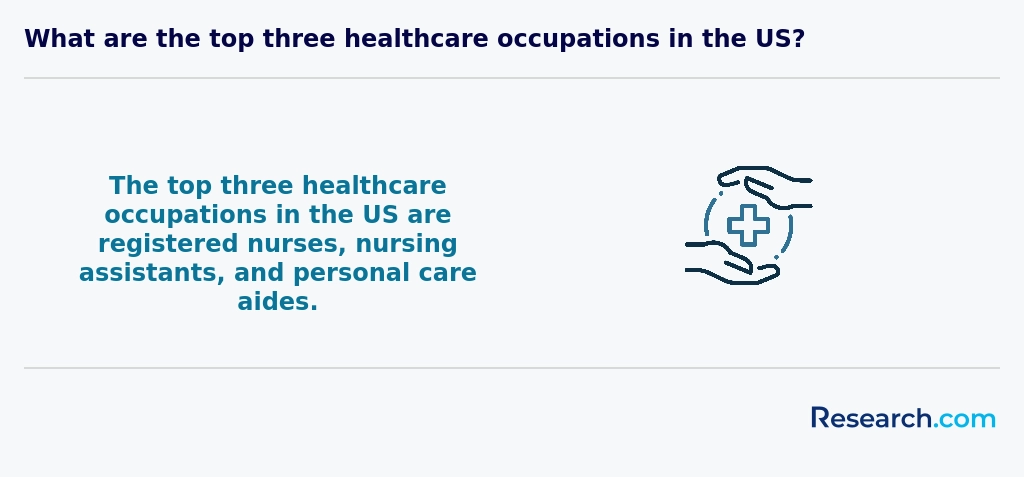
What types of specializations are available in online healthcare degree programs in Grand Rapids?
Online healthcare degree specializations Grand Rapids MI typically cover a broad spectrum of fields, designed to meet growing local demands. Graduates from universities here often recall choosing paths like Nursing, including RN to BSN or Nurse Practitioner tracks, which equip them to address pressing community health needs. Others found their calling in Healthcare Administration, honing leadership skills essential for managing institutions within robust systems like Mercy Health and Spectrum Health.
Available programs also include Public Health, where students engage deeply with health policy and prevention strategies, and Health Informatics, an exciting specialization merging healthcare with technology to improve patient outcomes. A few graduates from popular colleges emphasize how Medical Laboratory Science and Radiologic Technology prepare them for hands-on diagnostic roles, strengthening their connection to the practical side of healthcare.
This diverse range of healthcare degree programs with specializations Grand Rapids appeals to students aiming to balance career advancement and flexibility. Some have reflected on addressing the nurse shortage crisis in Arizona while studying remotely, appreciating the relevance of their education in different regions.
How do you choose the best online healthcare degree in Grand Rapids?
Choosing the best online healthcare degree in Grand Rapids means focusing on programs that blend quality, flexibility, and real-world connections. Graduates from well-known institutions here often reflect on how accreditation was a key factor in their decision. They stress the importance of selecting programs recognized by bodies like CCNE or ACOTE to ensure their education translates smoothly into professional licensing and respected qualifications.
Affordability matters too, especially since healthcare degrees may carry extra costs for clinical experiences. Many students find that comparing tuition alongside scholarship and payment options offered by Grand Rapids colleges helps them avoid unexpected financial stress. Popular schools in the area balance cost and quality, making them a smart choice for those seeking best affordable healthcare degrees Grand Rapids MI can offer.
Graduates consistently highlight the value of programs tailored to specific career goals, whether nursing, healthcare administration, or allied fields. They appreciate when courses incorporate local healthcare practices and employer partnerships, such as those with Spectrum Health. Exploring specializations often leads students toward rewarding paths, much like those curious about gerontology professional careers, which are increasingly in demand.
Flexibility is essential. Successful learners mention how asynchronous classes allowed them to balance work and study, while robust academic support kept them motivated. Choosing a program with strong learner services and connections to Grand Rapids' healthcare community makes the entire journey not only manageable but inspiring.
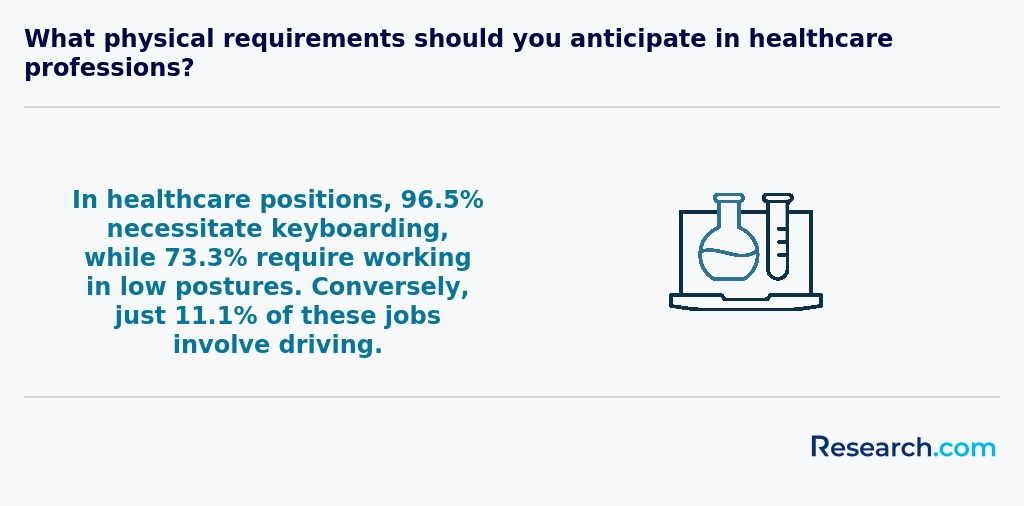
What career paths are available for online healthcare degree students in Grand Rapids?
Graduates holding an online healthcare degree in Grand Rapids find diverse and rewarding career paths that reflect the city's expanding healthcare landscape. Many pursue roles as registered nurses, benefiting from programs offered by Grand Rapids universities that combine flexible online coursework with hands-on clinical experiences locally. This blend empowers graduates to enter the workforce confidently and fill essential nursing positions in leading institutions like Spectrum Health.
Others turn to administrative roles such as health information managers or healthcare administrators, where they apply skills gained online to oversee electronic health records and improve patient services. Grand Rapids's emphasis on digital healthcare solutions makes these careers particularly promising, offering stability and growth aligned with evolving technologies.
Exploring healthcare career opportunities Grand Rapids online programs also supports paths into specialized fields like medical coding and billing or public health. Graduates often share how manageable online formats from local colleges matched their busy lives, sparking personal fulfillment through community-focused work. For students still exploring options, considering the structure of these programs alongside comprehensive guidance-similar to approaches in accounting career paths-can clarify their best fit.

What is the job market for online healthcare degree in Grand Rapids?
The job market for those holding an online healthcare degree in Grand Rapids is encouraging and steadily expanding, reflecting the region's strong healthcare infrastructure. Graduates from institutions popular in Grand Rapids often find rewarding roles in hospitals and community clinics, supported by major employers like Spectrum Health and Mercy Health. These graduates share experiences of feeling well-prepared and optimistic about their career prospects, thanks to the robust education and hands-on learning opportunities they received locally.
Healthcare career growth Grand Rapids Michigan is evident as demand rises for positions in nursing, health informatics, and allied health fields. For example, registered nurses in Grand Rapids earn a median wage around $34.50 per hour, making it a financially attractive path. Many online students appreciate the flexibility to pursue certifications or specialties that align with local employer needs, boosting job market competitiveness.
Job seekers exploring pathways such as nursing can also investigate lpn schools near me Missouri to compare options and certifications that may complement their online healthcare degree journey and expand their career choices.
Frequently Asked Questions About healthcare
Online healthcare degree students in Grand Rapids can enhance their learning by actively engaging with local healthcare resources. Grand Rapids boasts a robust healthcare sector, including top employers like Spectrum Health and Mercy Health, which offer opportunities for virtual internships and networking.
Students should also leverage technology effectively, using advanced online platforms that include interactive simulations and telehealth training. According to the Michigan Department of Health and Human Services, demand for healthcare professionals in Grand Rapids is growing by 15% annually, underscoring the importance of practical skills.
Participating in virtual study groups and connecting with faculty during office hours can also boost understanding. Staying informed about regional healthcare trends and certification requirements helps align studies with local job market needs, increasing career readiness.
The healthcare field in Grand Rapids is rapidly evolving, driven by advances in technology and changing patient needs. Emerging niches include telehealth, which has grown significantly due to increased demand for remote care services. According to the Michigan Department of Health and Human Services, telehealth visits in Grand Rapids rose by over 60% between 2020 and 2023. Another expanding area is health informatics, where professionals analyze data to improve healthcare outcomes.
Geriatric care is also gaining attention due to the aging population in Kent County. Specialized training in this niche helps address chronic conditions affecting older adults. Additionally, behavioral health and mental health services are expanding to meet rising community needs, supported by local initiatives.
Preparing for the job market after completing an online healthcare degree in Grand Rapids requires a strategic approach. Start by obtaining any necessary certifications or licenses relevant to your field, such as Registered Nurse (RN) or Medical Coder credentials. Grand Rapids employers often seek candidates with hands-on experience, so consider internships or volunteer opportunities at local hospitals like Spectrum Health or Mercy Health.
Networking is crucial; joining professional organizations such as the West Michigan Healthcare Executives Forum can connect you with industry leaders. Additionally, utilize Grand Rapids' Michigan Works! agency for job placement assistance and career workshops tailored to healthcare roles.
According to the U.S. Bureau of Labor Statistics, healthcare occupations in Michigan are expected to grow by 10% through 2030, reflecting strong demand in the region.
Employers in Grand Rapids prioritize a blend of technical knowledge and interpersonal skills for healthcare degree graduates. According to data from the Michigan Department of Labor and Economic Opportunity, strong clinical competencies paired with effective communication are crucial in this region's growing healthcare sector. Graduates must demonstrate proficiency in patient care, medical technology, and electronic health records (EHR) systems, reflecting the digital integration in local hospitals and clinics.
Critical thinking and problem-solving abilities are also highly valued, as healthcare professionals frequently confront complex cases. Additionally, cultural competency is essential due to Grand Rapids' diverse population, ensuring sensitive and effective patient interaction. These skills together improve employability and career advancement opportunities locally.
Finding internships in Grand Rapids relevant to a healthcare degree involves leveraging local healthcare systems and educational resources. The city hosts major healthcare employers such as Spectrum Health and Mercy Health, which often offer internship programs for students. Checking their official career pages regularly can help identify opportunities. Additionally, institutions like Grand Rapids Community College and Ferris State University partner with local providers to facilitate internships.
Students should also use internship databases like Handshake or the Michigan Department of Labor's job portal, filtering for healthcare roles in Grand Rapids. Networking through professional organizations such as the Michigan Healthcare Association can provide valuable leads and connections.
Obtaining an online healthcare degree can significantly impact career mobility and advancement in Grand Rapids, a city with a growing medical sector. The region's healthcare industry employs over 50,000 professionals, according to the Grand Rapids Chamber of Commerce, creating diverse opportunities for graduates.
Online degrees from accredited US institutions provide flexibility while covering essential skills demanded by local employers like Spectrum Health and Mercy Health. These credentials often lead to higher salaries and eligibility for supervisory roles.
Moreover, online programs frequently offer updated curricula aligned with current healthcare trends, positioning graduates to adapt quickly in this evolving field. This adaptability is key to long-term career growth in Grand Rapids' competitive market.
Studying for an online healthcare degree in Grand Rapids offers students exposure to interdisciplinary skills crucial for today's complex healthcare environment. Local programs often emphasize collaboration among nursing, public health, and healthcare administration, reflecting the region's integrated medical systems like Spectrum Health and Mercy Health.
Institutions incorporate practical case studies and simulations that mimic real-world teamwork, preparing students for roles requiring coordination across various specialties. According to the Grand Rapids Economic Development Office, healthcare employment is projected to grow 15% through 2030, increasing demand for professionals adept at interdisciplinary communication.
This approach helps online learners understand diverse healthcare settings and develop leadership and problem-solving abilities necessary for effective patient care and system management.
When choosing between thesis and non-thesis healthcare degree programs in Grand Rapids, students should consider their career goals carefully. A thesis option often suits those aiming for research roles or doctoral studies, as it requires conducting original research and writing a substantial paper. Non-thesis programs typically focus on practical skills and coursework, appealing to professionals seeking direct entry into healthcare practice or administration.
According to the Grand Rapids Health Department, the region's healthcare sector is rapidly expanding, with a 12% growth projected by 2030. This favors degrees emphasizing applied skills. Additionally, online programs in Grand Rapids offer flexible formats, but thesis options might demand more time commitment for research supervision.
Prospective students should also review program accreditation and faculty expertise to ensure quality education supporting their ambitions.
Students in Grand Rapids exploring options to study healthcare abroad online have several pathways available within the US higher education system. Many accredited universities offer fully online healthcare degrees that enable international study without relocating. This flexibility suits professionals balancing work and education.
Some programs include partnerships with foreign institutions, allowing access to diverse clinical perspectives while maintaining accreditation recognized by US employers. For example, Western Michigan University, located near Grand Rapids, offers online healthcare degrees with opportunities for international clinical externships.
Additionally, licensing requirements for healthcare professions vary by state, so students should verify that online programs align with Michigan's regulations. According to the Michigan Department of Health and Human Services, the state emphasizes practical experience, which may require local arrangements even in international studies.
Grand Rapids offers various part-time job opportunities that effectively complement online healthcare degree studies. Roles such as medical assistants, patient care technicians, and pharmacy aides provide practical experience alongside academic learning. These positions develop essential skills like patient interaction, record keeping, and familiarity with healthcare protocols.
The local healthcare sector is strong, with major employers like Spectrum Health and Mercy Health employing thousands. According to the Michigan Department of Labor, healthcare support occupations in Grand Rapids grew by 5.2% between 2019 and 2023, suggesting increasing opportunities for students.
Part-time work in local clinics and nursing homes also allows students to apply their knowledge in real-world settings, enhancing employability after graduation.
Online healthcare students in Grand Rapids have several valuable networking opportunities despite studying remotely. Many local colleges and universities, such as Grand Valley State University, offer virtual career fairs and online alumni networking events tailored to healthcare disciplines.
The city's strong healthcare sector, including major employers like Spectrum Health and Metro Health, hosts webinars and professional workshops accessible to students. These events enable online learners to connect with healthcare professionals and potential employers in Grand Rapids.
Additionally, students can participate in state-wide nursing and healthcare associations that hold regular virtual meetings, fostering connections across Michigan's healthcare industry. According to the Grand Rapids Chamber of Commerce, healthcare contributes nearly 20% to the local employment sector, indicating ample professional networks for graduates.
Alumni networks play a crucial role for online healthcare degree students in Grand Rapids by offering valuable professional connections. These networks provide access to a broad community of graduates working in local hospitals, clinics, and healthcare organizations.
Such connections can lead to internships, job recommendations, and mentorship opportunities, which are vital in the competitive healthcare field. According to the Michigan Health & Hospital Association, Grand Rapids has over 20 major healthcare employers, increasing the importance of networking for job placement.
Additionally, alumni groups often host events and share continuing education resources, helping students stay current with healthcare trends and regulations in Michigan.
Customizing an online healthcare degree program in Grand Rapids allows students to align their education with specific career goals. Many institutions offer flexible elective options, enabling focus areas like healthcare administration, nursing, or medical informatics. Graduate students often benefit from choosing specialized tracks or certifications to boost employability.
Local healthcare employers in Grand Rapids, including major systems like Spectrum Health, emphasize skills in leadership and technology. Thus, integrating relevant internships and capstone projects into online programs enhances practical experience. According to the Grand Rapids Chamber of Commerce, healthcare is one of the region's largest job sectors, growing steadily by 3.5% annually.
Advisors at online schools typically provide personalized academic planning, helping students balance coursework with work or family commitments. Additionally, some programs offer accelerated formats or part-time study to match varying schedules. This adaptive approach helps students build competencies that align with evolving demands in Grand Rapids's healthcare market.
Online healthcare students in Grand Rapids commonly face challenges related to balancing coursework with personal and professional responsibilities. Many students are working professionals in healthcare roles, making time management a critical concern. According to the Michigan Center for Educational Performance and Information, about 60% of online students in the state juggle employment alongside their studies.
Access to clinical placements is another key difficulty. Healthcare programs require hands-on experience, and local demand for spots in Grand Rapids can delay students' progress. Additionally, some students report limited interaction with instructors and peers, affecting engagement and networking opportunities.
Reliable internet connectivity and suitable study environments also present challenges, especially for students in more rural parts of Kent County. These factors highlight the multifaceted hurdles faced by online learners pursuing healthcare degrees in the region.
With an online healthcare degree, students in Grand Rapids can pursue a variety of professional certifications to advance their careers. Common certifications include Certified Professional in Healthcare Quality (CPHQ), Registered Health Information Technician (RHIT), and Certified Medical Manager (CMM). These credentials are recognized nationally and can open doors to leadership roles in hospitals, clinics, and health systems.
Grand Rapids is home to several healthcare employers, such as Spectrum Health, which often prefer candidates with certifications that demonstrate specialized skills. Earning certifications like the Registered Nurse (RN) license or Certified Coding Specialist (CCS) can be particularly valuable in this market.
Obtaining professional certifications generally requires passing an exam after completing accredited education, many of which align well with online degree programs. According to the U.S. Bureau of Labor Statistics, healthcare occupations near Grand Rapids are projected to grow 15% through 2030, emphasizing the increasing importance of certified professionals.
To write a winning application for an online healthcare program in Grand Rapids, start by clearly demonstrating your commitment to healthcare. Highlight any relevant experience, such as volunteering at local Grand Rapids health centers or internships within Michigan's healthcare system. Admissions committees value connections to community health needs.
Focus on a well-crafted personal statement that explains why you chose healthcare, your career goals, and how the program fits your plans. Use specific examples and mention Grand Rapids' growing healthcare industry, supported by data from the Grand Rapids Chamber of Commerce showing a 5% employment increase in healthcare roles over recent years.
Include strong letters of recommendation, ideally from professionals familiar with your clinical or academic abilities. Finally, ensure all application materials are error-free and submitted before deadlines to reflect professionalism and attention to detail.
Healthcare careers are increasingly valued worldwide due to growing populations and aging demographics. In the United States, and specifically in Grand Rapids, MI, healthcare professions remain among the fastest growing fields. The U.S. Bureau of Labor Statistics projects a 16% growth in healthcare jobs through 2031, much faster than average.
Globally, healthcare workers face challenges like disease outbreaks and technological advances that require continuous learning. Studying healthcare online in Grand Rapids offers access to accredited programs that align with international standards, enhancing career mobility.
According to the West Michigan Health Industry Council, Grand Rapids has a strong healthcare sector, employing over 50,000 people, reflecting ample job opportunities for degree holders.
Gaining practical experience while studying for an online healthcare degree in Grand Rapids involves a combination of local clinical placements and simulation labs. Many accredited programs require students to complete internships or practicum hours in healthcare settings such as hospitals, clinics, or community health centers. Grand Rapids is home to several prominent healthcare providers, including Spectrum Health, which often partners with local programs to offer hands-on training opportunities.
Students can also participate in volunteer work or externships at facilities to enhance their skills. Some universities provide access to virtual simulation tools that replicate clinical scenarios, allowing practice without physical presence. According to the Michigan Department of Health and Human Services, healthcare employment in Kent County grew by 8.5% from 2018 to 2023, indicating ample local opportunities for practical experience in various healthcare roles.
Choosing the right concentration within an online healthcare degree program in Grand Rapids involves understanding local job market demands and your career goals. Healthcare fields such as nursing, health informatics, and public health are growing sectors in Michigan, with the Michigan Department of Labor projecting a 12% job growth in healthcare occupations through 2030.
Consider programs accredited by organizations like the Commission on Collegiate Nursing Education (CCNE) or the Accreditation Council for Pharmacy Education (ACPE), ensuring quality and recognition.
Research salaries and employment opportunities specific to Grand Rapids; for example, registered nurses earn a median annual salary of about $65,000 locally, according to the Bureau of Labor Statistics.
Ultimately, align your concentration with both personal interests and Grand Rapids' healthcare needs to maximize your educational investment and job prospects.
Related Healthcare Rankings for Nearby Cities
- 2027 Fastest Online Healthcare Degree Programs Ranking in Berrien Springs, MI
- 2027 Fastest Online Healthcare Degree Programs Ranking in Milwaukee, WI
- 2027 Fastest Online Healthcare Degree Programs Ranking in Mequon, WI
- 2027 Fastest Online Healthcare Degree Programs Ranking in Chicago, IL
- 2027 Fastest Online Healthcare Degree Programs Ranking in Hammond, IN
- 2027 Fastest Online Healthcare Degree Programs Ranking in Fort Wayne, IN
- 2027 Fastest Online Healthcare Degree Programs Ranking in Toledo, OH
- 2027 Fastest Online Healthcare Degree Programs Ranking in Bowling Green, OH
- 2027 Fastest Online Healthcare Degree Programs Ranking in Romeoville, IL
- 2027 Fastest Online Healthcare Degree Programs Ranking in Joliet, IL
Top Trending Healthcare Rankings
See What Experts Have To Say About Studying Healthcare
Read our interview with Healthcare experts

References
- 25 Highest Paying Online Degrees in Healthcare | Best Online Medical Degrees https://www.collegeconsensus.com/online/highest-paying-online-medical-degrees/
- Tips for Pursuing a Career in Healthcare - Penn-Mar https://www.penn-mar.org/tips-for-pursuing-a-career-in-healthcare/
- Online Medical Programs at CHCP - Start Now! https://www.chcp.edu/degrees-certificates/online/
- Interdisciplinary Education and Practice https://www.aacnnursing.org/news-data/position-statements-white-papers/interdisciplinary-education-and-practice
- Niche Market Opportunities Research Among Healthcare Professionals (A Decision Analyst Case History https://www.decisionanalyst.com/casestudies/nichemarketopportunities/
- Online Healthcare & Medical Certification Training Programs https://medcerts.com/programs/healthcare/
- 6 Tips On Networking For Medical Professionals https://aaams.net/blog/how-to-network-in-the-medical-field-nurses/
- Thesis vs. Non-Thesis Master's Programs: Which is Right for You? https://potomac.edu/thesis-vs-non-thesis-masters/
- The Role of Interdisciplinary Studies in Medical Career Training https://georgia-med.com/the-role-of-interdisciplinary-studies-in-medical-career-training.html
- Niche Markets in Healthcare https://ultrariskadvisors.com/niche-markets-in-healthcare/