2027 Best Online Healthcare Degree Programs Ranking in Kentucky

Co-Founder and Chief Data Scientist
Exploring your options for online healthcare degrees in Kentucky? This article offers a carefully researched 2027 Best Online Healthcare Degree Programs Ranking in Kentucky created by the Research.com team of data scientists. It's designed to help you find programs that truly stand out and match your goals.
Whether you're starting fresh or advancing your career, choosing the right degree is key. Reading this guide can give you confidence and clarity as you take steps toward a rewarding future in healthcare.
Investing in your education is an exciting journey, and this ranking supports you every step of the way.
Key benefits of getting online healthcare degree in Kentucky
- Healthcare degree graduates in Kentucky can expect competitive salaries, such as Medical Assistants earning around $43,350 annually and Patient Care Technicians making about $60,790 per year, offering strong financial stability early in their careers.
- Graduates from universities like the University of Kentucky often pursue diverse careers including Clinical Research Coordinator, Health Information Technician, or Quality Improvement Coordinator, providing many exciting opportunities to grow and specialize.
- Online healthcare degrees from respected institutions like Eastern Kentucky University offer flexible scheduling and allow students to balance work and life, making education easier and more accessible without sacrificing quality.
- 2027 Best Online Healthcare Degree Programs Ranking in Kentucky
- What can I expect from online healthcare degree in Kentucky?
- Where can I work with online healthcare degree in Kentucky?
What can I expect from online healthcare degree in Kentucky?
When it comes to the average cost of an online healthcare degree in Kentucky, students often find a welcoming balance between quality and affordability. Many graduates from universities like the University of Kentucky and Western Kentucky University recall feeling relieved by the manageable tuition rates, especially compared to out-of-state options. In-state tuition typically falls within a range that allows students to pursue their dreams without overwhelming debt, making education feel like an exciting opportunity rather than a financial burden.
Imagine a busy parent juggling work and studies-these online programs offer flexibility and cost-effectiveness, often paired with scholarships and grants tailored for Kentucky healthcare students. This combination lets many learners focus on what matters most: gaining practical skills and advancing their careers in nursing, public health, or administration.
From heartening stories of paying off tuition while working part-time to the thrill of starting clinical practice near home without sky-high expenses, Kentucky's online healthcare degrees deliver a dream within reach.
Where can I work with online healthcare degree in Kentucky?
Graduates with an online healthcare degree in Kentucky find themselves stepping into a world brimming with possibilities. From the bustling halls of University of Kentucky HealthCare to the dynamic environments at Norton Healthcare, these graduates dive into roles like nursing, healthcare administration, and health information management, bringing real impact to thriving hospital systems.
Some discover excitement working in growing outpatient care centers and clinics, managing teams or supporting patients directly-roles becoming increasingly vital thanks to Kentucky's focus on preventive care. Others feel rewarded contributing in long-term care facilities, supporting Kentucky's aging population through nursing management and rehabilitation.
Exploring beyond traditional settings, many graduates embrace adventurous careers in public health agencies or community health organizations, applying skills gained online to shape health education and disease prevention locally. Even insurance and pharmaceutical sectors call on these professionals for their sharp insights into healthcare policies, making a meaningful difference statewide-all showing how online degrees open doors to vibrant, impactful careers across Kentucky.
Graduates from online healthcare programs in Kentucky often discover exciting earning opportunities just after finishing their degrees. For example, a graduate from the University of Kentucky's online Health Information Technology program might step into a role as a Health Information Technician, earning a mean annual wage of around $43,380. Imagine balancing life while gaining this solid start to your career!
Similarly, those pursuing hands-on careers such as Patient Care Technicians-popular choices among online learners at institutions like Western Kentucky University-can expect mean salaries near $60,790. These positions not only offer rewarding work but a comfortable wage to support your lifestyle in places like Louisville or Lexington.
More ambitious graduates aiming for leadership might set their sights on roles like Quality Improvement Coordinator. With an impressive average salary of $103,150, this path reflects the value of advanced skills gained through Kentucky's healthcare programs, blending real-world impact with financial stability.
- Kentucky offers online healthcare programs ranging from certificates to graduate degrees in fields like nursing, health informatics, and healthcare administration.
- Tuition for bachelor's healthcare degrees in Kentucky typically costs between $8,000 and $15,000 per year for in-state students, which is below the national average.
- Entry-level salaries for healthcare graduates in Kentucky average $45,000 to $55,000 annually, increasing to $70,000 to $90,000 with experience and advanced qualifications.
- The healthcare job market in Kentucky is growing rapidly, with some fields like registered nursing expected to grow over 15% in the next decade.
- Most online healthcare degrees in Kentucky are accredited by regional and program-specific bodies, ensuring recognized credentials and eligibility for professional licensure.
Associate Degree, many find themselves completing it in around two years at community colleges like Bluegrass or Gateway, balancing busy lives yet steadily moving toward new career horizons. Some graduates recall stretching the journey a bit longer with part-time courses, but the flexibility was worth the extra months.
Imagine embracing a Bachelor's degree in nursing or health services from the University of Kentucky or Eastern Kentucky University. Typically, that's a four-year expedition, but accelerated paths shrink this timeframe, turning dreams into achievements in as little as three years. Many peers celebrate how taking heavier course loads or enrolling year-round made this possible while keeping their spirits high.
Graduate degrees add another exciting layer. Students tackling a Master's like MSN or MPH often complete programs in 18 months to three years. Institutions offering online options empower working professionals to pace themselves, blending study with life's rhythms. Transfer credits from prior experiences can also shorten the trek, creating a uniquely personal journey through Kentucky's vibrant healthcare education landscape.
Earning an online healthcare degree is just the beginning of a successful career in the healthcare field. For many professions, especially those involving patient care, obtaining proper licensure and certifications is essential to not only comply with state requirements but also to enhance credibility and job prospects. In Kentucky, graduates should familiarize themselves with the specific licensing exams and certification processes relevant to their chosen field. For instance, nursing graduates must prepare for the NCLEX, while health information technicians may need to pursue certifications like RHIT or RHIA. Understanding these additional steps early on can help prospective students plan their studies and professional development accordingly. Many online programs include preparatory courses or resources designed to assist with certification exam readiness, ensuring that students gain both academic knowledge and the practical skills necessary to succeed. It is also beneficial for students to connect with alumni, attend workshops, and participate in certification boot camps, which often provide insights into the test-taking strategies and real-world applications of their coursework. For those looking for cost-effective options as they plan for both their education and subsequent licensure, exploring opportunities at an affordable healthcare school in kentucky might be a practical step. This approach can help ensure that the investment in education continues to pay dividends in reducing overall expenses while meeting all professional requirements. By closely reviewing licensure and certification guidelines, graduates can confidently transition from online studies to thriving careers, equipped with the qualifications that employers value in Kentucky’s competitive healthcare landscape.
Choosing between online and on-campus healthcare degrees in Kentucky opens vibrant possibilities. Imagine a student at the University of Kentucky who thrives with the flexibility of online classes, balancing coursework from home in a small town while saving time and money on commuting. They appreciate the freedom to study whenever inspiration strikes, a real boon for those juggling jobs or family.
On the other hand, graduates from Eastern Kentucky University often highlight the energizing buzz of campus life. They recall hands-on clinical training inside local hospitals arranged through campus partnerships-an experience impossible to fully replicate online. The immediate feedback and face-to-face mentoring forge strong professional bonds and build confidence in real-world patient care.
While online programs in Kentucky cleverly coordinate local clinical placements for practical experience, it's up to the student to navigate these logistics, adding an adventurous spirit to their educational journey. Both paths share a common goal but offer uniquely tailored experiences that shape healthcare careers in exciting ways.
Kentucky mandates specific clinical hours and licensure pathways to ensure online healthcare graduates are practice-ready:
- For nursing programs, complete 500–800 supervised clinical hours approved by the Kentucky Board of Nursing and pass the NCLEX-RN for state licensure.
- Allied health tracks (e.g., medical assisting, health information management) require program-specific practicums and credentialing through bodies like the American Health Information Management Association.
- Healthcare administration degrees often include an internship or capstone practicum; consider an affordable healthcare administration degree online that aligns with accreditation standards and provides clear practicum guidance.
- Verify that clinical sites are Kentucky-approved and meet immunization, background check, and liability insurance requirements before beginning hands-on training.
If you're exploring the average cost online healthcare degree Kentucky offers, prepare for a journey with figures that shape your educational adventure. The median in-state total cost hovers around $20,608, a number that many graduates recall with a sense of pride-knowing their investment in education opened doors to fulfilling healthcare careers. Imagine studying nursing or healthcare administration through flexible online programs hosted by institutions like the University of Kentucky or Eastern Kentucky University, where tuition per credit typically ranges from $350 to $400 for residents.
Graduates often share how balancing coursework, clinical placements, and everyday life felt more attainable because of manageable costs and the option of online studies. Hazard Community and Technical College, for instance, stands out with lower-cost associate degrees, sometimes under $200 per credit hour, making it a compelling choice for those stepping into healthcare with budget-savvy enthusiasm.
Still, it's not just tuition to consider-technology fees, materials, and exam prep add layers to the total outlay, stirring anticipation but never dampening resolve. Many learners tap into scholarships, employer tuition programs, or financial aid to ease the path. Those eager for value-driven options might check out institutions featured as an affordable healthcare school in kentucky, guiding them toward smart, cost-conscious decisions while chasing their dreams.
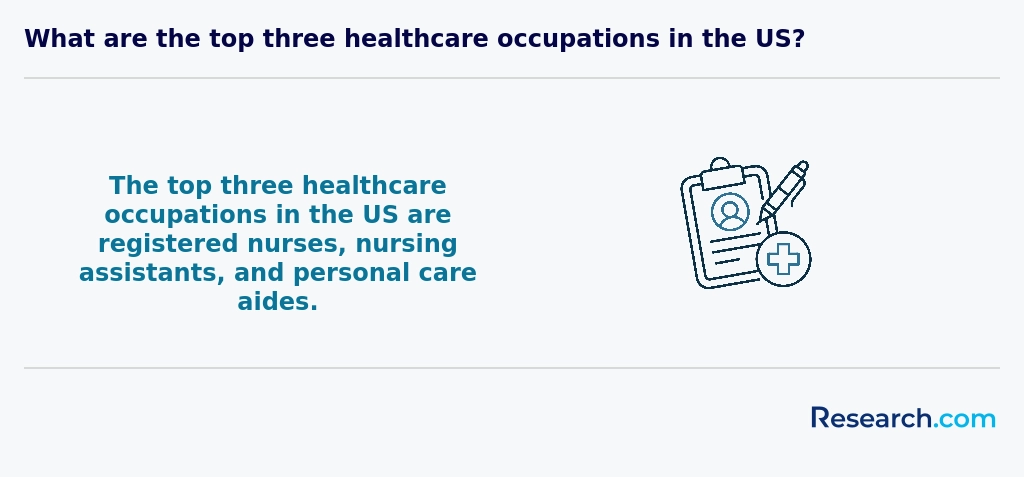
After earning an online healthcare degree in Kentucky, graduates must navigate state-specific licensure and national certification processes to ensure professional practice. For nursing graduates, passing the NCLEX-RN or NCLEX-PN exam and obtaining a license through the Kentucky Board of Nursing is mandatory; applicants should verify eligibility, fingerprinting, and background check requirements on the board’s website. Health Information Technology graduates often pursue the Registered Health Information Technician (RHIT) credential via the American Health Information Management Association (AHIMA), which requires graduation from a CAHIIM-accredited program and a passing score on the RHIT exam. Those specializing in healthcare management may seek certification through the American College of Healthcare Executives (FACHE) or the Medical Group Management Association (CMPE), each requiring a combination of graduate credits, professional experience, and successful completion of a proctored exam. Public health graduates can opt for the Certified in Public Health (CPH) credential offered by the National Board of Public Health Examiners, which validates expertise in biostatistics, environmental health, and health policy. While Kentucky’s licensure pathways are robust, prospective students comparing costs and state requirements may also explore the Affordable Online Healthcare Degree Programs Ranking in Mississippi for additional low-tuition options.
Diving into financial aid for online healthcare degrees in Kentucky feels like unlocking a treasure chest of opportunities tailored for eager learners. Many graduates from institutions like the University of Kentucky and Northern Kentucky University share how federal aid was their first beacon-applying through FAFSA opened doors to Pell Grants, giving them up to $7,395 annually to ease tuition burdens. Imagine balancing work and study while knowing there's that safety net catching your dreams!
State support shines brightly too. The Kentucky Tuition Grant boosts those attending private schools with online healthcare options, while fellow grads often talk about the KEES Scholarship rewarding their high school achievements with tuition help, making long nights of study feel worth every moment.
Think of local hospitals and healthcare groups as generous allies, offering scholarships that specifically uplift nursing and allied health students. Kentucky Nurses Association's awards have been game-changers for many working toward LPN and RN credentials. Plus, some employers join the adventure by reimbursing tuition, supporting their teams' growth in this vital field.
Every step in Kentucky's system feels like a new tool to carve your path, turning challenges into exciting chances to become a healthcare hero.
Emerging trends in online healthcare education are reshaping how students prepare for rapidly evolving careers. With the integration of cutting-edge technologies such as virtual simulation labs and telehealth training, programs are becoming more dynamic and tailored to meet industry needs. Institutions are increasingly offering interdisciplinary courses that bridge healthcare with data analytics and technology, ensuring graduates are well-equipped to navigate complex healthcare environments. Students are encouraged to stay informed about these innovations, as they significantly enhance career prospects and overall return on investment. Those interested in expanding their expertise, particularly in specialized areas like pharmacy, may find valuable opportunities by exploring options at an accredited online pharmacy school. Keeping an eye on industry trends and continuously updating skills will be key to long-term success in the healthcare field.
If you're eager to dive into an online healthcare degree in Kentucky, expect to navigate a blend of foundational prerequisites that prepare you for a rewarding journey. Many graduates from universities like the University of Kentucky or Bellarmine University recall how having a high school diploma or GED was their first stepping stone. Some even came equipped with an associate's degree, which smoothed their transition into bachelor's programs.
Picture a graduate sharing their experience of mastering biology, chemistry, and math before tackling advanced subjects like anatomy and pharmacology-key to thriving in these programs. For those pursuing nursing tracks, showing current certifications or licenses, like an LPN credential, opened doors to bridge programs advancing to an RN degree, a moment they describe as empowering.
Several schools in Kentucky appreciate the flexibility their online programs offer, sometimes waiving entrance exams like the ACT if you bring solid academic or professional experience to the table. Personal statements and letters of recommendation also help paint a vivid picture of your passion and readiness for healthcare's dynamic world, reflecting what many successful students have found invaluable.
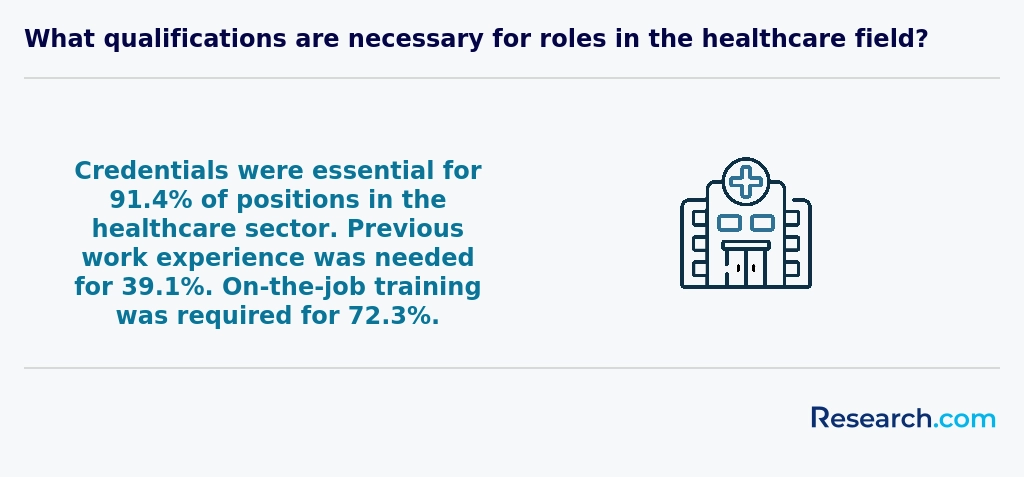
Diving into an online healthcare degree in Kentucky means engaging with courses that bring the state's unique healthcare landscape right to your screen. Graduates from institutions like the University of Kentucky or Eastern Kentucky University often share how courses such as Introduction to Healthcare Systems helped them understand the complex network of hospitals and clinics serving Kentucky's diverse communities. Imagine exploring how a rural clinic operates one day and the next, decoding the language of medical professionals through Medical Terminology, making clinical communication feel like second nature.
Many students find Anatomy and Physiology particularly thrilling, as it's the foundation for understanding how the human body fights illness-knowledge that feels alive and immediate. Others rave about Health Informatics, where they learn to harness data technology to improve patient care, echoing real experiences in Kentucky's growing digital health sector. Courses in Healthcare Ethics and Law invite students to wrestle with moral dilemmas, setting the stage for compassionate, responsible care. Finally, Public Health Fundamentals connect learners to community health trends in Kentucky, sparking new passion for disease prevention strategies right where they live.
Exploring online healthcare degree specializations in Kentucky unlocks a world of possibilities designed to suit adventurous learners eager to shape their futures in the healthcare field. Graduates from popular universities in Kentucky often rave about programs in Nursing, where pathways like RN to BSN or Nurse Practitioner roles open doors to hands-on patient care and leadership. Many find joy in Health Information Management, mastering data systems and electronic health records-a vital skill as hospitals grow more digitized. Others embrace Public Health, driven by a passion to impact community wellness, especially in Kentucky's rural areas facing unique healthcare challenges. For those drawn to orchestrating the bigger picture, Healthcare Administration offers thrilling opportunities managing hospital operations and teams. Then there's Allied Health Professions, where grads train in radiology or respiratory therapy, becoming indispensable healthcare heroes.
Many students searching for Kentucky healthcare degree programs options discover that programs weave practical experiences with cutting-edge knowledge, fueling both confidence and career readiness. Some even expand their expertise by attending an accredited online pharmacy school, opening yet another rewarding specialization path.
Choosing the best online healthcare degree in Kentucky means diving into a mix of program quality, practical exposure, and clear career pathways. Graduates from universities in Louisville or Lexington often share how accreditation from bodies like CAAHEP gave their degree real weight when applying for jobs statewide, opening doors to licensure and advanced studies. Feeling uncertain about balancing costs? Affordable online healthcare programs Kentucky offer a range of tuition options, but tracking additional expenses like books or technology keeps you prepared.
Picture yourself learning through courses tailored to emerging fields such as health informatics or public health, just like recent grads from Eastern Kentucky University who value their curriculum's alignment with real industry needs. Hands-on clinical experiences, coordinated with local healthcare facilities, bring learning to life-students often say these moments made their education unforgettable.
Don't forget the power of support: academic advising and career services at schools like Northern Kentucky University help many navigate the often tricky transition to healthcare careers. For a glimpse into budgeting smartly, check out the Affordable Online Healthcare Degree Programs Ranking in Mississippi, which highlights cost-effective paths worth considering.
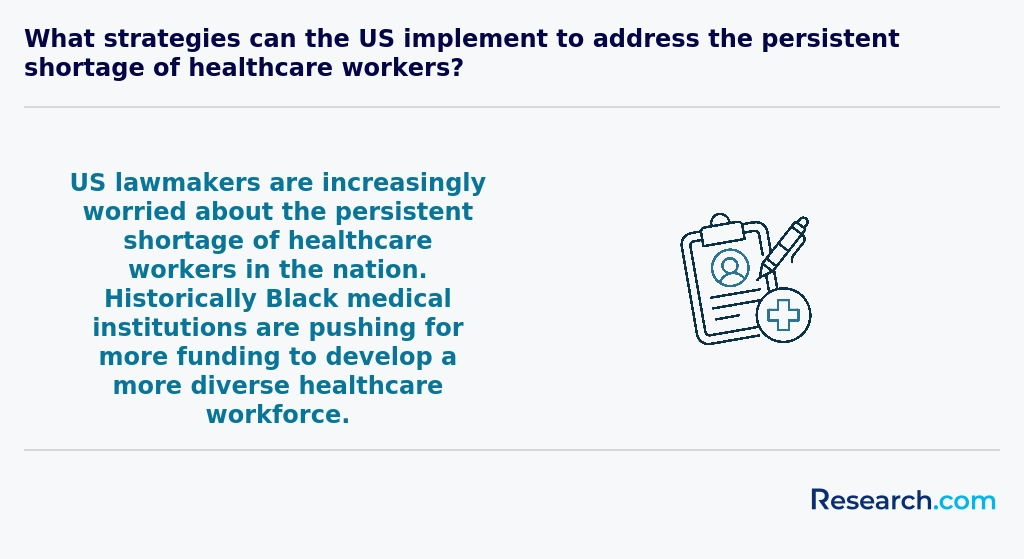
Graduates holding an online healthcare degree in Kentucky often find themselves stepping into vibrant roles like registered nurses, medical assistants, or healthcare administrators. Imagine a recent graduate from a popular Kentucky university savoring the rewarding challenge of patient care in a bustling hospital, energized by the state's 15% growth in nursing jobs fueled by its aging population. Those interested in leadership embrace roles as medical and health services managers, steering hospital and clinic operations with confidence, backed by competitive salaries known across the region.
Other healthcare degree holders explore paths as licensed practical nurses or healthcare technicians, especially in rural Kentucky settings where their skills become vital lifelines. Many students from Kentucky colleges appreciate the quickest associate degree online options, which allow them to jumpstart their careers swiftly. The world of public health also beckons, where grads contribute to community wellness in meaningful ways, engaging with statewide health initiatives that ignite passion and purpose.
Clearly, those exploring online healthcare degree jobs in Kentucky are stepping into a landscape rich with diverse, impactful career opportunities that promise professional growth and personal fulfillment.
The job market for online healthcare degree graduates in Kentucky is vibrant and full of opportunity, especially as demand for skilled professionals skyrockets. Graduates from institutions like the University of Kentucky or Western Kentucky University often share how entering nursing or health administration fields feels like stepping into dynamic roles where their work truly impacts communities.
Registered Nurses, in particular, find rewarding careers with competitive salaries around $62,000 annually, reflecting the state's growing healthcare needs. Many online healthcare jobs Kentucky focus on rural telehealth, allowing graduates to bring essential services to underserved areas. For example, students trained in these programs frequently describe the satisfaction of connecting patients to care despite geographical challenges.
For those weighing education costs and career paths, it's heartening to learn that Kentucky's programs often offer affordability without sacrificing quality. Exploring the easiest associates degree options can pave the way to a fulfilling healthcare job that aligns with both financial and career goals. The overall job outlook for healthcare degrees Kentucky graduates is exciting, promising rewarding and impactful work.
2027 Best Online Healthcare Degree Programs Ranking in Kentucky
Investing in your education is a significant decision that can profoundly impact your future, and the Research.com team is deeply aware of the responsibility in providing trustworthy guidance. To support prospective students considering healthcare degrees in Kentucky, we have carefully developed the "2027 Best Online Healthcare Degree Programs Ranking in Kentucky." Our dedication to quality, credibility, and accuracy is demonstrated through rigorous research and data analysis. We utilized the following reputable data sources to ensure a thorough and reliable evaluation of online healthcare programs:
By reviewing this ranking, readers will obtain valuable insights that simplify the process of selecting the best online healthcare degree programs tailored to their needs. For a detailed understanding of our ranking methodology, please visit our Research.com methodology page.


# 16 position
Sullivan University
Bachelor of Healthcare Management


# 19 position
Union Commonwealth University
Bachelor of Nursing


Frequently Asked Questions About healthcare
Online healthcare degree students in Kentucky can enhance their learning by actively engaging with digital resources and virtual simulations. Utilizing the extensive online libraries and databases provided by accredited institutions helps access current medical research and best practices. Additionally, connecting with faculty during virtual office hours promotes deeper understanding.
Kentucky's healthcare workforce is projected to grow by 12% from 2020 to 2030, according to the Kentucky Cabinet for Health and Family Services, highlighting strong job prospects. Students should seek internships or clinical placements within local health systems to gain hands-on experience.
Participating in online study groups also fosters collaboration and knowledge retention, critical for mastering healthcare topics.
The healthcare field in Kentucky is evolving, with several emerging niches offering promising career opportunities for online degree students. One fast-growing area is telehealth, which expanded rapidly during the COVID-19 pandemic and continues to transform patient care, especially in rural regions of Kentucky. According to the Kentucky Department for Public Health, telehealth usage increased by over 50% between 2020 and 2023.
Another niche is health informatics, where professionals manage healthcare data and improve systems for better patient outcomes. This field aligns with Kentucky's push to modernize healthcare technology.
Additionally, gerontology is gaining attention due to Kentucky's aging population. Online degrees focusing on elder care prepare students for roles addressing chronic conditions and quality of life improvements.
Preparing for the job market after earning an online healthcare degree in Kentucky involves strategic planning. Graduates should obtain relevant certifications, such as CPR or Licensed Practical Nurse (LPN) credentials, which are highly valued by Kentucky employers. Networking within local healthcare organizations and joining professional associations like the Kentucky Nurses Association can enhance job prospects.
It is important to use Kentucky-specific job boards and resources, such as the Kentucky Career Center, which offers targeted job postings for healthcare professionals. According to the Kentucky Office of Employment and Training, healthcare jobs in the state are projected to grow by 15% through 2030, indicating strong demand.
Additionally, internships or virtual clinical experiences gained during online programs can provide practical skills and a competitive advantage in the local job market.
Employers in Kentucky highly value healthcare graduates who demonstrate strong clinical skills and patient-centered care. According to the Kentucky Department for Public Health, effective communication is crucial, as nearly 70% of healthcare roles require collaboration with diverse patient populations and interdisciplinary teams.
Critical thinking and problem-solving abilities are also essential due to the complex nature of healthcare settings. Graduates with proficiency in healthcare technology and electronic health records (EHR) are in demand, reflecting national trends reported by the U.S. Bureau of Labor Statistics.
Moreover, employers look for adaptability and ethical decision-making skills, given the evolving healthcare regulations in Kentucky. These competencies help ensure quality care and compliance with state healthcare standards.
Finding internships in Kentucky relevant to a healthcare degree begins with exploring hospitals, clinics, and public health organizations within the state. Major healthcare employers like Norton Healthcare and Baptist Health offer structured internship programs. Students should contact their college's career services for assistance, as many institutions maintain partnerships with local healthcare providers.
Additionally, the Kentucky Department for Public Health provides resources and listings of healthcare internship opportunities across the state. According to the Kentucky Cabinet for Health and Family Services, internships in healthcare fields are growing due to a 5% increase in healthcare employment from 2019 to 2023.
Networking through professional associations such as the Kentucky Healthcare Association can also enhance internship prospects.
Obtaining an online healthcare degree in Kentucky can significantly enhance career mobility and advancement opportunities. The state's healthcare sector is growing steadily, with employment for healthcare practitioners projected to increase by 16% from 2020 to 2030 according to the Kentucky Cabinet for Health and Family Services. Online degrees offer flexible scheduling, allowing working professionals to upgrade skills without pausing their careers.
Online programs often provide access to accredited curricula and clinical experiences recognized across Kentucky's healthcare systems. Graduates can pursue roles beyond entry-level positions, such as healthcare administration or specialized nursing, which generally require higher education credentials.
Moreover, healthcare employers in Kentucky increasingly value candidates with degrees from reputable online programs, which can lead to higher salaries and leadership roles. The 2023 Kentucky Health Workforce report highlights a demand for qualified healthcare professionals, making earned degrees a critical factor in career growth within the state.
Studying for a healthcare degree in Kentucky prepares students for interdisciplinary roles by emphasizing collaboration across various health professions. Kentucky's online programs integrate coursework in nursing, public health, healthcare administration, and allied health fields, reflecting the interconnected nature of modern healthcare systems.
According to the Kentucky Cabinet for Health and Family Services, healthcare jobs are among the fastest-growing sectors, requiring teamwork among diverse experts. Online degrees often include training in communication, ethics, and health informatics, essential for roles that bridge clinical care and administrative functions.
This approach equips graduates to work effectively in teams, ensuring better patient outcomes through coordinated care efforts.
Choosing between a thesis and a non-thesis healthcare degree program in Kentucky depends on your career goals and learning preferences. Thesis programs emphasize research, requiring students to conduct original studies, which can be valuable if you plan to pursue doctoral studies or work in research-focused roles. Non-thesis programs usually focus more on coursework and practical skills, ideal for those targeting immediate employment in healthcare settings.
In Kentucky, healthcare fields are growing rapidly, with a 15% increase in demand for health professionals projected by 2030 according to the Kentucky Cabinet for Health and Family Services. This growth impacts the relevance of practical skills taught in non-thesis programs. However, if you aim to contribute to healthcare policy or innovation, a thesis program may offer stronger research training.
Consider also your available time and resources, as thesis tracks typically require longer completion times due to research demands. Review program details and accreditation from agencies like the Southern Association of Colleges and Schools Commission on Colleges (SACSCOC) to ensure quality education aligned with your goals.
Students based in Kentucky who wish to study healthcare abroad face certain challenges and limited direct options through traditional overseas programs. Most Kentucky institutions offering healthcare degrees focus on online programs connected to US-accredited universities, which maintain compliance with state licensing requirements. According to the Kentucky Council on Postsecondary Education, state residents often pursue online degrees with international components, such as virtual global health courses or study abroad internships arranged independently.
Because healthcare licensure is state-specific, students need to ensure their foreign studies align with Kentucky's Nursing or Medical Board requirements. There are occasional partnerships between Kentucky universities and international schools, but these are rare. For students wanting global healthcare perspectives, online degrees with global health tracks or international practicum options provide practical alternatives without the need for long-term relocation.
Part-time job opportunities in Kentucky that complement healthcare degree education are typically found in clinical, administrative, and support roles. Common positions include medical assistants, patient care technicians, and pharmacy technicians, which offer practical exposure to healthcare settings while accommodating students' schedules.
According to the Kentucky Cabinet for Health and Family Services, healthcare employment in the state is projected to grow 15% by 2028, indicating increasing demand for such roles. Students may also find opportunities in telehealth support, a growing field amplified by recent healthcare trends.
Working in these positions helps students develop critical skills like patient communication, record-keeping, and medical terminology, providing a strong foundation for their academic and future professional careers.
Online healthcare students in Kentucky have several networking opportunities designed to enhance their educational and professional experience. Many universities offering online programs encourage virtual events, including webinars, guest lectures, and group projects, which foster connections among peers and faculty. Additionally, students can join statewide healthcare associations like the Kentucky Healthcare Association, providing access to workshops and conferences.
The University of Kentucky and University of Louisville also facilitate alumni networks and career services tailored for online learners. According to the Kentucky Cabinet for Health and Family Services, the state employs over 200,000 healthcare workers, increasing chances for students to connect with local professionals during internships or clinical placements.
Alumni networks offer significant advantages for online healthcare degree students in Kentucky. These networks provide access to experienced professionals, which can be invaluable for career advice and mentorship. In Kentucky, where healthcare employment is expected to grow by 15% from 2020 to 2030 according to the Kentucky Cabinet for Health and Family Services, such connections help students navigate job markets effectively.
Furthermore, alumni often share job openings and recommend graduates within healthcare facilities statewide, including prominent centers like University of Kentucky HealthCare. Networking through alumni events and online groups helps students build professional relationships that may lead to internships or full-time positions. This support system bridges the gap between education and employment for many Kentucky students.
Students pursuing online healthcare degrees in Kentucky can customize their programs through elective courses and specialization tracks that align with specific career goals. Many universities offer options in fields like nursing, health informatics, or public health, allowing learners to focus on in-demand areas within Kentucky's healthcare workforce.
The Kentucky Cabinet for Health and Family Services reports ongoing growth in healthcare jobs, particularly in nursing and mental health fields, encouraging tailored education paths. Choosing accredited programs that provide flexible course schedules and clinical placement opportunities within local healthcare settings enhances practical experience relevant to career objectives.
Additionally, some schools enable students to design capstone projects addressing state-specific healthcare challenges, further aligning studies with professional ambitions.
Online healthcare students in Kentucky often face unique challenges that can impact their academic success. One major hurdle is balancing coursework with demanding work schedules; many students are working professionals in the state's growing healthcare sector. According to the Kentucky Cabinet for Health and Family Services, healthcare employment is projected to grow by 8.5% from 2020 to 2030, increasing the likelihood that students juggle jobs and studies simultaneously.
Another common challenge is limited access to local clinical placements. Since hands-on experience is critical, students sometimes struggle to find practical sites near their homes due to rural distribution. Additionally, technical difficulties and need for reliable internet access in underserved areas can hinder participation in online lectures and exams. These obstacles require strong time management and self-discipline.
With an online healthcare degree in Kentucky, you can pursue a variety of professional certifications that enhance job opportunities in the local healthcare market. Common certifications include Certified Medical Assistant (CMA), Registered Health Information Technician (RHIT), and Certified Professional in Healthcare Quality (CPHQ). These credentials are recognized nationally and valued by employers in Kentucky.
For example, the Kentucky Board of Nursing reports high demand for nurses holding certifications such as the Certified Nurse Assistant (CNA) or Licensed Practical Nurse (LPN) linked to healthcare degrees. Many programs prepare graduates for certification exams, improving employability in Kentucky's growing healthcare sector.
Obtaining licensure and certifications often requires passing nationally recognized exams administered by bodies like the American Health Information Management Association (AHIMA) or the National Healthcareer Association (NHA). These certifications reflect specialized skills acquired through accredited online programs tailored to Kentucky's workforce needs.
To write a winning application for an online healthcare program in Kentucky, begin with a clear, well-structured personal statement. Highlight your motivation and relevant experiences, especially if you have healthcare-related work or volunteer activities. Programs value practical insight and dedication.
Make sure to meet all prerequisite coursework requirements. Many Kentucky programs require foundational classes in biology, anatomy, or health sciences. Verify each school's criteria carefully, as they can differ. GPA expectations typically range around 3.0 or higher.
Include strong letters of recommendation from professionals or instructors familiar with your skills and work ethic. According to the Kentucky Council on Postsecondary Education, healthcare jobs in the state grew by over 10% between 2015 and 2022, so demonstrating commitment to this expanding field strengthens your application.
Finally, proofread your application materials thoroughly and submit all required documents on time, following each program's specified process to avoid delays or disqualification.
Healthcare careers hold a vital place in the global job market, with growing demand fueled by aging populations and health crises. In the United States, including Kentucky, the Bureau of Labor Statistics projects a 15% growth in healthcare occupations from 2021 to 2031, faster than average for all professions. This reflects a broader global trend emphasizing healthcare workers' essential roles.
Internationally, healthcare professionals must adapt to diverse cultural and regulatory environments. Kentucky students pursuing online degrees will join a workforce that values cross-cultural competence and evidence-based care. Understanding global health challenges enhances problem-solving skills relevant to local and international contexts.
In Kentucky, organizations like the Kentucky Hospital Association highlight workforce shortages, making healthcare careers promising and impactful for students committed to service and innovation.
Gaining practical experience while studying for an online healthcare degree in Kentucky is essential for building skills and employability. Many programs require clinical placements or internships, often arranged through partnerships with local hospitals, clinics, or community health centers.
The Kentucky Cabinet for Health and Family Services reports that healthcare employment is expected to grow by 14% by 2030, increasing demand for qualified professionals with hands-on experience.
Students should communicate with their online program advisors to identify nearby opportunities that meet state licensing and accreditation standards. Volunteering or part-time roles in healthcare settings can also enhance practical skills while studying.
Choosing the right concentration within an online healthcare degree program in Kentucky depends largely on your career goals and interests. Kentucky's healthcare sector is diverse, with high demand for nurses, health administrators, and public health professionals, according to the Kentucky Cabinet for Health and Family Services.
Research the concentrations offered by programs and consider state job growth projections. For example, registered nursing roles are expected to grow by 16% in Kentucky through 2030, making nursing concentrations popular and practical. Alternatively, healthcare administration can lead to management careers in hospitals, a sector contributing significantly to Kentucky's economy.
Consider also licensure requirements and alignment with your long-term plans. Many healthcare fields in Kentucky require specific certifications or state licenses after graduation. Understanding these factors helps you select a concentration that provides relevant skills and employment opportunities.
- 2027 Best Online Healthcare Degree Programs Ranking in Indiana
- 2027 Best Online Healthcare Degree Programs Ranking in Tennessee
- 2027 Best Online Healthcare Degree Programs Ranking in Virginia
- 2027 Best Online Healthcare Degree Programs Ranking in Illinois
- 2027 Best Online Healthcare Degree Programs Ranking in Missouri
- 2027 Best Online Healthcare Degree Programs Ranking in Georgia
- 2027 Best Online Healthcare Degree Programs Ranking in Mississippi
- 2027 Best Online Healthcare Degree Programs Ranking in Alabama
- 2027 Best Online Healthcare Degree Programs Ranking in Arkansas
- 2027 Best Online Healthcare Degree Programs Ranking in Michigan
See What Experts Have To Say About Studying Healthcare
Read our interview with Healthcare experts

- Work Ready Kentucky Scholarship https://workreadykentucky.com/
- Job-Ready Healthcare Skills for 2026 https://cliniwave.in/blogs/latest-article/job-ready-healthcare-skills
- Top 3 Reasons to Consider a Career in Healthcare - Roseman University https://www.roseman.edu/student-experience/news/top-3-reasons-to-consider-a-career-in-healthcare/
- Discover The Best Online Colleges In Kentucky https://www.accreditedschoolsonline.org/kentucky/
- Best Practices for Career Development and Advancement in the Healthcare Sector | Generation https://www.generation.org/news/best-practices-for-career-development-and-advancement-in-the-healthcare-sector/
- How to choose a bachelor's in healthcare administration | edX https://www.edx.org/resources/how-to-choose-a-bachelors-in-healthcare-administration
- The Healthcare Student’s Guide to Internships | EduMed.org https://www.edumed.org/resources/student-online-guide-to-internships/
- Online Degree vs. Traditional: Choosing the Right Path https://beal.edu/online-degree-vs-traditional/
- What can I do with a healthcare studies degree, and how can I start? https://mrcollege.ac.uk/what-can-i-do-with-a-healthcare-studies-degree-and-how-can-i-start/
- What are the top 10 skills that'll get you a job when you graduate? https://targetjobs.co.uk/careers-advice/skills-for-getting-a-job/what-are-top-10-skills-thatll-get-you-job-when-you-graduate