
2027 Best Online Healthcare Degree Programs Ranking in Maine

Co-Founder and Chief Data Scientist
Choosing the right healthcare degree program in Maine is an important step toward a rewarding career. To help you navigate your options, this article presents the 2027 Best Online Healthcare Degree Programs Ranking in Maine created by the Research.com team of data scientists.
By exploring this ranking, you'll discover programs that offer quality education, flexibility, and strong career prospects. Whether you're starting fresh or advancing your skills, a healthcare degree opens doors to meaningful work that makes a difference. Reading this guide will empower you to make a confident, informed decision for your future.
Key benefits of getting online healthcare degree in Maine
- Healthcare degree graduates in Maine can earn solid salaries, such as Medical Assistants making approximately $43,350 annually and Patient Care Technicians earning around $60,790 per year, reflecting strong financial benefits.
- Graduates can explore diverse careers like Medical Assisting, Health Information Technology, or Clinical Research Coordination, similar to alumni from the University of Maine who have successfully entered these fields.
- Online healthcare degrees from schools like Southern Maine Community College offer flexible schedules and convenient learning, making it easier to balance work and personal life compared to traditional programs.
- Key benefits of getting online healthcare degree in Maine
- What can I expect from online healthcare degree in Maine?
- Where can I work with online healthcare degree in Maine?
- How much can I make with online healthcare degree in Maine?
- 2027 Best Online Healthcare Degree Programs Ranking in Maine
- Key Findings
- How long does it take to complete online healthcare degree in Maine?
- Tips for Success in Your Online Healthcare Degree Journey
- What's the difference between online and on-campus healthcare degree?
- Future Trends and Innovations in Maine Online Healthcare Education
- What is the average cost of online healthcare degree in Maine?
- Accreditation and Licensing Requirements
- What financial aid is available to online healthcare degree students in Maine?
- What are the prerequisites for enrolling in online healthcare degree program in Maine?
- Accreditation and Licensing Requirements
- What courses are typically in online healthcare degree programs in Maine?
- What types of specializations are available in online healthcare degree programs in Maine?
- How do you choose the best online healthcare degree in Maine?
- What career paths are available for online healthcare degree students in Maine?
- What is the job market for online healthcare degree in Maine?
- Related Healthcare Rankings for Nearby States
- Top Trending Healthcare Rankings
- See What Experts Have To Say About Studying Healthcare
What can I expect from online healthcare degree in Maine?
The average cost of an online healthcare degree in Maine varies, but many students attending institutions like the University of Southern Maine or Central Maine Community College have found these programs more affordable than traditional on-campus options. Typical tuition ranges provide financial accessibility while offering quality education, largely due to savings on commuting and housing.
Graduates often express relief and satisfaction with the balance between cost and value, noting that financial aid, scholarships, and state-specific grants significantly offset expenses. For example, healthcare students have shared how grant opportunities dedicated to Maine's workforce development eased their financial burden, allowing them to focus on academic and clinical training without undue stress.
In practical terms, the flexibility of these programs enables working adults to manage tuition payments while maintaining employment. This affordability, combined with strong local healthcare partnerships for clinical experience, creates an encouraging environment for students committed to advancing their careers within Maine's healthcare sector.
Where can I work with online healthcare degree in Maine?
Graduates with an online healthcare degree from institutions such as the University of Southern Maine often find rewarding careers within Maine's prominent hospital systems, including Maine Medical Center and Eastern Maine Medical Center. These hospitals offer roles ranging from registered nurses to health services managers, where graduates apply their clinical knowledge and management skills in fast-paced, patient-centered environments.
Career paths also extend to long-term care facilities, where professionals provide critical support in nursing homes and assisted living communities. Graduates from programs at institutions like the University of New England express satisfaction working as nurse practitioners or facility administrators, helping improve care for Maine's sizeable elderly population.
Community health organizations and outpatient clinics represent additional employment avenues. Graduates often thrive in patient care coordination and health education roles, contributing to expanding outpatient services emphasized by the Maine CDC. Working in these settings allows graduates to engage closely with local communities and make a meaningful impact.
Finally, healthcare degree holders can pursue opportunities within government agencies or insurance companies focused on healthcare policy and compliance. Many find purpose managing public health initiatives for entities such as Maine's Department of Health and Human Services, leveraging their education to influence statewide healthcare improvement.
How much can I make with online healthcare degree in Maine?
Graduates of online healthcare degree programs in Maine report encouraging salary prospects, reflecting steady demand across the state's diverse healthcare settings. For example, individuals entering roles as medical assistants can expect a mean annual wage of approximately $43,350, providing a solid foundation for early-career professionals.
Those who advance to patient care technician positions often earn significantly more, with mean annual salaries around $60,790, exemplifying the financial growth opportunities available. Health information technicians, who play a vital role in managing medical data, earn an average of $43,380 annually, which aligns well with competitive wages in the regional job market.
Clinical research coordinators, common graduates from Maine's respected healthcare programs such as those at the University of Southern Maine, receive mean earnings similar to medical assistants, near $43,350, affirming stable entry-level opportunities. More specialized roles like quality improvement coordinators, which require advanced skills, command impressive mean annual wages of about $103,150, reflecting the value of further education and specialization.
Graduates from Maine's institutions appreciate how these salary ranges translate into meaningful careers, enabling them to support families and contribute to community health with confidence and satisfaction.
2027 Best Online Healthcare Degree Programs Ranking in Maine
How do we rank schools?
Investing in your education is a significant decision that can impact your future, and the Research.com team understands the importance of making well-informed choices. To support prospective students in Maine, we have carefully developed the "2027 Best Online Healthcare Degree Programs Ranking in Maine." Our dedication to quality, credibility, and accuracy is demonstrated through rigorous research and thorough analysis.
We utilized the following reputable data sources to ensure a comprehensive evaluation of healthcare degree programs:
By exploring this ranking, readers will gain valuable insights into the best online healthcare degree programs available in Maine, enabling them to make confident, informed decisions about their educational journeys. For a detailed explanation of how this ranking was created, please visit our Research.com methodology page.


Key Findings
- Online healthcare programs in Maine are offered fully online or as hybrid formats, covering nursing, health administration, public health, and allied health specialties.
- Annual tuition ranges from $10,000 to $20,000, with public universities generally being more affordable for in-state students than private colleges.
- Healthcare jobs in Maine are expected to grow by about 10% from 2020 to 2030, driven by an aging population and increased demand for services.
- Entry-level salaries for healthcare professionals in Maine range from $45,000 to $60,000 annually, with registered nurses often near the higher end.
- Many healthcare roles require licensure, which involves earning an accredited degree and passing state or national exams, often supported by the design of online programs.
- Clinical or practicum experiences are usually required in person at approved facilities, even for online students, to meet competency and licensing needs.
How long does it take to complete online healthcare degree in Maine?
Completing an online healthcare degree in Maine typically ranges from 18 months to four years, depending on the program and level pursued. Graduates from popular institutions like the University of Southern Maine often share how bachelor's programs in nursing or health sciences take about four years with a traditional full-time schedule, yet accelerated tracks make completing the degree faster and more manageable for working adults.
Associate degrees in fields such as Medical Assisting or Health Information Technology usually require around 18 months to two years. These programs, often offered by community colleges in Maine, enable students to enter the workforce quickly while balancing family and jobs, which many find encouraging and motivating.
Graduate students pursuing online master's degrees in Nursing or Healthcare Administration at Maine's colleges typically spend two to three years completing their studies. Flexible scheduling allows professionals to tailor their pace, resulting in a highly personalized educational experience that fosters success despite busy lifestyles.
Tips for Success in Your Online Healthcare Degree Journey
Embarking on an online healthcare degree in Maine is an exciting step toward a rewarding career, but success often hinges on strategic planning and disciplined study habits. Students who wish to maximize their learning experience should prioritize creating a structured schedule that accommodates both coursework and professional responsibilities. Establishing a dedicated study space, setting clear goals, and using time-management tools can dramatically improve retention and overall performance. In addition to effective time management, active participation in virtual class discussions, joining online study groups, and seeking mentorship from program advisors can help you build a robust academic support system. Being proactive in engaging with course materials and reaching out to faculty members when questions arise also strengthens your understanding of complex healthcare topics. As you prepare for a future in healthcare, it’s important to keep an eye on emerging trends and advanced qualifications that can set you apart in the job market. For students contemplating higher credentials, consider exploring what is the most affordable online doctorate in pharmacy program to further enhance your expertise and career prospects. Ultimately, balancing self-discipline with a proactive approach to leveraging available academic resources will not only help you excel in your current studies but also prepare you for long-term success in the dynamic healthcare industry.
What's the difference between online and on-campus healthcare degree?
Students pursuing healthcare degrees in Maine often find that online programs, such as those offered by the University of Southern Maine, provide unmatched flexibility. Graduates appreciate being able to study from rural areas without the burden of long commutes or costly relocation. This flexibility makes balancing work, family, and study more manageable, especially when clinical placements are arranged locally to meet program requirements.
On-campus programs at institutions like the University of New England deliver immersive, hands-on experiences. Here, students benefit from face-to-face interaction with faculty and peers, collaborative labs, and in-person clinical training at nearby healthcare facilities. Graduates emphasize how these opportunities foster deeper professional networks and immediate feedback, which some find motivates their learning.
Regardless of delivery mode, Maine's healthcare degrees maintain rigorous accreditation and curricula. However, students choosing online study should be prepared for self-directed learning and must confirm accessible clinical sites. Both pathways lead to rewarding careers, but their distinct learning experiences cater to varied student preferences and life circumstances in Maine's unique geographic and economic landscape.
Future Trends and Innovations in Maine Online Healthcare Education
As the healthcare industry evolves rapidly, Maine’s online healthcare degree programs are adapting through innovative learning methods, advanced technology integrations, and curriculum updates that reflect emerging trends. Students are increasingly exposed to telemedicine training, simulation-based learning, and cutting-edge digital health platforms that prepare them for tomorrow’s challenges. Additionally, institutions in Maine are emphasizing interdisciplinary studies and partnerships with healthcare providers to help graduates remain competitive in an increasingly digital workforce. These forward-thinking initiatives are not only enhancing the educational experience but also opening pathways to exciting careers in allied health, digital therapeutics, and health informatics. For students looking to further ease financial burdens while accessing state-of-the-art resources, exploring affordable healthcare programs in maine can provide both financial benefits and quality education. With a collaborative approach between educators, industry leaders, and technology experts, the future of online healthcare education in Maine is poised to deliver unmatched opportunities for professional growth and innovation.
What is the average cost of online healthcare degree in Maine?
The average cost of an online healthcare degree in Maine typically falls around $30,820 in total, with in-state students paying approximately $28,080. This figure reflects the comprehensive expenses encompassing tuition, fees, and related costs over the duration of the program. Graduates from prominent institutions such as the University of Maine often report satisfaction with the investment, noting that the tuition supports access to quality online courses, experienced faculty, and essential clinical practice components.
For students exploring online healthcare degree tuition and fees Maine residents may find that public universities offer relatively more affordable options compared to private institutions. Out-of-state students, however, should be prepared for higher fees, which can significantly increase the overall costs. Those pursuing degrees in nursing, public health, or allied health programs express appreciation for the flexibility and accessibility that online education provides, particularly when balancing work or family commitments.
Beyond direct tuition, additional expenses such as textbooks, technology, and clinical placement fees contribute to the total cost. Many students successfully leverage financial aid, scholarships, and employer tuition reimbursement to manage these costs. Prospective learners interested in affordable options should review available resources and consider affordable healthcare programs in maine to align their educational goals with their budgetary needs.
Accreditation and Licensing Requirements
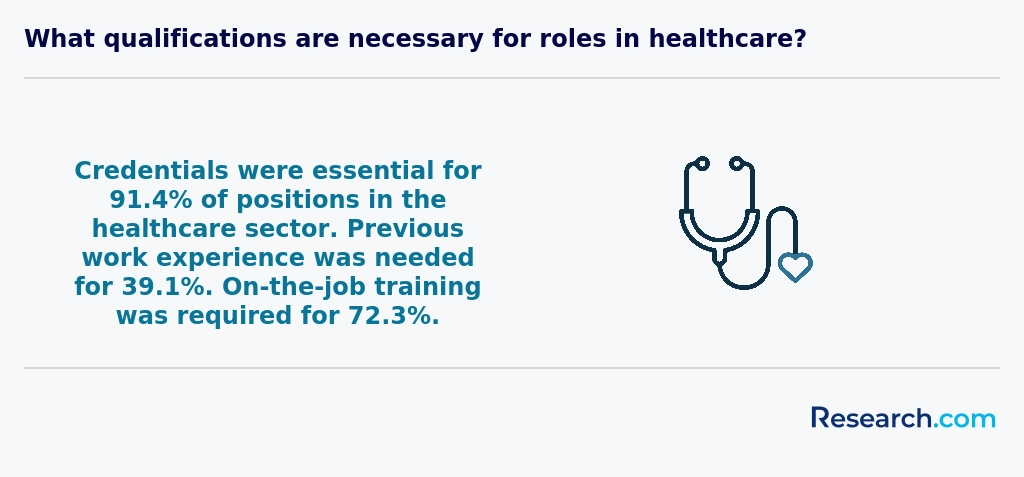
Choosing an accredited online healthcare degree program ensures your education meets rigorous quality standards and qualifies you for licensure in Maine. Most reputable institutions hold regional accreditation from the New England Commission of Higher Education (NECHE) or the Higher Learning Commission (HLC), and program-specific accreditation from bodies such as the Commission on Collegiate Nursing Education (CCNE) or the Accreditation Council for Education in Nutrition and Dietetics (ACEND). These endorsements validate curriculum rigor, faculty expertise, and student support services. Before enrolling, verify that your desired program reports strong licensure exam pass rates-such as NCLEX for nursing or Registered Health Information Technician (RHIT) certification-for graduates. Maine’s Office of Licensure and Certification requires completion of an accredited curriculum, a minimum GPA (often 2.5 or higher), and satisfactory background checks for patient-contact roles. Graduates pursuing roles in radiology, respiratory therapy, or health administration must also meet state-specific board requirements, which can include supervised clinical hours and online proctoring of certification exams. To broaden your options and compare affordability, consider exploring related programs in neighboring states. For instance, students seeking budget-friendly alternatives may review the Low Cost Online Healthcare Degree Programs Ranking in New Jersey to evaluate cost, accreditation, and outcomes side by side. By confirming both institutional and programmatic accreditation-and aligning with Maine’s licensure criteria-you’ll protect your investment, secure eligibility for federal financial aid, and streamline your path to professional certification and employment.
What financial aid is available to online healthcare degree students in Maine?
Students pursuing online healthcare degrees in Maine often rely on a combination of federal and state financial aid to manage tuition costs. Completing the FAFSA unlocks access to federal grants like the Pell Grant, which can provide up to $7,395 for eligible low-income students. Graduates from institutions such as the University of Maine Online have found these grants essential in reducing their financial stress during studies.
State aid through the Maine State Grant program also offers critical support, especially for residents enrolled in local community colleges offering healthcare programs. Many students appreciate how this grant helps cover significant tuition portions, making part-time study more feasible.
Additionally, scholarships from professional groups focused on Maine's healthcare workforce provide targeted funding for nursing and allied health students. These scholarships not only ease financial burdens but also motivate recipients to serve underserved Maine communities after graduation.
For working students, employer tuition reimbursement programs offer a practical way to balance work and education, allowing many graduates from institutions like Southern Maine Community College to advance professionally without overwhelming debt.
Engaging with financial aid offices at your chosen college can reveal institution-specific aid, creating a tailored support network for your educational journey.
What are the prerequisites for enrolling in online healthcare degree program in Maine?
To enroll in an online healthcare degree program in Maine, applicants must hold a high school diploma or GED as a minimum, reflecting the foundational expectations common across the state's institutions such as the University of Southern Maine and Maine College of Health Professions. Graduates from these programs often recount how this baseline requirement ensured they possessed essential skills in reading, writing, and math before advancing.
Bachelor's or graduate-level programs typically require prior college coursework or an associate degree. For example, students transitioning from an RN license to a BSN must demonstrate active licensure and an associate degree in nursing, a path many Maine healthcare graduates have successfully navigated. Success stories often emphasize the motivating sense of achievement from meeting these clear academic standards.
Science and math prerequisites-courses in biology, chemistry, anatomy, physiology, and statistics-are commonly required to prepare students for complex healthcare concepts. Many graduates fondly recall these classes as pivotal moments that built their confidence for challenging clinical scenarios.
The growing demand for healthcare professionals in Maine means programs favor applicants with healthcare experience or certifications like CNA or EMT. This real-world background enriches learning, allowing students to relate theory to practice effectively, enhancing both academic engagement and future career prospects.

Accreditation and Licensing Requirements
Ensuring your online healthcare degree meets Maine’s standards and qualifies you for professional licensure is essential for career success.
Accredited programs to look for:
- Commission on Collegiate Nursing Education (CCNE) for nursing degrees
- Accreditation Commission for Education in Nursing (ACEN)
- Commission on Accreditation for Health Informatics and Information Management Education (CAHIIM)
- Commission on Accreditation of Allied Health Education Programs (CAAHEP)
Licensing steps:
- Complete an accredited program
- Submit your application to the Maine State Board of Nursing or the relevant professional board
- Pass required licensure exams (e.g., NCLEX for nurses)
To strengthen your credentials and diversify your skills, consider adding specialized training like medical coding and billing classes online with financial aid.
What courses are typically in online healthcare degree programs in Maine?
Online healthcare degree programs in Maine commonly include courses that build a solid foundation in anatomy and physiology, essential for understanding the human body's structure and function. Graduates from well-regarded institutions like the University of Southern Maine express how mastering these basics prepared them confidently for clinical roles. Pathophysiology courses deepen this knowledge by examining disease impacts, a key skill in patient diagnosis and care.
Ethics and healthcare law tailored to Maine's regulations form a critical part of the curriculum. Graduates often highlight how these classes helped them navigate complex situations involving patient rights and compliance, which are frequent challenges in Maine's healthcare settings. Similarly, healthcare management courses at schools such as the Maine College of Health Professions equip students with leadership skills needed in growing administrative roles throughout the state.
Specialized topics like health informatics address the increasing reliance on digital records in Maine's hospitals and clinics, making graduates feel ready to manage real-world data security challenges. Public health focuses, common at several Maine institutions, prepare students for meaningful work addressing rural community health, resonating deeply with those keen to serve local populations.
What types of specializations are available in online healthcare degree programs in Maine?
Online healthcare degree specializations Maine students find most accessible include Nursing, Healthcare Administration, Public Health, Medical Laboratory Science, and Health Informatics. Nursing tracks often enroll Registered Nurses aiming to advance to a Bachelor of Science in Nursing or Nurse Practitioner roles, combining clinical expertise with flexible scheduling. Graduates from universities like the University of Southern Maine express satisfaction with how their programs integrate practical knowledge alongside remote learning, allowing them to balance employment and family.
Healthcare Administration programs attract students interested in managing healthcare facilities and influencing policy, while Public Health degrees focus on improving community health and epidemiology. Medical Laboratory Science prepares students for vital roles in clinical testing, a field growing in demand across Maine.
Health Informatics graduates highlight the rewarding challenge of merging healthcare and information technology to enhance patient care and data systems. Those exploring specialized options often research affordability and outcomes; for guidance on advanced paths, potential students may consult resources like the what is the most affordable online doctorate in pharmacy program as part of their planning process for healthcare program concentrations in Maine.
How do you choose the best online healthcare degree in Maine?
Choosing the best online healthcare degree programs in Maine involves evaluating accreditation, program content, and practical applicability to the local job market. Graduates from well-known Maine institutions often emphasize the importance of selecting programs accredited by agencies like CAAHEP or regional bodies to ensure licensure eligibility and academic rigor. Many appreciate courses that offer flexibility, allowing them to balance studies with work or family commitments, a common necessity in Maine's largely rural areas.
Cost remains a significant consideration; graduates highlight that in-state tuition averaging $6,000 to $12,000 annually makes online healthcare education accessible without sacrificing quality. Programs that include local practicum opportunities or advisors familiar with Maine's healthcare needs-especially in geriatric and rural care-enhance career readiness and confidence.
For those seeking affordable healthcare degrees Maine online, exploring rankings can be useful, such as the Low Cost Online Healthcare Degree Programs Ranking in New Jersey, to benchmark pricing and quality. Prospective students often find that this combined approach leads to informed decisions and rewarding educational experiences.
What career paths are available for online healthcare degree students in Maine?
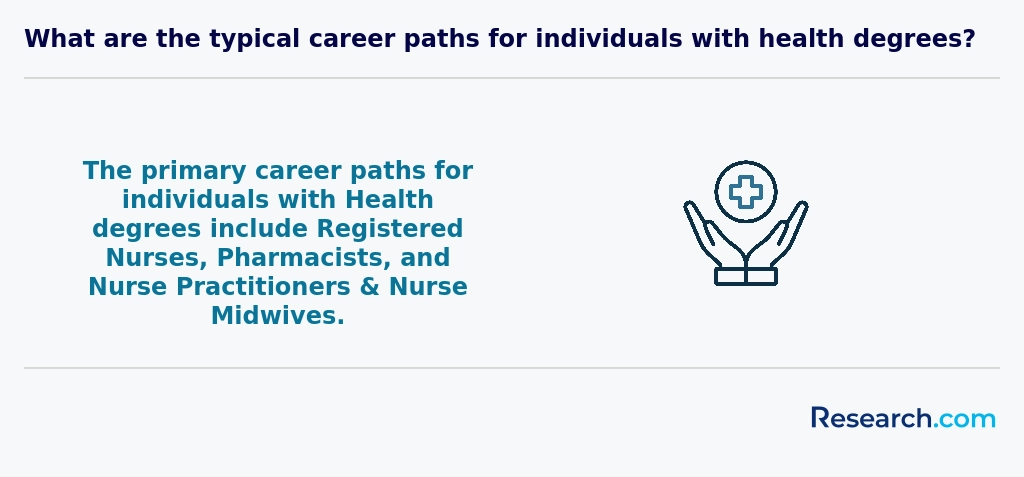
Graduates of an online healthcare degree in Maine commonly pursue several rewarding career paths that address the state's evolving healthcare needs. Registered Nurse (RN) roles remain highly accessible and in demand, with many graduates from institutions like the University of Southern Maine finding fulfilling positions in hospitals and outpatient clinics. Others enter fields such as Medical and Health Services Management, utilizing both administrative and clinical knowledge to improve healthcare delivery in diverse settings.
Healthcare degree job opportunities Maine also include emerging specialties like Health Informatics, where graduates apply technology skills to enhance patient care through electronic health records-a field growing rapidly due to Maine's investment in telehealth services. Public Health Educators contribute significantly to community wellness, especially in rural areas, while Physical Therapist Assistants support rehabilitation efforts, applying hands-on care learned through flexible online programs at colleges such as Husson University.
Many students choose an online accelerated bachelor's in healthcare to quickly enter the workforce, motivated by positive experiences of peers who have successfully transitioned to meaningful careers within Maine's healthcare system. These online healthcare career options in Maine help graduates achieve professional growth while contributing to vital population health initiatives.
What is the job market for online healthcare degree in Maine?
The job market for online healthcare degree holders in Maine is robust and expanding, fueled by a growing demand for healthcare services across the state. Graduates from prominent institutions such as the University of Southern Maine and the University of New England find a wealth of online healthcare job opportunities Maine thanks to the shortage of qualified professionals in nursing and allied health roles. Many alumni report rewarding careers in hospitals, outpatient centers, and home healthcare settings, where their flexible online education directly prepares them for real-world challenges.
The Maine healthcare degree employment outlook is particularly favorable given the sector's steady 15% growth projection through 2030. Registered nurses, physical therapists, and healthcare administrators frequently secure positions with competitive salaries, supporting financial stability post-graduation. For those still deciding, exploring what is the easiest bachelor's degree program in healthcare can help balance academic rigor with career ambition.
Frequently Asked Questions About healthcare
Online healthcare degree students in Maine can maximize their learning by actively engaging with course materials and instructors. Participation in virtual discussions and timely communication helps deepen understanding. Maine has a growing healthcare sector, with employment expected to grow 15% by 2030, according to the Maine Department of Labor, underscoring the value of staying current with industry trends.
Utilizing local resources, like Maine's community health centers or hospitals, for clinical internships or practicums offers essential hands-on experience. Students should also leverage statewide online libraries and databases provided through universities to access up-to-date healthcare research and evidence-based practices.
Time management and creating a dedicated study space help balance coursework with personal and professional responsibilities effectively.
The healthcare field in Maine is evolving, with several emerging niches gaining attention. One notable area is telehealth, which expanded rapidly during the COVID-19 pandemic. Maine's rural communities have benefited from increased access to remote healthcare services, making telehealth a promising specialty for online degree students.
Another growing niche is geriatric care. Maine has one of the oldest populations in the U.S., with nearly 20% of residents aged 65 and older according to the Maine Office of Aging and Disability Services. This drives demand for healthcare professionals trained in elder care and chronic disease management.
Behavioral health is also a critical focus. The state has invested in expanding mental health services due to rising demand, creating new career opportunities in counseling and psychiatric nursing.
After earning an online healthcare degree in Maine, preparing for the job market involves several strategic steps. Start by obtaining necessary licenses or certifications relevant to your field, as Maine requires state-specific credentials for many healthcare roles. Consider joining professional associations like the Maine State Nurses Association or the Maine Healthcare Executives Forum to network and access job postings.
Leverage internships or clinical experiences completed during your degree, showcasing them on your resume. Maine's healthcare industry expects familiarity with telehealth and rural health challenges, which are growing areas in the state. According to the Maine Department of Labor, healthcare occupations are projected to grow by 13% through 2030, signaling strong demand.
Finally, tailor your job search toward hospitals, clinics, and public health organizations within Maine, focusing on roles expanding due to the state's aging population and increased emphasis on healthcare access.
Employers in Maine seeking graduates with online healthcare degrees prioritize a blend of technical, interpersonal, and critical thinking skills. According to the Maine Department of Labor, healthcare roles in the state consistently demand strong clinical knowledge coupled with proficiency in electronic health records (EHR) management. Communication skills are equally important, as healthcare professionals often collaborate with diverse teams and patients. Problem-solving abilities help graduates address complex medical issues effectively.
Additionally, cultural competence is increasingly valued due to Maine's growing and diverse patient population. Familiarity with state healthcare regulations ensures compliance and patient safety.
The U.S. Bureau of Labor Statistics notes that Maine's healthcare sector plans a 10% growth rate through 2030, reinforcing the need for adaptable and skilled graduates.
Finding internships in Maine related to healthcare degrees requires targeted research and networking. Start by exploring connections through your educational institution, as many online programs partner with local healthcare providers for internship placements.
The Maine Center for Disease Control and Prevention reports ongoing growth in healthcare jobs, particularly in nursing and allied health fields, creating numerous internship opportunities statewide.
Healthcare facilities such as MaineHealth and Northern Light Health often offer structured internship programs. Visit their websites and reach out to their human resources departments for current openings.
Additionally, leverage statewide databases like Maine JobLink and local professional associations to identify internships compatible with online students.
In Maine, earning an online healthcare degree can significantly enhance career mobility and advancement opportunities. The state's healthcare sector is growing steadily, with a 16% projected increase in healthcare occupations by 2030 according to the Maine Department of Labor. An online degree provides the flexibility to gain relevant qualifications while continuing to work, which is crucial for many professionals in rural areas.
Employers in Maine increasingly value formal education and certifications, linking advanced degrees to higher salaries and leadership roles. Online programs often align with state licensure requirements, facilitating quicker career progression.
Studying for a healthcare degree in Maine offers strong preparation for interdisciplinary roles by emphasizing collaboration among various health professions. Maine's online programs often integrate coursework in nursing, public health, and health administration, encouraging students to develop diverse skills.
According to the Maine Department of Health and Human Services, about 40% of healthcare roles require teamwork across specialties, making interdisciplinary training vital. Programs frequently include case studies and projects involving communication between providers, helping students adapt to real-world healthcare settings.
This approach aligns with national trends promoting teamwork to improve patient outcomes. Online degrees in Maine also provide flexibility, allowing students to engage with peers from different backgrounds, further enhancing interdisciplinary skills necessary for modern healthcare careers.
Choosing between a thesis and a non-thesis healthcare degree program in Maine depends on your career goals and learning preferences. Thesis programs emphasize research, requiring a substantial written project, which is ideal for students aiming for clinical research or doctoral studies.
Non-thesis programs usually focus on practical skills and coursework, appealing to those seeking direct entry into healthcare professions. In Maine, the healthcare sector is growing by 7% annually, increasing demand for practical skills (Maine Department of Labor).
Consider program length too; thesis tracks often take longer. Remember to check accreditation and faculty expertise in your chosen Maine institution for quality assurance.
Students based in Maine who wish to study healthcare abroad have several pathways through online programs offered by U.S. institutions with international partnerships. While direct enrollment in foreign healthcare schools is limited due to licensing and accreditation differences, many accredited U.S. universities provide online degrees incorporating global healthcare perspectives.
The Maine Department of Education notes that online healthcare enrollment in the state increased by 15% between 2020 and 2023, reflecting growing interest in flexible study options. Some programs include clinical placements or exchanges abroad, depending on partnerships.
It is important for students to verify that online degrees are regionally accredited and recognized by healthcare boards in Maine to ensure licensure eligibility after graduation.
Students pursuing online healthcare degrees in Maine can benefit from various part-time job opportunities that provide practical experience. Positions such as medical assistants, pharmacy technicians, and healthcare aides are common entry points in the state's healthcare system. According to the Maine Department of Labor, these roles often require minimal certification and offer flexible hours that accommodate part-time study.
Healthcare support jobs are available in hospitals, clinics, and long-term care facilities, which are prevalent in Maine due to its aging population. Additionally, roles in telehealth support and medical billing are growing, aligning well with online students' schedules and educational focus.
Online healthcare students in Maine have several valuable networking opportunities to enhance their educational experience. Many Maine institutions offer virtual events, workshops, and webinars that connect students with healthcare professionals and alumni across the state. For example, the University of New England regularly hosts online career fairs tailored to healthcare students, promoting direct interaction with employers.
Additionally, students can join statewide organizations such as the Maine Healthcare Association, which offers membership benefits, networking events, and resources specifically geared toward healthcare workers in Maine. These connections are crucial since healthcare employment in Maine is projected to grow by 10% from 2020 to 2030, according to the U.S. Bureau of Labor Statistics.
Online learners can also participate in professional social media groups and Maine-specific LinkedIn communities to build relationships with peers and industry leaders while balancing flexible study schedules.
Alumni networks play an important role for online healthcare degree students in Maine by providing valuable professional connections. Maine's healthcare sector employs over 15% of the state's workforce, making networking essential for job placement and career advancement.
These networks offer mentorship opportunities, helping students navigate licensure requirements and clinical placements, which can be challenging in an online program. Alumni often share insights about local healthcare employers, including major systems like MaineHealth and Northern Light Health.
Research from the National Association of Colleges and Employers highlights that 70% of jobs are obtained through networking, emphasizing the practical benefits for graduates.
By staying connected, students can access job leads, continuing education, and collaboration opportunities that support long-term success in Maine's healthcare industry.
Customizing an online healthcare degree program in Maine allows students to align their education with specific career goals. Many Maine institutions offer flexible curriculums where students can choose electives, specializations, or focus areas such as nursing, healthcare management, or public health. This flexibility helps address Maine's unique healthcare challenges, including a growing elderly population and rural health disparities, as noted by the Maine Department of Health and Human Services.
Students can often select practicum or internship placements in local healthcare facilities, gaining hands-on experience relevant to Maine's healthcare system. Additionally, some programs provide options for accelerated study or part-time enrollment, enabling students to balance work and study according to their professional timelines.
Online healthcare students in Maine often face challenges related to balancing clinical requirements with remote learning. Many programs require in-person clinical or lab hours, which can be difficult to fit into personal schedules, especially for working adults or caregivers. Additionally, Maine's rural geography sometimes limits easy access to approved clinical sites.
Another common issue is the variability in internet connectivity across parts of Maine, which can affect access to live lectures and timely submission of assignments. According to the Maine Office of Broadband Development, around 10% of rural residents still lack reliable high-speed internet.
Students may also experience difficulties navigating federal and state regulations for healthcare certifications, which vary and can delay program completion. Finally, securing financial aid specific to online healthcare degrees remains challenging, as some scholarships prioritize traditional, on-campus enrollment.
With an online healthcare degree in Maine, graduates can pursue various professional certifications to enhance their careers. Common certifications include the Certified Nursing Assistant (CNA), Licensed Practical Nurse (LPN), and Registered Nurse (RN) credentials, which are essential in Maine's healthcare sector. Additionally, certifications such as the Certified Medical Assistant (CMA) and Health Information Technician credentials are in demand. The Maine Department of Labor reports continued growth in healthcare jobs, highlighting the importance of certification for employment. More advanced degrees may lead to credentials like the Certified Professional in Healthcare Quality (CPHQ) or the Certified Healthcare Safety Professional (CHSP).
Writing a winning application for an online healthcare program in Maine requires clear focus and preparation. Start by thoroughly researching programs accredited by recognized bodies such as the Commission on Collegiate Nursing Education (CCNE) or the Accreditation Commission for Education in Nursing (ACEN). Accreditation ensures quality education and eligibility for licensure.
Highlight your relevant experience and commitment to healthcare in your personal statement. Maine's healthcare sector is growing, with a 6% increase in health services jobs from 2019 to 2029, according to the U.S. Bureau of Labor Statistics, so showing understanding of local needs can strengthen your case.
Additionally, submit well-organized documents, including transcripts and letters of recommendation from professionals familiar with your skills. Meet all deadlines and tailor your application to emphasize your adaptability and motivation for online learning, as these qualities are highly valued by admissions committees.
Healthcare careers hold a significant and expanding role worldwide, influenced by aging populations and evolving medical technologies. In the United States, including Maine, pursuing an online healthcare degree aligns with global trends emphasizing accessible education and workforce flexibility.
According to the U.S. Bureau of Labor Statistics, healthcare occupations are projected to grow 16% from 2021 to 2031, much faster than average. In Maine, the demand for healthcare workers is similarly strong due to its aging population, with nearly 20% of residents aged 65 or older as of 2020 (U.S. Census Bureau).
Globally, healthcare professionals are valued for their adaptability and cross-cultural competence, increasingly important in diverse patient populations. Online programs in Maine enable students to meet these global standards while addressing local healthcare needs.
Gaining practical experience while studying for an online healthcare degree in Maine is essential for career readiness. Many programs encourage students to complete clinical placements or internships at local healthcare facilities. These hands-on opportunities often occur in hospitals, clinics, or long-term care centers approved by the school. Students can find placements in well-known Maine healthcare organizations such as MaineHealth or Central Maine Healthcare.
Online programs typically assist with placement logistics to ensure students meet state licensure requirements. According to the Maine Department of Health and Human Services, clinical hours are mandatory for many healthcare professions, including nursing and allied health fields. These experiences help students apply theoretical knowledge in real-world settings.
Additionally, some schools offer simulation labs or virtual practicums that replicate patient care scenarios. These innovative tools provide valuable skills when in-person opportunities are limited. It is advisable for students to confirm practical training options directly with their chosen program.
Choosing the right concentration within an online healthcare degree in Maine involves understanding your career goals and the local healthcare landscape. Maine's aging population increases demand for gerontology and nursing, making these popular specializations. According to the Maine Department of Labor, healthcare occupations are projected to grow by 17% by 2030, highlighting opportunities in clinical and administrative roles.
Consider how a concentration aligns with your interests, whether it's public health, health informatics, or healthcare management. Research course requirements and practicum options to ensure they fit your schedule and learning style. Reviewing Maine's healthcare workforce needs from reliable sources can guide you toward a relevant focus.
Related Healthcare Rankings for Nearby States
- 2027 Best Online Healthcare Degree Programs Ranking in Massachusetts
- 2027 Best Online Healthcare Degree Programs Ranking in Connecticut
- 2027 Best Online Healthcare Degree Programs Ranking in Maryland
- 2027 Best Online Healthcare Degree Programs Ranking in Virginia
- 2027 Best Online Healthcare Degree Programs Ranking in Kentucky
- 2027 Best Online Healthcare Degree Programs Ranking in Tennessee
- 2027 Best Online Healthcare Degree Programs Ranking in Indiana
- 2027 Best Online Healthcare Degree Programs Ranking in Michigan
- 2027 Best Online Healthcare Degree Programs Ranking in Georgia
- 2027 Best Online Healthcare Degree Programs Ranking in Illinois
Top Trending Healthcare Rankings
See What Experts Have To Say About Studying Healthcare
Read our interview with Healthcare experts

References
- The impact of postgraduate education on career advancement in healthcare https://sets.com.ua/journals/vol-3-no-2-2024/the-impact-of-postgraduate-education-on-career-advancement-in-healthcare
- Interdisciplinary Education and Practice https://www.aacnnursing.org/news-data/position-statements-white-papers/interdisciplinary-education-and-practice
- The Role of Interdisciplinary Studies in Medical Career Training https://georgia-med.com/the-role-of-interdisciplinary-studies-in-medical-career-training.html
- Job-Ready Healthcare Skills for 2026 https://cliniwave.in/blogs/latest-article/job-ready-healthcare-skills
- Benefits of Online Healthcare Courses for Professionals | ILC https://inspirelondoncollege.com/blog/healthcare-courses-for-professionals/
- How a Strong Alumni Network Can Benefit Students https://www.pacificu.edu/blog/how-strong-alumni-network-can-benefit-students
- The Value of Healthcare Organization Alumni Associations https://consultqd.clevelandclinic.org/the-value-of-healthcare-organization-alumni-associations
- Health Management Careers https://www.ache.org/Career-Resources/Start-Your-Career/Health-Management-Careers
- University of Maine System Partners with the Center for Medical Simulation to Elevate Nursing Education https://harvardmedsim.org/blog/university-of-maine-system-partners-with-the-center-for-medical-simulation-to-elevate-nursing-education/
- Health Sciences - Southern Maine Community College https://www.smccme.edu/academics/pathways/health-sciences/


