2027 Best Online Healthcare Degree Programs Ranking in Connecticut

Co-Founder and Chief Data Scientist
Thinking about pursuing a healthcare degree in Connecticut? Choosing the right program can feel overwhelming, but this article is here to help. We present the 2027 Best Online Healthcare Degree Programs Ranking in Connecticut, thoughtfully created by the Research.com team of data scientists to guide you toward the best options available.
Exploring these top-ranked programs will give you confidence in your decision and open doors to a rewarding career. Whether you want flexibility or quality education, this ranking aims to support your journey toward a meaningful healthcare profession.
Key benefits of getting online healthcare degree in Connecticut
- Healthcare degree graduates in Connecticut can expect rewarding salaries, such as Medical Assistants earning around $43,350 annually and Patient Care Technicians making about $60,790 per year.
- Popular universities like the University of Connecticut offer healthcare programs that open diverse career paths including Health Information Technician and Clinical Research Coordinator roles, ensuring graduates find fulfilling jobs.
- Online healthcare degrees provide flexible schedules and allow students to balance work and study effectively, as demonstrated by graduates from Southern Connecticut State University who appreciate the convenience and accessibility of remote learning.
- Key benefits of getting online healthcare degree in Connecticut
- What can I expect from online healthcare degree in Connecticut?
- Where can I work with online healthcare degree in Connecticut?
- How much can I make with online healthcare degree in Connecticut?
- 2027 Best Online Healthcare Degree Programs Ranking in Connecticut
- Key Findings
- How long does it take to complete online healthcare degree in Connecticut?
- Accreditation and Licensure Outcomes
- What's the difference between online and on-campus healthcare degree?
- Expert Strategies for Achieving Online Healthcare Education Success
- What is the average cost of online healthcare degree in Connecticut?
- Next Steps: How to Apply for Your Online Healthcare Degree in Connecticut
- What financial aid is available to online healthcare degree students in Connecticut?
- What are the prerequisites for enrolling in online healthcare degree program in Connecticut?
- Accreditation and Licensing in Connecticut
- What courses are typically in online healthcare degree programs in Connecticut?
- What types of specializations are available in online healthcare degree programs in Connecticut?
- How do you choose the best online healthcare degree in Connecticut?
- What career paths are available for online healthcare degree students in Connecticut?
- What is the job market for online healthcare degree in Connecticut?
- Related Healthcare Rankings for Nearby States
- Top Trending Healthcare Rankings
- See What Experts Have To Say About Studying Healthcare
What can I expect from online healthcare degree in Connecticut?
The average cost of an online healthcare degree in Connecticut typically varies, with many students finding public institutions like the University of Connecticut offer more affordable in-state tuition options. Graduates often share how these accessible rates make pursuing advanced healthcare careers feel within reach, easing financial concerns while balancing work and study.
Many students describe using scholarships, employer tuition reimbursement, and financial aid to further reduce their educational expenses. For example, a graduate from a popular community college in Connecticut emphasized how combining these resources made their online nursing program manageable without sacrificing quality.
While private colleges may have higher tuition, the investment often reflects smaller class sizes and specialized resources. Future trends suggest increased financial support mechanisms will emerge, helping more Connecticut residents embark on healthcare pathways without overwhelming debt.
As technology advances, online programs are likely to become even more cost-effective. This evolution promises to enhance affordability and accessibility, making the dream of a healthcare degree attainable for students throughout the state.
Where can I work with online healthcare degree in Connecticut?
Graduates with online healthcare degrees from Connecticut's well-regarded institutions like the University of Connecticut or Sacred Heart University often find themselves quickly immersed in vibrant healthcare settings. Many step confidently into roles within major hospital systems such as Yale New Haven Health or Hartford HealthCare, where their skills in nursing, health informatics, or administration are in high demand. These graduates frequently share how their flexible online studies enabled them to balance real-life responsibilities while gaining practical knowledge that employers value.
Others gravitate toward outpatient clinics and specialty centers where emerging fields like telehealth and digital patient care are expanding rapidly. Graduates recount excitement about working in innovative environments that blend technology with compassionate care, such as mental health clinics or diagnostic labs.
Public health agencies and long-term care facilities also offer meaningful career paths. Alumni often describe fulfilling experiences collaborating on community health initiatives or supporting Connecticut's aging population with specialized nursing or health management expertise.
Finally, as healthcare technology evolves, many graduates build careers in health information management and data analysis, empowered by certifications and hands-on projects integrated into their online programs. These dynamic opportunities highlight how studying healthcare online in Connecticut opens doors to a future-oriented and deeply rewarding profession.
How much can I make with online healthcare degree in Connecticut?
Graduates with online healthcare degrees from institutions like the University of Connecticut or Quinnipiac University often find competitive earning potential waiting for them in the state's dynamic healthcare sector. For example, medical assistants typically earn a mean annual wage of about $43,350, while patient care technicians can expect around $60,790 per year, reflecting steady demand for these essential roles.
Those pursuing specialized paths such as health information technology see similar prospects, with mean wages near $43,380 annually. Graduates stepping into coordinator roles, such as clinical research or quality improvement coordinators, can anticipate substantial increases-mean salaries reach approximately $43,350 and $103,150 respectively, suggesting robust advancement opportunities with experience and certification.
Students often share positive experiences of balancing their studies online while preparing for these careers, expressing motivation about Connecticut's growing healthcare market. The ability to secure meaningful employment with rewarding pay underlines why many choose online degree pathways here, confident their investment will lead to both personal satisfaction and financial stability.
2027 Best Online Healthcare Degree Programs Ranking in Connecticut
How do we rank schools?
Investing in your education is a significant decision that can profoundly impact your future, and the Research.com team is fully aware of the importance of making well-informed choices. To support those seeking the best options in healthcare education, we have carefully developed the "2027 Best Online Healthcare Degree Programs Ranking in Connecticut." Our dedication to quality, credibility, and accuracy is demonstrated through rigorous research and thorough analysis behind this ranking.
We utilized the following reputable data sources to ensure a comprehensive evaluation of online healthcare degree programs:
By consulting this ranking, readers will obtain valuable insights and clarity on the top online healthcare degree programs in Connecticut, empowering them to make confident and informed decisions about their educational journeys. For more information on how this ranking was created, please visit our Research.com methodology page.


# 5 position
Charter Oak State College
Bachelor of Healthcare Administration


Key Findings
- Online healthcare degrees in Connecticut offer tuition ranging from $15,000 to $30,000 annually, with public universities generally charging less than private schools.
- More than 10,000 new healthcare jobs are expected to open annually in Connecticut over the next decade across nursing, health administration, medical technology, and allied health fields.
- Entry-level healthcare graduates in Connecticut typically earn between $50,000 and $65,000 per year, while experienced professionals can earn over $90,000 annually.
- Many online healthcare programs in Connecticut are accredited by national and regional agencies, ensuring they meet quality and state licensure requirements for clinical roles.
- Financial aid and scholarships are available specifically for students pursuing healthcare degrees online in Connecticut.
How long does it take to complete online healthcare degree in Connecticut?
Completing an online healthcare degree in Connecticut typically spans two to four years, depending on the program and study pace. Graduates from universities like the University of Connecticut recall balancing accelerated BSN programs that wrapped up in just under three years, allowing them to quickly enter the workforce with confidence and enthusiasm.
Community college students often appreciate the flexibility of part-time ADN pathways, stretching the experience over two to three years to juggle work and family commitments. These options resonate well with those aiming to progress steadily without sacrificing personal responsibilities.
Graduate students pursuing online MSN degrees at institutions such as Southern Connecticut State University find that a two-to-three-year timeline fits well with their active careers, enabling them to evolve professionally while enrolled. Many speak positively about the hybrid models that blend remote learning with essential clinical hours, creating a realistic and encouraging learning environment.
With Connecticut's online healthcare programs embracing accelerated courses and flexible scheduling, future students can anticipate tailored timelines that fit their ambitions and lifestyles, turning educational challenges into motivating milestones.
Accreditation and Licensure Outcomes
Accredited programs ensure your degree meets Connecticut licensure requirements and qualifies you for national exams. Key accrediting bodies include:
- Commission on Collegiate Nursing Education (CCNE) for nursing
- Accreditation Commission for Education in Nursing (ACEN) for nursing
- Commission on Accreditation of Allied Health Education Programs (CAAHEP) for allied health
- Council on Education for Public Health (CEPH) for public health
Schools like UConn and Quinnipiac report NCLEX first-time pass rates above 90%, helping graduates secure licensure quickly. Before enrolling, verify:
- State Board of Nursing or relevant board approval for clinical practice
- Program-specific exam pass rates and graduate outcomes
Selecting accredited online nursing programs can streamline your path to licensure and professional success.
What's the difference between online and on-campus healthcare degree?
Online healthcare degrees in Connecticut offer a flexibility that suits many working adults juggling jobs or family, allowing students to attend institutions like the University of Connecticut remotely without sacrificing quality. Graduates often share how asynchronous classes helped them balance night shifts while completing coursework on their own schedule. This eliminates the stress of commuting and lets them engage deeply with material in a comfortable environment.
Conversely, on-campus healthcare programs at schools like Yale School of Nursing provide immersive, hands-on experiences. Graduates describe the energizing atmosphere of in-person labs and clinical placements throughout Connecticut's hospitals, fostering immediate peer support and direct professor interaction. These experiences build confidence in real-world healthcare settings, which many find rewarding and motivating.
Both pathways require clinical hours in Connecticut, ensuring practical skills are gained regardless of delivery method. The evolving blend of online coursework and localized clinical practice aligns with state licensing rules, promising a balanced, accessible future for healthcare education tailored to diverse student needs.
Expert Strategies for Achieving Online Healthcare Education Success
Navigating the online education landscape can be challenging, but with the right strategies and mindset, you can maximize both learning and career potential. Start by setting up a dedicated study space free from distractions and establish a consistent daily schedule that accommodates your personal and professional responsibilities. Engage actively with digital resources and virtual discussion forums-many students find that connecting with peers and instructors not only reinforces learning but also opens doors to collaborative opportunities and mentorship. Additionally, exploring related academic paths can offer valuable insights into career progression; for example, students interested in advancing their expertise might consider reviewing the ranking of affordable online doctorate in pharmacy program to understand how similar educational frameworks are leveraged in advanced healthcare careers. Utilize available academic advisors and career services early on to tailor your learning journey, manage deadlines effectively, and harness technological tools designed to enhance both theoretical and practical skills. These expert tactics can empower you to not only succeed academically but also to build a robust foundation for a competitive career in Connecticut’s ever-evolving healthcare sector.
What is the average cost of online healthcare degree in Connecticut?
The average cost of an online healthcare degree in Connecticut generally centers around $40,175 for most students, with in-state learners usually paying slightly less, approximately $38,950. Out-of-state students often encounter higher expenses, averaging nearer to $44,830. Graduates from popular institutions report that while tuition forms the bulk of costs, additional fees for clinical placements and technology access also impact the total financial commitment. For example, those studying at well-regarded Connecticut universities find the balance between price and quality reassuring, often appreciating the flexibility and lower commuting costs online education provides. These students frequently feel motivated by the investment, knowing their credentials can open doors in competitive healthcare fields.
Considering the average cost of online healthcare degrees Connecticut offers, many find that online programs at public universities match or slightly reduce in-state tuition fees, making them an attractive option. Private universities, meanwhile, may charge higher rates but often provide specialized courses in nursing or healthcare administration, adding perceived value for career-focused students. Graduates frequently share stories of overcoming financial hurdles with the help of federal aid and employer tuition reimbursement programs, emphasizing the importance of researching financial aid early on.
Those exploring affordable opportunities can benefit from resources highlighting the most affordable healthcare schools in Connecticut, which serve as a practical guide to managing online healthcare degree tuition and fees Connecticut students need to consider. This transparency encourages hopeful students to view their education as a strategic, achievable step toward a fulfilling healthcare career.
Next Steps: How to Apply for Your Online Healthcare Degree in Connecticut
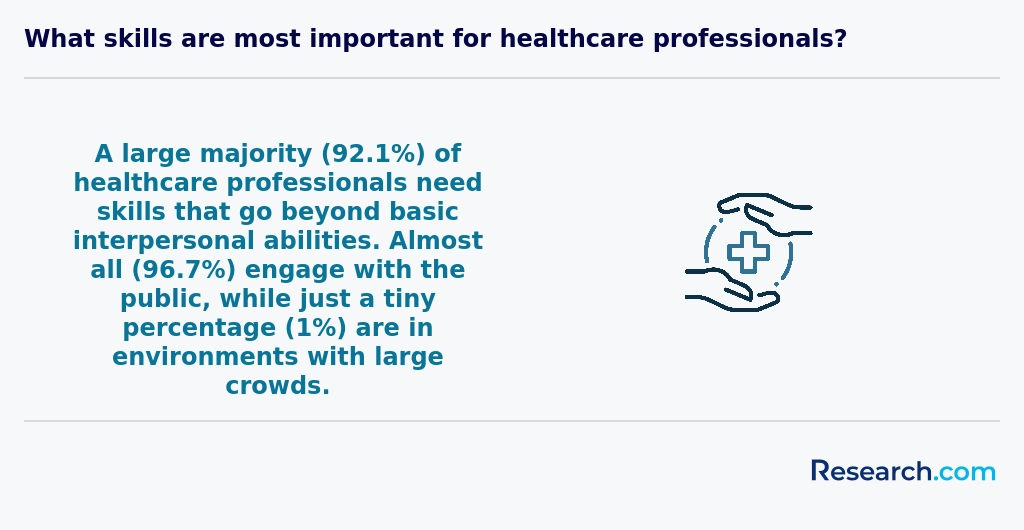
Navigating the application process is a key step in launching your online healthcare education journey. Begin by researching programs that align with your career goals, noting essential factors such as accreditation, program format, and support services. Once you shortlist potential schools, reach out to their admissions offices for detailed application guidelines and deadlines. Key application tips include: • Prepping required documents early, such as transcripts, recommendation letters, and personal statements. • Reviewing financial aid options and scholarship opportunities to help manage tuition costs effectively. • Scheduling standardized tests if required, and retaking them if needed to improve your scores. • Attending virtual information sessions or open houses, which provide deeper insights into program specifics and student support. • Comparing program details and costs-if cost is a concern, consider checking out most affordable healthcare schools in connecticut for budget-friendly options. By following these steps and gathering thorough information, you’ll be well-prepared to submit a strong application, positioning yourself for success in Connecticut’s evolving online healthcare landscape.
What financial aid is available to online healthcare degree students in Connecticut?
Students pursuing online healthcare degrees in Connecticut often find that federal financial aid forms the foundation of their funding options. Filling out the FAFSA opens doors to Pell Grants and federal loans, essential tools for managing the higher tuition costs common at institutions like the University of Connecticut or Quinnipiac University. Graduates frequently share how Pell Grants relieved a significant financial burden during their studies, allowing them to concentrate on demanding healthcare coursework without overwhelming debt stress.
State-level support also plays a crucial role. Programs such as the Roberta B. Willis Scholarship and Tuition Waiver for low-income students provide targeted relief. Many healthcare students report accessing these benefits through Connecticut colleges, helping them afford their degrees amid the state's higher living expenses.
Furthermore, healthcare employers in Connecticut, including local hospitals connected to Yale New Haven Health System, often offer tuition reimbursement or scholarships. This partnership approach encourages ongoing education, giving students confidence in balancing work and study. Anticipating growth in such collaborations hints at an increasingly supportive landscape for online healthcare learners across the state.
As scholarships from organizations like the Connecticut Nurses Association continue to expand, future students may experience even greater financial flexibility, making healthcare education more accessible in the evolving Connecticut job market.
What are the prerequisites for enrolling in online healthcare degree program in Connecticut?
Enrolling in an online healthcare degree in Connecticut typically begins with having a high school diploma or GED, a baseline requirement that many students from institutions like the University of Connecticut or Yale find straightforward. Graduates often recall that completing core science courses beforehand, such as biology and chemistry, made their advanced studies feel much more approachable and rewarding.
For those pursuing graduate-level degrees, such as a Master of Science in Nursing from a well-known Connecticut college, holding a bachelor's degree with a minimum GPA of around 2.5 to 3.0 is usually expected. Many students describe feeling encouraged by how these standards motivated them to build a strong academic foundation.
Besides transcripts, letters of recommendation and personal statements are common prerequisites, offering applicants a way to share their passion and commitment to healthcare. Some online learners from popular state universities have shared how submitting their Certified Nursing Assistant credentials or relevant healthcare experience boosted their confidence and readiness for clinical placements.
With Connecticut's healthcare field evolving, students also prepare for new requirements like background checks and industry-aligned competencies, ensuring they step into their careers fully equipped and enthusiastic.
Accreditation and Licensing in Connecticut
Understanding accreditation and licensure ensures your online healthcare degree is recognized and meets state standards.
Most reputable programs hold these approvals:
- Institutional accreditation by the New England Commission of Higher Education (NECHE)
- Programmatic accreditation from bodies like the Commission on Collegiate Nursing Education (CCNE), Accreditation Commission for Education in Nursing (ACEN), or Commission on Accreditation of Healthcare Management Education (CAHME)
- Specialty-specific accreditation (e.g., NAACLS for clinical laboratory science)
Before enrolling, confirm that your chosen program:
- Aligns its curriculum with Connecticut’s Board of Examiners for Nursing or relevant licensing board
- Includes required clinical hours at approved local facilities
- Prepares you for national certification exams in your field
For related guidance on accredited healthcare pathways, see our overview of an affordable pharmacy degree.
What courses are typically in online healthcare degree programs in Connecticut?
Online healthcare degree programs in Connecticut consistently include a blend of foundational and advanced courses designed to prepare students for the dynamic healthcare sector. Graduates from prominent Connecticut universities often reflect on how courses like anatomy and physiology gave them a clear, detailed understanding of the human body-knowledge that became vital during hands-on practicums at local clinics.
Many students find that microbiology and pharmacology classes bring real-world relevance, especially when learning about disease mechanisms or medication management amid evolving health challenges. Healthcare administration and policy courses specific to Connecticut's regulatory environment help them confidently navigate local healthcare systems.
- Healthcare ethics and law, emphasizing patient rights and provider responsibilities, instills a strong sense of professional integrity
- Healthcare informatics, which prepares students to use cutting-edge technology for secure health data management
- Public health principles, focusing on proactive community health approaches and prevention strategies in Connecticut
- Research methods and statistics, empowering students to critically evaluate clinical data and drive evidence-based decisions
Students often share how capstone projects and practicums blend theory with application, whether through virtual simulations or partnerships with Connecticut medical centers, boosting their confidence to step into healthcare roles ready to meet tomorrow's challenges.
What types of specializations are available in online healthcare degree programs in Connecticut?
Online healthcare degree specializations in Connecticut are evolving rapidly to meet future demands. Current options typically include Nursing, Healthcare Administration, Public Health, Health Informatics, and various Allied Health Fields. Graduates from popular universities across Connecticut describe their experiences as empowering, especially witnessing firsthand how Nursing programs prepare them for leadership roles in a state projecting 12% growth in registered nursing jobs by 2030.
Students focused on Healthcare Administration often share ambitions to influence hospital operations in Connecticut's densely equipped health systems. Similarly, Public Health specializations open doors to addressing community wellness with the backing of active state collaborations, providing students a tangible sense of impact.
Health Informatics is gaining traction, driven by a surge in electronic health records usage, making it appealing for those interested in technology's role in healthcare. Many also find Allied Health Fields rewarding, spotlighting critical roles like occupational therapy assistant and medical coding that keep healthcare systems running smoothly.
For those exploring the best healthcare programs Connecticut online, understanding how each specialization aligns with career goals is key. Prospective students might also explore options like the ranking of affordable online doctorate in pharmacy program for advanced pathways.
How do you choose the best online healthcare degree in Connecticut?
Choosing the best online healthcare degree in Connecticut means envisioning how your education fits into tomorrow's healthcare landscape. Graduates from well-known local institutions often speak about the value of programs that balance rigorous online coursework with flexible scheduling, enabling them to work or care for family while advancing their credentials. Selecting a program with strong accreditation, such as those endorsed by CCNE, ensures your degree holds weight with future employers across Connecticut's evolving healthcare system.
Consider the impact of rising healthcare demands in Connecticut, where an aging population drives a surge in job opportunities. Graduates who pursued affordable online healthcare programs Connecticut appreciate how financial aid and scholarships eased their journey. Looking ahead, programs that incorporate virtual simulations or local clinical placements create immersive experiences, helping students excel in practical skills.
Many prospective students find it helpful to explore rankings like the Low Cost Online Healthcare Degree Programs Ranking in Toledo, OH for comparative cost insights. This broader perspective guides wiser choices as you invest in a degree that meets both your budget and career aspirations.

What career paths are available for online healthcare degree students in Connecticut?
Healthcare graduates from institutions like the University of Connecticut and Quinnipiac University often find their online healthcare careers in Connecticut evolving alongside the state's expanding healthcare industry. Many graduates thrive as Registered Nurses or Nurse Practitioners, enjoying competitive salaries and meaningful patient interactions that fuel their passion for care. Others move into administration, managing operations in hospitals or long-term care facilities, where leadership skills grow in demand as healthcare systems become more complex.
Emerging trends show opportunities expanding into healthcare informatics and data analysis roles, with graduates leveraging skills gained through online degrees to improve patient outcomes and compliance. Those focused on public health or health policy find themselves at the forefront of wellness initiatives and costing strategies, helping shape Connecticut's healthcare future. Some graduates also explore unique pathways combining direct care and community health, highlighting the diverse possibilities that an online healthcare degree opens up.
Many students recognize the value of accelerated programs and thus explore one year master degree programs to quickly advance their careers and meet the state's growing demand for skilled healthcare professionals.
What is the job market for online healthcare degree in Connecticut?
Graduates with an online healthcare degree in Connecticut are entering a job market that is not only expanding but also evolving rapidly. With Connecticut's healthcare industry growing faster than the national average, those completing programs at well-known institutions such as the University of Connecticut and Quinnipiac University often share stories of smooth transitions into roles like registered nurses or healthcare administrators. These graduates highlight how the state's emphasis on telehealth creates dynamic opportunities to work remotely or in innovative care settings. The online format equips them to adapt quickly to new digital healthcare demands, which is increasingly valued by employers such as Yale New Haven Health System.
Students exploring the online healthcare degree job outlook Connecticut might find encouragement knowing that job growth in crucial sectors, including home health care and outpatient services, is robust. Many report the satisfaction of contributing to patient care amid this surge, especially as employers seek professionals who are ready to navigate both traditional and telehealth roles with equal confidence.
For those still considering their educational path, Connecticut's programs offer flexible options that can be more affordable than on-campus study. Exploring the easiest online bachelor degrees within healthcare can be a strategic first step for entering this promising field without overwhelming financial pressure.
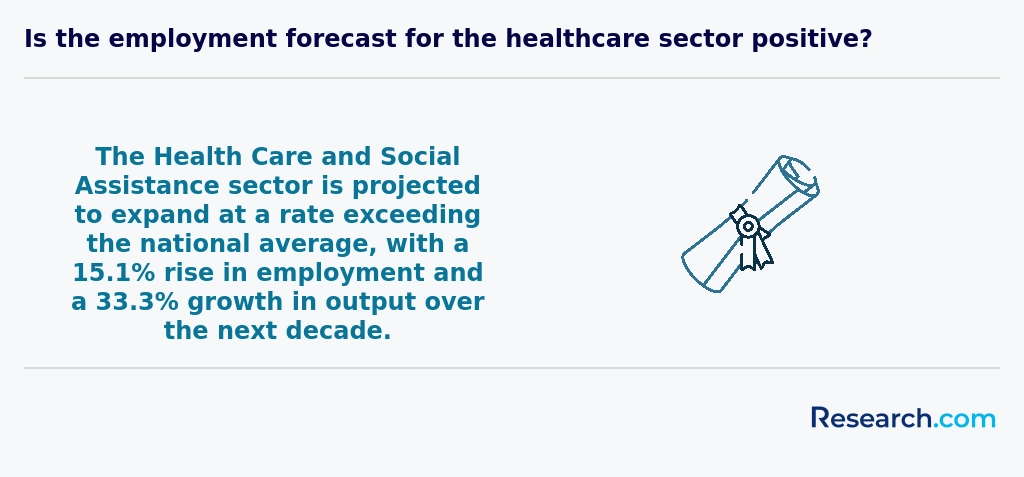
Connecticut healthcare degree employment opportunities remain bright as the state's aging population and emerging medical technologies drive demand. Certification and licensure successes reported by graduates demonstrate that an online degree from Connecticut institutions can open doors to rewarding and well-compensated healthcare careers.
Frequently Asked Questions About healthcare
Online healthcare degree students in Connecticut can maximize their learning by actively engaging in virtual discussions and utilizing available digital resources. Connecticut ranks high in healthcare accessibility, making local internships and clinical placements valuable for hands-on experience. Connecting with faculty during virtual office hours enhances understanding, especially in complex subjects like anatomy or pharmacology. According to the Connecticut Office of Higher Education, students should also leverage state partnerships that offer externships with leading hospitals such as Yale New Haven Health. Time management and consistent study routines are essential, alongside joining online study groups to foster peer support and collaboration.
Emerging niches in healthcare reflect technological progress and evolving patient needs. In Connecticut, telehealth services have expanded rapidly, driven by the state's rural areas and ongoing demand for remote care. According to the Connecticut Department of Public Health, telemedicine grew by over 50% between 2019 and 2023.
Another growing field is healthcare informatics, combining data analysis with patient care. This niche supports better decision-making and improves health outcomes. Online programs increasingly offer specializations in this area to meet workforce demand.
Geriatric care is also gaining importance in Connecticut due to its aging population; the state's Office of Policy and Management projects a 30% increase in residents aged 65+ by 2030. Specializing in elder care prepares graduates for a high-need sector.
Preparing for the job market after completing an online healthcare degree in Connecticut requires strategic steps. First, graduates should obtain relevant state licensure or certification. For example, Connecticut's Department of Public Health regulates many healthcare careers, so verifying certification requirements early is essential.
Networking is another critical element. Joining professional organizations like the Connecticut Nurses Association or the Connecticut Healthcare Executives Network can help graduates access job openings and mentorship.
Many Connecticut healthcare employers value hands-on experience. Even after completing an online degree, pursuing internships, volunteer roles, or part-time jobs in local hospitals or clinics enhances employability.
According to the Connecticut Department of Labor, healthcare occupations are projected to grow by 15% through 2030, presenting strong job prospects for graduates who combine education with practical experience.
Employers in Connecticut highly value healthcare graduates who demonstrate strong clinical skills and adaptability. According to the Connecticut Department of Labor, proficiency in patient care techniques and familiarity with electronic health records (EHR) systems are among the most sought-after competencies. Communication skills also rank very high, as healthcare professionals often work in team-based settings within hospitals and clinics.
Critical thinking and problem-solving abilities are crucial for responding effectively to complex medical situations. Furthermore, given Connecticut's aging population, knowledge of geriatric care is becoming increasingly important. These skills, combined with ethical decision-making, prepare graduates to meet the state's evolving healthcare needs successfully.
Finding internships in Connecticut that align with healthcare degrees requires proactive research and networking. Start by exploring healthcare facilities like Yale New Haven Health and Hartford HealthCare, which offer structured internship programs for students. According to the Connecticut Department of Labor, healthcare employment is growing rapidly, increasing opportunities for hands-on experience.
Many universities in Connecticut maintain partnerships with local hospitals and clinics to help students secure clinical placements. Leveraging career services at online programs can also provide tailored internship leads. Additionally, professional organizations such as the Connecticut Nurses Association list internship and volunteer opportunities online.
Finally, online platforms like Handshake and Indeed frequently post Connecticut-specific healthcare internships. Preparing a concise resume and cover letter focused on healthcare skills will improve your chances.
An online healthcare degree in Connecticut significantly enhances career mobility and advancement opportunities. According to the Connecticut Department of Labor, healthcare occupations are projected to grow by 10% between 2020 and 2030, faster than the national average. This demand increases the need for qualified professionals with formal education credentials.
Completing an online healthcare degree offers flexibility, allowing working adults to upskill without pausing their careers. Graduates often qualify for higher-paying roles such as healthcare administration, nursing management, or specialized clinical positions.
Moreover, many Connecticut employers recognize accredited online degrees, facilitating entry into leadership and specialized fields. Institutions like the Connecticut Hospital Association support ongoing education, aligning with state workforce development initiatives to improve healthcare quality statewide.
Studying for an online healthcare degree in Connecticut equips students for interdisciplinary roles by emphasizing collaboration across various healthcare fields. Many programs integrate courses in nursing, health administration, and public health, fostering a broad skill set.
Connecticut's healthcare sector employs over 250,000 professionals, many working together in hospitals and community settings, creating demand for graduates who can navigate multiple disciplines effectively (Connecticut Department of Public Health, 2023).
Online programs emphasize communication, teamwork, and problem-solving skills, essential for coordinated patient care. Coursework often includes case studies and simulations reflecting real-world interdisciplinary challenges.
This integrated approach prepares students to contribute in diverse roles such as care coordination, clinical management, and health policy development, meeting the state's evolving healthcare needs.
Choosing between a thesis and a non-thesis healthcare degree program in Connecticut depends on your career goals and learning preferences. Thesis programs require conducting original research, which suits those interested in clinical research or academic careers. Non-thesis tracks emphasize practical skills and coursework, ideal for professionals aiming to advance directly in healthcare practice or administration.
In Connecticut, healthcare employment is expected to grow by 15% through 2030, according to the Connecticut Department of Labor. This growth supports diverse educational paths, including research-driven roles and applied clinical jobs. Many online programs in the state offer flexibility, allowing students to balance work and study.
Consider your time commitment and interest in research. Thesis options often require more time, while non-thesis programs can be completed faster, helping professionals meet workforce demands efficiently.
Students in Connecticut interested in studying healthcare abroad while pursuing online degrees have several pathways available. Many US institutions offer global healthcare programs with international clinical partnerships, allowing students to combine online coursework with hands-on experiences overseas.
Connecticut's higher education system, including schools like the University of Connecticut, supports study abroad options through affiliated healthcare networks. These programs often focus on global health challenges, providing valuable exposure to diverse medical settings.
Given Connecticut's growing healthcare sector-contributing nearly $17 billion annually to the state economy as reported by the Connecticut Department of Economic and Community Development-students gain relevant international experience that may enhance future employment within this robust market.
It is important to verify that overseas clinical placements meet US accreditation standards to ensure seamless professional licensure upon return.
Students pursuing online healthcare degrees in Connecticut can enhance their education through various part-time job opportunities. Working as a medical assistant or a certified nursing assistant (CNA) offers practical experience directly related to healthcare roles. According to the Connecticut Department of Labor, healthcare occupations are among the fastest-growing sectors in the state, with medical assistants earning a median hourly wage of $18.50 as of 2023.
Other options include roles in healthcare administration or patient services, which help develop organizational and communication skills essential for healthcare careers. Local hospitals and clinics near Hartford and New Haven also often seek part-time workers, providing diverse environments to apply academic knowledge.
Volunteering in community health programs or telehealth services is another valuable option, especially with the rising demand for remote care solutions in Connecticut's expanding healthcare system.
Online healthcare students in Connecticut have access to robust networking opportunities despite the virtual format. Many state colleges and universities offer virtual career fairs, connecting students with local employers and healthcare organizations. For example, the Connecticut Center for Nursing Workforce collaborates with schools to provide online networking events and internships.
Students can also engage with professional associations such as the Connecticut Public Health Association and the Connecticut Nurses Association, which host webinars and virtual meetups. These platforms facilitate connections with industry experts and peers.
Additionally, online programs often include virtual discussion groups and alumni networks, helping students build professional relationships within Connecticut's growing healthcare sector, which is expected to add over 7,000 jobs by 2030 according to the Connecticut Department of Labor.
Alumni networks offer significant advantages for online healthcare degree students in Connecticut. These connections provide access to mentorship, career guidance, and job opportunities within the state's robust healthcare sector. Connecticut employs over 230,000 healthcare professionals, making networking essential for job placement and advancement.
Students benefit from peer support and professional development events coordinated by alumni groups. Such interactions often lead to internships, research collaborations, and references for competitive positions.
Additionally, alumni networks help recent graduates navigate Connecticut's specific licensing and credentialing requirements, crucial for healthcare careers. According to the Connecticut Department of Public Health, staying informed through alumni can accelerate career success.
Customizing an online healthcare degree in Connecticut allows students to align their education with specific career goals. Many accredited Connecticut institutions offer flexible programs featuring elective courses, concentration areas, and specialization tracks such as public health, healthcare management, or nursing.
Students can often select from different formats, including part-time or accelerated courses, to suit their schedules. Clinical practicum placements can sometimes be completed at local Connecticut healthcare facilities, providing relevant hands-on experience.
According to the Connecticut Department of Public Health, tailoring your education to growing fields like healthcare administration can increase job opportunities, as the state projects a 15% growth in healthcare occupations through 2028. Choosing electives and certifications that match these trends enhances employability.
Online healthcare students in Connecticut face several notable challenges. One major issue is accessing quality clinical placements within the state. Connecticut's healthcare system is competitive, making it difficult for online students to secure hands-on experience required for licensure and certification, according to the Connecticut Department of Public Health. Additionally, balancing coursework with work or family obligations is common, as many learners are working professionals. Limited in-person interaction with faculty and peers can also affect networking and mentorship opportunities. Finally, technological issues like reliable internet access or platform usability may hinder students, especially in rural areas where broadband coverage is less consistent.
With an online healthcare degree in Connecticut, you can pursue several professional certifications that enhance your career prospects. Popular certifications include the Certified Nursing Assistant (CNA), Registered Nurse (RN) license, and the Certified Medical Assistant (CMA) credential. These certifications often require passing an exam and meeting clinical experience criteria, which can be completed locally.
Connecticut's Department of Public Health reports a steady demand for certified healthcare professionals, with a 6% projected growth in nursing roles through 2030.
Additional certifications like the Certified Professional in Healthcare Quality (CPHQ) or Health Information Technician credentials are options for graduates interested in healthcare administration or informatics.
Writing a winning application for an online healthcare program in Connecticut requires clear focus and preparation. Start by thoroughly researching programs accredited by agencies like the Commission on Accreditation of Allied Health Education Programs (CAAHEP) or the Accreditation Commission for Education in Nursing (ACEN). Connecticut's healthcare sector is growing rapidly, with a 15% increase in healthcare employment projected by 2030, according to the Connecticut Department of Labor.
Highlight your relevant experience, whether in clinical settings or related fields, and emphasize your commitment to healthcare careers. Strong letters of recommendation from healthcare professionals can significantly support your application. Additionally, clearly explain your motivation for choosing an online program, showing how it fits your career goals and life commitments.
Pay attention to your personal statement's clarity and grammar. Use specific examples to demonstrate skills like communication, empathy, and problem-solving-key traits for healthcare professionals. Lastly, ensure all transcripts and test scores are up to date and submitted on time to avoid delays.
Healthcare careers are increasingly viewed through a global lens, with rising demand for professionals who understand diverse health systems and challenges. In the United States, including Connecticut, healthcare roles focus on providing culturally competent care and adapting to international health trends.
Connecticut's healthcare sector employs over 150,000 workers, reflecting a strong local demand supported by a nationally growing healthcare workforce expected to increase by 13% through 2031 (U.S. Bureau of Labor Statistics). Globally, organizations like the World Health Organization emphasize the need for healthcare workers skilled in telehealth and cross-border health issues.
For Connecticut students seeking online healthcare degrees, this global perspective highlights the importance of curricula that combine local healthcare regulations with a broader understanding of worldwide health priorities and technologies.
Gaining practical experience while pursuing an online healthcare degree in Connecticut is essential for career readiness. Many accredited programs require clinical or fieldwork components, which students can complete locally. Students often partner with hospitals, clinics, and community health organizations across Connecticut for internships or practicums. For example, Yale New Haven Health System and Hartford HealthCare frequently collaborate with educational institutions for student placements.
State regulations allow online learners to fulfill hands-on requirements at approved sites near their residence. Additionally, virtual simulation labs are increasingly used to complement in-person experiences, offering interactive training on medical procedures. According to the Connecticut Department of Public Health, these combined approaches help students meet licensure prerequisites effectively while managing their studies remotely.
Choosing the right concentration within an online healthcare degree program in Connecticut involves evaluating your career goals and the local job market. Connecticut's healthcare sector is growing, with over 300,000 jobs projected by 2030, according to the Connecticut Department of Labor. Specializations like nursing, health informatics, and healthcare administration are in demand due to the state's aging population and expanding medical facilities.
Research each concentration's curriculum and how it aligns with licensure or certification requirements in Connecticut. Networking with local professionals and reviewing employment data from the Connecticut Department of Public Health can provide valuable insights.
Consider programs offering practicum or virtual clinical experiences suited to Connecticut's healthcare regulations. This ensures practical skills are developed alongside theoretical knowledge, improving employability in the state's competitive healthcare environment.
Related Healthcare Rankings for Nearby States
- 2027 Best Online Healthcare Degree Programs Ranking in Massachusetts
- 2027 Best Online Healthcare Degree Programs Ranking in Maryland
- 2027 Best Online Healthcare Degree Programs Ranking in Maine
- 2027 Best Online Healthcare Degree Programs Ranking in Virginia
- 2027 Best Online Healthcare Degree Programs Ranking in Kentucky
- 2027 Best Online Healthcare Degree Programs Ranking in Tennessee
- 2027 Best Online Healthcare Degree Programs Ranking in Indiana
- 2027 Best Online Healthcare Degree Programs Ranking in Michigan
- 2027 Best Online Healthcare Degree Programs Ranking in Georgia
- 2027 Best Online Healthcare Degree Programs Ranking in Illinois
Top Trending Healthcare Rankings
See What Experts Have To Say About Studying Healthcare
Read our interview with Healthcare experts

References
- Masters in Health Administration in Connecticut | MHA Degree Programs for Healthcare Administration Jobs in CT https://www.healthcareadministrationedu.org/connecticut/
- How Much Can I Make With an Online Bachelor's of Public Health? - MPH Online https://www.mphonline.org/salary-bachelors-public-health/
- Health Information Technology - CT State https://ctstate.edu/programs/hit
- Is an Online Degree the Same as a Traditional Degree | Online Degree https://www.cambridgehealth.edu/online-degrees/get-an-online-degree/is-an-online-degree-the-same-as-a-traditional-degree/
- Health Careers Advancement Program - Workforce Alliance https://workforcealliance.biz/hcap/
- How to Write Your Cover Letter | NQRTH https://www.nqrth.edu.au/career-planning/how-to-write-your-cover-letter/
- Pre-Med Study Abroad Programs | Go Overseas https://www.gooverseas.com/study-abroad/pre-med
- Online Medical Programs at CHCP - Start Now! https://www.chcp.edu/degrees-certificates/online/
- Employability Skills Matrix for the Health Sector https://www.skillsforhealth.org.uk/resources/employability-skills-matrix/
- Highest-Paying Healthcare Degrees Online | EduMed.org https://www.edumed.org/articles/highest-paying-healthcare-degrees/