
2027 Easiest Online Bachelor's in Healthcare Degree Programs Ranking in the South

Co-Founder and Chief Data Scientist
The journey to earning a healthcare degree can be both exciting and overwhelming, especially when choosing the right program. This article presents the 2027 Easiest Online Bachelor's in Healthcare Degree Programs Ranking in the South, developed by the Research.com team of data scientists.
Designed to help you make an informed decision, the ranking highlights accessible programs that fit your lifestyle. Pursuing a healthcare degree opens doors to meaningful careers and lasting impact.
Explore this guide to find programs that match your goals and start your path with confidence.
Key benefits of getting online healthcare degree in the South
- Healthcare degree graduates in the South often earn competitive salaries, such as $43,350 annually for Medical Assistants and Clinical Research Coordinators, or up to $103,150 for Quality Improvement Coordinators, providing great financial stability.
- Graduates from Southern universities commonly pursue diverse roles like Patient Care Technicians or Health Information Technicians, ensuring flexible career options tailored to your interests and skills.
- Completing a healthcare degree online from a respected Southern school offers convenient scheduling and the chance to balance work and study, making education accessible without sacrificing your lifestyle.
- Key benefits of getting online healthcare degree in the South
- What can I expect from online healthcare degree in the South?
- Where can I work with online healthcare degree in the South?
- How much can I make with online healthcare degree in the South?
- 2027 Easiest Online Bachelor's in Healthcare Degree Programs Ranking in the South
- Key Findings
- How long does it take to complete online healthcare degree in the South?
- Tips for Success in Your Online Healthcare Degree Journey
- What's the difference between online and on-campus healthcare degree?
- Importance of Accreditation and Licensure
- What is the average cost of online healthcare degree in the South?
- Tips for Success in Online Healthcare Education
- What financial aid is available to online healthcare degree students in the South?
- Tips for Success in Your Online Healthcare Degree
- What are the prerequisites for enrolling in online healthcare degree program in the South?
- Accreditation and Quality Assurance
- What courses are typically in online healthcare degree programs in the South?
- What types of specializations are available in online healthcare degree programs in the South?
- How do you choose the best online healthcare degree in the South?
- What career paths are available for online healthcare degree students in the South?
- What is the job market for online healthcare degree in the South?
- Top Trending Healthcare Rankings
- See What Experts Have To Say About Studying Healthcare
What can I expect from online healthcare degree in the South?
When it comes to the cost of an online healthcare degree in the South, you're generally looking at something more affordable than traditional on-campus programs. Many students from popular schools in Texas or Florida have found tuition rates that are easier on the wallet, often because online programs cut down on campus fees and commuting costs. Some graduates share that their total expenses can range widely, but typically, tuition might fall between $5,000 and $15,000 per year depending on the school and program level.
Financial aid and scholarships are often available too, making it even easier to manage expenses. For example, several Southern colleges have dedicated support to help online students access grants specifically for healthcare studies. Graduates appreciate how affordable it felt compared to in-person classes, especially since they could keep working part-time or full-time to support themselves while studying.
It's worth noting that costs can vary, but many find the investment worthwhile because Southern states have growing healthcare job markets, meaning better chances to pay off those tuition bills after graduation.
Where can I work with online healthcare degree in the South?
If you're earning an online healthcare degree in the South, you'll find plenty of doors opening up for you. Graduates from schools like the University of North Carolina or the University of Florida often land jobs in bustling hospitals or clinics in cities like Charlotte or Miami, handling everything from patient care coordination to healthcare management. Imagine working at a major hospital network where your decisions directly impact patients' lives-that's a pretty rewarding spot to be.
Then, there's growing demand in long-term care facilities thanks to our aging population. Many graduates find themselves making a real difference in nursing homes or elder care centers, managing services that help seniors live better, safer lives. If you're more tech-savvy, telehealth roles are booming in the South, especially for those with a focus on health information technology. You could be supporting virtual doctor appointments from your own home, helping folks in rural areas who don't have easy access to in-person care.
Public health gigs with government agencies or nonprofits are also a solid option, especially if you're passionate about addressing health disparities common in Southern states. It's the kind of work that feels meaningful, knowing you're helping your community.
How much can I make with online healthcare degree in the South?
If you're thinking about an online healthcare degree in the South, you can expect some pretty solid earning potential. Graduates working as Medical Assistants typically bring home around $43,350 a year, which is great for starting out. Patient Care Technicians do even better, with an average salary near $60,790, thanks to their hands-on roles in patient support.
Those who study health information technology, often at universities like the University of South Florida or UNC Chapel Hill, can count on about $43,380 annually. It's a steady path with plenty of room to grow as healthcare digitizes. Plus, jobs like Clinical Research Coordinators earn about $43,350, offering an interesting blend of science and patient care, perfect for grads who love variety in their work.
For folks aiming higher, Quality Improvement Coordinators pull in impressive salaries-around $103,150 a year-especially in bustling Southern cities like Atlanta or Dallas. Graduates from popular Southern colleges often mention feeling excited about the stability and growth opportunities these roles offer, making that online degree worth every hour.
2027 Easiest Online Bachelor's in Healthcare Degree Programs Ranking in the South
How do we rank schools?
Investing in your education is a significant decision that demands careful consideration, and the Research.com team is fully aware of the impact this choice can have on your future. To support prospective students in the South, we have diligently developed the "2027 Easiest Online Bachelor's in Healthcare Degree Programs Ranking in the South." Our dedication to quality, credibility, and accuracy is evident through the comprehensive research and analysis underpinning this ranking.
We utilized the following reputable data sources to ensure a thorough and reliable evaluation of healthcare programs:
By exploring this ranking, readers will gain valuable insights into accessible and high-quality online bachelor's programs in healthcare across the South, enabling informed and confident decisions about their education. For more information about our rigorous evaluation process, please visit our Research.com methodology page.
# 1 position
University of Maryland Global Campus
Bachelor of Health Services Management


Key Findings
- The cost for a bachelor's degree in healthcare online in the South ranges from $15,000 to $35,000, with public universities offering lower rates for in-state students.
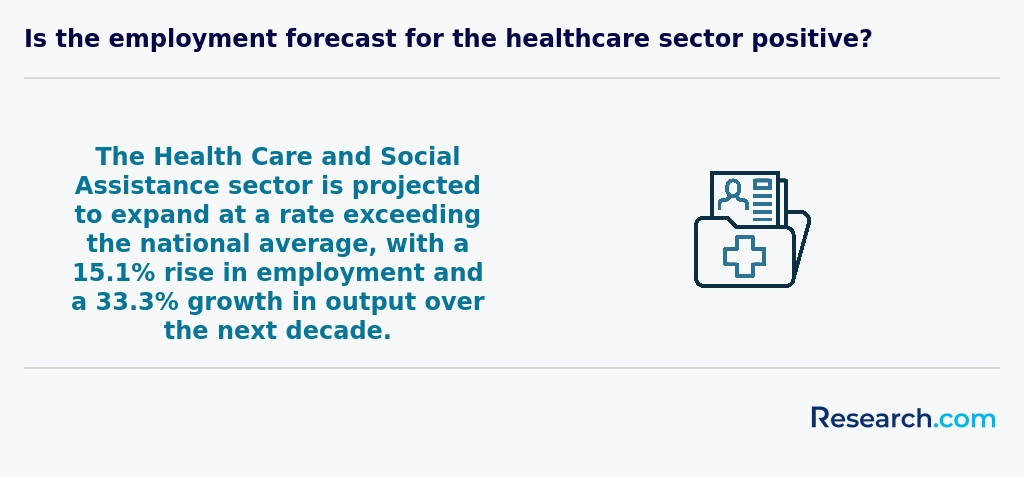
- Healthcare jobs in Southern states like Texas, Florida, and Georgia are growing at 15% to 25% over the next decade.
- Starting salaries for healthcare graduates in the region average about $50,000 per year, with mid-career earnings from $70,000 to $90,000.
- Online healthcare programs should be accredited by agencies such as CAAHEP or ACEN for licensure and certification eligibility.
- Many programs offer asynchronous courses to help students balance school with other responsibilities.
- Some Southern states have agreements allowing easier licensure across state lines for graduates working regionally.
How long does it take to complete online healthcare degree in the South?
Generally, finishing an online healthcare degree in the South takes about four years if you're studying full-time. That's the case for degrees like nursing or health administration at popular Southern schools, where many graduates appreciate the flexibility of pacing their studies around work and family. For example, students at well-known Southern universities often find that balancing a job and classes means stretching the program out to five or six years, which feels more doable and less stressful.
Some online programs in the South even have accelerated options, letting you finish in as little as three years if you've got prior credits or healthcare experience. Graduates from these programs say it's a real game-changer, speeding up their entry into the workforce. Plus, many schools offer credit-for-experience, which helps busy adults and nurses move through faster without sacrificing quality.
The time it takes can also depend on the specialty-BSN programs usually clock in around four years, while healthcare administration tracks might be slightly shorter, which keeps things exciting and fresh for students exploring different fields.
Tips for Success in Your Online Healthcare Degree Journey
Navigating an online healthcare degree can be both rewarding and challenging. Prospective students are encouraged to create a dedicated study schedule, actively participate in virtual discussions, and leverage academic support services to stay on track. Equally important is networking with peers and professionals in the healthcare field, which can open doors to mentorship and career opportunities. If you’re considering advancing your credentials later on, exploring options like a master’s degree can provide additional expertise; for instance, you might want to review the best online healthcare programs in texas for advanced career pathways. By focusing on time management, utilizing campus resources, and staying engaged with the latest industry trends, you can enhance your learning experience and achieve lasting success in your healthcare career.
What's the difference between online and on-campus healthcare degree?
Choosing between online and on-campus healthcare degrees in the South really comes down to how you want to learn and live your student life. Imagine a graduate from a well-known university in Texas juggling a full-time job and family-online classes let them study at their own pace without the hassle of daily commutes. This flexibility is a huge win, especially for students in rural Georgia or Florida, where getting to campus can be a long trip.
On the flip side, graduates from big Southern universities often talk about the buzz of being on campus-the hands-on labs, face-to-face chats with professors, and real-time clinical rotations right next to peers. Those in-person moments really help when practicing skills that just can't be mastered behind a screen.
Online students usually save cash on housing and travel, but both paths stick to recognized regional accreditation, so employers value your degree just the same. It's really about picking what fits your life and learning style best down here in the South.
Importance of Accreditation and Licensure
Accreditation is the cornerstone of any reputable online healthcare bachelor’s program in the South, ensuring rigorous academic standards, seamless credit transfer, and eligibility for professional licensure exams. Regional accreditation bodies such as the Southern Association of Colleges and Schools Commission on Colleges (SACSCOC) validate overall institutional quality, while programmatic accreditors-like the Commission on Collegiate Nursing Education (CCNE) or the Accreditation Council for Education in Nutrition and Dietetics (ACEND)-focus on specific healthcare disciplines. Pursuing an accredited program not only instills confidence in employers and graduate schools but also safeguards your investment by guaranteeing that your degree meets national and state licensing requirements. Many states will only recognize degrees from programs accredited by bodies recognized by the U.S. Department of Education, which is critical if you plan to sit for credentialing exams or relocate within the Southern region. To explore additional pathways and understand all of your options for continuing education, review our comprehensive list of online health care degrees, which highlights accredited bachelor’s, master’s, and certificate programs designed to advance your career and fulfill licensure prerequisites.
What is the average cost of online healthcare degree in the South?
When looking at the average cost of online healthcare degree programs in the South, most students can expect to pay around $27,000 if they qualify for in-state tuition. This is a great deal compared to out-of-state rates, which can push the total cost north of $53,000. Graduates from popular Southern universities like the University of Florida or the University of North Carolina often share how affordable these programs made pursuing their healthcare careers possible without drowning in debt.
For example, many students find that the total tuition and fees for Southern online healthcare degrees nicely fit into their budgets, especially when factoring in scholarships designed specifically for healthcare fields. This balance helps future healthcare professionals stay focused on their studies and hands-on practice without constant stress about finances.
Plus, with a typical online bachelor's degree requiring around 120 credit hours, the costs stay manageable thanks to lower per-credit rates offered by these schools. Southern universities have increasingly invested in these programs, offering a competitive price point to attract students from their own states and nearby areas, making it even easier to access quality education. For more information on options, you might check out the best online healthcare programs in texas.
Tips for Success in Online Healthcare Education
Thriving in an online healthcare program requires a proactive approach to time management, effective communication, and leveraging available resources. First, establish a dedicated study schedule that accommodates both academic responsibilities and personal commitments. This consistency not only improves retention of complex healthcare topics but also enables better preparation for clinical rotations and real-world applications. Additionally, engage actively in virtual discussions, study groups, and mentorship opportunities; these interactions can provide critical support and industry insights that are essential for success. Consider utilizing career support services, such as resume workshops and interview coaching, which many online programs offer to help transition smoothly into the workforce. If you’re evaluating your options, explore the best online healthcare programs in texas to find innovative learning environments that prioritize student success. Finally, continuously assess your progress and seek feedback from professors and peers, ensuring that your online learning experience translates into practical skills and professional growth in the evolving healthcare landscape.
What financial aid is available to online healthcare degree students in the South?
If you're going after an online healthcare degree in the South, you'll find a good mix of financial aid that really helps ease the cost. Lots of graduates from schools like the University of Florida or Texas A&M talk about how FAFSA grants and federal student loans made a big difference, covering a chunk of tuition and living expenses without stressing them out. Those Pell Grants can go up to $7,395 a year, and that's no small change!
State grants are another big help, especially if you're a resident. In places like Georgia or Florida, these grants specifically support students enrolled in healthcare programs, often shaving thousands off tuition fees. Many Southern universities throw in scholarships too-whether they're merit-based, need-based, or linked to healthcare jobs. Some grads have shared how loan forgiveness programs tied to working in rural clinics made finishing their degree feel way more doable.
Veterans have extra perks through the GI Bill and military tuition assistance, sometimes covering full tuition plus extra for books and housing. Besides that, plenty of private scholarships and employer tuition help spotlights how people in the Southern healthcare scene want to see you succeed.
Tips for Success in Your Online Healthcare Degree
Succeeding in an online healthcare program not only involves choosing the right course but also adopting effective strategies to balance academics, work, and personal commitments. To excel, students should establish a structured study routine that includes dedicated time for coursework, practical assignments, and interactive sessions with faculty and peers. Leveraging university-provided support services-such as tutoring, technical help, and career advising-can help build both academic and professional confidence. Networking with classmates through virtual study groups and participating in online seminars can further enhance learning and lead to valuable mentorship opportunities. Additionally, staying informed about industry trends and potential educational pathways can be a significant booster; for instance, comparing online degree options can help you find programs that best match your career goals, such as exploring cheapest mph programs in usa for international students for those interested in public health careers. By integrating disciplined study habits, utilizing available resources, and staying connected with the larger online learning community, students can maximize their learning experience and better prepare for a thriving career in the healthcare industry.
What are the prerequisites for enrolling in online healthcare degree program in the South?
When you're aiming to enroll in an online healthcare degree in the South, the basics usually kick off with having a high school diploma or something equivalent. Many students from well-known Southern universities found that keeping a GPA around 2.5 to 3.0 really helped smooth the process since healthcare programs expect you to stay on top of challenging material.
For those going after advanced options like a Bachelor's in Nursing or healthcare administration, having some college credits or certifications already in hand is key. Graduates often mention how sending official transcripts from prior colleges cleared the way for them to jump right into the heart of their studies at schools popular in the region.
Science background matters, too. Imagine taking basic biology or chemistry classes to prep for tougher healthcare courses. Some Southern schools even ask you to finish these prerequisites before starting, making sure you're ready to handle the workload.
International students, especially, need to show their English skills through tests like TOEFL or IELTS, so everyone can communicate well in the virtual classroom.
Students also share how having solid letters of recommendation and a personal essay helps show their passion for healthcare, which many Southern schools love to see.
And don't forget: reliable tech and internet are must-haves since a lot of your coursework and clinical simulations happen online, letting you learn from home or anywhere else in the South without missing a beat.
Accreditation and Quality Assurance
Choosing an online healthcare program with proper accreditation is essential for ensuring academic rigor, eligibility for federal financial aid, smooth credit transfer, and meeting professional licensure requirements. In the Southern region, most reputable institutions hold regional accreditation from the Southern Association of Colleges and Schools Commission on Colleges (SACSCOC). Additionally, programmatic accreditation-from bodies such as the Commission on Accreditation of Healthcare Management Education (CAHME) or the Accreditation Commission for Education in Nursing (ACEN)-verifies that specific curricula meet industry standards. When evaluating a program: • Verify institutional accreditation through the U.S. Department of Education or the Council for Higher Education Accreditation (CHEA). • Confirm programmatic accreditation on the institution’s website or through accreditor directories. • Check that clinical and practicum components are approved by state boards, especially for nursing, health information management, and allied health fields. • Review credit transfer policies to ensure previously earned coursework applies toward degree requirements. For students seeking both accredited and budget-friendly options, consider exploring our Affordable Online Healthcare Degree Programs Ranking in Hammond, LA, which highlights programs that balance cost with high accreditation standards.
What courses are typically in online healthcare degree programs in the South?
If you're diving into an online healthcare degree in the South, expect courses that really cover the essentials while keeping things flexible for your busy life. Graduates from popular Southern schools often talk about how classes like Introduction to Healthcare Systems made it easier to understand the big picture-think of it as learning how healthcare actually flows in places like Georgia or Texas.
Other must-take courses include Medical Terminology, which feels like a game-changer once you start speaking the language of healthcare professionals. Ethics in Healthcare usually sparks some lively discussions, helping students navigate real-world dilemmas they'll face on the job.
Students from well-known Southern universities also appreciate Healthcare Informatics, where you learn to manage data and technology-something that's super important in today's digital healthcare world.
Plus, courses on Health Promotion and Disease Prevention make it clear how you can make a real difference in your local community's well-being. It's like getting ready to step into a healthcare career with tools that actually work in Southern states' hospitals and clinics.
What types of specializations are available in online healthcare degree programs in the South?
If you're thinking about an online healthcare degree in the South, you've got plenty of solid options to choose from. Popular colleges in Texas, Florida, and Georgia offer specializations like Nursing (especially RN to BSN), which is a big deal since these states have some of the fastest-growing demand for nurses. Graduates often mention how their coursework felt super relevant, with real-world scenarios reflecting the hectic pace of Southern hospitals.
Health Information Management is another common focus, perfect for tech-savvy students wanting to handle electronic health records and data systems. Then there's Healthcare Administration, where you learn to lead complex organizations-something graduates from Tennessee know prepares them well to step into leadership roles.
Public Health is big too, tackling community issues in the South like chronic diseases, and Health Sciences covers a broad range of healthcare jobs or grad school prep. For a more niche track, some schools also offer Clinical Research or Occupational Therapy Assistant programs tailored for rehabilitation work.
Many students find these online healthcare degree specializations in the South not just practical but truly exciting. If you want to explore further, check out the cheapest mph programs in usa for international students to see how affordability pairs with strong career focus.
How do you choose the best online healthcare degree in the South?
Picking the best online healthcare degree in the South means focusing on what really counts for you. Graduates from popular Southern schools often share how key accreditation from groups like CCNE or ACEN made their degrees respected by employers and helped them land jobs faster. Cost is a big deal too-many found great value in affordable online healthcare degrees in the South, especially those offering lower tuition for in-state students or helpful scholarships.
Another thing to consider is the program's curriculum and how well it matches your career goals. For example, some Southern colleges offer specializations in nursing, health administration, or public health that graduates appreciated because the lessons reflected real-world healthcare challenges. Flexibility also matters a lot; many students balanced work and family by choosing programs with asynchronous classes and local clinical placements to gain hands-on experience.
If you're exploring options, check out the great resources and detailed info on online health care degrees to find a program that fits your lifestyle perfectly.

What career paths are available for online healthcare degree students in the South?
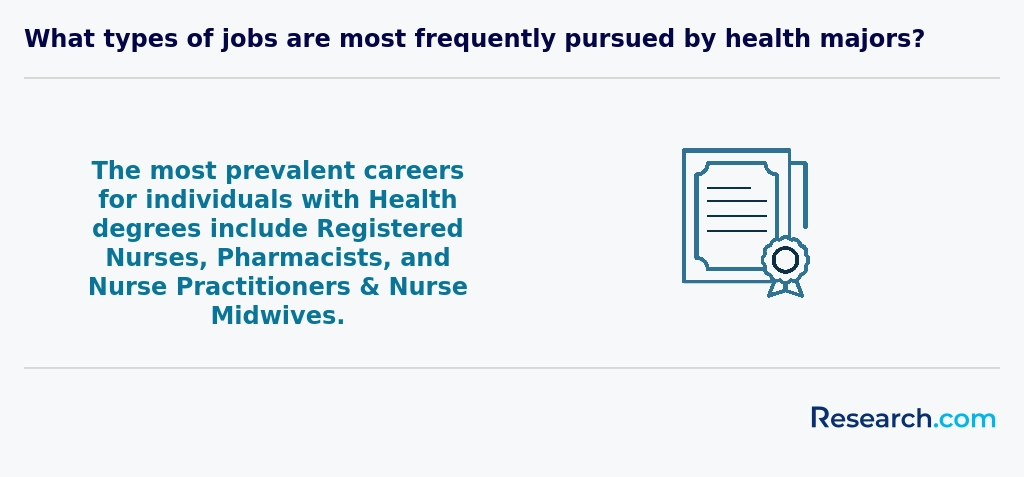
If you're thinking about an online healthcare degree in the South, you'll be glad to know there are plenty of career paths waiting for you. Many graduates from well-known Southern universities jump right into nursing roles, especially as registered nurses who are in high demand across the region. These programs, like those at some big-name colleges, make it easy to balance school and life while prepping you for a solid career. It's cool hearing how many students have landed jobs with salaries in the mid-$50,000 to $70,000 range.
Other grads are finding themselves drawn to healthcare administration, managing everything from hospital day-to-day operations to insurance processes. The Southern US is seeing a serious uptick in these roles, with growth expected to hit around 18% soon, which is great news if you want a stable job.
Public health is another exciting track, especially with local health challenges like diabetes and heart issues calling for some real community impact. Online healthcare degree job opportunities Southern US have expanded a lot, and some graduates even work as health educators or medical managers.
Interested in exploring more? Check out the Affordable Online Healthcare Degree Programs Ranking in Hammond, LA to find programs that fit your budget and goals.
What is the job market for online healthcare degree in the South?
Job prospects for graduates with online healthcare degrees in the South look really promising right now. Many folks who finished programs at popular schools like the University of North Carolina or the University of Florida have found great opportunities in hospitals and clinics because the demand for healthcare workers keeps growing with an aging population. The number of online healthcare jobs in the South is expanding, especially in nursing and health information management, where employers are eager to hire skilled professionals ready to jump in.
Plus, online programs at Southern universities often fit perfectly into busy lifestyles, helping students earn degrees without quitting their jobs. Graduates have shared how flexible courses and affordable tuition helped them start their careers faster. If you're interested, you might even want to get associate's degree online fast and get ahead.
Many healthcare degree employment opportunities Southern US offer competitive salaries and chances to grow, which keeps grads motivated and hopeful about what's next.
Frequently Asked Questions About healthcare
Students pursuing online healthcare degrees in the South can enhance their learning by actively engaging with virtual class discussions and study groups. According to the National Center for Education Statistics, Southern states have seen a 15% rise in online healthcare enrollment, indicating growing opportunities to connect with peers.
Utilizing local healthcare facilities for clinical practice is crucial. Many Southern universities partner with regional hospitals, allowing students to gain hands-on experience nearby. This approach helps bridge theory and practice effectively.
Additionally, students should leverage available academic resources, including tutoring services and career counseling, often offered remotely by Southern institutions.
Familiarity with regional healthcare challenges, such as rural access issues reported by the Southern Rural Health Association, can also deepen understanding and relevance.
Emerging niches within the healthcare field reflect growing demands in specialized areas, particularly in the Southern United States. Telehealth is rapidly expanding, driven by increased internet access and policies supporting remote care. According to the Federal Communications Commission, rural Southern regions have seen a 25% increase in telehealth adoption since 2020.
Another niche is healthcare informatics, where professionals manage and analyze health data to improve patient outcomes. The Southern region has invested heavily in electronic health record systems, creating opportunities for graduates with informatics skills.
Additionally, behavioral health specialties are gaining importance, as the South experiences higher rates of mental health challenges relative to national averages, according to the National Alliance on Mental Illness. These growing needs create new roles and degrees focused on counseling and substance abuse treatment.
Graduates with online healthcare degrees in the South should focus on building practical experience to improve job prospects. Many Southern states require specific certifications or licenses; verifying these requirements early is essential. According to the U.S. Bureau of Labor Statistics, healthcare employment in the South is projected to grow by over 15% by 2030, signaling a strong job market.
Networking through professional associations, such as the Southern Medical Association, can connect graduates with employers. Volunteering or internships in local hospitals also enhance resumes. Keeping skills current with continuing education helps meet evolving healthcare standards in the region.
Employers in the Southern US highly value healthcare graduates who demonstrate strong clinical skills, effective communication, and cultural competence. According to the Bureau of Labor Statistics, healthcare roles in this region often require adaptability to serve diverse and rural populations. Graduates proficient in technology, such as electronic health records (EHR), are increasingly in demand due to growing digital healthcare infrastructure.
Interpersonal skills are critical, as providers must collaborate with patients and multidisciplinary teams. The Southern Healthcare Association highlights that problem-solving and ethical decision-making are essential for managing complex medical environments common in the South. These skills prepare graduates to meet the evolving needs of this region's healthcare system effectively.
Finding internships relevant to a healthcare degree in the South involves several strategic steps. Start by exploring partnerships your online program may have with regional hospitals, clinics, and health organizations. Many Southern states, such as Texas and Georgia, have large healthcare systems that offer internships to students.
Utilize resources from state workforce commissions and regional healthcare associations to locate available positions. For example, the Georgia Hospital Association often lists internship opportunities online.
Networking through professional sites like LinkedIn and attending virtual career fairs can increase your chances. Additionally, consider applying to federally funded health centers, where many internships are supported by grants.
According to the Southern Regional Education Board, healthcare internships there often support licensure and certification requirements, enhancing career prospects.
Online healthcare degrees have become a vital tool for career mobility and advancement in the Southern United States. With healthcare jobs growing about 15% faster than other sectors nationally, many Southern states report even higher demand due to aging populations and rural healthcare shortages, according to the U.S. Bureau of Labor Statistics.
These degrees allow students to balance work and study, enabling professionals to gain new skills without relocating. Many employers in the South recognize accredited online degrees, aiding graduates in qualifying for promotions, leadership roles, or specialized positions.
Data from the National Center for Education Statistics shows enrollment in online healthcare programs in Southern states grew by nearly 30% from 2018 to 2022, reflecting their increasing value in career progression.
Studying for a healthcare degree in the South equips students with skills essential for interdisciplinary roles by emphasizing collaborative learning and diverse healthcare settings. Many Southern institutions integrate coursework that blends nursing, public health, administration, and information technology, reflecting the real-world teamwork needed in healthcare.
According to the Southern Regional Education Board, healthcare programs in the region often include interprofessional education experiences, preparing students to work alongside various medical professionals. This approach addresses the South's unique healthcare challenges, such as higher rates of chronic illnesses and rural health disparities.
Online programs frequently offer virtual simulations and group projects that mimic interdisciplinary teamwork. This helps students develop communication and problem-solving skills vital for integrated patient care teams.
Choosing between a thesis and a non-thesis healthcare degree program in the South depends largely on your career goals and learning preferences. Thesis programs require original research and are ideal if you plan to pursue advanced studies or research-based roles. Meanwhile, non-thesis options focus more on coursework and practical skills, suitable for those aiming to enter the workforce quickly.
Southern states have seen a 15% growth in healthcare jobs from 2019 to 2029, according to the U.S. Bureau of Labor Statistics, emphasizing demand for applied skills. Consider programs accredited by recognized agencies to ensure quality education and regional relevance.
Students based in the South seeking online healthcare degrees with an international focus have several options. Many US universities offer study-abroad partnerships and global health courses integrated into their online programs. These options allow students to gain exposure to healthcare systems worldwide without leaving home. According to the Institute of International Education, Southern institutions, such as the University of Florida and Emory University, maintain active exchange programs emphasizing global health.
Additionally, online degrees often include virtual internships or collaborations with foreign healthcare organizations. This flexibility is valuable as the Southern region has a growing demand for healthcare professionals familiar with global health challenges.
Students pursuing online healthcare degrees in the South can benefit from part-time jobs that align with their studies. Common roles include medical assistants, pharmacy technicians, and patient service representatives. These positions offer valuable hands-on experience with healthcare systems and patient care protocols while working flexible hours.
The Bureau of Labor Statistics notes that the Southern states have a growing demand for healthcare support jobs, reflecting regional trends. For instance, Texas and Florida report faster-than-average growth in medical assistant positions, often paying between $14 and $18 per hour. Such roles help students apply theoretical knowledge practically and improve their resumes.
Healthcare-related internships at hospitals and clinics also provide part-time options, often emphasizing skills like data entry, scheduling, and basic clinical support. These jobs help students network and understand the operational side of healthcare.
Online healthcare students in the South have growing networking opportunities despite the remote nature of their studies. Many Southern universities offering online degrees feature virtual career fairs and professional development workshops. These events connect students with regional healthcare employers and alumni, often vital for job placement in competitive Southern markets.
Additionally, associations like the Southern Healthcare Association promote networking through conferences and local chapters. According to the Healthcare Financial Management Association's 2023 report, 65% of Southern healthcare professionals found jobs through networking, highlighting its importance. Online students can also join specialty-specific groups on platforms such as LinkedIn that focus on Southern healthcare trends and employment.
Alumni networks provide valuable support for online healthcare degree students in the South by connecting them to a broad community of professionals and graduates. These networks often share job openings, internships, and mentorship programs that help students transition smoothly into healthcare careers.
According to the Southern Regional Education Board, nearly 60% of healthcare employers in Southern states prefer candidates with local professional connections. Alumni networks promote this by offering access to region-specific healthcare organizations and events.
Moreover, many Southern institutions facilitate online forums and local meetups, allowing online students to build relationships despite geographical distances.
Customizing an online healthcare degree in the South starts with selecting programs that offer flexible electives or concentration options. Many Southern universities provide tracks like healthcare management, informatics, or public health, allowing students to tailor studies to specific career paths. Accreditation by organizations such as the Commission on Collegiate Nursing Education (CCNE) ensures quality and regional acceptance of your degree.
State workforce reports highlight a growing demand for healthcare administrators and specialists in Texas, Florida, and Georgia, making targeted specializations valuable. Additionally, choosing programs that offer internships or partnerships with Southern healthcare providers can enhance practical experience. Always review curriculum details to align coursework with your professional goals.
Online healthcare students in the South often face specific challenges related to access and resources. According to the National Center for Education Statistics, rural areas in Southern states have limited broadband infrastructure, impacting students' ability to reliably participate in live classes and access digital materials. Many healthcare programs require clinical hours, which can be difficult to complete locally due to fewer healthcare facilities willing to partner with online learners. Additionally, financial constraints affect a significant portion of students in the South, where the median household income remains below the national average. These factors combine to create hurdles unique to this region's online healthcare education landscape.
With an online healthcare degree, students in the South can pursue a range of professional certifications that enhance career prospects. Popular certifications include Certified Healthcare Administrator (CHA) and Registered Health Information Administrator (RHIA), both recognized nationwide. These credentials validate expertise in healthcare management and information systems.
Many Southern states also emphasize certifications like the Certified Medical Manager (CMM) due to the region's growing healthcare administration needs. According to the U.S. Bureau of Labor Statistics, healthcare management jobs in the South are projected to grow by 14% between 2020 and 2030, underscoring demand for certified professionals.
Other options include certifications in medical coding and billing, such as Certified Professional Coder (CPC), which can be pursued post-degree in online formats.
Writing a winning application for an online healthcare program in the South requires clarity and focus. Begin by clearly stating your career goals and how the program aligns with them. Southern healthcare programs often value experience or volunteer work in local healthcare settings, so highlight relevant activities.
Use specific data to show your commitment: for example, the Southern U.S. faces unique healthcare challenges, including rural access issues, so mentioning awareness of these can strengthen your application. According to the CDC, about 17% of Southern counties are medically underserved, underlining the need for skilled professionals.
Ensure all transcripts and documents meet the program's requirements and meet deadlines. Strong letters of recommendation from healthcare professionals or educators familiar with your abilities can add significant value.
Finally, demonstrate good writing skills, as clear communication is essential in healthcare roles.
Healthcare careers are increasingly valued worldwide due to growing populations and aging demographics. In the US, particularly in Southern states, the demand for healthcare professionals is expected to grow faster than the national average. According to the Bureau of Labor Statistics, employment in healthcare occupations in the South is projected to increase by over 16% by 2030.
The global perspective emphasizes adaptability and continuous education, as healthcare fields rapidly evolve with technology and new research. This makes online healthcare degrees attractive for Southern students balancing work and study.
International health organizations also stress the importance of culturally competent care, a skill U.S. healthcare programs increasingly incorporate.
Gaining practical experience while studying for an online healthcare degree in the South is essential to build hands-on skills. Many online programs require clinical rotations or internships at approved healthcare facilities, typically located near your residence. This allows students to fulfill hands-on requirements without relocating.
States in the South, such as Texas, Florida, and Georgia, have numerous accredited hospitals and clinics that partner with online programs to offer these placements. According to the Southern Regional Education Board, nearly 70% of Southern healthcare students secure clinical sites within 50 miles of their homes.
Additionally, some schools provide virtual simulation experiences to complement in-person training. These innovative tools prepare students for real-world healthcare settings while studying online.
Choosing the right concentration within an online healthcare degree in the South requires careful consideration of career goals and local job markets. The Southern U.S. is projected to see a 16% growth in healthcare occupations by 2030, according to the U.S. Bureau of Labor Statistics. Popular concentrations include nursing, health administration, and public health.
It is essential to assess which specialties have strong regional demand. For example, nursing remains a top field in states like Texas and Florida due to aging populations. Health administration appeals to those interested in managing hospitals or clinics.
Evaluating program accreditation and clinical opportunities is also crucial for ensuring quality education and licensure eligibility.
Top Trending Healthcare Rankings
See What Experts Have To Say About Studying Healthcare
Read our interview with Healthcare experts

References
- The Importance of Career Growth in Healthcare https://www.frontlinerecruitmentgroup.com/resources-hub/the-importance-of-career-growth-in-healthcare/
- How to Create a Healthcare Career Roadmap https://www.ihire.com/resourcecenter/jobseeker/pages/how-to-create-a-healthcare-career-roadmap
- Best Healthcare Degrees & Programs | Accredited Schools Online https://www.accreditedschoolsonline.org/healthcare/degrees/
- How to Succeed in a Difficult Job Market After Graduation https://www.hospitalrecruiting.com/blog/6542/how-to-succeed-in-a-difficult-job-market-after-graduation/
- What are the top 10 skills that'll get you a job when you graduate? https://targetjobs.co.uk/careers-advice/skills-for-getting-a-job/what-are-top-10-skills-thatll-get-you-job-when-you-graduate
- Niche Markets in Healthcare: How to Find & Target https://nechayadvisors.com/blog/niche-markets-in-healthcare
- Online Bachelor in Healthcare Management (BS) Degree | South University https://www.southuniversity.edu/online/degrees-programs/healthcare/healthcare-management-bs
- How to Set and Achieve Career Goals in Health and Social Care | Royal Open College https://royalopencollege.org/blog/health-and-social-care/how-to-set-and-achieve-career-goals/
- 3 Health Care Assistant cover letter examples [Get noticed] https://standout-cv.com/cover-letter-examples/health-care-assistant
- How a Strong Alumni Network Can Benefit Students https://www.pacificu.edu/blog/how-strong-alumni-network-can-benefit-students





