
2027 Most Valuable Healthcare Degree Programs Ranking in Lexington

Co-Founder and Chief Data Scientist
If you're considering a career in healthcare, choosing the right degree program is a crucial step. This article introduces the 2027 Most Valuable Healthcare Degree Programs Ranking in Lexington, created by the Research.com team of data scientists to guide students like you.
By exploring this ranking, you'll gain valuable insights into which programs offer the best opportunities for success and growth. A healthcare degree can open doors to rewarding careers, and making an informed choice helps ensure your time and effort pay off. Dive in to discover programs that align with your goals and aspirations.
Key benefits of getting healthcare degree in Lexington
- Healthcare degree graduates in Lexington can expect competitive salaries, such as $43,350 annually for Medical Assistants and Clinical Research Coordinators, and up to $103,150 for Quality Improvement Coordinators, offering financial stability and growth.
- Graduates from popular local colleges often access diverse career paths, from hands-on patient roles like Patient Care Technicians earning $60,790 per year to technical roles such as Health Information Technicians with $43,380 salary averages.
- Obtaining a healthcare degree online provides flexible learning options, allowing graduates to balance work and study effectively, often resulting in quicker employment opportunities with salaries comparable to traditional graduates.
- Key benefits of getting healthcare degree in Lexington
- What can I expect from healthcare degree in Lexington?
- Where can I work with healthcare degree in Lexington?
- How much can I make with healthcare degree in Lexington?
- 2027 Most Valuable Healthcare Degree Programs Ranking in Lexington
- Key Findings
- How long does it take to complete healthcare degree in Lexington?
- Campus Life and Student Experience: Enhancing Your Healthcare Journey in Lexington, KY
- What's the difference between online and on-campus healthcare degree?
- Accreditation and Licensing Requirements
- What is the average cost of healthcare degree in Lexington?
- Accreditation and Licensure Requirements for Healthcare Programs in Lexington, KY
- What financial aid is available to healthcare degree students in Lexington?
- What are the prerequisites for enrolling in healthcare degree program in Lexington?
- Emerging Trends and Future Opportunities in Healthcare Education
- What courses are typically in healthcare degree programs in Lexington?
- What types of specializations are available in healthcare degree programs in Lexington?
- How do you choose the best healthcare degree in Lexington?
- What career paths are available for healthcare degree students in Lexington?
- What is the job market for healthcare degree in Lexington?
- Top Trending Healthcare Rankings
- See What Experts Have To Say About Studying Healthcare
What can I expect from healthcare degree in Lexington?
Imagine stepping into the University of Kentucky's vibrant campus, where healthcare students eagerly balance textbooks with hands-on clinical rotations at the UK Albert B. Chandler Hospital. The cost? In-state tuition for health-related undergraduate programs hovers around $12,500 a year, not counting fees or living expenses. Graduates vividly recall how this investment felt like a gateway to a world of valuable experience and opportunity.
For those choosing Bluegrass Community and Technical College, the journey can be even more accessible. Community colleges here offer affordable pathways to certifications and associate degrees, making healthcare education more inviting for many explorers on a budget. These students often share how affordable programs provided vital skills without the weight of overwhelming debt.
Entering Lexington's healthcare education scene means embracing a blend of cost-consciousness and rich experiential learning. It's about finding your path in a supportive environment where tuition is an important factor, but the knowledge and clinical confidence gained feel priceless.
Where can I work with healthcare degree in Lexington?
With a healthcare degree in Lexington, the possibilities unfold like a vibrant map of exciting career paths. Graduates from the University of Kentucky often find themselves stepping confidently into bustling hospitals like UK Chandler Medical Center or Saint Joseph Hospital, where roles as nurses, medical technologists, or physical therapists become fulfilling daily adventures. Imagine navigating specialized wards, collaborating in life-saving teams, and growing your expertise in a real-world lab of care.
Others dive into dynamic outpatient clinics, where urgent care or family practices offer nurturing environments to connect deeply with patients. The demand here is booming, with Lexington's healthcare scene growing steadily, promising a future rich with meaningful work. Some graduates chase curiosity further into pharmaceutical research or public health, weaving themselves into community programs or clinical trials that shape better health outcomes downtown or near campus.
For those drawn to organization and innovation, healthcare administration in Lexington pulses with opportunity. Managing hospital operations or health information systems often becomes a rewarding journey, steering improvements in patient care behind the scenes. Each path mirrors a unique adventure-opening doors to a vibrant professional life right in the heart of Lexington's healthcare community.
How much can I make with healthcare degree in Lexington?
If you're diving into a healthcare degree in Lexington, chances are you're curious about the paycheck waiting at the finish line. Take, for example, graduates from local institutions like the University of Kentucky, who step into roles as Patient Care Technicians earning around $60,790 annually. Imagine the satisfaction of starting a career with that solid foundation, helping patients daily while earning a competitive wage.
Some adventurous graduates pursue careers as Medical Assistants or Clinical Research Coordinators, both averaging about $43,350 per year. These roles offer hands-on experience and the excitement of being at the frontline of healthcare innovation in Lexington's growing medical community.
For those drawn to blending healthcare and management, Quality Improvement Coordinators earn an impressive $103,150 yearly. Picture yourself leading initiatives to enhance patient care, backed by that strong salary right in Lexington, where healthcare demand is on the rise and opportunities flourish.
Graduates often share how these income levels fuel their passion, enabling them to explore continued education or new certifications while living in this vibrant city known for its supportive medical workforce.
2027 Most Valuable Healthcare Degree Programs Ranking in Lexington
How do we rank schools?
Investing in your education is a significant decision that can shape your future, and the Research.com team understands the importance of making informed choices. To assist prospective students in Lexington, we have meticulously crafted the "2027 Most Valuable Healthcare Degree Programs Ranking in Lexington." Our commitment to quality, credibility, and accuracy is reflected in the extensive research and analysis conducted to compile this ranking.
We utilized the following reputable data sources to ensure a comprehensive evaluation of healthcare degree programs:
By exploring this ranking, readers will gain valuable insights into the most valuable healthcare degree programs available in Lexington, helping them make informed and confident decisions about their educational paths. For more details on our methodology, please visit our Research.com methodology page.

Key Findings
- The cost for a bachelor's degree in healthcare fields ranges from $20,000 to $40,000 for in-state students at public universities, with private schools sometimes exceeding $50,000.
- Entry-level healthcare workers in Lexington earn about $50,000 annually, with experienced professionals making between $75,000 and $90,000 per year.
- Healthcare jobs in Lexington are expected to grow by around 15% over the next decade, faster than the national average.
- Opportunities for clinical placements and internships are available through partnerships between local schools and healthcare providers.
- Specialized roles like nurse practitioners and healthcare administrators typically earn higher salaries within the healthcare sector.
How long does it take to complete healthcare degree in Lexington?
Diving into a healthcare degree in Lexington often means embracing a journey tailored to your pace and goals. Many associate degree graduates recall the excitement of those intense two years at local community colleges, where foundational nursing or medical assisting skills rapidly took shape, prepping them for real-world challenges.
Meanwhile, bachelor's degree seekers at the University of Kentucky experience a rich four-year adventure balancing science labs with clinical rotations, feeling the rewarding progress as they move closer to their career dreams. Some who started with non-healthcare backgrounds eagerly opt for accelerated programs offered nearby, cutting their path down to an energizing 12 to 18 months-a whirlwind of focused learning packed with growth.
For those venturing further, master's and doctoral candidates often cherish the deeper dive into healthcare leadership or practice, spending about two to four years shaping expertise that transforms patient care. Lexington's flexible offerings, including part-time and online classes, empower many graduates to craft a schedule that fits both ambition and life's demands.
Campus Life and Student Experience: Enhancing Your Healthcare Journey in Lexington, KY
Experiencing campus life is a vital part of your education that extends well beyond classroom learning. In Lexington, KY, healthcare programs offer more than rigorous academics-they foster supportive communities, robust networking opportunities, and real-world experiences that prepare you for professional success. Students benefit from access to state-of-the-art simulation labs, student-run health organizations, and career fairs that directly connect them with local healthcare facilities. Engaging in extracurricular activities and mentorship programs not only enriches your social experience but also builds lasting relationships with peers and industry professionals, all of which contribute to both personal growth and career readiness. For instance, joining clubs focused on healthcare innovation or volunteer groups working with local clinics can provide practical insights and strengthen your resume. To explore more about how campus culture and student support can influence your decision-making process, visit valuable healthcare schools in kentucky for additional guidance and current rankings.
What's the difference between online and on-campus healthcare degree?
Imagine stepping into a bustling simulation lab at the University of Kentucky, where on-campus healthcare students eagerly practice hands-on skills alongside peers and supportive instructors. This face-to-face learning, combined with clinical placements at nearby hospitals in Fayette County, immerses them in real-world healthcare environments, making every day an interactive adventure.
Now picture a fellow healthcare student juggling work shifts and family time while attending classes from home. Their online program lets them access recorded lectures and virtual classrooms at their own pace, yet they still find fulfilling ways to complete local clinical hours under supervision. This flexible approach sparks a sense of personal empowerment to master skills independently.
Both paths share one goal: preparing Lexington's future healthcare workforce through rigorous, accredited programs. While on-campus offers lively networking and direct support, online studies build strong self-discipline and savvy time management-all blending exciting technology and clinical training to forge confident healthcare professionals.
Accreditation and Licensing Requirements
Accreditation is a critical factor when evaluating healthcare degree programs in Lexington, KY, as it ensures that curricula meet rigorous industry standards and that graduates are eligible to sit for state licensure exams. In Kentucky, nursing programs must be accredited by the Commission on Collegiate Nursing Education (CCNE) or the Accreditation Commission for Education in Nursing (ACEN), while allied health programs often pursue accreditation from the Commission on Accreditation of Allied Health Education Programs (CAAHEP). Management and administration tracks may seek accreditation through the Council on Education for Public Health (CEPH) or the Commission on Accreditation of Healthcare Management Education (CAHME). Licensing requirements vary by profession and are governed by state boards such as the Kentucky Board of Nursing, the Kentucky Board of Medical Licensure, and the Kentucky Board of Respiratory Care. Graduates should verify program pass rates for national credentialing exams-such as the NCLEX-RN for nurses or the PRAXIS for allied educators-to gauge preparation quality. Most boards also mandate continuing education units (CEUs) every renewal cycle, so choosing a program with built-in CEU pathways can streamline compliance. For those interested in flexible or hybrid formats, it’s important to select an accredited online option that transfers seamlessly into Kentucky’s licensure framework. To compare cost-effective, accredited online pathways, explore our Affordable Online Healthcare Degree Programs Ranking in St. Louis, MO. This resource highlights programs with regional accreditation and robust student support, ensuring you meet both academic and licensure benchmarks without compromising quality.
What is the average cost of healthcare degree in Lexington?
The average cost of a healthcare degree in Lexington weaves together several important elements. Recent figures reveal that in-state students typically face a median total cost of about $13,502, while out-of-state students might see costs climb closer to $51,252. Imagine a graduate from the University of Kentucky, who feels a mix of excitement and pride after investing in their nursing degree, knowing their tuition aligned with these averages yet opened doors to a fulfilling career. These numbers capture not just tuition but also additional expenses like lab fees and clinical placement costs, which add a real-life layer of financial planning for students eager to immerse themselves in healthcare training.
Exploring 2027 healthcare degree expenses Lexington students encounter, it's clear private institutions may demand higher fees, occasionally surpassing $35,000 annually. Students stepping into these programs often find a rich support system in the form of scholarships and financial aid, easing some of the strain. Picture someone navigating the campus life around Lexington, balancing studies with part-time work, and benefiting from such opportunities to make the experience more manageable and rewarding.
For those curious about pathways into healthcare, especially programs like LPN, flexibility and affordability come into play. You can discover tailored advice and options by checking out resources such as lpn admissions Minnesota, which offers insights into balancing cost and career goals while embarking on your healthcare journey.
Accreditation and Licensure Requirements for Healthcare Programs in Lexington, KY
Ensuring that your chosen healthcare degree program is properly accredited is essential for eligibility to sit for licensure exams and for seamless career advancement. In Lexington, KY, nursing programs typically hold accreditation from the Commission on Collegiate Nursing Education (CCNE) or the Accreditation Commission for Education in Nursing (ACEN), while allied health programs-such as medical laboratory science-are often accredited by the Commission on Accreditation of Allied Health Education Programs (CAAHEP). Accreditation ensures that curricula meet national standards, clinical training aligns with industry expectations, and graduates are prepared for state licensure. Beyond institutional accreditation, graduates must satisfy Kentucky Board of Nursing or relevant allied health boards’ licensure requirements. For example, after completing an accredited nursing curriculum, students must pass the NCLEX-RN or NCLEX-PN exam within a specified timeframe. Allied health graduates-such as radiologic technologists or respiratory therapists-must pass national credentialing exams administered by bodies like the American Registry of Radiologic Technologists (ARRT) or the National Board for Respiratory Care (NBRC). Maintaining licensure also requires ongoing continuing education units (CEUs), which many Lexington institutions facilitate through workshops and online modules. For those exploring career paths in health information management or medical coding, choosing programs with accreditation from the Commission on Accreditation for Health Informatics and Information Management Education (CAHIIM) is critical. Graduates should then pursue certification through the American Health Information Management Association (AHIMA) or the American Academy of Professional Coders (AAPC). To help offset tuition costs while ensuring quality training, many students research the cheapest medical billing and coding online courses, which offer accredited curricula and exam preparation for AAPC’s CPC credential. Before enrolling, always verify that your program’s accreditation is recognized by the Kentucky Council on Postsecondary Education and that it maintains strong pass‐rate statistics for national exams. Confirming both accreditation and licensure pathways early in your decision process will safeguard your investment, streamline your entry into clinical or administrative roles, and maximize long‐term career flexibility in Lexington’s evolving healthcare landscape.
What financial aid is available to healthcare degree students in Lexington?
When chasing a healthcare degree in Lexington, many students find a treasure trove of financial aid perfectly suited to their journey. Imagine a University of Kentucky graduate who relied on Pell Grants-federal funds that don't need to be repaid-covering up to $7,395 annually, lifting a hefty tuition weight off their shoulders as they navigated classes and clinicals.
State scholarships spark excitement too, especially those offered by the Kentucky Higher Education Assistance Authority. A student at Lexington Community College might tap into the Kentucky Educational Excellence Scholarship, celebrating their high school achievements with funds that ease tuition costs locally.
Picture healthcare workers at local hospitals supporting future professionals by offering tuition reimbursement or loan forgiveness, fueling dreams of giving back to the Lexington community. Private scholarships from organizations focused on nursing or healthcare management add even more layers of support, filling gaps that federal and state aid might miss.
Veterans and military members open doors with GI Bill benefits, transforming service into educational opportunity right here in Lexington's vibrant healthcare scene.
What are the prerequisites for enrolling in healthcare degree program in Lexington?
To dive into a healthcare degree in Lexington, you'll first need a high school diploma or GED, foundations that prepare you for the vibrant learning ahead. Many students share how their strong grasp of biology, chemistry, and math sparked their excitement in understanding the human body, fueling the journey at Lexington's prominent institutions like those collaborating closely with UK HealthCare.
Applicants often find themselves collecting official transcripts showing solid coursework, sometimes paired with a GPA around 2.5 or higher. Imagine the thrill of submitting your personal statement, sharing your passion for healthcare and how you're ready to embrace hands-on experiences early in your studies. Letters of recommendation become a bridge to trusted voices supporting your ambition, especially for competitive paths like nursing or physician assistant studies.
Preparedness also means meeting practical requirements: background checks, immunization records, and sometimes healthcare volunteering that reveal your genuine commitment. Many graduates cherish how these steps opened doors to real-world clinical settings, turning classroom knowledge into meaningful care within Lexington's respected hospital networks.

Emerging Trends and Future Opportunities in Healthcare Education
As the healthcare landscape continues to evolve, emerging trends in education are reshaping how students prepare for tomorrow’s challenges. Innovative teaching methods, digital simulation labs, and telehealth integrations are now becoming standard, ensuring that graduates are equipped with both technical skills and compassionate care approaches. For instance, many institutions are now offering blended learning environments that combine online lectures with hands-on clinical experience-a trend that not only attracts nontraditional students but also supports lifelong learning. Moreover, expanding opportunities in specialized fields, such as a masters degree in nutrition, are gaining popularity as the role of nutrition and preventative care becomes increasingly important in overall health strategies. This forward-looking approach to education addresses the rapid growth in healthcare technology and data management, setting the stage for a more adaptive, innovative, and resilient workforce ready to meet future societal needs.
What courses are typically in healthcare degree programs in Lexington?
Diving into a healthcare degree in Lexington means exploring courses that blend science with real-world healthcare adventures. Graduates often recall starting with human anatomy and physiology, where they literally peel back the layers of the human body-imagine vividly understanding how your own heart works or how muscles coordinate movement. Alongside, mastering medical terminology sets the stage, turning complex healthcare language into familiar tools you'll confidently use in hospitals around Lexington.
At universities like the University of Kentucky Healthcare system, students eagerly take on healthcare ethics and law, confronting real dilemmas about patient care and rights-making those lessons feel immediate and impactful. Informatics courses introduce you to managing electronic records, preparing you to navigate the digital pulse of modern medicine.
Clinical skills labs become thrilling practice grounds where you engage with simulated patients, building hands-on confidence before stepping into bustling Lexington clinics. Some even specialize in public health or healthcare administration, tailoring their journey to the city's own vibrant medical landscape. This variety fuels excitement-and a deep connection to Lexington's healthcare pulse.

What types of specializations are available in healthcare degree programs in Lexington?
Diving into healthcare degree specializations in Lexington unlocks a world of possibilities, from hands-on clinical roles to vital behind-the-scenes work. Graduates from popular universities here often describe the excitement of choosing paths like Nursing, where they train as Registered Nurses or even Nurse Practitioners, stepping right into Lexington's bustling medical centers. One graduate shared how their coursework and clinical rotations in Lexington hospitals made each day feel like a meaningful adventure.
Exploring further, Medical Laboratory Science students find themselves at the heart of diagnosing patient conditions, with labs equipped for cutting-edge research. Meanwhile, those curious about technology and data gravitate toward Health Information Management, mastering electronic health records that keep Lexington's hospitals running smoothly.
For students passionate about community wellbeing, Public Health programs dive into disease prevention right in neighborhoods around Lexington. Others find joy in Physical Therapy and Rehabilitation, helping patients regain mobility at local rehab centers. Many also discover additional options like nursing schools dallas campus safety or Respiratory Therapy, expanding their horizons in top healthcare programs Lexington KY has to offer.
How do you choose the best healthcare degree in Lexington?
Deciding on the best healthcare degree in Lexington is like setting off on a thrilling adventure-each path offers unique challenges and rewards. Imagine exploring the campus of the University of Kentucky, where graduates often share how the accredited programs gave them confidence to pass licensure exams and jumpstart their careers. It's important to weigh factors such as costs; many students find affordable healthcare degrees Lexington provide great value without compromising quality, especially compared to pricier private colleges.
Picture yourself balancing classes with work-Lexington schools frequently offer flexible part-time and online options, perfect for adult learners seeking advancement. Think about hearing from former students who chose programs based on strong job placement rates and local demand, knowing Fayette County's healthcare boom offers ample opportunities. If you're drawn to nursing or specialized fields, exploring NP concentrations or majors can open doors to exciting careers that align with your passions and lifestyle.
What career paths are available for healthcare degree students in Lexington?
Graduates with a healthcare degree in Lexington find themselves stepping into vibrant career landscapes rich with opportunity. From the bustling wards of UK HealthCare to community clinics, many embark on paths as Registered Nurses, enjoying the rewarding challenge of direct patient care while earning competitive salaries. Others explore administrative roles as Medical and Health Services Managers, skillfully balancing healthcare knowledge with leadership-roads fueled by a promising 28% job growth nationally. Physical and Occupational Therapists, popular choices among Lexington healthcare degree job prospects, help individuals regain mobility in an aging city, offering both personal fulfillment and professional stability.
Some graduates dive into health informatics or medical technology, working behind the scenes to enhance patient care through data and innovation. The experience of studying at local institutions opens eyes to roles supporting electronic health records and public health projects, enhancing community well-being. For students curious about how to navigate this diverse field, resources like Michigan healthcare industry shortages provide insightful guidance that resonates beyond state lines.

What is the job market for healthcare degree in Lexington?
The healthcare job market in Lexington is a vibrant landscape for graduates eager to dive into meaningful careers. With well-known institutions like the University of Kentucky offering robust programs, learners frequently share stories of hands-on clinical experiences that open doors to diverse roles. Whether working alongside experienced nurses or managing care teams, graduates discover that Lexington healthcare degree employment outlook is promising, especially in nursing and healthcare administration.
Registered Nurses and Nurse Practitioners remain particularly sought-after due to the region's aging population, while allied health roles like radiologic technologists provide equally engaging career paths. Many healthcare students also tap into unique opportunities to develop forensic nursing skills, enhancing their employability in specialized areas. Lexington's healthcare system, supported by major providers, fuels ongoing demand, making this a practical city for building a thriving career rooted in real-world impact.
Those balancing education costs appreciate Lexington's competitive in-state tuition rates coupled with scholarships, resulting in an achievable route toward a healthcare career without overwhelming debt. This blend of career prospects and affordability makes exploring healthcare job opportunities in Lexington an exciting adventure for aspiring professionals.
Frequently Asked Questions About healthcare
Healthcare degree students in Lexington can maximize their learning experience by engaging in hands-on clinical opportunities available through local hospitals such as the University of Kentucky HealthCare. Practical experience is crucial for developing critical skills and understanding patient care dynamics. According to the Lexington-Fayette County Health Department, internships and externships significantly improve job readiness in healthcare fields.
Students should also take advantage of interdisciplinary learning by collaborating with peers in nursing, public health, and medical technology programs. Lexington's academic institutions emphasize this approach to reflect real-world healthcare settings.
Utilizing technology and simulation labs further enhances skill acquisition, with many Lexington colleges offering state-of-the-art resources.
The healthcare field in Lexington is evolving rapidly, creating new opportunities for students pursuing degrees. Emerging niches include telehealth, which grew significantly during the COVID-19 pandemic, and continues to expand due to patient demand for remote care. Data from the Kentucky Department for Public Health shows telemedicine visits in Lexington increased over 40% from 2021 to 2023.
Another growing area is healthcare informatics, combining IT and clinical knowledge to improve patient outcomes and manage health data securely. Lexington's expanding biotech sector also fuels demand for professionals skilled in genetics and personalized medicine.
Additionally, geriatric care is becoming critical as Lexington's population ages, emphasizing specialized training in elder healthcare management and rehabilitation services.
After completing a healthcare degree in Lexington, preparing for the job market involves a combination of practical experience and professional networking. Many local employers, including major hospital systems like UK HealthCare, value clinical internships or externships as part of a graduate's resume. According to the U.S. Bureau of Labor Statistics, healthcare jobs in Kentucky are projected to grow 12% from 2022 to 2032, signaling strong demand for qualified professionals.
Graduates should also consider obtaining relevant certifications, such as Certified Nursing Assistant (CNA) or Registered Health Information Technician (RHIT), which enhance employability. Joining professional organizations like the Kentucky Nurses Association can provide valuable contacts and ongoing education opportunities.
Utilizing Lexington-based career services and job fairs tailored to healthcare can further improve job prospects. Local unemployment rates for healthcare professionals tend to be lower than the national average, reflecting steady demand.
Employers in Lexington seek healthcare degree graduates with a strong combination of technical and interpersonal skills. Clinical competency, including proficiency in patient care and medical technologies, remains essential. Lexington's healthcare sector, which has grown by 8% since 2020 according to the Kentucky Cabinet for Health and Family Services, demands graduates skilled in evidence-based practice and electronic health records (EHR) management.
Communication skills are highly valued, as healthcare professionals must collaborate effectively with patients and interdisciplinary teams. Critical thinking and problem-solving are also crucial, allowing graduates to respond adaptively to complex medical situations. Additionally, knowledge of healthcare regulations and ethical standards is indispensable for compliance and patient safety.
Finding internships in Lexington relevant to a healthcare degree involves leveraging local educational institutions and healthcare providers. The University of Kentucky and Lexington Community College often offer internship programs or partnerships with nearby hospitals and clinics.
Healthcare facilities like UK HealthCare, Baptist Health Lexington, and Central Baptist Hospital provide structured internship and volunteer opportunities that help students gain practical experience.
Additionally, professional organizations such as the Kentucky Hospital Association may list internship openings or networking events that connect students to employers.
Students should also utilize career services at their colleges, which often maintain updated internship databases specifically for healthcare fields. According to the Kentucky Cabinet for Health and Family Services, healthcare employment in Lexington has grown by nearly 7% over recent years, indicating a positive outlook for internship availability.
Obtaining a healthcare degree in Lexington significantly enhances career mobility and advancement opportunities. The city is home to several major health systems, including the University of Kentucky HealthCare, which employs over 7,000 people. This demand for skilled professionals creates a dynamic job market for graduates.
According to the Bureau of Labor Statistics, healthcare occupations in Lexington are projected to grow by nearly 15% through 2030, faster than the national average. Holding a degree often serves as a minimum requirement for many advanced positions, such as nurse practitioners or healthcare administrators.
Additionally, specialized degrees allow access to leadership roles, better pay, and professional networking through local organizations like the Lexington Medical Society. Employers in Lexington value accredited programs, which can facilitate licensure and certifications essential for career progression.
Healthcare degree programs in Lexington emphasize interdisciplinary collaboration, reflecting the region's integrated healthcare environment. Students engage in coursework that bridges nursing, public health, and health administration, preparing them for teamwork across multiple specialties. The University of Kentucky's College of Health Sciences, for instance, incorporates interprofessional education (IPE) activities, helping learners develop communication skills vital for coordinated patient care.
Lexington's healthcare system comprises diverse providers, including UK HealthCare and numerous outpatient clinics, offering students practical experiences. According to the Kentucky Cabinet for Health and Family Services, these collaborations improve patient outcomes, highlighting the demand for professionals trained in multiple healthcare perspectives.
This approach readies graduates for roles requiring medical knowledge combined with skills in management, technology, and patient advocacy. The state's growing aging population also increases the need for professionals skilled in interdisciplinary problem-solving within local health settings.
Choosing between a thesis and a non-thesis healthcare degree program in Lexington depends on your career goals and learning preferences. A thesis program typically involves conducting original research and writing a detailed report, which benefits students aiming for research roles or doctoral studies.
Non-thesis programs focus more on practical skills and coursework, preparing students for immediate clinical or administrative jobs in Lexington's healthcare sector, which grew by 8% from 2018 to 2023 according to the Lexington-Fayette County Health Department.
Thesis tracks usually take longer to complete, often 2-3 years, while non-thesis options may finish sooner. Consider your time, interest in research, and professional ambitions when deciding.
Students based in Lexington interested in studying healthcare abroad have several options through exchange programs and partnerships. Universities in Lexington, such as the University of Kentucky, often collaborate with institutions worldwide to offer study abroad opportunities focused on healthcare disciplines. These programs typically include clinical rotations, research, and public health studies.
Many of these international programs are accredited and designed to complement U.S. healthcare education standards. The National Center for Education Statistics reports that approximately 15% of healthcare students nationally participate in study abroad experiences, a trend growing steadily in Lexington due to increasing institutional support.
Students should carefully consider program accreditation and relevance to U.S. licensure requirements before enrolling in healthcare study abroad options.
Students pursuing healthcare degrees in Lexington can benefit from various part-time job opportunities that complement their education. Roles such as medical assistants, pharmacy technicians, or certified nursing assistants (CNAs) offer practical experience in clinical settings. These positions provide hands-on skills and patient interaction essential for future healthcare roles. According to the Kentucky Cabinet for Health and Family Services, Lexington's healthcare sector continues growing steadily, highlighting demand for trained support staff.
Many local hospitals and clinics, including the UK HealthCare system, often hire part-time workers to assist with administrative and basic patient care tasks. This work exposure helps students strengthen resumes and apply classroom knowledge directly.
Healthcare students in Lexington benefit from a variety of networking opportunities essential for career development. The city is home to the University of Kentucky College of Health Sciences, which hosts events connecting students with local healthcare professionals and alumni. These events often include guest lectures, career fairs, and workshops.
Additionally, Lexington's healthcare sector features large employers such as UK HealthCare and Saint Joseph Hospital, offering internships and clinical placements that enhance practical experience and professional connections.
Local chapters of national organizations like the American Medical Student Association and the Kentucky Healthcare Workforce Center provide platforms for students to engage with peers and experts.
According to the Kentucky Cabinet for Health and Family Services, Lexington's growing healthcare industry supports continued collaboration between education and healthcare providers, improving student access to essential networks.
Alumni networks play a crucial role for healthcare degree students in Lexington by providing valuable professional connections. Graduates from local universities often secure positions through networking events and referrals facilitated by these groups. According to a 2023 survey by the Kentucky Chamber of Commerce, 68% of healthcare employers in Lexington consider alumni networks an important recruitment resource.
Beyond job placement, these networks offer mentorship opportunities, helping students navigate clinical training and licensure processes specific to Kentucky. Alumni frequently share insights on local healthcare regulations and workforce trends.
Additionally, many alumni connections organize workshops and seminars, enhancing students' practical skills and employability in Lexington's growing healthcare sector.
Customizing a healthcare degree program in Lexington involves selecting specialized courses and practical experiences aligned with your career goals. Many local institutions offer options to focus on areas such as nursing, health administration, or medical technology. Electives and certificate programs allow you to tailor your knowledge toward emerging fields like telehealth or healthcare informatics.
Clinical internships in Lexington-area hospitals, such as the University of Kentucky HealthCare, provide valuable hands-on learning, enhancing both skills and local professional networks. According to the Kentucky Cabinet for Health and Family Services, healthcare jobs in Lexington are projected to grow by over 15% through 2030, emphasizing the importance of relevant specialization.
Consult academic advisors at colleges to develop a plan that balances core requirements with career-specific training and certifications. This customized approach helps match education with employment opportunities in Lexington's diverse healthcare sector.
Healthcare students in Lexington commonly face significant academic and financial challenges. The demanding curriculum, especially in nursing and allied health programs, requires extensive study hours and practical clinical experience. Many students struggle to balance coursework with part-time jobs or family responsibilities.
Additionally, the cost of education in Lexington's institutions can be high, with average tuition for healthcare programs ranging from $10,000 to $25,000 per year, according to the National Center for Education Statistics. Financial aid is available but often insufficient to cover all expenses.
Access to clinical placements is another concern due to competition and limited spots in local hospitals. Students may experience increased stress from these pressures, impacting mental health and academic performance, as reported by Lexington healthcare education surveys in 2023.
With a healthcare degree in Lexington, graduates can pursue a variety of professional certifications to enhance their career opportunities. Common certifications include Certified Nursing Assistant (CNA), Registered Nurse (RN) licenses, and Certified Medical Assistant (CMA), which are well-recognized across Kentucky. For those interested in specialized roles, certifications such as Certified Health Education Specialist (CHES) and Certified Professional in Healthcare Quality (CPHQ) are valuable. According to the Kentucky Board of Nursing, over 13,000 RNs were licensed in the state as of 2023, indicating strong local demand. These certifications require passing specific exams and completing clinical hours, boosting employability in Lexington's robust healthcare sector.
Writing a winning application for a healthcare program in Lexington requires careful preparation and clear presentation of your qualifications. Start by researching local institutions such as the University of Kentucky, which is known for strong healthcare programs. Lexington's healthcare sector, employing over 40,000 people according to the Kentucky Cabinet for Health Services, values applicants with relevant experience.
Highlight any hands-on healthcare experience, volunteer work, or certifications like CPR, as practical skills improve your chances. Include a well-crafted personal statement that explains your motivation and commitment to healthcare in Lexington's communities.
Ensure your GPA and standardized test scores meet program requirements; for example, some programs require a minimum GPA of 3.0. Finally, request strong letters of recommendation from professionals familiar with your academic or healthcare-related abilities.
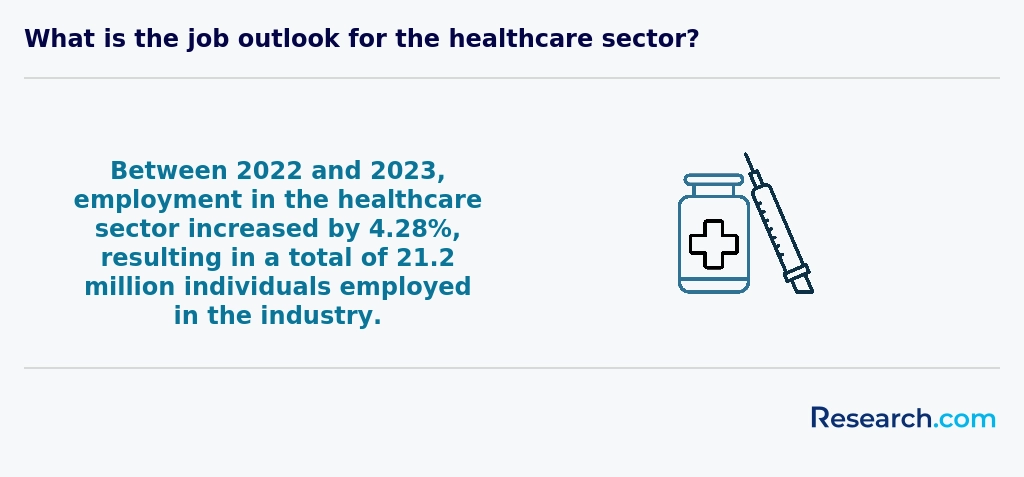
The global outlook on a healthcare career highlights increasing demand for skilled professionals due to aging populations and rising chronic diseases. In the United States, healthcare jobs are projected to grow 16% from 2021 to 2031, much faster than average, according to the Bureau of Labor Statistics. Lexington benefits from this trend, with the local healthcare sector expanding rapidly, driven by institutions like the University of Kentucky Healthcare and Baptist Health Lexington.
Healthcare careers offer diverse opportunities worldwide, including in nursing, medical technology, and health administration. For Lexington students, understanding global health challenges enriches their perspective and prepares them for collaborative work in international settings or underserved communities.
Moreover, healthcare education in Lexington integrates evolving technologies and evidence-based practices, aligning with global standards. This prepares graduates to compete and contribute meaningfully both domestically and internationally.
Students pursuing healthcare degrees in Lexington can gain practical experience through clinical placements, internships, and volunteer opportunities. Many local colleges collaborate with hospitals such as the University of Kentucky HealthCare and Saint Joseph Hospital to offer supervised clinical rotations. These experiences allow students to apply classroom knowledge in real-world settings.
Additionally, Lexington hosts various community health centers where students may volunteer, gaining exposure to diverse patient populations. Programs often integrate hands-on labs and simulation training to enhance skills before clinical work. According to the Kentucky Association of Colleges of Nursing, about 75% of nursing students in the state complete clinical hours at nearby medical sites, providing valuable experience for future healthcare roles.
Choosing the right concentration within a healthcare degree program in Lexington requires understanding both personal interests and local job market demands. Popular concentrations include nursing, public health, healthcare administration, and physical therapy. According to the Kentucky Health Careers report (2023), demand for registered nurses and healthcare administrators in Lexington is projected to grow by over 12% by 2030.
Students should evaluate their strengths, preferred work settings, and long-term career goals. Exploring concentrations aligned with Lexington's major healthcare providers, such as the University of Kentucky HealthCare, can offer practical experience and networking opportunities. Additionally, consider program accreditation to ensure quality education and licensure eligibility.
Related Healthcare Rankings for Nearby Cities
- 2027 Most Valuable Healthcare Degree Programs Ranking in Louisville
- 2027 Most Valuable Healthcare Degree Programs Ranking in Indianapolis
- 2027 Most Valuable Healthcare Degree Programs Ranking in Atlanta
- 2027 Most Valuable Healthcare Degree Programs Ranking in Detroit
- 2027 Most Valuable Healthcare Degree Programs Ranking in Saint Louis
- 2027 Most Valuable Healthcare Degree Programs Ranking in Chicago
- 2027 Most Valuable Healthcare Degree Programs Ranking in Peoria
- 2027 Most Valuable Healthcare Degree Programs Ranking in Birmingham
- 2027 Most Valuable Healthcare Degree Programs Ranking in Grand Rapids
- 2027 Most Valuable Healthcare Degree Programs Ranking in Montgomery
Top Trending Healthcare Rankings
See What Experts Have To Say About Studying Healthcare
Read our interview with Healthcare experts

References
- Online Degree vs. Traditional: Choosing the Right Path https://beal.edu/online-degree-vs-traditional/
- The Role of Interdisciplinary Studies in Medical Career Training https://georgia-med.com/the-role-of-interdisciplinary-studies-in-medical-career-training.html
- Global Health Perspectives https://www.denvercollegeofnursing.edu/students/global-health-perspectives.html
- Networking in Medicine: Build Lasting Connections l Windsor https://www.windsor.edu/networking-in-medicine-building-relationships-from-day-one/
- Are You Wondering How to Get a Degree in Healthcare? - Medquest https://medquestcollege.edu/how-to-get-a-degree-in-healthcare/
- 6 Tips On Networking For Medical Professionals https://aaams.net/blog/how-to-network-in-the-medical-field-nurses/
- Allied Health Education Program Certification Courses EMTPKY https://emtpky.com/allied-health-education/
- What Are the Differences in Salary Level for Different Degrees in Healthcare Management? | MHA Salary https://www.healthcare-management-degree.net/faq/what-are-the-differences-in-salary-level-for-different-degrees-in-healthcare-management/
- How to Create a Healthcare Career Roadmap https://www.ihire.com/resourcecenter/jobseeker/pages/how-to-create-a-healthcare-career-roadmap
- How Long it Takes to Get 6 Healthcare Degrees - And How Much They Pay | Vivian Community Hub https://www.vivian.com/community/healthcare-education/comparing-time-and-pay-for-six-healthcare-degrees/


