
2027 Most Affordable Online Healthcare Degree Programs Ranking in St. Louis, MO

Co-Founder and Chief Data Scientist
Choosing the right healthcare degree program can be overwhelming, especially with so many options available online. This article introduces the 2027 Most Affordable Online Healthcare Degree Programs Ranking in St. Louis, MO, created by the Research.com team of data scientists to help you make an informed decision.
By exploring this ranking, you'll discover quality programs that fit your budget and career goals. Pursuing a healthcare degree opens doors to rewarding opportunities and personal growth. Let us guide you toward a brighter future in healthcare education.
Key benefits of getting online healthcare degree in St. Louis
• Graduates with healthcare degrees in St. Louis can expect strong earning potential, such as a Quality Improvement Coordinator earning around $103,150 annually or Patient Care Technicians making about $60,790 per year.
• Many graduates from local schools like Saint Louis University find diverse career paths including medical assistants, clinical research coordinators, and health information technicians, offering flexibility and growth.
• Completing a healthcare degree online at institutions like Webster University allows students to balance work and study, saving time and costs, while gaining the same valued credentials as traditional programs.
- Key benefits of getting online healthcare degree in St. Louis
- What can I expect from online healthcare degree in St. Louis?
- Where can I work with online healthcare degree in St. Louis?
- How much can I make with online healthcare degree in St. Louis?
- 2027 Most Affordable Online Healthcare Degree Programs Ranking in St. Louis, MO
- Key Findings
- How long does it take to complete online healthcare degree in St. Louis?
- What's the difference between online and on-campus healthcare degree?
- What is the average cost of online healthcare degree in St. Louis?
- What financial aid is available to online healthcare degree students in St. Louis?
- What are the prerequisites for enrolling in online healthcare degree program in St. Louis?
- What courses are typically in online healthcare degree programs in St. Louis?
- What types of specializations are available in online healthcare degree programs in St. Louis?
- How do you choose the best online healthcare degree in St. Louis?
- What career paths are available for online healthcare degree students in St. Louis?
- What is the job market for online healthcare degree in St. Louis?
- Top Trending Healthcare Rankings
- See What Experts Have To Say About Studying Healthcare
What can I expect from online healthcare degree in St. Louis?
The average cost of an online healthcare degree in St. Louis varies depending on the institution and program level, but most students find tuition ranges from $8,000 to $20,000 per year for public universities with in-state rates. For example, graduates from popular St. Louis public colleges often report manageable expenses thanks to reduced in-state tuition and accessible financial aid options.
Many students appreciate how institutions like those affiliated with BJC HealthCare or SSM Health offer local clinical placements that complement their online coursework, adding real-world experience without extra travel costs. This hands-on component is crucial for meeting Missouri's licensure requirements and often included in tuition estimates.
Graduates recall the benefit of employer tuition reimbursement programs available through St. Louis's strong healthcare sector, which helped lower out-of-pocket expenses. By planning around these financial resources and choosing schools with transparent pricing, prospective students can confidently budget their education and avoid unexpected fees.
Where can I work with online healthcare degree in St. Louis?
Graduates with an online healthcare degree in St. Louis typically find themselves working in well-established medical centers like Barnes-Jewish Hospital or St. Louis University Hospital. These institutions offer roles in nursing, healthcare administration, and health informatics that recent graduates have praised for their hands-on experience and supportive teams. Many find satisfaction knowing their work directly impacts patient care within dynamic clinical settings.
Beyond hospitals, public health agencies such as the City of St. Louis Department of Health provide opportunities in community outreach and epidemiology. Graduates who want to make a broader impact on public health often thrive here, managing programs that address local health challenges like infectious diseases.
Research positions at places like Washington University School of Medicine appeal to those specialized in biomedical technology or clinical trial coordination. Graduates highlight the rewarding environment of cutting-edge research and collaboration with experienced scientists.
Other graduates have built careers in outpatient care centers or rehabilitation facilities, often becoming occupational therapy assistants or respiratory therapists. The steady growth of these roles means new professionals gain long-term job security while helping patients recover and improve quality of life.
How much can I make with online healthcare degree in St. Louis?
Graduates with online healthcare degrees in St. Louis typically start with salaries that vary by role and experience. For example, medical assistants earn around $43,350 annually, while patient care technicians make about $60,790. These figures reflect entry-level to mid-career stages, giving practical insight into what recent graduates from schools like the University of Missouri-St. Louis or Saint Louis University might expect.
Health information technicians, who handle medical records and data, earn approximately $43,380 per year-offering a stable option for those focused on administrative healthcare roles. Graduates aiming for coordination roles can look forward to higher wages; clinical research coordinators start near $43,350, but quality improvement coordinators enjoy significantly higher pay, averaging $103,150 annually, highlighting the value of advanced skills and certifications.
These salaries align well with the cost of living in St. Louis and provide promising growth as professionals gain experience. Graduates report feeling confident about managing their finances while leveraging the city's robust healthcare sector, which actively seeks skilled workers from well-known local programs.
2027 Most Affordable Online Healthcare Degree Programs Ranking in St. Louis, MO
How do we rank schools?
Investing in your education is a significant decision that can impact your career and future opportunities, and the Research.com team is fully aware of the importance of making well-informed choices. To support prospective students in St. Louis, MO, we have carefully developed the "2027 Most Affordable Online Healthcare Degree Programs Ranking." Our dedication to quality, credibility, and accuracy is demonstrated through thorough research and rigorous analysis.
We used the following trusted data sources to create this comprehensive ranking:
By reviewing this ranking, readers will gain valuable insights into affordable and credible online healthcare degree programs in St. Louis, enabling them to confidently choose the best educational path. For more information on how this ranking was developed, please visit our Research.com methodology page.

# 2 position
Chamberlain University - St. Louis
Master of Nursing
# 3 position
Chamberlain University - St. Louis
Doctor of Nursing Practice
# 4 position
Chamberlain University - St. Louis
Nursing, RN to BSN degree completion program

Key Findings
- Online healthcare degree tuition in St. Louis ranges from $8,000 to $15,000 for associate degrees and $20,000 to $40,000 for bachelor's degrees.
- Graduate healthcare degrees typically cost between $25,000 and $50,000, with resident tuition rates being lower than out-of-state fees.
- The St. Louis healthcare sector employs over 100,000 professionals, with a projected job growth of 15% from 2022 to 2032.
- Entry-level salaries for bachelor's healthcare graduates average around $55,000, rising to $75,000 or more with experience.
- Graduate degree holders like nurse practitioners often start above $85,000, with potential to exceed $100,000 over time.
- Many programs include clinical experience through local hospitals and clinics, essential for licensure in fields like nursing.
How long does it take to complete online healthcare degree in St. Louis?
Completing an online healthcare degree in St. Louis depends largely on which level you choose and the pace you set. For example, graduates from local community colleges often finish their associate degree in health information technology or medical billing in about 18 to 24 months. Many find the part-time or accelerated options practical, allowing them to work while studying without overwhelming their schedules.
Those pursuing a bachelor's in healthcare administration or nursing through St. Louis universities usually spend around 3 to 4 years. One graduate mentioned how transferring previous credits helped shorten their timeline, making full-time study more manageable with a job and family commitments. This flexibility is a real advantage for busy adults.
At the graduate level, obtaining a Master of Health Administration or Master of Public Health typically takes 1.5 to 3 years online. Local universities often offer accelerated options designed for working professionals, letting students complete coursework efficiently while gaining hands-on experience through required in-person clinicals near St. Louis.
Overall, factoring in clinical practicum requirements adds to the timeline but provides essential real-world experience valued by employers, making the investment worthwhile.
What's the difference between online and on-campus healthcare degree?
Choosing between online and on-campus healthcare degrees in St. Louis largely depends on your lifestyle and learning preferences. Graduates from local universities report that online programs provide unmatched flexibility-they could study late at night after work or during weekends, which fit well with juggling family or jobs. However, these students emphasize the importance of planning early for clinical hours, which must be completed in person at nearby healthcare facilities, ensuring hands-on experience within the St. Louis area.
On-campus students at popular colleges in St. Louis often value the structured environment. They attend in-person classes, access campus labs directly, and engage face-to-face with faculty and peers, which many find motivates them and accelerates their learning through immediate feedback and group projects.
Both paths lead to the same licensing outcomes, as reported by graduates, so your choice depends more on whether you thrive with flexible scheduling or a more immersive, on-site academic routine.
What is the average cost of online healthcare degree in St. Louis?
The average cost of an online healthcare degree in St Louis generally centers around a median total of $26,550. Public universities such as Missouri State University and University of Missouri-St. Louis offer programs that are notably affordable for in-state students, reflecting this median figure. Graduates from these programs often emphasize how their tuition aligned well with their budgets, allowing them to focus more on gaining practical skills without overwhelming debt. This practical approach to cost management is one reason many choose to pursue affordable healthcare degree programs St Louis 2027.
Students enrolling in programs like nursing (RN to BSN) or health administration at local institutions appreciate the combination of strong curriculum and reasonable tuition. Many find that budgeting for additional expenses like books and clinical fees is manageable when the core tuition remains within expected limits. The opportunity to study online eliminates extra costs associated with commuting or relocating, which significantly eases the financial burden compared to traditional on-campus programs.
For those weighing their options, it's helpful to look at per-credit-hour costs reported by schools such as UMSL, featuring rates near $335 for graduate coursework. This pricing helps students map out exact expenses based on program length and credit requirements. Developing a clear tuition plan helps prospective healthcare students avoid surprises and stay financially comfortable throughout their studies.
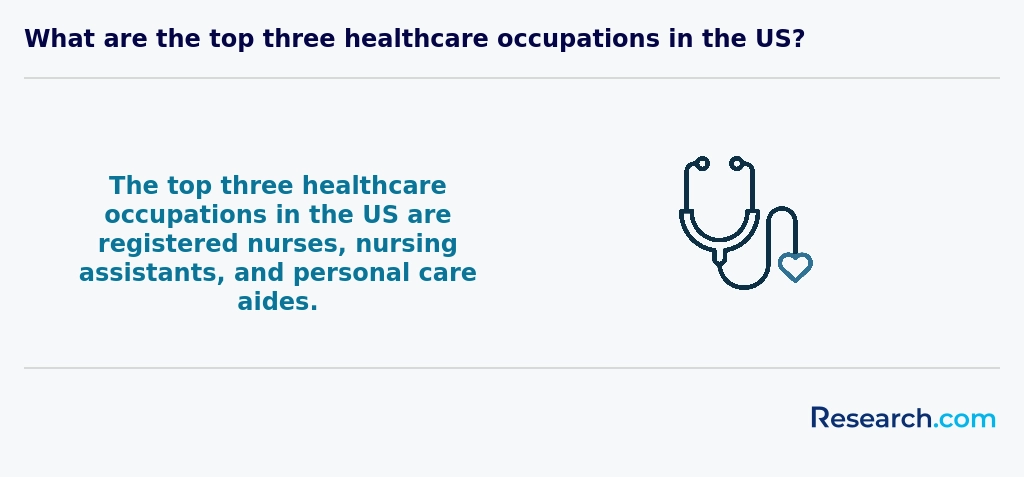
Many find value in pairing their degree pursuit with short-term certifications as supplementary qualifications. Those interested can explore quick 6 month certifications that lead to high paying jobs, which may accelerate entry into the healthcare field and complement degree pathways.
What financial aid is available to online healthcare degree students in St. Louis?
Securing financial aid for an online healthcare degree in St. Louis starts with completing the FAFSA, which unlocks federal support like Pell Grants and federal student loans. Many graduates from local schools such as Saint Louis University or Webster University recall how Pell Grants, offering up to $7,395 annually, significantly eased their tuition burden without the stress of repayment.
Missouri residents should also explore the Missouri Access Grant, which provides thousands annually to undergraduates, often stacking with federal aid. Nursing students have an advantage as Missouri's state scholarships frequently target healthcare disciplines, boosting funding for those pursuing online nursing or health administration degrees at popular institutions in the region.
Local colleges often offer their own scholarships based on merit or financial need. Graduates describe the relief received from these awards, especially when balancing job and study commitments. Additionally, some St. Louis healthcare employers support tuition reimbursement, rewarding employees pursuing online credentials-a practical benefit that helps sustain motivation and reduces out-of-pocket costs.
Private scholarships and workforce grants aimed at critical healthcare roles add another layer of financial support. Prospective students are encouraged to tap into community resources and institutional advisors early to assemble a tailored aid package that truly supports their education journey.
What are the prerequisites for enrolling in online healthcare degree program in St. Louis?
To enroll in an online healthcare degree program in St. Louis, you'll first need a high school diploma or GED, which is the basic entry point at institutions like the University of Missouri-St. Louis or St. Louis Community College. Many students recall how meeting this requirement felt like a straightforward first step toward their goal.
Next, expect to complete foundational science courses such as biology and chemistry, either beforehand or alongside your healthcare classes. Graduates often describe the satisfaction of mastering these subjects, especially when tackling complex healthcare topics later on.
Some programs may ask for a minimum GPA around 2.5 and occasionally require standardized test scores, although many schools have made these optional in recent years, easing admission hurdles for busy adults balancing work and study.
Additionally, for fields like nursing, you'll likely need up-to-date immunization records and a background check. Planning for these helps avoid delays, as students remember needing this paperwork before starting clinical components.
Finally, having reliable technology-like a laptop with steady internet-is vital for successfully navigating online coursework and orientation, making your studies smoother and more rewarding.
What courses are typically in online healthcare degree programs in St. Louis?
Online healthcare degrees in St. Louis typically include courses designed to build both knowledge and practical skills essential for the healthcare field. Graduates from local schools often mention how courses like Introduction to Healthcare Systems helped them understand not only the national healthcare framework but also the specific challenges and opportunities in Missouri's healthcare environment.
Essential courses include Anatomy and Physiology, providing a deep dive into the human body-something graduates describe as critical when moving from theory to real patient care. Another key course, Medical Terminology, equips students to confidently navigate medical records and communicate effectively with professionals.
Ethics and law classes are particularly relevant in St. Louis, where healthcare providers must comply with both federal and state regulations. Graduates from well-known institutions like Washington University Medical Center programs often highlight how health informatics courses prepared them to manage electronic health records efficiently.
Finally, hands-on experience through virtual simulations or partnerships with local clinics offers a realistic setting to apply learned concepts, making these programs a practical choice for busy students balancing work and study.
What types of specializations are available in online healthcare degree programs in St. Louis?
Online healthcare degree specializations in St. Louis often include Nursing, Healthcare Administration, Public Health, Health Informatics, and allied health fields like Occupational and Physical Therapy assistant programs. Graduates from popular St. Louis universities appreciate how these programs align with actual job roles in hospitals and clinics, making their education immediately applicable. For example, nursing students often move smoothly from RN to BSN pathways, benefiting from the region's strong clinical partnerships that provide practical training.
Affordability is crucial when choosing a program, and St. Louis offerings typically range from $7,000 to $12,000 annually, making them accessible without sacrificing quality. Students pursuing an affordable healthcare degree programs St. Louis MO find value in online options that allow balancing work and study efficiently.
Some graduates highlight the benefit of choosing specializations connected to local workforce needs, such as healthcare administration and public health, which the region's growing healthcare sector demands. If you want to explore flexible options, consider programs that support transitions into roles quickly. For a practical next step, check out the easy masters degree paths tailored for busy professionals.
How do you choose the best online healthcare degree in St. Louis?
Start by checking the accreditation status of any online healthcare degree you consider in St. Louis. Graduates from popular universities here appreciate how regional accreditation and program-specific credentials-like those from ACEN or CAAHEP-ease the path to licensure and hiring. Many find that programs linked with local hospitals such as Barnes-Jewish Hospital offer valuable clinical placements, ensuring hands-on experience even in an online setting.
Cost is key. Since healthcare education varies widely in price, students in St. Louis benefit from generally lower tuition rates. Exploring financial aid and scholarships tailored to Missouri residents can make a big difference. For those looking for options, the affordable masters degree programs nearby often balance value with quality.
Flexibility matters too. Students juggling work and family prefer programs allowing part-time study and asynchronous classes. Check if clinical requirements can be completed locally. Finally, review graduation and job placement rates-graduates from programs with strong outcomes report confidence stepping into rewarding healthcare roles.
What career paths are available for online healthcare degree students in St. Louis?
Graduates with an online healthcare degree in St. Louis can pursue diverse career paths depending on their interests and qualifications. Many find rewarding roles as registered nurses, nurse practitioners, or licensed practical nurses, especially since these positions are in high demand locally. For example, graduates from popular programs at local colleges often report securing nursing roles within major hospitals like Barnes-Jewish or St. Luke's, where both clinical and administrative opportunities exist.
Others explore healthcare administration or health informatics, managing operations in clinics or hospital departments. These roles offer salaries typically between $60,000 and $90,000, making them attractive for those seeking work-life balance and career growth. Students pursuing physical or occupational therapy programs online often highlight the benefit of flexible study combined with strong local demand, resulting in average salaries around $85,000 annually.
Medical laboratory technology, radiologic technology, and pharmacy technician roles also appeal to many graduates. For those still exploring options, researching best accredited online colleges in St. Louis can reveal programs tailored to specific career goals in this thriving healthcare sector.
What is the job market for online healthcare degree in St. Louis?
The job market for online healthcare degree holders in St. Louis remains robust, supported by strong local healthcare systems and a rising demand for skilled professionals. Graduates from popular institutions like Saint Louis University and Washington University find themselves well-positioned to secure roles as registered nurses, healthcare administrators, or medical coders within major employers such as BJC HealthCare and Mercy Health. These employers recognize and value accredited online programs, making job prospects favorable for those balancing work and study.
Many students appreciate the flexible structure of online degrees that allows them to gain hands-on experience locally while managing other responsibilities. Salaries are competitive, with median annual wages near $66,000 for registered nurses in the region, reflecting a positive financial outlook. For those unsure about program choices, exploring undergraduate dual degree programs can enhance employability and career growth in St. Louis. Understanding the St. Louis healthcare degree employment outlook helps prospective students navigate their paths confidently in this expanding market.
Frequently Asked Questions About healthcare
Online healthcare students in St. Louis can enhance their learning by leveraging local healthcare resources and virtual networking opportunities. Engaging with nearby hospitals and clinics for internships or practicum experiences helps bridge theory with practice. According to the Missouri Hospital Association, St. Louis hosts several leading healthcare facilities that support clinical training collaborations. Utilizing digital platforms for study groups encourages peer support and knowledge sharing. Additionally, students should access online libraries and databases available through Missouri public universities for current healthcare research. Time management and regular communication with faculty are vital to stay on track and fully benefit from an accredited online program's curriculum and support services.
The healthcare field is rapidly evolving, and several emerging niches offer promising career opportunities for students pursuing online degrees in St. Louis. One growing area is telehealth, driven by Missouri's increased adoption during the COVID-19 pandemic, which expanded remote patient monitoring and virtual consultations. Another significant niche is healthcare informatics, focusing on managing patient data and improving healthcare delivery through technology. According to the Missouri Department of Economic Development, jobs in health information technology are expected to grow by 15% through 2030 in the region. Additionally, gerontology is gaining attention, as St. Louis's aging population requires specialized care for seniors. These niches reflect national trends and local healthcare demands.
Preparing for the job market after completing an online healthcare degree in St. Louis involves several key steps. Graduates should begin by obtaining relevant certifications required in Missouri, such as Certified Nursing Assistant (CNA) or Registered Health Information Technician credentials, depending on their field.
Networking is crucial-joining local healthcare associations like the Missouri Hospital Association can increase job prospects. Additionally, St. Louis has a strong healthcare sector, including major employers like BJC HealthCare, which frequently recruit skilled graduates.
Internships or volunteer positions in local hospitals or clinics can provide hands-on experience. According to the Missouri Economic Research and Information Center, healthcare occupations in St. Louis are projected to grow by over 15% from 2020 to 2030, highlighting expanding opportunities.
Employers in St. Louis prioritize a blend of technical and interpersonal skills for healthcare degree graduates. Strong clinical competencies, such as patient assessment and data interpretation, rank high. According to the Missouri Hospital Association, effective communication and teamwork are vital, as healthcare often relies on collaboration.
Problem-solving abilities and adaptability to new healthcare technologies are increasingly important in this evolving field. Employers also value graduates who demonstrate cultural competence, reflecting the diverse population of the St. Louis metro area.
Moreover, familiarity with electronic health records (EHR) systems is commonly required. These skills help graduates succeed in both clinical and administrative healthcare roles locally.
Finding internships in St. Louis related to healthcare degrees involves several strategic steps. Start by exploring partnerships between your online program and local hospitals or clinics like Barnes-Jewish Hospital or Saint Louis University Hospital. These institutions frequently offer healthcare internships and clinical placements.
Contact the St. Louis Area Business Health Coalition, which supports regional healthcare employment connections. Utilizing their resources can increase internship opportunities significantly.
Additionally, check with the Missouri Hospital Association, as it provides listings of internships across the state, including St. Louis.
Networking through professional organizations such as the Missouri Nurses Association or the St. Louis Biomedical Network can also help uncover internships tailored to healthcare students.
According to the U.S. Bureau of Labor Statistics, healthcare employment in the St. Louis metropolitan area grew about 5% from 2019 to 2022, indicating expanding opportunities for internships and entry-level positions.
An online healthcare degree can significantly enhance career mobility and advancement opportunities in St. Louis, a city with a growing demand for healthcare professionals. According to the Missouri Economic Research and Information Center (MERIC), healthcare occupations in the St. Louis metro area are projected to grow by about 13% from 2020 to 2030, outpacing many other sectors. Earning an online degree allows working adults to gain essential skills and credentials while maintaining employment, which is key in this competitive field.
Online programs also often include updated curriculum aligned with industry standards, preparing graduates for leadership roles or specialization. Employers in St. Louis's healthcare sector increasingly value candidates with accredited online degrees, especially in nursing, health administration, and allied health professions. This flexibility combined with employer recognition helps graduates pursue promotions and transitions across different healthcare settings within the region.
Studying for an online healthcare degree in St. Louis equips students with skills needed for interdisciplinary roles by emphasizing collaboration across healthcare fields. Programs often integrate coursework in nursing, public health, health informatics, and healthcare administration. This approach prepares graduates to work effectively with diverse teams, including physicians, social workers, and IT specialists.
St. Louis's healthcare sector is robust, with major employers like BJC HealthCare and SSM Health offering practical opportunities. According to the St. Louis Regional Health Council, interdisciplinary teams improve patient outcomes by 20%, highlighting the value of this training. Online degrees here reflect local workforce needs, enhancing career readiness.
Choosing between a thesis and a non-thesis online healthcare degree program in St. Louis depends largely on your career goals and learning preferences. A thesis program involves conducting original research and writing a substantial paper, which is ideal for those aiming at advanced clinical roles or doctoral studies. Non-thesis programs usually focus more on coursework and practical skills, suitable for professionals seeking to advance in healthcare management or administration.
St. Louis hosts several accredited universities offering both formats online, reflecting national trends where about 60% of healthcare graduate students opt for non-thesis tracks for quicker entry into the workforce (National Center for Education Statistics, 2023). Your choice should consider time commitment, interest in research, and future employment plans. Understanding these factors will help you select the program that best fits your lifestyle and ambitions.
Students based in St. Louis interested in studying healthcare abroad have several online options through U.S. institutions offering international partnerships or global healthcare focuses. Many universities provide virtual clinical experiences or international case studies, allowing students to gain global health perspectives without leaving the country.
While direct study abroad programs are limited by geographic and licensing regulations, students can enroll in online healthcare degrees with international accreditation or curricula designed to meet global standards.
In St. Louis, institutions like Washington University and Saint Louis University offer strong online healthcare-related degrees with connections to global health initiatives, supporting a broader understanding of healthcare challenges worldwide.
According to the Missouri Department of Higher Education, healthcare remains a leading employment sector, increasing the appeal of globally informed training for future healthcare professionals in the region.
St. Louis offers a variety of part-time job opportunities that can complement online healthcare degree education. Positions such as medical receptionist, pharmacy technician, and certified nursing assistant (CNA) are in demand locally and provide practical experience.
Working in hospitals like Barnes-Jewish and BJC HealthCare, which employ thousands in the region, helps students gain hands-on knowledge relevant to their studies. According to the U.S. Bureau of Labor Statistics, healthcare support jobs in the St. Louis metro area are projected to grow 12% through 2030, reflecting strong opportunities.
Additionally, roles in outpatient clinics and public health organizations can enhance understanding of patient care and healthcare administration, supporting both clinical and non-clinical degree paths.
Online healthcare students in St. Louis benefit from a variety of networking opportunities despite studying remotely. Many local universities and healthcare organizations offer virtual events, workshops, and seminars that connect students with professionals. For example, the Missouri Hospital Association regularly hosts forums and conferences where students can engage with healthcare leaders.
St. Louis is home to major healthcare employers such as BJC HealthCare and SSM Health, providing networking through internships and career fairs often accessible to online students. Additionally, platforms like LinkedIn groups dedicated to St. Louis healthcare professionals help students build connections nationwide from a local base.
Alumni networks play a vital role for students pursuing online healthcare degrees in St. Louis. They offer valuable connections to local healthcare professionals and institutions, enhancing job placement opportunities. According to the Missouri Economic Research and Information Center, the healthcare sector is one of the fastest-growing industries in the state, making networking crucial for career advancement.
Through alumni events and online platforms, students gain mentorship and advice from experienced practitioners. These interactions often lead to internships and employment in St. Louis hospitals and clinics. Additionally, alumni networks provide support for continuing education and certification updates, key in healthcare fields.
Customizing an online healthcare degree program in St. Louis allows students to align their education with specific career goals. Most programs offer elective courses or specializations such as public health, healthcare administration, or nursing. These options enable learners to focus on areas in high demand locally; for example, the St. Louis region has growing needs for healthcare managers and epidemiologists, as reported by the Missouri Economic Research and Information Center.
Students can also choose part-time or accelerated study formats, accommodating working professionals. Additionally, some programs incorporate local clinical partnerships or internships in St. Louis hospitals, enhancing practical experience. Always review program flexibility and connections to the local healthcare sector to ensure the best fit.
Online healthcare students in St. Louis often face unique challenges related to balancing coursework with clinical requirements. Despite the convenience of remote learning, many programs still require in-person clinical hours at local healthcare facilities, which can be difficult to schedule alongside work or family commitments.
Access to technology and reliable internet is another concern, as some students encounter connectivity issues that disrupt live lectures or limit access to online resources. According to recent data from the Missouri Department of Higher Education, about 12% of students in the region report challenges with digital access.
Additionally, students may experience limited networking opportunities compared to traditional programs, impacting professional growth in a highly collaborative field like healthcare.
With an online healthcare degree, students in St. Louis can pursue various professional certifications to enhance their careers. Popular certifications include Certified Healthcare Administrator (CHA), Registered Health Information Technician (RHIT), and Certified Medical Manager (CMM). These credentials are widely respected and can lead to better job opportunities and higher earnings.
Many of these certifications require passing exams accredited by organizations such as the American Health Information Management Association (AHIMA) or the Healthcare Financial Management Association (HFMA). For example, RHIT certification is often pursued by graduates focusing on health information technology.
Additionally, St. Louis's healthcare sector supports certifications in healthcare quality and patient safety, reflecting local employer demand. The Missouri Hospital Association offers resources for professionals aiming to earn certifications that meet regional healthcare standards.
Applying to an online healthcare program in St. Louis requires clear, focused preparation. Start by researching each program's prerequisites and admission criteria, often found on university websites. According to the Missouri Department of Higher Education, programs typically ask for a strong academic record, relevant healthcare experience, and a personal statement.
A compelling application includes a well-crafted personal statement that highlights your passion for healthcare and your connection to the St. Louis community. Be sure to demonstrate how your background aligns with program goals. Including volunteer or work experience at local healthcare facilities, such as BJC HealthCare, can strengthen your case.
Additionally, request strong letters of recommendation from professionals familiar with your healthcare skills. These elements together improve your chances of acceptance in competitive programs.
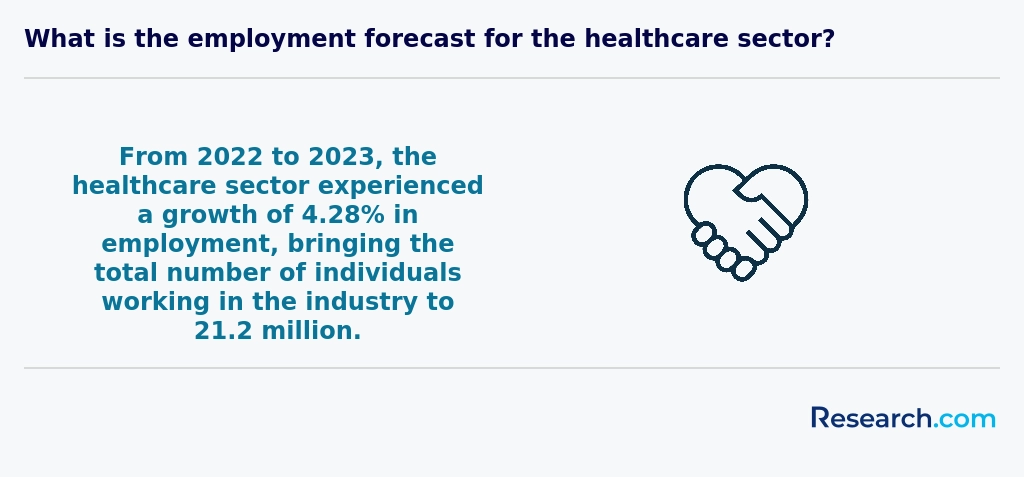
The global perspective on a healthcare career reflects growing demand for skilled professionals worldwide, driven by aging populations and medical advancements. In the United States, healthcare is the fastest-growing sector, expected to add 2.6 million jobs between 2020 and 2030, according to the Bureau of Labor Statistics.
For students in St. Louis, this trend is evident as the region hosts major healthcare employers like BJC HealthCare and SSM Health, which support thousands of jobs. Online healthcare degrees provide flexible training paths that align with these expanding local and global opportunities.
Furthermore, healthcare's global nature means professionals often engage with international standards and practices, enhancing career versatility and long-term growth.
Gaining practical experience while pursuing an online healthcare degree in St. Louis typically involves completing clinical placements or internships. Many accredited programs require students to participate in hands-on training at local hospitals, clinics, or healthcare facilities. St. Louis is home to major medical centers like Barnes-Jewish Hospital and St. Louis Children's Hospital, offering opportunities for supervised, real-world experience.
Students can often arrange these placements through their school or independently, leveraging partnerships in the region's robust healthcare sector. The Missouri Department of Higher Education supports such experiential learning as essential for licensure and employment readiness. According to the U.S. Bureau of Labor Statistics, healthcare occupations in St. Louis are projected to grow, increasing local demand for skilled graduates with practical training.
When choosing a concentration within an online healthcare degree program in St. Louis, consider your career goals and the local healthcare landscape. St. Louis has a growing demand for specialties like nursing, health informatics, and public health, supported by institutions such as Barnes-Jewish Hospital and BJC HealthCare.
Research job growth in your area of interest; for example, the Missouri Economic Research and Information Center notes a 15% increase in healthcare jobs in the region over recent years. Aligning your concentration with local employer needs can improve job prospects after graduation.
Also, evaluate program accreditation and available clinical opportunities in St. Louis to gain practical experience. Reach out to program advisors to understand how concentrations fit with licensure requirements, which vary by profession.
Related Healthcare Rankings for Nearby Cities
- 2027 Most Affordable Online Healthcare Degree Programs Ranking in Saint Charles, MO
- 2027 Most Affordable Online Healthcare Degree Programs Ranking in Lebanon, IL
- 2027 Most Affordable Online Healthcare Degree Programs Ranking in Carbondale, IL
- 2027 Most Affordable Online Healthcare Degree Programs Ranking in Columbia, MO
- 2027 Most Affordable Online Healthcare Degree Programs Ranking in Peoria, IL
- 2027 Most Affordable Online Healthcare Degree Programs Ranking in Murray, KY
- 2027 Most Affordable Online Bachelor's in Healthcare Degree Programs Ranking in Springfield, MO
- 2027 Most Affordable Online Healthcare Degree Programs Ranking in Joliet, IL
- 2027 Most Affordable Online Healthcare Degree Programs Ranking in Romeoville, IL
- 2027 Most Affordable Online Healthcare Degree Programs Ranking in Memphis, TN
Top Trending Healthcare Rankings
See What Experts Have To Say About Studying Healthcare
Read our interview with Healthcare experts

References
- 6 Tips On Networking For Medical Professionals https://aaams.net/blog/how-to-network-in-the-medical-field-nurses/
- Health Management Careers https://www.ache.org/Career-Resources/Start-Your-Career/Health-Management-Careers
- Online Degree vs. Traditional: Choosing the Right Path https://beal.edu/online-degree-vs-traditional/
- From Simulation to Holographics: How St. Louis Can Educate the Next Generation of Healthcare Professionals | EQ https://entrepreneurquarterly.com/simulation-holographics-st-louis-can-educate-next-generation-healthcare-professionals/
- Challenges for Medical Students - Health Action Research Group https://www.healthactionresearch.org.uk/mental-health/challenges-for-medical-student/
- St. Louis College of Health Careers - missourihealthcareers.com https://missourihealthcareers.com/schools/st-louis-college-of-health-careers/
- What can I do with a healthcare studies degree, and how can I start? https://mrcollege.ac.uk/what-can-i-do-with-a-healthcare-studies-degree-and-how-can-i-start/
- Trends and opportunities in healthcare across emerging markets - Inizio https://inizio.com/insights/trends-and-opportunities-in-healthcare-across-emerging-markets/
- 7 Best Online Healthcare Degrees- The 2024 Complete Guide https://www.onlinedegree.com/degree/healthcare/
- Career Opportunities in Healthcare Without a Medical Degree https://www.just-medical.ch/en/blog/medical-careers-without-formal-education


