2027 Most Affordable Online Healthcare Degree Programs Ranking in Washington

Co-Founder and Chief Data Scientist
Choosing the right healthcare degree program can feel overwhelming, especially when budgeting is a priority. This article presents the 2027 Most Affordable Online Healthcare Degree Programs Ranking in Washington, created by the Research.com team of data scientists to guide you toward smart choices.
Exploring affordable options lets you pursue a meaningful career in healthcare without breaking the bank. Whether you're starting fresh or advancing your skills, this ranking helps you find quality programs that fit your lifestyle and goals.
Discover accessible pathways to a rewarding future in healthcare with confidence and clarity.
Key benefits of getting online healthcare degree in Washington
- Healthcare degree graduates in Washington can earn competitive salaries, such as a Medical Assistant earning around $43,350 annually and a Quality Improvement Coordinator making over $103,000 per year, offering strong financial motivation.
- Graduates from Washington universities often pursue diverse roles like Patient Care Technicians or Health Information Technicians, opening doors to fulfilling careers in various healthcare settings.
- Online healthcare degrees offer flexible schedules and accessibility, allowing students to balance work and study effectively, as demonstrated by graduates from popular Washington colleges who enjoy career advancement without relocating.
- Key benefits of getting online healthcare degree in Washington
- What can I expect from online healthcare degree in Washington?
- Where can I work with online healthcare degree in Washington?
- How much can I make with online healthcare degree in Washington?
- 2027 Most Affordable Online Healthcare Degree Programs Ranking in Washington
- Key Findings
- How long does it take to complete online healthcare degree in Washington?
- Online Learning Success Tips for Aspiring Healthcare Professionals
- What's the difference between online and on-campus healthcare degree?
- Return on Investment (ROI) for Online Healthcare Degrees in Washington
- What is the average cost of online healthcare degree in Washington?
- State Licensing and Certification Requirements for Washington Healthcare Graduates
- What financial aid is available to online healthcare degree students in Washington?
- Next Steps: Preparing for Your Online Healthcare Journey
- What are the prerequisites for enrolling in online healthcare degree program in Washington?
- Strategies for Success in Online Healthcare Education
- What courses are typically in online healthcare degree programs in Washington?
- What types of specializations are available in online healthcare degree programs in Washington?
- How do you choose the best online healthcare degree in Washington?
- What career paths are available for online healthcare degree students in Washington?
- What is the job market for online healthcare degree in Washington?
- Related Healthcare Rankings for Nearby States
- Top Trending Healthcare Rankings
- See What Experts Have To Say About Studying Healthcare
What can I expect from online healthcare degree in Washington?
When considering the average cost of an online healthcare degree in Washington, students often find it more affordable than traditional on-campus programs. For example, graduates from Washington State University or community colleges report tuition rates significantly lower than private institutions, often benefiting from in-state tuition even while studying online. This makes balancing work and study financially easier, especially when combined with employer tuition reimbursement or scholarships frequently available to healthcare students.
One graduate recalled budgeting carefully and appreciated how Washington's public institutions structured their programs, allowing payment per credit hour rather than a lump sum, reducing upfront costs. Another found that community colleges offered affordable prerequisites before transferring to a four-year program, easing the financial burden further.
It's practical to check each school's tuition rates early and explore financial aid options. This approach ensures you can complete your degree without unexpected expenses, making a healthcare career in Washington both achievable and financially manageable.
Where can I work with online healthcare degree in Washington?
Graduates with an online healthcare degree in Washington quickly find diverse job opportunities across well-known systems like the University of Washington Medical Center and Providence Health & Services. Many alumni share how starting as a nursing assistant or medical coder helped them build confidence before advancing to roles in healthcare administration or specialized nursing.
Students often step into hospital roles, outpatient care centers, or clinics focusing on physical therapy and radiology, gaining hands-on experience with patients. For example, recent graduates credited their online coursework from Seattle Colleges for preparing them to excel in fast-paced environments like Virginia Mason Medical Center.
Public health roles at places such as the Washington State Department of Health attract graduates passionate about community well-being, offering positions in epidemiology or health education. The state's aging population also means steady openings in long-term care and home health services, perfect for those seeking meaningful care careers.
Online nursing degree holders benefit from Washington's ongoing RN shortage, making job placement smoother. Many found jobs quickly in hospitals or assisted living, where digital health skills they learned online gave them an edge in electronic records and compliance.
How much can I make with online healthcare degree in Washington?
Graduates with online healthcare degrees in Washington often find their earnings vary widely depending on their specific role. Entry-level positions like medical assistants, common among graduates from institutions such as Pacific Lutheran University or Eastern Washington University, typically earn about $43,350 annually. Those starting as patient care technicians or health information technicians, roles that demand more specialized skills, can expect salaries ranging from approximately $43,380 to $60,790.
For example, a graduate with an online degree working as a patient care technician in Seattle's busy healthcare facilities might enjoy a wage of roughly $29.23 per hour, supporting a stable lifestyle and opportunities for further advancement through certifications. Meanwhile, clinical research coordinators with similar educational backgrounds earn around $43,350 yearly, often finding roles in research hospitals affiliated with University of Washington.
More experienced roles, such as quality improvement coordinators, command significantly higher salaries, averaging $103,150 annually. This reflects not just education but the critical nature of these positions in improving healthcare outcomes across Washington state. Graduates from local colleges confidently step into these roles, motivated by the state's strong healthcare demand and rewarding pay scales.
2027 Most Affordable Online Healthcare Degree Programs Ranking in Washington
How do we rank schools?
Investing in your education is a significant decision that can shape your future, and the Research.com team recognizes the challenges involved in making informed choices. To support prospective students in Washington, we have carefully developed the "2027 Most Affordable Online Healthcare Degree Programs Ranking in Washington." Our dedication to quality, credibility, and accuracy is demonstrated through thorough research and analysis throughout this process.
We utilized the following reputable data sources to ensure a comprehensive evaluation of healthcare programs:
By exploring this ranking, readers will gain valuable insights into the most affordable and quality online healthcare degree programs available in Washington, enabling them to make well-informed choices about their education. For further details on our approach, please visit our Research.com methodology page.


Key Findings
- The average total cost for an online healthcare degree in Washington ranges from $20,000 to $40,000, which is generally lower than in-person programs.
- The average starting salary for healthcare graduates in Washington is about $55,000 per year, with experienced professionals earning between $75,000 and $110,000 annually.
- Online healthcare degree programs in Washington cover nursing, medical technology, health administration, and allied health fields.
- Programs must be accredited by recognized bodies like the CCNE or ABHES to meet state education and licensing requirements.
- Healthcare job growth in Washington is projected to increase by nearly 15% over the next decade, indicating strong demand.
How long does it take to complete online healthcare degree in Washington?
Completing an online healthcare degree in Washington generally depends on the program level and your study pace. For example, associate degrees in fields like medical assisting usually take about 2 years full-time, but part-time learners often extend this to 3 years. Graduates from local colleges appreciate this flexibility, as it lets them balance work and life commitments without feeling rushed.
Bachelor's degrees, such as nursing or healthcare administration, typically require around 4 years if studied full-time. However, many Washington institutions offer accelerated online programs. Graduates from Eastern Washington University, for instance, often finish nursing degrees in 2 to 3 years, enabling them to quickly advance their careers while managing busy schedules.
Graduate degrees like the Master of Science in Nursing (MSN) usually take between 1.5 and 3 years online. Part-time options extend this duration but offer a manageable rhythm for working professionals. Doctoral degrees, including PhDs or DNPs, might require 3 to 6 years due to research and clinical work.
Online Learning Success Tips for Aspiring Healthcare Professionals
Embarking on an online healthcare degree program requires more than just choosing an affordable course-it demands strategic planning and effective study habits to ensure success. To thrive in a virtual learning environment, it’s essential to establish a dedicated workspace, develop a consistent daily routine, and leverage digital collaboration tools. Engaging proactively in discussion forums and virtual study groups not only enriches the academic experience but also builds a strong professional network that can be beneficial long after graduation. Utilizing available student support services-like online tutoring, academic advising, and technical assistance-can help overcome any challenges that might arise. Many students have found that setting clear goals and breaking assignments into manageable tasks keeps motivation high and stress levels low. When researching your options, consider comparing program features such as faculty credentials, graduation outcomes, and available resources, especially if you are exploring the cheapest healthcare programs in washington that combine affordability with comprehensive support. These strategies not only enhance your learning experience but also prepare you for a seamless transition into the competitive healthcare job market.
What's the difference between online and on-campus healthcare degree?
Choosing between online and on-campus healthcare degrees in Washington often comes down to lifestyle and learning preferences. Graduates from the University of Washington's traditional programs speak positively about the face-to-face interaction in labs and clinical settings, which builds strong hands-on skills and immediate networking opportunities. Being on campus means daily access to specialized equipment and real-time support from faculty.
On the other hand, graduates from Seattle Central College's online healthcare programs appreciate the flexibility asynchronous classes provide, especially when balancing jobs or family. They can watch lectures on their own schedule without commuting, which reduces stress and fits busy lives. However, they still plan for occasional in-person clinical hours required by Washington's licensure boards to gain essential practical experience.
Both paths meet strict accreditation standards, but online students must proactively arrange clinical placements, while on-campus peers have onsite resources. Considering these differences helps Washington students choose a path that matches their daily realities and career goals.
Return on Investment (ROI) for Online Healthcare Degrees in Washington
When evaluating an online healthcare degree in Washington, understanding your return on investment (ROI) is crucial for balancing educational costs against future earnings. On average, graduates from affordable online healthcare programs in Washington recoup their tuition within 3–5 years, thanks to competitive starting salaries-registered nurses earn a median of $69,000, while healthcare administrators see up to $76,000 annually. To maximize ROI, consider accredited institutions and compare debt-to-income ratios: aim for total student debt that does not exceed your expected first-year salary. Beyond direct earnings, long-term career growth can significantly boost ROI. Graduates often pursue advanced roles-such as Nurse Practitioners or Health Services Managers-that command salaries above $100,000 within five years post-graduation. Investing in specialized credentials, like a low cost MHA programs online, can shorten the timeline to senior leadership positions and further improve salary prospects. Additional strategies to enhance ROI include:
- Employer Tuition Reimbursement: Many healthcare systems offer partial or full tuition coverage for employees, reducing out-of-pocket expenses.
- Financial Planning Tools: Use online calculators to model debt repayment scenarios and forecast salary growth over time.
- Professional Certifications: Earning credentials like Certified Professional in Healthcare Quality (CPHQ) often leads to salary increases of 10–20%. By carefully selecting cost-effective programs, leveraging financial aid, and targeting high-growth specializations, students can ensure their online healthcare degrees deliver both short-term financial relief and long-term career advancement.
What is the average cost of online healthcare degree in Washington?
The average cost of an online healthcare degree in Washington tends to fall around $38,235, based on median total tuition data. Students often find that attending well-known institutions like Washington State University or the University of Washington provides a reliable investment. Graduates frequently share that while tuition can feel significant, the flexibility and quality of online healthcare programs make the expense worthwhile.
Many programs require between 40 and 60 credit hours, so practical budgeting means accounting for around $12,000 to $30,000 in tuition alone in some cases, aligning with experiences from past students. Beyond tuition, technology fees, books, and healthcare-specific equipment can add extra costs, but most programs carefully limit these fees to stay competitive and manageable for remote learners.
To find affordable options tailored to your financial situation, explore available resources such as scholarships and state aid, which are especially beneficial for those entering nursing or allied health fields. Washington's proactive support often relieves some of the financial pressure, making these degrees more accessible than you might expect.
For more information on affordable online healthcare programs Washington 2027, prospective students are encouraged to review the cheapest healthcare programs in washington and compare offerings to best fit their budget and career goals.
State Licensing and Certification Requirements for Washington Healthcare Graduates
Graduates of online healthcare programs in Washington must navigate rigorous state licensing and certification processes to practice legally and competently. For nursing graduates, passing the NCLEX-RN or NCLEX-PN exam administered by the Washington State Nursing Care Quality Assurance Commission is mandatory. Allied health professionals, such as Health Information Technicians, often pursue Registered Health Information Technician (RHIT) certification through AHIMA, while public health graduates may seek Certified in Public Health (CPH) credentials from the National Board of Public Health Examiners. Each license application requires official transcripts from an accredited institution, background checks, and fees that vary by profession. Continuing education requirements ensure that licensed professionals maintain up-to-date clinical skills and knowledge. In Washington, RNs must complete at least 45 hours of approved continuing education every five years, while various allied health roles have their own renewal cycles. Students should verify that their chosen online program’s accreditation is recognized by the Washington State Department of Health to avoid delays in licensure eligibility. Programs with detailed practicum or clinical placement support can streamline the transition from coursework to hands-on training, which is often a prerequisite for board exams. Out-of-state online programs must align with Washington’s scope of practice regulations if graduates intend to return home after graduation. Prospective students should review licensure reciprocity agreements and potential additional coursework requirements before enrolling. For those interested in advanced degrees, comparing program costs and licensure outcomes across states can be invaluable. You might also explore our Affordable Online Master’s in Healthcare Degree Programs Ranking in Ohio to evaluate how tuition, accreditation, and exam pass rates align with your career goals. Careful planning around licensure and certification not only ensures compliance with state regulations but also enhances employability and professional credibility. By selecting an accredited online program with comprehensive exam preparation and clinical support, students can confidently embark on their healthcare careers in Washington.
What financial aid is available to online healthcare degree students in Washington?
When pursuing an online healthcare degree in Washington, start by applying for federal aid such as Pell Grants and Direct Subsidized Loans, which many graduates found essential to easing tuition costs. Pell Grants provide need-based financial support that doesn't require repayment, making them a top choice for students juggling work and study.
Next, check out state-specific options like the College Bound Scholarship, popular among low- and middle-income Washington residents. For instance, healthcare students at the University of Washington often combine this with scholarships administered by the Washington Student Achievement Council, especially those in nursing or allied health tracks.
Many online learners benefit from institutional scholarships offered by public universities and community colleges throughout Washington. Graduates from Washington State University have shared how tuition waivers and merit-based aid helped them focus more on coursework instead of financial stress.
Also, explore tuition reimbursement programs supported by local healthcare employers, reflecting the state's booming healthcare industry of over 300,000 professionals. Finally, professional associations like the Washington State Nurses Association provide competitive scholarships that make a real difference for students committed to advancing their healthcare careers.
Next Steps: Preparing for Your Online Healthcare Journey
Before enrolling in an online healthcare program in Washington, it’s important for prospective students to take active steps toward a successful academic and professional future. Begin by researching admission requirements in detail and scheduling any necessary prerequisite courses that may strengthen your application. Additionally, consider reaching out directly to program advisors who can provide personalized guidance on aligning your educational goals with the curriculum offered. Building a robust plan for financing your degree is also essential. Explore various scholarships, grants, and work-study opportunities early on to ensure you make informed decisions about your education expenses. Utilizing available resources can help you balance your budget while focusing on your academic progression. Engaging with current students and alumni through virtual campus tours, webinars, and Q&A sessions can offer practical insights into program expectations and career outcomes. This proactive approach not only prepares you for admission challenges but also informs you about emerging trends in telehealth and digital patient care that are shaping the industry. For a comprehensive comparison of affordable options, consider reviewing our cheapest healthcare programs in washington ranking, which can help you identify programs that meet both your passion for healthcare and your financial needs. Finally, set clear short- and long-term goals for your educational journey. Establishing milestones such as internship completion, participation in professional organizations, and skill development initiatives will further differentiate you in Washington’s competitive healthcare job market.
What are the prerequisites for enrolling in online healthcare degree program in Washington?
To enroll in an online healthcare degree in Washington, start by ensuring you have a high school diploma or GED. Many Washington community colleges, such as those in the Seattle area, expect students to have completed foundational courses in biology, chemistry, and math. Graduates from these programs often highlight how this preparation made the jump to advanced healthcare topics smoother and more enjoyable.
If you're aiming for a bachelor's degree, like a BSN, you'll typically need prior college credits or an associate degree, often earned locally before transferring to a four-year institution. Many online students find this pathway practical, as it lets them balance work and study while building confidence.
English proficiency is crucial, especially if it's not your first language. Testing through TOEFL or IELTS is common here, and meeting these standards helps students feel ready to engage fully with virtual lectures and clinical placements.
Finally, remember that hands-on clinical hours often require in-person attendance at approved Washington facilities. Many graduates say these real-world experiences brought their online learning to life, making the effort worthwhile.
Strategies for Success in Online Healthcare Education
Success in an online healthcare program hinges on organizing both your study routine and technology resources. To begin with, creating a dedicated study space free from distractions is essential. Establish a consistent schedule that aligns with your personal and professional commitments; use calendars or digital planners to set reminders for assignments, discussions, and exam dates. This structured approach helps keep you on track throughout the program. Moreover, actively participating in online forums, group projects, and virtual office hours can significantly enhance your learning experience. Engaging with peers and instructors not only deepens your understanding of complex healthcare topics but also builds a professional network that can support your career growth. For additional professional development ideas, consider exploring the ranking of the best online nutrition certifications, which can complement your healthcare education by broadening your expertise in wellness and nutrition. Leveraging digital tools such as video conferencing, cloud storage, and interactive learning platforms can further streamline your educational journey. Regularly reviewing course materials and seeking feedback can help identify areas for improvement, ensuring you remain well-prepared for both academic and practical challenges in the healthcare field. Ultimately, combining self-discipline with proactive communication sets the foundation for long-term success in your online healthcare education.
What courses are typically in online healthcare degree programs in Washington?
Online healthcare degree programs in Washington usually start with foundational courses like anatomy and physiology, medical terminology, and health informatics. Graduates from well-known institutions like the University of Washington often point to these classes as essential, giving them clear insight into the human body and healthcare systems before moving on to specialized areas.
Students can expect courses on healthcare ethics and law, crucial for navigating Washington's strict patient privacy laws, including HIPAA compliance. For example, graduates from community colleges often share how these lessons prepared them to confidently handle real-world scenarios involving patient confidentiality.
Public health classes focus on epidemiology and health promotion, reflecting Washington's emphasis on community wellbeing. Many students appreciate how these courses connect theory with local health initiatives, making their studies feel directly relevant.
Administrative tracks include healthcare policy, finance, and organizational behavior, preparing students for leadership roles. Practical experiences, like externships coordinated by colleges such as Seattle Central College, provide hands-on learning that graduates describe as vital for licensing and career readiness.
What types of specializations are available in online healthcare degree programs in Washington?
Online healthcare degree specializations in Washington reflect the state's diverse healthcare needs and growing job market. Practical degree options often include nursing pathways like RN to BSN or MSN programs, where graduates from popular schools such as the University of Washington report feeling well-prepared for advanced clinical roles and leadership. Healthcare administration is another strong focus, equipping students to manage hospital operations or clinic systems effectively.
Health informatics is increasingly common, blending technology with healthcare data management. Students often share how this specialization opens doors to roles in digital health companies around Seattle. Public health programs emphasize community wellness, preparing learners to design impactful prevention initiatives, a rewarding experience noted by graduates from Washington State University. Other choices include medical imaging and radiation sciences, though some clinical practice must be completed in person.
Those interested in promoting wellness programs will find health education and promotion degrees practical and fulfilling. For tailored advice on nutrition-related certifications that complement healthcare degrees, consider exploring the ranking of the best online nutrition certifications.
How do you choose the best online healthcare degree in Washington?
Start by verifying program accreditation from agencies like CCNE or ACEND to ensure your degree is recognized by employers in Washington. Graduates from Washington State University highlight that accreditation gave them confidence their education met industry standards.
Next, consider affordability. Public universities such as the University of Washington offer competitive tuition for in-state students, making these options attractive for those seeking affordable healthcare degree programs Washington residents can manage financially. Graduates often mention how scholarships and financial aid made finishing their degree less stressful.
Evaluate program flexibility carefully. Some online healthcare degrees offer fully asynchronous classes, ideal for working adults balancing their schedules, while others require occasional in-person clinical experiences within Washington health facilities. This balance was crucial for graduates who worked full-time while studying.
Look for curricula that emphasize growing fields in Washington, like nursing and health information management, to boost your job prospects. Some students chose MHA programs online focused on these specializations, which helped them transition smoothly into regional healthcare roles.
Finally, check for strong student support services such as career counseling and online libraries. Many graduates attribute their success to readily available support, which made their online learning experience less isolating and more successful.
What career paths are available for online healthcare degree students in Washington?
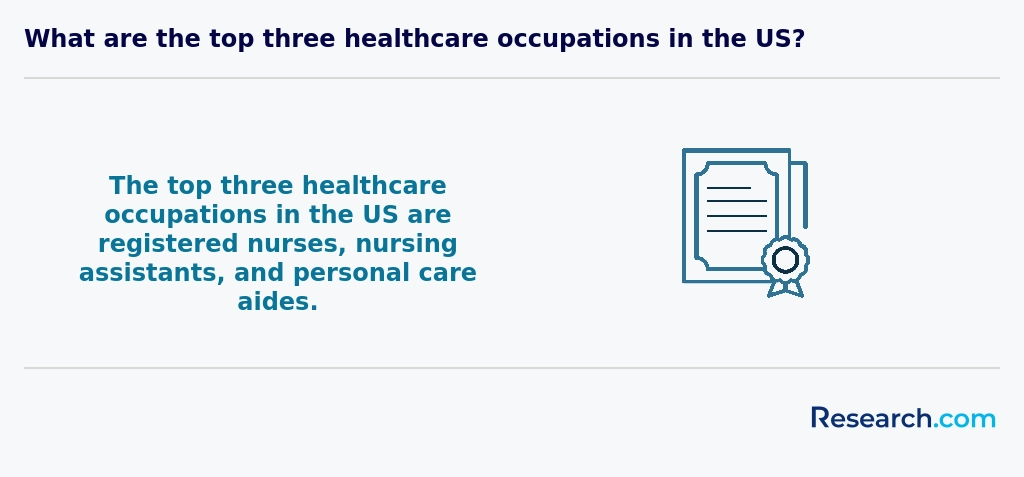
Graduates with an online healthcare degree in Washington find a range of career options tailored to the state's evolving needs. Many start as Registered Nurses (RN), delivering essential patient care in hospitals or community clinics, often noting the rewarding satisfaction from Washington's supportive healthcare environment. Others pursue healthcare administration roles, managing operations and ensuring smooth facility compliance-popular paths for graduates from well-known Washington universities that combine practical training with leadership skills.
Some graduates become Medical and Health Services Technicians, handling diagnostic tools in busy labs, a role praised for steady demand. Public Health Worker positions offer opportunities to impact local communities through education and disease prevention, especially for students from programs emphasizing state health initiatives. Health Informatics Specialists, an emerging career, focus on electronic health records-a logical choice as Washington's health systems embrace digitalization.
For deeper insight into cost-effective paths, Washington students often consult the Affordable Online Master's in Healthcare Degree Programs Ranking in Ohio, helping balance expenses with career prospects in online healthcare degree jobs in Washington.
What is the job market for online healthcare degree in Washington?
The job market for online healthcare degree graduates in Washington is robust, especially in urban centers like Seattle and Spokane. Graduates quickly find opportunities in hospitals, clinics, and specialized care facilities, where employers highly value accredited online degrees paired with certifications. Many graduates from popular Washington institutions share how strategic networking and workforce support programs helped them transition smoothly into roles as registered nurses, healthcare technicians, or public health professionals. This demand is fueled by critical shortages of healthcare workers across the state and an anticipated growth rate near 15% for healthcare occupations through 2032.
For students exploring online healthcare jobs in Washington, it's practical to consider tuition costs and local market needs. Public colleges in the state offer competitive tuition, often ranging from $5,000 to $15,000 annually for in-state learners. Graduates consistently find this investment worthwhile, given the strong earning potential in the region, with registered nurses earning around $91,000 annually on average.
Many healthcare students recommend researching programs offered by well-known institutions, and for those needing flexible options, the best open enrollment online colleges provide accessible paths to certification and employment.
Understanding healthcare degree employment prospects Washington demands staying informed about job placement services and community health initiatives, which many universities actively support to boost graduate success.
Frequently Asked Questions About healthcare
Online healthcare degree students in Washington can maximize their learning experience by actively engaging with course materials and instructors. Consistent participation in discussion forums helps deepen understanding and build connections with peers. Utilizing Washington-specific healthcare resources, such as data from the Washington State Department of Health, supports practical application of knowledge. Students should also seek out local clinical placement opportunities to gain hands-on experience, which is often required for healthcare certifications.
Time management is crucial due to the demanding nature of healthcare programs. Leveraging technology, like virtual simulations and telehealth platforms, can enhance practical skills. According to the U.S. Bureau of Labor Statistics, healthcare jobs in Washington are projected to grow by 16% through 2031, underscoring the value of staying updated on regional industry trends.
Emerging niches in the healthcare field reflect advances in technology and growing patient needs. In Washington, telehealth has rapidly expanded, with the state seeing a 50% increase in virtual care visits since 2020, according to the Washington State Department of Health. This has created demand for professionals trained in telemedicine coordination and digital health management.
Another growing area is gerontology, driven by Washington's aging population. The state's Office of Financial Management projects a 25% increase in residents aged 65 and older by 2030, boosting demand for elder care specialists and chronic disease management experts.
Healthcare data analytics is also vital, as providers seek to improve outcomes through big data. Online degrees offering training in health informatics are increasingly popular for these roles.
After completing an online healthcare degree in Washington, preparing for the job market requires a strategic approach. First, graduates should pursue relevant state licensure or certification, as many healthcare positions require official credentials. For example, Washington requires nursing graduates to pass the NCLEX-RN exam for licensure.
Networking is crucial; joining local professional associations like the Washington State Hospital Association can open doors to job opportunities. Additionally, internships or clinical practice completed during the program provide practical experience highly valued by employers.
Washington's healthcare sector is growing rapidly, with an expected 16% increase in health services jobs through 2030 according to the Washington Employment Security Department. Staying informed about local labor market trends will help graduates target in-demand roles effectively.
Employers in Washington's healthcare sector highly value communication skills in graduates of online healthcare degree programs. Clear communication improves patient care and team collaboration. Alongside this, critical thinking and problem-solving are essential, as healthcare professionals frequently make decisions that impact patient outcomes.
Technical proficiency, especially familiarity with electronic health records (EHR) systems, is increasingly important. According to the Washington State Department of Health, EHR usage in medical facilities has grown by over 50% in recent years. Employers also seek professionals who demonstrate cultural competence, given the state's diverse population.
Time management and adaptability are key, as Washington's healthcare landscape evolves rapidly due to technological advances and policy changes.
Finding internships in Washington related to a healthcare degree involves a strategic approach combining research, networking, and utilizing local resources. Start by exploring programs affiliated with Washington's major healthcare providers such as the University of Washington Medicine and PeaceHealth. These institutions often offer internship opportunities for students enrolled in healthcare programs.
Utilize online platforms like Handshake and the Washington State Healthcare Association's career portal to find posted internships. According to the Washington State Department of Labor & Industries, healthcare occupations are projected to grow 13% through 2030, increasing internship availability.
Reach out to your school's career services or program advisors for guidance, as many online healthcare degrees partner with local clinical sites in Washington for internships.
Online healthcare degrees in Washington provide significant advantages for career mobility and advancement. The state's healthcare industry is rapidly growing, with a projected 15% increase in healthcare jobs from 2020 to 2030 according to the Washington State Employment Security Department. Earning an online degree allows professionals to gain the necessary credentials while maintaining their current employment.
Many employers in Washington value flexible learning, especially in healthcare roles such as nursing, health administration, and public health. Graduates with accredited online degrees often qualify for higher-level positions and specialized certifications.
The convenience of online education also supports continued professional development, which is essential in Washington's evolving healthcare market.
Studying for a healthcare degree online in Washington equips students with skills suited for interdisciplinary roles by focusing on collaborative care models. Washington State's healthcare programs emphasize communication techniques and teamwork across medicine, nursing, social work, and public health. According to the Washington State Department of Health, integrated care approaches improve outcomes for the state's aging population, demanding professionals versed in multiple disciplines.
Many accredited institutions incorporate case studies and simulation exercises reflecting real-world healthcare settings, fostering critical thinking and problem-solving in diverse teams. With Washington's growing healthcare sector, graduates are well-prepared to contribute to integrated systems and address complex health challenges collaboratively.
Choosing between a thesis and a non-thesis healthcare degree in Washington depends mainly on your career goals and time availability. A thesis program requires conducting original research and writing a detailed dissertation. This option suits students aiming for academic, research, or advanced clinical roles.
Non-thesis programs focus more on coursework and practical skills, ideal for those pursuing managerial or professional practice careers in healthcare. According to the Washington State Department of Health, online healthcare programs often offer both paths to accommodate diverse student needs.
Consider program length and flexibility; thesis tracks may take longer due to research demands. Review each school's curriculum carefully before deciding.
Students based in Washington seeking to study healthcare abroad have several options through accredited online programs that partner with international institutions. While physical relocation for study is less common, many universities offer joint online degrees or clinical experiences overseas. Washington residents can enroll in programs that satisfy Washington State's nursing or healthcare licensing requirements while gaining global perspectives.
According to the Washington State Department of Health, over 70% of healthcare degrees awarded are in nursing and allied health fields, reflecting strong local demand. Many students choose programs that include international practicum opportunities to enhance their skills. Evaluating program accreditation and transferability of credits is essential for any abroad or hybrid degree.
Part-time job opportunities in Washington that complement healthcare degree education are diverse and often provide valuable hands-on experience. Popular options include roles such as medical assistants, patient care technicians, and pharmacy clerks. According to the Washington State Employment Security Department, healthcare support occupations are projected to grow by 14% from 2022 to 2032, indicating strong demand for these roles.
Additionally, positions like home health aides and certified nursing assistants (CNAs) are well-suited for students balancing work and studies. These jobs offer direct patient interaction, enhancing practical skills useful in various healthcare fields. Local hospitals and clinics frequently seek part-time workers, providing flexible schedules compatible with online degree programs.
Gaining employment in these roles can strengthen resumes and improve career prospects upon graduation. Such experience helps students better understand the healthcare environment while pursuing their education online, making them more competitive candidates in Washington's robust healthcare job market.
Online healthcare students in Washington have various networking opportunities despite studying remotely. Many accredited institutions in the state offer virtual events, webinars, and discussion forums that connect students with peers and faculty. These platforms foster professional relationships and collaboration.
Washington is home to healthcare organizations such as the Washington State Nurses Association, which supports online students by providing local chapter meetings and networking events. Additionally, virtual career fairs and alumni networks help students access internships and job placements within Washington's growing healthcare sector.
According to the Washington Workforce Training and Education Coordinating Board, the healthcare industry is expected to grow by 16% through 2030, increasing the importance of professional connections for job seekers.
Alumni networks offer significant advantages to students pursuing online healthcare degrees in Washington. These networks provide vital connections to professionals working in local healthcare settings, improving job prospects after graduation. According to the Washington State Department of Health, the healthcare sector is projected to grow by 15% through 2030, emphasizing the importance of strong professional ties.
Through alumni groups, students access mentoring, internships, and job opportunities specifically within Washington's healthcare institutions. Networking events and online platforms allow students to engage with experienced practitioners, enhancing practical knowledge beyond coursework.
This support system fosters career advancement and keeps students informed about evolving healthcare trends and licensure requirements in the state.
In Washington, online healthcare degree programs often offer customizable options to help students align their studies with specific career goals. Many institutions provide elective courses, allowing focus areas such as public health, healthcare administration, or nursing informatics. Some programs also include practicum or capstone projects tailored to real-world healthcare settings, which can enhance practical skills.
Students may benefit from state resources; for example, Washington's Department of Health reports a growing demand for healthcare managers and technicians, influencing program electives. Additionally, accredited programs frequently support flexible pacing, enabling working professionals to balance education with employment.
Online healthcare students in Washington frequently encounter several challenges specific to their state and program format. One major issue is balancing rigorous coursework with clinical placement requirements. Many healthcare degrees mandate in-person clinical hours, which can be difficult to arrange locally due to workforce shortages-Washington ranks among states with the highest demand for healthcare professionals, according to the Washington State Employment Security Department.
Additionally, students face technological barriers, such as unreliable internet access in rural areas, which affects approximately 15% of Washington households, per the U.S. Census Bureau.
Time management is another struggle, as students often juggle work, family, and study commitments. Finally, navigating state-specific licensing and certification for healthcare roles adds complexity, requiring careful planning to meet Washington's regulatory standards.
With an online healthcare degree in Washington, you can pursue a range of professional certifications that enhance your career prospects. Common certifications include Certified Medical Assistant (CMA), Registered Health Information Technician (RHIT), and Certified Professional Coder (CPC). These credentials demonstrate specialized skills critical to the healthcare industry.
Washington's healthcare sector is expanding, with a projected 15% growth in medical jobs through 2030, according to the Washington State Employment Security Department. This growth increases demand for certified professionals across hospitals, clinics, and insurance companies.
Many certifications require passing exams administered by national bodies such as the American Association of Medical Assistants or the American Health Information Management Association. These credentials validate your expertise and compliance with industry standards.
Writing a winning application for an online healthcare program in Washington requires clear focus and preparation. Start by thoroughly researching accredited programs approved by the Washington Workforce Training Board, which align with your career goals. Highlight your passion for healthcare and any relevant experience, especially in Washington's growing healthcare sector, which added 12,000 jobs in 2023 according to the Washington State Employment Security Department.
Carefully complete all application components, including transcripts, letters of recommendation, and a strong personal statement. Emphasize your ability to balance online learning with professional or personal commitments, a key success factor for distance education.
Proofread your application multiple times to ensure clarity and professionalism.
Healthcare careers are valued worldwide for their essential role in improving public health and quality of life. In the United States, and specifically in Washington, healthcare roles such as nursing, health administration, and allied health professions are experiencing strong demand. According to the Washington State Employment Security Department, healthcare occupations are projected to grow by 14% from 2020 to 2030, faster than many other fields.
Globally, healthcare professionals often face similar challenges and opportunities, including technological advancements and shifts toward patient-centered care. Pursuing an online healthcare degree in Washington can offer flexibility and access to accredited programs that meet national standards, preparing graduates to contribute both locally and in broader contexts.
Gaining practical experience while pursuing an online healthcare degree in Washington is essential for career readiness. Many programs incorporate mandatory clinical rotations or internships at local hospitals and clinics. These hands-on experiences allow students to apply theoretical knowledge in real healthcare settings.
Washington's strong healthcare sector, including institutions like UW Medical Center and MultiCare Health System, offers numerous externship opportunities. Students often coordinate with their school's career services to secure placements compliant with state regulations.
Some programs also encourage volunteering or part-time work in health facilities to build skills. According to the Washington State Department of Health, licensed clinical experience is critical for certification in many healthcare professions.
Online students should consult academic advisors to ensure on-site requirements meet program and licensure standards.
Choosing the right concentration within an online healthcare degree program in Washington begins with understanding your career goals. Healthcare in Washington is growing rapidly, with a 15% increase in healthcare jobs expected through 2030 according to the Washington State Employment Security Department. This growth affects fields like nursing, health administration, and public health.
Consider your interests alongside market demand. For example, nursing concentrations often offer strong job prospects, while health informatics suits those interested in data management. Washington also has specific public health challenges, such as addressing rural health disparities, which may influence your choice.
Research each program's curriculum and how it aligns with Washington's licensing requirements. Look for accredited programs recognized by bodies like the Commission on Collegiate Nursing Education.
Related Healthcare Rankings for Nearby States
- 2027 Most Affordable Online Healthcare Degree Programs Ranking in Idaho
- 2027 Most Affordable Online Healthcare Degree Programs Ranking in New Mexico
- 2027 Most Affordable Online Healthcare Degree Programs Ranking in South Dakota
- 2027 Most Affordable Online Healthcare Degree Programs Ranking in North Dakota
- 2027 Most Affordable Online Healthcare Degree Programs Ranking in Nebraska
- 2027 Most Affordable Online Healthcare Degree Programs Ranking in Texas
- 2027 Most Affordable Online Healthcare Degree Programs Ranking in Minnesota
- 2027 Most Affordable Online Healthcare Degree Programs Ranking in Missouri
- 2027 Most Affordable Online Healthcare Degree Programs Ranking in Wisconsin
- 2027 Most Affordable Online Healthcare Degree Programs Ranking in Illinois
Top Trending Healthcare Rankings
See What Experts Have To Say About Studying Healthcare
Read our interview with Healthcare experts

References
- Global Health Perspectives https://www.denvercollegeofnursing.edu/students/global-health-perspectives.html
- School ofHealth Sciences https://www.columbiabasin.edu/learn/discover-your-path/health-sciences/index.html
- 10 Skills Employers Are Looking for in Healthcare Management Jobs https://www.aiuniv.edu/blog/10-top-skills-for-healthcare-management-jobs
- Pre-Med Study Abroad Programs | Go Overseas https://www.gooverseas.com/study-abroad/pre-med
- Health Management Careers https://www.ache.org/Career-Resources/Start-Your-Career/Health-Management-Careers
- Best Online Colleges In Washington State https://www.affordablecollegesonline.org/online-colleges/washington/
- Pre-Medical Course Requirements | UW School of Medicine https://www.uwmedicine.org/school-of-medicine/md-program/admissions/course-requirements
- 6 Tips On Networking For Medical Professionals https://aaams.net/blog/how-to-network-in-the-medical-field-nurses/
- High School Health Services Program - Washington Virtual Academies https://wava.k12.com/academics/career-college-prep/health-science/
- Online Healthcare Degree Programs1 https://www.ultimatemedical.edu/campuses/online/