2027 Most Valuable Online Doctorate in Healthcare Degree Programs Ranking in Colorado

Co-Founder and Chief Data Scientist
Choosing the right healthcare doctorate program can shape your future in meaningful ways. This article presents the 2027 Most Valuable Online Doctorate in Healthcare Degree Programs Ranking in Colorado, created by the Research.com team of data scientists to guide you toward informed decisions.
By exploring this ranking, you'll discover programs that balance quality, value, and flexibility-key factors for busy students. Whether advancing your career or deepening expertise, a healthcare degree opens new doors and opportunities.
Reading this article will empower you to select a program that fits your goals and lifestyle with confidence.
Key benefits of getting online healthcare degree in Colorado
- Graduates with healthcare degrees in Colorado can expect strong salaries, such as Program Directors earning around $129,330 annually and Healthcare Services Researchers earning about $112,380 per year, reflecting rewarding financial prospects.
- Popular career paths for healthcare graduates include leadership roles like Research Director or Principal Scientist, showing diverse and impactful opportunities available after completing their degree at institutions like the University of Colorado.
- Completing a healthcare degree online in Colorado offers flexibility and convenience, allowing students to balance work and study while gaining the same respected credentials as traditional programs, ideal for busy adults returning to education.
- Key benefits of getting online healthcare degree in Colorado
- What can I expect from online healthcare degree in Colorado?
- Where can I work with online healthcare degree in Colorado?
- How much can I make with online healthcare degree in Colorado?
- 2027 Most Valuable Online Doctorate in Healthcare Degree Programs Ranking in Colorado
- Key Findings
- How long does it take to complete online healthcare degree in Colorado?
- What's the difference between online and on-campus healthcare degree?
- Research Opportunities and Dissertation Support
- What is the average cost of online healthcare degree in Colorado?
- What financial aid is available to online healthcare degree students in Colorado?
- Accreditation and Licensure
- What are the prerequisites for enrolling in online healthcare degree program in Colorado?
- Future Outlook and Industry Trends
- What courses are typically in online healthcare degree programs in Colorado?
- What types of specializations are available in online healthcare degree programs in Colorado?
- How do you choose the best online healthcare degree in Colorado?
- What career paths are available for online healthcare degree students in Colorado?
- What is the job market for online healthcare degree in Colorado?
- Related Healthcare Rankings for Nearby States
- Top Trending Healthcare Rankings
- See What Experts Have To Say About Studying Healthcare
What can I expect from online healthcare degree in Colorado?
The average cost of an online healthcare degree in Colorado often surprises prospective students who assume it will be prohibitively expensive. Many graduates from universities like the University of Colorado and Colorado State University share that tuition tends to align closely with on-campus program fees, ranging broadly but typically landing between $15,000 and $35,000 for a complete degree. This accessibility challenges the outdated notion that quality healthcare education demands a massive financial burden.
What makes this cost even more manageable are scholarships and financial aid programs tailored for Colorado residents, which many students find liberating. One graduate recalls how federal aid combined with university scholarships transformed what seemed like an impossible expense into an investment that felt both reasonable and rewarding.
Such costs, balanced against interactive coursework and local clinical experiences, make these programs feel like true opportunities rather than mere expenses. The blend of affordability and practical support creates a learning environment where students feel both hopeful and empowered, ready to embark on meaningful careers in Colorado's growing healthcare sector.
Where can I work with online healthcare degree in Colorado?
Graduates with an online healthcare degree in Colorado often find themselves at the heart of dynamic healthcare settings. From bustling hospital systems like those surrounding the University of Colorado Health to progressive outpatient centers, these roles challenge the traditional notion that online degrees limit career options. Many graduates share how their CU Boulder or Regis University online programs prepared them to confidently step into leadership roles in nursing, health informatics, or clinical research.
Beyond hospitals, the surge in telehealth-especially prominent in Colorado's mountain communities-creates unique opportunities where graduates coordinate patient care remotely while making a tangible impact. Others find fulfillment working with the Colorado Department of Public Health, driving community health initiatives that prioritize equity and prevention.
For those intrigued by innovation, Colorado's biotech hubs offer pathways in data analysis and clinical trial management, a field expanding rapidly as graduates from local colleges apply their skills. Many online graduates express pride in the flexibility their degree provided while knowing they are contributing directly to the evolving health landscape of their home state.
How much can I make with online healthcare degree in Colorado?
Graduates with an online healthcare degree from institutions like the University of Colorado or Regis University in Colorado are positioned to earn impressive salaries that challenge the stereotype of entry-level wages. For instance, a Program Director in Healthcare, a role accessible with advanced degrees, commands a mean annual wage of $129,330 in Colorado. This figure highlights how earning potential can grow substantially beyond traditional nursing roles.
Similarly, roles such as Healthcare Services Researcher, Research Director, or Principal Scientist provide median annual wages around $112,380, demonstrating lucrative paths in healthcare research and management. Many graduates from local programs report feeling empowered by these opportunities, especially when transitioning from bachelor's degrees to leadership positions.
Even positions like Chief Development Officer in healthcare organizations, with a mean salary of $95,600, show that online education in Colorado can unlock roles combining healthcare knowledge with strategic management skills.
These salaries reflect a vibrant, competitive market in urban hubs like Denver and Boulder, where healthcare demand pushes compensation higher. Graduates often find themselves pleasantly surprised by the financial benefits arising from their online education combined with Colorado's robust healthcare economy.
2027 Most Valuable Online Doctorate in Healthcare Degree Programs Ranking in Colorado
How do we rank schools?
Investing in your education is a significant decision that can profoundly impact your career and future, and the Research.com team recognizes the importance of providing reliable information to guide that choice. To support prospective students in Colorado, we have carefully developed the "2027 Most Valuable Online Doctorate in Healthcare Degree Programs Ranking in Colorado." Our dedication to quality, credibility, and accuracy is demonstrated through rigorous analysis and thorough research to produce this trusted ranking.
We utilized the following reputable data sources to ensure a comprehensive evaluation of healthcare doctorate programs:
By exploring this ranking, readers will gain invaluable insights into the highest quality and most valuable online healthcare doctorate programs in Colorado, enabling well-informed educational decisions that align with their professional goals. For more information on how this ranking was created, please visit our Research.com methodology page.

# 2 position
Colorado Christian University
Doctor of Nursing Practice


Key Findings
- Online healthcare degrees in Colorado offer flexible options for students aiming to enter or advance in the healthcare field.
- Undergraduate online healthcare programs typically cost between $12,000 and $25,000 annually for in-state students, while graduate programs range from $15,000 to over $30,000 per year.
- Healthcare employment in Colorado is expected to grow by about 15% over the next decade, creating strong job opportunities for graduates.
- Starting salaries for healthcare graduates usually fall between $50,000 and $65,000 per year, with experienced professionals earning median salaries around $80,000.
- Licensure in Colorado often requires graduation from accredited online healthcare programs, so verifying accreditation is essential for certification and employment eligibility.
How long does it take to complete online healthcare degree in Colorado?
Completing an online healthcare degree in Colorado can feel like navigating a personalized journey rather than ticking off a fixed timeline. Graduates from well-known institutions such as the University of Colorado or Colorado State University share stories of finishing associate degrees in about two years full-time, jumping quickly into healthcare roles empowered with essential skills. Others recount accelerated bachelor's programs that sliced the typical four years down to three, especially by leveraging prior credits or certifications.
Master's students, balancing jobs and families, often stretch their education from 1.5 to 3 years using flexible online courses tailored for working professionals. This adaptability fosters confidence and motivation through each milestone. Doctorate seekers in the state know their path may extend up to six years, blending rigorous research and clinical work-yet the depth of knowledge gained brings a profound sense of achievement that resonates through their careers.
These varied timelines challenge the myth of a "one-size-fits-all" duration, emphasizing how Colorado's online healthcare education models adapt to individual lives while pushing students forward.
What's the difference between online and on-campus healthcare degree?
Online healthcare degrees in Colorado, such as those offered by Metropolitan State University of Denver, challenge the traditional model by blending rigorous academics with unparalleled flexibility. Graduates often reflect on balancing family life or full-time jobs while attending virtual lectures and completing coursework late at night. This contrasts sharply with peers at the University of Colorado Anschutz Medical Campus, where the immersive campus environment fosters immediate collaboration and hands-on clinical experiences on-site.
Clinical training approaches further highlight differences: online students coordinate local placements in Denver or Boulder, often navigating scheduling independently, creating a sense of empowerment but also requiring strong self-motivation. Meanwhile, on-campus students have seamless access to affiliated hospitals, amplifying direct mentorship and structured guidance. Both paths demand accreditation standards and professional readiness, making neither inherently easier but distinct in lifestyle impact.
Cost savings for online learners are tangible, especially with Colorado's rising housing market; foregoing campus housing can ease pressure on budgets. Yet, some graduates admit missing the spontaneous connections and campus energy that fuel motivation onsite. Ultimately, choosing between formats in Colorado means reflecting on personal discipline, support networks, and how one envisions thriving in their healthcare journey.
Research Opportunities and Dissertation Support
Online doctorate programs in healthcare in Colorado emphasize rigorous, original research and offer structured dissertation support to ensure student success. Through partnerships with the University of Colorado Anschutz Medical Campus and Colorado State University’s Prus Foundations Center, doctoral candidates can engage in cutting-edge projects spanning health policy analysis, biostatistics, and clinical practice innovations. Each student is paired with a faculty mentor whose expertise aligns with their research interests, ensuring tailored guidance from proposal development through IRB approval and data collection. Doctoral cohorts benefit from dedicated resources such as writing retreats, grant-writing workshops, and access to specialized labs for health informatics and simulation training. Funding opportunities, including competitive internal grants and external fellowships, enable students to focus on publishing in peer-reviewed journals and presenting at national conferences. Before advancing to a doctorate, many students refine their research skills in a master’s program; for insights into affordable master’s options, see our Low Cost Online Master's in Healthcare Degree Programs Ranking in California. Regular dissertation seminars and peer review groups further foster a collaborative environment where candidates receive continuous feedback, accelerating the path to degree completion and enhancing career-long research capacity.
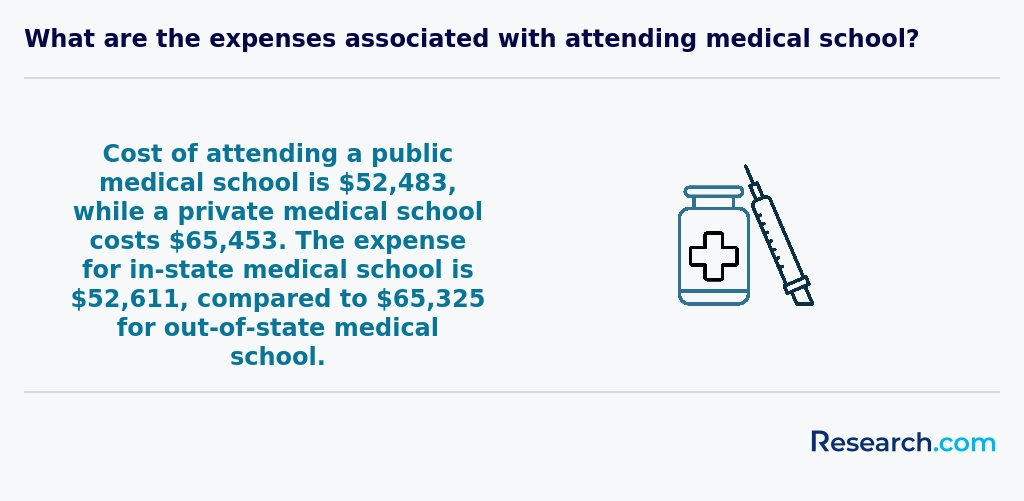
What is the average cost of online healthcare degree in Colorado?
Exploring the average cost of online healthcare degrees in Colorado reveals a nuanced financial landscape that challenges common assumptions. Median total costs hover around $28,160, with some in-state and out-of-state students paying slightly more, near $33,867. Graduates from well-known institutions like the University of Colorado and Colorado State University often reflect on how budgeting for these amounts demanded careful planning yet felt achievable compared to pricier private options.
Consider the scenario of a student pursuing a healthcare bachelor's degree online who balances family responsibilities and part-time work. The relatively moderate cost allows them to invest in essential textbooks and technology without overwhelming debt. This experience is echoed by many who find that tuition fees, although a significant factor, are only one piece of their financial puzzle-support through scholarships or tuition assistance in Colorado adds vital flexibility.
For those eyeing advanced degrees, the total tuition and fees for online healthcare doctorate Colorado programs can reach higher levels. Yet, the value graduates attach to their degrees often outweighs the sticker price, especially when their education leads directly to career advancement in healthcare administration or nursing. Prospective students should explore the cheapest healthcare schools in colorado to identify options that balance cost and quality, making informed choices aligned with their personal and professional aspirations.
What financial aid is available to online healthcare degree students in Colorado?
Many online healthcare students in Colorado discover that federal financial aid is their first lifeline, accessed through FAFSA to unlock Pell Grants, low-interest federal loans, and valuable work-study positions. Graduates from the University of Colorado often share how Pell Grants, which can reach up to $7,395 annually, made their studies feel achievable instead of overwhelming.
Beyond federal aid, the state steps in with practical support. Programs like the College Opportunity Fund offer $175 per credit hour at public institutions, easing the burden for those pursuing degrees at places like Colorado State University. Students often recount the relief felt when COF stipends transformed tuition bills into manageable expenses.
Institutional scholarships tailored for healthcare fields also play a pivotal role. Many online learners appreciate how these awards recognize both merit and need, reflecting their hard work and determination. Knowing that hospitals and clinics in Colorado sometimes reimburse tuition inspires working professionals to balance jobs and study without sacrificing progress.
These layered financial aids create a safety net, encouraging students to envision success despite financial barriers, emphasizing resourcefulness and hope in every step toward their healthcare careers.
Accreditation and Licensure
Accreditation and licensure are critical for ensuring your online doctorate in healthcare is recognized by employers, professional boards, and federal aid programs. Always verify both institutional and programmatic credentials before applying.
- Regional accreditation (e.g., Higher Learning Commission) validates overall institutional quality.
- Programmatic accreditation (e.g., CCNE for nursing, CEPH for public health, CAHME for healthcare management) confirms specialized curriculum standards.
- State licensure eligibility depends on meeting Colorado Board requirements-review clinical hour mandates and approved practicum sites.
Before you enroll, confirm that credits transfer smoothly from any prior degree pathway. Prospective doctoral students transitioning from an RN to BSN pathway may compare options like the cheapest rn to bsn program online to ensure seamless progression into advanced study.
What are the prerequisites for enrolling in online healthcare degree program in Colorado?
Enrolling in an online healthcare degree in Colorado isn't just about submitting an application; it's about demonstrating readiness through concrete academic and experiential milestones. Graduates from esteemed institutions like the University of Colorado often reflect on the deep value of prerequisite courses-biology, chemistry, anatomy, and psychology-which grounded them in critical scientific principles before clinical practice. These classes are more than hoops to jump through; they create a confidence that shapes future healthcare professionals.
Colorado students aiming for advanced degrees know that holding a relevant undergraduate degree with a solid GPA is a non-negotiable foundation. Many recall how personal statements and recommendation letters became their opportunity to convey passion beyond grades-voicing genuine commitment to patient care. Some programs, particularly those at schools like Colorado State University, may also ask for GRE scores, underscoring the competitiveness of the field.
What truly distinguishes successful applicants is experience. Volunteers and workers in healthcare settings shared how those moments in hospitals or clinics instilled purpose and a real-world understanding that textbooks can't replicate. This blend of academic preparation and hands-on exposure elevates applicants, making online healthcare programs in Colorado not just accessible but deeply transformative.

Future Outlook and Industry Trends
As the healthcare landscape continues evolving, understanding future trends is vital for aspiring online doctorate students in Colorado. This section explores emerging industry developments, technological advances, and evolving career expectations that shape online healthcare education's long-term value. Recent shifts include the rapid integration of telehealth, data analytics, and personalized medicine, all of which have amplified the importance of advanced, research-driven instruction. Experts predict that the demand for skilled professionals with a doctorate in healthcare will only increase, as organizations prioritize innovation and robust leadership to navigate complex public health challenges. Additionally, many institutions are enhancing their curriculum by incorporating interdisciplinary studies that fuse clinical practice with cutting-edge research. For those interested in comparing degree innovations across healthcare disciplines, exploring what is the popular online doctorate in pharmacy program can provide further insights. By keeping abreast of these future trends, prospective students can align their educational pursuits with a dynamic industry poised for growth and transformation.
What courses are typically in online healthcare degree programs in Colorado?
Courses in online healthcare degrees in Colorado immerse students in essential knowledge like anatomy and physiology, providing graduates from institutions such as the University of Colorado with a deep understanding of the human body's complexities-knowledge they recall vividly when managing patient care scenarios. Medical terminology and healthcare ethics courses challenge students to think critically about communication and moral dilemmas they encounter in real hospital or telehealth settings.
Healthcare administration and management courses teach practical skills in budgeting and staffing that graduates from Colorado State University have used confidently when stepping into leadership roles amid a booming state healthcare sector employing over 230,000 people. Informatics modules further prepare students for the digital age, equipping them to navigate Colorado's rapid telemedicine expansion-a shift experienced firsthand during their capstone projects.
Public health studies foster a deep empathy for Colorado's unique community health challenges, encouraging students to innovate in epidemiology and policy. These immersive courses enable graduates to connect classroom theory with the urgent needs of diverse populations across the state.
What types of specializations are available in online healthcare degree programs in Colorado?
Online healthcare degree specializations in Colorado reflect a dynamic shift in how future professionals prepare for evolving challenges. Graduates from institutions like the University of Colorado and Colorado State University often share how specializations such as Health Administration equip them to lead hospital teams with confidence, turning complex scenarios into manageable operations. Others pursuing public health emphasize a profound connection to community well-being, inspired by the state's unique demographic and environmental health challenges. Many students find their passion intensifies when diving into Nursing Practice or Health Informatics, where the blend of clinical skills and technology revolutionizes patient care in local clinics and telehealth platforms.
Specializing in Healthcare Quality and Patient Safety resonates deeply with those determined to reduce medical errors, transforming cautious learning into hopeful impact across Colorado's healthcare facilities. For those exploring healthcare doctorate programs Colorado specializations expand even further, offering pathways that challenge traditional views on healthcare leadership. Curious students often explore what is the popular online doctorate in pharmacy program to see how innovation merges with care delivery.
These diverse options within online healthcare degree specializations Colorado ensure students don't just earn a credential-they join a community driving meaningful change.
How do you choose the best online healthcare degree in Colorado?
Choosing the best online healthcare degree in Colorado demands more than just scanning tuition rates or program lengths-it requires deep reflection on accreditation and real-world relevance. Graduates from popular Colorado universities often recall how accreditation bodies like CAHME or ACEN shaped their eligibility for certification exams and boosted employer confidence in their credentials. It's not just about cost-though, with average graduate healthcare program tuition ranging from $15,000 to $35,000, affordability remains crucial when weighing your options in this state.
Flexibility is another overlooked element. Those balancing work or family found programs offering asynchronous courses crucial for managing their hectic schedules without sacrificing learning quality. Meanwhile, graduates who selected a specialization aligned with Colorado's growing healthcare sectors deeply appreciated having curriculum grounded in state labor trends. For students seeking advanced degrees, exploring affordable healthcare doctorate programs Colorado offers can unlock both economic and professional advantages.
Personal experiences emphasize the value of clinical placements tied to Colorado healthcare facilities, enhancing practical skills and workplace networks. For those considering pharmacy pathways, the most-affordable-online-doctorate-in-pharmacy-programs highlight how thoughtful program selection can lead to rewarding careers deeply connected to Colorado's healthcare landscape.

What career paths are available for online healthcare degree students in Colorado?
Graduates with an online healthcare degree in Colorado find themselves stepping into roles that challenge traditional expectations of career paths. Many become registered nurses or APRNs, thriving in fast-paced hospital settings or community clinics throughout Denver or Boulder, where the practical hands-on training from well-known institutions merges seamlessly with flexible online coursework. These roles offer not only competitive wages but also a sense of deep fulfillment as graduates witness the real-time impact of their care.
Others uncover new possibilities in healthcare career options Colorado graduates often explore, such as administration. Managing hospital operations or leading community health programs requires strategic insight-skills that top online programs at Colorado colleges hone through immersive leadership and policy education. Graduates frequently reflect on how this blend of knowledge and practical skills prepares them uniquely for these demanding positions.
A rising field attracting ambitious students is health informatics, where graduates engage with data management and healthcare technologies in ways that shape the future of patient care. Those pursuing this route from online programs often marvel at their ability to influence healthcare outcomes without a conventional clinical role.
Additional paths include physical therapy, public health, and mental health counseling-each supported by online education that integrates state licensure requirements. Financial considerations are real but manageable; many benefit from scholarships, or explore options like the Low Cost Online Master's in Healthcare Degree Programs Ranking in California to guide their decisions.
What is the job market for online healthcare degree in Colorado?
Graduates who pursue online healthcare degrees in Colorado often find themselves stepping into a landscape marked by dynamic growth and opportunity. The demand for online healthcare jobs in Colorado reflects the state's expanding healthcare infrastructure, fueled by demographic shifts and a focus on accessible care. Those completing programs at well-known institutions around Denver and Colorado Springs frequently share stories of rapid employment, particularly in nursing and healthcare administration, where the tightening labor market unveils many openings.
Many graduates appreciate how balancing coursework with current jobs enables real-time application of knowledge, enhancing their confidence and readiness. The need for skilled professionals in public health and health informatics also creates a diverse range of paths, making the healthcare degree employment prospects Colorado offers feel both broad and attainable. Students considering accelerated options might explore colleges with accelerated programs to join this promising workforce sooner.
Frequently Asked Questions About healthcare
Online healthcare degree students in Colorado can enhance their learning by actively engaging with virtual resources and community networks. Utilizing interactive platforms such as discussion boards and live webinars helps deepen understanding and build connections with peers and faculty.
Students should also seek out local clinical placements or internships, as hands-on experience is vital in healthcare education. Colorado has numerous health systems offering opportunities, like UCHealth and Colorado Hospital Association member facilities. These real-world experiences complement online coursework and improve practical skills.
Additionally, staying informed about Colorado's healthcare trends-including the state's focus on rural health and telemedicine, highlighted by the Colorado Health Institute-can provide valuable context for studies and future careers.
The healthcare industry in Colorado is rapidly evolving, creating opportunities in several emerging niches. One notable area is telehealth, which expanded significantly during the COVID-19 pandemic and continues to grow, supported by Colorado's push for remote care access. According to the Colorado Health Institute, telehealth visits increased by over 40% between 2020 and 2023.
Another growing niche is health informatics. As healthcare systems increasingly digitize patient records, there is strong demand for professionals skilled in managing and analyzing this data. The U.S. Bureau of Labor Statistics projects an 11% growth in health informatics jobs nationwide through 2031.
Also, behavioral health is a vital niche due to the rising need for mental health services in the state. Colorado ranks above the national average in demand for licensed counselors and therapists. Online healthcare degrees focusing on these specialties can prepare students for these expanding job markets.
After completing an online healthcare degree in Colorado, preparing for the job market involves several key steps. Begin by obtaining relevant certifications or licenses required for your healthcare specialty; Colorado often aligns with national credentialing standards such as those from the American Nurses Credentialing Center or the Commission on Accreditation of Healthcare Management Education. Networking is essential-consider joining local professional groups like the Colorado Healthcare Executives Forum. Colorado's healthcare job market is expanding, with a projected 10% growth in healthcare occupations through 2030 according to the Colorado Department of Labor and Employment.
Building a strong resume that highlights clinical experience, even from virtual practicums, improves employment prospects. Utilizing job boards specializing in Colorado healthcare roles can also provide targeted opportunities. Lastly, consider pursuing continuing education to stay current with healthcare regulations and technology trends in the state.
Employers in Colorado highly value healthcare degree graduates who demonstrate strong clinical skills combined with effective communication. According to the Colorado Workforce Development Council, teamwork and the ability to work with diverse patient populations are crucial in the state's expanding healthcare sector.
Technical proficiency with electronic health records (EHR) systems is increasingly important as Colorado hospitals continue adopting advanced digital tools. Critical thinking and problem-solving skills are also essential, especially in fast-paced environments like Denver Health Medical Center, which emphasizes evidence-based decision making.
Leadership abilities and adaptability to changing healthcare regulations stand out among top skills employers seek. In 2023, nearly 70% of Colorado healthcare employers reported prioritizing candidates who can manage care coordination effectively while showing cultural competence.
Finding internships in Colorado relevant to a healthcare degree involves strategic research and networking. Begin by exploring local hospitals, clinics, and public health organizations that frequently partner with universities for student placements.
Many healthcare programs in Colorado collaborate with institutions such as UCHealth and Denver Health, which offer structured internship opportunities. According to the Colorado Department of Labor and Employment, healthcare occupations are among the fastest-growing sectors, increasing demand for interns.
Utilize resources like the Colorado Consortium for Nursing Education and career services offered by your school. Additionally, professional associations, such as the Colorado Public Health Association, provide internship listings and networking events.
Online internship databases like Handshake or Indeed can also identify openings, filtered by location and healthcare specialties.
Online healthcare degrees in Colorado significantly enhance career mobility by providing access to flexible education tailored for working professionals. The state's growing healthcare sector, with a projected 15% job growth from 2021 to 2031 according to the Colorado Department of Labor and Employment, creates diverse opportunities for advancement.
Holding an advanced online degree often qualifies individuals for leadership roles, such as healthcare administration or specialized clinical positions. Many Colorado employers recognize accredited online programs, making degree holders strong candidates for promotions.
Additionally, online learning removes geographic barriers within Colorado, allowing students from rural areas to enter or step up in the healthcare workforce. This accessibility supports meeting the state's increasing demand for qualified healthcare professionals.
Studying for a healthcare degree in Colorado offers strong preparation for interdisciplinary roles by emphasizing collaborative skills and broad healthcare knowledge. Many Colorado programs integrate courses in healthcare management, public health, and clinical practice, enabling students to work across diverse healthcare settings.
Colorado's healthcare system increasingly values professionals who can navigate complex teams, as the state faces unique challenges like rural health disparities. According to the Colorado Department of Public Health and Environment, interdisciplinary approaches improve patient outcomes and resource management.
Online degree programs in Colorado often include case studies and simulations reflecting real-world interdisciplinary collaboration, equipping graduates to coordinate among doctors, nurses, and administrators effectively.
Choosing between a thesis and a non-thesis healthcare degree program in Colorado depends largely on your career goals and learning preferences. A thesis program typically requires original research, suited for students aiming for academic, research, or clinical leadership roles. It develops critical thinking and contributes to medical knowledge. The non-thesis option emphasizes practical skills and coursework, ideal for professionals focused on advancing in clinical practice or healthcare administration.
In Colorado, healthcare employment is projected to grow by 16% from 2020 to 2030, according to the Colorado Department of Labor. Research-focused degrees may open doors to roles in universities or research institutions, while non-thesis degrees often prepare graduates for immediate industry demands.
Consider your desired career path, time commitment, and whether you prefer research or applied learning as you decide between these options.
Students in Colorado interested in studying healthcare abroad through online programs have several options, though these are mostly limited to partnerships between U.S. institutions and foreign universities. Many Colorado universities offer online healthcare degrees accredited by U.S. bodies, allowing students to study remotely while maintaining eligibility for local licensure.
For those considering international exposure, some programs provide study-abroad components or virtual global healthcare courses. According to the Colorado Department of Higher Education, approximately 40% of healthcare students seek flexible online formats, fitting international coursework into their schedules. However, direct enrollment abroad is less common for American students due to varying accreditation standards and licensure requirements.
Colorado's strong healthcare sector, with over 400,000 healthcare workers reported by the Colorado Health Institute, supports demand for flexible advanced training, including international collaborations. Students should verify that any foreign curriculum aligns with U.S. clinical practice standards to ensure professional recognition after graduation.
Students pursuing online healthcare degrees in Colorado can benefit from part-time jobs that offer practical experience. Positions such as medical scribes, patient care technicians, and pharmacy assistants provide valuable exposure to clinical environments.
Colorado's healthcare sector employed over 320,000 workers in 2023, with a rising demand for support roles that complement formal education (Colorado Department of Labor and Employment). Part-time work in outpatient clinics or community health centers allows students to develop communication skills and understand healthcare workflows.
Additionally, roles in telehealth services are expanding, aligning well with online studies and offering flexible schedules.
Online healthcare students in Colorado have multiple networking opportunities despite studying remotely. Many Colorado universities offering online healthcare programs organize virtual meetups, webinars, and networking events to connect students with peers and healthcare professionals.
Students can also access statewide professional organizations such as the Colorado Nurses Association and Colorado Health Executives Forum. These groups frequently host conferences and workshops where students may engage with industry experts and potential employers.
According to the Colorado Department of Labor and Employment, healthcare is a leading sector with over 330,000 jobs in the state, making networking essential for career growth.
Furthermore, some programs partner with local hospitals and clinics, allowing students to participate in internships or practicums, enhancing their professional connections in Colorado's healthcare community.
Alumni networks provide valuable professional connections for online healthcare degree students in Colorado. These networks link current students with graduates working in various healthcare settings across the state, fostering mentorship and career guidance.
Such connections can improve job placement rates, as Colorado healthcare employers often prefer candidates recommended through trusted networks. According to the Colorado Department of Labor and Employment, healthcare is one of the fastest-growing industries in the state, highlighting the importance of networking to access emerging opportunities.
Moreover, alumni groups may organize events, webinars, and continuing education workshops, helping students stay updated on state healthcare regulations and innovations crucial for professional growth.
Customizing an online healthcare degree program in Colorado allows students to align their education with specific career goals. Many programs offer elective courses or specialization options such as healthcare administration, nursing leadership, or public health.
Students can choose practicums or internships based on their interests, gaining relevant experience in Colorado's growing healthcare market. The state's healthcare employment is projected to grow 13% from 2021 to 2031, emphasizing the need for skilled professionals (Bureau of Labor Statistics).
Additionally, some universities offer flexible scheduling and accelerated formats, helping working professionals advance without interrupting their careers. Certification preparation aligned with industry standards can also be integrated into coursework to boost job readiness.
Online healthcare students in Colorado often face challenges related to maintaining hands-on clinical experience. Since healthcare programs require practical skills, finding local clinical placements that meet accreditation standards can be difficult, especially in rural areas. According to the Colorado Department of Higher Education, this gap affects up to 30% of online healthcare learners statewide.
Another common challenge is balancing rigorous coursework with work and family responsibilities. Many students in healthcare fields are working professionals, making time management critical. Additionally, technical issues and limited in-person interaction sometimes hinder engagement and peer collaboration, which are important for mastering complex healthcare topics.
Financial constraints also impact students, as healthcare degrees often carry high tuition and associated costs. Awareness of Colorado-specific scholarships and financial aid resources remains limited, adding to the difficulty of affording advanced online education.
With an online healthcare degree, graduates in Colorado can pursue various professional certifications that enhance career prospects and expertise. Common certifications include Certified Healthcare Administrator (CHA), Certified Professional in Healthcare Quality (CPHQ), and Registered Health Information Technician (RHIT). These credentials are recognized nationwide and valued in Colorado's growing healthcare industry. For example, CPHQ certification is highly relevant due to the state's emphasis on improving healthcare quality and patient safety, as reported by the Colorado Department of Public Health.
Additionally, those focused on health informatics may seek certification as a Certified Health Data Analyst (CHDA). These certifications typically require a combination of education, clinical experience, and passing an exam. Pursuing such credentials after earning an online degree can significantly improve job opportunities in Colorado's expanding healthcare job market, which is projected to grow by 15% through 2030 according to the Colorado Department of Labor and Employment.
Applying to an online healthcare program in Colorado requires a clear and focused approach. Start by thoroughly researching programs accredited by recognized bodies such as the Commission on Accreditation of Healthcare Management Education (CAHME) or Council on Education for Public Health (CEPH). Colorado's healthcare sector is growing rapidly, with the state projected to add over 25,000 healthcare jobs by 2028 according to the Colorado Department of Labor and Employment.
Highlight your relevant experience, particularly in healthcare or leadership roles, and emphasize your commitment to improving Colorado's healthcare landscape. Tailor your personal statement to reflect state-specific challenges, such as addressing rural health disparities.
Strong letters of recommendation and clear career goals aligned with Colorado's healthcare needs increase your chances of acceptance.
The global perspectives on a healthcare career emphasize the growing demand for skilled professionals due to rising chronic illnesses and aging populations worldwide. In the United States, and specifically in Colorado, healthcare roles are expanding, driven by technological advancements and increased access to telehealth services.
According to the Colorado Department of Labor and Employment, healthcare occupations are expected to grow by 15% from 2020 to 2030, significantly faster than the average for all occupations. This reflects a global trend valuing healthcare expertise.
Internationally, healthcare careers often require cultural competence and adaptability, skills that online degree programs in Colorado increasingly incorporate to prepare graduates for diverse patient populations. These programs align education with global standards to improve outcomes both locally and abroad.
Gaining practical experience while studying for an online healthcare degree in Colorado is essential for career readiness. Many programs require clinical placements or internships, which students can complete at local hospitals, clinics, or healthcare facilities in Colorado.
The state, with over 450 hospitals and 1,200 outpatient centers, offers diverse opportunities for hands-on learning (Colorado Health Institute, 2023). Students often work under supervision, applying theoretical knowledge to real patient care.
Some universities partner with Colorado health systems to help online students secure these experiences. Additionally, virtual simulations and telehealth practicums are increasingly common, supplementing direct patient interaction.
Licensing boards in Colorado typically mandate documented clinical hours, making these experiences crucial during degree completion.
Choosing the right concentration within an online healthcare degree program in Colorado requires careful consideration of your career goals and local healthcare demands. Colorado's healthcare sector is growing rapidly, with a 13% employment increase projected through 2030 according to the Colorado Department of Labor and Employment. This growth means specialties like healthcare administration, public health, and nursing leadership are in high demand.
Research the concentrations most aligned with Colorado's healthcare needs. For example, rural healthcare management is critical due to limited medical access in some areas. Additionally, consider programs offering practicum or networking opportunities within Colorado's medical systems.
Accreditation and faculty expertise also matter; look for schools recognized by organizations such as the Council on Education for Public Health (CEPH) or Commission on Collegiate Nursing Education (CCNE).
Related Healthcare Rankings for Nearby States
- 2027 Most Valuable Online Doctorate in Healthcare Degree Programs Ranking in Kansas
- 2027 Most Valuable Online Doctorate in Healthcare Degree Programs Ranking in New Mexico
- 2027 Most Valuable Online Doctorate in Healthcare Degree Programs Ranking in Arizona
- 2027 Most Valuable Online Doctorate in Healthcare Degree Programs Ranking in Texas
- 2027 Most Valuable Online Doctorate in Healthcare Degree Programs Ranking in Missouri
- 2027 Most Valuable Online Doctorate in Healthcare Degree Programs Ranking in Louisiana
- 2027 Most Valuable Online Doctorate in Healthcare Degree Programs Ranking in Illinois
- 2027 Most Valuable Online Doctorate in Healthcare Degree Programs Ranking in Wisconsin
- 2027 Most Valuable Online Doctorate in Healthcare Degree Programs Ranking in Indiana
- 2027 Most Valuable Online Doctorate in Healthcare Degree Programs Ranking in Kentucky
Top Trending Healthcare Rankings
See What Experts Have To Say About Studying Healthcare
Read our interview with Healthcare experts

References
- Online Healthcare & Medical Certification Training Programs https://medcerts.com/programs/healthcare/
- Pursuing Your Career Goals: Strategies and Examples https://www.ultimatemedical.edu/blog/career-goals-importance-strategies-and-examples/
- Health Management Careers https://www.ache.org/Career-Resources/Start-Your-Career/Health-Management-Careers
- Healthcare Degrees https://teach.com/online-ed/healthcare-degrees/
- Course Benefits https://www.premedprojects.co.uk/hospital-work-experience-benefits
- Niche Market Opportunities Research Among Healthcare Professionals (A Decision Analyst Case History https://www.decisionanalyst.com/casestudies/nichemarketopportunities/
- Online Healthcare Degree-Accredited Programs https://nursinglicensemap.com/resources/healthcare-degree-programs/
- Advancing Your Career in Healthcare: Tips and Strategies https://www.sunshinecarenetwork.com/blog/advancing-your-career-in-healthcare-tips-and-strategies
- Online Healthcare Degree Programs | University of Phoenix https://www.phoenix.edu/online-healthcare-degrees.html
- Alumni Reconnect - Poznan University of Medical Sciences https://pums.edu.pl/alumni-friends/alumni-reconnect/