2027 Most Valuable Online Doctorate in Healthcare Degree Programs Ranking in Texas

Co-Founder and Chief Data Scientist
Considering an advanced healthcare degree can open exciting doors in your career, especially if you're in Texas looking to make a meaningful impact. This article presents the 2027 Most Valuable Online Doctorate in Healthcare Degree Programs Ranking in Texas, developed by the Research.com team of data scientists.
Designed to guide you through the many options, this ranking highlights programs worth your time and investment. By exploring it, you'll gain clear insights that help you choose a path aligned with your goals and passion for healthcare.
Taking this step could shape your future in rewarding ways, making your educational journey both valuable and fulfilling.
Key benefits of getting online healthcare degree in Texas
- Healthcare degree graduates in Texas can earn competitive salaries, such as Program Directors making an average of $129,330 annually and Chief Development Officers earning about $95,600 per year.
- Graduates often pursue diverse careers like Healthcare Services Researchers or Principal Scientists, with many Texas universities offering strong networks and opportunities in these fields.
- Online healthcare degrees provide flexibility and convenience, allowing students to balance work and study while benefiting from quality education offered by top Texas institutions.
- 2027 Most Valuable Online Doctorate in Healthcare Degree Programs Ranking in Texas
- What can I expect from online healthcare degree in Texas?
- Where can I work with online healthcare degree in Texas?
What can I expect from online healthcare degree in Texas?
Curious minds diving into online healthcare degrees in Texas quickly discover that the average cost varies widely but generally stays affordable for state residents. Graduates from popular programs at universities like the University of Texas at Austin or Texas A&M report tuition ranges between $8,000 to $15,000 per year for bachelor's degrees, while master's and doctoral programs can reach up to $25,000 annually. The real appeal? Many Texas public universities offer in-state tuition rates for online students, making it easier to invest in your future without uprooting your life.
Imagine juggling work, family, and study while steadily advancing through courses on healthcare policy or informatics-all from your local home or nearby library. Graduates highlight the flexibility to complete clinical practicums at familiar Texas healthcare facilities, adding a hands-on edge that brings lessons to life. With financial aid, scholarships, and employer tuition reimbursement often available, it's easier to feel confident and excited about the opportunity to grow professionally without overwhelming debt.
Where can I work with online healthcare degree in Texas?
With an online healthcare degree in Texas, your career journey can take you to vibrant hospitals bustling with innovation, like those in Houston Methodist or Texas Health Resources, where graduates step into nursing leadership and administration roles. Imagine guiding a team through strategic planning or improving patient care systems, all from the heart of Texas's healthcare networks.
Graduates from the University of Texas and Texas A&M often find themselves energized working in public health agencies across Dallas and Austin, tackling real community challenges. These roles offer a unique chance to impact population health, aligning personal passion with state-wide goals as public health positions grow rapidly.
For those drawn to technology, healthcare informatics opens doors to managing cutting-edge electronic health records and analyzing vital health data, making a tangible difference in patient outcomes across Texas's expansive healthcare landscape.
Many online doctorate holders also discover rewarding careers teaching or leading research at Texas colleges, inspiring future professionals and pushing medical knowledge forward, creating a sense of fulfillment and adventure in their work.
Graduates from online healthcare degree programs in Texas often discover exciting salary potential waiting for them. For instance, a typical Program Director in healthcare commands an average yearly wage of about $129,330. Imagine completing your degree through a program at the University of Texas system and stepping into such a role, managing teams and projects with confidence.
Those who venture into leadership positions like Chief Development Officer can expect mean annual earnings near $95,600. Graduates from Texas A&M's healthcare administration tracks often find these roles rewarding, both financially and professionally, as they shape the future of healthcare organizations.
Then there are roles that combine research and strategy. Healthcare Services Researchers, Research Directors, and Principal Scientists consistently earn close to $112,380 annually. Picture yourself at Texas Tech University applying your doctorate skills to innovative projects, blending scientific curiosity with impactful healthcare outcomes.
The thrill of earning a substantial income while contributing to Texas's robust healthcare landscape is a real motivator for many. These figures reflect the vibrant opportunities awaiting graduates embracing online healthcare education here.
- In-state tuition for online undergraduate healthcare degrees in Texas ranges from about $7,000 to $12,000 per year.
- Graduate healthcare programs typically cost between $10,000 and $20,000 annually for in-state students, with out-of-state tuition often up to twice as much.
- Employment in healthcare jobs in Texas is expected to grow by approximately 15% from 2020 to 2030, faster than the average for all occupations.
- Entry-level healthcare graduates earn between $50,000 and $65,000 annually, with registered nurses starting around $58,000 and healthcare administrators near $60,000.
- Experienced healthcare professionals with advanced degrees can earn between $80,000 and over $110,000 annually, especially in leadership or specialized roles.
- Accreditation from agencies like the CCNE or CEPH is essential for licensure, certification, and employer recognition.
For the bold souls chasing graduate degrees, Texas Tech offers flexible pacing-from 1.5 years with an accelerated mindset to 4 years when juggling work and family. Imagine the thrill of completing a Doctor of Nursing Practice through Baylor, mixing part-time study with real-life clinical experience over 3 to 4 years, feeling every moment of progress firsthand.
Texas healthcare students embrace these varied paths, each shaped by personal goals and program structures, turning timelines into personalized adventures that fit their lives and dreams.
When choosing an online healthcare degree program, understanding alumni outcomes and the program’s ROI is vital to making an informed decision about your future. Many graduates have not only advanced into leadership roles but also experienced tangible salary increases and career growth soon after graduation. Tracking post-graduation success through metrics such as average salary boosts, promotion rates, and professional achievements offers prospective students a clear picture of the value each program delivers. For example, graduates who chose programs at what is considered an affordable online healthcare school in texas have reported remarkable career trajectories and financial gains that significantly outpace their initial investment. By evaluating alumni success stories alongside cost factors and program flexibility, students can better assess which institution will best support their professional ambitions while ensuring a competitive edge in the increasingly dynamic healthcare field.
Imagine juggling a busy work schedule or family life in sprawling Texas, all while earning a healthcare degree from a favorite school like the University of Texas or Texas A&M. Online programs shine here, offering flexible study from anywhere-a lifeline for many. Graduates often recall late-night video lectures and virtual simulations that made learning feel personal despite the distance. They loved skipping long drives across the state, especially in rural areas where travel time can be daunting.
Meanwhile, on-campus students at places like Baylor University thrive on the energy of face-to-face classes and hands-on labs. They describe the camaraderie from study groups and immediate access to campus resources as game changers that built their confidence and sharpened skills.
Both routes demand strong accreditation, ensuring quality education, but online learners might miss some immediate networking perks. Still, many find that digital libraries and virtual tools make their journey feel just as rich, opening doors without leaving their hometowns.
Online doctorate programs in healthcare offer a unique blend of rigorous research, advanced coursework, and opportunities to build leadership skills vital for shaping the future of healthcare. These programs are designed not only to deepen your academic expertise but also to prepare you for high-level roles in clinical practice, administration, and policy-making. Key aspects include an in-depth focus on evidence-based research methodologies, comprehensive dissertation components, and specialized seminars led by industry experts. In addition, students are encouraged to engage in interdisciplinary projects that foster collaboration and innovative thinking. For those interested in streamlining their career path while accelerating their education, consider exploring what are the best online accelerated healthcare administration degree programs for additional opportunities. By integrating advanced research with practical applications, these doctoral programs empower students to make substantial contributions to the healthcare field and drive significant improvements in patient care, operational excellence, and strategic decision-making.
Exploring the average online healthcare degree cost Texas reveals a practical yet exciting investment. Median in-state tuition hovers around $31,143, a figure many graduates recall balancing with scholarships and part-time work, making remote learning both accessible and rewarding. For instance, students at Texas universities like Texas A&M or the University of Texas often find the journey financially manageable, with their programs offering competitive pricing compared to out-of-state rates, which can be significantly higher.
Graduates from these programs frequently share how budgeting around this range empowered them to focus on mastering healthcare skills without the heavy burden of debt. The balance between cost and quality resources shapes a positive learning atmosphere, especially as technology fees and materials add modest supplementary expenses. While median total costs across Texas sit near $50,742 for out-of-state students, many Texans benefit greatly from the state's public institutions designed to keep education affordable.
When curious about total tuition fees for online healthcare doctorate Texas programs, prospective students discover that costs vary based on the degree's depth and institution. Doctoral degrees often approach or exceed the higher end of the spectrum, yet the enriching experience and career advancement opportunities inspire graduates to embrace the challenge confidently. Many who seek an affordable online healthcare journey start by visiting an affordable online healthcare school in texas, where transparent costs and supportive financial aid make the adventure both accessible and promising.
Navigating an online healthcare degree program successfully requires a blend of discipline, strategic planning, and resourcefulness. To maximize your learning, establish a dedicated study space and stick to a consistent schedule that accommodates both coursework and professional commitments. Leverage digital tools like time-management apps, virtual study groups, and online forums to connect with peers and professors-a critical approach for excelling in a virtual environment. In addition to organizing your study routine, explore additional support resources such as academic advising, tutoring services, and career centers that many institutions provide. Staying proactive by setting clear goals and tracking your progress is key. For instance, reviewing options for an affordable online healthcare school in texas can help you manage both educational quality and budget considerations effectively. Furthermore, take time to familiarize yourself with simulation tools and digital libraries that enhance practical skills. Regular participation in webinars, virtual workshops, or mentorship programs not only deepens subject understanding but also broadens your professional network. Adopting these strategies will foster a robust online learning experience and set you on the path to a successful career in healthcare.
Imagine starting your online healthcare degree at the University of Texas at Austin with the excitement of diving into your courses, knowing that financial aid is there to ease your journey. Texas students often tap into Pell Grants through FAFSA, bringing relief to many undergraduates facing tuition costs around $10,610. These grants can feel like a breath of fresh air, allowing you to focus on mastering nursing skills instead of stressing finances.
Many graduates from Texas A&M University recall how state programs like the Texas Public Educational Grant helped them cover tuition, especially when combined with scholarships from local organizations such as the Texas Nurses Foundation. Whether it's a $500 award or more substantial aid, these scholarships brighten the path, making specialized healthcare materials and textbooks more affordable.
Working professionals studying online at Baylor University often share how employer tuition assistance transformed their education, with some employers covering tuition fully. Veterans also benefit greatly, using GI Bill benefits to access stipends and tuition coverage, creating a supportive community for those balancing service and study.
Pursuing an online doctorate in healthcare in Texas involves rigorous research components, with most programs requiring between 12 and 18 credit hours dedicated to dissertation work. Students typically begin with advanced research methodology courses-covering both quantitative and qualitative analysis-before forming a dissertation committee composed of faculty experts. These committees guide candidates through proposal development, Institutional Review Board (IRB) approval, data collection, and analysis. Most online healthcare doctoral programs structure the dissertation process into three phases: 1. Proposal Development: Candidates draft a detailed research proposal, including literature review, study design, and hypothesized outcomes. Approval by the committee and IRB is mandatory before proceeding. 2. Data Collection and Analysis: Utilizing tools such as SPSS or NVivo, students gather and analyze data, often drawing on partnerships with Texas healthcare institutions for real-world research settings. Regular progress reports and committee meetings ensure adherence to timelines. 3. Dissertation Defense and Publication: After submitting the final manuscript, students defend their findings via a virtual or in-person defense. Many programs encourage or require submission to peer-reviewed journals, enhancing both the scholar’s credentials and the institution’s research profile. To maximize research impact, candidates should review best practices and benchmarks set by top-tier programs. For insights into affordability and comparability at the master’s level, explore the Low Cost Online Master's in Healthcare Degree Programs Ranking in District of Columbia. Understanding these dissertation milestones and publication expectations is crucial for aligning your online doctorate journey with career aspirations in academic, clinical, or policy-driven healthcare roles.
It's not just textbooks and tests either. Many students find that having hands-on healthcare experience, like working as a CNA or EMT, makes coursework click instantly. Imagine studying anatomy online and having firsthand insight from clinical hours in Texas hospitals-this vivid connection turns learning into an adventure.
Test scores like the SAT, ACT, or GRE can still matter, though some Texas schools have made them optional, easing entry for many. Plus, reliable internet isn't just a convenience; it's your portal to engaging live lectures and virtual clinical labs that bring Texas healthcare education to your fingertips.
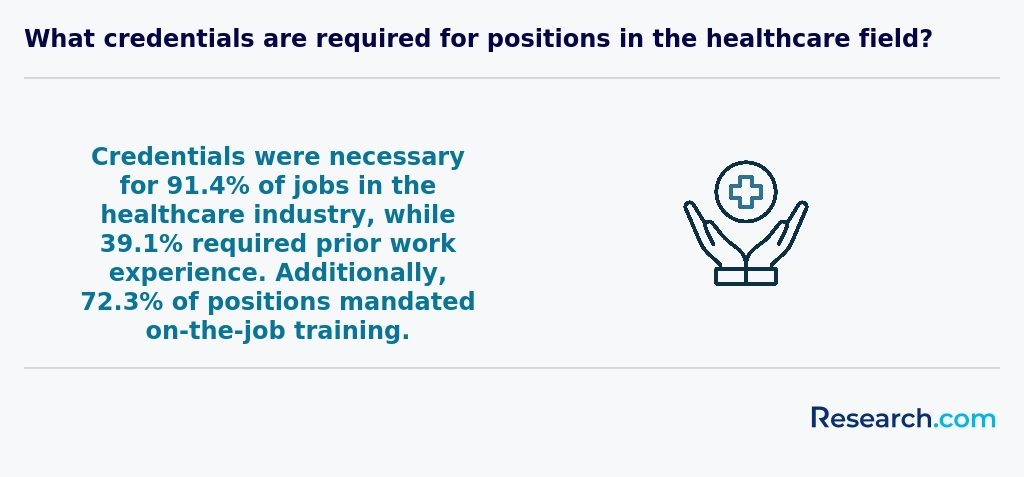
Accreditation ensures your doctorate meets rigorous quality standards and qualifies you for professional licensure in Texas. Key accrediting bodies to verify include:
- Commission on Collegiate Nursing Education (CCNE) – for Doctor of Nursing Practice (DNP) programs
- Commission on Accreditation of Healthcare Management Education (CAHME) – for Doctor of Health Administration (DHA) tracks
- Council on Education for Public Health (CEPH) – for public health doctorates
Licensure outcomes often hinge on accredited status:
- Eligibility to sit for Texas Board of Nursing certification (DNP graduates)
- Qualification for healthcare leadership credentials required by state agencies
- Qualification for national exams in public health or healthcare administration
Always confirm a program’s accreditation with the Texas Higher Education Coordinating Board and regional accrediting agencies. For additional accredited training options, explore accredited medical billing and coding schools online with financial aid.
Diving into an online healthcare degree in Texas opens a gateway to a dynamic mix of courses designed to prepare you for real-world healthcare challenges. Imagine navigating foundational classes like Introduction to Healthcare Systems and Medical Terminology at renowned Texas institutions, where graduates share how these essentials instantly connected them to everyday hospital and clinic settings.
Beyond the basics, courses such as Healthcare Ethics and Law and Health Informatics invite you to explore the ethical puzzles and technology shaping Texas's vast healthcare landscape. Alumni from top Texas colleges describe how mastering Healthcare Policy and Reform and Financial Management in Healthcare gave them the confidence to tackle complex state regulations and budgeting in local health departments.
For those drawn to clinical roles, specialized subjects like Advanced Pathophysiology and Patient Assessment and Care Coordination transform theoretical knowledge into compassionate patient care, making the learning journey feel personal and impactful across Texas's diverse communities.
Diving into online healthcare doctorate specializations Texas offers a thrilling array of pathways that cater to ambitious students eager to make an impact. Whether you're drawn to Healthcare Administration, where graduates from top Texas universities feel empowered managing hospitals and health systems, or Nursing-with options like Nurse Practitioner or Nurse Educator-there's a real sense of purpose and growth. Many students relish the practical flexibility online programs provide, blending rigorous coursework with hands-on experiences across the state.
Other popular specializations include Public Health, perfect for those fired up about tackling Texas' unique urban and rural health challenges, and Health Informatics, where tech-savvy learners thrive by turning data into life-saving solutions. Physical Therapy and Rehabilitation attract compassionate students fascinated by patient recovery and mobility, often pairing online classes with clinical placements nearby.
For those curious about innovative paths, programs also explore healthcare quality management and policy analysis, reflecting the evolving Texas healthcare scene. Students often find joy exploring what are the best online accelerated healthcare administration degree programs, eager to discover their perfect fit.
When diving into the adventure of selecting the best online healthcare degree in Texas, start by exploring programs from well-known universities like the University of Texas or Texas A&M. Graduates often share how accreditation, such as from CCNE or ACEND, gave their degrees weight in the job market and opened doors to rewarding careers. Picture yourself managing coursework flexibly around your daily routine, thanks to asynchronous classes designed for busy Texans balancing work and family.
Another exciting part is discovering affordable healthcare degree programs Texas offers. Many students celebrate how in-state tuition rates made their educational journey feel accessible, especially when paired with scholarships or employer tuition assistance. One graduate reflected on finding a perfect fit with a program that also provides solid Texas-specific licensure preparation, smoothing the path to professional certification.
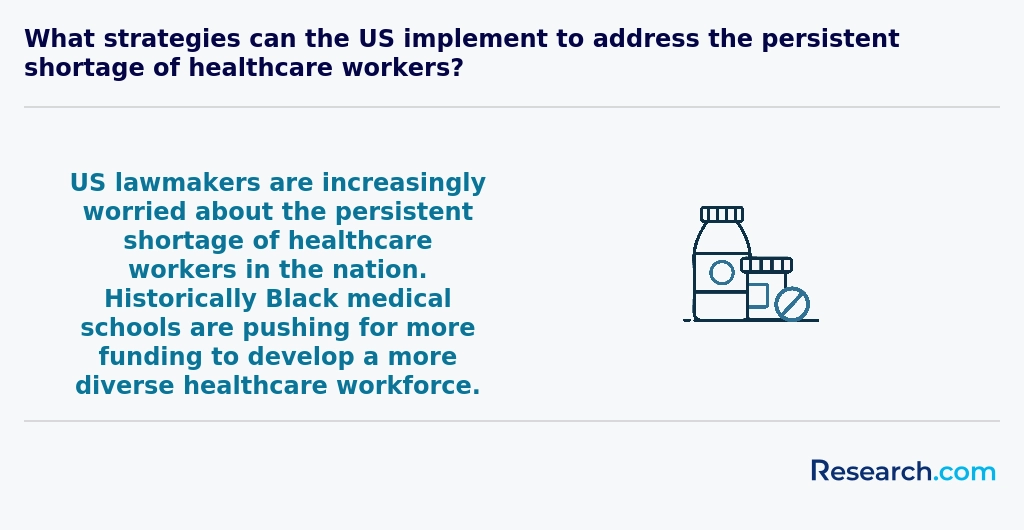
For those curious about advanced options, researching the best online healthcare doctorate Texas programs reveals dynamic opportunities to lead in healthcare innovation or administration. To see how cost compares across programs, check out the Low Cost Online Master's in Healthcare Degree Programs Ranking in District of Columbia-it's a handy resource for spotting affordable choices outside Texas that might inspire your search.
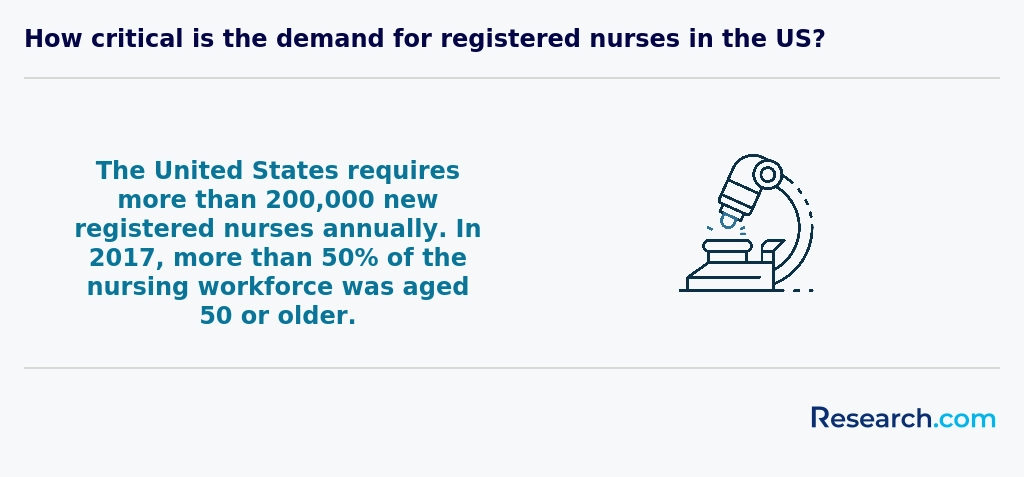
Exploring online healthcare career options in Texas reveals a vibrant landscape filled with opportunity and growth. Graduates from popular Texas colleges often step into roles as registered nurses, leveraging online BSN programs while balancing real-life commitments. Others dive into healthcare administration, mastering policy and finance through online master's degrees, ready to manage bustling hospitals and clinics across the state. Imagine working in health informatics-a field growing fast-with hands-on skills gained remotely, then applying them to streamline electronic health records at major Texas health systems.
Public health also offers an adventurous path, where graduates engage with Texas's diverse communities, tackling challenges like epidemiology or health policy. Many find this deeply rewarding as their work has real impact locally. For those drawn to special care, online doctorate programs prepare them for careers in physical or occupational therapy, combining virtual learning with in-person clinical hours. These varied experiences illustrate how a Texas healthcare degree opens doors to dynamic roles, guided by your unique aspirations and the state's healthcare demands.
Many students researching healthcare degrees also explore college majors that are worth it to align their education with promising futures in this essential sector.
The job market for online healthcare degree jobs Texas is vibrant and filled with opportunity. Graduates from popular institutions like the University of Texas and Texas A&M often share stories of stepping confidently into roles within hospitals or public health organizations, energized by the growing demand across the state. The increasing need for healthcare professionals in areas like health informatics and home health care services fuels this momentum, making it an exciting time to enter the field.
Many find the flexibility of online programs perfectly suited to their busy lives, allowing them to balance work and study without relocating. This adaptability is a major factor why healthcare students from Texas enjoy pursuing their degrees at accredited universities that offer affordable tuition options. It's common to hear graduates excited about advancing their careers while staying close to family and community.
With competitive salaries and diverse job prospects, the Texas healthcare degree job market invites ambitious students to explore their potential. If you're seeking inspiration on paths tailored for mature learners, check out the best degrees for 60 year olds that can align with your goals and lifestyle.
2027 Most Valuable Online Doctorate in Healthcare Degree Programs Ranking in Texas
Investing in your education is a significant decision that can profoundly impact your career and future. The Research.com team recognizes the importance of making well-informed choices, which is why we have diligently developed the "2027 Most Valuable Online Doctorate in Healthcare Degree Programs Ranking in Texas." Our dedication to quality, credibility, and accuracy is demonstrated through thorough research and careful analysis. We used the following authoritative data sources to create this comprehensive ranking:
By consulting this ranking, readers will obtain insightful guidance on the most valuable online doctorate programs in healthcare across Texas, empowering them to select programs that best fit their goals and needs. For a deeper understanding of how our rankings are developed, please visit our Research.com methodology page.


Frequently Asked Questions About healthcare
Students pursuing online healthcare degrees in Texas can enhance their learning by actively engaging with course materials and instructors. Regular participation in virtual discussions and prompt communication with professors support deeper understanding. Texas hosts one of the largest healthcare workforces in the U.S., making it vital for students to connect with local healthcare organizations for internships or practicums.
Utilizing Texas-specific healthcare data from sources like the Texas Department of State Health Services helps contextualize learning. Staying updated on state healthcare policies also prepares students for real-world challenges. Finally, setting a consistent study schedule improves retention and balances professional commitments effectively.
The healthcare field in Texas is rapidly evolving, creating several emerging niches that present new opportunities for professionals with online healthcare degrees. One growing area is telehealth, which expanded by over 60% during the pandemic, according to the Texas Medical Association. This sector focuses on remote patient monitoring and virtual care delivery, making healthcare more accessible in rural Texas.
Another important niche is healthcare informatics, which combines healthcare and data management to improve patient outcomes. The Texas Workforce Commission highlights a rising demand for informatics specialists due to increasing hospital data complexity.
Additionally, precision medicine and genetic counseling are gaining momentum, driven by advances in personalized treatments.
After completing an online healthcare degree in Texas, preparing for the job market involves several strategic steps. First, it is essential to obtain the proper professional licensure or certification required by Texas healthcare employers. For example, nurses must pass the NCLEX exam and register with the Texas Board of Nursing. Employers favor candidates with hands-on experience, so pursuing internships or practicum opportunities during the degree program can be highly beneficial.
Networking plays a critical role; joining Texas healthcare professional organizations can connect graduates with job openings and mentors. According to the Texas Workforce Commission, healthcare is among the fastest-growing sectors, promising many job opportunities for qualified graduates.
Lastly, tailoring resumes to emphasize specific skills gained and staying updated on industry trends enhances employability in Texas's competitive healthcare market.
Employers in Texas increasingly seek healthcare graduates with strong communication and critical thinking skills. According to the Texas Workforce Commission, 85% of healthcare employers prioritize these abilities, vital for patient interaction and complex decision-making.
Technical proficiency is essential, especially in electronic health records (EHR) and telehealth technologies, reflecting Texas' rapid adoption of digital healthcare solutions. A Bureau of Labor Statistics report highlights that 70% of healthcare jobs require familiarity with such systems.
Additionally, teamwork and adaptability are highly valued due to the dynamic healthcare environment in Texas, which serves a diverse population of over 29 million people.
Graduates who combine clinical knowledge with these soft and technical skills are more competitive in Texas' healthcare job market.
Finding internships in Texas relevant to a healthcare degree involves a combination of research, networking, and utilizing university resources. Many Texas healthcare programs maintain partnerships with hospitals, clinics, and public health organizations across the state. According to the Texas Workforce Commission, the healthcare sector is one of the fastest-growing in Texas, with over 1.3 million jobs projected by 2030, highlighting abundant internship opportunities.
Start by contacting your online program's career services, which often provide tailored internship listings and guidance. Additionally, explore Texas-based healthcare employers like Baylor Scott & White Health and Houston Methodist, known to offer student internships.
Professional associations such as the Texas Medical Association also list internship openings and offer valuable networking events. Searching state job boards like WorkInTexas.com can further uncover openings specifically in healthcare settings. Early application and active outreach are key to securing meaningful internships.
Online healthcare degrees in Texas significantly enhance career mobility and advancement by providing flexible access to accredited education. According to the Texas Higher Education Coordinating Board, health-related fields are among the fastest-growing sectors in the state, with a projected 15% job growth through 2030. Earning an online degree allows professionals to update skills and earn specialized credentials without relocation, which is vital in Texas's diverse healthcare market.
Employers increasingly value advanced degrees for leadership roles and specialized clinical positions. Graduates with a doctorate or master's in healthcare can expect higher earning potential and expanded opportunities in administration, policy, or research.
Studying for a healthcare degree online in Texas provides a strong foundation for interdisciplinary roles by integrating coursework that combines clinical knowledge, health policy, management, and technology. Texas institutions often emphasize collaborative skills, preparing students to work effectively with diverse health professionals. According to the Texas Higher Education Coordinating Board, many programs include practical case studies and team-based projects to develop communication and leadership skills vital in complex healthcare environments.
Texas's healthcare landscape is vast, with over 1.2 million jobs in health services as of 2023 (Bureau of Labor Statistics). This diversity requires graduates to adapt across fields like nursing, administration, and informatics. Online programs ensure flexibility without sacrificing essential hands-on experiences, often via local partnerships. These components equip students for the interdisciplinary teamwork demanded by Texas's evolving healthcare system.
Choosing between a thesis and a non-thesis healthcare degree program in Texas depends largely on your career goals and learning preferences. Thesis programs focus on original research, ideal for students aiming for roles in academia, clinical research, or advanced practice. Non-thesis options emphasize practical skills and coursework, suited for professionals targeting leadership or administrative positions.
Texas has a growing healthcare sector, with employment expected to increase by 15% by 2030, making practical skills valuable. According to the Texas Workforce Commission, healthcare jobs require both evidence-based knowledge and management capabilities, which non-thesis programs often address.
Consider your interest in research, time commitment, and post-degree objectives when choosing your path.
Students based in Texas looking to study healthcare abroad through online programs have several options. Many accredited U.S. institutions offer fully online healthcare degrees, allowing learners to access international curriculum without leaving Texas. Some programs partner with foreign universities to provide global perspectives, especially in areas like public health and healthcare administration.
Texas ranks among the top states for healthcare employment, with over 1.4 million jobs in the sector as of 2023 (Bureau of Labor Statistics). This demand encourages students to consider diverse global healthcare trends through international online courses.
Before enrolling, students should verify program accreditation and ensure credits align with Texas licensing requirements. This helps maintain eligibility for local healthcare roles post-graduation.
Part-time job opportunities in Texas can effectively complement online healthcare degree education by providing relevant experience and financial support. Common roles include medical scribes, which assist physicians by documenting patient encounters and enhance understanding of clinical workflows. According to the Texas Workforce Commission, healthcare support occupations are expected to grow 18% through 2030, reflecting strong demand for entry-level positions.
Other suitable jobs include certified nursing assistant (CNA) roles, pharmacy technician positions, and medical billing and coding jobs. These part-time roles allow students to apply theoretical knowledge practically while building professional networks within the Texas healthcare system.
Additionally, many hospitals and clinics in Texas offer flexible schedules to accommodate students, making these jobs a strategic complement to rigorous online studies.
Online healthcare students in Texas have growing opportunities to build professional networks despite the virtual setting. Many Texas universities offering online healthcare degrees facilitate access to virtual career fairs and alumni events, which connect students with healthcare leaders statewide. According to the Texas Higher Education Coordinating Board, these programs often partner with major healthcare institutions like UT Health and Texas Medical Center, enhancing student exposure to internships and job placements.
Online platforms and discussion boards enable peer collaboration and mentorship, crucial for career advancement in healthcare fields. Additionally, organizations such as the Texas Nurses Association provide virtual chapters and events, supporting professional relationships and continuing education for remote students.
Alumni networks play a crucial role for online healthcare degree students in Texas by providing valuable professional connections. Graduates often gain access to exclusive job boards, mentorship programs, and industry events that enhance career opportunities.
According to the Texas Higher Education Coordinating Board, networking is a key factor in healthcare employment success within the state. Alumni networks also offer support in navigating Texas's diverse healthcare settings, from urban hospitals in Houston to rural clinics in West Texas.
Engagement with alumni increases chances of referrals and partnerships, which can be vital in the competitive healthcare job market. Overall, these networks strengthen career growth and professional development.
Customizing an online healthcare degree in Texas allows students to align their education with specific career objectives, such as administration, clinical practice, or research. Many Texas universities offer flexible curricula with elective courses and specializations in areas like health informatics, public health, or nursing leadership. This flexibility supports tailoring the program to individual goals while maintaining accreditation standards. According to the Texas Higher Education Coordinating Board, nearly 70% of healthcare students choose programs that offer specialization options to enhance employability in Texas's diverse healthcare market. Engaging with faculty advisors also helps ensure course selections match career aspirations effectively.
Online healthcare students in Texas often face several challenges, starting with limited access to clinical placements. Texas requires hands-on experience for healthcare degrees, and securing quality local opportunities can be competitive. According to the Texas Higher Education Coordinating Board, availability of practicum sites varies widely across regions, impacting timely completion of programs.
Another common issue is balancing rigorous coursework with personal and work commitments. Many students in Texas juggle full-time jobs and family responsibilities, making time management essential. Moreover, technical difficulties, such as unreliable internet in rural areas, can disrupt learning, especially since 17% of Texans live in rural communities with limited broadband access (FCC, 2022).
Lastly, students sometimes struggle with a lack of direct interaction with instructors and peers, which affects engagement and support. Despite these hurdles, Texas institutions continue improving online healthcare education infrastructure to address these concerns.
With an online healthcare degree in Texas, graduates can pursue several professional certifications to enhance their careers. Popular options include Certified Healthcare Administrator (CHA), Certified Professional in Healthcare Quality (CPHQ), and Registered Health Information Technician (RHIT). These credentials are recognized nationwide and offer opportunities in hospital administration, quality management, and health information management.
Texas has a growing healthcare sector, accounting for over 1.4 million jobs as reported by the Texas Workforce Commission in 2023. Many certification programs require a healthcare degree, relevant work experience, and passing an exam. These certifications can significantly improve job prospects and earning potential within Texas's competitive healthcare market.
In addition, certifications such as Certified Medical Manager (CMM) and Project Management Professional (PMP) are valuable for healthcare leadership roles. It is advisable for students to verify specific certification requirements based on their target career path before enrolling in any program.
Writing a winning application for an online healthcare program in Texas begins with understanding the state's healthcare education standards. Texas ranks among the top states for healthcare employment, making strong applications crucial. Start by clearly demonstrating your motivation and career goals related to healthcare, backed by relevant experience or volunteer work. Highlight any prior coursework in health sciences or related fields.
Texas programs often require letters of recommendation; choose recommenders who can attest to your academic abilities and commitment to healthcare. Additionally, a well-crafted personal statement that connects your background to your future ambitions in Texas's growing healthcare sector can set you apart. Lastly, follow all application instructions carefully and submit on time to avoid disqualification.
Healthcare careers are increasingly valued worldwide due to rising demand for skilled professionals. In the United States, including Texas, the healthcare sector is one of the fastest-growing job markets. The Texas Workforce Commission reports that healthcare occupations are projected to grow by 21% from 2020 to 2030, much faster than average.
Globally, healthcare systems face pressure from aging populations and chronic diseases, creating more opportunities for trained experts. Online healthcare degrees from Texas institutions allow students to gain competencies recognized both nationally and internationally.
Texas's diverse population also offers students practical experience with various healthcare challenges, preparing graduates for careers in multiple settings. Globally relevant skills such as health informatics, policy, and leadership are often emphasized in these programs.
Gaining practical experience is essential when pursuing an online healthcare degree in Texas. Many programs incorporate clinical residencies, internships, or practicums to provide hands-on training. Texas requires healthcare students to complete supervised clinical hours to meet licensure standards set by boards such as the Texas Medical Board or the Texas Board of Nursing.
Students often arrange local placements in hospitals, clinics, or community health centers, allowing them to apply theoretical knowledge in real-world settings. According to the Texas Higher Education Coordinating Board, partnerships between online programs and healthcare facilities support thousands of students annually.
This model ensures that online learners acquire necessary skills despite remote coursework, maintaining compliance with state regulations.
Choosing the right concentration within an online healthcare degree in Texas requires evaluating your career goals and the local healthcare market. Texas is one of the fastest-growing states, with healthcare jobs projected to grow by 17% from 2020 to 2030, according to the Texas Workforce Commission. Specializations like health administration, informatics, and public health are in high demand due to the state's expanding medical facilities and diverse populations.
Consider how a concentration aligns with your interests and the Texas healthcare industry's needs. Research program accreditation and faculty expertise, which impact educational quality and career prospects. Also, examine clinical or practicum opportunities offered by the program to gain practical experience relevant to Texas healthcare settings.
- 2027 Most Valuable Online Doctorate in Healthcare Degree Programs Ranking in Louisiana
- 2027 Most Valuable Online Doctorate in Healthcare Degree Programs Ranking in New Mexico
- 2027 Most Valuable Online Doctorate in Healthcare Degree Programs Ranking in Kansas
- 2027 Most Valuable Online Doctorate in Healthcare Degree Programs Ranking in Missouri
- 2027 Most Valuable Online Doctorate in Healthcare Degree Programs Ranking in Colorado
- 2027 Most Valuable Online Doctorate in Healthcare Degree Programs Ranking in Tennessee
- 2027 Most Valuable Online Doctorate in Healthcare Degree Programs Ranking in Arizona
- 2027 Most Valuable Online Doctorate in Healthcare Degree Programs Ranking in Georgia
- 2027 Most Valuable Online Doctorate in Healthcare Degree Programs Ranking in Florida
- 2027 Most Valuable Online Doctorate in Healthcare Degree Programs Ranking in Kentucky
See What Experts Have To Say About Studying Healthcare
Read our interview with Healthcare experts

- Trends and opportunities in healthcare across emerging markets - Inizio https://inizio.com/insights/trends-and-opportunities-in-healthcare-across-emerging-markets/
- South Texas College Online | South Texas College https://www.southtexascollege.edu/online/
- Explore Healthcare Admin Degree Concentrations https://www.baypath.edu/news/bay-path-university-blogs/post/explore-healthcare-admin-degree-concentrations/
- Online Healthcare & Medical Certification Training Programs https://medcerts.com/programs/healthcare/
- Global Health Perspectives https://globalhealthperspectives.com/
- Enhancing Clinical Education: Evidence-Based Strategies - European Society of Medicine https://esmed.org/enhancing-clinical-education-evidence-based-strategies/
- Employability Skills Matrix for the Health Sector https://www.skillsforhealth.org.uk/resources/employability-skills-matrix/
- Tips for Pursuing a Career in Healthcare - Penn-Mar https://www.penn-mar.org/tips-for-pursuing-a-career-in-healthcare/
- Financial Aid (Apply) - Texas Health and Science University https://thsu.edu/financial-aid/
- Know more about thesis vs non- thesis: what is the difference? https://studyfans.com/en/blogs/816