
2027 Most Valuable Online Doctorate in Healthcare Degree Programs Ranking in Kansas

Co-Founder and Chief Data Scientist
Exploring advanced education in healthcare can open doors to rewarding career opportunities in Kansas. This article presents the 2027 Most Valuable Online Doctorate in Healthcare Degree Programs Ranking in Kansas, created by the Research.com team of data scientists. It aims to help students like you make informed choices about which online doctorate programs truly stand out.
By reading, you'll discover quality programs that combine flexibility with strong academic value. Pursuing a healthcare doctorate is an investment in yourself and the future, offering both personal growth and professional potential.
Key benefits of getting online healthcare degree in Kansas
- Salary for healthcare degree graduates: Graduates can earn competitive wages, such as Program Directors in Healthcare making a mean annual salary of $129,330 and Healthcare Services Researchers averaging $112,380 per year.
- Potential career paths: Graduates from Kansas universities often pursue roles like Research Director or Principal Scientist, opening doors to leadership and impactful healthcare research positions.
- Benefits of online degrees: Earning a healthcare degree online in Kansas offers flexibility for working students, allowing a balanced schedule without compromising the quality of education compared to traditional programs.
- Key benefits of getting online healthcare degree in Kansas
- What can I expect from online healthcare degree in Kansas?
- Where can I work with online healthcare degree in Kansas?
- How much can I make with online healthcare degree in Kansas?
- 2027 Most Valuable Online Doctorate in Healthcare Degree Programs Ranking in Kansas
- Key Findings
- How long does it take to complete online healthcare degree in Kansas?
- Accreditation and Quality Assurance
- What's the difference between online and on-campus healthcare degree?
- Student Support and Networking Opportunities
- What is the average cost of online healthcare degree in Kansas?
- Accreditation and Program Quality Assurance
- What financial aid is available to online healthcare degree students in Kansas?
- Accreditation and Quality Assurance: Your Guide to Program Credibility
- What are the prerequisites for enrolling in online healthcare degree program in Kansas?
- Accreditation and Quality Assurance
- What courses are typically in online healthcare degree programs in Kansas?
- What types of specializations are available in online healthcare degree programs in Kansas?
- How do you choose the best online healthcare degree in Kansas?
- What career paths are available for online healthcare degree students in Kansas?
- What is the job market for online healthcare degree in Kansas?
- Related Healthcare Rankings for Nearby States
- Top Trending Healthcare Rankings
- See What Experts Have To Say About Studying Healthcare
What can I expect from online healthcare degree in Kansas?
The average cost of an online healthcare degree in Kansas varies, but students often find it surprisingly manageable thanks to in-state tuition benefits and financial aid options. Graduates from institutions like Wichita State University report that their total expenses, including tuition and fees, tend to fall between $15,000 and $30,000 for a full program. This range challenges the common assumption that quality healthcare education must break the bank.
Many students recall feeling initially overwhelmed by the cost concern, only to discover that federal financial aid and employer tuition reimbursement substantially eased their burden. For example, a graduate from the University of Kansas Medical Center noted that maintaining a full-time job while studying online allowed them to take advantage of employer support, cutting costs and stress simultaneously.
It's worth recognizing that the value of these programs extends beyond price alone. In Kansas, where rural healthcare needs are significant, many students find that the practical skills and local clinical experiences embedded in the curriculum provide a return on investment that far outweighs tuition costs.
Where can I work with online healthcare degree in Kansas?
Graduates from online healthcare degree programs at institutions like the University of Kansas and Wichita State University often find themselves stepping confidently into dynamic roles within Kansas's diverse healthcare landscape. Many begin their careers in bustling hospitals such as the University of Kansas Health System or Wesley Medical Center, where they apply skills in clinical care, administration, or health informatics under real-world pressure and teamwork.
Others discover rewarding paths in outpatient care centers and physician offices, managing patient data or overseeing daily operations-roles that sharpen leadership and problem-solving abilities. Imagine a graduate navigating the growing demand for healthcare support in Kansas, where a 9% projected growth signals expanding opportunities.
In rural Kansas, long-term and home health care facilities open doors to meaningful work supporting an aging population, blending empathy with clinical expertise. Graduates often share how public health agencies help them shape community-wide initiatives, tackling real health challenges through policy and education.
This hands-on integration of knowledge and local needs transforms online study into tangible career journeys, deeply rooted in Kansas's unique healthcare fabric.
How much can I make with online healthcare degree in Kansas?
Graduates from online healthcare programs in Kansas often find themselves stepping into roles that challenge traditional income expectations. For instance, those pursuing leadership positions such as Program Director in healthcare report mean annual wages around $129,330, reflecting the high value of advanced administrative and clinical expertise. Similarly, graduates eyeing strategic roles like Chief Development Officer can expect to earn close to $95,600 annually, a figure that aligns with Kansas health services managers' strong median wage of $95,000 reported in 2023.
Healthcare Services Researchers and Research Directors from Kansas universities, including those who completed programs at institutions like the University of Kansas or Wichita State University, enjoy salaries averaging $112,380. These figures reveal how online healthcare degrees open doors not just to patient-centered careers but also to impactful positions in healthcare innovation and administration. Graduates share a sense of accomplishment-balancing rigorous studies online while securing rewarding, well-compensated roles that support Kansas's growing healthcare demand.
This data challenges conventional ideas that online degrees lead to limited salary growth, showing instead that with a strategic focus, earnings can be substantial and fulfilling in Kansas's healthcare landscape.
2027 Most Valuable Online Doctorate in Healthcare Degree Programs Ranking in Kansas
How do we rank schools?
Investing in your education is a significant decision that can shape your future, and the Research.com team understands the importance of making informed choices. To assist prospective students in Kansas, we have meticulously developed the "2027 Most Valuable Online Doctorate in Healthcare Degree Programs Ranking in Kansas." Our commitment to quality, credibility, and accuracy is demonstrated through extensive research and thorough analysis conducted to ensure this ranking is reliable.
We utilized the following reputable data sources to ensure a comprehensive evaluation of online healthcare doctorate programs:
By reviewing this ranking, readers will gain valuable insights into the most valuable programs in Kansas, empowering them to make informed decisions about their educational and professional futures. For a detailed overview of our ranking process, please visit our Research.com methodology page.


Key Findings
- Kansas offers accredited online healthcare programs including nursing, healthcare administration, public health, and health informatics through both public and private institutions.
- Tuition costs vary: associate degrees cost $10,000-$15,000, bachelor's degrees range from $20,000-$35,000, and graduate programs typically cost $25,000-$50,000.
- Healthcare employment in Kansas is projected to grow by about 10% over the next decade, driven by an aging population and increased healthcare needs.
- Entry-level salaries for healthcare bachelor's graduates average $50,000-$60,000, while advanced degree holders often start above $75,000, with experienced professionals earning six-figure incomes.
- Many programs offer part-time and asynchronous study options for working students, but clinical or practicum work must be completed in person at approved local sites.
- Programs should be accredited by recognized bodies like CCNE or CEPH to ensure quality and eligibility for professional licensure in Kansas.
How long does it take to complete online healthcare degree in Kansas?
Completing an online healthcare degree in Kansas often defies the simple notion of fixed timelines. An associate degree from community colleges like Johnson County or Washburn typically spans two years, but many graduates recount balancing part-time work or family, extending their journey without losing momentum. Bachelor's degrees, often pursued at institutions such as the University of Kansas, traditionally take four years, yet accelerated RN-to-BSN pathways compress this into 12 to 18 months for registered nurses advancing their careers. This flexibility ignites hope for those hesitant about lengthy commitments.
Graduate degrees illustrate even more variability. Students pursuing a Master of Public Health at Wichita State experience timelines shaped by their own pacing, especially when juggling jobs. Doctoral candidates at Kansas State often reflect on the 3 to 6 years required, driven by intensive research and clinical demands - an investment that transforms ambition into expertise. Online learning's asynchronous nature in Kansas empowers students to tailor their education, turning perceived barriers into a personalized, achievable challenge.
Accreditation and Quality Assurance
Accreditation is a critical indicator of program quality and ensures that Kansas online doctorate in healthcare programs meet rigorous educational standards. Prospective students should prioritize institutions accredited by the Higher Learning Commission (HLC)-the regional accreditor for Kansas-and seek programmatic accreditation from bodies such as the Commission on Accreditation of Healthcare Management Education (CAHME). These credentials certify curriculum relevance, faculty expertise, and learning outcomes aligned with industry expectations. Students enrolled in accredited online doctorate healthcare programs in Kansas benefit from:
- Seamless credit transfer and recognition by employers and professional licensure boards
- Eligibility for federal financial aid, scholarships, and state loan repayment programs
- Assurance that curricula incorporate emerging best practices in healthcare leadership, policy, and research Before applying, verify accreditation status on the U.S. Department of Education’s database and review program-specific accreditations on institutional websites. For example, the University of Kansas Medical Center’s doctoral program holds HLC accreditation and meets CAHME standards, demonstrating its commitment to excellence. Prospective applicants may also compare accreditation alongside tuition costs and student support services. To explore how accredited programs in Kansas stack up against value-driven options elsewhere, check out the Cheapest Online Healthcare Degree Programs Ranking in San Diego, CA.
What's the difference between online and on-campus healthcare degree?
Choosing between online and on-campus healthcare degrees in Kansas often feels like deciding how to shape your future-not just academically but personally. Graduates from the University of Kansas note that on-campus programs immerse you in direct interactions and structured lab sessions, crucial for mastering hands-on clinical skills. This traditional environment fosters a tight-knit community and face-to-face mentorship, making the learning journey vivid and collaborative.
Conversely, students pursuing online degrees at institutions like Wichita State University emphasize the freedom to balance coursework with family life or demanding jobs. They arrange local clinical placements in Kansas healthcare facilities, gaining practical experience while enjoying the flexibility of remote classes. Many find this setup empowering, as it lets them stay rooted at home without sacrificing education quality. The trade-off often lies in fewer spontaneous peer connections but richer autonomy.
Both paths demand clinical practice and tap into Kansas's supportive public university tuition benefits. Whether absorbed in campus halls or logging in from home, students share pride in advancing their careers through pathways tailored to their lifestyles.
Student Support and Networking Opportunities
For many prospective online healthcare doctorate students in Kansas, finding a program that offers robust support services and strong networking opportunities is essential. A comprehensive student experience goes beyond coursework-it includes access to academic advisors, career counseling, technical assistance, and exclusive networking events that connect current students with accomplished alumni and industry experts. Programs that emphasize this holistic approach often provide virtual mentoring sessions, online leadership workshops, and digital resource centers tailored to help students succeed both academically and professionally. The digital learning environment in these programs is designed to ensure that every student feels connected despite the physical distance. For example, interactive discussion boards and virtual labs not only facilitate learning but also promote collaboration among peers, fostering a sense of community and shared purpose. Many institutions also host webinars and online meet-ups where students can interact with seasoned professionals, gaining insights into real-world industry trends and career advancement strategies. A well-structured support framework is particularly important when considering affordability. Some programs combine quality education with budget-friendly options, making them a great choice for students who want to balance cost-effectiveness with excellent career preparation. In fact, for those exploring affordable education alternatives, there are resources available that highlight the cheapest healthcare programs in kansas, ensuring students can make informed decisions based on both educational quality and financial viability. Ultimately, strong student support and networking opportunities can significantly enhance academic achievement and career prospects. By engaging with virtual communities and utilizing available career services, students can build lasting relationships and receive the guidance needed to navigate a competitive healthcare industry. This combination of mentorship, technology, and community support is crucial for success, ensuring that online healthcare doctorate students are well-prepared to make an impact in their field.
What is the average cost of online healthcare degree in Kansas?
When considering the average cost of an online healthcare degree in Kansas, graduates often find themselves balancing quality education against financial investment. While the median total cost hovers around $16,672, many discover that public institutions like the University of Kansas and Wichita State University offer more affordable tuition rates, often ranging between $300 and $400 per credit hour for in-state students. This makes a significant difference, especially for those pursuing bachelor's or master's degrees requiring 120 or 30 to 40 credits respectively. These figures paint a realistic picture for many Kansans aiming for accessible education without overwhelming debt.
Many graduates who chose private colleges report higher tuition fees - sometimes reaching $900 per credit hour - but they also highlight the value of specialized programs and smaller class sizes that foster deeper connections with instructors. Such experiences, often described as inspiring and empowering, illuminate why some students are willing to invest more despite the cost. However, because online healthcare programs also occasionally include fees for technology or course materials, the total expense can seem deceptive without careful budget planning.
Students seeking affordable online doctorate healthcare programs Kansas-wide embrace the flexibility and opportunities that come with online studies, recognizing the growing healthcare sector's promise as a motivator. Exploring options like the cheapest healthcare programs in kansas can help prospective learners tailor their educational journey to financial realities while aiming for impactful careers.
Accreditation and Program Quality Assurance
When choosing an online doctorate in healthcare degree program, one of the most critical factors to verify is its accreditation and quality assurance standards. Accreditation from recognized agencies not only validates the academic rigor of the program but also ensures that graduates meet industry-specific competencies and are eligible for federal financial aid. Prospective students should confirm that the program is accredited by bodies such as the Council on Higher Education Accreditation (CHEA) or specific healthcare-related accrediting organizations. This process guarantees that the curriculum meets the high standards required by employers and professional associations. In addition to verifying accreditation, it is equally important to investigate the program’s reputation, graduation rates, and post-graduation employment data. These metrics provide a clearer picture of the program’s performance and its ability to prepare students for the competitive healthcare industry. For example, comparing the cost and outcomes of similar programs-such as those featured among the cheapest healthcare programs in kansas-can help in making a well-informed decision. With solid accreditation and a track record of success, you can confidently invest in a program that not only challenges you academically but also positions you for long-term career growth and achievement in the dynamic field of healthcare.
What financial aid is available to online healthcare degree students in Kansas?
Many students pursuing online healthcare degrees in Kansas find unexpected relief through a blend of financial aid tailored to their unique situation. Graduates from popular institutions like Wichita State University often share how federal Pell Grants, offering up to $7,395 annually, became the backbone of their funding, allowing them to focus on studies without the shadow of overwhelming debt.
State-specific grants, such as the Kansas Comprehensive Grant, have been a game-changer for others, providing between $500 and $3,000 yearly. These funds, based on financial need and academic progress, offer a tangible sense of security-especially when combined with merit-based institutional scholarships from universities like the University of Kansas.
Imagine juggling work and study while your employer supports your tuition costs through reimbursement programs, a reality for many working healthcare students across Kansas. Private scholarships linked to healthcare professions further lighten financial stress, painting a hopeful picture for those balancing ambition with financial constraint.
Online education's cost savings on housing and commuting bolster these efforts, often reducing total expenses by up to 40%. This multifaceted aid landscape reveals that with informed research and persistence, financial barriers to healthcare degrees in Kansas can be transformed into stepping stones toward success.
Accreditation and Quality Assurance: Your Guide to Program Credibility
When exploring online doctorate programs in healthcare, understanding accreditation is essential to ensure the quality and credibility of your education. Accreditation not only validates the institution's commitment to rigorous academic standards but also impacts eligibility for federal financial aid and enhances career prospects upon graduation. Students should verify that programs are accredited by recognized agencies, such as the Council on Education for Public Health or the Higher Learning Commission, as this can significantly affect transferability of credits, professional licensure, and employer recognition. It is also advisable for prospective students to look for continuous improvements in curriculum design, faculty expertise, and student support services. Verified third-party reviews and recent updates in accreditation status offer added assurance that a program remains current in meeting evolving industry standards. For those considering further education in related fields, such as a Master of Public Health, researching options like the cheapest online mph programs can provide additional insights on cost efficiency while maintaining quality. By prioritizing accredited institutions and regularly updated quality metrics, you can confidently navigate the competitive landscape of online healthcare programs in Kansas, ensuring that your educational investment leads to promising career outcomes and long-term professional growth.
What are the prerequisites for enrolling in online healthcare degree program in Kansas?
Enrolling in an online healthcare degree in Kansas requires more than just submitting applications; it demands a solid foundation that sets students up for success. Graduates from institutions like Wichita State University often recall the importance of a high school diploma with strong performance in biology, chemistry, and math as the first hurdle. This foundation isn't merely academic but a reflection of readiness to tackle tough healthcare concepts online.
For those pursuing advanced degrees at schools such as the University of Kansas Medical Center, the prerequisite of a completed bachelor's degree with relevant coursework becomes a gateway to deeper expertise. Many graduates share how meeting GPA thresholds around 2.5 to 3.0 challenged them to sharpen study habits and professional focus before admission.
Experiential requirements, including clinical hours or healthcare-related work experience, create meaningful preparation that transforms theory into practice. Letters of recommendation and personal statements bring the human element alive, showcasing passion and resilience-qualities Kansas students often find resonate deeply when engaging with licensing boards like the Kansas Board of Nursing.

Accreditation and Quality Assurance
Ensuring your online doctorate in healthcare program is accredited is critical for academic credibility, eligibility for federal financial aid, and long-term career opportunities. In Kansas, reputable institutions typically hold regional accreditation from the Higher Learning Commission (HLC), while specialized accreditation may be granted by bodies such as the Commission on Accreditation of Healthcare Management Education (CAHME) for health administration doctorates or the Commission on Collegiate Nursing Education (CCNE) for nursing-focused programs. When researching programs, verify both institutional accreditation and any relevant programmatic accreditation to confirm that curricula meet industry standards and licensing requirements. Accredited programs undergo rigorous evaluation of faculty qualifications, curriculum rigor, student outcomes, and continuous improvement processes. This quality assurance framework helps ensure you acquire the advanced skills and knowledge necessary for leadership roles in hospitals, research institutions, and healthcare policy organizations. Before applying, consult the U.S. Department of Education’s Database of Accredited Postsecondary Institutions and Programs (DAPIP) or the Council for Higher Education Accreditation (CHEA) directory to validate accreditation status. In addition to regional and programmatic accreditation, look for institutions that maintain transparent reporting on graduation rates, retention statistics, and job placement outcomes. Many Kansas universities publish annual reports detailing their online program performance, including survey feedback from alumni and employer satisfaction metrics. These insights can guide your decision and enhance confidence in your investment. Finally, if you’re exploring complementary pathways or considering credential stacking, our comprehensive guide to online degrees in medical field outlines related programs and certifications that can further bolster your expertise in emerging areas like bioinformatics, telehealth, and healthcare data analytics. By prioritizing accredited programs with demonstrable quality assurance, you’ll position yourself for a successful and impactful career in healthcare leadership.
What courses are typically in online healthcare degree programs in Kansas?
Online healthcare degree programs in Kansas challenge students to deeply engage with courses that blend practical skills and crucial theory, reflecting the real-world demands of the state's expanding healthcare sector. Graduates from well-known institutions like the University of Kansas or Wichita State University often recall how courses such as Healthcare Ethics and Law pushed them to confront tough decisions about patient rights and professional responsibilities-situations they later recognized clearly during clinical rotations or administrative internships.
Core subjects like Healthcare Informatics brought technology to life; students vividly describe managing electronic health records and analyzing data to improve patient outcomes in Kansas hospitals. Meanwhile, Public Health Principles offered eye-opening insight into epidemiology tailored to rural and urban communities unique to Kansas, sparking strong determination to address local healthcare disparities.
Finance, leadership, and clinical practice courses prepare students not just to survive, but thrive in leadership or frontline roles, inspiring many to pursue meaningful change within Kansas healthcare organizations and beyond.
What types of specializations are available in online healthcare degree programs in Kansas?
Choosing an online healthcare degree in Kansas opens doors to diverse specializations that challenge the traditional one-size-fits-all approach. Graduates from respected Kansas institutions often share how nursing tracks like Nurse Practitioner or Nurse Educator transformed their ability to impact patient care deeply, blending clinical precision with leadership in real-world settings. Healthcare administration remains a compelling option, especially as graduates witness firsthand the increased demand for skilled managers who can navigate complex hospital systems and policy shifts - a critical plus in Kansas's dynamic healthcare landscape.
Many find that public health specialization uniquely prepares them to tackle Kansas's urban-rural health disparities through virtual practicums that mirror actual community challenges. Students pursuing online healthcare degree specializations Kansas also explore fields like health informatics, physical therapy, and pharmacology, gaining tangible skills in managing healthcare data or supporting patient recovery.
Those eager to balance passion and affordability often research the cheapest online mph programs to ensure sustainable investment in their future. Such well-rounded options cement the sense that Kansas's online healthcare doctorate program options truly respond to evolving professional and regional needs.
How do you choose the best online healthcare degree in Kansas?
Choosing the best online healthcare degree in Kansas goes beyond merely picking a school listed in rankings. Consider how accreditation impacts your future; graduates from programs at the University of Kansas and Wichita State University often praise the CCNE accreditation that strengthens their credibility with employers. Reflect on the flexibility such programs offer-busy working professionals appreciate asynchronous courses that let them study after late shifts, while others find value in hybrid formats that occasionally reconnect them on campus, fostering a tangible sense of community.
Cost is a truth many hesitate to face, yet the balance between affordability and quality is crucial. Many graduates share how scholarships and in-state tuition for healthcare degrees made advanced education feasible. Also, think about relevance: if your passion lies in nursing or health informatics, select curricula tailored to those fields, aligning with demands Kansas' market truly needs.
Finally, explore career outcomes and student support. Successful alumni often attribute their confidence to programs' strong employer ties and resources like virtual labs. For a thoughtful approach, investigate programs offering online degrees in medical field to ensure your investment empowers you both today and tomorrow. This deeper reflection helps you select not just a degree, but a path that resonates with your future.
What career paths are available for online healthcare degree students in Kansas?
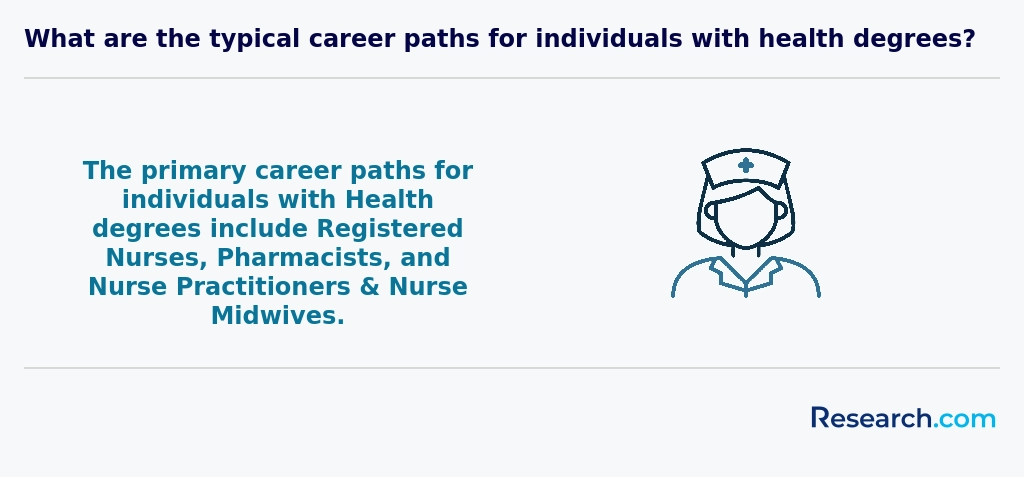
Graduates holding an online healthcare degree in Kansas step into a landscape rich with diverse career paths that challenge traditional boundaries. Many find themselves as Registered Nurses or Advanced Practice Registered Nurses, delivering patient care across hospitals and clinics-roles that demand both compassion and sharp clinical skills. Others leverage degrees from institutions like the University of Kansas or Wichita State University to become Health Services Managers, orchestrating complex healthcare operations in bustling Kansas medical centers. The rising field of healthcare informatics beckons those who blend a passion for data with healthcare, transforming patient outcomes through technology-a path that reflects the evolving nature of healthcare careers today. Those interested in community impact often pursue roles as Public Health Administrators or Epidemiologists, spearheading initiatives that directly enhance the wellbeing of Kansas residents. For students contemplating advanced commitment, healthcare doctorate job opportunities Kansas offer routes into research or specialized therapy fields, enabling deeper contributions to medicine. Many graduates attest to the flexible balance online studies provide, helping them thrive as they advance careers. For deeper insight into cost-effective pathways, check the Cheapest Online Healthcare Degree Programs Ranking in San Diego, CA.
What is the job market for online healthcare degree in Kansas?
The job market for online healthcare degree jobs Kansas is robust, reflecting a growing demand that defies expectations. Graduates from well-regarded programs at universities like the University of Kansas and Wichita State find themselves stepping into roles that not only offer competitive salaries but also impactful, fulfilling work. These students often share how earning their degrees online provided the flexibility to balance family and work while advancing their careers-especially in urban hubs such as Kansas City and Overland Park, where healthcare needs intensify.
Far from a stagnant field, healthcare job outlook Kansas online degrees reveal growth in leadership and clinical specialties. For example, graduates report seamless transitions into roles like medical services management or specialized nursing, leveraging the advanced skills their programs provided. Some even emphasize how programs integrating practical experiences with online curricula helped them stay motivated and connected.
Costs and accessibility remain crucial considerations, and online degrees frequently cut indirect expenses, making advanced education attainable. Those interested in accelerating their path can explore accelerated bachelor's programs specifically designed for busy Kansans seeking swift career advancement without sacrificing quality education.
Frequently Asked Questions About healthcare
Online healthcare degree students in Kansas can maximize their learning by actively engaging with digital resources and faculty. Utilizing virtual office hours and discussion forums fosters a deeper understanding of complex healthcare topics. Kansas ranks 36th nationally in healthcare labor demand, highlighting the importance of practical knowledge in areas like nursing and public health (Bureau of Labor Statistics).
Taking advantage of state-specific healthcare data from Kansas Department of Health & Environment can enhance research quality. Students should also seek out local internships or clinical experiences, as many programs encourage hands-on practice alongside online coursework. Networking through Kansas-based healthcare organizations helps build professional connections that benefit future careers.
The healthcare field in Kansas is seeing growth in several emerging niches, particularly those leveraging technology. Telehealth is rapidly expanding, with the Kansas Department of Health and Environment reporting a 200% increase in telemedicine use since 2020. This creates demand for professionals skilled in digital health delivery and remote patient monitoring.
Another growing area is healthcare informatics. Online healthcare degrees increasingly offer specialization in managing data systems that improve patient outcomes and operational efficiency. According to the Bureau of Labor Statistics, this sector expects a growth rate of 15% nationally through 2032.
Behavioral health services also show rising needs due to increased awareness of mental health challenges. Kansas ranks among states prioritizing such care, with programs combining healthcare and social services expertise.
After completing an online healthcare degree in Kansas, preparing for the job market requires strategic steps. First, graduates should obtain any necessary state licenses or certifications, as these are essential for many healthcare positions. Kansas requires specific credentials depending on your healthcare field, whether nursing, public health, or administration. According to the Kansas Department of Health and Environment, licensure processes can vary but generally include passing national exams and background checks.
Networking is crucial; joining local professional organizations like the Kansas Healthcare Association can connect you with employers. Additionally, gaining practical experience through internships or volunteer work in Kansas healthcare facilities enhances employability.
Lastly, tailoring your resume to highlight skills aligned with in-demand Kansas healthcare jobs-such as those in rural areas facing shortages-can increase your chances of securing employment. The Kansas Department of Labor projects a 16% growth in healthcare jobs by 2030, signaling strong opportunities for graduates.
Employers in Kansas highly value healthcare degree graduates who demonstrate strong clinical competence and critical thinking skills. According to the Kansas Department of Labor, adaptability and effective communication are essential, especially as healthcare settings become more technology-driven and patient-centered. Graduates with proficiency in electronic health records (EHR) systems and telehealth platforms have an advantage in the job market.
Beyond technical skills, teamwork and cultural competence are frequently emphasized. Healthcare providers in Kansas serve diverse populations, making empathy and understanding critical for improving patient outcomes. Leadership abilities are also sought after, especially for roles involving care coordination and health administration.
Finding internships in Kansas relevant to a healthcare degree involves a strategic approach. Start by researching healthcare providers and hospitals in the state, such as the University of Kansas Health System, which frequently offers internship programs. Many online healthcare degree programs also partner with local institutions to offer placement assistance.
Networking is essential; consider joining Kansas-based professional organizations like the Kansas Healthcare Collaborative or the Kansas Hospital Association. These groups often advertise internship opportunities and provide connections to employers.
The Kansas Department of Labor's website lists healthcare internships and job openings statewide. Additionally, students should consult their academic advisors who may have updated lists of internships compliant with state licensure requirements.
According to the Bureau of Labor Statistics, healthcare occupations in Kansas are projected to grow 13% over the next decade, increasing internship availability.
Obtaining an online healthcare degree can significantly enhance career mobility and advancement opportunities for professionals in Kansas. The state's healthcare industry is projected to grow by 16% from 2020 to 2030, according to the Kansas Department of Labor. This growth creates demand for qualified individuals with advanced education.
Online degrees offer flexibility for working professionals, allowing them to gain specialized knowledge without relocating. Many Kansas healthcare employers recognize accredited online programs, particularly those that prepare students for leadership roles or advanced practice positions.
Graduates with online healthcare degrees often qualify for higher-paying roles such as healthcare administration, nursing leadership, or public health management. Expanding credentials through online education can also lead to greater job security and wider employment options throughout the state.
Studying for a healthcare degree in Kansas equips students with the skills needed for interdisciplinary roles by emphasizing collaboration across multiple healthcare fields. Kansas universities offer curricula that integrate public health, nursing, healthcare administration, and clinical practices to reflect real-world healthcare settings. This approach aligns with the increasing demand for professionals who can communicate and coordinate care effectively.
The Kansas Department of Health and Environment highlights that the state faces a growing need for healthcare practitioners skilled in teamwork, given its rural population distribution. Online programs often include case studies and simulations promoting interaction among different healthcare disciplines.
Such training prepares graduates to work in diverse environments, from hospitals to community clinics, meeting Kansas' evolving healthcare challenges.
Choosing between a thesis and a non-thesis healthcare degree program in Kansas depends on your career goals and learning preferences. Thesis programs often suit students interested in research or academic careers, requiring original research and a formal thesis document. In contrast, non-thesis programs focus more on practical skills and coursework, appealing to professionals aiming for advanced clinical or administrative roles.
According to the Kansas Board of Regents, healthcare occupations in Kansas are growing faster than average, emphasizing a need for strong practical knowledge. Thesis options may be more common in university-affiliated programs, while community colleges and online platforms offer non-thesis paths primarily.
Consider your time commitment, interest in research, and future career plans when deciding between these formats.
Students based in Kansas seeking to study healthcare abroad through online degrees have several approaches to consider. While physical relocation remains an option, many prefer internationally accredited online programs that offer global perspectives combined with U.S. recognition. These programs often provide flexibility and incorporate curricula relevant to Kansas healthcare needs, such as rural health and public health challenges.
The University of Kansas Medical Center reports a growing demand for healthcare professionals with advanced degrees, making international online programs attractive for competitive career advancement. Kansas students must ensure the foreign institution's credentials align with state licensure requirements to maintain eligibility for local practice.
Partnerships between Kansas schools and international universities occasionally allow credit transfers or joint degrees, broadening educational access. Resources like the U.S. Department of Education's Database of Accredited Postsecondary Institutions can help verify program legitimacy.
Students pursuing online healthcare degrees in Kansas can benefit from a variety of part-time job opportunities that complement their studies. Positions such as medical assistants, pharmacy technicians, and patient care aides are commonly available and provide hands-on experience relevant to many healthcare fields.
Kansas is home to a growing healthcare sector, with employment in healthcare occupations expected to grow by 16.7% from 2020 to 2030, according to the Kansas Department of Labor. This growth increases part-time openings in clinics, hospitals, and eldercare facilities.
Additionally, telehealth roles are expanding, allowing students to gain experience remotely while balancing their coursework.
By working part-time in these roles, students not only build practical skills but also strengthen their resumes for future full-time positions in healthcare.
Online healthcare students in Kansas benefit from a variety of networking opportunities designed to connect them with professionals and peers in the healthcare field. Many accredited institutions offering online programs encourage participation in virtual discussion groups and alumni networks. These platforms foster collaboration and knowledge sharing across the state.
The Kansas Hospital Association, which serves over 120 hospitals statewide, runs events and webinars often open to students, providing valuable industry insight and contacts. Additionally, students can engage with local chapters of national organizations such as the American Healthcare Association, which frequently host virtual meetings.
Clinical placements required in online healthcare degrees also enable networking with local healthcare providers, essential for career growth. According to the Kansas Department of Labor, healthcare employment is projected to grow by 14% through 2031, emphasizing the importance of building professional connections early.
Alumni networks provide significant benefits to online healthcare degree students in Kansas by offering valuable professional connections. Graduates from Kansas institutions such as the University of Kansas have access to networks with thousands of healthcare professionals statewide.
These networks enhance job placement opportunities, mentorship, and collaboration. According to the Kansas Department of Labor, healthcare is one of the fastest-growing sectors in the state, making strong connections critical for career advancement.
Alumni can share insights about local healthcare trends and institutions. This support helps online students navigate Kansas's unique healthcare landscape, especially those studying remotely.
In addition, some alumni groups organize continuing education events, supporting lifelong learning which is essential in healthcare fields.
Customizing an online healthcare degree program in Kansas allows students to align their education with specific career objectives. Many programs offer flexible core courses alongside electives in areas such as health informatics, public health, or healthcare administration. This lets students focus on skills needed for roles in hospitals, clinics, or health agencies.
The Kansas Department of Labor reports growth in healthcare jobs by 16% through 2030, emphasizing the demand for specialized expertise. Students can also often select practicum or capstone projects relevant to Kansas's healthcare system challenges, providing practical experience tailored to local needs.
Advisors usually help design individualized study plans, ensuring courses fit both academic and professional goals.
Online healthcare students in Kansas face several notable challenges. One common issue is balancing demanding coursework with professional and personal responsibilities. Healthcare programs, even online ones, often require extensive clinical practice that may be difficult to arrange locally due to limited partnerships between schools and healthcare facilities in some regions of Kansas.
Another challenge involves staying motivated and engaged without in-person interaction. A 2023 report by the Kansas Board of Regents highlights that retention rates for online healthcare students are slightly lower than for on-campus students, partly due to feelings of isolation. Additionally, navigating financial aid can be complex, as some scholarships and grants are restricted to traditional in-person programs.
Technical issues also affect students, especially in rural areas where broadband access is less reliable. According to the Federal Communications Commission, about 15% of Kansans lack high-speed internet, making online learning more difficult. These factors combine to create a demanding environment for online healthcare students in Kansas.
With an online healthcare degree in Kansas, you can pursue several professional certifications to advance your career. Popular options include becoming a Certified Professional in Healthcare Quality (CPHQ) or a Registered Health Information Administrator (RHIA). These certifications validate expertise in healthcare management and information systems.
Additionally, nurses with online degrees often seek the Certified Nurse Executive (CNE) credential, enhancing leadership opportunities. The Kansas Department of Aging and Disability Services supports healthcare professionals gaining certifications to improve patient care standards statewide.
According to the Bureau of Labor Statistics, Kansas shows steady job growth for healthcare managers, making certifications valuable for competitiveness. Many Kansas-based employers prefer candidates with nationally recognized credentials obtained after earning an online degree.
Writing a winning application for an online healthcare program in Kansas begins with thorough research on the program's specific admission requirements. Many Kansas institutions require a minimum GPA of 3.0 for healthcare degrees, alongside prerequisite coursework in biology or anatomy. Highlighting relevant healthcare experience, such as work in clinics or volunteer roles, can significantly strengthen your application.
Additionally, a well-crafted personal statement should clearly explain your motivation for pursuing healthcare, focusing on how your goals align with the program's strengths. Kansas Department of Health and Environment data shows the healthcare sector is growing rapidly, so emphasizing your commitment to meeting local healthcare needs can make your application stand out.
Letters of recommendation are also crucial; ideally, choose professionals familiar with your clinical or academic skills. Finally, carefully proofread all materials to avoid errors, demonstrating professionalism and attention to detail.
Healthcare careers are increasingly valued worldwide due to growing demand, aging populations, and global health challenges. In the United States, including Kansas, healthcare occupations are projected to grow by 13% from 2021 to 2031, according to the Bureau of Labor Statistics.
Globally, professionals with advanced healthcare degrees contribute to improved patient outcomes and innovation in medical practices. Online healthcare degrees allow Kansas students to connect with this expanding field while gaining skills relevant in both local and international contexts.
Kansas offers access to quality online programs that prepare graduates for diverse roles in healthcare administration, policy, and clinical services, reflecting broader global healthcare trends.
Gaining practical experience while pursuing an online healthcare degree in Kansas is essential for career readiness. Many programs incorporate clinical placements or internships, allowing students to work directly in healthcare settings. These opportunities are often coordinated through partnerships with local hospitals and clinics, including prominent centers like the University of Kansas Health System.
Students can also seek volunteer roles or part-time positions in healthcare facilities to supplement their learning. According to the Kansas Board of Nursing, clinical hours are required for licensure in many fields, emphasizing the importance of hands-on experience.
Networking with local healthcare professionals and attending industry events also enhances practical knowledge.
Choosing the right concentration within an online healthcare degree program in Kansas involves considering several key factors. First, identify your career goals-whether you want to focus on administration, nursing, public health, or another area. Kansas has a growing demand for healthcare administrators and advanced nursing roles, with the Kansas Department of Labor projecting a 15% growth in healthcare jobs by 2030.
Next, research programs accredited by recognized bodies such as the Commission on Collegiate Nursing Education (CCNE) or the Council on Education for Public Health (CEPH). Accreditation ensures quality education and is often required for licensure or certification.
Lastly, consider your personal interests and strengths. Concentrations in informatics, healthcare policy, or clinical leadership each require different skill sets and offer varied job prospects. Ensure the curriculum matches your learning preferences and professional aspirations in Kansas's healthcare landscape.
Related Healthcare Rankings for Nearby States
- 2027 Most Valuable Online Doctorate in Healthcare Degree Programs Ranking in Missouri
- 2027 Most Valuable Online Doctorate in Healthcare Degree Programs Ranking in Colorado
- 2027 Most Valuable Online Doctorate in Healthcare Degree Programs Ranking in Texas
- 2027 Most Valuable Online Doctorate in Healthcare Degree Programs Ranking in Illinois
- 2027 Most Valuable Online Doctorate in Healthcare Degree Programs Ranking in New Mexico
- 2027 Most Valuable Online Doctorate in Healthcare Degree Programs Ranking in Louisiana
- 2027 Most Valuable Online Doctorate in Healthcare Degree Programs Ranking in Wisconsin
- 2027 Most Valuable Online Doctorate in Healthcare Degree Programs Ranking in Tennessee
- 2027 Most Valuable Online Doctorate in Healthcare Degree Programs Ranking in Kentucky
- 2027 Most Valuable Online Doctorate in Healthcare Degree Programs Ranking in Michigan
Top Trending Healthcare Rankings
See What Experts Have To Say About Studying Healthcare
Read our interview with Healthcare experts

References
- Online Programs https://sonhs.umkc.edu/online-programs.html
- Overcoming Common Challenges in Nursing School: Tips for Success - American Healthcare Institute https://amhealthinstitute.com/blog/overcoming-common-challenges-in-nursing-school-tips-for-success/
- MPH in Kansas: Programs, Careers & Salaries https://www.publichealthonline.org/kansas/
- Students and Alumni associations - Europubhealth https://www.europubhealth.org/students-alumni-associations/
- The Healthcare Student’s Guide to Internships | EduMed.org https://www.edumed.org/resources/student-online-guide-to-internships/
- Degree Programs https://www.kumc.edu/school-of-medicine/academics/degree-programs.html
- Client Challenge https://www.springerpflege.de/nursing-graduates-perceived-future-career-pathway-and-career-shi/50653658
- Job-Ready Healthcare Skills for 2026 https://cliniwave.in/blogs/latest-article/job-ready-healthcare-skills
- 5 Concentrations for a Bachelor’s of Healthcare Administration - Healthcare Administration Degree Programs https://www.healthcare-administration-degree.net/lists/5-concentrations-for-a-bachelors-of-healthcare-administration/
- Global Health Perspectives https://globalhealthperspectives.com/





