2027 Most Popular Healthcare Degree Programs Ranking in Laredo

Co-Founder and Chief Data Scientist
Choosing the right healthcare degree program in Laredo can shape your future career and open doors to rewarding opportunities. This article presents the 2027 Most Popular Healthcare Degree Programs Ranking in Laredo, developed by the Research.com team of data scientists to help you make an informed decision.
Exploring these top programs allows you to find the best fit for your goals, skills, and passions. Earning a healthcare degree offers personal fulfillment and the chance to make a meaningful difference in your community.
Key benefits of getting healthcare degree in Laredo
- Salary for healthcare degree graduates: Graduates in Laredo can expect competitive salaries, such as $43,350 annually for Medical Assistants and Clinical Research Coordinators, or up to $103,150 for Quality Improvement Coordinators, providing financial stability and growth opportunities.
- Career paths: Healthcare degree holders from local colleges in Laredo have diverse options, entering roles like Patient Care Technicians earning around $60,790 yearly or Health Information Technicians with an average of $43,380.
- Online degree benefits: Earning a healthcare degree online from a recognized Laredo university offers flexibility and the chance to balance work and study, making career advancement more accessible without sacrificing daily responsibilities.
- Key benefits of getting healthcare degree in Laredo
- What can I expect from healthcare degree in Laredo?
- Where can I work with healthcare degree in Laredo?
- How much can I make with healthcare degree in Laredo?
- 2027 Most Popular Healthcare Degree Programs Ranking in Laredo
- Key Findings
- How long does it take to complete healthcare degree in Laredo?
- Internship, Networking, and Career Advancement Opportunities
- What's the difference between online and on-campus healthcare degree?
- Enhancing Your Career with Post-Graduation Certification and Licensing
- What is the average cost of healthcare degree in Laredo?
- What financial aid is available to healthcare degree students in Laredo?
- Future Trends in Healthcare Education & Career Opportunities
- What are the prerequisites for enrolling in healthcare degree program in Laredo?
- 2024 Ranking of the Most Popular Healthcare Degree Programs in Laredo, TX
- What courses are typically in healthcare degree programs in Laredo?
- What types of specializations are available in healthcare degree programs in Laredo?
- How do you choose the best healthcare degree in Laredo?
- What career paths are available for healthcare degree students in Laredo?
- What is the job market for healthcare degree in Laredo?
- Top Trending Healthcare Rankings
- See What Experts Have To Say About Studying Healthcare
What can I expect from healthcare degree in Laredo?
Curious about the financial side of pursuing a healthcare degree in Laredo? Many students discover that tuition here is surprisingly affordable compared to broader Texas and national averages. Graduates from institutions like Texas A&M International University and Laredo College often share how this affordability lifted a significant weight off their shoulders, allowing them to focus more on mastering their clinical skills and less on financial stress.
For example, nursing students at Laredo College recall balancing their studies with hands-on experiences, knowing their tuition fit comfortably within their budgets. This lower cost doesn't mean compromising quality; local programs emphasize real-world training through partnerships with hospitals like Laredo Medical Center, enriching education without extra expenses.
Alongside affordable tuition, students benefit from financial aid opportunities that make healthcare degrees even more accessible. This practical combination means diving into studies with enthusiasm is within reach for many eager learners in Laredo's vibrant healthcare community.
Where can I work with healthcare degree in Laredo?
Graduates from healthcare programs at institutions like Texas A&M International University and Laredo Community College find themselves stepping into a vibrant job market teeming with diverse opportunities. Imagine starting your day at Doctors Hospital of Laredo, working alongside skilled nurses and physician assistants, where every patient encounter sharpens your expertise and fulfills your passion for care.
Others dive into bustling clinics like Laredo Medical Center or neighborhood health centers, providing essential support as medical assistants or physical therapists. The ability to speak Spanish often becomes a powerful tool here, opening doors to connect deeply with Laredo's largely Hispanic community.
Public health careers also await, where graduates energize local health campaigns as epidemiologists or community educators, making an impact that resonates citywide. Skilled nursing homes and rehabilitation clinics offer welcoming environments for those eager to support elders or specialize in therapy fields, blending compassion with hands-on skills learned during studies.
In Laredo, a healthcare degree isn't just a credential-it's a ticket to dynamic roles where every shift feels like a new adventure in healing.
How much can I make with healthcare degree in Laredo?
Embarking on a healthcare degree journey in Laredo opens doors to promising earnings that match the city's unique local vibe. Graduates from popular schools like Laredo Community College often find themselves stepping into roles such as medical assistants, earning around $43,350 annually. Imagine starting your career helping patients while making a solid wage that balances the cost of living here.
Others, who dive into specialized fields such as health information technicians, also enjoy similar earnings near $43,380. It's exciting to picture your skillset in action-transforming patient data into life-saving insights with a dependable paycheck backing your passion!
For those craving more hands-on care roles, patient care technicians in Laredo pull in about $60,790 yearly, which adds a rewarding financial boost to the fulfillment of direct patient support.
And for the adventurous graduate aiming higher, quality improvement coordinators can expect impressive salaries near $103,150, reflecting the responsibility of enhancing healthcare services throughout the city's medical facilities. Graduates remember the thrill of securing such roles, driven by rigorous training and an eagerness to make a tangible impact.
These figures not only reflect current opportunities but also hint at the exciting growth and career leap potential available to healthcare graduates in Laredo.
2027 Most Popular Healthcare Degree Programs Ranking in Laredo
How do we rank schools?
Investing in your education is a significant decision that can shape your future, and the Research.com team understands the importance of making informed choices. To assist prospective students in Laredo, we have meticulously crafted the "2027 Most Popular Healthcare Degree Programs Ranking in Laredo." Our commitment to quality, credibility, and accuracy is reflected in the extensive research and analysis conducted to compile this ranking.
We utilized the following reputable data sources to ensure a comprehensive evaluation of healthcare programs:
By exploring this ranking, readers will gain valuable insights into the most popular and respected healthcare degree programs in Laredo, enabling them to make well-informed decisions that align with their career goals. For more details on our methodology, please visit our Research.com methodology page.

# 3 position
Laredo College
Bachelor of Science in Nursing (Rn to Bsn) Nursing

Key Findings
- Tuition for healthcare degrees at local public colleges like Laredo College ranges from $4,000 to $7,000 per year for in-district students.
- Private colleges in Laredo often charge tuition exceeding $15,000 annually, excluding books and living costs.
- Entry-level healthcare jobs start with salaries between $30,000 and $38,000, while advanced degrees typically begin at $50,000 to $60,000 per year.
- Experienced healthcare professionals in Laredo can earn over $80,000 annually.
- The healthcare job market in Laredo is projected to grow by more than 15% over the next decade, outpacing the national average.
- Several local hospitals actively hire healthcare graduates and support continuing education and career advancement.
How long does it take to complete healthcare degree in Laredo?
Curious about how long it takes to earn a healthcare degree in Laredo? If you're eyeing an Associate Degree at Laredo Community College, imagine diving into two years packed with hands-on training and skills-building that graduates rave about as both challenging and rewarding. Many find this timeframe perfectly balanced to jumpstart their healthcare careers swiftly.
For those embracing a grander adventure, pursuing a Bachelor's degree through the University of Texas Rio Grande Valley means committing around four years. Picture yourself navigating a combination of rigorous coursework and clinical rotations, just like successful graduates who cherish the deep real-world experience that shapes confident nurses and health administrators.
And if you're dreaming bigger with Master's or Doctoral programs-perhaps as a Nurse Practitioner-you're looking at an additional two to four years, where every moment feels like unlocking new expertise and responsibility in the healthcare world. These extended journeys reflect the dedication and passion that many Laredo students aspire to as they pursue advanced care roles in their communities.
Internship, Networking, and Career Advancement Opportunities
A crucial aspect often missing from overviews of healthcare degree programs is a detailed look at the practical opportunities that extend beyond the classroom, such as robust internship placements, dedicated career services, and industry networking events. These experiences not only allow students to apply their academic knowledge in real-world settings but also foster invaluable connections with healthcare professionals, potential employers, and mentors in the field. Many programs collaborate with local hospitals, clinics, and research institutions, offering structured internships that lead to job placements and stronger career trajectories. Furthermore, career fairs, alumni networking sessions, and specialized workshops are routinely organized to help students transition smoothly into the workforce. By actively engaging in these opportunities, students can enhance their resumes, build professional portfolios, and gain insights into emerging trends and technologies in healthcare. For more details on how practical experiences can shape your future, visit our popular healthcare degree page and discover how leading programs are preparing graduates for long-term success.
What's the difference between online and on-campus healthcare degree?
Imagine juggling family life in Laredo while earning your healthcare degree-online programs from institutions like Texas A&M International University offer just that flexibility. Students share how attending lectures from home or work lets them balance shifts and study without missing a beat. Yet, they also recall making local clinical visits to fulfill hands-on requirements, grounding their learning in real-world healthcare settings.
Conversely, graduates from University of Texas Health Science Center at San Antonio cherish the immersive campus vibe. They describe the energizing buzz of face-to-face labs and simulation centers, where teamwork and immediate faculty support sharpen their clinical skills. The structured schedule keeps them motivated, though some mention the higher tuition costs compared to online paths.
Choosing between these paths comes down to your lifestyle and learning preferences in Laredo. Online routes save commuting time and offer a customized pace, while on-campus experiences deliver direct access to resources and vibrant peer connections. Both prepare you to meet Texas's healthcare demands with accredited qualifications that open doors locally and beyond.
Enhancing Your Career with Post-Graduation Certification and Licensing
After earning your healthcare degree in Laredo, TX, one of the most valuable steps to boost your career prospects is obtaining specialized certifications and licenses. This section delves into industry-recognized credentials that enhance employability, showcase expertise, and ensure compliance with state and federal standards. Healthcare professionals can benefit not only from advanced clinical skills but also from administrative qualifications, including the pathway to become certified in precise roles such as medical coding. For instance, exploring the requirements to become a medical coder can provide clarity on the certification exams and continuing education courses that strengthen your profile. By aligning your certifications with the latest industry trends, you position yourself as a committed, knowledgeable professional equipped to navigate an evolving healthcare landscape. Integrating certification programs into your career planning helps bridge the gap between academic achievement and professional excellence, ensuring that you remain competitive and ready for advancement in various healthcare settings.
What is the average cost of healthcare degree in Laredo?
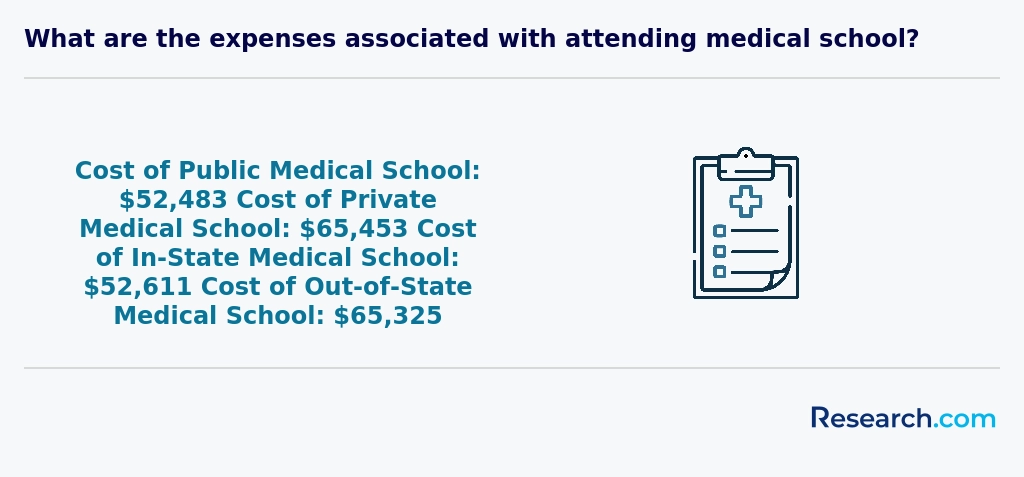
Exploring the average healthcare degree cost in Laredo reveals an encouraging landscape for aspiring healthcare professionals. Many graduates from Texas A&M International University have shared how they managed tuition costs averaging around $7,894 for in-state students, making the dream of a healthcare career feel attainable. Meanwhile, those attending Laredo Community College often enjoy even lower expenses, with annual fees that keep education affordable without sacrificing quality. These experiences illustrate just how accessible healthcare training can be in this vibrant border city.
Beyond tuition, it's important to factor in additional expenses like textbooks, uniforms, and clinical fees, which can add $1,500 to $3,000 to the total cost. However, a supportive financial aid network eases this burden, spreading opportunity wide. Imagine a student navigating their clinical rotations while benefiting from state scholarships, institutional aid, and federal grants-all designed to open doors and reduce out-of-pocket costs.
In total, the typical out-of-state tuition and fees for healthcare degrees in Laredo reach about $31,362, reflecting the full scope of an educational journey that combines dedication and community support. For those craving flexible learning paths, options like online nursing programs synchronous California offer creative alternatives aligned with personal and professional adventures. Embracing these realities shapes a fulfilling route into healthcare careers right from the heart of Laredo.
What financial aid is available to healthcare degree students in Laredo?
Imagine starting your healthcare journey at Texas A&M International University, where the excitement of learning is matched by the support of financial aid. Many graduates recall applying through FAFSA, unlocking access to Pell Grants that eased tuition fears with need-based awards. This federal help feels like a lifeline when tuition costs loom large, making education less daunting.
At Laredo College, healthcare students often discover specialized scholarships designed just for their fields - nursing, medical technology, or allied health. These awards, sometimes renewable, are celebrated by graduates who felt genuinely encouraged and valued as they progressed.
State grants such as the Texas Grant and TEXAS Grant also brighten the path, especially for those proving financial need and Texas residency. This aid can feel like a game-changer, turning dreams into achievable goals.
Working while studying is another adventure. Federal work-study programs invite hands-on healthcare roles, creating real-world experience and paychecks that helped past students fund their textbooks and bills without losing focus on classes.
Exploring these financial aid options at Laredo's institutions opens doors that make healthcare education both thrilling and attainable.
Future Trends in Healthcare Education & Career Opportunities
As the healthcare industry evolves, students in Laredo, TX, must stay informed about emerging trends that will redefine how they learn and work. Increasingly, innovative technologies such as telemedicine, electronic health records, and artificial intelligence are shaping both the curriculum and the career landscape. Institutions are integrating advanced simulation labs and virtual training platforms to prepare graduates for real-time challenges, while employers prioritize adaptability and tech literacy. This forward-looking approach not only enhances classroom learning but also gives rise to new roles in health informatics, biotech research, and digital patient care. For instance, understanding these trends can help you decide whether to pursue an education that aligns with cutting-edge practices and innovative research techniques. Moreover, exploring rankings and program details, like those found through the popular healthcare degree listings, can guide you in choosing a program that meets future industry demands. Embracing these changes early ensures that healthcare graduates are not only job-ready but also equipped to become leaders and innovators in the evolving healthcare ecosystem.
What are the prerequisites for enrolling in healthcare degree program in Laredo?
Ready to dive into a healthcare degree in Laredo? Most students find the journey starts with earning a high school diploma or GED and conquering key science and math courses. Imagine prepping for those essential biology or chemistry classes at Laredo College or Texas A&M International University, feeling the excitement build as you check off each prerequisite.
Many graduates recall the challenge and triumph of entrance exams like the TEAS, which sharpen your skills in reading, math, and science to prepare you for the demanding healthcare curriculum ahead. It's a test that feels like a gateway, opening doors to new opportunities.
Once academic hurdles are met, the adventure continues with background checks and immunizations, essential for clinical placements that bring classroom lessons vividly to life in Laredo's medical centers. These steps might seem strict, but they protect both students and patients, making every challenge worth facing.
2024 Ranking of the Most Popular Healthcare Degree Programs in Laredo, TX
Discover the top healthcare degree programs in Laredo, TX, ranked by student enrollment, graduate outcomes, and program reputation. This concise list will help you compare institutions, degree types, and unique strengths to find the best fit for your career goals in healthcare. 1. Texas A&M International University – Bachelor of Science in Nursing (BSN) • Accredited by the CCNE; NCLEX-RN pass rate of 95% • Hands-on simulation labs and community health partnerships 2. Laredo College – Associate Degree in Nursing (ADN) • Two-year program with direct clinical placements at Laredo Medical Center • High job placement rate (89%) within six months of graduation 3. University of Texas Rio Grande Valley – Bachelor of Science in Health Sciences • Emphasis on public health, health promotion, and disease prevention • Opportunities for research assistantships in community outreach programs 4. Sul Ross State University – Associate of Applied Science in Health Information Technology • Focus on electronic health records and data analytics • Internship partnerships with regional hospitals and clinics 5. Our Lady of the Lake University – Bachelor of Science in Healthcare Administration • Curriculum includes health policy, finance, and leadership courses • Graduate outcomes: 82% employed in administrative or managerial roles For students seeking flexible, cost-effective online options, explore our Affordable Online Healthcare Degree Programs Ranking in Virginia to compare tuition, program format, and accreditation standards.
What courses are typically in healthcare degree programs in Laredo?
Diving into a healthcare degree in Laredo means immersing yourself in a dynamic mix of courses that blend science and real-world impact. Students at popular local colleges eagerly tackle anatomy, physiology, and microbiology, building a rich understanding of the human body that feels tangible when applied in clinical labs. Many graduates share how mastering medical terminology opened doors to confident, clear communication during their hospital rotations.
Enthusiasm grows as students explore healthcare ethics and law, subjects that challenge them to think deeply about patient rights and responsibilities. At institutions known for healthcare education in Laredo, public health courses reveal unique community health challenges, like diabetes and heart disease, making lessons especially relevant and engaging.
Hands-on experiences shine brightest-graduates recall valuable time spent in local clinics honing clinical procedures and patient care techniques. Courses in health informatics also excite tech-minded students, showing how managing healthcare data can transform patient outcomes right here in Laredo's diverse healthcare settings.
Adding to the mix, nutrition, pharmacology, and psychology courses help paint a complete picture of patient wellness, while healthcare administration classes prepare future leaders who dream of making systemic improvements in this vibrant border city.
What types of specializations are available in healthcare degree programs in Laredo?
Exploring healthcare degree specializations in Laredo opens exciting doors for students eager to dive into dynamic fields. Graduates from popular local colleges often praise nursing programs such as LVN, RN, and BSN for blending hands-on clinical work with engaging coursework that truly prepares them for the fast-paced healthcare environment in Laredo. Many find joy in the impactful work of medical laboratory technology, where analyzing patient samples behind the scenes becomes a thrilling puzzle with real-life consequences.
Other adventurous specializations offered in Laredo include Health Information Management, where graduates help navigate the ever-expanding digital world of patient records, and Emergency Medical Services (EMS), perfect for those drawn to high-energy, life-saving roles as paramedics or EMTs. Respiratory Therapy attracts students passionate about assisting patients with breathing challenges, while Physical Therapy Assistant programs empower learners to support rehabilitation journeys firsthand. Those seeking specialized tracks might explore NP concentrations or majors to deepen their expertise within nursing.
Choosing from top healthcare programs in Laredo TX means embarking on a path filled with rewarding challenges and personal growth, shaped by both classroom knowledge and real-world Laredo healthcare experiences.
How do you choose the best healthcare degree in Laredo?
Choosing the best healthcare degree in Laredo feels like embarking on an exciting journey bursting with possibilities. Imagine walking through the vibrant halls of popular colleges here, where graduates often share how affordable healthcare degrees Laredo Texas made their dreams feel within reach. These programs blend classroom learning with hands-on clinical experiences at top local hospitals, sparking confidence and eagerness in students as they prepare for real-world challenges.
Picture yourself exploring various healthcare fields-from nursing to medical technology-with guidance from programs recognized for their accreditation and strong job placement rates. Many students rave about how clinical internships at Laredo Medical Center turned theory into meaningful practice. For those curious about specialized paths like becoming a holistic nutritionist, there's even a detailed holistic nutritionist career overview that opens doors to new ways of thinking about health and wellness.
By focusing on your own passions and the local resources available, choosing a healthcare degree program in Laredo becomes not just a decision, but an adventure towards a rewarding future.
What career paths are available for healthcare degree students in Laredo?
Graduates with a healthcare degree in Laredo find themselves stepping into a world filled with dynamic career options that match the city's unique healthcare landscape. Whether it's aspiring to become a Registered Nurse, where many local graduates celebrate their ability to impact lives directly in hospitals like Laredo Medical Center, or dreaming of leading as a Medical and Health Services Manager overseeing bustling clinics, the possibilities truly excite. For those drawn to rehabilitative care, choosing paths like physical therapy or occupational therapy feels rewarding, especially with popular institutions like Texas A&M International University providing strong training programs that prepare graduates for steady local demand.
Others dive into roles as Medical Technologists or Lab Technicians, playing crucial parts behind the scenes in diagnostics that support patient care across the region. Healthcare support positions, including medical assistants or pharmacy technicians, attract graduates seeking faster entry into the workforce while still making a difference. Many students are also considering pursuing physical therapy assistant programs to further specialize their skills in this growing field, expanding their career possibilities in Laredo's healthcare sector. Exploring healthcare degree career options in Laredo truly means embracing a journey filled with meaningful impact and community connection.

What is the job market for healthcare degree in Laredo?
The healthcare job outlook in Laredo sparkles with promise as the city's growing population fuels steady demand for skilled workers. Graduates from popular institutions like Laredo College often share how their hands-on training at local hospitals and clinics helped them embrace challenges confidently. Imagine stepping into a bustling outpatient care center, using bilingual skills to connect deeply with patients-a vital asset in this border city. Employment opportunities for healthcare graduates Laredo offer variety, from long-term care facilities to public health organizations focusing on community wellness. The salaries, while reflective of a modest regional cost of living, provide a solid foundation for starting a career, with registered nurses earning around $65,000 annually. Choosing a healthcare path in Laredo also means affordable education options and a welcoming environment that encourages growth. For anyone curious about the landscape of healthcare degrees locally, exploring programs through this popular healthcare degree guide opens doors to exciting possibilities.
Frequently Asked Questions About healthcare
Healthcare degree students in Laredo can maximize their learning by engaging deeply with local clinical opportunities. Laredo offers access to several hospitals and clinics, including the Laredo Medical Center, where hands-on experience is invaluable. According to the Texas Department of State Health Services, clinical hours greatly enhance practical skills and job readiness.
Students should also seek internships or volunteer roles at healthcare facilities serving the largely Hispanic community, which comprises over 95% of Laredo's population. This experience builds cultural competence essential for effective patient care. Additionally, joining local student healthcare organizations can enhance networking and professional development.
Finally, leveraging online resources linked to Texas colleges and national healthcare databases supports continuous learning beyond the classroom.
Emerging niches within the healthcare field are shaping the future of healthcare education and employment in Laredo. One rapidly growing area is telehealth, which expanded significantly during the COVID-19 pandemic and continues to offer new opportunities for remote patient monitoring and virtual care. According to the Texas Department of State Health Services, telehealth usage in South Texas, including Laredo, increased by over 30% from 2020 to 2023.
Another promising niche is healthcare informatics, where professionals use data analysis and technology to improve patient outcomes. This field addresses the growing need for managing electronic health records efficiently. Additionally, behavioral health is becoming critical, with Laredo experiencing rising demand for mental health services driven by community health initiatives. Students interested in these areas can find innovative healthcare degree programs that reflect these trends.
After completing a healthcare degree in Laredo, preparing for the job market requires strategic planning. First, obtaining relevant certifications or licenses, such as RN licensure for nursing graduates, is essential to meet Texas state requirements. Networking plays a crucial role; joining local professional organizations like the Texas Nurses Association can provide valuable connections.
Laredo's healthcare sector is growing due to the city's increasing population and proximity to the US-Mexico border, with the Texas Workforce Commission projecting a 15% rise in healthcare jobs through 2030. Gaining practical experience via internships or clinical rotations in Laredo hospitals enhances employability.
Additionally, exploring job openings at major employers such as Laredo Medical Center and Webb County Health Department is recommended to understand market demands.
Employers in Laredo prioritize a mix of technical and interpersonal skills in healthcare degree graduates. Clinical competence, including proficiency in patient care and knowledge of medical procedures, is essential. According to the Texas Workforce Commission, Laredo's healthcare sector demands strong skills in electronic health records (EHR) management, reflecting the digital transformation of medical services.
Effective communication is also critical. Graduates must interact clearly with patients and collaborate with multidisciplinary teams. Cultural sensitivity is particularly important in Laredo, given its diverse population and close proximity to the U.S.-Mexico border.
Problem-solving and critical thinking skills help healthcare workers adapt to fast-changing environments and emergencies. Employers additionally value professionalism and ethical judgment, which ensure patient safety and confidentiality.
Finding internships in Laredo relevant to a healthcare degree involves several practical steps. First, students should explore local hospitals and clinics, such as Laredo Medical Center and Doctors Hospital of Laredo, which often offer internship or volunteer opportunities. These settings provide hands-on experience in patient care and healthcare administration.
Additionally, the Texas A&M International University Career Services provides resources and connections for healthcare students seeking internships. Networking through local healthcare organizations or the Laredo Chamber of Commerce can also reveal opportunities.
According to the Texas Workforce Commission, the healthcare sector in Laredo is growing steadily, increasing demand for skilled interns. Begin application processes early, prepare a professional resume emphasizing relevant coursework, and consider reaching out directly to healthcare providers for openings.
Obtaining a healthcare degree in Laredo significantly enhances career mobility and advancement opportunities. The healthcare sector in Laredo is growing, with the Texas Department of State Health Services reporting a steady increase in medical jobs over recent years. Professionals with formal healthcare education, such as nursing or health administration degrees, are often preferred for promotions and leadership roles.
Additionally, healthcare degrees align with licensure and certification requirements required by employers in Texas, which directly impact eligibility for better-paying positions. According to the U.S. Bureau of Labor Statistics, healthcare occupations in the Laredo metropolitan area are projected to grow faster than average through 2030, offering graduates strong job security.
A degree also opens doors to diverse fields like clinical care, medical technology, and health services management, enabling graduates to switch specialties or advance into administrative jobs more easily than those without formal education.
Studying for a healthcare degree in Laredo equips students with essential skills to succeed in interdisciplinary roles by emphasizing collaboration across various health professions. Local programs often integrate clinical experiences in hospitals and community health centers, where teamwork between nurses, physicians, therapists, and social workers is vital.
Laredo's healthcare education also reflects the city's diverse population, preparing students to address cultural and linguistic differences in patient care. According to the Texas Higher Education Coordinating Board, institutions in Laredo have increased coursework in communication, ethics, and healthcare technology to support coordination between disciplines.
As healthcare becomes more complex, Laredo's education system aims to produce graduates who understand the roles of multiple healthcare providers to improve patient outcomes efficiently and safely.
Choosing between a thesis and a non-thesis healthcare degree program in Laredo depends on your career goals and learning preferences. Thesis programs emphasize research, preparing students for roles in academia or advanced clinical practice. They typically require a substantial research project, which may extend your study time but develops critical analysis skills.
Non-thesis programs focus on practical knowledge and often include internships or capstone projects, ideal for those seeking immediate employment in healthcare settings. In Laredo, the demand for healthcare professionals, reflected by a 15% job growth rate from 2020 to 2030 (Bureau of Labor Statistics), favors practical experience.
Consider your long-term objectives and time commitment when deciding which path suits you best.
Students in Laredo seeking healthcare degrees abroad have multiple options within the United States and international programs. Many U.S. universities offer study-abroad opportunities that integrate clinical experiences with coursework relevant to healthcare fields. These programs often include partnerships with hospitals and clinics worldwide, providing practical exposure.
Because Laredo is located near the U.S.-Mexico border, some students explore healthcare education in Mexico, which can offer cost-effective medical and nursing programs recognized by U.S. accrediting bodies. The Texas Higher Education Coordinating Board reports that cross-border collaboration in health education has increased steadily over the past decade.
Students should consider programs accredited by recognized U.S. or international healthcare organizations to ensure their degree is valid for future certification and employment.
Students pursuing healthcare degrees in Laredo can enhance their education by engaging in part-time jobs relevant to the field. Common opportunities include working as a medical assistant, home health aide, or pharmacy technician. These roles provide hands-on experience with patient care and medical procedures, which complements classroom learning. According to the Texas Workforce Commission, healthcare support roles in the Laredo metropolitan area are expected to grow by 15% by 2030, reflecting demand for skilled workers.
Jobs at local hospitals and clinics, like Laredo Medical Center, also offer valuable exposure to healthcare environments. Additionally, positions as EMTs or medical office assistants enable students to develop communication and organizational skills vital in healthcare professions.
Healthcare students in Laredo benefit from various networking opportunities linked to local institutions and professional organizations. Laredo hosts several active chapters of national groups like the American Medical Student Association (AMSA) and the Texas Nurses Association, offering events and mentorship programs. Local hospitals such as Laredo Medical Center and Doctors Hospital of Laredo provide clinical internships, workshops, and job fairs that help students connect with healthcare professionals.
Moreover, Laredo Community College and Texas A&M International University organize career networking events specifically targeting healthcare majors. According to the Texas Workforce Commission, healthcare is among the fastest-growing sectors in Laredo, emphasizing the value of local professional contacts. These connections are vital for internships and employment after graduation.
Alumni networks play a crucial role for healthcare degree students in Laredo by providing strong professional connections. Graduates often share job openings and internship opportunities within these networks, which can be vital in a competitive healthcare job market.
In Laredo, where healthcare continues to grow due to an increasing population and cross-border collaboration, access to experienced alumni helps students navigate local industry demands. According to data from the Texas Workforce Commission, healthcare employment in the Laredo metropolitan area is projected to grow 15% by 2030, highlighting the need for reliable career support networks.
Additionally, alumni mentors offer guidance on practical skills and certifications necessary in Texas healthcare settings, enhancing students' readiness. This direct link to community professionals often results in higher employment rates after graduation.
Customizing a healthcare degree program in Laredo involves selecting courses and specialties that align with your career ambitions. Many local institutions, such as Texas A&M International University, offer flexible healthcare programs with options in nursing, health science, and public health.
Students can often choose electives focused on areas like mental health, healthcare administration, or medical technology. Engaging in internships at nearby healthcare facilities-Laredo Medical Center, for example-provides practical experience tailored to your interests.
Additionally, some programs allow you to pursue certifications alongside your degree, enhancing qualifications for specific roles such as emergency medical technician or clinical coding specialist.
Discussing your goals with academic advisors is vital, helping you create a personalized study plan that matches local workforce demands and your professional objectives.
Healthcare students in Laredo face several challenges unique to the region and broader U.S. educational system. One major issue is balancing clinical hours with academic coursework. Due to the high demand for healthcare workers in the Laredo area, students often encounter limited availability of local clinical placements, which slows practical experience acquisition.
Many students also wrestle with financial constraints. According to the Texas Higher Education Coordinating Board, the average annual tuition at public institutions in Laredo can range between $7,000 and $10,000, excluding living expenses. This cost, combined with limited part-time job opportunities in healthcare settings, adds pressure.
Additionally, language barriers and the need for culturally competent care are significant. Laredo's predominantly Hispanic population requires bilingual skills, presenting an extra learning demand for some students. These factors combine to make healthcare education in Laredo both challenging and rewarding.
With a healthcare degree, graduates in Laredo have access to a variety of professional certifications that can enhance their career prospects. Common certifications include Certified Nursing Assistant (CNA), Licensed Practical Nurse (LPN), and Registered Nurse (RN), which are essential in Texas. According to the Texas Board of Nursing, over 1,200 RNs are licensed annually in the Laredo area, reflecting strong demand.
Other recognized certifications include Medical Assistant (CMA) through the American Association of Medical Assistants and Certified Health Education Specialist (CHES). For those interested in administration, certification such as the Certified Healthcare Executive (CHE) is valued. These credentials often require passing an exam and continuing education.
To write a winning application for a healthcare program in Laredo, start by thoroughly researching the specific requirements of the schools you are interested in. Many local institutions, such as Laredo College, emphasize strong academic performance in science and math courses. Highlight any healthcare-related volunteer or work experience, as Laredo's healthcare demand grows, showing commitment can set you apart.
Craft a clear, concise personal statement explaining your passion for healthcare and how studying in Laredo aligns with your career goals. Use current data on healthcare needs in Webb County from sources like the Texas Department of State Health Services to demonstrate awareness of regional challenges.
Request strong letters of recommendation from academic or healthcare professionals familiar with your skills and dedication.
The global perspective on a healthcare career emphasizes the importance of adaptability and cross-cultural competence. In the U.S., especially in cities like Laredo with diverse populations, healthcare professionals must understand both national and international health challenges. According to the U.S. Bureau of Labor Statistics, healthcare occupations are projected to grow 16% from 2021 to 2031, faster than average for all jobs.
Laredo's proximity to the U.S.-Mexico border adds unique opportunities and demands, including bilingual skills and knowledge of public health issues affecting local communities. Globally, careers in healthcare focus on addressing disparities and improving access, skills valuable in Laredo's multicultural environment.
Gaining practical experience while studying for a healthcare degree in Laredo is essential for career readiness. Many local institutions, including Texas A&M International University, offer clinical placements and internships that allow students to work directly with patients under supervision.
Hospitals and healthcare centers in Laredo, such as Doctors Hospital at Renaissance and Laredo Medical Center, often partner with universities to provide internship opportunities. Students can gain hands-on experience in nursing, medical technology, and allied health fields through these partnerships.
Additionally, volunteer programs and community health initiatives in Laredo offer valuable exposure to real-world healthcare environments. Engaging in these activities complements classroom learning and strengthens practical skills.
The Texas Workforce Commission reports that healthcare occupations in Laredo are growing 12% faster than the national average, emphasizing the importance of experiential learning to meet regional demand.
Choosing the right concentration within a healthcare degree program in Laredo starts with understanding local healthcare demands. Laredo, located near the US-Mexico border, faces unique health challenges such as diabetes and obesity, making public health and nursing concentrations especially relevant. The Texas Department of State Health Services reports that respiratory and cardiovascular diseases are also prevalent in this region, which may influence your focus.
It is important to research Laredo's healthcare job market by consulting resources like the Texas Workforce Commission. Concentrations in nursing, health administration, or medical technology often offer strong local employment opportunities. Additionally, consider your personal interests and career goals alongside practical factors such as program accreditation and clinical placement availability in Laredo-area hospitals and clinics.
Related Healthcare Rankings for Nearby Cities
- 2027 Most Popular Healthcare Degree Programs Ranking in San Antonio
- 2027 Most Popular Healthcare Degree Programs Ranking in Abilene
- 2027 Most Popular Healthcare Degree Programs Ranking in Lubbock
- 2027 Most Popular Healthcare Degree Programs Ranking in El Paso
- 2027 Most Popular Healthcare Degree Programs Ranking in Baton Rouge
- 2027 Most Popular Healthcare Degree Programs Ranking in Oklahoma City
- 2027 Most Popular Healthcare Degree Programs Ranking in New Orleans
- 2027 Most Popular Healthcare Degree Programs Ranking in Jackson
- 2027 Most Popular Healthcare Degree Programs Ranking in Wichita
- 2027 Most Popular Healthcare Degree Programs Ranking in Springfield
Top Trending Healthcare Rankings
See What Experts Have To Say About Studying Healthcare
Read our interview with Healthcare experts

References
- Thesis vs. Non-Thesis Master's Programs: Which is Right for You? https://potomac.edu/thesis-vs-non-thesis-masters/
- 5 Concentrations for a Bachelor’s of Healthcare Administration - Healthcare Administration Degree Programs https://www.healthcare-administration-degree.net/lists/5-concentrations-for-a-bachelors-of-healthcare-administration/
- How to Create a Healthcare Career Roadmap https://www.ihire.com/resourcecenter/jobseeker/pages/how-to-create-a-healthcare-career-roadmap
- Trends and opportunities in healthcare across emerging markets - Inizio https://inizio.com/insights/trends-and-opportunities-in-healthcare-across-emerging-markets/
- Education requirements for the fastest-growing healthcare jobs https://www.corridorcareers.com/job-tips/blog-news-education-requirements-fastest-growing-healthcare-jobs
- How to choose a bachelor's in healthcare administration | edX https://www.edx.org/resources/how-to-choose-a-bachelors-in-healthcare-administration
- Career Opportunities in Healthcare Without a Medical Degree https://www.just-medical.ch/en/blog/medical-careers-without-formal-education
- Networking and Mentorship During Clinical Rotations https://rotatingroom.com/blog/medical-students-the-importance-of-networking-mentorship-during-your-clinical-rotations
- What Are the Differences in Salary Level for Different Degrees in Healthcare Management? | MHA Salary https://www.healthcare-management-degree.net/faq/what-are-the-differences-in-salary-level-for-different-degrees-in-healthcare-management/
- Laredo Medical Center https://chsmedcareers.com/tx/laredo-medical-center