
2027 Most Popular Healthcare Degree Programs Ranking in New Orleans

Co-Founder and Chief Data Scientist
Choosing the right healthcare degree program in New Orleans can feel overwhelming, but you're not alone. This article introduces the 2027 Most Popular Healthcare Degree Programs Ranking in New Orleans, developed by the Research.com team of data scientists. It's designed to help you make an informed decision about which programs are truly worth your time and effort.
Discovering the best path for your future career can boost your confidence and open doors to meaningful opportunities in healthcare. Reading this article will give you valuable insights and inspire you to take the next step toward a rewarding profession.
Key benefits of getting healthcare degree in New Orleans
- Salary for healthcare degree graduates: Graduates can earn competitive wages such as $43,350 annually for Medical Assistants and Clinical Research Coordinators, up to $103,150 for Quality Improvement Coordinators, reflecting strong financial opportunities in New Orleans.
- Career paths: A healthcare degree from Tulane University opens doors to diverse roles like Patient Care Technician or Health Information Technician, offering rewarding and stable jobs in hospitals and clinics across the city.
- Benefits of online healthcare degrees: Earning a healthcare degree online through Loyola University New Orleans allows flexibility and convenience, helping students balance life and study while gaining the skills needed to enter this growing field quickly.
- Key benefits of getting healthcare degree in New Orleans
- What can I expect from healthcare degree in New Orleans?
- Where can I work with healthcare degree in New Orleans?
- How much can I make with healthcare degree in New Orleans?
- 2027 Most Popular Healthcare Degree Programs Ranking in New Orleans
- Key Findings
- How long does it take to complete healthcare degree in New Orleans?
- Enhancing Career Readiness Through Targeted Certifications
- What's the difference between online and on-campus healthcare degree?
- Student Life and Campus Community
- What is the average cost of healthcare degree in New Orleans?
- Accreditation and Licensure
- What financial aid is available to healthcare degree students in New Orleans?
- Licensure and Certification Requirements for Healthcare Graduates in New Orleans, LA
- What are the prerequisites for enrolling in healthcare degree program in New Orleans?
- Accreditation and Licensure Requirements
- What courses are typically in healthcare degree programs in New Orleans?
- What types of specializations are available in healthcare degree programs in New Orleans?
- How do you choose the best healthcare degree in New Orleans?
- What career paths are available for healthcare degree students in New Orleans?
- What is the job market for healthcare degree in New Orleans?
- Top Trending Healthcare Rankings
- See What Experts Have To Say About Studying Healthcare
What can I expect from healthcare degree in New Orleans?
The average cost of earning a healthcare degree in New Orleans lives somewhere between dreams and reality, often landing around $10,000 to $30,000 per year depending on your institution and program length. Graduates from Tulane University, for instance, recall the investment felt steep but worth every cent when mixing rigorous academics with priceless clinical experience at places like Ochsner Health System. The University of New Orleans offers a more budget-friendly pathway, where students balance tuition with vibrant city life and community-based internships that feel less like chores and more like stepping stones into healthcare careers.
Imagine jogging through a campus shadowed by ancient oaks, then heading straight into a bustling hospital ward treating complex cases of hypertension and diabetes-conditions disproportionately part of the local story. This blend of immersive learning and New Orleans' unique health challenges turns classroom theories into real-world saviors, making each dollar spent resonate with purpose and promise. Students often talk about the tangible rush of turning textbooks into steady hands and confident care.
Where can I work with healthcare degree in New Orleans?
Graduates holding healthcare degrees in New Orleans often find themselves stepping into dynamic roles that ripple through the city's thriving medical landscape. Imagine walking the corridors of Tulane University Medical Center, joining a team where every day brings new challenges and rewards, whether you're a registered nurse coordinating care or a health information technician turning data into hope. Others venture into Ochsner Health System, a local giant bustling with over 18,000 employees, where healthcare administrators balance logistics with compassion, shaping patient experiences across the region.
Picture a recent graduate passionate about community wellness, landing a role at the Louisiana Department of Health, crafting programs that shield neighborhoods from illness, a calling sharpened by public health crises like Hurricane Ida and the pandemic. Meanwhile, those drawn to discovery partner with researchers at Tulane or LSU Health Sciences Center, where the lab hums with energy-clinical trials, epidemiological studies, and health data analyses become daily adventures.
Less traditional paths include pharmaceutical firms and medical device companies nestled in New Orleans, where healthcare grads dive into product innovation or regulatory quests. The city's expanding health sector pulses with opportunity, and every corridor echoes with the footsteps of driven graduates ready to make a difference.
How much can I make with healthcare degree in New Orleans?
Graduates from healthcare programs in New Orleans often step into roles where their paychecks reflect both their dedication and the vibrant local healthcare scene. Imagine a fresh medical assistant out of Delgado Community College, starting with an average annual wage of about $43,350. It's a solid launchpad, especially when working alongside passionate professionals in bustling city clinics.
A patient care technician from a nearby university might find themselves earning around $60,790 yearly, blending hands-on care with a community-driven spirit unique to New Orleans. These roles let graduates dive into the heart of healthcare, gaining essential experience with real patients while making a tangible impact.
Health information technicians, too, turn digital records into lifelines for patients and providers, pulling in about $43,380 on average. Their work behind the scenes is vital in hospitals and research centers, including those at Tulane University, where cutting-edge healthcare education mixes with tradition.
Then there are the trailblazers - quality improvement coordinators who elevate healthcare outcomes and can expect to earn well over $100,000 annually. Their expertise shapes the future of care delivery, proving that a healthcare degree in New Orleans is not just a ticket to any job, but a passport to meaningful, well-paid careers.
2027 Most Popular Healthcare Degree Programs Ranking in New Orleans
How do we rank schools?
Investing in your education is a significant decision that can shape your future, and the Research.com team understands the importance of making informed choices. To assist prospective students in New Orleans, we have meticulously crafted the "2027 Most Popular Healthcare Degree Programs Ranking in New Orleans." Our commitment to quality, credibility, and accuracy is reflected in the extensive research and analysis conducted to compile this ranking.
We utilized the following reputable data sources to ensure a comprehensive evaluation of healthcare degree programs:
By exploring this ranking, readers will gain valuable insights into the most popular healthcare degree programs in New Orleans, empowering them to make well-informed decisions about their educational journeys. For more details on our methodology, please visit our Research.com methodology page.


Key Findings
- Healthcare degree costs in New Orleans range from $10,000 to $25,000 per year at public institutions for in-state students, with private schools charging over $30,000 annually.
- Additional expenses include textbooks, supplies, and clinical placements, with financial aid options varying by school.
- Entry-level registered nurses earn about $55,000 per year, while specialized roles like nurse practitioners or healthcare administrators can make $75,000 to $90,000 within a few years.
- The job market is strong, with growth in nursing, mental health, and healthcare management expected to exceed national averages.
- New Orleans offers diverse clinical experiences due to its varied patient population and health challenges, supporting practical learning.
How long does it take to complete healthcare degree in New Orleans?
Picture yourself walking the lively campus of a New Orleans university, where the rhythm of the city blends with the pulse of healthcare ambition. Most healthcare degrees here unfold over a clear timeline: an undergraduate bachelor's journey lasts about four years, weaving together general studies and specialized courses-just like many graduates from Tulane or Xavier describe their immersive experiences. This timeframe feels just right to build solid foundations while exploring the vibrant local medical community.
For those eager to accelerate, imagine diving into an accelerated Master of Science in Nursing program at Loyola, wrapping up in as little as 18 to 24 months. It's an intense, rewarding sprint valued by graduates who cherish both academic rigor and hands-on clinical rotations around New Orleans' dynamic healthcare centers.
Doctoral dreams, like a DNP or PharmD, stretch the journey to 3 or 4 years post-bachelor's, often paired with demanding residencies that transform theory into life-saving skills. Across the board, most students recount feeling energized knowing their time corresponds with real-world pace and practical growth in healthcare's heart-New Orleans itself.
Enhancing Career Readiness Through Targeted Certifications
In today’s fast-evolving healthcare landscape, supplementing your degree with focused, short-term certifications can be a game-changer. Augmenting academic learning with real-world skills helps bridge the gap between theoretical knowledge and practical application. For instance, specialized training in medical coding and billing is increasingly valuable as healthcare providers embrace digital transformation and streamline administrative processes. Many professionals boost their credentials through intensive courses, such as an online medical billing and coding class, which imparts critical skills in a condensed format that is both efficient and industry-relevant. This targeted approach not only enhances career readiness but also caters to the rising demand for tech-savvy healthcare administrators. By integrating these certifications into your education, you position yourself at the forefront of innovation, ensuring that you’re well-equipped to tackle the complexities of modern healthcare systems.
What's the difference between online and on-campus healthcare degree?
Picture juggling a job, family, and studying healthcare in New Orleans-online degrees become your trusty sidekick, offering a flexible timetable that fits your chaotic life. Graduates from local programs like Tulane's online nursing track often share how midnight study sessions and quick clicks replace the traditional classroom, turning their homes into classrooms without sacrificing precious personal time.
On the flip side, imagine the buzz of campus life at the University of Louisiana at Lafayette's healthcare branch, where hands-on labs and real-world clinical hours bring theory to life. Graduates recount the energizing pulse of hospital rotations, feeling the weight of responsibility and the thrill of learning in person, among peers and mentors who become lifelong allies.
The cost dance differs too: while on-campus degrees pile up tuition, transport, and housing bills-sometimes hitting well over $20,000 annually-online options slice away many physical expenses but ask you to invest in reliable tech. Both roads converge on accreditation and licensure, ensuring your diploma unlocks Louisiana's healthcare doors, whether earned in a bustling class or a quiet home office.
Student Life and Campus Community
Immersing yourself in campus life is a vital aspect of your journey in healthcare education, offering opportunities for personal growth, networking, and hands-on learning beyond the classroom. In New Orleans, students not only benefit from rigorous academic programs but also from vibrant campus cultures that foster strong support systems, mentor relationships, and active involvement in community health initiatives. Along with academic excellence, many institutions prioritize extracurricular engagement by hosting health fairs, community service projects, and wellness workshops, all of which enrich the overall student experience. These initiatives provide a well-rounded education that cultivates essential soft skills, such as teamwork, leadership, and effective communication, which are highly valued in the healthcare industry. Moreover, prospective students are encouraged to explore resources available at the best popular healthcare colleges, where robust student support services and networking opportunities can pave the way for a successful transition from education to practice. Whether it’s joining student organizations, seeking support through academic advising, or engaging in cultural events, the campus community in New Orleans plays an integral role in preparing students for the multifaceted demands of their future healthcare careers.
What is the average cost of healthcare degree in New Orleans?
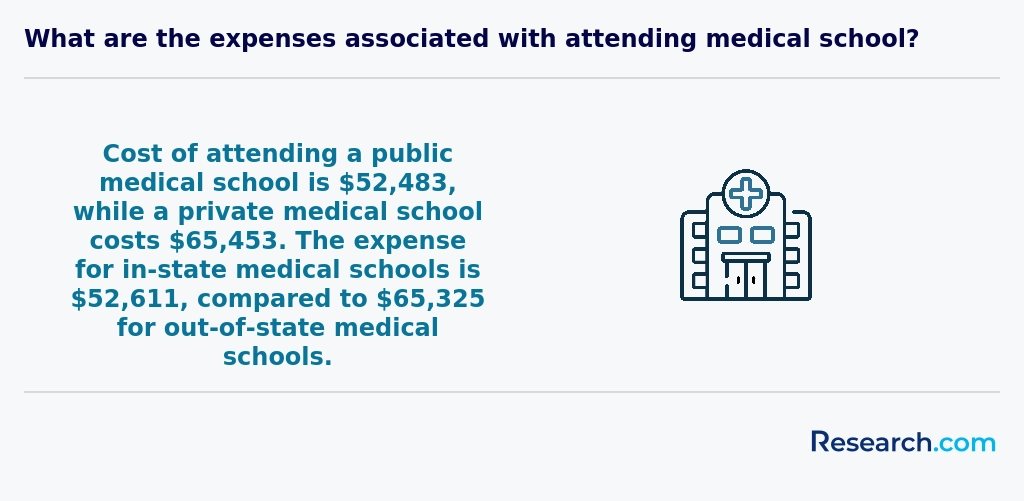
The typical investment for a healthcare degree in New Orleans lands around $46,201, a figure that paints a realistic picture for hopeful students stepping into this vibrant city's academic scene. For many, this median total cost reflects a transformative journey rather than just a price tag, especially when considering the diverse institutions available-from Tulane University's well-known programs to community colleges offering more budget-friendly options. Graduates often recall juggling tuition with living costs, books, and those sometimes surprising clinical fees, yet feeling the satisfaction that comes with taking significant strides toward a valued healthcare career.
Breaking it down, in-state students generally experience a lower financial footprint around $28,733, making local paths more accessible. This balance between cost and quality calls for smart planning, as those enrolling at private universities encounter higher tuition but access to specialized resources and prolific networking opportunities. Many students explore the nuances of healthcare degree tuition and fees New Orleans wide, discovering ways scholarships and grants ease the burden and unlock new possibilities.
Picture the hopeful future of a nursing student moving between classrooms and clinical rotations, knowing that while tuition touches tens of thousands, their efforts align with some of the best educational opportunities this city offers. For those mapping their academic route, the best popular healthcare colleges in New Orleans serve as vital waypoints in navigating costs and maximizing value in pursuit of a rewarding healthcare career.
Accreditation and Licensure
Programs in New Orleans should hold recognized accreditation and prepare you for required licensure exams to ensure eligibility and quality training.
- Accredited by bodies such as CCNE or ACEN (nursing), CAAHEP (allied health) and CEPH (public health)
- Required licensure exams (NCLEX-RN, ARRT, NHA) typically target pass rates of 80% or higher
- Exam prep resources include structured review courses, simulation labs and mandated clinical hours
- Check each program’s published NCLEX or certification pass rates on its official website
- For related credentials, consider medical billing and coding certification online for expanded career opportunities
What financial aid is available to healthcare degree students in New Orleans?
Imagine walking the vibrant halls of Tulane University or the University of New Orleans, knowing that your dream of a healthcare career isn't shackled by overwhelming debt. Many healthcare students in New Orleans unlock financial aid treasures by simply filling out the FAFSA. This gateway opens doors to federal grants like the Pell Grant-offering up to $7,895 in 2024-plus low-interest loans that turn mountain-sized tuition into manageable steps.
State aid is another secret weapon. The Louisiana Go Grant swoops in for those with determined hearts and financial need, easing the cost at beloved New Orleans institutions. Picture a nursing student relieved by this crucial support, allowing more focus on patient care than paperwork.
Locally, scholarships sparkle like Mardi Gras beads, awarded for academic grit and community spirit, often ranging up to $10,000. Graduates often recall how these awards transformed their educational journey, fueling passion without the weight of financial strain.
Loan forgiveness programs like NHSC and SLRP brighten the path post-graduation, rewarding those who serve underserved communities with debt relief-encouraging new healthcare heroes to stay rooted in Louisiana's vibrant neighborhoods.
And if you're already in the healthcare workforce, New Orleans hospitals sometimes chip in with tuition reimbursement, turning your job into a stepping stone rather than a ceiling.
Licensure and Certification Requirements for Healthcare Graduates in New Orleans, LA
Healthcare degree graduates in Louisiana must satisfy specific licensure and certification requirements before practicing. Most clinical roles-from nurses and sonographers to therapists and technicians-require graduation from an accredited program, successful completion of a national or state examination, and registration with the Louisiana State Board of Medical Examiners or the Louisiana State Board of Nursing. Graduates pursuing allied health roles should ensure their curriculum aligns with national accrediting bodies. For example, many students consider a physical therapy assistant associates degree that meets Commission on Accreditation in Physical Therapy Education (CAPTE) standards, preparing them for the National Physical Therapy Exam (NPTE) and subsequent Louisiana PTA licensure. Key steps to licensure include: 1. Complete an accredited program and obtain official transcripts. 2. Register for and pass the relevant national exam (e.g., NCLEX-RN for registered nurses, NPTE for physical therapy assistants, ARRT for radiologic technologists). 3. Submit an application, fees, and background check to the Louisiana State Board. 4. Maintain licensure through biennial renewal and required continuing education hours (typically 12–24 credits, depending on profession). Additional certifications-such as Basic Life Support (BLS), Advanced Cardiac Life Support (ACLS), or Certified Healthcare Documentation Specialist (CHDS)-can enhance employability and ensure compliance with employer and regulatory requirements. By understanding and completing these licensure milestones, graduates solidify their credentials and confidently transition from the classroom to patient care settings across New Orleans.
What are the prerequisites for enrolling in healthcare degree program in New Orleans?
To dive into a healthcare degree in New Orleans, you'll first need the basics: a high school diploma or its equivalent, proving you're ready for the academic adventure ahead. Imagine a graduate from Tulane University recalling how their solid grounding in biology and chemistry saved them from late-night cram sessions during their first semester.
Transcripts are your backstage passes, showcasing your journey through key science and math courses - think algebra, anatomy, and physiology. These aren't just hoops to jump through; they're building blocks for understanding patients' complex needs.
Some schools ask for SAT or ACT scores, though many scenes in the city now embrace test-optional policies, easing the pressure. A former student at Loyola University New Orleans shares how volunteering in local clinics illuminated their passion, turning textbook theories into real human connections.
Letters of recommendation and heartfelt personal statements bring your story to life, like voices echoing through the hallways of LSU Health Sciences Center, where commitment and motivation speak louder than grades alone.
Accreditation and Licensure Requirements
Accreditation is a critical factor when evaluating healthcare degree programs in New Orleans, LA, as it ensures that curricula meet rigorous standards set by regional and specialized bodies. Prospective students should verify that their institution holds regional accreditation from the Southern Association of Colleges and Schools Commission on Colleges (SACSCOC) and that specific programs-such as nursing or health information management-are accredited by relevant agencies like the Commission on Collegiate Nursing Education (CCNE) or the Commission on Accreditation for Health Informatics and Information Management Education (CAHIIM). Graduates from accredited programs are more likely to qualify for federal financial aid, sit for certification exams, and secure licensure in Louisiana and other states. Upon completing an accredited degree, students must navigate state licensure requirements, which typically include passing national exams (e.g., the NCLEX for nurses) and meeting clinical hour prerequisites. For example, aspiring registered nurses in Louisiana must complete at least 500 supervised clinical hours and achieve a passing score on the NCLEX-RN. Pharmacists, on the other hand, must pass the North American Pharmacist Licensure Examination (NAPLEX) and fulfill internship hours as stipulated by the Louisiana Board of Pharmacy. For those considering cost-effective online pathways, it’s valuable to compare program costs and accreditation status. You can explore the Inexpensive Online Healthcare Degree Programs Ranking in Tennessee to see how accredited online offerings align with your budget and career goals. Ensuring both institutional and programmatic accreditation not only boosts employability but also guarantees eligibility for licensure boards, enabling graduates to practice confidently and compliantly across diverse healthcare settings.
What courses are typically in healthcare degree programs in New Orleans?
Imagine diving into the heartbeat of New Orleans' healthcare scene through courses that bring the city's unique challenges and vibrant culture into every lecture. At popular schools like Tulane and the University of New Orleans, students find themselves immersed in anatomy and physiology labs that feel more alive, where understanding the human body's rhythm connects directly to caring for local patients. Graduates often recall the eye-opening experience of microbiology classes that reveal how pathogens travel through the city's waterways and neighborhoods.
Healthcare ethics and law courses are more than just theory here-they're a gateway to navigating Louisiana's intricate healthcare policies, making students feel empowered and responsible. Picture discussions buzzing with real stories about patient rights and community care, turning abstract lessons into relatable journeys.
- Medical terminology becomes the essential language for seamless collaboration in bustling New Orleans hospitals
- Pharmacology classes introduce medications reflective of the region's health trends
- Health informatics equips students to manage patient data vital to local clinics
- Public health explores preventive strategies tailored for diverse city populations
- Clinical skills training, packed with hands-on simulations, prepares students for real-world shifts in community health centers
Many grads treasure their practicum experiences, describing how working in local clinics connected textbook knowledge with the soulful resilience of New Orleans. Here, healthcare education is not just about courses but about weaving into the city's living, breathing health story.
What types of specializations are available in healthcare degree programs in New Orleans?
Healthcare degree specializations in New Orleans are as vibrant and diverse as the city itself, painting a rich tapestry of opportunities for eager learners. From the pulse-pounding halls filled with nursing students at popular universities to the quiet hum of health informatics labs, graduates often recall the real-life energy that shaped their journey. Picture a classmate mastering family nurse practitioner skills, stepping confidently into patient care driven by the city's aging population needs. Meanwhile, others dive into public health, addressing unique Gulf Coast challenges like hurricane response or infectious disease control, embracing the local community's heartbeat.
Fields like Medical Laboratory Science and Healthcare Administration are rapidly evolving too. Graduates speak of how labs buzz with diagnostic breakthroughs while administration students envision leading bustling New Orleans healthcare facilities. For those intrigued by the digital side, exploring online medical billing and coding class offers a flexible foot in the door. These healthcare programs and specializations in New Orleans ensure each student finds a niche that inspires and prepares them to thrive amid the city's unique healthcare landscape.
How do you choose the best healthcare degree in New Orleans?
Choosing the best healthcare degree in New Orleans feels like navigating a vibrant river delta-full of options and currents that can sweep you toward nursing, public health, or even healthcare administration. Graduates from Tulane University often speak of how the city's pulsating healthcare scene shaped their clinical skills, thanks to rich partnerships with local hospitals. At Delgado Community College, students find a nurturing environment paired with affordable healthcare degrees in New Orleans, making dreams feel within reach without drowning in debt.
Imagine balancing evening classes and hands-on clinical rounds in a city that never sleeps, where flexible schedules meet New Orleans' lively spirit. You might even explore specialized paths like a physical therapy assistant associates degree to dive deep into patient care. It's crucial to assess faculty expertise and licensing success rates here-these guideposts illuminate the path through the maze of possibility and ensure your investment blooms into a thriving career.
What career paths are available for healthcare degree students in New Orleans?
Graduates with a healthcare degree in New Orleans step into a vibrant ecosystem where career paths bloom amid rich urban culture and medical innovation. From bustling hospital wards to community health hubs, Registered Nurses nurture wellness with heartfelt dedication, energized by hands-on training at institutions like Louisiana State University Health Sciences Center. Meanwhile, Medical and Health Services Managers orchestrate smooth operations, their leadership ripe with promise in a city expanding its healthcare network. Physical Therapists, too, find their calling aiding recovery, inspired by the local commitment to holistic care and well-being. Public Health Professionals navigate the city's unique challenges, fueled by a passion to reduce disparities and prepare for health crises. Those drawn to cutting-edge technology channel their skills as Health Informatics Specialists, embracing New Orleans' growing digital health future. For those wondering about costs, local graduates often explore options that balance quality and affordability, such as those highlighted in the Inexpensive Online Healthcare Degree Programs Ranking in Tennessee, blending practicality with ambition in healthcare degree careers in New Orleans.
When considering the best healthcare jobs New Orleans graduates pursue, one sees a tapestry of roles intertwining clinical expertise with community impact. Each career paints a picture of real people: nurses comforting patients, managers streamlining care, therapists restoring movement, and educators preventing illness. The enriching programs at Tulane University and other local colleges fuel these dreams, making healthcare degrees not just a path to jobs, but a journey of meaningful, hands-on experience that resonates deeply within the city's soul.
What is the job market for healthcare degree in New Orleans?
The healthcare job opportunities in New Orleans bloom like magnolia in spring-vibrant, growing, and full of promise. Graduates from Tulane University or the University of New Orleans witness firsthand how the city's hospitals and outpatient centers eagerly snap up registered nurses, physician assistants, and specialized therapists. Imagine stepping into a bustling ward at Ochsner Medical Center, knowing your degree from a local institution not only opened doors but prepared you for the fast-paced, impactful care needed here. The pace of growth in healthcare employment means many new alumni quickly find roles that balance competitive salaries with a lifestyle the city uniquely offers.
One graduate shares how combining hands-on clinical experience with classroom knowledge shaped a smooth transition into a healthcare administration job, while another describes the security found in New Orleans' expanding public health organizations. For those balancing work and study, programs like fast adult degree programs online provide much-needed flexibility. This flourishing New Orleans healthcare degree employment outlook makes investing in local education not just practical but exciting for future caregivers and administrators.
Frequently Asked Questions About healthcare
Healthcare degree students in New Orleans can maximize their learning by engaging actively with the city's diverse clinical settings. New Orleans offers numerous hospitals and clinics, including the prominent University Medical Center, which provide valuable hands-on experience. Participating in internships and clinical rotations in these facilities helps bridge the gap between theory and practice.
Additionally, connecting with local healthcare organizations like the Louisiana Public Health Institute fosters community involvement and networking opportunities. According to the Louisiana Workforce Commission, healthcare jobs are projected to grow by 15% through 2030, highlighting the importance of practical skills.
Utilizing campus resources and attending workshops on emerging healthcare technologies can further enhance student preparedness for this expanding field.
The healthcare industry in New Orleans is evolving with several emerging niches driven by local and national trends. One significant area is telehealth, which expanded rapidly during the COVID-19 pandemic and continues to grow, offering remote patient monitoring and virtual visits. According to the Louisiana Department of Health, telehealth usage in the state increased by over 60% from 2020 to 2022.
Another promising niche is gerontology and elder care, reflecting New Orleans' aging population. Specialized care for chronic conditions like diabetes and heart disease is increasingly in demand.
Additionally, healthcare data analytics is gaining importance as providers seek to improve patient outcomes through big data and predictive modeling.
After completing a healthcare degree in New Orleans, preparing for the job market begins with gaining practical experience. Many local healthcare employers, including the Louisiana Department of Health, value internships and clinical rotations which provide hands-on skills and networking opportunities. Graduates should also consider obtaining relevant certifications, such as Basic Life Support (BLS) or Advanced Cardiovascular Life Support (ACLS), often required for healthcare roles in the region.
Networking through local professional organizations like the Louisiana Hospital Association can open doors. Additionally, a 2023 report from the New Orleans Regional Planning Commission highlights a growing demand for nurses and allied health professionals. Tailoring resumes to showcase both education and regional healthcare experience will improve job prospects.
Employers in New Orleans highly value healthcare graduates who demonstrate strong clinical skills, critical thinking, and effective communication. These competencies ensure graduates can provide quality patient care in diverse and often fast-paced settings.
According to data from the Louisiana Workforce Commission, teamwork and adaptability are among the top soft skills sought in the local healthcare market. Graduates who can collaborate across multidisciplinary teams tend to perform better in hospitals and clinics throughout New Orleans.
Technical proficiency with electronic health records (EHR) systems is increasingly important due to widespread digital health adoption. Professionals skilled in utilizing these technologies improve care coordination and patient outcomes.
Lastly, cultural competency is crucial in New Orleans's diverse communities. Healthcare providers who understand and respect cultural differences are more effective in promoting health equity and patient trust.
Finding internships in New Orleans for healthcare students involves leveraging local resources and healthcare networks. The city is home to major medical centers like Tulane Medical Center and University Medical Center New Orleans, which offer internship and externship programs for students enrolled in health-related degrees.
Students should connect with their college's career services, as many schools in New Orleans partner with nearby hospitals and clinics to provide placement opportunities. Additionally, professional organizations such as the Louisiana Public Health Association often share internship listings suited for healthcare fields.
Employers typically look for candidates with relevant coursework and a clear interest in healthcare, so students should prepare strong resumes and seek faculty recommendations. According to New Orleans Workforce Indicators (2023), healthcare internships contribute significantly to job placement success for graduates in this region.
Obtaining a healthcare degree in New Orleans significantly enhances career mobility and advancement opportunities. The city's healthcare sector is a major employer, contributing to over 10% of local jobs according to the Louisiana Department of Health, making qualified professionals in high demand. Degrees in nursing, public health, and allied health fields offer direct pathways to roles in major hospitals like University Medical Center New Orleans and Ochsner Health System.
Graduates with advanced qualifications often find access to leadership positions or specialized clinical roles, which come with increased salaries and job security. The growing healthcare market in New Orleans supports upward mobility through continued education and certification.
Studying for a healthcare degree in New Orleans equips students with skills essential for interdisciplinary collaboration. The city's healthcare programs emphasize teamwork across fields such as nursing, public health, and health administration. Institutions like Tulane University and the University of New Orleans integrate clinical practice with community-based projects, reflecting the region's diverse healthcare needs. According to the Louisiana Department of Health, New Orleans faces challenges including chronic diseases and post-disaster recovery, requiring coordinated care efforts.
Courses often include case studies involving multiple healthcare professionals, preparing graduates to communicate effectively and understand varied perspectives. This approach fosters adaptability in complex care environments.
Many programs partner with local hospitals and clinics, offering hands-on experience with interdisciplinary teams. Statistics from the Greater New Orleans Community Data Center highlight that nearly 60% of healthcare roles here involve collaborative work, underscoring the practical value of this training.
Choosing between a thesis and a non-thesis healthcare degree program in New Orleans depends on your career goals and learning preferences. Thesis programs typically require original research, appealing to students aiming for academic or research careers. These programs develop critical thinking and writing skills useful in healthcare policy or advanced clinical roles.
Non-thesis programs emphasize coursework and practical skills, suiting those who want to enter the workforce quickly or focus on applied healthcare professions. According to data from the Louisiana Board of Regents, nearly 40% of healthcare students in New Orleans choose non-thesis options due to their shorter completion time and hands-on training.
Consider your future plans and consult advisors at local institutions like Tulane or LSU Health Sciences Center to determine which path aligns with New Orleans' healthcare job market demands.
Students in New Orleans seeking healthcare degrees have several options to study abroad through partnerships between local universities and international institutions. Tulane University, a major education provider in the city, offers study abroad programs in global health and medical fields that allow students to gain clinical experience overseas.
Additionally, programs facilitated by the Institute of International Education support New Orleans students in accessing healthcare education in countries with diverse medical practices.
Given New Orleans' ranking as a growing healthcare hub, with over 64,000 healthcare workers locally (U.S. Bureau of Labor Statistics, 2023), studying abroad provides valuable global perspectives that enhance local expertise.
These options often include credit transfers and tailored curricula to meet U.S. accreditation requirements.
New Orleans offers various part-time job opportunities that complement healthcare degree education. Students often find roles as certified nursing assistants (CNAs) or medical assistants in local hospitals and clinics. These positions provide practical patient care experience alongside academic study.
Opportunities also exist in research labs at institutions such as Tulane University and LSU Health Sciences Center, where students can assist with clinical studies. According to the Louisiana Workforce Commission, healthcare support roles in New Orleans have grown by 8% over the past five years, reflecting increased demand in this sector.
Other common jobs include pharmacy technician positions and roles in outpatient care facilities, offering applicable skills while maintaining flexible schedules. Gaining direct exposure to healthcare environments through part-time work strengthens resumes and helps in networking within New Orleans' healthcare community.
Healthcare students in New Orleans benefit from numerous networking opportunities through local universities, hospitals, and professional organizations. Institutions like Tulane University and the University of Louisiana at Monroe offer student access to healthcare-focused clubs and events that connect them with industry professionals.
The city's large healthcare sector, including facilities like Ochsner Health and LSU Health New Orleans, provides internships and clinical placements crucial for building professional relationships. According to the Greater New Orleans Healthcare Workforce Report (2023), over 20% of healthcare employers report prioritizing candidates with local clinical experience, highlighting the value of these networks.
In addition, professional associations such as the Louisiana Nurses Association and local chapters of national healthcare groups organize regular conferences and workshops, encouraging students to engage with practitioners and experts in the field.
Alumni networks play a crucial role for healthcare degree students in New Orleans by providing valuable professional connections. Graduates often gain access to job openings and internships within the local healthcare system, which includes prominent hospitals like LSU Health and Ochsner Health. Networking through alumni events or online platforms can increase employment opportunities, especially in a competitive market such as New Orleans, where healthcare demand is growing.
Studies show that 70% of medical and nursing graduates find their first job through networking. Alumni mentorship programs also support students by offering career guidance and encouragement, helping them navigate the complexities of healthcare careers in the region.
Customizing a healthcare degree program in New Orleans to fit your career goals involves selecting specialized courses and practical experiences relevant to your interests. Many local institutions offer concentrations such as nursing, public health, healthcare administration, or medical technology.
Students can often tailor their studies by choosing electives aligned with industry demands. For example, given New Orleans' focus on community health and disaster response, coursework in epidemiology and emergency management is popular.
Internships and clinical placements at prominent hospitals like Ochsner Health provide valuable hands-on experience specific to the region's healthcare needs. Additionally, partnerships with local health departments enhance networking opportunities.
By combining targeted academics with real-world exposure, you can create a program that strongly supports your professional ambitions.
Healthcare students in New Orleans often face challenges related to clinical placement availability. Due to the city's concentrated healthcare systems, securing diverse and sufficient hands-on experience can be competitive. According to the Louisiana Board of Nursing, clinical site shortages have led to increased competition among students for valuable practice hours.
Another typical challenge is balance. Many students juggle part-time jobs along with demanding coursework, which can lead to stress and burnout. The cost of education is also significant; tuition and living expenses in New Orleans require careful financial planning. Students frequently rely on scholarships or federal aid to manage these burdens.
Additionally, navigating local healthcare disparities-such as high rates of chronic illness in underserved communities-poses an educational challenge, requiring students to develop cultural competency and adaptive care skills early in their training.
With a healthcare degree in New Orleans, multiple professional certifications are available to advance your career. Common certifications include Certified Nursing Assistant (CNA), licensed through Louisiana's state board, essential for entry-level nursing roles. Registered Nurse (RN) licensure follows a degree and passing the NCLEX-RN exam. For specialized fields, credentials like Certified Medical Assistant (CMA) or Registered Health Information Technician (RHIT) are accessible and respected.
Healthcare jobs in New Orleans are projected to grow 15% through 2030, increasing demand for certified professionals, according to the Louisiana Workforce Commission. Certifications often improve job prospects and salary potential locally.
To write a winning application for a healthcare program in New Orleans, start by clearly demonstrating your passion for healthcare and community service. Highlight any relevant volunteer or work experience, especially within local hospitals or clinics. Admissions committees in New Orleans value applicants who understand regional health challenges, such as the high prevalence of chronic diseases documented by the Louisiana Department of Health.
Strong letters of recommendation from healthcare professionals or educators are essential to showcase your commitment and potential. Additionally, tailor your personal statement to reflect how you plan to contribute to New Orleans' healthcare environment, using specific examples.
Finally, maintain a competitive GPA and prepare thoroughly for any required entrance exams, such as the TEAS or GRE.
A healthcare career offers diverse global opportunities due to the universal need for medical services. In the United States, including New Orleans, healthcare education aligns with international standards, enabling graduates to work worldwide after meeting specific licensing requirements.
According to the U.S. Bureau of Labor Statistics, healthcare occupations are expected to grow 13% from 2021 to 2031, reflecting strong demand globally. In New Orleans, institutions like Tulane University and the LSU Health Sciences Center provide programs that prepare students for roles in public health, nursing, and clinical research, fields with growing international importance.
Moreover, global health initiatives emphasize cross-cultural skills and adaptability, crucial for healthcare professionals operating internationally. For students in New Orleans, this means that their degrees can be a gateway to careers in various countries, especially given the city's focus on diverse populations and health disparities.
Gaining practical experience while studying for a healthcare degree in New Orleans is essential for building skills and increasing employability. Many universities and colleges in the city offer clinical internships and practicum placements through partnerships with local hospitals like Ochsner Health and Tulane Medical Center. These opportunities allow students to work directly with patients under supervision, providing hands-on learning.
Additionally, students can participate in volunteer work at community health centers to understand public health issues in the region. According to the Louisiana Board of Regents, nearly 60% of healthcare students in New Orleans engage in clinical internships during their studies, which helps meet licensing requirements and improves job prospects.
Choosing the right concentration in a healthcare degree program in New Orleans begins with understanding your career goals. Healthcare fields range widely, from nursing and public health to health informatics and medical imaging. New Orleans has a strong demand for registered nurses, with the Louisiana Workforce Commission projecting a 15% growth in nursing jobs by 2028.
Consider your interests and strengths-clinical practice versus administrative roles, for example. Research each program's curriculum and clinical opportunities, especially in local hospitals like LSU Health or Ochsner Medical Center, which offer practical experience.
Also, evaluate job placement rates and licensure pass rates to assess program quality, using data from the Louisiana Board of Regents or the Bureau of Labor Statistics. This will help align your education with local market needs.
Related Healthcare Rankings for Nearby Cities
- 2027 Most Popular Healthcare Degree Programs Ranking in Baton Rouge
- 2027 Most Popular Healthcare Degree Programs Ranking in Jackson
- 2027 Most Popular Healthcare Degree Programs Ranking in Memphis
- 2027 Most Popular Healthcare Degree Programs Ranking in Nashville
- 2027 Most Popular Healthcare Degree Programs Ranking in San Antonio
- 2027 Most Popular Healthcare Degree Programs Ranking in Springfield
- 2027 Most Popular Healthcare Degree Programs Ranking in Oklahoma City
- 2027 Most Popular Healthcare Degree Programs Ranking in Abilene
- 2027 Most Popular Healthcare Degree Programs Ranking in Saint Louis
- 2027 Most Popular Healthcare Degree Programs Ranking in Columbia
Top Trending Healthcare Rankings
See What Experts Have To Say About Studying Healthcare
Read our interview with Healthcare experts

References
- Health Sciences Careers New Orleans https://destinationgno.com/new-orleans-careers/health-sciences/
- Bachelor of Science in Healthcare Management | LSU New Orleans https://www.lsuneworleans.edu/academics/coba/programs/hcm-bs
- Niche Markets in Healthcare https://ultrariskadvisors.com/niche-markets-in-healthcare/
- 10 Skills Employers Are Looking for in Healthcare Management Jobs https://www.aiuniv.edu/blog/10-top-skills-for-healthcare-management-jobs
- Interdisciplinary Education and Practice https://www.aacnnursing.org/news-data/position-statements-white-papers/interdisciplinary-education-and-practice
- How to Succeed in a Difficult Job Market After Graduation https://www.hospitalrecruiting.com/blog/6542/how-to-succeed-in-a-difficult-job-market-after-graduation/
- School of Medicine https://www.medschool.lsuhsc.edu/admissions/requirements.aspx
- Student Financial Aid Office https://www.lsuhsc.edu/financialaid/default.aspx
- Application Requirements https://medicine.tulane.edu/pathology-laboratory-medicine/pathologists-assistant/application
- Know more about thesis vs non- thesis: what is the difference? https://studyfans.com/en/blogs/816


