2027 Most Valuable Online Master's in Healthcare Degree Programs Ranking in North Carolina

Co-Founder and Chief Data Scientist
Choosing the right online master's degree in healthcare can feel overwhelming. Luckily, this article offers a clear guide to help North Carolina students make confident decisions about their education.
The 2027 Most Valuable Online Master's in Healthcare Degree Programs Ranking in North Carolina was created by the Research.com team of data scientists. It highlights programs that provide strong career value and quality learning experiences.
Reading this article will empower you to find a program that fits your goals and opens doors to a fulfilling healthcare career.
Key benefits of getting online healthcare degree in North Carolina
- Salary for healthcare degree graduates: Healthcare Consultants in North Carolina earn a mean annual wage of $115,530 and an hourly wage of $55.54, reflecting strong financial rewards for graduates. Healthcare Compliance Managers also benefit with a mean annual wage of $80,190 and an hourly wage of $38.55.
- Career paths: Graduates from universities like the University of North Carolina have diverse options including healthcare consulting, project management, and compliance roles, offering rewarding and dynamic career opportunities. This variety supports long-term professional growth and satisfaction.
- Benefits of online degrees: Online healthcare degrees from schools such as North Carolina State University allow for flexible schedules and work-study balance, making education accessible for busy adults. This format enables students to gain skills without interrupting their careers, promoting confidence and motivation.
- 2027 Most Valuable Online Master's in Healthcare Degree Programs Ranking in North Carolina
- What can I expect from online healthcare degree in North Carolina?
- Where can I work with online healthcare degree in North Carolina?
What can I expect from online healthcare degree in North Carolina?
The average cost of an online healthcare degree in North Carolina varies by institution but generally remains affordable, especially for in-state students. Many public universities, such as the University of North Carolina system schools, offer competitive tuition rates that can range from approximately $7,000 to $15,000 per year for online programs. Graduates often share that the balance between cost and quality makes these programs an excellent investment in their careers.
Financial aid opportunities are widely available, with scholarships targeted specifically at healthcare students helping to ease the financial burden. For example, students at schools like East Carolina University report benefiting from such support, enabling them to focus on their studies with less financial stress.
This affordability, combined with flexible scheduling and the ability to engage in virtual simulations and real-world projects, helps students across North Carolina pursue their healthcare goals without sacrificing their current work or personal commitments.
Where can I work with online healthcare degree in North Carolina?
Graduates with an online healthcare degree from institutions like the University of North Carolina or East Carolina University frequently find rewarding employment in the state's extensive healthcare system. Many enter hospital settings such as Atrium Health or UNC Health Care, where they thrive as healthcare managers, nursing supervisors, or clinical analysts, applying their skills to enhance patient care and operational efficiency.
Others pursue roles in outpatient care centers, physician offices, or the expanding telehealth industry, enjoying the flexibility and innovation these environments offer. Public health agencies, including the North Carolina Department of Health and Human Services, hire graduates to lead community health initiatives and analyze vital health data, fostering a strong sense of purpose and impact.
Long-term care facilities and nursing homes, especially given North Carolina's rapidly growing elder population, also employ online healthcare degree holders to improve patient services and staff coordination. Consulting firms and insurance companies round out career options, where graduates contribute to regulatory compliance and healthcare policy development, empowering them to influence the state's healthcare landscape positively.
Graduates with an online healthcare degree in North Carolina can expect rewarding salary opportunities aligned with state and national standards. For example, healthcare consultants-often a sought-after role by those graduating from institutions like the University of North Carolina at Chapel Hill and East Carolina University-earn a mean annual wage of approximately $115,530. This substantial income reflects the high demand for skilled professionals capable of guiding healthcare organizations through complex systems.
Similarly, healthcare compliance managers in North Carolina, a role frequently pursued by graduates from online programs at Duke University and North Carolina State University, report mean annual salaries around $80,190. These positions require detailed knowledge of healthcare regulations and the ability to implement compliance strategies effectively.
Many graduates describe how these salary levels enable them to achieve financial independence and pursue fulfilling careers while contributing significantly to patient care and healthcare administration. By choosing respected North Carolina programs, students position themselves for competitive earnings and career growth within the evolving healthcare landscape of the state.
- Healthcare employment in North Carolina is projected to grow by about 15% over the next decade, creating strong job opportunities.
- Annual in-state tuition for public universities offering online healthcare programs ranges from $7,000 to $12,000, while private institutions charge between $15,000 and $25,000.
- Entry-level salaries for healthcare professionals in North Carolina typically start between $50,000 and $60,000 per year.
- Experienced healthcare workers can earn median salaries between $75,000 and $100,000 annually depending on their career path.
- Online healthcare programs should be accredited by recognized bodies like CCNE or CEPH to ensure industry standards and licensure eligibility.
Completing an online healthcare degree in North Carolina varies by level but generally aligns with established timelines suited to working adults. For instance, graduates from programs at institutions within the University of North Carolina system often complete associate degrees in about two years when studying full-time. These programs offer flexibility, allowing students to balance jobs and family commitments effectively.
Bachelor's degrees typically take around four years, though many students at schools like East Carolina University benefit from accelerated online BSN tracks that can be finished in just 12 to 18 months, especially for those holding prior bachelor's degrees. Part-time students often find pacing their studies over five to six years manageable while maintaining professional responsibilities.
Master's candidates enrolled in online healthcare management or public health programs report completion in 1.5 to 3 years, appreciating the part-time options that fit their busy lives. Doctoral students pursuing DNP or PhD degrees may spend 3 to 6 years depending on their enrollment pace and clinical commitments within the state's diverse healthcare settings.
Graduates frequently highlight the blend of rigorous academics and real-world practicums that together create rewarding, career-enhancing experiences across North Carolina's online healthcare education landscape.
Achieving success in an online healthcare degree program requires a blend of practical strategies and proactive planning. Many students have found that setting a structured study schedule, using digital resources efficiently, and engaging with online communities can significantly enhance the learning experience. One key strategy is to leverage available academic support, including virtual tutoring sessions and career counseling, to ensure a smooth educational journey. Equally important is staying updated on emerging trends within healthcare, which can be further explored by visiting resources like what are the best accelerated healthcare administration degree programs online. Additionally, setting clear goals and mapping out a personalized career pathway can empower you not only to complete your degree but also to excel professionally. Consider joining online forums and alumni networks to exchange insights and best practices-these connections often lead to collaborative projects and job opportunities. For optimal results, it’s essential to balance coursework with real-world experience through internships or volunteer work, ensuring your education translates effectively into your future healthcare career.
Online healthcare degrees in North Carolina provide unmatched flexibility, ideal for working professionals or those balancing family commitments. Graduates from institutions like the University of North Carolina at Chapel Hill appreciate the ability to access lectures and complete assignments remotely, which is invaluable for students living in rural areas where commuting is challenging. This format supports strong self-discipline and time management, allowing students to tailor study schedules around personal and professional life.
Conversely, on-campus programs at colleges such as East Carolina University offer immersive, face-to-face experiences. Students benefit from hands-on labs, group collaborations, and close interaction with faculty, which fosters a rich learning environment. Many find the opportunity to participate in clinical practicums nearby to be essential for building practical skills and professional networks.
Both formats maintain rigorous accreditation standards through agencies like CAHIIM and CCNE, ensuring graduates meet licensure requirements. While tuition may be similar, online programs often reduce expenses related to commuting and housing, making them an attractive alternative for many North Carolina healthcare students.
The average cost of an online healthcare degree in North Carolina varies depending on residency status and institution type, but typically falls around $35,490 for a full program. In-state students enrolling in popular universities like the University of North Carolina at Chapel Hill or North Carolina State University often benefit from substantially lower tuition rates, with median total costs near $11,349. Graduates frequently highlight the value of affordable tuition combined with flexible online formats that accommodate working professionals.
Out-of-state students generally face higher tuition fees, with median costs reaching approximately $41,476. Despite the difference, many find the investment worthwhile because of the state's excellent reputation in healthcare education and the broad range of resources available. For those interested in North Carolina online master's in healthcare tuition fees, public institutions typically charge between $450 and $700 per credit hour, while private colleges may charge from $900 up to $1,200 per credit hour.
Several healthcare students from well-known North Carolina colleges recount how financial aid, scholarships, and employer tuition reimbursement programs helped ease their burden, making the degree more accessible. Prospective learners should explore options carefully and can review the most affordable healthcare programs in north carolina to find institutions that align with their budget and career goals.
Understanding the average cost of online healthcare degree North Carolina offerings empowers students to plan effectively and pursue rewarding careers in nursing, health administration, and public health while managing expenses with confidence.
As you digest the comprehensive insights provided, the next step is to convert your research into actionable decisions. Begin by reflecting on your career aspirations and identifying which aspects of healthcare resonate with you the most. Whether you’re drawn to patient care, health management, or research, having a clear vision will help you select a program that not only fits your lifestyle but also propels you toward your career goals. Once you’ve pinpointed your area of interest, consider reaching out directly to admissions counselors at your top-choice institutions. They can offer personalized guidance, from application tips to additional financial aid options, ensuring you’re fully informed before making a commitment. Furthermore, exploring resources such as the most affordable healthcare programs in north carolina can help you navigate the financial aspects of your education while keeping quality as a priority. Taking decisive action now, by engaging with experts and utilizing available resources, will set you on a clear path toward a rewarding career in healthcare. Embrace this journey with confidence, knowing that every step- from selecting the right program to launching your professional journey- brings you closer to achieving your goals.
Students pursuing online healthcare degrees in North Carolina benefit from a variety of financial aid options tailored to ease educational expenses. Federal aid, such as Pell Grants offering up to $7,395 annually, provides crucial support based on financial need without repayment obligations. Completing the FAFSA is essential to access these funds.
State programs also play a significant role. The North Carolina State Education Assistance Authority offers need-based scholarships that help reduce tuition costs, especially at widely recognized institutions like the University of North Carolina system schools. Graduates from these programs often highlight how such scholarships made advanced studies in nursing or healthcare administration achievable.
Institutional scholarships at universities frequently target healthcare students, rewarding merit and need. Many working professionals appreciate employer tuition assistance programs, which defray costs while allowing them to balance work and study effectively.
Additionally, private and federal loans remain options, but graduates advise caution given the typical debt range of $30,000 to $60,000. Health-focused professional organizations in North Carolina also provide supplemental scholarships, enhancing financial accessibility for online learners pursuing healthcare careers.
Online healthcare master’s programs in North Carolina often include targeted support to help you pass required licensure and specialty certification exams.
- Structured review courses aligned with NCLEX and other board exams
- Virtual clinical simulations that mimic real-world scenarios
- Access to timed practice tests and question banks for self-assessment
- Dedicated academic coaching and study groups for accountability
Many institutions also highlight financial resources to offset exam fees, such as scholarship opportunities and medical billing and coding financial aid.
To enroll in an online healthcare degree program in North Carolina, applicants must meet specific prerequisites tailored to ensure academic readiness and relevant experience. For undergraduate programs at well-regarded institutions like the University of North Carolina at Chapel Hill or East Carolina University, a high school diploma or equivalent is essential. Graduates from these programs often reflect on how this foundational step prepared them for rigorous study.
Graduate applicants typically need a bachelor's degree, preferably in a related discipline such as nursing or public health. Many students from institutions like North Carolina State University recall that having prior healthcare-related coursework or work experience greatly enhanced their learning and confidence in advanced practice settings.
A minimum GPA around 3.0 is usually required, and completion of prerequisite courses-such as anatomy, physiology, and microbiology-is common across programs. Applicants often submit official transcripts and, occasionally, standardized test scores like the GRE, though some programs have relaxed this requirement to increase accessibility.
Clinical experience, whether through internships or employment, often distinguishes successful candidates, enabling them to connect theory with real-world healthcare challenges in North Carolina's expanding medical field.

Succeeding in an online healthcare degree program goes beyond managing coursework-it’s about developing effective strategies to juggle studies, work, and personal commitments. One key tip is establishing a dedicated study space and a reliable routine. This helps you build consistency and maintain focus when learning remotely. Additionally, actively participating in virtual discussion forums and study groups can deepen your understanding of complex healthcare topics while expanding your professional network. Leverage available academic support services, such as tutoring and career counseling, to guide your progress and address any challenges early on. Planning your schedule with clear deadlines and regular breaks is also essential to avoid burnout and maintain a healthy work-life balance. For insights on balancing costs while achieving academic excellence, consider exploring our guide on most affordable healthcare programs in north carolina, which outlines budget-friendly strategies and resources. Finally, setting short-term goals and celebrating milestones can keep you motivated as you prepare to make a real impact in the healthcare field.
Online healthcare degree programs in North Carolina typically include core courses in healthcare ethics, health policy, and health law. Students, including graduates from well-regarded institutions like University of North Carolina and East Carolina University, often emphasize how these classes helped them understand complex regulatory frameworks such as HIPAA, which proved invaluable when working in clinical or administrative roles.
Clinical coursework usually covers disease prevention, epidemiology, and patient care strategies, providing practical knowledge that graduates recall using daily in hospital or community health settings. Many also highlight training in healthcare data analytics and informatics - skills vital in hubs like Raleigh and Charlotte, where electronic health records and health IT are central to modern healthcare delivery.
Leadership, organizational behavior, budgeting, and strategic planning courses prepare students for management positions. Electives such as telehealth and public health nursing appeal to those motivated by North Carolina's rural health challenges, enabling graduates to implement outreach and quality improvement initiatives tailored to underserved populations.
Online healthcare degree specializations in North Carolina cover a range of focused areas that prepare graduates for diverse roles in the healthcare sector. Popular concentrations include Health Administration, which equips students to lead hospitals and clinics by mastering policy and operational efficiency. Graduates from well-known North Carolina colleges often recall how this specialization empowered them to confidently implement changes that improved patient care delivery.
Another key focus is Nursing Leadership and Management, combining clinical expertise with administrative skills. Students pursuing this concentration frequently highlight their enthusiasm for courses in healthcare ethics and quality improvement, which directly translate to managing nursing teams effectively. These programs align well with the healthcare master's programs concentrations NC employers seek, especially as leadership roles expand.
Public Health remains a vital specialization, emphasizing community health challenges, epidemiology, and health education. Graduates report a strong sense of purpose addressing rural health disparities and chronic disease management throughout the state. Additionally, students appreciate that many institutions now offer hybrid or fully online formats, making it easier to balance studies with professional life. For those exploring options, discovering what are the best accelerated healthcare administration degree programs online can provide valuable guidance tailored to North Carolina's evolving needs.
Choosing the best online healthcare degree programs North Carolina requires evaluating program accreditation, curriculum relevance, and cost. Graduates from UNC Chapel Hill often emphasize how accreditation by agencies like the Commission on Collegiate Nursing Education ensures their education is respected nationally, preparing them effectively for licensure exams. Programs that balance affordability with quality, such as UNC's offering around $20,000 total tuition, help students manage expenses while acquiring strong professional skills.
Students appreciate curricula that offer flexibility, including asynchronous classes and relevant clinical experiences, allowing them to maintain work-life balance. East Carolina University graduates report positive outcomes due to transparent job placement statistics and strong industry connections, which support their smooth transition into North Carolina's growing healthcare sector. Networking opportunities and internships aligned with local employers further boost job prospects.
For those seeking comprehensive comparisons, resources like the Inexpensive Online Master's in Healthcare Degree Programs Ranking in Allendale, MI provide valuable insight into affordable online healthcare master's North Carolina options, assisting students in making informed decisions.
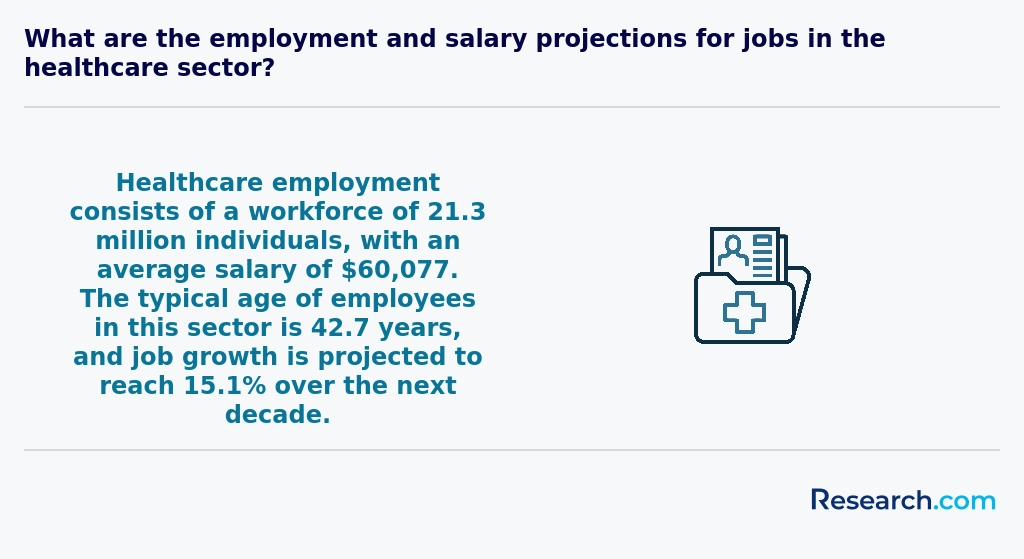
Graduates with an online healthcare degree in North Carolina have access to a diverse range of career paths that reflect the state's growing healthcare industry. Alumni from institutions like the University of North Carolina at Chapel Hill and Duke University frequently pursue roles as Registered Nurses (RNs), Nurse Practitioners (NPs), or healthcare administrators, finding rewarding positions in both clinical and managerial settings. Many graduates appreciate how their education prepares them for healthcare management jobs in North Carolina, where leadership skills are in high demand within hospital systems and public health organizations.
Others progress into specialized fields such as health informatics, epidemiology, or health policy analysis, leveraging online programs that emphasize flexibility without sacrificing academic rigor. These graduates often share how their degree enabled them to balance work and study simultaneously, leading to promotions or career shifts. For those interested in advancing further, exploring top paying certifications can complement their degree and widen career opportunities.
The job market for online healthcare jobs in North Carolina is robust and expanding, driven by a significant projected growth of about 14% in healthcare and social assistance sectors by 2030. Graduates from popular programs at universities such as East Carolina University or UNC Chapel Hill find themselves well-positioned to enter roles like nursing, healthcare administration, and health informatics. Many graduates appreciate how their online degrees prepare them effectively for licensure and certification requirements, which are essential for career advancement.
Graduates often share positive experiences, emphasizing that the state's healthcare employers-such as UNC Health Care and Atrium Health-actively recruit professionals with digital fluency and practical skills gained in their online programs. Financial accessibility of these programs, combined with opportunities for employer tuition assistance and scholarships, makes this path attractive. Those seeking certification jobs that pay well find North Carolina's market aligned with their ambitions, reflecting a thriving and evolving sector tailored to online healthcare degree holders.
2027 Most Valuable Online Master's in Healthcare Degree Programs Ranking in North Carolina
Investing in your education is a significant decision that can shape your professional future, and the Research.com team recognizes the importance of making well-informed choices. To help prospective students in North Carolina, we have carefully developed the "2027 Most Valuable Online Master's in Healthcare Degree Programs Ranking in North Carolina." Our dedication to quality, credibility, and accuracy is demonstrated through thorough research and detailed analysis performed in compiling this ranking.
We utilized the following reputable data sources to ensure a comprehensive evaluation of healthcare master's programs:
By reviewing this ranking, readers will gain valuable insights into the most valuable online healthcare master's programs in North Carolina, supporting informed decisions about their educational investments. For further information about how this ranking was created, please visit our Research.com methodology page.


Frequently Asked Questions About healthcare
Online healthcare degree students in North Carolina can maximize their learning by actively engaging with course materials and faculty. Utilizing virtual office hours and discussion forums helps build connections crucial for understanding complex healthcare topics. North Carolina ranks seventh nationally in healthcare employment, emphasizing the importance of networking within local professional groups.
Students should seek programs accredited by recognized bodies like the Commission on Collegiate Nursing Education (CCNE) or the Accreditation Council for Pharmacy Education (ACPE), ensuring their education meets regional standards. Additionally, integrating clinical experiences offered through state partnerships can provide practical skills, complementing online theory.
Access to state healthcare databases and participation in North Carolina's public health initiatives further enrich learning opportunities for online students.
The healthcare field in North Carolina is rapidly evolving, with several emerging niches gaining prominence. One key area is telehealth, which has expanded significantly, especially after the COVID-19 pandemic. According to the North Carolina Department of Health and Human Services, telehealth visits increased by over 3,000% between 2019 and 2021. This growth has created demand for professionals skilled in remote patient care technologies.
Another growing niche is healthcare data analytics. As hospitals and clinics adopt electronic health records, analysts who can interpret large datasets to improve patient outcomes are increasingly valuable.
Additionally, gerontology and chronic disease management are critical in North Carolina due to its aging population. The state ranks above the national average in residents over 65, intensifying the need for specialized care providers.
Lastly, healthcare administration focused on policy and compliance is expanding, driven by changes in healthcare regulations.
Preparing for the job market after completing an online healthcare degree in North Carolina requires strategic planning. First, graduates should obtain any necessary professional licenses or certifications relevant to their healthcare field, such as RN licensure through the North Carolina Board of Nursing.
Networking is crucial; joining local healthcare associations and attending regional job fairs can connect graduates with employers. North Carolina's healthcare sector is expanding, with the state expected to see a 15% growth in healthcare jobs by 2030, according to the NC Department of Commerce.
Gaining practical experience through internships or volunteer work can improve employability. Additionally, tailoring resumes to highlight skills in patient care, healthcare technology, and compliance with state regulations is recommended. Staying current with industry trends via sources like the NC Healthcare Association helps candidates remain competitive.
Employers in North Carolina prioritize a blend of technical knowledge and soft skills for healthcare degree graduates. Critical thinking and clinical competence rank high, with many healthcare roles requiring up-to-date knowledge of patient care protocols and medical technologies.
Communication skills are essential, especially the ability to collaborate with interdisciplinary teams and interact effectively with patients. The North Carolina Healthcare Association emphasizes teamwork as key to improving patient outcomes.
Adaptability is increasingly important due to rapid changes in healthcare regulations and technology. Data from the North Carolina Department of Health & Human Services shows growing demand for graduates proficient in health informatics and electronic health records.
Lastly, ethical judgment and cultural competence are vital, reflecting the state's diverse population and complex healthcare environment.
Finding internships in North Carolina relevant to a healthcare degree involves several key steps. Start by leveraging connections through your online program, as many universities partner with local hospitals and clinics. According to the North Carolina Department of Health and Human Services, there are over 150 hospitals statewide, providing numerous internship opportunities.
Utilize online job platforms like Handshake and Indeed, which often list healthcare internships specifically within North Carolina. Additionally, consider reaching out directly to major healthcare systems such as Atrium Health or Novant Health, which regularly offer clinical and administrative internships.
Joining professional organizations, like the North Carolina Healthcare Association, can also help you network and discover hidden internship opportunities. Finally, ensure your resume highlights relevant coursework and certifications to increase your chances of placement.
Obtaining an online healthcare degree in North Carolina significantly enhances career mobility by providing flexible access to accredited programs recognized by employers statewide. Many healthcare roles, such as nurse practitioners or healthcare administrators, increasingly require at least a master's degree for advancement. According to the North Carolina Department of Commerce, healthcare is among the fastest-growing sectors, with a projected 15% job growth through 2030.
Online degrees also allow working professionals to upskill without interrupting their careers, promoting upward mobility. Graduates often qualify for leadership or specialized clinical roles, which offer higher salaries and greater job stability. Accredited programs in North Carolina meet licensure and certification standards essential for career advancement in the healthcare industry.
Studying for a healthcare degree online in North Carolina equips students with skills essential for interdisciplinary roles in the evolving healthcare landscape. Programs emphasize collaboration among professionals such as nurses, public health experts, and healthcare administrators. This approach mirrors North Carolina's diverse medical environment, including renowned institutions like UNC Health and Atrium Health.
Students learn to navigate complex healthcare systems, fostering communication and leadership across disciplines. According to the North Carolina Department of Health and Human Services, the state's integrated care models require professionals who understand multiple healthcare perspectives.
Online degrees often include case studies and team projects, preparing graduates for real-world settings where teamwork is critical to patient outcomes. This interdisciplinary training aligns with national trends promoting comprehensive, patient-centered care.
Choosing between a thesis and a non-thesis healthcare degree program in North Carolina depends largely on your career goals. A thesis program focuses on research, requiring the completion of an original project. This path suits students aiming for doctoral studies or research roles.
Non-thesis programs emphasize practical skills and coursework, better for those pursuing direct clinical or administrative positions. In North Carolina, healthcare is a major employer, with over 700,000 professionals as of 2023 (source: NC Healthcare Workforce Report).
Consider the program format too. Online thesis options often demand strong self-motivation and time management. Non-thesis programs may offer more flexibility, aligning with full-time work schedules.
Students based in North Carolina seeking to study healthcare abroad online have several options through U.S. institutions offering international partnerships or global healthcare perspectives in their curricula. While direct enrollment in foreign universities may be limited due to accreditation and licensing requirements, many American universities provide dual-degree programs or study-abroad components focused on global health.
Notably, North Carolina schools emphasize healthcare education that meets state and national standards while including global health trends. For example, programs often feature coursework on international healthcare systems, epidemiology, and health policy. According to the North Carolina Center for Public Health Quality, the state's demand for healthcare professionals is expected to grow 19% by 2030, increasing interest in global perspectives to address diverse patient populations.
Additionally, students can explore options through accredited U.S. online healthcare master's degrees that incorporate virtual international experiences or collaborations with overseas institutions, broadening their understanding without physical relocation. This approach offers flexibility while maintaining the quality needed for eventual licensure in North Carolina or other U.S. states.
Part-time job opportunities in North Carolina can greatly complement healthcare degree education by providing practical experience and networking. Common roles include medical assistants, certified nursing assistants (CNAs), and patient care technicians. According to the North Carolina Department of Commerce, these positions often offer flexible hours suited for students. Working in outpatient clinics or hospitals allows students to apply coursework in real-world settings and deepen understanding of healthcare systems.
In addition, jobs in medical billing or healthcare administration can enhance knowledge of the healthcare industry's operational side. These roles typically pay between $12 and $18 hourly, helping students manage education expenses.
Volunteering or internships in local health departments also build skills while benefiting community health initiatives.
Online healthcare students in North Carolina benefit from diverse networking opportunities through state-supported professional organizations. Groups such as the North Carolina Healthcare Association and the North Carolina Nurses Association provide virtual events, webinars, and forums tailored for students and professionals alike. These platforms improve connections within the healthcare community.
Additionally, many online programs encourage participation in local chapters of national organizations like the American Public Health Association, facilitating access to healthcare leaders and potential employers. North Carolina's growing healthcare sector, employing over 700,000 people, offers rich prospects for collaboration and mentorship.
Universities also organize virtual career fairs and alumni networking, crucial for job placement in the region's top medical hubs like Raleigh and Charlotte. These digital interactions keep students connected despite geographic distances.
Alumni networks offer significant advantages to online healthcare degree students in North Carolina by providing access to professional connections and job opportunities within the state's growing healthcare sector. According to the North Carolina Department of Commerce, healthcare is one of the state's largest industries, employing over 700,000 people as of 2023. Through alumni networks, students can connect with experienced professionals who understand local market demands.
These networks also support mentorship, helping students navigate credentialing and licensure required in North Carolina. Additionally, alumni often share job leads and continuing education resources, boosting career advancement options for graduates in nursing, public health, and healthcare administration.
Customization of online healthcare degree programs in North Carolina allows students to align studies with specific career goals. Many universities offer elective courses focusing on areas such as health administration, informatics, or public health. This flexibility enables learners to deepen expertise in fields with growing demand within the state.
Some programs provide options for specialized certificates or dual degrees, supporting diverse career paths. Clinical practicum placements can often be arranged locally in North Carolina's expanding healthcare systems, giving practical experience relevant to the student's region.
The North Carolina Department of Commerce notes that healthcare jobs are projected to grow by over 15% through 2030, emphasizing the value of targeted education. Students are encouraged to consult academic advisors who can tailor course selections to workforce trends.
Online healthcare students in North Carolina often encounter challenges related to clinical placement availability. Many programs require hands-on experience, but limited local facilities and competition can delay fulfilling these hours. According to the North Carolina Healthcare Association, clinical site shortages increased by 15% over recent years, intensifying this problem. Additionally, students face balancing coursework with full-time employment or family responsibilities, a challenge reported by 52% of enrollees in a 2023 NC Board of Nursing survey.
Technical issues and varying quality of online platforms also impact learning, as inconsistent internet access remains an obstacle for rural students. Navigating state licensure requirements after graduation further complicates the pathway for some.
With an online healthcare degree in North Carolina, you can pursue several professional certifications. Common options include Certified Clinical Research Professional (CCRP), Certified Healthcare Quality Professional (CHQP), and Registered Health Information Administrator (RHIA). These certifications enhance job prospects and credibility in hospital administration, health informatics, and clinical research fields.
North Carolina's healthcare industry is growing rapidly, with a 10.8% employment increase projected through 2030 according to the U.S. Bureau of Labor Statistics. Certifications can help you capitalize on this market.
Additionally, roles like Nurse Practitioner or Healthcare Administrator often require state licensure or specialized certifications, which online degrees prepare you for by meeting educational prerequisites.
Writing a winning application for an online healthcare program in North Carolina involves clear, focused preparation. Start by thoroughly researching the program's requirements, as many institutions, like the University of North Carolina system, emphasize both academic performance and relevant healthcare experience.
Highlight your practical experience in healthcare settings and your commitment to improving patient outcomes in North Carolina, where healthcare occupations are projected to grow 14.5% through 2031 (NC Department of Commerce). Include a strong personal statement describing your career goals and how the program aligns with North Carolina's healthcare needs.
Request letters of recommendation from supervisors or professors familiar with your healthcare skills. Finally, proofread carefully to ensure clarity and professionalism, which are critical in competitive programs.
Healthcare careers are increasingly valued worldwide, reflecting the growing importance of medical services in modern societies. In the United States, including North Carolina, healthcare professions are among the fastest-growing job sectors, with a projected 15% employment growth from 2021 to 2031, according to the U.S. Bureau of Labor Statistics. This trend aligns with global demand driven by aging populations and advances in medical technology.
North Carolina, known for its strong healthcare infrastructure, offers numerous online degrees to meet this demand, allowing students flexibility and access to quality education. Globally, healthcare workers often share similar core skills, but local practices and regulations influence career paths.
Understanding global perspectives helps aspiring professionals appreciate the diversity of healthcare systems, preparing them for collaboration across borders.
Gaining practical experience while studying for an online healthcare degree in North Carolina is essential for professional growth. Many programs incorporate clinical or practicum components that students complete at approved healthcare facilities near their residence. This blend of online coursework and hands-on training helps meet licensure and certification requirements.
North Carolina has a growing healthcare sector, providing diverse opportunities for internships and externships. According to the North Carolina Department of Health and Human Services, healthcare employment is projected to grow 15% by 2030, expanding demand for clinical experience.
Students are encouraged to seek partnerships between their online school and local hospitals or clinics. Volunteering and part-time roles in healthcare settings also offer valuable experience while studying.
Choosing the right concentration within an online healthcare degree program in North Carolina requires careful consideration of your career goals and the local job market. North Carolina's healthcare sector employed over 700,000 people in 2022, with growth expected in nursing, health administration, and public health roles (NC Department of Commerce).
Explore concentrations that align with high-demand fields like nursing leadership, healthcare informatics, or public health policy. Evaluate programs that offer clinical or practicum experiences, even online, to enhance practical skills.
Consider accreditation and how the specialization matches licensure requirements if applicable. Research salary trends and potential employers in North Carolina to ensure your concentration supports long-term career opportunities.
- 2027 Most Valuable Online Master's in Healthcare Degree Programs Ranking in South Carolina
- 2027 Most Valuable Online Master's in Healthcare Degree Programs Ranking in Virginia
- 2027 Most Valuable Online Master's in Healthcare Degree Programs Ranking in Georgia
- 2027 Most Valuable Online Master's in Healthcare Degree Programs Ranking in Florida
- 2027 Most Valuable Online Master's in Healthcare Degree Programs Ranking in Maryland
- 2027 Most Valuable Online Master's in Healthcare Degree Programs Ranking in Alabama
- 2027 Most Valuable Online Master's in Healthcare Degree Programs Ranking in Pennsylvania
- 2027 Most Valuable Online Master's in Healthcare Degree Programs Ranking in Ohio
- 2027 Most Valuable Online Master's in Healthcare Degree Programs Ranking in New Jersey
- 2027 Most Valuable Online Master's in Healthcare Degree Programs Ranking in Arkansas
See What Experts Have To Say About Studying Healthcare
Read our interview with Healthcare experts

- How to Gain Real-World Experience While Studying Online | American National University https://an.edu/how-to-gain-real-world-experience-while-studying-online/
- Networking in Medicine: Build Lasting Connections l Windsor https://www.windsor.edu/networking-in-medicine-building-relationships-from-day-one/
- The Role of Interdisciplinary Studies in Medical Career Training https://georgia-med.com/the-role-of-interdisciplinary-studies-in-medical-career-training.html
- How to choose a bachelor's in healthcare administration | edX https://www.edx.org/resources/how-to-choose-a-bachelors-in-healthcare-administration
- Healthcare Degrees https://teach.com/online-ed/healthcare-degrees/
- Online Healthcare Degree Programs | University of Phoenix https://www.phoenix.edu/online-healthcare-degrees.html
- Online and Adult Learning - NCICU https://ncicu.org/online-and-adult-learning/
- Alumni Reconnect - Poznan University of Medical Sciences https://pums.edu.pl/alumni-friends/alumni-reconnect/
- Fastest Online Healthcare Degrees for Adult Learners https://www.collegetransitions.com/blog/fastest-online-healthcare-degrees-for-adult-learners/
- 25 Highest Paying Online Degrees in Healthcare | Best Online Medical Degrees https://www.collegeconsensus.com/online/highest-paying-online-medical-degrees/