
2027 Most Valuable Online Master's in Healthcare Degree Programs Ranking in Pennsylvania

Co-Founder and Chief Data Scientist
If you're considering advancing your career in healthcare, this article is a valuable resource tailored for Pennsylvania students. It features the 2027 Most Valuable Online Master's in Healthcare Degree Programs Ranking in Pennsylvania, created by the Research.com team of data scientists. This carefully crafted ranking helps highlight programs that offer the best return on investment and quality education.
Exploring these options can guide you to make a confident choice about your next steps. Earning a healthcare degree opens doors to meaningful work and personal growth, making this a great time to invest in your future.
Key benefits of getting online healthcare degree in Pennsylvania
- Healthcare degree graduates in Pennsylvania can earn competitive salaries, with Healthcare Consultants making a mean annual wage of $115,530 and Healthcare Compliance Managers earning around $80,190, reflecting strong financial rewards for these careers.
- Graduates from Pennsylvania universities, such as the University of Pennsylvania, often pursue diverse paths including consulting, compliance management, or administrative roles, providing flexibility to find a fitting and rewarding career.
- Completing a healthcare degree online through institutions like Pennsylvania State University offers convenience and allows you to balance work and study, making it easier to advance your career without disrupting your life.
- Key benefits of getting online healthcare degree in Pennsylvania
- What can I expect from online healthcare degree in Pennsylvania?
- Where can I work with online healthcare degree in Pennsylvania?
- How much can I make with online healthcare degree in Pennsylvania?
- 2027 Most Valuable Online Master's in Healthcare Degree Programs Ranking in Pennsylvania
- Key Findings
- How long does it take to complete online healthcare degree in Pennsylvania?
- Application Checklist and Timeline
- What's the difference between online and on-campus healthcare degree?
- Overcoming Challenges in Online Healthcare Education
- What is the average cost of online healthcare degree in Pennsylvania?
- ROI and Alumni Success Stories
- What financial aid is available to online healthcare degree students in Pennsylvania?
- Application Tips for a Successful Online Healthcare Degree Journey
- What are the prerequisites for enrolling in online healthcare degree program in Pennsylvania?
- Top Affordable Online Master’s in Healthcare Programs in Pennsylvania
- What courses are typically in online healthcare degree programs in Pennsylvania?
- What types of specializations are available in online healthcare degree programs in Pennsylvania?
- How do you choose the best online healthcare degree in Pennsylvania?
- What career paths are available for online healthcare degree students in Pennsylvania?
- What is the job market for online healthcare degree in Pennsylvania?
- Related Healthcare Rankings for Nearby States
- Top Trending Healthcare Rankings
- See What Experts Have To Say About Studying Healthcare
What can I expect from online healthcare degree in Pennsylvania?
The average cost of an online healthcare degree in Pennsylvania typically ranges from $400 to $700 per credit hour at public universities, making it an affordable option for many local students. Graduates from schools such as Drexel University or Penn State often highlight how they balanced tuition costs while benefiting from flexible online schedules that fit around their work and family life.
Private colleges may charge higher tuition but often compensate with scholarships or specialized healthcare tracks that add real value. Many students share stories of how financial aid and payment plans relieved stress, allowing them to focus on coursework and clinical experiences without overwhelming debt.
For example, a nursing student attending an online program at Temple University managed clinical hours at nearby hospitals while taking advantage of digital resources, all within a budget that felt manageable. These real-world strategies help Pennsylvania residents pursue competitive degrees without sacrificing their current jobs or financial stability.
Where can I work with online healthcare degree in Pennsylvania?
Graduates with an online healthcare degree in Pennsylvania find wide-ranging work opportunities in hospitals, outpatient centers, insurance companies, and public health organizations. Many graduates from institutions like Penn State World Campus and Drexel University move quickly into roles within major health systems such as UPMC or the University of Pennsylvania Health System. These employers seek professionals skilled in healthcare management, informatics, or clinical support, matching what students learn online with real-world demands.
Outpatient facilities and clinics throughout Pennsylvania also hire graduates for positions involving patient coordination and healthcare administration. Students who develop expertise in program evaluation or operations management report feeling confident stepping into these roles, knowing their online coursework prepares them well for the fast-paced environment.
Additionally, insurance firms and consulting companies in cities like Philadelphia hire degree holders for healthcare policy and data analytics jobs, where the ability to interpret healthcare trends is key. Graduates often share how their online studies made them ready for these analytic challenges.
Telehealth careers are rapidly expanding due to Pennsylvania's telemedicine initiatives, creating exciting opportunities for digital health professionals. Graduates express enthusiasm about working in remote patient engagement roles that blend technology with compassionate care.
How much can I make with online healthcare degree in Pennsylvania?
Graduates with online healthcare degrees in Pennsylvania can expect strong earning potential right after completing their studies. For example, healthcare consultants, a common role for those with advanced healthcare degrees, earn an average annual wage of about $115,530, according to the latest Bureau of Labor Statistics data. Similarly, compliance managers in healthcare - responsible for helping facilities meet regulatory standards - earn around $80,190 annually.
Students from well-known institutions like Penn State World Campus or Drexel University's online healthcare programs often find these figures encouraging as they enter the job market. Many alumni share that the competitive wages reflect their ability to manage complex healthcare regulations and improve patient outcomes.
Practical advice for new graduates is to leverage internships and online networking opportunities offered by Pennsylvania colleges. These experiences can boost your chances of securing roles that meet or exceed these salary benchmarks.
2027 Most Valuable Online Master's in Healthcare Degree Programs Ranking in Pennsylvania
How do we rank schools?
Investing in your education is a significant decision that can have a lasting impact on your career and life. The Research.com team recognizes the importance of making well-informed choices and has dedicated extensive efforts to ensure the quality, credibility, and accuracy of the "2027 Most Valuable Online Master's in Healthcare Degree Programs Ranking in Pennsylvania." To create this comprehensive ranking, we relied on trusted and authoritative data sources:
By reviewing this ranking, readers will gain valuable insights into the top online healthcare master's programs in Pennsylvania, enabling them to make informed decisions aligned with their professional goals. For a detailed explanation of our research process, please visit our Research.com methodology page.
# 1 position
Penn State University Park
Master of Nursing






Key Findings
- Pennsylvania has over 1.3 million healthcare jobs, including hospitals and outpatient care centers.
- Tuition for online healthcare degrees ranges from $15,000 to $25,000 per year at public universities and $25,000 to $40,000 at private schools.
- Early-career healthcare graduates earn about $55,000 to $65,000 annually, while experienced professionals can make over $85,000.
- The healthcare job market in Pennsylvania is expected to grow by approximately 12% through 2030.
- Accredited programs are essential to meet licensing requirements, which vary by profession in Pennsylvania.
How long does it take to complete online healthcare degree in Pennsylvania?
Completing an online healthcare degree in Pennsylvania varies based on the degree level and your personal situation. For example, graduates pursuing bachelor's degrees like a BSN or Health Sciences at institutions such as the Pennsylvania State University World Campus typically spend about four years full-time. Many of these programs offer flexible schedules, allowing working professionals to pace their studies without feeling overwhelmed.
Master's degrees in healthcare fields often take around two to three years full-time. Graduates report that part-time or accelerated options at popular schools like Drexel University or Temple University enable them to balance family and work while progressing steadily. Some learners extend their studies up to five years, making the experience more manageable and less stressful.
Doctoral programs, including the DNP or PhD, commonly require three to six years, influenced by clinical hours or dissertation work. Students appreciate the practical flexibility found in online Pennsylvania programs, which helps them stay motivated and finish successfully.
Choosing a program with flexible pacing options and credit transfer opportunities can significantly shorten your completion time. Pennsylvania's online healthcare degrees often embrace these features, supporting your unique goals and busy lifestyle.
Application Checklist and Timeline
Start planning 6–12 months before your preferred start term to stay on track:
- Research accredited online programs and confirm they meet your career goals.
- Review prerequisites (e.g., biology, anatomy, statistics) and complete any missing courses.
- Gather official transcripts, update your resume, and secure 2–3 strong letters of recommendation.
- Draft and refine your personal statement, focusing on your healthcare experience and aspirations.
- Register for and complete any required entrance exams (GRE, if needed) at least 4–6 months before deadlines.
- File the FAFSA early and explore scholarships, employer tuition assistance, and state aid options.
- Submit applications 3–4 months before program deadlines to allow time for follow-ups or interviews.
- While awaiting decisions, consider boosting your skill set with medical coding and billing classes online with financial aid.
What's the difference between online and on-campus healthcare degree?
Online healthcare degrees in Pennsylvania provide flexibility that suits working adults and parents balancing busy schedules. Graduates from schools like the University of Pennsylvania share how accessing lectures and assignments anytime helped them stay on track without sacrificing their day jobs or family time.
Conversely, on-campus programs at institutions such as Drexel University offer immersive experiences, including in-person labs and clinical rotations vital for developing hands-on skills. Many find this direct interaction with faculty and peers motivating and essential for mastering practical healthcare tasks.
Cost is also a factor: public universities in Pennsylvania charge between $10,000 and $20,000 annually for master's healthcare degrees. While online students save on commuting and housing, tuition for online courses may equal or slightly exceed on-campus fees due to technology support expenses.
Ultimately, Pennsylvania students report that succeeding online requires strong self-discipline and tech savvy, while on-campus learners benefit from structured schedules and face-to-face feedback-key for clinical training and licensure preparation.
Overcoming Challenges in Online Healthcare Education
Pursuing an online healthcare degree can be incredibly rewarding, yet it comes with its own set of challenges that every prospective student should be prepared for. Balancing work, family commitments, and rigorous coursework requires careful time management, self-discipline, and proactive planning. Many students find that establishing a dedicated study space, adhering to a strict schedule, and taking full advantage of academic support services can make a significant difference in their success. Additionally, understanding the nuances of online learning platforms and maintaining consistent communication with instructors and peers are essential strategies for overcoming potential obstacles. Prospective students are encouraged to research programs thoroughly and consider institutions known for their innovative online support systems; for instance, explore an affordable healthcare school in pennsylvania that emphasizes both flexibility and academic excellence. By anticipating common challenges and adopting a proactive approach, you can confidently navigate your educational journey and unlock the full potential of your online healthcare degree.
What is the average cost of online healthcare degree in Pennsylvania?
The average cost of an online healthcare degree in Pennsylvania varies significantly depending on residency and program type. For in-state students, the median total cost is around $19,565, making it a practical choice for those living locally. Out-of-state learners can expect a median cost of approximately $21,348, reflecting a slight premium but still within a manageable range compared to many other states. Overall, the median total cost is $27,243, which includes various program levels from certificates to master's degrees.
Graduates from popular Pennsylvania universities, such as Drexel University and the University of Pennsylvania, often highlight how the tuition investment was balanced by flexible online schedules and quality instruction, allowing them to continue working while earning their degree. Many students find that programs, especially online master's healthcare tuition and fees Pennsylvania, provide a reasonable price point combined with strong accreditation and career support.
Additional costs like textbooks, technology, and clinical fees can add up but are often offset by financial aid or employer tuition reimbursement programs. Those considering options should explore scholarships and grants available specifically to healthcare students in the state. If affordability is a crucial factor, prospective students can consult rankings to identify an affordable healthcare school in pennsylvania that fits their budget and career goals.
ROI and Alumni Success Stories
One of the essential considerations when choosing an online healthcare degree program is understanding the return on investment (ROI) and hearing real experiences from alumni who have effectively transformed their careers. In-depth ROI analysis goes beyond tuition costs and highlights long-term benefits such as career advancement, salary increases, and expanded professional networks. Prospective students who know the success rate of graduates often feel more confident in their decision to invest in their education. For instance, several alumni have reported that their degrees not only opened doors to higher-paying positions within healthcare administration and clinical roles but also provided them with crucial professional connections. These connections often lead to mentorship opportunities and job referrals that can significantly enhance career growth. As online education continues to evolve, educational institutions are increasingly focusing on comprehensive career services that include resume workshops, interview preparation, and alumni networking events. Moreover, emerging trends like telehealth, data analytics, and healthcare informatics are influencing the skillsets that employers value most. By choosing programs that are aligned with these industry shifts, graduates are finding themselves well-prepared for today’s competitive job market. In fact, institutions known for their robust support systems and measurable outcomes are increasingly listed among the top choices for anyone looking for an affordable healthcare school in pennsylvania. Integrating detailed ROI metrics and alumni success stories into your decision-making process can shine a light on the long-term value of your investment in an online healthcare education.
What financial aid is available to online healthcare degree students in Pennsylvania?
Students pursuing online healthcare degrees in Pennsylvania can rely on several key financial aid options to ease tuition burdens. Many find federal aid through FAFSA indispensable, unlocking Pell Grants up to $7,395 annually and federal loans with manageable interest and repayment plans. For example, graduates from popular programs at Penn State World Campus often praise how federal aid made continuing education feasible while balancing work and family.
State-specific support through the Pennsylvania Higher Education Assistance Agency (PHEAA) also plays a crucial role. PHEAA's grants and low-interest loans cater to in-state learners at institutions like Drexel University Online, helping those aiming for careers in nursing or healthcare administration. Several students reported that applying to PHEAA was straightforward and significantly reduced their financial stress.
Institutional scholarships further help, especially for those enrolled in healthcare specialties. Nurses and allied health professionals studying at Thomas Jefferson University often benefit from targeted scholarships recognizing their dedication. Additionally, many Pennsylvania employers offer tuition reimbursement, enabling healthcare workers to advance their degrees without sacrificing income. Joining professional associations such as the Pennsylvania State Nurses Association opens doors to additional scholarship opportunities, providing financial support alongside a professional network.
Application Tips for a Successful Online Healthcare Degree Journey
Navigating the application process for an online healthcare degree can be both exciting and challenging. Prospective students should start by researching each program’s unique admissions requirements and gathering essential documents such as transcripts, recommendation letters, and a thoughtfully crafted personal statement. It is advisable to review several program websites and resources to understand what distinguishes one program from another. For instance, examining the benefits and course structures mentioned in the ranking of the top accelerated healthcare administration degree programs online can provide valuable insight into what you should look for during your application process. In addition, early preparation is critical. Begin by marking application deadlines on your calendar, and consider connecting with current students or alumni to gain first-hand feedback on their experiences. Utilize available virtual tours and informational webinars to assess whether a program aligns with your career ambitions and personal learning style. Finally, investing time in tailoring your application to highlight your strengths and passion for healthcare will help create a compelling narrative that resonates with admissions committees and enhances your chances of success.
What are the prerequisites for enrolling in online healthcare degree program in Pennsylvania?
To enroll in an online healthcare degree program in Pennsylvania, you must meet key prerequisites tailored to ensure success in this demanding field. For bachelor's programs, having a high school diploma or GED is essential, along with a GPA around 2.5 to 3.0 and sometimes SAT or ACT scores-though test-optional policies are becoming common at many state universities.
Graduate programs often require a completed bachelor's degree, preferably in a health-related field, from accredited institutions like Pennsylvania State University or Temple University. Completing prerequisite courses in anatomy, biology, chemistry, and statistics is typical. Many students share how these requirements gave them a strong foundation before diving into advanced studies.
Applicants aiming for nursing master's degrees must hold active Pennsylvania RN licenses, a rule ensuring safe clinical practice. Background checks and immunizations are also mandatory before clinical placements, reflecting real hospital standards.
Financial preparation is important, too. Tuition for master's programs generally ranges from $15,000 to $40,000, so students often rely on financial aid options to make their aspirations achievable and rewarding.

Top Affordable Online Master’s in Healthcare Programs in Pennsylvania
Finding a quality online master’s in healthcare that won’t break the bank is crucial for many students. Below are five of the most tuition-friendly programs in Pennsylvania, ranked by estimated total cost: 1. Indiana University of Pennsylvania – Tuition: $450 per credit hour – Estimated total cost (36 credits): $16,200 2. Pennsylvania College of Health Sciences – Tuition: $475 per credit hour – Estimated total cost (36 credits): $17,100 3. West Chester University – Tuition: $500 per credit hour – Estimated total cost (36 credits): $18,000 4. Drexel University – Tuition: $525 per credit hour – Estimated total cost (36 credits): $18,900 5. Thomas Jefferson University – Tuition: $550 per credit hour – Estimated total cost (36 credits): $19,800 These cost-effective options demonstrate that students can access accredited, high-quality education without excessive debt. For those exploring affordability beyond Pennsylvania, see the Inexpensive Online Master’s in Healthcare Degree Programs Ranking in Nebraska to compare tuition rates and financial aid opportunities.
What courses are typically in online healthcare degree programs in Pennsylvania?
Online healthcare degree students in Pennsylvania often begin with essential courses like Human Anatomy and Physiology and Medical Terminology. Graduates from Penn State and Temple University highlight how mastering these basics made clinical concepts much easier to grasp during their internships and virtual simulations. These foundational courses build confidence when stepping into real healthcare environments.
For those pursuing healthcare administration, courses such as Healthcare Finance and Budgeting and Healthcare Policy and Regulation prepare students to navigate complex organizational challenges. Alumni from Drexel University recall how understanding budgeting processes helped them contribute effectively to healthcare committees early in their careers.
Clinical-focused students often find courses like Pharmacology and Patient Care and Evidence-Based Practice invaluable. Graduates from the University of Pennsylvania report that these classes sharpened their ability to make informed decisions in fast-paced hospital settings. Pennsylvania's emphasis on virtual internships enhances this learning by providing practical experience without relocating.
Additionally, data analysis and research methods taught in these programs empower students to engage in evidence-driven healthcare improvements, a skill increasingly valued by employers across the state's large healthcare market.
What types of specializations are available in online healthcare degree programs in Pennsylvania?
Online healthcare degree specializations in Pennsylvania cater to a range of interests, with nursing being a standout. Many graduates from top Pennsylvania universities share how advancing in Nurse Practitioner or Clinical Nurse Leader tracks helped them meet the region's strong demand for skilled nurses. Healthcare administration is another popular concentration, ideal for those aiming to manage hospitals or improve operational efficiency. Students often find this specialization rewarding as it bridges healthcare delivery with business, reflecting Pennsylvania's expansive administrative job market.
Public health specialization prepares students to tackle challenges such as opioid addiction and chronic diseases, making their work invaluable in local government or nonprofit roles. Popular colleges in Pennsylvania emphasize hands-on community health strategies, allowing graduates to feel confident and ready to lead. Information technology meets healthcare in health informatics programs, where students learn to manage electronic records and support data-driven decisions.
For those drawn to education and wellness, health education and promotion tracks empower students to create impactful programs in schools and workplaces. Exploring all options, prospective students can check a ranking of the top accelerated healthcare administration degree programs online to choose the best fit for career goals and interests within Pennsylvania healthcare master's program concentrations.
How do you choose the best online healthcare degree in Pennsylvania?
When choosing the best online healthcare degrees in Pennsylvania, start by confirming that the program is properly accredited by recognized agencies like CAAHEP or ACEN. Graduates from popular Pennsylvania institutions often emphasize how accreditation was crucial for their licensure and career progression. Next, consider affordability; many have found affordable online healthcare master's programs PA through PASSHE schools, where tuition rates are significantly lower for in-state learners. Comparing financial aid and employer tuition assistance can help reduce costs further.
Flexibility matters too-look for programs offering asynchronous courses that fit busy schedules and check if clinical components can be completed locally. Graduates from well-known Pennsylvania universities often praise the balance this provides between work and study.
Also evaluate curricula focused on relevant specializations such as nursing or health administration, which align with local healthcare demands. Many students share that strong faculty support made their experience rewarding. For cost-conscious students, exploring rankings like the Inexpensive Online Master's in Healthcare Degree Programs Ranking in Nebraska can offer ideas about value-driven programs.
What career paths are available for online healthcare degree students in Pennsylvania?
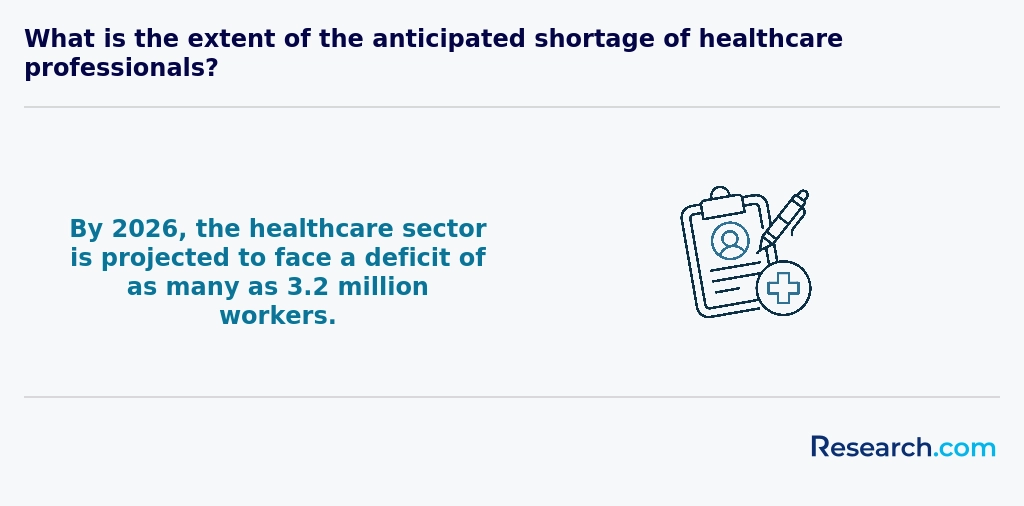
Graduates with an online healthcare degree in Pennsylvania often find diverse career paths tailored to the state's robust healthcare sector. Common roles include Registered Nurse (RN), where many graduates from well-known institutions like Penn State or the University of Pennsylvania advance into leadership or specialized nursing due to strong clinical training and support. Others gravitate toward healthcare administration, managing hospital operations or insurance services, leveraging skills gained through programs at schools such as Temple University. These careers offer median salaries around $90,000, reflecting Pennsylvania's high demand for management professionals.
Healthcare students passionate about public health can become Public Health Specialists, improving community outcomes in Pennsylvania's expanding preventive care landscape. Meanwhile, roles in Health Informatics appeal to tech-savvy graduates, with positions near $80,000, often available through collaborations with major research hospitals in the state.
Many students appreciate programs that provide practical pathways, such as accelerated online degrees for working adults, allowing them to balance study and career. These options enable fast entry into clinical research coordination and other critical healthcare roles in Pennsylvania's evolving health system.
What is the job market for online healthcare degree in Pennsylvania?
The online healthcare degree job market Pennsylvania offers is vibrant and expanding, especially at institutions like Penn State World Campus and Drexel University, where graduates report quick placement in nursing and healthcare administration roles. The state's healthcare sector actively seeks professionals trained in online programs, providing diverse career paths in hospitals, clinics, and telehealth services. Graduates often find rewarding positions managing care for Pennsylvania's aging population, a key driver of demand.
Many students appreciate how affordable tuition at public universities makes online education attainable, balancing costs with strong job prospects. Employers value the up-to-date skills that online healthcare degrees provide, particularly in emerging fields such as healthcare technology and public health management. For those weighing options, exploring the range of easiest degrees can also guide decisions toward attainable career goals within the healthcare field.
For Pennsylvania residents, the healthcare career opportunities Pennsylvania online degree holders enjoy include roles in nursing, health services management, and allied health professions, fueled by over 1.2 million jobs statewide. This growth, combined with supportive state initiatives, makes pursuing an online healthcare degree a practical path to a stable, fulfilling career.
Frequently Asked Questions About healthcare
Online healthcare degree students in Pennsylvania can maximize their learning by actively engaging with their coursework and utilizing available resources. Many accredited Pennsylvania schools offer virtual labs, discussion forums, and access to digital libraries, which enhance understanding of complex healthcare topics. Students should also seek clinical placements or internships within Pennsylvania's robust healthcare sector, which employed over 650,000 people in 2023 according to the Pennsylvania Department of Labor & Industry.
Networking with professionals through local healthcare associations or virtual events can broaden practical knowledge and career opportunities. Staying organized and setting consistent study schedules significantly improve retention and success in online healthcare programs.
The healthcare industry in Pennsylvania is rapidly evolving, creating opportunities in several emerging niches. One key area is telehealth, which grew significantly during the COVID-19 pandemic and continues to expand due to greater patient demand and improved technology. Pennsylvania's rural communities especially benefit from this growth, as telehealth helps bridge access gaps.
Another promising field is healthcare informatics. With Pennsylvania hosting numerous hospitals and research centers, there is a rising need for professionals who can manage and analyze electronic health records and big data to improve patient care.
Additionally, population health management is gaining traction. This niche focuses on improving outcomes for large groups, addressing chronic conditions common in Pennsylvania such as diabetes and heart disease.
After completing an online healthcare degree in Pennsylvania, preparing for the job market involves several key steps. First, it is essential to obtain any required state licenses or certifications, as Pennsylvania has specific regulations depending on the healthcare profession. For example, nursing graduates need Pennsylvania Board of Nursing approval to practice.
Networking is critical; joining local healthcare associations like the Pennsylvania Health Care Association can offer valuable connections and job leads. Additionally, gaining practical experience through internships or volunteer roles helps build a competitive resume.
According to the U.S. Bureau of Labor Statistics, healthcare jobs in Pennsylvania are expected to grow by 12% from 2022 to 2032, highlighting strong demand.
Employers in Pennsylvania increasingly seek healthcare graduates with a blend of clinical expertise and strong interpersonal skills. According to the Pennsylvania Department of Labor & Industry, key skills include proficiency in patient care, effective communication, and adaptability to technology. With healthcare jobs expected to grow by 19% in the state by 2030, professionals must also demonstrate critical thinking and teamwork.
Understanding healthcare regulations and ethical standards specific to Pennsylvania is essential. Additionally, familiarity with electronic health records (EHR) systems enhances employability as digital healthcare expands statewide. These competencies ensure graduates meet the evolving demands of healthcare employers regionally.
Finding internships in Pennsylvania relevant to a healthcare degree involves strategic planning and local research. Many healthcare programs in Pennsylvania partner with hospitals, clinics, and public health organizations for internship placements. Students should start by exploring institutions like the University of Pennsylvania Health System or UPMC, both major healthcare employers.
Online degree students can access the Pennsylvania Department of Health's resources and job boards to identify available internships. According to the Pennsylvania Department of Labor & Industry, the healthcare sector employs over 800,000 individuals statewide, indicating broad internship opportunities across various specialties.
Networking with faculty and using LinkedIn to connect with Pennsylvania healthcare professionals can improve internship prospects. Additionally, contacting local healthcare nonprofits and government agencies often yields valuable practical experience.
Online healthcare degrees in Pennsylvania significantly enhance career mobility by providing flexible access to advanced education without geographic constraints. Many healthcare professionals in the state seek master's degrees to qualify for leadership roles, specialized clinical positions, or administration jobs.
According to the Pennsylvania Department of Labor & Industry, healthcare occupations are expected to grow by over 16% through 2030, highlighting a robust demand for educated professionals. Earning an online degree in healthcare allows individuals to meet Pennsylvania's licensing and certification requirements while balancing work and life.
Moreover, advanced degrees often lead to higher salaries and promotion opportunities. For example, master's-prepared nurses in Pennsylvania can move into nurse practitioner roles, which have median annual wages above $110,000 per the U.S. Bureau of Labor Statistics.
Thus, an online healthcare degree in Pennsylvania serves as a strategic tool for long-term career advancement in the state's expanding healthcare sector.
Studying for a healthcare degree in Pennsylvania equips students with skills essential for interdisciplinary roles. Many programs emphasize collaboration among healthcare professionals, addressing complex patient needs through teamwork. Pennsylvania's healthcare system, ranked among the top in the U.S., relies heavily on interdisciplinary communication to improve outcomes (U.S. News & World Report, 2023).
Online degrees often include coursework in leadership, ethics, and healthcare informatics, preparing graduates to work across fields like nursing, administration, and public health. This reflects the state's demand for integrated care models, especially in urban centers like Philadelphia and Pittsburgh.
As a result, students graduate ready to navigate diverse healthcare environments, supporting comprehensive patient care and innovation.
When choosing between a thesis and a non-thesis online healthcare degree program in Pennsylvania, consider your career goals and learning preferences. A thesis option involves conducting original research and writing a detailed paper, which can be beneficial if you plan to pursue a doctoral degree or a research-focused career. Pennsylvania's healthcare sector, employing over 570,000 professionals according to the Pennsylvania Department of Labor, highly values research skills for roles in policy and academia.
For students aiming directly at professional practice or administrative roles, a non-thesis track offers more coursework and practical training, often allowing faster program completion. Many PA institutions design non-thesis programs to meet the specific needs of busy working professionals.
Evaluating faculty expertise and available research resources can also guide your choice. Programs affiliated with major Pennsylvania health systems may provide richer thesis opportunities."
Students based in Pennsylvania seeking to study healthcare abroad through online programs have limited direct options due to accreditation and licensure differences. Most U.S. students pursue online healthcare degrees from regionally accredited institutions within the United States to ensure their qualifications meet Pennsylvania state requirements. According to the Pennsylvania Department of Education, graduates must hold degrees recognized by U.S. accrediting bodies to qualify for licensure in healthcare professions.
Some U.S. universities partner with foreign institutions offering online healthcare courses, but these programs typically require residency or clinical practice within the U.S. to be valid locally. Students interested in such paths should verify program accreditation and state licensure eligibility before enrollment. Pennsylvania boasts robust online healthcare education options domestically, reflecting the state's growing healthcare workforce demand reported by the Pennsylvania Department of Labor & Industry.
Part-time jobs that align with healthcare degree education in Pennsylvania offer valuable experience while supporting students financially. Common roles include medical assistants, pharmacy technicians, and patient care technicians. These positions expose students to clinical environments, improving practical skills relevant to master's-level healthcare studies.
Pennsylvania's healthcare sector employed over 750,000 individuals in 2023, indicating ample opportunities for part-time work, according to the Pennsylvania Department of Labor & Industry. Hospitals, outpatient clinics, and long-term care facilities actively seek reliable part-time support staff.
Additionally, roles in telehealth support are growing due to increased digital healthcare delivery, allowing flexible hours suited for online students. Volunteering or part-time internships at local healthcare organizations also enrich understanding of healthcare systems while building professional networks.
Online healthcare students in Pennsylvania have several networking opportunities that can enhance their educational experience and career prospects. Many universities offer virtual events, including webinars and discussion forums, where students connect with peers and faculty. Professional organizations such as the Pennsylvania Health Care Association provide access to local conferences and workshops, often with virtual attendance options. According to the Pennsylvania Department of Health, the state's healthcare sector employs over 700,000 people, making networking vital for job placement and internships.
Additionally, LinkedIn groups focused on Pennsylvania healthcare professionals allow students to build relationships and access job leads remotely.
Alumni networks provide significant advantages for online healthcare degree students in Pennsylvania by offering valuable professional connections. Given Pennsylvania's large healthcare industry-with over 650,000 healthcare workers as reported by the Pennsylvania Department of Labor-these networks help graduates tap into local opportunities.
Students benefit from mentorship programs, networking events, and job referrals facilitated by alumni. These connections can lead to internships and employment in leading institutions like the University of Pennsylvania Health System or Geisinger Health.
Strong alumni networks also support knowledge sharing about evolving healthcare regulations and best practices specific to Pennsylvania's healthcare system, aiding career advancement.
Customizing an online healthcare degree in Pennsylvania begins with selecting a program that offers flexible specializations aligned with your career goals. Many Pennsylvania universities provide options such as healthcare administration, nursing leadership, or public health, allowing students to tailor coursework.
Additionally, online programs often include elective courses or certificate tracks in emerging fields like health informatics or patient safety. This modular approach enables students to develop expertise relevant to Pennsylvania's growing healthcare sector, which employed over 1.3 million people as of 2023, according to the Pennsylvania Department of Labor & Industry.
Some programs also offer capstone projects or practicum experiences that can be customized toward specific career interests, providing practical skills and local networking opportunities.
Online healthcare students in Pennsylvania often face challenges balancing rigorous coursework with personal and professional responsibilities. Many learners are working professionals, which can lead to time management difficulties when completing clinical requirements and asynchronous classes.
Access to in-person clinical placements is another common issue. Pennsylvania's healthcare programs typically require hands-on experience, but securing sites close to home can be competitive and time-consuming. This complicates meeting state licensure prerequisites quickly.
Additionally, technology gaps and limited digital literacy can hinder some students, especially older learners. Reliable internet and familiarity with virtual platforms are essential, as most programs rely heavily on online communication and resources.
According to the Pennsylvania Department of Education, about 35% of adult learners report challenges related to online course engagement and practical training access, underscoring these issues' impact.
With an online healthcare degree from Pennsylvania institutions, you can pursue several professional certifications that enhance career prospects. Popular certifications include Certified Healthcare Administrator (CHA), Certified Professional in Healthcare Quality (CPHQ), and Registered Health Information Technician (RHIT). Each certification addresses different career paths, from management to quality assurance and health information management.
According to the Pennsylvania Department of Labor & Industry, healthcare occupations in the state are projected to grow by over 15% through 2030, increasing demand for certified professionals. Many online degree programs align their curriculum with certification eligibility requirements, helping students prepare for national exams.
Certifications approved by bodies like the American Health Information Management Association (AHIMA) and the National Association of Healthcare Access Management (NAHAM) are recognized widely across Pennsylvania healthcare organizations.
Applying to an online healthcare program in Pennsylvania requires careful preparation to stand out. Start by thoroughly researching the specific program's requirements, as Pennsylvania schools often value both academic performance and relevant healthcare experience. Highlight any hands-on experience, certifications, or volunteer work related to healthcare, which can strengthen your application.
Personalize your statement of purpose to reflect your passion for healthcare and how the program aligns with your career goals. Pennsylvania's healthcare industry is growing, with over 600,000 jobs projected by 2030 (PA Department of Labor), so emphasize how you plan to contribute.
Finally, maintain clear, error-free writing and meet all deadlines set by the institution. Reliable letters of recommendation from healthcare professionals or educators can also improve your chances.
The global perspective on a healthcare career emphasizes increasing demand for skilled professionals due to aging populations and chronic diseases worldwide. In the United States, healthcare remains one of the fastest-growing sectors, with Pennsylvania expecting a 15% growth in healthcare employment from 2020 to 2030, according to the U.S. Bureau of Labor Statistics.
Online healthcare degrees in Pennsylvania provide access to this expanding job market and prepare students to meet international standards in care and technology use. Global collaboration encourages adoption of advanced digital health tools, making education in this field highly relevant beyond local settings.
Understanding these trends helps Pennsylvania students appreciate their role in a broader, interconnected health system.
Students pursuing an online healthcare degree in Pennsylvania can gain practical experience through clinical placements, internships, and partnerships facilitated by their institutions. Many accredited programs in the state require or assist with arranging hands-on training in local hospitals, clinics, or healthcare organizations. Pennsylvania hosts over 600 healthcare facilities, offering diverse settings for real-world practice.
Additionally, students can seek voluntary or part-time roles in healthcare settings to build experience while studying. Online programs often work with preceptors to supervise clinical hours remotely, ensuring compliance with licensure requirements.
It is important to verify that the chosen program has established agreements with Pennsylvania healthcare providers to guarantee relevant and accessible practical experience.
Choosing the right concentration within an online healthcare degree program in Pennsylvania involves assessing your career goals and local job market demands. According to the Pennsylvania Department of Labor & Industry, healthcare occupations are projected to grow 11% from 2020 to 2030, higher than the national average. Specializations such as healthcare administration, nursing leadership, and public health are in high demand within the state. Look for programs offering concentrations aligned with Pennsylvania's healthcare infrastructure, including hospital management and community health services.
Consider certifications required for certain specializations to enhance employability. Research program accreditation to ensure quality education recognized by Pennsylvania employers. Finally, evaluate flexibility and support services offered to online students to maximize your learning experience.
Related Healthcare Rankings for Nearby States
- 2027 Most Valuable Online Master's in Healthcare Degree Programs Ranking in New Jersey
- 2027 Most Valuable Online Master's in Healthcare Degree Programs Ranking in Maryland
- 2027 Most Valuable Online Master's in Healthcare Degree Programs Ranking in New York
- 2027 Most Valuable Online Master's in Healthcare Degree Programs Ranking in Ohio
- 2027 Most Valuable Online Master's in Healthcare Degree Programs Ranking in Virginia
- 2027 Most Valuable Online Master's in Healthcare Degree Programs Ranking in Massachusetts
- 2027 Most Valuable Online Master's in Healthcare Degree Programs Ranking in North Carolina
- 2027 Most Valuable Online Master's in Healthcare Degree Programs Ranking in South Carolina
- 2027 Most Valuable Online Master's in Healthcare Degree Programs Ranking in Michigan
- 2027 Most Valuable Online Master's in Healthcare Degree Programs Ranking in Georgia
Top Trending Healthcare Rankings
See What Experts Have To Say About Studying Healthcare
Read our interview with Healthcare experts

References
- Best Healthcare Degrees & Programs | Accredited Schools Online https://www.accreditedschoolsonline.org/healthcare/degrees/
- Job Opportunities https://www.pennstatehealth.org/careers/job-opportunities
- Health Sciences Study Abroad Programs - Healthcare Abroad https://www.ceastudyabroad.com/academic-discipline/health-sciences
- Niche Markets in Healthcare: How to Find & Target https://nechayadvisors.com/blog/niche-markets-in-healthcare
- How to Create a Healthcare Career Roadmap https://www.ihire.com/resourcecenter/jobseeker/pages/how-to-create-a-healthcare-career-roadmap
- HEALTH MANAGEMENT (THESIS / NON-THESIS) - Lisansüstü Eğitim Enstitüsü https://lee.nisantasi.edu.tr/en/health-management-thesis-non-thesis/
- Best Practices for Career Development and Advancement in the Healthcare Sector | Generation https://www.generation.org/news/best-practices-for-career-development-and-advancement-in-the-healthcare-sector/
- Alumni Reconnect - Poznan University of Medical Sciences https://pums.edu.pl/alumni-friends/alumni-reconnect/
- Trends and opportunities in healthcare across emerging markets - Inizio https://inizio.com/insights/trends-and-opportunities-in-healthcare-across-emerging-markets/
- 6 Tips On Networking For Medical Professionals https://aaams.net/blog/how-to-network-in-the-medical-field-nurses/


