2027 Most Valuable Online Master's in Healthcare Degree Programs Ranking in Virginia

Co-Founder and Chief Data Scientist
Choosing the right online master's in healthcare degree program can be overwhelming. To support Virginia students in making informed decisions, the Research.com team of data scientists developed the 2027 Most Valuable Online Master's in Healthcare Degree Programs Ranking in Virginia.
This article highlights programs that offer strong career prospects and quality education. Whether you seek growth, flexibility, or meaningful work, earning a healthcare degree opens doors to rewarding opportunities.
Explore this ranking to find programs that align with your goals and start your journey toward a fulfilling healthcare career.
Key benefits of getting online healthcare degree in Virginia
- Healthcare graduates in Virginia can earn competitive salaries, such as Healthcare Consultants who make around $115,530 annually and Healthcare Compliance Managers earning about $80,190 per year.
- Graduates from Virginia universities often pursue diverse roles like consulting, compliance, or project management, offering flexible and rewarding career opportunities in the healthcare industry.
- Online healthcare degrees provide convenience and flexibility, allowing students to balance work and study effectively while gaining the same quality education as traditional programs.
- 2027 Most Valuable Online Master's in Healthcare Degree Programs Ranking in Virginia
- What can I expect from online healthcare degree in Virginia?
- Where can I work with online healthcare degree in Virginia?
What can I expect from online healthcare degree in Virginia?
When it comes to the cost of pursuing an online healthcare degree in Virginia, expect a range that reflects both quality and flexibility. Graduates from well-known institutions like George Mason University or the University of Virginia often share how tuition can hover between $12,000 and $30,000 for a full master's program, depending on residency status and the level of specialization. This investment often feels worth it, considering the robust curricula that mesh real-world healthcare challenges with Virginia's booming medical job market.
Picture a committed student juggling work and family, accessing interactive modules late at night after a hospital shift, knowing the program's designed to meet Virginia's strict licensing standards. This blend of rigorous academics, virtual simulations, and limited in-state clinical hours creates an experience that justifies the cost-and empowers learners for strong career returns. Scholarships and employer tuition assistance often ease financial pressure, making these degrees more accessible without sacrificing quality.
Where can I work with online healthcare degree in Virginia?
Graduates with an online healthcare degree from Virginia schools like Liberty University or George Mason often find themselves stepping into vibrant, fast-paced roles within Sentara Healthcare or Inova Health System. Imagine managing clinical services or diving into health IT, where your remote learning transforms into hands-on impact in bustling hospital corridors. These stories of success are not rare; they reflect the state's hungry demand for talent blending education with experience.
Others channel their passion into public health arenas, collaborating with Virginia's Department of Health to sculpt community programs that ripple through neighborhoods. Picture coordinating pandemic response strategies or educating populations, transforming data into life-saving actions-online degrees equip you for these real-world battles.
Private healthcare companies and telehealth startups also pulse with opportunity, offering roles in healthcare analytics and remote patient care that blend tech savvy with compassion. Here, graduates shape the future of medicine without ever leaving their home base in Virginia, turning broadband connections into career launchpads.
Graduates with an online healthcare degree from Virginia's respected institutions, like the University of Virginia or George Mason University, often find their efforts richly rewarded. Picture a recent graduate stepping into the bustling healthcare landscape of Richmond, landing a healthcare consultant role with an average annual wage of about $115,530. That paycheck isn't just a number-it reflects the trust placed in their expertise to reshape health systems and patient outcomes.
Meanwhile, another alum navigating compliance in Northern Virginia might earn around $80,190 annually as a healthcare compliance manager, turning complex regulations into clear, actionable strategies. These salaries echo the dynamic nature of healthcare careers in Virginia, where online degrees open doors to specialized, high-impact jobs.
Such success stories embody the vibrant mix of ambition and real-world readiness fostered by Virginia's online healthcare programs, proving that with the right degree, lucrative and fulfilling roles are well within reach.
- Online healthcare degrees in Virginia cover nursing, healthcare administration, public health, and health informatics.
- Tuition for online undergraduate programs ranges from $8,000 to $20,000 per year, while graduate programs cost between $12,000 and $30,000 annually for in-state students.
- Entry-level salaries for healthcare graduates typically start between $50,000 and $60,000, with registered nurses earning about $70,000 annually early in their career.
- Advanced degree holders like healthcare administrators can expect salaries ranging from $80,000 to over $100,000 as they gain experience.
- Healthcare jobs in Virginia are projected to grow by 16% from 2020 to 2030, especially for nurses, medical technicians, managers, and public health specialists.
- Most programs require clinical experience in approved local facilities and must be accredited and meet Virginia licensure requirements.
In Virginia, completing an online healthcare degree feels like embarking on a uniquely personal journey through time. For many graduates from schools like Old Dominion University or George Mason, the four-year road to a bachelor's degree often feels like a dynamic voyage-paced to fit full-time focus or stretched wisely across five or six years to juggle work and family. Imagine balancing clinical placements remotely while sipping coffee in your favorite nook; that's the rhythm of these programs.
Master's students pursuing degrees such as a Master of Health Administration at Virginia Commonwealth University often describe their 18-month to two-year timeline as an intense but exhilarating sprint. Some accelerate to a 12-month finish, fueled by determination and a serious love for the field. Flexibility is a hallmark here; many online learners craft their own tempo, blending study with professional growth, transforming the timeline into a canvas of personal achievement.
- Associate degrees typically wrap up in about two years, providing a solid springboard.
- Traditional bachelor's take around four years full-time, with part-time paths expanding that span.
- Master's degrees vary from accelerated 12-month programs to two years, depending on pace and intensity.
- Flexibility reigns, allowing working adults to tailor the journey to life's demands.
Accreditation signals a program meets rigorous standards and ensures your degree is recognized by employers and licensing boards in Virginia.
- Check for regional accreditation (e.g., SACSCOC) to confirm overall institutional quality.
- Verify specialized accreditation-such as CAHME for healthcare management or CCNE/ACEN for nursing-to match your career goals.
- Ensure the program aligns with Virginia’s licensing requirements for clinical practice or administrative roles.
Always confirm accreditation status via the institution’s website or the U.S. Department of Education database. For related funding resources, explore medical billing and coding financial aid.
Imagine juggling a full-time job in Richmond while earning your healthcare degree from the University of Virginia's online program. The rhythm is yours-logging in late at night or weekends, absorbing lectures at your own pace, and mastering modules without racing against the clock. This flexibility champions self-discipline and fits snugly around life's unpredictable beats.
Contrast that with stepping onto Virginia Commonwealth University's bustling campus, where the pulse of face-to-face labs and immediate faculty feedback electrifies your learning. These in-person moments craft connections, sharpen hands-on skills, and embed you into a tight-knit medical community.
Yet, whether you study online or on-campus, the heartbeat of healthcare education in Virginia always demands real-world clinical experience. Online learners weave their local clinical placements into busy schedules, discovering community health realities while on-campus students often engage directly through university partnerships.
Both routes carry distinct energies: online programs offer a digital dance of independence and adaptability, while on-campus education immerses you in an interactive, structured environment alive with collaborative sparks.
Embarking on an online healthcare degree journey begins with a clear understanding of the application process. Prospective students should start by researching each program’s admission requirements, including academic prerequisites, standardized test scores if applicable, recommendation letters, and personal statements that highlight both passion for healthcare and readiness for rigorous online coursework. It’s also a great idea to review application timelines and deadlines, as many Virginia institutions offer rolling admissions or have specific seasonal start dates. Additionally, applicants may benefit from reaching out to admissions counselors for one-on-one guidance-many schools host virtual information sessions and Q&A webinars to help clarify any concerns. For example, while exploring program options, consider reviewing the benefits of affordable healthcare schools in virginia that offer a combination of quality education and financial value. Taking advantage of these resources ensures that your application is both comprehensive and competitive, setting the stage for a smooth transition into your chosen online healthcare program.
A typical online healthcare degree in Virginia costs about $25,560 when considering total expenses, with in-state residents enjoying a median total cost near $23,398. This difference makes a meaningful impact, as many graduates from Virginia Commonwealth University or Old Dominion University recall how the in-state tuition eased their financial burden while pursuing their healthcare education. For students venturing beyond state lines, the price climbs to an average around $28,980, reflecting the premium of out-of-state tuition.
Imagine balancing family, work, and studies while tapping into affordable programs-this is the reality for many who choose online healthcare degrees in Virginia. The median cost reflects tuition plus the smaller but notable fees for technology and course materials, which frame a real-world budget picture for prospective students. Virginia's online master's in healthcare tuition fees vary, but students often find that the online format slashes traditional campus costs like commuting and housing, transforming the way education fits into life's puzzle.
Grads from private schools sometimes report higher tuition with costs reaching upward of $30,000, yet many emphasize the value in networking or specialized resources. Public institutions often remain the financial favorite, making Virginia a lively hub for affordable healthcare education. For an updated financial snapshot, consider exploring this curated list of affordable healthcare schools in virginia, helping students map their educational journey with clarity.
Navigating the application process for an online healthcare degree in Virginia can be streamlined with the right approach. Begin by researching each program’s specific requirements and deadlines to ensure that you meet all academic and professional prerequisites. Tailor your application materials-such as your personal statement, recommendation letters, and transcripts-to highlight your unique experiences and genuine passion for healthcare. Additionally, consider reaching out to current students or alumni for insider insights on how to strengthen your application. For those mindful of budgeting their education while maximizing quality, exploring affordable healthcare schools in virginia can provide valuable options and further direction. Finally, maintain regular communication with admission counselors and participate in any online information sessions, as these interactions not only answer your queries but also demonstrate your proactive commitment to becoming a part of the academic community.
Picture a graduate from George Mason University, relieved as they unlock Pell Grants through FAFSA, feeling the weight of tuition lighten while pursuing their online nursing degree. Federal aid, including low-interest loans, often acts as that safety net catching ambitious students who dream of healing communities without drowning in debt.
State scholarships from the Virginia Department of Health paint another hopeful picture-students drawn to underserved areas find their tuition partly erased by commitments to serve where care is sparse. Imagine a young public health student at Liberty University, thrilled to accept a grant tied to revitalizing rural health.
Institutional scholarships ripple through campuses like the University of Virginia, where merit and need create waves of opportunity for online learners, turning aspirations into actionable steps. Meanwhile, healthcare employers, from massive hospital systems in Richmond to bustling clinics in Norfolk, fuel dreams with tuition reimbursement programs-making education feel like a shared investment rather than a solo burden.
Joining forces with professional organizations, such as the Virginia Nurses Association, many students experience unexpected financial boosts that feel like community hands lifting their educational journeys forward.
While Virginia’s online healthcare master’s programs offer strong academic value, cost-conscious students may benefit from examining more budget-friendly options in other regions. For example, Iowa consistently ranks among the most affordable states for online healthcare graduate studies. According to the Affordable Online Master's in Healthcare Degree Programs Ranking in Iowa, average per-credit tuition in Iowa falls 15–25% below the Virginia median, with total program costs often under $20,000. Key cost-comparison factors:
- Tuition Per Credit: Virginia programs average $600–$1,200, while Iowa’s top schools charge $450–$900.
- Technology & Fees: Iowa institutions typically include tech fees in tuition, reducing out-of-pocket expenses.
- Financial Aid Access: Both states offer robust state grants, but Iowa’s last-dollar scholarships (e.g., Workforce Training Grants) often cover 100% of unmet need. Beyond cost, consider licensure reciprocity: Iowa’s accredited programs meet national standards, simplifying credit transfers and licensing exams in Virginia. When ROI matters, balancing program quality, financial aid opportunities, and total investment can guide prospective students to the best fit-whether in Virginia’s dynamic healthcare market or Iowa’s highly affordable online landscape.
To step into the world of online healthcare degrees in Virginia, you need more than just ambition-you need a foundation built on clear prerequisites. Picture a graduate from a top Virginia university, who recalls juggling biology labs and math classes before enrolling. For undergrads, the gateway is a high school diploma or GED-simple yet significant. Graduate hopefuls must present a bachelor's degree from an accredited school, a testament to readiness for deeper, specialized study.
Science and math whisper through every application like trusted mentors. Courses such as anatomy or chemistry aren't just boxes to check; they're the building blocks of success. Graduates often share how mastering these subjects eased their transition into rigorous healthcare programs.
Standardized tests like the SAT or ACT may knock at your door, but many Virginia schools offer test-optional paths, easing the pressure. Meanwhile, some master's programs ask for GRE or GMAT scores to measure your academic resolve.
Hands-on healthcare experience-whether volunteering at a local clinic or working in hospital admin-adds color and confidence to your application. Letters of recommendation and personal essays then seal your story, showing admissions committees your passion and dedication.
As the healthcare landscape continues to evolve, online education programs are integrating cutting-edge trends that not only enhance learning but also prepare graduates for the rapidly changing industry. Today’s programs emphasize personalized learning, robust technology integration, and adaptive course structures that harness innovations like virtual reality simulations and real-time data analytics. These advancements allow students to engage with interactive modules, explore telehealth applications, and gain practical experience through digital internships, ultimately bridging the gap between theory and practice. Moreover, institutions are increasingly focused on aligning their curricula with industry demands, ensuring that graduates are equipped with the skills needed for leadership and innovation. This commitment to continuous improvement is evident in emerging specializations and the expansion of hybrid learning formats that combine asynchronous flexibility with synchronous collaboration. In addition, prospective students can gain valuable insights by reviewing resources such as the ranking of the most popular accelerated healthcare administration degree programs online, which highlights programs that are at the forefront of these innovative trends. By staying abreast of these emerging trends and adapting to new technologies, online healthcare education not only meets today's challenges but also sets the stage for a dynamic and impactful future in the healthcare sector.
Diving into an online healthcare degree in Virginia, graduates often recall immersing themselves in courses like Healthcare Management and Administration, where real-world hospital operations leap off the page. Picture navigating the logistics of a bustling Richmond clinic or a sprawling UVA Health System facility, feeling the pulse of how policies shape patient care.
Health Informatics and Data Analytics come alive as students decode local health trends, empowering them to influence key decisions in communities around Northern Virginia's tech-savvy corridors.
Graduates frequently highlight the eye-opening Public Health Fundamentals class, which brings Virginia's diverse population and rural-urban health dynamics into sharp focus. Meanwhile, Healthcare Law and Ethics challenges students to wrestle with real dilemmas they've encountered in internships or capstone projects at James Madison University, sparking a deep sense of purpose.
Courses in Financial Management feel tangible when imagining managing budgets at community health centers in Norfolk, and Quality Improvement fosters a passion for patient safety, inspired by Virginia's COVID-19 response stories. This curriculum doesn't just teach-it connects you to the heart of healthcare in the Old Dominion.
Virginia's online healthcare degree specializations open doors to dynamic realms like Healthcare Administration, where graduates from schools such as George Mason University step confidently into leadership roles, managing hospital finances or shaping policy that impacts thousands. Imagine balancing work and study, inspired by your drive to lead a bustling clinic or streamline a healthcare facility's HR systems-this is the pulse of Virginia's growing healthcare sector.
Others dive into Healthcare Informatics, weaving data and tech into patient care innovations with the flair of graduates from the University of Virginia. Their expertise fuels health IT management, converting mountains of data into streamlined, life-saving decisions that echo across local communities and beyond. This pathway perfectly aligns with Virginia's tech-savvy environment, making every byte count.
When exploring healthcare master's program focus areas Virginia presents, don't overlook Nursing Leadership, Public Health, or Health Policy. Graduates from Virginia Commonwealth University embrace these fields with passion, tackling the nursing shortage or advocating for equitable health access in rural areas. Many find their calling driving telehealth initiatives or shaping Medicaid expansion. Curious about program options? Check out the ranking of the most popular accelerated healthcare administration degree programs online to start your transformative journey.
Picture yourself juggling a bustling day job while diving into an online healthcare degree that feels less like a grind and more like a thrilling journey. Virginia's online programs, like the well-ranked Master of Health Administration at Virginia Commonwealth University, offer that sweet spot where flexibility meets reputation. Graduates often describe the asynchronous classes as liberating, letting them learn on their own terms without sacrificing family time or career progress.
Think about accreditation as your program's passport-without recognized seals from bodies such as CAAHEP or CEPH, your hard-earned diploma might feel like a souvenir without real value. Many who sought affordable healthcare master's programs Virginia found in-state tuition to be a game-changer, with prices from $8,000 to $15,000 making dreams feasible. One grad shared how choosing the right program reduced financial stress and opened doors faster than expected.
When hunting for the best online healthcare degrees in Virginia, weigh the support services-career counseling or internship coaching can bridge the gap between study and paid work. If you want a roadmap to top affordable options, check out the Affordable Online Master's in Healthcare Degree Programs Ranking in Iowa to spark ideas on how you might plan your path as a smart, savvy learner.
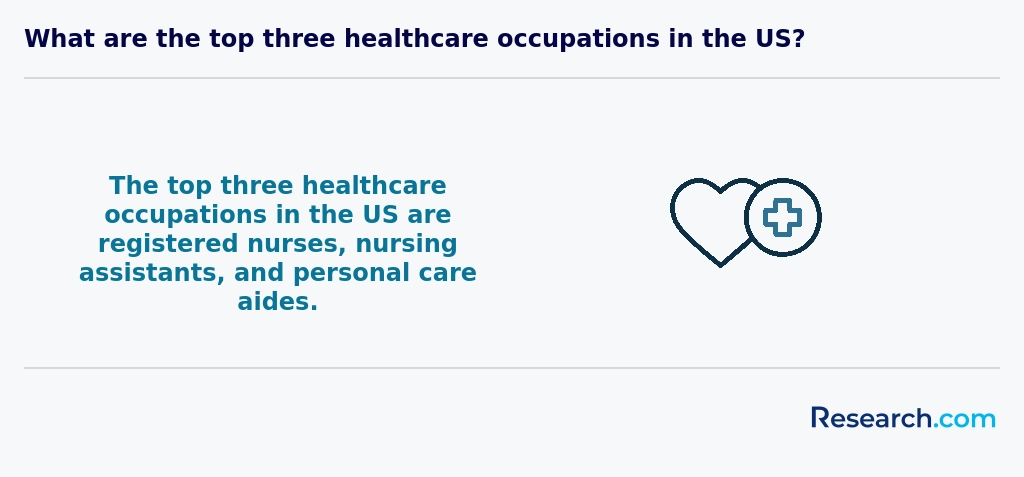
Graduates with an online healthcare degree in Virginia find themselves stepping into a vibrant mosaic of career paths, each one pulsing with opportunity. From bustling hospital corridors where registered nurses blend compassion with expertise, to dynamic administrative roles steering Virginia's expanding healthcare infrastructure, the choices embody the state's fast-growing sector. Picture a graduate from a well-known Virginia university managing patient data as a Health Informatics Specialist, transforming mountains of electronic health records into lifesaving insights. Others, inspired by Virginia's commitment to community wellness, dive into public health analysis, crafting strategies that uplift entire neighborhoods.
Many graduates cherish the balance of hands-on therapy support and flexible online learning, stepping confidently into roles as physical or occupational therapy assistants-roles crucial to Virginia's aging population. These career options reflect the promise embedded in online healthcare master's career options Virginia offers, where alumni from top programs celebrate both the challenge and the joy of their varied futures. For those seeking quicker entry points, accelerated online associate degrees in Virginia open yet more doors to this thriving field.
The online healthcare job outlook Virginia reveals a landscape buzzing with opportunity and growth. Imagine a graduate from a popular Virginia college, balancing work and study while gaining skills that directly feed into thriving sectors like nursing, health informatics, or healthcare administration. These graduates step into an environment hungry for talent-especially in hotspots like Richmond and Northern Virginia-where expanding healthcare networks and tech-driven clinics seek professionals ready to innovate.
Employment opportunities for those holding Virginia healthcare degrees explode as the state's aging population and public health efforts increase demand. One graduate recalls juggling coursework through a respected university's online program, then landing a management role paying well above the state median, demonstrating the tangible return of savvy, flexible education. For aspiring students wondering about finances, programs often mean reasonable tuition, making even an ambitious pursuit manageable without uprooting life.
For many evaluating options, exploring what's the easiest bachelor's degree to get may uncover pathways into health sciences that balance passion, practicality, and Virginia's specific job market strengths.
2027 Most Valuable Online Master's in Healthcare Degree Programs Ranking in Virginia
Investing in your education is a significant decision that can shape your future, and the Research.com team understands the importance of making informed choices. To assist prospective students in Virginia, we have meticulously crafted the "2027 Most Valuable Online Master's in Healthcare Degree Programs Ranking in Virginia." Our commitment to quality, credibility, and accuracy is reflected in the extensive research and analysis conducted to compile this ranking.
We utilized the following reputable data sources to ensure a comprehensive evaluation of healthcare master's programs:
By exploring this ranking, readers will gain valuable insights into the most valuable online healthcare master's degree programs in Virginia, helping them make well-informed decisions about their educational and professional growth. For more details on our methodology, please visit our Research.com methodology page.





Frequently Asked Questions About healthcare
Online healthcare degree students in Virginia can enhance their learning by actively engaging with course materials and participating in virtual discussions. Building connections with peers and instructors helps simulate the collaborative environment typical of healthcare settings.
Utilizing Virginia's extensive healthcare resources, such as clinical placement opportunities in local hospitals and health systems, is key. According to the Virginia Department of Health, the state employs over 230,000 healthcare workers, indicating abundant practical learning options.
Students should also take advantage of libraries and digital tools offered by their institutions to stay current with medical research and evidence-based practices. Time management and disciplined study routines enable students to balance coursework with professional responsibilities efficiently.
The healthcare field in Virginia is rapidly evolving, with several emerging niches gaining traction. One prominent area is telehealth, driven by increased demand for remote patient care and supported by Virginia's expansion of broadband access. According to the Virginia Department of Health, telemedicine usage grew by over 80% in recent years.
Another growing niche is healthcare informatics, where professionals analyze data to improve patient outcomes. The Bureau of Labor Statistics projects employment in this field to grow significantly nationwide, with Virginia's tech sector boosting local opportunities.
Additionally, personalized medicine, including genetics and pharmacogenomics, is becoming more prominent. These fields tailor treatments to individual patients, creating new roles for healthcare graduates. Mental health services also show increasing demand, especially in underserved Virginia communities, underscoring the need for specialized practitioners.
After completing an online healthcare degree in Virginia, preparing for the job market involves strategic steps to increase employability. Virginia's healthcare sector is growing, with employment expected to rise by 16% through 2030 according to the Virginia Employment Commission. Graduates should pursue relevant certifications, such as Registered Health Information Technician (RHIT) or Certified Professional in Healthcare Quality (CPHQ), to enhance credentials.
Networking is essential; joining local professional groups like the Virginia Healthcare Workforce Initiative can provide valuable connections and job leads. Additionally, gaining practical experience through internships or volunteer positions is crucial for skill-building.
Staying informed about Virginia's healthcare regulations and trends through sources like the Virginia Department of Health ensures up-to-date knowledge that employers value.
Employers in Virginia seek healthcare degree graduates who demonstrate a combination of technical knowledge and interpersonal skills. Clinical proficiency remains vital, with emphasis on patient care, medical technology familiarity, and data analysis abilities. According to the Virginia Department of Health, strong communication skills are essential, enabling healthcare professionals to effectively engage with diverse patient populations.
Critical thinking and problem-solving capabilities also rank highly, as healthcare roles often require quick, informed decisions. Additionally, adaptability to evolving healthcare technology and regulatory standards is increasingly important. Leadership and teamwork skills help graduates contribute positively within multidisciplinary care teams, a growing trend in Virginia's healthcare system.
Finding internships in Virginia that align with a healthcare degree involves targeted research and networking. Start by exploring resources offered through Virginia's state government and healthcare organizations. The Virginia Department of Health and the Virginia Hospital & Healthcare Association frequently list internship opportunities suited for health students. Additionally, many Virginia universities with online programs maintain partnerships with local hospitals and clinics, providing direct internship placement assistance.
Healthcare is a major sector in Virginia's economy, employing over 400,000 people as of 2023 according to the Virginia Employment Commission. This indicates a broad range of potential internship sites in hospitals, public health agencies, and private practices.
Students should also utilize national databases like the American Public Health Association's internship listings, ensuring to filter for Virginia locations. Networking through professional healthcare associations in Virginia improves chances of finding relevant internships tailored to your degree focus.
Obtaining an online healthcare degree in Virginia significantly enhances career mobility and advancement opportunities within the state's growing healthcare sector. Virginia's healthcare industry employs over 400,000 professionals, according to the Virginia Employment Commission, demonstrating strong demand for qualified individuals.
Online degrees provide flexible access to advanced education, enabling working professionals to upskill without pausing their careers. This flexibility supports transitions into leadership roles such as healthcare administration or specialized clinical positions.
Moreover, many Virginia employers value accredited online degrees equally to traditional degrees, recognizing the rigorous standards maintained by universities offering these programs. Graduates often report salary increases and expanded job prospects post-completion.
State licensing boards and certifications also increasingly accept online education credits, reinforcing the degree's credibility for promotions or career shifts.
Studying for a healthcare degree in Virginia offers a strong foundation for interdisciplinary roles by emphasizing collaboration across multiple healthcare fields. Many Virginia institutions incorporate teamwork-focused curricula, with courses covering healthcare policy, informatics, and management, preparing students to work effectively with diverse professionals.
Virginia's healthcare sector, which employs over 300,000 workers according to the Virginia Employment Commission, requires professionals who can navigate complex systems. Online programs often include case studies and simulation exercises to develop critical thinking and communication skills essential for interdisciplinary environments.
Graduates are thus well-equipped to contribute in settings such as hospitals, public health agencies, and long-term care facilities.
Choosing between a thesis and a non-thesis healthcare degree program in Virginia depends on your career goals and learning preferences. Thesis programs focus on research, requiring students to design and complete a formal study, which can be beneficial if you plan to enter doctoral programs or research roles. Non-thesis options emphasize practical skills and coursework, often appealing to those seeking leadership or administrative positions in healthcare.
Data from the Virginia Department of Health indicates growing demand for healthcare administrators, suggesting non-thesis programs may align with local job markets. Conversely, thesis programs often require more time but develop critical analytical skills valuable for academia.
Students based in Virginia who want to study healthcare abroad while pursuing an online degree have several pathways to consider. Many accredited US institutions, including those in Virginia, offer online healthcare programs with opportunities for international study or clinical experiences abroad. These programs often partner with foreign universities or hospitals, allowing students to gain global healthcare perspectives without relocating permanently.
The Virginia Department of Education and organizations like the Commission on Collegiate Nursing Education stress the importance of accredited, internationally recognized programs. The demand for healthcare professionals in Virginia-projected to grow by 16% between 2020 and 2030 according to the Virginia Employment Commission-makes global experience valuable for future careers.
Additionally, some online programs provide virtual exchange opportunities with healthcare students in other countries, promoting cultural competence in healthcare delivery. Students should verify that any international study aligns with Virginia licensing requirements if they plan to practice locally.
Virginia offers several part-time job opportunities that can complement online healthcare degree education. Many students find roles as medical assistants or patient care technicians in hospitals and clinics, gaining practical experience while studying. According to the Virginia Employment Commission, healthcare support occupations are projected to grow by 24% through 2031, providing strong job prospects.
Additionally, jobs such as pharmacy technicians or health information technicians allow students to develop skills relevant to healthcare administration and patient care. These positions often offer flexible hours suitable for part-time work alongside academic commitments.
Virtual roles, including telehealth support and medical coding, are increasingly available and align well with the online learning format. These roles enable students to apply knowledge in real-world settings while managing study schedules.
Online healthcare students in Virginia have access to diverse networking opportunities despite the remote format of their programs. Many universities facilitate virtual events such as webinars, guest lectures, and alumni meetups, providing chances to connect with professionals and peers statewide.
Virginia's healthcare sector is robust, with over 340,000 jobs as of 2023, according to the Virginia Employment Commission, offering a strong professional environment for networking. Students often gain membership in professional associations like the Virginia Nurses Association or the Healthcare Information and Management Systems Society (HIMSS) Virginia chapter.
Internships or clinical placements arranged through schools can also help students build localized connections in hospitals and clinics across Virginia.
Alumni networks provide significant advantages to online healthcare degree students in Virginia by fostering professional connections and career opportunities. These networks connect graduates with experienced professionals and healthcare leaders statewide, enhancing job placement chances.
In Virginia, where healthcare employment is projected to grow by 13% through 2030 according to the Bureau of Labor Statistics, alumni networks help students navigate this expanding job market. They often share job openings, internship opportunities, and advice tailored to Virginia's healthcare environment.
Moreover, alumni groups support mentorship programs that guide recent graduates in professional development and licensure processes specific to Virginia's healthcare regulations.
Customizing an online healthcare degree program in Virginia allows students to align their education with specific career goals. Many accredited Virginia institutions offer flexible curricula where students can choose concentrations such as healthcare administration, public health, or nursing leadership. This approach helps meet regional workforce needs, as the Virginia Employment Commission projects healthcare occupations to grow by 13.8% through 2031.
Students can often select electives, complete capstone projects, or pursue internships in local healthcare settings. These options provide practical experience and networking opportunities. Additionally, programs frequently incorporate up-to-date industry standards and certifications, enhancing graduates' competitiveness locally and nationally.
Online healthcare students in Virginia often face several notable challenges. One common issue is balancing demanding clinical hours with remote coursework. Since healthcare programs require hands-on experience, arranging local clinical placements can be difficult, especially in rural areas of Virginia where healthcare facilities are limited.
Technical difficulties and limited access to reliable high-speed internet also affect many students, particularly outside urban centers like Richmond or Northern Virginia, where connectivity is more stable. The Virginia Department of Health reports that rural broadband access still lags behind urban regions, impacting consistent online learning.
Additionally, students may feel isolated from peer support and networking opportunities compared to traditional programs, which can affect motivation and engagement. Managing these challenges requires strong time management and proactive communication with faculty and clinical supervisors.
With an online healthcare degree in Virginia, you can pursue several professional certifications to enhance your career opportunities. Common certifications include Certified Professional in Healthcare Quality (CPHQ), Certified Medical Manager (CMM), and Registered Health Information Administrator (RHIA). These credentials are recognized nationwide and can boost employability in Virginia's growing healthcare sector.
For example, the Virginia Healthcare Workforce Data (2023) highlights a rising demand for certified healthcare managers and quality analysts. Many online programs prepare students to meet certification exam requirements. Additionally, certifications like the Certified Healthcare Financial Professional (CHFP) are valuable for roles in healthcare administration.
These certifications require meeting education and experience criteria followed by passing standardized exams, usually offered by national organizations such as the National Association for Healthcare Quality or the American Health Information Management Association.
Writing a winning application for an online healthcare program in Virginia requires clear focus and preparation. Start by researching programs accredited by recognized bodies such as the Commission on Accreditation of Healthcare Management Education (CAHME). Accreditation ensures program quality and employer recognition.
Highlight your relevant experience, especially in Virginia's healthcare environment, where the demand for skilled professionals is growing steadily. According to the Virginia Employment Commission, healthcare occupations are projected to grow by 12% from 2020 to 2030, emphasizing the field's opportunity.
Emphasize your motivation and career goals in a compelling personal statement. Provide specific examples showing how the program aligns with your ambitions and the healthcare challenges in Virginia, such as aging populations and rural health access.
Submit all required documents meticulously, including transcripts, letters of recommendation, and proof of any certifications. Strong academic performance and professional endorsements increase your chances of acceptance.
The global demand for healthcare professionals is growing steadily, driven by aging populations and increased emphasis on healthcare access. For students in Virginia pursuing online healthcare degrees, understanding this trend is important. The U.S. Bureau of Labor Statistics projects a 16% growth in healthcare occupations nationally through 2031. Virginia mirrors this demand with health services projected to grow faster than many other sectors, according to the Virginia Employment Commission.
Internationally, healthcare careers are valued for their stability and social impact. Many U.S.-educated professionals find opportunities abroad, especially in countries expanding their healthcare infrastructure. Online degrees from Virginia institutions often incorporate global health issues, preparing students for diverse roles.
Credential recognition varies globally, so U.S. healthcare graduates must consider licensing requirements if working abroad. Still, Virginia's online programs emphasize leadership and advanced skills, enabling graduates to contribute both locally and internationally.
Gaining practical experience while studying for an online healthcare degree in Virginia is essential for career readiness. Many accredited Virginia programs integrate clinical placements or internships within their curricula. These experiences often take place at local hospitals, clinics, or community health organizations, allowing students to apply theory in real-world settings.
Virginia's strong healthcare sector, including institutions like Inova Health System and Sentara Healthcare, offers ample opportunities for student placements. Additionally, some programs partner with healthcare providers to facilitate remote clinical simulations, enhancing hands-on skills virtually.
The Virginia Board of Nursing and other professional bodies oversee licensure requirements, ensuring internships meet state standards. Students should verify practical training components before enrolling to ensure accreditation and licensure eligibility.
Choosing the right concentration within an online healthcare degree program in Virginia involves evaluating your career goals and the local job market. Virginia's healthcare sector is growing, with a 13% projected increase in healthcare employment through 2030 according to the U.S. Bureau of Labor Statistics. Popular concentrations include healthcare administration, nursing, and public health, each aligning with different roles and income levels.
Consider programs accredited by the Commission on Accreditation of Healthcare Management Education (CAHME) or the Council on Education for Public Health (CEPH) to ensure quality education recognized by employers. Research regional healthcare trends and network with Virginia healthcare professionals for insights. Additionally, reflect on your interests, strengths, and the flexibility you need to balance work and study.
- 2027 Most Valuable Online Master's in Healthcare Degree Programs Ranking in Maryland
- 2027 Most Valuable Online Master's in Healthcare Degree Programs Ranking in North Carolina
- 2027 Most Valuable Online Master's in Healthcare Degree Programs Ranking in Pennsylvania
- 2027 Most Valuable Online Master's in Healthcare Degree Programs Ranking in South Carolina
- 2027 Most Valuable Online Master's in Healthcare Degree Programs Ranking in Ohio
- 2027 Most Valuable Online Master's in Healthcare Degree Programs Ranking in New Jersey
- 2027 Most Valuable Online Master's in Healthcare Degree Programs Ranking in Georgia
- 2027 Most Valuable Online Master's in Healthcare Degree Programs Ranking in New York
- 2027 Most Valuable Online Master's in Healthcare Degree Programs Ranking in Florida
- 2027 Most Valuable Online Master's in Healthcare Degree Programs Ranking in Alabama
See What Experts Have To Say About Studying Healthcare
Read our interview with Healthcare experts

- Is an Online Degree the Same as a Traditional Degree | Online Degree https://www.cambridgehealth.edu/online-degrees/get-an-online-degree/is-an-online-degree-the-same-as-a-traditional-degree/
- Online Programs https://www.vsu.edu/online/online-programs.php
- How to Write Your Cover Letter | NQRTH https://www.nqrth.edu.au/career-planning/how-to-write-your-cover-letter/
- Distance Education https://www.sentara.edu/academics/distance-education
- Benefits of Online Healthcare Courses for Professionals | ILC https://inspirelondoncollege.com/blog/healthcare-courses-for-professionals/
- How to Choose a Health Administration Program https://www.healthadministrationdegrees.com/articles/choosing-a-program/
- Niche Markets in Healthcare https://ultrariskadvisors.com/niche-markets-in-healthcare/
- Different Careers in the Medical & Healthcare Industry https://www.onlinedegree.com/career/medical-healthcare/
- Accredited Nursing and Healthcare Degrees in Richmond & Fredericksburg, VA - EVCC https://evcc.edu/
- Healthcare Careers for Everyone https://virginiahasjobs.com/healthcare/