
2027 Most Affordable Online Master's in Healthcare Degree Programs Ranking in Iowa

Co-Founder and Chief Data Scientist
Choosing the right online master's in healthcare degree program in Iowa can feel overwhelming. To help, the Research.com team of data scientists has created the 2027 Most Affordable Online Master's in Healthcare Degree Programs Ranking in Iowa. This ranking makes it easier for prospective students to find high-quality, budget-friendly options.
By exploring this article, you'll discover programs that balance cost with educational value, setting you up for career success. Pursuing a healthcare degree is a meaningful step toward a rewarding future.
Key benefits of getting online healthcare degree in Iowa
- Healthcare degree graduates in Iowa can expect rewarding salaries, such as Healthcare Consultants earning a mean annual wage of $115,530 and Healthcare Compliance Managers around $80,190, reflecting strong financial benefits.
- Graduates from Iowa's universities, like the University of Iowa, often find diverse career paths including consulting, compliance management, and project roles, offering exciting options to grow in the healthcare field.
- Completing a healthcare degree online at institutions like Iowa State University offers flexibility and convenience, allowing graduates to balance work, family, and study while still gaining valuable skills and credentials.
- 2027 Most Affordable Online Master's in Healthcare Degree Programs Ranking in Iowa
- What can I expect from online healthcare degree in Iowa?
- Where can I work with online healthcare degree in Iowa?
What can I expect from online healthcare degree in Iowa?
The average cost of pursuing an online healthcare degree in Iowa often feels like investing in a brighter future rather than just tuition. Graduates from the University of Iowa and Drake University frequently describe juggling coursework with work and family while appreciating the comparatively reasonable tuition rates. For in-state students at public universities, prices tend to be kinder on the wallet-an accessible gateway rather than a financial barrier.
Many students share stories of tapping into employer tuition assistance, transforming what could have been a heavy expense into a manageable commitment. Scholarships and financial aid further soften the impact, making the dream of healthcare leadership tangible. Imagine logging into a course on healthcare policy or informatics from your own kitchen, knowing that the fees are a fraction of traditional programs elsewhere, while local clinical placements ground your learning in the fabric of Iowa's healthcare world.
These flexible, affordable options empower professionals to upskill without sacrificing stability or peace of mind, turning hopes into credentials and credence in Iowa's thriving healthcare industry.
Where can I work with online healthcare degree in Iowa?
Graduates armed with online healthcare degrees from Iowa's top institutions like the University of Iowa or Des Moines Area Community College often find themselves stepping confidently into bustling hospital corridors or quiet nursing home lounges. Imagine coordinating patient care at University of Iowa Hospitals & Clinics, where every decision you make ripples through lives, or managing data flows at Broadlawns Medical Center-transforming abstract information into actionable health solutions.
Many peers share stories of thriving in roles beyond the traditional hospital walls, from navigating community health challenges with the Iowa Department of Public Health to innovating telemedicine strategies at Wellmark Blue Cross Blue Shield. These paths illuminate how Iowa's aging population and expanding healthcare tech sector fire up endless possibilities.
Picture yourself bridging the gap between rural communities and cutting-edge healthcare, or steering long-term care facilities to deliver compassionate, expert service. Whether steering programs in Cedar Rapids or improving patient outcomes in small-town clinics, an online healthcare degree opens doors to meaningful, dynamic careers right in Iowa's heartland.
Graduates stepping out of online healthcare programs at Iowa State University or the University of Iowa often find themselves opening doors to well-paying careers right in their backyard. Take, for instance, a healthcare consultant role - the data shows a mean annual wage soaring to $115,530 in Iowa. Imagine wrapping up your degree and confidently entering a job where your expertise commands that kind of number.
For those intrigued by compliance, positions like healthcare compliance manager earn around $80,190 annually, a solid middle ground with room to grow. Graduates from these respected colleges often share stories of leveraging their online education while balancing family life, all while steadily increasing their salary prospects amid Iowa's healthcare expansion.
These figures aren't just numbers; they represent access to stability and growth in metro hubs like Des Moines or Cedar Rapids. With every completed course, Iowa's healthcare degree holders aren't just stepping into jobs - they're claiming a future filled with professional pride and financial reward.
- Tuition for online healthcare degrees in Iowa typically ranges from $15,000 to $40,000, which is below the national average.
- The healthcare sector in Iowa is growing at a rate of about 12% through 2030, driven by demand in both urban and rural areas.
- Starting salaries for healthcare graduates in Iowa usually range between $50,000 and $60,000 annually, varying by specialization.
- Experienced healthcare professionals in Iowa can expect median salaries between $75,000 and $90,000.
- Many Iowa online programs are accredited and designed for working adults, ensuring quality education and licensure eligibility.
Completing an online healthcare degree in Iowa feels like navigating your own personalized timeline-some graduates at the University of Iowa share stories of pushing through accelerated BSN tracks in just 12 to 18 months, fueled by weekend clinicals and midnight study sessions. Meanwhile, others at Des Moines University savor the flexibility of part-time options, stretching their education across four years while balancing family and work.
Graduate students chasing a Master of Healthcare Administration or a Master of Science in Nursing find their own rhythm too, often finishing between 18 months and three years. These programs, common at institutions throughout Iowa, flex with life's curveballs, letting motivated learners pace themselves without losing momentum.
Imagining yourself juggling credits, transfer courses, and practicum hours paints a vivid picture of how adaptable the journey really is-whether you're accelerating toward a swift career leap or taking the scenic route, Iowa's online healthcare degrees meet you where you are.
Accreditation confirms the rigor and credibility of online healthcare master’s programs in Iowa, ensuring your degree holds value with employers and licensure boards.
- Regional accreditation (e.g., Higher Learning Commission) validates overall institutional quality
- Specialized accreditation (such as CAHME for healthcare management) aligns curriculum with industry standards
- Accredited programs guarantee federal financial aid eligibility and smoother credit transfers
Prioritize programs recognized among affordable accredited healthcare administration degrees to balance cost savings with proven academic excellence.
Imagine juggling a full-time job in Cedar Rapids while earning your healthcare degree through the University of Iowa's online program. This student taps into lectures from home, squeezing study time between shifts, enjoying the freedom that on-campus schedules rarely allow. Conversely, another learner at Des Moines Area Community College thrives in the bustling campus environment, hands busy with labs and face-to-face mentoring-feeling the pulse of healthcare firsthand.
Online degrees in Iowa unlock doors for rural residents, transforming kitchen tables into classrooms. Graduates cherish the flexibility that accommodates family life, while still securing clinical placements nearby thanks to partnerships with local hospitals. On-campus learners benefit from immediate access to simulation labs and spontaneous faculty guidance-an immersive experience that fosters confidence in clinical skills.
Cost-wise, public Iowa institutions ease financial strain whether you study online or in person. But online students enjoy savings on commuting and housing, albeit sometimes paying tech fees. Both routes demand accredited coursework, ensuring you're licensed to heal across Iowa's diverse communities.
Navigating the admissions process for an online healthcare degree in Iowa can feel overwhelming, but with the right strategies and resources, you can set yourself up for success. Begin by researching each institution’s specific requirements, from minimum GPA and prerequisite coursework to submission deadlines and any supplemental materials like essays or recommendation letters. Thoroughly prepare your application by organizing your academic records, personal statements, and any required test scores to highlight your commitment to a career in healthcare. Additionally, don’t hesitate to reach out to admissions counselors who can provide personalized guidance and clarify any questions about the process. They can also offer insights into opportunities such as early decision advantages or rolling admissions that might align with your educational timeline. For extra support in comparing program details and tuition costs, explore reputable resources like our guide on the cheapest healthcare school in iowa, which offers practical advice to help you make an informed choice. By dedicating time to understand each school’s unique process and leveraging available support networks, you strengthen your application and boost your chances of gaining admission to a program that meets both your career aspirations and financial needs.
The average cost of an online healthcare degree in Iowa dances around a vivid median of $27,692, a figure that echoes hope and ambition for many aspiring healthcare professionals. Graduates from the University of Iowa and Iowa State University often recall the balance they struck between cost and quality; their tuition typically hovered between $500 and $800 per credit hour. This practical investment, combined with the convenience of online study, often brings a comforting sense of control to students juggling work, family, and school.
Students chasing affordable online healthcare master's programs Iowa find themselves embracing more than just numbers-they tap into a network of local partnerships and scholarships designed to ease financial pressure. One graduate vividly remembers how these support programs created a pathway where tuition fees felt less like a barrier and more like a stepping stone towards a rewarding healthcare career.
Real-life scenarios involve cutting costs on commuting or housing, expenses that online study mercifully erases. Yet, the journey includes additional fees-technology resources and course materials-that graduates count as part of their educational mosaic. The entire experience, especially in Iowa's public university system, reflects a commitment that consistently keeps tuition rates below national averages.
For those seeking the cheapest healthcare school in Iowa, the choice leads not only to affordability but to a community that supports learning within the state's healthcare ecosystem, turning the average cost of online healthcare degree Iowa into an attainable reality.

Proper accreditation ensures that an online master’s in healthcare program meets rigorous industry standards and qualifies graduates for key certifications and licensure. Iowa’s top institutions hold regional accreditation from the Higher Learning Commission (HLC) and programmatic accreditation from bodies such as the Commission on Accreditation of Healthcare Management Education (CAHME) or the Council on Education for Public Health (CEPH). These endorsements not only validate curriculum quality but also enable eligibility for certification exams like the Certified Medical Manager (CMM) or Certified in Public Health (CPH). Before enrolling, verify that the program’s accreditation aligns with your career goals and state licensure requirements. Accredited degrees often lead to higher employment rates and salary potential, as employers recognize the rigorous training behind each credential. For those exploring additional affordable accredited options outside Iowa, our Low Cost Online Healthcare Degree Programs Ranking in Flint, MI offers valuable insights into budget-friendly programs with strong accreditation profiles. Assessing accreditation early empowers you to make informed decisions, ensuring your online healthcare degree paves the way to professional certification and long-term career success.
Imagine a graduate from the University of Iowa, juggling night shifts and online classes, breathing a sigh of relief after snagging a Federal Pell Grant that lifted some weight off their shoulders. This grant, aimed primarily at undergraduates, is like a financial breeze for those proving need, though graduate students pivot toward federal direct loans with caps and cozy repayment plans. Meanwhile, a student enrolled at Des Moines University might tap into the Iowa Vocational Technical Tuition Grant, a hidden gem reserved for residents diving into approved healthcare programs online-it's like Iowa extending a helping hand right where they live.
Institutional scholarships pepper both campuses, often awarded for merit and perseverance, giving hopefuls a reason to smile amid busy schedules. Plus, connections to organizations like the Iowa Nurses Foundation add extra layers of support-picture letters of encouragement accompanied by scholarship checks. Many find solace in employer tuition assistance too, turning hospital gigs into tuition relief, while loan forgiveness programs reward those who commit to underserved Iowa communities after graduation.
When deciding on an online healthcare degree in Iowa, taking guidance from current industry experts and alumni can be invaluable. Experienced advisors suggest that candidates should begin by researching program accreditation, faculty expertise, and real-life success stories shared by graduates. Prioritize programs that emphasize interactive learning, offer flexible schedules, and provide strong career support services. Often, institutions that collaborate with local healthcare facilities not only deliver quality education but also open doors to internships and networking opportunities, which are essential for career advancement. Additionally, it's smart to explore resources that highlight affordable options; for instance, you may find detailed comparisons of cost-effective programs by checking out the cheapest healthcare school in iowa. Leveraging such insights can help you make a well-informed decision that balances cost, quality, and career potential while positioning you for long-term success in the dynamic healthcare field.
To dive into an online healthcare degree in Iowa, imagine stepping into the shoes of past graduates from the University of Iowa or Iowa State University-each started by holding a bachelor's degree, not always healthcare-related but enriched with relevant coursework or hands-on experience that made their applications shine. These pioneers knew that showing solid academic performance with a GPA hovering between 2.5 and 3.0 was their ticket through the door.
Picture yourself submitting transcripts, letters of recommendation buzzing with praise from mentors who know the grit behind your goals, and a statement of purpose painting a vivid picture of your healthcare ambitions. Some found that having one to three years of healthcare work experience, whether in bustling hospital corridors or community clinics, boosted their chances at landing a spot in coveted programs.
While standardized tests like the GRE once stood as gatekeepers, many Iowa schools now waive them for seasoned professionals, recognizing life's classroom. Clinical-focused programs add a layer of background checks and immunizations, ensuring you're ready to embrace hands-on care with confidence.

The landscape of healthcare is evolving rapidly with emerging trends that are reshaping both patient care and administration. Online healthcare programs are increasingly emphasizing telemedicine, digital health records, and data analytics, equipping graduates to navigate a future characterized by technological innovation. As healthcare systems grow more complex and interconnected, institutions are continually updating curriculums to include courses on cybersecurity, artificial intelligence in healthcare, and remote patient monitoring. This forward-thinking approach not only enhances the learning experience but also positions graduates to contribute significantly to modern healthcare solutions. Moreover, industry experts predict an increased demand for specialized skills in healthcare management as organizations adapt to new technologies and changing patient needs. For example, understanding how digital innovations integrate with core healthcare services is becoming indispensable. For those exploring leadership roles, learning about administrative trends is crucial-learn more about what are the popular healthcare administration degrees and how these programs prepare professionals for future challenges. Staying ahead in this dynamic field requires continuous skill development and an openness to adapt. Whether you are just starting your academic journey or looking to further your career, keeping an eye on these industry shifts will help you make informed decisions and secure a competitive edge in the healthcare job market.
Imagine diving into courses where healthcare ethics and law aren't just abstract rules but real dilemmas faced by Iowa's busy clinics, just like graduates from the University of Iowa recall navigating complex patient rights cases during their studies. Health informatics classes feel like unlocking secret codes to improve patient care, a favorite among students from Drake University who've applied this knowledge in local hospitals. Leadership and management lessons become vivid when learning to steer healthcare teams through crises, echoing the experiences of students balancing coursework with jobs in Des Moines' healthcare centers.
Picture public health principles transforming into community action plans that graduates from Iowa State University have used to tackle rural health challenges. Evidence-based practice turns research papers into lifesaving decisions, a skill that online learners cherish when they contribute remotely to Iowa's expanding healthcare systems. Specialized topics like healthcare quality improvement and project management become tools for creating safer, more efficient patient environments, exactly what many students managing family life and studies have found empowering in online programs.
Dive into the world of online healthcare degree specializations Iowa offers, where learning transforms into a journey through dynamic career paths. Graduates from well-regarded Iowa colleges find themselves shaping the future of healthcare facilities with a sharp edge in Healthcare Administration, mastering leadership skills that ripple through hospitals and clinics alike. Picture a graduate steering policy shifts, inspired by the local demand and national trends, navigating Iowa's healthcare landscape with confidence.
Others embrace community impact through Public Health, turning lessons into action-designing programs that resonate deeply in Iowa's towns, especially after the lessons learned from the pandemic. Envision these graduates energizing grassroots efforts or influencing state health policies as part of a growing wave of professionals.
With a pulse on innovation, many choose Health Informatics, harnessing data like digital detectives to improve patient care across the state. Nursing enthusiasts also flourish, sharpening skills in leadership and education, meeting rural healthcare's call with passion and purpose. Curious about what are the popular healthcare administration degrees? Check out what are the popular healthcare administration degrees to explore these vibrant options.
These specializations, offered by Iowa's online programs, echo the needs of a state eager for skilled healthcare professionals, making the journey both practical and deeply rewarding.
Choosing the best online healthcare degree in Iowa is like crafting your own healthcare adventure map. Picture graduates from the University of Iowa who rave about flexible online classes perfectly balanced with hands-on practicums that don't require frequent campus trips, making education as accessible as your favorite coffee spot. Meanwhile, Iowa State University's programs sparkle with faculty experts deeply embedded in the healthcare industry, transforming theory into vibrant real-world skills.
Affordability dances at the forefront too-local grads often remark how the in-state tuition rates turned their educational dreams into reality without drowning in debt. When hunting for affordable healthcare master's degrees Iowa offers gems that keep price and quality intertwined effortlessly. Imagine tapping into robust support systems: career counseling, technical help, and academic advising tailored specifically for online learners balancing life's chaos.
To dig deeper into your options, explore rankings like the Low Cost Online Healthcare Degree Programs Ranking in Flint, MI, which track financial and educational value with a keen eye on student success.
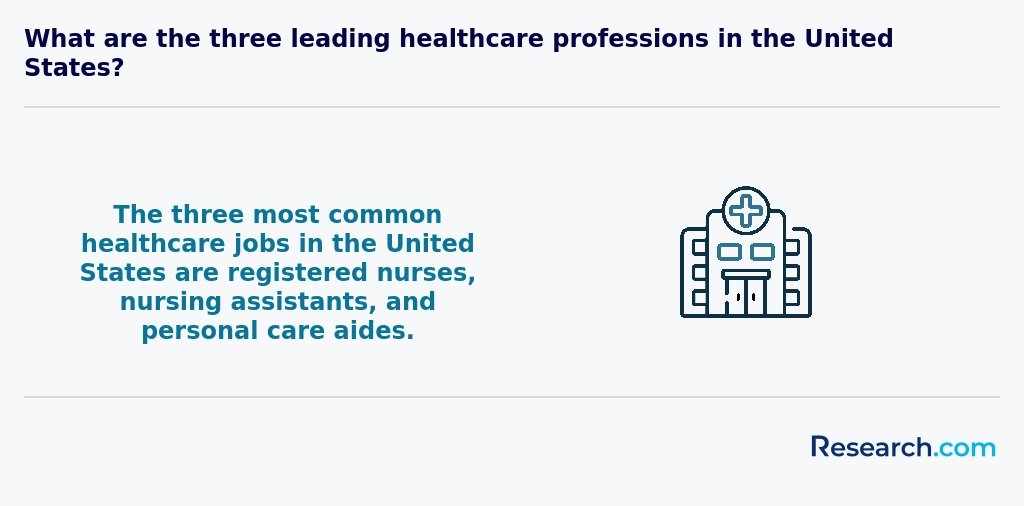
Graduates who embark on the journey of an online healthcare degree in Iowa find themselves stepping into a mosaic of career paths as diverse as the state's rolling plains. Whether honing nursing skills through hands-on hospital roles or steering the complex operations of healthcare administration, these professionals weave themselves seamlessly into Iowa's healthcare fabric. One graduate from a flagship Iowa university recalls balancing rigorous online coursework with community clinic internships, illustrating the rewarding blend of flexibility and real-world impact unique to this region.
Imagine managing intricate patient data as a Health Information Management specialist, transforming raw numbers into lifelines for care decisions across urban and rural communities alike. Or picture dedicating your efforts as a Public Health Specialist, championing wellness programs that breathe new life into Iowa's rural towns. Here, the career options for healthcare graduates Iowa offers seem boundless, especially when pursuing an accredited accelerated bachelor degree online, balancing affordability with quality education.
Such paths ignite a profound sense of purpose-as many graduates attest-where impacting lives across the Hawkeye State becomes both a privilege and a vibrant daily reality.
The online healthcare degree job opportunities in Iowa paint a promising picture, especially for graduates coming from well-known institutions like the University of Iowa or Des Moines University. Picture a recent graduate juggling family commitments while studying remotely, then stepping into a nurse practitioner role with a median salary of about $105,000. There's a real sense of achievement and community impact here, driven by Iowa's expanding healthcare infrastructure and the 17% population aged 65 or older demanding more skilled providers.
Healthcare students from across Iowa often share stories of the flexible online schedules that let them balance work and study, easing the financial strain. Graduates find themselves in diverse roles - from healthcare administration to physical therapy - thriving in a stable job market that's expected to grow by 12% through 2030.
For those drawn to innovation, advances in medical technology have created exciting openings in health informatics, where data-savvy graduates help design smarter care solutions. If you seek accelerated pathways, explore shortest masters programs that Iowa schools offer, blending efficiency with opportunity.
2027 Most Affordable Online Master's in Healthcare Degree Programs Ranking in Iowa
Investing in your education is a significant decision that can shape your future, and the Research.com team understands the importance of making informed choices. To assist prospective students in Iowa, we have meticulously developed the "2027 Most Affordable Online Master's in Healthcare Degree Programs Ranking in Iowa." Our dedication to quality, credibility, and accuracy is evident through the thorough research and analysis undertaken to create this ranking.
We utilized the following reputable data sources to ensure a comprehensive evaluation of healthcare master's programs:
By exploring this ranking, readers will gain valuable insights into the most affordable and high-quality online healthcare master's programs in Iowa, empowering them to make well-informed decisions about their educational investments. For more details on our methodology, please visit our Research.com methodology page.




Frequently Asked Questions About healthcare
Online healthcare degree students in Iowa can maximize their learning experience by actively engaging with their coursework and faculty. Many programs offer virtual simulations and case studies, which are essential for applying theoretical knowledge to real-world healthcare scenarios.
Students should take advantage of Iowa's robust healthcare network, including partnerships available through some universities that provide remote internships or practicum opportunities. According to the Iowa Department of Public Health, practical experience significantly improves job placement rates for graduates.
Time management and creating dedicated study routines are crucial, especially for working professionals balancing education and career. Participating in online discussion forums and collaborative projects can also enhance understanding and foster professional connections.
Finally, utilizing resources such as Iowa's Board of Nursing and local healthcare organizations for updates on industry standards helps students stay current with licensing and certification requirements crucial for healthcare careers in Iowa.
The healthcare field in Iowa is experiencing growth in several emerging niches, especially within online degree programs. One notable area is telehealth, which expanded rapidly during the COVID-19 pandemic and continues to provide remote patient care solutions. According to the Iowa Department of Public Health, telemedicine usage increased by over 50% between 2020 and 2023.
Another niche gaining momentum is healthcare informatics. Professionals trained in this area focus on managing health data and improving healthcare systems through technology. The Bureau of Labor Statistics notes that jobs in health informatics are expected to grow faster than average nationally, a trend reflected in Iowa's expanding demand.
Additionally, population health management is becoming vital as healthcare providers emphasize preventive care and chronic disease management in Iowa's aging population. These emerging fields offer promising career opportunities for students pursuing online healthcare degrees.
After completing an online healthcare degree in Iowa, preparing for the job market requires strategic steps. First, obtaining relevant certifications or licenses is crucial, as many healthcare roles in Iowa demand state-specific credentials. For example, registered nurses must pass the NCLEX-RN exam recognized by the Iowa Board of Nursing.
Networking plays a significant role; joining professional groups like the Iowa Healthcare Collaborative or local chapters of national organizations can help connect with employers. Iowa's healthcare sector is growing, with employment expected to rise by 11% through 2030, according to the Iowa Workforce Development.
Gaining practical experience through internships or volunteering with hospitals or clinics enhances your resume and skills. Also, developing strong communication and technology proficiency aligns with industry demands.
Employers in Iowa prioritize a blend of technical and interpersonal skills in healthcare degree graduates. Strong clinical knowledge and the ability to apply evidence-based practices are essential due to Iowa's growing demand for qualified healthcare professionals, as reported by the Iowa Workforce Development.
Communication skills rank high, enabling graduates to effectively interact with patients and multidisciplinary teams. Critical thinking and problem-solving abilities are also highly valued, given the complex and evolving healthcare landscape.
Additionally, proficiency in healthcare technology, including electronic health records (EHR) systems, is increasingly important as Iowa healthcare facilities continue modernizing.
Leadership and adaptability are sought-after traits, preparing graduates to handle the state's expanding healthcare challenges.
Finding healthcare internships in Iowa requires a strategic approach that leverages local resources and networks. Start by consulting the career services departments of Iowa's accredited online healthcare programs, as they often maintain partnerships with hospitals and clinics across the state.
The Iowa Department of Public Health offers information on healthcare facilities where internships might be available, including prominent institutions like the University of Iowa Hospitals and Clinics, which employs over 7,500 healthcare workers.
Additionally, explore professional organizations such as the Iowa Healthcare Collaborative, which can provide connections to clinical placements and internship opportunities. Remember to tailor your applications to highlight relevant skills and coursework.
Networking through platforms like LinkedIn and attending regional healthcare job fairs can also increase your chances of securing internships aligned with your degree.
Obtaining an online healthcare degree in Iowa significantly enhances career mobility and professional advancement. The state's healthcare sector is one of the fastest-growing industries, with a projected 15% increase in healthcare employment by 2030, according to the Iowa Workforce Development. An online degree allows flexibility for working professionals, enabling them to gain advanced skills without interrupting their current roles.
Employers in Iowa increasingly value the specialized knowledge and credentials that come with higher education. Graduates with master's degrees often qualify for leadership roles in hospitals, clinics, and public health organizations, resulting in higher salaries and expanded responsibilities. For example, nurse managers or healthcare administrators in Iowa earn median wages above state averages, reflecting this trend.
Furthermore, accredited online programs offer access to up-to-date curricula aligned with state healthcare demands, supporting ongoing professional development and eligibility for certifications. This alignment directly impacts one's ability to move into roles requiring specialized expertise or administrative oversight, confirming the degree's practical value in Iowa's healthcare job market.
Studying for a healthcare degree online in Iowa equips students with skills essential for interdisciplinary roles. Programs typically emphasize collaboration among various healthcare fields such as nursing, public health, and health administration. This approach reflects Iowa's integrated healthcare environment, where professionals often work in teams to improve patient outcomes.
Iowa's healthcare education is aligned with the state's workforce needs, including its growing demand for coordinated care services in rural and urban areas. According to the Iowa Department of Public Health, approximately 40% of Iowa's counties are classified as medically underserved, highlighting the importance of cross-disciplinary training.
The curriculum usually includes courses in healthcare policy, ethics, and communication, fostering an understanding of how different specialties interact within healthcare delivery systems. This prepares graduates to effectively manage interdisciplinary teams and contribute to comprehensive care solutions.
Choosing between a thesis and a non-thesis healthcare degree program in Iowa depends largely on your career goals and learning preferences. A thesis option involves conducting original research under faculty supervision, which can be beneficial if you aim for a research or academic role. In contrast, non-thesis programs focus more on practical skills and coursework, appealing to professionals seeking to advance quickly in healthcare management or administration.
According to the Iowa Department of Public Health, healthcare leadership roles in the state are growing by 7% annually, boosting demand for practical healthcare management skills. This trend often favors non-thesis graduates who apply knowledge directly in clinical and administrative settings. However, if you plan to pursue a PhD or extensive research, a thesis might be preferable.
Consider your time availability as thesis programs usually require more dedication to research projects. Online programs in Iowa often offer both paths, allowing flexibility tailored to professional and academic ambitions.
Students based in Iowa seeking to study healthcare abroad have limited options through fully online international programs due to accreditation and licensing requirements. Most U.S. healthcare degrees, especially at the master's level, require state-specific clinical practicum hours that are difficult to complete remotely overseas. According to the Iowa Department of Public Health, many programs encourage local clinical placements to meet Iowa licensing standards.
However, some U.S. institutions with international partnerships allow students to take theoretical coursework online while arranging clinical internships either in Iowa or abroad through approved sites. Students should verify that foreign programs align with Iowa Board of Nursing or Medical Board licensure requirements before enrolling.
Ultimately, online options focusing on global health or healthcare administration provide flexible choices without mandatory in-person practice abroad, making them more accessible for Iowa residents.
In Iowa, part-time job opportunities that complement healthcare degree education often include roles such as medical assistants, pharmacy technicians, and patient care aides. According to the Iowa Workforce Development, these positions frequently offer flexible hours, which is ideal for students pursuing online healthcare degrees.
Medical assistants in Iowa can expect an average hourly wage of around $16, providing practical experience alongside academic studies. Pharmacy technician positions allow students to learn about medication management and patient interaction in retail or hospital settings. Additionally, healthcare administrative support roles help develop organizational skills essential for advanced healthcare careers.
Online healthcare students in Iowa have various networking opportunities to enhance their professional connections. Many universities offering online healthcare degrees provide virtual events, webinars, and discussion forums that facilitate interaction between students and faculty. These platforms also connect students with healthcare professionals across Iowa, helping build a local network.
Additionally, Iowa has strong statewide healthcare associations, such as the Iowa Healthcare Collaborative and the Iowa Nurses Association, which often welcome student participation. Joining these groups can provide access to conferences, mentorship programs, and job fairs.
Hospitals and health systems in Iowa employ over 200,000 people, making local networking essential for career growth. Students are encouraged to seek internships and volunteer opportunities at these institutions to develop practical contacts. According to the Iowa Department of Public Health, healthcare remains the state's largest employment sector, offering substantial networking potential.
Alumni networks play a crucial role for students pursuing online healthcare degrees in Iowa by offering valuable professional connections. These networks link current students to graduates working in Iowa's healthcare sector, which is projected to grow by 13% from 2020 to 2030 according to the Iowa Workforce Development. Access to experienced alumni can lead to mentorship opportunities, internships, and job placements within local healthcare facilities.
In addition, alumni associations often share targeted resources and events focused on healthcare trends in Iowa, helping students stay informed and competitive. Engaging with alumni fosters a sense of community and support, essential for online learners who may lack on-campus interaction.
In Iowa, customizing an online healthcare degree involves selecting specializations that align with your career goals. Many programs offer tracks in areas like healthcare administration, public health, or nursing leadership. This flexibility helps students focus on skills most relevant to Iowa's healthcare market, which is projected to grow by 12% through 2030 according to the Iowa Workforce Development.
Additionally, students can often choose electives or certificate options to enhance expertise in subjects like health informatics or policy. Some schools also provide practicum opportunities with local health systems, enabling practical experience tailored to Iowa's community needs.
Before enrolling, review each program's curriculum and career support services to ensure they match your professional aspirations.
Online healthcare students in Iowa often face several unique challenges during their studies. One major issue is balancing clinical placement requirements with remote learning, as practical experiences must be completed in-person. Access to quality clinical sites within Iowa can be limited, especially in rural areas where healthcare facilities are sparse.
Another challenge is maintaining motivation and engagement without the traditional classroom environment. Students frequently report feelings of isolation, which can affect their academic performance.
Reliable internet access is also a concern in some parts of Iowa, impacting students' ability to participate fully in online lectures and submit assignments on time. According to the Iowa Department of Education, about 8% of Iowa households lack broadband service, which can hinder online learning success.
With an online healthcare degree in Iowa, you can pursue several professional certifications that enhance career opportunities. Common options include Certified Medical Manager (CMM), Certified Health Education Specialist (CHES), and Registered Health Information Technician (RHIT). These certifications help validate expertise in healthcare administration, education, and information management.
Iowa's healthcare sector employs over 220,000 people, making credentials crucial for career advancement, according to the Iowa Workforce Development (2023). Additionally, some certifications require specific degree levels, so a master's degree often unlocks advanced certifications like Certified Professional in Healthcare Quality (CPHQ).
State licensing boards may also require certification for roles such as nursing or health informatics. Always verify certification prerequisites with Iowa's relevant authorities before applying.
Applying for an online healthcare program in Iowa requires careful preparation to highlight your strengths effectively. Start by researching the specific program's prerequisites, as many Iowa universities prioritize candidates with healthcare experience or relevant coursework.
Craft a personal statement showing clear career goals and how the program fits these objectives. Emphasize your commitment to healthcare, reflecting Iowa's growing demand for qualified professionals, with the Iowa Workforce Development projecting a 15% increase in healthcare jobs by 2028.
Ensure your application includes strong letters of recommendation from supervisors or educators familiar with your skills and work ethic. Finally, submit all materials before deadlines, as timely submissions are crucial for consideration in competitive Iowa healthcare programs.
Globally, a career in healthcare is seen as both vital and rewarding, with healthcare professionals in high demand due to aging populations and evolving medical technologies. In the United States, including Iowa, healthcare employment is expected to grow by 16% from 2021 to 2031, according to the U.S. Bureau of Labor Statistics. This growth reflects a broader global trend emphasizing preventive care and public health.
Online healthcare degrees in Iowa offer flexible paths into this expanding field, preparing students for roles that contribute locally and internationally. The state's evolving healthcare landscape, supported by institutions like the Iowa Department of Public Health, highlights opportunities in rural health services and telemedicine.
Students pursuing healthcare degrees gain skills aligned with global standards, enhancing their ability to work in diverse settings worldwide while addressing local healthcare challenges.
Gaining practical experience while pursuing an online healthcare degree in Iowa is essential to bridge theory and real-world skills. Many programs incorporate clinical placements or internships in local healthcare facilities. These opportunities allow students to work directly with patients and healthcare professionals, fulfilling state licensure requirements.
The Iowa Board of Nursing and other professional bodies often mandate hands-on hours, which online students can complete at approved sites near their residence. Partnerships between universities and Iowa hospitals or clinics facilitate these placements.
Additionally, virtual simulations and telehealth practicums have become more common, offering flexible, technology-driven alternatives to in-person experience. Students should verify internship availability with their program to ensure compliance with licensing bodies.
Choosing the right concentration within an online healthcare degree program in Iowa requires careful consideration of your career goals and local job market demands. Iowa's healthcare sector is growing, with the Iowa Workforce Development projecting a 15% increase in health services jobs through 2030. Concentrations such as public health, healthcare administration, or nursing may offer different opportunities depending on this growth.
Consider your interests and strengths first. For instance, healthcare administration suits those who prefer management roles, while nursing focuses more on patient care. Research Iowa-based employers to see which specializations they seek. Check accreditation and curriculum quality of programs to ensure they align with state licensure requirements.
Iowa has numerous healthcare facilities needing skilled professionals, especially in rural areas. This may influence your choice toward fields with high local demand, like community health or gerontology. Online programs often provide resources to help you evaluate these factors before committing to a concentration.
- 2027 Most Affordable Online Master's in Healthcare Degree Programs Ranking in Minnesota
- 2027 Most Affordable Online Master's in Healthcare Degree Programs Ranking in Wisconsin
- 2027 Most Affordable Online Master's in Healthcare Degree Programs Ranking in Illinois
- 2027 Most Affordable Online Master's in Healthcare Degree Programs Ranking in South Dakota
- 2027 Most Affordable Online Master's in Healthcare Degree Programs Ranking in Missouri
- 2027 Most Affordable Online Master's in Healthcare Degree Programs Ranking in Kansas
- 2027 Most Affordable Online Master's in Healthcare Degree Programs Ranking in Indiana
- 2027 Most Affordable Online Master's in Healthcare Degree Programs Ranking in North Dakota
- 2027 Most Affordable Online Master's in Healthcare Degree Programs Ranking in Michigan
- 2027 Most Affordable Online Master's in Healthcare Degree Programs Ranking in Ohio
See What Experts Have To Say About Studying Healthcare
Read our interview with Healthcare experts

- Celebrate Iowa's Health Sciences Career Day and Careers in Healthcare https://workforce.iowa.gov/celebrate-iowas-health-sciences-career-day-and-careers-healthcare
- 1+ Healthcare Cover Letter Examples (with In-Depth Guidance) https://www.tealhq.com/cover-letter-examples/healthcare
- HEALTH MANAGEMENT (THESIS / NON-THESIS) - Lisansüstü Eğitim Enstitüsü https://lee.nisantasi.edu.tr/en/health-management-thesis-non-thesis/
- Benefits of Online Healthcare Courses for Professionals | ILC https://inspirelondoncollege.com/blog/healthcare-courses-for-professionals/
- Global Health Perspectives https://www.denvercollegeofnursing.edu/students/global-health-perspectives.html
- Healthcare Assistant Cover Letter Templates | myPerfectCV https://www.myperfectcv.co.uk/cover-letter/examples/healthcare-assistant-cover-letter
- Pursuing Your Career Goals: Strategies and Examples https://www.ultimatemedical.edu/blog/career-goals-importance-strategies-and-examples/
- Employability Skills Matrix for the Health Sector https://www.skillsforhealth.org.uk/resources/employability-skills-matrix/
- How to Set and Achieve Career Goals in Health and Social Care | Royal Open College https://royalopencollege.org/blog/health-and-social-care/how-to-set-and-achieve-career-goals/
- Advancing Your Career in Healthcare: Tips and Strategies https://www.sunshinecarenetwork.com/blog/advancing-your-career-in-healthcare-tips-and-strategies


