
2027 Most Valuable Online Master's in Healthcare Degree Programs Ranking in Arkansas

Co-Founder and Chief Data Scientist
Choosing the right online master's in healthcare degree program can shape your future career, especially if you live in Arkansas. This article introduces the 2027 Most Valuable Online Master's in Healthcare Degree Programs Ranking in Arkansas created by the Research.com team of data scientists to guide you toward programs that truly stand out.
By exploring this ranking, you'll gain clear insights into which programs offer the best value for your time and investment. Earning a healthcare degree opens doors to rewarding opportunities and career growth. This article is designed to help you make a confident, informed decision.
Key benefits of getting online healthcare degree in Arkansas
- Salary advantages: Healthcare consultants in Arkansas can expect a mean annual wage of $115,530, while healthcare compliance managers earn about $80,190, offering strong financial rewards for graduates.
- Career paths: Graduates from the University of Arkansas often find diverse roles in healthcare administration, consulting, and compliance, showcasing a wide range of opportunities with an impactful career.
- Online degree benefits: Completing an online healthcare degree from Arkansas State University allows flexible study schedules and balanced work-life commitments, making education more accessible and convenient.
- Key benefits of getting online healthcare degree in Arkansas
- What can I expect from online healthcare degree in Arkansas?
- Where can I work with online healthcare degree in Arkansas?
- How much can I make with online healthcare degree in Arkansas?
- 2027 Most Valuable Online Master's in Healthcare Degree Programs Ranking in Arkansas
- Key Findings
- How long does it take to complete online healthcare degree in Arkansas?
- Return on Investment for Online Healthcare Master’s Graduates
- What's the difference between online and on-campus healthcare degree?
- Expert Tips for Succeeding in Your Online Healthcare Degree
- What is the average cost of online healthcare degree in Arkansas?
- Accreditation and Quality Assurance
- What financial aid is available to online healthcare degree students in Arkansas?
- Accreditation and Licensing Requirements
- What are the prerequisites for enrolling in online healthcare degree program in Arkansas?
- Emerging Trends and Future Opportunities in Online Healthcare Education
- What courses are typically in online healthcare degree programs in Arkansas?
- What types of specializations are available in online healthcare degree programs in Arkansas?
- How do you choose the best online healthcare degree in Arkansas?
- What career paths are available for online healthcare degree students in Arkansas?
- What is the job market for online healthcare degree in Arkansas?
- Related Healthcare Rankings for Nearby States
- Top Trending Healthcare Rankings
- See What Experts Have To Say About Studying Healthcare
What can I expect from online healthcare degree in Arkansas?
The average cost of an online healthcare degree in Arkansas typically ranges between $15,000 and $30,000 for a full master's program, depending on the institution and specific course load. Graduates from universities like the University of Arkansas for Medical Sciences and Arkansas Tech University often mention that balancing costs with flexible financial aid options made completing their degrees manageable. Many students find that scholarships and state grants, especially those aimed at healthcare fields, significantly reduce out-of-pocket expenses.
Those enrolled remotely appreciate that Arkansas programs blend asynchronous learning with occasional in-person clinical experiences, which can sometimes affect the final tuition cost. For example, students completing practicums at local clinics benefit from lower travel expenses, allowing them to focus their budgets more efficiently. Online coursework fees tend to be consistent with on-campus rates, but financial aid offices at these schools can guide you toward discounts or payment plans tailored to working professionals.
Ultimately, students who actively explore these options report feeling empowered and relieved, knowing they can invest in their education without overwhelming debt.
Where can I work with online healthcare degree in Arkansas?
Graduates with an online healthcare degree in Arkansas often find rewarding jobs in major hospitals such as the University of Arkansas for Medical Sciences (UAMS) in Little Rock or Baptist Health facilities. Many alumni report stepping into roles like nursing leadership or health informatics, where their online studies directly prepared them for managing patient data or leading care teams.
Beyond hospitals, outpatient clinics focusing on mental health and physical therapy offer growing opportunities. Graduates appreciate that the state's aging population creates increasing demand in these areas, making their skills highly sought after. For instance, community health roles at the Arkansas Department of Health provide meaningful work in health policy and epidemiology, helping combat chronic disease challenges statewide.
Online degree holders also enter health insurance firms and telehealth companies expanding access in rural Arkansas. Graduates often share how flexible online programs allowed them to build careers in health technology and management while balancing personal commitments.
How much can I make with online healthcare degree in Arkansas?
Graduates from online healthcare programs in Arkansas often find rewarding salary opportunities, especially when aligning their career path with state-specific demand. For example, healthcare consultants in Arkansas earn a mean annual wage of approximately $115,530 according to the latest BLS data, demonstrating strong financial prospects for those aiming for advisory roles. Similarly, healthcare compliance managers earn around $80,190 annually, offering a solid income for graduates focused on regulatory and policy aspects.
Many online students from universities like the University of Arkansas for Medical Sciences appreciate how these salaries compare favorably with local living costs and provide motivation to continue advancing their careers. A recent graduate who began as a healthcare compliance manager noted the practical benefits of balancing online studies while gaining experience in a growing Arkansas healthcare sector.
Graduates should consider gaining additional certifications after their degree to boost their earning potential and move toward higher-paying roles such as healthcare consultants. Taking this strategic approach ensures steady income growth while benefiting from flexible learning offered by Arkansas institutions.
2027 Most Valuable Online Master's in Healthcare Degree Programs Ranking in Arkansas
How do we rank schools?
Investing in your education is a significant decision that can shape your future, and the Research.com team understands the importance of making informed choices. To assist prospective students in Arkansas, we have carefully developed the "2027 Most Valuable Online Master's in Healthcare Degree Programs Ranking in Arkansas." Our dedication to quality, credibility, and accuracy is demonstrated through the thorough research and analysis involved in creating this ranking.
We utilized the following reputable data sources to ensure a comprehensive evaluation of healthcare programs:
By reviewing this ranking, readers will gain valuable insights into the most valuable online master's healthcare degree programs in Arkansas, empowering them to make well-informed educational decisions. For more information on our approach, please visit our Research.com methodology page.


# 3 position
University of Arkansas Grantham
Master of Healthcare Administration

Key Findings
- The cost for online healthcare degrees in Arkansas ranges from $8,000 to $15,000 per year at public universities for in-state students.
- Entry-level healthcare graduates earn between $45,000 and $55,000 annually, while experienced professionals can make between $60,000 and $85,000 per year.
- The healthcare job market in Arkansas is expected to grow faster than average due to an aging population and rising demand for healthcare services.
- Many online programs require in-person clinicals or internships to meet licensure and certification standards.
- Program accreditation is essential for quality education and access to financial aid.
How long does it take to complete online healthcare degree in Arkansas?
Completing an online healthcare degree in Arkansas usually takes about four years for a bachelor's and around two to three years for a master's program, assuming you study full time. For example, students at popular schools like the University of Arkansas for Medical Sciences or Arkansas State University often find that sticking to a traditional course load fits this timeline well. Graduates recall feeling accomplished after steadily progressing through their programs without needing breaks.
If you choose part-time study to balance work or family, expect the duration to stretch to three to four years for a bachelor's or even longer for a master's degree. Many healthcare workers in Arkansas use this flexibility at these universities to manage shifts and family duties while advancing their careers. Transferring prior college credits or healthcare experience can shorten your time significantly, which many students have found encouraging when juggling busy schedules.
Arkansas schools also offer accelerated or year-round courses, helping motivated students finish faster. This practical option is popular among driven students eager to move ahead quickly in the state's strong healthcare job market.
Return on Investment for Online Healthcare Master’s Graduates
Evaluating the return on investment (ROI) for an online master’s in healthcare degree is essential for prospective students in Arkansas. With average program costs around $12,600 and starting salaries in the mid-$50,000 range, graduates can often recoup tuition expenses within 2–3 years of full-time employment. When calculating ROI, consider factors such as: • Total Program Cost vs. Expected Salary Growth: – Average tuition and fees: $12,600 – Median starting salary in healthcare administration: $55,000–$60,000 – Projected salary after five years: $75,000–$85,000 • Payback Period: – Assuming a $60,000 starting salary and 20% tax rate, net annual income is approximately $48,000. After living expenses, graduates may allocate $5,000–$7,000 per year toward student loans, allowing full repayment in roughly 2–3 years. • Job Placement and Advancement Rates: – Programs featured in our ranking report job placement rates exceeding 85% within six months of graduation. – Alumni surveys indicate 60% of graduates receive promotions or salary increases within two years of earning their degree. • Long-Term Earnings Potential: – Healthcare administrators with 5–10 years of experience can command salaries above $100,000 in Arkansas. – Specialized roles, such as health informatics managers or compliance officers, may see 15–20% higher earnings. For students comparing cost-effectiveness across regions, our Low Cost Online Healthcare Degree Programs Ranking in Texas highlights programs with some of the shortest payback periods nationwide. By aligning program expenses with realistic salary projections and job market trends, Arkansas students can make informed decisions that maximize both educational value and career growth.
What's the difference between online and on-campus healthcare degree?
Online healthcare degrees in Arkansas offer flexibility that many students appreciate, especially those balancing jobs or family. Graduates often share how studying asynchronously allowed them to complete coursework on their schedule without commuting long distances in rural areas. For example, online students enrolled through the University of Arkansas system found it convenient to access lectures from home while arranging clinical hours locally.
On-campus programs, such as those at the University of Arkansas for Medical Sciences (UAMS), provide hands-on clinical experiences and direct faculty interaction. Graduates frequently highlight how lab work and in-person networking helped them build confidence and professional connections. These programs require physical presence, which may mean weekly travel but also immediate access to facilities and peers.
Cost-wise, online study may save money on transportation and campus fees, but clinical placement coordination can add some expenses. Students in both formats must complete clinical hours for licensure, often needing to be proactive in scheduling with local healthcare providers.
Choosing between formats depends on your lifestyle and learning needs within Arkansas's unique geography and resources.
Expert Tips for Succeeding in Your Online Healthcare Degree
Achieving success in your online healthcare program goes beyond a robust curriculum-it requires practical strategies tailored to the unique challenges of remote learning. To make the most of your online educational journey, consider the following expert tips: • Develop a consistent study schedule and designate a dedicated workspace free from distractions. This approach not only fosters discipline but also helps you maintain a balanced lifestyle. • Engage actively in virtual discussions and networking opportunities. For example, many students benefit from participating in online classes for healthcare administration, where interactive sessions and group projects build a sense of community and collaboration. • Utilize available support services such as academic advising, tutoring, and technical assistance. These resources can bridge any gaps in understanding and keep you motivated during challenging modules. • Set clear, achievable goals and track your progress regularly. Celebrating small milestones helps maintain momentum and boosts confidence as you advance through your coursework. • Stay updated with industry trends by following reputable healthcare education blogs and forums. Continuous learning not only enhances your academic experience but also prepares you for the evolving demands of the healthcare field. By incorporating these practices, you can transform potential challenges into opportunities for growth, ensuring your online healthcare degree paves the way to a rewarding career.
What is the average cost of online healthcare degree in Arkansas?
On average, the cost of an online healthcare degree in Arkansas for in-state students is about $10,220, while out-of-state students can expect to pay around $20,440. These figures reflect the total tuition and fees required to complete the program. For many graduates from the University of Arkansas System, these rates translate into manageable investment levels compared to national averages, making healthcare education affordable and accessible without sacrificing quality.
Residents pursuing an Arkansas online master's in healthcare tuition fees often find that public universities offer the best value, with credit hour rates typically ranging from $300 to $450. For example, a student completing a 30- to 40-credit program can anticipate tuition costs between $9,000 and $18,000. This practical cost range helps many students balance work, family, and study without the burden of excessive debt.
Private colleges in Arkansas might charge more-sometimes exceeding $600 per credit hour-pushing the total tuition near $24,000. However, many graduates share how scholarships, employer tuition reimbursement, and financial aid options significantly reduced their out-of-pocket expenses, making top-tier programs accessible. Plus, additional fees for textbooks or exam prep are often bundled into program costs, simplifying budgeting efforts.
Many students have successfully enrolled in accredited online programs offered by Arkansas community colleges and universities. These programs provide a supportive atmosphere and flexible schedules, allowing students to achieve their goals without relocating. For those shopping for options, consulting a list of the affordable healthcare school in arkansas can be a smart first step toward finding the right program within budget.
Accreditation and Quality Assurance
Ensuring your online master’s in healthcare comes from an accredited institution is key to a recognized credential and smooth career progression.
- Institutional Accreditation: Verify schools are regionally accredited, typically by the Southern Association of Colleges and Schools Commission on Colleges (SACSCOC).
- Programmatic Accreditation: Look for specialized endorsements such as:
- Commission on Accreditation of Healthcare Management Education (CAHME) for MHA programs
- Commission on Collegiate Nursing Education (CCNE) for nursing degrees
- Council on Education for Public Health (CEPH) for public health tracks
- Professional Credentialing: Complement your degree with industry certifications-consider exploring accredited programs through medical billing and coding online schools to expand your skill set.
Always confirm accreditation status on the U.S. Department of Education’s database or the institution’s official site before applying.
What financial aid is available to online healthcare degree students in Arkansas?
Students pursuing online healthcare degrees in Arkansas typically begin by applying for federal financial aid through FAFSA. This step opens access to grants and loans like Pell Grants and Direct Unsubsidized Loans, which many graduates from the University of Arkansas for Medical Sciences have successfully used to cover tuition. These options offer low-interest rates and manageable repayment plans, ideal for balancing work and study.
State-specific programs provide another practical route. For example, loan repayment initiatives help healthcare graduates working in underserved Arkansas regions, easing their debt burden while supporting vital community health needs. Graduates from Arkansas State University often mention how these programs made a big difference in managing their education costs.
Institutional scholarships are also common at Arkansas colleges with strong healthcare programs. Many students find merit- or need-based grants through their schools, reducing reliance on loans. Employer tuition reimbursement further helps working professionals, especially those employed by local hospitals or clinics, to advance their careers without financial strain.
Accreditation and Licensing Requirements
Selecting an accredited online healthcare master’s program is crucial for ensuring quality education and eligibility for licensure. Look for:
- Regional accreditation (HLC or SACSCOC) plus specialized bodies like CAHME for MHA or CCNE/ACEN for nursing.
- Compliance with Arkansas licensing boards (State Board of Nursing, Dept. of Health) to guarantee your coursework meets exam prerequisites.
Graduating from a properly accredited program means smoother credit transfers, access to federal aid, and a clear path to certification. For a budget-friendly option that meets these standards, consider the cheapest online healthcare administration degree.
What are the prerequisites for enrolling in online healthcare degree program in Arkansas?
To enroll in an online healthcare degree in Arkansas, start by ensuring you have a high school diploma or GED. If you're aiming for a graduate program like a Master's in Nursing or Healthcare Administration at popular institutions such as the University of Arkansas for Medical Sciences, you'll need a bachelor's degree-preferably in a related field. Graduates often recall how submitting official transcripts showing a GPA around 2.5 to 3.0 was a straightforward step when applying.
Some programs might ask for GRE scores, but many now waive these to ease the process, reflecting the state's flexible approach to online learning. For clinical programs, like nursing at Arkansas State University, students must provide up-to-date immunizations and pass background checks, mirroring professional real-world requirements.
Reliable internet and comfort with technology are essential to handle video lectures and discussions smoothly. Arkansas students frequently mention how mastering these tools made their study routines not only feasible but enjoyable, even remotely.
Emerging Trends and Future Opportunities in Online Healthcare Education
As the healthcare industry and online education continue to evolve, staying informed about emerging trends is key to maximizing your career potential. Today’s online healthcare degree programs are increasingly integrating advanced technologies such as telemedicine, artificial intelligence, and data analytics into their curricula-preparing graduates for a future that blends traditional patient care with innovative digital solutions. This shift not only enhances the learning experience but also positions graduates to be at the forefront of healthcare reform and patient management. Students are finding that courses now emphasize interdisciplinary approaches that combine clinical skills with tech-centered strategies. These evolving programs offer opportunities to develop competencies in remote patient monitoring, virtual health consultations, and cybersecurity measures essential for safeguarding sensitive patient data. Furthermore, partnerships between educational institutions and healthcare organizations provide real-world exposure, ensuring that learners are well-equipped to meet the industry's dynamic demands. For those evaluating their educational options, researching and choosing an affordable healthcare school in arkansas can be a great starting point. Institutions that prioritize innovative teaching methods and updated course content often have established networks within the healthcare sector, which can translate to enhanced job placement rates and career growth. In summary, understanding these emerging trends and future opportunities allows prospective students to align their academic choices with market demands, ensuring that their education remains relevant in a rapidly evolving healthcare landscape.
What courses are typically in online healthcare degree programs in Arkansas?
Online healthcare degree programs in Arkansas typically include courses that build both practical skills and a deep understanding of the state's healthcare environment. Graduates from institutions like the University of Arkansas report gaining valuable insights through classes such as Healthcare Systems and Delivery, where they learn how local healthcare organizations function and address Arkansas' unique rural healthcare challenges.
Health Policy and Regulations is another essential course, teaching students about federal and state laws-including Medicaid and Medicare policies-that directly impact Arkansas residents. This course often helps students feel more confident navigating complex healthcare systems.
Many find Healthcare Ethics and Law particularly relevant, as it prepares them to handle real-world ethical dilemmas and legal responsibilities encountered in Arkansas clinics and hospitals. Finance courses teach managing budgets and billing, vital for running any healthcare facility efficiently.
Students also highlight Health Informatics as a game-changer, equipping them with skills to use technology that improves patient care in a digitally advancing healthcare scene. All these courses combine to equip Arkansas students with both broad and locally-tailored expertise.
What types of specializations are available in online healthcare degree programs in Arkansas?
Online healthcare degree specializations in Arkansas typically include Healthcare Administration, Nursing, Public Health, Health Informatics, Occupational and Physical Therapy, and Social Work with a healthcare focus. Graduates from institutions like the University of Arkansas for Medical Sciences often share how focusing on Healthcare Administration prepared them to lead smoothly running clinics and hospitals, addressing real-world challenges from finance to policy. Many appreciate the mix of flexibility and relevancy in their coursework, which directly applies to local healthcare settings.
Those pursuing Nursing tracks such as RN to MSN or Nurse Leadership have highlighted how the programs blend clinical expertise with leadership skills to support Arkansas's growing need for advanced nursing professionals. Public Health specializations frequently cover rural health disparities common in the state, training students to implement effective community health strategies.
Students looking for more technology-centered roles find value in Health Informatics courses, while others combine online foundations with hands-on practice in Occupational or Physical Therapy programs. For those interested in addressing social challenges in healthcare, Social Work with a healthcare focus rounds out the options. Many prospective learners explore online classes for healthcare administration to fit their busy schedules and career goals, reflecting Arkansas's growing range of master's healthcare concentration options.
How do you choose the best online healthcare degree in Arkansas?
Focus first on regional accreditation to ensure your online healthcare degree from Arkansas institutions holds value in the job market. Graduates from well-known colleges often praise how accredited programs opened doors for financial aid and job placements in local hospitals.
Next, align your choice with your career goals by reviewing the curriculum. For example, if you want to enter healthcare administration, pick programs emphasizing management skills and local healthcare systems. Arkansas' growing healthcare sector rewards those who understand its unique workforce needs.
Cost is another big factor. Look for affordable online healthcare programs in Arkansas that balance price and quality, considering tuition, fees, and support services. Many students find the Low Cost Online Healthcare Degree Programs Ranking in Texas helpful when comparing expenses nearby.
Hands-on experience is crucial. Graduates frequently recommend programs offering clinical placements within Arkansas, which boosts confidence and job readiness. Flexibility matters, too-choose degrees with part-time and asynchronous options to juggle work and study smoothly.
What career paths are available for online healthcare degree students in Arkansas?
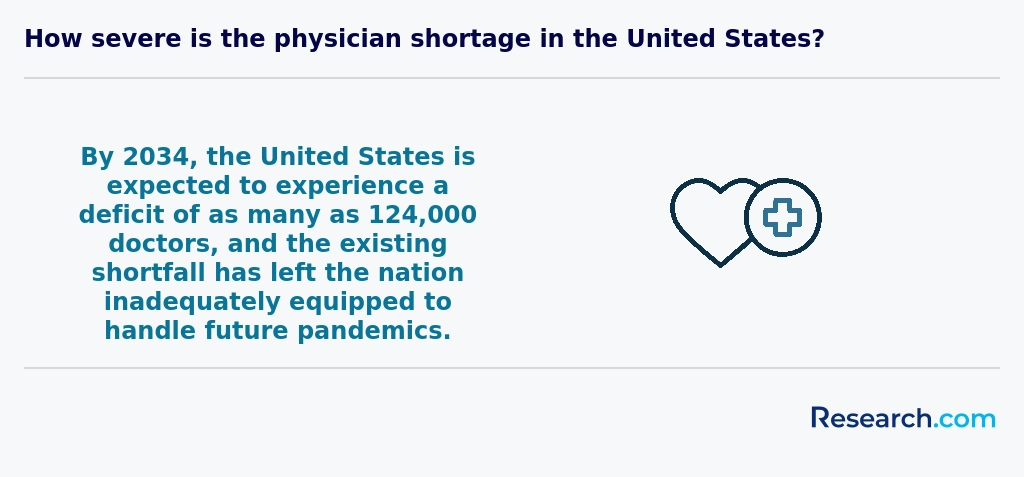
Graduates with an online healthcare degree in Arkansas often find rewarding careers in nursing, healthcare administration, and allied health professions. Many alumni from well-known institutions like the University of Arkansas report success becoming Registered Nurses or Nurse Practitioners, addressing critical needs in both urban hospitals and rural areas. The state's growing elderly population fuels demand, ensuring strong job prospects for those completing nursing programs designed to prepare for licensure and advanced practice.
Others pursue healthcare administration roles, managing operations in clinics or long-term care facilities. Professionals with degrees from Arkansas universities highlight the appeal of competitive wages and the opportunity to impact healthcare service quality. Additionally, Arkansas's investment in telehealth has created openings in health informatics and digital health roles, where graduates develop skills for managing electronic records and patient data effectively.
Students interested in diverse options explore allied health fields like physical therapy or public health, helping communities tackle chronic illnesses. For those weighing degree choices, Arkansas offers competitively priced programs that make it easier to consider the best college degree to get for their goals. This practical approach suits anyone seeking online healthcare degree careers Arkansas-wide.
What is the job market for online healthcare degree in Arkansas?
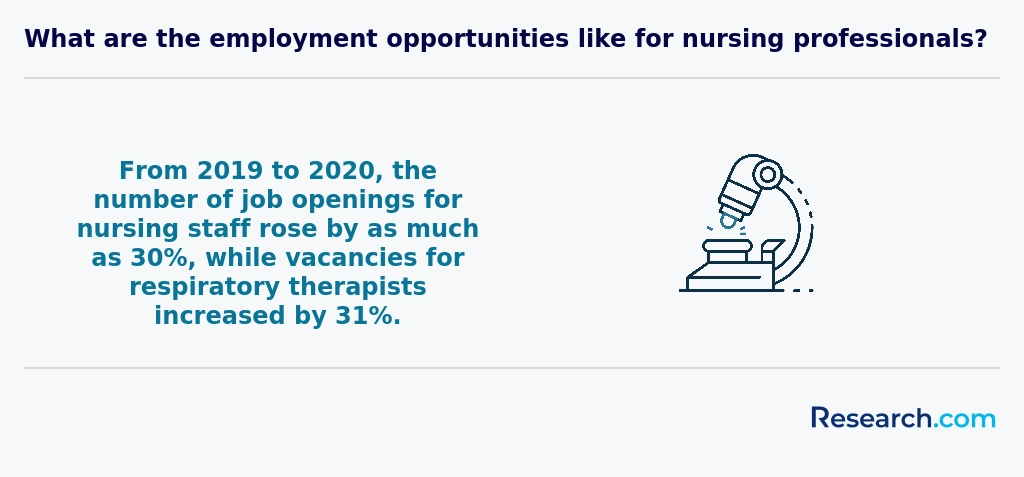
The job market for online healthcare degree graduates in Arkansas is robust, driven by a healthcare sector expected to grow 16% by 2030. Graduates from universities offering flexible online programs often find opportunities as nurse practitioners, healthcare administrators, and public health specialists within the state. Many report quickly securing roles in local hospitals or outpatient centers, where their skills help improve patient care and operational efficiency. This growth is especially promising for those in rural areas, which frequently face shortages in healthcare professionals.
Graduates with a master's-level degree enjoy competitive salaries, with healthcare managers earning around $95,000 annually statewide. Those who complete their studies at popular Arkansas institutions often highlight the benefit of balancing work and education through online formats, making the return on investment tangible. To explore options further, consider online college classes open enrollment that keep your career progressing without relocation or pause.
Given the many healthcare jobs in Arkansas and the promising employment outlook, pursuing an online healthcare degree is a practical step for those ready to meet growing demand with skilled, adaptable expertise.
Frequently Asked Questions About healthcare
Online healthcare degree students in Arkansas can maximize their learning by actively engaging with course materials and participating in virtual discussions. Taking advantage of the state's growing telehealth initiatives allows students to connect theoretical knowledge with practical applications. Arkansas ranks among the top states embracing telemedicine, reflecting a rising demand for skilled healthcare professionals.
Students should utilize available academic resources such as virtual labs, simulation tools, and library databases. Networking through online forums or local healthcare organizations helps build professional relationships within Arkansas's healthcare community.
Managing time effectively and seeking support from faculty can improve retention and success rates, which are crucial for online learning environments.
The healthcare industry in Arkansas is evolving rapidly, with several emerging niches attracting attention from students and professionals alike. One growing area is telehealth, which has expanded significantly due to increased demand for remote patient care. According to the Arkansas Department of Health, telemedicine visits increased by over 150% from 2019 to 2022.
Another niche is healthcare data analytics, where professionals use data to improve patient outcomes and streamline operations. The Bureau of Labor Statistics projects a 33% growth in healthcare management jobs nationwide by 2030, reflecting increased reliance on data-driven decision-making.
Additionally, geriatric care is becoming vital as Arkansas experiences an aging population; roughly 17% of the state's residents are 65 or older, higher than the national average. This shift drives demand for specialized care programs. These niches represent valuable opportunities for online healthcare degree students focusing on Arkansas's healthcare landscape.
After completing an online healthcare degree in Arkansas, preparing for the job market requires focus on both credentials and networking. Many healthcare roles in Arkansas, such as nursing or health administration, require state licensure or certification. Graduates should verify specific Arkansas Board requirements to ensure eligibility for exams.
Healthcare jobs in Arkansas are projected to grow 15% from 2020 to 2030, faster than average (Bureau of Labor Statistics). This growth highlights demand but also competition, making practical experience critical.
Internships, clinical hours, or virtual simulations offered by programs can strengthen resumes. Additionally, joining Arkansas-based healthcare associations can expand professional networks and job leads.
Familiarity with regional employers and using Arkansas job platforms help target applications strategically.
Employers in Arkansas highly value healthcare degree graduates who demonstrate strong clinical skills paired with effective communication. According to the Arkansas Department of Health, patient-centered care and teamwork are critical in the state's healthcare settings.
Technical proficiency with electronic health records (EHR) is increasingly essential, as Arkansas hospitals and clinics continue to adopt advanced healthcare technology. Additionally, problem-solving abilities and adaptability rank among top skills since healthcare environments can change rapidly.
Leadership and ethical decision-making are also prized, especially for those aiming for advanced positions. Data from the Arkansas Center for Health Improvement highlights demand for professionals who combine medical knowledge with these soft skills to improve patient outcomes.
Finding internships in Arkansas related to healthcare degrees requires targeted research and networking. Start by exploring local hospitals, clinics, and healthcare organizations, such as the University of Arkansas for Medical Sciences (UAMS) and Baptist Health. These institutions often offer internships specifically designed for students in healthcare programs.
Many online healthcare degrees include internship placement support or partnerships with Arkansas healthcare providers. Use Arkansas Workforce Centers and healthcare job boards to locate available internships. Additionally, professional associations like the Arkansas Healthcare Association provide resources for aspiring healthcare professionals.
According to the Arkansas Department of Health, healthcare employment in Arkansas is projected to grow by 13% through 2030, increasing internship opportunities. Early application and direct contact with healthcare employers improve chances of securing valuable internships.
Online healthcare degrees in Arkansas significantly enhance career mobility and advancement opportunities. According to the Arkansas Department of Workforce Services, the healthcare sector is among the fastest-growing industries in the state, with projected growth of 15% through 2030. Earning a master's degree online allows working professionals to gain advanced skills without pausing their careers, making it easier to qualify for leadership roles.
Employers in Arkansas increasingly value accredited online degrees, especially in nursing, health administration, and public health fields. Online programs also expand access to specialized certifications that boost employability.
Overall, an online healthcare degree opens doors to higher salaries and greater job security across Arkansas's healthcare system.
Studying for a healthcare degree in Arkansas equips students for interdisciplinary roles by integrating diverse fields such as nursing, public health, and health administration. Arkansas online programs emphasize collaboration among healthcare professionals, reflecting the state's growing demand for coordinated care. According to the Arkansas Department of Health, effective teamwork reduces medical errors and improves patient outcomes, highlighting the need for interdisciplinary skills.
Online healthcare degrees often include courses on communication, ethics, and systems thinking, fostering the ability to work across clinical and administrative boundaries. Additionally, Arkansas's regional health challenges, such as rural access and chronic disease management, provide practical context for these roles.
This comprehensive approach prepares graduates for leadership and innovative problem-solving in diverse healthcare environments.
When choosing between a thesis and a non-thesis healthcare degree program in Arkansas, students should consider their career goals and learning preferences. A thesis program typically requires original research and is ideal for those interested in academic or research careers. In contrast, non-thesis programs focus more on practical skills and coursework, appealing to professionals aiming for immediate employment or advancement.
Arkansas ranks 43rd in healthcare workforce development, making practical skills highly valuable, especially for online students seeking local employment.
The Arkansas Department of Higher Education notes that non-thesis programs often offer greater flexibility and shorter completion times.
Students should also evaluate faculty expertise and available research resources if considering a thesis pathway.
Students based in Arkansas seeking online healthcare degrees with an international focus have several pathways to consider. While Arkansas institutions primarily offer domestic programs, some universities collaborate with foreign universities to provide dual degrees or international practicum experiences. However, fully online healthcare degrees directly from abroad are limited due to accreditation and licensure requirements in the U.S.
Arkansas ranks 47th in healthcare access nationally, highlighting the importance of diverse training opportunities, including those with global perspectives. Some students pursue study abroad options in allied health fields through exchange programs or global partnerships connected to their home institutions. Official resources like the Arkansas Department of Higher Education can guide students about eligible international programs and credit transfer policies.
Overall, students interested in healthcare abroad should ensure any foreign degree meets Arkansas licensure standards, especially in nursing or medical fields, to practice locally after graduation.
Part-time job opportunities in Arkansas can significantly enhance the education of students pursuing online healthcare degrees. Many students find roles as medical assistants or patient care technicians, positions that provide practical experience in clinical environments. According to the Arkansas Department of Workforce Services, healthcare support occupations are projected to grow by 16% through 2030, indicating abundant job availability.
Other roles, such as administrative assistants in healthcare settings or pharmacy aides, also complement coursework by improving familiarity with healthcare operations. Working in these roles helps students develop important skills like communication, patient interaction, and understanding healthcare regulations. Such employment can be flexible and often aligns well with online study schedules.
Online healthcare students in Arkansas have several networking opportunities despite the virtual format of their programs. Many universities offer virtual events, webinars, and professional panels where students can connect with faculty and healthcare professionals. For example, institutions often partner with local hospitals and healthcare organizations to facilitate internships and clinical experiences, which help build professional relationships.
Arkansas's healthcare industry employs over 200,000 people, creating a vibrant community for networking. Statewide associations like the Arkansas Nurses Association and the Arkansas Hospital Association provide online forums, workshops, and conferences, which online students can access to meet peers and industry leaders.
Additionally, platforms like LinkedIn are widely used by Arkansas students and alumni to expand their professional networks and explore job opportunities in healthcare fields across the state.
Alumni networks offer significant advantages to online healthcare degree students in Arkansas by fostering valuable professional connections and support systems. These networks enable graduates and current students to access mentorship, job leads, and continuing education opportunities tailored to Arkansas's healthcare landscape. According to the Arkansas Department of Health, the state experiences steady growth in healthcare employment, highlighting the importance of local networks for career advancement.
Membership in alumni groups can facilitate connections with professionals working in major Arkansas healthcare hubs like Little Rock and Fayetteville. Such relationships can provide guidance on state-specific licensing and certification requirements, which are critical for healthcare professionals.
Moreover, alumni networks often share job postings and industry updates relevant to Arkansas healthcare institutions. This insider information helps students navigate the competitive job market more effectively.
Overall, engaging with alumni improves both educational experience and employment prospects by linking students to Arkansas's evolving healthcare sector.
Customizing an online healthcare degree program in Arkansas starts with choosing a specialization that matches your career goals. Many Arkansas universities offer fields such as healthcare administration, nursing, or public health.
Flexible course options and electives enable you to focus on areas like health informatics or patient care management. This flexibility helps tailor your education to local healthcare demands, with Arkansas projected to grow 12% in healthcare jobs by 2030 (Arkansas Department of Workforce Services).
Additionally, some programs provide opportunities for clinical experiences or internships with Arkansas healthcare providers, enhancing real-world skills. Online advising and career services also support your pathway by aligning coursework with certifications recognized in the state.
Online healthcare students in Arkansas often face challenges related to clinical placement availability. The state has a limited number of healthcare facilities authorized to accept students for practical training, which can delay program completion. According to the Arkansas Department of Higher Education, this bottleneck affects many in nursing and allied health fields.
Connectivity issues also impact online learners, especially in rural areas where broadband access remains limited. The Federal Communications Commission reports that nearly 20% of Arkansans lack high-speed internet, complicating access to coursework and virtual discussions.
Additionally, balancing work, family, and study commitments can be difficult for adult learners, who make up a significant portion of online healthcare programs in Arkansas.
With an online healthcare degree, students in Arkansas can pursue various professional certifications to enhance their career prospects. Common certifications include Certified Medical Manager (CMM), Registered Health Information Technician (RHIT), and Certified Healthcare Administrative Professional (cHAP). These credentials are recognized nationwide and can lead to roles in healthcare management, health information technology, or clinical support.
Arkansas has a growing healthcare sector with over 200,000 jobs, according to the Arkansas Department of Workforce Services, making certifications valuable for competitive employment. Many programs prepare graduates to sit for national exams offered by organizations like the American Health Information Management Association (AHIMA) and the Healthcare Financial Management Association (HFMA).
Certifications often require a combination of education, relevant work experience, and passing standardized exams, serving as proof of specialized knowledge in the field.
Writing a winning application for an online healthcare program in Arkansas requires clear focus and preparation. Start by thoroughly researching programs accredited by organizations like the Commission on Accreditation of Allied Health Education Programs (CAAHEP) or CAHME, ensuring your chosen program meets Arkansas's professional standards.
Highlight relevant experience in healthcare or related fields, as Arkansas hospitals and clinics prioritize applicants with practical exposure due to the state's strong rural health care demands reported by the Arkansas Department of Health.
Emphasize your commitment to serving Arkansas communities, especially since the state faces healthcare workforce shortages. Include specific goals aligning with local needs to strengthen your application.
Finally, ensure your application materials, such as personal statements and recommendations, are clear, concise, and tailored to each program's values and mission.
Healthcare careers have a growing global impact, shaped by aging populations and advancements in technology. In the United States, including Arkansas, healthcare employment is projected to grow 13% from 2021 to 2031 according to the U.S. Bureau of Labor Statistics. This growth reflects rising demands for skilled professionals worldwide. Arkansas, specifically, has invested in expanding healthcare education programs online to meet local and global workforce needs. These trends highlight the increasing importance of healthcare professionals who can adapt to diverse populations and global health challenges. Pursuing an online degree in Arkansas also offers flexibility to engage with international healthcare perspectives through coursework and collaboration.
Students pursuing an online healthcare degree in Arkansas can gain practical experience through local clinical placements arranged by their schools. Many programs partner with nearby hospitals, clinics, and public health organizations to provide internships or practicum opportunities that meet state licensure requirements.
Arkansas has a growing healthcare sector, employing over 150,000 people as of 2023 (Arkansas Department of Workforce Services). Online students can benefit from these local networks to complete hands-on training without relocating.
Additionally, some universities encourage participation in Arkansas-based community health projects or simulation labs. These experiences help students apply theoretical knowledge in real-world settings while maintaining flexibility.
Choosing the right concentration within an online healthcare degree program in Arkansas depends on your career goals and the local healthcare needs. Arkansas faces a growing demand for healthcare professionals in fields like public health, nursing, and health administration, driven by a rural population with limited access to medical services. According to the Arkansas Department of Health, there is a critical shortage of primary care providers in many regions.
Consider concentrations that align with these in-demand areas, such as healthcare leadership or population health. Research the program curriculum to ensure it covers skills relevant to Arkansas's healthcare systems and licensure requirements. Also, review employment rates and salary data for graduates in the state to make an informed decision.
Related Healthcare Rankings for Nearby States
- 2027 Most Valuable Online Master's in Healthcare Degree Programs Ranking in Missouri
- 2027 Most Valuable Online Master's in Healthcare Degree Programs Ranking in Louisiana
- 2027 Most Valuable Online Master's in Healthcare Degree Programs Ranking in Texas
- 2027 Most Valuable Online Master's in Healthcare Degree Programs Ranking in Kansas
- 2027 Most Valuable Online Master's in Healthcare Degree Programs Ranking in Alabama
- 2027 Most Valuable Online Master's in Healthcare Degree Programs Ranking in Illinois
- 2027 Most Valuable Online Master's in Healthcare Degree Programs Ranking in Iowa
- 2027 Most Valuable Online Master's in Healthcare Degree Programs Ranking in Georgia
- 2027 Most Valuable Online Master's in Healthcare Degree Programs Ranking in Florida
- 2027 Most Valuable Online Master's in Healthcare Degree Programs Ranking in Ohio
Top Trending Healthcare Rankings
See What Experts Have To Say About Studying Healthcare
Read our interview with Healthcare experts

References
- HEALTH MANAGEMENT (THESIS / NON-THESIS) - Lisansüstü Eğitim Enstitüsü https://lee.nisantasi.edu.tr/en/health-management-thesis-non-thesis/
- Online Learning Across the University of Arkansas System - University of Arkansas System https://uasys.edu/online/
- What are the top 10 skills that'll get you a job when you graduate? https://targetjobs.co.uk/careers-advice/skills-for-getting-a-job/what-are-top-10-skills-thatll-get-you-job-when-you-graduate
- The Role of Interdisciplinary Studies in Medical Career Training https://georgia-med.com/the-role-of-interdisciplinary-studies-in-medical-career-training.html
- Top 20 Online Bachelor’s Degree Programs in Healthcare Management - Healthcare Management Degree Guide https://www.healthcare-management-degree.net/best/online-bachelors-programs/
- The Healthcare Student’s Guide to Internships | EduMed.org https://www.edumed.org/resources/student-online-guide-to-internships/
- The Value of Healthcare Organization Alumni Associations https://consultqd.clevelandclinic.org/the-value-of-healthcare-organization-alumni-associations
- Career Goals: 17 Inspirational Examples for you in 2026 https://www.imd.org/blog/learning-and-development/career-goals/
- Health Management Careers https://www.ache.org/Career-Resources/Start-Your-Career/Health-Management-Careers
- Overcoming Common Challenges in Nursing School: Tips for Success - American Healthcare Institute https://amhealthinstitute.com/blog/overcoming-common-challenges-in-nursing-school-tips-for-success/





