2027 Most Affordable Online Doctorate in Healthcare Degree Programs Ranking in Colorado

Co-Founder and Chief Data Scientist
For Colorado students aiming to advance their careers, choosing the right online doctorate in healthcare program is a big decision. This article introduces the 2027 Most Affordable Online Doctorate in Healthcare Degree Programs Ranking in Colorado, developed by Research.com's team of data scientists. It's designed to help you find programs that combine quality education with affordability.
Exploring this ranking can guide you toward programs that fit your goals and budget, making your educational journey more manageable. Earning a healthcare doctorate opens doors to rewarding opportunities and growth in a vital field.
Key benefits of getting online healthcare degree in Colorado
- Graduates with a healthcare degree in Colorado can expect strong salaries, such as a Program Director earning a mean annual wage of $129,330 and a Research Director making about $112,380 per year, offering financial stability and rewarding career opportunities.
- Career paths for healthcare degree holders in Colorado include leadership roles like Chief Development Officer or Principal Scientist, allowing graduates from universities such as the University of Colorado to thrive in diverse, impactful positions within healthcare organizations.
- Online healthcare degrees from institutions like Regis University provide flexibility, letting students balance work and study while gaining the same respected credentials as traditional programs, making education more accessible and convenient.
- Key benefits of getting online healthcare degree in Colorado
- What can I expect from online healthcare degree in Colorado?
- Where can I work with online healthcare degree in Colorado?
- How much can I make with online healthcare degree in Colorado?
- 2027 Most Affordable Online Doctorate in Healthcare Degree Programs Ranking in Colorado
- Key Findings
- How long does it take to complete online healthcare degree in Colorado?
- Doctoral Program Structure and Dissertation Essentials
- What's the difference between online and on-campus healthcare degree?
- Types of Online Healthcare Doctorate Programs in Colorado
- What is the average cost of online healthcare degree in Colorado?
- Student Support and Resources for Online Healthcare Doctorate Students in Colorado
- What financial aid is available to online healthcare degree students in Colorado?
- Final Considerations: Your Next Steps Toward an Affordable Online Healthcare Degree in Colorado
- What are the prerequisites for enrolling in online healthcare degree program in Colorado?
- Deep Dive into Online Doctorate in Pharmacy Programs
- What courses are typically in online healthcare degree programs in Colorado?
- What types of specializations are available in online healthcare degree programs in Colorado?
- How do you choose the best online healthcare degree in Colorado?
- What career paths are available for online healthcare degree students in Colorado?
- What is the job market for online healthcare degree in Colorado?
- Related Healthcare Rankings for Nearby States
- Top Trending Healthcare Rankings
- See What Experts Have To Say About Studying Healthcare
What can I expect from online healthcare degree in Colorado?
The average cost of pursuing an online healthcare degree in Colorado is notably competitive, with resident tuition rates at institutions like the University of Colorado typically ranging from $400 to $600 per credit hour for master's programs. Graduates often report that these rates make advanced education financially accessible compared to on-campus alternatives, especially when balancing work and study. For example, a graduate from a well-known Colorado public university shared how the flexible online schedule allowed them to continue full-time employment while managing tuition costs through employer reimbursement.
Many online programs integrate local internships or practicum requirements, ensuring students gain practical experience relevant to Colorado's healthcare environment without incurring significant additional expenses. Students often highlight the value of federal financial aid and healthcare-specific scholarships, which further ease the financial burden. A typical full master's degree might therefore cost in the low tens of thousands, depending on credit requirements and additional fees. This affordability combined with practical training contributes to a rewarding, sustainable learning journey for healthcare professionals in the state.
Where can I work with online healthcare degree in Colorado?
Graduates with an online healthcare degree in Colorado find a range of career options aligned with the state's growing healthcare landscape. Many secure roles in hospitals and health systems, such as Denver Health or UCHealth, leveraging degrees in healthcare administration, nursing, or public health. A graduate from the University of Colorado shared that working within these large health networks offers strong job stability and leadership opportunities amid the state's 230,000-person healthcare workforce.
Others transition to outpatient care centers or clinics around Denver and Colorado Springs, taking on management or clinical coordination roles. Graduates often describe a rewarding sense of impact by improving patient experiences and operational efficiency.
Public health agencies like the Colorado Department of Public Health and Environment attract candidates focused on epidemiology and emergency preparedness, where demand continues to rise with statewide health initiatives. Healthcare doctoral graduates also report fulfilling careers in research and teaching at local universities, applying their skills in health services and policy analysis.
Additionally, insurance firms and consulting companies seek experts familiar with healthcare regulations and data, providing graduates with dynamic roles in compliance and program development. Entrepreneurial graduates contribute to Colorado's innovative healthcare tech startups, especially in Denver and Boulder, sparking enthusiasm through meaningful technology advancements.
How much can I make with online healthcare degree in Colorado?
Graduates with online healthcare degrees from Colorado institutions such as the University of Colorado or Colorado State University often find compelling salary opportunities across multiple roles. For instance, a Program Director in healthcare commands a mean annual wage of approximately $129,330, reflecting the high level of expertise and leadership required.
Healthcare Services Researchers and Research Directors typically earn around $112,380 annually, offering graduates a rewarding pathway that blends healthcare knowledge with analytical skills. Similarly, Principal Scientists in the healthcare field earn comparable salaries, demonstrating substantial demand for advanced research capabilities in Colorado's expanding healthcare sector.
Chief Development Officers, who often emerge from healthcare administration programs, earn a mean salary of about $95,600, a figure supported by local data confirming that Denver-based healthcare administrators enjoy competitive earnings. Graduates from these programs frequently express satisfaction in securing positions that not only align with their passions but also provide financial stability.
2027 Most Affordable Online Doctorate in Healthcare Degree Programs Ranking in Colorado
How do we rank schools?
Investing in your education is a significant decision that can shape your future, and the Research.com team understands the importance of making informed choices. To assist prospective students in Colorado, we have meticulously crafted the "2027 Most Affordable Online Doctorate in Healthcare Degree Programs Ranking." Our commitment to quality, credibility, and accuracy is reflected in the extensive research and analysis conducted to compile this ranking.
We utilized the following reputable data sources to ensure a comprehensive evaluation of healthcare doctorate programs:
By exploring this ranking, readers will gain valuable insights into the most affordable and credible online doctorate programs in healthcare available in Colorado, helping them make well-informed decisions about their educational investments. For more details on our methodology, please visit our Research.com methodology page.

# 2 position
Colorado Christian University
Doctor of Nursing Practice


Key Findings
- The average total cost for an online healthcare degree in Colorado ranges from $15,000 to $40,000, with community colleges and public universities generally offering more affordable options.
- Colorado's healthcare sector employs over 375,000 workers, representing about 12.5% of the state's workforce, indicating strong job availability for graduates.
- Entry-level salaries for healthcare graduates usually start around $50,000 annually, with registered nurses earning near $60,000 at the start and over $85,000 with experience.
- Experienced healthcare professionals in Colorado can earn median salaries exceeding $100,000 due to ongoing demand and advancement in technology.
- Many online healthcare programs in Colorado are accredited and designed to meet state licensure requirements critical for professional practice.
How long does it take to complete online healthcare degree in Colorado?
Completing an online healthcare degree in Colorado typically ranges from two to six years, varying by degree level and program format. For example, associate degrees usually take about two years, while bachelor's programs, such as those offered by the University of Colorado or Colorado State University Global, often require four years. However, RN-to-BSN students at these institutions frequently finish in just 18 to 24 months thanks to credit transfers and accelerated coursework.
Graduate programs, like the Master of Healthcare Administration available through Regis University, generally take two years if pursued full-time. Doctoral degrees, including the Doctor of Nursing Practice or PhD in Health Sciences, tend to span three to six years, reflecting intensive research and clinical practicum requirements.
Students juggling work and studies appreciate the flexibility many Colorado schools provide, allowing part-time enrollment and extended timelines without sacrificing career advancement. Graduates often express satisfaction with this approach, highlighting how personalized pacing enables them to balance professional life with education effectively.
Doctoral Program Structure and Dissertation Essentials
Embarking on an online doctorate in healthcare in Colorado typically involves a blend of advanced coursework, intensive research seminars, and a culminating dissertation that demonstrates your ability to contribute original knowledge to the field. Most programs begin with 12–18 credit hours of core classes-covering topics like advanced healthcare policy, epidemiological research methods, and leadership strategies-before transitioning into specialized electives aligned with your career goals. Once coursework is complete, doctoral candidates enter the research phase, which often includes comprehensive exams and a formal proposal defense. This stage ensures you have a solid theoretical framework and methodology for your dissertation. Candidates collaborate closely with faculty advisors and may participate in virtual research workshops or attend online colloquia to refine their study design and data-analysis techniques. The dissertation itself usually spans 18–24 credit hours and is structured around several milestones: proposal submission, Institutional Review Board (IRB) approval, data collection, manuscript drafting, and final defense. Throughout this process, universities in Colorado provide robust support services-such as digital libraries, statistical consulting, and writing centers-to help students meet each deadline and maintain rigorous academic standards. For insights into cost-effective doctoral research pathways, you can also explore the cheapest online doctorate in pharmacy offerings, which share many budget-friendly strategies relevant to healthcare programs. Finally, most online healthcare doctorates require a public defense-conducted via video conference-in which candidates present their findings to a committee of scholars. Successful completion not only awards the PhD but also equips graduates with the credentials to lead clinical research teams, influence health policy, or teach at the university level. Prospective students should review each program’s specific timeline and residency requirements to ensure alignment with their professional and personal commitments.
What's the difference between online and on-campus healthcare degree?
Online healthcare degrees in Colorado provide students with remarkable flexibility, enabling them to balance coursework around work and personal life. Graduates from institutions like the University of Colorado Anschutz Medical Campus often praise the ability to attend lectures remotely, which eliminates commuting challenges posed by Colorado's mountainous terrain and unpredictable weather. This convenience allows learners to progress at their own pace without sacrificing job responsibilities.
Conversely, on-campus programs at colleges such as Colorado State University Pueblo offer immersive, face-to-face experiences. Students benefit from hands-on clinical hours and direct interaction with instructors, essential for mastering practical skills. These programs frequently include partnerships with local hospitals, giving students valuable real-world exposure.
Cost-wise, public institutions in Colorado charge between $9,000 and $12,000 annually for in-state healthcare degrees. Some online offerings may reduce ancillary fees, but tuition typically aligns with traditional programs due to identical accreditation standards upheld by CAHME.
Networking opportunities differ: on-campus students engage easily in health industry events in Denver or Colorado Springs, whereas online learners must proactively seek virtual connections to build similar professional relationships.
Types of Online Healthcare Doctorate Programs in Colorado
Online healthcare doctorates in Colorado fall into practice-focused and research-focused categories, each tailored to specific career goals.
- Doctor of Nursing Practice (DNP): Emphasizes clinical leadership, quality improvement and evidence-based practice-ideal for advanced nurse practitioners and executive nursing roles.
- Doctor of Health Administration (DHA): Focuses on healthcare finance, policy, strategy and operations-preparing graduates for senior leadership in hospitals, health systems and consulting.
- Doctor of Philosophy (PhD) in Healthcare: Centers on original research, data analysis and academic scholarship-geared toward university faculty, research institutes and policy think tanks.
- Doctor of Public Health (DrPH): Combines public health theory with applied leadership, policy development and community health interventions-perfect for governmental agencies, NGOs and global health organizations.
When comparing programs, consider accreditation, required residency or clinical hours, dissertation versus capstone options, typical cohort size and funding support. For nursing-focused doctoral paths and cost-effective options, see our affordable np programs.
What is the average cost of online healthcare degree in Colorado?
The average cost of an online healthcare degree in Colorado typically centers around $28,160, with in-state and out-of-state students often facing similar total costs near $33,867. These figures reflect combined tuition and essential fees, though students should anticipate additional expenses for books, technology, and clinical requirements. Graduates from prominent Colorado institutions frequently share that while tuition can be a sizable investment, many found the overall cost manageable when factoring in online study savings, such as reduced commuting and housing expenses.
For those exploring affordable online doctorate healthcare programs Colorado offers options that balance rigorous education with cost-efficiency. Public universities in the state are known for lower tuition rates, especially for residents, while private colleges may demand higher fees but often provide enriched curricula and flexible schedules. Graduates appreciate the mix of quality and value, often citing how financial aid and employer tuition reimbursement eased their financial burden.
When researching programs, prospective students should compare costs alongside key metrics like program accreditation and completion success. Many healthcare students in Colorado strongly recommend consulting lists of the cheapest healthcare schools in colorado to find opportunities that align well with their budget and career goals, ensuring a solid return on investment while pursuing a healthcare career online.

Student Support and Resources for Online Healthcare Doctorate Students in Colorado
A robust support infrastructure is essential for success in online healthcare doctorate programs in Colorado. From the moment you enroll, you gain access to academic advising, technical assistance, and a wealth of digital resources designed to keep you on track and connected. • Academic Advising and Mentorship Each student is paired with an experienced advisor who helps tailor your coursework to match career goals. Advisors guide you through program requirements, assist with course selection, and provide personalized feedback on research proposals and dissertations. • Technical Support and Learning Platforms Colorado institutions invest in user-friendly learning management systems (LMS) that integrate lectures, discussion boards, and multimedia resources. Dedicated IT teams offer 24/7 support for troubleshooting login issues, software installations, and virtual classroom connectivity. • Digital Library and Research Databases Online healthcare doctorate students benefit from comprehensive digital libraries, including access to PubMed, CINAHL, and JSTOR. Interlibrary loan services and virtual research consultations ensure you can source the latest studies, clinical trials, and evidence-based guidelines. • Career Services and Networking Career centers host virtual workshops on resume building, interview preparation, and academic publishing. Regular webinars connect you with healthcare executives, policy makers, and alumni working in leadership roles, expanding your professional network. • Peer Collaboration and Study Groups Interactive group projects and cohort-based learning foster peer-to-peer support. Virtual study sessions and specialized chat rooms help you discuss case studies, refine methodologies, and cultivate a sense of community. • Wellness and Work–Life Balance Resources Recognizing the demands of doctoral study, many programs offer online counseling, time-management webinars, and mindfulness apps. These resources help you balance research milestones with personal and professional responsibilities. For students comparing affordability and support across states, explore the Most Affordable Online Healthcare Degree Programs Ranking in West Virginia to find similarly well-supported options beyond Colorado.
What financial aid is available to online healthcare degree students in Colorado?
Students pursuing online healthcare degrees in Colorado frequently access a range of financial aid options to offset education costs, which typically align with national averages of $15,000 to $25,000 annually. Federal aid, initiated through FAFSA, remains a cornerstone, offering Pell Grants for undergraduates with demonstrated need-funds that do not require repayment-and Direct Subsidized and Unsubsidized Loans with competitive interest rates. Graduates from institutions like the University of Colorado often highlight how these grants and loans substantially reduced their financial burden.
At the state level, the Colorado Opportunity Scholarship Initiative (COSI) supports students through tuition assistance, particularly benefiting those studying high-demand healthcare fields such as nursing. Alumni reflect positively on how COSI scholarships made advanced degrees more accessible without incurring overwhelming debt.
Institutional aid is also critical; many Colorado universities extend merit-based scholarships and need-based grants tailored to online learners. These opportunities, coupled with employer tuition assistance frequently utilized by working healthcare professionals, provide flexible pathways toward degree completion.
- National organizations like the American Nurses Association and HRSA offer scholarships and loan repayment programs, further easing financial pressure.
- Veterans and their families in Colorado benefit from GI Bill education benefits, enhancing affordability for those with military backgrounds.
Final Considerations: Your Next Steps Toward an Affordable Online Healthcare Degree in Colorado
Choosing the right online healthcare degree program is a pivotal step toward a rewarding career in Colorado’s thriving healthcare sector. To wrap up your research, consider revisiting important factors such as accreditation, curriculum relevance, flexible scheduling, and post-graduation career support. As you decide on your next steps, it’s essential to compare the entire spectrum of programs available, including offerings from the cheapest healthcare schools in colorado, which can help ensure that you find an option that aligns with both your academic goals and financial considerations. Before applying, take advantage of available resources like student testimonials, detailed program breakdowns, and career outcome statistics. Reflect on insights from alumni and explore FAQs on each institution’s website to obtain a well-rounded perspective. This final checklist not only solidifies your understanding of what each program offers but also empowers you with the confidence to make a well-informed decision as you embark on your educational journey in healthcare.
What are the prerequisites for enrolling in online healthcare degree program in Colorado?
To enroll in an online healthcare degree program in Colorado, students must meet specific academic and professional prerequisites tailored to their level of study. For example, graduates entering undergraduate programs, such as at the University of Colorado or Colorado State University, typically present a high school diploma and foundational coursework in biology, chemistry, and math. This solid science background helps students confidently tackle rigorous healthcare classes.
At the graduate level, applicants pursuing degrees like a Master of Health Administration often have bachelor's degrees related to healthcare. Many graduates recall that programs at institutions such as Regis University required two to three years of professional healthcare experience, which provided valuable practical insights and boosted their confidence entering advanced coursework.
Additionally, some doctoral candidates in Colorado report submitting GRE scores and professional recommendations, aligning with program expectations that emphasize both academic readiness and real-world experience. International students usually include TOEFL or IELTS results, ensuring strong communication skills. Transcripts and statements of purpose round out the application, helping students express their career goals clearly and enthusiastically.
Deep Dive into Online Doctorate in Pharmacy Programs
While our article offers an in-depth look into affordable online healthcare degrees in Colorado, a crucial area that deserves special attention is the advanced realm of online doctorate in pharmacy programs. These programs are designed not only to elevate your expertise in pharmaceutical sciences but also to sharpen your leadership skills for high-stakes decision-making in healthcare. Students pursuing a doctorate in pharmacy gain a competitive edge by combining rigorous scientific coursework with practical training in clinical and research settings. This advanced level of study is especially beneficial for those aiming for positions in academia, research laboratories, or high‐level administrative roles within healthcare organizations. Doctorate programs typically emphasize innovative research, evidence-based practices, and cutting-edge technologies that transform patient care. They also offer networking opportunities with esteemed professionals, which can be instrumental for long-term career advancement. Academics and industry leaders alike attest to the transformative impact of these programs on professional trajectories, fostering both personal growth and institutional innovation. Moreover, many of these programs provide flexible learning formats tailored for working professionals, making it possible to balance advanced studies with real-world commitments. For prospective students who are weighing their options, it is essential to consider factors such as accreditation, curriculum quality, faculty expertise, and post-graduation opportunities. If you’re exploring specialized paths within online healthcare education, you might also want to check out the best doctorate in pharmacy online program, which offers additional insights into how advanced pharmacy education can influence your career advancement. By taking the time to understand the nuances of online doctorate programs, you can make a decision that aligns with both your academic objectives and long-term career goals.
What courses are typically in online healthcare degree programs in Colorado?
Online healthcare degree programs in Colorado commonly include courses such as Healthcare Administration, Health Informatics, Medical Ethics and Law, Healthcare Finance and Budgeting, Research Methods and Biostatistics, Public Health and Epidemiology, and for clinical tracks, Pharmacology and Pathophysiology. Graduates from institutions like the University of Colorado and Colorado State University report that these courses equip them with a solid mix of theoretical knowledge and practical skills essential for local healthcare settings.
For example, a graduate recalled applying concepts from Healthcare Administration during a virtual internship with a Denver hospital, helping improve patient workflow efficiency. Another from Colorado Mesa University highlighted how Health Informatics coursework helped them manage electronic health records effectively, an increasingly vital skill in today's digital healthcare environment.
This focused curriculum aligns well with Colorado's healthcare workforce demands, especially in metropolitan regions like Denver and Colorado Springs. The integration of case studies, virtual simulations, and capstone projects provides a hands-on experience that online students appreciate, enabling them to confidently transition from study to professional roles within the state's evolving healthcare system.
What types of specializations are available in online healthcare degree programs in Colorado?
Online healthcare degree specializations Colorado students frequently pursue include Healthcare Administration, Public Health, Nursing, and Health Informatics. Healthcare Administration prepares graduates for leadership roles in hospitals and clinics, a field expected to grow by 15% from 2020 to 2030 according to the Colorado Department of Labor and Employment. Many graduates from well-known institutions in Colorado highlight the practical learning of healthcare policy and finance as key to their career progression.
Public Health programs emphasize epidemiology and disease prevention, addressing challenges such as rural healthcare access-a pressing local concern. Nursing remains a strong specialization, with advanced practice options like Nurse Practitioner roles reflecting high job demand and competitive salaries, evidenced by the median wage of $79,000 annually reported in 2023 by the U.S. Bureau of Labor Statistics.
Health Informatics combines technology with care improvement, responding to Colorado's growing investment in digital health. Additional online healthcare degree specializations Colorado offers include Health Education and Promotion, Healthcare Quality and Patient Safety, Clinical Research or Clinical Trials Management, and Healthcare Policy and Ethics. Graduates often note that programs at regional universities provide flexible learning tailored to diverse professional goals. Those aiming for further specialization might also explore the best doctorate in pharmacy online program available in state.
How do you choose the best online healthcare degree in Colorado?
Choosing the best online healthcare degree in Colorado requires evaluating accredited programs that align with your career goals. Universities such as the University of Colorado and Colorado State University offer accredited degrees recognized by employers statewide, ensuring graduate credibility. Graduates from these programs often praise the flexibility of asynchronous coursework, which allows balancing work and study commitments effectively.
Cost considerations are crucial; many students seek affordable online healthcare doctorate programs Colorado offers, benefiting from public institutions' competitive tuition compared to private options. Comparing total costs, including fees and technology expenses, is essential. For students interested in pharmacy, programs offering the cheapest online doctorate in pharmacy options present financially smart choices.
Graduates emphasize the importance of program relevance-matching curriculum content to their intended healthcare field, whether nursing, health informatics, or healthcare administration. Evaluating employment outcomes and networks in Colorado's growing healthcare sector further guides decision-making, especially for those aiming to enter professions with a projected 15% job growth through 2030.
What career paths are available for online healthcare degree students in Colorado?
Graduates with an online healthcare degree in Colorado find diverse career paths tailored to the state's expanding healthcare market. Popular roles include healthcare administrators who manage hospital operations, registered nurses or nurse practitioners working directly with patients, and health informatics specialists who manage critical electronic health records. Public health professionals and healthcare consultants also play vital roles by improving community health outcomes and advising organizations on efficiency-fields growing alongside Colorado's healthcare workforce needs.
Many students from well-regarded institutions such as the University of Colorado or Colorado State University report satisfaction with the practical skills gained online, allowing them to confidently enter these roles. These online healthcare degree careers in Colorado meet the increasing demand in hospitals like UCHealth or SCL Health, where formal training is highly valued.
For prospective students exploring cost-effective options, the Most Affordable Online Healthcare Degree Programs Ranking in West Virginia offers valuable insights that can guide budgeting decisions and financial planning in healthcare education.
What is the job market for online healthcare degree in Colorado?
The online healthcare job market Colorado is experiencing steady growth, driven by increasing demand for skilled professionals in hospitals and outpatient centers. Graduates from well-known institutions such as the University of Colorado and Colorado State University report strong job prospects, especially in roles like healthcare management and nursing. Employers value their ability to improve patient outcomes and manage healthcare technology efficiently. These graduates often find opportunities with major healthcare providers like UCHealth and Denver Health, reflecting the state's expanding healthcare sector.
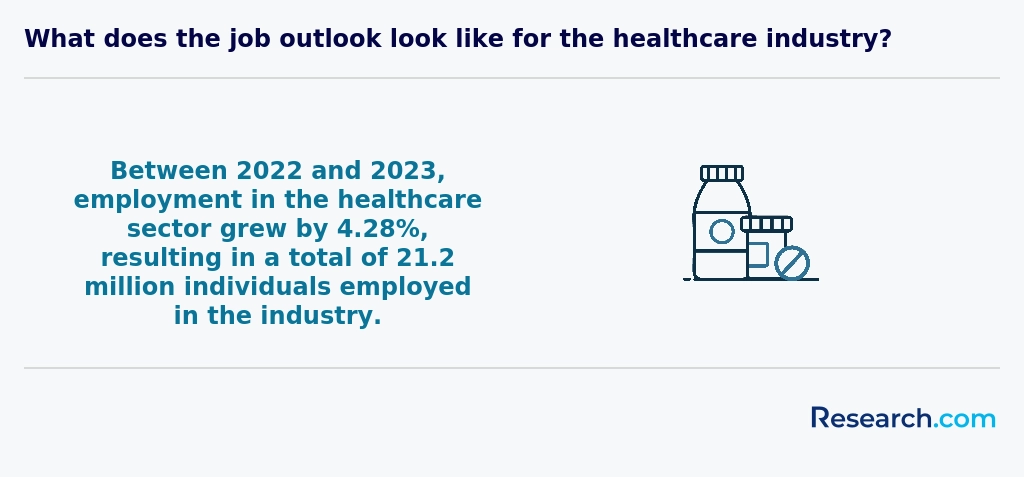
Healthcare degree employment outlook Colorado highlights an expected industry growth of nearly 16% by 2032, outpacing overall job market expansion. This creates diverse opportunities in public health education, health services management, and health information roles, fueled by ongoing digitization and state health initiatives. Graduates benefit from competitive salaries, with healthcare managers earning around $110,000 annually.
Cost-conscious students appreciate that many online options offer flexible schedules and often lower tuition costs. Residents considering online education can explore best 6 month certifications that pay well, which enhance employment chances in a thriving Colorado healthcare job market.
Frequently Asked Questions About healthcare
Online healthcare degree students in Colorado can enhance their learning by actively engaging with course materials and participating in virtual discussions. Utilizing Colorado-specific healthcare resources and state regulations deepens understanding of local practices. Connecting with peers and faculty through online forums fosters collaboration and networking, which are crucial in healthcare careers.
Students should take advantage of internships or practicum opportunities within Colorado, as hands-on experience enriches theoretical knowledge. According to the Colorado Department of Public Health & Environment, healthcare jobs in the state are projected to grow by 16% by 2030, increasing the need for qualified professionals.
Efficient time management and setting clear goals also support success in online programs, ensuring steady progress toward degree completion.
Emerging niches within the healthcare field in Colorado include telehealth, healthcare informatics, and gerontology. Telehealth has grown rapidly, especially since 2020, with Colorado reporting a 150% increase in telehealth visits according to the Colorado Department of Public Health & Environment. This growth creates demand for professionals skilled in remote patient care technologies.
Healthcare informatics is another expanding area, driven by the need to manage and analyze patient data securely. The Colorado Health Institute notes a rising need for experts who can interpret healthcare data to improve patient outcomes.
Additionally, gerontology is gaining attention due to the state's aging population, prompting increased demand for specialists focused on elderly care and chronic disease management.
After completing an online healthcare degree in Colorado, preparing for the job market involves several strategic steps. First, obtaining appropriate state licensure or certification is essential. Many healthcare roles require Colorado-specific credentials, so check the Colorado Department of Regulatory Agencies for current licensing requirements.
Next, gaining practical experience through internships, residencies, or volunteer opportunities can strengthen your resume. Healthcare employers in Colorado often prioritize candidates with hands-on experience in local medical facilities.
Networking is crucial. Joining professional organizations like the Colorado Nurses Association or Colorado Public Health Association can provide valuable connections and job leads.
Finally, using Colorado-specific job boards such as ColoradoHealthJobs.com helps identify opportunities relevant to the state's healthcare landscape.
Employers in Colorado's healthcare sector prioritize graduates with strong clinical skills and patient care expertise. According to the Colorado Department of Labor and Employment, graduates proficient in electronic health records (EHR) management are highly sought after, as digital tools play a critical role in modern healthcare.
Communication skills top the list, ensuring professionals can effectively interact with patients and interdisciplinary teams. Problem-solving ability and adaptability are essential due to the evolving medical landscape and Colorado's diverse population.
Leadership and understanding of healthcare policies are also valued, especially as many roles demand collaboration across organizations and compliance with federal and state regulations.
Finding internships in Colorado related to healthcare degrees involves leveraging local healthcare networks and university resources. Many Colorado healthcare facilities, such as UCHealth and Denver Health, offer internships and clinical placements for students.
Start by contacting the career services offices of your online degree provider, as they often have partnerships with Colorado hospitals and clinics. Additionally, websites like the Colorado Department of Public Health & Environment provide listings of healthcare internship opportunities across the state.
The Colorado Health Foundation's reports highlight a growing demand for healthcare professionals, making internships increasingly available in diverse fields from nursing to public health.
Networking through professional associations such as the Colorado Nurses Association can also open doors to exclusive internship programs tailored for healthcare students.
Obtaining an online healthcare degree in Colorado can significantly enhance career mobility and advancement for professionals. The state's healthcare sector is expanding rapidly, with employment projected to grow 17% from 2020 to 2030, according to the Colorado Department of Labor and Employment. This growth increases demand for skilled healthcare workers with advanced qualifications.
Online degrees offer flexibility, allowing students to continue working while studying, which helps them gain relevant experience alongside new credentials. Many Colorado employers recognize accredited online healthcare degrees, facilitating promotions and leadership opportunities.
Additionally, advanced degrees often lead to higher salaries. For example, healthcare managers in Colorado earn a median annual wage of about $107,000, as reported by the U.S. Bureau of Labor Statistics in 2023.
Overall, an online healthcare degree supports professional growth by providing essential knowledge, credentials, and access to a growing job market in Colorado's healthcare industry.
Studying for a healthcare degree online in Colorado offers robust preparation for interdisciplinary roles essential in modern healthcare. Programs emphasize collaboration across fields such as nursing, public health, administration, and informatics, reflecting the integrated nature of Colorado's healthcare system.
Colorado's healthcare workforce demands professionals capable of working with diverse teams to address complex challenges like chronic disease and rural access disparities. According to the Colorado Department of Public Health and Environment, 65% of healthcare employers seek candidates with cross-disciplinary skills.
Online degrees often include case studies, team projects, and technology training to develop communication and leadership skills. This approach equips graduates to coordinate efficiently within varied healthcare environments statewide.
Choosing between a thesis and a non-thesis online healthcare degree in Colorado depends on your career goals and learning preferences. A thesis program emphasizes research, requiring students to conduct original studies and write a detailed paper. This path suits those aiming for academic, research, or leadership roles in healthcare. According to the Colorado Department of Higher Education, research skills remain vital in the state's growing healthcare sector.
Non-thesis programs focus more on practical skills and coursework, ideal for professionals seeking advancement without engaging in extensive research. The Colorado Health Institute reports that many healthcare employers value applied knowledge and real-world problem-solving abilities.
Consider your time commitment and interest in research before deciding. Both options provide strong healthcare education aligned with state healthcare demands.
Students based in Colorado seeking to study healthcare abroad have several pathways, particularly through online programs offered by international institutions. While direct enrollment in foreign universities may require physical presence, many schools now provide fully online healthcare degrees accessible from Colorado. This allows students to gain global perspectives without relocation. According to the Colorado Department of Higher Education, over 40% of graduate students opt for online programs to balance work and study.
Additionally, some U.S.-based universities with international partnerships offer joint degrees or exchange options that include online coursework. Prospective students should verify accreditation and state licensing requirements to ensure their degrees are recognized in Colorado healthcare markets.
Students pursuing online healthcare degrees in Colorado can enhance their education by engaging in various part-time jobs that offer practical experience. Roles such as medical assistants, patient care technicians, and phlebotomy technicians are common and directly related to healthcare studies.
According to the Colorado Department of Labor and Employment, healthcare support occupations are projected to grow by 18% through 2030. These positions often provide flexible hours suitable for students balancing coursework.
Working in settings like clinics, hospitals, or long-term care facilities helps students develop critical skills and professional networks, which can improve job prospects after graduation.
Additional opportunities include medical transcription or health information technician roles, which align well with online learning and offer valuable exposure to healthcare documentation and data management.
Online healthcare students in Colorado have multiple networking opportunities despite the remote nature of their studies. Many programs encourage participation in virtual events, webinars, and discussion forums designed to connect students with peers and industry professionals. Additionally, Colorado's healthcare sector employs over 300,000 people, creating strong local alumni networks and job placement connections. Schools often partner with hospitals and clinics in cities like Denver and Colorado Springs to offer internships and live projects.
Professional organizations such as the Colorado Nurses Association and Colorado Public Health Association provide valuable platforms for meetings, conferences, and mentorships. Leveraging these resources can help students build essential professional relationships.
Alumni networks offer significant advantages to online healthcare degree students in Colorado by providing professional connections and career support. These networks connect current students with graduates working in Colorado's expanding healthcare sector, which employs over 300,000 people according to the Colorado Department of Labor and Employment. Through alumni events, mentorship programs, and online platforms, students gain access to job leads and industry insights that improve employment prospects after graduation.
In healthcare fields where local knowledge and professional relationships are vital, an active alumni network enhances networking opportunities. Students also benefit from career advice tailored to Colorado's healthcare policies and workforce needs, helping them navigate certification or licensing requirements effectively.
Customizing an online healthcare degree program in Colorado allows students to align their education with specific career goals. Many institutions offer flexible curricula where learners can choose electives focused on areas such as public health, healthcare administration, or clinical specialization. For example, some programs provide opportunities for concentrations in rural health or health informatics, addressing regional workforce needs identified by the Colorado Department of Public Health & Environment.
Students can also benefit from practicum placements or internships in Colorado healthcare settings, enhancing practical skills. Choosing accredited programs that offer specialty tracks ensures graduates meet licensing and certification requirements relevant to Colorado's healthcare industry trends and workforce demands.
Online healthcare students in Colorado often face distinct challenges balancing rigorous coursework with other responsibilities. Many juggle full-time jobs or family duties while trying to keep up with demanding clinical requirements.
Access to local clinical placements can be difficult. Since healthcare programs require hands-on experience, locating quality internships or practicums nearby is essential yet sometimes limited, especially in rural areas. According to the Colorado Department of Higher Education, practical training availability is a key barrier for distance learners.
Technical issues also arise, with students needing reliable internet and familiarity with digital platforms. Additionally, limited face-to-face interaction may impact networking and peer support.
Finally, understanding Colorado's specific healthcare regulations and licensure processes adds complexity to online studies.
With an online healthcare degree in Colorado, graduates can pursue a variety of professional certifications that enhance career opportunities. Common certifications include Certified Professional in Healthcare Quality (CPHQ), Certified Medical Manager (CMM), and Registered Health Information Technician (RHIT). These certifications are recognized nationally and valued by employers in Colorado's growing healthcare sector.
The demand for healthcare professionals with specialized credentials is high, reflecting local trends reported by the Colorado Department of Labor and Employment. For example, the state projects a 14% growth in healthcare occupations through 2030, making certifications increasingly important for career advancement.
Many programs prepare students for certification exams, combining flexibility with rigorous coursework.
Applying to an online healthcare program in Colorado requires clear focus and preparation. Start by thoroughly researching accredited schools, as Colorado emphasizes accreditation to ensure quality education and eligibility for licensure. Highlight your healthcare experience, whether clinical or administrative, since many programs value practical knowledge.
Write a strong personal statement explaining your motivation and how the degree fits your career goals. Be specific about Colorado's healthcare challenges or innovations, demonstrating your awareness of the state's industry context. Include any relevant certifications or continuing education, which can strengthen your application.
References from healthcare professionals in Colorado can boost credibility. Pay close attention to application deadlines and required documents to avoid delays. Following these steps increases your chances of acceptance into competitive programs, supporting healthcare growth in Colorado's evolving medical landscape.
Healthcare careers are increasingly valued worldwide due to growing global health challenges and aging populations. In the United States, including Colorado, demand for healthcare professionals is expected to grow by 16% from 2020 to 2030, according to the U.S. Bureau of Labor Statistics. This growth reflects a broader global trend emphasizing the need for skilled healthcare workers to improve quality of life and manage healthcare costs.
Colorado's healthcare sector benefits from diverse patient populations and advanced medical research, contributing to a dynamic learning environment. Online healthcare degrees offer flexible access to education while maintaining rigorous standards aligned with national requirements.
Internationally, healthcare roles vary, but common themes include a focus on preventive care, technology integration, and cultural competence. Understanding these global perspectives can enhance career opportunities and impact in Colorado's healthcare system.
Gaining practical experience while studying for an online healthcare degree in Colorado is essential for career readiness. Many programs require or facilitate internships, clinical rotations, or practicum placements at local hospitals, clinics, or community health organizations. These opportunities allow students to apply theoretical knowledge in real-world settings under professional supervision.
The Colorado Department of Higher Education notes partnerships between online programs and healthcare providers to support such experiences. Some schools also offer virtual simulations and labs to supplement hands-on training. Since healthcare employers in Colorado prioritize experience, completing these practical components can significantly boost job prospects after graduation.
Choosing the right concentration within an online healthcare degree in Colorado depends on your career goals and the state's workforce needs. Colorado's healthcare sector is growing, with strong demand for professionals in nursing, public health, and healthcare administration, according to the Colorado Department of Labor and Employment.
Assess your interests and consider concentrations like healthcare management, nursing leadership, or health informatics. Research the job market and salaries in Colorado for each area; for instance, registered nurses earn a median wage around $75,000 annually.
Accreditation and program flexibility are also crucial. Select a program recognized by agencies such as CAHME or CCNE to ensure quality education.
Ultimately, align your choice with both market demand and your personal strengths and aspirations.
Related Healthcare Rankings for Nearby States
- 2027 Most Affordable Online Doctorate in Healthcare Degree Programs Ranking in Kansas
- 2027 Most Affordable Online Doctorate in Healthcare Degree Programs Ranking in New Mexico
- 2027 Most Affordable Online Doctorate in Healthcare Degree Programs Ranking in Arizona
- 2027 Most Affordable Online Doctorate in Healthcare Degree Programs Ranking in Texas
- 2027 Most Affordable Online Doctorate in Healthcare Degree Programs Ranking in Missouri
- 2027 Most Affordable Online Doctorate in Healthcare Degree Programs Ranking in Louisiana
- 2027 Most Affordable Online Doctorate in Healthcare Degree Programs Ranking in California
- 2027 Most Affordable Online Doctorate in Healthcare Degree Programs Ranking in Illinois
- 2027 Most Affordable Online Doctorate in Healthcare Degree Programs Ranking in Wisconsin
- 2027 Most Affordable Online Doctorate in Healthcare Degree Programs Ranking in Indiana
Top Trending Healthcare Rankings
See What Experts Have To Say About Studying Healthcare
Read our interview with Healthcare experts

References
- Client Challenge https://www.springerpflege.de/nursing-graduates-perceived-future-career-pathway-and-career-shi/50653658
- Healthcare Degrees https://teach.com/online-ed/healthcare-degrees/
- Job-Ready Healthcare Skills for 2026 https://cliniwave.in/blogs/latest-article/job-ready-healthcare-skills
- 10 Skills Employers Are Looking for in Healthcare Management Jobs https://www.aiuniv.edu/blog/10-top-skills-for-healthcare-management-jobs
- Online Healthcare Degree Programs | University of Phoenix https://www.phoenix.edu/online-healthcare-degrees.html
- Health Sciences https://www.ccd.edu/pathways/health-sciences
- Alumni Reconnect - Poznan University of Medical Sciences https://pums.edu.pl/alumni-friends/alumni-reconnect/
- 1+ Healthcare Cover Letter Examples (with In-Depth Guidance) https://www.tealhq.com/cover-letter-examples/healthcare
- Networking in Medicine: Build Lasting Connections l Windsor https://www.windsor.edu/networking-in-medicine-building-relationships-from-day-one/
- How to Write Your Cover Letter | NQRTH https://www.nqrth.edu.au/career-planning/how-to-write-your-cover-letter/