2027 Most Popular Healthcare Degree Programs Ranking in Lubbock

Co-Founder and Chief Data Scientist
Choosing the right healthcare degree program can feel overwhelming, especially with so many options available in Lubbock. This article introduces the 2027 Most Popular Healthcare Degree Programs Ranking in Lubbock, created by the Research.com team of data scientists.
It's designed to help you make an informed decision based on data and real insights. Exploring these programs can open doors to rewarding careers that make a difference in people's lives.
Whether you seek job security, personal growth, or meaningful work, this ranking offers valuable guidance to support your journey.
Key benefits of getting healthcare degree in Lubbock
- Salary benefits: Graduates in healthcare from Lubbock can expect competitive salaries, like a Quality Improvement Coordinator earning about $103,150 annually or a Patient Care Technician making around $60,790 per year, offering strong financial security.
- Career paths: Healthcare degree holders from Texas Tech University in Lubbock enjoy diverse opportunities, including roles as Medical Assistants, Health Information Technicians, or Clinical Research Coordinators, enabling rewarding and varied career options.
- Online degree advantages: Completing a healthcare degree online through institutions like Texas Tech University's online programs offers flexibility and accessibility, helping busy students balance studies with work or family life efficiently.
- Key benefits of getting healthcare degree in Lubbock
- What can I expect from healthcare degree in Lubbock?
- Where can I work with healthcare degree in Lubbock?
- How much can I make with healthcare degree in Lubbock?
- 2027 Most Popular Healthcare Degree Programs Ranking in Lubbock
- Key Findings
- How long does it take to complete healthcare degree in Lubbock?
- Accelerated Certificate Programs in Healthcare: A Fast-Track to Success
- What's the difference between online and on-campus healthcare degree?
- Accreditation and Licensure Requirements
- What is the average cost of healthcare degree in Lubbock?
- Accreditation and Licensing Requirements
- What financial aid is available to healthcare degree students in Lubbock?
- Student Life and Campus Culture in Lubbock, TX
- What are the prerequisites for enrolling in healthcare degree program in Lubbock?
- Accreditation and Certification
- What courses are typically in healthcare degree programs in Lubbock?
- What types of specializations are available in healthcare degree programs in Lubbock?
- How do you choose the best healthcare degree in Lubbock?
- What career paths are available for healthcare degree students in Lubbock?
- What is the job market for healthcare degree in Lubbock?
- Top Trending Healthcare Rankings
- See What Experts Have To Say About Studying Healthcare
What can I expect from healthcare degree in Lubbock?
The average cost of a healthcare degree in Lubbock varies significantly depending on the program and institution, with Texas Tech University Health Sciences Center (TTUHSC) being a primary example. Graduates from TTUHSC often report tuition and fees ranging from approximately $10,000 to $25,000 per academic year, depending on whether they are in undergraduate or graduate programs. This variation reflects the diversity of healthcare fields available, from nursing to pharmacy and medicine.
Many students appreciate the relatively affordable tuition combined with Lubbock's lower cost of living compared to larger metro areas, which eases financial stress during intensive clinical training. For instance, nursing graduates have recounted balancing part-time work with rigorous coursework and clinical rotations, feeling supported by available financial aid and scholarships.
However, some caution that additional expenses-including textbooks, lab fees, and technology requirements-can add up, making it important to budget carefully. Those pursuing high-demand programs like the Doctor of Medicine might face higher overall costs but often benefit from comprehensive clinical experiences at local hospitals, which enhances their practical skills and employability.
Where can I work with healthcare degree in Lubbock?
Graduates with healthcare degrees in Lubbock often find diverse career paths shaped by the city's strong medical and academic environment. Many secure roles at major employers like Texas Tech University Health Sciences Center (TTUHSC) or University Medical Center, where positions span clinical care, research, and healthcare administration. A graduate shared how hands-on experience at TTUHSC outpatient clinics paved the way to becoming a nurse practitioner, emphasizing practical learning's impact on confidence and career readiness.
Hospital settings remain a significant employment source, with over 6,000 healthcare workers employed locally. Careers in nursing, medical technology, and therapy are common, but competition and specific credential requirements can influence outcomes. Graduates sometimes express initial uncertainty but find support through mentoring programs linked to their universities.
Aside from hospitals, outpatient clinics and community health centers offer opportunities for roles such as physician assistants or public health educators. Graduates working with Lubbock Health Department highlight the rewarding nature of promoting wellness programs and impacting the community directly.
Those interested in management may choose healthcare administration roles, especially with Lubbock's fast-growing medical infrastructure. However, caution is advised as leadership positions often require strategic thinking alongside healthcare expertise.
Teaching and research positions at institutions like TTUHSC provide academic careers but typically demand advanced degrees. Graduates pursuing these paths note the fulfillment in advancing local medical knowledge, though balancing research with clinical priorities can be challenging.
How much can I make with healthcare degree in Lubbock?
Graduates from healthcare programs in Lubbock can generally expect stable salaries that reflect both their training and the local job market. For instance, medical assistants, a common entry-level role for many healthcare degree holders, typically earn around $43,350 annually, according to recent data. This aligns with reports from students who completed their programs at institutions like Texas Tech University Health Sciences Center, where hands-on clinical experience helps prepare them for such roles.
Nursing graduates who move into patient care technician roles report average earnings near $60,790 per year, offering a significant step up. Meanwhile, those pursuing technical avenues like health information technician positions also receive a mean salary close to $43,380, highlighting diverse career paths available after study.
More specialized roles such as quality improvement coordinators show promising income potential - averaging about $103,150 annually. Graduates aiming for these positions often emphasize the value of additional certifications obtained through continuing education in Lubbock's healthcare education environment.
While salaries vary by employer and experience, many students express satisfaction with their income prospects after graduating, emphasizing strong practical skills gained locally as key to securing rewarding jobs in the regional healthcare sector.
2027 Most Popular Healthcare Degree Programs Ranking in Lubbock
How do we rank schools?
Investing in your education is a significant decision that can influence your career and personal growth, and the Research.com team is fully aware of the importance of making well-informed choices. To support prospective students in Lubbock, we have carefully developed the "2027 Most Popular Healthcare Degree Programs Ranking in Lubbock." Our dedication to quality, credibility, and accuracy is evident through the thorough research and analysis behind this ranking.
We utilized the following reputable data sources to ensure a comprehensive evaluation of healthcare degree programs:
By exploring this ranking, readers will gain valuable insights into the most popular healthcare degree programs in Lubbock, empowering them to make informed and confident decisions about their educational future. For more information about how this ranking was created, please visit our Research.com methodology page.


Key Findings
- The average annual tuition for healthcare degrees in Lubbock ranges from $9,000 to $12,000 at public universities and $15,000 to $25,000 at private colleges.
- Additional costs for students include textbooks, fees, and clinical placement expenses.
- Starting salaries for recent healthcare graduates in Lubbock are typically between $55,000 and $65,000 per year.
- Experienced healthcare professionals in the area earn on average between $70,000 and $85,000 annually.
- The job market for healthcare roles is growing, with employment growth forecasted to exceed the national average due to demand from an aging population.
- Clinical training is a required part of most healthcare programs and is supported through partnerships with local healthcare providers.
How long does it take to complete healthcare degree in Lubbock?
The time needed to complete a healthcare degree in Lubbock depends heavily on the level of education and the specific program chosen. For instance, many graduates who pursued associate degrees at local community colleges finished their programs in about two years, balancing hands-on clinical work with classroom learning. These programs offer a practical route for those eager to enter the workforce quickly.
At Texas Tech University, students aiming for a Bachelor of Science in Nursing or healthcare administration typically commit to four years of full-time study. Graduates recall this period as both challenging and rewarding, highlighting the strong support systems and flexible course options available. This timeline aligns with national standards but can feel intense for those managing work or family.
Those seeking advanced degrees, such as a Master of Science in Nursing or doctoral programs like the Doctor of Nursing Practice, often spend an additional two to four years after earning their bachelor's. Some graduates mention accelerated pathways that helped them reduce overall study time, though this requires a significant workload and motivation.
Part-time study options available locally enable working adults to adapt their schedules but typically extend completion time, illustrating how personal circumstances crucially shape educational journeys in Lubbock.
Accelerated Certificate Programs in Healthcare: A Fast-Track to Success
For many aspiring healthcare professionals, traditional degree programs may not be the only path to a rewarding career. Accelerated certificate programs offer a streamlined, focused alternative for individuals looking to quickly gain essential skills and enter the workforce. These programs are especially attractive for those balancing work, family, or other commitments, as they typically require far less time than full degree courses and are designed to deliver practical, job-ready training. For instance, students interested in administrative roles or medical billing and coding can explore options like the 4-week medical certificate programs online, which provide intensive instruction in a short period. Accelerated certificate programs often emphasize hands-on learning, up-to-date industry practices, and interactive feedback from experienced instructors, ensuring that graduates are well-prepared to meet the demands of today's dynamic healthcare environment. In addition, these programs frequently incorporate real-world case studies and simulations, allowing students to immediately apply their new skills in practice. Whether you’re looking to enhance your current qualifications or pivot to a new specialty within healthcare, these certificate programs can serve as a vital stepping stone in your professional journey while helping you stand out in a competitive job market.
What's the difference between online and on-campus healthcare degree?
Choosing between online and on-campus healthcare degrees in Lubbock often comes down to balancing flexibility with hands-on experience. Graduates from Texas Tech University Health Sciences Center, for example, emphasize the value of in-person clinical rotations that build confidence through direct patient interactions. This immersive environment fosters strong peer connections and mentorship, which graduates frequently credit for their smoother transition into healthcare roles.
Conversely, some online learners in Lubbock appreciate the ability to juggle work, family, and studies, noting that digital platforms deliver coursework efficiently without sacrificing depth. However, even online students must find local clinical sites to fulfill practical training-a challenge that requires proactive planning but often results in rewarding community-based experiences.
Financially, while online programs may reduce commuting and housing costs, tuition can be similar or sometimes higher due to technology fees. Both formats mandate accreditation by bodies like CAAHEP or ACEN, ensuring respected qualifications regardless of delivery method.
Accreditation and Licensure Requirements
Choosing a healthcare degree in Lubbock, TX means ensuring your program meets both regional and programmatic accreditation standards and prepares you for state licensure. Institutions like Texas Tech University Health Sciences Center are regionally accredited by the Southern Association of Colleges and Schools Commission on Colleges (SACSCOC), while specific programs-nursing, health information technology, physical therapy assistant-require additional accreditation from bodies such as the Accreditation Commission for Education in Nursing (ACEN) or the Commission on Accreditation in Physical Therapy Education (CAPTE). Upon graduation, you must pass the relevant licensure exam to practice in Texas. For nurses, that’s the NCLEX-RN; for health information technicians, certification such as RHIT; and for physical therapy assistants, the National Physical Therapy Exam (NPTE). Lubbock programs typically report first-time NCLEX pass rates above 90%, reflecting high instructional quality and robust clinical partnerships with local hospitals and clinics. Prospective students should verify:
- Institutional accreditation by SACSCOC.
- Programmatic accreditation (ACEN, CAPTE, or CAHIIM) for their chosen specialization.
- State board approval or eligibility for licensure exams in Texas.
What is the average cost of healthcare degree in Lubbock?
The average cost of a healthcare degree in Lubbock is influenced heavily by whether a student is classified as in-state or out-of-state. For in-state students attending Texas Tech University Health Sciences Center (TTUHSC) or other local institutions, the median total cost hovers around $11,852. This figure includes tuition, fees, and some additional expenses, making healthcare degree tuition and fees in Lubbock relatively affordable compared with national averages.
Out-of-state students typically face higher expenses, with a median total cost reaching approximately $36,954. Graduates often share that while this may initially seem daunting, the hands-on experiences gained at TTUHSC and local healthcare programs offer excellent value considering the career opportunities that follow.
Beyond tuition, students need to budget for mandatory expenses such as books, supplies, clinical rotation fees, and licensing examinations. These additional costs can add $1,000 to $2,000 or more annually. Many students recall that getting scholarships or federal aid was a crucial factor in making their education manageable, reinforcing the importance of exploring financial assistance early.
Those considering their education pathways often research the best popular healthcare degree options available in Lubbock to balance quality and affordability. These programs provide a practical mix of classroom learning and clinical training that can prepare students effectively for the demands of healthcare professions.

Accreditation and Licensing Requirements
Ensuring your chosen healthcare degree program in Lubbock, TX, holds proper accreditation and meets state licensing criteria is essential for both educational quality and professional qualification. Accredited programs have been rigorously evaluated by recognized bodies-such as the Commission on Collegiate Nursing Education (CCNE) for nursing degrees, the Commission on Accreditation of Allied Health Education Programs (CAAHEP) for allied health fields, and the Commission on Accreditation for Health Informatics and Information Management Education (CAHIIM) for informatics studies. Enrollment in an accredited program not only guarantees adherence to industry standards but also ensures eligibility for federal financial aid and professional licensure exams. In Texas, graduates must pass state-specific licensure exams-such as the NCLEX-RN for registered nurses or the Texas State Board of Examiners of Professional Counselors (TSBEPC) exam for counseling roles-to legally practice. Before applying, confirm that your institution’s program is approved by the Texas Higher Education Coordinating Board (THECB) and the relevant professional board. Many students find it helpful to review program pass rates on licensure exams, as high first-time pass rates often reflect strong curriculum and faculty support. For those considering graduate-level advancement, comparing program costs and outcomes can be pivotal. You may also explore the Most Affordable Online Master's in Healthcare Degree Programs Ranking in North Carolina to benchmark tuition rates and accreditation standing when evaluating online master’s options for leadership roles. By prioritizing accredited programs and understanding licensing requirements, prospective healthcare professionals in Lubbock can confidently embark on a career path that meets both state regulations and industry expectations.
What financial aid is available to healthcare degree students in Lubbock?
Students pursuing healthcare degrees in Lubbock often rely on a mix of financial aid to manage tuition and living expenses. At Texas Tech University Health Sciences Center, for example, many report that federal Pell Grants-offering up to $7,395 annually-serve as a vital foundation, especially for those facing financial challenges. These grants, which do not need to be repaid, alleviate immediate concerns and enable students to focus more on their studies rather than finances.
Federal student loans through the William D. Ford Direct Loan Program are another common resource, although graduates acknowledge the long-term responsibility these loans entail. Many appreciate loan options with fixed interest rates and potential income-driven repayment plans that match healthcare careers' often variable early incomes.
State programs such as the Texas Tuition Promise Fund further ease the burden for local students, while scholarships and assistantships specific to nursing and public health can provide both financial relief and valuable professional experience. Additionally, some graduates emphasize the importance of employer tuition assistance and loan forgiveness programs offered by Lubbock hospitals, especially when working in underserved areas, which enhances both financial and career prospects.
Student Life and Campus Culture in Lubbock, TX
Beyond rigorous academics and hands-on training, the vibrant campus culture in Lubbock plays a pivotal role in shaping a well-rounded healthcare professional. Many students praise the engaging student organizations, study groups, and wellness programs that foster both academic and personal growth. University campuses provide not only classrooms and labs but also spaces where future healthcare professionals can connect, share experiences, and build lasting networks. This supportive social environment helps alleviate the stresses of a demanding curriculum while offering opportunities for community service and leadership development. Students often highlight extracurricular events, mentorship programs, and career fairs that bridge the gap between education and employment. For those navigating the multifaceted journey of higher education, choosing the best popular healthcare degree involves considering how campus life and student support services complement academic rigor. By engaging in these campus experiences, students not only enrich their college years but also develop the interpersonal skills and resilience needed in today's dynamic healthcare landscape.
What are the prerequisites for enrolling in healthcare degree program in Lubbock?
To enroll in healthcare degree programs in Lubbock, most applicants must already have a high school diploma or GED, with coursework in biology, chemistry, and math to build a strong foundation. Graduates from Texas Tech University recall how their early focus on these subjects eased the transition into demanding clinical classes.
Standardized test scores like the SAT or ACT are sometimes requested, though some programs have become more flexible. For instance, students at Lubbock-Cooper College noted that while test scores mattered in admissions, strong academic performance and relevant experience often played an equally important role.
Specialized programs such as nursing or radiologic technology require more than basics: prerequisites in anatomy, physiology, and microbiology are common. Students often share that meeting GPA requirements (around 2.5 to 3.0) and completing immunizations felt challenging but rewarding, providing confidence when beginning hands-on clinical practice.
Background checks and drug screenings, plus evidence of volunteer work or healthcare experience, help programs ensure readiness for patient care responsibilities. This rigorous preparation creates a sense of pride among learners who feel genuinely equipped to enter the healthcare field in Lubbock.

Accreditation and Certification
Healthcare degrees in Lubbock are backed by regional accreditation from the Southern Association of Colleges and Schools Commission on Colleges (SACSCOC), ensuring institutional quality. Program-specific accreditation signals adherence to professional standards and eligibility for licensure:
- ACEN or CCNE (nursing)
- CAAHEP (radiologic technology, surgical technology)
- ARC/STSA (respiratory therapy)
- CAHIIM (health informatics)
Graduates from accredited programs qualify for licensure exams (NCLEX-RN, ARRT) and professional certifications. For those exploring certificate tracks-such as medical coding-compare medical billing and coding online courses cost to plan both education and credentialing expenses.
What courses are typically in healthcare degree programs in Lubbock?
Healthcare degree programs in Lubbock, such as those at Texas Tech University Health Sciences Center, generally require a solid foundation in core sciences like human anatomy, physiology, microbiology, and chemistry. Graduates often reflect on how these courses laid the groundwork for understanding complex body functions and disease processes, which are critical in real-world healthcare roles.
Beyond the sciences, students engage deeply with classes focusing on patient care. Courses like medical terminology, pharmacology, and healthcare ethics prepare them for the realities of clinical environments. For instance, graduates commonly describe clinical practicums and internships as transformative experiences, where theoretical knowledge met hands-on care in local hospitals and clinics, strengthening their confidence and skills.
Some programs also incorporate emerging topics in healthcare technology and informatics, aligning with the increasing use of digital tools in medical settings. Others emphasize public health and community wellness, enhancing students' ability to promote health beyond individual patient care. This variety reflects the diverse career paths available in Lubbock's healthcare sector, resonating positively with those eager to make a tangible difference under varied circumstances.
What types of specializations are available in healthcare degree programs in Lubbock?
Healthcare degree specializations in Lubbock cover a broad spectrum of clinical and administrative fields that align well with current industry demands. Graduates often recall hands-on experiences, particularly in nursing programs at Texas Tech University Health Sciences Center, where clinical rotations in local hospitals provide practical skills beyond theory. Specializations such as Nursing, Health Administration, and Physical Therapy stand out due to their balance of classroom learning and real-world application. Some find that while courses like Medical Laboratory Science and Respiratory Therapy offer focused technical expertise, they also open pathways to diverse roles within healthcare systems.
Exploring Lubbock healthcare degree program options reveals additional areas like Dental Hygiene and Pharmacy, emphasizing preventive care and pharmaceutical knowledge. Students appreciate how these programs prepare them for tangible contributions in community health settings. For those seeking flexible, accelerated paths, programs such as 4-week medical certificate programs online also complement traditional healthcare education, broadening opportunities for specialization and career entry points.
How do you choose the best healthcare degree in Lubbock?
Choosing the best healthcare degree in Lubbock often begins with understanding your career goals and the educational paths available. Graduates from institutions like Texas Tech University Health Sciences Center frequently highlight the value of programs that balance rigorous academics with practical clinical experiences at local hospitals such as University Medical Center. These hands-on opportunities are essential for building confidence and competence in real healthcare settings. However, it's important to look beyond prestige-accreditation by bodies like CCNE or CAAHEP ensures the program meets industry standards, which can affect licensure and employment options.
Cost considerations are also crucial since affordable healthcare degrees Lubbock Texas can vary widely. Many students recommend investigating hidden fees like lab or clinical placement costs and exploring scholarships or financial aid. Additionally, flexibility in program length and schedule often makes a significant difference for those juggling work or family.
Some prospective students find success in exploring alternatives such as the best online associate in physical therapy assistant programs, which combine accessible learning with targeted career training. Ultimately, personal fit and program outcomes like graduation and exam pass rates provide valuable insights when weighing your options.
What career paths are available for healthcare degree students in Lubbock?
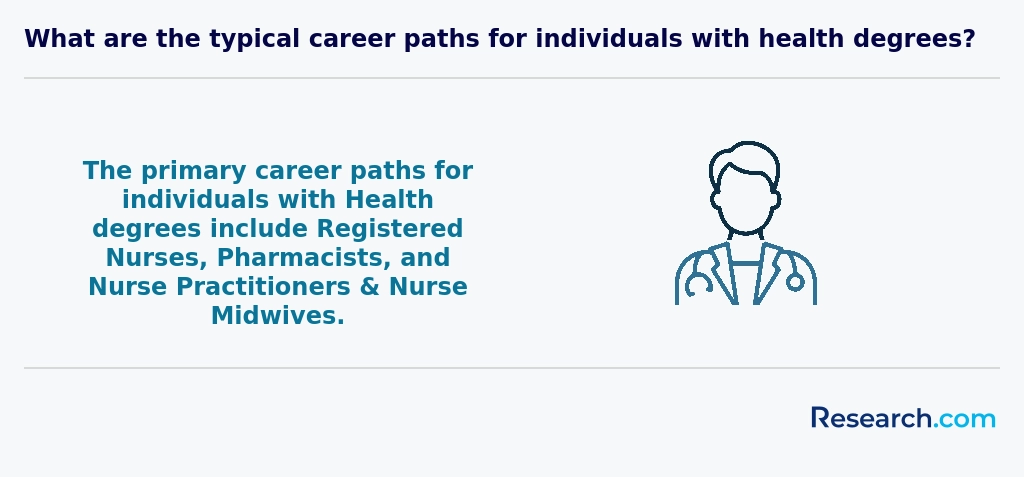
Healthcare degree career opportunities in Lubbock are diverse, reflecting the city's expanding medical landscape and reputable institutions like Texas Tech University Health Sciences Center. Graduates often find roles in nursing, where demand for RNs and NPs continues to rise alongside hospital and clinic growth. These healthcare graduates describe the satisfaction of immediately applying clinical skills acquired through hands-on training in Lubbock's practical settings.
Allied health professions also present accessible and rewarding paths, with programs emphasizing real-world experience that prepares students for roles such as radiologic technologists and respiratory therapists. Some graduates note that healthcare administration offers a valuable alternative, blending business acumen with medical knowledge to manage hospitals or insurance companies effectively, a path supported by Lubbock's strong healthcare economy.
For those interested in public health or rehabilitation, Lubbock's partnerships between local health departments and academic institutions provide meaningful internships and insight into community health challenges. Prospective students can learn more about financial options by exploring the Most Affordable Online Master's in Healthcare Degree Programs Ranking in North Carolina, highlighting the importance of considering affordable educational routes alongside career goals.
Focusing on top healthcare jobs for Lubbock graduates, many find fulfillment in addressing local health needs, supported by well-regarded universities offering programs tailored to the region. This positions healthcare students not only for employment but for lasting community impact and career growth.
What is the job market for healthcare degree in Lubbock?
The healthcare job opportunities in Lubbock are promising for graduates, especially those who complete degrees at institutions like Texas Tech University Health Sciences Center (TTUHSC). Many graduates find rewarding positions as registered nurses, medical technologists, or healthcare administrators, benefiting from the city's role as a regional healthcare hub. The steady demand in roles such as nursing assistants and home health aides reflects ongoing community needs, particularly in long-term care facilities.
While salaries in Lubbock for healthcare roles like Registered Nurses are somewhat lower compared to larger metropolitan areas, the relatively low cost of living helps balance financial expectations. Students often remark on the practical value of studying locally, where tuition rates ranging roughly from $10,000 to $15,000 make degrees accessible without overwhelming debt. Several employers also provide tuition reimbursement or loan repayment programs, which support graduates in their early career stages.
Those exploring healthcare degree employment outlook in Lubbock appreciate the city's mix of urban and rural healthcare demands, which offer diverse hands-on experiences. For individuals seeking easy certifications that pay well, Lubbock's educational offerings paired with a growing job market create encouraging pathways worth considering.
Frequently Asked Questions About healthcare
Healthcare degree students in Lubbock can maximize their learning by engaging with hands-on clinical experiences offered through local hospitals such as Covenant Health and University Medical Center. These facilities provide valuable internships and externships vital for practical skill development. Lubbock's Texas Tech University Health Sciences Center is a key resource, offering research opportunities and access to expert faculty in fields like nursing and biomedical sciences.
Students should also participate in community health initiatives to understand local healthcare needs. Utilizing the city's growing telehealth services can enhance learning about emerging healthcare technologies. Networking with local professional organizations helps build connections important for career advancement.
Emerging niches within the healthcare field in Lubbock reflect nationwide trends fueled by technological advances and demographic changes. Telehealth is rapidly growing, especially after the COVID-19 pandemic increased demand for remote medical services. According to the Texas Department of State Health Services, telemedicine jobs in West Texas, including Lubbock, have grown by over 20% since 2020.
Another promising area is health informatics, which combines healthcare and information technology. With Texas Tech University Health Sciences Center offering specialized programs, graduates can enter roles managing electronic health records and data analysis.
Additionally, geriatric care is expanding due to an aging population in Lubbock County, where seniors represent roughly 15% of residents. This trend creates demand for professionals trained in elder care and chronic disease management.
After completing a healthcare degree in Lubbock, preparing for the job market involves strategic steps tailored to the local health sector. Gaining clinical experience through internships and externships with healthcare providers such as Covenant Health or University Medical Center is vital. These partnerships enhance practical skills and professional networking opportunities. Additionally, obtaining relevant certifications, like CPR or specialized licenses, increases employability in competitive fields.
According to the Texas Workforce Commission, healthcare employment in Lubbock is projected to grow by 12% by 2030, emphasizing the demand for skilled professionals. Job seekers should also engage with local professional organizations to stay informed about openings and continuing education.
Employers in Lubbock seeking healthcare degree graduates prioritize a combination of technical and interpersonal skills. Clinical competency, including proficiency in patient care and familiarity with electronic health records (EHR), ranks very high due to the presence of major healthcare providers like Covenant Health and UMC Health System.
Communication skills are essential as graduates often interact with patients from diverse backgrounds. According to the Texas Workforce Commission, teamwork and adaptability are also critical in this region's fast-paced healthcare environment.
Additionally, problem-solving skills and cultural sensitivity are valued, reflecting Lubbock's growing multicultural population. Data analysis abilities increasingly play a role as healthcare facilities expand their use of technology for improving patient outcomes.
Finding internships in Lubbock for healthcare degrees begins with exploring opportunities at local medical centers, such as University Medical Center, which is the primary healthcare provider in the region. These hospitals often offer internships or clinical rotations specifically designed for students in nursing, physical therapy, and allied health programs.
Another approach is to connect with Texas Tech University Health Sciences Center, a major educational institution in Lubbock. It frequently facilitates internships by partnering with local clinics and hospitals. Students can also explore state and local healthcare job boards for postings related to internships.
Networking through professional healthcare associations in Texas can further increase chances of finding internships. Many local groups hold events or share internship openings. Additionally, checking with the Texas Workforce Commission can provide leads on paid internship programs in health services.
Obtaining a healthcare degree in Lubbock significantly enhances career mobility and advancement opportunities within the regional medical sector. The city's growing healthcare industry, supported by institutions like Covenant Health and Texas Tech University Health Sciences Center, creates a strong demand for qualified professionals.
According to the Texas Workforce Commission, healthcare occupations in Lubbock are projected to grow by over 15% from 2020 to 2030, a rate faster than average for the state. This growth expands potential job roles for degree holders, from entry-level positions to leadership roles.
Employers increasingly prioritize formal education for promotions and specialized positions. Advanced credentials often lead to higher salaries and greater job security, making a healthcare degree a critical asset for career progression in Lubbock's competitive healthcare market.
Studying for a healthcare degree in Lubbock offers students strong preparation for interdisciplinary roles through a combination of diverse coursework and practical experiences. Programs often include training in teamwork, communication, and problem-solving skills crucial for collaborating across medical, nursing, and allied health fields. Texas Tech University Health Sciences Center, a leading institution in Lubbock, integrates interprofessional education initiatives that bring students from multiple healthcare disciplines together in clinical simulations and community projects.
Healthcare in Lubbock benefits from a growing network of hospitals and clinics, including University Medical Center, which provides students with real-world exposure to multidisciplinary care teams. According to the Texas Department of State Health Services, Lubbock's healthcare employment is projected to grow by 15% through 2030, emphasizing the demand for professionals skilled in coordinated care.
This environment enables graduates to enter the workforce ready to address complex patient needs collaboratively, a key requirement in today's healthcare landscape.
Choosing between a thesis and a non-thesis healthcare degree program in Lubbock depends largely on your career goals and learning preferences. Thesis programs often appeal to students interested in research or pursuing doctoral studies, as they require completing original research and a detailed thesis paper. Non-thesis programs focus more on coursework and practical skills, suitable for those seeking direct entry into healthcare professions or advanced clinical roles.
In Lubbock, Texas Tech University offers both options in healthcare-related fields, reflecting national trends where about 60% of healthcare master's students opt for non-thesis tracks for faster completion and work readiness (NCES, 2023).
Consider your timeline and whether you want to deepen research skills or prioritize hands-on experience before deciding on the program type.
Students based in Lubbock interested in studying healthcare abroad have several pathways supported by U.S. educational frameworks. Many institutions, including Texas Tech University Health Sciences Center (TTUHSC) in Lubbock, offer exchange programs or encourage participation in international clinical rotations. These programs provide exposure to global healthcare systems while earning credits toward their degree.
Additionally, students may explore accredited programs in Canada, the United Kingdom, or Australia, which commonly recognize U.S. prerequisites for healthcare degrees. According to the Institute of International Education, approximately 2% of American healthcare students study abroad, gaining valuable cross-cultural experience.
Financial aid and scholarships often support these endeavors, especially for nursing and public health majors who seek practical international experience.
Students pursuing healthcare degrees in Lubbock have several part-time job opportunities that can complement their education effectively. Local hospitals such as University Medical Center and Covenant Health offer roles like patient care assistants or medical scribes, providing hands-on experience. According to the Texas Workforce Commission, healthcare support occupations in Lubbock are expected to grow by 15% through 2030, increasing job availability.
Other options include working as phlebotomy technicians or pharmacy aides at local clinics and pharmacies. These positions provide valuable exposure to clinical environments and patient interaction. Volunteering at community health centers also helps build relevant skills while networking locally.
Lubbock offers healthcare students numerous networking opportunities through its academic institutions and local healthcare community. Texas Tech University Health Sciences Center (TTUHSC) is a prominent hub, hosting events, workshops, and student organizations related to nursing, medicine, and allied health fields.
The university collaborates with nearby hospitals like University Medical Center and Covenant Health, providing clinical rotations and internships where students can connect with professionals and potential employers.
Additionally, Lubbock's regional chapters of national organizations such as the American Medical Association and the Texas Nurses Association organize regular meetings, offering forums for students to engage with practitioners.
These opportunities facilitate mentorship and career growth within the healthcare sector in Lubbock.
Alumni networks provide significant advantages to healthcare degree students in Lubbock by fostering professional connections. These networks often include graduates working in local hospitals, clinics, and research centers, creating valuable pathways for mentorship and job opportunities.
Access to alumni connections can improve internship placements and clinical experiences, key factors in healthcare education. According to the Texas Higher Education Coordinating Board, about 30% of healthcare students in Texas find employment through alumni referrals.
Such networks also share insights on industry trends and licensing requirements specific to Texas, guiding students through the professional landscape efficiently. For students aiming to join Lubbock's healthcare workforce, alumni networks act as essential bridges between education and career.
Students pursuing healthcare degrees in Lubbock can tailor their programs through a variety of specialization options offered by local institutions. Many schools allow customization via elective courses in fields such as nursing, public health, or healthcare administration. Practical experience is often emphasized with clinical rotations or internships at Lubbock's major medical centers, including University Medical Center and Covenant Health, where over 20,000 healthcare professionals work.
Additionally, students can select accelerated tracks or dual-degree programs to align education with specific career goals. According to the Texas Higher Education Coordinating Board, healthcare is among the fastest-growing employment sectors in Lubbock, encouraging tailored skills development for roles like physician assistants or health informatics specialists.
Healthcare students in Lubbock face several challenges common to many U.S. nursing and allied health programs but also unique to their local context. One major difficulty is balancing demanding clinical hours with academic coursework. Clinical placements in regional hospitals and clinics are competitive, sometimes limiting hands-on experience. The Texas Tech University Health Sciences Center, a key institution in Lubbock, reports a consistently high enrollment, intensifying competition for resources and faculty attention.
Financial strain is another concern. According to recent data, many students rely on loans or part-time work, which can add stress and reduce study time. Additionally, adapting to rapidly evolving healthcare technologies and protocols requires continuous learning, which can be overwhelming without strong support systems.
With a healthcare degree in Lubbock, students can pursue a variety of professional certifications to enhance their careers. Common certifications include Registered Nurse (RN) licensure, Certified Medical Assistant (CMA), and Emergency Medical Technician (EMT) credentials. These certifications often require passing national exams and meeting state-specific requirements. Texas, including Lubbock, supports healthcare professionals through organizations like the Texas Board of Nursing.
Additional certifications in specialized areas such as phlebotomy, radiologic technology, and health information management are also available. According to Lubbock Economic Development Alliance, healthcare jobs in Lubbock are expected to grow by 12% between 2020 and 2030, increasing demand for certified professionals.
When applying for a healthcare program in Lubbock, it is crucial to tailor your application to showcase your passion and dedication to the medical field. Highlight relevant experience, such as volunteer work or internships at local hospitals like University Medical Center. Include clear, concise personal statements explaining why you chose healthcare and how you plan to contribute to Lubbock's healthcare community.
Ensure all transcripts and test scores meet the school's requirements, such as those for Texas Tech University Health Sciences Center. Strong letters of recommendation from healthcare professionals in Lubbock can also enhance your application.
Meeting deadlines and providing accurate documentation is essential for successful admission into competitive programs.
The global perspective on healthcare careers emphasizes growing opportunities driven by aging populations and advances in medical technology. In the United States, the Bureau of Labor Statistics projects a 13% growth in healthcare occupations from 2021 to 2031, faster than the average for all industries. For students in Lubbock, Texas, this growth aligns with the local demand, as the region's healthcare sector expands to serve its increasingly diverse community.
Healthcare careers offer international relevance, with core skills transferable across many countries. However, accreditation and licensing requirements vary significantly. Prospective students in Lubbock should focus on degrees recognized by US accrediting bodies to ensure both local employability and global mobility.
According to the Texas Workforce Commission, healthcare jobs in Lubbock have grown steadily, particularly in nursing, medical technology, and health administration. This trend reflects a nationwide emphasis on preventive care and chronic disease management.
Understanding these global and local contexts helps students make informed decisions about pursuing healthcare degrees in Lubbock, balancing regional needs with broader career prospects.
Students pursuing healthcare degrees in Lubbock can gain practical experience through local hospitals and clinics affiliated with educational institutions. Texas Tech University Health Sciences Center, for example, offers clinical rotations that provide hands-on training in various healthcare settings. These rotations are essential for fields like nursing, medicine, and allied health professions.
Additionally, volunteering or internships at Lubbock's Covenant Health or University Medical Center allow students to work alongside healthcare professionals, building real-world skills. Community health programs in Lubbock also offer opportunities to engage with diverse patient populations, enhancing practical knowledge.
Engaging in these experiences significantly improves employment prospects after graduation.
Choosing the right concentration within a healthcare degree program in Lubbock involves assessing local industry needs and personal interests. Lubbock's healthcare sector is anchored by institutions like Texas Tech University Health Sciences Center, which offers diverse specializations such as nursing, public health, and biomedical sciences. The city's growing population increases demand for primary care and specialized services, highlighting areas like family medicine and mental health as promising fields. Students should consider employment trends reported by the Texas Workforce Commission, which shows above-average job growth for healthcare professionals in West Texas. Additionally, shadowing local practitioners and reviewing program accreditation can inform decision-making.
Related Healthcare Rankings for Nearby Cities
- 2027 Most Popular Healthcare Degree Programs Ranking in Abilene
- 2027 Most Popular Healthcare Degree Programs Ranking in Oklahoma City
- 2027 Most Popular Healthcare Degree Programs Ranking in El Paso
- 2027 Most Popular Healthcare Degree Programs Ranking in San Antonio
- 2027 Most Popular Healthcare Degree Programs Ranking in Wichita
- 2027 Most Popular Healthcare Degree Programs Ranking in Springfield
- 2027 Most Popular Healthcare Degree Programs Ranking in Kansas City
- 2027 Most Popular Healthcare Degree Programs Ranking in Lincoln
- 2027 Most Popular Healthcare Degree Programs Ranking in Omaha
- 2027 Most Popular Healthcare Degree Programs Ranking in Columbia
Top Trending Healthcare Rankings
See What Experts Have To Say About Studying Healthcare
Read our interview with Healthcare experts

References
- Healthcare Careers & Accredited Degree Programs https://www.healthcaredegree.com/
- Career Opportunities in Healthcare Without a Medical Degree https://www.just-medical.ch/en/blog/medical-careers-without-formal-education
- The Value of Healthcare Organization Alumni Associations https://consultqd.clevelandclinic.org/the-value-of-healthcare-organization-alumni-associations
- How to Succeed in a Difficult Job Market After Graduation https://www.hospitalrecruiting.com/blog/6542/how-to-succeed-in-a-difficult-job-market-after-graduation/
- Health Management Careers https://www.ache.org/Career-Resources/Start-Your-Career/Health-Management-Careers
- Niche Markets in Healthcare: How to Find & Target https://nechayadvisors.com/blog/niche-markets-in-healthcare
- Pre-Medical https://lcu.edu/health-professions/professions/pre-medical
- Trends and opportunities in healthcare across emerging markets - Inizio https://inizio.com/insights/trends-and-opportunities-in-healthcare-across-emerging-markets/
- How to Choose a Health Administration Program https://www.healthadministrationdegrees.com/articles/choosing-a-program/
- Online Degree vs. Traditional: Choosing the Right Path https://beal.edu/online-degree-vs-traditional/