2027 Best Healthcare Degree Programs Ranking in Washington

Co-Founder and Chief Data Scientist
Choosing the right healthcare degree program in Washington can shape your future career and open doors to rewarding opportunities. Our article introduces the 2027 Best Healthcare Degree Programs Ranking in Washington, created by the Research.com team of data scientists to guide you toward smart educational decisions.
By exploring this ranking, you'll discover which programs offer quality education and strong career prospects. Whether you're starting or advancing your healthcare journey, this information empowers you to select the path that fits your goals and aspirations.
Key benefits of getting healthcare degree in Washington
- Healthcare degree graduates in Washington can earn competitive salaries, such as Medical Assistants with a mean annual wage of $43,350 and Quality Improvement Coordinators earning up to $103,150 annually.
- Graduates often explore diverse career paths, including roles like Clinical Research Coordinator or Health Information Technician, reflecting the versatile opportunities available after completing a healthcare degree.
- Completing a healthcare degree online, as seen with students from popular Washington universities, offers flexibility and convenience, allowing you to balance work and study while advancing your career faster.
- Key benefits of getting healthcare degree in Washington
- What can I expect from healthcare degree in Washington?
- Where can I work with healthcare degree in Washington?
- How much can I make with healthcare degree in Washington?
- 2027 Best Healthcare Degree Programs Ranking in Washington
- Key Findings
- How long does it take to complete healthcare degree in Washington?
- Accreditation and Licensing Requirements
- What's the difference between online and on-campus healthcare degree?
- Accreditation and Licensing Requirements for Healthcare Programs in Washington
- What is the average cost of healthcare degree in Washington?
- Accreditation, Certification, and Career Outcomes
- What financial aid is available to healthcare degree students in Washington?
- Application Tips & Next Steps for Aspiring Healthcare Professionals
- What are the prerequisites for enrolling in healthcare degree program in Washington?
- Accreditation and Quality Assurance in Washington Healthcare Education
- What courses are typically in healthcare degree programs in Washington?
- What types of specializations are available in healthcare degree programs in Washington?
- How do you choose the best healthcare degree in Washington?
- What career paths are available for healthcare degree students in Washington?
- What is the job market for healthcare degree in Washington?
- Related Healthcare Rankings for Nearby States
- Top Trending Healthcare Rankings
- See What Experts Have To Say About Studying Healthcare
What can I expect from healthcare degree in Washington?
The average cost of a healthcare degree in Washington varies significantly based on the institution type. Graduates from public universities like Washington State University often share how balancing quality education with affordability was a major relief. Tuition here tends to be more manageable, typically ranging from $8,000 to $12,000 per year for in-state students, making it a practical choice for many pursuing nursing or allied health programs.
By contrast, students at private colleges report higher expenses, sometimes exceeding $30,000 annually, but they emphasize access to cutting-edge facilities and smaller class sizes that enriched their learning experiences. Many describe the value of strong clinical partnerships with places like the University of Washington Medical Center, which amplifies hands-on training and boosts confidence before entering the workforce.
Financial aid and scholarships specific to healthcare often alleviate costs, inspiring graduates who initially worried about debt to feel optimistic. Programs like the Washington State Health Professional Loan Repayment Program provide crucial support, enabling students to focus on gaining skills rather than financial strain, reflecting the state's commitment to nurturing future healthcare leaders.
Where can I work with healthcare degree in Washington?
Graduates with healthcare degrees from institutions like the University of Washington often find themselves stepping into dynamic roles across major medical centers such as UW Medical Center or Swedish Medical Center. Many recall the excitement of joining hospital teams as nurses, technicians, or administrators where their training directly impacts patient care. The growth of outpatient clinics in cities like Seattle and Spokane offers evolving opportunities, especially for those eager to specialize in physician assistant or healthcare management roles.
Emerging trends in healthcare technology spark enthusiasm among graduates who pursue biotech or health informatics careers, taking advantage of Washington's thriving tech ecosystem. Imagine innovating health software that improves patient outcomes or streamlining medical research in collaboration with tech firms.
Others are drawn to community health agencies, motivated by a sense of purpose in addressing public health challenges and aging populations through education and wellness programs. Graduates often share how working in local health departments or long-term care facilities makes their work deeply rewarding and personally meaningful.
Universities and government agencies also provide fulfilling paths, with many alumni embracing roles as educators or policy enforcers, shaping the future of healthcare in Washington.
How much can I make with healthcare degree in Washington?
Graduates with healthcare degrees in Washington can anticipate diverse earning potentials depending on their chosen fields. For example, medical assistants typically earn a mean annual wage of around $43,350, while patient care technicians see higher averages near $60,790. These figures come from real-world roles many recent graduates from institutions like the University of Washington or Seattle Central College step into confidently, often feeling energized by the immediate impact of their work.
Those specializing in health information technology also earn near $43,380 annually, reflecting steady demand in administrative and data-focused healthcare roles. Graduates from programs emphasizing clinical research coordination find similar salary ranges, about $43,350, planting solid foundations for future advancement.
On the higher end, quality improvement coordinators earn impressive salaries around $103,150, a role growing in importance within Washington's healthcare systems. Graduates pursuing careers in this area from colleges such as Tacoma Community College often express excitement about blending their healthcare knowledge with strategic skills to improve patient outcomes and operational efficiency statewide.
2027 Best Healthcare Degree Programs Ranking in Washington
How do we rank schools?
Investing in your education is a significant decision that can shape your future, and the Research.com team is keenly aware of the importance of making well-informed choices. To support prospective students in Washington, we have carefully developed the "2027 Best Healthcare Degree Programs Ranking in Washington." Our dedication to quality, credibility, and accuracy is evident in the extensive research and analysis undertaken to produce this ranking.
We utilized the following reputable data sources to ensure a comprehensive evaluation of healthcare programs:
By examining this ranking, readers will obtain valuable insights into the top healthcare degree programs in Washington, enabling them to make confident and informed decisions about their educational journeys. For a detailed explanation of how this ranking was created, please visit our Research.com methodology page.


# 12 position
University of Washington-Seattle Campus
Bachelor of Science in Health Informatics & Health Information

# 13 position
Seattle Central College
Bachelor of Science in Health Sciences


Key Findings
- In-state undergraduate healthcare education in Washington costs between $8,000 and $12,000 per year at public universities, while private schools can exceed $30,000 annually.
- Graduate healthcare programs like nursing or physician assistant studies usually range from $30,000 to $70,000 in total expenses.
- Healthcare degree programs include strong clinical training with required rotations or internships for hands-on experience.
- Entry-level registered nurses earn about $75,000 per year, with salaries rising to around $95,000 or more with experience.
- The healthcare job market in Washington is expected to grow over 15% in the next decade, driven by population growth and aging demographics.
- Licensing in Washington requires passing national exams and state registration for nursing, therapy, and related healthcare fields.
How long does it take to complete healthcare degree in Washington?
Completing a healthcare degree in Washington typically spans from two to four years, depending on the program and level of study. Graduates from institutions like the University of Washington often reflect on their journey of around four years for a Bachelor of Science in Nursing (BSN), balancing challenging coursework with rewarding clinical experiences. For those pursuing associate degrees at colleges such as Seattle Central College, the timeline is usually about two years, allowing quicker entry into healthcare roles like medical assisting or practical nursing.
Increasingly, accelerated programs are transforming how fast students can join the healthcare workforce. Graduates with prior degrees appreciate options at places like Gonzaga University, where an accelerated BSN can be completed in 12 to 18 months, fostering excitement about swiftly moving from student to healthcare professional.
Part-time and hybrid models offered across Washington's colleges provide flexibility, helping working adults and caregivers navigate studies without sacrificing family or job commitments. This adaptability inspires many students to stay motivated and succeed without excessive stress.
Looking ahead, these evolving pathways in Washington promise even more personalized, efficient routes to healthcare careers, blending tradition with innovation.
Accreditation and Licensing Requirements
Ensuring your healthcare degree program in Washington is properly accredited is essential for eligibility in licensure exams and for future employment prospects. Regional accreditation by bodies such as the Northwest Commission on Colleges and Universities (NWCCU) guarantees that institutions meet rigorous academic standards, while program-specific accreditors-like the Commission on Collegiate Nursing Education (CCNE) for nursing, the Council on Education for Public Health (CEPH), or the Accreditation Council for Pharmacy Education (ACPE)-ensure specialized curricula prepare graduates for certification. Before enrolling, verify that your chosen program’s accreditation aligns with state licensing board requirements to avoid delays in professional registration. Accreditation also affects credit transfers and financial aid eligibility. Many students find that coursework from accredited institutions seamlessly transfers between community colleges and four-year universities, accelerating their path to an advanced degree. If you’re exploring pharmacy pathways, for example, researching an accelerated online pharmd program accredited by ACPE can help you sit for the North American Pharmacist Licensure Examination (NAPLEX) without hurdles. Similarly, graduates of CCNE-accredited nursing programs are immediately qualified to sit for the NCLEX-RN exam, the key to becoming a registered nurse in Washington. To confirm accreditation status, consult the U.S. Department of Education’s Database of Accredited Postsecondary Institutions and Programs (DAPIP) and the Council for Higher Education Accreditation (CHEA) database. Additionally, state boards of nursing, pharmacy, and allied health publish approved program lists on their official websites. Prioritizing accredited and licensed programs not only safeguards your investment but also ensures that your education leads directly to the professional credentials you need.
What's the difference between online and on-campus healthcare degree?
Choosing between online and on-campus healthcare degrees in Washington often shapes students' daily lives and future careers in unique ways. Graduates from well-known institutions like the University of Washington or Washington State University describe online programs as life-changing for balancing work, family, and study. The flexibility to access lectures anytime fits their busy schedules and reduces commuting stress that on-campus students often face in cities like Seattle or Spokane.
In contrast, on-campus students cherish the hands-on clinical experiences and spontaneous interactions with peers and instructors, essential for mastering complex skills. They often share stories of valuable moments in on-site labs or busy hospital rotations arranged through campus partnerships, which online learners find challenging to replicate directly.
Tuition costs also vary; while online programs might cut expenses related to housing and transport, some online students feel tuition sometimes offsets these savings. Navigating clinical placements independently when studying remotely fosters confidence but requires extra initiative.
Accreditation remains a cornerstone of program quality in both formats, ensuring graduates meet Washington's healthcare licensure requirements-a reassuring factor for those aiming to thrive in this dynamic field.
Accreditation and Licensing Requirements for Healthcare Programs in Washington
Choosing a Healthcare degree in Washington means ensuring your program meets rigorous accreditation standards and prepares you for state licensure. Washington institutions typically hold regional accreditation from the Northwest Commission on Colleges and Universities (NWCCU), guaranteeing academic quality and seamless credit transfer. For specialized pathways-such as nursing, public health, or health informatics-look for programmatic accreditation from bodies like the Commission on Collegiate Nursing Education (CCNE) or the Council on Education for Public Health (CEPH). Before enrolling, confirm your program aligns with the Washington State Department of Health’s licensure requirements. Nursing students must graduate from an approved CCNE-accredited program to qualify for the NCLEX-RN exam and obtain a Registered Nurse license. Aspiring Health Information Technicians should choose programs recognized by the American Health Information Management Association (AHIMA) to sit for the RHIT certification. Public Health degree candidates benefit from CEPH accreditation when seeking roles in epidemiology or community health. Accreditation not only secures federal financial aid eligibility but also signals to employers your education meets industry benchmarks. When evaluating tuition rates alongside accreditation, prospective students can consult our Most Affordable Online Healthcare Degree Programs Ranking in St. Davids, PA for comparative insights. By prioritizing accredited and state-approved programs, you set a strong foundation for licensure exams, competitive job placement, and long-term career growth in Washington’s thriving healthcare sector.
What is the average cost of healthcare degree in Washington?
The average cost of a healthcare degree in Washington can vary notably, yet many students find the in-state total cost around $12,973 to be manageable when pursuing their dreams in this field. Graduates from programs at institutions like the University of Washington often reflect on how the investment, though significant, opened doors to fulfilling careers in nursing, public health, or healthcare administration. The balance between tuition and additional expenses-such as textbooks and clinical fees-makes planning crucial for those aiming to succeed without overwhelming debt.
Many students attending community colleges first appreciate the more affordable pathway into healthcare professions before transferring to universities. These early experiences often bring a sense of excitement about entering hands-on healthcare roles without the upfront heavy financial burden. For those enrolling directly in bachelor's or graduate programs, the pricing spectrum aligns with program intensity and specialization, reflecting the evolving Washington healthcare degree tuition and fees.
Looking ahead, the development of flexible financial aid options and scholarships may further ease these costs, helping students focus on their studies and clinical internships. Graduates from Washington universities frequently share stories of overcoming financial challenges and emerging confident thanks to these support systems. For anyone exploring options, resources outlining the most affordable healthcare programs in washington provide valuable insights to match educational goals with budget realities.
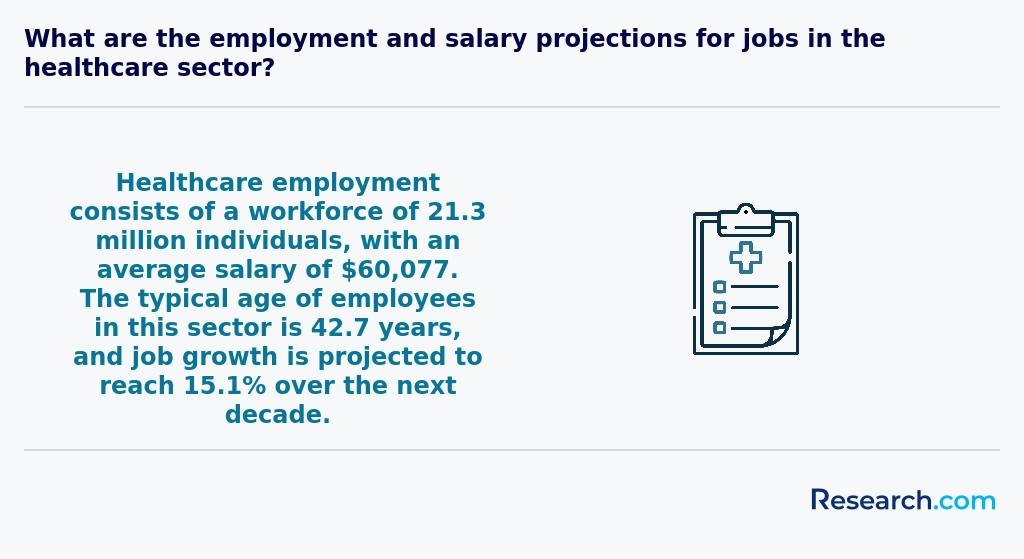
Accreditation, Certification, and Career Outcomes
Ensuring that your healthcare degree program is accredited and leads to proper certification is essential for long-term career success. Accredited programs adhere to rigorous academic and clinical standards, which not only validate the quality of your education but also open doors to pivotal licensing opportunities and professional certifications. Prospective students should verify that their chosen institution holds recognition from reputable accrediting agencies, as this can significantly influence job prospects, salary potential, and the credibility of your degree. Additionally, programs that establish strong ties with local healthcare organizations and offer robust internship and residency placements tend to produce graduates with competitive career outcomes. For those comparing program affordability along with quality, you may explore our analysis of most affordable healthcare programs in washington to gain further insights into budget-friendly yet accredited options. By prioritizing accreditation and certification, you ensure a solid foundation for a rewarding career in the dynamic healthcare field.
What financial aid is available to healthcare degree students in Washington?
Healthcare students in Washington often rely on a mix of financial aid to make their education manageable, especially given additional costs for labs and clinical placements at institutions like the University of Washington or Washington State University. Graduates frequently recount how Pell Grants, accessible through FAFSA, covered a significant portion of their tuition, easing financial stress early in their studies. The maximum award reaching $7,395 can substantially offset the $11,745 average tuition for in-state public university students.
State-specific programs such as the Health Professional Loan Repayment and Scholarship Program (HPLRSP) offer promising pathways for those committed to serving underserved communities. Many students appreciate how this aid not only reduces debt but also fosters rewarding career opportunities post-graduation.
Institutional scholarships remain a key resource. For example, a nursing student at Seattle University may receive merit-based awards that cover large tuition fractions, enabling more focus on clinical experience. Work-study roles in local hospitals also provide practical skill-building while helping with living expenses.
Application Tips & Next Steps for Aspiring Healthcare Professionals
Navigating the application process is a crucial step toward securing a rewarding healthcare degree in Washington. To help you transition smoothly from considering your educational options to submitting your applications, consider these expert-backed steps: • Begin by researching program accreditation and faculty expertise to ensure that your chosen institution meets high educational standards. • Prepare for any required standardized tests or entrance exams early by enrolling in preparatory courses or study groups. • Organize your application materials, including transcripts, letters of recommendation, and personal essays that clearly articulate your passion for healthcare and commitment to community service. • Leverage career services and counseling sessions offered by many schools to refine your application strategy and make informed decisions about your future. • If you’re exploring further opportunities in public health online, check out affordable online mph programs that combine flexibility with quality education. Approach your application as a strategic plan-it’s not just about meeting prerequisites, but about showcasing your unique journey and readiness to excel in the dynamic field of healthcare. Use these actionable tips to boost your confidence and take a decisive step toward a fulfilling career.
What are the prerequisites for enrolling in healthcare degree program in Washington?
Enrolling in a healthcare degree in Washington often begins with holding a high school diploma or equivalent, a foundational step graduates from the University of Washington describe as the essential launchpad. Many recount how their solid background in science and math courses helped them feel confident and ready for the demanding curriculum ahead.
Standardized test requirements vary, with some programs at Washington State University waiving SAT or ACT scores, reflecting a shift toward more flexible admissions. Graduates appreciate this adaptability, especially as it allows a focus on practical experiences instead of test anxiety.
Prerequisite courses in biology, chemistry, and anatomy remain crucial. Students from Seattle Pacific University often emphasize how mastering these subjects fostered excitement about real-world healthcare applications, from understanding the human body to patient care scenarios.
Volunteer work and internships within Washington's robust healthcare system are frequently required, grounding students in hands-on skills. Many share how this exposure made their studies feel meaningful and fueled their passion for helping others.
Financial planning is vital, with public university tuition around $11,745 yearly-graduates stress the importance of budgeting early to fully embrace their educational journey.
Accreditation and Quality Assurance in Washington Healthcare Education
Ensuring that your chosen program is accredited is essential for establishing a solid foundation for your career. Accreditation confirms that the curriculum meets stringent quality standards and complies with industry regulations-an important factor for future licensing and employer confidence. In Washington, many highly-ranked institutions undergo regular reviews by recognized accrediting bodies, ensuring that their healthcare programs deliver not only robust technical skills but also ethical and professional excellence. Prospective students are encouraged to verify each program’s accreditation status and understand how it impacts clinical placements, financial aid eligibility, and long-term career growth. Exploring resources such as the most affordable healthcare programs in washington can help you balance quality with cost, guiding you towards programs that combine educational excellence with financial prudence. Prioritizing accredited programs is a proactive step in securing a transformative education that paves the way for a successful career in healthcare.
What courses are typically in healthcare degree programs in Washington?
Healthcare degree programs in Washington typically include courses like Human Anatomy and Physiology, Medical Terminology, and Health Informatics, which form a solid foundation for understanding the human body, communication in clinical settings, and managing digital patient records. Graduates from schools such as the University of Washington often recall how these classes prepared them to confidently navigate hospital environments and adapt quickly to technology-driven workflows.
Emerging courses in Healthcare Ethics and Law give students clarity on the legal responsibilities they will face, while Pharmacology teaches safe medication practices, crucial for those interning at well-known medical centers in Seattle. Many students at community colleges appreciate hands-on Clinical Practice that immerses them in real-life patient care, making the theory come alive and boosting their confidence before entering the workforce.
Forward-thinking programs now include modules on telehealth and healthcare management, inspired by shifts during the COVID-19 pandemic. These courses make students feel empowered, knowing they're prepared to meet Washington's growing demand for innovative healthcare solutions.
What types of specializations are available in healthcare degree programs in Washington?
Healthcare degree specializations in Washington embrace evolving fields that reflect both regional healthcare needs and technological advancements. Graduates from universities like the University of Washington often highlight their training in Nursing, covering roles from Registered Nurse to Clinical Nurse Specialist, which proves vital as healthcare access expands statewide. Others find Health Informatics particularly exciting, blending healthcare with IT to optimize patient data management in a tech-driven environment.
Graduates in Public Health emphasize how their epidemiology and health promotion skills equip them to tackle local challenges, such as communicable disease tracking in urban and rural communities. Those focusing on Healthcare Administration share experiences managing large systems in Seattle's bustling hospital networks, underscoring leadership roles that shape policy and operations.
Programs in Physical and Occupational Therapy address the realities of Washington's aging population, preparing students to make tangible impacts through patient rehabilitation. Pharmacy and Pharmaceutical Sciences also remain strong, promising careers in drug development that adapt to future treatment innovations. Prospective students should also explore affordable online mph programs tailored to expanding public health demands.
How do you choose the best healthcare degree in Washington?
Choosing the best healthcare degree in Washington means focusing on programs that combine strong accreditation and practical experience in thriving urban centers like Seattle. Graduates from popular institutions often share how hands-on clinical rotations at places such as the University of Washington Medical Center boosted their confidence and job readiness, emphasizing the value of local healthcare partnerships. Many find that aligning their studies with regional workforce trends, especially in nursing or healthcare administration, leads to rewarding careers as the job market grows steadily.
Affordability also plays a critical role when selecting among the best healthcare degree programs Washington offers. Considering tuition along with flexible study options, like part-time or online classes, helps students manage costs without sacrificing quality. Exploring scholarships targeted for healthcare fields can further ease financial burdens.
Some students choose accelerated paths to enter the workforce sooner; programs like accelerated online pharmd have gained popularity for their efficiency without compromising depth of knowledge. Ultimately, imagine yourself thriving in a program designed not only for academic success but also to empower your future in Washington's healthcare landscape.
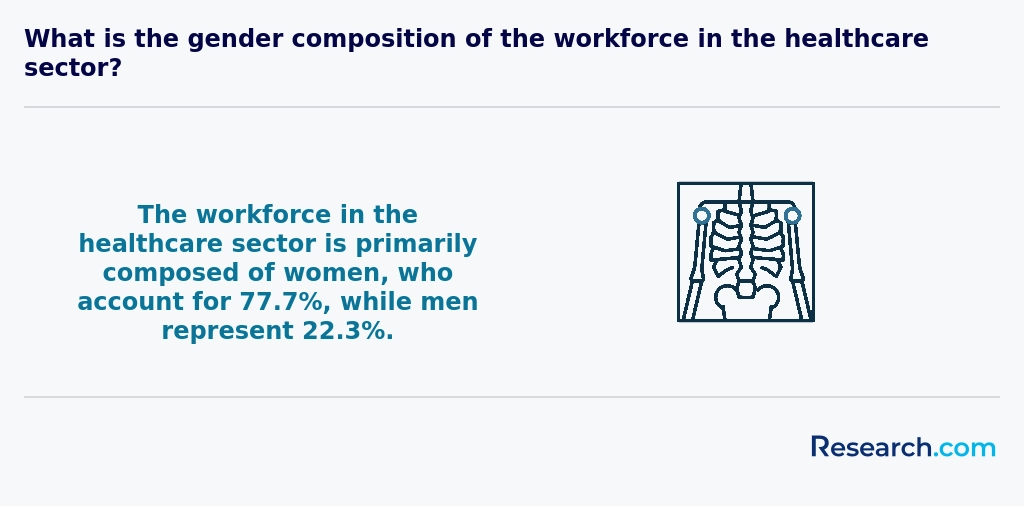
What career paths are available for healthcare degree students in Washington?
Graduates with a healthcare degree in Washington find diverse career paths filled with promise. Many start as registered nurses, entering hospitals or community clinics where they feel proud making immediate impacts on patients' lives. Others explore roles as medical and clinical laboratory technologists or radiologic technologists, working behind the scenes to ensure accurate diagnoses with cutting-edge technology. For students from renowned institutions like the University of Washington or Seattle Pacific University, hands-on experiences reinforce confidence in these critical positions.
Beyond direct patient care, healthcare degree job prospects Washington include leadership roles such as healthcare administrators or health information managers, where graduates thrive by improving systems that enhance patient outcomes. Healthcare students often share excitement about advancing into specialized fields like pharmacy or physician assistantship, reflecting the growing demand documented by state projections. Those seeking flexible learning might explore options highlighted in the Most Affordable Online Healthcare Degree Programs Ranking in St. Davids, PA, opening further doors.
Healthcare career opportunities in Washington also extend into support roles, where demand surges alongside the aging population. Graduates feel rewarded supporting patient care as medical assistants or home health aides, positively impacting lives daily while benefiting from strong job growth forecasts.
What is the job market for healthcare degree in Washington?
The healthcare job opportunities in Washington show promising growth, driven by an expanding elderly population and technological advancements. Graduates from well-regarded institutions such as the University of Washington and Seattle Central College often share how their degrees opened doors in hospitals and outpatient centers across the state. Many find rewarding roles quickly, from registered nurses to health services managers, reflecting the steady increase in openings expected through 2030.
Washington's mix of urban hubs and rural regions means graduates can choose vibrant city careers or impactful rural healthcare roles where shortages are common. Students pursuing degrees here, including those exploring the best accelerated associate degree options, can anticipate competitive salaries that often surpass national averages. This combination of strong demand and attractive wages enhances the overall Washington healthcare degree job outlook, encouraging new students to envision meaningful, well-compensated futures in the field.
Frequently Asked Questions About healthcare
Healthcare degree students in Washington can maximize their learning experience by engaging deeply with clinical practice opportunities. Washington state hosts numerous renowned hospitals and clinics that partner with educational institutions to provide hands-on training. According to the Washington State Department of Health, practical experience is essential to meeting licensing requirements and improving job readiness.
Students should also consider joining professional organizations such as the Washington State Medical Association, which offers networking and continuing education resources. Additionally, leveraging online platforms supported by Washington universities for supplemental coursework can enhance theoretical understanding alongside practical skills.
Participating in community health programs in diverse areas, including rural regions, helps students understand patient needs across populations, aligning with the state's goal to address healthcare disparities. These combined strategies enable a comprehensive, applied education.
The healthcare field in Washington is rapidly evolving, with several emerging niches gaining attention. One key area is telehealth, which expanded significantly during the COVID-19 pandemic and continues to grow with improved technology and broadband access throughout the state. According to the Washington State Department of Health, telehealth usage increased by over 300% between 2019 and 2022.
Another promising niche is geriatric care, driven by Washington's aging population. By 2030, adults aged 65 and older will make up nearly 20% of the state's residents, increasing demand for specialized elder care professionals.
Behavioral health services also remain critical, as the state addresses mental health shortages and substance abuse issues.
After completing a healthcare degree in Washington, it is crucial to develop a strategic plan to enter the job market effectively. Start by obtaining necessary state licenses or certifications relevant to your field, as Washington has specific requirements for professions like nursing and medical assisting. Participating in internships or clinical experiences during your studies enhances practical skills and increases employability.
Networking is also vital. Join local healthcare associations such as the Washington State Hospital Association or attend industry events. According to the Washington Employment Security Department, healthcare occupations are expected to grow by 16% through 2030, highlighting a demand for skilled workers.
Finally, tailor your résumé to emphasize both technical abilities and soft skills like communication and teamwork, which employers highly value in healthcare settings.
Employers in Washington value a blend of technical and interpersonal skills in healthcare degree graduates. Critical thinking and clinical competence are essential, as healthcare roles require precise decision-making. According to the Washington State Department of Health, proficiency in electronic health records (EHR) systems is increasingly important due to digital healthcare adoption.
Communication skills rank highly; graduates must effectively interact with patients and multidisciplinary teams. Cultural competence is also vital in Washington's diverse communities, improving patient care outcomes. Additionally, adaptability and teamwork are sought-after as the healthcare environment evolves rapidly.
Knowledge of state-specific healthcare laws and patient privacy regulations, such as HIPAA compliance, further strengthens a graduate's employability in Washington.
Finding internships in Washington for healthcare degrees involves a combination of research, networking, and utilizing educational resources. Many healthcare programs in Washington state require or strongly encourage internships, which provide essential hands-on experience. Students can start by connecting with career services at their schools, which often maintain partnerships with local hospitals, clinics, and public health organizations.
Washington is home to major healthcare employers such as the University of Washington Medical Center and Providence Health & Services, both of which offer internships periodically. The Washington State Department of Health also lists internship opportunities that focus on public health practice. According to the U.S. Bureau of Labor Statistics, healthcare employment in Washington is projected to grow 16% from 2022 to 2032, increasing demand for trained interns.
Professional healthcare associations in Washington, like the Washington State Nurses Association and Washington State Medical Association, often provide internship listings or mentorship programs. Online platforms such as Handshake and Indeed also list healthcare internships tailored to Washington. It is important for students to start their search early and prepare tailored resumes reflecting their healthcare skills and academic achievements.
In Washington, obtaining a healthcare degree significantly enhances career mobility and advancement opportunities. The state's healthcare sector was projected to grow 16.4% from 2020 to 2030, faster than the national average, according to the Washington State Employment Security Department. This growth increases demand for qualified professionals across various roles.
A healthcare degree often serves as a prerequisite for leadership positions, specialized clinical roles, and higher salaries. Professionals with degrees are more competitive for promotions and can transition between fields such as nursing, health administration, and allied health with greater ease.
Furthermore, Washington's focus on integrated care models and technological advancement in healthcare underscores the value of advanced education. A degree improves understanding of evolving healthcare systems and policies, essential for career progression in the state's dynamic healthcare environment.
Studying for a healthcare degree in Washington distinctly equips students for interdisciplinary roles through curricula designed to integrate multiple healthcare disciplines. Washington's programs often include collaborative projects and clinical experiences that emphasize teamwork among nurses, physicians, social workers, and public health professionals.
Washington's diverse healthcare environment, including urban centers like Seattle and rural areas, provides students exposure to varied patient needs and care models. According to the Washington State Department of Health, interdisciplinary collaboration improves patient outcomes, which is a focus in many academic programs.
Furthermore, many universities partner with local hospitals and community organizations, offering practical settings where students apply interdisciplinary skills. This hands-on approach prepares graduates to work efficiently within diverse healthcare teams in real-world settings.
When choosing between a thesis and a non-thesis healthcare degree program in Washington, students should consider their career goals and learning preferences. Thesis programs generally involve conducting original research and writing a formal paper, which can prepare students for doctoral studies or research positions. Non-thesis programs focus more on practical skills and coursework, often allowing faster completion and suitability for clinical or administrative roles.
In Washington, healthcare fields are growing rapidly, with a 15% projected employment increase by 2030 (Washington Employment Security Department). Prospective students should also consider program duration, mentorship opportunities, and whether they plan to work in research-intensive environments.
Students in Washington interested in studying healthcare abroad have several options, depending on their field and degree level. Many institutions offer exchange programs and partnerships with universities in countries renowned for medical training, such as the United Kingdom, Canada, and Australia. These programs enable students to earn credits transferable to their home institutions in Washington, ensuring progress toward their degrees.
Washington State University and the University of Washington both support study abroad initiatives, often focusing on global health and nursing. According to the Washington State Board of Health, there is growing emphasis on international experience to enhance cultural competence in healthcare.
Additionally, certain professional healthcare associations promote short-term clinical placements overseas, offering practical experience within different healthcare systems. These experiences can enrich resumes and prepare students for diverse patient populations.
Students pursuing healthcare degrees in Washington have various part-time job opportunities that can complement their education. Positions such as medical assistants, patient care technicians, and pharmacy aides provide hands-on experience while accommodating academic schedules. According to the Washington State Employment Security Department, healthcare support occupations are projected to grow 13% from 2020 to 2030, highlighting strong job availability.
Working in clinics, hospitals, or long-term care facilities allows students to develop clinical skills and professional communication. Additionally, roles in medical billing or health informatics offer exposure to healthcare administration. These jobs not only enhance resumes but also deepen understanding of the healthcare system in the state.
Healthcare students in Washington benefit from numerous networking opportunities that can enhance their education and career prospects. Many universities, such as the University of Washington, host health-related student organizations and professional events. These groups provide access to healthcare professionals and alumni, helping students build important contacts.
The state's strong healthcare industry offers internships and clinical placements at renowned facilities like Seattle Children's Hospital and Providence Health & Services. These experiences often lead to lasting professional connections.
Additionally, local chapters of national organizations like the American Medical Association and the National Association of Healthcare Quality hold conferences and workshops in Washington, encouraging student involvement and networking.
According to the Washington State Workforce Training and Education Coordinating Board, healthcare is among the fastest-growing sectors, increasing the value of early professional relationships for students.
Alumni networks play a crucial role for healthcare degree students in Washington by providing valuable connections within the local medical community. Many universities in Washington offer active alumni organizations that host networking events, mentorship programs, and job placement assistance. These connections can be especially important given Washington's growing healthcare sector, which employed over 400,000 people in 2022 according to the Washington State Employment Security Department.
Strong alumni ties often lead to internships and job referrals at major employers such as Seattle Children's Hospital and the University of Washington Medical Center. Additionally, alumni can offer guidance on navigating licensure and certification requirements specific to Washington State. This support helps students transition smoothly from education to employment in a competitive market.
Customizing a healthcare degree program in Washington allows students to align their education with specific career goals. Many institutions offer flexible coursework, including electives focused on public health, nursing, healthcare administration, or specialized clinical skills. Students can often choose between in-person, online, or hybrid formats to balance work and study.
Washington's diverse healthcare sector, backed by a projected 15% growth in healthcare occupations through 2030 (Bureau of Labor Statistics), encourages interdisciplinary learning. Partnerships with local hospitals and clinics provide practical experience tailored to areas like geriatric care, mental health, or technology integration.
Advisors typically support personalized academic planning to meet certification requirements relevant to Washington's healthcare system and licensing boards.
Healthcare students in Washington face several notable challenges during their education. One significant issue is the rising cost of tuition and related expenses, which can exceed $20,000 annually at many public institutions, placing financial strain on students. Additionally, clinical placements are often competitive and limited, especially in urban areas like Seattle, making it difficult for students to gain required hands-on experience.
Time management is another hurdle, as rigorous course loads combined with clinical hours lead to high stress. Mental health concerns are common, reflecting nationwide trends reported by the American Psychological Association. Finally, navigating a complex healthcare system and evolving regulations in Washington requires students to stay continuously updated, demanding both academic and professional adaptability.
With a healthcare degree in Washington, graduates can pursue several professional certifications to enhance their career prospects. Common certifications include Certified Medical Assistant (CMA), Registered Health Information Technician (RHIT), and Certified Nursing Assistant (CNA). These certifications often require passing national exams and meeting state-specific requirements.
The Washington State Department of Health regulates many of these licenses, ensuring quality and safety standards. For example, Certified Nursing Assistants must complete state-approved training and pass a competency exam.
Other advanced certifications professionals often seek are in areas like healthcare administration, health informatics, and medical coding. These credentials can lead to higher salaries and expanded job roles in hospitals and clinics across Washington.
To write a winning application for a healthcare program in Washington, start by carefully reviewing each program's admission requirements, as they can vary widely across institutions. Highlight your academic achievements, particularly in science and math courses, to demonstrate readiness for rigorous healthcare study. Including relevant experience, such as volunteer work or employment in medical settings, strengthens your application by showing practical commitment.
Many Washington healthcare programs, including those at the University of Washington, look for strong communication skills and a clear motivation statement. Tailor your personal statement to connect your goals with the program's mission.
Washington State Board of Health data shows a growing demand for healthcare professionals, so emphasize your understanding of local health challenges and your desire to contribute.
The healthcare field is increasingly recognized worldwide as essential to public well-being and economic stability. In the United States, and specifically in Washington State, careers in healthcare offer strong job security and growth, with employment expected to increase by 15% between 2020 and 2030 according to the U.S. Bureau of Labor Statistics. Globally, healthcare professionals face diverse challenges such as aging populations and emerging diseases, which makes training adaptable skills vital.
Washington's healthcare education programs align with these global trends by emphasizing interdisciplinary knowledge and cultural competence. Institutions often incorporate trends in telemedicine and global health, preparing students to work in varied environments. Understanding global health concerns enhances career opportunities locally and internationally, reflecting a broader perspective on healthcare careers.
Gaining practical experience while studying for a healthcare degree in Washington is essential for building skills and increasing employability. Many programs in the state incorporate clinical rotations, internships, or practicums as part of their curriculum. These opportunities allow students to work directly with patients under supervision in hospitals, clinics, or community health settings.
Washington hosts several major healthcare systems, such as UW Medicine and Providence Health & Services, which offer partnerships with universities for student placements. According to the Washington State Department of Health, hands-on training improves clinical competencies and better prepares students for licensure exams.
Students can also join local volunteer programs or research projects focused on Washington's diverse populations, including rural and urban communities. Networking through these experiences often leads to job offers after graduation.
Choosing the right concentration within a healthcare degree program in Washington begins with assessing your interests and career goals. Washington offers diverse healthcare fields such as nursing, public health, healthcare administration, and medical laboratory sciences. According to the Washington State Department of Health, registered nursing is among the fastest-growing professions locally, with a projected 14% job growth by 2030.
Evaluate program strengths at institutions like the University of Washington or Washington State University, which tailor their curriculum to regional healthcare needs. Consider job market demands and salary outlooks; for example, medical and health services managers in Washington earn a median annual wage of approximately $110,000 (BLS, 2023).
Research clinical opportunities and internship placements in your chosen field, as practical experience is key for licensure and employment in Washington. Also, review certification requirements to ensure the program aligns with your professional objectives.
Related Healthcare Rankings for Nearby States
- 2027 Best Online Healthcare Degree Programs Ranking in Idaho
- 2027 Best Online Healthcare Degree Programs Ranking in California
- 2027 Best Online Healthcare Degree Programs Ranking in Arizona
- 2027 Best Online Healthcare Degree Programs Ranking in Colorado
- 2027 Best Online Healthcare Degree Programs Ranking in Kansas
- 2027 Best Online Healthcare Degree Programs Ranking in Minnesota
- 2027 Best Online Healthcare Degree Programs Ranking in Iowa
- 2027 Best Online Healthcare Degree Programs Ranking in Missouri
- 2027 Best Online Healthcare Degree Programs Ranking in Arkansas
- 2027 Best Online Healthcare Degree Programs Ranking in Louisiana
Top Trending Healthcare Rankings
See What Experts Have To Say About Studying Healthcare
Read our interview with Healthcare experts

References
- Thesis vs. Non-Thesis Master's Programs: Which is Right for You? https://potomac.edu/thesis-vs-non-thesis-masters/
- 20 healthcare investment niches and 3 things to know: The evolution of ... https://blackbookmarketresearch.com/20-healthcare-investment-niches-and-3-things-to-know-the-evolution-of
- Networking and Mentorship During Clinical Rotations https://rotatingroom.com/blog/medical-students-the-importance-of-networking-mentorship-during-your-clinical-rotations
- Master's in Healthcare Management Degrees in Washington - Healthcare Management Degree Guide https://www.healthcare-management-degree.net/in/washington/
- Networking in Medicine: Build Lasting Connections l Windsor https://www.windsor.edu/networking-in-medicine-building-relationships-from-day-one/
- Niche Markets in Healthcare: How to Find & Target https://nechayadvisors.com/blog/niche-markets-in-healthcare
- Cost of Attendance - UWSOM Intranet https://education.uwmedicine.org/student-affairs/financial-aid/cost-of-attendance/
- How to Succeed in a Difficult Job Market After Graduation https://www.hospitalrecruiting.com/blog/6542/how-to-succeed-in-a-difficult-job-market-after-graduation/
- Advancing Your Career in Healthcare: Tips and Strategies https://www.sunshinecarenetwork.com/blog/advancing-your-career-in-healthcare-tips-and-strategies
- 10 Skills Employers Are Looking for in Healthcare Management Jobs https://www.aiuniv.edu/blog/10-top-skills-for-healthcare-management-jobs