
2027 Best Online Healthcare Degree Programs Ranking in Minnesota

Co-Founder and Chief Data Scientist
Exploring healthcare degree options can feel overwhelming, especially with so many choices available. This article presents the 2027 Best Online Healthcare Degree Programs Ranking in Minnesota, created by the Research.com team of data scientists to guide you toward the most reliable programs.
By reading this ranking, you'll gain clear insights to help you find a program that fits your goals and lifestyle. Pursuing a healthcare degree offers rewarding career opportunities and personal growth, making it a smart investment in your future.
Key benefits of getting online healthcare degree in Minnesota
- Healthcare degree graduates in Minnesota can earn competitive salaries, such as $43,350 annually for Medical Assistants and Clinical Research Coordinators, up to $103,150 for Quality Improvement Coordinators, offering strong financial motivation.
- Graduates from institutions like the University of Minnesota enjoy diverse career paths including roles as Patient Care Technicians or Health Information Technicians, providing opportunities to find a rewarding profession that matches their passion.
- An online healthcare degree from schools such as Minnesota State University offers flexibility to balance work and study, enabling students to advance their careers without pausing their income or personal commitments.
- 2027 Best Online Healthcare Degree Programs Ranking in Minnesota
- What can I expect from online healthcare degree in Minnesota?
- Where can I work with online healthcare degree in Minnesota?
What can I expect from online healthcare degree in Minnesota?
The average cost of an online healthcare degree in Minnesota varies widely, with public universities typically offering more affordable tuition rates compared to private colleges. Many graduates recall balancing the financial burden with the support of scholarships and federal loans tailored specifically for healthcare students. For instance, those who pursued nursing or health informatics through online programs at well-known institutions like the University of Minnesota noticed tuition fees that ranged significantly but often remained manageable when complemented by aid.
These students emphasize how investing in an online degree felt less overwhelming due to flexible payment options and accessible financial counseling. One graduate shared how the ability to continue working while studying online helped ease monetary stress and foster a sense of accomplishment. This real-world blend of education and practical income challenged the assumption that quality healthcare education inevitably leads to crippling debt.
Ultimately, costs are influenced by factors such as program level and whether clinical components require additional expenses, reminding students to carefully consider all financial aspects when choosing an online healthcare path in Minnesota.
Where can I work with online healthcare degree in Minnesota?
Graduates with an online healthcare degree in Minnesota find themselves stepping into a broad spectrum of career possibilities that defy outdated assumptions about job restrictions. They don't just work in hospitals; they become essential contributors at renowned places like the Mayo Clinic in Rochester or integrated systems such as Allina Health and Fairview Health Services. These dynamic healthcare settings actively seek professionals who have balanced rigorous online education with real-world demands, proving online degrees are valued equally.
Students from institutions like the University of Minnesota often share how their online credentials unlocked doors not only in direct patient care-as registered nurses or allied health professionals-but also in administrative and health information roles. Imagine working behind the scenes, managing health data to improve patient outcomes or designing community health programs with the Minnesota Department of Health.
These career paths show that Minnesota's healthcare scene is vibrant and welcoming to online graduates, reflecting a growing emphasis on flexibility, specialized skills, and proactive public health efforts.
Graduates with an online healthcare degree in Minnesota often step into roles that vary widely in pay, reflecting their chosen specialty and experience. For example, entry-level positions like Medical Assistants and Clinical Research Coordinators earn around $43,350 annually, based on BLS data. This is a concrete starting point for many alumni from reputable schools such as the University of Minnesota or Mayo Clinic College of Medicine.
Those who advanced their skills into Patient Care Technician roles see boosts, averaging $60,790 yearly, illustrating how practical experience combined with education elevates earning potential. Meanwhile, graduates moving into more specialized fields like Health Information Technician start near $43,380 but can reach greater heights with additional certifications and responsibilities.
For those daring to aim higher, Quality Improvement Coordinators command a significant salary of approximately $103,150, proving that online healthcare degrees can unlock strong leadership opportunities within Minnesota's healthcare systems. These figures challenge students to envision not just a job, but a fulfilling career path supported by solid financial rewards from day one.
- Minnesota offers accredited online healthcare programs in fields like nursing, healthcare administration, and public health.
- Annual tuition for bachelor's degrees ranges from $9,000 to $15,000 for in-state students, while graduate programs cost between $15,000 and $30,000 per year.
- The healthcare sector in Minnesota is expected to grow by about 12% from 2020 to 2030, driven by demand from an aging population.
- Entry-level healthcare graduates can expect starting salaries of $55,000 to $65,000, with registered nurses earning around $75,000 annually on average.
- Healthcare managers in Minnesota may earn between $90,000 and $110,000 depending on their role and employer.
- Many online programs offer flexible schedules and clinical placement support to meet practical training and licensure requirements.
Completing an online healthcare degree in Minnesota varies widely but often fits within clear timeframes that align with your life's rhythm. Graduates from community colleges find associate degrees wrapped up within about 2 years, making it possible to quickly transition into healthcare jobs as nursing assistants or technicians. This accelerated pace fits well for those balancing work and family, offering a tangible sense of progress and accomplishment.
For those aiming higher, universities like the University of Minnesota deliver bachelor's degrees, typically in 4 years full-time, but accelerated BSN programs can crunch this to 12 to 18 months for students switching careers. Imagine the relief of finishing faster, fueled by active, flexible online learning that fits your schedule rather than reshaping it.
Graduate degrees are more varied, spanning 1.5 to 3 years, with programs often tailored for working professionals who value every hour invested. Many recall how local clinical placements, required by Minnesota's licensing, enriched their education with real-world experience, deepening confidence while juggling life's demands.
Ultimately, choosing between part-time and full-time pace reshapes the journey; part-time students cherish the chance to keep working, extending study over years but gaining steady momentum without burnout.
Embarking on an online healthcare degree program in Minnesota is both an exciting and demanding journey. To build a successful career in healthcare, it’s essential to develop effective strategies for managing your studies alongside work and personal commitments. Here are some practical tips to help you thrive: • Build a structured schedule by setting specific study hours and breaking down coursework into manageable tasks. • Engage proactively with virtual study groups and discussion forums to connect with peers and instructors, fostering a collaborative learning environment. • Leverage available student resources such as tutoring services, academic advising, and technical support to stay on track academically. • Prioritize time management by using digital calendars and task management tools to keep up with assignments and deadlines. • If you’re considering a specialization, such as medical billing and coding, explore quality programs like the cheapest medical billing and coding online courses available to enhance your skill set and boost your career prospects. • Regularly review your course material and seek feedback from instructors to ensure that you fully understand the concepts before moving on to more advanced topics. • Finally, set clear career goals and align your academic efforts with the skills needed in your desired healthcare role, keeping your long-term vision in focus. By following these actionable tips, you can maximize your learning experience, overcome common challenges of online education, and set a solid foundation for a rewarding career in healthcare.
The difference between online and on-campus healthcare degrees in Minnesota goes beyond just location; it shapes the entire learning experience. Graduates from the University of Minnesota often recall the vibrant energy of in-person classes and immediate hands-on labs that sharpen clinical skills, building confidence in real-time patient care. Meanwhile, those who studied through online programs at Minnesota State Colleges emphasize the freedom to balance work, family, and studies without losing access to essential clinical placements required for licensure.
Choosing online means embracing technology-driven education-virtual simulations and recorded lectures become your new classroom. It demands a high level of self-discipline, but many find this autonomy empowering rather than isolating. On-campus programs, by contrast, fuel motivation through direct interaction with faculty and peers, fostering connections that online students might miss.
However, both paths share a common thread: mandatory in-person clinical hours in Minnesota ensure hands-on competence, echoing the state's commitment to quality healthcare education regardless of format.
Hands-on training ensures you apply classroom concepts in real healthcare settings under licensed preceptors. Minnesota online healthcare programs blend virtual coursework with in-person practicums that meet state licensure requirements.
- Programs require 100–200 clinical hours, varying by degree level.
- Partner sites include hospitals, clinics and long-term care facilities.
- Dedicated faculty coordinate placements and match preceptors.
- Flexible scheduling accommodates work, family and geographic location.
- Clinical experiences build essential skills for licensure and job readiness.
Some schools offer integrated coding and billing modules; see our guide to online medical billing and coding with financial aid for additional training options.
The average cost of an online healthcare degree in Minnesota sits around $20,752 for in-state students, a figure that often surprises those expecting far steeper expenses. Graduates from programs in popular institutions like the University of Minnesota reflect on the balance they found between quality education and reasonable tuition. These programs, especially nursing and healthcare administration degrees, typically charge about $600 per credit for residents, making it feasible for many to pursue advanced healthcare credentials without overwhelming debt.
Out-of-state students, however, may face nearly double that cost, sometimes exceeding $41,500, highlighting the financial advantage of securing residency or choosing local public universities. Such distinctions challenge common assumptions that private institutions are the only path to prestigious healthcare education, as many public schools provide competitive, accredited programs where graduates celebrate both their learning experience and cost-effective investment.
Understanding the tuition and fees for healthcare degree Minnesota offers means recognizing how many programs cap total credits between 40 to 50, translating into a total tuition range somewhere between $20,000 and $35,000. Alongside tuition, some students factor in moderate extra costs like technology fees or clinical placement expenses, which institutions strive to minimize for online learners.
Students motivated by both financial practicality and strong educational outcomes often explore options through affordable healthcare schools in minnesota, where the blend of cost and quality makes advanced healthcare degrees more accessible than many anticipate.
Embarking on your online healthcare education journey is an exciting step toward a fulfilling career. Now that you’ve explored program rankings, benefits, and career outcomes, it’s time to plan your next moves. Start by reviewing detailed admission criteria and gathering any necessary documentation-this proactive approach not only eases the application process but also sets you up for success. To deepen your research and weigh your options, consider exploring additional resources like affordable healthcare schools in minnesota, which offer insights on cost-effectiveness and program quality. Additionally, attend virtual open houses, connect with current students or alumni, and consult academic advisors to align your personal and career goals with program offerings. Taking these steps will empower you to make an informed decision and propel your journey in healthcare forward.
Many students pursuing online healthcare degrees at institutions like the University of Minnesota or Augsburg University discover that federal financial aid is their first lifeline. Pell Grants, which don't require repayment, often ease the stress of tuition fees, allowing students to focus on learning rather than looming debt. Graduates recall how Direct Subsidized Loans helped bridge gaps, offering manageable repayments after graduation.
State-specific support shapes the journey significantly. The Minnesota State Grant, for instance, has been a game changer for numerous students balancing work and study, easing financial pressure especially for those from middle-income families. Imagine a nursing student at St. Catherine University receiving such aid and feeling empowered rather than overwhelmed.
Healthcare scholarships targeted by organizations like the Minnesota Medical Association Foundation bring not only funds but also recognition, motivating students to strive further. Employers' tuition reimbursement programs add an unexpected boost-essential for those advancing careers while earning degrees.
Veterans in Minnesota tap into the GI Bill, a vital resource that turns military service into educational opportunity, making dreams of healthcare careers more attainable. Internal scholarships and flexible payment plans offered directly by Minnesota's online healthcare programs create a supportive environment where perseverance is both seen and rewarded.
Choosing an online healthcare degree program in Minnesota that’s properly accredited is essential for licensure eligibility and employer recognition. Regional accreditation by the Higher Learning Commission (HLC) ensures your credits will transfer and meet quality standards, while programmatic accrediting bodies-such as the Commission on Accreditation for Health Informatics and Information Management Education (CAHIIM) for Health Information Management, the Commission on Collegiate Nursing Education (CCNE) for nursing, and the Commission on Accreditation of Healthcare Management Education (CAHME) for healthcare administration-validate specialized curricula. Before enrolling, confirm that your program appears on the Minnesota Board of Nursing or Department of Health’s approved list if you plan to pursue licensure as a registered nurse, public health professional, or clinical manager. Accreditation not only guarantees rigorous coursework and up-to-date clinical practicum requirements but also positions graduates for smoother licensure exams and stronger job prospects. For those considering an advanced degree, balance accreditation with affordability by exploring programs beyond Minnesota-such as those featured in the Cheapest Online Master's in Healthcare Degree Programs Ranking in Kansas-to compare tuition rates and accreditation status. Finally, always verify that your chosen institution remains in good standing with both regional and programmatic agencies to protect your investment and support your long-term career goals in Minnesota’s robust healthcare sector.
Enrolling in an online healthcare degree in Minnesota typically means having more than just a high school diploma-you need a foundation that proves your readiness for the challenge ahead. Graduates from institutions like the University of Minnesota or Bethel University often recall how their solid backgrounds in biology and chemistry, completed during high school or early college, made complex topics like anatomy feel less daunting. These prerequisites aren't arbitrary hurdles; they prepare you for real-world healthcare demands.
Many programs also ask for observation or volunteer experience in medical settings, which graduates describe as eye-opening moments that turned textbooks into tangible care. It's not unusual for nursing students to face a criminal background check and provide immunization records, reflecting the responsibility they embrace when working with vulnerable patients.
Even standardized tests, where required, serve as benchmarks rather than barriers, with some schools adopting test-optional policies recognizing diverse paths to success. These prerequisites ensure Minnesota students are equipped to thrive, not just survive, in the fast-evolving healthcare landscape.
Gaining an online healthcare degree is an exciting journey, and insights from industry experts can make all the difference. Leading educators and healthcare professionals stress the importance of planning your educational path with clear goals and understanding the broader industry trends. They recommend early engagement with online discussion boards, taking advantage of career services, and staying updated on evolving technologies to succeed in a competitive field. For instance, experts suggest that prospective students compare program features and value propositions alongside tuition costs. Resources such as our detailed list of affordable healthcare schools in minnesota can provide additional guidance on balancing quality education with financial considerations. Furthermore, real-world networking events and webinars hosted by industry leaders frequently offer not only career advice but also strategies on how to leverage your degree for better employment outcomes. Whether you’re at the start of your application process or solidifying your career goals, expert insights combined with thorough research will empower you to succeed in the dynamic realm of healthcare.
Online healthcare degree programs in Minnesota challenge students with a curriculum that goes far beyond textbooks, blending scientific fundamentals with real-world healthcare demands. Graduates from well-known Minnesota institutions often recall how courses in human anatomy and physiology were not just academic but a doorway to understanding the very essence of patient care.
Many also praise the inclusion of health informatics, which feels especially relevant in Minnesota's innovative health IT landscape. Learning to navigate electronic health records and telehealth technologies empowers students to step confidently into evolving healthcare roles.
But it's the ethical and legal coursework that resonates deeply. Minnesota students often describe those lessons on patient rights and HIPAA compliance as eye-opening moments that sculpted their empathy and professional integrity. Community health classes, addressing statewide concerns like diabetes and heart disease, bring the theory home-letting students visualize their impact in familiar neighborhoods.
- Healthcare management and administrative lessons equip students with leadership skills crucial for directing local clinics and hospitals.
- Practicums arranged within Minnesota provide hands-on experience, anchoring knowledge in the community's healthcare realities.
Online healthcare degree specializations Minnesota offer reveal a landscape far richer than the usual clichés of nursing or administration. Graduates from schools like the University of Minnesota emphasize that beyond traditional nursing tracks-such as RN to BSN completion-there are dynamic fields like Health Informatics, merging data science with patient care to transform healthcare delivery. This challenges the assumption that healthcare is only about direct patient contact.
Others who pursued Healthcare Administration programs at Minnesota State Colleges found their studies fueled a passion for systemic change, managing complex hospital operations or public health projects rather than just day-to-day clinical work. The hands-on focus in Medical Laboratory Science or Nutrition and Dietetics allows students to see themselves as frontline problem solvers improving diagnostics or crafting personalized nutrition plans.
Many online learners appreciate that programs blend theory with practicum, making their education feel immediately relevant to local healthcare needs. Reflecting on their journey, some steer classmates toward exploring cheapest medical billing and coding online courses to enter specialized, growing fields beyond typical pathways.
Each specialization in healthcare degree programs Minnesota online ignites not only skills but a deeper sense of purpose connected to real-world impact.
Choosing the best online healthcare degree in Minnesota means looking beyond rankings and flashy promises. Graduates from well-known institutions like the University of Minnesota or St. Catherine University often highlight that accreditation should be your first checkpoint-it guarantees the time and effort you invest actually opens doors in Minnesota's competitive healthcare field. For instance, linking your studies to programs accredited by bodies like CCNE or CAAHEP can make the difference between a degree that's respected locally and one that's overlooked.
Affordability cannot be skimmed over either. Many working adults pursuing the best online healthcare degrees Minnesota offers find themselves balancing family and jobs, so understanding tuition details and hidden fees is critical. Those students often seek out options noted in rankings such as the Cheapest Online Master's in Healthcare Degree Programs Ranking in Kansas for comparison, even if they study in Minnesota, because affordability often shapes persistence and success.
Flexibility plays a huge emotional role too. Graduates recall how asynchronous classes allowed them to absorb complex healthcare topics at their own pace, fitting studies around hectic shifts at hospitals or clinics. This kind of program structure aligns with diverse healthcare fields from nursing to health informatics, ensuring your education molds perfectly to your career aspirations.
Lastly, graduates underscore the value of program outcomes. Whether it's the reassuring pass rates on licensure exams or the employment support personalized for Minnesota's vast healthcare workforce, these success stories reflect thoughtful choices made before enrolling-not after. Choosing wisely means envisioning how your education becomes the foundation for a meaningful healthcare career in Minnesota's growing industry.
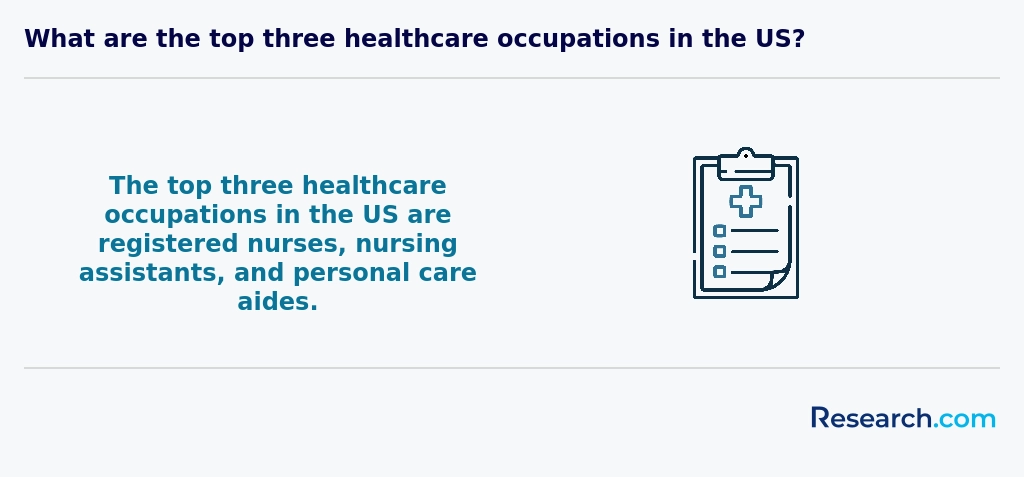
Graduates from online healthcare degree programs in Minnesota find themselves stepping into a surprisingly diverse array of roles beyond the expected nursing path. While many pursue becoming registered nurses and appreciate the state's promising 15% job growth outlook, others challenge themselves by entering healthcare administration, managing complex operations at top Minnesota institutions known for their healthcare curricula. These healthcare administrators often earn significantly higher salaries, reflecting the critical nature of their positions.
Consider the stories of graduates from popular Minnesota colleges who transition into specialized fields like public health, tackling community wellness issues head-on, or health informatics, where technology-driven roles create dynamic challenges every day. These careers perfectly suit those questioning the conventional limits of healthcare professions and eager for growth. Those curious about simpler entry points often explore the easiest bachelors degree to get, broadening their options in medical technician or therapy assistant roles.
For anyone reflecting on online healthcare degree careers Minnesota offers, it's clear the spectrum is vast, rewarding, interconnected, and ripe with opportunity.
The online healthcare job outlook Minnesota offers goes beyond typical expectations, driven by expanding demand for skilled professionals in clinical and administrative roles. Graduates from institutions like the University of Minnesota and St. Catherine University often find themselves stepping into roles as Registered Nurses or Health Services Managers with competitive wages near or above $77,000 annually. These successes reflect the state's recognition of healthcare as a resilient field, rewarding those who combine practical experience with online learning flexibility.
Stories from recent graduates highlight the balance online programs provide-allowing working adults to advance without pausing life, while responding to rapid shifts in healthcare delivery technology. Professionals trained remotely in healthcare informatics, for example, are increasingly essential to Minnesota's hospitals integrating electronic health records. This trend directly ties to healthcare degree employment opportunities Minnesota, where practical skills and innovation collide.
For those eager to accelerate training, pursuing an accelerated associate degree often serves as a springboard into the field, reflecting a savvy approach to entering a competitive market. Minnesota's blend of strong job growth and adaptable online education reshapes what it means to launch a healthcare career locally.
2027 Best Online Healthcare Degree Programs Ranking in Minnesota
Investing in your education is a significant decision that can shape your future, and the Research.com team understands the importance of making informed choices. To assist prospective students, we have meticulously created the "2027 Best Online Healthcare Degree Programs Ranking in Minnesota." Our commitment to quality, credibility, and accuracy is demonstrated through extensive research and rigorous analysis.
We utilized the following reputable data sources to ensure a comprehensive evaluation of healthcare degree programs:
By exploring this ranking, readers will gain valuable insights into top online healthcare degree programs in Minnesota, empowering them to make well-informed educational choices. For more information about how this ranking was created, please visit our Research.com methodology page.
# 2 position
Bethel University, Minnesota
Nursing RN to BS
# 4 position
Bethel University, Minnesota
Master of Nurse-Midwifery
# 5 position
The College of St. Scholastica
Bachelor of Health Informatics and Information Management


# 9 position
Walden University
Master of Healthcare Administration

Frequently Asked Questions About healthcare
Students enrolled in online healthcare degree programs in Minnesota can enhance their learning by actively engaging with virtual resources and local clinical opportunities.
Utilizing Minnesota's robust healthcare network, students should seek internships or practicum placements within local hospitals and clinics, such as those affiliated with the Mayo Clinic or Fairview Health Services. This hands-on experience is crucial for practical skills.
Additionally, taking advantage of online discussion forums and study groups helps deepen understanding through peer collaboration. According to the Minnesota Department of Health, healthcare jobs are projected to grow by 15% through 2030, making strong practical and theoretical foundations vital for success.
Staying informed about state-specific healthcare regulations and licensing requirements also benefits students, ensuring readiness for Minnesota's healthcare environment.
The healthcare field in Minnesota is rapidly evolving, with several emerging niches gaining prominence. One key area is telehealth, which expanded significantly during the COVID-19 pandemic and continues to grow. Minnesota's rural communities especially benefit from remote healthcare services, improving access and reducing costs, according to the Minnesota Department of Health.
Another important niche is health informatics, where professionals use data to improve patient outcomes and streamline healthcare delivery. The demand for experts in electronic health record management and data analysis is projected to rise by nearly 20% in Minnesota by 2030, as reported by the Minnesota State Demographic Center.
Additionally, mental health services and geriatric care are expanding due to the state's aging population. Specialized online degrees addressing these needs prepare students for roles in counseling, therapy, and elder care management.
Preparing for the job market after completing an online healthcare degree in Minnesota requires strategic planning and practical steps. First, securing relevant internships or clinical experiences during your studies can significantly improve job prospects. Minnesota's healthcare sector is robust, with a projected 12% growth in healthcare occupations by 2030 according to the Minnesota Department of Employment and Economic Development (DEED).
Networking is essential; joining professional organizations such as the Minnesota Hospital Association or the Minnesota Nurses Association provides valuable connections. Additionally, obtaining Minnesota-specific licensure or certifications is crucial for many healthcare roles. Graduates should also utilize career services provided by their online programs to access job listings and resume workshops tailored to the Minnesota healthcare market.
Employers in Minnesota prioritize a mix of technical and soft skills in healthcare degree graduates. Clinical competence, including patient care and medical knowledge, is essential due to the state's growing demand for qualified healthcare professionals, as reported by the Minnesota Department of Employment and Economic Development (DEED).
Communication skills are highly valued, as healthcare workers must interact effectively with patients, families, and multidisciplinary teams. Employers also look for critical thinking and problem-solving abilities to handle complex medical situations and improve patient outcomes.
Additionally, adaptability and proficiency with healthcare technology, such as electronic health records, are crucial in Minnesota's increasingly digital healthcare environment.
Finding internships in Minnesota relevant to a healthcare degree involves a combination of online research and local networking. Students should start by exploring hospital systems such as Mayo Clinic, Allina Health, and HealthPartners, which often offer structured internship programs.
Universities offering online healthcare degrees typically provide career services that list local internship opportunities in Minnesota. Additionally, platforms like the Minnesota Hospital Association's career portal can help locate internships specific to healthcare fields. According to the Minnesota Department of Employment and Economic Development, healthcare jobs are projected to grow by 16% through 2030, increasing internship availability.
Contacting local clinics and public health organizations directly expands options. Joining professional groups like the Minnesota Public Health Association can improve networking chances. Early application is key, as competitive programs fill quickly.
Obtaining an online healthcare degree in Minnesota significantly enhances career mobility and advancement opportunities. According to the Minnesota Department of Employment and Economic Development, healthcare occupations are projected to grow by 14% from 2020 to 2030, faster than the national average. This growth drives demand for qualified professionals with updated skills accessible through online programs.
Online degrees offer flexibility, allowing working professionals to gain specialized knowledge without disrupting their employment. This flexibility supports career transitions into higher-paying roles such as healthcare administration, nursing leadership, or specialized clinical positions.
Additionally, Minnesota's healthcare system emphasizes continuing education and certification, both of which online programs facilitate efficiently. Employers often prefer candidates with accredited degrees, which online formats increasingly provide, strengthening prospects for promotions and expanded responsibilities.
Studying for a healthcare degree in Minnesota offers strong preparation for interdisciplinary roles by emphasizing collaboration across multiple health professions. Many accredited programs integrate coursework that includes nursing, public health, social work, and healthcare administration. This approach mirrors Minnesota's emphasis on holistic patient care and efficient healthcare systems.
According to the Minnesota Department of Health, the state supports workforce development to address diverse population needs, making interdisciplinary skills essential. Online programs often provide case studies and simulations involving team-based care, fostering skills applicable in real-world healthcare settings.
This training enables graduates to communicate effectively with various specialists, improving patient outcomes and system efficiency.
Choosing between a thesis and a non-thesis healthcare degree program in Minnesota depends largely on your career goals and learning preferences. Thesis programs typically require original research, which can prepare you for roles in academia, research, or advanced clinical positions. Non-thesis programs focus more on practical skills and coursework, appealing to students aiming to enter the healthcare workforce more quickly.
In Minnesota, healthcare employment is projected to grow by 12% from 2020 to 2030, according to the Minnesota Department of Employment and Economic Development. This growth favors practical, applied skills that non-thesis programs emphasize, but research experience remains valuable for competitive fields.
Accreditation and faculty expertise at Minnesota institutions also impact program quality. Many online degrees from Minnesota universities adapt to both options, allowing flexibility for professionals balancing work and study.
Students in Minnesota interested in studying healthcare abroad have limited options for fully online degrees from foreign institutions recognized within the U.S. education system. Most international healthcare programs require some in-person clinical experience, which can be challenging to complete overseas while enrolled online. Additionally, for licensure in Minnesota, degrees must come from accredited programs evaluated by the Minnesota Board of Nursing or relevant healthcare boards.
Some students pursue study abroad through exchange programs offered by Minnesota institutions, combining online coursework with international clinical rotations. This hybrid approach allows gaining global healthcare perspectives while meeting Minnesota's licensing requirements.
According to the Minnesota Department of Health, there is growing demand for healthcare professionals trained with global competencies, encouraging collaboration with reputable foreign universities on joint programs.
Students pursuing online healthcare degrees in Minnesota can benefit from various part-time job opportunities that complement their education. Roles such as medical assistants, patient care technicians, and pharmacy aides provide practical experience relevant to healthcare studies. According to the Minnesota Department of Employment and Economic Development, these positions often offer flexible hours suitable for students.
Hospitals and clinics in cities like Minneapolis and St. Paul frequently hire part-time workers to support patient services and administrative tasks.
Moreover, volunteer work in community health organizations can build valuable skills and resume credentials, enhancing future employment prospects in the healthcare sector.
Online healthcare students in Minnesota have growing access to valuable networking opportunities despite the remote nature of their studies. Many accredited institutions actively facilitate virtual meetups, discussion forums, and professional groups tailored to online learners.
The Minnesota Department of Employment and Economic Development highlights that healthcare is among the state's fastest-growing sectors, increasing demand for skilled professionals who engage in regional networks.
Students can join organizations like the Minnesota Healthcare Executives Forum or local chapters of national groups such as the American Public Health Association, which often host virtual networking events.
Additionally, internships and practicum placements arranged by Minnesota universities help online students connect with local healthcare providers, boosting real-world contacts and job prospects.
Alumni networks play a significant role for online healthcare degree students in Minnesota by offering valuable professional connections. These networks connect current students with graduates who work in Minnesota's diverse healthcare sector, including hospitals, clinics, and public health institutions. According to the Minnesota Department of Health, the state has a steady demand for healthcare professionals, making networking crucial for career advancement.
Alumni can provide mentorship, job referrals, and insights into local healthcare trends. Participation in alumni events, even virtually, helps students build relationships that support their transition from education to employment.
Moreover, many Minnesota universities maintain active online alumni communities that share resources and job openings in real time.
Customizing an online healthcare degree in Minnesota begins with selecting a program that offers multiple specialization options such as public health, nursing, or healthcare administration. Many Minnesota institutions provide flexible curricula allowing you to choose electives that align with your desired career path.
Additionally, some programs include practicum or internship opportunities with local healthcare providers, which can be tailored to specific interests. Since Minnesota has a growing healthcare sector, especially in the Twin Cities area, gaining hands-on experience is valuable.
Consulting with academic advisors helps ensure that your course selection meets both licensure requirements and personal career goals. According to the Minnesota Office of Higher Education, 62% of online students in the state appreciated personalized degree planning as a key benefit.
Online healthcare students in Minnesota often encounter several challenges that can impact their academic success. One major difficulty is balancing coursework with clinical placement requirements, as many programs mandate in-person practical hours despite an online curriculum.
Access to reliable high-speed internet is another concern, particularly in rural areas where approximately 20% of Minnesotans live with limited broadband connectivity, according to the Minnesota Office of Broadband Development.
Additionally, students may face limited networking opportunities compared to on-campus peers, which can affect professional development and job placement.
Finally, navigation of state licensure requirements after graduation can be complex, requiring careful attention to Minnesota Board of Nursing or relevant healthcare bodies.
With an online healthcare degree from Minnesota, you can pursue several professional certifications that enhance your career opportunities. Common certifications include Certified Nursing Assistant (CNA), Registered Nurse (RN), and Licensed Practical Nurse (LPN), each requiring passing state-specific exams through the Minnesota Board of Nursing.
Other popular options include certifications in medical coding and billing, such as Certified Professional Coder (CPC), or healthcare management credentials like Certified Healthcare Administrative Professional (cHAP). These credentials help validate your skills to employers and meet regulatory standards.
According to the Minnesota Department of Employment and Economic Development, healthcare occupations are among the fastest-growing, highlighting the demand for certified professionals in this field.
To write a winning application for an online healthcare program in Minnesota, start by clearly demonstrating your passion for healthcare. Minnesota's healthcare sector is robust, employing over 400,000 people according to the Minnesota Department of Employment and Economic Development. Highlight any relevant experience, volunteer work, or certifications that align with program requirements.
Focus on your academic record and test scores if required. Strong communication skills are essential, so write a concise, well-structured personal statement explaining your goals and why the Minnesota program fits your career plans.
Lastly, secure strong letters of recommendation from professionals familiar with your work ethic. This approach shows commitment and gives your application a competitive edge.
The global perspective on a healthcare career highlights increasing demand for skilled professionals due to aging populations and expanding healthcare needs. In the United States, including Minnesota, healthcare occupations are among the fastest-growing fields. According to the U.S. Bureau of Labor Statistics, employment in healthcare professions is projected to grow 13% from 2021 to 2031, much faster than the average for all occupations.
Minnesota supports this trend, with over 450,000 healthcare workers statewide, representing about 14% of total employment, according to the Minnesota Department of Employment and Economic Development. Online healthcare degrees offer flexibility for students preparing to join this evolving global workforce.
Gaining practical experience while pursuing an online healthcare degree in Minnesota is essential for building clinical skills and enhancing employment prospects. Students can take advantage of clinical placements coordinated through their universities with local hospitals, clinics, and healthcare facilities. Many programs require a set number of supervised hours, which can be completed at sites across Minnesota, such as the Mayo Clinic or Fairview Health Services. These partnerships ensure students meet state licensure and certification requirements.
Additionally, internships and externships offer hands-on learning in real healthcare settings. According to the Minnesota Department of Health, nearly 70% of healthcare programs incorporate such experiential learning components to prepare students effectively. Volunteering and job shadowing at Minnesota health organizations also supplement practical experience, helping students apply theoretical knowledge directly.
Choosing the right concentration within an online healthcare degree program in Minnesota begins with evaluating your career goals and the state's healthcare demands. For example, Minnesota is known for strong healthcare sectors like nursing, public health, and health informatics, supported by hospitals such as the Mayo Clinic. According to the Minnesota Department of Employment and Economic Development, healthcare occupations are projected to grow 19.1% through 2030, indicating robust opportunities across specialties.
Consider your interests, whether clinical practice, administration, or technology. Review program curricula to ensure they cover relevant skills and certifications recognized in Minnesota. Licensing and certification requirements may vary by concentration and should influence your choice. Exploring local job market trends and consulting industry resources can provide valuable guidance.
- 2027 Best Online Healthcare Degree Programs Ranking in Wisconsin
- 2027 Best Online Healthcare Degree Programs Ranking in Iowa
- 2027 Best Online Healthcare Degree Programs Ranking in Illinois
- 2027 Best Online Healthcare Degree Programs Ranking in Missouri
- 2027 Best Online Healthcare Degree Programs Ranking in Michigan
- 2027 Best Online Healthcare Degree Programs Ranking in Kansas
- 2027 Best Online Healthcare Degree Programs Ranking in Indiana
- 2027 Best Online Healthcare Degree Programs Ranking in Colorado
- 2027 Best Online Healthcare Degree Programs Ranking in Kentucky
- 2027 Best Online Healthcare Degree Programs Ranking in Arkansas
See What Experts Have To Say About Studying Healthcare
Read our interview with Healthcare experts

- Best Minnesota Online Colleges | AffordableCollegesOnline https://www.affordablecollegesonline.org/online-colleges/minnesota/
- How a Strong Alumni Network Can Benefit Students https://www.pacificu.edu/blog/how-strong-alumni-network-can-benefit-students
- Course Benefits https://www.premedprojects.co.uk/hospital-work-experience-benefits
- Crafting the Perfect Cover Letter for Healthcare Roles https://healthcareaustralia.com.au/news/crafting-the-perfect-cover-letter-for-healthcare-roles/
- Niche Market Opportunities Research Among Healthcare Professionals (A Decision Analyst Case History https://www.decisionanalyst.com/casestudies/nichemarketopportunities/
- Top 5 Part-Time Healthcare Jobs For Students https://www.sumnercollege.edu/blog/top-5-part-time-healthcare-jobs-for-students/
- The Role of Interdisciplinary Studies in Medical Career Training https://georgia-med.com/the-role-of-interdisciplinary-studies-in-medical-career-training.html
- Niche Markets in Healthcare: How to Find & Target https://nechayadvisors.com/blog/niche-markets-in-healthcare
- 1+ Healthcare Cover Letter Examples (with In-Depth Guidance) https://www.tealhq.com/cover-letter-examples/healthcare
- Thesis vs. Non-Thesis Master's Programs: Which is Right for You? https://potomac.edu/thesis-vs-non-thesis-masters/





