
2027 Fastest Online Master's in Healthcare Degree Programs Ranking in New Hampshire

Co-Founder and Chief Data Scientist
For students in New Hampshire exploring their options in healthcare education, finding the right online master's program can feel overwhelming. That's why the Research.com team of data scientists created the 2027 Fastest Online Master's in Healthcare Degree Programs Ranking in New Hampshire.
This article offers clear insight into which programs deliver quality education efficiently, helping you make a confident, informed choice. Pursuing a healthcare degree can open doors to rewarding career paths and lasting personal growth.
Discover programs that fit your goals and schedule, and take a positive step toward a brighter future in healthcare.
Key benefits of getting online healthcare degree in New Hampshire
- Healthcare degree graduates in New Hampshire can expect rewarding salaries, such as healthcare consultants earning a mean annual wage of $115,530 and healthcare compliance managers around $80,190.
- Graduates from institutions like the University of New Hampshire explore diverse career paths including consulting, compliance management, and project leadership, offering flexibility and growth.
- Online healthcare degrees from schools such as Southern New Hampshire University provide the convenience of studying remotely, allowing busy adults to balance work and life while advancing their careers.
- Key benefits of getting online healthcare degree in New Hampshire
- What can I expect from online healthcare degree in New Hampshire?
- Where can I work with online healthcare degree in New Hampshire?
- How much can I make with online healthcare degree in New Hampshire?
- 2027 Fastest Online Master's in Healthcare Degree Programs Ranking in New Hampshire
- Key Findings
- How long does it take to complete online healthcare degree in New Hampshire?
- What's the difference between online and on-campus healthcare degree?
- What is the average cost of online healthcare degree in New Hampshire?
- Emerging Trends in Online Healthcare Education
- What financial aid is available to online healthcare degree students in New Hampshire?
- Return on Investment (ROI): Evaluating the Value of an Online Master’s in Healthcare in New Hampshire
- What are the prerequisites for enrolling in online healthcare degree program in New Hampshire?
- Challenges and Considerations for Online Healthcare Degrees in New Hampshire
- What courses are typically in online healthcare degree programs in New Hampshire?
- What types of specializations are available in online healthcare degree programs in New Hampshire?
- How do you choose the best online healthcare degree in New Hampshire?
- What career paths are available for online healthcare degree students in New Hampshire?
- What is the job market for online healthcare degree in New Hampshire?
- Related Healthcare Rankings for Nearby States
- Top Trending Healthcare Rankings
- See What Experts Have To Say About Studying Healthcare
What can I expect from online healthcare degree in New Hampshire?
If you're eyeing an online healthcare degree in New Hampshire, expect to pay around $14,000 per year on average for graduate programs. That's what many past students from places like Southern New Hampshire University or the University of New Hampshire have found. The tuition tends to be pretty competitive, especially compared to some on-campus programs, which is a big win if you're balancing work or family commitments.
Many graduates share how this price point made it possible for them to upskill without breaking the bank. Being able to study online while keeping a full-time job at a local hospital or clinic helped them feel supported and confident about their investment. Plus, since these programs at well-known institutions often carry regional accreditation, the cost feels justified because the quality stands up when it's time for certifications or career moves.
So, when you're budgeting, think about not just the tuition but also the flexibility these online programs offer, which many New Hampshire students say makes the whole experience smoother and more rewarding.
Where can I work with online healthcare degree in New Hampshire?
With an online healthcare degree in New Hampshire, you've got a bunch of cool job options waiting for you. Graduates from places like Southern New Hampshire University often find themselves working at big hospitals such as Dartmouth-Hitchcock Medical Center, where roles in healthcare administration and clinical management are super common. Imagine coordinating patient care or helping improve hospital systems-real hands-on impact without needing to clock in at the hospital every day.
Other grads dive into community hospitals like Elliot Hospital or Concord Hospital, juggling jobs in health informatics or quality improvement. It's a chance to use what you learned online to make everyday healthcare run smoother for real people in your hometown.
Then there's outpatient clinics and nursing homes, where knowing the ins and outs of healthcare management is a total game-changer. Plus, some folks land roles with New Hampshire's health departments or public health agencies, working on policies that help whole communities stay healthier. It's rewarding stuff that goes beyond traditional patient care and feels really meaningful.
Plus, healthcare consulting and insurance firms around the state love hiring graduates who can crunch data and navigate healthcare rules-skills you pick up in your degree. Basically, your online healthcare education can open doors all over New Hampshire, putting you right where you want to be.
How much can I make with online healthcare degree in New Hampshire?
If you're earning an online healthcare degree in New Hampshire, you can expect some pretty solid earnings once you graduate. For instance, healthcare consultants in the state pull in a mean annual wage of about $115,530. That's a great figure that really highlights the value of an advanced healthcare degree, especially if you're considering roles that blend healthcare with business and strategy.
Healthcare compliance managers also earn a healthy salary, around $80,190 per year on average. Many graduates from well-known local schools-like the University of New Hampshire or Southern New Hampshire University-have shared how earning their degree online helped them land these well-paying roles without having to leave home.
These salaries stack up nicely against the state's general healthcare wages, especially when you consider New Hampshire's lower cost of living. It really makes you feel like investing in an online healthcare program here pays off, whether you're aiming to rise quickly in a hospital system or consulting firm.
2027 Fastest Online Master's in Healthcare Degree Programs Ranking in New Hampshire
How do we rank schools?
Investing in your education is a significant decision that can shape your future, and the Research.com team recognizes the importance of making well-informed choices. To assist prospective students in New Hampshire, we have carefully developed the "2027 Fastest Online Master's in Healthcare Degree Programs Ranking." Our dedication to quality, credibility, and accuracy is demonstrated through rigorous data analysis and thorough evaluation.
We utilized the following reputable data sources to ensure a comprehensive assessment of healthcare programs:
By exploring this ranking, readers will gain valuable insights into the fastest online master's programs in healthcare available in New Hampshire, empowering them to make confident and informed educational decisions. For more information on our ranking process, please visit our Research.com methodology page.
# 1 position
Antioch University New England
Master of Dance/Movement Therapy


Key Findings
- Tuition for online master's healthcare programs in New Hampshire typically ranges from $15,000 to $30,000, which is competitive nationally.
- Accreditation is important and programs should be recognized by bodies like CCNE or CEPH to meet state and national standards.
- Healthcare jobs in New Hampshire are growing at about 12% over the next decade, offering strong demand for professionals.
- Starting salaries for healthcare roles usually begin around $60,000, with experienced workers earning $85,000 or more.
- Online programs often offer flexible schedules with asynchronous classes and local clinical placements within New Hampshire.
- State programs include loan repayment options for healthcare workers serving in underserved areas, helping reduce education costs.
How long does it take to complete online healthcare degree in New Hampshire?
If you're thinking about getting an online healthcare degree in New Hampshire, the time it takes really depends on your pace and program. For example, many students at popular schools like Southern New Hampshire University find that a bachelor's degree usually takes about four years if they're studying full-time. But if you've got a busy life juggling work or family, part-time options let you stretch that out to five or six years without feeling overwhelmed.
For those going for a master's degree, the timeline gets a bit more flexible. Some grads from the University of New Hampshire's online programs finish in just about 18 months when they go full speed. Others take a more relaxed approach, finishing around two to three years to balance their schedule better.
One thing grads often mention is how credit transfers from previous courses or certifications helped shave months off their study time. And programs here really get that life isn't a one-size-fits-all-they offer accelerated paths if you're ready to dive in hard or part-time routes if you need to take it slow.
What's the difference between online and on-campus healthcare degree?
If you're thinking about a healthcare degree in New Hampshire, one big difference between online and on-campus programs is how you actually experience learning. Online programs give you the freedom to study from anywhere-perfect if you're juggling work or family. You'll watch lectures and complete assignments on your own schedule, but hands-on stuff like clinical hours still happen in person, usually near where you live. Graduates from online paths say it's a great way to balance life while moving forward, especially with schools like the University of New Hampshire supporting local internships.
On the flip side, going to a campus like Dartmouth College means you get that classic college vibe-face-to-face classes, labs, and quick feedback from professors. Graduates often talk about how being on campus helped them nail those tricky clinical skills by working directly with peers and instructors.
The vibe is different but both routes cover the essential skills New Hampshire employers want. Plus, with tuition varying a lot, online might save you some extra cash on commuting. It all boils down to what fits your lifestyle and learning style best.
What is the average cost of online healthcare degree in New Hampshire?
If you're wondering about the average cost online healthcare degree New Hampshire programs typically run, you'll find that many students pay around $46,000 for the entire degree. This might feel like a big number upfront, but graduates from popular schools like Southern New Hampshire University often say the investment feels worth it when they land rewarding jobs soon after finishing their master's. Being able to study online also means you can keep a job while earning your degree, which helps ease the financial pressure.
Tuition usually breaks down by credit hour, with public universities charging somewhere between $500 and $700 per credit, and private schools going higher-sometimes $800 to $1,200 per credit. For instance, a healthcare master's degree with about 30 credits could add up quickly, but many students find ways to fund their education through scholarships, employer tuition assistance, or federal loans.
Besides tuition, you should budget a bit extra for tech fees or course materials. Many folks who choose online programs in healthcare appreciate the flexibility, especially those balancing work or family life. If you want a real taste of what to expect working in healthcare after your degree, check out what it takes to become a fertility nurse here.
Overall, total tuition fees for online healthcare masters NH students are pretty aligned with the national average, so it's helpful to plan accordingly but feel confident that you're getting quality education right here in New Hampshire.

Emerging Trends in Online Healthcare Education
As technology continues to reshape the educational landscape, online healthcare programs in New Hampshire are evolving to meet the demands of a rapidly changing industry. Institutions are integrating advanced learning tools such as virtual simulations, telehealth modules, and AI-driven analytics to enhance student engagement and real-world application. This trend not only improves the learning experience but also ensures that graduates are well-prepared for the future of healthcare, where digital proficiency is becoming as crucial as clinical expertise. Additionally, flexible online formats now often include interactive forums, live webinars, and personalized mentorship opportunities to foster community and professional networking. Prospective students are encouraged to not only focus on program quality but also consider program affordability; for example, exploring the cheapest healthcare programs in new hampshire can offer insights into cost-effective education without compromising on excellence. By staying informed about these emerging trends, you can make a strategic decision that aligns with both current industry demands and future opportunities in the healthcare sector.
What financial aid is available to online healthcare degree students in New Hampshire?
If you're chasing an online healthcare degree in New Hampshire, you'll be glad to know there's a bunch of financial aid ready to lighten the load. Many students at places like Southern New Hampshire University have scored Pell Grants-these are pure gold since they don't have to be paid back. For graduate programs, federal loans such as Direct Unsubsidized and Grad PLUS have helped others cover costs without too much stress.
Locals also tap into state-specific goodies like scholarships from the New Hampshire Charitable Foundation or loans through NHHEAF, which can offer friendlier repayment terms. Lots of folks already working in healthcare find their employers chip in via tuition assistance-imagine getting paid to level up your skills!
Some recent grads shared how scholarships from professional groups, like nursing associations, helped them focus on their studies without worrying about money. Plus, if you're a vet or active duty, the GI Bill can cover a big chunk-or even all-of your tuition. It's really about digging into the options and grabbing what fits your situation best.
Return on Investment (ROI): Evaluating the Value of an Online Master’s in Healthcare in New Hampshire
Investing in an online master’s in healthcare in New Hampshire isn’t just about earning a degree-it’s about maximizing long-term career gains versus upfront costs. By comparing program tuition, time-to-completion, and post-graduation salary growth, prospective students can forecast how quickly they’ll recoup their educational investment. On average, graduates report starting salaries between $70,000 and $85,000, with mid‐career earnings often exceeding $95,000 in roles like healthcare administration or health informatics. When calculating ROI, students should factor in total program expenses-including tuition, fees, and related materials-against projected earnings over a 5- to 10-year horizon. For example, a 42-credit master’s program at $1,450 per credit hour equates to roughly $60,900; if a graduate’s salary increases by $20,000 in the first two years, the break-even point can arrive in under three years. Additionally, shorter programs or accelerated tracks can further reduce both tuition costs and opportunity costs by entering the workforce sooner. To identify cost-effective options, prospective learners may explore our curated list of cheapest online healthcare administration degree programs, which balance affordability with accredited quality. Armed with clear ROI projections, students can confidently select a program that aligns with their budget, career goals, and commitment to long-term professional growth.
What are the prerequisites for enrolling in online healthcare degree program in New Hampshire?
If you're thinking about enrolling in an online healthcare degree in New Hampshire, you'll want to know the typical prerequisites upfront. Most programs expect you to have finished high school or earned your GED, and if you're aiming for a master's, a bachelor's degree from an accredited school is usually a must. For example, students who pursued healthcare degrees at well-known local colleges found that having a strong background in science courses like biology, chemistry, and math really helped them feel ready and confident from day one.
Many undergrad programs also want you to have taken classes in anatomy or microbiology-these topics set the stage for understanding healthcare in a real, hands-on way. Graduate programs, like those in nursing or healthcare administration, often look for relevant work experience or prior health sciences courses so you're not starting from scratch.
Some schools in New Hampshire might ask for GRE scores, but it's not a universal rule. Students shared that submitting recommendation letters and writing personal statements gave them a chance to showcase their passion and commitment, which felt empowering. And if your program involves in-person clinicals, be ready for background checks or immunizations, which keep everyone safe and healthy!
Challenges and Considerations for Online Healthcare Degrees in New Hampshire
While online healthcare programs in New Hampshire offer flexibility, affordability, and career-ready training, prospective students should be aware of several challenges. Self-paced learning requires strong time management and self-discipline-qualities that must be honed to keep up with rigorous coursework. Additionally, students may encounter technical issues or need to adjust to virtual platforms, which could be daunting for those accustomed to traditional classrooms. To ensure success, it’s important to strike a balance between professional, academic, and personal obligations. Another key consideration is evaluating the overall value beyond tuition costs; researching programs that not only fit your schedule but also deliver comprehensive support services is essential. For instance, exploring options like the cheapest healthcare programs in new hampshire can provide insight into institutions that combine affordability with quality education. Prospective students should seek guidance from academic advisors, join online communities, and review honest feedback from alumni to fully understand both the benefits and potential challenges before committing to a program.
What courses are typically in online healthcare degree programs in New Hampshire?
If you're diving into an online healthcare degree in New Hampshire, expect a solid mix of core courses like anatomy, physiology, and healthcare ethics that build the foundation for understanding patient care. Graduates from popular schools around the state often mention how hands-on and relevant these classes feel, even in an online setup. You'll also get practical admin skills with classes covering healthcare policy, finance, and leadership-super helpful for those dreaming of managing clinics or hospital departments.
Many students love how programs throw in health informatics, since tech is a big deal in today's healthcare world. Plus, specialties like epidemiology and health law are tailored to NH's unique rural health challenges, which makes learning feel really connected to real local needs.
Taking a course on gerontology or chronic disease management often hits close to home because of NH's aging population. Graduates have shared how these classes helped them feel ready to support some of the state's most vulnerable communities right after finishing their degree.
What types of specializations are available in online healthcare degree programs in New Hampshire?
If you're exploring online healthcare degree specializations New Hampshire offers, there's a bunch of great options tailored to different career paths. For example, many grads from popular colleges around here love the Health Administration track because it's perfect for stepping into leadership roles in hospitals or clinics. Others dive into Nursing, with programs prepping students to become Nurse Practitioners or Clinical Nurse Leaders-roles that are super in demand in New Hampshire right now. A few who've taken Public Health really appreciate how it focuses on community wellness and tackling health challenges, which is a big deal whether you're in a city or more rural parts of the state.
Healthcare Informatics is also catching on fast, combining tech and health knowledge to manage stuff like electronic health records efficiently. And if you're into policy, the Health Policy and Management route is a solid pick for influencing laws and ethics in healthcare locally. With these options, students from well-known New Hampshire universities often find exactly what vibes with their goals and lifestyle.
Some grads mention how tough but rewarding their programs were, especially in managing stress-check out more about ICU nursing stress if that sounds like you.
Healthcare master's specializations in New Hampshire really cover a lot of ground to fit anyone's passion and career outlook.
How do you choose the best online healthcare degree in New Hampshire?
Picking the best online healthcare degree in New Hampshire means thinking about a few key things. Accreditation is a biggie-graduates from popular schools around here often mention feeling confident in their education because their programs are recognized by groups like the Commission on Collegiate Nursing Education. Cost also matters a lot; many find that affordable healthcare master's programs NH offer by local state universities help ease financial stress without sacrificing quality.
Graduates often talk about how programs with strong clinical parts really boosted their skills and job prospects, especially with New Hampshire's growing demand for healthcare pros. Flexibility is another must-have, since juggling work and studies is a reality for many. Choosing a program with asynchronous classes and solid support makes a huge difference in staying motivated.
And don't forget to explore specializations that match your goals. Some students have even linked developing critical thinking skills they gained early on to their success later in nursing or healthcare admin careers.
What career paths are available for online healthcare degree students in New Hampshire?
Graduates with an online healthcare degree in New Hampshire find themselves on a bunch of exciting career paths. Some jump into roles as Registered Nurses or Nurse Practitioners, which are super in demand thanks to the state's growing healthcare needs. Others move into healthcare administration, running the show behind the scenes at hospitals or clinics. Then, there's a cool tech side too-health informatics specialists who handle all the patient data and healthcare technology that keep things running smoothly.
Many who studied at popular New Hampshire schools share how these roles let them balance work and life better, especially since online programs fit perfectly with their busy schedules. If you're curious about specific pathways and real-world examples, you might also check out options for online nursing degrees arkansas internships, which offer similar flexibility and career boosts.
With so many angles-from clinical care to management-there's no shortage of ways to use your degree for a fulfilling career in New Hampshire's healthcare scene. The healthcare job prospects with online degree in New Hampshire really do open doors you might not expect.
What is the job market for online healthcare degree in New Hampshire?
The healthcare job market in New Hampshire is buzzing with opportunity, especially if you've earned an online healthcare degree. Graduates from local schools often share how they landed roles quickly in places like Dartmouth or Southern New Hampshire University's healthcare programs. The state expects healthcare jobs to grow much faster than average, making it a solid choice for anyone eager to jump into nursing, health administration, or public health careers.
Many online degree holders find themselves working in hospitals, outpatient centers, or care facilities, enjoying the flexibility that comes with having a degree from a trusted program. Plus, employers here really value online education from accredited schools, which makes balancing work and studies totally doable. If you've ever wondered about expanding your skills, speaking as healthcare students often do, online courses offer that sweet spot.
For those wondering about where online healthcare degrees can lead, you might also check out paths for exercise science professionals. It's great to see how broad the field is getting in New Hampshire's growing healthcare market.
Frequently Asked Questions About healthcare
Online healthcare degree students in New Hampshire can maximize their learning by engaging actively with digital resources. Utilizing state-specific healthcare databases and participating in virtual study groups enhances understanding of local healthcare challenges.
Connecting with faculty during office hours and joining professional healthcare organizations based in New Hampshire, such as the New Hampshire Medical Society, provides valuable networking opportunities.
Additionally, students should seek internships or clinical placements within New Hampshire hospitals or clinics, which are integral to applying theoretical knowledge practically.
The New Hampshire Department of Health and Human Services reports a growing demand for healthcare professionals, underscoring the importance of up-to-date, applied learning.
The healthcare field in New Hampshire is evolving, with several emerging niches gaining attention in online degree programs. One prominent area is telehealth, which offers remote medical services and has grown rapidly due to increased demand during the COVID-19 pandemic. The New Hampshire Department of Health and Human Services highlights telehealth's role in expanding access to care across rural communities.
Another developing niche is healthcare data analytics. Professionals trained in this field help organizations improve patient outcomes using data-driven decisions. According to the U.S. Bureau of Labor Statistics, healthcare data analyst roles are projected to grow 15% nationally by 2031, reflecting strong demand.
Additionally, mental health services continue to expand. Online programs increasingly incorporate behavioral health specialties to help address workforce shortages in the state. These niches offer promising paths for online students aiming to impact New Hampshire's healthcare landscape.
After completing an online healthcare degree in New Hampshire, preparing for the job market requires strategic planning and local awareness. Understanding state-specific healthcare employment trends is crucial. The New Hampshire Department of Employment Security projects healthcare occupations to grow by 14% through 2030, faster than the overall state job growth.
Networking with local healthcare providers and joining professional associations such as the New Hampshire Healthcare Association can open doors. Additionally, securing relevant certifications, like those from the American Nurses Credentialing Center or the Commission on Dietetic Registration, enhances employability.
Practical experience through internships or volunteering in New Hampshire hospitals strengthens resumes and skills. Staying informed about licensing requirements and continuing education ensures compliance with state regulations. Such preparation improves chances of securing rewarding healthcare roles in New Hampshire's expanding market.
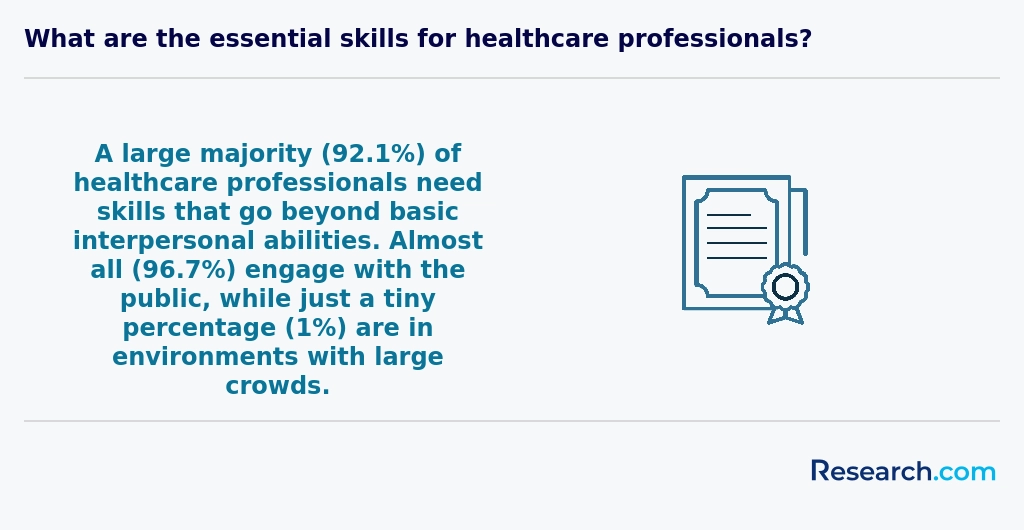
Employers in New Hampshire prioritize a mix of technical and soft skills when hiring healthcare degree graduates. Strong clinical knowledge is essential, especially with growing demands in nursing, public health, and healthcare administration fields. According to the New Hampshire Department of Labor, graduates who understand electronic health records (EHR) and telehealth technologies are increasingly valued.
Communication skills rank highly, as healthcare professionals must interact effectively with patients and multidisciplinary teams. Critical thinking and problem-solving abilities are also crucial, particularly for adapting to evolving healthcare regulations and patient needs in the state.
Additionally, employers seek candidates with cultural competency and ethical judgment to serve New Hampshire's diverse population well, as highlighted by the State Health Improvement Plan.
Finding internships in New Hampshire for healthcare degrees involves a blend of research, networking, and use of local resources. Many healthcare programs in the state require or highly recommend internship completion to gain hands-on experience. Students should explore hospitals, clinics, and public health organizations since New Hampshire hosts key employers like Dartmouth-Hitchcock Medical Center, which offers clinical internships.
Utilizing statewide internship platforms, such as New Hampshire's Department of Employment Security or healthcare-specific job boards, can help locate suitable placements. Contacting university career centers provides access to exclusive internship listings and professional guidance.
Networking with professionals through organizations like the New Hampshire Public Health Association may open further opportunities. According to the U.S. Bureau of Labor Statistics, healthcare jobs in New Hampshire are projected to grow 8.2% by 2030, increasing internship availability.
Online healthcare degrees significantly enhance career mobility in New Hampshire by offering flexible access to advanced education without geographic constraints. Many healthcare professionals in the state leverage these programs to meet growing demands for skilled practitioners, particularly as New Hampshire faces a projected 15% increase in healthcare jobs by 2030, according to the New Hampshire Department of Employment Security.
Advanced degrees, such as online master's in healthcare administration or nursing, often lead to higher earning potential and qualify graduates for leadership roles. The Bureau of Labor Statistics reports that healthcare managers in New Hampshire earn a median annual wage above the national average, demonstrating financial incentives for degree advancement.
Furthermore, online programs accredited by recognized bodies provide employers with confidence in graduates' competencies, facilitating career advancement. This education modality supports working professionals in balancing job responsibilities while advancing their qualifications, promoting sustained workforce development across the state.
Studying for an online healthcare degree in New Hampshire equips students with skills to excel in interdisciplinary roles through comprehensive curricula. Programs often include courses that integrate nursing, public health, and health administration, reflecting the growing need for collaboration across healthcare fields.
New Hampshire's healthcare system emphasizes teamwork due to its aging population and rural health challenges. According to the New Hampshire Department of Health and Human Services, over 17% of residents are aged 65 or older, increasing demand for coordinated care involving multiple professionals.
Online degrees also incorporate practical training and communication strategies essential for working in multifaceted teams. This prepares graduates to engage effectively with providers, policymakers, and community organizations in diverse settings.
Choosing between a thesis and a non-thesis healthcare degree program in New Hampshire depends largely on your career goals and learning preferences. Thesis programs typically appeal to students interested in research or pursuing a doctoral degree, as they require conducting original research and writing a comprehensive paper. This path can enhance critical thinking and analytical skills.
Non-thesis programs often focus more on practical skills and professional application, which can be ideal if you aim to enter the healthcare workforce quickly. New Hampshire's healthcare industry is growing, with a 10% projected job increase for healthcare occupations through 2030, according to the New Hampshire Department of Labor.
Consider your time availability, as thesis programs generally require more commitment. Additionally, online options in New Hampshire offer flexibility for working professionals balancing studies with careers. Investigate program accreditation and faculty expertise to ensure quality education aligned with your objectives.
Students in New Hampshire seeking online healthcare degrees with an international focus have several options through US institutions offering global curriculum components. While studying healthcare directly abroad is less common for fully online programs, many universities incorporate international case studies, virtual exchange, and practicum opportunities in global health settings.
New Hampshire's robust healthcare sector encourages programs that provide worldwide perspectives, especially in public health and health administration. For example, the University of New Hampshire offers online master's degrees emphasizing global health challenges, aligning with trends from the Association of Schools and Programs of Public Health (ASPPH).
Additionally, accredited online programs through national bodies like CAHME or CEPH ensure students gain credentials recognized both locally and internationally, expanding options for global healthcare careers without leaving New Hampshire.
Part-time job opportunities in New Hampshire can effectively complement online healthcare degree education by providing practical experience and skill development. Positions such as medical assistants, pharmacy technicians, and certified nursing assistants (CNAs) are in demand and relevant to healthcare studies. According to the New Hampshire Department of Employment Security, healthcare support roles grew by 8% over the past five years, indicating strong job availability.
Working in local hospitals or outpatient clinics, students can gain patient care experience while managing their studies. Additionally, roles in health administration or medical billing offer valuable exposure to healthcare systems and data management, important for master's students focusing on healthcare management or informatics.
Flexible scheduling in community pharmacies or home health services aligns well with part-time study. Engaging in these fields not only strengthens resumes but also boosts networking within the New Hampshire healthcare sector.
Online healthcare students in New Hampshire have several networking opportunities despite the distance learning format. Many regional universities offering online programs encourage participation in virtual student groups and professional associations, fostering connections with peers and faculty. The New Hampshire Healthcare Association and local chapters of national groups like the American College of Healthcare Executives provide networking events, both virtual and in-person, helping students build professional relationships.
Healthcare is a key industry in New Hampshire, employing over 17% of the workforce according to the U.S. Bureau of Labor Statistics (2023). This strong local healthcare sector supports internships and collaborative projects for students.
Additionally, some online programs partner with local hospitals and clinics in New Hampshire, offering students practical experience and in-person networking opportunities.
Alumni networks play a crucial role for students pursuing online healthcare degrees in New Hampshire by providing access to professional connections. These networks often include healthcare professionals working across the state's growing healthcare sector, which employed over 105,000 people in 2023 according to the New Hampshire Department of Labor.
Students can leverage these connections for mentorship, internships, and job opportunities. Research shows that 85% of jobs in healthcare are obtained through networking, making alumni associations valuable for career advancement.
Moreover, alumni events and online platforms enable remote students to engage with peers and experts, building lasting relationships despite geographical distances.
Customizing an online healthcare degree program in New Hampshire allows students to align their education with specific career goals. Many institutions offer electives or specialization tracks, such as health informatics, public health, or healthcare administration. Choosing these options helps tailor the curriculum to meet industry demands.
Students can often select practicum or capstone projects that focus on local healthcare challenges, gaining relevant skills. According to the New Hampshire Department of Health and Human Services, the state's aging population increases demand for healthcare administrators and specialists, making these customizations valuable for employment prospects.
Flexible course scheduling and part-time enrollment also support working professionals balancing education with career advancement.
Online healthcare students in New Hampshire often face challenges related to balancing clinical requirements with remote learning. Many programs require in-person clinical hours, which can be difficult to schedule alongside work and family commitments. According to the New Hampshire Board of Nursing, ensuring adequate clinical placements remains a statewide issue due to limited healthcare facilities offering placements.
Technical difficulties and adapting to online platforms also pose hurdles. Students may lack reliable internet access, particularly in rural areas, which comprise a significant portion of New Hampshire. This can hinder participation in synchronous sessions or accessing digital resources.
Finally, students sometimes struggle with limited opportunities for networking and hands-on experiences, which are critical in healthcare education and professional growth.
With an online healthcare degree, students in New Hampshire can pursue various professional certifications that enhance career opportunities and demonstrate expertise. Common certifications include Certified Healthcare Administrator (CHA) for those interested in management and leadership roles. For clinical graduates, the Certified Professional in Healthcare Quality (CPHQ) is widely recognized.
Additionally, the American Health Information Management Association (AHIMA) offers certifications such as Registered Health Information Technician (RHIT).
New Hampshire's healthcare sector emphasizes quality and compliance, making certifications like Certified Compliance & Ethics Professional (CCEP) valuable.
Data from the New Hampshire Department of Health and Human Services highlights growing demand for certified professionals in healthcare administration and informatics fields.
To write a winning application for an online healthcare program in New Hampshire, start by clearly articulating your professional goals and how the program aligns with them. Emphasize relevant experience, particularly if you have worked in New Hampshire's healthcare sector, which employs over 140,000 people as of 2023 (New Hampshire Department of Employment Security).
Highlight any certifications or prior coursework related to healthcare, as strong academic preparation is crucial for competitive programs. Showcase your ability to manage online learning through examples of self-discipline and time management skills. Additionally, tailor your personal statement to reflect an understanding of healthcare challenges in New Hampshire, such as a growing elderly population that demands skilled professionals.
Providing letters of recommendation from professionals familiar with your work ethic and healthcare commitment also strengthens your application. Finally, ensure all parts of the application are error-free and submitted before deadlines to maximize your chances of acceptance.
Worldwide, healthcare careers are recognized for their critical role in improving population health and addressing global challenges. In the U.S., including New Hampshire, demand for healthcare professionals is rising due to an aging population and chronic disease prevalence. According to the New Hampshire Department of Health and Human Services, healthcare occupations in the state are projected to grow 24% by 2030, faster than the national average.
Globally, healthcare workers need skills in technology, cultural competence, and policy understanding. These competencies are increasingly incorporated into online healthcare degree programs, allowing students in New Hampshire to gain knowledge relevant internationally while meeting local licensure requirements. This blend ensures graduates are prepared for both local and global healthcare environments.
Gaining practical experience while pursuing an online healthcare degree in New Hampshire is essential for career readiness. Many programs require clinical hours or internships, which students can often complete locally. For instance, New Hampshire's healthcare system includes numerous hospitals and clinics, such as Dartmouth-Hitchcock and Concord Hospital, that may partner with schools to provide these opportunities.
Students should communicate proactively with their program advisors to identify approved local sites for hands-on experience. Some programs also offer simulation labs or virtual clinical experiences to complement real-world practice. According to the New Hampshire Department of Health and Human Services, practical training enhances skills and increases job placement rates.
Choosing the right concentration within an online healthcare degree program in New Hampshire requires careful consideration of your career goals and the state's healthcare environment. New Hampshire has a growing demand for healthcare professionals, especially in areas like nursing, public health, and health administration, reflecting trends reported by the New Hampshire Department of Health and Human Services.
Assess local workforce needs by reviewing state labor market data, which highlights high-growth fields such as gerontology and healthcare informatics. Choose a concentration aligned with these demands to improve job prospects.
Also, consider program accreditation and whether the concentration offers opportunities for practical experience or certifications relevant to New Hampshire's healthcare system.
Related Healthcare Rankings for Nearby States
- 2027 Fastest Online Master's in Healthcare Degree Programs Ranking in Massachusetts
- 2027 Fastest Online Master's in Healthcare Degree Programs Ranking in New York
- 2027 Fastest Online Master's in Healthcare Degree Programs Ranking in New Jersey
- 2027 Fastest Online Master's in Healthcare Degree Programs Ranking in Pennsylvania
- 2027 Fastest Online Master's in Healthcare Degree Programs Ranking in Virginia
- 2027 Fastest Online Master's in Healthcare Degree Programs Ranking in Ohio
- 2027 Fastest Online Master's in Healthcare Degree Programs Ranking in North Carolina
- 2027 Fastest Online Master's in Healthcare Degree Programs Ranking in South Carolina
- 2027 Fastest Online Master's in Healthcare Degree Programs Ranking in Georgia
- 2027 Fastest Online Master's in Healthcare Degree Programs Ranking in Illinois
Top Trending Healthcare Rankings
See What Experts Have To Say About Studying Healthcare
Read our interview with Healthcare experts

References
- Niche Markets in Healthcare https://ultrariskadvisors.com/niche-markets-in-healthcare/
- How to Gain Real-World Experience While Studying Online | American National University https://an.edu/how-to-gain-real-world-experience-while-studying-online/
- 10 Skills Employers Are Looking for in Healthcare Management Jobs https://www.aiuniv.edu/blog/10-top-skills-for-healthcare-management-jobs
- Students and Alumni associations - Europubhealth https://www.europubhealth.org/students-alumni-associations/
- Challenges for Medical Students - Health Action Research Group https://www.healthactionresearch.org.uk/mental-health/challenges-for-medical-student/
- Online Healthcare & Medical Certification Training Programs https://medcerts.com/programs/healthcare/
- Highest-Paying Healthcare Degrees Online | EduMed.org https://www.edumed.org/articles/highest-paying-healthcare-degrees/
- The Value of Healthcare Organization Alumni Associations https://consultqd.clevelandclinic.org/the-value-of-healthcare-organization-alumni-associations
- 5 Concentrations for a Bachelor’s of Healthcare Administration - Healthcare Administration Degree Programs https://www.healthcare-administration-degree.net/lists/5-concentrations-for-a-bachelors-of-healthcare-administration/
- 2023 Most Popular Online Health Sciences & Services Bachelor's Degree Schools in New Hampshire - Course Advisor https://courseadvisor.com/majors/health-professions/health-sciences-and-services/rankings/most-popular-online/bachelors-degrees/new-england/new-hampshire/


