
2027 Fastest Online Master's in Healthcare Degree Programs Ranking in Ohio

Co-Founder and Chief Data Scientist
Choosing the right online master's degree in healthcare can feel overwhelming, especially when you want to balance quality and speed. This article introduces the 2027 Fastest Online Master's in Healthcare Degree Programs Ranking in Ohio, developed by the Research.com team of data scientists. It is designed to help Ohio students find programs that fit their goals and timelines.
Exploring this ranking can empower you to make an informed decision, boosting your confidence on the path to a rewarding healthcare career. Advancing your education is a meaningful step toward future success and personal growth.
Key benefits of getting online healthcare degree in Ohio
- Healthcare degree graduates in Ohio can expect competitive salaries, such as the Healthcare Consultant role with a mean annual wage of $115,530 and an hourly wage of $55.54, offering strong financial rewards for their education.
- Graduates from popular Ohio universities often pursue diverse careers, including consulting and compliance management, providing flexibility and exciting opportunities in healthcare administration and leadership.
- Completing a healthcare degree online in Ohio allows for greater schedule flexibility and accessibility, making it easier to balance work and study, which many alumni find empowering and convenient compared to traditional programs.
- 2027 Fastest Online Master's in Healthcare Degree Programs Ranking in Ohio
- What can I expect from online healthcare degree in Ohio?
- Where can I work with online healthcare degree in Ohio?
What can I expect from online healthcare degree in Ohio?
The average cost of an online healthcare degree in Ohio typically ranges from $15,000 to $30,000 for a master's program, depending on the institution and program format. Graduates from well-known universities like Ohio State University and Case Western Reserve University often report that tuition fees are balanced by the strong reputation and extensive resources these schools provide, which contribute directly to their career readiness and confidence.
Many students appreciate the flexibility of Ohio's online healthcare programs, which allow them to maintain employment while completing coursework. This setup often offsets the financial burden, making it feel like a worthwhile investment toward professional growth. For instance, graduates describe managing practical assignments and capstone projects in their local healthcare settings, which enhances their learning without excessive additional costs.
Beyond tuition, some programs offer scholarships or financial aid tailored for online students, helping to reduce expenses. The alignment of curricula with Ohio's licensing requirements further motivates students, as they feel assured that their education leads directly to qualified career pathways in the state's expanding healthcare industry.
Where can I work with online healthcare degree in Ohio?
Graduates holding an online healthcare degree in Ohio frequently find rewarding employment in diverse healthcare settings across the state. Major institutions affiliated with universities like Ohio State and University of Cincinnati provide access to renowned hospital systems such as the Cleveland Clinic and OhioHealth, where alumni engage in nursing management, clinical coordination, and healthcare administration roles. Many express satisfaction in contributing to large-scale community health efforts supported by these networks.
Others pursue careers in outpatient care centers-urgent care clinics, physical therapy facilities, and specialty practices-frequently found near campuses like Kent State and Wright State. These environments attract graduates eager to apply healthcare management skills in fast-paced ambulatory settings, fostering professional growth and local impact.
Long-term care and assisted living facilities also hire numerous graduates to address Ohio's aging population. Alumni from popular online programs recount positive experiences managing patient care coordination in nursing homes, feeling fulfilled by this direct support to vulnerable senior residents.
Public health departments and insurance companies round out common employment avenues, allowing graduates from Ohio-based online programs to influence public health policy and health plan administration, further underscoring the state's broad career opportunities.
Graduates of online healthcare degree programs in Ohio can expect competitive salaries reflective of the state's robust healthcare sector. For instance, healthcare consultants earning a mean annual wage of $115,530 demonstrate the high earning potential in specialized advisory roles. Similarly, healthcare compliance managers in Ohio earn a mean annual wage of around $80,190, showcasing strong opportunities in regulatory and administrative positions.
Many online healthcare graduates from prominent Ohio institutions-such as Ohio State University or the University of Cincinnati-report starting salaries aligned with these figures, which steadily increase as experience and specialization grow. These competitive wages align with the experiences of alumni who appreciate how their advanced online degrees provide flexibility while positioning them for leadership roles in hospitals, clinics, or healthcare systems.
This financial outlook encourages students to pursue targeted degrees in fields like healthcare consulting or compliance management, knowing the investment in online programs can yield a rewarding professional and economic future within Ohio's expanding healthcare environment.
- Online healthcare degrees in Ohio are offered by accredited institutions with programs in nursing, health administration, and public health designed for flexible learning.
- Total tuition for these degrees ranges from $15,000 to $40,000, with lower rates for in-state students at public universities.
- The healthcare job market in Ohio is expected to grow by 15% or more in the next decade, especially for registered nurses and health services managers.
- Starting salaries for healthcare graduates average around $50,000 per year, increasing to $80,000 or more with experience.
- Many online programs include practical internships that meet Ohio's licensure requirements to prepare graduates for employment.
Completing an online healthcare degree in Ohio typically varies by program level and enrollment status. Associate degrees in fields such as medical assisting or health information technology generally take about two years when studied full-time. Graduates from well-known institutions like Ohio State University or University of Cincinnati often share how flexible online schedules enabled them to balance work and family commitments during their studies. Bachelor's degrees in nursing or healthcare administration usually require around four years; however, transfer credits and prior learning assessments can shorten this timeframe, as experienced by many students at Kent State University.
Master's degree programs in healthcare administration or nursing offered by Ohio universities often can be completed in approximately two years. Some accelerated online tracks allow dedicated students to finish within 12 to 18 months, providing a faster route for professionals eager to advance their careers. Part-time enrollment is common, with over half of Ohio's healthcare students choosing this option to manage workloads, resulting in variable completion times but increased flexibility and satisfaction.
Online healthcare degrees in Ohio provide unmatched flexibility, ideal for those balancing work or family commitments in cities like Columbus or Cleveland. Graduates from Ohio State University often highlight how asynchronous classes allow them to study on their own schedule, eliminating long commutes while still covering essential coursework. This format suits professionals seeking career advancement without pausing their employment.
In contrast, on-campus programs, such as those at Case Western Reserve University, offer immersive, hands-on clinical training through direct mentorship and collaboration with peers. Many students appreciate this in-person interaction, especially during clinical hours in affiliated hospitals, which are critical for practical skills development.
Both pathways maintain rigorous accreditation standards and require clinical practice, but online learners usually fulfill these hours via local sites or hybrid models. Tuition tends to be slightly lower online due to reduced campus fees, making it a financially attractive option without compromising educational quality.
If you’re convinced that an online healthcare degree in Ohio could be your pathway to a fulfilling career, the next steps are critical to ensuring your success. Start by researching each program’s unique requirements and application timelines. Take advantage of campus virtual tours, informational webinars, and personalized advising sessions that many institutions offer. Proactively gather recommendation letters, prepare for entrance exams if required, and compile your application materials early to avoid last-minute pressure. Additionally, consider exploring financial support options and scholarships early in your process to ensure you are financially ready for the investment in your education. For example, those seeking budget-friendly education opportunities might want to check out our insights on the cheapest healthcare programs in ohio, which can provide valuable guidance on balancing quality and affordability. By planning ahead and utilizing the wealth of resources available, you’ll be well-prepared to start your journey toward a successful career in the healthcare field.
The average cost of an online healthcare degree in Ohio is approximately $21,584 for in-state students, based on recent median total cost data. This figure reflects the overall investment required for completing a program, whether at the undergraduate or graduate level. For many students, attending public universities such as Ohio University or Wright State University offers a balance of quality education and affordability, with tuition fees aligning closely with this median. Graduates often recount their satisfaction with gaining relevant skills through these programs while managing reasonable education expenses.
When considering Ohio online master's in healthcare tuition fees, students should expect costs around the $24,995 mark on average. These graduate-level programs, which include fields like healthcare administration and nursing, come with a higher price tag compared to bachelor's degrees but deliver advanced specialization and career opportunities. Many students appreciate the flexible and supportive learning environments offered by Ohio's top institutions, allowing them to study while working or managing family commitments.
Private colleges may charge significantly more, with out-of-state or private program costs rising above $26,000. However, students frequently find that scholarships, federal aid, and state grants such as the Ohio College Opportunity Grant help mitigate these expenses. Prospective students exploring the cheapest healthcare programs in ohio will discover a range of financial aid options and program formats that make earning a healthcare degree accessible and worthwhile despite initial cost concerns.
Graduates of online master’s in healthcare programs in Ohio benefit from curricula meticulously aligned with state licensure and national certification requirements. Whether pursuing roles in nursing administration, health informatics, or public health leadership, students can expect coursework designed to cover the competencies assessed by credentialing bodies such as the Ohio Board of Nursing, the Commission on Dietetic Registration, and the National Board of Public Health Examiners. Many programs report first-time exam pass rates exceeding 85%, reflecting rigorous preparation through simulated case studies, interactive review sessions, and dedicated exam prep modules. For example, a Master of Science in Nursing track might incorporate practice exams and live workshops focused on the NCLEX-RN® and specialty certifications, while a Health Informatics concentration offers mock scenarios using industry-standard electronic health record systems. Key features supporting certification success include:
- Personalized mentorship: One-on-one coaching sessions with faculty who hold current licensure and leadership roles in healthcare settings.
- Integrated review courses: Embedded test preparation resources that reinforce core concepts ahead of national exams.
- Clinical partnerships: Collaborations with Ohio’s top hospitals and clinics to ensure hands-on experience aligns with real-world certification standards. Furthermore, online healthcare students often explore related allied health pathways-such as diagnostic medical sonography bachelor programs-to broaden their skill set and certification portfolio. By completing an accredited master’s curriculum in Ohio, graduates not only fulfill academic requirements but also position themselves for seamless entry into licensure exams and specialized certifications, bolstering both employability and professional credibility.
Students pursuing online healthcare degrees in Ohio have access to a broad range of financial aid options that ease the burden of tuition and related expenses. Many graduates from institutions like Ohio State University and University of Cincinnati emphasize how completing the FAFSA opened doors to federal support, including Pell Grants and Direct Subsidized Loans that reduce costs without immediate interest accrual. Pell Grants, which do not require repayment, often serve as a crucial foundation for those demonstrating financial need.
State-specific programs such as the Ohio College Opportunity Grant (OCOG) further supplement funding, benefiting students enrolled in Ohio colleges. Graduates frequently mention scholarships from specialized sources like the Ohio Nurses Foundation, which target nursing students pursuing advanced credentials.
Additionally, local employers-hospitals and healthcare organizations-commonly provide tuition reimbursement, a testament to the state's commitment to developing its healthcare workforce. Institutional aid and flexible payment plans offered by universities also help students manage expenses while focusing on their studies effectively.
As the online master's in healthcare degree landscape in Ohio continues to evolve, students and professionals alike are witnessing transformative shifts driven by technological innovation and changing industry demands. Emerging trends such as telehealth expansion, data-driven care, and digital platforms for patient management are reshaping healthcare practices and, by extension, the curricula of online programs. These programs are increasingly incorporating cutting-edge topics like artificial intelligence in diagnostics, health informatics, and remote patient monitoring, ensuring graduates are well-equipped for the future. Moreover, collaboration with healthcare providers, advanced simulation tools, and virtual labs are enhancing the practical component of the learning experience, making online education more dynamic and industry-relevant. As a result, graduates are not only knowledgeable in core healthcare concepts but also adept at leveraging technology to improve patient outcomes and streamline clinical operations. Students should also explore additional support in their educational journey, such as medical coding financial aid, which can help ease the investment into specialized technical skills that are critical for navigating modern healthcare environments. By staying updated with these trends, prospective students in Ohio can make informed decisions that prepare them for a successful career in a rapidly evolving industry.
To enroll in an online healthcare degree program in Ohio, applicants typically must have completed a high school diploma or an equivalent credential such as a GED. For advanced degrees like those offered by well-regarded institutions such as Ohio State University, a bachelor's degree in a related field-biology, nursing, or health sciences-is often required.
Many programs also expect standardized test scores, including the ACT, SAT, or GRE, although some graduates recall having these waived due to strong academic records or relevant healthcare work experience. Core prerequisite courses in sciences and mathematics, including biology, chemistry, anatomy and physiology, and statistics or college algebra, are essential to build a solid foundation.
Ohio-based programs frequently request official transcripts demonstrating successful completion of these courses with competitive grades. Similarly, practical experience through internships or employment in healthcare settings significantly enhances applicants' profiles, helping them approach their studies with confidence and real-world insight.
Graduates from popular Ohio colleges emphasize how meeting these requirements instilled both academic readiness and excitement for hands-on clinical opportunities, essential in Ohio's vibrant healthcare education landscape.

Ensuring that your online healthcare master’s program holds proper accreditation and meets licensure requirements is essential for both educational quality and career mobility. Most reputable Ohio institutions are regionally accredited by the Higher Learning Commission (HLC), which guarantees that credits earned will be recognized by employers and other academic programs. In addition, many specialized tracks-such as healthcare management or nursing-carry programmatic accreditation from bodies like the Commission on Accreditation of Healthcare Management Education (CAHME) or the Commission on Collegiate Nursing Education (CCNE), ensuring curricula align with industry standards and best practices. Before enrolling, verify that the program is authorized to deliver online education to Ohio residents and that it satisfies Ohio Board of Nursing or state healthcare licensure criteria, if applicable. Graduates from accredited programs typically qualify for professional licensure exams and state certifications, which are critical for roles in clinical practice, administration, and health informatics. Licensing boards often require documented proof of both institutional and programmatic accreditation, so keeping these details on hand can streamline your licensure application. For students considering out-of-state opportunities or wishing to compare costs and accreditation standards across regions, you may also find valuable insights in our Affordable Online Master’s in Healthcare Degree Programs Ranking in New York, where accreditation status and licensure outcomes are detailed alongside tuition data to help you make an informed decision. Finally, maintain regular contact with your program’s accreditation liaison or academic advisor to stay current on any changes in accreditation status or licensure requirements. This proactive approach not only safeguards your investment but also positions you for a seamless transition from academic study to professional practice.
Online healthcare degree programs in Ohio typically include rigorous courses that prepare students for dynamic roles in the state's evolving healthcare landscape. Graduates from institutions like Ohio State University and Kent State University emphasize the relevance of core subjects such as Healthcare Policy and Ethics, which equip them to navigate complex regulatory environments and ethical dilemmas prevalent in Ohio's diverse medical settings.
Courses in Healthcare Informatics teach students how to effectively manage patient data and utilize advancing technologies essential for improving care quality. Graduates often recall applying these skills during virtual simulations replicating Ohio's hospital systems, enhancing their practical understanding.
Similarly, Healthcare Financial Management courses offer insights into budgeting and resource allocation, vital for administrators facing Ohio's unique funding challenges. Leadership and Organizational Behavior training helps students develop the soft skills needed to lead teams amid the state's mix of rural and urban healthcare providers.
The inclusion of Epidemiology and Public Health courses addresses Ohio's distinct public health concerns, enabling students to analyze disease patterns and contribute to community health initiatives confidently.
Online healthcare degree specializations Ohio students pursue often reflect the state's dynamic healthcare environment and workforce demands. Graduates from popular colleges in Ohio frequently choose Healthcare Administration to step into leadership roles managing hospitals and clinics, a decision backed by Ohio's vast healthcare employment opportunities. Others gravitate toward Health Informatics, integrating data management and technology to enhance patient outcomes, mirroring Ohio's rising focus on digital healthcare solutions.
Many students also select Public Health, aiming to tackle community health issues such as chronic disease and opioid crisis, which are critical challenges within the state. These tracks resonate deeply with those wishing to make a meaningful impact locally.
Additional specializations include Nursing Leadership and Education, Healthcare Quality and Patient Safety, and Medical and Health Services Research. Graduates often share how these options offered them practical skills relevant to Ohio's healthcare settings, making their career transitions smoother. Prospective learners may find supportive funding through medical coding financial aid, further enabling access to these programs.
Choosing the best online healthcare degree in Ohio involves evaluating accreditation, cost, and program flexibility. Graduates from Ohio State University and University of Cincinnati emphasize how accreditation from bodies like the Commission on Collegiate Nursing Education (CCNE) ensures quality education that supports licensure and career advancement. Affordability is key; many students appreciate in-state tuition rates averaging around $13,000 annually plus manageable fees, making affordable healthcare master's degrees Ohio a realistic goal.
Flexibility matters greatly for working professionals balancing full-time jobs and studies. Programs offering asynchronous coursework or part-time options allow students to progress without sacrificing employment. Graduates often highlight the value of strong practicum components delivered remotely, ensuring practical experience aligns with Ohio's healthcare demands.
Exploring diverse options is important. Ohio's healthcare market supports a range of degrees, from nursing to health administration. Some students have expanded their expertise by combining clinical knowledge with administrative skills. Additionally, those interested might consider specialized paths like diagnostic medical sonography bachelor programs, which graduates report as rewarding and aligned with in-demand job markets.
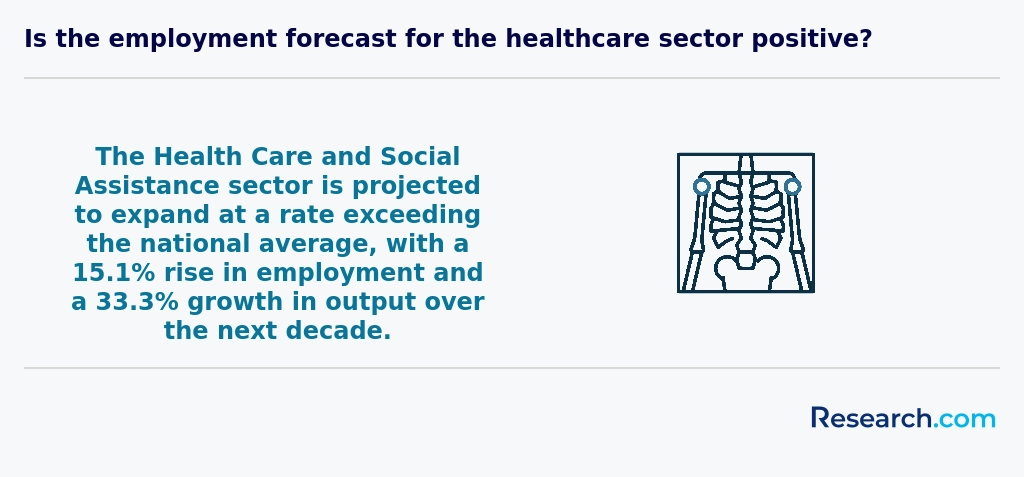
Graduates with an online healthcare degree in Ohio can pursue diverse career paths, reflecting the state's robust healthcare industry. Many find success in healthcare administration and management, taking roles as healthcare administrators or health services managers overseeing operations at major institutions like Ohio State University or the Cleveland Clinic. These positions offer competitive salaries near $100,000 annually, providing both financial stability and professional growth. Others enter clinical fields that combine online education with in-person certification, working as public health advisors or health informatics specialists where they drive improvements in patient care and data management.
Additional opportunities include careers as healthcare policy analysts shaping state health policies or as health educators developing impactful community programs. Graduates from Ohio institutions often highlight the advantage of local internships and job placements, enhancing their prospects in these roles. Those seeking research-oriented careers benefit from Ohio's advanced medical centers supporting medical and health services research. Students exploring healthcare career opportunities Ohio online degree programs find practical pathways tailored to their goals. For those comparing options, the Affordable Online Master's in Healthcare Degree Programs Ranking in New York also provides valuable insights on accessible education.
The job market for online healthcare jobs Ohio remains vibrant, supported by a statewide demand for skilled professionals in nursing, healthcare administration, and health IT. Graduates from well-known public universities in Ohio often secure positions within major hospital systems or telehealth providers, enjoying flexible and rewarding career paths. Many alumni from these programs share positive experiences about the accessibility and relevance of their education, which equips them to meet the evolving needs of Ohio's expansive healthcare sector.
Employment growth in the region surpasses national averages, reflecting a strong pipeline of opportunities in healthcare occupations projected through 2031. This growth benefits students completing healthcare degree employment Ohio programs, particularly those focusing on in-demand roles like registered nurses and health services managers. The presence of renowned institutions offering affordable tuition further enhances job readiness. Prospective students can explore pathways at best open enrollment colleges that combine quality education with practical outcomes, ensuring alignment with Ohio's robust healthcare employment landscape.
2027 Fastest Online Master's in Healthcare Degree Programs Ranking in Ohio
Investing in your education is a significant decision that can shape your future, and the Research.com team recognizes the importance of making well-informed choices. To support aspiring healthcare professionals in Ohio, we have carefully developed the "2027 Fastest Online Master's in Healthcare Degree Programs Ranking in Ohio." Our dedication to quality, credibility, and accuracy is demonstrated through thorough research and analysis underpinning this ranking.
We utilized the following reputable data sources to ensure a comprehensive evaluation of programs:
By reviewing this ranking, readers will gain valuable insights into the fastest online master's programs in healthcare available in Ohio, empowering them to make strategic educational decisions. For more information on how this ranking was developed, please visit our Research.com methodology page.


# 4 position
The Ohio State University at Columbus
Master of Pharmaceutical Sciences with a Specialization in Health-System Pharmacy Administration and Leadership





Frequently Asked Questions About healthcare
Students pursuing online healthcare degrees in Ohio can enhance their learning by actively engaging with virtual class discussions and utilizing available academic resources. Ohio boasts numerous accredited institutions offering flexible programs tailored for working professionals. According to the Ohio Department of Higher Education, leveraging faculty office hours and peer study groups significantly improves comprehension and retention.
Additionally, students should seek clinical or practicum opportunities within Ohio's healthcare systems, such as those affiliated with OhioHealth or Cleveland Clinic, to gain hands-on experience critical for their careers. Using technology tools for time management and regularly updating skills based on Ohio's healthcare workforce trends also supports academic success.
The healthcare field in Ohio is rapidly evolving, creating new opportunities for online degree students. Emerging niches include telehealth, which has expanded significantly due to increased demand for remote care. According to the Ohio Department of Health, telemedicine visits in the state rose by over 50% between 2020 and 2023. Another growing area is health informatics, focusing on managing electronic health records and data security. Additionally, population health management is gaining attention, aiming to improve community health outcomes by analyzing data trends. These specialties offer promising career paths for students seeking innovative roles in Ohio's healthcare system.
After completing an online healthcare degree in Ohio, preparing for the job market involves several key steps. First, obtaining any required state licenses or certifications is essential. Ohio mandates specific credentials for many healthcare roles, so graduates should check the Ohio Board of Nursing or Medical Board for details.
Networking is crucial; joining professional organizations like the Ohio Hospital Association can connect you to local employers and job openings. Internships or clinical experiences, even those completed online, increase marketability.
According to the Ohio Department of Job and Family Services, healthcare employment in Ohio is projected to grow 10% by 2030, signaling strong job prospects.
Employers in Ohio's healthcare sector prioritize several key skills when hiring graduates from online healthcare degree programs. Critical thinking and problem-solving abilities rank highly, as healthcare professionals must make quick, accurate decisions in clinical environments. Communication skills-both verbal and written-are essential for effective patient care and interdisciplinary teamwork, according to data from the Ohio Hospital Association.
Technical proficiency with electronic health records (EHR) and medical software is increasingly important, given Ohio's advancement in healthcare IT systems. Additionally, cultural competence and empathy remain crucial due to Ohio's diverse patient population. The Bureau of Labor Statistics highlights that adaptability and lifelong learning are vital to keeping pace with evolving healthcare standards and technologies.
Finding internships in Ohio relevant to a healthcare degree involves several strategic steps. Start by exploring partnerships between your online program and local healthcare facilities, as many Ohio universities have formal agreements with hospitals and clinics.
Utilize resources such as the Ohio Department of Health's website, which lists internship opportunities and programs focused on healthcare careers within the state. Networking through local professional organizations like the Ohio Hospital Association can also connect you to valuable opportunities.
According to the Bureau of Labor Statistics, Ohio employs over 400,000 healthcare workers, indicating a broad range of potential internship locations. Early outreach to Ohio-based medical centers and public health departments is crucial. Additionally, use online platforms provided by your school's career services to find internships tailored to your field.
Online healthcare degrees in Ohio significantly enhance career mobility and advancement opportunities. With Ohio's healthcare sector expected to grow by 13% through 2030, according to the Ohio Department of Jobs and Family Services, professionals with advanced qualifications are in higher demand. Pursuing an online degree allows working adults to gain necessary skills while continuing employment, which supports career progression.
Employers in Ohio increasingly value credentials earned through accredited online programs, recognizing the rigorous curriculum and the ability to balance work and study. Graduates often qualify for leadership roles such as healthcare administration, nursing management, or health informatics.
Additionally, Ohio's regional workforce programs emphasize continuing education, and an online healthcare degree can fulfill these requirements efficiently, supporting salary growth and job stability.
Studying for a healthcare degree in Ohio offers strong preparation for interdisciplinary roles by emphasizing collaboration across various healthcare professions. Ohio's online programs often integrate courses in health policy, informatics, and management, equipping students with skills that cross traditional boundaries.
The Ohio Department of Higher Education highlights that many universities align curricula with state healthcare workforce needs, promoting teamwork among nurses, social workers, and public health professionals.
Additionally, Ohio faces a growing demand for coordinated care due to its aging population-20% aged 65 or older by 2030, according to the Ohio Hospital Association-making interdisciplinary skills critical.
This focus ensures graduates can effectively communicate and collaborate in diverse healthcare settings, improving patient outcomes.
Choosing between a thesis and a non-thesis healthcare degree program in Ohio depends on your career goals and learning preferences. Thesis programs focus on research and require students to conduct original studies, ideal for those aiming for doctoral studies or research careers. Non-thesis options emphasize practical skills and coursework, suitable for professionals seeking advancement without a research commitment.
Ohio's healthcare sector, employing over 1.2 million people per the Ohio Department of Job and Family Services, values both paths differently. Thesis routes often lead to academic or specialized roles, while non-thesis prepares for clinical or administrative positions.
Consider program flexibility and faculty expertise when choosing.
Students in Ohio seeking online healthcare degrees with an international focus face limited direct options for studying healthcare abroad purely through Ohio-based programs. Most Ohio universities offering healthcare degrees emphasize accredited online courses within the U.S. educational framework. According to the Ohio Board of Regents, there are no accredited Ohio institutions providing fully online healthcare degrees that include overseas clinical rotations or study abroad components as part of the curriculum.
However, some Ohio schools have partnerships with global universities allowing students to participate in short-term study abroad experiences, though these are typically not fully integrated into online degree programs.
Ohio healthcare students interested in international experience often pursue additional certifications or engage in voluntary clinical work abroad after graduation. The state's strong healthcare infrastructure, which employs over 650,000 professionals as reported by the Ohio Department of Job and Family Services, supports localized online training aimed at U.S. healthcare standards rather than foreign health systems.
Part-time job opportunities in Ohio that complement healthcare degree education are abundant, offering valuable real-world experience. Common roles include medical scribing, pharmacy technician, and patient care technician positions, which are available in hospitals and outpatient clinics. These roles enhance clinical knowledge while maintaining flexible schedules for students.
According to the Ohio Department of Job and Family Services, healthcare support occupations in Ohio are expected to grow by 15% through 2030, creating strong demand for part-time workers. Additionally, jobs like medical billing and coding specialist can be performed remotely, aligning well with online healthcare programs.
Working part-time in these roles allows students to apply classroom knowledge, develop professional skills, and strengthen network connections within Ohio's healthcare sector, which employs over 700,000 people as of 2023 (U.S. Bureau of Labor Statistics).
Online healthcare students in Ohio have multiple networking opportunities despite the virtual nature of their programs. Many Ohio institutions offer access to professional healthcare organizations such as the Ohio Nurses Association and the Ohio Public Health Association. These organizations host virtual events, webinars, and local meetups where students can connect with healthcare professionals statewide.
Additionally, online programs frequently include virtual cohort groups that encourage collaboration and discussion among students. Clinical placements in Ohio's extensive healthcare system, which employs over 600,000 healthcare workers according to the Ohio Department of Job and Family Services, also provide valuable networking through mentorships and real-world experience.
Students can leverage LinkedIn groups related to Ohio healthcare to expand their professional contacts. Ohio's strong healthcare industry encourages online students to utilize digital platforms alongside local resources for meaningful networking.
Alumni networks offer significant benefits to students pursuing online healthcare degrees in Ohio. These networks create valuable professional connections that help graduates find job opportunities in a competitive healthcare market. Ohio's healthcare sector is growing, with over 450,000 jobs in health services as of 2023, according to the Ohio Department of Job and Family Services.
Through alumni events, mentorship programs, and online forums, students gain insight into industry trends and career advancement strategies. Alumni can provide guidance on licensing requirements specific to Ohio, such as those for nursing or public health roles. Strong networks also support collaboration and continuing education, enhancing graduates' long-term career prospects.
Customizing an online healthcare degree in Ohio allows you to align your education with specific career goals. Many Ohio institutions offer flexible programs where you can choose concentrations like healthcare administration, public health, or nursing management. Selecting relevant electives helps deepen expertise in your desired area.
Ohio's healthcare industry is booming, with a 7% job growth projected through 2030 according to the Ohio Department of Job and Family Services. Tailoring your degree with skills in healthcare policy or informatics can increase job prospects.
Additionally, some programs incorporate practical experiences such as virtual simulations or partnerships with regional health systems, enhancing real-world skills important for leadership roles.
Online healthcare students in Ohio often face several challenges related to the structure and demands of remote education. One major difficulty is balancing clinical practicum requirements with online coursework. Ohio mandates in-person clinical hours for many healthcare degrees, which can be hard to schedule, especially for working professionals.
Students also report technology access and digital literacy as barriers. Reliable internet and up-to-date devices are essential, but not all students in Ohio have equal access, affecting their learning experience. According to the Ohio Department of Higher Education, over 10% of students struggle with connectivity issues.
Time management is another common challenge. Online formats require strong self-discipline, as students must juggle coursework with personal and professional responsibilities.
Additionally, limited interaction with peers and instructors can impact networking opportunities and support systems, which are crucial in the healthcare field.
With an online healthcare degree in Ohio, you can pursue a variety of professional certifications to enhance your career prospects. Common certifications include Certified Professional in Healthcare Quality (CPHQ), Certified Medical Manager (CMM), and Registered Health Information Administrator (RHIA). These credentials are recognized nationwide and relevant for Ohio's growing healthcare sector, which employed over 700,000 people as of 2023, according to the Ohio Department of Job and Family Services.
Other popular certifications include Certified Nursing Assistant (CNA) and Licensed Practical Nurse (LPN), suitable for those with specific training.
Many programs align coursework with exam requirements to help students qualify efficiently.
To write a winning application for an online healthcare program in Ohio, start by thoroughly researching the schools and programs that best fit your career goals. Highlight your relevant experience, education, and commitment to the healthcare field clearly and concisely. Ohio has a growing healthcare sector-with nursing and health services occupations projected to increase by 16% from 2020 to 2030 according to the Ohio Department of Job and Family Services-so demonstrating awareness of regional trends can strengthen your application.
Make sure your personal statement reflects your passion for healthcare and your motivation to succeed in an online format. Provide specific examples of teamwork, problem-solving, and communication skills, which are critical for healthcare professionals. Lastly, request strong recommendation letters from supervisors or educators familiar with your work ethic and dedication in a healthcare context.
Careers in healthcare are increasingly seen through a global lens, reflecting worldwide demand for skilled professionals. In the United States, including Ohio, healthcare occupations are projected to grow by 13% from 2021 to 2031 according to the U.S. Bureau of Labor Statistics. This growth parallels global trends emphasizing the need for qualified workers. Online healthcare degrees allow Ohio students to gain skills aligned with international standards, improving their competitiveness. Organizations like the World Health Organization highlight the importance of global health competencies, especially as pandemics and aging populations affect care worldwide.
Ohio's diverse healthcare industry benefits from graduates who understand these global challenges, preparing them for dynamic roles locally and abroad. For those pursuing online degrees, integrating international perspectives is key to staying relevant in a connected world.
Students pursuing an online healthcare degree in Ohio can gain practical experience through clinical placements and internships arranged by their universities. Many accredited programs partner with local hospitals, clinics, and health organizations across Ohio to provide hands-on training required by licensure boards.
Ohio ranks among the top states for healthcare employment, especially in cities like Cleveland and Columbus, increasing local internship opportunities for students. According to the Ohio Department of Health, these experiences are vital to developing critical skills in a real-world environment.
Additionally, some programs offer simulation labs and remote practicums to complement clinical work. It is important to verify if your chosen online program supports flexible scheduling to fit practical hours alongside coursework.
Choosing the right concentration within an online healthcare degree program in Ohio begins with understanding local workforce demands. Ohio's healthcare industry is projected to grow by 11% through 2030, with high demand in fields like nursing, healthcare administration, and health informatics, according to the Ohio Department of Job and Family Services.
Prospective students should consider their career goals and personal interests. For example, if leadership appeals to you, a concentration in healthcare management or administration may be ideal. Alternatively, for those interested in patient care, nursing or public health concentrations offer practical paths.
It is also important to verify that programs align with Ohio's licensing and certification requirements. Accreditation by recognized bodies ensures the education meets industry standards, improving job prospects.
- 2027 Fastest Online Master's in Healthcare Degree Programs Ranking in Pennsylvania
- 2027 Fastest Online Master's in Healthcare Degree Programs Ranking in Illinois
- 2027 Fastest Online Master's in Healthcare Degree Programs Ranking in Virginia
- 2027 Fastest Online Master's in Healthcare Degree Programs Ranking in North Carolina
- 2027 Fastest Online Master's in Healthcare Degree Programs Ranking in Missouri
- 2027 Fastest Online Master's in Healthcare Degree Programs Ranking in Maryland
- 2027 Fastest Online Master's in Healthcare Degree Programs Ranking in South Carolina
- 2027 Fastest Online Master's in Healthcare Degree Programs Ranking in Georgia
- 2027 Fastest Online Master's in Healthcare Degree Programs Ranking in New Jersey
- 2027 Fastest Online Master's in Healthcare Degree Programs Ranking in New York
See What Experts Have To Say About Studying Healthcare
Read our interview with Healthcare experts

- Trends and opportunities in healthcare across emerging markets - Inizio https://inizio.com/insights/trends-and-opportunities-in-healthcare-across-emerging-markets/
- How to Write Your Cover Letter | NQRTH https://www.nqrth.edu.au/career-planning/how-to-write-your-cover-letter/
- The impact of postgraduate education on career advancement in healthcare https://sets.com.ua/journals/vol-3-no-2-2024/the-impact-of-postgraduate-education-on-career-advancement-in-healthcare
- Networking and Mentorship During Clinical Rotations https://rotatingroom.com/blog/medical-students-the-importance-of-networking-mentorship-during-your-clinical-rotations
- How Much Can I Make With an Online Bachelor's of Public Health? - MPH Online https://www.mphonline.org/salary-bachelors-public-health/
- The Role of Interdisciplinary Studies in Medical Career Training https://georgia-med.com/the-role-of-interdisciplinary-studies-in-medical-career-training.html
- Alumni Reconnect - Poznan University of Medical Sciences https://pums.edu.pl/alumni-friends/alumni-reconnect/
- Niche Markets in Healthcare: How to Find & Target https://nechayadvisors.com/blog/niche-markets-in-healthcare
- Online Programs https://mercycollege.edu/academics/distance-education/online-programs
- Niche Markets in Healthcare https://ultrariskadvisors.com/niche-markets-in-healthcare/


