
2027 Fastest Online Master's in Healthcare Degree Programs Ranking in Michigan

Co-Founder and Chief Data Scientist
Choosing the right master's degree in healthcare is an important step for your future career in Michigan. To help you navigate this decision, this article presents the 2027 Fastest Online Master's in Healthcare Degree Programs Ranking in Michigan.
Created by the Research.com team of data scientists, this ranking highlights programs that offer quality education with accelerated completion times. Reading this article can guide you toward programs that fit your goals and lifestyle.
Pursuing a healthcare degree opens doors to meaningful work and personal growth. Explore your options confidently with trusted data supporting your choice.
Key benefits of getting online healthcare degree in Michigan
- Healthcare degree graduates in Michigan can earn competitive salaries, such as Healthcare Consultants with a mean annual wage of $115,530 and Healthcare Compliance Managers earning about $80,190 per year, highlighting strong financial rewards.
- Graduates from popular Michigan universities often find diverse career paths in healthcare management, consulting, and compliance, providing numerous opportunities to grow and make a meaningful impact.
- Completing a healthcare degree online in Michigan offers flexibility and convenience, allowing students to balance studies with work or family, as seen in successful online graduates from institutions like the University of Michigan-Flint.
- Key benefits of getting online healthcare degree in Michigan
- What can I expect from online healthcare degree in Michigan?
- Where can I work with online healthcare degree in Michigan?
- How much can I make with online healthcare degree in Michigan?
- 2027 Fastest Online Master's in Healthcare Degree Programs Ranking in Michigan
- Key Findings
- How long does it take to complete online healthcare degree in Michigan?
- Strategies to Accelerate Your Online Healthcare Master’s Completion
- What's the difference between online and on-campus healthcare degree?
- How to Choose the Right Online Healthcare Program in Michigan
- What is the average cost of online healthcare degree in Michigan?
- How to Choose the Best Online Healthcare Degree Program in Michigan
- What financial aid is available to online healthcare degree students in Michigan?
- How to Choose the Right Online Master’s in Healthcare Program in Michigan
- What are the prerequisites for enrolling in online healthcare degree program in Michigan?
- How to Choose the Right Online Healthcare Program in Michigan
- What courses are typically in online healthcare degree programs in Michigan?
- What types of specializations are available in online healthcare degree programs in Michigan?
- How do you choose the best online healthcare degree in Michigan?
- What career paths are available for online healthcare degree students in Michigan?
- What is the job market for online healthcare degree in Michigan?
- Related Healthcare Rankings for Nearby States
- Top Trending Healthcare Rankings
- See What Experts Have To Say About Studying Healthcare
What can I expect from online healthcare degree in Michigan?
The average cost of an online healthcare degree in Michigan typically falls between $15,000 and $35,000 for a master's program, depending on the school and how many credits you need. Graduates from popular universities like Wayne State and Michigan State often mention how the price felt manageable, especially when they factored in financial aid or tuition reimbursement from their jobs. It's pretty common to keep working while studying since these programs are designed to be flexible.
One grad shared how being able to study online allowed them to stay local in Michigan and save money on housing and travel. Plus, knowing their degree came from an accredited program gave them confidence for future job prospects. By choosing a school that fits your budget and needs, you can avoid stressing over the cost and focus on learning about healthcare policy or patient care management, right from home.
Where can I work with online healthcare degree in Michigan?
If you earn an online healthcare degree in Michigan, you've got a ton of paths ahead of you. Graduates from schools like Western Michigan University or Oakland University often land jobs in hospitals-think Henry Ford Health System or Beaumont Health-where they support everything from patient care to healthcare management. It's rewarding work where you really see your impact on people's lives.
Many grads also find themselves in outpatient clinics or telehealth roles, which is growing fast in Michigan. Imagine helping patients over video calls or managing the daily operations of a bustling clinic-those are real chances you get with an online degree. Nursing homes and long-term care facilities also offer steady gigs, especially with Michigan's aging population. Working there means being a key player in making sure residents get top-notch care while managing the nitty-gritty of healthcare policies.
Some grads take their skills to public health departments, tackling community health challenges or emergency planning. Others jump into consulting, insurance, or pharma jobs where their healthcare know-how really shines. It's pretty cool how flexible a Michigan online healthcare degree can be!
How much can I make with online healthcare degree in Michigan?
If you're wondering how much you can make with an online healthcare degree in Michigan, the numbers look pretty promising, especially for roles where salary data is available. For instance, healthcare consultants in Michigan pull in an average of around $115,530 a year, which is a solid paycheck reflecting the importance of their expertise.
Another role you might find interesting is healthcare compliance manager, with an average annual wage about $80,190. Imagine working in this position after finishing your degree online from a school like the University of Michigan or Michigan State-you'd be stepping into a job that really values the knowledge you gained and rewards it well.
Many graduates from popular Michigan universities share how their online degrees gave them the flexibility to balance life and study while still landing competitive salaries in the healthcare sector. Whether you're aiming for consulting, management, or specialized roles, these figures show that investing in an online healthcare degree in Michigan can pay off nicely.
2027 Fastest Online Master's in Healthcare Degree Programs Ranking in Michigan
How do we rank schools?
Investing in your education is a significant decision that can shape your future, and the Research.com team is committed to supporting you in making well-informed choices. To aid prospective students in Michigan, we have carefully developed the "2027 Fastest Online Master's in Healthcare Degree Programs Ranking in Michigan." Our dedication to quality, credibility, and accuracy is demonstrated through rigorous research and thorough analysis undertaken in crafting this ranking.
We utilized the following reputable data sources to ensure a comprehensive evaluation of healthcare degree programs:
By exploring this ranking, readers will gain valuable insights into the fastest online master's healthcare programs available in Michigan, enabling them to find options that fit their educational and professional goals efficiently. For more information on how this ranking was created, please visit our Research.com methodology page.


Key Findings
- Online healthcare degrees in Michigan range from associate to master's levels, offered by accredited state and private institutions.
- In-state tuition for online undergraduate healthcare programs typically costs between $11,000 and $16,000 per year.
- Graduate healthcare programs, such as master's degrees, generally cost between $15,000 and $25,000 annually.
- Healthcare jobs in Michigan are projected to grow by 15% from 2020 to 2030, faster than the average for all occupations.
- Entry-level bachelor's degree holders earn about $55,000 per year, while advanced degree holders can earn median salaries near $85,000 or higher.
- Many healthcare roles require state licensing or certification, which online programs help students prepare for during or after their studies.
How long does it take to complete online healthcare degree in Michigan?
Finishing an online healthcare degree in Michigan usually depends on the type of degree and how you choose to pace yourself. For example, students at popular schools like Wayne State University or Oakland University often find that a Bachelor's degree takes about four years if they're studying full-time. But the cool thing about online programs is the flexibility-some grads took their time, stretching it to six years while juggling work and family.
Graduate degrees, like a Master of Healthcare Administration or Nursing at universities such as the University of Michigan-Flint, are generally faster-about 18 months to three years. Some graduates even managed to speed things up with accelerated options because they had prior experience, finishing in just one year.
Many students love the "study at your own pace" vibe with asynchronous courses, which made balancing life and school way easier for them. So, whether you're aiming to breeze through or take it slow, Michigan's online programs really accommodate your lifestyle and goals.
Strategies to Accelerate Your Online Healthcare Master’s Completion
To finish your online healthcare master’s in the shortest time, follow these steps:
- Review and transfer qualifying undergraduate or graduate credits before starting
- Opt for full-time enrollment and register for summer or winter accelerated sessions
- Select programs offering 8-week or 5-week intensive terms
- Plan prerequisites and core courses concurrently when allowed
- Use structured timelines and track progress with weekly or monthly goals
Looking for a quicker credential? Explore our fastest medical assistant program for a six-week certification boost.
What's the difference between online and on-campus healthcare degree?
If you're thinking about a healthcare degree in Michigan, the big difference between online and on-campus comes down to how and where you learn. Online programs let you study from home or wherever you want-perfect if you're juggling work or family. Lots of students appreciate that flexibility; they can keep their day job while earning credits, which is a huge relief. For example, graduates from Michigan's online healthcare programs often mention how they loved fitting classes around their busy lives without the hassle of commuting.
On-campus programs, like those at the University of Michigan or Michigan State, give you that classic college vibe-face-to-face time with professors, hands-on lab work, and easy access to campus resources. Many students find this helps them stay motivated and build a support network. Plus, clinical placements are usually arranged through the school, meaning less stress coordinating hands-on hours.
Both options require clinical experience, but online students might work at a local site near their home. While tuition costs can be similar once fees are added up, online degrees often cut out commuting expenses.
How to Choose the Right Online Healthcare Program in Michigan
When evaluating the fastest online master's in healthcare degree programs in Michigan, start by verifying institutional accreditation and program-specific approvals, such as CAHME for healthcare management or CCNE for nursing tracks. Accreditation not only ensures academic rigor and transferability of credits, but also impacts eligibility for federal financial aid and licensure exams. Next, assess curriculum alignment with your career goals-look for programs offering specialized concentrations, up-to-date course materials on emerging healthcare technologies, and hands-on clinical experiences or simulated labs. Cost and flexibility are equally critical. Compare total tuition, fees, and potential hidden expenses such as technology or clinical placement costs. Seek programs with transparent pricing models and robust financial aid services. Evaluate scheduling formats-fully asynchronous courses can accommodate working professionals, whereas hybrid models may provide richer peer interaction. Investigate student support resources, including dedicated academic advisors, online tutoring centers, career services, and access to digital libraries or professional networks that boost post-graduation placement rates. Finally, leverage data and firsthand insights to inform your decision. Review graduation and employment statistics, request syllabi to gauge course depth, and connect with alumni via LinkedIn or campus career fairs. For those exploring complementary accelerated health pathways, consider researching the fastest online pharmd degree programs to compare timelines, costs, and outcomes across healthcare disciplines. A methodical, criteria-driven approach will help you select a program that balances speed, quality, and long-term return on investment.
What is the average cost of online healthcare degree in Michigan?
The average cost of an online healthcare degree in Michigan hovers around $35,998, which many find pretty reasonable considering the quality of education offered by local institutions. Students from places like Wayne State University or Ferris State University often share how affordable their programs felt compared to on-campus options. What's cool is that public universities in Michigan typically have tuition rates between $500 and $900 per credit hour, which makes budgeting more straightforward when you're juggling work and life.
For folks aiming at affordable online master's healthcare programs Michigan has some great picks. Private schools tend to charge more, sometimes going as high as $1,200 per credit, but many graduates say the investment is worth it given the flexibility and support these programs provide. Plus, Michigan residents usually get discounted rates at public universities, which can really lighten the financial load.
One graduate mentioned how they carefully explored aid options like scholarships and employer tuition reimbursement, which made a huge difference in managing costs. If you want to dig deeper into the cheapest healthcare schools in Michigan, there's a handy resource listing some of the best options cheapest healthcare schools in Michigan. It's all about finding the right fit without breaking the bank!
How to Choose the Best Online Healthcare Degree Program in Michigan
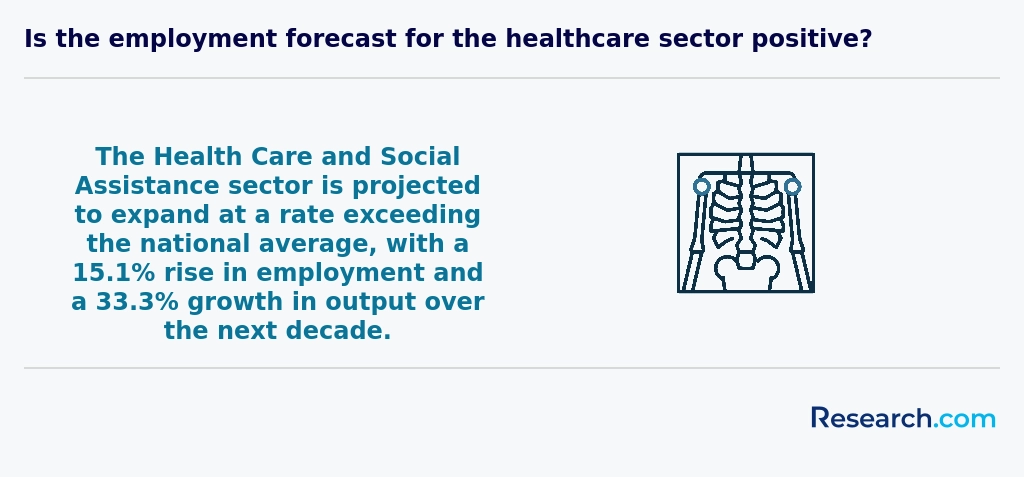
Selecting the right online healthcare degree program involves careful consideration of several factors that align with your career goals and personal circumstances. Begin by assessing the accreditation status and reputation of each institution; accredited programs not only ensure quality education but also improve your employment prospects. Your decision should also factor in program flexibility, online support services, and the balance between theoretical coursework and practical experiences like internships or clinical rotations. Cost is another critical element-research tuition fees, available financial aid, and other hidden costs, as these will impact your overall investment in the degree. For those seeking affordable options, exploring resources on the cheapest healthcare schools in michigan can provide insight into financially viable programs that maintain academic excellence. Additionally, consider the program’s curriculum structure and specialization offerings to ensure they align with your intended career path, whether it’s healthcare administration, public health, or clinical services. Engage with current students and alumni through forums or virtual info sessions to gauge the practical benefits of the curriculum. By comparing these factors, you can make an informed decision that best suits your professional aspirations and ensures a strong return on your educational investment.
What financial aid is available to online healthcare degree students in Michigan?
Getting financial aid for an online healthcare degree in Michigan is totally doable and can make a huge difference. Many students I've heard from, especially those at well-known Michigan schools offering online healthcare programs, swear by filling out the FAFSA first. It opens doors to federal grants like the Pell Grant, which can cover thousands without needing to be paid back-perfect for undergrads.
One graduate shared how the Michigan Tuition Grant helped lighten their load when attending a private college's online nursing program. Plus, the Michigan Competitive Scholarship is another sweet deal for students with good grades and financial need. Universities themselves often pitch in with scholarships aimed at healthcare students, whether you're just starting or going for that advanced degree.
Working healthcare pros can also tap into employer tuition help-imagine your hospital covering part of your online course costs while you keep your job. And don't forget, joining professional groups like the Michigan Nurses Association can unlock extra funding perks. It's all about piecing these options together to make your education more affordable and stress-free.
How to Choose the Right Online Master’s in Healthcare Program in Michigan
Selecting the best online master’s in healthcare program in Michigan requires careful evaluation of several critical factors to ensure your investment aligns with your career aspirations and learning needs. Accreditation and Reputation • Verify accreditation by recognized bodies such as the Commission on Accreditation of Healthcare Management Education (CAHME) or the Higher Learning Commission (HLC). Accredited programs signal quality and improve licensure and employment prospects. • Review school rankings and student reviews; for a comparative look at affordability and outcomes beyond Michigan, explore the Affordable Online Master’s in Healthcare Degree Programs Ranking in Missouri. Curriculum and Specializations • Assess whether core courses cover healthcare management, informatics, ethics, and public health-all crucial for versatile career paths. • Look for elective specializations (e.g., nursing administration, health policy, data analytics) that match your long-term goals. Cost and Financial Aid • Compare tuition rates for in-state vs. out-of-state learners and factor in fees for technology, proctoring, and materials. • Investigate financial aid opportunities, including state grants, university scholarships, and employer tuition assistance. Flexibility and Delivery • Examine program format: asynchronous vs. synchronous lectures, cohort vs. self-paced models, and required on-campus intensives or clinical residencies. • Ensure the schedule accommodates your work and personal commitments without compromising academic rigor. Student Support and Outcomes • Confirm availability of academic advising, career services, virtual libraries, and tech support. • Request alumni outcome data-job placement rates, average salaries, and career advancement success. By thoroughly comparing these dimensions, you can confidently select an online healthcare master’s program in Michigan that balances quality, affordability, and alignment with your professional objectives.
What are the prerequisites for enrolling in online healthcare degree program in Michigan?
If you're eyeing an online healthcare degree in Michigan, you'll typically need a relevant bachelor's degree from an accredited school-think fields like nursing, biology, or health sciences. Graduates from universities like Wayne State or University of Michigan found that having a solid 3.0 GPA really helped them get in smoothly. It's pretty common for programs to ask for recommendation letters and a personal statement, so be ready to share why healthcare truly excites you.
Some students shared that having hands-on experience or certifications, especially in nursing roles, gave them a boost during admissions. If you're aiming at something clinical, like a nurse practitioner path, you might also need to show proof of your current license. A few grads from Michigan State University mentioned that while GRE scores were requested before, many programs have now relaxed that rule.
Tech-wise, being comfortable online is key-reliable internet and good skills with digital platforms can make your life so much easier during the program.
How to Choose the Right Online Healthcare Program in Michigan
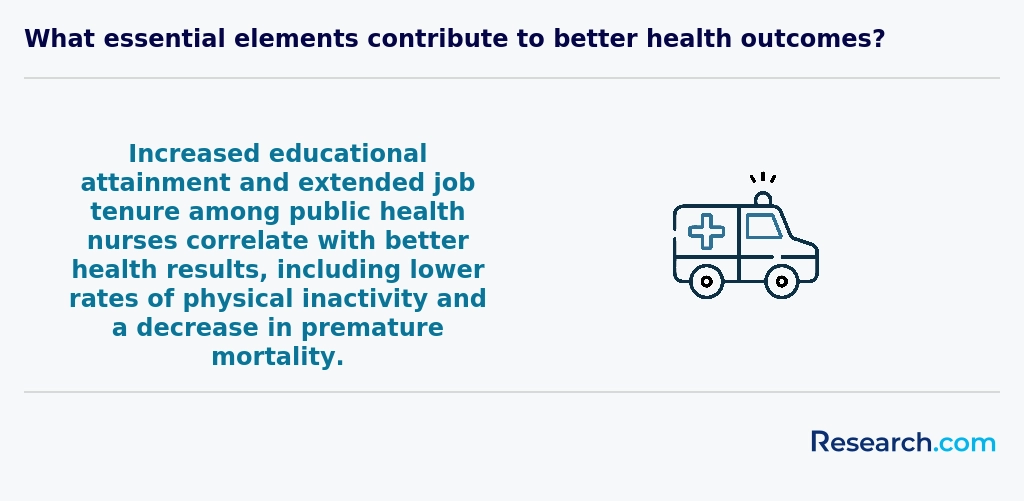
Selecting the perfect online healthcare program involves evaluating several key factors to ensure that your investment in education meets both your career goals and personal needs. First, verify that the institution is accredited and has a strong reputation for delivering quality education, as this greatly influences your future employability. Consider reviewing detailed program curricula, as well-designed courses should cover contemporary healthcare practices, innovative technologies, and comprehensive clinical experiences. Additionally, assess the program’s flexibility by considering factors like asynchronous learning options, availability of part-time study, and integration with real-world healthcare environments. Prospective students should also compare tuition fees and explore financial aid opportunities to make an informed financial decision. For those who might be exploring broader options or perhaps an adjacent field, you might also want to consider mph degrees online as a viable pathway. Finally, make use of testimonials and career service supports provided by the institution since these can offer genuine insight into program outcomes and alumni success.
What courses are typically in online healthcare degree programs in Michigan?
If you're diving into an online healthcare degree in Michigan, expect a mix of courses that really get you ready for the real world. Many graduates from popular schools like the University of Michigan and Wayne State University mention how classes like healthcare ethics and law helped them understand tricky situations they'd face in hospitals or clinics. You'll also get into health policy and management, which is super useful since Michigan's healthcare system has its own unique challenges that you'll need to navigate.
Another favorite among students is healthcare informatics-basically learning how to manage patient data and use tech tools to improve care. Imagine being able to make decisions that directly impact someone's health outcomes just by crunching the right data!
Plus, courses on public health and epidemiology prepare you for addressing those rural access issues many Michiganders face, giving your studies a real community impact vibe. Graduates often say these classes helped them feel confident stepping into jobs where they could make a difference immediately.
What types of specializations are available in online healthcare degree programs in Michigan?
If you're exploring an online healthcare degree in Michigan, you'll find plenty of specializations that really match what the state's healthcare field needs. Popular choices include Healthcare Administration, which preps you to lead hospitals or health centers-something grads from big schools like the University of Michigan rave about because it opens doors to solid leadership roles.
Nursing specializations, especially Nurse Leadership or Nurse Education, are also hot picks, especially with Michigan facing a nursing shortage. Alumni from local colleges often share how these programs gave them the skills to move up quickly in hospitals or community care. Then there's Health Informatics, perfect if you love tech and want to manage healthcare data, a growing field in Michigan's evolving health system.
Other areas like Public Health and Healthcare Quality and Patient Safety help you dive into big issues the state cares about, like managing chronic diseases or boosting patient care standards. For a sense of what's out there, some Michigan schools even make it easier with in-state tuition online, helping keep costs down. If you're curious about more options, you might check out popular mph degrees online to see what fits you best.
How do you choose the best online healthcare degree in Michigan?
Choosing the best online healthcare degree in Michigan means focusing on what fits your life and career goals. Many graduates from popular schools like the University of Michigan or Wayne State share how accreditation made all the difference-knowing their degree would be respected by employers and licensing boards really gave them confidence. You'll want to check that the program is authorized to operate in Michigan, so your hard work truly counts here.
Look for programs that offer flexibility, like asynchronous classes, which helped some students balance family and work without stress. Specializations matter too-graduates who chose tracks like healthcare administration or health informatics found themselves in high demand, especially because Michigan's healthcare field is growing fast.
Cost is always a top concern; many students opted for affordable healthcare master's programs Michigan offers at public universities, finding real value without breaking the bank. Also, be sure to explore clinical placements-graduates appreciate programs letting them complete internships locally.
For helpful insights on navigating your options, consider checking out fastest online pharmd degree programs available in the state to see how accelerated paths might fit your timeline.

What career paths are available for online healthcare degree students in Michigan?
If you're diving into online healthcare careers in Michigan, there's a great mix of paths waiting for you. Many graduates from popular schools like the University of Michigan and Wayne State University find themselves stepping right into in-demand nursing roles, including Registered Nurses and Advanced Practice Registered Nurses, where their skills are immediately needed. Others with a Master's in Healthcare Administration from places like Michigan State University quickly move into leadership gigs running hospitals or clinics, juggling everything from operations to policy-making. Graduates often share how rewarding it feels managing healthcare services that directly improve local communities.
Besides nursing and administration, there are plenty of cool options like becoming a Medical and Health Services Manager or diving into tech-savvy roles as Health Informatics Specialists. Plus, some students with clinical ambitions go on to become Physician Assistants or Physical Therapists, mixing online study with hands-on training. For those curious about cost-friendly options, check out the Affordable Online Master's in Healthcare Degree Programs Ranking in Missouri-it's a helpful resource when budgeting your next step.
Michigan healthcare degree job opportunities are growing fast, which makes now an awesome time to jump in.
What is the job market for online healthcare degree in Michigan?
The online healthcare job opportunities Michigan offers are looking pretty bright right now. Graduates from programs at well-known schools like the University of Michigan or Wayne State often share how flexible online options helped them balance work and family while gearing up for a career boost. It's common to find jobs in hospitals, outpatient care, or healthcare tech firms across the state, and employers really value degrees from accredited online programs.
One graduate talked about moving from a nursing assistant role to a nurse manager position in Detroit after completing an online healthcare degree, noting the steady demand fueled by Michigan's aging population. The state's healthcare degree employment outlook is encouraging, with salaries for healthcare managers hovering around $110,000 and registered nurses earning about $75,000, growing as they gain advanced qualifications.
If you're curious about speeding through your studies, check out these top paying 6 month certificate programs online that can boost your credentials fast.
Frequently Asked Questions About healthcare
Online healthcare degree students in Michigan can enhance their learning by actively engaging with course materials and instructors. Participating in virtual discussions and utilizing available faculty office hours fosters deeper understanding. Michigan's healthcare sector is robust, with over 580,000 jobs as reported by the Michigan Department of Labor and Economic Opportunity (2023), offering ample context for applied learning.
Students should seek programs accredited by recognized bodies such as the Commission on Accreditation of Healthcare Management Education (CAHME) to ensure quality education. Leveraging local healthcare data and case studies specific to Michigan helps connect theory with practice.
Networking through online student groups and Michigan healthcare organizations can provide valuable professional insights and career opportunities. Additionally, balancing studies with practical experiences like internships or part-time roles can solidify skills and increase employability in Michigan's growing healthcare market.
The healthcare field is evolving rapidly, creating new opportunities for online degree students in Michigan. Emerging niches include telehealth, which saw a significant increase during the COVID-19 pandemic and continues to grow due to patient demand for remote care. According to the Michigan Department of Health and Human Services, telemedicine visits increased by over 50% in recent years.
Another fast-growing area is healthcare informatics, where professionals manage patient data and improve healthcare delivery through technology. Michigan hospitals report a higher need for specialists in this field as digital systems become more common.
Additionally, personalized medicine focusing on genetics and tailored treatments is gaining attention, driven by advances in biotechnology. Online programs increasingly offer coursework in these specialized areas, preparing students to meet Michigan's future healthcare demands.
After earning an online healthcare degree in Michigan, it is essential to prepare strategically for the job market. Start by researching local healthcare employers, including major hospital systems like Beaumont Health and Spectrum Health, which employ a large portion of Michigan's healthcare workforce. According to the Michigan Department of Labor, healthcare jobs are expected to grow by 15% through 2030, indicating strong demand.
Networking is crucial; join professional associations such as the Michigan Healthcare Association to connect with industry leaders and access job listings. Additionally, consider obtaining relevant certifications that align with your degree specialization to enhance employability.
Leverage Michigan's robust online job portals focused on healthcare roles and tailor your resume to highlight practical skills gained during your degree program. Finally, participate in virtual job fairs and continue improving your technical and interpersonal skills to stand out in a competitive market.
Employers in Michigan increasingly prioritize a combination of technical and interpersonal skills when hiring healthcare degree graduates. Strong clinical competencies, such as patient assessment and care coordination, are essential due to the state's growing demand for healthcare services, which the Michigan Department of Health and Human Services highlights as a 15% increase in healthcare jobs projected through 2030.
Effective communication is also critical. Healthcare professionals must interact clearly with patients, families, and interdisciplinary teams. Problem-solving abilities and proficiency with electronic health records (EHR) systems are highly valued, reflecting Michigan's investment in digital healthcare infrastructure.
Cultural competence ranks high as well, given Michigan's diverse population. The Michigan Healthcare Association emphasizes that adaptability and empathy improve patient outcomes and workplace harmony.
Finding internships in Michigan relevant to a healthcare degree requires strategic planning and local research. Many universities with online healthcare programs partner with hospitals and clinics statewide, offering internship placements. For example, the Michigan Department of Health and Human Services often lists healthcare internship opportunities.
Students should leverage resources such as the Michigan Healthcare Careers website and local chapters of professional organizations like the Michigan Healthcare Engineers Association. Networking via these platforms can be crucial.
According to the Michigan Hospitals Association, internships in major health systems like Beaumont and Spectrum Health are competitive but essential for hands-on experience and employment prospects.
Start early by contacting your school's career services and exploring healthcare job boards specific to Michigan to increase your chances.
Obtaining an online healthcare degree can significantly enhance career mobility and advancement opportunities in Michigan. The state's healthcare sector is growing rapidly, with jobs projected to increase by 15% through 2030 according to the Michigan Department of Labor and Economic Opportunity. Online degrees offer flexibility to working professionals, enabling them to upskill without leaving their current roles.
Employers in Michigan increasingly prefer candidates with advanced degrees, especially for leadership and specialized clinical positions. An online Master's or Bachelor's in healthcare may open doors to roles in administration, nursing management, or health informatics.
Additionally, many accredited Michigan institutions offer online programs aligned with state licensure requirements, supporting faster career progression.
Studying for a healthcare degree in Michigan offers strong preparation for interdisciplinary roles by emphasizing collaboration across various health professions. Michigan's healthcare education programs integrate courses that blend nursing, public health, administration, and clinical sciences to foster a broad understanding of patient care.
Many institutions incorporate practical experiences with diverse healthcare teams, reflecting Michigan's complex health systems like the Detroit Medical Center and Henry Ford Health System. According to the Michigan Department of Health and Human Services, interdisciplinary teamwork improves care quality and patient outcomes statewide.
Online programs also leverage technology to connect students with professionals from different fields, building essential communication skills. This approach ensures graduates are ready to work in team-based settings, a key demand in Michigan's growing healthcare sector.
Choosing between a thesis and a non-thesis online healthcare degree program in Michigan depends on your career goals and learning preferences. Thesis programs focus on research, requiring a significant project that contributes new knowledge. This path suits students aiming for doctoral studies or research roles.
Non-thesis programs emphasize practical skills and coursework, ideal for professionals targeting clinical or administrative positions in Michigan's healthcare sector. According to the Michigan Department of Health and Human Services, the state's healthcare industry employed over 700,000 people in 2023, underscoring demand for skilled practitioners.
Consider time commitment, career plans, and learning style when deciding between these options.
Students based in Michigan seeking to study healthcare abroad through online programs have several viable options. Many U.S. institutions with global partnerships offer international healthcare courses fully online, allowing Michigan residents to earn degrees recognized both domestically and internationally. The University of Michigan reports that healthcare jobs in the state are projected to grow by 15% by 2030, increasing demand for advanced education in this field.
Some universities abroad provide accredited online master's degrees in healthcare administration, public health, or nursing. However, Michigan students should verify program accreditation and U.S. licensure compatibility before enrolling. The Commission on Collegiate Nursing Education (CCNE) and the Council on Education for Public Health (CEPH) are key accreditation bodies often respected in Michigan.
In summary, Michigan students can leverage online international healthcare degrees through accredited foreign institutions with U.S. recognition, focusing on programs aligned with state healthcare workforce needs and certification standards.
Michigan offers several part-time job opportunities that can complement online healthcare degree education. Common roles include medical assistant positions, which provide practical experience in clinical settings. According to the Michigan Department of Labor, the healthcare support occupations sector is projected to grow by 9% through 2030, offering students valuable work experience.
Other popular part-time jobs include patient care technician and pharmacy technician roles. These positions help students develop essential skills such as patient communication and medication management. Working in local hospitals or clinics like those in Detroit's health system allows hands-on exposure alongside academic learning.
Healthcare administration internships or front desk roles can also enhance knowledge about healthcare operations. These opportunities support understanding of the industry's business side while pursuing degrees.
Engaging in part-time work related to healthcare fosters networking and improves employability post-graduation, particularly in Michigan's growing healthcare market.
Online healthcare students in Michigan benefit from various networking opportunities designed to connect them with professionals and peers. Many Michigan universities offering online programs provide virtual career fairs, alumni networks, and student organizations focused on healthcare fields.
In addition, statewide health associations like the Michigan Health & Hospital Association offer events and resources that online students can access remotely, enabling them to engage with local healthcare leaders and policymakers. According to the Michigan Department of Health and Human Services, Michigan supports over 600,000 healthcare workers, creating a robust environment for professional networking.
These opportunities help students build contacts essential for career advancement within the state's diverse healthcare sector.
Alumni networks play a crucial role for online healthcare degree students in Michigan by providing access to professional connections across the state's healthcare industry. Michigan's healthcare sector employs nearly 300,000 workers, making networking essential for job opportunities and career growth, according to the Michigan Department of Labor and Economic Opportunity.
These networks offer mentorship, job referrals, and updated information on local healthcare trends. Online students, who may lack on-campus interaction, benefit from these communities for support and collaboration.
Participation in alumni events and platforms enables students to connect with experienced professionals in hospitals, clinics, and research centers statewide.
Customizing your online healthcare degree program in Michigan allows you to align your education with specific career goals. Many Michigan universities offer elective courses and specialization options in fields like healthcare management, informatics, or public health. This flexibility lets you develop expertise relevant to your desired role.
You can also select programs that provide practical experiences through virtual simulations or partnerships with local healthcare providers. Michigan's healthcare sector employs over 500,000 people, making targeted skills valuable for advancement.
Furthermore, accredited programs ensure your degree meets industry standards recognized by Michigan employers and licensing boards, enhancing your professional credentials.
Online healthcare students in Michigan often face challenges related to practical experience requirements. Many programs require clinical hours, which can be difficult to arrange remotely. This hands-on component is crucial for meeting licensure standards set by Michigan's Department of Licensing and Regulatory Affairs (LARA).
Another challenge is balancing rigorous coursework with professional obligations. According to the Michigan Center for Educational Performance and Information, working adults pursuing degrees online frequently cite time management as a significant barrier.
Connectivity and technology issues also impact learning, especially in rural areas where high-speed internet access is limited.
Finally, navigating financial aid complexities and understanding state-specific regulations can add to the difficulty for online students aiming to enter Michigan's healthcare workforce.
With an online healthcare degree, graduates in Michigan can pursue a variety of professional certifications to advance their careers. Popular certifications include Certified Medical Manager (CMM), Certified Professional in Healthcare Quality (CPHQ), and Registered Health Information Technician (RHIT). These credentials validate specialized knowledge and skills, improving employment prospects.
Many Michigan employers prefer candidates with certification, given the state's significant healthcare workforce of over 500,000 professionals (Michigan Department of Labor, 2023).
Certifications such as the Certified Healthcare Simulation Educator (CHSE) or Certified Case Manager (CCM) are also valuable for roles involving patient care and education.
Many programs prepare students to meet the eligibility requirements for these certifications, including necessary clinical experience and coursework.
Writing a winning application for an online healthcare program in Michigan requires thorough preparation and attention to detail. Start by clearly demonstrating your commitment to healthcare through your personal statement, highlighting relevant experience and career goals. Michigan's healthcare sector is sizable, employing over 700,000 people as of 2023 (U.S. Bureau of Labor Statistics). Emphasize skills that meet local demand, such as patient care and healthcare management.
Include strong letters of recommendation from supervisors or educators familiar with your healthcare background. Ensure your academic records meet program prerequisites and maintain a competitive GPA, typically above 3.0.
Finally, tailor your application to each program's unique mission and values, showing why you are an ideal fit for their online delivery model and Michigan's healthcare environment.
The global perspective on healthcare careers highlights strong demand driven by aging populations and technological advances. In the United States, including Michigan, the Bureau of Labor Statistics projects a 15% growth in healthcare occupations from 2021 to 2031, which is faster than the average for all jobs.
Michigan's healthcare industry is a significant part of its economy, employing over 600,000 people in various roles, from nursing to health IT, according to the Michigan Department of Labor. This reflects a broader trend seen worldwide, where healthcare remains a stable and essential sector.
Internationally, healthcare professionals often face different regulations, but core skills like patient care and health management are universally valued. For Michigan students pursuing online healthcare degrees, understanding these global demands can open opportunities nationally and abroad.
Gaining practical experience is essential while pursuing an online healthcare degree in Michigan. Many programs require clinical placements or internships that students complete at hospitals, clinics, or care facilities near their homes. This hands-on training allows students to apply theoretical knowledge in real-world settings.
Michigan has a strong healthcare sector with over 230 hospitals statewide, including major systems like Henry Ford Health and Beaumont Health, offering numerous placement opportunities. Programs often assist students in locating appropriate clinical sites that meet licensure and accreditation standards.
Additionally, some online degrees incorporate simulation labs and virtual practicums to complement in-person experiences, enhancing skill development safely. Staying in close contact with program advisors can help navigate these requirements effectively.
Choosing the right concentration within an online healthcare degree program in Michigan starts with evaluating your career goals and interests. Michigan's healthcare sector is diverse, offering specialties like nursing, health informatics, and public health, each tied to different job prospects. For example, the Michigan Department of Labor reports strong growth in nursing and healthcare management roles through 2030.
Consider local demand: Metro Detroit and other urban areas show increased needs for healthcare administrators and data analysts due to expanding healthcare systems. Accreditation and curriculum relevance are crucial-look for programs aligned with Michigan's licensing requirements if aiming for clinical roles.
Research state workforce data from sources such as the Michigan Occupational Outlook can inform which concentrations have higher employment rates and salary potentials. Talking to advisors and professionals in your chosen field can also provide practical insights.
Related Healthcare Rankings for Nearby States
- 2027 Fastest Online Master's in Healthcare Degree Programs Ranking in Ohio
- 2027 Fastest Online Master's in Healthcare Degree Programs Ranking in Wisconsin
- 2027 Fastest Online Master's in Healthcare Degree Programs Ranking in Illinois
- 2027 Fastest Online Master's in Healthcare Degree Programs Ranking in Minnesota
- 2027 Fastest Online Master's in Healthcare Degree Programs Ranking in Pennsylvania
- 2027 Fastest Online Master's in Healthcare Degree Programs Ranking in Iowa
- 2027 Fastest Online Master's in Healthcare Degree Programs Ranking in Missouri
- 2027 Fastest Online Master's in Healthcare Degree Programs Ranking in New York
- 2027 Fastest Online Master's in Healthcare Degree Programs Ranking in Virginia
- 2027 Fastest Online Master's in Healthcare Degree Programs Ranking in North Carolina
Top Trending Healthcare Rankings
See What Experts Have To Say About Studying Healthcare
Read our interview with Healthcare experts

References
- How to Succeed in a Difficult Job Market After Graduation https://www.hospitalrecruiting.com/blog/6542/how-to-succeed-in-a-difficult-job-market-after-graduation/
- 14 Entry-Level Healthcare Certifications | San Juan College https://www.sanjuancollege.edu/blog/entry-level-healthcare-certifications/
- Scholarships and Training - MI Hospital Careers https://mihospitalcareers.com/talent-resources/
- Client Challenge https://www.springerpflege.de/nursing-graduates-perceived-future-career-pathway-and-career-shi/50653658
- Best Practices for Career Development and Advancement in the Healthcare Sector | Generation https://www.generation.org/news/best-practices-for-career-development-and-advancement-in-the-healthcare-sector/
- 25 Highest Paying Online Degrees in Healthcare | Best Online Medical Degrees https://www.collegeconsensus.com/online/highest-paying-online-medical-degrees/
- Online Medical Assistant Programs: Comparing Schools in Michigan https://www.edumed.org/online-schools/medical-assistant-programs/michigan-mi/
- Online Medical Programs at CHCP - Start Now! https://www.chcp.edu/degrees-certificates/online/
- Welcome to the Health Professions Alumni Association! https://www.upstatefoundation.org/chpalumni
- The impact of postgraduate education on career advancement in healthcare https://sets.com.ua/journals/vol-3-no-2-2024/the-impact-of-postgraduate-education-on-career-advancement-in-healthcare


