2027 Fastest Online Master's in Healthcare Degree Programs Ranking in Iowa

Co-Founder and Chief Data Scientist
Are you looking for the fastest online master's in healthcare degree programs in Iowa? This article presents the 2027 Fastest Online Master's in Healthcare Degree Programs Ranking in Iowa, carefully crafted by the Research.com team of data scientists. It's designed to help you find the programs that truly stand out for their speed and quality.
Choosing the right healthcare degree can open doors to rewarding careers. Exploring this ranking can make your decision easier, saving time and effort. Dive in to discover programs that fit your goals and fast-track your future.
Key benefits of getting online healthcare degree in Iowa
- Healthcare graduates in Iowa can expect competitive salaries such as $115,530 annually for Healthcare Consultants and $80,190 for Healthcare Compliance Managers, showing strong earning potential in this field.
- Graduates from Iowa State University often pursue career paths in consulting, compliance, and management, highlighting diverse opportunities available with a healthcare degree.
- Online healthcare degrees from the University of Iowa offer flexible scheduling and the chance to balance work and study, making education more accessible and convenient than traditional programs.
- 2027 Fastest Online Master's in Healthcare Degree Programs Ranking in Iowa
- What can I expect from online healthcare degree in Iowa?
- Where can I work with online healthcare degree in Iowa?
What can I expect from online healthcare degree in Iowa?
The average cost of an online healthcare degree in Iowa typically ranges from about $8,000 to $15,000 per year, depending on the institution and program level. Graduates from well-known schools like the University of Iowa or Iowa State University often share how their investment felt worth every penny, especially as flexible tuition rates allowed them to balance work and study without overwhelming debt.
Many found joy in navigating affordable tuition combined with scholarships and employer tuition reimbursement, which lightened the financial load. One graduate recalled managing clinical hours locally while enjoying the freedom of online classes, emphasizing how these cost-effective options made pursuing advanced healthcare roles feel both accessible and exciting.
Programs at schools such as Drake University also show similar affordability, encouraging learners to explore specialties like nursing or healthcare administration without fearing skyrocketing costs. This financial balance makes Iowa's healthcare degrees not just an education but a real, tangible step toward a rewarding career.
Where can I work with online healthcare degree in Iowa?
Graduates from Iowa's online healthcare programs, such as those offered by the University of Iowa or Des Moines University, often find themselves immersed in dynamic hospital environments where every day brings new challenges and rewarding patient connections. Imagine stepping into the University of Iowa Hospitals and Clinics, working alongside seasoned professionals to improve patient outcomes through healthcare informatics or clinical management.
Others venture into outpatient care centers or bustling physician offices, coordinating care and streamlining operations with a sense of meaningful purpose. Many graduates share excitement about making a real difference by enhancing patient experiences and supporting teams in these fast-growing settings.
Public health agencies also attract healthcare degree holders eager to shape community health through innovative programs. Working with the Iowa Department of Public Health or local county health departments, graduates often feel inspired by their role in promoting wellness and fighting disease.
Long-term care and skilled nursing facilities offer fulfilling paths for those passionate about elder care, where empathy and expertise come together daily. Plus, Iowa's expanding health insurance, pharmaceutical, and tech sectors provide intriguing opportunities for data-savvy and policy-minded graduates ready to explore new horizons in healthcare.
Graduates from online healthcare programs in Iowa often find exciting salary opportunities that reflect both their dedication and the growing demand in the state. For instance, healthcare consultants with a degree can earn an impressive average annual wage of about $115,530, opening doors to dynamic career paths full of challenge and reward.
Similarly, healthcare compliance managers typically see salaries around $80,190. Imagine walking out of your online studies at a school like the University of Iowa and stepping into this pivotal role, where your expertise keeps healthcare organizations adhering to vital regulations.
These figures echo the experiences of many graduates from Iowa State University's health administration programs who marvel at how their education translates into meaningful careers with competitive pay.
With such promising salary prospects in healthcare consulting and compliance management, an online healthcare degree from Iowa's renowned institutions offers a thrilling gateway to both financial stability and professional fulfillment.
- Tuition for online healthcare bachelor's degrees in Iowa ranges from $10,000 to $20,000, while graduate programs can cost between $15,000 and $30,000.
- Healthcare jobs in Iowa are projected to grow by 16% over the next decade, faster than many other fields.
- Starting salaries for recent healthcare graduates typically range from $50,000 to $60,000 annually, with registered nurses starting near $58,000.
- Experienced healthcare professionals in Iowa can earn between $70,000 and $90,000 per year.
- Most online healthcare programs in Iowa hold regional accreditation, supporting quality education and easier licensure or certification after graduation.
Diving into an online healthcare degree in Iowa feels like embarking on a unique journey shaped by your pace and ambitions. Graduates from schools like the University of Iowa often share how an associate degree, such as in health information technology or nursing assistant programs, became a solid stepping stone completed in about two years when studied full-time. Imagine balancing your days as they did, gaining practical skills while still enjoying personal time.
Bachelor's degrees in fields like nursing or public health, commonly found at institutions across Iowa, usually span three to four years. Some students excitedly recount how accelerated options let them shave off a year or more, especially after transferring credits or dedicating extra hours each semester, turning what seemed long into an achievable goal.
Master's degree seekers frequently experience flexible timelines, ranging from 18 months to three years, depending on how they blend coursework with their busy lives. Many Iowa learners appreciate the convenience of eight-week terms and part-time formats, which transform advanced education into an adventure that fits their unique rhythm.
Imagine stepping onto the vibrant campus of the University of Iowa, where healthcare students gather in bustling labs and simulation centers, exchanging ideas face-to-face. This hands-on environment offers a rich, immersive experience that some graduates cherish for its direct mentorship and community spirit.
Meanwhile, an online healthcare student in a small town near Des Moines enjoys the freedom to balance work, family, and studies with remarkable flexibility. Through digital platforms, courses unfold seamlessly, while clinical placements connect them to local hospitals, making the dream of a healthcare career tangible without long commutes.
While campus-based programs often come with a clearer pathway to campus resources and networking with peers, online degrees in Iowa usually ease financial pressures by reducing fees and offering adaptable schedules. Graduates from both paths confidently face certification exams, proving that regardless of the journey, the destination in Iowa's healthcare field is equally promising and rewarding.
Beyond earning your online healthcare degree, embracing continuing education and professional certifications can play a pivotal role in advancing your career in Iowa's competitive healthcare landscape. Staying current with industry trends and technologies not only strengthens your expertise but also broadens your career prospects. Many professionals enhance their qualifications with specialized certifications that complement their degree and practical experience. For example, exploring free online medical billing and coding certification programs can provide you with a competitive edge in administrative and technical roles. Supplemental certifications offer tangible benefits, such as increased job security, higher earning potential, and greater recognition among peers and employers. Additionally, many healthcare employers value professionals who demonstrate a commitment to lifelong learning through continuing education courses, workshops, and seminars. These opportunities not only reinforce your core competencies but also keep you abreast of regulatory changes and evolving best practices in the healthcare sector. By integrating ongoing education and certifications with your academic credentials, you position yourself as a dedicated professional committed to excellence. This proactive approach not only enhances your personal growth but also contributes to improved patient outcomes and overall operational efficiency within healthcare institutions.
The median total cost of obtaining an online healthcare degree in Iowa hovers around $27,692, a figure that echoes the realities faced by many graduates who chose programs at popular institutions like Iowa State University or the University of Iowa. These students often share a sense of accomplishment mixed with relief when balancing tuition with other life expenses, discovering the rewarding world of healthcare through their flexible, online learning paths. Exploring the average cost online healthcare degree Iowa reveals how public universities tend to provide more accessible rates, a welcome advantage for those eager to dive into the evolving healthcare landscape without overwhelming financial strain.
Healthcare students reflect on how the total expenses online healthcare master's Iowa include not only tuition but also additional costs such as technology fees and textbooks. Many find joy in uncovering scholarships and employer tuition assistance that ease the journey. Some community colleges partnered with four-year institutions make exploring a healthcare career more affordable, adding an exciting pathway for those just beginning, highlighting that the adventure toward a healthcare degree in Iowa is not just a financial investment but a personal growth experience full of opportunities.
For those searching for the cheapest healthcare school in iowa, the state offers competitively priced options without sacrificing quality, creating an inviting and optimistic setting for anyone ready to reshape their future through healthcare education.

Graduating with an online healthcare degree in Iowa is only the first step-obtaining state licensure or professional certification is essential for many roles. Below is an overview of common requirements and pathways: 1. Registered Nurse (RN) Licensure • Complete an accredited nursing program and submit official transcripts to the Iowa Board of Nursing. • Pass the NCLEX-RN examination. • Maintain active licensure with continuing education units (CEUs) as specified by the board (typically 24 contact hours every two years). 2. Advanced Practice and Specialized Nursing Certifications • Nurse Practitioners, Clinical Nurse Specialists, and other APRNs must hold national certification through bodies such as the American Nurses Credentialing Center (ANCC) or American Association of Nurse Practitioners (AANP). • Apply for an Iowa APRN license after achieving national certification and completing required supervised clinical hours. 3. Health Administration and Management Credentials • While state licensure is not mandatory, professional certifications such as Fellow of the American College of Healthcare Executives (FACHE) or Certified Professional in Healthcare Management (CPHM) enhance credibility. • Employers often require 2–5 years of leadership experience before granting eligibility to sit for these exams. 4. Health Informatics and Information Management • Certification by AHIMA (e.g., Registered Health Information Administrator, RHIA) or by HIMSS (Certified Professional in Healthcare Information and Management Systems, CPHIMS) is highly recommended. • Verify that your online program meets the curriculum requirements for sitting the credentialing exams. 5. Public Health and Allied Health Licenses • Public health practitioners can pursue the Certified in Public Health (CPH) credential after fulfilling education and experience criteria. • Allied health professionals (e.g., radiology techs, physical therapists) must complete state-approved clinical hours and pass national board exams; licensure reciprocity may apply if relocating to Iowa. For students seeking cost-effective degree options that satisfy both academic and licensure prerequisites, our Cheapest Online Healthcare Degree Programs Ranking in Dobbs Ferry, NY can guide your program selection and budgeting strategy.
Exploring financial aid options for an online healthcare degree in Iowa unlocks a treasure trove of support possibilities. Many graduates from the University of Iowa and Drake University share how federal aid, accessed by completing the FAFSA, was a game changer-opening doors to Pell Grants for undergraduates and reliable Grad PLUS Loans for graduate students, easing their journey with manageable repayment plans.
State resources add another exciting layer. Scholarships and loan repayment programs from the Iowa Department of Public Health often fuel ambition for those entering critical healthcare roles. Picture a working nurse at Iowa State University receiving employer tuition assistance, transforming their dreams into reality while balancing life's other demands.
Merit and need-based scholarships offered by Iowa's universities brighten the path further, reducing out-of-pocket expenses for fields like nursing and health administration. Imagine the thrill of receiving support from professional groups such as the American Association of Nurse Practitioners, empowering students to chase their healthcare passions without financial worry.
This blend of federal, state, institutional, and professional aid crafts a vibrant mosaic of opportunities for Iowa's healthcare learners ready to take the leap.
Navigating the financial demands of an online healthcare degree can be daunting, but smart planning and resourcefulness can significantly ease the burden. In this section, we outline practical strategies for budgeting effectively, identifying scholarships, and exploring loan options, all of which are key to making a well-informed investment in your future. Students are encouraged to explore various financial aid opportunities and budget for both direct tuition costs and indirect expenses such as course materials and technology fees. In addition, consider comparing programs on value as well as cost; for instance, many prospective students benefit from reviewing rankings and affordability guides before enrolling. For those particularly focused on minimizing expenses, our detailed guide on the cheapest healthcare school in iowa offers insights into institutions that balance academic excellence with financial accessibility. By combining diligent research with available financial strategies, you can identify a program that not only advances your career goals but also aligns with your budgetary needs.
Diving into an online healthcare degree in Iowa means gearing up with some key prerequisites that set the stage for success. At popular institutions like the University of Iowa or Drake University, undergraduates need a high school diploma or GED, often bolstered by strong science and math skills-imagine mastering biology insights that fuel your curiosity about the human body!
Graduates of these programs recall the excitement of meeting the challenge head-on, knowing that getting those foundational courses right made advanced topics easier to grasp. For master's hopefuls, having a bachelor's degree-ideally related to healthcare or biological sciences-is the gateway. Some students with unrelated backgrounds tackled extra prerequisites, proving it's never too late to pivot toward a passion for healthcare.
Applicants often share stories about submitting transcripts and heartfelt recommendation letters that open doors. The process can feel like an adventure, especially when personal essays let your genuine drive shine through. And for clinical degrees, experienced RNs or licensed professionals from places like Des Moines University find that their hands-on background perfectly complements academic rigor.
The journey is real and rewarding, unfolding one prerequisite step at a time.
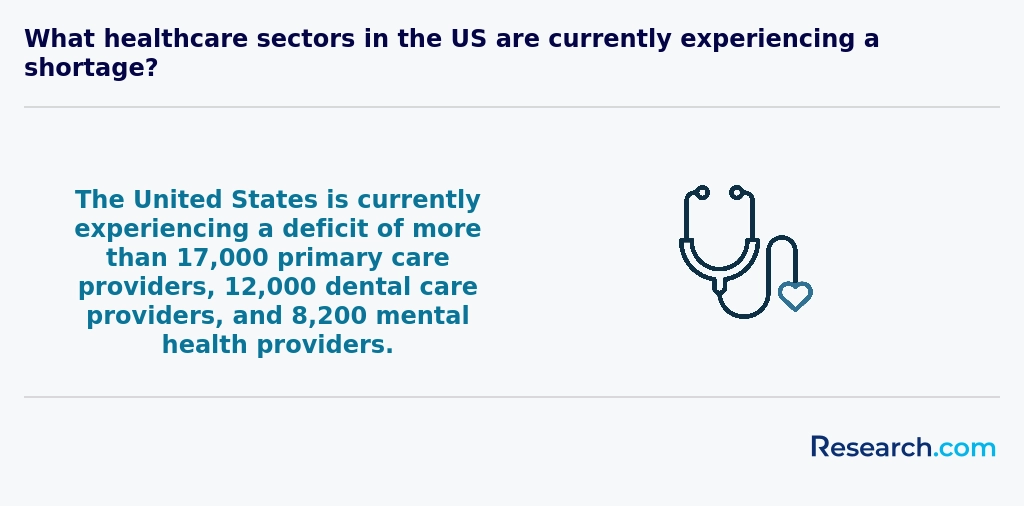
Accelerated online master’s programs in healthcare are structured to help you complete your degree quickly while maintaining rigorous academic standards. Look for the following features:
- Year-round course schedules with minimal breaks
- Compact terms that allow higher credit loads per session
- Flexible credit transfer policies recognizing prior coursework or experience
- Embedded local clinical practicums arranged near your residence
- Cohort-based learning models fostering peer support and accountability
For additional skill-building and financial support, explore our medical coding and billing classes online with financial aid.
Diving into an online healthcare degree in Iowa means embracing a dynamic curriculum designed to equip you for thriving roles in healthcare leadership and management. Graduates from popular Iowa institutions often recall engaging courses like healthcare management and health informatics, which demystify the complexities of data-driven decision-making in busy hospitals or clinics.
Imagine exploring healthcare policy and ethics, where students from colleges such as the University of Iowa wrestle with real-world dilemmas about patient rights and compliance. These classes bring clarity to the legal frameworks shaping Iowa's healthcare landscape, making learning feel instantly relevant.
Many students find themselves drawn into subjects like population health and epidemiology, gaining insights that could directly impact community wellness programs throughout the state. Coursework in leadership and organizational behavior sparks confidence, preparing learners to guide teams through healthcare's ever-evolving challenges.
Hands-on projects and virtual internships offered by schools like Iowa State University allow students to apply theory to practice, creating rewarding experiences and a sense of readiness for Iowa's growing healthcare workforce.
Exploring online healthcare degree specializations Iowa students rave about reveals a thrilling range of options tailored to diverse career goals. Many graduates from popular institutions, like the University of Iowa and Des Moines University, dive into nursing tracks-ranging from RN to BSN programs to advanced MSN paths focusing on Nurse Practitioner roles or Nursing Education. Their stories often highlight the balance of rigorous study with flexible online scheduling, allowing them to manage family life and jobs while progressing confidently.
Others adventure through healthcare administration, mastering leadership skills crucial for running bustling hospitals or community clinics across Iowa's rural and urban areas. Public health specializations offer a captivating journey into epidemiology and community wellness, preparing students to impact Iowa's health policies directly.
Health informatics stands out as an innovative pathway, where graduates describe thrilling moments connecting cutting-edge technology with better patient care. Some even explore occupational therapy, gaining practical strategies to restore independence in patients' everyday lives. For those curious about cost-efficient ways to boost their credentials, free online medical billing and coding certification programs provide a smart, accessible entry point.
Choosing the best online healthcare degree in Iowa feels like setting out on an exciting journey where accreditation is your compass. Graduates from popular universities in Iowa share how programs accredited by reputable agencies gave them confidence, ensuring their degrees opened doors locally and beyond. Imagine studying at your own pace with asynchronous classes, like many who balance work and family, or engaging in hybrid formats that connect you with clinical experiences nearby-perfect for hands-on learners exploring practical skills in health informatics or nursing administration.
Cost often shapes the adventure, too. Iowa's public universities shine here, offering affordable healthcare master's programs Iowa residents rave about, with tuition often under $20,000. Graduates describe relief discovering financial aid and employer tuition reimbursement that made their goals attainable. For those seeking guidance on affordability and quality, exploring the Cheapest Online Healthcare Degree Programs Ranking in Dobbs Ferry, NY can spark ideas beyond state lines.
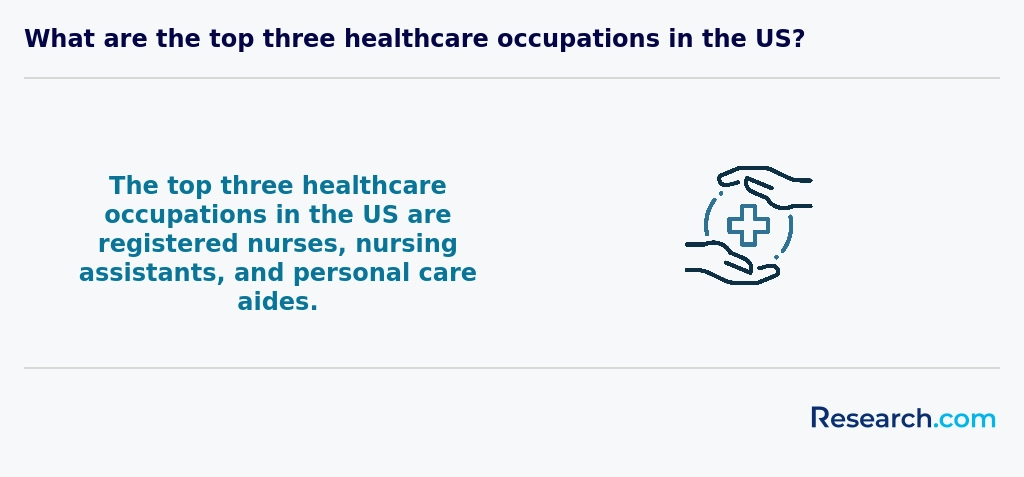
Graduates from online healthcare degree programs in Iowa find themselves exploring a variety of exciting career paths. Nursing remains a standout option, where graduates from institutions like the University of Iowa and Drake University can become registered nurses or nurse practitioners, stepping confidently into roles that serve communities across both urban and rural Iowa. Their experiences often highlight the rewarding challenges of patient care and the joy of making a difference daily.
For those drawn to leadership, degrees in healthcare administration open doors to managerial positions in hospitals and clinics, offering the thrill of guiding healthcare systems that impact thousands. Graduates pursuing this path appreciate how Iowa's facilities value locally trained talent. Meanwhile, public health careers invite a more community-driven adventure, with graduates working on projects that combat chronic diseases across the state.
Specialized fields like health informatics also captivate recent graduates eager to blend technology and healthcare, a sector rapidly expanding in Iowa. Many find these job opportunities motivating, especially given the state's push toward modernized care. If you're eager to jumpstart your journey, consider exploring fast degree options that can accelerate your path into these exciting roles. This curiosity to uncover healthcare job opportunities Iowa online degree offers often leads to impactful, fulfilling careers.
Iowa's online healthcare degree graduates are stepping into a job market charged with opportunity and steady growth. Graduates from well-known Iowa universities report exciting paths in diverse fields-whether managing hospitals, developing health informatics systems, or advancing nursing roles. The blend of urban and rural healthcare needs creates a dynamic landscape where skills gained through Iowa's online programs are highly sought after.
With healthcare jobs in Iowa projected to grow by around 12% through 2030, the pace matches the national average, unlocking promising prospects for anyone looking to thrive in healthcare degree employment opportunities Iowa. Imagine working in expanding public health initiatives or spearheading innovative telehealth projects that have become increasingly vital post-pandemic, all while building on the flexible foundation an online degree provides.
Many discover that stacking their credentials with easy certifications to get that pay well opens doors to specialized roles in this fast-evolving sector. Whether you're drawn to health policy or clinical leadership, Iowa's healthcare job market invites you to explore new adventures fueled by practical education and real-world impact.
2027 Fastest Online Master's in Healthcare Degree Programs Ranking in Iowa
Investing in your education is a significant decision that can shape your future, and the Research.com team understands the importance of making informed choices. To assist prospective students in Iowa, we have meticulously crafted the "2027 Fastest Online Master's in Healthcare Degree Programs Ranking in Iowa." Our commitment to quality, credibility, and accuracy is reflected in the extensive research and analysis conducted to compile this ranking.
We utilized the following reputable data sources to ensure a comprehensive evaluation of healthcare master's programs:
By exploring this ranking, readers will gain valuable insights into the fastest online healthcare master's degree programs available in Iowa, enabling them to make well-informed decisions about their educational and professional futures. For more details on our methodology, please visit our Research.com methodology page.



Frequently Asked Questions About healthcare
Online healthcare degree students in Iowa can enhance their learning by actively engaging with course materials and participating in virtual discussions. Utilizing resources like the Iowa Department of Public Health website helps students stay informed about state-specific healthcare trends and policies. Practical experience is crucial; students should seek local clinical placements or internships to apply theoretical knowledge in real-world settings.
Time management and setting a consistent study schedule are essential, as balancing coursework with personal and professional responsibilities can be challenging. Iowa's growing healthcare industry, projected to add over 20,000 jobs by 2030 (Iowa Workforce Development), offers diverse opportunities for experiential learning.
Collaborating with peers and faculty via online platforms fosters networking and professional growth, which are important in the healthcare field. Accessing additional certifications and workshops through Iowa's community colleges can also strengthen skills and employability.
Emerging niches within the healthcare field are expanding rapidly, offering numerous opportunities for online degree seekers in Iowa. Areas such as telehealth and digital health technologies are growing as Iowa expands broadband access, enabling remote patient monitoring and virtual consultations. According to the Iowa Department of Public Health, telemedicine usage increased significantly during recent years, a trend expected to continue.
Another key niche is healthcare data analytics, driven by the need to improve patient outcomes through better use of electronic health records. Professionals skilled in interpreting healthcare data are increasingly in demand. Additionally, population health management is rising in importance, focusing on preventive care to reduce costs and improve quality.
Preparing for the job market after completing an online healthcare degree in Iowa involves several strategic steps. First, graduates should obtain necessary licensure or certification required for their specific healthcare role, as Iowa mandates state approval for many positions.
Networking is essential; joining professional organizations such as the Iowa Healthcare Collaborative can provide valuable contacts. Iowa's healthcare sector is growing rapidly, with employment in healthcare occupations projected to increase by 12% by 2030 according to the Iowa Workforce Development.
Gaining practical experience through internships or volunteer work in local hospitals or clinics can improve employment prospects. Finally, tailored resume building and interview preparation focusing on the healthcare industry in Iowa will increase a candidate's competitiveness.
Employers in Iowa's healthcare sector prioritize several key skills when hiring graduates with healthcare degrees. Critical thinking and clinical decision-making are among the most important, as these abilities directly impact patient care quality. Communication skills, both verbal and written, are essential for effective collaboration with multidisciplinary teams and patient interactions.
Additionally, proficiency with healthcare technology and electronic health records (EHR) systems is increasingly vital. According to the Iowa Department of Public Health, healthcare facilities in Iowa emphasize adaptability and problem-solving, especially as the industry faces rapid technological changes.
Understanding healthcare regulations and ethical standards also ranks highly, ensuring compliance and patient safety in Iowa's healthcare settings.
Finding internships in Iowa related to healthcare degrees involves targeted research and proactive outreach. Begin by exploring affiliations through your online program, as many Iowa institutions partner with local hospitals and clinics for student placements.
In Iowa, major healthcare employers include UnityPoint Health and the University of Iowa Hospitals and Clinics, which often offer internship opportunities. According to the Iowa Department of Public Health, healthcare jobs in the state grew by 3.5% between 2020 and 2023, increasing demand for qualified interns.
Use resources such as the Iowa Workforce Development website and local healthcare job boards to identify internships. Networking through professional associations like the Iowa Healthcare Collaborative can also open doors. Start early and prepare a professional resume emphasizing your healthcare coursework and any clinical experience.
An online healthcare degree in Iowa can notably enhance career mobility and advancement opportunities. According to the Iowa Workforce Development, healthcare jobs in the state are projected to grow 14% by 2030, higher than the national average. Earning a master's or specialized healthcare degree online offers flexibility, enabling professionals to upskill without pausing their careers.
Iowa employers increasingly value candidates with accredited online degrees, especially in nursing, health administration, and public health. These credentials often qualify graduates for leadership roles, higher salaries, and expanded responsibilities. Additionally, many online programs in Iowa align with state licensure requirements, facilitating career progression.
Overall, an online healthcare degree supports continuous learning while meeting local workforce demands.
Studying for an online healthcare degree in Iowa equips students with skills essential for interdisciplinary roles by emphasizing collaboration across various health fields. Iowa's programs often include coursework in healthcare management, policy, and informatics, connecting clinical practice with administrative knowledge. This approach prepares graduates to work effectively with doctors, nurses, social workers, and public health professionals.
Iowa's healthcare system employs more than 100,000 workers, making teamwork across disciplines crucial to address the state's diverse patient needs. According to the Iowa Department of Public Health, integrated care models are growing, highlighting the demand for professionals who understand multiple perspectives.
Many programs also incorporate real-world case studies and practicum experiences that simulate interdisciplinary healthcare environments. This hands-on training develops communication skills and problem-solving abilities necessary in today's complex healthcare settings.
When choosing between a thesis and a non-thesis healthcare degree program in Iowa, consider your career goals and time commitment. Thesis programs often suit students interested in research or academia. They require writing a detailed research paper that can enhance analytical skills and deepen subject knowledge.
Non-thesis options usually focus on practical skills and allow faster completion. This path is common for professionals aiming to advance in clinical or administrative roles in Iowa's healthcare system, which is growing steadily; the Iowa Department of Public Health reports a 5% increase in healthcare jobs from 2020 to 2023.
Funding and faculty support also differ. Thesis students might have access to research grants, while non-thesis students benefit from more structured coursework. Choose based on your professional needs and learning style.
Students based in Iowa who wish to study healthcare abroad have several options through U.S.-accredited online programs with international components. Many universities offer partnerships allowing clinical placements or research opportunities in foreign countries, often tailored for healthcare fields like nursing, public health, or healthcare administration. These programs comply with Iowa's licensing requirements, enabling graduates to meet state standards after completing international experiences.
The Iowa Department of Public Health highlights a growing demand for healthcare professionals with global exposure due to the state's evolving healthcare landscape. Additionally, some institutions offer hybrid models, combining online coursework with overseas residencies.
It is important for Iowa students to verify accreditation, program acceptance by the Iowa Board of Nursing or relevant boards, and any required in-state clinical hours before enrolling.
Students pursuing online healthcare degrees in Iowa have several part-time job options that align well with their studies. Positions such as medical assistants, certified nursing assistants (CNAs), and pharmacy technicians provide relevant practical experience.
According to the Iowa Workforce Development, healthcare support occupations are among the fastest-growing job categories in the state, with medical assistants expected to grow by 20% from 2022 to 2032. These roles often offer flexible hours, making them ideal for students balancing coursework and work.
Additionally, working in healthcare administration or as a medical receptionist can complement healthcare studies by enhancing organizational and communication skills. Such jobs often help students understand healthcare systems better, which is valuable for many advanced healthcare degrees.
Online healthcare students in Iowa benefit from numerous networking opportunities despite remote learning. Many Iowa universities offering these programs provide virtual career fairs and webinars, connecting students with healthcare professionals statewide. The Iowa Healthcare Collaborative and the Iowa Nurses Association host events that online students can often attend remotely, promoting industry connections.
Local hospitals and health systems, including the University of Iowa Hospitals and Clinics, frequently partner with educational institutions for internships or mentorship programs, aiding online students in gaining real-world experience. Additionally, Iowa's rural healthcare initiatives foster networking through community projects.
According to the Iowa Department of Public Health, healthcare employment in Iowa is projected to grow 10% by 2030, increasing networking importance for students.
Alumni networks provide valuable support for online healthcare degree students in Iowa by fostering professional connections and career growth. Graduates from Iowa's online healthcare programs often join active alumni groups that offer mentorship, job leads, and networking events tailored to the state's healthcare industry. According to the Iowa Department of Public Health, healthcare employment in the state is projected to grow by 12.5% through 2030, increasing the importance of strong professional relationships.
Access to an alumni network can help students learn about openings at key Iowa healthcare providers and gain insights into local industry trends. These networks also offer peer collaboration, which can improve learning outcomes and professional readiness.
Customizing an online healthcare degree program in Iowa starts with selecting a school that offers diverse specializations aligned with your career goals. Many Iowa institutions provide options such as public health, healthcare administration, or nursing leadership. Choosing electives or concentrations lets you focus on areas like health informatics or rural health management, which are critical given Iowa's rural population challenges.
Flexible scheduling and part-time enrollment help working professionals balance studies with employment. You can also pursue internships or practicum experiences within Iowa's extensive healthcare system to gain practical skills and local networking opportunities. According to Iowa Workforce Development, healthcare jobs in the state are projected to grow by 16% through 2031, underscoring strong demand for specialized skills.
Online healthcare students in Iowa often face unique challenges that can impact their success. A major hurdle is balancing coursework with work and family responsibilities, especially since many students enroll while actively employed in healthcare roles. According to the Iowa Department of Public Health, healthcare workers represent a significant portion of the workforce, which can limit the time available for study.
Another challenge involves gaining access to quality clinical experiences. While theoretical learning is possible online, hands-on practice is crucial, and finding local placements that meet accrediting bodies' standards may be difficult in rural areas.
Technical issues and limited internet access also affect some students, with rural parts of Iowa experiencing connectivity gaps, as reported by the Iowa Communications Network. These barriers can make participation in live sessions and timely submissions challenging.
With an online healthcare degree in Iowa, you can pursue several professional certifications that enhance your career opportunities. Common certifications include the Certified Healthcare Administrative Professional (cHAP), Certified Professional in Healthcare Quality (CPHQ), and the Registered Health Information Administrator (RHIA). These credentials validate expertise in healthcare management, quality assurance, and health information systems.
The Iowa Department of Public Health highlights the growing demand for certified healthcare professionals, especially in nursing and health administration. Many employers prefer candidates with certifications recognized by national bodies such as the American Health Information Management Association (AHIMA) or the National Association of Healthcare Quality (NAHQ).
Obtaining these certifications typically requires passing an exam and fulfilling work experience criteria, which online programs often support through flexible schedules. Pursuing certification alongside an online degree can lead to improved job prospects and higher salaries within Iowa's expanding healthcare sector.
To write a winning application for an online healthcare program in Iowa, start by carefully researching the specific requirements of each school. Many programs look for a strong academic record, especially in science-related courses.
Include a clear personal statement explaining your career goals and why Iowa's healthcare field interests you. Highlight any relevant experience, such as work or volunteer positions in hospitals or clinics, since Iowa ranks high in healthcare employment opportunities according to the Iowa Workforce Development.
Letters of recommendation from healthcare professionals or instructors can strengthen your application. Finally, ensure all documents are complete and submitted before deadlines to improve your chances.
The global demand for healthcare professionals continues to grow rapidly, driven by aging populations and advancements in medical technology. In the United States, including Iowa, healthcare careers rank among the fastest-growing occupations according to the U.S. Bureau of Labor Statistics. Online healthcare degrees offer flexible pathways to meet this demand.
Worldwide, the focus on public health, nursing, and healthcare management highlights an interconnected approach to addressing health challenges. For Iowa students, obtaining an online healthcare degree aligns with both local needs-such as rural healthcare access-and global trends emphasizing preventive care and health informatics.
By pursuing healthcare education, students prepare to contribute to evolving healthcare systems on multiple levels, benefiting communities within Iowa and beyond.
Gaining practical experience while studying for an online healthcare degree in Iowa is essential for career readiness. Many programs incorporate clinical placements or internships at local healthcare facilities. Iowa's healthcare system, including hospitals and clinics in Des Moines and Iowa City, often partners with universities to provide these opportunities.
Students can also seek volunteer roles or part-time jobs in settings such as nursing homes or community health centers. According to the Iowa Department of Public Health, hands-on experience helps students understand patient care better and increases job prospects after graduation.
Virtual simulation labs have become popular, allowing students to practice skills safely online. Combining these methods supports gaining real-world skills while studying remotely in Iowa.
Choosing the right concentration within an online healthcare degree program in Iowa depends on your career goals and the state's healthcare demands. For example, Iowa faces a growing need for nurse practitioners and healthcare administrators due to an aging population, as reported by the Iowa Department of Public Health.
Consider concentrations that align with in-demand roles, such as nursing leadership or healthcare informatics. Research programs that offer relevant clinical experiences or partnerships with Iowa healthcare providers.
Accreditation and faculty expertise are also key factors, ensuring the program meets national standards and prepares you for licensure. Exploring employment trends from Iowa's workforce development agencies can guide your decision.
- 2027 Fastest Online Master's in Healthcare Degree Programs Ranking in Minnesota
- 2027 Fastest Online Master's in Healthcare Degree Programs Ranking in Wisconsin
- 2027 Fastest Online Master's in Healthcare Degree Programs Ranking in Illinois
- 2027 Fastest Online Master's in Healthcare Degree Programs Ranking in South Dakota
- 2027 Fastest Online Master's in Healthcare Degree Programs Ranking in Missouri
- 2027 Fastest Online Master's in Healthcare Degree Programs Ranking in Kansas
- 2027 Fastest Online Master's in Healthcare Degree Programs Ranking in Indiana
- 2027 Fastest Online Master's in Healthcare Degree Programs Ranking in North Dakota
- 2027 Fastest Online Master's in Healthcare Degree Programs Ranking in Michigan
- 2027 Fastest Online Master's in Healthcare Degree Programs Ranking in Ohio
See What Experts Have To Say About Studying Healthcare
Read our interview with Healthcare experts

- Career-Connected Learning (Career Exploration & Work ... https://educate.iowa.gov/higher-ed/cte/iowa-quality/career-connected-learning
- Stepping Into the Student Role: Teacher Gains New ... https://iowalakes.edu/stepping-into-the-student-role-teacher-gains-new-perspective-through-iowa-lakes-nursing-externship/
- Iowa Project Promotes Healthcare Careers Early https://nosorh.org/promising-practice-iowa-project-promotes-healthcare-careers-early/
- Working Iowa: University of Iowa Health Care highlights job ... https://www.kcrg.com/2026/02/23/working-iowa-university-iowa-health-care-highlights-job-opportunities-without-advanced-degrees/
- Degree Programs – Iowa Public Health Association | IPHA https://iowapha.org/degree-programs/
- Bachelor of Healthcare Administration https://www.mchs.edu/academics/bachelors-degrees/healthcare-administration/
- Iowa Health Administration Degree Programs https://www.healthadministrationdegrees.com/states/iowa/
- Health Information Technology - Northwest Iowa ... https://nwicc.edu/academics/programs-of-study/health-information-technology-online/
- Celebrate Iowa's Health Sciences Career Day and ... https://workforce.iowa.gov/celebrate-iowas-health-sciences-career-day-and-careers-healthcare
- Health Sciences | EICC https://eicc.edu/classes-programs/pathway/health/default.aspx