
2027 Most Popular Healthcare Degree Programs Ranking in Tucson

Co-Founder and Chief Data Scientist
Choosing the right healthcare degree program is an exciting step toward a rewarding career in Tucson. To help you navigate your options, this article features the 2027 Most Popular Healthcare Degree Programs Ranking in Tucson developed by the Research.com team of data scientists.
By exploring this ranking, you'll gain clear insights into the best programs available, making your decision easier and more confident. Pursuing a healthcare degree opens doors to meaningful work and lasting impact-discover which programs can set you on the path to success.
Key benefits of getting healthcare degree in Tucson
- Healthcare degree graduates in Tucson can earn competitive salaries, such as Medical Assistants with an average annual wage of $43,350 and Quality Improvement Coordinators making over $103,000, offering strong financial stability.
- Graduates from local institutions like the University of Arizona often find diverse career paths, including roles as Patient Care Technicians or Health Information Technicians, ensuring flexible opportunities in vibrant healthcare settings.
- Obtaining a healthcare degree online from Tucson-based universities provides convenience and flexibility, allowing students to balance work and study while gaining skills that prepare them for rewarding jobs.
- Key benefits of getting healthcare degree in Tucson
- What can I expect from healthcare degree in Tucson?
- Where can I work with healthcare degree in Tucson?
- How much can I make with healthcare degree in Tucson?
- 2027 Most Popular Healthcare Degree Programs Ranking in Tucson
- Key Findings
- How long does it take to complete healthcare degree in Tucson?
- Licensure and Certification Requirements in Tucson, AZ
- What's the difference between online and on-campus healthcare degree?
- Student Life, Support, and Networking Opportunities
- What is the average cost of healthcare degree in Tucson?
- Future Trends in Healthcare Education and Career Outlook
- What financial aid is available to healthcare degree students in Tucson?
- Campus Life and Student Experience in Tucson, AZ
- What are the prerequisites for enrolling in healthcare degree program in Tucson?
- Accreditation and Licensing Requirements for Healthcare Degrees in Tucson, AZ
- What courses are typically in healthcare degree programs in Tucson?
- What types of specializations are available in healthcare degree programs in Tucson?
- How do you choose the best healthcare degree in Tucson?
- What career paths are available for healthcare degree students in Tucson?
- What is the job market for healthcare degree in Tucson?
- Top Trending Healthcare Rankings
- See What Experts Have To Say About Studying Healthcare
What can I expect from healthcare degree in Tucson?
In Tucson, the average cost of pursuing a healthcare degree varies depending on the program and institution, but many students find it to be an investment well worth making. For example, graduates from the University of Arizona's College of Medicine or College of Nursing often note that while tuition for bachelor's and graduate degrees can range from moderate to higher amounts, financial aid and scholarships greatly ease the burden.
Some associate degrees can be completed for roughly two years at community colleges with more affordable tuition, making them accessible stepping stones toward rewarding careers. Students appreciate that the financial commitment opens doors to hands-on experiences in prominent local hospitals such as Banner - University Medical Center Tucson, where clinical internships allow them to build confidence and real-world skills.
Many who embark on healthcare studies in Tucson feel motivated by the vibrant support they receive, along with the city's strong commitment to growing healthcare opportunities. This positive environment makes managing costs feel like a valuable step toward a fulfilling profession dedicated to helping others.
Where can I work with healthcare degree in Tucson?
Graduates from healthcare programs at Tucson's renowned institutions like the University of Arizona find themselves stepping confidently into a dynamic job market. Many start their careers at major employers such as Banner - University Medical Center Tucson, where they work alongside experienced professionals in nursing, medical technology, and healthcare management. These graduates often describe the rewarding moments of patient care and teamwork, fueling their passion every day.
Others embrace diverse roles at Tucson Medical Center or engage with specialized services including veteran care through the Southern Arizona VA Health Care System. Graduates feel inspired knowing they contribute to vital community health initiatives and rehabilitation programs. The growing elderly population also creates heartfelt opportunities, where graduates provide compassionate support as home health aides and geriatric care managers.
Many graduates celebrate flexible career paths working in outpatient clinics, urgent care, and even innovative biotech firms around Tucson. Their stories highlight a shared excitement about the future, knowing healthcare employment in Tucson is booming, with promising growth and countless ways to make a meaningful impact locally.
How much can I make with healthcare degree in Tucson?
With a healthcare degree in Tucson, graduates can anticipate rewarding career opportunities with competitive earnings tailored to their skills and training. For instance, medical assistants typically start with a mean annual wage of about $43,350, providing a solid foundation for those eager to begin making a difference in patient care early on. Patient care technicians enjoy even higher earnings, with an average around $60,790, reflecting their crucial role in supporting medical teams.
Graduates from programs at the University of Arizona or Pima Community College often feel confident stepping into roles like health information technician or clinical research coordinator, where they can expect annual earnings near $43,380 and $43,350 respectively. These positions offer excellent growth potential and the chance to contribute meaningfully behind the scenes in healthcare settings.
For those aspiring to leadership or specialized clinical roles, such as quality improvement coordinators, salaries can soar to an inspiring average of $103,150 annually. This reflects advanced skills and commitment, illustrating how a healthcare degree in Tucson can open doors to both professional fulfillment and financial stability in a vibrant, supportive community.
2027 Most Popular Healthcare Degree Programs Ranking in Tucson
How do we rank schools?
Investing in your education is a significant decision that can shape your future, and the Research.com team understands the importance of making informed choices. To assist prospective students in Tucson, we have meticulously crafted the "2027 Most Popular Healthcare Degree Programs Ranking in Tucson." Our commitment to quality, credibility, and accuracy is reflected in the extensive research and analysis conducted to compile this ranking.
We utilized the following reputable data sources to ensure a comprehensive evaluation of healthcare degree programs:
By exploring this ranking, readers will gain valuable insights into the most popular healthcare degree programs available in Tucson, helping them make well-informed decisions about their educational and professional futures. For more details on our methodology, please visit our Research.com methodology page.

# 4 position
Arizona College of Nursing-Tucson
Bachelor of Science in Nursing
# 5 position
Pima Medical Institute-Tucson
Bachelor of Science in Healthcare Administration

Key Findings
- Tucson offers accredited healthcare programs including nursing, medical technology, and health administration degrees.
- Associate degrees cost between $6,000 and $12,000 per year, while bachelor's programs range from $10,000 to $20,000 annually at public universities.
- The healthcare job market in Tucson is growing, with support occupations expected to increase by over 20% in the next decade.
- Entry-level nursing salaries start around $55,000 per year, with median salaries reaching $75,000 or more with experience and specialization.
- Additional costs may include fees, books, and materials, which can add several thousand dollars to education expenses.
How long does it take to complete healthcare degree in Tucson?
Completing a healthcare degree in Tucson is an achievable and rewarding journey, tailored to fit your lifestyle and ambitions. Many students start with certificate programs, offered by local community colleges, finishing in less than a year. These accelerated paths allow you to quickly step into healthcare roles, gaining real-world skills and confidence right away.
For those aiming higher, associate degrees typically take about two years of full-time study. Graduates from Pima Community College often share how this timeline struck the perfect balance-providing solid hands-on training without feeling overwhelming.
Bachelor's degrees, like those at the University of Arizona, usually span four years, blending coursework and clinical practice. Many find this period empowering, watching their knowledge and abilities grow steadily toward fulfilling careers.
Graduate students pursuing master's or doctoral degrees embrace a deeper commitment of 2 to 4 additional years. They often reflect on the intense experience as transformational, preparing them to lead with expertise and compassion.
Licensure and Certification Requirements in Tucson, AZ
After completing a healthcare degree, graduates must secure state licensure or national certification to practice legally in Arizona. Most clinical roles-such as Registered Nurse (RN) or Radiologic Technologist-require passage of a standardized exam. For example, aspiring RNs must pass the NCLEX-RN and apply to the Arizona State Board of Nursing, which reviews transcripts, background checks, and proof of clinical hours. Similarly, medical laboratory technologists pursue the ASCP certification by meeting education prerequisites and passing a rigorous exam. Non-clinical roles often demand credentialing through professional associations: Health Information Technicians can earn the AHIMA Certified Coding Associate (CCA) credential, while medical assistants may seek certification from the American Association of Medical Assistants (AAMA). Each credentialing body sets its own eligibility criteria, application fees, and renewal requirements, so it’s essential to consult the Arizona State Board of Technical Registration and relevant national organizations early in your program. Pharmacy graduates face additional steps, including the NAPLEX and the state MPJE. To streamline the path toward licensure, students interested in pharmacy may explore an accelerated pharm d program that integrates intensive coursework with experiential rotations. Timelines for licensure vary by profession but generally range from 6–12 weeks after exam completion. Graduates should budget for exam fees ($200–$500) and application costs ($50–$150). Maintaining licensure also requires continuing education units (CEUs), which ensure practitioners stay current with evolving healthcare standards and best practices in Tucson’s dynamic medical community.
What's the difference between online and on-campus healthcare degree?
Choosing between online and on-campus healthcare degrees in Tucson opens exciting possibilities tailored to your lifestyle. Online programs, like those offered by the University of Arizona, empower students to balance coursework with work or family by studying anywhere. Many graduates appreciate this flexibility, praising how it encourages strong self-discipline and time management skills essential for healthcare careers.
On the other hand, studying on-campus at institutions such as Pima Community College immerses you in hands-on learning-labs, clinical rotations, and face-to-face mentorship create a vibrant, supportive environment. Graduates often recall how direct relationships with instructors and peers fueled their confidence and practical skills, preparing them for real-world healthcare settings.
No matter the path, Tucson's healthcare programs require clinical experience at local facilities, making every student part of a thriving medical community. Whether online or on-campus, your journey will be filled with growth, community, and the rewarding challenge of making a difference in healthcare.
Student Life, Support, and Networking Opportunities
In addition to academic rigor and practical training, the overall student experience plays a pivotal role in shaping a successful career in healthcare. Prospective students should consider how institutions support their academic and personal growth through comprehensive programs that include academic advising, mental health services, career counseling, and vibrant campus life. Engaging in extracurricular activities like student organizations, peer mentorship programs, and community health events not only enriches learning but also builds invaluable professional networks. Many top institutions encourage initiatives that connect students with industry professionals, facilitating internships and collaborative projects that translate seamlessly into career opportunities. For instance, exploring the offerings of best popular healthcare colleges can reveal programs known for their robust student support systems and extensive networking opportunities. Emphasizing these aspects helps ensure that healthcare students not only excel academically but also develop the interpersonal skills and industry connections necessary to thrive in a competitive job market.
What is the average cost of healthcare degree in Tucson?
The average cost of a healthcare degree in Tucson is remarkably accessible, especially for in-state students. On average, those pursuing healthcare degrees at institutions such as the University of Arizona benefit from a median in-state total cost of about $13,926. This affordability opens doors for many aspiring healthcare professionals eager to make a difference. Graduates often reflect on how this manageable expense allowed them to focus fully on their studies and clinical experiences without overwhelming financial stress.
Out-of-state students pay a higher amount, with a median total cost around $55,328, but many find ways to secure scholarships or financial aid to bridge the gap. Community colleges like Pima Community College provide even more economical options focused on associate degrees or certificates, with tuition ranging broadly but well within reach for many families. These pathways give students strong foundational skills and a supportive launchpad toward bachelor's degrees.
When calculating healthcare degree tuition and fees Tucson students should also consider expenses for books, supplies, and clinical placements, which are necessary investments in practical, hands-on learning. Many students find joy in engaging fully with their healthcare courses, appreciating the real-world training these extra costs support.
For those exploring options, it's worth reviewing the best popular healthcare colleges in Tucson to find programs aligned not just with career goals but with financial realities. Every step taken is a step closer to a rewarding healthcare career with promising opportunities and personal fulfillment.
Future Trends in Healthcare Education and Career Outlook
As the healthcare landscape continues to evolve, understanding emerging trends is essential for prospective students planning to enter this dynamic field. In Tucson, AZ, shifts in technology, patient demographics, and healthcare policy are driving changes in how degree programs are structured and how careers are formed. For instance, a growing emphasis on telehealth and digital record-keeping is transforming clinical practice, prompting institutions to integrate advanced technology training and data management into their curricula. Furthermore, the rising importance of interdisciplinary studies is encouraging programs to incorporate elements from business, technology, and public health to better prepare graduates for multifaceted roles. This trend is particularly visible in programs that combine traditional patient care with courses on healthcare informatics and management, ensuring that graduates are well-equipped to navigate a rapidly changing industry. Industry experts also predict a surge in demand for professionals who can adapt to innovative healthcare models, especially as the shift towards preventive care and population health accelerates. For those looking to leverage online education to gain a competitive edge, exploring the easiest mph online programs to get into can provide flexible, up-to-date training in public health management-an area expected to experience significant growth. By staying informed about these future trends and aligning educational choices with industry demands, aspiring healthcare professionals in Tucson can position themselves at the forefront of a field that is continually reinventing itself.
What financial aid is available to healthcare degree students in Tucson?
Students pursuing healthcare degrees in Tucson find a range of financial aid options designed to make their educational dreams achievable. Many graduates rely on federal aid by completing the FAFSA, unlocking vital support such as Pell Grants that don't require repayment, easing financial stress while they focus on their studies.
Arizona's state programs, like the LEAP grant, offer additional help, creating a safety net for local students. Those attending top institutions like the University of Arizona College of Medicine or Pima Community College often benefit from scholarships recognizing academic excellence, financial need, or specialized healthcare fields. Imagine a nursing student receiving a scholarship from the Arizona Nurses Association, giving them confidence and freedom to fully invest in their future career.
Employers and healthcare providers in Tucson also extend tuition reimbursement programs, supporting students balancing work and study. Coupled with federal loans and work-study opportunities at nearby healthcare facilities, these resources transform financial challenges into stepping stones toward success.
Campus Life and Student Experience in Tucson, AZ
Living and learning in Tucson offers more than just a quality academic experience-it provides an enriched campus life and a vibrant community that can truly shape your personal and professional growth. Students benefit from state-of-the-art facilities, engaging campus events, and diverse cultural experiences that build lasting connections. Across local institutions, extracurricular activities such as clubs, volunteer programs, and networking events foster an environment where future healthcare professionals can develop soft skills, gain leadership experience, and form supportive peer networks. These experiences not only enhance your resume but also strengthen your ability to navigate the challenges of a career in healthcare. Recent graduates often cite campus life as a key element in their success, noting that the dynamic social atmosphere and accessible faculty mentorship play critical roles in their professional journeys. For more details on institutions that excel in creating an engaging student environment, visit best popular healthcare colleges. Embracing the full spectrum of academic and social opportunities in Tucson can help you develop a well-rounded skill set, essential for success in the competitive healthcare field.
What are the prerequisites for enrolling in healthcare degree program in Tucson?
To enroll in a healthcare degree program in Tucson, you'll need a high school diploma or GED, forming a solid foundation for your journey. Imagine stepping into the University of Arizona's College of Medicine-Tucson, where graduates often reflect on how their strong science background, including biology and chemistry courses, truly prepared them for the challenges ahead.
Many programs also require key prerequisite classes like algebra or statistics, and English composition, helping you build essential skills. You might find yourself volunteering at a local clinic or hospital, gaining hands-on experience that not only boosts your application but fills you with confidence and purpose as you connect with real patients.
Standardized tests such as the SAT or ACT may be part of your path, but these are stepping stones toward your dream. Letters of recommendation and personal statements give you a chance to share your passion and dedication, just like successful Tucson graduates who have gone on to thrive in healthcare careers.
Accreditation and Licensing Requirements for Healthcare Degrees in Tucson, AZ
When choosing a healthcare degree in Tucson, AZ, verifying program accreditation and understanding state licensure requirements are critical steps to ensure your credential is recognized by employers and meets industry standards. Accredited programs undergo rigorous evaluation by governing bodies such as the Commission on Collegiate Nursing Education (CCNE) for nursing, the Accreditation Council for Education in Nutrition and Dietetics (ACEND), and the Commission on Accreditation of Healthcare Management Education (CAHME). Graduates from accredited institutions are eligible to sit for licensure exams like the NCLEX-RN for registered nurses and the RHIT exam for Health Information Technicians. In Arizona, all healthcare practitioners must hold a valid license issued by the Arizona State Board of Nursing or the Arizona Medical Board, depending on the profession. Requirements typically include: • Completion of an accredited degree program • Submission of official transcripts and background check • Passage of the appropriate national certification exam • State jurisprudence exam (for certain specialties) Processing times can range from four to eight weeks, so planning ahead is essential. Many students report that early application to both their academic program and state board accelerates their entry into clinical practice. In addition to initial licensure, maintaining certification often involves continuing education units (CEUs) or renewal fees every two years. For instance, registered nurses in Arizona must complete 30 contact hours of approved CEUs before renewal. Understanding these obligations from day one helps avoid lapses in licensure and ensures uninterrupted career progression. For students exploring cost-effective pathways, consider cross-state comparisons; for example, our Inexpensive Online Healthcare Degree Programs Ranking in Orlando, FL highlights programs with strong accreditation records and affordable tuition. By prioritizing accredited programs and clear knowledge of Arizona’s licensing process, you’ll set a solid foundation for a successful healthcare career.
What courses are typically in healthcare degree programs in Tucson?
Healthcare degree programs in Tucson offer an inspiring blend of courses that truly prepare you for a meaningful career. At universities like the University of Arizona, students dive deep into foundational science subjects such as anatomy, physiology, microbiology, and biochemistry. These courses build the essential understanding needed to care for patients effectively and confidently.
Specialized classes focus on real-world skills tailored to specific fields-nursing students explore patient care, pharmacology, and nursing ethics, while public health learners engage with epidemiology and community health strategies. Graduates often recall how these subjects made them feel empowered to make a difference from day one.
Technology also plays a key role in Tucson's programs. Courses in electronic health records, medical coding, and health informatics prepare students to work seamlessly with modern healthcare tools, an advantage highlighted by many successful alumni.
- Foundational science courses: anatomy, physiology, microbiology, biochemistry
- Clinical courses: patient care, pharmacology, medical ethics
- Public health topics: epidemiology, community health, environmental safety
- Healthcare technology: medical coding, electronic health records, health informatics
- Health administration and management: healthcare policy, finance, and leadership
What types of specializations are available in healthcare degree programs in Tucson?
Healthcare degree specializations in Tucson open up exciting pathways to meaningful careers. Students often choose Nursing, with options from ADN to BSN, and even advanced practice roles like Nurse Practitioners. Graduates share inspiring stories of hands-on learning at local institutions, gaining confidence while caring for diverse Tucson communities. Health Information Management is another standout, teaching students to skillfully manage electronic health records, crucial in today's digital healthcare world.
Public Health degrees, popular in Tucson's universities, prepare students to make a real difference in community health and epidemiology. Medical Laboratory Science programs equip learners with essential diagnostic skills, while Radiologic Technology students master imaging techniques that play a vital role in patient diagnosis. Graduates in Physical and Occupational Therapy express pride in helping Tucson's aging population regain independence through rehabilitation.
Those exploring the best healthcare programs Tucson Arizona has to offer find many routes to success. For guidance on choosing a program or exploring flexible options, check out easiest mph online programs to get into.
How do you choose the best healthcare degree in Tucson?
Choosing the best healthcare degree in Tucson starts with understanding your unique career goals and local opportunities. Graduates from the University of Arizona often share how programs in nursing and public health equipped them with hands-on experience through internships at Banner - University Medical Center, fueling their confidence and practical skills. Exploring affordable healthcare degrees in Tucson is also essential; many find that in-state tuition combined with scholarships opens doors without overwhelming expenses. Imagine yourself balancing part-time or evening classes tailored to your lifestyle, much like other motivated students juggling work and study.
Accreditation matters deeply, ensuring your degree is respected and licensing-ready-something students pursuing healthcare administration or medical assisting appreciate as they prepare for Tucson's expanding job market. For those eager to accelerate their path, accelerated pharm d programs offer a fast track without sacrificing quality. By focusing on what fits your ambitions and leveraging Tucson's thriving healthcare community, you can confidently choose a degree that inspires and propels your future.

What career paths are available for healthcare degree students in Tucson?
Graduates with a healthcare degree in Tucson find themselves stepping into a variety of rewarding career paths that reflect the city's vibrant medical community. Many former students from the University of Arizona and Pima Community College share inspiring stories of starting as Registered Nurses, where they make a meaningful impact every day with an average salary around $75,000. Others embrace roles as Medical Assistants, thriving in a fast-growing field with a bright job outlook. The healthcare career opportunities in Tucson also extend to healthcare administration, where graduates oversee hospital operations and ensure quality patient care while driving efficient management.
Alongside clinical roles, alumni pursuing Physical Therapist Assistant positions find joy helping patients regain mobility, often earning wages near $60,000. Meanwhile, Medical Laboratory Technicians contribute behind the scenes, performing crucial diagnostic tests within Tucson's leading medical centers. The availability of diverse options demonstrates that a healthcare degree job prospects Tucson offer open doors for those passionate about making a difference. For those considering educational pathways, exploring Inexpensive Online Healthcare Degree Programs Ranking in Orlando, FL can be a smart step toward building a fulfilling healthcare career.
What is the job market for healthcare degree in Tucson?
The healthcare job opportunities in Tucson are both abundant and promising, offering graduates a career path filled with growth and stability. Those who complete healthcare degrees at respected local institutions often find rewarding roles at major employers such as Banner - University Medical Center Tucson and Tucson Medical Center. Graduates from nursing programs, medical technology courses, and health administration are frequently called upon to fill a variety of positions, from registered nurses to healthcare managers, inspiring confidence in their futures.
Many students share stories of hands-on clinical experience gained through internships, which makes transitioning into Tucson's healthcare workforce smooth and fulfilling. The city's aging population ensures a steady demand for professionals, creating a vibrant job market. Furthermore, pursuing a healthcare education here is attractive due to competitive tuition rates, especially for residents, and the strong return on investment reflected in median salaries near $75,000 annually.
For those considering further specialization, exploring a one year masters degree can accelerate career advancement and open doors to leadership roles in Tucson's healthcare system.
The outlook for Tucson healthcare degree employment outlook remains bright, making this an ideal time to step into a field that is essential, impactful, and full of opportunity.
Frequently Asked Questions About healthcare
Healthcare degree students in Tucson can maximize their learning experience by engaging actively in clinical rotations offered through partnerships with local healthcare centers such as Banner - University Medical Center Tucson and Tucson Medical Center. These real-world placements allow students to apply theoretical knowledge and gain hands-on skills. According to the University of Arizona College of Medicine, incorporating simulation labs enhances critical thinking and procedural skills, which are essential in healthcare professions.
Students should also take advantage of Tucson's diverse patient population to understand varied health challenges, including chronic diseases prevalent in the region like diabetes and respiratory conditions, as reported by the Pima County Health Department.
Participating in research projects and joining professional healthcare organizations within Tucson further enriches learning and networking opportunities.
Emerging niches within the healthcare field are shaping education and career opportunities for Tucson students. One rapidly growing area is telehealth, which expanded by over 50% nationally since 2020, driven by technology and patient demand. Tucson healthcare providers increasingly seek professionals skilled in virtual care and digital health tools.
Another promising niche is geriatric care, reflecting Arizona's aging population; by 2030, nearly 25% of Tucson's residents will be over 65, according to the Arizona Department of Health Services. This trend boosts demand for specialized nurses and therapists.
Additionally, behavioral health is gaining attention, with Tucson experiencing workforce shortages in mental health counselors and addiction specialists, emphasizing the need for graduates in this vital sector.
Preparing for the job market after completing a healthcare degree in Tucson involves several strategic steps. First, gaining relevant clinical experience through internships or volunteer opportunities within Tucson's large healthcare network, including Tucson Medical Center and Banner - University Medical Center, is essential. These experiences strengthen practical skills and enhance resumes.
Networking plays a key role; joining local professional groups such as the Southern Arizona Healthcare System Alliance provides connections and job leads. Additionally, obtaining certifications, like CPR or specialized nursing licenses recognized in Arizona, increases employability.
Tucson's healthcare job market is projected to grow by over 15% through 2030 according to the Arizona Office of Economic Opportunity, indicating strong demand for qualified graduates.
Employers in Tucson highly value healthcare graduates who demonstrate strong clinical skills combined with excellent communication abilities. According to the Arizona Office of Economic Opportunity, patient care skills remain essential, including proficiency in electronic health records and familiarity with telehealth technologies as they grow in use.
Critical thinking and problem-solving skills are also sought after, as healthcare professionals often make quick decisions in fast-paced environments. Additionally, teamwork and adaptability are crucial due to the multidisciplinary nature of healthcare settings in Tucson.
Understanding cultural competence is important as Tucson has a diverse patient population, requiring sensitivity to different backgrounds. Employers also look for graduates committed to continuous learning to keep up with evolving medical standards.
Finding internships in Tucson relevant to a healthcare degree involves strategic research and networking. Start by exploring partnerships between local colleges, such as the University of Arizona, and healthcare facilities. Hospitals like Banner - University Medical Center Tucson and Tucson Medical Center frequently offer internship programs for healthcare students.
Utilize campus career services, job fairs, and platforms like Handshake, which often list local internship opportunities. According to the Arizona Department of Health Services, Tucson's healthcare sector employs over 35,000 professionals, reflecting robust internship potential.
Additionally, joining relevant professional organizations, such as the Arizona Healthcare Professionals Network, can facilitate connections with industry leaders offering internships. Early application and a tailored resume increase success rates in securing positions.
Obtaining a healthcare degree in Tucson significantly enhances career mobility and advancement opportunities. Tucson's healthcare sector is growing, driven by institutions such as Banner - University Medical Center and Tucson Medical Center, which employ thousands and often seek qualified professionals. According to the U.S. Bureau of Labor Statistics, healthcare occupations in the Tucson metropolitan area are projected to grow faster than the national average through 2030.
Degrees in nursing, health administration, or medical technology provide the necessary credentials for job promotions and higher salary brackets. Additionally, many local employers prefer candidates with formal education due to state licensing requirements and industry standards.
Technical and bachelor's degrees often lead to supervisory roles, while advanced degrees can open doors to specialized clinical or administrative positions. Continuing education and certification also play key roles in career progression within Tucson's competitive healthcare market.
Studying for a healthcare degree in Tucson equips students with skills essential for interdisciplinary roles in modern healthcare settings. Local institutions emphasize collaborative learning, integrating nursing, public health, and allied health programs to foster teamwork among diverse professionals.
Research from the Arizona Board of Regents highlights that over 60% of healthcare curricula in Tucson include interprofessional education, preparing students to communicate effectively across disciplines. Tucson's healthcare system, including the University of Arizona Medical Center, serves as a practical training ground where students experience interdisciplinary care firsthand.
Exposure to varied clinical environments enhances adaptability and problem-solving, crucial for roles requiring coordination between doctors, nurses, and specialists.
Choosing between a thesis and a non-thesis healthcare degree program in Tucson depends largely on your career goals and interests. Thesis programs typically focus on research, preparing students for roles in academia, clinical research, or advanced studies. In Tucson, institutions like the University of Arizona emphasize research opportunities in healthcare fields, supported by over $500 million in annual research funding.
Non-thesis programs, on the other hand, prioritize practical skills and clinical experience, appealing to students aiming to enter the healthcare workforce quickly. These programs often include internships or practicum components, which align with Tucson's growing healthcare industry, projected to add 3,000 new jobs by 2028 according to the Arizona Office of Economic Opportunity.
Consider your time availability and interest in research. Thesis paths usually require 1-2 extra semesters. For students focused on immediate employment in Tucson's robust healthcare sector, a non-thesis option may offer a faster route.
Students based in Tucson interested in studying healthcare abroad have several pathways through U.S. institutions partnering with foreign universities. Many Arizona universities, including the University of Arizona, offer study-abroad programs focused on global health, allowing students to gain international experience while earning credits toward their healthcare degrees.
Programs often include clinical rotations or research opportunities in countries with diverse healthcare systems. This exposure is valuable in understanding global health challenges, which complements Tucson's growing healthcare sector-projected to expand by 15% over the next decade according to the Bureau of Labor Statistics.
These programs typically last a semester or summer term and may include locations in Europe, Asia, or Latin America. The Association of American Medical Colleges notes increasing demand for healthcare professionals with global experience, benefiting Tucson students planning to work in culturally diverse settings locally or internationally.
Students pursuing healthcare degrees in Tucson can find valuable part-time job opportunities that enhance both their practical skills and resumes. Positions such as medical assistants, pharmacy technicians, and patient care technicians are commonly available through local hospitals like Banner - University Medical Center Tucson and Tucson Medical Center. According to the Arizona Department of Economic Security, these roles often require minimal prior experience and offer flexible hours to accommodate class schedules.
Additionally, Tucson's growing healthcare sector supports jobs in outpatient clinics and assisted living facilities, giving students hands-on exposure to patient care and administrative duties. These experiences align well with academic coursework and can improve job prospects after graduation.
Healthcare students in Tucson benefit from robust networking opportunities through local universities and professional organizations. The University of Arizona, a major institution in the city, offers student chapters of national healthcare associations such as the American Medical Association (AMA) and the Arizona Public Health Association. These groups facilitate regular events and mentorship programs.
Additionally, Tucson's growing medical sector, including Banner - University Medical Center, provides internships and volunteer openings, allowing students to connect with experienced healthcare professionals.
Community health fairs and conferences hosted by Tucson nonprofits also serve as venues for students to build professional relationships within the region's healthcare industry.
Alumni networks provide significant benefits to healthcare degree students in Tucson by fostering professional connections essential for career growth. These networks often include graduates working in local hospitals, clinics, and research centers, facilitating mentorship opportunities and job placements.
According to the University of Arizona College of Medicine, over 70% of students secure employment through alumni referrals. Such connections can be critical in a competitive healthcare job market, especially in Tucson's expanding medical sector driven by institutions like Banner - University Medical Center.
Furthermore, alumni networks offer networking events, workshops, and access to specialized knowledge, helping students stay updated on healthcare trends and local industry needs. This support enhances both practical skills and professional visibility in the Tucson healthcare community.
Customizing a healthcare degree program in Tucson involves selecting courses and specializations that align with your career goals. Many local colleges and universities offer flexible curricula allowing students to focus on areas like nursing, public health, or health informatics.
Leveraging internships and clinical placements at Tucson's major healthcare facilities, such as Banner - University Medical Center, provides practical experience tailored to your interests. According to the Arizona Board of Regents, including internships in your program increases job readiness significantly.
Additionally, some institutions allow part-time enrollment and online course options, helping students balance education with work or family commitments. Researching program accreditation ensures your customized degree meets professional standards required in Arizona's healthcare job market.
Healthcare students in Tucson often face significant challenges related to rigorous coursework and demanding clinical hours. Many programs require extensive hands-on experience, which can be difficult to balance with part-time work or family responsibilities. According to the Arizona Board of Regents, clinical placements in Tucson can be competitive, leading to added stress for students seeking timely internships. Additionally, the cost of healthcare education remains high, with tuition averaging over $10,000 per year for in-state students at local institutions like the University of Arizona.
Another challenge involves adapting to evolving healthcare technologies and regulations, requiring ongoing learning and flexibility. Mental health concerns are also increasingly common among healthcare students nationwide, and Tucson is no exception, with survey data showing rising anxiety and burnout rates. Navigating these academic and personal pressures requires strong time management and support networks to succeed in Tucson's healthcare education landscape.
With a healthcare degree in Tucson, you can pursue various professional certifications that enhance your qualifications and job prospects. Common certifications include Certified Nursing Assistant (CNA), Licensed Practical Nurse (LPN), and Registered Nurse (RN), which are widely recognized across Arizona. For those interested in specialized roles, certifications like Medical Assistant (CMA), Certified Pharmacy Technician (CPhT), or Emergency Medical Technician (EMT) are also available.
Many Tucson healthcare programs align with certification requirements, integrating exam preparation. According to the Arizona Department of Health Services, over 30% of healthcare workers in Tucson hold at least one certification, reflecting strong regional demand.
Additionally, certifications such as Certified Health Education Specialist (CHES) can be pursued for those focusing on public health within the Tucson community.
Applying to a healthcare program in Tucson requires careful attention to detail and strong documentation. Start by thoroughly researching programs at local institutions, such as the University of Arizona, known for its healthcare education. Highlight your academic achievements, particularly in science courses like biology and chemistry, which are crucial for healthcare studies. Tucson's healthcare industry is growing rapidly, with over 80,000 jobs projected by 2030 per the Arizona Office of Economic Opportunity, making a compelling application vital.
Demonstrate your commitment through relevant volunteer or work experience in clinics or hospitals. Craft a clear personal statement explaining your motivation and career goals within healthcare. Strong letters of recommendation from professionals familiar with your character and skills can significantly strengthen your application. Finally, prepare thoroughly for any required entrance exams or interviews as these are commonly used to assess readiness for healthcare programs in the region.
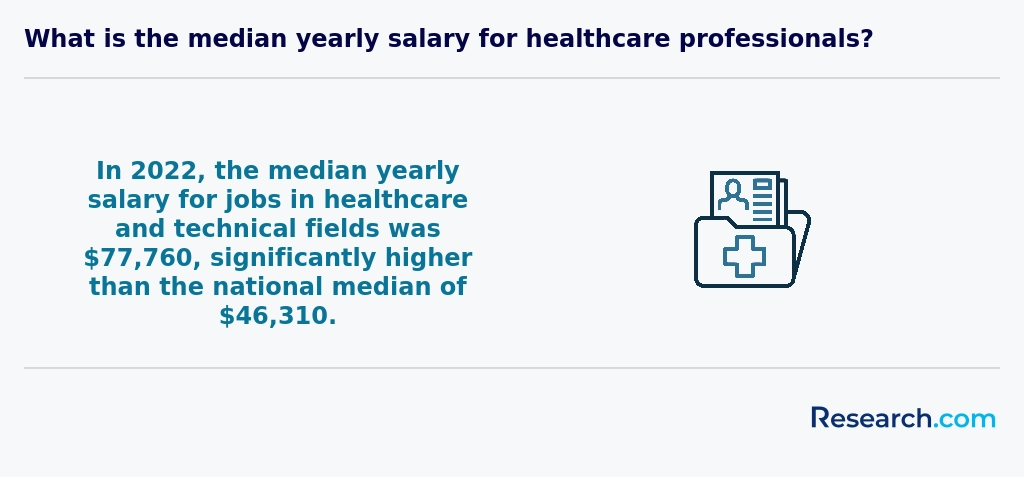
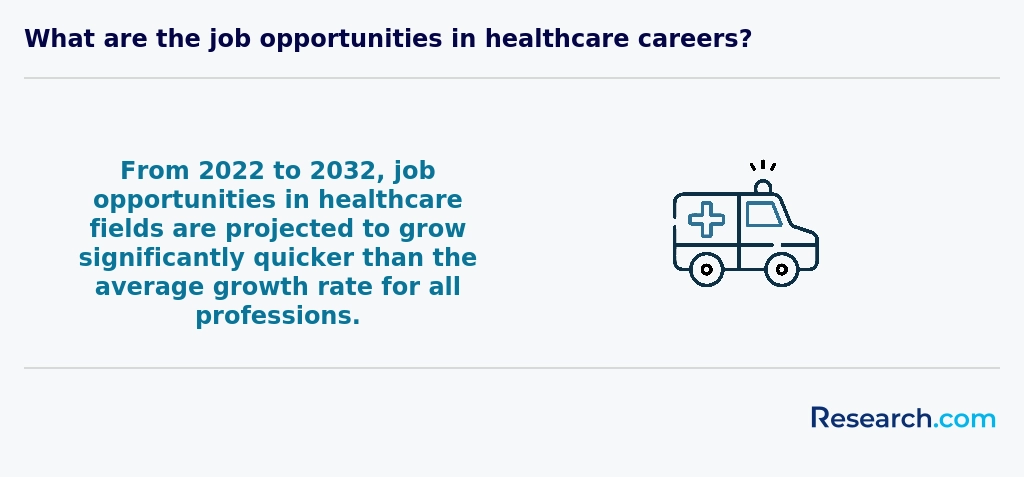
Healthcare careers in Tucson are influenced by broader global trends emphasizing the need for skilled professionals due to aging populations and increasing chronic diseases worldwide. The U.S. healthcare system values degrees that provide practical experience and interdisciplinary skills, preparing graduates for diverse roles locally and internationally. According to the Bureau of Labor Statistics, healthcare occupations in Arizona are projected to grow 16% from 2022 to 2032, faster than the national average, reflecting strong job prospects in Tucson.
Global health challenges, such as pandemics and health disparities, highlight the importance of cultural competence and adaptable training available in many U.S. healthcare programs. Tucson students benefit from region-specific training that addresses both urban and rural health needs, giving them a competitive edge globally.
Gaining practical experience while studying for a healthcare degree in Tucson is essential to prepare for a successful career. Local universities such as the University of Arizona offer clinical internships and lab-based learning opportunities integrated in their programs. Students can also participate in externships at nearby hospitals like Banner - University Medical Center Tucson, which provides real-world exposure in various healthcare departments.
Volunteer programs in Tucson's community clinics, including El Rio Health, enable students to develop patient interaction skills and understand healthcare delivery to diverse populations. These experiences are crucial since 75% of healthcare employers in Tucson prefer candidates with hands-on training, according to a 2023 Arizona Healthcare Workforce report.
Choosing the right concentration within a healthcare degree program in Tucson begins with understanding your career goals. Tucson's healthcare sector is growing, with a demand for professionals in nursing, public health, and health information management, according to the Arizona Office of Economic Opportunity. Research local job markets to identify high-demand specialties.
Consider your interests and strengths, such as patient care or healthcare technology. Visit programs' websites to review curriculum and clinical opportunities. Accreditation by organizations like the Commission on Collegiate Nursing Education (CCNE) ensures quality education. Finally, connect with current students or professionals in Tucson to gather firsthand insights about different concentrations.
Related Healthcare Rankings for Nearby Cities
- 2027 Most Popular Healthcare Degree Programs Ranking in El Paso
- 2027 Most Popular Healthcare Degree Programs Ranking in Las Vegas
- 2027 Most Popular Healthcare Degree Programs Ranking in Lubbock
- 2027 Most Popular Healthcare Degree Programs Ranking in Provo
- 2027 Most Popular Healthcare Degree Programs Ranking in Abilene
- 2027 Most Popular Healthcare Degree Programs Ranking in San Antonio
- 2027 Most Popular Healthcare Degree Programs Ranking in Oklahoma City
- 2027 Most Popular Healthcare Degree Programs Ranking in Wichita
- 2027 Most Popular Healthcare Degree Programs Ranking in Lincoln
- 2027 Most Popular Healthcare Degree Programs Ranking in Kansas City
Top Trending Healthcare Rankings
See What Experts Have To Say About Studying Healthcare
Read our interview with Healthcare experts

References
- Students and Alumni associations - Europubhealth https://www.europubhealth.org/students-alumni-associations/
- How to Succeed in a Difficult Job Market After Graduation https://www.hospitalrecruiting.com/blog/6542/how-to-succeed-in-a-difficult-job-market-after-graduation/
- Tucson Medical Center Jobs: Overview | Tucson Medical Center https://jobs.tmcaz.com/
- Employability Skills Matrix for the Health Sector https://www.skillsforhealth.org.uk/resources/employability-skills-matrix/
- Tucson, Arizona Campus | Carrington College https://carrington.edu/location/tucson-arizona/
- How to Choose a Health Administration Program https://www.healthadministrationdegrees.com/articles/choosing-a-program/
- Alumni Reconnect - Poznan University of Medical Sciences https://pums.edu.pl/alumni-friends/alumni-reconnect/
- HEALTH MANAGEMENT (THESIS / NON-THESIS) - Lisansüstü Eğitim Enstitüsü https://lee.nisantasi.edu.tr/en/health-management-thesis-non-thesis/
- The Role of Interdisciplinary Studies in Medical Career Training https://georgia-med.com/the-role-of-interdisciplinary-studies-in-medical-career-training.html
- Top 3 Reasons to Consider a Career in Healthcare - Roseman University https://www.roseman.edu/student-experience/news/top-3-reasons-to-consider-a-career-in-healthcare/


