2027 Fastest Online Master's in Healthcare Degree Programs Ranking in South Dakota

Co-Founder and Chief Data Scientist
Choosing the right online master's program in healthcare can be challenging, especially with so many options available. This article introduces the 2027 Fastest Online Master's in Healthcare Degree Programs Ranking in South Dakota, created by the Research.com team of data scientists. It is designed to help you make an informed decision about which programs truly stand out for their speed and quality.
Whether you're aiming to advance your career or switch paths, earning a healthcare degree offers rewarding opportunities. Dive into this ranking to find programs that fit your goals and start shaping a brighter future in healthcare today.
Key benefits of getting online healthcare degree in South Dakota
- Salary for healthcare degree graduates: Healthcare Consultants in South Dakota earn a mean annual wage of $115,530, while Compliance Managers make about $80,190, showing strong earning potential with these degrees.
- Career paths: Graduates from the University of South Dakota often find rewarding roles in consulting and compliance, with opportunities expanding into leadership or project management within healthcare systems.
- Benefits of online degrees: Completing a healthcare degree online from South Dakota State University offers flexibility for working adults, allowing them to balance jobs and family while gaining skills needed for in-demand healthcare roles.
- 2027 Fastest Online Master's in Healthcare Degree Programs Ranking in South Dakota
- What can I expect from online healthcare degree in South Dakota?
- Where can I work with online healthcare degree in South Dakota?
What can I expect from online healthcare degree in South Dakota?
The average cost of an online healthcare degree in South Dakota typically ranges from $15,000 to $30,000, depending on the institution and program length. Graduates from South Dakota State University and the University of South Dakota often share how the affordability combined with quality education empowered them to pursue their goals without overwhelming debt. Many appreciate that flexible tuition options and financial aid packages make advanced learning accessible while balancing life and work.
Students enrolling in these programs find that every dollar invested translates into real-world skills applicable in South Dakota's growing healthcare sector. They often highlight courses that blend practical leadership, data analytics, and rural health challenges, reflecting the state's unique needs. This hands-on focus prepares learners for meaningful careers supporting community health, especially in underserved regions.
With thoughtful program design and competitive costs, South Dakota's online healthcare degrees offer an inspiring path for those eager to advance their careers and make a difference in the state's healthcare landscape.
Where can I work with online healthcare degree in South Dakota?
Graduates with an online healthcare degree in South Dakota find rewarding careers across diverse settings that truly impact their communities. Many step confidently into roles at major hospitals like Avera Health or Sanford Health, where their skills in healthcare management and informatics drive improvements in patient care and operations. Others thrive in outpatient care centers and clinics, coordinating patient services and medical records to ensure every visit runs smoothly.
Students from institutions such as South Dakota State University often share how their education prepared them to support rural health clinics, addressing workforce shortages with compassion and strong leadership. The chance to make a difference in underserved areas fills graduates with pride and motivation.
Public health departments in the state hire these graduates to lead community outreach and preventive programs, fostering healthier lives across South Dakota. Likewise, long-term care facilities rely on their expertise, especially as the aging population grows, to create environments where seniors receive respectful, high-quality care.
This broad range of opportunities highlights how an online healthcare degree from South Dakota's universities opens doors to meaningful, stable careers that uplift both individuals and communities.
Graduates from online healthcare degree programs in South Dakota, including those from well-regarded institutions like the University of South Dakota and South Dakota State University, can look forward to rewarding career opportunities with promising salaries. Many find themselves stepping into roles such as Healthcare Consultants, who earn a robust mean annual wage of around $115,530. This level of income not only reflects the value of their education but also their ability to make a significant impact on healthcare delivery and policy.
Additionally, roles like Healthcare Compliance Managers offer solid earning potential with a mean annual wage of about $80,190. Graduates often share how their programs prepared them to thrive in these positions, balancing leadership and specialized knowledge effectively. The supportive learning environments of South Dakota's online programs empower students to achieve these outcomes, even while managing work and life commitments.
With salaries like these, pursuing an online healthcare degree in South Dakota is a powerful step toward a stable, fulfilling career. Graduates feel motivated by their ability to grow both professionally and financially in this fast-evolving field, enhancing health outcomes across their communities.
- The cost of online healthcare degrees in South Dakota ranges from $7,500 to $10,000 per year for undergraduate programs and $12,000 to $20,000 per year for graduate programs.
- The healthcare job market in South Dakota is growing at about 17% between 2020 and 2030, driven by an aging population and expanded rural healthcare services.
- Common careers for healthcare graduates include registered nurses, healthcare administrators, and medical technologists.
- Starting salaries for entry-level healthcare professionals are between $45,000 and $55,000 annually, with experienced roles like nurse practitioners earning over $75,000.
- Accreditation is important for online healthcare programs to ensure quality education and eligibility for professional licensing in South Dakota.
- Many online healthcare degrees offer flexible schedules that accommodate working adults balancing other responsibilities.
Completing an online healthcare degree in South Dakota offers flexibility that empowers students to thrive at their own pace. For example, graduates from institutions like the University of South Dakota share how associate degrees in nursing or health information technology often take about two years of full-time study, but many balance work and family by extending programs to three or four years part-time without sacrificing quality.
Bachelor's degrees, offered at universities such as South Dakota State University, typically take around four years full-time, yet real-life experiences show students harness the online format to accelerate their coursework or extend it over up to six years. This adaptability helps students maintain confidence and momentum through busy schedules.
Online master's programs, like the Master of Healthcare Administration, usually span 1.5 to 3 years depending on full- or part-time study. Graduates appreciate how clinical hour requirements, while rigorous, build real-world skills at their own comfortable pace. Overall, South Dakota's online healthcare programs cultivate determination and hope in every learner's journey.
Investing in an online healthcare master’s degree in South Dakota typically requires an average tuition outlay of $21,240. However, graduates often command starting salaries around $60,000 for nursing roles and $70,000+ for healthcare administration positions, enabling a rapid payback period. Assuming a midpoint salary of $65,000, students can recoup their program costs through the incremental earnings boost in less than six months of full-time work. Beyond salary gains, accelerated career progression-such as moving into management or specialized informatics roles-can further shorten the time needed to break even. For those seeking to minimize upfront expenses, consider programs featured in our Low Cost Online Master's in Healthcare Degree Programs Ranking in New York, which showcase options with both low tuition and strong post-graduation outcomes. When evaluating ROI, also factor in non-monetary benefits: flexible scheduling, reduced commuting costs, and immediate applicability of coursework to current positions. By balancing tuition investment against salary uplift and personal lifestyle gains, prospective students can make data-driven decisions that maximize both their financial and professional returns.
Choosing between online and on-campus healthcare degrees in South Dakota opens exciting opportunities tailored to your lifestyle and goals. Many graduates from institutions like the University of South Dakota appreciate the flexibility that online programs offer, allowing them to balance work, family, and studies without daily commutes across the state's wide rural areas. Online learning empowers you to engage with coursework anytime, making it ideal for those needing a schedule that fits their busy lives.
On the other hand, South Dakota State University's on-campus healthcare students often highlight the value of face-to-face mentorship and interactive labs. These experiences build confidence through direct access to faculty and hands-on clinical practice at nearby healthcare facilities. The blend of academic support and vibrant campus life energizes students and fosters strong local professional connections.
Both paths meet rigorous clinical standards, ensuring you gain vital practical skills. Whether you embrace online flexibility or on-campus engagement, South Dakota's programs inspire success by adapting to your unique journey.
Pursuing an online healthcare master’s degree in South Dakota lays a solid foundation for lifelong learning and professional credentialing. Graduates seeking to differentiate themselves can explore specialized certifications such as the Certified Professional in Healthcare Quality (CPHQ), which hones skills in quality management and patient safety, or the Certified Medical Manager (CMM), focusing on administrative excellence in clinical settings. For those drawn to data-driven roles, the Certified Health Data Analyst (CHDA) credential offers advanced expertise in health informatics and analytics, further enhancing job prospects in both public and private sectors. In addition to professional certifications, many students opt for doctoral pathways to expand their clinical and leadership capabilities. While some may pursue a Doctor of Nursing Practice (DNP) or a PhD in Health Administration, others explore pharmacy-focused trajectories. Cost-conscious learners can discover affordable pharm d programs online, enabling them to combine advanced pharmacotherapy knowledge with flexible, distance-based learning formats. These programs often integrate coursework in pharmacokinetics, clinical therapeutics, and healthcare policy, preparing graduates for roles in clinical pharmacy, research, and academia. Complementing formal degrees and certifications, continuing education courses offered by professional associations-such as the American Health Information Management Association (AHIMA) or the American College of Healthcare Executives (ACHE)-provide ongoing opportunities to stay current with industry standards and regulatory changes. Many online healthcare master’s programs in South Dakota include access to webinars, workshops, and networking events that satisfy continuing education requirements, ensuring that alumni remain competitive and compliant in a rapidly evolving healthcare landscape.
The average cost of an online healthcare degree in South Dakota is approximately $19,530, offering an accessible path for those seeking advancement in this rewarding field. Many graduates from institutions like South Dakota State University find these programs to be an excellent investment due to their balance of quality education and affordability. Pursuing an online master's in healthcare tuition South Dakota students often appreciate is competitively priced, allowing for a focused learning experience without overwhelming financial burden.
Students who have completed their online healthcare degrees describe feeling empowered to make a meaningful impact in their communities. These programs often blend flexibility with comprehensive coursework, making it possible to work while studying. The tuition costs reflect a commitment to supporting learners, with opportunities for financial aid and in-state rates further easing the journey.
For those interested in exploring options, the affordable healthcare schools in south dakota provide a useful guide to institutions that combine quality, cost-effectiveness, and excellent student support services. This resource helps prospective students visualize their future career paths without worrying about excessive tuition fees, creating a hopeful and motivating educational experience.
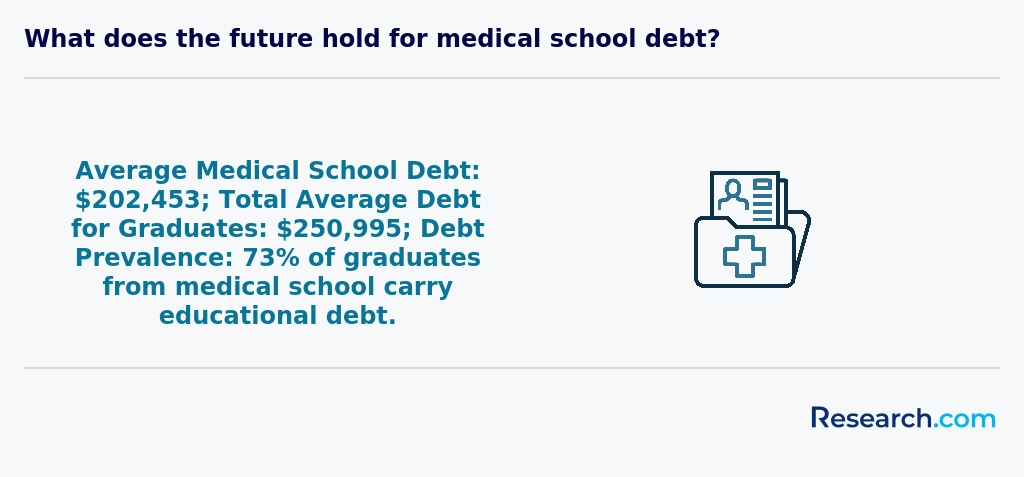
Understanding the return on investment (ROI) for an online healthcare degree is crucial for prospective students who want to balance cost with long-term career benefits. In South Dakota’s evolving healthcare landscape, students should consider tuition expenses, scholarship opportunities, potential salary increases, and long-term career prospects when choosing a program. This section breaks down the key aspects of ROI for online healthcare degrees, helping you make an informed decision. An effective ROI analysis starts with comparing the total cost of tuition and fees, including any additional expenses for course materials or technology support. Many programs offer competitive pricing alongside flexible learning options that allow working professionals to study without sacrificing income. Prospective students can also explore financial aid options and local scholarship opportunities specifically designed for healthcare studies. Another important factor is the career trajectory after graduation. Graduates from quality online programs often experience improved job placement rates and salary growth. For example, roles in healthcare administration or specialized clinical positions typically offer a promising salary outlook, making the initial investment worthwhile. In South Dakota, the emerging market for healthcare professionals is reflected in growing opportunities and competitive compensation packages. Furthermore, evaluating program outcomes is essential in determining the overall ROI. Look for institutions that offer robust alumni networks, career services, and real-world internship opportunities that enhance your skillset. These elements can significantly impact your earning potential and career advancement over time. By assessing these factors side-by-side with the investment required, you can better determine which programs align with your professional goals. For additional insights into cost-effective options, consider exploring our detailed guide on affordable healthcare schools in south dakota, which provides further information on managing expenses while maximizing long-term benefits. This comprehensive approach ensures that you’re not only investing in education but also in a solid foundation for a successful healthcare career.
Students pursuing online healthcare degrees in South Dakota often find encouraging financial aid options that make their dreams achievable. Federal aid is a cornerstone-graduates from universities like South Dakota State University have successfully accessed Direct Unsubsidized Loans and Grad PLUS Loans through FAFSA, balancing their studies with manageable repayments. While the Pell Grant mainly supports undergraduates, graduate students receive strong loan options with flexible terms that empower them to focus on their education.
State programs also inspire hope. Many healthcare students at the University of South Dakota benefit from the South Dakota Opportunity Scholarship, a merit-based award that motivates learners to invest in their community's health by staying in-state. For example, a nursing graduate shared how this scholarship eased their journey, allowing more attention on clinical practice and less worry about finances.
Additional support comes from healthcare employers across the state, especially rural hospitals eager to nurture talent through tuition assistance. Many working students have expressed gratitude for this support, which turns their commitment to serving local communities into a reality. Private scholarships from professional organizations further brighten the path to success.
While earning an online master’s in healthcare can significantly launch your career, many graduates quickly discover the benefits of further specialized education. Pursuing advanced degrees, such as a doctorate or targeted certifications, can help you stay competitive in an ever-evolving healthcare landscape. Advanced studies not only deepen your expertise but also open doors to leadership positions, innovative research opportunities, and interdisciplinary roles that bridge clinical practice with healthcare policy and management. For instance, if you’re considering a transition into pharmaceutical research or healthcare innovation, exploring options in online doctoral programs can be a strategic next step. Many prospective students find that discovering what are the top online doctorate in pharmacy programs offers clarity on how advanced education directly impacts career trajectories in specialized fields. This approach emphasizes both practical application and academic rigor, ensuring that you are well-equipped to tackle future challenges and contribute meaningfully to the industry.
To enroll in an online healthcare degree in South Dakota, you'll need a solid foundation that combines both academic achievement and practical experience, setting you up for success in this rewarding field. Most programs, like those offered at universities such as South Dakota State University, ask for a bachelor's degree-often in healthcare-related areas like nursing or biology. For students whose backgrounds differ, completing prerequisite courses can open the door to these programs, showcasing your dedication and readiness.
Many graduates recall how maintaining a minimum GPA of around 3.0 helped demonstrate their commitment and capability, while some embraced the challenge of submitting GRE scores to strengthen their applications. Others highlight the immense value of having healthcare experience, whether through volunteering or working in clinical settings, which deepened their understanding and fueled their passion.
Studying online in South Dakota also means ensuring you're tech-ready, with reliable internet and a computer system that supports interactive learning. Graduates often mention how these technical prerequisites helped them stay connected and engaged, even while balancing life's demands.
With affordable tuition rates and strong local support, South Dakota's online healthcare programs offer a welcoming path toward your future in healthcare.

Accreditation and state authorization ensure your online healthcare degree is recognized, transferable and qualifies you for licensure or certification exams. Look for:
- Regional accreditation by the Higher Learning Commission (HLC) to secure federal aid and seamless credit transfer.
- Program-specific approvals, such as CCNE or ACEN for nursing and CAHME for healthcare management.
- Authorization to teach online in South Dakota and any other state where you plan clinical hours or employment.
- Alignment with South Dakota licensure requirements for clinical specializations, preventing delays in certification.
Prospective Nurse Practitioner students should verify CCNE accreditation; for more budget-friendly options, see affordable np programs.
Online healthcare degrees in South Dakota bring a dynamic mix of courses that truly prepare you for a meaningful career. Graduates from well-known universities like South Dakota State University often share how foundational courses in healthcare systems and medical terminology gave them a clear understanding of the healthcare landscape, especially addressing rural community needs right in their own state.
The coursework typically covers healthcare management and administration, healthcare policy and ethics, public health concepts, and epidemiology. Imagine applying these lessons directly to improve patient care in small towns across South Dakota, where every decision you make can ripple through the community.
- Health information technology and data management
- Healthcare quality improvement and patient safety
- Research methods and statistics
Many graduates highlight the ability to tailor their education with specialized courses in nursing leadership or healthcare finance, reinforcing their confidence to step into roles at hospitals or clinics. These courses empower students with practical skills and inspire a deep commitment to transforming healthcare for South Dakota's unique needs.
South Dakota's online healthcare degree specializations offer exciting paths that empower students to make a real difference in their communities. Many graduates from popular colleges like the University of South Dakota and South Dakota State University share inspiring stories of pursuing Nursing roles such as Nurse Practitioner (NP) and Nurse Educator, where their advanced skills meet the critical demand for quality care across the state.
Students passionate about leadership find their calling in Healthcare Administration, gaining expertise to manage facilities and enhance patient services in South Dakota's thriving healthcare economy. Others fuel their drive to improve public outcomes by focusing on public health specializations, tackling challenges linked to rural health disparities with determination and heart.
The integration of technology in healthcare is another vibrant option; Health Informatics students celebrate how their work transforms patient care through better data management. Meanwhile, Physical Therapy specialization opens doors for those dedicated to restoring movement and wellness.
Many discover that South Dakota healthcare master's program options blend affordability with quality, allowing them to chase their dreams with confidence. For those curious about extended healthcare education, explore what are the top online doctorate in pharmacy programs to expand your possibilities.
Choosing the best online healthcare degree in South Dakota means focusing on quality, flexibility, and real-world relevance. Graduates from well-known institutions like the University of South Dakota highlight the importance of accredited programs, which guarantee recognized credentials and open doors in South Dakota's growing healthcare market. These students often praise how curriculum options-from healthcare management to nursing-align perfectly with their career ambitions, allowing them to thrive while balancing life's demands.
Many appreciate South Dakota State University's accessible online courses that respect working professionals' schedules, emphasizing experiential learning through local internships and practicums. This hands-on approach sparks confidence and connection to the community, making education feel alive and purposeful. South Dakota residents looking for affordable online master's in healthcare South Dakota can find competitive tuition paired with scholarships that ease financial concerns, enhancing motivation to succeed.
For those seeking advanced opportunities, exploring affordable pharm d programs online within South Dakota's network is a smart step toward specialized healthcare careers. Embracing these programs cultivates a bright future amid South Dakota's promising labor market, where healthcare roles continue to expand with enthusiastic support from alumni and faculty dedicated to students' growth.
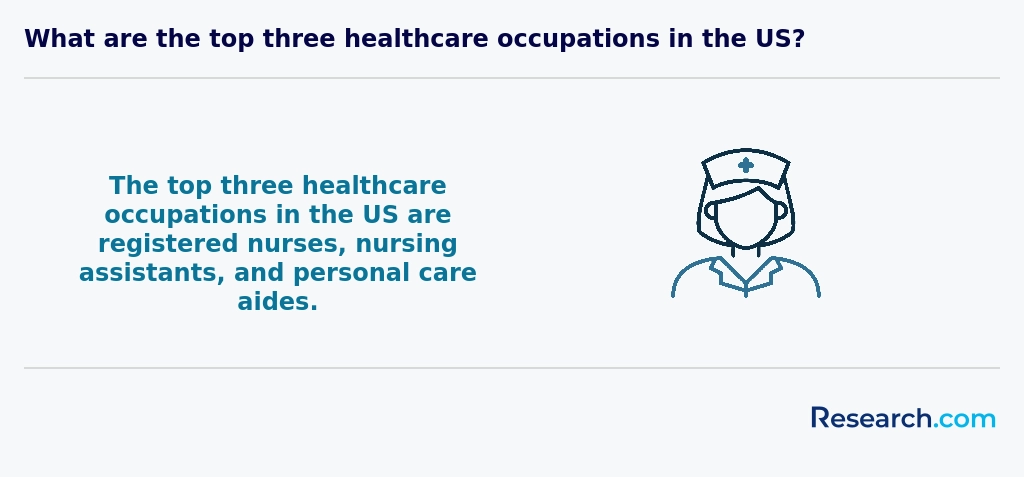
Graduates with an online healthcare degree in South Dakota find inspiring opportunities across diverse career paths that truly make a difference. Many step confidently into roles as Registered Nurses, where their skills are in high demand amid the state's growing healthcare sector. Others pursue healthcare management careers in South Dakota, thriving in leadership positions that shape hospital systems and improve patient care through efficient health information management. Universities like the University of South Dakota and South Dakota State University are popular choices for students who appreciate flexible online programs tailored to fit their busy lives while connecting them to local healthcare networks.
Public health is another vibrant avenue, with graduates leading community initiatives and policy development that profoundly impact rural populations. Their work in disease prevention and health education builds stronger, healthier communities. Online healthcare degree job opportunities South Dakota offer even more variety, including roles such as Clinical Nurse Specialists and Medical and Health Services Managers who enjoy rewarding careers with competitive salaries. Many find that affordable and flexible study options, such as those highlighted in the Low Cost Online Master's in Healthcare Degree Programs Ranking in New York, empower them to advance without financial strain.
South Dakota's job market for graduates with online healthcare degrees is thriving, offering exciting opportunities in both urban hubs like Sioux Falls and underserved rural communities. Healthcare students from well-regarded institutions such as South Dakota State University often share inspiring stories of quickly landing roles as registered nurses or healthcare administrators, benefiting from a competitive median wage near $60,000 annually. The state's healthcare sector is growing steadily, with projected annual job openings exceeding 3,000, making this a promising path for career advancement.
Many who pursue South Dakota healthcare degree employment outlook find that online programs provide the flexibility to work while studying, allowing them to gain experience and immediately apply skills in clinical or administrative settings. Graduates frequently mention how this balance boosts their confidence and readiness to meet increasing healthcare demands.
If you're considering further study, exploring one year master degree programs can be a smart move to swiftly elevate your qualifications and take advantage of the expanding job market for online healthcare degree in South Dakota.
2027 Fastest Online Master's in Healthcare Degree Programs Ranking in South Dakota
Investing in your education is a significant decision that requires careful consideration, and the Research.com team is fully committed to supporting prospective students through this important process. To provide clear, trustworthy guidance, we have developed the "2027 Fastest Online Master's in Healthcare Degree Programs Ranking in South Dakota" with a rigorous focus on quality, credibility, and accuracy. Our analysis draws on multiple authoritative data sources to ensure a comprehensive and balanced evaluation:
By consulting this ranking, readers will gain valuable insights into the fastest online master's healthcare programs in South Dakota, enabling them to make informed educational decisions based on reliable data. For a detailed explanation of our ranking process, please visit our Research.com methodology page.


Frequently Asked Questions About healthcare
Online healthcare degree students in South Dakota can maximize their learning experience by engaging actively with course materials and participating in virtual discussions. Consistent time management is crucial, as healthcare programs often combine theory with practical assignments. South Dakota's healthcare sector is growing, with the Department of Labor projecting a 14% increase in healthcare jobs by 2030, highlighting the importance of staying updated on industry trends.
Utilizing campus resources like online libraries and academic advising can enhance understanding. Networking with local healthcare professionals through virtual events can provide real-world insights. Students should also focus on gaining relevant clinical experience, often arranged via partner facilities near South Dakota's urban centers such as Sioux Falls.
Emerging niches in the healthcare field reflect rapid advances in technology and growing population needs. In South Dakota, areas like telehealth and health informatics are expanding quickly, driven by rural access challenges and digital healthcare adoption. According to the South Dakota Department of Health, telemedicine usage has grown significantly since 2020, providing new career opportunities for professionals trained in remote patient management.
Another promising niche is healthcare data analytics, which helps improve patient outcomes by analyzing large sets of medical information. Additionally, behavioral health and mental health services are becoming critical due to increased awareness and demand.
These fields offer diverse pathways for those pursuing online healthcare degrees in South Dakota.
After completing an online healthcare degree in South Dakota, preparing for the job market involves several key steps to enhance employability. Start by obtaining any required state licensure or certifications, which vary by healthcare profession and are essential in South Dakota's regulated health sectors. Networking through the South Dakota Department of Labor and Regulation and local healthcare associations can connect graduates with local job openings and mentorship opportunities.
Internships or clinical practice completed during the degree significantly improve practical skills and job prospects. South Dakota's growing healthcare industry, especially in rural areas, offers abundant entry-level positions. According to the U.S. Bureau of Labor Statistics, healthcare occupations in South Dakota are projected to grow by 10.8% from 2020 to 2030, outpacing national averages.
Graduates should also develop resume and interview skills tailored for healthcare roles. Utilizing South Dakota's career services and online job platforms focused on healthcare can assist in finding suitable employment. Staying updated with continuing education helps maintain competitive advantage in this evolving field.
Employers in South Dakota highly value healthcare graduates who demonstrate strong clinical skills, critical thinking, and effective communication. According to the South Dakota Department of Labor and Regulation, these core competencies are essential due to the state's growing demand for healthcare professionals, expected to increase by over 12% through 2030.
Healthcare employers also prioritize adaptability and proficiency with electronic health records (EHR) systems. Familiarity with digital tools improves patient care efficiency and aligns with national trends in healthcare technology integration.
Additionally, leadership and teamwork skills are vital as healthcare workers frequently collaborate across disciplines. South Dakota's rural healthcare settings particularly demand graduates who can work independently and solve complex problems promptly.
Finding internships in South Dakota related to healthcare degrees involves leveraging state-specific resources and institutions. Students should explore partnerships between online programs and local healthcare facilities, such as Sanford Health and Avera Health, two of the largest health systems in South Dakota. These organizations often offer internship opportunities that provide practical experience.
The South Dakota Department of Labor and Regulation provides a job bank which includes internship listings in healthcare fields. Additionally, contacting university career centers, even for online students, can connect applicants with local placements.
According to the South Dakota Board of Healthcare Professionals, internships are essential for licensure in many healthcare careers, emphasizing the importance of regional placements.
Obtaining an online healthcare degree can significantly enhance career mobility and advancement opportunities in South Dakota. The state's growing healthcare sector, projected to add nearly 7,000 jobs by 2030 according to the South Dakota Department of Labor and Regulation, demands qualified professionals in various roles. Online degrees provide flexibility for working adults, allowing them to gain relevant skills without relocating or taking time off work.
Employers in South Dakota often favor candidates with advanced credentials, such as a master's in healthcare administration or nursing. These degrees open pathways to leadership and specialized roles, accompanied by higher salaries. Additionally, accredited online programs ensure education aligns with state licensure and certification requirements.
Studying for a healthcare degree in South Dakota through online programs equips students for interdisciplinary roles by emphasizing collaboration across multiple healthcare fields. South Dakota's educational institutions integrate coursework that combines clinical knowledge with management, policy, and technology. This approach reflects the growing demand for healthcare professionals who can work effectively within diverse teams, including nurses, administrators, and public health experts.
The state's healthcare system increasingly values teamwork, partly due to a 15% projected job growth in healthcare occupations by 2030, according to the South Dakota Department of Labor. Online degrees also often include practical case studies and simulations to develop skills in communication and problem solving across disciplines.
Furthermore, state-accredited programs align with national interprofessional education standards, preparing graduates to meet evolving healthcare challenges in rural and urban communities alike.
Choosing between a thesis and a non-thesis healthcare degree program in South Dakota depends on your career goals and learning preferences. A thesis option requires conducting original research, ideal for students aiming at academia, research roles, or doctoral studies. Non-thesis programs emphasize practical knowledge and coursework, geared toward professionals seeking advanced clinical or administrative positions.
South Dakota's online healthcare degrees often align with these formats, with programs from institutions like the University of South Dakota offering both options. According to the South Dakota Department of Health, healthcare jobs are projected to grow 12% by 2030, indicating diverse career paths requiring different skill sets.
Evaluate whether you prefer hands-on learning or deep research, and consider future plans carefully before selecting a program.
Students in South Dakota who wish to study healthcare abroad often consider online programs offered by accredited U.S. institutions with global partnerships. Although physical relocation may be limited, many universities provide international clinical experiences or virtual simulations incorporated into their curricula.
South Dakota lacks public universities that directly facilitate study-abroad healthcare degrees, but collaborations between local institutions like South Dakota State University and global health organizations may offer exchange programs. According to the South Dakota Board of Regents, approximately 60% of healthcare students seek flexible options, making online global learning increasingly popular.
Students should verify program accreditation and U.S. licensure compatibility when exploring foreign healthcare degrees. Professional healthcare organizations, including the Commission on Collegiate Nursing Education (CCNE), provide resources to assess program quality and ensure standards align with South Dakota's healthcare workforce needs.
South Dakota offers several part-time job opportunities that complement healthcare degree education, especially for students enrolled in online programs. Positions such as medical assistants, pharmacy technicians, and patient care aides provide practical experience while allowing flexibility for coursework. According to the South Dakota Department of Labor and Regulation, healthcare support roles are projected to grow faster than average by 2028, indicating strong demand.
Healthcare students can also work as home health aides or medical records technicians, which help develop skills relevant to clinical and administrative careers. Employers in rural and urban areas alike offer part-time roles supporting healthcare services, benefiting students balancing job and studies.
Online healthcare students in South Dakota benefit from several networking opportunities that connect them to local professionals and peers. Many programs encourage participation in virtual events hosted by state healthcare associations like the South Dakota Health Care Association (SDHCA), which offers webinars and conferences. Students can also join LinkedIn groups tailored to South Dakota healthcare professionals, fostering regional connections.
South Dakota's healthcare industry employs around 56,000 people, making local networking vital for career growth, as per the South Dakota Department of Labor and Regulation. Additionally, some online degrees facilitate clinical placements within South Dakota's hospitals and clinics, offering in-person experience alongside virtual learning.
Alumni networks play a crucial role in supporting online healthcare degree students in South Dakota by offering valuable professional connections. These networks connect current students with graduates who understand the local healthcare landscape, which is essential in a state with a growing demand for healthcare workers.
For example, South Dakota's healthcare employment is projected to grow 16.4% from 2020 to 2030, according to the Bureau of Labor Statistics. Alumni networks can help students access internships, job openings, and mentorship opportunities that might not be publicly advertised. This local insight strengthens students' chances of successful employment within the state.
Moreover, alumni groups often provide advice on licensing requirements and continuing education specific to South Dakota's healthcare regulations. Networking through alumni can also foster collaboration, research opportunities, and professional development, giving students an edge in a competitive field.
Customizing an online healthcare degree program in South Dakota allows students to align their education with specific career goals. Many South Dakota universities offer flexible curricula featuring electives in areas such as healthcare administration, informatics, or public health. This flexibility helps learners build specialized skills suited to local industry demands.
According to the South Dakota Department of Health, there is a growing need for healthcare professionals trained in rural health and elder care, influencing program focus areas. Students can often select practicum placements or capstone projects that address these regional priorities.
Additionally, accredited online programs may include options for dual degrees or certificates, enhancing professional credentials. Working with academic advisors early ensures programs fit both career ambitions and licensure requirements.
Online healthcare students in South Dakota often face challenges related to clinical placement availability. The state's rural nature means limited nearby healthcare facilities where students can complete required hands-on training. According to the South Dakota Department of Health, rural healthcare shortages affect both workforce demand and educational resources.
Connectivity can be another issue. Some students live in areas with unreliable internet access, potentially disrupting coursework or virtual exams. The Federal Communications Commission reports nearly 10% of South Dakota residents lack broadband, impacting remote learning.
Lastly, balancing work, family, and study commitments remains a common struggle for many adult learners pursuing online healthcare degrees.
With an online healthcare degree in South Dakota, graduates can pursue several professional certifications to boost their careers. Popular options include Certified Medical Manager (CMM) and Registered Health Information Technician (RHIT), both widely recognized in healthcare administration and informatics fields. Certification as a Certified Professional in Healthcare Quality (CPHQ) is also valuable for those interested in quality management and patient safety, where South Dakota hospitals show growing demand.
The state's healthcare sector emphasizes credentials such as Certified Coding Specialist (CCS) due to increasing electronic health record usage. According to the Bureau of Labor Statistics, healthcare occupations in South Dakota are projected to grow by 13% through 2030, highlighting opportunities for certified professionals. Online degrees provide flexible preparation for these certifications, often required by employers statewide.
Applying for an online healthcare program in South Dakota requires thorough preparation and clear presentation. Start by researching accredited institutions recognized by the South Dakota Board of Nursing or the Commission on Collegiate Nursing Education (CCNE) to ensure program quality.
Highlight relevant experience in healthcare or related fields, as South Dakota's healthcare workforce faces ongoing demand, especially in rural areas, according to the South Dakota Department of Health. Emphasize your commitment to addressing these regional needs.
Strong letters of recommendation from professionals who can attest to your skills and dedication will strengthen your application. Additionally, clearly articulate your career goals and how the program aligns with advancing healthcare in South Dakota.
Submit all transcripts and standardized test scores promptly, and tailor your personal statement to reflect local healthcare challenges. Following these steps increases the likelihood of acceptance into competitive online healthcare programs in the state.
Globally, a healthcare career is recognized as vital to improving public health and addressing aging populations. In the US, demand for healthcare workers is growing rapidly; the Bureau of Labor Statistics projects a 13% increase in healthcare occupations from 2021 to 2031, faster than average. South Dakota mirrors this trend with expanding opportunities in nursing, health administration, and allied health fields, supported by institutions offering flexible online degrees.
Internationally, healthcare careers emphasize cultural competence and technology integration, skills US students can develop through accredited programs. The global focus on telehealth and digital healthcare solutions aligns well with online education, providing South Dakota students access to worldwide healthcare innovations while preparing for local workforce needs.
Gaining practical experience while pursuing an online healthcare degree in South Dakota is essential for career readiness. Many programs incorporate clinical internships, practicums, or externships that students can complete at healthcare facilities near their location. South Dakota has numerous hospitals and clinics, such as Avera Health and Sanford Health, offering opportunities for hands-on learning aligned with your study.
The South Dakota Board of Nursing and other licensing bodies often require supervised clinical hours, which online programs help coordinate locally. Students should confirm program support in connecting with local healthcare providers for these placements.
Additionally, volunteering and part-time work in healthcare settings can provide valuable experience while studying. According to the South Dakota Department of Health, these practical engagements often enhance employment prospects after graduation.
Choosing the right concentration within an online healthcare degree program in South Dakota begins with assessing your career goals and interests. Healthcare fields such as public health, healthcare administration, nursing, or health informatics each offer distinct paths. South Dakota's growing healthcare sector, with an expected 13% employment growth rate in healthcare occupations through 2030 according to the Bureau of Labor Statistics, supports varied specialties.
Consider the local job market demands; for example, rural healthcare services are crucial in South Dakota, which may influence a focus on rural health or public health administration.
Additionally, check if the program's curriculum aligns with your desired licensure or certification, ensuring it meets South Dakota's professional standards.
Evaluating faculty expertise and available internships or practicum opportunities in-state can further guide your choice.
- 2027 Fastest Online Master's in Healthcare Degree Programs Ranking in North Dakota
- 2027 Fastest Online Master's in Healthcare Degree Programs Ranking in Minnesota
- 2027 Fastest Online Master's in Healthcare Degree Programs Ranking in Iowa
- 2027 Fastest Online Master's in Healthcare Degree Programs Ranking in Colorado
- 2027 Fastest Online Master's in Healthcare Degree Programs Ranking in Kansas
- 2027 Fastest Online Master's in Healthcare Degree Programs Ranking in Wisconsin
- 2027 Fastest Online Master's in Healthcare Degree Programs Ranking in Missouri
- 2027 Fastest Online Master's in Healthcare Degree Programs Ranking in Illinois
- 2027 Fastest Online Master's in Healthcare Degree Programs Ranking in Oklahoma
- 2027 Fastest Online Master's in Healthcare Degree Programs Ranking in Indiana
See What Experts Have To Say About Studying Healthcare
Read our interview with Healthcare experts

- Top Online NP Programs in South Dakota (Most Affordable) https://www.npschools.com/states/south-dakota
- Online Medical Assistant Program For South Dakota Students https://www.uscareerinstitute.edu/online-medical-assistant-school/south-dakota
- Community Partnerships | Healthcare Careers https://www.sdahec.org/about/
- CTE, Career Cluster: Health Science https://doe.sd.gov/cte/careerclusters_health.aspx
- Best Online Master's Programs in South Dakota in 2026 https://www.onlinemastersdegrees.org/best-programs/south-dakota-sd/
- Medical Assistant Training Programs, Schools - South Dakota https://www.southeasttech.edu/programs/healthcare/medical-assistant/index.php
- South Dakota Healthcare Administration Degree Programs https://www.healthadministrationdegrees.com/states/south-dakota/
- Scholarship Focus: Health Care https://ourdakotadreams.com/scholarship-type/health-sciences/
- Guide to Online Nursing Programs in South Dakota https://www.edumed.org/online-schools/nursing-rn-programs/south-dakota/
- Healthcare Programs https://huronsd.gov/348/Healthcare-Programs