
2027 Most Affordable Online Doctorate in Healthcare Degree Programs Ranking in the South

Co-Founder and Chief Data Scientist
Choosing the right online doctorate in healthcare degree program is a big decision, especially for students in the South. This article introduces the 2027 Most Affordable Online Doctorate in Healthcare Degree Programs Ranking in the South, created by the Research.com team of data scientists.
It's designed to help you make an informed choice by spotlighting affordable, quality programs worth your consideration. Earning a healthcare doctorate can open doors to exciting career opportunities and personal growth. We hope this guide encourages you to take the next step toward your future with confidence and enthusiasm.
Key benefits of getting online healthcare degree in the South
- Healthcare degree graduates in the South can expect competitive salaries, such as Program Directors earning around $129,330 annually and Healthcare Services Researchers making about $112,380 yearly.
- Graduates from popular Southern universities often find rewarding career paths in roles like Chief Development Officer or Research Director, unlocking diverse opportunities in healthcare leadership and research.
- Completing a healthcare degree online from a well-known Southern institution offers flexibility and convenience, making it easier to balance work and study while gaining the same valuable skills as traditional programs.
- Key benefits of getting online healthcare degree in the South
- What can I expect from online healthcare degree in the South?
- Where can I work with online healthcare degree in the South?
- How much can I make with online healthcare degree in the South?
- 2027 Most Affordable Online Doctorate in Healthcare Degree Programs Ranking in the South
- Key Findings
- How long does it take to complete online healthcare degree in the South?
- Career Ladder: From Entry-Level Roles to an Online Healthcare Doctorate
- What's the difference between online and on-campus healthcare degree?
- How to Apply for Your Online Healthcare Doctorate Program
- What is the average cost of online healthcare degree in the South?
- Application Process and Essential Tips
- What financial aid is available to online healthcare degree students in the South?
- Expert Application and Admissions Tips for Online Healthcare Programs
- What are the prerequisites for enrolling in online healthcare degree program in the South?
- Tips for Success in Your Online Healthcare Programs
- What courses are typically in online healthcare degree programs in the South?
- What types of specializations are available in online healthcare degree programs in the South?
- How do you choose the best online healthcare degree in the South?
- What career paths are available for online healthcare degree students in the South?
- What is the job market for online healthcare degree in the South?
- Top Trending Healthcare Rankings
- See What Experts Have To Say About Studying Healthcare
What can I expect from online healthcare degree in the South?
Picture this: a graduate from a well-known Southern university shares how the affordability of their online healthcare degree was a game-changer. With tuition rates typically lower than those in the Northeast or West, Southern public institutions offer an inviting price tag. The average cost hovers around a sweet spot, making it easier to dive into studies without being buried by debt.
One online nursing student from Florida recalls how the manageable tuition allowed them to juggle work, family, and coursework with less financial stress-something critical when balancing life's constant hustle.
These programs often come with built-in supports like federal aid and healthcare-specific scholarships, transforming the cost puzzle into a solvable equation. Whether at a Texas college or a Georgia university, students find a welcoming financial climate that fosters growth, not anxiety.
Affordability here isn't just a number-it's a path to real, tangible progress in a region hungry for skilled healthcare professionals.
Where can I work with online healthcare degree in the South?
Graduates of online healthcare programs from Southern universities often find themselves woven into the vibrant tapestry of the region's medical world-whether navigating bustling hospital corridors in Atlanta or innovating telehealth solutions from Austin's tech hubs. Imagine stepping into a hospital leadership role in Miami, where your skills in healthcare administration make operations hum with efficiency and compassion.
Others channel their passion into public health agencies, crafting community outreach projects that tackle obesity or chronic disease head-on, right where they studied, like at a renowned Southern university. Their work sparks genuine change in neighborhoods they know well, blending education with heartfelt purpose.
Consider the rise of healthcare technology firms scattered across Dallas and Raleigh, where graduates dive into health informatics, transforming electronic health records to make care faster and smarter. Or picture those leading nursing homes in Florida, supported by online degrees, uplifting the lives of aging residents with personalized care and management.
From insurance firms to consultancy offices in Southern business districts, graduates power the engine of healthcare quality assurance and compliance-thriving in roles where their education fuels both career success and regional health improvement.
How much can I make with online healthcare degree in the South?
Graduates from online healthcare degrees in the South often find themselves stepping into roles with impressive earning power. Imagine a graduate from the University of North Carolina's online nursing program moving into a program director position - they can anticipate a mean annual wage of around $129,330, according to BLS data. That's a remarkable leap fueled by both expertise and regional demand.
Similarly, those who embrace leadership as Chief Development Officers in healthcare settings, such as graduates of Texas A&M's healthcare management programs, see mean salaries near $95,600 per year. These numbers reflect not just a paycheck but validation of hard work in dynamic Southern markets, from bustling Houston hospitals to growing Atlanta health systems.
For those drawn to research, Southern online alumni from places like Emory University know the value of their skills, earning an average of $112,380 annually as Healthcare Services Researchers or Research Directors. This solid, research-driven income unlocks both financial freedom and the ability to impact healthcare innovation straight from Southern campuses.
2027 Most Affordable Online Doctorate in Healthcare Degree Programs Ranking in the South
How do we rank schools?
Investing in your education is a significant decision that can shape your future, and the Research.com team understands the importance of making informed choices. To assist prospective students in the South, we have meticulously developed the "2027 Most Affordable Online Doctorate in Healthcare Degree Programs Ranking in the South." Our commitment to quality, credibility, and accuracy is reflected in the extensive research and analysis conducted to compile this ranking.
We utilized the following reputable data sources to ensure a comprehensive evaluation of healthcare doctorate programs:
By exploring this ranking, readers will gain valuable insights into the most affordable and credible online healthcare doctorate programs in the South, empowering them to make well-informed decisions about their educational investments. For a detailed explanation of our methodology, please visit our Research.com methodology page.





Key Findings
- Tuition for online healthcare degrees in the South typically ranges from $8,000 to $15,000 per year, which is lower than the national average.
- Starting salaries for healthcare graduates in the region are between $50,000 and $60,000, with experienced professionals earning $80,000 or more in major cities like Atlanta, Dallas, and Miami.
- The healthcare job market in the South is expected to grow by about 15% through 2030, faster than the national average of 13%.
- Accreditation from bodies like CCNE or CEPH and compliance with state licensing requirements are crucial for certification and employment.
- Online programs often offer flexible, asynchronous learning options to accommodate working students and those in rural or suburban areas.
How long does it take to complete online healthcare degree in the South?
Imagine stepping into the rhythm of an online healthcare degree in the South, where a dedicated graduate at a Texas university wraps up their associate degree in just two years-balancing night shifts and family dinners with virtual lectures and assignments. Or envision a bachelor's degree seeker in Georgia pacing through roughly four years, weaving online coursework around weekend clinicals at a local hospital.
Graduate students, whether hustling through a master's at a North Carolina college or diving into immersive doctoral research, often find their timelines dancing between 18 months and six years. Flexibility is the heartbeat of Southern online healthcare education-working professionals stretch their programs part-time, blending career growth with study without missing a beat.
Hands-on practicum hours occasionally call learners to in-person clinics nearby, making the journey feel tangible and connected. This vibrant mix of digital ease and real-world experience turns the typical timetable into a personalized adventure, crafted for those driven to heal and innovate in their own Southern way.
Career Ladder: From Entry-Level Roles to an Online Healthcare Doctorate
Starting your healthcare journey often begins with entry-level positions such as medical assistants. These roles provide hands-on experience and can be obtained through accelerated online medical assistant programs, which equip students with foundational skills in patient care, record management, and clinical procedures in as little as six weeks. By earning certification quickly, you gain the clinical exposure and professional confidence needed to excel in higher education and inform doctoral research interests. Once you’ve built a solid clinical foundation, the next step is a bachelor’s degree in fields like healthcare administration, health informatics, or public health. These programs deepen your understanding of healthcare systems, data analysis, and leadership principles. Many prospective doctoral candidates leverage at least 2–3 years of professional experience post-bachelor’s to strengthen their applications, demonstrating both academic achievement and real-world impact. Progressing to a master’s program, you’ll refine advanced research methodologies through capstone projects or a thesis, collaborate with faculty mentors, and expand your professional network via internships and healthcare conferences. This phase is critical for developing the analytical and policy-oriented skills that doctoral admissions committees seek. Finally, with clinical certification, undergraduate and graduate credentials, and practical experience in hand, you’re well-positioned to pursue an online doctorate in healthcare. Doctoral study emphasizes strategic leadership, policy analysis, and evidence-based practice, preparing graduates to innovate in healthcare organizations, academia, or public sector roles. Following this structured career ladder ensures a cohesive educational pathway aligned with industry needs, maximizing both your professional growth and long-term impact on the healthcare sector.
What's the difference between online and on-campus healthcare degree?
Picture a healthcare student at the University of Florida juggling hospital shifts while clicking through lectures on a slick online platform-this is the rhythm of Southern online healthcare degrees. Unlike the traditional hustle on campus at places like Emory University, where students thrive in buzzing labs and real-time clinical rounds, online learners savor a tailored pace, syncing studies with work and family without sacrificing progress.
Graduates from online programs often cheer the gentle cost relief, cutting typical Southern on-campus tuition from $12,000 down by up to 30% thanks to zero commuting fees and fewer campus charges. Yet, they still chase the same rigorous in-person clinical hours, arranged close to home, blending virtual flexibility with hands-on grit.
The tradeoff? On-campus students bask in spontaneous hallway chats and face-to-face mentorship, while online learners forge connections through digital forums and scheduled virtual office hours-sometimes missing the serendipity but gaining an adaptable lifestyle. Both paths weave through Southern accreditation standards, ensuring the diploma's worth shines equally bright.
How to Apply for Your Online Healthcare Doctorate Program
Navigating the application process for an online healthcare doctorate program requires careful planning and clear organization. Begin by researching each program’s specific application requirements, deadlines, and supporting documents such as transcripts, recommendation letters, and personal statements. Proactively reach out to admissions advisors to clarify any uncertainties in the process. It’s important to note that strong applications often include a clear articulation of your career goals and how the program will help you make a meaningful impact in healthcare. Additionally, consider how each program aligns with your professional background and future ambitions. Many applicants find success by also exploring university rankings and program reputations; for instance, prospective students can gain valuable insight from reviews on valuable healthcare schools in alabama to better understand the strengths of various institutions. By following a detailed application roadmap and utilizing available campus resources, you can boost your chances of admission and set the stage for a successful career in healthcare leadership.
What is the average cost of online healthcare degree in the South?
Imagine launching your healthcare career from the comfort of your home in the South, enrolling in an online healthcare degree program where costs hover around a median total of $30,856. This figure captures the journey of many graduates from beloved institutions like the University of Florida or Texas A&M University, reflecting the typical financial commitment required to earn a healthcare degree here.
For Southern residents, the bright spot comes in the form of in-state tuition rates, which tend to lower this median to about $30,636, offering a welcomed sense of relief. Out-of-state students might see figures near $49,849, but this wide spectrum emphasizes the customizable nature of investment depending on where you call home. These numbers matter deeply when considering the average cost of online healthcare doctorate in the South, which many aspiring healthcare leaders face as they balance ambitions with budgets.
Graduates often recount how programs at public universities blend affordability with quality, making education not just accessible but also enriching. Adds-ons like technology and clinical fees might sneak in extra expenses, but financial aid and scholarships frequently weave in a safety net, encouraging hopeful students to dive into healthcare fields without overwhelming debt.
If you're curious about exploring educational paths across the Southern states, check out the valuable healthcare schools in alabama, which exemplify the rise of affordable online healthcare degree programs Southern US offers.
Application Process and Essential Tips
Navigating the application process for 2024’s most affordable online doctorate in healthcare degree programs in the South demands strategic planning and attention to detail. First, assemble key documents: official transcripts demonstrating a minimum GPA (often 3.0 or higher), a current résumé showcasing healthcare leadership or research experience, and two to three professional letters of recommendation. Many programs also require a well-crafted statement of purpose that outlines your career goals, research interests, and how the online doctorate aligns with your aspirations. If GRE or other standardized test scores are requested, schedule your exam at least three months before deadlines to allow for retakes and score reporting. Next, track critical deadlines and submission formats. Most Southern institutions open applications in late summer for fall enrollment, with priority deadlines between November and January. Use each program’s online portal to upload PDF versions of your materials, and confirm receipt via email. If an interview is part of the process, prepare by reviewing common questions about your leadership experience, research proposals, and time-management strategies for balancing work, family, and online study. Highlight any hands-on projects or virtual simulations you’ve completed, as admissions committees value demonstrated adaptability and technical proficiency. Finally, leverage resources to strengthen your application and explore related opportunities. Reach out to program advisors for guidance on prerequisites and financial aid options, and consider joining virtual open houses to connect with faculty and current students. For those interested in affordable online healthcare options beyond the South, explore the Low Cost Online Healthcare Degree Programs Ranking in the Northeast to compare costs and offerings. By organizing your materials early, meeting deadlines, and actively engaging with admissions teams, you’ll maximize your chances of acceptance into a high-quality, cost-effective online doctorate in healthcare.
What financial aid is available to online healthcare degree students in the South?
Imagine a nursing student at the University of Texas juggling online classes while her Pell Grant quietly lifts thousands off her tuition bill-no strings attached, just pure relief. Or picture a Florida-based graduate who snagged a state scholarship tailored for healthcare majors, turning the dream of affordable nursing school into a vibrant reality. Southern colleges don't just offer online degrees; they unlock hidden financial gems like institutional scholarships that reward grit, academic merit, or community healthcare hustle.
Beyond the campus, federal financial aid steps in with a steady hand-grants, loans, and work-study options that weave a safety net beneath ambitious learners. Even more inspiring: regional alliances with healthcare employers in states like Texas foster tuition reimbursement schemes, making work a partner in education. And for those ready to serve underserved rural pockets, organizations such as the National Health Service Corps open doors with scholarships and loan forgiveness, transforming debt stress into hope for future care providers.
These layered aids turn daunting costs-often $20,000 to $60,000-into achievable investments. Students across Southern hubs like Emory or LSU breathe easier, knowing financial pathways exist as expansive as their healthcare dreams.
Expert Application and Admissions Tips for Online Healthcare Programs
Navigating the application process can be as crucial as the program itself. Prospective students are encouraged to begin by researching each institution's specific admissions requirements, including prerequisite coursework, standardized tests, and recommendation letters. Tailoring your personal statement to highlight your passion for healthcare and your alignment with the program’s values can set you apart. Additionally, consider connecting with current students or alumni through virtual events to gain insider insights on the application process. It’s also beneficial to review financing options early; for instance, understanding the cost of medical billing and coding can help you compare educational investments across similar fields. Lastly, utilizing preparatory workshops and admissions counseling services offered by many schools not only refines your application but also bolsters your confidence as you embark on this transformative educational journey.
What are the prerequisites for enrolling in online healthcare degree program in the South?
Dreaming of diving into online healthcare studies in the South? You'll need more than just ambition. Graduates from popular Southern institutions like the University of Florida or Texas A&M often recall the solid foundation demanded: a high school diploma or GED to get started, then a relevant bachelor's degree if aiming for graduate programs. It's like building a house-you can't decorate before you lay a sturdy floor.
Picture a student juggling life and coursework, tackling prerequisite classes in biology, chemistry, and statistics-key ingredients that make the complex health sciences digestible. Some even recount how completing these prerequisites online from Georgia's colleges gave them the confidence to master anatomy and physiology.
Many healthcare programs also ask for professional touch-like clinical experience or active licenses-that turn theoretical knowledge into real-world healing. And test takers beware: a few doctoral tracks still request GRE scores, though waiver stories circulate happy whispers among those with strong academic or work records.
In the South, this journey isn't just about meeting standards, but about embracing a path that's thoughtfully designed, supported by institutions understanding local needs and aspirations.

Tips for Success in Your Online Healthcare Programs
Achieving success in an online healthcare degree program involves proactive planning, effective time management, and leveraging available resources to enhance learning and career readiness. Begin by setting clear goals and creating a dedicated study schedule that accommodates your personal and professional commitments. Regularly engage in virtual discussions and group projects to build a supportive network with classmates and instructors, which can be essential when navigating complex course material. Additionally, take advantage of student support services such as tutoring, career counseling, and online workshops to deepen your understanding of healthcare concepts. For career-specific insights and further guidance on program selection, you may explore the rankings of valuable healthcare schools in alabama, which provide detailed analysis and success stories from alumni. Finally, remain flexible and open to feedback, and continuously update your skills to keep pace with evolving industry standards, ensuring that your educational journey leads to long-term professional success.
What courses are typically in online healthcare degree programs in the South?
Imagine diving into courses like Healthcare Ethics and Law, where graduates from southern universities recall grappling with real-life dilemmas involving patient rights and ethical boundaries in bustling hospital settings. In Healthcare Policy and Management, students craft strategies as if steering a healthcare system through complex southern landscapes, balancing rural needs with urban demands.
Biostatistics and Epidemiology enroll learners to become data detectives, decoding health trends that shape public policies in states like Florida and Georgia. Health Informatics lets students embrace cutting-edge technology, transforming mountains of health data into actionable insights, a skill often praised by alumni managing southern clinics.
Financial Management in Healthcare invites learners to translate budgeting numbers into community impact - a critical talent when overseeing the funding of healthcare programs tailored for southern populations. Quality Improvement and Patient Safety courses sharpen the focus on reducing errors in fast-paced environments, sparking pride among graduates who've seen their improvements save lives.
Finally, Healthcare Research Methods empower students to design studies that unravel southern-specific health disparities, feeding into the larger mission of elevating care quality across the region's diverse communities.
What types of specializations are available in online healthcare degree programs in the South?
Imagine stepping into a world where your online healthcare degree unlocks doors to specialties as dynamic as the Southern landscapes themselves. Graduates from institutions like the University of Alabama or LSU often find themselves energized by pathways in healthcare administration and leadership-roles where budgeting battles and policy crafting weave into daily victories at bustling hospitals. Others embrace nursing practice tracks, diving deep into family nurse practitioner or nurse anesthesia programs, perfectly suited to meet the pressing demand in the South region healthcare degree specialization options.
For those who dream beyond clinical walls, public health specializations spark hope by battling chronic diseases rampant in Southern communities. Picture a health informatics graduate turning data into lifesaving decisions in Atlanta's vibrant medical centers. Meanwhile, educators armed with healthcare education credentials from top Southern colleges transform classrooms into incubators of future caregivers. Some even explore niche domains like occupational therapy leadership, balancing work with study thanks to flexible online structures.
Many reflect warmly on how affordable tuition and real-world relevance amplify their passion-like those inspired to explore the cost of medical billing and coding alongside their healthcare journey, making specialized dreams achievable and tangible.
How do you choose the best online healthcare degree in the South?
Imagine juggling a bustling family life in Atlanta while pursuing affordable online healthcare doctorate programs in the South, where seamless program flexibility transforms late-night study sessions into achievable victories. Graduates from renowned universities like the University of North Carolina rave about the balance asynchronous classes provide, allowing them to absorb cutting-edge medical knowledge without sacrificing their day jobs. But it's not just flexibility; accreditation is the backbone-whether from CCNE or CEPH-ensuring your degree holds weight with employers and licensing boards.
Consider a nursing graduate from a popular Texas university who found that tuition costs vanished beneath scholarships and savvy financial aid searches, making ambition affordable amid southern charm. Their real breakthrough came from programs blending online study with local clinical placements, granting hands-on experience without uprooting life.
In states like Florida, where healthcare opportunities flourish, choosing a program means diving into vibrant job markets and understanding licensing laws. For those eyeing faster pathways, exploring accelerated online medical assistant programs can spark swift career leaps. These tailored local experiences, combined with strong faculty expertise and career support, make the best online healthcare degree schools in southern states a dynamic springboard for your dream.
What career paths are available for online healthcare degree students in the South?
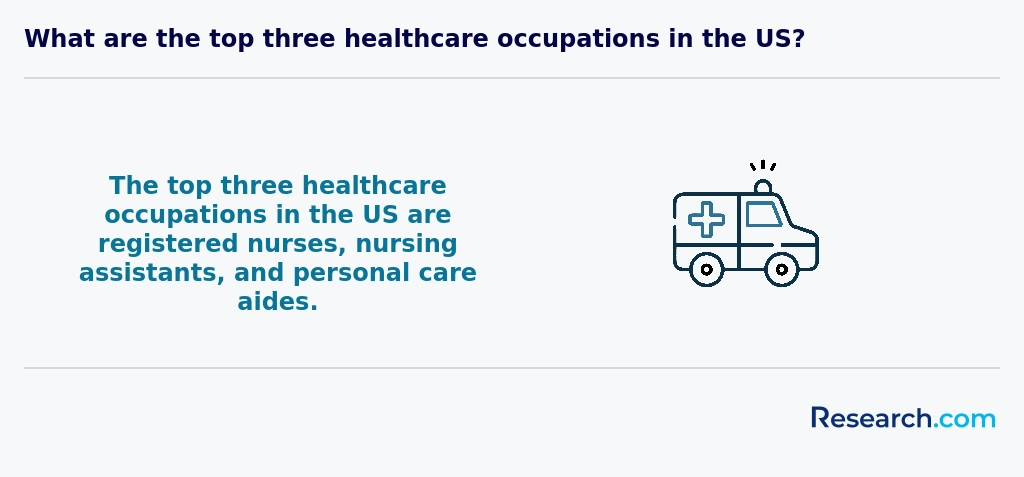
Graduates with an online healthcare degree in the South often find themselves stepping into dynamic roles where compassionate care meets cutting-edge innovation. Picture a graduate from a well-known southern university seamlessly shifting from virtual lectures to managing bustling hospital networks in Texas or Georgia, where the healthcare doctorate job opportunities Southern US are brimming with potential. These professionals thrive as registered nurses and nurse practitioners, their impact felt in the corridors of growing community health centers and sprawling hospital systems.
Others dive into the pulse of healthcare administration, orchestrating patient services and budgeting with the precision of a symphony conductor, especially in states like Florida that lead in healthcare services expansion. Technology lovers carve paths as health informatics specialists, transforming mountains of medical data into life-saving insights, fueled by telehealth's rapid growth.
Many find inspiration balancing studies with work, discovering affordable options through programs like those ranked in the Low Cost Online Healthcare Degree Programs Ranking in the Northeast, proving that quality education and financial sense can coexist beautifully.
What is the job market for online healthcare degree in the South?
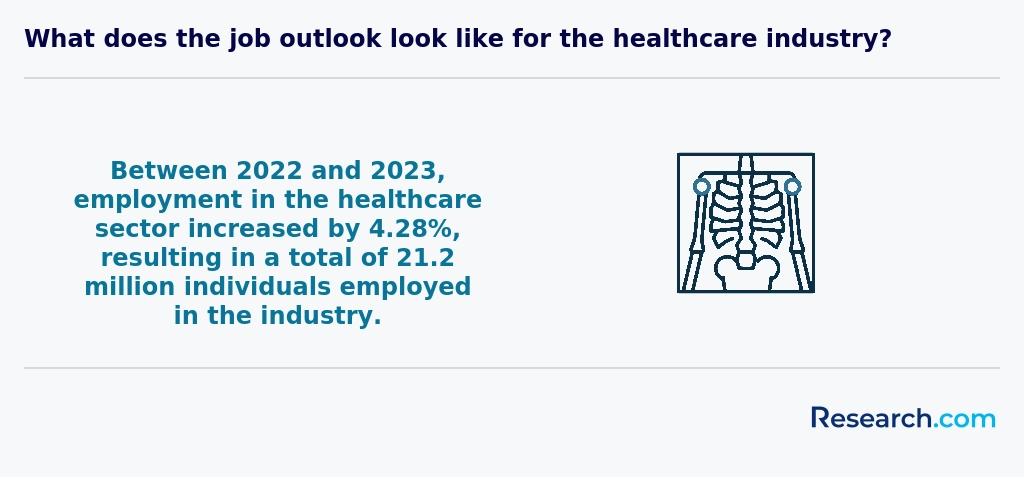
The online healthcare job outlook in the South paints a vibrant picture of opportunity and resilience. Graduates from universities in Texas, Georgia, and Florida often share stories of transitioning seamlessly into roles as nurse practitioners or healthcare administrators, fueled by the region's pressing demand for skilled professionals. These southern states, blending rural expanses with growing urban hubs, create dynamic landscapes where healthcare degree employment opportunities Southern US are not just plentiful but evolving rapidly. For example, a recent graduate from a prominent Florida college found her online doctorate program's flexible schedule vital as she balanced family while stepping into a clinical researcher role that serves underserved communities.
Colleges like those in Georgia attract students who reap rewards far beyond tuition, as salaries soar and the work feels meaningful. Many opt for a fast track undergraduate degree to jumpstart their careers, embracing programs designed to meet specific regional certification requirements and employer expectations. The South's healthcare scene is alive with growing telehealth initiatives, expanding the horizons for online learners chasing a purpose-driven profession.
Frequently Asked Questions About healthcare
Online healthcare degree students in the South can maximize their learning by actively engaging with digital resources and local healthcare networks. Utilizing online libraries, webinars, and discussion forums fosters a deeper understanding of course materials. The Southern Regional Education Board notes that nearly 60% of healthcare programs in Southern states incorporate practical virtual simulations, which enhance clinical skills remotely.
Students should also seek internships or part-time roles in nearby hospitals or clinics, supporting hands-on experience while studying. Participating in regional healthcare associations can provide valuable networking opportunities.
Finally, maintaining consistent communication with instructors and peers helps students overcome common challenges in virtual learning environments.
The healthcare field is rapidly evolving, with several emerging niches gaining traction in the South. Telehealth, driven by the pandemic, remains a significant growth area, offering remote patient care and making healthcare more accessible, especially in rural parts of states like Texas and Georgia. According to the South Carolina Department of Health and Environmental Control, telemedicine use increased by over 50% from 2020 to 2023.
Another expanding niche is healthcare informatics. Professionals skilled in managing electronic health records and analyzing medical data are in high demand as hospitals adopt advanced technology systems.
Additionally, specialists in gerontology and chronic disease management are needed due to the aging Southern population, with the U.S. Census Bureau reporting that nearly 20% of Southern residents are over 65.
After completing an online healthcare degree in the South, preparing for the job market requires strategic planning and practical steps. Start by obtaining relevant professional certifications, such as those from the National Commission for Certifying Agencies (NCCA), to increase employability. Networking within Southern healthcare communities via local associations, like the Southern Regional Healthcare Workforce Consortium, can provide valuable job leads and mentorship.
Internships or clinical experiences, often required during programs, remain essential for hands-on skills. Additionally, research from the Bureau of Labor Statistics shows Southern states have growing healthcare job opportunities, especially in nursing and health administration. Tailoring resumes to highlight online program credentials and technology proficiency is also critical.
Job seekers should regularly visit state health department websites for openings and licensure updates relevant to the Southern region.
Employers in the Southern U.S. healthcare sector prioritize a combination of technical and interpersonal skills in graduates of online healthcare degree programs. Strong clinical knowledge remains essential, alongside proficiency with electronic health records (EHR) and telehealth technologies, which have grown rapidly since 2020, according to the Health Resources and Services Administration (HRSA).
Additionally, communication skills are highly valued as healthcare professionals must effectively interact with diverse patient populations common in the South. Critical thinking and problem-solving abilities also stand out, particularly due to the region's varied healthcare challenges, including rural access and chronic disease management, highlighted by the Centers for Disease Control and Prevention (CDC).
Leadership and teamwork capabilities are increasingly important as healthcare systems in Southern states adopt collaborative care models. Employers seek graduates who are adaptable and skilled in cultural competence to meet the needs of a diverse regional demographic.
Finding internships in the South related to healthcare degrees often begins with exploring local hospitals, clinics, and community health centers. Many Southern states report a growing demand for healthcare professionals, with the Bureau of Labor Statistics noting a nearly 10% projected growth rate in healthcare jobs across the region through 2030.
Students should use university career services, which often have partnerships with regional healthcare providers. Additionally, professional associations such as the Southern Healthcare Association provide internship listings and networking opportunities focused on Southern states.
Online platforms like Handshake and internships.com also allow targeted searches by location and field, increasing chances to find suitable internships aligned with healthcare degrees in the South.
Online healthcare degrees in the South substantially enhance career mobility for professionals. According to the U.S. Bureau of Labor Statistics, healthcare jobs in Southern states like Texas, Florida, and Georgia are projected to grow by over 16% through 2030, outpacing many other regions. Earning an online degree allows students to gain advanced skills without relocating or leaving their current positions, making it easier to transition into specialized roles.
Many Southern employers value accredited online healthcare degrees, recognizing them as equivalent to traditional ones. This acceptance facilitates promotions and salary increases, especially in administrative and clinical leadership roles.
The flexibility of online learning also helps working adults balance education with professional responsibilities, further supporting career advancement.
Studying for a healthcare degree online in the South offers a focused preparation for interdisciplinary roles by emphasizing collaboration across multiple health professions. Southern universities often design curricula that integrate nursing, public health, healthcare administration, and social work, helping students develop skills to work in diverse teams.
According to the Southern Regional Education Board, healthcare jobs involving interdisciplinary coordination are growing faster than average in this region, reflecting the demand for professionals who understand various care aspects. Many programs include case studies, simulations, and community partnerships to foster real-world problem-solving.
This approach equips graduates to navigate complex healthcare systems and improve patient outcomes by working alongside doctors, therapists, and policymakers efficiently.
Choosing between a thesis and a non-thesis healthcare degree program in the South depends on your career goals and learning preferences. Thesis programs typically require original research and a written dissertation, which suits students aiming for academic, research, or leadership roles. The Southern region has over 350 healthcare institutions offering diverse online programs, many emphasizing research skills.
Non-thesis programs focus more on practical skills and coursework, ideal for professionals seeking clinical or administrative positions without the burden of a research project. According to the Southern Regional Education Board, 65% of healthcare graduates in the South choose non-thesis options due to faster completion times and flexible schedules.
Consider your future plans, time commitment, and learning style when deciding between these paths.
Students based in the Southern United States interested in studying healthcare abroad have limited but growing options. Many universities in the South partner with international institutions to offer joint online degree programs or study-abroad opportunities focused on global health. For example, some schools provide virtual exchanges or summer residencies overseas as part of doctoral healthcare curricula. According to the National Center for Education Statistics, only 10% of Southern healthcare students participate in any form of international study, indicating room for growth in global exposure.
Online coursework with an international healthcare focus is also available through several Southern institutions, allowing students to gain insights about healthcare systems worldwide without leaving home. These programs often emphasize culturally competent care and international health policy.
Part-time job opportunities that complement online healthcare degrees in the South are abundant and varied. Many students find roles as certified nursing assistants (CNAs), medical assistants, or pharmacy technicians valuable for gaining hands-on experience. These positions offer exposure to clinical environments while balancing school schedules. According to the U.S. Bureau of Labor Statistics, the South experiences a projected 15% growth in healthcare support occupations from 2020 to 2030, driven by increasing demand for patient care.
Working in outpatient clinics, rehabilitation centers, or long-term care facilities allows students to apply theoretical knowledge practically. Additionally, administrative roles such as medical billing or coding can provide insights into healthcare management, an essential sector within the industry.
Online healthcare students in the South benefit from growing networking opportunities tailored to remote learners. Many universities partner with regional hospitals and healthcare organizations, enabling virtual internships and mentorships. For example, institutions in states like Texas and Georgia often connect students with local healthcare leaders through online forums and webinars.
Professional associations, such as the Southern Healthcare Association, offer online events and regional conferences that promote peer networking and career development. According to the National Center for Education Statistics, Southern states reported a 15% increase in healthcare program enrollments, reflecting more networking potential for students.
Local alumni groups and LinkedIn communities also support connections, helping students build relationships that can lead to job placement and collaboration.
Alumni networks play a crucial role in supporting online healthcare degree students in the South by fostering professional connections. These networks offer access to a community of graduates working in diverse healthcare settings across the region, which is vital as the South faces a growing demand for healthcare professionals.
Studies by the Southern Regional Education Board indicate that 70% of healthcare jobs in Southern states prefer candidates referred through professional networks. Alumni groups often provide mentorship programs, networking events, and job leads specific to Southern healthcare markets, enhancing career opportunities.
Furthermore, participation in alumni activities helps students stay updated on industry trends and continuing education resources. This connectivity can be especially important for online students who may lack on-campus networking chances.
Customizing an online healthcare degree program in the South involves selecting concentrations and electives aligned with your career goals. Many universities allow students to choose specialties such as health informatics, healthcare administration, or nursing leadership. This flexibility ensures that your education supports the specific area you wish to excel in.
Additionally, Southern schools often offer partnerships with local healthcare organizations, providing opportunities for practical experience and networking. According to the Southern Regional Education Board, over 60% of healthcare doctoral candidates in the region tailor their coursework to meet state licensure or certification requirements.
To further customize, consider programs with capstone projects or research options that address regional health challenges like rural healthcare access or chronic disease management, which are particularly relevant in the South.
Online healthcare students in the South often face challenges related to technology access and reliable internet. According to the Pew Research Center, rural areas in Southern states have lower broadband connectivity, limiting access to synchronous classes and digital resources.
Another issue is balancing clinical requirements with online coursework. Many programs require in-person practicums or internships, which can be scarce in underserved regions of the South. This complicates timely completion of degrees.
Additionally, Southern students may encounter fewer regional support networks and resources compared to their online peers in other regions. This can affect mentorship and career guidance.
Financial barriers also play a role, as Southern states tend to have lower average household incomes, impacting affordability and access to scholarships or financial aid.
With an online healthcare degree, students in the South can pursue several professional certifications that enhance career opportunities. Common certifications include Certified Professional in Healthcare Quality (CPHQ), Certified Health Education Specialist (CHES), and Registered Health Information Technician (RHIT). These credentials demonstrate expertise and commitment to the healthcare field.
In Southern states, where healthcare access disparities exist, certifications like CPHQ can improve job prospects by emphasizing quality management skills. According to the Southern Regional Education Board, healthcare employment in the South is projected to grow 15% by 2028, increasing demand for certified professionals.
Additional certifications such as Certified Case Manager (CCM) and Certified Medical Manager (CMM) are also viable options for graduates focused on administration and patient care coordination within the region's expanding healthcare facilities.
Crafting a winning application for an online healthcare program in the South begins with thorough research. Focus on programs accredited by recognized bodies like the Commission on Collegiate Nursing Education (CCNE) or the Accreditation Council for Education in Nutrition and Dietetics (ACEND), ensuring quality and regional recognition.
Highlight relevant clinical experience or certifications upfront, as Southern healthcare employers value practical skills given regional healthcare demands. According to the U.S. Bureau of Labor Statistics, healthcare jobs in the South are growing faster than the national average, making demonstrated commitment essential.
Write a clear, concise personal statement addressing your motivation and how the program fits with your career goals. Emphasize adaptability to online learning and any volunteer work in underserved Southern communities, which can strengthen your case.
The global perspective on a healthcare career highlights growing demand across many regions, including the U.S. South. The World Health Organization projects a global shortfall of 18 million health workers by 2030, emphasizing the critical need for trained professionals. In the U.S., particularly in Southern states, there is notable growth in healthcare job opportunities due to aging populations and rising chronic conditions. According to the U.S. Bureau of Labor Statistics, healthcare occupations in the South are expected to grow by over 15% by 2030, outpacing many other regions. These trends underscore the value of online healthcare degrees for flexible education and career advancement.
Gaining practical experience while studying for an online healthcare degree in the South is essential for career readiness. Many Southern universities partner with local hospitals, clinics, and healthcare facilities to offer internships and clinical placements. These opportunities often align with state licensure requirements, letting students complete hands-on training near their homes.
Additionally, simulation labs and virtual practicums are increasingly available, providing real-world scenarios in a controlled, online setting. According to the Southern Regional Education Board, about 70% of healthcare students in the South engage in clinical experiences during their programs.
Networking with regional healthcare providers and joining local professional associations further support experiential learning during studies.
Choosing the right concentration within an online healthcare degree program in the South requires understanding regional healthcare needs and job market trends. The Southern US faces challenges such as higher rates of chronic diseases, making concentrations like public health or healthcare administration particularly relevant. According to the Bureau of Labor Statistics, healthcare occupations in Southern states are projected to grow faster than the national average through 2031.
Students should also consider their career goals and seek programs that offer specialized courses in areas such as health informatics or nursing leadership. Accreditation and faculty expertise are key factors in program quality. Researching job placement rates in the South can further guide decision-making.
Top Trending Healthcare Rankings
See What Experts Have To Say About Studying Healthcare
Read our interview with Healthcare experts

References
- Employability Skills Matrix for the Health Sector https://www.skillsforhealth.org.uk/resources/employability-skills-matrix/
- South University Blog | Top Healthcare Degrees and Career Paths Outside of Nursing https://www.southuniversity.edu/news-and-blogs/2020/07/top-healthcare-degrees-and-career-paths-outside-nursing
- Niche Markets in Healthcare https://ultrariskadvisors.com/niche-markets-in-healthcare/
- Students and Alumni associations - Europubhealth https://www.europubhealth.org/students-alumni-associations/
- Online Healthcare Degree Programs | University of Phoenix https://www.phoenix.edu/online-healthcare-degrees.html
- Different Careers in the Medical & Healthcare Industry https://www.onlinedegree.com/career/medical-healthcare/
- Health Management Careers https://www.ache.org/Career-Resources/Start-Your-Career/Health-Management-Careers
- HEALTH MANAGEMENT (THESIS / NON-THESIS) - Lisansüstü Eğitim Enstitüsü https://lee.nisantasi.edu.tr/en/health-management-thesis-non-thesis/
- How to choose a bachelor's in healthcare administration | edX https://www.edx.org/resources/how-to-choose-a-bachelors-in-healthcare-administration
- Online Health Science Degrees with Financial Aid https://www.edumed.org/online-schools/health-science-degrees/financial-aid/


