2027 Best Healthcare Degree Programs Ranking in Dover

Co-Founder and Chief Data Scientist
Choosing the right healthcare degree program in Dover is a big step toward a rewarding career. This article introduces the 2027 Best Healthcare Degree Programs Ranking in Dover, developed by the Research.com team of data scientists to guide you through your options.
You'll find clear, reliable insights to help you decide which programs offer the best opportunities for success and growth. Pursuing a healthcare degree can open doors to meaningful work that truly makes a difference.
Explore this ranking and take confident steps toward a fulfilling future in healthcare.
Key benefits of getting healthcare degree in Dover
- Healthcare degree graduates in Dover can enjoy rewarding salaries, with roles like Patient Care Technician earning around $60,790 annually and Medical Assistants making about $43,350 per year, offering financial stability and growth potential.
- Graduates from popular Dover colleges often pursue diverse career paths, such as Clinical Research Coordinator or Health Information Technician, combining passion for care with dynamic job opportunities.
- Obtaining a healthcare degree online from Dover institutions offers flexibility, enabling students to balance work and study while still accessing quality education and career advancement just like traditional programs.
- Key benefits of getting healthcare degree in Dover
- What can I expect from healthcare degree in Dover?
- Where can I work with healthcare degree in Dover?
- How much can I make with healthcare degree in Dover?
- 2027 Best Healthcare Degree Programs Ranking in Dover
- Key Findings
- How long does it take to complete healthcare degree in Dover?
- Accreditation and Licensing Requirements
- What's the difference between online and on-campus healthcare degree?
- Campus Life and Student Support in Dover, DE
- What is the average cost of healthcare degree in Dover?
- Enhancing Your Online Healthcare Education Experience
- What financial aid is available to healthcare degree students in Dover?
- Licensure and Certification Requirements
- What are the prerequisites for enrolling in healthcare degree program in Dover?
- Certification and Licensure Requirements
- What courses are typically in healthcare degree programs in Dover?
- What types of specializations are available in healthcare degree programs in Dover?
- How do you choose the best healthcare degree in Dover?
- What career paths are available for healthcare degree students in Dover?
- What is the job market for healthcare degree in Dover?
- Top Trending Healthcare Rankings
- See What Experts Have To Say About Studying Healthcare
What can I expect from healthcare degree in Dover?
The average cost of a healthcare degree in Dover varies depending on the institution and program level, but many students find it manageable thanks to local options like Delaware Technical Community College's Dover campus. Graduates often recall how the affordable tuition, typically ranging from $5,000 to $15,000 annually for associate and bachelor's programs, allowed them to focus on hands-on learning without overwhelming debt. Those attending the nearby University of Delaware experience higher tuition costs, usually between $15,000 and $25,000 per year, yet benefit from scholarships and state financial aid opportunities that many students successfully accessed.
Many healthcare students describe the financial investment as worthwhile, especially given the supportive clinical placements at Bayhealth Medical Center and other regional healthcare facilities that enhance their practical skills. The balance of cost, quality education, and strong job market prospects in Kent County eases worries about future debt, fueling optimism and motivation among local learners pursuing careers in nursing, allied health, and public health.
Where can I work with healthcare degree in Dover?
Graduates with healthcare degrees in Dover often find exciting opportunities across a range of healthcare settings, from bustling hospital wings at Bayhealth Medical Center to community health initiatives led by local nonprofits. Many students from Delaware Technical Community College discover roles as nursing assistants or medical technologists, gaining firsthand experience in dynamic clinical environments where every day brings a chance to make a real difference.
Others pursue careers supporting elderly populations in long-term care facilities, where their skills become vital in improving quality of life for seniors. The steady growth in healthcare support jobs means graduates can feel confident about job stability and meaningful work that impacts families in their community.
Community health organizations near the University of Delaware also attract graduates passionate about public health education and wellness programs. These roles allow them to creatively engage with diverse populations, fostering healthier lifestyles through outreach and prevention efforts.
Pharmacy technician and health services management positions at local Walgreens and CVS outlets offer accessible pathways for those interested in retail healthcare, while medical labs across Dover welcome graduates with specialized skills in laboratory sciences.
With healthcare evolving rapidly, graduates envision future roles in health information management and clinical research, contributing to cutting-edge advancements that improve patient care and policy. The promising 15% employment growth projected in Dover adds an optimistic outlook for those building a healthcare career here.
How much can I make with healthcare degree in Dover?
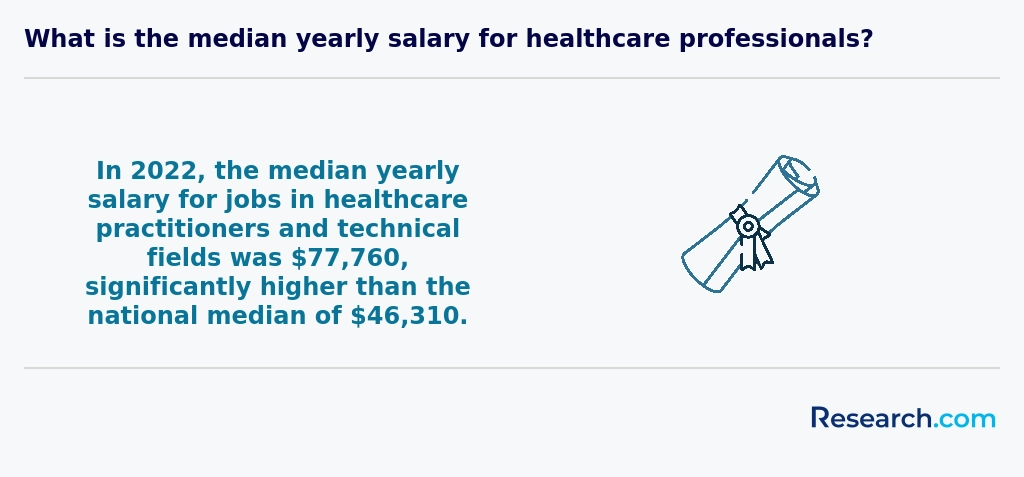
Graduates from healthcare programs in Dover often find promising starting salaries that reflect both local demand and specialized skills. For example, medical assistants typically earn a mean annual wage of about $43,350, providing a solid entry point for many Dover students beginning their careers after attending well-regarded local colleges. This not only covers essential living expenses but also fuels enthusiasm as graduates build confidence in their roles.
Beyond entry-level roles, patient care technicians earn significantly more, around $60,790 annually, enabling graduates to feel a strong sense of professional growth. Those who study health information technology also find rewarding opportunities with salaries averaging near $43,380, blending clinical knowledge with data skills-a fast-emerging trend in modern healthcare.
For graduates aiming higher, quality improvement coordinators in Dover reach impressive salaries near $103,150, reflecting advanced expertise and leadership potential gained through hands-on experience in healthcare systems. These figures inspire confidence, showing clear pathways to financial stability while making meaningful contributions to patient care and system efficiency.
Overall, studying healthcare in Dover equips students with skills that not only meet but anticipate future market shifts, creating exciting career trajectories supported by solid local salary benchmarks.
2027 Best Healthcare Degree Programs Ranking in Dover
How do we rank schools?
Investing in your education is a significant decision that can shape your future, and the Research.com team understands the importance of making informed choices. To assist prospective students in Dover, we have meticulously crafted the "2027 Best Healthcare Degree Programs Ranking in Dover." Our commitment to quality, credibility, and accuracy is reflected in the extensive research and analysis conducted to compile this ranking.
We utilized the following reputable data sources to ensure a comprehensive evaluation of healthcare degree programs:
By exploring this ranking, readers will gain valuable insights into the best healthcare degree programs available in Dover, empowering them to make well-informed decisions about their educational paths. For more details on our methodology, please visit our Research.com methodology page.

# 3 position
Delaware Technical Community College-Terry
Bachelor of Science in Health Sciences

Key Findings
- Healthcare degrees in Dover typically cost between $20,000 and $40,000 for a bachelor's program, including tuition, fees, and books.
- Associate degrees or specialized certifications generally cost between $10,000 and $25,000.
- Healthcare jobs make up nearly 17% of total employment in Dover, with hospitals and nursing facilities as top employers.
- Entry-level salaries for healthcare graduates in Dover average between $45,000 and $55,000 annually.
- Long-term median salaries can rise to $70,000-$90,000, especially in nursing, medical technology, and health administration.
- Job growth in healthcare is projected at about 14% over the next decade, exceeding the national average.
How long does it take to complete healthcare degree in Dover?
Completing a healthcare degree in Dover typically spans from about two years for an Associate Degree to four years for a Bachelor's Degree at institutions like the University of Delaware. Many graduates vividly recall balancing busy clinical rotations with coursework, feeling both challenged and motivated as they gained hands-on experience in local hospitals. For those pursuing advanced degrees-such as a Master of Science in Nursing or a Physician Assistant program-the journey extends by two to three years, often filled with intensive practice and leadership opportunities.
Emerging trends at Dover's colleges include accelerated nursing programs, allowing ambitious students to finish degrees faster without sacrificing quality. Graduates from these tracks often speak with pride about entering the workforce sooner while still feeling well-prepared. Doctoral candidates, especially those aiming for a Doctor of Nursing Practice or specializing in medicine, can expect longer pathways that reflect rigorous training combined with residency experiences, often totaling seven or more years.
Overall, the time invested in Dover's healthcare programs mirrors national standards but is enhanced by localized support and innovative scheduling, fostering a sense of accomplishment and readiness among students stepping into vital healthcare roles.
Accreditation and Licensing Requirements
Choosing an accredited program is essential to ensure eligibility for certification exams and state licensure. In Dover, DE, look for institutions with regional accreditation (e.g., Middle States Commission on Higher Education) and programmatic accreditation from bodies like the Commission on Accreditation for Health Informatics and Information Management Education (CAHIIM). CAHIIM-accredited programs qualify graduates to sit for the Registered Health Information Technician (RHIT) exam, a key credential for Health Information Technicians. Before enrolling, verify that your chosen program meets Delaware’s state board requirements and aligns with national certification standards. Accreditation affects financial aid eligibility, credit transferability, and employer recognition-many healthcare facilities require candidates to hold degrees from accredited schools for hiring and clinical placements. For those seeking flexible, cost-effective options, consider the most affordable him online degree, which combines CAHIIM accreditation with the convenience of fully online coursework. After graduation, maintain professional standing by fulfilling continuing education units (CEUs) and renewing certifications as required by certifying bodies (e.g., AHIMA). Staying current with licensure renewal not only ensures compliance but also demonstrates commitment to quality patient care and information management.
What's the difference between online and on-campus healthcare degree?
In Dover, choosing between online and on-campus healthcare degrees reflects distinct student lifestyles and career goals. Graduates from local colleges often share how online programs offer unmatched flexibility, allowing them to balance family life or daytime jobs while earning a degree. Accessing lectures remotely gave one nursing graduate the freedom to study during late nights after shifts, turning challenges into empowering achievements.
By contrast, on-campus students at Dover's universities thrive on daily in-person interaction, gaining hands-on clinical skills essential for roles like physical therapy or occupational therapy. Imagine attending a lab session where instructors guide you through intricate procedures-this immersive experience builds confidence that students consistently value.
The cost factor also matters: online learners appreciate saving on commuting and housing, while on-campus students invest in the campus atmosphere and resources. With Dover's healthcare field growing, employers increasingly value the rigorous standards both formats uphold, especially with accreditations like CCNE ensuring quality education.
Campus Life and Student Support in Dover, DE
Students not only choose a healthcare degree program for its academic rigor but also for the vibrant campus life and comprehensive support services available in Dover, DE. Campus environments play a critical role in enhancing both academic performance and personal growth. Many institutions in Dover boast dynamic extracurricular programs, state-of-the-art facilities, career counseling services, and dedicated mentorship programs that help students transition smoothly into the professional healthcare arena. These resources empower students to build networks, develop leadership skills, and manage the academic and social aspects of college life effectively. Moreover, institutions often offer detailed guidance on navigating living expenses, scholarships, and affordable housing options-information that is invaluable when planning your educational journey. For example, prospective students interested in budget-friendly options are encouraged to explore resources on the most affordable healthcare programs in delaware, which provide insights into cost-effective choices without compromising on quality education. This holistic approach ensures that graduates not only excel academically but are also well-prepared to meet the evolving demands of the healthcare industry.
What is the average cost of healthcare degree in Dover?
The average healthcare degree cost in Dover currently centers around $10,670 for in-state students, reflecting a more accessible path compared to out-of-state or private tuition rates. Many graduates share that attending Delaware Technical Community College for an associate degree in healthcare proved affordable, allowing them to focus more on learning than worrying about excessive debt. Others who pursued bachelor's degrees at the University of Delaware experienced a higher overall cost but felt confident investing in a program known for strong clinical opportunities and employer connections.
When considering the total cost of healthcare degree programs 2027 Dover students must prepare for expenses beyond tuition, including books, clinical fees, and certification exams. These costs can add several thousand dollars annually but are often offset by scholarships and financial aid designed for healthcare fields in the region. This balance helps students maintain both motivation and financial stability throughout their studies.
Looking ahead, emerging trends suggest increased availability of flexible learning options, such as online nurse practitioner programs accelerated for students seeking to reduce costs while accelerating degree completion. Many healthcare students envision this flexibility as a practical way to combine work and study, ensuring their education adapts to changing personal and professional demands.

Enhancing Your Online Healthcare Education Experience
As online education continues to evolve, students can benefit from understanding how to thrive in a digital learning environment while ensuring that their program maintains the highest quality standards. Engaging actively with virtual classrooms, participating in discussion forums, and utilizing campus support services online are key strategies for success. Additionally, verifying that the online program is accredited helps build confidence in the education you receive. For detailed information on accredited programs, you may want to explore options like the ultrasound tech school online accredited, which highlights trusted programs designed for modern healthcare learners. Embracing these best practices not only enhances your learning experience but also strengthens your competitiveness in a rapidly advancing healthcare industry.
What financial aid is available to healthcare degree students in Dover?
Healthcare students in Dover frequently benefit from a mix of federal, state, and institutional financial aid that lightens the hefty tuition load. Graduates from Delaware State University often recall how the FAFSA unlocked Pell Grants, which provided essential need-based funding without repayment stress, covering a substantial portion of their tuition. For others attending Delaware Technical Community College, additional help came from state programs like the Delaware Tuition Assistance Program, which made in-state education surprisingly affordable.
Many healthcare students in Dover also tap into scholarships offered directly by their schools, which respond to local workforce demands by supporting future nurses and allied health professionals. Some graduates describe their relief upon receiving aid from national programs like the Health Professions Scholarship Program, fueling both their education and a sense of purpose through future service commitments.
Looking ahead, employer tuition assistance is expanding, with local healthcare providers increasingly investing in their staff's education, creating hopeful pathways for working students. Private foundations and professional organizations remain vital, offering scholarships that recognize dedication and potential in nursing and public health fields.
Licensure and Certification Requirements
Graduates of healthcare degree programs in Dover, DE, must navigate state licensure and national certification to practice legally and competitively. Most entry-level roles-such as Patient Care Technician or Health Information Technician-require certification from bodies like the National Healthcare Association (NHA) or the American Health Information Management Association (AHIMA). For registered nursing graduates, passing the NCLEX-RN exam administered by the Delaware Board of Nursing is mandatory before obtaining licensure. Coursework that integrates exam-style questions, simulated clinical scenarios, and dedicated review sessions can significantly boost first-time pass rates, ensuring a smoother transition from student to professional. Advanced degree holders, including those with a Master of Healthcare Administration or Clinical Nurse Specialist credentials, often pursue certifications from organizations such as the American College of Healthcare Executives (ACHE) or the American Nurses Credentialing Center (ANCC). Programs offering mentorship, exam prep workshops, and partnerships with local hospitals tend to report higher success metrics. Prospective students should verify each institution’s reported licensure pass rates and employer sponsorship opportunities for certification fees. To explore affordable pathways that maintain rigorous certification support, consider our Inexpensive Online Master's in Healthcare Degree Programs Ranking in Minnesota, which highlights budget-conscious options with strong licensure outcomes. By choosing a program with proven certification success, graduates can maximize employability, fulfill state requirements, and deliver high-quality patient care.
What are the prerequisites for enrolling in healthcare degree program in Dover?
To enroll in a healthcare degree in Dover, students typically need a high school diploma or equivalent, such as a GED, with strong science backgrounds in biology and chemistry. Graduates from local schools often recall how early exposure to these subjects helped them feel confident when beginning their healthcare courses at Dover's popular colleges. Many programs also expect a GPA around 2.5 to 3.0, though competitive tracks might set the bar higher, pushing students to excel and embrace challenges.
Beyond academics, completing prerequisite courses like anatomy and physiology is common, grounding students in essential knowledge before advancing. Some Dover-based students share how hands-on volunteer work in nearby clinics not only boosted their applications but also sparked a passion for patient care, making their education feel deeply meaningful.
Future trends may emphasize holistic admissions, valuing personal statements and interviews that highlight genuine motivation. This reflects how Dover's healthcare programs increasingly seek well-rounded applicants ready to thrive in evolving medical environments.
Certification and Licensure Requirements
To practice in Delaware, healthcare graduates must earn specific credentials after completing their degree. Understanding these steps ensures you select programs that prepare you effectively:
- Nursing (RN/LPN): Graduate from an ACEN- or CCNE-accredited nursing program, then pass the NCLEX-RN or NCLEX-PN exam through the Delaware Board of Nursing. Consider fast track lpn programs online to streamline LPN licensure preparation.
- Health Information Technician: Complete a CAHIIM-accredited curriculum and pass the Registered Health Information Technician (RHIT) exam administered by AHIMA.
- Patient Care Technician: Certification via the National Healthcareer Association (NHA) enhances job prospects by validating clinical and patient-care competencies.
- Specialized Credentials: Roles in phlebotomy, medical coding, or EKG analysis often require additional certifications (e.g., ASCP for phlebotomy, AAPC for coding).
Maintaining active licensure or certification typically involves completing required continuing education units (CEUs) as mandated by state boards or certifying bodies.
What courses are typically in healthcare degree programs in Dover?
Healthcare degree programs in Dover typically include courses such as human anatomy and physiology, microbiology, and healthcare ethics and law. Graduates from popular Dover colleges often recount how these foundational subjects gave them confidence when entering clinical settings, making patient care feel less intimidating. In real-world labs, they practice patient assessment and clinical skills, which helps bridge theory and hands-on experience.
Many students highlight how coursework in healthcare administration and policy opened doors to leadership roles, emphasizing the importance of understanding healthcare systems amid rapid industry changes. The collaborative practicum opportunities with local hospitals in Dover add a practical dimension that students find highly motivating, making them feel prepared for the workforce.
Looking ahead, programs are expected to integrate emerging fields such as telehealth technology and data analytics, reflecting Dover's growing healthcare sector. Students envision being trained not only in traditional fields like medical terminology but also in digital health tools, ensuring they stay competitive and ready for future demands.
What types of specializations are available in healthcare degree programs in Dover?
Healthcare degree specializations in Dover cover a broad spectrum designed to prepare students for dynamic roles in the evolving medical field. Many graduates from Dover's leading colleges share how hands-on nursing tracks like Registered Nursing (RN) or Nurse Practitioner (NP) have offered them both rigorous clinical experience and a sense of confidence entering the workforce. These programs often include collaborative projects with local health centers, making the learning authentic and community-centered.
Students focusing on Healthcare Administration find themselves diving into real-world management challenges shaping Delaware's health systems. This specialization reflects the statewide 32% job growth and prepares students to lead healthcare organizations with a mix of policy knowledge and financial acuity, supported by courses specifically tailored to Delaware's healthcare landscape.
Emerging trends show increasing interest in Health Information Management, where students work with digital health records and analytics, vital for the industry's future. Graduates praise the way these programs anticipate technological shifts and compliance needs.
Other popular options include Public Health, Physical Therapy, and Medical Laboratory Science, allowing students to match their passion with practical skills. Many also explore the benefits of scholarships and financial aid to ease costs, while learning about the nursing industry challenges firsthand through their programs.
How do you choose the best healthcare degree in Dover?
Choosing the best healthcare degree programs in Dover often comes down to finding a balance between accreditation, cost, and program flexibility. Graduates from local universities frequently highlight how attending institutions with strong regional accreditation opened doors for certification and stable jobs in Delaware's growing healthcare market. Affordable healthcare degrees Dover 2027 will likely remain attractive as tuition rises elsewhere, making it vital to consider overall expenses including clinical fees and materials.
Many students appreciate programs that offer part-time or online options, allowing them to work while studying. For instance, those pursuing a Bachelor of Science in Nursing find evening courses ideal for balancing family and career growth. Others share that hands-on internships through local hospitals create meaningful experiences that strengthen confidence and skills before entering the workforce.
Looking ahead, choosing a degree aligned with your passion-whether in direct patient care or administrative support-will enhance satisfaction and success. Exploring pathways like holistic nutrition job satisfaction can provide unexpected fulfillment beyond traditional roles. Taking such steps within Dover's evolving healthcare education landscape sets the stage for a rewarding future.

What career paths are available for healthcare degree students in Dover?
Healthcare degree job opportunities in Dover are expanding as graduates often find rewarding positions in roles like Registered Nurses and Medical and Health Services Managers, who are essential to the state's growing medical facilities. For example, graduates from local colleges frequently share how their on-site clinical experiences in Dover hospitals make transitions into real-world healthcare environments smoother and more engaging. These roles not only offer financial stability but also the chance to impact patient care directly, creating a sense of fulfillment.
Careers with healthcare degree in Dover increasingly include emerging fields such as health informatics and public health, where technology and data play vital roles. Recent graduates from Dover's healthcare programs highlight their excitement about leveraging electronic health records and digital tools to improve patient outcomes, reflecting the region's commitment to innovative healthcare solutions.
Students often research affordable options to balance their education and career goals. Many turn to the most affordable healthcare programs in Delaware, which provide excellent training without overwhelming debt, further fueling confidence in their future paths.
What is the job market for healthcare degree in Dover?
The healthcare job opportunities in Dover show a dynamic and growing market supported by the city's expanding medical infrastructure and aging population. Graduates from Delaware State University and Wilmington University, popular choices for healthcare degrees, often find themselves engaging in meaningful roles within hospitals, nursing homes, and outpatient clinics shortly after completing their studies. Many graduates speak positively about hands-on clinical placements that enhance their practical skills and boost their confidence entering the workforce.
Looking ahead, the healthcare employment outlook Dover 2027 anticipates continued growth, particularly in nursing, health services management, and therapy roles. This means that students who invest their time and resources in accredited programs with practical experience are well-positioned for rewarding careers. For those interested in specialties like sonography, an ultrasound tech school online accredited can provide a flexible pathway to enter this promising field. The local demand for qualified professionals fosters an encouraging environment, where healthcare graduates in Dover can realistically envision stable and fulfilling employment options.
Frequently Asked Questions About healthcare
Healthcare degree students in Dover can maximize their learning by engaging in both academic and practical experiences. Taking advantage of clinical placements in local hospitals, such as Bayhealth Medical Center, provides vital hands-on training. According to the Delaware Department of Health, Dover's healthcare sector is expected to grow by over 12% from 2020 to 2030, increasing job opportunities for graduates. Participating in campus health organizations and attending industry seminars enhances networking and professional development. Additionally, students should utilize resources like tutoring and career counseling offered by local colleges to strengthen their skills and identify specialties that fit their interests.
The healthcare field is rapidly evolving, especially in places like Dover where demand for specialized services is growing. Emerging niches include telehealth, which has expanded by over 30% in Delaware since 2020, driven by increased access to remote care technologies. Another significant area is healthcare data analytics, where professionals analyze large datasets to improve patient outcomes and operational efficiency. Mental health services are also an expanding niche, with Dover seeing rising needs for counselors and therapists. Additionally, geriatric care is critical as Delaware's senior population grows, increasing opportunities in elder care management. These niches offer promising paths for new healthcare professionals.
After completing a healthcare degree in Dover, effective job market preparation begins with gaining practical experience. Many local hospitals and clinics, such as Bayhealth Medical Center, offer internships or externships that provide valuable hands-on training. According to the Delaware Health Care Commission, practical experience significantly increases employability in the region's competitive healthcare sector.
Networking is also essential. Joining local professional associations, such as the Delaware Nurses Association, helps graduates connect with healthcare employers and stay informed about job openings. Additionally, securing relevant certifications beyond the degree, like CPR or specialized clinical certifications, strengthens a resume.
Applicants should tailor their resumes to highlight both academic achievements and practical skills, adapting to healthcare roles in Delaware's diverse medical facilities. Utilizing career services at local institutions or statewide job portals enhances the job search process.
Employers in Dover highly value healthcare degree graduates with strong communication skills. Effective interaction with patients and multidisciplinary teams is crucial in clinical settings. According to the Delaware Department of Labor, 78% of healthcare employers in Dover prioritize interpersonal abilities when hiring.
Technical competence is also essential. Graduates must demonstrate proficiency with electronic health records (EHR) and medical equipment, reflecting the region's increasing use of digital health technologies.
Critical thinking and problem-solving skills help professionals adapt to rapidly changing healthcare environments, a top priority cited in recent surveys by the Delaware Healthcare Association.
Finally, cultural competency is important due to Dover's diverse population, ensuring quality care for all community members.
Finding internships in Dover related to healthcare degrees involves several practical steps. First, students should explore partnerships between local institutions and healthcare facilities. Notably, Dover's public health department and nearby hospitals like Bayhealth Medical Center often offer internship opportunities for those pursuing nursing, public health, or allied health programs.
Additionally, many educational institutions in Delaware have career services that connect students to internship programs. For example, the University of Delaware and Delaware Technical Community College provide guidance and maintain databases featuring local healthcare internships. Networking through professional associations such as the Delaware Nurses Association can also uncover openings.
Students should regularly check online platforms like the Delaware Health and Social Services website, which frequently lists internship options and volunteer positions. Early application and proactive communication with healthcare providers increase chances of securing relevant internships in Dover.
In Dover, earning a healthcare degree significantly enhances career mobility and advancement opportunities. According to the Delaware Department of Labor, healthcare roles in Dover are projected to grow 14% by 2030, outpacing many other sectors. This growth creates demand for qualified professionals with formal education.
A healthcare degree equips graduates with essential skills, enabling them to pursue various roles such as nursing, health administration, or allied health professions. Many employers in Dover prefer or require degrees, making them critical for promotion and leadership positions.
Additionally, higher education credentials often correlate with higher salaries. For example, registered nurses with bachelor's degrees in Dover can earn about 15% more than those without. Overall, a healthcare degree opens doors to diverse career paths and upward mobility in the local healthcare market.
Studying for a healthcare degree in Dover offers strong preparation for interdisciplinary roles by emphasizing collaborative skills essential in modern healthcare settings. Many Dover institutions include coursework that integrates nursing, public health, and medical technology, reflecting the increasingly team-based nature of healthcare.
According to recent data from the Delaware Department of Health and Social Services, Dover's healthcare workforce collaborates extensively with social workers, therapists, and pharmacists, highlighting the demand for professionals who understand multiple disciplines.
Students are also exposed to clinical internships in diverse environments, enhancing practical experience with interdisciplinary teams. This approach builds communication and problem-solving skills crucial for effective patient care.
Overall, healthcare programs in Dover focus on preparing graduates who can navigate complex healthcare systems and contribute across various professional roles.
When choosing between a thesis and a non-thesis healthcare degree program in Dover, students should consider their career goals and learning preferences. Thesis programs usually involve original research, suitable for those aiming at clinical research, academia, or advanced specialization. Non-thesis programs focus more on practical skills and coursework, ideal for students targeting direct healthcare roles or management positions.
In the US, a thesis option often requires additional time and commitment, sometimes extending study by a semester. Non-thesis paths may offer shorter completion times, appealing in fast-growing healthcare job markets like Dover's.
The Delaware Healthcare Commission reported rising demand in clinical roles, making hands-on experience highly valuable. Prospective students should evaluate if research aligns with local employer expectations or if practical training better supports their career ambitions.
Students based in Dover interested in studying healthcare abroad have several pathways within the US higher education system. Many opt for partnerships between local institutions and international universities, allowing for exchange programs or joint degrees. These programs can provide exposure to different healthcare systems and practices while maintaining accreditation recognized in the US.
Another option involves enrolling in US universities with campuses abroad or study-abroad semesters focused on healthcare fields. According to the National Center for Education Statistics, over 30% of US healthcare students participate in some form of international study during their degree. This experiential learning enhances cultural competence, which is vital in diverse healthcare settings.
Dover students should explore programs accredited by bodies like the Commission on Accreditation of Allied Health Education Programs (CAAHEP) to ensure their qualifications are valid both abroad and at home. Furthermore, financial aid and scholarships are increasingly available to support these international educational experiences.
Students pursuing healthcare degrees in Dover can find part-time jobs that enrich their academic experience and provide practical skills. Common opportunities include working as medical assistants, pharmacy technicians, or patient care aides in local clinics and hospitals. These roles help students develop clinical competencies while earning income.
Dover's healthcare sector employs about 4,000 workers, according to the Delaware Department of Labor, creating consistent demand for support roles suited to students' schedules. Additionally, jobs in medical billing or administrative support in healthcare offices offer exposure to healthcare systems management.
Volunteering in community health programs or elderly care facilities further complements education by building communication and patient interaction skills. These positions align well with flexible student hours, balancing work and study effectively.
Healthcare students in Dover benefit from multiple networking opportunities essential for career growth. Local institutions, such as Delaware State University, often host events connecting students with healthcare professionals. The Delaware Healthcare Association provides regional conferences and seminars popular among students aiming to expand their professional circles.
Additionally, internships and clinical placements within Dover's healthcare facilities, including Bayhealth Medical Center, offer direct exposure and networking with experienced practitioners. According to the Delaware Department of Labor, healthcare is one of the fastest-growing sectors in the region, making these connections valuable for job prospects after graduation.
Student organizations and national groups like the American Medical Student Association are also active in the area, fostering peer and mentor relationships. These combined resources create a supportive environment for healthcare students looking to build a professional network in Dover.
Alumni networks play a significant role for healthcare degree students in Dover by providing valuable connections within the local medical community. These networks often include graduates working in prominent Dover hospitals, clinics, and public health organizations. Through alumni events and online platforms, students gain access to mentorship and job placement opportunities, which are crucial in the competitive US healthcare job market.
Dover's healthcare sector is growing, with reports from the Delaware Department of Health highlighting a 5% increase in healthcare employment over recent years. Alumni networks help students navigate this expanding field by sharing insights into employer expectations and career pathways.
Moreover, connections through these networks often lead to internships and clinical placements that enhance practical skills. According to the National Association of Colleges and Employers, 65% of healthcare students find employment through networking, demonstrating the concrete benefits alumni associations provide.
Customizing a healthcare degree program in Dover allows students to align their education with specific career objectives. Many institutions offer flexible course selections, enabling learners to focus on specialties such as nursing, health administration, or public health. Students can often choose electives, internships, and practicum settings based on local healthcare needs.
For example, with Dover's growing elderly population, programs emphasize geriatric care and chronic disease management. Collaborations with nearby hospitals and clinics provide practical experience tailored to community health priorities. Additionally, consulting academic advisors helps students create individualized study plans that meet licensing or certification requirements in their chosen fields.
Healthcare students in Dover face several challenges common to the US education system, intensified by local factors. High tuition fees at nearby institutions can strain budgets, with average annual costs around $15,000 for public colleges, according to the National Center for Education Statistics.
Many students juggle clinical rotations and coursework, which demand significant time and emotional resilience. Dover's healthcare facilities often experience high patient volumes, leading to intense hands-on training environments.
Additionally, balancing work to offset living expenses is a common obstacle, affecting academic performance. Mental health concerns are also prominent, with stress levels among healthcare students reported at 50% nationally, reflecting the rigorous demands of their programs.
With a healthcare degree in Dover, graduates can pursue various professional certifications that enhance career opportunities. Popular options include becoming a Certified Medical Assistant (CMA), obtaining credentials like Registered Health Information Technician (RHIT), or becoming a Licensed Practical Nurse (LPN). Many graduates also aim for certifications such as Certified Professional Coder (CPC) or Certified Nursing Assistant (CNA), depending on their specialty.
Certifications play a critical role in the Delaware healthcare job market, improving job prospects and salary potential. According to the Delaware Department of Labor, certified healthcare professionals earn on average 15% more than non-certified peers. These certifications often require passing a national exam while maintaining continuing education credits to stay current.
Writing a winning application for a healthcare program in Dover requires careful preparation and attention to detail. Start with a clear, concise personal statement that highlights your passion for healthcare and your commitment to serving the community. Emphasize relevant volunteer work or employment experience, as Dover hospitals and clinics often value practical exposure. According to the Delaware Department of Health, healthcare jobs in Dover are expected to grow by 15% through 2030, so demonstrating awareness of local industry trends can strengthen your case. Additionally, ensure your academic records meet program prerequisites, typically including biology and chemistry courses.
Strong letters of recommendation from healthcare professionals or educators can considerably boost your application. Lastly, prepare for any required entrance exams and interviews by reviewing common healthcare topics and local healthcare challenges.
Healthcare careers are recognized worldwide for their critical role in improving public wellbeing. In the United States, including Dover, healthcare employment is projected to grow 13% from 2021 to 2031, much faster than average, according to the Bureau of Labor Statistics. This reflects a global trend where aging populations and chronic diseases increase demand for skilled professionals.
Internationally, healthcare education standards vary, but many countries emphasize practical experience along with theoretical knowledge. In the US system, students benefit from accredited programs that combine clinical training with research, preparing graduates for diverse roles worldwide.
Dover's growing healthcare infrastructure supports numerous opportunities in nursing, allied health, and specialized medicine, making it a strategic location for pursuing a healthcare degree with global applicability.
Gaining practical experience while studying for a healthcare degree in Dover is essential for career readiness. Many local colleges and universities offer clinical placements or internships as part of their programs. These opportunities allow students to work directly with patients under supervision in settings such as hospitals, clinics, and community health centers.
Additionally, Dover's healthcare institutions, including Bayhealth Medical Center, often collaborate with educational programs to provide externships or volunteer positions. According to the Delaware Health Care Commission, nearly 70% of healthcare students in Delaware participate in hands-on experiences before graduation, improving job prospects.
Networking with local healthcare professionals and joining student health organizations can also enhance practical learning. These experiences build critical skills and increase exposure to real-world healthcare challenges.
Choosing the right concentration within a healthcare degree program in Dover begins with understanding local industry demands. According to the Delaware Department of Labor, healthcare occupations in Dover are expected to grow by over 15% through 2030, particularly in nursing and allied health fields. Prospective students should assess their interests, strengths, and career goals in areas such as nursing, medical technology, or health administration.
It is also important to consider program accreditation and clinical opportunities specific to Dover institutions. Hands-on experience through local healthcare providers enhances employability. Researching salary data and job placement rates offered by Dover schools can guide your decision effectively.
Related Healthcare Rankings for Nearby Cities
- 2027 Best Healthcare Degree Programs Ranking in Philadelphia
- 2027 Best Healthcare Degree Programs Ranking in Washington
- 2027 Best Healthcare Degree Programs Ranking in Brooklyn
- 2027 Best Healthcare Degree Programs Ranking in Jersey City
- 2027 Best Healthcare Degree Programs Ranking in New York
- 2027 Best Healthcare Degree Programs Ranking in Queens
- 2027 Best Healthcare Degree Programs Ranking in Wilkes-Barre
- 2027 Best Healthcare Degree Programs Ranking in Bronx
- 2027 Best Healthcare Degree Programs Ranking in Scranton
- 2027 Best Healthcare Degree Programs Ranking in Virginia Beach
Top Trending Healthcare Rankings
See What Experts Have To Say About Studying Healthcare
Read our interview with Healthcare experts

References
- Employability Skills Matrix for the Health Sector https://www.skillsforhealth.org.uk/resources/employability-skills-matrix/
- 20 healthcare investment niches and 3 things to know: The evolution of ... https://blackbookmarketresearch.com/20-healthcare-investment-niches-and-3-things-to-know-the-evolution-of
- Advance Your Education and Career While Working in Healthcare https://www.hospitalrecruiting.com/blog/4236/advance-your-education-and-career-while-working-in-healthcare/
- 5 Concentrations for a Bachelor’s of Healthcare Administration - Healthcare Administration Degree Programs https://www.healthcare-administration-degree.net/lists/5-concentrations-for-a-bachelors-of-healthcare-administration/
- Alumni Reconnect - Poznan University of Medical Sciences https://pums.edu.pl/alumni-friends/alumni-reconnect/
- Online Degree vs. Traditional: Choosing the Right Path https://beal.edu/online-degree-vs-traditional/
- Scholarships and Financial Aid for Healthcare Students: How to Fund Your Education https://explorehealthcareers.org/resources/scholarship-financial-aid/
- Financial Assistance by Saint Clare’s Health https://saintclares.com/patients-visitors/financial-assistance/
- Health Sciences Study Abroad Programs - Healthcare Abroad https://www.ceastudyabroad.com/academic-discipline/health-sciences
- Pre-Med Study Abroad Programs | Go Overseas https://www.gooverseas.com/study-abroad/pre-med