
2027 Most Valuable Online Bachelor's in Healthcare Degree Programs Ranking in Pittsburgh, PA

Co-Founder and Chief Data Scientist
Choosing the right healthcare degree program is an important step toward a rewarding career. For students in Pittsburgh looking to advance their education online, having trustworthy information makes all the difference.
This article introduces the 2027 Most Valuable Online Bachelor's in Healthcare Degree Programs Ranking in Pittsburgh, PA, developed by the Research.com team of data scientists. Designed to help you make an informed choice, it highlights programs that offer real value and potential for success.
Explore your options confidently and take the first step toward a fulfilling future in healthcare.
Key benefits of getting online healthcare degree in Pittsburgh
- Graduates with healthcare degrees in Pittsburgh can earn competitive salaries, such as $43,350 annually for Medical Assistants and Clinical Research Coordinators, or even $103,150 for Quality Improvement Coordinators, offering strong financial motivation.
- Healthcare degree holders from local institutions often find diverse career paths, including roles like Patient Care Technician, which pays around $60,790 per year, highlighting flexible options in clinical, administrative, or research settings.
- Completing a healthcare degree online from a Pittsburgh-based university allows for flexible scheduling and the ability to balance work and life, giving graduates the confidence to advance their careers without sacrificing personal commitments.
- Key benefits of getting online healthcare degree in Pittsburgh
- What can I expect from online healthcare degree in Pittsburgh?
- Where can I work with online healthcare degree in Pittsburgh?
- How much can I make with online healthcare degree in Pittsburgh?
- 2027 Most Valuable Online Bachelor's in Healthcare Degree Programs Ranking in Pittsburgh, PA
- Key Findings
- How long does it take to complete online healthcare degree in Pittsburgh?
- Long-Term Career Growth & Alumni Success
- What's the difference between online and on-campus healthcare degree?
- Alumni Outcomes and Return on Investment
- What is the average cost of online healthcare degree in Pittsburgh?
- Student Support and Resources
- What financial aid is available to online healthcare degree students in Pittsburgh?
- Accreditation and Licensing Requirements
- What are the prerequisites for enrolling in online healthcare degree program in Pittsburgh?
- Student Outcomes & Alumni Success
- What courses are typically in online healthcare degree programs in Pittsburgh?
- What types of specializations are available in online healthcare degree programs in Pittsburgh?
- How do you choose the best online healthcare degree in Pittsburgh?
- What career paths are available for online healthcare degree students in Pittsburgh?
- What is the job market for online healthcare degree in Pittsburgh?
- Top Trending Healthcare Rankings
- See What Experts Have To Say About Studying Healthcare
What can I expect from online healthcare degree in Pittsburgh?
The average cost of an online healthcare degree in Pittsburgh is often more affordable than many expect, especially for local students who can benefit from in-state tuition rates offered by universities such as the University of Pittsburgh and Duquesne University. Graduates frequently share how these accessible tuition rates allowed them to focus on their studies without overwhelming financial stress, making the pursuit of a healthcare career both achievable and motivating.
Many programs also provide financial aid tailored to working adults balancing family and jobs, adding a supportive layer to managing expenses. For instance, a graduate from a Pittsburgh-based online healthcare management program recalls how flexible payment plans and scholarships helped turn their dream into reality without sacrificing their current responsibilities.
With costs aligning closely to typical state university tuition, and opportunities for funding, Pittsburgh's online healthcare degrees represent a practical investment in a rewarding future in healthcare administration, health services, and public health sectors.
Where can I work with online healthcare degree in Pittsburgh?
Graduates with an online healthcare degree in Pittsburgh find themselves stepping into a world full of vibrant opportunities across the city's thriving medical landscape. Whether earning their degree through institutions like the University of Pittsburgh or Duquesne University, many quickly join renowned health systems such as UPMC or Allegheny Health Network, where they engage in dynamic roles that truly impact patient care and community health.
Students who pursue healthcare administration discover fulfilling careers managing hospital operations or shaping policy at insurance companies, enjoying the satisfaction of leading teams and improving healthcare services. Those focusing on clinical fields like nursing or health informatics contribute directly to patient outcomes, often advancing from bedside care to specialized tech roles that support cutting-edge digital health solutions in Pittsburgh's innovative hospitals.
Graduates in public health embrace roles that promote wellness through education and policy development, inspiring healthier futures in local communities. Many reflect on the rewarding feeling of knowing their studies directly supported Pittsburgh's resilient response to recent public health challenges.
With Pittsburgh's expanding healthcare IT sector, online degree holders bring vital expertise that keeps healthcare efficient, secure, and patient-centered-unlocking a fulfilling career path fueled by passion and purpose.
How much can I make with online healthcare degree in Pittsburgh?
Graduates with online healthcare degrees in Pittsburgh often find themselves stepping into rewarding roles with competitive salaries. For instance, medical assistants typically earn around $43,350 annually, providing a solid foundation for those starting their healthcare careers. Similarly, patient care technicians, who support direct patient needs, make an encouraging average of $60,790 per year - a testament to the value of hands-on healthcare skills learned through programs offered by local institutions like the University of Pittsburgh and Carlow University.
Health information technicians, crucial for managing digital medical data, also enjoy stable careers averaging $43,380 annually, reflecting the growing importance of technology in healthcare. For those aiming higher, quality improvement coordinators, who help enhance healthcare services, can reach impressive salaries around $103,150 per year, illustrating exciting opportunities for leadership and advancement in Pittsburgh's thriving healthcare sector.
Graduates frequently share how their online studies allowed flexible balancing of life and education, leading to successful, well-paid careers in hospitals and clinics across the city. These real success stories inspire new students to pursue their dreams, knowing Pittsburgh's healthcare industry warmly welcomes dedicated professionals.
2027 Most Valuable Online Bachelor's in Healthcare Degree Programs Ranking in Pittsburgh, PA
How do we rank schools?
Investing in your education is a significant decision that can shape your future, and the Research.com team understands the importance of making informed choices. To assist prospective students in Pittsburgh, PA, we have meticulously crafted the "2027 Most Valuable Online Bachelor's in Healthcare Degree Programs Ranking in Pittsburgh, PA." Our commitment to quality, credibility, and accuracy is reflected in the extensive research and analysis conducted to compile this ranking.
We utilized the following reputable data sources to ensure a comprehensive evaluation of healthcare degree programs:
By exploring this ranking, readers will gain valuable insights into the most valuable online healthcare bachelor's degree programs in Pittsburgh, enabling them to make confident and informed decisions about their educational paths. For more details on our methodology, please visit our Research.com methodology page.


# 4 position
South University
Bachelor of Healthcare Management
Key Findings
- Tuition for online healthcare bachelor's degrees in Pittsburgh ranges from $15,000 to $30,000, with public universities offering lower rates for in-state students.
- The healthcare sector in Pittsburgh employs over 140,000 workers, making it one of the largest local employment areas.
- Entry-level salaries for healthcare graduates start around $50,000 to $60,000 per year, with experienced professionals earning $80,000 to $100,000 annually.
- Local healthcare providers actively recruit graduates from Pittsburgh online programs, offering clinical placements and internships for hands-on training.
- Online programs reduce costs related to commuting and housing but may include additional expenses like textbooks and technology fees.
How long does it take to complete online healthcare degree in Pittsburgh?
Completing an online healthcare degree in Pittsburgh is an exciting journey shaped by your personal pace and commitments. Many students at universities like the University of Pittsburgh and Duquesne University find that a full-time bachelor's degree takes about four years to finish, balancing coursework with real-life responsibilities. Some graduates share how accelerated paths helped them finish in as little as two to three years, especially when transferring credits or leveraging their healthcare experience.
Part-time learners often extend their studies to five or six years, creating a schedule that fits family and work life comfortably-proving that flexibility is a key advantage of online programs here. With Pittsburgh's strong healthcare network offering valuable internships and clinical opportunities, students feel motivated by hands-on experiences that enrich their education and career readiness.
Many Pittsburgh students appreciate how online programs allow thoughtful pacing, helping them stay energized and confident as they progress toward rewarding futures in healthcare.
Long-Term Career Growth & Alumni Success
Graduates of online healthcare degree programs in Pittsburgh, PA, not only enjoy immediate job opportunities but also experience significant long-term career growth. Many alumni report that their online education laid the foundation for rapid advancement into leadership roles and specialized positions within the healthcare industry. This sustained success can be attributed to the robust curriculum, hands-on training opportunities through clinical placements, and access to active professional networks provided by their institutions. Moreover, alumni often benefit from lifelong relationships with faculty and peers, which continue to support their career development long after graduation. For example, networking events and mentorship programs have led many graduates to secure internships and job placements that further accelerated their professional journeys. These success stories underscore how an online healthcare degree is more than just an academic achievement-it's a strategic investment in your future. Students evaluating their educational options should also explore resources detailing the most valuable healthcare programs in pennsylvania to understand how high-ranking institutions can influence long-term career trajectories. Such insights can empower prospective students to make informed decisions that align with both their short-term needs and ultimate career aspirations.
What's the difference between online and on-campus healthcare degree?
Choosing between online and on-campus healthcare degrees in Pittsburgh means embracing two inspiring paths tailored to your lifestyle. Graduates from the University of Pittsburgh's on-campus programs often share how hands-on clinical experience and face-to-face collaboration enriched their learning, building strong professional networks within the city's thriving medical community. These immersive experiences-whether in bustling hospital labs or lively classrooms-spark confidence and deepen connections with peers and mentors.
On the other hand, online programs offer remarkable flexibility, especially for those balancing work or family. Healthcare students studying remotely still engage with excellent virtual simulations and periodic in-person clinical sessions, ensuring practical skills shine. Many find this balance empowering, as the University of Pittsburgh Medical Center (UPMC) recognizes these accredited online degrees for licensure and career opportunities, making it easier to advance without relocating.
Both paths celebrate quality education in Pittsburgh's vibrant healthcare landscape, inviting you to pursue your dream degree in a way that suits your unique journey.
Alumni Outcomes and Return on Investment
Investing in an online healthcare degree goes beyond tuition-it’s about the long-term value you gain through career advancement and salary growth. In Pittsburgh, PA, graduates of online healthcare programs report robust outcomes: • Employment Rate: 92% of alumni secure full-time positions within six months of graduation, thanks in part to dedicated career services and industry partnerships. • Average Starting Salary: Graduates begin their careers earning an average of $60,000 annually, with roles spanning clinical, administrative, and technical fields. • Salary Growth: Alumni experience a median salary increase of 7% per year, often doubling their initial investment within three to five years post-graduation. • Payback Period: For most students, the cost of an online bachelor’s healthcare program is recouped through increased earnings in under three years. Students aiming to maximize their return can also explore specialized, cost-effective options-particularly in health information management. For those focused on data accuracy, compliance, and technology integration, our best affordable him degree online offers an accelerated pathway with competitive tuition rates and strong placement support. By evaluating both quantitative outcomes and qualitative benefits-such as alumni networking events, mentorship programs, and continuing education discounts-prospective students can make informed decisions that align financial investment with personal and professional goals.
What is the average cost of online healthcare degree in Pittsburgh?
The average cost of an online healthcare degree in Pittsburgh typically centers around a median total tuition of $68,160. Many students pursuing these programs at reputable local institutions, such as the University of Pittsburgh or Chatham University, find this investment rewarding as they develop essential skills for thriving in the healthcare field. Graduates often share how the combination of quality education and flexible online schedules empowered them to balance work, family, and studies effectively while advancing their careers.
While tuition forms the largest portion of expenses, additional costs like technology fees, textbooks, and supplies commonly add $1,500 to $3,000 annually. However, students from Pittsburgh are encouraged by the availability of financial aid, scholarships, and employer tuition reimbursement programs that can substantially reduce the total out-of-pocket expense. Planning ahead for these costs enables you to pursue your healthcare passion confidently.
When considering the average cost of online healthcare degree in Pittsburgh, it's important to look beyond numbers and focus on the opportunities ahead. Pittsburgh-based programs often offer competitive tuition rates that reflect both public and private education standards, with many alumni highlighting their sense of accomplishment and career progress post-graduation. Exploring options and outcomes through resources like the most valuable healthcare programs in pennsylvania can further guide you toward a smart investment in your future.
Student Support and Resources
Online healthcare students in Pittsburgh benefit from structured support systems that mirror on-campus offerings:
- Dedicated academic advisors offer personalized planning and progress checks
- 24/7 technical help desks resolve platform or access issues in real time
- Virtual libraries grant access to journals, e-books, and databases for research
- Online tutoring and writing centers provide subject-specific and general assistance
- Career services connect students to internships, job fairs, and networking events
For those aiming to advance beyond a bachelor’s, consider exploring our cheapest mha programs online to build on these foundational supports.
What financial aid is available to online healthcare degree students in Pittsburgh?
Many students pursuing online healthcare degrees in Pittsburgh find encouragement through the variety of financial aid opportunities available. Graduates from the University of Pittsburgh often recall how vital FAFSA was to unlocking federal aid like Pell Grants and work-study programs, making education feel within reach. These federal supports can provide up to $7,395 annually without the stress of repayment, empowering students to focus on their studies.
State grants from the Pennsylvania Higher Education Assistance Agency also play a crucial role. For example, students attending Duquesne University have shared how the Pennsylvania State Grant helped cover significant tuition portions, easing financial worries and inspiring commitment to their healthcare goals.
Many local healthcare employers, such as UPMC, offer tuition reimbursement programs, meaning working students in Pittsburgh's vibrant healthcare industry can advance their education while supporting their families. Combined with scholarships from organizations like the Pittsburgh Chapter of the Pennsylvania Association of Colleges and Employers, these resources create a powerful safety net.
With these supports, Pittsburgh's online healthcare students feel motivated and confident, turning dreams into career-ready achievements.
Accreditation and Licensing Requirements
Accreditation ensures that your online healthcare bachelor’s program meets rigorous national and state standards, which is essential for eligibility to sit for professional licensure exams in Pennsylvania. Look for regional accreditation from bodies like the Middle States Commission on Higher Education (MSCHE) and programmatic accreditation such as the Commission on Collegiate Nursing Education (CCNE) for nursing tracks or the Commission on Accreditation of Health Informatics and Information Management Education (CAHIIM) for informatics specializations. Graduating from an accredited program not only validates the quality of your education but also fulfills prerequisites for certification exams-like the NCLEX-RN for registered nurses or the Registered Health Information Administrator (RHIA) exam. Before enrolling, verify that your chosen program aligns with the Pennsylvania State Board of Nursing or the Pennsylvania Board of Medicine, depending on your career goals. These boards often require coursework in pharmacology, anatomy, and clinical practicum hours to approve your application for licensure. Additionally, if you plan to advance into graduate studies or specialized certifications-such as healthcare administration or advanced practice nursing-consider exploring our Low Cost Online Master's in Healthcare Degree Programs Ranking in Massachusetts to ensure seamless credit transfer and continued accreditation recognition. By confirming both accreditation and licensing requirements up front, you safeguard your ability to practice and excel in Pennsylvania’s dynamic healthcare landscape.
What are the prerequisites for enrolling in online healthcare degree program in Pittsburgh?
Enrolling in an online healthcare degree program in Pittsburgh is an exciting step, and meeting the prerequisites is well within reach for motivated students. Most programs require a high school diploma or GED, laying a strong foundation for your academic journey. Graduates from popular Pittsburgh institutions often describe how maintaining a steady GPA-typically from 2.5 to 3.0-opened doors to their healthcare studies, reinforcing the importance of consistent effort early on.
Many programs also ask for basic science courses such as biology and anatomy, ensuring you feel confident moving into specialized topics. Imagine yourself mastering these subjects just like former students from well-regarded Pittsburgh colleges who share how these classes fueled their passion!
Even without perfect test scores, your background and dedication matter. Clinical readiness, including immunization records and CPR certification, often complements your application, reflecting your commitment to patient care.
With reliable tech access and sometimes practical healthcare experience, you're fully equipped to thrive in Pittsburgh's vibrant online healthcare community.

Student Outcomes & Alumni Success
One of the most critical aspects prospective students consider when choosing an online healthcare degree is the tangible success and career progression of its alumni. Top programs in Pittsburgh, PA, consistently highlight high graduation rates, strong job placement statistics, and robust professional support that empower graduates to excel in the healthcare field. Many alumni report that the practical training, mentorship, and comprehensive support services they received during their studies played a crucial role in launching their careers. For example, several graduates emphasized how participating in specialized courses-like an online ultrasound program-enhanced their technical skills and prepared them for competitive roles in clinical environments. As you evaluate your educational options, be sure to review detailed outcomes and alumni testimonials, which can provide valuable insights into a program’s ability to deliver real-world career benefits. This focus on measurable student outcomes not only reaffirms the program's credibility but also helps you align your educational investment with long-term professional success.
What courses are typically in online healthcare degree programs in Pittsburgh?
Online healthcare degree programs in Pittsburgh offer a rich variety of courses that empower students to thrive in the ever-evolving medical field. Students from local institutions often share how foundational classes like biology and human anatomy bring the human body to life, helping them understand the mechanics behind health and healing. Courses in medical terminology build confidence, enabling clear communication with healthcare professionals in any clinical setting.
Many graduates highlight the value of health informatics classes, which teach them to navigate electronic health records and digital tools essential in Pittsburgh's progressive healthcare environment. Learning healthcare ethics and law inspires students to champion patient rights and privacy, cultivating a deep sense of responsibility and trust.
Nutrition and public health courses connect learners to community wellness efforts thriving in Pittsburgh, making their studies feel directly impactful. Programs also include healthcare management and policy, preparing students to lead and innovate in this region known for healthcare excellence. These courses, combined with practical skills training, transform students into compassionate, skilled professionals ready to make a real difference.
What types of specializations are available in online healthcare degree programs in Pittsburgh?
Online healthcare degree specializations in Pittsburgh offer inspiring paths tailored to today's healthcare demands. Graduates from local universities often find themselves thriving in Healthcare Administration, managing hospital operations and shaping policies crucial to Pittsburgh's vibrant medical community. Many students also pursue Nursing, embracing roles like Family Nurse Practitioner to meet the city's high demand for skilled nurses supporting an aging population.
Health Informatics is another exciting specialization that connects healthcare with Pittsburgh's strong tech scene, empowering graduates to improve data-driven decisions in hospitals using advanced electronic health records. Other engaging options include Public Health, Pharmacy Administration, Health Education, and Clinical Laboratory Science-each opening doors to impactful careers improving community wellness.
Students motivated by career growth in the best online healthcare programs Pittsburgh PA discover how these specializations equip them for success. Those looking for specialized tech-based healthcare roles often complement their studies with an online ultrasound program, gaining unique skills. Pittsburgh's supportive academic environment fuels optimism in every healthcare student's journey.
How do you choose the best online healthcare degree in Pittsburgh?
Choosing the best online healthcare degree in Pittsburgh means focusing on programs that align closely with the city's vibrant healthcare landscape. Graduates from local universities often emphasize the value of accreditation by respected agencies, ensuring their degrees open doors to exciting roles within the University of Pittsburgh Medical Center and beyond. Many students appreciate how flexible online courses allow them to balance work and study, especially when programs offer asynchronous learning with occasional live sessions tailored to busy professionals.
Look for programs that offer specializations linked to Pittsburgh's healthcare industry, such as healthcare administration or health informatics, which local employers highly value. Graduates frequently share how internships and strong career services in Pittsburgh-based programs helped them step confidently into rewarding healthcare careers. For those mindful of cost, exploring the best affordable him degree online options in Pittsburgh can make pursuing your goals even more achievable.
What career paths are available for online healthcare degree students in Pittsburgh?
Graduates with an online healthcare degree in Pittsburgh discover a vibrant array of career paths ready to match their passion and skills. Many step confidently into roles as Registered Nurses (RN), joining Pittsburgh's bustling medical scene, especially at institutions like the University of Pittsburgh Medical Center. These graduates speak of rewarding patient interactions and professional growth fueled by the city's demand for compassionate healthcare workers. Others harness their online healthcare degree jobs in Pittsburgh to pursue healthcare administration, managing vital hospital operations with purpose and impact. The skillful blend of leadership and industry knowledge opens doors to positions paying strong salaries while fostering meaningful change.
Public health careers also flourish, where alumni become champions of community wellness through education and policy, tackling challenges like opioid addiction with hope and determination. Meanwhile, graduates in health informatics innovate behind the scenes, advancing Pittsburgh's healthcare technology landscape. For those eager to balance ambition with affordability, many explore options listed in the Low Cost Online Master's in Healthcare Degree Programs Ranking in Massachusetts. These stories reflect the promising, diverse healthcare career opportunities Pittsburgh PA has to offer.
What is the job market for online healthcare degree in Pittsburgh?
The job market for online healthcare degree graduates in Pittsburgh is vibrant and full of promise. With Pittsburgh's renowned healthcare institutions like the University of Pittsburgh Medical Center (UPMC) leading the charge, graduates find themselves well-positioned to join a growing community of healthcare professionals who make a real difference. Many graduates from Pittsburgh's top universities share how their flexible online programs allowed them to balance work and study, preparing them for rewarding roles such as registered nurses or health services managers.
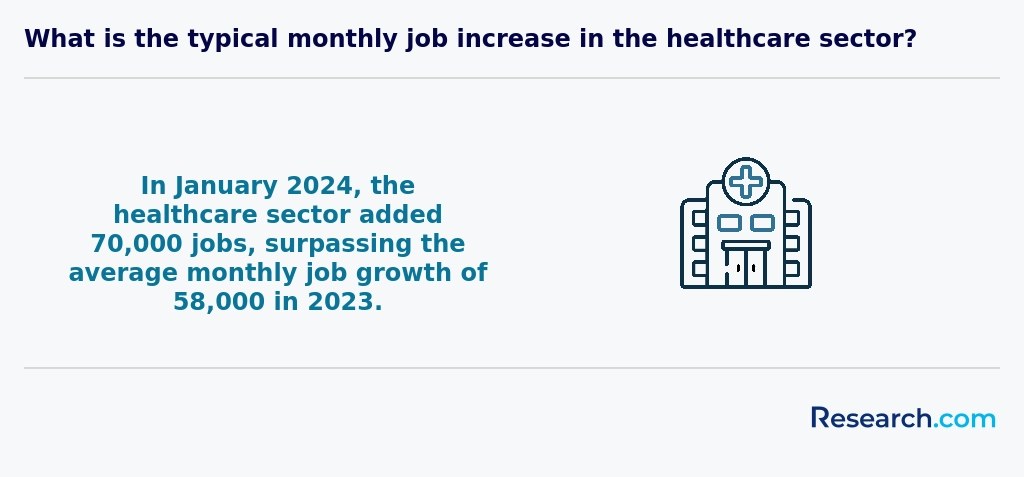
Demand for online healthcare jobs in Pittsburgh remains strong, driven by an aging population and rapid advancements in medical technology. Healthcare roles like medical technicians and informatics specialists are expanding, offering exciting paths for graduates. The affordability and convenience of online degrees encourage many local students to pursue their goals without incurring overwhelming debt. For those exploring options, this is a heartening time to invest in education and careers in healthcare.
For anyone seeking supportive learning environments and strong workforce connections, Pittsburgh's local colleges foster partnerships with healthcare providers, giving students access to internships and job opportunities. Exploring college degrees for seniors online can also open doors to valuable career shifts or advancements in this thriving market.
Frequently Asked Questions About healthcare
Online healthcare degree students in Pittsburgh can enhance their learning by actively engaging with local healthcare environments. Pittsburgh's status as a healthcare hub, with institutions like UPMC employing over 87,000 people, offers numerous networking and internship opportunities. Students should seek virtual or in-person clinical experiences to apply theoretical knowledge practically.
Time management is crucial; consistent study schedules help balance coursework with professional or family responsibilities. Using Pittsburgh's public library system for reliable research materials can further deepen understanding. Additionally, joining online student groups related to healthcare can foster peer support and professional connections vital for career growth.
Emerging niches within the healthcare field reflect rapid advancements and changing patient needs. In Pittsburgh, growth is notable in telehealth, driven by expanding broadband access and increased demand for remote care options. According to the Pennsylvania Department of Health, telehealth usage in the region rose by over 50% between 2020 and 2023.
Additionally, health informatics is a fast-growing area, focusing on managing electronic health records and data analysis to improve patient outcomes. Pittsburgh's concentration of healthcare technology firms supports this trend, providing job opportunities for graduates.
Another niche is personalized medicine, including genomics and biotechnology, which benefits from regional research institutions like the University of Pittsburgh Medical Center. These fields require specialized skills that many online healthcare degree programs now incorporate.
Preparing for the job market after earning an online healthcare degree in Pittsburgh requires strategic planning. First, students should leverage local healthcare networks, as Pittsburgh is home to major employers like UPMC and Allegheny Health Network, which together employ over 60,000 healthcare workers (Pittsburgh Business Times, 2023).
Internships and clinical experiences, even virtual ones, strengthen practical skills. Graduates should also obtain relevant certifications, such as CPR or healthcare IT credentials, to enhance employability.
Networking through Pittsburgh's healthcare job fairs and professional groups can open doors to opportunities. Finally, tailoring resumes to local healthcare demands ensures alignment with Pittsburgh's growing healthcare sector trends.
Employers in Pittsburgh's healthcare industry prioritize a combination of technical knowledge and interpersonal skills when hiring graduates with online healthcare degrees. Critical thinking and clinical reasoning are essential, enabling graduates to effectively assess patient information and make informed decisions.
Communication skills rank highly, as healthcare roles often require collaboration with diverse teams and clear interaction with patients. According to the Allegheny Conference on Community Development, healthcare employers in the region increasingly value cultural competency due to Pittsburgh's growing diversity.
Additionally, proficiency with healthcare technology and electronic health records (EHR) is important, reflecting national trends documented by the U.S. Bureau of Labor Statistics regarding healthcare employment growth.
Time management and adaptability are also key, as healthcare environments frequently demand quick responses to changing situations.
Finding internships in Pittsburgh relevant to a healthcare degree involves leveraging local healthcare institutions and educational resources. Pittsburgh is home to major medical centers like UPMC and Allegheny Health Network, which often offer internship programs for healthcare students. Many online degree programs also partner with these hospitals to facilitate placements.
Students can explore internship listings through the University of Pittsburgh's Career Services or Pittsburgh's Healthcare Career Center. Networking at virtual career fairs and joining local healthcare associations, such as the Pittsburgh Regional Health Initiative, can increase internship opportunities.
According to the Allegheny County Health Department, healthcare jobs grew by 9% in 2023, indicating robust demand for practical experience. Applying early and tailoring applications to healthcare employers in Pittsburgh improves chances of securing internships.
Obtaining an online healthcare degree in Pittsburgh significantly enhances career mobility and advancement opportunities. Pittsburgh's healthcare sector is robust, driven by institutions like UPMC, which employs over 90,000 people and continually seeks qualified professionals.
Online healthcare degrees allow professionals to gain relevant credentials while maintaining employment, a key factor given Pittsburgh's competitive job market. According to the Bureau of Labor Statistics, healthcare occupations in Pennsylvania are projected to grow 14% from 2020 to 2030, faster than average. This growth creates openings for candidates with updated skills and degrees.
Moreover, online programs often incorporate flexible curricula tailored to regional healthcare needs, fostering skills in emerging areas such as health informatics. This targeted education appeals to Pittsburgh employers prioritizing innovative and adaptable staff.
Graduates with online healthcare degrees in Pittsburgh frequently experience promotions and salary increases. Data from the Pennsylvania Department of Labor shows a median annual wage for healthcare practitioners in Pittsburgh near $75,000, with degree holders typically exceeding this average.
Studying for a healthcare degree online in Pittsburgh equips students with skills essential for interdisciplinary roles by emphasizing collaboration across healthcare fields. Programs integrate coursework in nursing, public health, and health administration to foster a broad understanding of patient care systems.
Pittsburgh's healthcare industry is robust, anchored by institutions like the University of Pittsburgh Medical Center (UPMC), which promotes teamwork between physicians, therapists, and administrators. Exposure to local healthcare challenges prepares students to navigate complex environments where multiple professionals coordinate care.
According to the Pittsburgh Regional Health Initiative, nearly 70% of healthcare jobs involve interdisciplinary cooperation. Online programs reflect this demand by including case studies and simulations that mimic real-world scenarios.
Students gain competencies in communication, problem-solving, and technology use, all crucial for effective interdisciplinary practice. This preparation supports diverse roles from clinical settings to health information management.
Choosing between a thesis and non-thesis online healthcare degree program in Pittsburgh depends on your career goals and learning preferences. A thesis option emphasizes research skills, ideal for those interested in roles requiring data analysis or further graduate study. Non-thesis paths focus on practical knowledge, preparing students for immediate entry into healthcare fields.
Pittsburgh hosts several healthcare employers like UPMC, which values applied skills, making a non-thesis degree valuable locally. However, if you aim for academic or specialized research positions, a thesis program strengthens your credentials.
Always consider program flexibility and accreditation, especially for online formats. The Pennsylvania Department of Education and regional accrediting bodies ensure program quality.
Students based in Pittsburgh interested in pursuing healthcare degrees abroad typically explore international online programs accredited by recognized U.S. or global bodies. While Pittsburgh hosts strong healthcare education locally, options for studying healthcare abroad online expand through partnerships with foreign universities offering remote learning. These programs often include clinical practicums arranged locally or in the student's home country.
Institutions such as the University of Pittsburgh promote global healthcare education through exchange programs and dual degrees, though fully online international healthcare degrees remain less common.
According to the U.S. Department of Education, accreditation and licensure compatibility should guide students when selecting foreign online healthcare degrees to ensure acceptance in the U.S. job market.
In Pittsburgh, with its growing healthcare sector employing over 135,000 workers (U.S. Bureau of Labor Statistics, 2023), students benefit from combining local clinical experience with global academic perspectives offered by online programs abroad.
Students pursuing online healthcare degrees in Pittsburgh can benefit from part-time jobs that provide relevant experience. Healthcare support roles such as medical assistants, pharmacy technicians, or patient service representatives are commonly available. According to the Pennsylvania Department of Labor & Industry, healthcare support occupations in Pittsburgh are projected to grow by 16% through 2030, reflecting strong demand.
Such positions allow students to apply theoretical knowledge in real-world settings while developing essential skills like patient communication and administrative tasks. Additionally, jobs in local hospitals like UPMC or community clinics often offer flexible hours suited for students.
Many employers in Pittsburgh recognize the value of combining work experience with education, enhancing job prospects after graduation.
Pittsburgh offers robust networking opportunities for online healthcare students through its extensive medical community. The city is home to top healthcare institutions such as UPMC, one of the largest employers with over 89,000 staff, providing potential connections and internship pathways. Online programs often facilitate virtual networking events, alumni groups, and local meetups aligned with Pittsburgh's healthcare sector.
Professional organizations like the Pittsburgh Public Health Association regularly host events where students can meet healthcare professionals. Additionally, Pittsburgh's concentration of healthcare startups and research institutions supports collaborative projects accessible to motivated online learners. These resources help bridge the gap between virtual study and real-world healthcare engagement.
Alumni networks provide significant benefits to online healthcare degree students in Pittsburgh. These networks connect current students with graduates who work in local healthcare settings, such as UPMC and Allegheny Health Network, fostering valuable professional relationships.
Through mentorship, alumni offer guidance on navigating Pittsburgh's healthcare job market, enhancing students' understanding of regional hiring trends. According to the Pittsburgh Regional Health Initiative, nearly 75% of healthcare roles in the area are filled through networking and referrals.
Additionally, alumni groups host events and share internship or job opportunities exclusive to their members, giving students a competitive edge. This support system helps students build credibility and stay updated on emerging healthcare practices in Pittsburgh's dynamic medical community.
Customizing an online healthcare degree program in Pittsburgh allows students to align their studies with specific career goals. Many programs offer elective courses focusing on specialties such as healthcare administration, public health, or informatics. This flexibility lets learners develop skills relevant to in-demand local sectors, including Pittsburgh's growing medical technology field.
Students can also select practicum or internship options with local healthcare providers, gaining real-world experience in hospitals like UPMC, a major employer in the region. According to the Pennsylvania Department of Labor, healthcare roles in Pittsburgh are expected to grow by 12% through 2030, emphasizing the importance of tailored training.
Additionally, some schools provide certificate programs integrated into the degree, allowing further specialization without extending graduation time. This customization supports diverse career paths and adapts to evolving healthcare industry demands.
Online healthcare students in Pittsburgh face several common challenges that can impact their academic progress. One key issue is balancing rigorous coursework with personal and professional responsibilities, as many students are working adults or caregivers.
Access to reliable technology and high-speed internet is essential for online learning. Despite Pittsburgh's growing tech infrastructure, some students still struggle with connectivity, especially in low-income neighborhoods, according to the Pittsburgh Digital Equity Report 2023.
Clinical placement opportunities are another hurdle. Healthcare programs require hands-on experience, and finding local sites that accept online students can be difficult.
These obstacles require students to develop strong time management, self-discipline, and proactive communication strategies to succeed in online healthcare education.
With an online healthcare degree, students in Pittsburgh can qualify for several respected professional certifications. Common options include the Registered Health Information Technician (RHIT) and Certified Professional in Healthcare Quality (CPHQ), both recognized nationwide. These certifications validate expertise in health information management and healthcare quality, fields growing due to Pittsburgh's expanding medical sector.
Graduates may also pursue credentials like Certified Medical Manager (CMM) or the Certified Professional Coder (CPC), which support careers in healthcare administration and medical coding. According to the U.S. Bureau of Labor Statistics, healthcare jobs in Pittsburgh are projected to increase by 15% by 2030, underscoring the value of these certifications.
Additionally, some online programs prepare students for the Certified Healthcare Financial Professional (CHFP) exam, enhancing finance skills within healthcare organizations. Overall, professional certifications boost employment opportunities and salary potential in Pittsburgh's competitive healthcare job market.
Writing a winning application for an online healthcare program in Pittsburgh requires clear presentation of your academic background and professional goals. Begin by highlighting relevant experience in healthcare or related fields, as Pittsburgh's healthcare industry employs over 110,000 people, according to the Pittsburgh Regional Health Initiative. Admissions committees value applicants who understand local healthcare challenges and can contribute meaningfully.
Emphasize your motivation for choosing an online program, particularly its flexibility and ability to accommodate working professionals. Include specific career objectives linked to Pittsburgh's healthcare market, such as roles in hospital administration or public health.
Strong letters of recommendation and a well-crafted personal statement explaining your commitment can significantly boost your application's appeal.
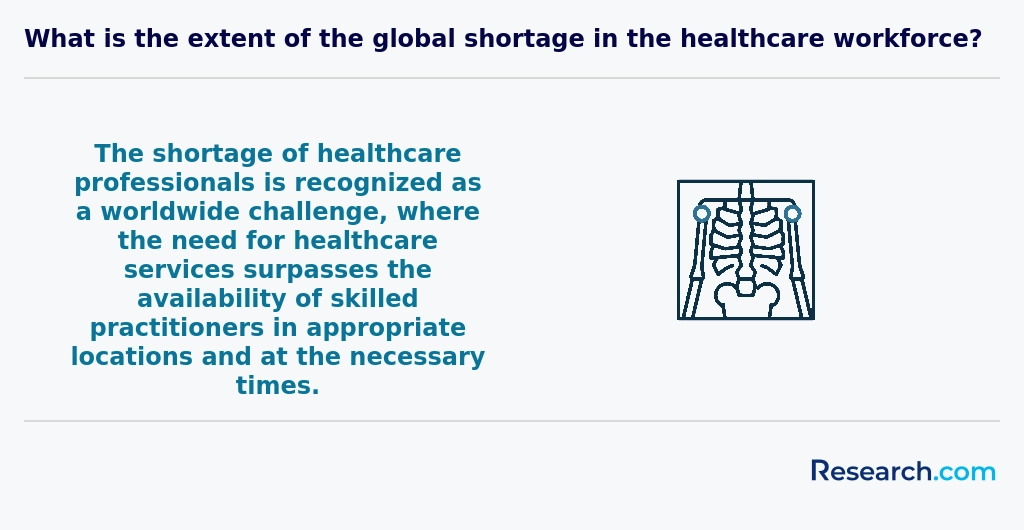
Globally, a career in healthcare is increasingly valued due to rising demand for skilled professionals. In the US, healthcare jobs are expected to grow 16% from 2021 to 2031, much faster than average (Bureau of Labor Statistics). Pittsburgh reflects this trend, with its strong medical community and specialized healthcare facilities offering diverse career opportunities.
Worldwide, healthcare careers emphasize cultural competence and technology use. For Pittsburgh students pursuing online degrees, this means gaining skills relevant both locally and globally. Telehealth and digital records are examples of innovations shaping care delivery everywhere.
Understanding international health issues can enhance a healthcare professional's ability to work in diverse settings, a crucial advantage in today's interconnected world.
Gaining practical experience is crucial for students pursuing an online healthcare degree in Pittsburgh. Many programs partner with local hospitals and clinics, such as UPMC and Allegheny Health Network, to offer clinical internships and externships. These opportunities allow students to apply learned skills in real-world settings while maintaining their online course schedules.
Additionally, simulation labs and virtual clinical experiences are increasingly integrated into online curricula. Pittsburgh's healthcare sector employs over 80,000 people, providing ample opportunities for volunteer work and part-time roles.
Networking through local healthcare associations can also help students secure hands-on experience in the region's diverse medical environment.
Choosing the right concentration in an online healthcare degree program in Pittsburgh requires understanding local healthcare needs and job market trends. Pittsburgh's healthcare industry is robust, with major employers like UPMC and Allegheny Health Network driving demand for specialties such as nursing, health administration, and public health. According to the Pittsburgh Regional Health Initiative, occupations in health services management are growing by 18% annually. Prospective students should align concentrations with these high-demand fields to improve career prospects.
Consider your background and career goals as well. If you have clinical experience, a concentration in nursing or health informatics may fit. For those interested in policy or management, health administration is a strong option. Online programs in Pittsburgh often offer flexible paths tailored to local healthcare challenges, so reviewing program curricula carefully will help make an informed choice.
Related Healthcare Rankings for Nearby Cities
- 2027 Most Valuable Online Healthcare Degree Programs Ranking in Morgantown, WV
- 2027 Most Valuable Online Healthcare Degree Programs Ranking in Loretto, PA
- 2027 Most Valuable Online Healthcare Degree Programs Ranking in Akron, OH
- 2027 Most Valuable Online Healthcare Degree Programs Ranking in Cleveland, OH
- 2027 Most Valuable Online Healthcare Degree Programs Ranking in Athens, OH
- 2027 Most Valuable Online Healthcare Degree Programs Ranking in Harrisonburg, VA
- 2027 Most Valuable Online Healthcare Degree Programs Ranking in Adelphi, MD
- 2027 Most Valuable Online Master's in Healthcare Degree Programs Ranking in Washington, DC
- 2027 Most Valuable Online Master's in Healthcare Degree Programs Ranking in Baltimore, MD
- 2027 Most Valuable Online Healthcare Degree Programs Ranking in Bowling Green, OH
Top Trending Healthcare Rankings
See What Experts Have To Say About Studying Healthcare
Read our interview with Healthcare experts

References
- Niche Markets in Healthcare: How to Find & Target https://nechayadvisors.com/blog/niche-markets-in-healthcare
- Wyoming's Best Medical Assistant Programs: Online & Campus https://www.edumed.org/online-schools/healthcare-administration-degrees/masters-mha-programs/pennsylvania-pa/
- Online Healthcare Degree-Accredited Programs https://nursinglicensemap.com/resources/healthcare-degree-programs/
- Online Healthcare Degree Programs | University of Phoenix https://www.phoenix.edu/online-healthcare-degrees.html
- Global Perspectives – Healthcare Beyond Borders https://www.cedars-sinai.org/international-stories/healthcare-beyond-borders.html
- Financial Aid | UPMC St. Margaret Nursing School https://www.upmc.com/healthcare-professionals/education/schools-of-nursing/campuses/st-margaret/financial-aid
- #1 Best 100% Online Healthcare Programs in Pittsburgh, PA| AlliedRx Institute of Healthcare https://www.alliedrxtraining.com/locations/pittsburgh-pa-b87d3
- Job-Ready Healthcare Skills for 2026 https://cliniwave.in/blogs/latest-article/job-ready-healthcare-skills
- Alumni Reconnect - Poznan University of Medical Sciences https://pums.edu.pl/alumni-friends/alumni-reconnect/
- Networking and Mentorship During Clinical Rotations https://rotatingroom.com/blog/medical-students-the-importance-of-networking-mentorship-during-your-clinical-rotations


