
2027 Easiest Online Master's in Healthcare Degree Programs Ranking in San Francisco, CA

Co-Founder and Chief Data Scientist
If you're in San Francisco and considering advancing your career in healthcare, this article is designed for you. It introduces the 2027 Easiest Online Master's in Healthcare Degree Programs Ranking in San Francisco, CA, developed by the Research.com team of data scientists.
This ranking helps you identify which programs are the most accessible while still offering quality education, making your decision easier and more informed. Pursuing a healthcare degree can open doors to rewarding opportunities and personal growth.
Explore the options with confidence and take a step closer to your future in healthcare.
Key benefits of getting online healthcare degree in San Francisco
- Healthcare degree graduates in San Francisco can expect strong earning potential, with roles like Healthcare Consultant offering a mean annual wage of $115,530 and Healthcare Compliance Manager earning about $80,190, reflecting rewarding career opportunities.
- Graduates from universities such as San Francisco State University often find diverse career paths including consulting, compliance, and project management, providing flexibility to explore positions that best fit their interests and skills.
- Completing a healthcare degree online, for example at the University of San Francisco's program, offers flexibility to balance work and study while gaining the same valuable knowledge as traditional programs, making it accessible and convenient for busy professionals.
- Key benefits of getting online healthcare degree in San Francisco
- What can I expect from online healthcare degree in San Francisco?
- Where can I work with online healthcare degree in San Francisco?
- How much can I make with online healthcare degree in San Francisco?
- 2027 Easiest Online Master's in Healthcare Degree Programs Ranking in San Francisco, CA
- Key Findings
- How long does it take to complete online healthcare degree in San Francisco?
- Accreditation and Licensure
- What's the difference between online and on-campus healthcare degree?
- Student Resources and Support Services
- What is the average cost of online healthcare degree in San Francisco?
- Student Support & Networking Opportunities Beyond the Classroom
- What financial aid is available to online healthcare degree students in San Francisco?
- What are the prerequisites for enrolling in online healthcare degree program in San Francisco?
- Accreditation and Program Quality
- What courses are typically in online healthcare degree programs in San Francisco?
- What types of specializations are available in online healthcare degree programs in San Francisco?
- How do you choose the best online healthcare degree in San Francisco?
- What career paths are available for online healthcare degree students in San Francisco?
- What is the job market for online healthcare degree in San Francisco?
- Top Trending Healthcare Rankings
- See What Experts Have To Say About Studying Healthcare
What can I expect from online healthcare degree in San Francisco?
The average cost of an online healthcare degree in San Francisco typically ranges depending on the institution and residency status. Graduates from well-known local programs, such as those at San Francisco State University or University of California campuses nearby, report tuition fees between $15,000 and $40,000 for the entire program, with many benefiting from in-state rates or financial aid. State schools often provide competitive pricing for California residents, helping to alleviate financial burdens while maintaining strong academic standards.
Students frequently share positive experiences balancing coursework with full-time jobs, appreciating how flexible online schedules accommodate demanding lifestyles in San Francisco's urban environment. The financial investment often correlates with access to valuable practicum placements at top hospitals like UCSF Medical Center, enhancing real-world skills and employability.
This cost-effectiveness combined with robust clinical opportunities and local networking contributes to an average annual salary of about $80,000 post-graduation, illustrating a strong return on investment in the city's healthcare job market.
Where can I work with online healthcare degree in San Francisco?
Graduates holding an online healthcare degree in San Francisco often find employment across diverse sectors within the city's extensive healthcare ecosystem. For example, many secure roles at leading institutions like the University of California, San Francisco (UCSF) Health, where positions in healthcare management, clinical coordination, and health informatics are in high demand. Alumni report rewarding experiences working alongside top medical professionals, contributing directly to patient care improvements.
Employment data reveal a 12% growth in healthcare occupations from 2018 to 2023 in the San Francisco-Oakland-Hayward area, underscoring expanding opportunities. Beyond hospitals, graduates join the San Francisco Department of Public Health in roles such as epidemiology and health program administration, applying policy knowledge and data analysis skills developed during their studies.
Additionally, the city's thriving health technology sector offers compelling career paths in digital health and telemedicine. Graduates often thrive in these innovative companies by combining healthcare expertise with technical skills, adding value amid 15% local health tech job growth in 2022. Consulting firms also seek graduates to advise on healthcare systems and regulatory compliance, creating diverse employment possibilities for online healthcare degree holders in San Francisco.
How much can I make with online healthcare degree in San Francisco?
Graduates holding online healthcare degrees in San Francisco can expect competitive earnings reflective of the city's high demand for skilled professionals. For instance, healthcare consultants earn a mean annual wage of approximately $115,530, showcasing lucrative opportunities for degree holders who leverage their education effectively.
Healthcare compliance managers make around $80,190 annually on average, offering solid entry points into managerial roles within the healthcare industry. Many graduates from prominent institutions like the University of San Francisco or San Francisco State University report feeling confident pursuing such roles, appreciating how their degrees prepare them for these salaries.
The local job market's emphasis on technology and healthcare innovation further boosts prospects. Graduates often describe the satisfaction of entering roles where they can apply their skills immediately while earning well above national averages. These figures represent practical, rewarding outcomes for those investing in online healthcare education in the Bay Area.
Financial growth in these positions is typical as professionals gain experience, certifications, and specialization, making an online healthcare degree a valuable asset in San Francisco's dynamic healthcare economy.
2027 Easiest Online Master's in Healthcare Degree Programs Ranking in San Francisco, CA
How do we rank schools?
Investing in your education is a significant decision that can profoundly impact your career and future opportunities. The Research.com team recognizes this responsibility and has dedicated extensive effort to ensure the quality, credibility, and accuracy of the "2027 Easiest Online Master's in Healthcare Degree Programs Ranking in San Francisco, CA." Our comprehensive approach draws from multiple trusted data sources to provide prospective students with reliable guidance.
We utilized the following reputable data sources to develop this ranking:
By reviewing this ranking, readers will gain valuable insights into the easiest and most accessible online master's healthcare programs in San Francisco, CA, empowering them to make informed educational choices. For a deeper understanding of our ranking process, please visit our Research.com methodology page.

# 2 position
University of California-San Francisco
Master of Healthcare Administration and Interprofessional Leadership

Key Findings
- Tuition for online healthcare master's programs in San Francisco ranges from $20,000 to $50,000, reflecting the region's high cost of living.
- Entry-level healthcare jobs start around $70,000 per year, with experienced professionals earning $120,000 or more, especially in specialized fields.
- Healthcare employment in San Francisco is expected to grow 15-20% over the next decade due to expanding medical services and technology.
- Many programs are accredited by bodies like CCNE or ACPE, ensuring they meet professional standards and support licensure eligibility.
- California requires specific licensure or certification for many healthcare roles, often involving state exams or clinical hours included in local programs.
- Flexible online formats offer part-time and asynchronous options, helping students balance education with work and personal life.
How long does it take to complete online healthcare degree in San Francisco?
The typical duration to complete an online healthcare degree in San Francisco varies by degree level and individual pace. Bachelor's degrees in healthcare fields, such as nursing or health administration offered by universities like San Francisco State University, generally require three to four years full-time. Many students appreciate the flexibility to study part-time, which can extend completion to five years or longer, accommodating work or family commitments.
Master's degrees, including the Master of Health Administration or Public Health, often take around two years full-time at institutions like the University of San Francisco. Accelerated programs can shorten this to 12-18 months for students with related undergraduate backgrounds, allowing ambitious learners to advance efficiently. Part-time options typically extend completion times to three or more years.
Doctoral programs, such as the Doctor of Nursing Practice or Doctor of Public Health, commonly span three to six years. Online formats combine coursework with research or clinical projects, enabling students to tailor their pace. Graduates frequently report that San Francisco's robust healthcare network enhances their practical experiences despite remote study, contributing positively to their educational journey.
Accreditation and Licensure
Accreditation is the cornerstone of credibility for any online Healthcare master’s program, ensuring that your degree meets industry standards and is recognized by employers, licensure boards, and federal aid programs. In San Francisco, CA, prospective students should look for programs accredited by reputable agencies such as the Commission on Accreditation of Healthcare Management Education (CAHME) for healthcare management tracks or the Western Association of Schools and Colleges (WASC) Senior College and University Commission for overall institutional quality. Accreditation not only guarantees rigorous curriculum and qualified faculty but also may be a prerequisite for state licensure if you pursue specialized roles-such as nurse practitioner or healthcare informatics certification-where board approval is mandatory. To verify accreditation: • Visit the Council for Higher Education Accreditation (CHEA) database to confirm an institution’s status. • Check program-specific accreditation (e.g., CAHME for MHA programs). • Review state licensing board requirements at the California Board of Registered Nursing or the Medical Board of California, depending on your specialization. Even if California offers top-tier accredited options, affordability can vary significantly. For a comparative look at cost-effective accredited programs outside your region, explore our Most Affordable Online Master’s in Healthcare Degree Programs Ranking in Minnesota, which highlights programs that balance quality accreditation with competitive tuition.
What's the difference between online and on-campus healthcare degree?
Online healthcare degree programs in San Francisco provide flexibility crucial for working professionals or those managing family, enabling them to complete coursework remotely at their own pace. Graduates from institutions like the University of San Francisco often highlight how this flexibility allowed them to balance employment with rigorous study schedules. In contrast, traditional on-campus programs at schools such as San Francisco State University emphasize direct interaction through lectures, labs, and clinical training, which cultivates stronger peer networks and immediate access to campus resources.
Both formats require practical experience, yet the approach differs: on-campus students integrate clinical rotations directly on or near campus, while online students coordinate placements with local hospitals across the city. This practical element is vital, as healthcare education mandates hands-on training for skill development.
Cost-wise, tuition at San Francisco-based programs generally aligns between $20,000 and $50,000 annually, mirroring national averages, though on-campus students incur extra living expenses. Online learners appreciate savings on commuting and housing, making it an economically attractive option without compromising on credential value.
Student Resources and Support Services
One key area often overlooked when exploring online Healthcare degree programs is the robust network of student resources and support services available to help you succeed both academically and professionally. A strong support system can make a significant difference in your educational journey-especially in an online environment where you may not have immediate access to on-campus resources. Many leading institutions offer dedicated academic advising, technical support, and career services designed specifically for online students. These services include one-on-one mentoring, virtual tutoring sessions, interactive orientation programs, and access to exclusive online communities where you can network with peers and alumni. For instance, students have found that connecting with advisors early on provides clarity on course registration, financial aid options, and even internship opportunities, which can lead to improved outcomes and faster career placement. Additionally, career centers in many programs offer workshops on resume building, interview techniques, and networking strategies, which are essential in leveraging your degree post-graduation. Prospective students looking to maximize their return on investment should also research how certain institutions integrate these support services into their overall student experience; many of the easiest healthcare in California programs place a high emphasis on comprehensive support tailored to the needs of online learners. By paying attention to these resources, you can ensure a smoother transition into your career and secure a competitive advantage in the evolving healthcare landscape.
What is the average cost of online healthcare degree in San Francisco?
The average cost of an online healthcare degree in San Francisco typically centers around a median total cost of $67,950, reflecting the city's competitive market and living expenses. Graduates from well-known institutions such as those in the University of California system often share how tuition per credit-ranging usually between $600 and $800-shapes their overall investment, especially as programs require 30 to 45 credits. These expenses align with the average cost of online healthcare degree San Francisco learners encounter, balancing affordability with the quality of education.
Students pursuing these degrees appreciate that public universities nearby often offer lower tuition rates than private colleges, though with the rise in online learning, some additional fees such as technology and software access costs can slightly elevate budgets. For instance, typical extra fees range from $100 to $300 per term for online technology, plus costs for textbooks and licensing exams. These are manageable when compared with the strong career outcomes reported by graduates, many of whom emphasize the value of patient care management skills acquired during their studies.
Affordability remains a key concern for prospective students researching affordable online healthcare master's programs San Francisco CA. Many find relief in financial aid, scholarships, and employer tuition reimbursement programs geared specifically toward healthcare workers in the region. These options substantially reduce actual out-of-pocket spending, making the overall cost more accessible while maintaining a high-quality degree experience.
Student Support & Networking Opportunities Beyond the Classroom
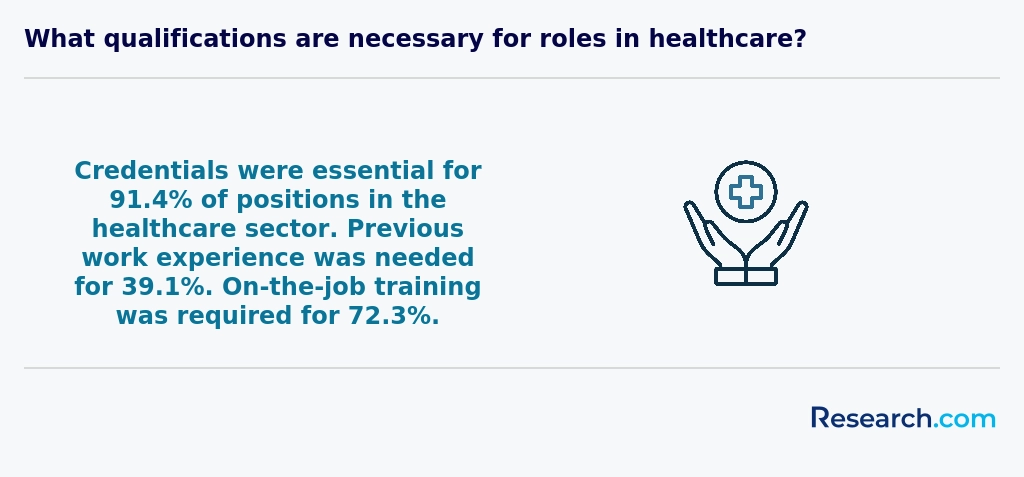
A robust online healthcare program isn’t just about coursework-it’s about the support and connections that propel your career forward. Many top programs offer dedicated online tutoring, career counseling, and peer networking opportunities that help you develop both professionally and personally. Whether you’re attending virtual career fairs, participating in mentorship programs, or tapping into active alumni networks, these resources are designed to provide real-time guidance and foster essential industry connections. For instance, some programs even integrate specialized support tracks similar to those seen in a boces radiology program, ensuring that students receive tailored advice to navigate the unique challenges of healthcare education and employment. With flexible student services, round-the-clock technical support, and opportunities to collaborate with experienced professionals, your online degree experience can be as enriching and interactive as an on-campus program. This supportive ecosystem not only boosts your learning experience but also enhances your overall career readiness in the competitive healthcare field.
What financial aid is available to online healthcare degree students in San Francisco?
Students pursuing online healthcare degrees in San Francisco benefit from multiple financial aid sources, crucial given the region's high living costs and tuition fees that can exceed $60,000. Federal aid through FAFSA remains foundational, offering grants like Pell and FSEOG that do not require repayment, which many graduates from local institutions find instrumental in reducing debt. Others leverage Direct Unsubsidized and Grad PLUS loans, appreciated for their flexible repayment options compatible with working professionals' schedules.
State aid via the Cal Grant program, though primarily for undergraduates, has expanded eligibility for some graduate healthcare students in California, including those enrolled at well-known universities offering online healthcare curricula. Graduates recall how institutional scholarships from San Francisco colleges often target candidates committed to local healthcare challenges, providing both financial relief and community-focused encouragement.
Employer tuition reimbursement adds another layer of support, with healthcare organizations in San Francisco frequently sponsoring continuing education. Additionally, scholarships from healthcare professional associations and private foundations widen opportunities, with many students successfully finding awards tailored to specialties like nursing and public health through research on databases such as HRSA and Fastweb.
What are the prerequisites for enrolling in online healthcare degree program in San Francisco?
Enrolling in an online healthcare degree program in San Francisco typically requires a bachelor's degree from an accredited institution, such as San Francisco State University or University of California, San Francisco. Many graduates recall that holding degrees in biology, nursing, or public health boosted their applications, though unrelated fields are sometimes accepted. Official transcripts showing a GPA around 3.0 or higher are commonly required to demonstrate academic readiness for graduate-level study.
Applicants often need relevant professional experience; for example, graduates describe how clinical or administrative roles within San Francisco's vibrant healthcare network enhanced their understanding and application of coursework. While some programs have made GRE scores optional, a few competitive schools still recommend submission for stronger candidacy.
Technical readiness is vital-students must navigate reliable internet access and compatible devices to engage effectively with online platforms, reflecting the digital demands of remote learning. Affordability is a consideration, with tuition averaging between $15,000 and $40,000 annually, and many in San Francisco take advantage of local internships to complement their studies and build practical skills.
Accreditation and Program Quality
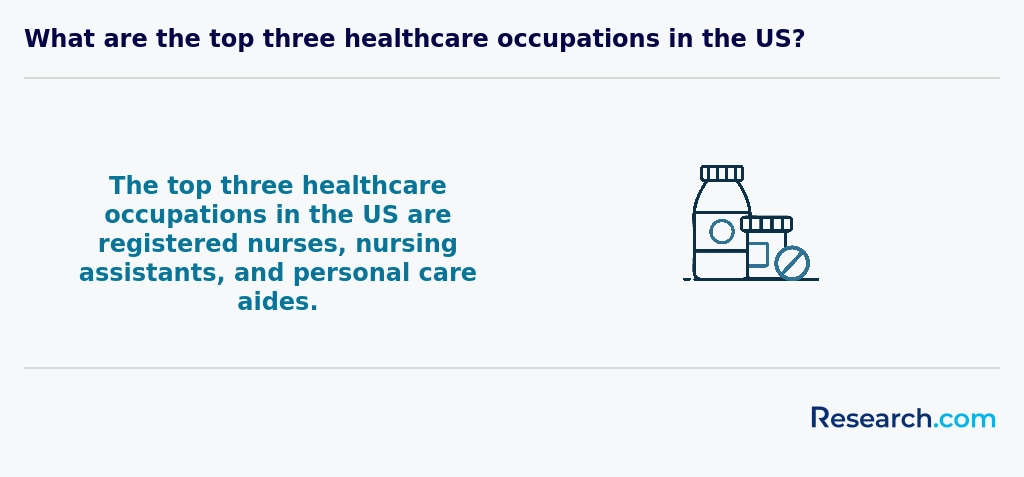
Accreditation ensures that online master’s in healthcare programs in San Francisco, CA, meet rigorous academic and professional standards, giving you confidence in the value and recognition of your degree. Look first for regional accreditation from the WASC Senior College and University Commission (WSCUC), which validates institutional quality and is required for federal financial aid. Next, verify programmatic accreditation from the Commission on Accreditation of Healthcare Management Education (CAHME), which specifically evaluates healthcare management and administration curricula against industry benchmarks. Regional accreditation by WSCUC guarantees that your credits are transferable and that employers and licensure boards will recognize your qualification. Specialized CAHME accreditation further demonstrates adherence to best practices in healthcare finance, policy, leadership, and ethics-critical pillars for any aspiring healthcare professional. Programs holding both accreditations often report higher graduate satisfaction and better job placement rates. To confirm a program’s accreditation status, consult the U.S. Department of Education’s database or the accreditor’s official website. Ensure the program’s credits transfer seamlessly and that you remain eligible for federal aid, such as Pell Grants and Stafford Loans. For additional insights into cost-effectiveness and scholarship opportunities, compare affordability metrics using resources like the Most Affordable Online Master's in Healthcare Degree Programs Ranking in Minnesota before making your final decision.
What courses are typically in online healthcare degree programs in San Francisco?
Online healthcare degree programs in San Francisco commonly include courses that blend practical skills with theoretical knowledge essential for the region's healthcare sector. Graduates from popular institutions, such as those offering online healthcare degrees locally, often highlight the value of foundational courses in health sciences, healthcare policy, and epidemiology, which ground them in core medical concepts relevant to the state's diverse population.
Many students report that healthcare management and finance classes prepare them to confidently navigate budgeting and administrative challenges in local hospitals. Courses on health information systems address the increasing reliance on electronic health records, a critical skill in San Francisco's tech-forward healthcare environment.
Medical ethics and legal issues, tailored to California's strict regulatory framework, are especially appreciated for their real-world applicability when graduates enter clinical or administrative roles. Public health classes focusing on disease prevention resonate strongly with learners given the region's focus on community wellness.
- Healthcare Quality Improvement
- Health Information Systems
- Healthcare Finance and Budgeting
- Leadership in Healthcare
- Evidence-Based Practice

What types of specializations are available in online healthcare degree programs in San Francisco?
Online healthcare degree specializations San Francisco reflect the city's unique healthcare demands and technological innovation. Graduates frequently highlight programs in Healthcare Administration, which equip students with skills to manage complex hospital systems-a fitting choice given San Francisco's concentration of major healthcare institutions. Public Health is another concentration, addressing urban health disparities and chronic illness, key challenges recognized by the San Francisco Department of Public Health. Students report that this specialization aligns well with local community needs and fosters a strong sense of purpose.
Clinical-focused paths like Nursing, including Nurse Practitioner and Clinical Nurse Leadership tracks, respond to the growing local demand for advanced patient care professionals. Graduates value the practical experience and faster job placement opportunities these programs offer in the Bay Area. For tech-savvy candidates, Health Informatics stands out, combining healthcare knowledge with data skills vital in a tech-centric region.
Additionally, programs in Occupational Therapy and Healthcare Quality and Patient Safety appeal to those focused on rehabilitation and systemic care improvements. Some students find value in exploring related options such as lpn job placement Minnesota for comparative career insights when considering diverse healthcare roles.
How do you choose the best online healthcare degree in San Francisco?
When selecting the best online healthcare master's programs San Francisco offers, accreditation is a top priority. Graduates from local institutions emphasize how degrees accredited by bodies like the Commission on Collegiate Nursing Education (CCNE) enhanced their job prospects and eased licensing across California. Cost efficiency also plays a decisive role; students often balance tuition fees-typically ranging from $15,000 to $40,000 nationally-with San Francisco's high living expenses, which average about $3,000 monthly. Affordable online healthcare degrees San Francisco CA residents consider frequently include financial aid packages and lower additional fees for books and materials, which former enrollees found crucial to avoid financial strain.
Flexibility is vital for working professionals pursuing these programs. Alumni praise asynchronous courses that fit around demanding jobs while highlighting how interactive elements and clinical partnerships in San Francisco deepen practical knowledge and local connections. Curriculums aligned with regional healthcare needs-such as public health or health administration-prepare students for roles in the city's dynamic healthcare ecosystem, where demand for managers and policy experts is growing. For those uncertain about prerequisites, local colleges provide clear guidelines akin to nutritional science entry requirements, aiding smoother admission processes.
What career paths are available for online healthcare degree students in San Francisco?
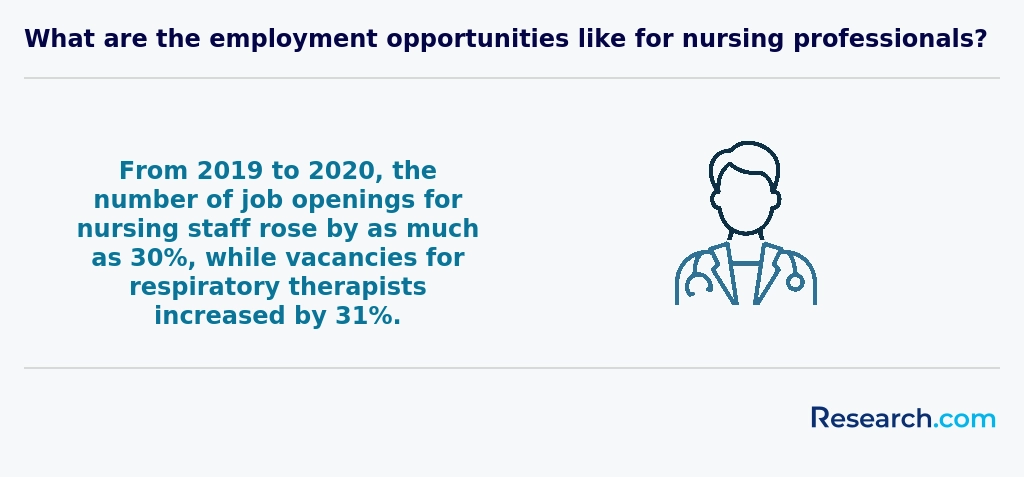
Graduates with an online healthcare degree in San Francisco unlock diverse career opportunities across administration, clinical roles, and emerging fields like health informatics. Many professionals from prominent local universities report successfully transitioning into healthcare administration, managing operations for hospitals and insurance providers. This sector offers attractive median wages, such as $101,340 annually for healthcare managers, often exceeding national averages due to the city's elevated cost of living. Clinical pathways include advanced nursing roles like nurse practitioners, supported by strong job growth forecasts through 2030, aligning with the experiences of nursing graduates advancing through specialized programs.
Health informatics is thriving as graduates apply data management and analysis skills within San Francisco's tech-centric environment, commanding salaries near $88,000. Public health careers span community health and policy work targeting urban disparities, where graduates engage with government and nonprofit initiatives. Many students pursuing a healthcare master's degree job prospects San Francisco also benefit from flexible online options, including tailored programs such as the nursing degreeduration offered by recognized institutions, enabling a balance of education with career advancement and personal commitments.

What is the job market for online healthcare degree in San Francisco?
The job market for online healthcare degree holders in San Francisco is exceptionally strong, benefiting from the city's innovative healthcare sector and high demand for skilled professionals. Graduates from programs linked with major institutions like UCSF Medical Center often find opportunities in healthcare administration, informatics, and clinical support. The competitive wages in these roles, with healthcare managers earning between $110,000 and $140,000 annually, reflect robust local demand. This favorable market attracts many interested in online healthcare jobs in San Francisco, as it offers a blend of technology-driven roles and traditional clinical opportunities.
Graduates frequently highlight the advantages of San Francisco's telehealth expansion, which creates new pathways requiring expertise in patient management systems and data analysis. These trends align well with curricula offered by local universities and colleges, known for training students in relevant digital health skills. For prospective students seeking affordable nursing education, exploring nursing colleges oklahoma city tuition can offer useful comparative insights when planning their career.
The city's aging population further drives healthcare degree employment opportunities San Francisco, particularly in nursing and allied health professions, reinforcing the long-term stability of this sector. Graduates appreciate that proximity to world-class hospitals ensures access to diverse career options and consistent job growth.
Frequently Asked Questions About healthcare
Online healthcare degree students in San Francisco can maximize their learning by engaging actively in virtual discussions and utilizing local healthcare networks. San Francisco hosts numerous healthcare organizations, such as UCSF Medical Center, that offer internship and volunteering opportunities, allowing students to apply theoretical knowledge in practical settings. According to the California Employment Development Department, healthcare jobs in the Bay Area are projected to grow by 15% by 2028, emphasizing the value of strong professional connections.
Students should also leverage digital libraries and academic resources provided by their institutions. Time management and setting a structured schedule help balance coursework and clinical experience effectively. Joining online study groups focused on current healthcare trends in California can enhance understanding of regional healthcare challenges.
The healthcare industry is rapidly evolving, with several emerging niches gaining importance in San Francisco's growing market. One key area is telehealth, which expanded by over 50% during the pandemic and continues to be integral for remote patient care. Another rising field is health informatics, combining technology and healthcare to improve data management and patient outcomes.
Behavioral health is also notable, with increasing demand driven by mental health awareness in the Bay Area. Additionally, geriatric care is expanding, reflecting the aging population in California. These niches offer promising opportunities for those pursuing online healthcare degrees in San Francisco.
After completing an online healthcare degree in San Francisco, preparing for the job market involves strategic steps to enhance employability. First, obtaining relevant state licensure or certification is critical, as California requires healthcare professionals to meet specific licensing standards. Employers in San Francisco value both clinical experience and familiarity with local health regulations.
Networking plays a key role; engaging with San Francisco healthcare associations, such as the San Francisco Medical Society, can open doors. Additionally, internships or practicum opportunities during the degree program can provide practical skills and connections.
The healthcare industry in San Francisco continues to grow, with a 15% increase in demand for healthcare workers projected by the California Employment Development Department through 2028, reflecting significant job opportunities for graduates.
Strong communication skills and digital literacy, including familiarity with electronic health records, also boost candidate competitiveness in this technology-driven environment.
Employers in San Francisco prioritize a combination of technical and interpersonal skills for healthcare degree graduates. Strong clinical knowledge and proficiency with electronic health records (EHR) systems are essential, given the city's advanced adoption of healthcare technologies, as reported by the California Health Care Foundation.
Effective communication and teamwork skills remain top priorities, especially in diverse care environments common to San Francisco. According to a 2023 survey by the San Francisco Health Workforce Initiative, 82% of employers emphasize cultural competency and patient-centered care.
Additionally, analytical skills and adaptability to policy changes in California's healthcare landscape are highly sought after.
Finding internships in San Francisco related to healthcare degrees requires targeted research and networking. Start by exploring local healthcare institutions such as UCSF Health, one of the top medical centers in the nation, which offers diverse internship opportunities for students pursuing healthcare fields.
Utilize resources like Handshake and the San Francisco Department of Public Health's internship listings to access openings specifically geared toward healthcare students.
Networking through professional groups like the San Francisco Healthcare Network and attending virtual career fairs can also provide valuable connections.
Many internships in the area focus on public health, biotech, or hospital administration, reflecting San Francisco's robust healthcare sector, which employs over 70,000 people according to the California Employment Development Department.
Obtaining an online healthcare degree can significantly enhance career mobility and advancement in San Francisco's competitive job market. The city's healthcare sector is growing rapidly, with a 15% projected employment increase through 2030 according to the U.S. Bureau of Labor Statistics. Employers often prioritize candidates with advanced degrees for leadership roles and specialized positions.
Online degrees offer flexibility for working professionals to gain credentials without relocating or interrupting their careers. Many local healthcare organizations recognize accredited online programs, which can improve eligibility for promotions and salary increases.
In San Francisco, where innovation and technology intersect with healthcare, possessing an advanced degree can open doors to roles in health administration, informatics, and policy development. According to the California Employment Development Department, median wages for healthcare managers in the Bay Area outpace the national average, emphasizing the value of education in this field.
Studying for a healthcare degree in San Francisco through online programs offers unique preparation for interdisciplinary roles. The city's healthcare environment emphasizes collaboration among professionals in nursing, public health, administration, and technology. Programs often integrate coursework that crosses these areas, reflecting the real-world need for teamwork in hospitals and community health settings.
San Francisco hosts renowned medical centers and biotech firms, encouraging students to understand healthcare innovation alongside patient care. According to the San Francisco Department of Public Health, interdisciplinary approaches have improved chronic disease management by over 15% in local clinics over recent years. This practical focus equips graduates to work effectively across multiple healthcare fields.
Choosing between a thesis and a non-thesis healthcare degree program in San Francisco depends on your career goals and learning preferences. Thesis programs focus on research, requiring students to conduct original studies, which can be beneficial if you aim for roles in healthcare research or doctoral studies.
Non-thesis programs emphasize practical skills and coursework, better suited for professionals targeting clinical or administrative positions. According to the California Workforce Development Board, healthcare jobs in San Francisco are projected to grow 19% by 2030, especially in management and policy roles where non-thesis degrees are often preferred.
Consider your time commitment, funding, and interest in research. Thesis tracks typically take longer and may require faculty mentoring.
Students in San Francisco interested in studying healthcare abroad have several online degree options through U.S.-accredited institutions offering international learning experiences. Many universities provide global clinical practicums or partnerships that allow students to gain healthcare exposure in different countries while completing most coursework remotely.
Given San Francisco's vibrant healthcare sector, with over 150,000 professionals employed locally according to the California Employment Development Department (2023), students can leverage online programs with global perspectives to enhance their careers.
Popular fields include public health, nursing, and healthcare administration, often featuring virtual collaboration with international peers. Accreditation and U.S. licensure flexibility remain crucial factors when choosing these programs.
San Francisco offers several part-time job opportunities that effectively complement online healthcare degree programs. Common roles include medical assistants, patient care technicians, and healthcare administrative aides. These positions provide hands-on experience without demanding full-time commitment, allowing students to balance work and studies.
The local healthcare sector employs over 70,000 professionals, with a growing demand for support staff in hospitals like UCSF Health and Sutter Health, according to the California Employment Development Department. Part-time jobs in clinics and community health centers also offer exposure to diverse patient populations, which is valuable for practical learning.
Flexible schedules and remote work options are increasingly available in healthcare administration roles, ideal for students managing coursework.
Online healthcare students in San Francisco benefit from numerous networking opportunities despite studying remotely. Virtual events hosted by local universities, such as the University of San Francisco and San Francisco State University, often include healthcare-focused panels and workshops open to online learners.
The city's robust healthcare sector, employing over 100,000 workers as of 2023 (Bureau of Labor Statistics), provides prospects for online students to join professional groups like the Bay Area Healthcare Executives or the San Francisco Medical Society.
Additionally, LinkedIn groups and online forums tailored to San Francisco healthcare professionals offer students a platform to connect, share insights, and discover mentorship opportunities within the local industry.
Alumni networks are a valuable resource for online healthcare degree students in San Francisco. They offer connections to experienced professionals working in the city's large healthcare sector, including renowned medical centers like UCSF Health. These connections can lead to mentorship opportunities, internships, and job placements in local hospitals and clinics.
Moreover, alumni networks often host events and webinars focused on current healthcare trends and policies, helping students stay updated and competitive. According to the California Employment Development Department, healthcare jobs in the San Francisco metro area are projected to grow by over 15% by 2030, increasing the importance of such networks.
Participation in alumni groups enhances professional development and broadens career prospects uniquely relevant to San Francisco's healthcare landscape.
Customizing an online healthcare degree program in San Francisco involves selecting electives, specializations, and practical experiences aligned with your career goals. Many programs offer concentrations such as healthcare administration, informatics, or public health, allowing students to focus on high-demand areas in the Bay Area job market.
Internships or practicum placements with local healthcare providers can enhance real-world skills. San Francisco's extensive healthcare network includes top hospitals like UCSF Medical Center, providing valuable partnership opportunities.
Flexibility in course scheduling helps working professionals balance education and careers. According to the California Employment Development Department, healthcare jobs in San Francisco are expected to grow 12% through 2030, highlighting the need for targeted specialization.
Online healthcare students in San Francisco face several specific challenges while pursuing their degrees. One major difficulty is balancing coursework with demanding work schedules, common in the city's competitive healthcare sector. According to the California Healthcare Foundation, over 36% of healthcare workers in the Bay Area report high job stress, which can affect study time and focus.
Another challenge is securing local clinical placements. San Francisco's stringent licensing and healthcare regulations often limit opportunities for online students to complete required hands-on experience nearby. This complicates meeting accreditation standards essential for career advancement.
Technical issues also arise due to variable internet access in different city neighborhoods, affecting live lectures and exams. Additionally, some students find it hard to build professional networks remotely, a key factor in San Francisco's job market.
With an online healthcare degree, professionals in San Francisco can pursue several respected certifications to advance their careers. Popular options include Certified Professional in Healthcare Quality (CPHQ) and Registered Health Information Administrator (RHIA). These credentials validate expertise in healthcare management, compliance, and data analysis.
The region's growing demand for healthcare administrators, driven by a 15% job growth projected by the U.S. Bureau of Labor Statistics, highlights the value of such certifications. Additionally, aspiring nurses or therapists might seek licensure through the National Council Licensure Examination (NCLEX) or certifications like Certified Rehabilitation Counselor (CRC).
Such certifications enhance employability and enable professionals to meet California's healthcare regulatory standards effectively.
To write a winning application for an online healthcare program in San Francisco, start with a clear, concise personal statement. Emphasize your passion for healthcare and mention how San Francisco's diverse medical community inspires your goals. Highlight any relevant experience, especially if you've worked in local healthcare settings like UCSF Medical Center.
Accurate transcripts and strong letters of recommendation also strengthen your submission. Many programs look for a minimum GPA of 3.0 and prefer applicants with prior healthcare or academic experience.
Finally, tailor your application to each school's mission and values, referencing specific San Francisco healthcare challenges or innovations known from reputable sources such as the San Francisco Department of Public Health.
Healthcare careers are increasingly valued worldwide due to growing demands for skilled professionals. In the United States, and specifically San Francisco, healthcare roles are expanding rapidly. According to the U.S. Bureau of Labor Statistics, healthcare occupations are projected to grow 16% from 2021 to 2031, faster than the average for all jobs.
Globally, healthcare systems face challenges like aging populations and chronic diseases, driving the need for well-trained experts. San Francisco mirrors this trend with a strong focus on innovation and public health, supported by universities offering flexible online healthcare degrees.
These programs prepare students to contribute locally and internationally by emphasizing evidence-based care and global health perspectives, essential for a competitive healthcare career.
Gaining practical experience while studying for an online healthcare degree in San Francisco is essential for career readiness. Many programs require clinical rotations or internships that can be completed locally at hospitals or healthcare facilities. San Francisco, with its expansive medical network including UCSF Health and Sutter Health, offers diverse opportunities for hands-on learning.
Students can connect with local health organizations to secure part-time roles or volunteer positions. According to the California Employment Development Department, healthcare jobs in the San Francisco Bay Area are projected to grow by 13% by 2030, increasing opportunities for practical experience.
Additionally, some online programs provide virtual simulations to complement in-person training, ensuring practical skills development while maintaining flexible study schedules.
Choosing the right concentration within an online healthcare degree program in San Francisco requires focusing on your career goals and the local job market. Areas like healthcare administration, public health, and health informatics are particularly relevant here, given San Francisco's emphasis on tech-driven healthcare and diverse population. According to the San Francisco Department of Public Health, public health roles are growing by 12% annually to address urban health challenges.
Consider programs offering specialization aligned with these demands and those accredited by recognized bodies like CAHME or CEPH.
Also, check if the curriculum incorporates practical skills, such as telehealth and data analytics, which are increasingly vital in this city's healthcare sector.
Related Healthcare Rankings for Nearby Cities
- 2027 Easiest Online Healthcare Degree Programs Ranking in Chico, CA
- 2027 Easiest Online Healthcare Degree Programs Ranking in Los Angeles, CA
- 2027 Easiest Online Healthcare Degree Programs Ranking in Carson, CA
- 2027 Easiest Online Healthcare Degree Programs Ranking in San Diego, CA
- 2027 Easiest Online Healthcare Degree Programs Ranking in Boise, ID
- 2027 Easiest Online Healthcare Degree Programs Ranking in Salt Lake City, UT
- 2027 Easiest Online Healthcare Degree Programs Ranking in Flagstaff, AZ
- 2027 Easiest Online Healthcare Degree Programs Ranking in Phoenix, AZ
- 2027 Easiest Online Healthcare Degree Programs Ranking in Tucson, AZ
- 2027 Easiest Online Healthcare Degree Programs Ranking in Albuquerque, NM
Top Trending Healthcare Rankings
See What Experts Have To Say About Studying Healthcare
Read our interview with Healthcare experts

References
- Client Challenge https://www.sfchronicle.com/bayarea/article/job-market-health-care-22075636.php
- 6 key healthcare challenges affecting students and how to address them - Wellfleet Student https://wellfleetstudent.com/engaging-empowering-student-members/6-key-healthcare-challenges-affecting-students-and-how-to-address-them/
- Networking and Mentorship During Clinical Rotations https://rotatingroom.com/blog/medical-students-the-importance-of-networking-mentorship-during-your-clinical-rotations
- HEALTH MANAGEMENT (THESIS / NON-THESIS) - Lisansüstü Eğitim Enstitüsü https://lee.nisantasi.edu.tr/en/health-management-thesis-non-thesis/
- Interdisciplinary Education and Practice https://www.aacnnursing.org/news-data/position-statements-white-papers/interdisciplinary-education-and-practice
- Students and Alumni associations - Europubhealth https://www.europubhealth.org/students-alumni-associations/
- Online Healthcare & Medical Certification Training Programs https://medcerts.com/programs/healthcare/
- Healthcare Administration Certifications https://www.publichealthdegrees.org/careers/healthcare-administrator/certification/
- Top 10 Online Colleges and Degrees in San Francisco, CA https://www.greatvaluecolleges.net/by-city/online-colleges-san-francisco-ca/
- Online Health Science Degrees with Financial Aid https://www.edumed.org/online-schools/health-science-degrees/financial-aid/


