
2027 Best Healthcare Degree Programs Ranking in Fayetteville

Co-Founder and Chief Data Scientist
Are you exploring healthcare degree options in Fayetteville and want to find the best fit for your future? This article introduces the 2027 Best Healthcare Degree Programs Ranking in Fayetteville created by the Research.com team of data scientists to guide you through top programs based on thorough analysis.
Choosing the right healthcare degree can open doors to a rewarding and stable career. By reading this article, you'll gain clear insights to make confident decisions and invest in a path that matches your goals and passion for helping others.
Key benefits of getting healthcare degree in Fayetteville
- Salary benefits: Graduates with healthcare degrees in Fayetteville can earn competitive wages, such as a Medical Assistant with a mean annual salary of $43,350 or a Quality Improvement Coordinator earning up to $103,150. These figures show strong earning potential in the healthcare field.
- Career paths: Graduates often find diverse opportunities, from patient care roles like Clinical Research Coordinator to technical positions such as Health Information Technician, offering flexibility and growth. Fayetteville's local healthcare providers support a variety of rewarding careers.
- Online degree advantages: Earning a healthcare degree online through Fayetteville universities allows for flexible schedules and learning at your own pace, ideal for busy adults. This method often saves time and money while delivering quality education from accredited programs.
- Key benefits of getting healthcare degree in Fayetteville
- What can I expect from healthcare degree in Fayetteville?
- Where can I work with healthcare degree in Fayetteville?
- How much can I make with healthcare degree in Fayetteville?
- 2027 Best Healthcare Degree Programs Ranking in Fayetteville
- Key Findings
- How long does it take to complete healthcare degree in Fayetteville?
- Accreditation and Licensing Requirements
- What's the difference between online and on-campus healthcare degree?
- Advanced Healthcare Degrees and Specializations
- What is the average cost of healthcare degree in Fayetteville?
- Clinical Partnerships and Internship Opportunities in Fayetteville, AR
- What financial aid is available to healthcare degree students in Fayetteville?
- Insider Tips for Success in Your Healthcare Education
- What are the prerequisites for enrolling in healthcare degree program in Fayetteville?
- Navigating Online Ultrasound Technician Programs for a Future-Ready Healthcare Career
- What courses are typically in healthcare degree programs in Fayetteville?
- What types of specializations are available in healthcare degree programs in Fayetteville?
- How do you choose the best healthcare degree in Fayetteville?
- What career paths are available for healthcare degree students in Fayetteville?
- What is the job market for healthcare degree in Fayetteville?
- Top Trending Healthcare Rankings
- See What Experts Have To Say About Studying Healthcare
What can I expect from healthcare degree in Fayetteville?
Grasping the average cost of a healthcare degree in Fayetteville means stepping into the shoes of those who've navigated its balancing act of ambition and expense. Graduates from the University of Arkansas, Fayetteville, often share stories of how tuition, including fees and materials, typically sums up to around $10,000 to $15,000 per year for in-state students. This investment buys more than classroom hours; it secures clinical rotations in vibrant hospitals and hands-on mentorships that light up the learning process.
Out-of-state learners might experience a higher price tag, sometimes doubling that range, but many find scholarships and work-study opportunities that reflect their passion and persistence. Imagine a nursing student savoring the thrill of mastering anatomy in cutting-edge labs, energized despite financial challenges, supported by dynamic career services that pave the path to funding options.
Fayetteville's community colleges add an accessible gateway with more affordable tuition, perfect for dreamers eager to dive into health sciences without overwhelming debt. These costs become stepping stones, where every dollar spent feels like fuel for a future filled with healing hands and sharp minds ready to transform regional healthcare.
Where can I work with healthcare degree in Fayetteville?
Graduates from Fayetteville's healthcare programs quickly discover their degrees unlock doorways to vibrant, hands-on roles across the city's energetic medical landscape. Imagine stepping into Cape Fear Valley Health System, mingling with thousands of healthcare heroes dedicating themselves to nursing, medical technology, or health administration-this is where many fresh grads land their first meaningful careers. Those studying at Fayetteville Technical Community College or Methodist University often share stories of thriving in outpatient clinics, blending direct patient care with community impact, far from the hospital hustle but rich in personal connection.
Military proximity means graduates also find unique paths treating veterans and soldiers at Fort Bragg's specialized medical centers-spaces charged with purpose and patriotic pride. Public health offices and local nonprofits beckon those passionate about policy and education, offering chances to shape Cumberland County's future health, a reality students experience during impactful internships. Plus, regional pharma and medical supply firms open doors beyond clinics, letting graduates explore sales, tech support, or compliance roles that keep Fayetteville's healthcare ecosystem alive and evolving.
How much can I make with healthcare degree in Fayetteville?
Graduates holding healthcare degrees in Fayetteville often find themselves stepping into roles that pay well above average, weaving financial stability into their fresh starts. Imagine a recent graduate from the University of Arkansas's nursing program, landing a Medical Assistant position with a mean annual wage of $43,350. It's a solid stepping stone, enough to cover essentials while gaining valuable experience.
Others with ambitions toward slightly higher pay might see themselves becoming Patient Care Technicians, earning around $60,790 annually-nearly $30 an hour-which brings a comfortable rhythm to day-to-day living in Fayetteville. The rhythm gets even sweeter for those who pivot toward technical healthcare roles, like Health Information Technicians or Clinical Research Coordinators, commands hovering near $43,380 and $43,350, respectively.
Then there's the dream of soaring into leadership and quality control, where Quality Improvement Coordinators in Fayetteville pull in an impressive $103,150 a year. Many local graduates reminisce about late-night study sessions at popular Fayetteville campuses, fueled by visions of these lucrative positions that reward dedication and hard work with real economic freedom.
2027 Best Healthcare Degree Programs Ranking in Fayetteville
How do we rank schools?
Investing in your education is a significant decision that can shape your future, and the Research.com team recognizes the importance of making informed choices. To support prospective students in Fayetteville, we have carefully developed the "2027 Best Healthcare Degree Programs Ranking in Fayetteville." Our dedication to quality, credibility, and accuracy is demonstrated through rigorous research and thorough analysis behind this ranking.
We utilized the following reputable data sources to ensure a comprehensive evaluation of healthcare degree programs:
By reviewing this ranking, readers will gain valuable insights to identify the top healthcare degree programs in Fayetteville, empowering them to make well-informed educational decisions. For more information about our ranking process, please visit our Research.com methodology page.

Key Findings
- Annual tuition for healthcare bachelor's programs at public universities in Fayetteville ranges from $7,000 to $11,000 for in-state students.
- Healthcare occupations in Fayetteville are expected to grow by about 15% over the next decade due to aging populations and increased healthcare access.
- Entry-level salaries for nurses and allied health professionals typically range between $45,000 and $55,000 annually.
- Experienced healthcare workers can earn median salaries around $70,000 or more depending on specialization and education.
- Healthcare programs in Fayetteville include clinical placements in local hospitals, providing essential hands-on experience for licensure and employment.
- Local institutions offer support for required certifications and licensing exams, such as the NCLEX for nursing.
How long does it take to complete healthcare degree in Fayetteville?
In Fayetteville, chasing a healthcare degree is like embarking on a carefully timed journey-each step paced to fit your dreams and the city's rhythm. Picture a hopeful graduate stepping out of Fayetteville Technical Community College after two intense years, clutching an associate degree, ready to dive into roles like medical assistant or radiologic technologist. The hands-on training and community vibe give them a confident leap into work life.
Four years is the magic number for those enrolling at the University of Arkansas at Fayetteville. You'll see nursing or public health students moving through vibrant campuses, their days filled with lectures, labs, and moments of anxious anticipation, all building towards a Bachelor of Science in Nursing or similar degrees. This timeline feels like a well-choreographed dance, culminating in feeling truly prepared.
For the bold who dream bigger-physician assistant or nurse practitioner careers-think of a six-to-seven-year saga, including master's programs often accessed through regional partnerships. Fayetteville residents embracing this path often describe it as transformative, with clinical rotations in nearby hospitals weaving real-world challenges into their education.
Accreditation and Licensing Requirements
Accreditation guarantees program quality and eligibility for licensure. In Fayetteville, key accrediting bodies include:
- Commission on Collegiate Nursing Education (CCNE) or Accreditation Commission for Education in Nursing (ACEN) for RN and BSN programs
- Commission on Accreditation for Health Informatics and Information Management Education (CAHIIM) for Health Information Management degrees
- Accreditation Review Commission on Education for the Physician Assistant (ARC-PA) for PA programs
Licensure is required to practice in Arkansas and typically involves:
- Registered Nurses (RNs) passing the NCLEX-RN and obtaining a license from the Arkansas State Board of Nursing
- Health Information Technicians earning certification through the American Health Information Management Association (AHIMA) after completing a CAHIIM-accredited program
- Practical nurses completing an approved program-such as lpn programs-and passing the NCLEX-PN exam
Ensuring your chosen program’s accreditation aligns with state licensing requirements is essential for certification eligibility and a smooth transition into your healthcare career.
What's the difference between online and on-campus healthcare degree?
Picture yourself juggling work shifts while earning a healthcare degree without leaving your Fayetteville apartment. That's the magic of online programs from places like the University of Arkansas for Medical Sciences: flexibility wrapped in a digital classroom. Graduates tell stories of late-night study sessions synced with local hospital clinical hours, orchestrated through carefully arranged Fayetteville healthcare sites. It's a self-driven dance, calling for sharp time-management and a sturdy Wi-Fi connection.
Contrast that with the buzz of on-campus life - the pulse of hands-on labs and face-to-face mentorship at university corridors. Those pursuing healthcare degrees on campus in Fayetteville often find community in study groups, spontaneous talks with professors, and quick access to university-affiliated clinical simulators. The campus atmosphere fuels motivation with its structured rhythm and lively social scenes tied to healthcare clubs and volunteer opportunities.
Either route taps the same rigorous accreditation, but your daily rhythm and support network shift dramatically. Fayetteville's healthcare students shape their journeys around these distinct flavors, balancing ambition with lifestyle.
Advanced Healthcare Degrees and Specializations
Pursuing advanced healthcare degrees and specialized certifications can significantly boost career prospects, leadership opportunities, and earning potential in Fayetteville, AR. Graduate-level paths such as a Master of Science in Nursing (MSN), Master of Healthcare Administration (MHA), Master of Public Health (MPH), Doctor of Nursing Practice (DNP), and Physician Assistant (PA) certification each cater to different professional goals:
- Clinical Leadership Roles: An MSN with a Nurse Practitioner (NP) focus empowers graduates to diagnose, treat, and prescribe, filling critical gaps in primary care.
- Administrative and Policy Positions: An MHA prepares students for executive roles in hospitals, health systems, and policy organizations by emphasizing healthcare finance, operations, and strategic planning.
- Population Health and Research: MPH programs equip professionals to design community health interventions, manage epidemiological studies, and influence public health policy.
- Advanced Practice and Education: DNP degrees deepen clinical expertise and prepare nurses for educator and executive-level positions, blending evidence-based practice with leadership training.
- Physician Assistant Certification: PA programs offer a fast-track into clinical practice, working collaboratively with physicians across specialties. When evaluating these options, consider accreditation, curriculum rigor, clinical practicum requirements, and delivery format. For those seeking flexible, affordable pathways to a healthcare master’s, explore the Most Affordable Online Master's in Healthcare Degree Programs Ranking in St. Paul, MN, which highlights cost-effective online offerings that balance quality instruction with practical training.
What is the average cost of healthcare degree in Fayetteville?
The average cost of a healthcare degree in Fayetteville presents a practical balance between aspiration and affordability. At the heart of this city's academic landscape, institutions like the University of Arkansas offer in-state students an opportunity to pursue quality healthcare education with median tuition hovering around $10,104. Graduates often recall juggling textbooks and clinical hours, knowing their investment is aligned with the median in-state total cost, creating a sense of attainable growth rather than overwhelming debt. This Fayetteville healthcare degree tuition and fees landscape invites students to envision long-term careers without the crushing weight of exorbitant costs.
Imagine walking the halls where future nurses and health administrators once traded stories about stretching budgets and strategizing financial aid. The median total cost for healthcare degrees here encourages many to take the plunge, knowing support systems are nearby. Compared to out-of-state rates, which also average about $45,364, Fayetteville's affordability feels like a breath of fresh air for local students. Beyond tuition, other expenses like books and living costs add up, but scholarships and grants tailored for healthcare enthusiasts help ease the journey.
For those balancing life and study, exploring accelerated nurse practitioner programs part-time can be a game-changer-both in time commitment and financial planning. Fayetteville's community of healthcare students cherishes this flexibility, making dreams of impacting health outcomes not only possible but deeply inspiring.
Clinical Partnerships and Internship Opportunities in Fayetteville, AR
Fayetteville’s healthcare degree programs stand out for their robust clinical affiliations with leading hospitals and community health centers. Students can secure internships at the University of Arkansas for Medical Sciences (UAMS), Northwest Health, and Veterans Affairs Medical Center, gaining hands-on experience in patient care, health information management, and public health outreach. These partnerships not only enhance practical skills but also provide valuable networking opportunities with licensed professionals and potential employers. Many programs offer structured clinical rotations in specialties such as emergency medicine, radiology, and health informatics. For example, nursing students complete rotations at local Level I trauma centers, while health information management majors collaborate with hospital coding departments to master electronic health records. Students pursuing an affordable bachelor of science in health information management online can also participate in virtual internships with regional healthcare systems, ensuring flexibility without sacrificing real-world exposure. Beyond hospital settings, community clinics and nonprofit organizations in Fayetteville welcome interns for roles in patient education, telehealth services, and disease prevention programs. These experiences cultivate cultural competence and public health literacy, preparing graduates to address diverse patient needs. By integrating classroom learning with supervised clinical practice, Fayetteville’s healthcare programs deliver a comprehensive pathway from student to skilled professional.
What financial aid is available to healthcare degree students in Fayetteville?
Imagine walking the halls of the University of Arkansas for Medical Sciences, knowing your tuition is buoyed by a generous institutional scholarship tailored just for healthcare students. For many Fayetteville hopefuls, that scholarship is a lifeline, easing financial worries while chasing nursing or allied health dreams.
Beyond campus gems, the federal Pell Grant glimmers like a beacon-offering up to $7,395 without repayment. Graduates often reflect on how this grant turned daunting tuition into an achievable goal, allowing more focus on clinical rotations than looming debt.
Arkansas's Academic Challenge Scholarship adds another layer of support, blending merit and need to propel local students forward. And when federal Direct Loans step in, they're not just loans-they come with manageable rates and repayment options flexible enough to work around a busy student's schedule.
Work-study gigs linked to healthcare fields also bring in steady pocket money, making textbook purchases or late-night coffee runs feel less stressful. Plus, loan forgiveness programs tied to Fayetteville's clinics create future pathways, rewarding those who serve underserved communities with tuition reprieves, turning service into savings.
Insider Tips for Success in Your Healthcare Education
Embarking on your healthcare degree journey in Fayetteville, AR, is both exciting and challenging. To maximize your academic and professional growth, consider adopting strategies that balance rigorous coursework with real-world experiences. Start by setting clear academic goals and utilizing time management techniques that help you stay organized throughout the semester. Make it a point to network with professors and industry professionals during clinical rotations or internship opportunities, as these connections can offer vital guidance and potential job leads. Additionally, take advantage of campus resources such as tutoring centers, career services, and mentorship programs that can dramatically enhance your learning experience. If budget constraints are a concern, explore options like the most affordable healthcare programs in arkansas to find quality education that fits your financial plan. Finally, remain proactive by seeking feedback on your progress and continuously refining your skills through workshops and seminars-even small investments in extra training can pay off significantly in your long-term healthcare career.
What are the prerequisites for enrolling in healthcare degree program in Fayetteville?
To step into the world of healthcare studies in Fayetteville, you'll first need a high school diploma or a GED in hand-think of it as your golden ticket. Graduates from the University of Arkansas at Fayetteville often recall how their solid foundation in biology, chemistry, and math turned challenging lectures into achievable goals, especially for those eyeing nursing or allied health programs. Standardized tests like the SAT or ACT sometimes stand as gatekeepers, but many Fayetteville schools lean into a test-optional approach, giving students the freedom to shine through other strengths.
Picture walking into a classroom, confident because you've mastered anatomy and physiology, with a GPA hovering around 2.5 to 3.0. Beyond grades, passionate volunteers who've spent weekends in clinics or hospitals find their real-life encounters becoming invaluable, illuminating their personal statements and letters of recommendation. These documents, echoing genuine care and readiness, work magic just like a trusted guide on your healthcare journey in Fayetteville.

Navigating Online Ultrasound Technician Programs for a Future-Ready Healthcare Career
As healthcare continues to evolve with advancements in technology, online training programs are increasingly becoming a vital pathway for students seeking a dynamic education. Among these innovative tracks, online ultrasound technician programs are gaining attention for their flexibility and specialized training that meets industry standards. These programs not only equip students with the core diagnostic skills needed for modern healthcare but also offer a bridge to emerging roles in medical imaging. Students benefit from interactive coursework, virtual simulation labs, and remote expert instruction that mirror the hands-on clinical environments found in traditional settings. This online approach allows learners to balance their education with work and personal commitments, making it easier to transition from classroom learning to real-world application. For those curious about the online pathway, exploring an ultrasound tech school online can provide additional insights and opportunities. By focusing on state-of-the-art curricula and industry-driven practices, these programs are designed to meet today’s healthcare demands. They not only bolster technical skills but also emphasize critical thinking, patient communication, and continuous professional development, ensuring graduates remain competitive in a rapidly evolving field. This emerging educational trend represents a robust solution for modern healthcare students aiming to advance their careers efficiently in the digital age.
What courses are typically in healthcare degree programs in Fayetteville?
Diving into a healthcare degree in Fayetteville means stepping into a world where each course feels like a building block for real-life impact. Imagine mastering Human Anatomy and Physiology at the University of Arkansas, where graduates vividly recall dissecting labs that unveiled the mysteries of the human body, turning abstract textbook pages into living, breathing knowledge. The rhythm of Medical Terminology classes, often held in intimate settings, makes complex jargon become second nature, empowering students to confidently communicate in fast-paced hospital corridors.
Courses like Introduction to Healthcare Systems bring Fayetteville's own healthcare landscape into focus, helping students understand how regional hospitals and clinics operate, making every lesson feel relevant and purposeful. Meanwhile, lessons in Pharmacology Basics spark excitement as learners picture themselves safely navigating medication protocols that save lives.
Ethical debates in Health Ethics and Law classes become personal journeys, where future professionals wrestle with real dilemmas faced daily in Cumberland County. Many Fayetteville programs add flavor with Nutrition and Wellness and Patient Care Techniques, where hands-on experiences simulate the heartwarming moments of patient recovery, reminding students why they chose this path.
What types of specializations are available in healthcare degree programs in Fayetteville?
Imagine navigating your healthcare degree specializations in Fayetteville like a journey through a vibrant medical ecosystem humming with opportunity. Graduates from local colleges recount hands-on experiences in Registered Nursing programs that don't just teach skills but immerse them in real hospital rhythms, preparing them for a $75,000 annual salary dream. Healthcare Administration students thrive amid dynamic coursework that mirrors the 18% nationwide job growth, inspiring them to transform healthcare delivery with leadership flair.
Exploring Fayetteville healthcare program specialization options reveals a spectrum as diverse as the city's patients: Medical Laboratory Technology students relish partnerships with local hospitals, turning theory into lifesaving tests, while Physical Therapy Assistant trainees celebrate seeing an aging community regain movement under their guided care.
Public Health graduates, energized by current challenges, embrace roles in epidemiology and community wellness, making a tangible impact. For a more unconventional path, Fayetteville students often compare their clinical preparation to formats similar to those in Utah; curious minds can explore Utah NP program formats for inspiring contrasts that fuel their ambitions.
How do you choose the best healthcare degree in Fayetteville?
Choosing the best healthcare degree programs in Fayetteville feels like navigating a vibrant, bustling crossroads where dreams and reality entwine. Imagine graduates from Fayetteville State University, basking in the glow of their nursing accomplishments, energized by NCLEX-RN success stories and hands-on clinical rotations at Cape Fear Valley Medical Center. These vivid experiences transform textbook theories into life-saving craft.
Affordability dances a vital role when considering healthcare education in Fayetteville. Many find that Fayetteville Technical Community College's associate and certificate programs offer a practical, wallet-friendly gateway to quick employment, perfectly fitting the pursuit of affordable healthcare degrees Fayetteville 2027. Cost-conscious students balance tuition with aid, excited by scholarships that make dreams tangible.
Picture yourself stepping into hybrid classrooms, juggling work and study, gaining local healthcare exposure while adapting to flexible learning formats. Graduates often reflect on how program accreditation gave employers confidence in their skills, sealing opportunities. To truly understand the journey, explore breathing life into your studies by looking into nursing challenges encountered and conquered along the way.
What career paths are available for healthcare degree students in Fayetteville?
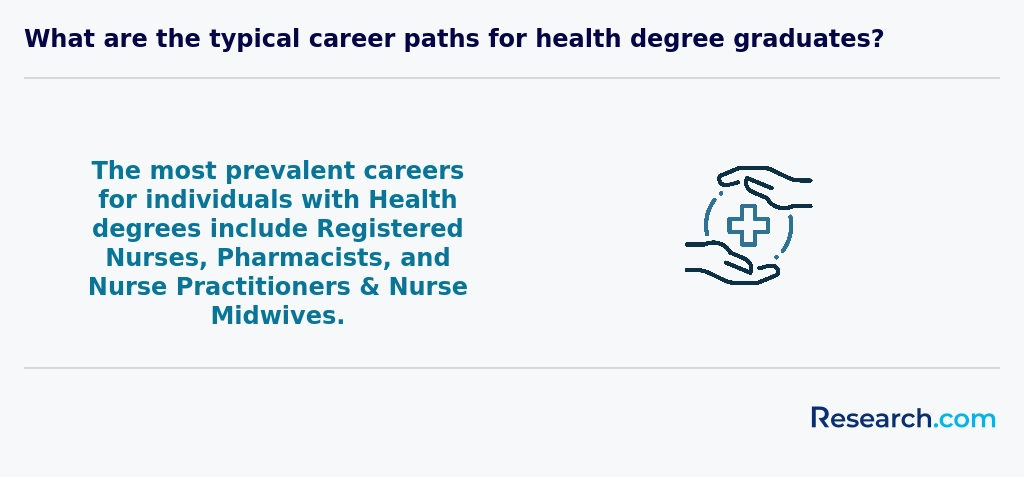
Graduates with a healthcare degree in Fayetteville find themselves stepping into a vibrant mosaic of career paths that pulse with promise. Picture a nursing graduate from the University of Arkansas, who moves confidently into bustling wings of Washington Regional Medical Center, practicing skills honed through real-world internships and coursework. Beyond nursing, roles like medical assistant, radiologic technologist, and respiratory therapist offer stable, rewarding futures, weaving into the fabric of Fayetteville's healthcare workforce. These professions glow with opportunity, fueled by growing local demand and designed for those craving hands-on impact.
For those drawn to leadership and strategy, healthcare administration opens doors into managing cutting-edge clinics and health programs, combining people skills with complex problem-solving. Fayetteville healthcare degree job prospects expand further into evolving niches like public health and health information technology, fields supported by collaborative efforts at local colleges and clinics. Many graduates discover their pathway through the city's supportive educational ecosystem, making Fayetteville a nurturing hub for dreams.
Costs here lean favorably, enhancing access to these careers. Those curious about navigating expenses can find relief by exploring most affordable healthcare programs in arkansas, an inviting gateway to launching a fulfilling healthcare career in Fayetteville.

What is the job market for healthcare degree in Fayetteville?
The healthcare job market in Fayetteville pulses with opportunity, fueled by a dynamic blend of growth and community need. Graduates from local colleges often share stories of landing roles swiftly within Cape Fear Valley Health System or nearby clinics, where their skills as registered nurses or allied health professionals suddenly become vital threads in the city's healthcare fabric. This is not just about employment; it's about stepping into positions where your expertise directly shapes lives.
Fayetteville healthcare degree employment outlook brightens further thanks to affordable education costs-from associate degrees at community colleges to bachelor's programs-enabling many to launch careers without overwhelming debt. Nurses trained here enjoy wages around $65,000 annually, matching local demand. Those rising in allied fields find their start near $40,000, reflecting a rock-solid entry into the profession.
For those exploring paths like medical technology, opportunities abound, especially when combined with options such as enrolling in an ultrasound tech school online. Fayetteville's job market for healthcare degree holders embodies both stability and growth, a rewarding playground for ambition and care.
Frequently Asked Questions About healthcare
Healthcare degree students in Fayetteville can maximize their learning experience by engaging in hands-on clinical practice. Local hospitals, such as Cape Fear Valley Medical Center, offer internship and externship opportunities, allowing students to apply classroom knowledge in real-world settings. According to the Fayetteville Regional Chamber, healthcare employment in the area is projected to grow by 15% over the next decade, underscoring the importance of practical experience.
Students should also pursue certifications relevant to their fields, such as CPR or phlebotomy, which enhance employability. Fayetteville State University provides access to simulation labs that foster critical thinking and technical skills. Additionally, joining healthcare-focused student organizations helps build professional networks and leadership skills essential for career advancement.
The healthcare field in Fayetteville is expanding into several emerging niches that reflect broader national trends. One significant area is telehealth, which has seen rapid growth due to increased demand for remote medical services. According to the Arkansas Department of Health, telehealth usage in northwest Arkansas, including Fayetteville, doubled between 2020 and 2023.
Another expanding niche is healthcare informatics, where professionals focus on managing patient data and improving healthcare outcomes through technology. The U.S. Bureau of Labor Statistics projects a 17% growth in health informatics jobs through 2031.
Geriatric care is also emerging due to the aging population in Fayetteville and nationwide, leading to growing opportunities in specialized care for seniors.
After completing a healthcare degree in Fayetteville, preparing for the job market involves targeted steps to increase employment success. First, gaining practical experience through internships or clinical rotations at local hospitals, such as Cape Fear Valley Medical Center, is crucial. These experiences provide hands-on skills and networking opportunities.
Next, consider obtaining relevant certifications required by employers, including CPR or specialized licenses for nursing or medical assisting. Fayetteville has a strong demand for healthcare professionals; according to the U.S. Bureau of Labor Statistics, the Fayetteville metropolitan area expects a 12% growth in healthcare jobs through 2030.
Finally, tailor your resume to highlight both education and local experience. Utilizing Fayetteville's workforce development resources, like the North Carolina Department of Commerce, can support job placement efforts.
Employers in Fayetteville highly value healthcare graduates who possess strong critical thinking and communication skills. According to local industry reports, effective communication with patients and healthcare teams is essential for successful care delivery. Clinical proficiency and adaptability are also top priorities, as Fayetteville's healthcare sector frequently incorporates emerging medical technologies and protocols.
Data from the Arkansas Department of Health highlights that teamwork ability is crucial due to the collaborative nature of healthcare roles in regional hospitals and clinics. Additionally, knowledge of electronic health records (EHR) systems is increasingly important, reflecting national trends in healthcare digitization.
Employers also seek professionals with a strong ethical foundation and cultural competence, as Fayetteville serves a diverse patient population requiring personalized care approaches.
Finding healthcare internships in Fayetteville requires a strategic approach. Start by exploring partnerships between local colleges and medical facilities. Schools like the University of Arkansas for Medical Sciences offer resources that connect students to Fayetteville-area clinics, hospitals, and research centers.
Fayetteville houses several healthcare providers such as Washington Regional Medical Center, which often provide internships focusing on nursing, public health, and allied health professions. Utilizing job boards from Fayetteville-area healthcare employers and nonprofit organizations can also reveal openings.
Networking is key: attend local health fairs or join Fayetteville professional groups linked to healthcare fields. According to the Arkansas Department of Health, healthcare employment in the region grew 4.5% from 2020 to 2023, increasing internship opportunities.
Obtaining a healthcare degree in Fayetteville significantly enhances career mobility and advancement opportunities. According to the U.S. Bureau of Labor Statistics and local employment data, healthcare professions in Fayetteville are projected to grow faster than the national average, with a 15% increase in jobs through 2030. This demand creates a competitive job market where specialized degrees offer candidates an advantage in securing positions in hospitals, clinics, and research centers.
Healthcare degrees also open pathways to leadership and specialized roles, such as nurse practitioners or healthcare administrators, which generally offer higher salaries. Local health systems often require advanced credentials for promotion, making formal education crucial for career growth.
Additionally, Fayetteville's proximity to veteran healthcare facilities increases opportunities for graduates interested in public health or VA medical careers. Overall, a healthcare degree provides a versatile foundation to navigate diverse professional opportunities in the Fayetteville area.
Studying for a healthcare degree in Fayetteville offers students unique preparation for interdisciplinary roles through diverse clinical experiences and collaborative learning environments. Fayetteville healthcare programs often emphasize teamwork among nursing, public health, and allied health disciplines, reflecting the integrated nature of modern healthcare. Institutions incorporate local partnerships with hospitals such as the Fay W. Whitney Memorial Veterans Hospital, enhancing exposure to real-world interdisciplinary care.
Furthermore, Fayetteville's growing healthcare sector, driven by a 15% employment increase from 2020 to 2030 according to the Bureau of Labor Statistics, demands professionals skilled in coordination across specialties. Coursework typically includes interprofessional education (IPE), which fosters communication and problem-solving skills essential for working in multidisciplinary teams. This approach equips graduates to adapt to complex healthcare settings efficiently and innovatively.
Choosing between a thesis and a non-thesis healthcare degree program in Fayetteville depends on your career goals and learning preferences. Thesis programs typically emphasize research skills, preparing students for roles in academia or advanced clinical research. Non-thesis tracks focus more on practical and professional skills, appealing to those seeking immediate employment in healthcare settings.
In Fayetteville, healthcare jobs are growing rapidly, with a 15% increase in related employment over the past five years, according to the U.S. Bureau of Labor Statistics. This trend suggests strong demand for both research and applied expertise. Consider if you want to contribute to new healthcare knowledge or enter the workforce quicker. Additionally, thesis programs often require more time and strong writing skills.
Students in Fayetteville interested in studying healthcare abroad have a range of options facilitated by partnerships between U.S. institutions and foreign universities. Many Fayetteville-based universities offer study abroad programs specifically in healthcare fields such as nursing, public health, and medical technology. These programs allow students to gain international clinical experience and cultural competence, which are increasingly valued in healthcare careers.
According to the Institute of International Education, about 5% of U.S. healthcare students participate in global programs annually, often in countries with advanced healthcare systems like the UK, Australia, and Canada. While Fayetteville lacks local direct foreign campuses, collaborations with nearby universities expand these opportunities for local students.
Financial aid and scholarships dedicated to healthcare study abroad programs are also available through Fayetteville institutions and national funding bodies, helping to offset costs. Such experiences strengthen resumes and improve adaptability for future healthcare professionals.
Students pursuing healthcare degrees in Fayetteville can benefit greatly from part-time jobs that align with their studies. Positions such as medical assistants, certified nursing assistants (CNAs), and pharmacy technicians provide hands-on experience while supporting busy healthcare facilities. According to the U.S. Bureau of Labor Statistics, Fayetteville's healthcare sector is growing steadily, increasing demand for entry-level clinical roles.
Local hospitals and clinics, including Cape Fear Valley Medical Center, often hire part-time workers, allowing students to apply theoretical knowledge in real-world settings. Additionally, jobs in medical administration or patient services can strengthen communication skills essential for future healthcare professionals.
Such roles not only supplement income but also enhance resumes for prospective employers or graduate programs.
Healthcare students in Fayetteville benefit from multiple networking opportunities that support career growth and professional connections. The city hosts events through local hospitals like Cape Fear Valley and Womack Army Medical Center, where students can attend seminars, workshops, and health fairs to meet experienced professionals.
Additionally, Fayetteville is home to branches of professional organizations such as the North Carolina Healthcare Association and local chapters of national groups like the American Medical Association. These provide students with access to conferences and networking mixers.
Many healthcare programs at Fayetteville Technical Community College and the University of North Carolina at Pembroke offer clinical placements and partnerships with area medical facilities, enabling real-world experience and important contacts in the field.
Alumni networks provide valuable support for healthcare degree students in Fayetteville by connecting them with graduates working in local hospitals and clinics. These networks often facilitate mentorship opportunities, enabling current students to gain insights into practical challenges and career paths in the healthcare sector. According to data from the Fayetteville Area System for Talent Excellence (FAST), healthcare professionals make up over 15% of local employment, highlighting a robust job market where alumni connections can be crucial.
Networking events and alumni-driven job boards help students access internships and job openings. Additionally, some Fayetteville colleges organize workshops led by alumni, which improve students' readiness for certification exams and licensure requirements common in healthcare careers. These interactions increase students' chances of successful employment after graduation.
Customizing a healthcare degree program in Fayetteville to fit your career goals typically involves selecting elective courses, specializations, and practical experiences that align with your interests. Many local institutions offer options such as nursing, health informatics, or public health tracks, allowing you to focus on specific fields.
Internships and clinical placements in Fayetteville healthcare facilities, including those at Fayetteville VA Medical Center, provide valuable hands-on experience tailored to your professional aspirations. These opportunities help develop practical skills demanded in the local healthcare job market.
Additionally, engaging in certifications and workshops offered by Fayetteville-based organizations can enhance your resume. According to the Fayetteville Regional Healthcare Council, targeted training improves employment prospects by up to 20% within the region's expanding healthcare sector.
Healthcare students in Fayetteville frequently encounter challenges related to rigorous academic demands and clinical experiences. Many programs require students to balance intensive coursework with hands-on training, which can lead to increased stress and time management difficulties. According to the Arkansas Department of Higher Education, healthcare degrees often involve exposure to high-pressure environments, demanding both physical and emotional resilience.
Another common issue is securing clinical placements due to limited availability in local hospitals and clinics. Fayetteville's growing healthcare sector increases competition among students for valuable internship opportunities, essential for practical skill development.
Financial strain also affects many students, as tuition and related expenses for healthcare programs can be substantial. According to the National Center for Education Statistics, student debt for healthcare degrees remains above the national average, necessitating careful financial planning for Fayetteville students.
With a healthcare degree in Fayetteville, graduates can pursue a variety of professional certifications to enhance their career prospects. Common certifications include Certified Nursing Assistant (CNA), Registered Nurse (RN), and Licensed Practical Nurse (LPN) credentials, which are essential for many clinical roles in the region.
Beyond nursing, certifications such as Certified Medical Assistant (CMA) and Registered Health Information Technician (RHIT) offer pathways into administrative and technical healthcare fields.
According to the Arkansas Department of Health, Fayetteville's growing healthcare sector demands certified professionals to meet increasing patient care needs.
Additional certifications like Physical Therapy Aide and Emergency Medical Technician (EMT) also provide specialized career options within local hospitals and clinics.
Writing a winning application for a healthcare program in Fayetteville starts with understanding the local education landscape. Fayetteville offers access to programs at institutions like the University of Arkansas, which emphasizes both academic excellence and practical experience. Applicants should highlight relevant volunteer or work experience, particularly within Fayetteville's healthcare facilities or community clinics.
Strong letters of recommendation from healthcare professionals who know the applicant's skills are essential. Additionally, clearly demonstrating knowledge of Fayetteville's health challenges, such as rural healthcare access issues identified by the Arkansas Department of Health, can strengthen the case.
Prepare a focused personal statement that explains your motivation to serve in this community. Finally, be sure to meet all application deadlines and prerequisites, as competition is growing in this region.
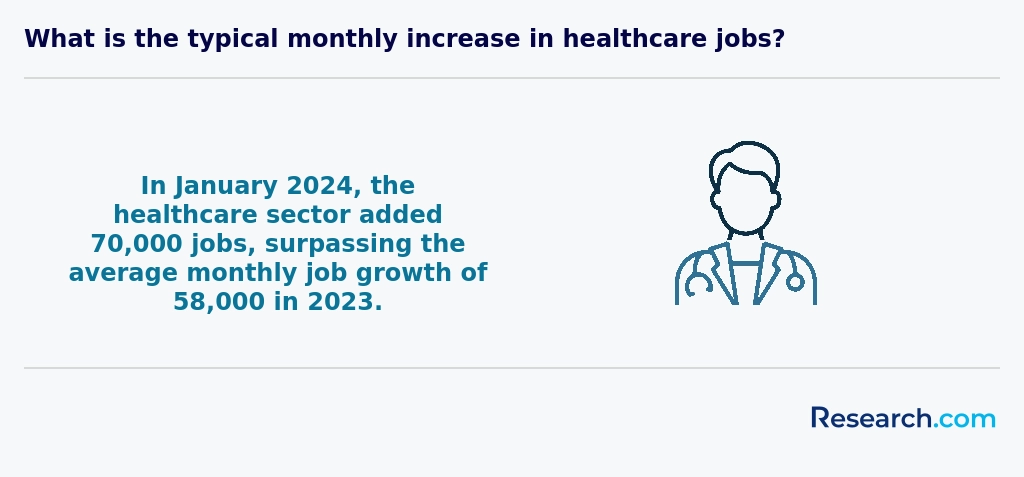
The global perspective on healthcare careers highlights increasing demand for skilled professionals due to aging populations and rising chronic diseases. In the United States, including Fayetteville, healthcare jobs are expected to grow 13% from 2021 to 2031, faster than many other fields, according to the Bureau of Labor Statistics. This growth reflects worldwide trends emphasizing healthcare access and quality.
International collaboration is common in healthcare, with U.S. professionals often exchanging knowledge with peers abroad. Pursuing a healthcare degree in Fayetteville prepares students for diverse opportunities, ranging from local community health to global health initiatives. Such education aligns with global standards, promoting adaptability in various healthcare environments.
Gaining practical experience while pursuing a healthcare degree in Fayetteville is crucial for career readiness. Local colleges often partner with Fayetteville hospitals, clinics, and long-term care facilities to offer internships and clinical rotations. For example, clinical placements at facilities like Cape Fear Valley Health System provide hands-on experience in various healthcare settings.
Students can also participate in simulation labs available at many universities, which replicate real medical scenarios in controlled environments. Additionally, volunteering with Fayetteville's public health organizations offers exposure to community health initiatives. According to the North Carolina Department of Health, Fayetteville's healthcare sector is growing, increasing opportunities for practical training in diverse medical fields.
Choosing the right concentration within a healthcare degree program in Fayetteville requires careful consideration of local healthcare needs and career goals. Fayetteville's healthcare sector is growing, driven by facilities like the Cape Fear Valley Health System, which employs thousands in various medical roles. Research from the North Carolina Department of Health and Human Services shows strong demand for nurses, medical technicians, and health administrators in the region.
Start by identifying which career paths align with your interests, such as nursing, public health, or healthcare management. Consider program accreditation and partnerships with local hospitals for practical experience, important for employment. Also, investigate job placement rates and salary prospects specific to Fayetteville's healthcare market to inform your decision.
Related Healthcare Rankings for Nearby Cities
- 2027 Best Healthcare Degree Programs Ranking in Springfield
- 2027 Best Healthcare Degree Programs Ranking in Little Rock
- 2027 Best Healthcare Degree Programs Ranking in Oklahoma City
- 2027 Best Healthcare Degree Programs Ranking in Columbia
- 2027 Best Healthcare Degree Programs Ranking in Memphis
- 2027 Best Healthcare Degree Programs Ranking in Denton
- 2027 Best Healthcare Degree Programs Ranking in Dallas
- 2027 Best Healthcare Degree Programs Ranking in Saint Louis
- 2027 Best Healthcare Degree Programs Ranking in Fort Worth
- 2027 Best Healthcare Degree Programs Ranking in Omaha
Top Trending Healthcare Rankings
See What Experts Have To Say About Studying Healthcare
Read our interview with Healthcare experts

References
- Explore Healthcare Admin Degree Concentrations https://www.baypath.edu/news/bay-path-university-blogs/post/explore-healthcare-admin-degree-concentrations/
- Financial Assistance For Medical Bills https://ccpfc.org/business-directory/wpbdp_category/financial-assistance-for-medical-bills/
- Experiential Learning to Enhance Global Health Collaboration and Student Opportunity https://annalsofglobalhealth.org/articles/10.5334/aogh.4537
- Healthcare Administration Certifications https://www.publichealthdegrees.org/careers/healthcare-administrator/certification/
- Niche Markets in Healthcare: How to Find & Target https://nechayadvisors.com/blog/niche-markets-in-healthcare
- How to Write Your Cover Letter | NQRTH https://www.nqrth.edu.au/career-planning/how-to-write-your-cover-letter/
- Students and Alumni associations - Europubhealth https://www.europubhealth.org/students-alumni-associations/
- Advance Your Education and Career While Working in Healthcare https://www.hospitalrecruiting.com/blog/4236/advance-your-education-and-career-while-working-in-healthcare/
- How to choose a bachelor's in healthcare administration | edX https://www.edx.org/resources/how-to-choose-a-bachelors-in-healthcare-administration
- Global Health Perspectives https://globalhealthperspectives.com/


