
2027 Most Valuable Healthcare Degree Programs Ranking in Burlington

Co-Founder and Chief Data Scientist
Choosing the right healthcare degree program can shape your future, especially here in Burlington. This article presents the 2027 Most Valuable Healthcare Degree Programs Ranking in Burlington, created by the Research.com team of data scientists. It's designed to help you make an informed decision when exploring your educational options.
By reading this ranking, you'll discover programs that offer strong career prospects and meaningful opportunities. Pursuing a healthcare degree can be both rewarding and impactful, opening doors to a bright and fulfilling professional path.
Key benefits of getting healthcare degree in Burlington
- Healthcare degree graduates in Burlington can expect competitive salaries, such as Health Information Technicians earning around $43,380 annually and Quality Improvement Coordinators making up to $103,150 per year.
- Graduates from Burlington-area colleges often find diverse career paths, including roles as Medical Assistants, Patient Care Technicians, or Clinical Research Coordinators, providing exciting opportunities to make a real difference.
- Online healthcare degrees offer flexible learning for busy Burlington students, allowing them to balance work and study while gaining valuable skills, as shown by successful alumni from local online programs.
- 2027 Most Valuable Healthcare Degree Programs Ranking in Burlington
- What can I expect from healthcare degree in Burlington?
- Where can I work with healthcare degree in Burlington?
What can I expect from healthcare degree in Burlington?
The average cost of a healthcare degree in Burlington usually hovers around the mid to high five-figure mark, depending on the chosen institution and program length. Graduates from local colleges recall balancing tuition fees with scholarships and grants-sometimes feeling like financial acrobats, yet ultimately landing safely thanks to the region's supportive aid options. One graduate from a renowned Burlington college mentions how tuition hovered near $30,000 annually for nursing programs, but flexible payment plans and aid from hospital partnerships helped ease pressures.
Imagine walking through the University of Vermont Medical Center, where clinical rotations blend textbook lessons with adrenaline-pumping real-life care-this experiential learning often justifies the cost as students see their investment transform into skills and confidence. The interplay of in-person training and hybrid online classes enables many to juggle jobs and family, turning financial strain into a manageable puzzle.
The emotional payoff-grasping that first stethoscope, mastering patient interactions, or leading ethics discussions-fuels many Burlington healthcare students' resolve, proving that while the price tag is real, the return on dedication is invaluable.
Where can I work with healthcare degree in Burlington?
Graduates from healthcare programs at the University of Vermont and Champlain College find themselves stepping into a vibrant tapestry of career possibilities right here in Burlington. Picture a recent nursing graduate transitioning from late-night clinical rotations to a bustling hospital floor at the University of Vermont Medical Center, where each day brings new challenges and triumphs. Another alumnus, armed with a degree in healthcare administration, dives into managing home health services, meeting the community's growing demand for personalized elder care with compassionate efficiency.
Outpatient clinics and rehabilitation centers also eagerly welcome these graduates, offering roles as physical therapists or medical technologists who directly transform patient lives. One can imagine a fresh grad navigating electronic health records for a community health organization, contributing to smoother patient experiences with every keystroke. Meanwhile, those inclined toward research or education channel their passion into faculty positions or research projects within Burlington's educational institutions, blending science and care in meaningful ways.
Whether embedded in patient care, managing healthcare systems, or advancing medical knowledge, these graduates experience a rewarding sense of purpose fueled by Burlington's expanding healthcare ecosystem.
Imagine finishing your healthcare degree at a place like the University of Vermont and stepping into the Burlington job market, where your paycheck echoes your dedication. Graduates beginning as Medical Assistants can anticipate around $43,350 annually, perfectly matching the city's rhythm. Those diving into roles like Patient Care Technicians find a livelier tune with mean annual wages near $60,790, letting them feel the pulse of local healthcare firsthand.
Graduates stepping into the shoes of Health Information Technicians earn about $43,380 a year, blending tech-savvy skills with healthcare needs-ideal for Burlington's innovative environments. Meanwhile, Clinical Research Coordinators, fresh out of college and eager to contribute to vital studies, can expect the same $43,350, proving that early-career roles offer stable, meaningful income.
Then there are the visionaries taking charge as Quality Improvement Coordinators, commanding a solid $103,150 annually-showcasing the leap earned through experience and leadership within Burlington's vibrant healthcare landscape. For Burlington students, these numbers aren't just stats but stepping stones into fulfilling careers where passion meets paycheck.
- Healthcare degree programs in Burlington include nursing, public health, and medical technician training with accredited institutions.
- Undergraduate tuition ranges from $18,000 to $30,000 per year, while graduate programs cost between $20,000 and $40,000 annually.
- The healthcare sector in Burlington is expected to grow by more than 15% over the next decade, offering strong job prospects.
- Entry-level registered nurses earn about $60,000 annually, and medical technologists make around $50,000, with experienced professionals earning up to $100,000.
- Burlington has hospitals and clinics providing clinical placement opportunities for hands-on experience during studies.
Imagine stepping into a healthcare program at a Burlington-area college where the clock ticks differently depending on your path. For many, an associate degree-a two-year sprint-is a gateway to hands-on roles like medical assisting, providing quick entry into the care world. Graduates often share stories of balancing work and study, finding pride in their swift progress. Over at the University of Vermont, the journey typically stretches to four years for a bachelor's degree in nursing or health administration, blending rigorous academics with vibrant campus life. Alumni recollect late-night study sessions fueled by ambition and the warmth of supportive peers.
For those chasing the dream of advanced expertise, adding two to three years for a master's or up to four more for professional degrees like MD or DPT feels like a challenge worth embracing. Many students appreciate flexible options-part-time, hybrid, or online-offered locally, which weave education seamlessly into busy lives. Clinical internships, a rite of passage, become memorable chapters where theory leaps into real-life care. In Burlington, time to degree isn't just measured in years, but in moments of growth and determination.
Burlington’s healthcare programs are rapidly evolving to meet the demands of a dynamic industry and incorporate cutting-edge teaching methods that blend technology with hands-on learning. Institutions are increasingly investing in simulation labs, telemedicine training, and digital health tools that allow students to gain practical experience in a controlled, innovative environment. These trends are not only reshaping classroom experiences but also significantly enhancing job readiness upon graduation. For example, many programs now offer immersive virtual reality scenarios and interprofessional education opportunities that mirror real healthcare settings, thereby ensuring that graduates are well-equipped to tackle modern challenges. If you’re looking for a program that stays ahead of these trends, you might consider checking out our ranking of the valuable healthcare school in vermont, which is known for its forward-thinking approach and robust innovation in healthcare education. This evolution in training methodologies contributes to higher employment rates and improved patient outcomes, making advanced technological proficiency one of the top priorities for both educators and industry leaders in Burlington, VT.
Imagine stepping into a bustling classroom at one of Burlington's well-known state universities, where the scent of antiseptic mingles with eager chatter. On-campus healthcare degrees throw you into a whirlwind of hands-on labs and real-time clinical rotations at nearby hospitals-where you don a crisp white coat and learn the art of care by touching, observing, and responding under mentors' watchful eyes. Graduates often recall the thrill of those face-to-face moments, the camaraderie built over late-night study sessions, and instant faculty feedback fueling their confidence.
Now, picture a student curled up at home, logging into a live virtual simulation from a local coffee shop in Burlington. Online degrees offer a tapestry woven with flexibility, letting working professionals juggle shifts while accessing cutting-edge remote labs and interactive modules. Though remote, these students still journey to local clinics for in-person hours, blending digital convenience with real-world practice. Alumni cherish this freedom-the ability to customize their schedules and tap into programs beyond Burlington's borders, opening doors to broader expertise.
Both paths pulse with energy: one grounded in tactile immediacy, the other in adaptive innovation, letting Burlington's learners craft their healthcare futures through lenses that best fit their lives.
In Burlington, VT, the credibility of healthcare programs rests on accreditation from recognized bodies such as the Commission on Collegiate Nursing Education (CCNE), the Council on Education for Public Health (CEPH), and the Commission on Accreditation of Allied Health Education Programs (CAAHEP). Accreditation ensures that curricula meet rigorous academic and clinical standards, qualifying graduates for federal financial aid, professional certification, and licensure. Prospective students should confirm that their chosen institution maintains active accreditation status to safeguard both educational quality and future career prospects. Licensure exam pass rates serve as a crucial indicator of program effectiveness. University of Vermont nursing graduates consistently outperform state and national averages on the NCLEX-RN, thanks to comprehensive exam prep workshops and immersive simulation labs. Likewise, graduates from CEPH-accredited public health tracks regularly achieve CPH exam pass rates above 90%, reflecting strong instruction in epidemiology, biostatistics, and health policy. These outcomes not only validate program quality but also enhance employability in a competitive job market. To bolster licensure success, Burlington’s programs integrate dedicated review sessions, hands-on clinical experiences, and personalized mentorship from seasoned faculty. Students also have the option to explore schools that offer affordable public health programs, combining accreditation rigor with cost-effective learning. By prioritizing accredited curricula and exceptional licensure outcomes, Burlington’s healthcare degree programs equip graduates with the expertise and credentials needed for a thriving professional journey.
In Burlington, the average cost of obtaining a healthcare degree hovers around $19,058 for in-state students, a figure that reflects a blend of tuition, fees, and other essential expenses. Graduates often recall the challenge of balancing these costs with their ambitions-one student who completed a nursing program at a well-known Burlington college described managing books, clinical gear, and licensing fees as a financial puzzle that ultimately paid off in rewarding patient care experiences.
Those diving into healthcare degree tuition and fees Burlington 2027 can expect a meaningful investment that feels tangible during hands-on clinical rotations, where textbooks turn into vital lifelines and clinical supplies are tools of transformation. Public institutions offer a more accessible pathway, yet private options in the area carry a higher price tag that some future healthcare providers find worthwhile for the specialized attention and resources.
It's not uncommon to hear graduates speak warmly of the community connections formed during their time in Burlington's institutions, where some programs even offer scholarships or tuition aid in exchange for service commitments. Exploring such opportunities can make the daunting numbers more manageable and deeply personal.
For those debating where to place their hopes and wallets, reviewing institutions recognized as a valuable healthcare school in vermont can illuminate cost versus outcome. These choices transform the raw data of expenses into stories of perseverance and achievement in the city's vibrant healthcare education scene.

As the healthcare industry continues to evolve rapidly, understanding future trends is essential for prospective students and professionals alike. Emerging technologies such as telemedicine, artificial intelligence, and wearable health devices are not only reshaping patient care but are also influencing educational curricula. Modern healthcare programs are increasingly integrating these innovations into their coursework to prepare graduates for a future where digital literacy and adaptability are as crucial as clinical skills. Moreover, the demand for professionals who can navigate both traditional clinical environments and cutting-edge technological advancements is on the rise. Data-driven insights and personalized medicine are becoming central to healthcare delivery, prompting schools to update their training programs regularly. Prospective students are encouraged to explore programs that emphasize interdisciplinary learning, combining technical expertise with hands-on clinical experiences. In fact, institutions like the valuable healthcare school in vermont are at the forefront of this transformative approach, ensuring that their graduates remain competitive in a rapidly changing job market. Staying informed about these trends not only helps students choose the right program but also empowers them to contribute meaningfully to the future of healthcare innovation. By embracing continuous learning and being proactive about upcoming industry shifts, today's students can build solid foundations for tomorrow's challenges and opportunities.
Picture yourself walking the Vermont hills with a healthcare degree dream in your pocket-but with tuition bills hovering like clouds. In Burlington, federal aid isn't just a lifeline; it's a trusty companion. FAFSA opens doors to grants like Pell and FSEOG, gifts that feel like invisible backpacks lightening your load. Imagine a graduate from the University of Vermont, who leaned on subsidized federal loans-interest silently paused while they studied, making those late nights a little easier to bear.
The Vermont Grant Program feels like a hometown hug for in-state students chasing healthcare dreams, a vital boost from the Green Mountain State itself. Colleges here toss in scholarships too, rewarding grit and grades in equal measure, turning financial stress into manageable challenge. Local healthcare giants, such as the University of Vermont Medical Center, support working students with tuition reimbursement-a handshake agreement balancing work with studies.
And scholarships? Like secret treasures from community groups and foundations, they make nursing or public health passions affordable realities. Burlington's financial aid is more than assistance-it's a discovery of support woven into your healthcare journey.
In today's dynamic healthcare landscape, nutritional science is emerging as a vital complement to traditional healthcare degree programs. As the focus on preventative care and holistic wellness intensifies, many students are exploring how nutrition can play a crucial role in patient recovery, disease prevention, and overall health improvement. Integrating nutrition into healthcare education not only broadens career opportunities but also reinforces the importance of diet and lifestyle in achieving sustainable health outcomes. For instance, students interested in blending clinical skills with dietary expertise can benefit from resources like the ranking of the best bachelors degrees in nutritional science online, which highlights top programs tailored to this growing field. Emphasizing interdisciplinary learning, innovative curriculum design, and practical training in nutritional assessments and dietary planning, programs that merge nutrition with healthcare are equipping future professionals with the tools needed to address emerging health challenges. This integrated approach not only enhances the quality of patient care but also supports the development of comprehensive treatment plans that prioritize both medical and nutritional interventions.
To unlock the doors of healthcare programs in Burlington, you need more than just a high school diploma; think of it as assembling your toolkit for an exciting journey. Graduates from Champlain College and the University of Vermont often recall how solid foundations in biology, chemistry, and math felt like unlocking secret codes that shaped their success. It's not just about passing tests-many remember juggling SATs or ACTs, but also proving their readiness through hands-on experiences, like volunteering at local clinics or nursing homes, where empathy met real-world challenges.
Imagine preparing for clinical rotations, where rigorous background checks and immunization records become your armor. Many Burlington programs demand this extra layer of trust, ensuring safety in those vital hands-on moments. Some specialized paths, like nursing or respiratory therapy, ask for extra college-level courses-picture anatomy and physiology as your backstage pass to the complexity of the human body.
Financially, students often feel a mix of excitement and cautious planning, knowing Burlington's tuition ranges reflect both investment and opportunity. These prerequisites, while demanding, transform hopeful applicants into confident caregivers ready to shine.
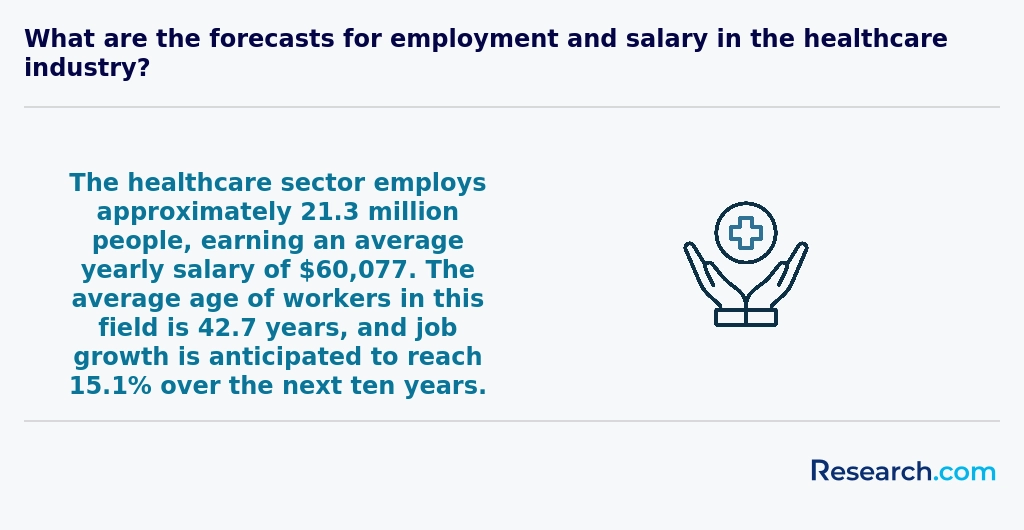
As healthcare professionals in Burlington, VT, seek advanced credentials without the burden of steep tuition, exploring accredited online master’s programs offers a cost-effective solution. Many students leverage flexible formats to continue working full-time while earning specialized degrees in healthcare administration, public health, or informatics. By comparing local options with national benchmarks, prospective learners can identify programs that deliver strong ROI and industry recognition. To discover top affordable online graduate pathways, consider our Low Cost Online Master's in Healthcare Degree Programs Ranking in the West, which evaluates tuition fees, accreditation status, and student outcomes. These online master’s programs typically feature:
- Modular course structures that allow part-time pacing and accelerated tracks.
- Extensive virtual clinical simulations and case-based learning to develop leadership and analytical skills.
- Dedicated career services offering virtual internships, résumé reviews, and networking events with healthcare organizations nationwide.
- Access to digital libraries, peer forums, and faculty mentorship to ensure academic rigor and professional growth. By integrating these affordable online pathways with Burlington’s strong healthcare network, graduates can advance into leadership roles-such as health systems managers, epidemiologists, and informatics specialists-while minimizing debt and maximizing career flexibility.
Healthcare degrees in Burlington immerse you in courses that feel like a map to the human body and its mysteries. Imagine diving deep into anatomy and physiology at a popular Burlington college, where graduates recall moments tracing muscles and nerves as if reading a living blueprint. Microbiology classes, alive with microscopes and culture samples, make you feel like a detective uncovering the secrets of tiny invaders that challenge human health.
Students often share how medical terminology transformed confusing jargon into a new language, unlocking better patient conversations during clinical rotations at Burlington's well-known hospitals. Ethics and patient communication courses spark deep reflection - graduates talk about how these lessons shaped their empathy and professionalism in real encounters.
Incorporating health informatics, these programs teach you to navigate the digital heartbeat of modern healthcare, blending tech skills with hands-on internships that feel like stepping into the frontlines of care. Every course feels tailored to meet the rising demand across Burlington's healthcare landscape, merging theory with the vibrant pulse of practical experience.
Imagine walking the vibrant halls of Burlington's well-known colleges where healthcare degree specializations come alive through hands-on experiences and community impact. Here, students dive into Nursing, becoming skilled family nurse practitioners or pediatric specialists, inspired by the bustle of local clinics serving Vermont's unique population. Graduates often share how their training in Health Informatics felt futuristic-managing electronic health records that truly transform patient care with data-driven insights.
In Burlington healthcare programs and specializations, Public Health students embrace the challenge of tackling rural health disparities firsthand, connecting with local communities to drive real change. Meanwhile, those drawn to Healthcare Administration learn to navigate the complex policies and finance behind Vermont's healthcare system, preparing them for leadership roles that make hospital operations smoother and more efficient.
Rehabilitation sciences and physical therapy stand out too, especially with Burlington's aging population. Students find joy in helping others regain mobility, witnessing progress that feels like a personal victory. For those curious about broader health sciences, exploring options like a ranking of the best bachelors degrees in nutritional science online can complement their healthcare knowledge.
Choosing the best healthcare degree in Burlington feels like plotting your own adventure map, where each program is a path winding through opportunity and growth. Graduates often recall how hands-on experiences at institutions like the University of Vermont shaped their confidence, walking halls of the local medical center while mastering real-world skills. Imagine immersing yourself in a hybrid course, balancing family life and study, while tapping into the pulse of Burlington's healthcare scene-this flexibility can transform chaos into clarity.
More than just picking a school, it's about syncing your passion with a program's heartbeat. A growing number of students seek schools that offer affordable public health programs because Burlington's costs can feel like a mountain to climb. Yet, smart choices in accredited paths-whether nursing or health administration-ensure you're building a future that's both secure and inspiring.
Local demand's buzz and an expanding job market breathe life into every lecture, every clinical session. Your healthcare degree becomes more than letters on a wall-it's your ticket to joining an urgent, hopeful community driven by care and progress, right here in Burlington.
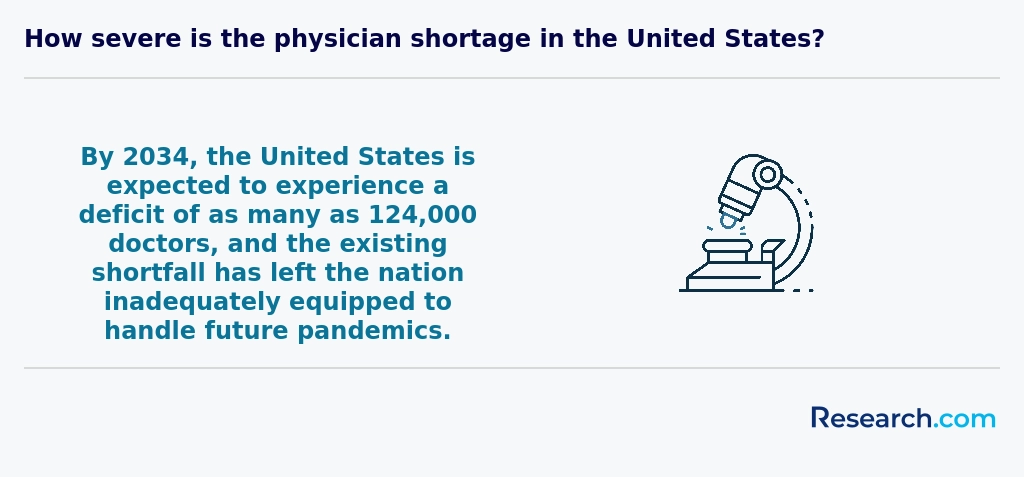
Graduates of healthcare programs in Burlington step into a vibrant mosaic of career paths that pulse with purpose. From bustling hospitals to serene outpatient clinics, many find themselves thriving as registered nurses, where every shift is a chance to touch lives and build lasting community trust. Others dive into the precision world of medical and clinical laboratory technology, turning samples into life-saving clues while earning solid salaries near $55,000. Physical therapists, trained at local colleges, become the architects of recovery, guiding patients through healing journeys with both science and compassion.
For those drawn to coordination and leadership, healthcare administrators orchestrate the rhythm of medical facilities, balancing complex systems with salaries near $85,000. The rise of telehealth and tech-savvy care coordinators reflects Burlington's increasing digital heartbeat, opening fresh avenues for healthcare degree job prospects. Many graduates from regional institutions share how their education made these paths feel not just attainable but invigorating.
Students eager to explore these options can discover more through the Low Cost Online Master's in Healthcare Degree Programs Ranking in the West, enhancing accessibility for those dreaming big while managing tuition. Opportunities here combine practical training with real impact, fueling a future where healthcare career opportunities in Burlington are as dynamic as the community itself.
The healthcare job market in Burlington 2027 buzzes with vibrant energy, fueled by the city's aging population and growing care needs. Graduates from local colleges often share stories of landing roles swiftly at places like the University of Vermont Medical Center, where hands-on experience translates directly into opportunity. One recent healthcare degree graduate describes the surge of hope that comes with knowing their skills will be in high demand, from nursing stations to outpatient clinics.
With a 16% projected uptick in healthcare employment, the Burlington healthcare degree employment outlook shines like a beacon for students invested in both care and career growth. Salaries ranging from $50,000 to $70,000 make the path not only meaningful but financially promising. Many students weigh these prospects alongside tuition costs and find balance by pursuing scholarships or exploring a fast track college degree to enter the field sooner.
2027 Most Valuable Healthcare Degree Programs Ranking in Burlington
Investing in one's education is a significant decision that can shape one's future, and the Research.com team is fully aware of the importance of making well-informed choices. To support prospective students in Burlington, we have carefully developed the "2027 Most Valuable Healthcare Degree Programs Ranking in Burlington." Our dedication to quality, credibility, and accuracy is demonstrated through thorough research and rigorous analysis in compiling this ranking.
We utilized the following reputable data sources to ensure a comprehensive evaluation of healthcare degree programs:
By engaging with this ranking, readers will obtain valuable insights into the most valuable healthcare degree programs in Burlington, empowering them to make confident and informed decisions about their educational journey. For a detailed understanding of our ranking process, please refer to our Research.com methodology page.


Frequently Asked Questions About healthcare
Healthcare degree students in Burlington can maximize their learning experience by taking advantage of local clinical opportunities. Burlington hosts several hospitals and clinics, such as the University of Vermont Medical Center, that offer hands-on training essential for practical skills development. According to the Vermont Department of Health, internships and practicum placements increase employment rates by up to 20% in the state.
Engaging in interdisciplinary collaboration helps students understand the broader healthcare ecosystem. Joining student organizations and attending workshops can enhance communication and leadership skills, vital for careers in healthcare. Additionally, leveraging online resources and Burlington's growing network of health tech startups can provide exposure to innovative trends and technologies.
Emerging niches within the healthcare field in Burlington reflect broader national trends emphasizing technology, specialized care, and community health. One rapidly growing area is telehealth, driven by increasing demand for remote patient monitoring and virtual consultations. According to the Vermont Department of Health, telehealth usage in the state rose by over 40% between 2020 and 2023.
Another important niche is geriatric care. With Burlington's aging population, healthcare professionals skilled in elder care, including dementia and chronic disease management, are in higher demand.
Behavioral health also represents a critical growth area due to rising awareness about mental health disorders and substance use challenges.
After completing a healthcare degree in Burlington, preparing for the job market requires strategic steps. Start by gaining practical experience through internships or clinical rotations, which are often integrated into healthcare programs in the region. Burlington's healthcare sector, including institutions like the University of Vermont Medical Center, offers valuable opportunities for hands-on learning.
Networking is essential; attend local healthcare career fairs and join professional organizations such as the Vermont Nurses Association. According to the Vermont Department of Labor, healthcare jobs are projected to grow by 12% in the next decade, emphasizing the demand for qualified candidates.
Lastly, acquire relevant certifications like CPR or specific licensures, which enhance employability in competitive fields.
Employers in Burlington seeking healthcare degree graduates prioritize a combination of technical knowledge and interpersonal skills. According to local healthcare reports, proficiency in patient care, clinical procedures, and medical technology is essential for success.
Communication skills rank highly, enabling graduates to effectively collaborate with patients and healthcare teams. Employers also value critical thinking and problem-solving abilities to manage complex medical situations.
With Burlington's healthcare sector growing by over 8% annually, adaptability and a commitment to continuing education are increasingly important. Familiarity with electronic health records (EHR) and compliance with healthcare regulations further strengthens a candidate's profile, based on data from the Burlington Health Workforce Survey (2023).
Finding internships in Burlington relevant to a healthcare degree involves several strategic steps. Start by contacting local hospitals and healthcare facilities such as the University of Vermont Medical Center, which serves as a major hub for clinical internships. Many institutions offer structured internship programs for healthcare students.
Additionally, Burlington colleges and universities often maintain partnerships with regional healthcare providers. Visit your school's career services or internship office to access exclusive listings and support. Websites like Handshake frequently post local internship opportunities tailored to healthcare majors.
Networking plays a key role; attending healthcare job fairs and community health events in Burlington can connect students with potential internship supervisors. Also, consider reaching out to organizations like the Vermont Department of Health for public health internship programs. According to the Vermont Department of Labor, healthcare internships in Burlington have increased by 12% over the past three years, reflecting growing opportunities in this sector.
In Burlington, obtaining a healthcare degree significantly enhances career mobility and advancement opportunities. According to the U.S. Bureau of Labor Statistics, healthcare jobs are projected to grow by 16% nationally from 2021 to 2031, with local hospitals and clinics in Burlington actively seeking qualified candidates. A degree in healthcare provides essential credentials that enable graduates to enter various roles, from nursing to health administration. Employers in Burlington prioritize formal education when promoting staff, often requiring advanced degrees for leadership positions.
Additionally, healthcare providers in Burlington value ongoing certifications linked to degrees for salary increases and job stability. This reflects a broader national trend emphasizing education as a key driver for professional growth in the healthcare sector.
Studying for a healthcare degree in Burlington offers strong preparation for interdisciplinary roles through integrated curricula that emphasize collaboration among various healthcare professions. Local institutions often incorporate team-based learning, allowing students to work alongside peers from nursing, public health, and allied health programs. This approach mirrors real-world healthcare settings, where coordinated care improves patient outcomes.
Burlington's healthcare educational programs benefit from partnerships with medical centers like the University of Vermont Medical Center, providing experiential learning opportunities in interdisciplinary teams. According to the Vermont Department of Health, these collaborations help students develop communication and problem-solving skills vital for complex care environments.
Such training ensures graduates are prepared to contribute effectively in diverse healthcare teams, meeting regional workforce demands highlighted in recent job market analyses.
Choosing between a thesis and a non-thesis healthcare degree program in Burlington depends on your career goals and learning preferences. Thesis programs typically require original research and strong analytical skills, appealing to students interested in advancing to doctoral studies or research roles.
Non-thesis options focus more on practical skills and coursework, which suits those aiming to enter clinical practice or healthcare administration quickly. According to the Vermont Department of Health, Burlington has growing demand for healthcare professionals with practical expertise.
Consider the time commitment, as thesis tracks usually take longer to complete. Review program specifics at local institutions like the University of Vermont for up-to-date requirements.
Students based in Burlington seeking to study healthcare abroad have several structured options aligned with U.S. educational frameworks. Many universities offer exchange programs or partnerships with international institutions, especially in countries like the United Kingdom, Canada, and Australia, allowing students to earn credits transferable to their U.S. degree.
Healthcare fields such as nursing, public health, and pre-medical studies often include global clinical placements or internships, which enhance practical experience. According to the American Association of Colleges of Nursing, over 50% of nursing programs incorporate study abroad elements, which may be accessible to Burlington students through Vermont's higher education networks.
Additionally, Burlington students can explore accredited online healthcare degrees with international components or dual-degree options enhancing their global perspective.
Part-time jobs in Burlington that complement healthcare degree education often include roles like medical assistant, pharmacy technician, and patient care technician. These positions provide valuable hands-on experience in clinical and administrative settings, enhancing practical skills.
According to the U.S. Bureau of Labor Statistics, medical assistant jobs in the Burlington metropolitan area have grown by 12% over the past five years, reflecting rising healthcare demands. Local healthcare facilities such as University of Vermont Medical Center frequently offer part-time positions tailored for students.
Other opportunities include working as a home health aide or volunteering in community health programs, both common in Chittenden County. These roles enable students to engage directly with patient care while managing flexible schedules.
Healthcare students in Burlington benefit from various networking opportunities that connect them with local professionals and institutions. The city hosts several healthcare job fairs annually, including those organized by the University of Vermont Medical Center, which is a major employer in the region. These events allow students to meet clinicians, administrators, and researchers face-to-face.
Local professional organizations, such as the Vermont Public Health Association, offer student memberships and networking events tailored to emerging healthcare professionals. Participation in these groups helps students build valuable contacts early in their careers.
Additionally, many Burlington healthcare degree programs incorporate clinical placements and internships with nearby hospitals and clinics, fostering practical relationships with healthcare practitioners. According to the Vermont Department of Health, these partnerships improve students' job prospects after graduation.
Alumni networks offer significant advantages to healthcare degree students in Burlington by facilitating mentorship and career opportunities. Graduates often share insights about local healthcare employers, including the University of Vermont Medical Center, which employs over 5,000 healthcare professionals. These connections help current students learn about internships and job openings early.
Networking through alumni can improve employment outcomes; according to the National Association of Colleges and Employers, 70% of jobs are found through networking. Burlington's healthcare industry, growing steadily with demand for nurses and allied health professionals, benefits from active alumni involvement supporting new graduates.
Furthermore, alumni frequently organize workshops and seminars that enhance professional development, helping students stay updated on the latest healthcare practices in Vermont's evolving medical landscape.
Customizing a healthcare degree program in Burlington allows students to align their education with specific career goals. Many institutions offer flexible course selections, enabling students to focus on areas like nursing, public health, or health informatics. Electives and specializations help tailor skills to local healthcare demands. For example, Burlington's growing elderly population-projected to increase by 15% in the next decade according to the U.S. Census Bureau-creates opportunities in geriatric care and chronic disease management.
Students can also pursue internships or clinical placements at Burlington hospitals such as the University of Vermont Medical Center. These experiences provide practical knowledge directly related to community health needs. Additionally, some programs partner with local public health agencies, allowing students to engage in real-world projects and research.
Healthcare students in Burlington often face several challenges while pursuing their degrees. A primary difficulty is balancing demanding clinical hours with academic coursework, which can lead to high stress levels. According to the Vermont Higher Education Collaborative (2023), nearly 60% of healthcare students report stress related to time management.
Additionally, the cost of healthcare programs is significant. Tuition and related expenses in the Burlington area average about $18,000 annually, creating financial strain for many students.
Students also encounter limited availability of local clinical placements, partly due to the small population in Chittenden County, which can delay graduation timelines.
Finally, keeping pace with the fast-evolving healthcare technologies and regulations requires ongoing effort and adaptation.
With a healthcare degree in Burlington, you can pursue a range of professional certifications to advance your career. Common certifications include Certified Nursing Assistant (CNA), Licensed Practical Nurse (LPN), and Registered Nurse (RN) licenses, which are essential for clinical roles. For specialized areas, certifications like Certified Medical Assistant (CMA) or Emergency Medical Technician (EMT) are available. These credentials improve job prospects and meet Vermont's healthcare workforce standards.
Healthcare professionals can also earn certifications in health administration, such as Certified Professional in Healthcare Quality (CPHQ). According to the Vermont Department of Labor, demand for certified healthcare workers in Burlington is expected to grow significantly through 2028.
To write a winning application for a healthcare program in Burlington, start by researching programs that align with your career goals. Emphasize your passion for healthcare and relevant experience, such as volunteering or internships in local facilities like the University of Vermont Medical Center. Burlington's healthcare sector employs over 18,000 professionals, so demonstrating knowledge of the local industry can strengthen your application (Burlington Economic Development Office, 2023).
Highlight your academic achievements with strong grades in biology and chemistry, as these are key prerequisites. Include clear, concise personal statements that explain why you chose healthcare and how you plan to contribute to the community. Letters of recommendation from healthcare professionals add credibility to your profile.
Healthcare careers hold a significant global importance, driven by increasing population needs and technological advances. In the United States, including Burlington, healthcare occupations are projected to grow 13% from 2021 to 2031, much faster than the average for all jobs, according to the U.S. Bureau of Labor Statistics. This growth reflects a worldwide trend toward extended life expectancy and an emphasis on preventive care.
Globally, many countries face healthcare workforce shortages, making degrees in this field highly valuable. Burlington's healthcare sector aligns with this trend, with local hospitals and clinics actively seeking qualified graduates. Understanding international healthcare standards and systems can enrich a career focused on patient care and public health innovation.
Gaining practical experience while studying for a healthcare degree in Burlington is essential to build skills and enhance employability. Many local institutions, such as the University of Vermont Medical Center and Fletcher Allen Health Care, offer clinical internships and externships for students.
Students can participate in supervised clinical rotations, which provide hands-on patient care exposure, critical for fields like nursing and respiratory therapy. Burlington schools often collaborate with nearby hospitals and clinics to facilitate placement opportunities.
Additionally, volunteering at community health centers or participating in research projects can supplement clinical practice, giving students broader real-world experience within the healthcare system.
According to the Vermont Department of Health, about 75% of healthcare students in the region engage in clinical internships before graduation, underlining the importance of practical training.
Choosing the right concentration within a healthcare degree program in Burlington involves understanding local industry demands and your career goals. Healthcare employers in the Burlington area, including large hospital systems like the University of Vermont Medical Center, often prioritize specialties such as nursing, health informatics, and public health. According to the Vermont Department of Labor, occupations in health services are expected to grow by 14% through 2030, especially in elderly care and health administration.
Consider your interests and strengths alongside regional job trends. Engage with academic advisors and explore internships in Burlington healthcare settings to gain real-world insight. Data from the Bureau of Labor Statistics also suggests that specialized skills, like healthcare data analysis, provide strong employment prospects locally.
- 2027 Most Valuable Healthcare Degree Programs Ranking in Keene
- 2027 Most Valuable Healthcare Degree Programs Ranking in Troy
- 2027 Most Valuable Healthcare Degree Programs Ranking in Albany
- 2027 Most Valuable Healthcare Degree Programs Ranking in Manchester
- 2027 Most Valuable Healthcare Degree Programs Ranking in Utica
- 2027 Most Valuable Healthcare Degree Programs Ranking in Amherst
- 2027 Most Valuable Healthcare Degree Programs Ranking in Lowell
- 2027 Most Valuable Healthcare Degree Programs Ranking in Springfield
- 2027 Most Valuable Healthcare Degree Programs Ranking in Oneonta
- 2027 Most Valuable Healthcare Degree Programs Ranking in Worcester
See What Experts Have To Say About Studying Healthcare
Read our interview with Healthcare experts

- Overcoming Common Challenges in Nursing School: Tips for Success - American Healthcare Institute https://amhealthinstitute.com/blog/overcoming-common-challenges-in-nursing-school-tips-for-success/
- Careers - University of Vermont Health https://www.uvmhealthnetworkcareers.org/
- Job-Ready Healthcare Skills for 2026 https://cliniwave.in/blogs/latest-article/job-ready-healthcare-skills
- Online vs Traditional Medical Learning for Doctors https://www.ocacademy.in/blogs/online-vs-traditional-medical-learning-which-best-supports-doctors-growth/
- Top 5 Part-Time Healthcare Jobs For Students https://www.sumnercollege.edu/blog/top-5-part-time-healthcare-jobs-for-students/
- Online Healthcare Administration Degrees with Financial Aid https://www.edumed.org/online-schools/healthcare-administration-degrees/financial-aid/
- Best Practices for Career Development and Advancement in the Healthcare Sector | Generation https://www.generation.org/news/best-practices-for-career-development-and-advancement-in-the-healthcare-sector/
- Healthcare Careers & Accredited Degree Programs https://www.healthcaredegree.com/
- How to Choose a Health Administration Program https://www.healthadministrationdegrees.com/articles/choosing-a-program/
- What Are the Differences in Salary Level for Different Degrees in Healthcare Management? | MHA Salary https://www.healthcare-management-degree.net/faq/what-are-the-differences-in-salary-level-for-different-degrees-in-healthcare-management/


